Tag: writing

  • The Research Puzzle—How to Conduct Great Research Without Becoming Overwhelmed

    Research adds so much to a story, but with so much great information available to us today finding the right information can sometimes become overwhelming. 

    Don’t let your research overtake your writing project! Create a clear and effective process to find the perfect tidbits to add validity and relatability to your story. 

    Good research serves three essential purposes:

    Builds trust with your readers
    Fills in gaps in your own knowledge
    Provides concrete examples to inspire or reinforce your narrative

    Begin Your Research with Trusted Resources

    The best start to any research project is to find the right resources. Make sure they are reliable, relevant, and relatable in some way to your story. If you’re writing a romantic scene with references to a specific type of cuisine don’t just rely on the last best meal you had. Find recipes or meal plans that give you the right words to describe the meal. If you are writing a western, look for reliable resources that will tell you the specifics about how to shoe a horse. Here are some good places to start when thinking about where you want to conduct your research—

    Familiar Resources

    • Your own bookshelf
    • Podcasts on your particular subject
    • Articles you’ve saved
    • Experts you already know

    Outside Resources

    • Your local library system
    • Professional associations for expert opinions
    • University research departments
    • Industry journals
    • News archives
    • YouTube videos
    • Online websites, such as the online encyclopedia Wikipedia
    • Search engines (But be careful—this is where most of my available time gets stuck as I start chasing research tidbits)

    Research Tips   

    Check an author’s other work if you like their approach
    Makes sure there are citations and references listed
    Check the publication date to determine if the information is current
    Take a look at the bibliographies of the books you read to find more sources
    Avoid information that is part of an advertising pitch or contains extreme or vague information
    Save everything that looks useful – you can sort it out later

     

    book, bookmark, magnifying glass

    Types of Data

    One of the best things I found in my research about research is there are only three types of data:

    Statistics and data offer an author straight-up facts and findings, and each one should come with a citation to its sourced material
    Quotes from experts or people “in the know” require the exact wording and a citation
    Anecdotes require a brief summary and the appropriate sourcing

    Your Research Project in Action

    Now that you have your reliable resources, it’s time to get busy! If you’re like me and can get caught up in finding out more juicy details to add to your story it may be a great time to implement the “5, 10, 10, 5” rule, and it goes a little something like this:

    1. Pick one key point to research for 5 minutes
      • Research one specific item and stay focused on that one item
      • Write down three questions that you want to find answers to
      • Note the type of evidence you are looking for, such as statistics, examples, or expert quotes. This is particularly helpful to me because it sets me on a direct path to the information I need, rather than through a divergent path of anecdotes, say, when I actually need statistics.
    2. Scan the information for relevant references for 10 minutes
      • Only work from 2-3 reliable sources to simplify and focus your research project
      • Save links, bookmark, or take photos of the information you need
      • Highlight key passages
    3. Record the information you need most for 10 minutes
      • Create a simple system to record your research; include space to write down where it came from, when the information was collected, who collected it, and a link to the resourced information if available
      • Save your best findings and note how you’ll use them in the story
    4. Quality check for 5 minutes
      • Read your original point
      • Add your research
      • Make sure it flows naturally

    toolbelt, books, book cart, wrench, screwdriver, pliers

    Research Tools

    Having effective tools in your research toolbelt can really take your effectiveness to the next level, but don’t get carried away! Only use the tools you need to avoid your research project from becoming chaotic. Here are some of our favorite tools—

    • Microsoft Word and Excel, and Google Docs are helpful to create simple research documents you can easily search, share, and back up
    • Web Browsers’ “Bookmark” features allow you to create folders for different topics or sources
    • Microsoft’s Notebook can turn you into a record keeping superstar!
    • Evernote: Clip web articles and organize by chapter
    • Apple Notes/Google Keep: Quick capture of ideas and sources on your phone
    • Kindle/eBooks: The search feature combined with its ability to highlight specific passages is the solution to foregoing typing out quotes, and their search function helps you skim through the content to find the information you need most
    • ReadWise saves and organizes the highlights and quotes you’ve found through your Kindle app
    • Zotero is a great free resource often used by Academics to track biographies and create folders to track their research. Powerful for anything that might require an annotated bibliography
    • Index cards and journals lets you see your research without logging into your computer, and using index cards allows you to move your thoughts around as you plot your story
    • Sticky flags will take you right to the information when researching physical books
    • File folders will help you organize physical information by topic, chapter, or source
    • Highlighters let you color-code different types of research
    • Voice memos and photos of book pages for quick grabs

    book, smoke

    Beware of research pitfalls! 

    Finding Research Mistakes:

    • Looking at only the first page of Google results—some of the most important information I’ve found has come from page 2 or 3 of a Google search
    • Using only one type of source and not verifying the information with other sources
    • Believing what you see on social media—never give your blind trust to what you find on social media
    • Not checking dates of your sourced material

    Organization Research Mistakes:

    • Saving everything “just in case” (I’m raising my hand in guilt here)
    • Not noting where you found something
    • Keeping research scattered across multiple places; good organization will alleviate a lot of stress
    • Forgetting to back up digital notes
    • Trying to use too many research organizational systems at once

    Writing Mistakes:

    • Letting research overwhelm your own voice
    • Including facts just because they’re interesting, not relevant
    • Dumping research without context; don’t make your story a lesson for your readers, make it an adventure in storytelling!
    • Not fact-checking quotes and forgetting who said what

    And always remember

    Research should support your message, not become the message!

    people, reading, readers, books, pans, men, women


    A red toolbox with the words "What's in your toolboxThank you for joining us for this Writer Toolbox Article

    There is so much to learn and do with Chanticleer!

    From our Book Award Program that has Discovered the Best Books since the early 2010s to our Editorial Book Reviews recognizing and promoting indie and traditional authors, Chanticleer knows your books are worth the effort to market professionally!

    Hungry for more? These articles can help you go even further with your research:

    Ready to put your research to work?

    After investing time in thorough research, you want to make sure it enhances rather than overwhelms your story. That’s where professional editorial guidance becomes invaluable.

    Chanticleer’s Manuscript Overview helps you see if your research is working effectively within your narrative. Our evaluators will assess whether your carefully gathered facts feel naturally integrated or if they’re disrupting your story’s flow. We’ll identify where research strengthens your work and where it might need better balance with your storytelling voice.

    Research should support your message, not become the message—and our manuscript evaluators help ensure you’ve struck that crucial balance.

    Learn more about Manuscript Overview services here and Editorial Services here!

    Take your well-researched book to the next level with professional editorial guidance!

    Take your book to the next level!

    With Chanticleer’s professional editing services and you’ll be confident your novel is ready for your next biggest fan!

  • “It was a Dark and Stormy Night:” How Atmosphere Enhances the Plot and Crafts Immersive Narratives

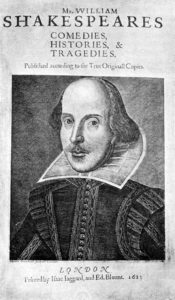
    Shakespeare knew what he was doing…

    Creating a tangible atmosphere in your storytelling is often a subtle force that plays a critical role in shaping a narrative and enveloping your reader in the story.

    A good atmosphere – created through setting, tone, and sensory details – can transform a simple plot into a rich, immersive experience filled with bright skies, stormy weather, and everything in between. Here we’ll explore how atmosphere enhances the plot and why it’s essential for crafting stories that draws readers into their characters’ world and lets them experience it (nearly) first-hand.

    rocking chair, deserted house, chipped paint, door, window, curtain

    Setting the Scene

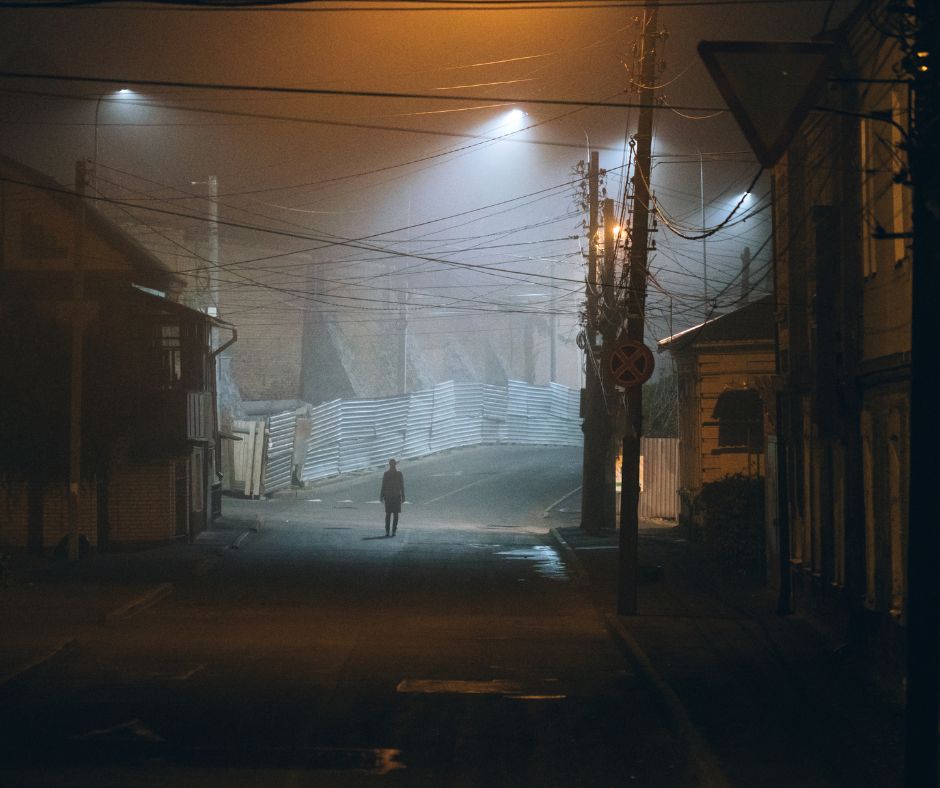
    Atmosphere begins with setting. The world in which a story unfolds is more than just a backdrop. it influences mood, behavior, and narrative flow. Imagine a thriller set in a foggy, empty street at night versus one set in a bright, bustling city. The atmosphere created by each setting will evoke different emotional responses and drive the plot in unique ways.

    In Charles Dickens’s Oliver Twist, for example, the dark, oppressive atmosphere of a decaying mansion reflects the internal turmoil of Miss Havisham’s deteriorated mental state. By adding depth to the setting, it actually becomes a character in itself, influencing the actions and decisions of the protagonists. This synergy between setting and plot helps readers immerse themselves more fully in the story.

    Foggy, street, lights, person, city, alley

    Enhancing Tension and Suspense

    Atmosphere is crucial in creating tension and suspense. A story’s mood can build anticipation and keep readers on edge. For example, a tense atmosphere can heighten the stakes and make moments of danger feel more immediate and pressing.

    Consider a suspenseful scene set on a foggy, deserted street. The shadows and lack of other people can amplify the sense of danger and unpredictability. The atmosphere makes the plot twists more gripping because it engages the readers’ senses and emotions, making the narrative’s tension more palpable.

    snow, trees, clouds, blue, landscape

    Reflecting Internal States

    Atmosphere can also mirror a character’s internal state, providing insight into their emotions and motivations. For example, in the opening scene of Jack London’s White Fang we find two men traveling alone across the snowy Yukon Territory. Their lives are under constant threat from the world around them. This mirrors the theme of the story and the torment its protagonist experiences as a wolf left to constantly fight for his survival.

    This mirroring helps readers connect more deeply with the characters, as the external atmosphere echoes their internal struggles and triumphs. It adds a layer of emotional resonance to the plot, making characters’ experiences feel more authentic and impactful.

    party, blue, glitter, disco ball, windows, people

    Creating Symbolism and Themes

    Atmosphere can enhance themes and symbolism within a narrative. By weaving certain atmospheric elements into the story, authors can subtly reinforce thematic undertones and symbols. For instance, a recurring motif of decay and deterioration in a story can symbolize the moral or societal decline of the characters or setting.

    In The Great Gatsby, F. Scott Fitzgerald uses the opulent but hollow atmosphere of Gatsby’s parties to highlight themes of disillusionment and the emptiness of the American Dream. The atmosphere becomes a glittery vehicle for thematic exploration, enriching the plot’s complexity.

    Leonardo DiCaprio as Gatsby in The Great Gatsby 2013 film
    Leonardo DiCaprio as Gatsby in The Great Gatsby 2013 film

    Guiding Reader Expectations

    The atmosphere can guide readers’ expectations and shape their interpretation of the plot. A story that opens with a cheerful, light-hearted atmosphere might lead readers to anticipate a light, humorous tale. Conversely, a dark, foreboding atmosphere might set the stage for a more serious or tragic narrative.

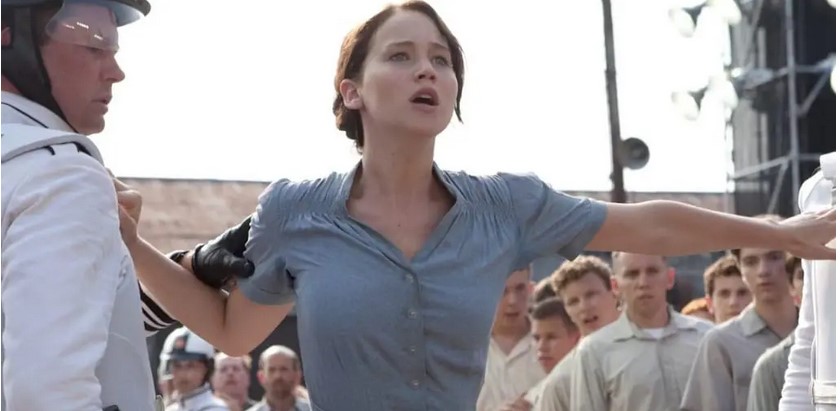
    By manipulating atmosphere, authors can subtly influence how readers engage with the plot, leading them to anticipate certain outcomes or questions about the narrative’s direction. This is seen in Suzanne Collin’s The Hunger Games, where the shanty town world her heroine, Katniss Everdeen, is born into is used as a comparison to the opulent wealth of Capitol City. This adds layers of complexity and surprise to the story as she must use the smarts she gained in her original environment to survive in a new and unusual place.

    Jennifer Lawrence as Katniss Everdeen volunteering as tribute in place of her sister at the barbaric Reaping for the Capitol.

    Deepening Immersion

    Finally, atmosphere plays a crucial role in deepening reader immersion. A well-crafted atmosphere can transport readers to another world, making the plot more engaging and compelling. The sensory details, emotional undertones, and overall mood create a rich tapestry that draws readers in and holds their attention.

    Whether it’s the cozy warmth of a small-town bakery or the cold, sterile environment of a high-tech laboratory, the atmosphere creates a sensory experience that enhances the plot and makes the story come alive. It helps readers visualize and feel the world of the story, making the plot more vivid and impactful.

    Brick walls, windows, wood beams, wood floor

    Brick by Brick You Build A World Your Readers Can Feel

    Atmosphere is a powerful tool in storytelling, enhancing the plot in ways that go beyond mere setting. By influencing mood, creating tension, reflecting internal states, and deepening thematic elements, atmosphere enriches the narrative and captivates readers. When done effectively, it turns a simple story into an immersive experience, making every plot twist and character development resonate more deeply.

    So, the next time you’re crafting a story, remember that the atmosphere you create is as integral to the plot as the characters and events. It’s the subtle force that breathes life into your narrative and keeps readers’ attention until the very last clap of thunder!


    Chanticleer Editorial Services – We’re ready when you are ready!

    Did you know that Chanticleer offers editorial services?We do and have been doing so since 2011!

    Tools of the Editing Trade

    Our professional editors are top-notch and are experts in the Chicago Manual of Style. They have and are working for the top publishing houses (TOR, McMillian, Thomas Mercer, Penguin Random House, Simon Schuster, etc.).

    If you would like more information, we invite you to email Kiffer or Sharon at KBrown@ChantiReviews.com or SAnderson@ChantiReviews.com for more information, testimonials, and fees.

    We work with a small number of exclusive clients who want to collaborate with our team of top-editors on an on-going basis.Contact us today!

    Chanticleer Editorial Services also offers writing craft sessions and masterclasses. Sign up to find out where, when, and how sessions being held.

    A great way to get started is with our manuscript evaluation service. Here are some handy links about this tried and true service: https://test.chantireviews.com/manuscript-reviews/

  • Making Character Introductions Memorable from the Desk of Editorial Assistant Scott Taylor

    Think of Characters like Speed Dating

    A white man around 40 gestures flirtatiously
    Is he actually cute?

    Who is This Guy and Why Should I Care?

    Writers often fall in love with our characters before their names ever appear on a page. They’re charming, intimidating, scrappy, and clever. Most of all, they matter to us.

    But how do you get the reader to agree that this brainchild of yours is worth checking out? Like all good first impressions, shaping how your character enters the story is important.

    This introduction will shade every other moment the character will have. Here are three tips to give your characters the best chance at a second date.

    Lights, Camera, Action!

    When the character enters they need to be doing something important. Maybe it’s key to the plot, maybe to themselves or another person—or, even better, both.

    We see characters through their actions: What they’re capable of, what they’re willing to do, what they want. And seeing what someone is in a position to do tells the reader almost everything they need to know about the role that person will play in the broader story.

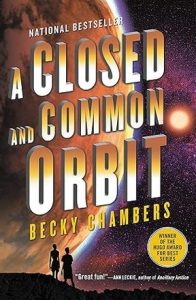
    In her sci-fi novel A Closed and Common Orbit, Becky Chambers introduces the character Owl by having her save a young girl’s life.

    She felt some spit hit the back of her leg.

    The voice changed. ‘Hey! This way! Come towards me!’

    There was no time for questions. Jane 23 ran at the voice.

    A machine stuck out from one of the scrap piles, a huge machine with thick sides and — and a door.

    Though Owl is only known as a nameless, disembodied voice at this point, she’s already a meaningful character—a sanctuary of kindness in an otherwise horrifying ordeal.

    This immediately establishes a dynamic between Owl & Jane 23—savior and saved. With this foundation, Chambers develops a deep and resonant relationship between the characters, as Owl guides Jane 23, encouraging her to keep going despite all the danger and hardship around her.

    This introduction also serves the function of pushing the plot forward. Jane 23 has her first real chance at survival. She escapes the beasts—for now.

    While not every character needs such a dramatic entrance, consider whether some of your characters might be well-illustrated by emphasizing them first with action. This may be delivering a casserole to a grieving widow, binding a magical beast in chains of cold iron, or stuffing a wedding invitation deep at the bottom of a cluttered drawer.

    And speaking of drawers…

    In what environment do we first find your character?

    A prison cell implies too much to list here. Go deeper. Ask yourself what does your character have on the wall of their prison cell? This is a great opportunity for contrast. You can show how your character relates to the world around them, how they clash or are at peace with it.

    This tells the reader what kind of power they hold. Remember, that also means what kinds they clearly do not. If your character visits wealthy distant relatives, are they put in an opulent guest room or are they relegated into the former servant’s quarters?

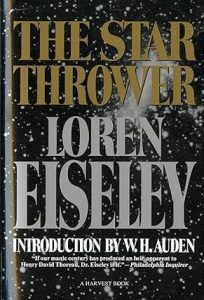
    Loren Eiseley opens his short story, The Star Thrower, with an impactful example of contrast and powerlessness. The protagonist muses on how he’s come to a place called Costabel, concluding that his arrival there might have been simply inevitable. He immediately relinquishes his agency, which is given significant meaning by the description of the beach itself.

    The beaches of Costabel are littered with the debris of life. Shells are cast up in windows; a hermit crab, fumbling for a new home in the depths, is tossed naked ashore, where the waiting gulls cut him to pieces. Along the strip of wet sand that marks the ebbing and flowing of the tide, death walks hugely in many forms.

    He isn’t just resigned to the idea that he would inevitably end up somewhere—but here. A place where uncaring fate casts vulnerable creatures to their deaths. It’s easy to see the kinship he shares with them.

    This gloomy introduction reveals his lack of self-worth and deep sorrow, which, crucially, frames the protagonist’s experiences and transformation through this story.

    What’s Your Problem?

    A young Asian woman is on a first date at a nice restaurant.
    So, why are you still single?

    Characters are most interesting when they’re actively dealing with their big conflict!

    This is obvious with protagonists, but especially consider also how you can flesh out the side characters or antagonists. A conflict-focused introduction establishes  where a character stands in the plot as well as their strengths and weaknesses.

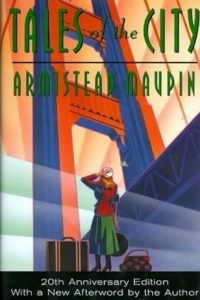
    Armistead Maupin opens Tales of the City by immediately connecting us with the inner conflict of the protagonist.

    We meet Mary Ann just as she’s made the decision not to come home to the Midwest, and instead stay in San Francisco. She has no job here, no apartment, but when she calls her mom about her decision, she’s resolute—more than resolute, she’s excited.

    “Her mother began to cry. ‘You won’t come back, I just know it.’

    ‘Mom… please… I will. I promise.’

    ‘But you won’t be… the same!’

    ‘No! I hope not.’”

    In much of Mary Ann’s following story, she embraces and struggles with the culture of 1970s San Francisco, as she’s pulled along by the bay winds of fate. And right here at the start, the contradictions in her character are established.

    She’s impulsive, terribly so. Desperate to be part of a wider world. Perhaps careless, maybe unprepared, a stranger in the place she now calls home, but she’s alive! Readers fall in love with Mary Ann because she needs to be free from the world she came from, and because she has the bravery to take that risk.

    This leads to a hint of trouble yet to come. As Mary Ann claims her adult life, she’ll struggle with new and changing relationships. Her impulsiveness enthralls the readers and stresses her emotional connections.

    Best Foot Forward

    Next time you introduce a character revisit these three tips. Even if you choose a different introduction method, examine the essential parts of your characters and how those elements shine through in their first appearance. That spark—what makes them curious, important, worth reading a story about—will seize your readers and carry them through to see not only what becomes of those characters, but what they become.


    Thank you for joining us for this Writer Toolbox Article

    A red toolbox with the words "What's in your toolbox

    There is so much to learn and do with Chanticleer!

    From our Book Award Program that has Discovered the Best Books since the early 2010s to our Editorial Book Reviews recognizing and promoting indie and traditional authors, Chanticleer knows your books are worth the effort to market professionally!

    When you’re ready,did you know that Chanticleer offers editorial services?We do and have been doing so since 2011.

    Our professional editors are top-notch and are experts in the Chicago Manual of Style. They have and are working for the top publishing houses (TOR, McMillian, Thomas Mercer, Penguin Random House, Simon Schuster, etc.).

    If you would like more information, we invite you to email us at info@ChantiReviews.com for more information, testimonials, and fees.

    We work with a small number of exclusive clients who want to collaborate with our team of top-editors on an on-going basis. Contact us today!

    Chanticleer Editorial Services also offers writing craft sessions and masterclasses. Sign up to find out where, when, and how sessions being held.

    A great way to get started is with our manuscript evaluation service, with more information available here.

    And we do editorial consultations for $75. Learn more here.


    Looking to add to your TBR?

    Check out the books mentioned in this article below:

    Even better, find a new Chanticleer Reviewed Book with a great introduction!

  • Screenwriter and Producer Kim Hornsby to Present Books to Film Sessions at CAC24

    We are thrilled to have Kim Hornsby present

    at the

    2024 Chanticleer Authors Conference focusing on Books to Film! 

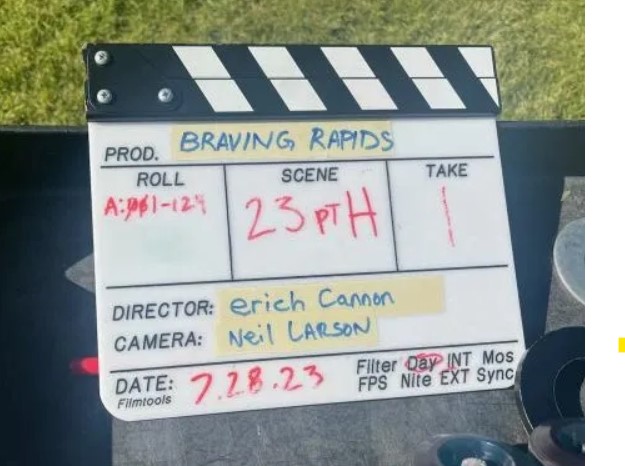
    Kim Hornsby is a USA Today and Amazon Bestselling Author along with being a sold, multi-optioned, and produced screenwriter. Her Chanticleer Paranormal Book Awards winning novel, The Dream Jumper’s Promise,  is in development with plans to film in late 2024. We are excited for  her Romcom Christmas movie, Christmas in Crystal Creek, that is slated for filming in 24/25. She teaches adaptation of books to scripts across North America. Kim has a diverse portfolio of scripts and novels that include Christmas, thrillers, and stalkers, although not in the same story.

    Kim Hornsby, a young white woman with blonde hair and glasses wearing a stylish yellow jacket with a blue scarf
    Top 25 Screenwriters to Watch in 2024, Kim Hornsby

    We are beyond thrilled to have this long-time Chanticleerian join us again at CAC24 where she will present, teach, sit on panels, and participate. Kim will share her Books to Film journey with us along with the Tips and Tricks she has picked up on it. Don’t miss out on her special Kaffeeklatsch session either!

    Sessions that Kim Hornsby will present:

    • Writing the Hollywood Adaptation Master Class WorkshopPlease click here to register for Kim’s Master Class. 
      • This book to film class is specifically an adaptation guide. Learn how to take your book, extract the scenes needed for a movie and turn it into a script. She concentrates on Plotting and Formatting (for film) with all the tips and tricks.
      • Thursday, April 18, 2 p.m. until 6 p.m.
    • Learn the Power of Pitch Decks, Log Lines, and Quick Pitches to Your Own Original Story to make an exec or producer realize they have to have this movie.
    • From Novel to Production – The Story of Dream Jumper’s Promise
    • How to Write the “TV movie” (which covers Hallmark Christmas, Lifetime Thrillers, and the 9 Act Script).
    • Why Write a Series Panel
    • Multi-Author Anthologies – the Why and How Panel In this session, Kim will touch on how she got her USA Bestseller status through a targeted campaign with other authors.
    • Life After You Finish Your Screenplay – How to market your work, yourself, be seen by producers, execs, studios. How to get a Lit Manager or Agent and if you need one.

    All this and more, at the 2024 Chanticleer Authors Conference and the Chanticleer International Book Awards Banquet and Ceremony. 

    CAC24  Dates:  April 18th – April 21st, 2024 

    • Thursday, April 18th – Master Classes
    • Friday and Saturday, April 19th & 20th – Keynote Luncheons, Conference Sessions, Kaffeeklatsches, Networking “Happy Hours”
    • Saturday Evening, April 20th – The 2023 CIBA Banquet and Ceremony
    • Sunday, April 21st – Book Fair by Village Books (more info to come regarding Sunday’s activities). We have a few surprises in mind 🙂

    CAC24 and the 2023 CIBA Banquet and Ceremony will be held at the Sheraton Four Points on Lakeway Avenue, Bellingham, Wash.  Centered amid popular downtown attractions, the Four Points by Sheraton Bellingham Hotel & Conference Center is a haven of contemporary comfort and conveniently located. 

    Discounted room rates are available until the block is filled or March 18th. Click here to access the link and info. 

    Please check back often for the latest information about CAC24!

    Don’t Delay! Register Today! Seating is limited.


  • Film Techniques for Fiction Writers by Jessica Morrell and Other Advanced Writing Class Sessions at CAC 22

    The 2022 Chanticleer Authors Conference is offering Advanced Writing Craft Sessions!

    Learn from the Best!

    CAC22 is offered In Real Life and Virtually, June 23rd – 26, 2022.

    Headlining the sessions is:

    Master Writing Class – Film Techniques for Fiction Writers with Jessica Morrell

    Fiction and memoir need to be cinematic—there’s no getting around that fact.

    Especially in this saturated, reality-dominated, and competitive media landscape. Creating cinematic fiction makes great demands on writers—there’s no gigantic screen, no darkened theater to enchant a reader, no actors prancing around a stage, their body language and costumes signaling meaning and subtext. But many film techniques can be translated onto the page from viewpoint to mastering props and subtext. It begins with making powerful choices and identifying key moments that need emphasis, when to whisper and suggest, and when to stage and let the camera roll.

    Topics we’ll cover:

    • Using viewpoint to establish camera angles and narrative distance, especially bringing your ‘camera’ in close for potency and impact.
    • Borrow method acting techniques to create immersive viewpoints.
    • Using wide angle or establishing shots to nail down scenes and place.
    • Zooming for impact.
    • Factoring in the subliminal with sounds, subtext, color, and texture.
    • Lighting to create mood, atmosphere, resonance, and obstacles.
    • Using props to ground the story and create subtext.
    • Scene cuts and cliffhangers to keep suspense percolating.

    This workshop will available LIVE and VIRTUALLY for those who register

    Jessica Page Morrell

    The inimitable, always-in-demand, Jessica Morrell

    One of the primary contributors to the Chanticleer writing blog, Jessica’s tips and advice are invaluable lessons that benefit all authors. Each year we offer writing craft sessions from the best editors and authors in the publishing industry.

    Don’t Miss Out!

    Jessica will be teaching two classes over the course of three sessions LIVE at CAC22

    Your Brain on Writing: How Neuroscience Research Can Make You a Better Writer (2 Sessions)

    Writing is a complex process and these days information gleaned from cognitive neuroscience can make a powerful difference in how much you accomplish and how your words affect readers. While writing, all regions of your brain are engaged and on the job. That’s why the more you write, the more neural connections you’re growing. The latest science-based information gives insights on how to form connections and develop powerful habits as you train and strengthen your brain. Reading is also a complex act so we’ll delve into what goes on in readers’ minds and how to capture their interest and keep them captivated. Or should we say captive?

    Topics we’ll cover:

     An easy-to-understand overview of brain structures and functions. This includes learning the roles of key neurotransmitters, our billions of neurons, and how to better implement them in writing and life.

    • Neuroplasticity and how you can change your brain’s structure and function by rewiring neural pathways.
    • Understanding the function of the RAS (reticular activating system) and how it helps us achieve goals and leads our future self forward.
    • Put your subconscious and unconscious to work by reprograming generating ideas and breakthroughs.
    • The function of the vagas nerve, the longest cranial nerve running from your brain to your stomach, and how it affects major body functions from breathing to blood pressure to heart rate. Then we’ll discuss simple practices to stimulate it to support overall and emotional health.
    • Practical habits and exercise to put this knowledge into practice.

    AND

    Dangerous Women with Jessica Morrell

    Vampire Juliette and Vampire Hunter Cal — Two Dangerous Women from Netflix’s First Kill

    Dangerous women can occupy so many roles in fiction, film, and television. With their complex moralities and motivations, they defy expectations, and can be strong, fearless, and inspiring. Then there are the ones who scare us. Because one bad woman is worth five bad men, so when women plot and scheme and break bad, the results are often disastrous for whoever she’s got in her crosshairs. Because social norms have taught us that women are the gentler and nurturing sex, when they defy norms, the results are combustible.

    With that in mind, we’ll talk about female anti-heroes in all their fierceness and intriguing capabilities and how to make their stakes personal. We’ll cover unlikable protagonists, villains, and rule breakers who sizzle on the page, reflect the realities of their society or culture, or are deliciously out of sync. We’ll also discuss roles in fiction such as femme fatale, divas, mommy dearest, and power behind the throne. Characters we’ll analyze characters from well-known tales such as Annie Wilkes of Misery, Sula, Nurse Ratchet, Mrs. Danvers, Rebecca DeWinters, and Mrs. Bennet of Pride and Prejudice.

    The workshop will review contemporary women found in TV series and films because in recent years an explosion of strong and norm-defying females are everywhere—including Claire Underwood from House of Cards, Eve Polastari and Villanette from Killing Eve, Cersei Lannister and Daenerys Targaryen from Game of Thrones, Queen Elizabeth in The Crown—disrupters all.

    Other Sessions at In Real Life CAC 22

    • Why Acting Classes Make You a Better Writer – Nicole Evelina – USA Bestselling Author
    • Seven Advanced Techniques for Deeping Characterization – Diane Garland (Continuity Editor) and Jacquie Rogers – multi-award winning author
    • Five Things You Need to Know About POV – Amy Peele, Medical Mystery Author
    • Writing Intimacy Scenes – Betsy Fasbinder, Writing Coach & Author
    • Story Bibles and Continuity – with Diane Garland (World Builder and Continuity Editor)
    • and more!

    Plus, sessions on the business and marketing side of being a writer! 


    Register Today!

    In addition to Morrell’s LIVE Master Class, you can sign up for her other sessions and the full Chanticleer Authors Conference here.

    Reach out to us at info@ChantiReviews.com with any questions!

  • Jodé Millman to present a Session on “Protecting Your Artistic Rights” at Chanticleer Authors Conference | CAC22

    We are delighted to welcome Jodé Millman to present “Protecting Your Artistic Rights” at CAC22!

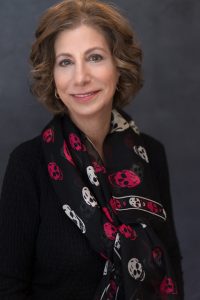
    Jode Millman wearing a scarf with skulls

    Jodé Millman is a life long resident of Poughkeepsie, New York, which serves as the setting for her crime fiction. Her writing draws upon her many years as an attorney to capture the tensions that arise when a small community is rocked by tragedy.

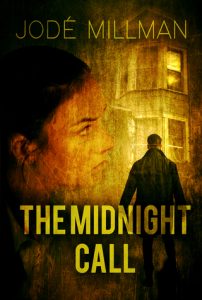
    Author of the best-selling SEATS: NEW YORK Theatre guidebook, her debut thriller, The Midnight Call was released by Immortal Works Publishing in 2019. The Midnight Call won the 2020 Bronze IPPY Award, the American Fiction Award for Legal Thriller, was short-listed for the 2019 Clue Award, and received the First Place Blue Ribbon as “Best Police Procedural” by Chantireviews.com.

    Jode will present the following session at CAC 22:  The Writer’s Law School: Protecting Your Artistic Rights

    For writers, it’s difficult to obtain information about protecting your rights in your creative projects. And if you do, it’s difficult to decipher the “legalese.”
    In this workshop designed for writers, we’ll cover the basics of copyrights, trademarks and key provisions of publishing contracts so that you’ll understand the fine print without having a law degree. 
    Details
    In this session, you’ll learn:
    • The differences between Copyright, Trademarks, Patents and Service Marks
    • The Copyright Registration Process and the CASE law
    • What is the Public Domain?
    • What is the Fair Use Doctrine?
    • Which Business Entity is best for my writing career?
    • What are the Right of: Privacy, Libel and Slander?
    • The Anatomy of a Publishing Deal-Contract Basics
    • Resources to help you protect your rights 

    Read the review of The Midnight Call here!

    Her new thriller, Hooker Avenue is being released by Level Best Books in April 2022.

    Millman developed “The Writer’s Law School,” an educational program designed to inform writers and artists about how to protect their artistic rights. Jode has presented the program to international writing associations, arts organizations and libraries. The schedule for her session on Law and Writing is TBA.

    Presently, she also co-hosts and co-produces Backstage with the Bardavon Podcast. The program invites the listener backstage for intimate conversations with musicians and performers appearing at the Bardavon 1869 Opera House in Poughkeepsie, N.Y. and UPAC in Kingston, NY. Find it wherever you listent o fine podcasts. She is a member of Mystery Writers of America, International Thriller Writers, Sisters In Crime, and Romance Writers of America.

  • The CLUE Awards for Thriller/Suspense Novels 2016 – Official Finalist Listing

    The CLUE Awards for Thriller/Suspense Novels 2016 – Official Finalist Listing

    Thriller Suspense Fiction AwardThe CLUE Awards Writing Competition recognizes emerging new talent and outstanding works in the genres of  Thriller and Suspense Novels. The CLUE Awards is a division of Chanticleer International Novel Writing Competitions.
    More than $30,000.00 dollars worth of cash and prizes will be awarded to Chanticleer Book Reviews 2016 writing competition winners at the Chanticleer Authors Conference April 2, 2017!

    The CLUE Awards FIRST IN CATEGORY sub-genres  are:

    • Suspense/Thriller
    • Detective/Crime
    • Private Eye/Noir
    • Legal/Medical/Police Procedural
    • Spy/Espionage

    The following titles will compete for the Short List (Semi-Finalists) Positions.

    This is the OFFICIAL FINALIST POSTING of Authors and Titles that have made it to the Finalist List of the CLUE 2016 Novel Writing Contest. Good luck to all as the works compete for the 2016 CLUE SHORT LIST!

    • Craig Anderson – Grabbed and Gone
    • Ken Baysinger – El Camino
    • Phillip Buchanon – Sexual Departure 
    • Timothy Burgess – The Never-Ending Swell
    • Pamela Crane – A Secondhand Life
    • Elaine Williams Crockett – Do Not Assume 
    • Don Daglow – The Fog Seller
    • Dermot Davis – Fatal Eclipse
    • Denise Dearth – Blind Redemption
    • Joshua Andrew Dickson – Canon
    • Donna Dillon – Dreamcatcher Chronicles: Little Girl Lost
    • Keith Dixon – The Innocent Dead
    • Jack and Sue Drafahl – D.N.A.
    • Gregg Dunnett – The Wave at Hanging Rock
    • A.S.A. Durphy – The Thing Speaks for Itself
    • Lonna Enox – Striking Blind 
    • Danielle Esplin – Give It Back
    • Alan J. Field – The Chemist
    • Zach Fortier – Baroota: The Hunting Ground
    • Patrick M. Garry – The Illusion
    • John Herman – My Father’s Son
    • Clint Hollingsworth – The Sage Wind Blows Cold
    • Tina Meggs Keller – Baptism by Fire
    • Matt Kilby – The Road Cain Walks
    • Christopher Leibig – The Black Rabbit
    • Christopher Leibig – Almost Mortal
    • Christopher Leibig – Montanamo
    • Michael Byars Lewis – Veil of Deception
    • Kara Lumbley – Never Alone
    • LS Cahn – The Trus Game
    • Ken Malovos – Fatal Reunion
    • James Marshall Smith – Silent Source
    • Kaylin McFarren – Banished Threads
    • A.B. Michaels – Death Runs on Time
    • A.B. Michaels – Sinner’s Grove
    • A.B. Michaels – The Lair
    • M. Ruth Myers – Maximum Moxie
    • Toby Neal – Wired In
    • Dana Ridenour – Behind The Mask
    • Bjarne Rostaing – Epstein’s Pancake
    • Janet Shawgo – Archidamus
    • Ben A. Sharpton – 2nd Sight
    • James G. Skinner – The Goa File
    • Lee Strauss – Gingerbread Man (A Marlow & Sage Mystery – A Nursery Rhyme Suspense)
    • E.V. Stephens – Accountable
    • Cary Allen Stone – After the Evil: A Jake Roberts Novel, Book 1
    • Susan Strecker – Nowhere Girl
    • Luke Swanson – The Ten
    • Keith Tittle – A Matter of Justice
    • Lawrence Verigin – Seed of Control
    • Timothy Vincent – Prince of the Blue Castles
    • Jim Weber – Jehovah: A Novel
    • P. K. Williams – Buried Beneath
    • Manning Wolfe – Dollar Signs: Texas Lady Lawyer vs Boots King
    • DM Wolfenden – Carly


    As always, please do not hesitate to contact us with any questions, concerns, or suggestions at Info@ChantiReviews.com. 

    Congratulations to the Finalists in this fiercely competitive contest! 

    Good Luck to all of the CLUE Finalists as they compete for the coveted First Place Category positions.

    First In Category announcements will be made in our social media postings as the results come in.

    The CLUE Grand Prize Winner and the First Place Category winners will be announced and recognized at the April 2nd, 2017 Chanticleer Writing Contests Annual Awards Gala, which takes place on the last evening of the Chanticleer Authors Conference that will be held in Bellingham, Wash. To be present when your name is called, register for the Chanticleer Author Conference.

    We are now accepting submissions into the 2017 CLUE Awards writing competitions for Thriller, Suspense & Mystery Fiction. Please click here for more information or to enter the contests.

  • How to Add Your Chanticleer Editorial Review to Amazon

    How to Add Your Chanticleer Editorial Review to Amazon

    Yay! You received your Chanticleer book review and it filled you with pride to see all the glowing things the reviewer had to say…now what? A few things are obvious. Quote it on your book cover, your website, social media, marketing materials, etc.

    One of the most important things to do with your review is adding it to the “Editorial Reviews” section of your book on Amazon Author central.

    It’s also one of the most often missed opportunities among authors.

    Some authors are intimidated by Author Central, but it’s a very easy system to use, and we are going to show you exactly what to do. (If you are already comfortable with Amazon Central, skip the next section and scroll down to the Quick List of Steps for Adding Your Editorial Review to Amazon)

    Meet Author Central

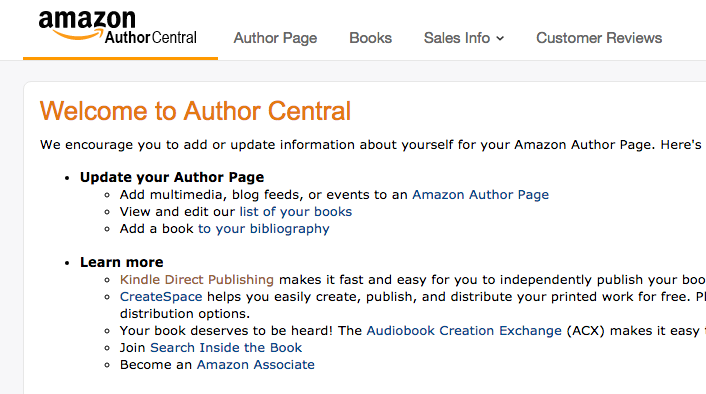
    screen-shot-2016-12-06-at-2-28-36-pm

    This is a screenshot of the welcome page when you visit authorcentral.amazon.com and log in with your Amazon username and password. In this one little square of webpage real estate you have, at your fingertips, everything you will need to manage your books: keep your author profile up to date, add and edit book information, check on your sales–even access Kindle Direct Publishing (KDP), CreateSpace, and the Audio Creation Exchange (ACX) to manage your books if you are self published.

    The important thing to note is this extra place to add and edit your book. Most people know about KDP and how to upload and edit books. But after you have added your book to KDP, you also have to “add it” on Amazon Central.

    To do that click on “Books” in the menu options (as seen in the image above). On the next page you will see this:

    screen-shot-2016-12-06-at-3-20-48-pm

    And if you have already added books you will also see a list of your own books. If you have a publisher actively involved in updating the Amazon information for your book, you may want to discuss your using Amazon Central with them first, because changes to sections here may prevent them from making future changes to those particular sections in their own access panel for your book.

    To add a book, click the button and search for it by author or title, if it’s available on Amazon, you will find it quickly (if it’s not available on Amazon then you still need to add it to KDP and/or CreateSpace–and that is another article entirely).

    When your book is listed on the “Books” page of your Author Central you can click the title and access its details. In “Editorial Reviews”  you will find all kinds of goodies to play with!

    You will see something like this:

    screen-shot-2016-12-06-at-3-34-52-pm

    This Review slot is what we are after. You can also add things in the other slots if they are needed, but keep in mind these are the bits that your publisher won’t be able to edit anymore if you change them. (Also you won’t be able to change them over on the KDP side either, so you will always have to come back here to make your changes).

    When you click the “add” button next to Review, a window will pop up to enter the text as well as a detailed set of instructions from Amazon on how format your reviews and their guidelines.

    Choose a good quote from your Chanticleer review, a couple sentences, without too many “…” between snippets (you don’t want it to look pasted together like a ransom letter). Remember less is more. Use words that convey excitement and opinion about your book. Don’t waste your quote on plot description, that’s what your synopsis is for.

    For example: “A riveting adventure…” — Chanticleer Reviews

    Once you’re happy with it, hit preview and save. That’s it. It couldn’t be simpler.

    Quick List of Steps for Adding Your Editorial Review to Amazon

    1. Log in to author central
    2. Go to your Books Page
    3. Click on the title of the book you want to edit
    4. Under Editorial Reviews, click “add” review
    5. Enter an exciting snippet from your review that clearly shows the reviewers opinion about your book and attribute it the Chanticleer Reviews (e.g. – “A riveting adventure…” — Chanticleer Reviews)

    By adding your review you are taking advantage of the authority and reputation that a Chanticleer Review brings with it. You’re showing people that your book was vetted by a respected source within the publishing community. Remember your editorial review is one of the single most valuable tools available to you in persuading readers to take a chance and buy your book. If you don’t use it, you are missing book sales.

  • Contest Spotlight: March Madness brings “Mystery & Mayhem” to our Writing Competitions

    Contest Spotlight: March Madness brings “Mystery & Mayhem” to our Writing Competitions

    [fusion_builder_container backgroundcolor=”” backgroundimage=”” backgroundrepeat=”no-repeat” backgroundposition=”left top” backgroundattachment=”scroll” video_webm=”” video_mp4=”” video_ogv=”” video_preview_image=”” overlay_color=”” overlay_opacity=”0.5″ video_mute=”yes” video_loop=”yes” fade=”no” bordersize=”0px” bordercolor=”” borderstyle=”” paddingtop=”20px” paddingbottom=”20px” paddingleft=”0px” paddingright=”0px” menu_anchor=”” equal_height_columns=”no” hundred_percent=”no” class=”” id=””][fusion_builder_row][fusion_builder_column type=”1_1″ background_position=”left top” background_color=”” border_size=”” border_color=”” border_style=”solid” spacing=”yes” background_image=”” background_repeat=”no-repeat” padding=”” margin_top=”0px” margin_bottom=”0px” class=”” id=”” animation_type=”” animation_speed=”0.3″ animation_direction=”left” hide_on_mobile=”no” center_content=”no” min_height=”none”][fusion_text]For some March Madness is basketball, for us at Chanticleer Reviews it’s that last minute rush, as Mystery Authors scramble to meet our March 31st deadline for the Mystery & Mayhem Awards (aka the M&M’s).

    only witnessThe M&M’s cozy mysteries is one of our favorite categories and we have many fond memories of amazing books and authors winning M&M’s. Some, like author Pamela Beason’s THE ONLY WITNESS–which answers the question: “What would happen if a signing gorilla was the only witness to a terrible crime?”–taking not just taking the M&M’s but also the top overall grand prize.

    Pam is working on creating a dynasty as she won again with her sequel THE ONLY CLUE, taking the M&M Grand Prize for 2014. And for 2015 her RACE WITH DANGER is a contender in in our Dante Rossetti awards!

    fatal inductionOur 2013 M&M Grand Prize winner Bernadette Pajer’s FATAL INDUCTION: A PROFESSOR BRADSHAW MYSTERY is another favorite here in the Chanticleer office. Revolving around a race to win an electrical engineering competition in Seattle 1901, the time of Tesla!

    Bernadette has gone on to write four book in the series and we couldn’t be happier to see the witty and entertaining Professor Bradshaw continue his escapades of electrical engineering and solving mysteries with science.

    Your book could earn a place in our M&M hall of fame for 2016.

    All you have to do is enter.[/fusion_text][/fusion_builder_column][/fusion_builder_row][/fusion_builder_container][fusion_builder_container backgroundcolor=”” backgroundimage=”” backgroundrepeat=”no-repeat” backgroundposition=”left top” backgroundattachment=”scroll” video_webm=”” video_mp4=”” video_ogv=”” video_preview_image=”” overlay_color=”” overlay_opacity=”0.5″ video_mute=”yes” video_loop=”yes” fade=”no” bordersize=”0px” bordercolor=”” borderstyle=”” paddingtop=”20px” paddingbottom=”20px” paddingleft=”0px” paddingright=”0px” menu_anchor=”” equal_height_columns=”no” hundred_percent=”no” class=”” id=””][fusion_builder_row][fusion_builder_column type=”1_1″ background_position=”left top” background_color=”” border_size=”” border_color=”” border_style=”solid” spacing=”yes” background_image=”” background_repeat=”no-repeat” padding=”” margin_top=”0px” margin_bottom=”0px” class=”” id=”” animation_type=”” animation_speed=”0.3″ animation_direction=”left” hide_on_mobile=”no” center_content=”no” min_height=”none”][fusion_title size=”2″ content_align=”left” style_type=”single solid” sep_color=”transparent” class=”” id=””]What are the M&M’s?[/fusion_title][/fusion_builder_column][fusion_builder_column type=”3_5″ last=”no” spacing=”yes” background_color=”” background_image=”” background_repeat=”no-repeat” background_position=”left top” border_size=”0px” border_color=”” border_style=”” padding=”” class=”” id=””][fusion_text]Cozy Mystery Fiction AwardOur Mystery & Mayhem Awards are the Chanticleer Reviews search for the best cozy mystery fiction books of 2016!

    We are looking for the best books featuring “mystery and mayhem”, amateur sleuthing, romantic suspense, light suspense, travel mystery, classic mystery, British cozy, hobby sleuths, senior sleuths, or historical mystery. We will put them to the test and choose the best among them. (For thriller, action suspense, detective, crime fiction see our Clue Awards).[/fusion_text][/fusion_builder_column][fusion_builder_column type=”2_5″ last=”yes” spacing=”yes” background_color=”” background_image=”” background_repeat=”no-repeat” background_position=”left top” border_size=”1px” border_color=”#606060″ border_style=”solid” padding=”10px” class=”” id=””][fusion_text]

    Our Chanticleer Review Writing Contests feature more than $30,000.00 worth of cash and prizes each year! 

    ~$1000 Overall Grand Prize Winner
    ~$2800 in Genre Grand Prizes
    ~$28,980 in reviews, prizes, and promotional opportunities awarded to Category Winners

    [/fusion_text][fusion_button link=”/services#!/Cozy-Mystery-Writing-Contests-Chanticleer-Book-Reviews/p/21521076/category=5193080″ color=”darkgray” size=”” type=”” shape=”” target=”_blank” title=”” gradient_colors=”|” gradient_hover_colors=”|” accent_color=”” accent_hover_color=”” bevel_color=”” border_width=”1px” shadow=”” icon=”” icon_position=”left” icon_divider=”no” modal=”” animation_type=”0″ animation_direction=”left” animation_speed=”1″ alignment=”center” class=”” id=””]Enter Now![/fusion_button][/fusion_builder_column][/fusion_builder_row][/fusion_builder_container]