Tag: Toolbox Article

  • Zooming Your Way to a Great Book Launch: A Step-by-Step Guide to Virtual Book Launch Events

    We are Deep in the Digital Age

    Man, desk, computer, plant, clapping, conference call, zoom, virtual meeting

    Is your virtual book launch ready?

    In the digital age, a virtual book launch can be a highly effective way to celebrate and promote your new book. It offers an opportunity to reach a global audience, engage with readers in real-time, and create a buzz around your work–all from your own desk.

    Planning to host a virtual book launch but not sure where to start?

    A white man surrounded by books looking frustrated
    So much to learn, so little time!

    Let us walk you through the first steps to ensure a successful and memorable event.

    1. Define Your Goals and Objectives

    Before diving into the details, clarify what you want to achieve with your virtual book launch. Your goals might include:

    • Increasing Book Sales: Drive pre-orders and sales through special promotions.
    • Building Your Author Brand: Enhance your visibility and establish your presence as an author.
    • Engaging with Your Audience: Connect with readers, fans, and influencers in your genre.
    • Generating Media Coverage: Attract attention from bloggers, journalists, and book reviewers.

    Authors should try to zero in on what their potential readers could look like and which outlets are the best for reaching those targets. Sometimes (more often than not), going in deep (some say guerilla marketing) towards a specific target audience for podcasts, blogging, and events (publicity) and then expanding the spheres if a strategy that works (marketing). Read more on this from Kiffer Brown here!

    2. Choose the Right Platform

    Selecting the appropriate platform is crucial for hosting your virtual book launch. Consider the following options:

    • Zoom: Ideal for interactive events with features like breakout rooms and live Q&A sessions.
    • Facebook Live: Great for reaching your social media audience and facilitating real-time engagement.
    • YouTube Live: Offers high video quality and can be integrated with your book’s promotional content.
    • Twitch: Suitable for a more informal, interactive experience, particularly with younger audiences.

    Choose a platform that aligns with your goals and technical comfort level.

    Woman, planning, pink, blue, orange

    3. Plan Your Event Format

    Decide on the format and structure of your virtual launch. Some popular formats include:

    • Live Reading and Q&A: Read excerpts from your book and answer questions from attendees.
    • Author Interview: Conduct an interview with another author, a moderator, or a celebrity guest.
    • Panel Discussion: Gather experts or fellow authors to discuss themes related to your book.
    • Virtual Book Tour: Share behind-the-scenes content or host virtual visits to locations featured in your book.

    Calendar, red, black

    4. Set a Date and Time

    Choose a date and time that will maximize attendance. Consider the time zones of your target audience and avoid scheduling conflicts with major events or holidays. Weekdays or weekends can work depending on your audience’s availability.

    The experts who can market your book make up what we call Slant in the book industry. Our own Chanticleerian author Carol Cram wrote an article all about the best ways to connect and work with experts, which you can read here.

    5. Promote Your Event

    Effective promotion is key to a successful virtual book launch. Use a combination of strategies:

    • Social Media: Create event pages and share regular updates on platforms like Facebook, Instagram, and Twitter.
    • Email Newsletters: Send invitations and reminders to your mailing list.
    • Book Communities: Engage with book clubs, forums, and online reading groups.
    • Collaborations: Partner with influencers, bloggers, and other authors to broaden your reach.

    Design eye-catching promotional materials such as graphics, videos, and teaser content to generate excitement.

    Home office, Welcome to my book Launch, stick figure, green, beige, modern, bookshelf, desk, chair, computer

    6. Prepare Your Content and Rehearse

    Prepare and rehearse the content of your event to ensure smooth execution:

    • Script: Outline key points, introductions, and transitions.
    • Visuals: Create slides, book trailers, or other visual aids.
    • Tech Check: Test your internet connection, microphone, camera, and platform features ahead of time.
    • Rehearsal: Practice your presentation and timing to avoid any hiccups during the live event.

    7. Engage with Your Readers

    During the event, foster engagement and interaction:

    • Welcome Attendees: Greet participants and provide an overview of the event.
    • Interactive Elements: Use polls, chat features, and live Q&A to involve your audience.
    • Personal Touch: Share personal anecdotes or behind-the-scenes stories related to your book.
    • Encourage Sharing: Ask attendees to share their thoughts on social media using a specific hashtag.

    Computer, thank you, email, envelope, blue screen, keyboard

    8. Follow Up After the Event

    Post-event follow-up is essential for maintaining momentum and maximizing the impact of your launch:

    • Thank You Notes: Send gratitude messages to attendees, guests, and collaborators.
    • Event Recap: Share highlights, recordings, or photos from the event on your website and social media.
    • Feedback: Collect feedback from attendees to learn what worked well and what could be improved for future events.
    • Continued Engagement: Keep the conversation going by engaging with your audience and providing updates on book sales or upcoming events.

    Woman, online, computer, brick, papers, notebook, yellow shirt, pencil

    9. Analyze and Reflect

    Evaluate the success of your virtual book launch by analyzing key metrics:

    • Attendance Numbers: Assess how many people attended and engaged with the event.
    • Sales Data: Review book sales figures before, during, and after the launch.
    • Audience Feedback: Analyze comments, questions, and feedback to gauge audience reaction and satisfaction.

    Reflect on what went well and areas for improvement to enhance your future virtual events.

    Rocket, take off, lift off, 3, 2, 1, clouds, sky, fire, boosters

    A well-executed virtual book launch can create a powerful platform for celebrating your book and connecting with readers. By following these steps, you can craft an fun, engaging event that not only promotes your book but also builds lasting relationships with your new fans!

    Happy launching!


    Thank you for joining us for this Writer Toolbox Article

    A red toolbox with the words "What's in your toolbox

    There is so much to learn and do with Chanticleer!

    From our Book Award Program that has Discovered the Best Books since the early 2010s to our Editorial Book Reviews recognizing and promoting indie and traditional authors, Chanticleer knows your books are worth the effort to market professionally!

    Helpful Toolbox Articles:

    When you’re ready,did you know that Chanticleer offers editorial services?We do and have been doing so since 2011.

    Our professional editors are top-notch and are experts in the Chicago Manual of Style. They have and are working for the top publishing houses (TOR, McMillian, Thomas Mercer, Penguin Random House, Simon Schuster, etc.).

    If you would like more information, we invite you to email us at info@ChantiReviews.com for more information, testimonials, and fees.

    We work with a small number of exclusive clients who want to collaborate with our team of top-editors on an on-going basis. Contact us today!

    Chanticleer Editorial Services also offers writing craft sessions and masterclasses. Sign up to find out where, when, and how sessions being held.

    A great way to get started is with our manuscript evaluation service, with more information available here.

    And we do editorial consultations for $75. Learn more here.
     

  • Making Character Introductions Memorable from the Desk of Editorial Assistant Scott Taylor

    Think of Characters like Speed Dating

    A white man around 40 gestures flirtatiously
    Is he actually cute?

    Who is This Guy and Why Should I Care?

    Writers often fall in love with our characters before their names ever appear on a page. They’re charming, intimidating, scrappy, and clever. Most of all, they matter to us.

    But how do you get the reader to agree that this brainchild of yours is worth checking out? Like all good first impressions, shaping how your character enters the story is important.

    This introduction will shade every other moment the character will have. Here are three tips to give your characters the best chance at a second date.

    Lights, Camera, Action!

    When the character enters they need to be doing something important. Maybe it’s key to the plot, maybe to themselves or another person—or, even better, both.

    We see characters through their actions: What they’re capable of, what they’re willing to do, what they want. And seeing what someone is in a position to do tells the reader almost everything they need to know about the role that person will play in the broader story.

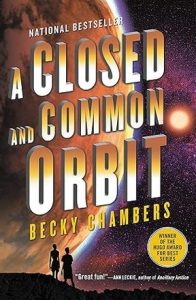
    In her sci-fi novel A Closed and Common Orbit, Becky Chambers introduces the character Owl by having her save a young girl’s life.

    She felt some spit hit the back of her leg.

    The voice changed. ‘Hey! This way! Come towards me!’

    There was no time for questions. Jane 23 ran at the voice.

    A machine stuck out from one of the scrap piles, a huge machine with thick sides and — and a door.

    Though Owl is only known as a nameless, disembodied voice at this point, she’s already a meaningful character—a sanctuary of kindness in an otherwise horrifying ordeal.

    This immediately establishes a dynamic between Owl & Jane 23—savior and saved. With this foundation, Chambers develops a deep and resonant relationship between the characters, as Owl guides Jane 23, encouraging her to keep going despite all the danger and hardship around her.

    This introduction also serves the function of pushing the plot forward. Jane 23 has her first real chance at survival. She escapes the beasts—for now.

    While not every character needs such a dramatic entrance, consider whether some of your characters might be well-illustrated by emphasizing them first with action. This may be delivering a casserole to a grieving widow, binding a magical beast in chains of cold iron, or stuffing a wedding invitation deep at the bottom of a cluttered drawer.

    And speaking of drawers…

    In what environment do we first find your character?

    A prison cell implies too much to list here. Go deeper. Ask yourself what does your character have on the wall of their prison cell? This is a great opportunity for contrast. You can show how your character relates to the world around them, how they clash or are at peace with it.

    This tells the reader what kind of power they hold. Remember, that also means what kinds they clearly do not. If your character visits wealthy distant relatives, are they put in an opulent guest room or are they relegated into the former servant’s quarters?

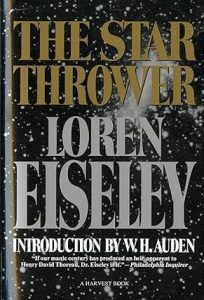
    Loren Eiseley opens his short story, The Star Thrower, with an impactful example of contrast and powerlessness. The protagonist muses on how he’s come to a place called Costabel, concluding that his arrival there might have been simply inevitable. He immediately relinquishes his agency, which is given significant meaning by the description of the beach itself.

    The beaches of Costabel are littered with the debris of life. Shells are cast up in windows; a hermit crab, fumbling for a new home in the depths, is tossed naked ashore, where the waiting gulls cut him to pieces. Along the strip of wet sand that marks the ebbing and flowing of the tide, death walks hugely in many forms.

    He isn’t just resigned to the idea that he would inevitably end up somewhere—but here. A place where uncaring fate casts vulnerable creatures to their deaths. It’s easy to see the kinship he shares with them.

    This gloomy introduction reveals his lack of self-worth and deep sorrow, which, crucially, frames the protagonist’s experiences and transformation through this story.

    What’s Your Problem?

    A young Asian woman is on a first date at a nice restaurant.
    So, why are you still single?

    Characters are most interesting when they’re actively dealing with their big conflict!

    This is obvious with protagonists, but especially consider also how you can flesh out the side characters or antagonists. A conflict-focused introduction establishes  where a character stands in the plot as well as their strengths and weaknesses.

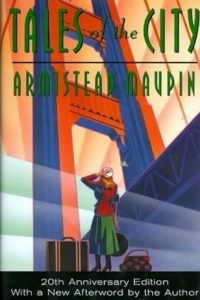
    Armistead Maupin opens Tales of the City by immediately connecting us with the inner conflict of the protagonist.

    We meet Mary Ann just as she’s made the decision not to come home to the Midwest, and instead stay in San Francisco. She has no job here, no apartment, but when she calls her mom about her decision, she’s resolute—more than resolute, she’s excited.

    “Her mother began to cry. ‘You won’t come back, I just know it.’

    ‘Mom… please… I will. I promise.’

    ‘But you won’t be… the same!’

    ‘No! I hope not.’”

    In much of Mary Ann’s following story, she embraces and struggles with the culture of 1970s San Francisco, as she’s pulled along by the bay winds of fate. And right here at the start, the contradictions in her character are established.

    She’s impulsive, terribly so. Desperate to be part of a wider world. Perhaps careless, maybe unprepared, a stranger in the place she now calls home, but she’s alive! Readers fall in love with Mary Ann because she needs to be free from the world she came from, and because she has the bravery to take that risk.

    This leads to a hint of trouble yet to come. As Mary Ann claims her adult life, she’ll struggle with new and changing relationships. Her impulsiveness enthralls the readers and stresses her emotional connections.

    Best Foot Forward

    Next time you introduce a character revisit these three tips. Even if you choose a different introduction method, examine the essential parts of your characters and how those elements shine through in their first appearance. That spark—what makes them curious, important, worth reading a story about—will seize your readers and carry them through to see not only what becomes of those characters, but what they become.


    Thank you for joining us for this Writer Toolbox Article

    A red toolbox with the words "What's in your toolbox

    There is so much to learn and do with Chanticleer!

    From our Book Award Program that has Discovered the Best Books since the early 2010s to our Editorial Book Reviews recognizing and promoting indie and traditional authors, Chanticleer knows your books are worth the effort to market professionally!

    When you’re ready,did you know that Chanticleer offers editorial services?We do and have been doing so since 2011.

    Our professional editors are top-notch and are experts in the Chicago Manual of Style. They have and are working for the top publishing houses (TOR, McMillian, Thomas Mercer, Penguin Random House, Simon Schuster, etc.).

    If you would like more information, we invite you to email us at info@ChantiReviews.com for more information, testimonials, and fees.

    We work with a small number of exclusive clients who want to collaborate with our team of top-editors on an on-going basis. Contact us today!

    Chanticleer Editorial Services also offers writing craft sessions and masterclasses. Sign up to find out where, when, and how sessions being held.

    A great way to get started is with our manuscript evaluation service, with more information available here.

    And we do editorial consultations for $75. Learn more here.


    Looking to add to your TBR?

    Check out the books mentioned in this article below:

    Even better, find a new Chanticleer Reviewed Book with a great introduction!