Tag: Plot

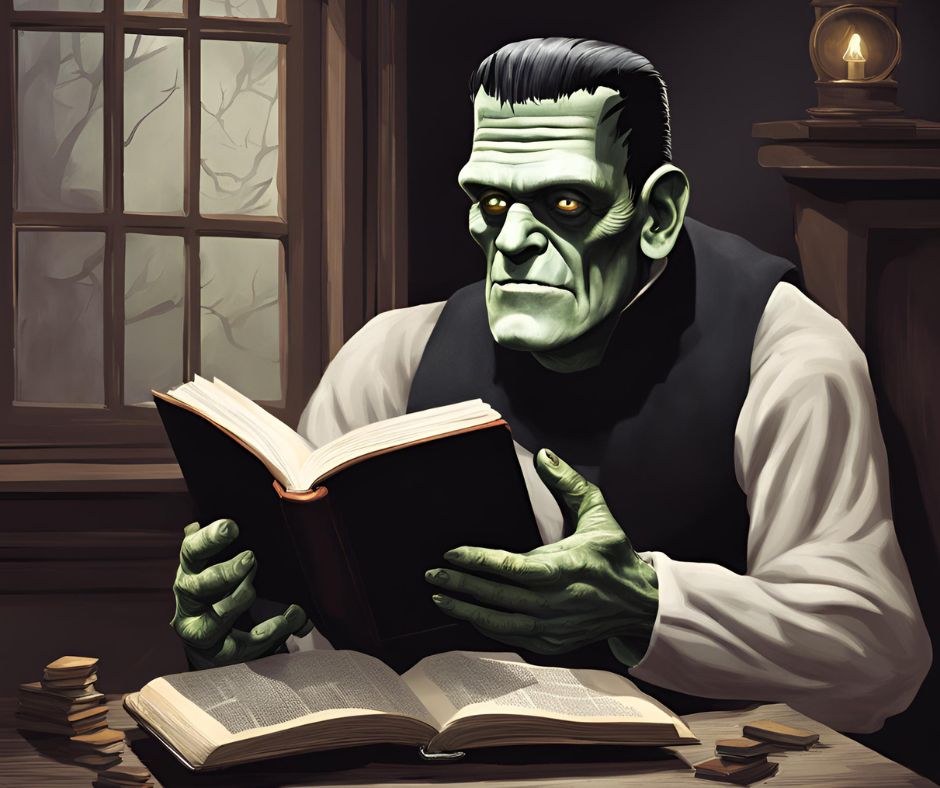
  • Building Frankenstein’s Monster: Creating Characters That Move Your Readers

    “Beware; for I am fearless, and therefore powerful.”
    Mary Shelley, Frankenstein

    Writers of every genre all face the challenge of creating meaningful, memorable characters that are fully fleshed out and believable. It’s a feat of magic that, if done right, creates the kind of characters that readers connect with and may even glance something they recognize within themselves.
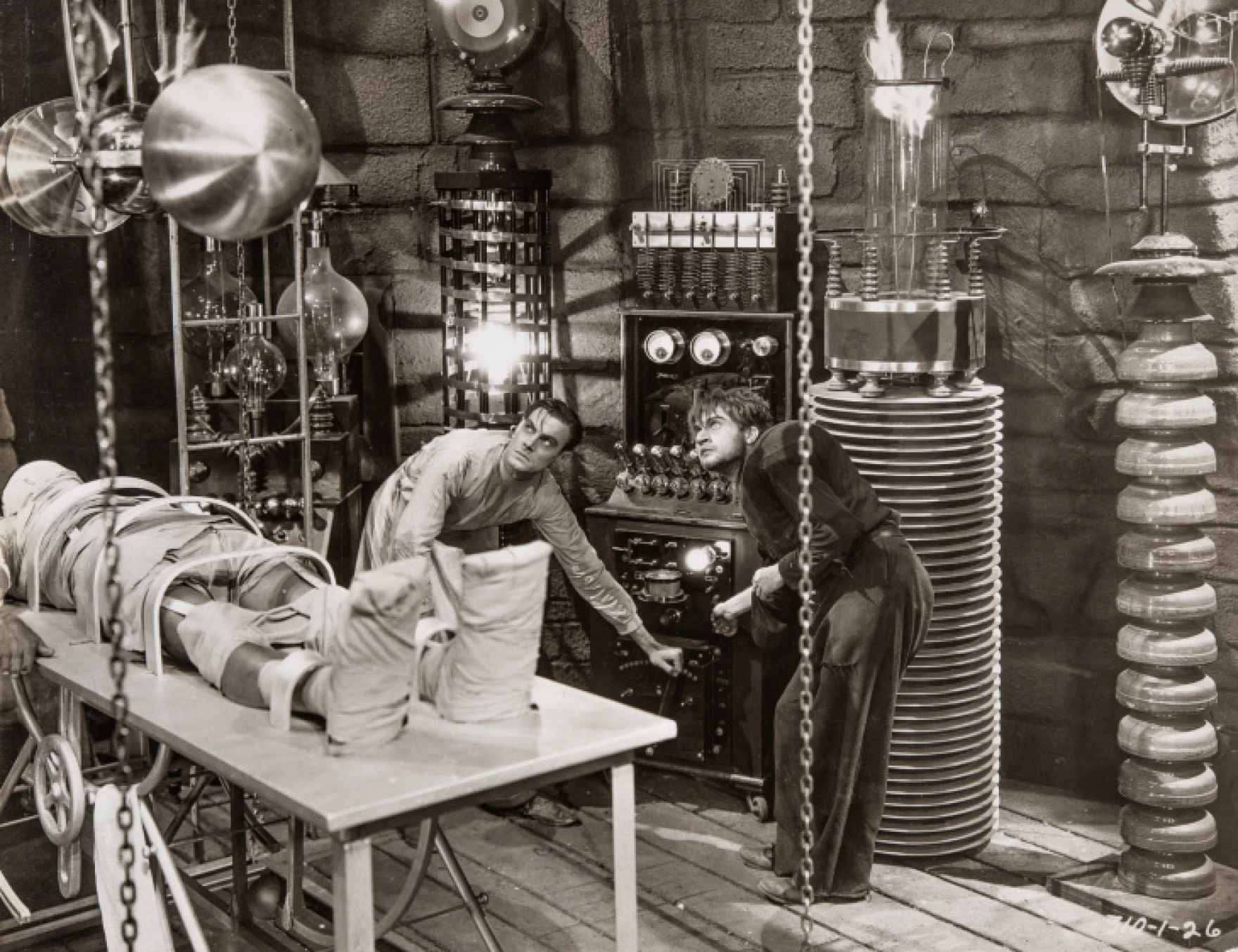
    Frankenstein, lab, monster, igor, movie, black and white

    Get out your scalpels my writing friends, because today we’re going to dissect how to create a great character!

    When a writer sets out to create a memorable character they assume the role of a mad scientist, taking pieces of a person’s physical, intellectual, and emotional self and mixing them together to create their version of the type of person they need for their plot. It’s a delicate procedure of hitting the right mark, without going over the top or leaving them flat and uninteresting. If done right, a writer can create an unbreakable link between their characters and the reader, regardless of whether it’s a human, animal, or even a monster!

    Mary Shelley’s Frankenstein is a great example of this. The plot’s profound exploration of human nature, ethics, and the consequences of scientific ambition makes for fertile ground for showing the complexities of her realistic and fantastical characters. The sympathy Shelley is able to elicit from the reader for her “Monster” makes the novel resonate with readers across all boundaries and offers rich lessons for writers looking to craft their own unforgettable personas.

    Vitruvian Man, leonardo da vinci, black, white, circle, square

    Here’s a deep dive into how Shelley developed her characters and what we can learn from her approach.

    1. Complex Protagonists

    One of the most striking features of Frankenstein is its dual protagonists: Victor Frankenstein and his creation, often referred to as “the Monster.” Both characters are distinctly different, multi-dimensional, and able to elicit empathy despite their flaws.

    Lesson: Embrace Complexity

    When creating characters, avoid the temptation to make them purely good or evil. Victor is ambitious and passionate, but his hubris leads to tragedy. The Monster, on the other hand, starts as a blank slate, driven by a desire for companionship and understanding but ultimately succumbs to despair and violence. By portraying your characters with a mix of virtues and vices, you invite readers to explore the complexities that are ingrained inside each character.

    2. Strong Drive

    Shelley provides compelling motivations for her characters, which drive the narrative forward. Victor’s desire to have dominion over life and death through his creation stems from a blend of intellectual curiosity and personal loss. The Monster’s longing to find his humanity in the love and acceptance he expects to receive from others illustrates the fundamental human need for connection.

    Lesson: Define Clear Motivations

    When crafting your characters, think deeply about what drives them. Their goals should be relatable, allowing readers to understand their choices, even when those choices lead to tragic outcomes. Clear motivations can create a strong emotional bond between the reader and the character, which makes each individual journey more impactful.

    people, heart, books, colors

    3. Relationships that Shape Identity

    The relationships between characters in Frankenstein are critical in shaping their identities and trajectories. Victor’s relationships with his family, friends, and the Monster highlight themes of isolation, responsibility, and the consequences of neglect. The Monster, a blank slate at his incarnation, responds to Victor’s mishandling of his care with a combination of confusion and sadness until he eventually becomes a dark force who turns to self-imposed isolation to save himself.

    Lesson: Develop Interconnected Relationships

    As you build your characters, consider how their relationships influence their development. Interactions with others can reveal vulnerabilities and strengths, adding depth to your characters. Show how relationships can uplift or destroy, creating a dynamic that enriches the narrative.

    4. Thematic Depth

    Shelley’s characters are not just vehicles for the plot; they embody the novel’s themes of ambition, isolation, and the quest for understanding. The struggles of both Victor and the Monster reflect broader questions about humanity’s place in the world.

    Lesson: Infuse Characters with Thematic Significance

    Think about how your characters can serve as representations of the themes you want to explore. Their experiences should resonate with the central ideas of your story, prompting readers to reflect on larger questions. When characters embody your themes, their journeys become more profound and thought-provoking.

    red, black, two people, man, woman

    5. Evolution Through Conflict

    Both Victor and the Monster undergo significant transformations throughout the novel. Their encounters with conflict force them to confront their values, desires, and the repercussions of their actions.

    Lesson: Allow Characters to Grow and Change

    Conflict is essential for character development. Whether it’s internal struggles or external challenges, ensure your characters face obstacles that force them to grow. By the end of their journey, they should reflect on their experiences and provide a satisfying arc that resonates with the reader.
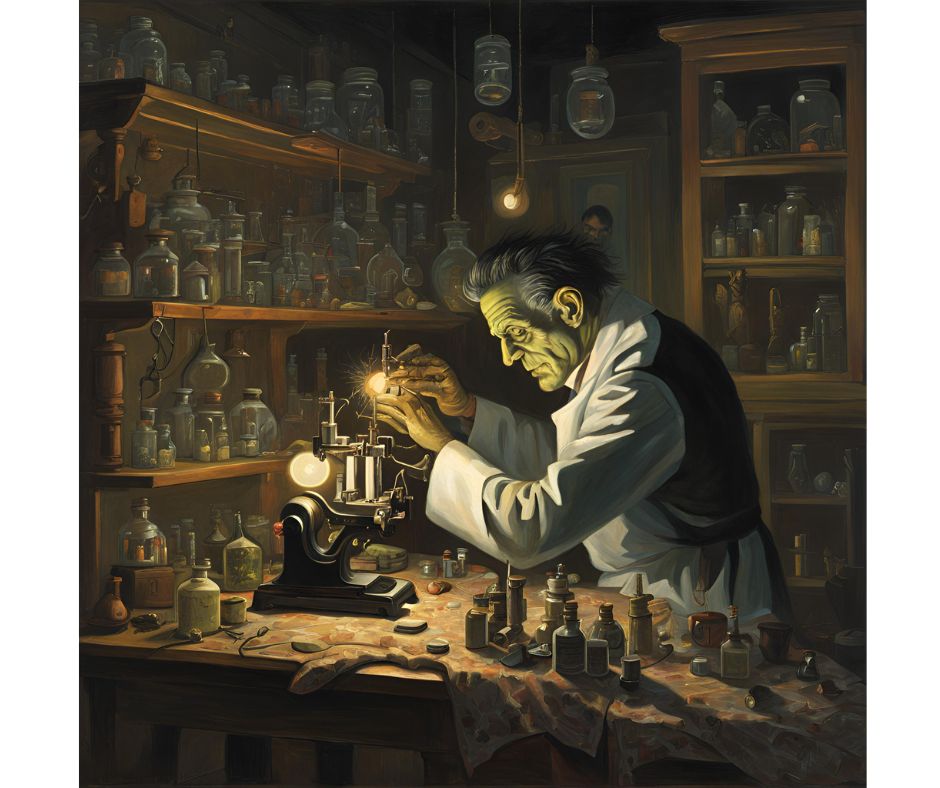
    Mad science, scientist, lab, skulls, light

    Mary Shelley’s Frankenstein offers a masterclass in character creation. By embracing complexity, defining clear motivations, developing meaningful relationships, infusing thematic depth, and allowing for character evolution through conflict, you can craft characters that leave a lasting impression on your readers.

    As you write, remember that characters are not just components of your story; they are the heart and soul that breathe life into your narrative. Take a page from Shelley’s playbook, and let your characters inspire, challenge, and engage your audience in a dialogue that transcends time and space.


    Thank you for joining us in celebrating a literary icon, Mary Shelley!

    Do you have a book that deserves to be discovered? You can always submit your book for an Editorial Review with Chanticleer!Chanticleer Editorial Review Packages are optimized to maximize your digital footprint. Reviews are one of the most powerful tools available to authors to help sell and market their books. Find out what all the buzz is about here.

    Is your book an Award Winner?

    The tiers of achievement for the CIBAs

    Submitting to Book Awards is a great way to get your book discovered! Anytime you advance in the Chanticleer Int’l Book Awards, your name and book are promoted right here on our website, through our newsletter, and across social media. One of the best ways to engage in long tail marketing!

    The Shelley Awards for Paranormal Fiction features an image of Mary Shelley at her writing desk

    The Shelley Awards for Paranormal & Supernatural Fiction are open through Oct 31st!

    Don’t miss out on your chance to introduce your characters to new readers!


    Chanticleer Editorial Services – when you are ready

    Did you know that Chanticleer offers editorial services? We do and have been doing so since 2011.

    Tools of the Editing Trade

    Our professional editors are top-notch and are experts in the Chicago Manual of Style. They have and are working for the top publishing houses (TOR, McMillian, Thomas Mercer, Penguin Random House, Simon Schuster, etc.).

    If you would like more information, we invite you to email Kiffer or David at KBrown@ChantiReviews.com or DBeaumier@ChantiReviews.com for more information, testimonials, and fees.

    We work with a small number of exclusive clients who want to collaborate with our team of top-editors on an on-going basis. Contact us today!

    Chanticleer Editorial Services also offers writing craft sessions and masterclasses. Sign up to find out where, when, and how sessions being held.

    A great way to get started is with our manuscript evaluation service. Here are some handy links about this tried and true service: https://test.chantireviews.com/manuscript-reviews/

    And we do editorial consultations. for $75.  https://test.chantireviews.com/services/Editorial-Services-p85337185

    Writer’s Toolbox

    Thank you for reading this Chanticleer Writer’s Toolbox article.

    Writers Toolbox  a few more Helpful Links: 

    The INCITING INCIDENT: STORY, SETBACKS and SURPRISES for the PROTAGONIST – A Writer’s Toolbox Series from Jessica Morrell’s Editor’s Desk

    ESSENCE of CHARACTERS – Part One – From the Jessica Morrell’s Editor’s Desk – Writer’s Toolbox Series

  • “It was a Dark and Stormy Night:” How Atmosphere Enhances the Plot and Crafts Immersive Narratives

    Shakespeare knew what he was doing…

    Creating a tangible atmosphere in your storytelling is often a subtle force that plays a critical role in shaping a narrative and enveloping your reader in the story.

    A good atmosphere – created through setting, tone, and sensory details – can transform a simple plot into a rich, immersive experience filled with bright skies, stormy weather, and everything in between. Here we’ll explore how atmosphere enhances the plot and why it’s essential for crafting stories that draws readers into their characters’ world and lets them experience it (nearly) first-hand.

    rocking chair, deserted house, chipped paint, door, window, curtain

    Setting the Scene

    Atmosphere begins with setting. The world in which a story unfolds is more than just a backdrop. it influences mood, behavior, and narrative flow. Imagine a thriller set in a foggy, empty street at night versus one set in a bright, bustling city. The atmosphere created by each setting will evoke different emotional responses and drive the plot in unique ways.

    In Charles Dickens’s Oliver Twist, for example, the dark, oppressive atmosphere of a decaying mansion reflects the internal turmoil of Miss Havisham’s deteriorated mental state. By adding depth to the setting, it actually becomes a character in itself, influencing the actions and decisions of the protagonists. This synergy between setting and plot helps readers immerse themselves more fully in the story.

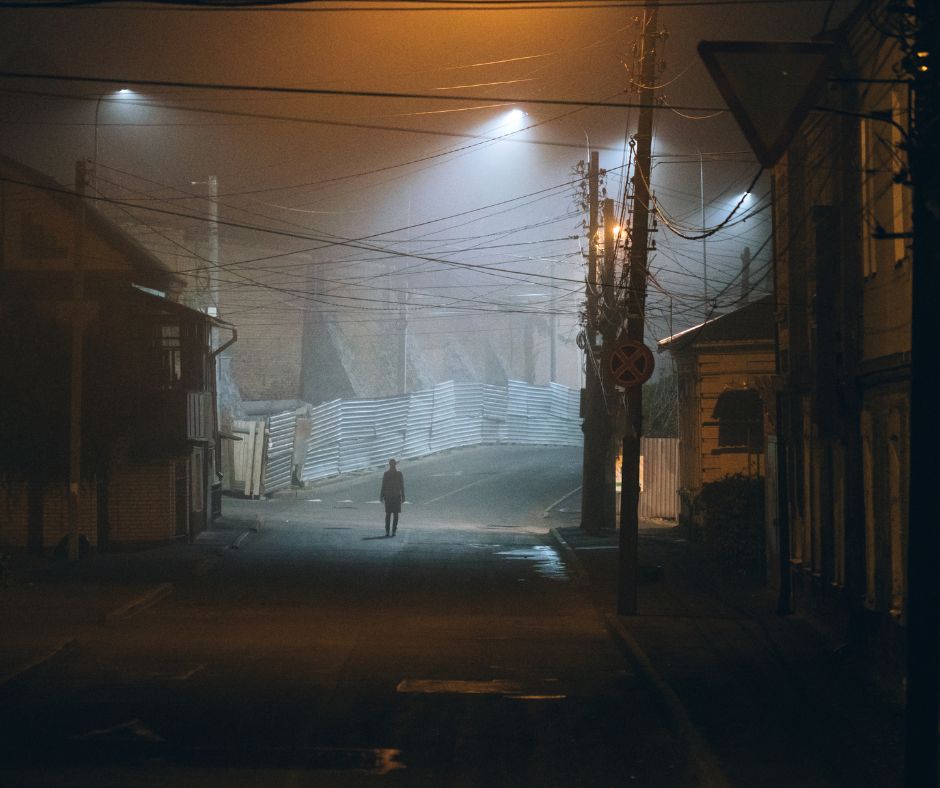
    Foggy, street, lights, person, city, alley

    Enhancing Tension and Suspense

    Atmosphere is crucial in creating tension and suspense. A story’s mood can build anticipation and keep readers on edge. For example, a tense atmosphere can heighten the stakes and make moments of danger feel more immediate and pressing.

    Consider a suspenseful scene set on a foggy, deserted street. The shadows and lack of other people can amplify the sense of danger and unpredictability. The atmosphere makes the plot twists more gripping because it engages the readers’ senses and emotions, making the narrative’s tension more palpable.

    snow, trees, clouds, blue, landscape

    Reflecting Internal States

    Atmosphere can also mirror a character’s internal state, providing insight into their emotions and motivations. For example, in the opening scene of Jack London’s White Fang we find two men traveling alone across the snowy Yukon Territory. Their lives are under constant threat from the world around them. This mirrors the theme of the story and the torment its protagonist experiences as a wolf left to constantly fight for his survival.

    This mirroring helps readers connect more deeply with the characters, as the external atmosphere echoes their internal struggles and triumphs. It adds a layer of emotional resonance to the plot, making characters’ experiences feel more authentic and impactful.

    party, blue, glitter, disco ball, windows, people

    Creating Symbolism and Themes

    Atmosphere can enhance themes and symbolism within a narrative. By weaving certain atmospheric elements into the story, authors can subtly reinforce thematic undertones and symbols. For instance, a recurring motif of decay and deterioration in a story can symbolize the moral or societal decline of the characters or setting.

    In The Great Gatsby, F. Scott Fitzgerald uses the opulent but hollow atmosphere of Gatsby’s parties to highlight themes of disillusionment and the emptiness of the American Dream. The atmosphere becomes a glittery vehicle for thematic exploration, enriching the plot’s complexity.

    Leonardo DiCaprio as Gatsby in The Great Gatsby 2013 film
    Leonardo DiCaprio as Gatsby in The Great Gatsby 2013 film

    Guiding Reader Expectations

    The atmosphere can guide readers’ expectations and shape their interpretation of the plot. A story that opens with a cheerful, light-hearted atmosphere might lead readers to anticipate a light, humorous tale. Conversely, a dark, foreboding atmosphere might set the stage for a more serious or tragic narrative.

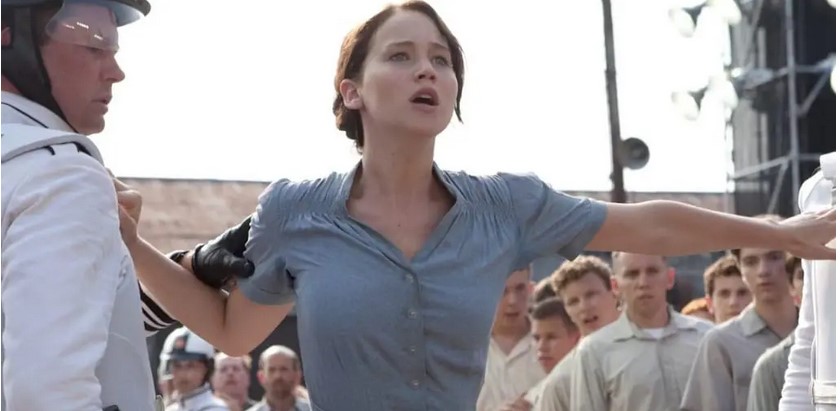
    By manipulating atmosphere, authors can subtly influence how readers engage with the plot, leading them to anticipate certain outcomes or questions about the narrative’s direction. This is seen in Suzanne Collin’s The Hunger Games, where the shanty town world her heroine, Katniss Everdeen, is born into is used as a comparison to the opulent wealth of Capitol City. This adds layers of complexity and surprise to the story as she must use the smarts she gained in her original environment to survive in a new and unusual place.

    Jennifer Lawrence as Katniss Everdeen volunteering as tribute in place of her sister at the barbaric Reaping for the Capitol.

    Deepening Immersion

    Finally, atmosphere plays a crucial role in deepening reader immersion. A well-crafted atmosphere can transport readers to another world, making the plot more engaging and compelling. The sensory details, emotional undertones, and overall mood create a rich tapestry that draws readers in and holds their attention.

    Whether it’s the cozy warmth of a small-town bakery or the cold, sterile environment of a high-tech laboratory, the atmosphere creates a sensory experience that enhances the plot and makes the story come alive. It helps readers visualize and feel the world of the story, making the plot more vivid and impactful.

    Brick walls, windows, wood beams, wood floor

    Brick by Brick You Build A World Your Readers Can Feel

    Atmosphere is a powerful tool in storytelling, enhancing the plot in ways that go beyond mere setting. By influencing mood, creating tension, reflecting internal states, and deepening thematic elements, atmosphere enriches the narrative and captivates readers. When done effectively, it turns a simple story into an immersive experience, making every plot twist and character development resonate more deeply.

    So, the next time you’re crafting a story, remember that the atmosphere you create is as integral to the plot as the characters and events. It’s the subtle force that breathes life into your narrative and keeps readers’ attention until the very last clap of thunder!


    Chanticleer Editorial Services – We’re ready when you are ready!

    Did you know that Chanticleer offers editorial services?We do and have been doing so since 2011!

    Tools of the Editing Trade

    Our professional editors are top-notch and are experts in the Chicago Manual of Style. They have and are working for the top publishing houses (TOR, McMillian, Thomas Mercer, Penguin Random House, Simon Schuster, etc.).

    If you would like more information, we invite you to email Kiffer or Sharon at KBrown@ChantiReviews.com or SAnderson@ChantiReviews.com for more information, testimonials, and fees.

    We work with a small number of exclusive clients who want to collaborate with our team of top-editors on an on-going basis.Contact us today!

    Chanticleer Editorial Services also offers writing craft sessions and masterclasses. Sign up to find out where, when, and how sessions being held.

    A great way to get started is with our manuscript evaluation service. Here are some handy links about this tried and true service: https://test.chantireviews.com/manuscript-reviews/

  • Making Character Introductions Memorable from the Desk of Editorial Assistant Scott Taylor

    Think of Characters like Speed Dating

    A white man around 40 gestures flirtatiously
    Is he actually cute?

    Who is This Guy and Why Should I Care?

    Writers often fall in love with our characters before their names ever appear on a page. They’re charming, intimidating, scrappy, and clever. Most of all, they matter to us.

    But how do you get the reader to agree that this brainchild of yours is worth checking out? Like all good first impressions, shaping how your character enters the story is important.

    This introduction will shade every other moment the character will have. Here are three tips to give your characters the best chance at a second date.

    Lights, Camera, Action!

    When the character enters they need to be doing something important. Maybe it’s key to the plot, maybe to themselves or another person—or, even better, both.

    We see characters through their actions: What they’re capable of, what they’re willing to do, what they want. And seeing what someone is in a position to do tells the reader almost everything they need to know about the role that person will play in the broader story.

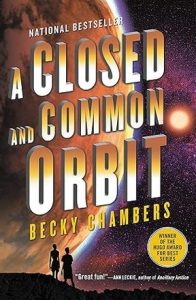
    In her sci-fi novel A Closed and Common Orbit, Becky Chambers introduces the character Owl by having her save a young girl’s life.

    She felt some spit hit the back of her leg.

    The voice changed. ‘Hey! This way! Come towards me!’

    There was no time for questions. Jane 23 ran at the voice.

    A machine stuck out from one of the scrap piles, a huge machine with thick sides and — and a door.

    Though Owl is only known as a nameless, disembodied voice at this point, she’s already a meaningful character—a sanctuary of kindness in an otherwise horrifying ordeal.

    This immediately establishes a dynamic between Owl & Jane 23—savior and saved. With this foundation, Chambers develops a deep and resonant relationship between the characters, as Owl guides Jane 23, encouraging her to keep going despite all the danger and hardship around her.

    This introduction also serves the function of pushing the plot forward. Jane 23 has her first real chance at survival. She escapes the beasts—for now.

    While not every character needs such a dramatic entrance, consider whether some of your characters might be well-illustrated by emphasizing them first with action. This may be delivering a casserole to a grieving widow, binding a magical beast in chains of cold iron, or stuffing a wedding invitation deep at the bottom of a cluttered drawer.

    And speaking of drawers…

    In what environment do we first find your character?

    A prison cell implies too much to list here. Go deeper. Ask yourself what does your character have on the wall of their prison cell? This is a great opportunity for contrast. You can show how your character relates to the world around them, how they clash or are at peace with it.

    This tells the reader what kind of power they hold. Remember, that also means what kinds they clearly do not. If your character visits wealthy distant relatives, are they put in an opulent guest room or are they relegated into the former servant’s quarters?

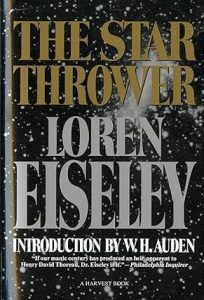
    Loren Eiseley opens his short story, The Star Thrower, with an impactful example of contrast and powerlessness. The protagonist muses on how he’s come to a place called Costabel, concluding that his arrival there might have been simply inevitable. He immediately relinquishes his agency, which is given significant meaning by the description of the beach itself.

    The beaches of Costabel are littered with the debris of life. Shells are cast up in windows; a hermit crab, fumbling for a new home in the depths, is tossed naked ashore, where the waiting gulls cut him to pieces. Along the strip of wet sand that marks the ebbing and flowing of the tide, death walks hugely in many forms.

    He isn’t just resigned to the idea that he would inevitably end up somewhere—but here. A place where uncaring fate casts vulnerable creatures to their deaths. It’s easy to see the kinship he shares with them.

    This gloomy introduction reveals his lack of self-worth and deep sorrow, which, crucially, frames the protagonist’s experiences and transformation through this story.

    What’s Your Problem?

    A young Asian woman is on a first date at a nice restaurant.
    So, why are you still single?

    Characters are most interesting when they’re actively dealing with their big conflict!

    This is obvious with protagonists, but especially consider also how you can flesh out the side characters or antagonists. A conflict-focused introduction establishes  where a character stands in the plot as well as their strengths and weaknesses.

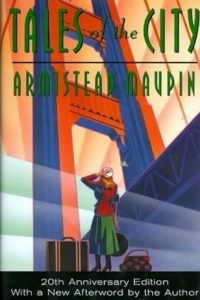
    Armistead Maupin opens Tales of the City by immediately connecting us with the inner conflict of the protagonist.

    We meet Mary Ann just as she’s made the decision not to come home to the Midwest, and instead stay in San Francisco. She has no job here, no apartment, but when she calls her mom about her decision, she’s resolute—more than resolute, she’s excited.

    “Her mother began to cry. ‘You won’t come back, I just know it.’

    ‘Mom… please… I will. I promise.’

    ‘But you won’t be… the same!’

    ‘No! I hope not.’”

    In much of Mary Ann’s following story, she embraces and struggles with the culture of 1970s San Francisco, as she’s pulled along by the bay winds of fate. And right here at the start, the contradictions in her character are established.

    She’s impulsive, terribly so. Desperate to be part of a wider world. Perhaps careless, maybe unprepared, a stranger in the place she now calls home, but she’s alive! Readers fall in love with Mary Ann because she needs to be free from the world she came from, and because she has the bravery to take that risk.

    This leads to a hint of trouble yet to come. As Mary Ann claims her adult life, she’ll struggle with new and changing relationships. Her impulsiveness enthralls the readers and stresses her emotional connections.

    Best Foot Forward

    Next time you introduce a character revisit these three tips. Even if you choose a different introduction method, examine the essential parts of your characters and how those elements shine through in their first appearance. That spark—what makes them curious, important, worth reading a story about—will seize your readers and carry them through to see not only what becomes of those characters, but what they become.


    Thank you for joining us for this Writer Toolbox Article

    A red toolbox with the words "What's in your toolbox

    There is so much to learn and do with Chanticleer!

    From our Book Award Program that has Discovered the Best Books since the early 2010s to our Editorial Book Reviews recognizing and promoting indie and traditional authors, Chanticleer knows your books are worth the effort to market professionally!

    When you’re ready,did you know that Chanticleer offers editorial services?We do and have been doing so since 2011.

    Our professional editors are top-notch and are experts in the Chicago Manual of Style. They have and are working for the top publishing houses (TOR, McMillian, Thomas Mercer, Penguin Random House, Simon Schuster, etc.).

    If you would like more information, we invite you to email us at info@ChantiReviews.com for more information, testimonials, and fees.

    We work with a small number of exclusive clients who want to collaborate with our team of top-editors on an on-going basis. Contact us today!

    Chanticleer Editorial Services also offers writing craft sessions and masterclasses. Sign up to find out where, when, and how sessions being held.

    A great way to get started is with our manuscript evaluation service, with more information available here.

    And we do editorial consultations for $75. Learn more here.


    Looking to add to your TBR?

    Check out the books mentioned in this article below:

    Even better, find a new Chanticleer Reviewed Book with a great introduction!

  • NaNoWriMo or Not, here comes November!

    NaNoWriMo or Not, here comes November!

    Time to start your engines because, NaNoWriMo or not, you’re a writer and ideas are key to jump-starting your writing!

    Inspired by Editor and Friend of Chanticleer, Jessica Morrell, let’s dive in!

    The NaNoWriMo logo, a shield crest with a Viking Helm depicting coffee, a computer, pens, and a large stack of blank paper

    For those who may not know, NaNoWriMo is a community effort where people around the world join together, each trying to write 50,000 words of a story in the month of November. For some, 50,000 words is a pittance of what they can normally create in a month; for others, it’s an impossibility.

    No matter where you fall, NaNoWriMo is a great tool to put words on the page and to write with a community rather than all alone.

    Woman in Pink Long Sleeve Shirt Sitting Beside Woman in Green Long Sleeve Shirt
    It’s a myth that writers are solitary creatures

    In the week before you get started, take care of all the basic necessities – i.e. finish your procrastination tasks. Clean your house, stock up on brain food for the upcoming month and write down easy meal ideas. Don’t forget to make sure you have all the coffee and tea you need to fuel you, and then please be sure your laundry is done.

    Ready? Set. WriMo!

    The point of a first draft is to exist. As Stephen King says, the first time you write something down, you’re telling the story to yourself. One of the best ways to motivate your story is to know your characters well. Studying modern characters is a great way to start off.

    Station 11 by Emily St. John Mandel

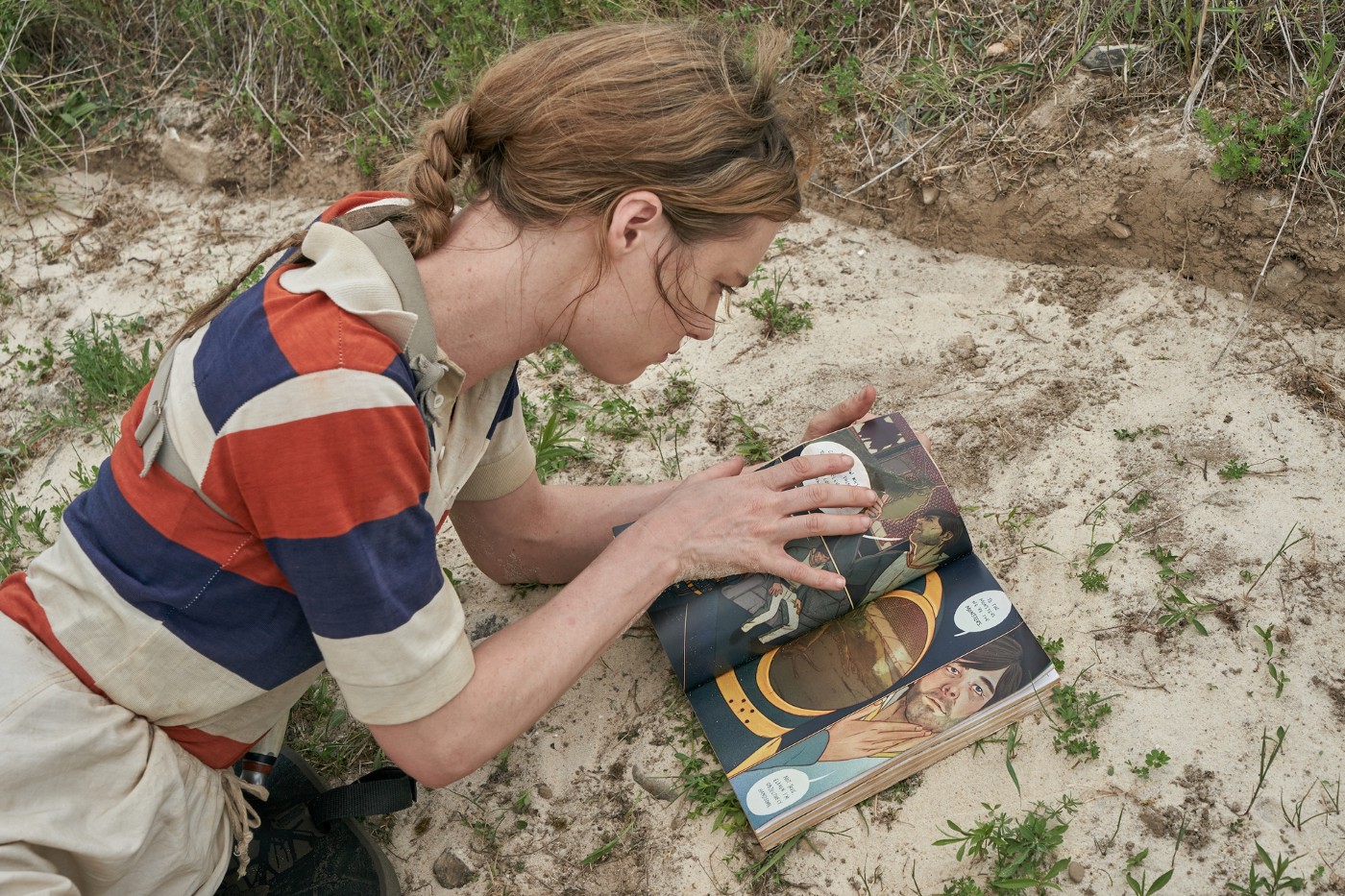
    Kirsten Raymonde reading the titular Station 11 comic book, played by MacKenzie Davis

    Child actor Kirsten Raymonde’s life is forever changed when she witnesses the death of actor Arthur Leander, sending her world into chaos hours before the world is decimated by the Georgia Flu. With the collapse of civilization and the death of her parents and little brother, Kirsten holds on tight to her passion for acting as she grows up, joining the Traveling Symphony and protecting the players and musicians there as if they were her own flesh and blood.

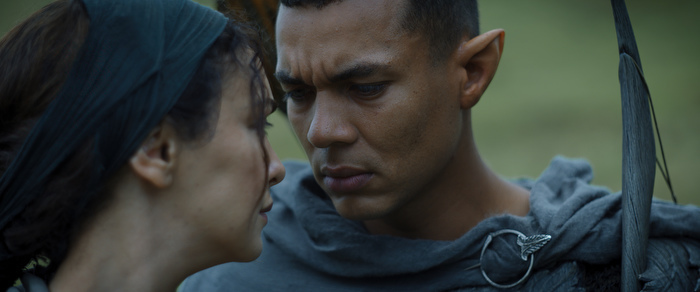
    The Rings of Power on Amazon Prime, based on The Lord of the Rings by J.R.R. Tolkien

    Arondir (Ismael Cruz Córdova) almost shares a romantic moment with Bronwyn (Nazanin Boniadi)

    Arondir is an elf responsible for the safety of a large swath of human lands in the aftermath of the battles with Morgoth. However, most elves regard the humans with a suspicion that engenders deep distrust between the two races. This prevents him from gathering crucial information about a recent poisoning. On top of that, neither the human inhabitants nor his elven companion approves of the close connection he has with the local healer Bronwyn, who seems quite taken with the handsome Arondir.

    What do we notice?

    Both these characters are firmly set in their backstory, which shows us the goals they have in the status quo at the start. Once the status quo is disrupted, you have the character’s motivation to return to a state of equilibrium, because they are now frustrated in meeting their goals.

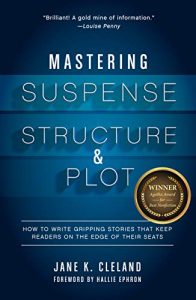
    Consider questions from Mastering Suspense Structure & Plot by Jane K. Cleland:

    • What does this character keep secret?
    • What does this character fear?
    • How does this character respond when their secret is in danger of being exposed?
    • How does this character act when afraid?
    Blue cover for Mastering Suspense Structure and Plot by Jane K. Cleland
    The Roost’s Writing Craft Book Group for November

    Understanding these elements of your character under pressure will help create believable and compelling people for your readers to want to watch and study.

    Remember, even for NaNoWriMo, you need an engine to start!

    Conflict is the engine of your story. What is the conflict in yours? For Station 11, it’s the looming threat of the mysterious Prophet who is terrorizing the communities who are the audience and friends of the Traveling Symphony. In Rings of Power, it’s the growing strength of Sauron, Morgoth’s most loyal disciple. How does this conflict put pressure directly on your main characters?

    HANDY REMINDERS

     If you are NOT participating in NaNoWriMo, then we hope that this post will spur you on as write your work-in-progress (w-i-p) or your next work.

    RULE # 1

    WRITE FAST! 

    EDIT SLOW! 

    Don’t edit your first draft as you write it!

    Writing your first draft should be a mad dash to get your story out of your brain. Don’t hinder it by worrying about each little detail. There will be time for that later. NaNoWriMo or not.

    Not taking our word for that piece of advice?

    Chelsea Cain, a bestselling thriller author (with a TV series to her credit),  gives this piece of advice:

    Write the bare-bones version of the scene first using mostly dialogue, and then move on and in the second draft flesh out the scenes with description and action.

    “Action is dialogue. Dialogue is action.” – Robert Dugoni, Amazon Bestselling Author

    What is YOUR STORY?

    Story is essentially a problem that needs solving for the protagonist. – Jessica Morrell

    • What is your protagonist’s problem that must be solved—or else?
    • What is the worst thing that can happen next to your protagonist?
    • Remember that it is not your problem. It is your protagonist’s problem, obstacle, impossible dream.
    • Start at least one subplot. This subplot(s) should also complicate the protagonist’s goals.

    No matter when the problem begins (it’s always in Act One) the problem is weighty and vexing, perhaps insurmountable. If the problem is not immediately personal, it should become so that it will create a bond (connection) between the protagonist and antagonist. Classic examples are the connection between Sherlock Holmes and Jim Moriarty and Harry Potter and Voldemort. 

    What is the inciting event or threat? 

    The inciting incident might lead to the problem. This event will disrupt the status quo, demand response, and set actions in motion. It’s a threat that unbalances the story world and creates dilemmas that must be dealt with.

    To name a few:

    • The tornado incident in the Wizard of OZ
    • Katniss’s little sister selected for the Hunger Games
    • Luke Skywalker ‘seeing’ and hearing Princess Leia calling for help in Star Wars
     These excerpts above are from The Inciting Incident blogpost


    Environment (internal and external)

    These are great tips to get your creativity groove on!

    • Remember you want to send your protagonist into new emotional territory with new challenges and pressures.
    • And at the same time, she will need to deal with new physical territories such as a new school (Footloose) or a different culture (Dances with Wolves) or a different legal society with different norms (Handmaid’s Tale) or a new environment (Deadwood)  or a different time ( Outlander) or galaxy (Farscape).
    • Don’t be afraid to stage danger in benign or lovely settings or conversely gentle scenes in dangerous and gruesome settings.

    Kiffer’s Note:  I just saw this bucolic scene while watching The Wheel of Time first episode. All white coats and white tents. And then, bam! We learn that the guys in white are not the “good guys” —at all—even if their name is Children of the Light.

    Bucolic looking camp scene in Wheel of Time inhabited by these characters all in white.

    Atmosphere

    • Allow the overall atmosphere and mood to imbue your writing from the get-go.
    • The atmosphere lends itself to the overall tone and mood of a work. Allow it to permeate your work as you write.

    The atmosphere in Shadow and Bone series by Leigh Bardugo

    Or Sex in the City by Carrie Bradshaw

    Why use atmosphere in your first draft? (or during NaNoWriMo)? 

      • Because it will affect your mood and approach to your story.
      • It will make you focus on creating unease–a necessary ingredient not always considered in early drafts.
      • Unease contributes to writing a page-turner.
      • Atmosphere underlines themes–even if you don’t have your themes nailed down yet.

    Here is the link to our Writer’s Toolbox article on Atmosphere

    Emotional Baggage

    • Know your protagonist’s main emotional wound, sometimes called baggage in real life. How is it going to affect his or her ability to solve the story problem? (See the questions below to jumpstart creativity.)

    Remember that Writers (that is you) should carry a notebook everywhere you go. You never know when a brilliant solution is going to appear. Jessica Morrell

      If I could offer a single piece of advice about creating characters it would be this (Jessica Morrell):

      • Take risks with your main characters.
      • Make them stand out from the myriads of fiction published each year.
      • And don’t be afraid to allow eccentricities, quirks, and oddball ways of seeing reality.

      More questions for your protagonist from Jessica Morrell—these are guaranteed to get your creative wheels turning:

      First, ask yourself these questions and then “ask” your protagonist. Have your protagonist go into depth. Find out what your protagonist’s iceberg under the waterline is all about.

      Photo taken in Greenland’s waters.

      Kiffer suggests that you take a walk when you are considering these questions. Be sure to either take notes or record your thoughts on your smartphone while you explore your protagonist’s emotional baggage. Walk a mile in your protagonist’s shoes. 

      • What’s the most embarrassing thing that has ever happened to you?
      • What is your biggest regret?
      • What is your superpower?
      • Who do you cherish most in the world?
      • If you could change one thing about your world, what would it be?
      • What is your average day or schedule?
      • What 5-6 words sum up your values?
      • What do you do after a really bad day?
      • How do you celebrate?
      • The secret you’d never tell your significant other? Your mother? Your sibling?
      • What reminds you of home?
      • What item must you always take along when traveling?
      • Favorite drink?
      • Secret vice?
      • Pizza or tacos? Cookies or tequila?
      • Favorite climate?
      • Reading or television to unwind?
      • Breakfast or coffee only?

      We hope that we helping you, Dear Writer, to arm and prep yourself to get down to the writing of your next work—the reckoning.


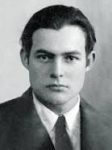
      Ernest Hemingway:  There is nothing to writing. All you do is sit down at a typewriter and bleed.


      Chanticleer Editorial Services

      When you’re ready…

      Did you know that Chanticleer offers editorial services? We do and have been doing so since 2011.

      Our professional editors are top-notch and are experts in the Chicago Manual of Style. They have and are working for the top publishing houses (TOR, McMillian, Thomas Mercer, Penguin Random House, Simon Schuster, etc.).

      If you would like more information, we invite you to email Kiffer or David at KBrown@ChantiReviews.com or DBeaumier@ChantiReviews.com for more information, testimonials, and fees.

      We work with a small number of exclusive clients who want to collaborate with our team of top editors on an ongoing basis. Contact us today!

      Chanticleer Editorial Services also offers writing craft sessions and masterclasses. Sign up to find out where, when, and how sessions are being held.

      A great way to get started is with our manuscript evaluation service, a tried and true resource you can learn about here.

    • Stuck in the Middle with You – Defining the Middle-Grade Books Genre | The Gertrude Warner Awards

      Just What Makes a Middle-Grade Book Middle-Grade?

      While we aren’t actually “Stuck in the Middle” as the Stealers Wheel might say, we can always stand to learn a little more about the genres we write in.

      The Stealers Wheel: Decent band? Sure! Middle Grade Authors? Not quite…

      As many authors of literature meant for youth know, Middle Grade sits in that small spot between Children’s Literature and Young Adult – quite literally in the middle of these two genres. The target age for this work is 8-12 years old.

      We have a couple of key recommendations for creating excellent work that will hold the attention of this tenacious age group.

      The Middle Grade Basics

      Various Vials with the words Problem, Charcter, Resistance, and Conflict inside them

      There are guidelines for every genre, and, while they can bend, if you find yourself breaking them regularly, you might need to double-check if you’re actually writing in the genre that’s best for you.

      These suggestions will let people know your book fits in the Middle Grade Genre:

      • Length of 30,000-50,000 words
      • Content is clean with no profanity or sexual activity (crushes and first kisses are okay)
      • The age of the main character is close in age to the reader, about 10-14 years old
      • The story is immediate; characters may have minor interiority, but reactions to the world at large is the most important
      • The story should feature experiences that the pre-teen and tween has experienced in their own lives even if the story is fantasy (Harry Potter and the Sorcerer’s Stone or Percy Jackson and the Olympians) or real-life (Diary of a Wimpy Kid). Examples are: friendships lost and made, school experiences, family circumstances, and learning about the “wide world outside of oneself.”
      • Is it a story that the reader (even if older) can place him/her self in? Total immersion.

      There are some exceptions to these rules, especially in different genres, like Science Fiction and Fantasy, which both tend to have longer word requirements. However, following the convention of a genre doesn’t just show agents and editors that your work fits with what they can sell, it meets reader expectations.

      If you have ever tried to find clothing and or gifts for this “tween” age, you know just how hard it is and how limited the selections are. And how hard it is to find something the tween will like as this is the age when they start to develop their own tastes and preferences.

      Treat Your Readers with Respect

      No one can spot someone talking down to them better than a Middle Grade Reader. They have a foolproof radar and can tell when authors are overexplaining or, worse, condescending to them.

      A Young Person Asleep on their computer
      Don’t put your readers to sleep!

      Children ages 8-12 are smart and hungry for excellent writing! They are thoughtful, clever, and it’s worth it to tell them good stories.

      This comes to having good beta readers and a solid Manuscript Overview to ensure you have a working plot before you move onto Line Editing and then the final polishing. Respecting your Reader and their time is the golden rule of any writing.

      The Story Must Move

      Stanley Yelnats in Court in the movie Holes
      Stanley Yelnats in the movie adaptation of Holes is told he must either choose reform camp or jail for a crime he didn’t commit

      That last bullet point in the basics section says the story is immediate.

      Younger readers love action – your characters need to react and act in response to the world around them. Publisher’s Weekly quotes Scholastic associate publisher Abby McAden on the topic:

      “Middle grade is for truly independent, confident readers, whereas chapter books are all about building that confidence. Stories that often revolve around friendship and deeper exploration of themes and emotions. Kids’ abilities to articulate their inner lives develop over time and are at least somewhat built on experiences they have had or are having. There’s a frame of reference a 10-year-old has that a seven-year-old doesn’t yet. Year over year, kids become ready to look around and explore alternate experiences, and I think middle grade is a giant leap forward in that process.”

      And good authors will leap with them as those young readers dive into the larger world.

      Read from the Best

      A Pair of hands writing in a notebook with the words "Read from the Best" above

      The best way to begin and continue to excel in a genre is to read, read, read. Several attendees at the Chanticleer Authors Conference mentioned they had started reading the entire Finalist List for their Division, not just for the pure sake of pleasure, but to better understand what their peers where doing and what the competition really looked like.

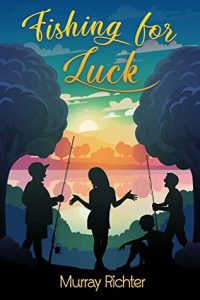
      Our 2021 Gertrude Warner Grand Prize Winner for Middle Grade Readers was Murray Richter’s book Fishing For Luck.

      Fishing for Luck Cover
      Read it Here!

      Kevin’s awesome life consisted of three things: fantastic fishing, hanging out with his ever-pranking friends, and having fun with the coolest mentor ever. But when the scariest piece of his past resurfaces, his world changes. Will Kevin be able to find his voice and the courage to overcome things too evil to speak of, or will he lose his friends, family, and everything else important to him?

      What Chanticleer has to say! Review is forthcoming!

      A fast-paced novel of amazing sorts! A great book for young readers that will keep your head spinning and guessing what will happen next!

      Need even more reads? See the full list of Gertrude Warner Winners here!

      Got a Great Middle Grade Read?

      The Boxcar Children from the famed series by Gertrude Warner
      Middle Grade Books
      September 30, 2022
      Enter Here

      The Gertrude Warner Awards are open through the end of September! Submit today!

    • Understanding Story Structure — A Chanticleer Toolbox Primer Article by David Beaumier

      Understanding Story Structure — A Chanticleer Toolbox Primer Article by David Beaumier

      Start with the Heart 

      Henry Cavill responds to 'Enola Holmes' copyright lawsuit
      Henry Cavill stealing our hearts as Sherlock in the movie Enola Holmes. He definitely stole Kiffer’s.

      When we look at writing craft, it can help to start general and then move on to specifics. Start with questions to help orient yourself toward how you will edit the work:

      • What do you see as the genre?
      • What is the climax?
      • How do you imagine the story’s structure?
      • What is the heart of the story?

      The heart of the story can be more generally understood as theme, but it really boils down to where does the blood flow in the veins of the writing. I make sure that is always in my mind when editing for an author, and I recommend it for any writer who is working on a piece.

      Write down the heart of your story somewhere you can always look at it—on a sticky note near your writing area, at the bottom of the document you’re working in, anywhere you can see it. Having the heart of the piece as an easy reference point lets us keep an eye on the destination as we write or edit toward the end.

      The Evolving Nature of Structure 

      Get ready for book recommendations! In terms of structure, David recommends Jane Alison’s Meander, Spiral, Explode, which sets the bar for how we can reimagine the shape of our books. Most stories won’t tell their author what their structure is supposed to look like until they are nearly finished. 

      Meander, Spiral, Explode: Design and Pattern in Narrative by Jane Alis – Catapult

      Most of the time when we think of the structure of a story, we think of the Aristotelian spear. But story structure can look like anything! A spiral, a flower, a canoe, an inverted spear. Of course, there’s nothing wrong if your story structure does fall into this classic description, but keep in mind that doesn’t mean we close ourselves off to all other structures.  

      A Writer's Cheatsheet to Plot and Structure
      Aristotelian Spear story structure

       Alison takes the idea of seeing the structure literally, recommending that writers draw out the shape of the story. To do this, she recommends visualizing summary like this “__” a scene like this “–” and a still spot (interiority or a moment where the narrator pauses and explains events) as “·”. This is the example of the structure she sees when blocking out a section of Vikram Chandra’s “Shakti”

      __ __ __ __ — — — · —   

      You can see the pattern beginning to form, four moments of summary, followed by three scenes, a still spot, and then finishing with a scene. What do your own stories look like?

       Again, usually this structure becomes visible as the story reaches completion, allowing the author to see the images and metaphors that really shape it.  

       Narration in Four Parts 

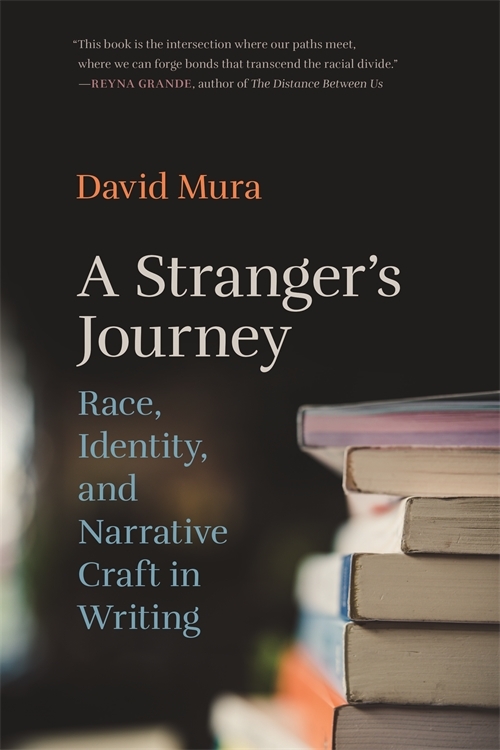
      A Stranger's Journey

      The next section here owes much to David Mura’s Book A Stranger’s Journey. At the start of his chapter “Four Questions Concerning the Narrator” Mura simply asks: 

      1. Who is the narrator?
      2. Whom is the narrator telling her story to?
      3. Where is the narrator telling the story?
      4. Why is the narrator telling the story?

      These simple questions open up most stories in wonderful ways that surprise and delight their authors. It changes the idea of the narrator just being the main character in their present (if so, is the narration in present first person, and does the reader only get information the main character knows?). Or perhaps the narrator is you, the author; remember you are a living, breathing, ever changing being, while your narrator becomes fixed in time the moment you put down your pen and stop the editing process. Understanding this allows the writer to slow down and understand the perspective of narration in their story.  

      Why did Drax say, “Why is Gamora”? - Quora
      From Avengers: Infinity War

      Let’s look at a short story attributed to Ernest Hemingway to better understand these questions of narrator. The story is as follows:

      For sale: baby shoes, never worn

      • Who is the narrator? We could say a newspaper or even the person who wrote the advertisement, possibly the parent of this child. We could also say that Hemingway is telling the story since he was asked to write a six word story.
      • Who is the narrator speaking to? Anyone who might want to buy baby shoes. If Hemingway is the narrator, then it’s also with the secondary desire to make the reader sad since the tragedy implied by baby shoes that have never been worn weighs heavily on us.
      • Where is the narrator telling the story? In the newspaper? A sign in a window?
      • Why is the narrator telling the story? Hard question. Maybe honestly just to sell the baby shoes. Maybe to find closure and remove the last reminders of their loss. Maybe in the hopes that someone will reach out.

      In examining the narrator and understanding the relationship the narrator has with the reader, we create work with richer tone, voice, and a better understanding of what information needs to be shared.  

      All in Good Measure 

      Amazon.com: Self-Editing for Fiction Writers, Second Edition: How to Edit Yourself Into Print (9780060545697): Browne, Renni, King, Dave: Books

      The next book recommendation is Renni Browne and Dave King’s Self-Editing for Fiction Writers. While many of their chapters are excellent, their fourth one, “Proportion” stands out among many craft books as a unique topic. The quickest way to say this is to simply ask the writer to say what they mean to say, and then move on without spending too much time repeating the point. Often, this repetition breaks the sense of proportion needed for the story, leaving the weakest repeat to carry the weight of the scene in which it appears.

      An example of this would be if the sunset was described as two Polaroids being jammed together to make the sky and land, and then describing again how the rocky cliffs were at odds with the soft clouds of sunset. Remember, choose which one seems stronger and cut the weaker one. 

      Most craft books touch on this as the idea of trusting the reader. Write the best story you can imagine writing, and then, after showing it to readers, you’ll understand if the way you wrote it made sense or not. Taking too much time to belabor your point will make it seem overwrought and overwritten to the point that the reader might lose interest (something I always fear when writing about proportion).  

       All Together

      So, the key parts of craft I’m looking at here are: Heart, Structure, Narration, and Proportion. Of course, there are the traditional ones that we hear about everywhere:

      • Dialogue
      • Character
      • Plot
      • Voice
      • Beat
      • The ever present struggle between show and tell.

      Of course it’s important to have a good grasp of the basics, you can’t have the four elements above without them! But understanding how you’ll put it all together in the end is what makes a work really sing.


      When we finish our first draft our work suddenly transforms into a behemoth that’s impossible to approach. We’ll give you some great advice here, though if you’re at the point where you’ve done all this the next step is to find some extra eyes for your work. For an unbiased evaluation  that will help you better understand what works and what needs to be improved in your book, check out our Manuscript Overviews editorial service here. Remember Kiffer’s advice to have a manuscript assessment prior to beginning line editing or copy editing. A manuscript overview/evaluation will save you time, money, and will improve your work-in-progress.

      The CIBAs – Discovering Today’s Best Books and Authors

      If you’ve read through this and think “I’ve done all this, and I’m ready for the next step!” Congratulations! We would recommend putting some positive attention on your book at this point. You can enter it in a Chanticleer International Book Award Contest here or submit it for a professional Editorial Review here. And remember, it never hurts to do both.

      Looking for more story structure? You can find many articles here from a search of our site. 


      Chanticleer Editorial Services – when you are ready

      Did you know that Chanticleer offers editorial services? We do and have been doing so since 2011.

      Tools of the Editing Trade

      Our professional editors are top-notch and are experts in the Chicago Manual of Style. They have and are working for the top publishing houses (TOR, McMillian, Thomas Mercer, Penguin Random House, Simon Schuster, etc.).

      If you would like more information, we invite you to email Kiffer or Sharon at KBrown@ChantiReviews.com or SAnderson@ChantiReviews.com for more information, testimonials, and fees.

      We work with a small number of exclusive clients who want to collaborate with our team of top-editors on an on-going basis. Contact us today!

      Chanticleer Editorial Services also offers writing craft sessions and masterclasses. Sign up to find out where, when, and how sessions being held.

      A great way to get started is with our manuscript evaluation service. Here are some handy links about this tried and true service: https://www.chantireviews.com/manuscript-reviews/

      And we do editorial consultations. for $75.  https://www.chantireviews.com/services/Editorial-Services-p85337185

      Writer’s Toolbox

      Thank you for reading this Chanticleer Writer’s Toolbox article.

      The traditional publishing tool that indie authors can use to propel their writing careers to new levels?  https://www.chantireviews.com/2016/05/15/the-seven-must-haves-for-authors-unlocking-the-secrets-of-successful-publishing-series-by-kiffer-brown/