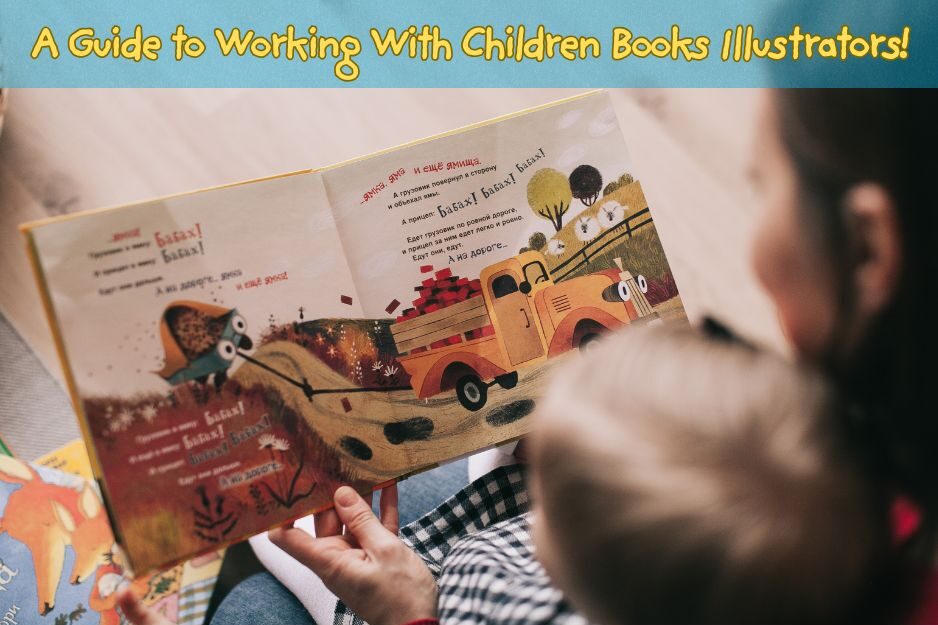
Category: Writing Craft

  • From Words to Wonder: 6 Smart Tips for Writers Collaborating with Illustrators

    They say a picture is worth a thousand words.

    A children’s book’s illustrations are a non-reading and early reader child’s gateway into a story.

    Falling in love with books is imperative for the development of a child’s listening and attention skills, as well as their cognitive and language development. It also helps them socially and emotionally, creates bonding experiences and fosters their own creativity as they begin to express themselves through art and verbal storytelling.

    All characteristics that lay the path toward a happy, successful person later in life.

    Illustration, hand, light board, man

    Finding and working with an illustrator that you believe shares your vision is a big first step in creating a great children’s book.

    Once you are finished drafting and editing your picture book and it’s time to tackle the visual component, consider the following process to find the right illustrator, establish a great working relationship, and manage the workflow all the way through to the final product. These six tips will help you manage the project.

    1. Determine Your Scope of Work

    Never start working with an illustrator until you have a good understanding of what your project entails. Illustrators need this information so they can plan their schedules, determine fair pricing, and set a foundation of trust in your working partnership. Make it a great experience for everyone by going into the project with a carefully considered plan. Know what you need, the time-frame of the project, how they’ll be paid, and how much you have budgeted for the project.

    2. Consider Your Preferred Artistic Style

    The art produced in children’s books is as varied as the stories themselves. Fun, quirky, beautiful, and serene; the images run the gamut of styles to reinforce the plot as each page is turned. There is a lot to consider when you are thinking about your preferred style. Explore books on the market now and make a decision on the general style you prefer prior to beginning your search for an artist.

    Man, woman, drawings, black, white

    3. Take your Time Choosing an Illustrator

    Each artist brings something unique to your story, but if you don’t find one that can accurately reflect the tone of your story, you may end up causing confusion when the art doesn’t feel right with the story. Seek out illustrators that have proven they can deliver the tone and style that you desire. Zero in on three to five illustrators, view their portfolios and talk to them about their art and what inspires them, then go with the one who most closely aligns with your vision.

    4. Negotiations and Contracts

    Once you’ve found your illustrator and discussed the creative vision for your book, it’s time to get down to the business end of working with an illustrator. Before discussing schedules and pricing, do your research. Know what the typical rates are and what qualifies as a finished product: how will the images be delivered, formats, what issues could occur, and how will they be resolved, etc. Write up a simple contract that includes all the information you’ve discussed and a summary describing the style and tone will keep the vision clear for both of you as the project gets underway.

    people, man, woman, computer

    5. Now the Fun Part!

    A good practice when working with an illustrator that will ensure the project gets off on the right foot is to see a few rough sketches soon after the project gets started. Discuss them with the artist, letting them know what’s working for you, and what’s not. Be honest, but kind. Respectfully ask for the changes you wish to see and don’t forget to tell them the great things you see in their work. Pointing them toward the great things is as important as telling them what you don’t like.

    6. Checking In

    Your illustrator will need time and space to create beautiful images, and authors should respect that. But that doesn’t mean you have to be in the dark as your book comes to life with color and shape. Schedule regular check-ins or have deadlines for a specific number of pages/images. Both you and the artist will feel confident that you are moving through this process together.
    Kid, pencil, book, land, hill, sky, orange, green

    Creating a great working relationship with an illustrator will lay the groundwork for a smooth translation of your story through images and fill those young readers’ imaginations with the wonderful stories you’ve created just for them!


     Take a look at the great illustrations in these children’s picture books from Chanticleer authors! 
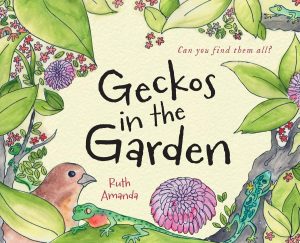
    Geckos in the Garden Cover

    Geckos in the Garden
    By Ruth Amanda
    CIBA Little Peeps First Place Winner

    Geckos in the Garden by Ruth Amanda is a children’s counting book that takes readers through a delightful, rhythmic, aesthetically pleasing romp past a series of hidden geckos.

    Amanda starts out with just one gecko in the garden. Every page after, one more is added amongst myriad natural details such as flowers, a snail, a palm tree, garden taps, rocks, a mango tree, leaves, a gate, a bird’s nest, a pond, and more.

    Amanda demonstrates a natural sense of narrative arc even within a counting book—readers will feel the climax of the adventure when they arrive at the ninth gecko and read the line, “I spot one—two—no, six—no, more! Nine!” The escalation of the words’ momentum makes the ninth and tenth geckos more dramatic. Furthermore, the clever dénouement includes the narrator realizing the geckos might watch them just as much as they watch the geckos, and this is written alongside an adorable picture of a gecko looking in the window of the narrator’s home.
    Read more here!

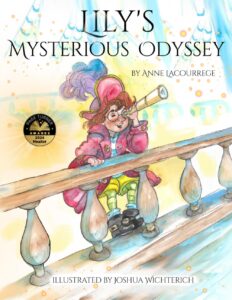
    Lily's Mysterious Odyssey Cover

    Lily’s Mysterious Odyssey

    Lily’s Mysterious Odyssey by Anne Lacourrege, illustrated by Joshua Wichterich, follows a young girl named Lily through her dreaming nautical adventure.

    Homes hold onto the history of their families. With only herself to play with in her family’s old house, Lily comes across a hidden chest of antique keepsakes, unaffected by generations of storms and floods across the New Orleans coastal area. Lily and her parents soon find even more items hidden away that paint the history of 1800s sailor Captain Harry and his family.

    That night, Lily dreams of Captain Harry’s daughter, Anne, who invites Lily to see her father’s ship. Lily’s mysterious odyssey truly begins as the ship sets sail with Lily still on board. She soon finds herself on an journey to Greece, where she learns about Greek culture and its similarities to her home when a Mediterranean cyclone hits.
    Read more here!

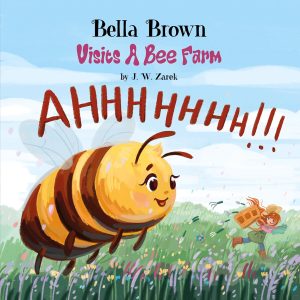
    Bella Brown visits a Bee Farm Cover

    Bella Brown Visits a Bee Farm
    By 

    Bees frighten Bella, but a learning adventure turns her fear to fascination in J.W. Zarek’s delightful children’s book Bella Brown Visits a Bee Farm.

    Bella’s bespectacled Grandma Yetta asks for help in her wildflower garden. Bella hops along with her bucket of gardening tools, surrounded by beautiful hovering butterflies. But a sudden encounter with a large striped flying insect sends Bella running.

    Grandma Yetta explains that the buzzing bee is merely curious or trying to protect her home or babies. She advises Bella to stand very still, and the bee will fly away. Bella gives it a try and sees her own fears fly away as the bee continues its journey through the garden.

    Read more here!
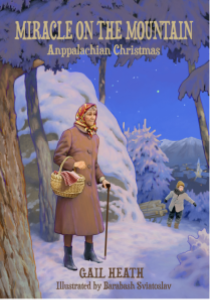
    granny, snow, boy, cane, basket, miracle, christmas, appalacian

    Miracle on the Mountain

    Gail Heath’s Miracle on the Mountain: An Appalachian Christmasshares a message of love and redemption through the heart-warming tale of Granny, a faithful, disciplined, and generous Appalachian woman.

    On a blustery winter day, Granny starts down her home’s snowy, mountain landscape to attend Christmas Eve service in the village. When her dog, Shep, wanders off, Granny runs into Pete. The young man uses firewood collecting as an excuse to not attend service, hiding a deeper motive beneath.

    Granny asks after his grandfather, who is in the midst of a long recovery after being attacked by a boar. Pete is forlorn, casting aspersions at Granny’s message that a miracle may yet happen, especially on this of all nights. Sensing his loss of faith, Granny offers Pete a few cups of her warm chicory as she regales the miracle on the mountain she witnessed ten years ago that made her a true believer.
    Read more here!

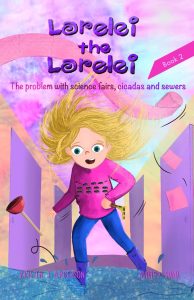
    Lorelei the Lorelei 2 Cover

    Lorelei the Lorelei: The Problem with Science Fairs Cicadas and Sewers

    Lorelei, the charismatic and outspoken seven-year-old, leaps at the chance to save her school’s science fair from disaster in Lorelei the Lorelei: The Problem with Science Fairs, Cicadas, and Sewers, second book in Kristen J Anderson’s Lorelei the Lorelei series.

    Beyond excited for the science fair, Lorelei prepares a project with a mission. She hopes to change people’s perception about cicadas, which most consider a gross nuisance of a bug. On the day of the science fair, during a trip to the restroom, Lorelei encounters a plumbing catastrophe.

    With the help of her family and friends, Lorelei put a plan in motion to protect the school fair, while learning valuable lessons about sportsmanship, classroom behavior, and empathy. She may be silly and likeable, but some of her quirks can get her into trouble too!

    Read more here!


    Professional Recognition?

    It isn’t just for the biggest names!
    $50 Off Children’s Book Reviews

    Your illustrations tell a story. Let professional reviewers help readers discover it.

    Through November 12, use code 3ZPULQAN25 for $50 off Chanticleer Children’s Book Reviews. Each review includes specialized assessment, ongoing SEO optimization, social media promotion, marketing-ready quotes, and author approval.
    Input the discount code here!

    Get your review with $50 off

    Offer expires November 12, 2025
  • Three Rules for Writing Historical Fiction That Will Transport Readers Back in Time

    There is magic in historical fiction.

    Magic that takes you to another time and place. In a time machine, you might say, with a beautiful cover and pages in between.

    That’s what readers expect when reading historical fiction. A time machine. They want to immerse themselves in a world that once was and now can only be visited in their imaginations. But who is this storyteller, this weaver of time, and how, exactly, does this time machine transport readers into the past?

    Books, clock, purple, blue, red

    Let’s look under the hood of that writer’s time machine and get to know the rules of historical fiction!

    1. Immerse Readers in the Past

    Historical fiction requires authenticity. Placing the reader in a world that once existed means they have a sense of that world based on their own experiences and knowledge. This doesn’t mean you can’t shape their beliefs, but to do so you must adhere to the way that world existed. 

    Before you tap one key on your computer, do your research. Immerse yourself in your characters world. Be a reporter from that time and ask yourself the who, what, why, and how questions that will help you set the tone and create the authenticity to make your story ring true.

    Make sure your sources are relevant and reliable. Readers of historical fiction tend to be well-versed in the time periods they are interested in reading about, so it’s up to the writer to make sure the details they put into their story are as accurate as possible.

    2. Characters That Live in the Past and Thrive in the Present

    They say the more things change, the more they stay the same. This thought can be applied to the characters your readers will meet in your story. Styles change, trends evolve, and what was once acceptable in society no longer is, but some things never change. 

    To make relatable characters in historical fiction you must blend the societal norms of their era with issues that can still resonate with readers today. You see this in the anguish over someone’s death, or the joy of seeing your destination after a long, difficult journey. Humanity has always shared similar desires and calamities, use them to bridge the gap between readers and the characters in your imaginary world.

    Blending the past and present is also needed for other details within your story. Maybe it’s clothing or language, or a specific smell or sound that places the reader in the past. Slip inside your character’s skin, but keep in mind the thru lines that humans have always shared.

    Books, hand, sleeve

    3. Restrain Your Research

    If you enjoy writing historical fiction, there’s a good chance you love learning about the past, and that’s where our good intentions can derail our writing process. Each turn of the page generates a new idea for your story, and time slips away before you realize your research has sucked up all the time you’d set aside for actually working on the manuscript.

    To protect yourself from this fast road to nowhere we suggest blocking out dedicated time for the research portion of your designated work time. Set an alarm for a specific time and commit to ending that day’s research no matter where you are in the process so you don’t miss out on writing. That is what timers are for!

    Be clear in your goals for your research to ensure you get what you want from the time spent researching. Organize the appropriate resources and tools you’ll need before sitting down so they’ll be within reach, and write a list of the things you want to accomplish before getting started. If you find yourself straying from your goals, refer to the list to find your next subject to research.

    Create steps for your research to break down the work into manageable tasks. You could do it by subject matter, or resource material, or anything that fits your specific needs. The point is to make it less overwhelming as you move through the tasks. Prioritizing the tasks to get the most important or urgent ones done first will also help you to streamline the process further.
    Don’t forget to take breaks from your research to get out of your headspace and refresh. Sometimes we can become so involved in the worlds we are researching that it’s hard to get into the world of our imagination. By taking a break to refresh, it gives our brain time to process the information and see it anew to incorporate into a plot.

    book, glasses, old, buckles

    Buckle Up for a Long Ride

    There’s no way around it—good research takes time and effort. But the payoff can be amazing for your readers. The more you can place them in the time period of your story, the more the story will infiltrate into their imaginations. The devil is in the details, but the details need to make sense. So don’t rush the process. Set boundaries, work toward goals, and find good, reliable sources and you’ll surely find the valuable information that will take your readers back in time on a magical historical fiction ride all the way to the very last page!

    For more tips on streamlining your research check out these Chanticleer articles:


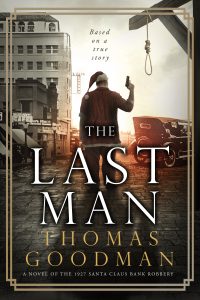
    The Last Man cover

    The Last Man
    Thomas Goodman
    CIBA Grand Prize Winner in the Laramie Division

    In The Last Man: A Novel of the 1927 Santa Claus Bank Robbery by Thomas Goodman, four men in a small, depression-era Texas town lay in wait to carry out their unique plan for a holiday heist.

    It’s December 23 and a man in a Santa Claus suit walks into a bank. But rather than his bag full of Christmas surprises, he’s brought a gun. With the element of surprise on their side, the robber and his two partners would collect the cash, while another partner waited in the getaway car. It all seemed so simple.

    At the time, Texas bankers—in order to deter crimes such as this—promised a $5,000 reward for any dead bandits, “and not one cent” for the capture of a live one. Should anything go wrong, the possibilities for disaster were clear as a Greek tragedy, but what could go wrong?

    Guns blaze within minutes of entering the bank.

    Read more here…

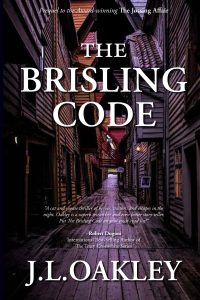
    The Brisling Code

    In The Brisling Code, a fast-paced first installment of her historical thriller series, Oakley weaves a brilliant portrayal of the perils met by the Norwegian Resistance during WWII.

    Layered perspectives—from resistance workers, traitors, and even an SS Officer—create a rich world through which readers can understand the sacrifices that were made to free our world from the tyranny of Nazi Germany.

    Immersed in volatile Nazi-occupied Bergen, Norway, fearless young intelligence agent Tore Haugland and his team of organizers work tirelessly to protect the essential work of the Norwegian resistance.

    Read more here…

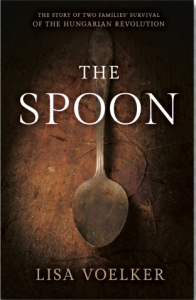
    The Spoon Lisa Voelker

    The Spoon
    By

    Lisa Voelker’s historical fiction novel, The Spoon, takes us back to the 1950s in Hungary during the daring student uprising, and attempted revolution, in Buda and Pest. The author weaves historical facts with fiction in the form of family lore that has been handed down for generations.

    We follow scores of people whose lives intersected during this uprising of 1956. The revolution was, at its inception, a time of joyous upheaval, but in less than two weeks became one of devastating dissolution. People fled Hungary by the thousands, but not before giving the Soviet Union a taste of their discontent.

    Read more here..

    The Merchant from Sepharad

    Joshua Ibn Elazar, the eager son of a Jewish merchant, travels to al-Andalus (the Iberian Peninsula under Muslim rule) to prove himself in his father’s business. But he finds an unwelcoming, degrading society waiting for him, and begins a journey of misfortune and anger in James Hutson-Wiley’s historical fiction novel, The Merchant from Sepharad.

    Shortly after arriving in the city of Lishbunah, al-Andalus, Joshua is tricked out of the gold for his living expenses. Worse yet, he learns that Jews in Lishbunah suffer under oppressive laws, holding far less status than Muslim citizens. He can only find help in Lishbuna’s Jewish community, meeting Rabbi Hiyya al-Daudi and his son Yaish, who house and feed him.

    Read more here…

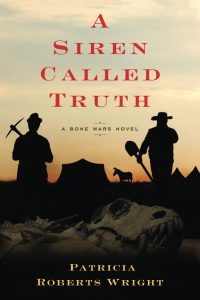
    A Siren Called Truth Cover

    A Siren Called Truth

    Patricia Roberts Wright’s A Siren Called Truth plunges into the fierce rivalry of the Bone Wars, a real-life scientific feud between paleontologists Edward Cope and O.C. Marsh. Blending history, ambition, and human drama, this gripping historical novel explores the cost of discovery and the lengths people will go to secure their legacy.

    A Siren Called Truth is a character-driven exploration of rivalry. Edward Cope, a self-taught genius, is determined to unearth America’s prehistoric past, but O.C. Marsh stands in his way, a well-funded and politically savvy adversary. Their battle for dominance in paleontology is not just about fossils—it’s about reputation, power, and the relentless pursuit of truth.

    A Siren Called Truth’s prose transports readers to the rugged landscapes where fossils lie buried beneath layers of time.

    Read more here…


    Recognition for Historical Fiction Excellence

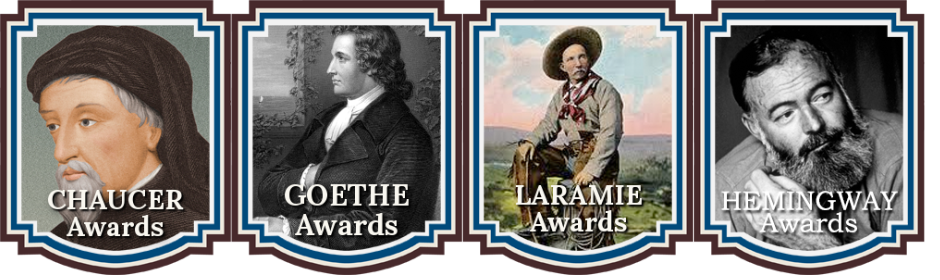
    Chaucer, Goethe, Laramie, Hemingway, CIBA, Awards

    Don’t miss out on your chance to submit to these fabulous Historical Fiction Awards!

    Whether you’re writing pure historical fiction or adding bits of history into other genres, professional recognition celebrates the craft behind effective tales from the past. The Chanticleer International Book Awards recognize outstanding fiction across multiple divisions that dive into the past:

    Chaucer Awards ~ Perfect for Early Historical Fiction (Pre-1750s Historical Fiction Novels

    Goethe Awards ~ Ideal for Late Historical (Post-1750s Fiction Novels

    Laramie Awards ~ Excellent for Western, Pioneer, Civil War, First Nations Fiction Novels and other Historical Fiction Books 

    Hemingway Book Awards ~ Fitting for 20th & 21st century Wartime Historical Fiction Novels

    The 2025 deadline is August 31st! These awards recognize the skillful writing in genres that creates memorable, impactful historical fiction.

    Historical fiction is about creating emotional experiences that resonate in the modern world long after the final page. Whatever your primary genre, adding in great period details, creating relatable characters, and sticking to a good process all the way to the finish can transform good stories into unforgettable ones.

    Submit before August 31 and let professional judges recognize your skill in crafting compelling, historical fiction.

  • The Research Puzzle—How to Conduct Great Research Without Becoming Overwhelmed

    Research adds so much to a story, but with so much great information available to us today finding the right information can sometimes become overwhelming. 

    Don’t let your research overtake your writing project! Create a clear and effective process to find the perfect tidbits to add validity and relatability to your story. 

    Good research serves three essential purposes:

    Builds trust with your readers
    Fills in gaps in your own knowledge
    Provides concrete examples to inspire or reinforce your narrative

    Begin Your Research with Trusted Resources

    The best start to any research project is to find the right resources. Make sure they are reliable, relevant, and relatable in some way to your story. If you’re writing a romantic scene with references to a specific type of cuisine don’t just rely on the last best meal you had. Find recipes or meal plans that give you the right words to describe the meal. If you are writing a western, look for reliable resources that will tell you the specifics about how to shoe a horse. Here are some good places to start when thinking about where you want to conduct your research—

    Familiar Resources

    • Your own bookshelf
    • Podcasts on your particular subject
    • Articles you’ve saved
    • Experts you already know

    Outside Resources

    • Your local library system
    • Professional associations for expert opinions
    • University research departments
    • Industry journals
    • News archives
    • YouTube videos
    • Online websites, such as the online encyclopedia Wikipedia
    • Search engines (But be careful—this is where most of my available time gets stuck as I start chasing research tidbits)

    Research Tips   

    Check an author’s other work if you like their approach
    Makes sure there are citations and references listed
    Check the publication date to determine if the information is current
    Take a look at the bibliographies of the books you read to find more sources
    Avoid information that is part of an advertising pitch or contains extreme or vague information
    Save everything that looks useful – you can sort it out later


    book, bookmark, magnifying glass

    Types of Data

    One of the best things I found in my research about research is there are only three types of data:

    Statistics and data offer an author straight-up facts and findings, and each one should come with a citation to its sourced material
    Quotes from experts or people “in the know” require the exact wording and a citation
    Anecdotes require a brief summary and the appropriate sourcing

    Your Research Project in Action

    Now that you have your reliable resources, it’s time to get busy! If you’re like me and can get caught up in finding out more juicy details to add to your story it may be a great time to implement the “5, 10, 10, 5” rule, and it goes a little something like this:

    1. Pick one key point to research for 5 minutes
      • Research one specific item and stay focused on that one item
      • Write down three questions that you want to find answers to
      • Note the type of evidence you are looking for, such as statistics, examples, or expert quotes. This is particularly helpful to me because it sets me on a direct path to the information I need, rather than through a divergent path of anecdotes, say, when I actually need statistics.
    2. Scan the information for relevant references for 10 minutes
      • Only work from 2-3 reliable sources to simplify and focus your research project
      • Save links, bookmark, or take photos of the information you need
      • Highlight key passages
    3. Record the information you need most for 10 minutes
      • Create a simple system to record your research; include space to write down where it came from, when the information was collected, who collected it, and a link to the resourced information if available
      • Save your best findings and note how you’ll use them in the story
    4. Quality check for 5 minutes
      • Read your original point
      • Add your research
      • Make sure it flows naturally

    toolbelt, books, book cart, wrench, screwdriver, pliers

    Research Tools

    Having effective tools in your research toolbelt can really take your effectiveness to the next level, but don’t get carried away! Only use the tools you need to avoid your research project from becoming chaotic. Here are some of our favorite tools—

    • Microsoft Word and Excel, and Google Docs are helpful to create simple research documents you can easily search, share, and back up
    • Web Browsers’ “Bookmark” features allow you to create folders for different topics or sources
    • Microsoft’s Notebook can turn you into a record keeping superstar!
    • Evernote: Clip web articles and organize by chapter
    • Apple Notes/Google Keep: Quick capture of ideas and sources on your phone
    • Kindle/eBooks: The search feature combined with its ability to highlight specific passages is the solution to foregoing typing out quotes, and their search function helps you skim through the content to find the information you need most
    • ReadWise saves and organizes the highlights and quotes you’ve found through your Kindle app
    • Zotero is a great free resource often used by Academics to track biographies and create folders to track their research. Powerful for anything that might require an annotated bibliography
    • Index cards and journals lets you see your research without logging into your computer, and using index cards allows you to move your thoughts around as you plot your story
    • Sticky flags will take you right to the information when researching physical books
    • File folders will help you organize physical information by topic, chapter, or source
    • Highlighters let you color-code different types of research
    • Voice memos and photos of book pages for quick grabs

    book, smoke

    Beware of research pitfalls! 

    Finding Research Mistakes:

    • Looking at only the first page of Google results—some of the most important information I’ve found has come from page 2 or 3 of a Google search
    • Using only one type of source and not verifying the information with other sources
    • Believing what you see on social media—never give your blind trust to what you find on social media
    • Not checking dates of your sourced material

    Organization Research Mistakes:

    • Saving everything “just in case” (I’m raising my hand in guilt here)
    • Not noting where you found something
    • Keeping research scattered across multiple places; good organization will alleviate a lot of stress
    • Forgetting to back up digital notes
    • Trying to use too many research organizational systems at once

    Writing Mistakes:

    • Letting research overwhelm your own voice
    • Including facts just because they’re interesting, not relevant
    • Dumping research without context; don’t make your story a lesson for your readers, make it an adventure in storytelling!
    • Not fact-checking quotes and forgetting who said what

    And always remember

    Research should support your message, not become the message!

    people, reading, readers, books, pans, men, women


    A red toolbox with the words "What's in your toolboxThank you for joining us for this Writer Toolbox Article

    There is so much to learn and do with Chanticleer!

    From our Book Award Program that has Discovered the Best Books since the early 2010s to our Editorial Book Reviews recognizing and promoting indie and traditional authors, Chanticleer knows your books are worth the effort to market professionally!

    Hungry for more? These articles can help you go even further with your research:

    Ready to put your research to work?

    After investing time in thorough research, you want to make sure it enhances rather than overwhelms your story. That’s where professional editorial guidance becomes invaluable.

    Chanticleer’s Manuscript Overview helps you see if your research is working effectively within your narrative. Our evaluators will assess whether your carefully gathered facts feel naturally integrated or if they’re disrupting your story’s flow. We’ll identify where research strengthens your work and where it might need better balance with your storytelling voice.

    Research should support your message, not become the message—and our manuscript evaluators help ensure you’ve struck that crucial balance.

    Learn more about Manuscript Overview services here and Editorial Services here!

    Take your well-researched book to the next level with professional editorial guidance!

    Take your book to the next level!

    With Chanticleer’s professional editing services and you’ll be confident your novel is ready for your next biggest fan!

  • All the Things that Go BUMP! in the Night — The Varied Word of Horror Sub-Genres

    Zombies, Spectors, Psychos—Oh, My!

    A frightened woman reads a red horror book!

    The horror fiction genre is full of scary and scintillating sub-genres, each offering its own unique flavor of terror and suspense. From the eerie atmosphere of gothic horror to the intense, cerebral tension of psychological horror, there are sub-genres that cater to a wide range of tastes and interests. Like romance, including a little horror can elevate your story and drag the reader kicking and screaming to the next page. 

    The key to effective horror writing lies in choosing the right sub-genre approach for your story’s needs. Each sub-genre offers unique methods for building suspense, developing atmosphere, and connecting with readers who crave that spine-tingling experience.

    A graveyard as an example of the gothic horror genre

    Classic Foundations: Where Horror Began

    Gothic Horror

    Gothic horror combines atmospheric dread with romantic elements, creating stories that feel both timeless and deeply emotional. Think Mary Shelley’s Frankenstein and Bram Stoker’s Dracula—these foundational works established horror tropes that continue to captivate readers today. Gothic horror typically features decaying settings, family secrets, and protagonists caught between love and terror. The underlying themes often explore human nature’s darker impulses, making readers question what we’re truly capable of when pushed to our limits.

    Perfect for: Historical fiction writers, romance authors seeking darker themes, or fantasy writers building atmospheric world-building.

    Psychological Horror

    Rather than relying on jump scares or gore, psychological horror gets under your skin by exploiting fundamental human fears: losing control, being manipulated, or questioning reality itself. This sub-genre creates tension that lingers long after readers close the book because the horror is experienced internally. When done subtly—settling into the subconscious without overt horrifying acts—it’s called “quiet horror.”

    Perfect for: Literary fiction, contemporary drama, or any story exploring mental health, family dynamics, or social pressures.

    A red misted window with a dark hand for thriller horror genre

    Action-Driven Horror: High Stakes and High Fear

    Slasher Horror

    When a slasher is on the loose, no one is safe. These antagonists hunt methodically, treating their victims like prey in stories designed to keep readers on edge. The appeal lies in the relentless pursuit and the question of who, if anyone, will survive. A newer variation, “splatter horror,” emphasizes excessive blood and gore as integral story elements—messy, shocking, and viscerally terrifying.

    Perfect for: Thriller writers, action-adventure authors, or anyone crafting high-stakes survival scenarios.

    Survival Horror

    Survival horror places characters in environments where death lurks constantly—whether from supernatural beings, natural disasters, or post-apocalyptic scenarios. The key is creating relatable situations that could theoretically happen to anyone, then amplifying the danger beyond normal human experience. Zombie fiction falls into this category, with its methodical, unstoppable threats that transform familiar environments into deadly landscapes.

    Perfect for: Post-apocalyptic fiction, adventure stories, or science fiction exploring environmental collapse.

    Speculative Horror: Beyond Our World

    Paranormal and Supernatural Horror

    This sub-genre ventures beyond known reality into realms of magic, spirits, and otherworldly phenomena. Characters face threats they can’t fully understand or prepare for—extrasensory perception, ghostly encounters, cryptozoology, and unexplained phenomena that leave everyone tenuously off-balance. While similar to gothic horror, paranormal horror often features contemporary settings and modern characters encountering ancient or otherworldly forces.

    Perfect for: Fantasy writers, urban fantasy, or contemporary fiction with magical elements.

    Science Fiction Horror

    Sci-fi horror blends familiar horror elements with scientific complexity, introducing innovative threats that make readers question what’s possible. H.P. Lovecraft mastered this fusion, creating cosmic horror that made humanity feel insignificant against vast, unknowable forces. Modern sci-fi horror might explore AI gone rogue, genetic manipulation, or extraterrestrial threats that view humans as nothing more than obstacles.

    Perfect for: Science fiction writers, dystopian fiction, or stories exploring technological advancement’s dark side.

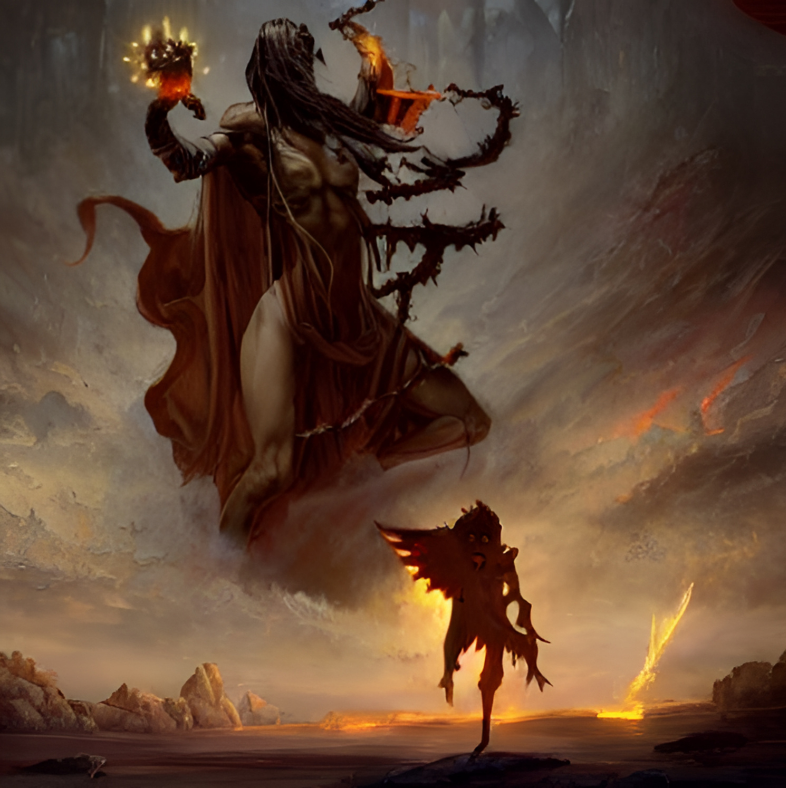
    eldritch beings for fantasy and paranormal horror genres

    Dark Fantasy

    When horror meets fantasy worlds, anything becomes a potential threat. Witches, shapeshifters, dark wizards—these antagonists wield magic that defies conventional solutions. Characters face seemingly insurmountable odds against supernatural powers, creating terror through the unknown capabilities of magical threats. The fantasy setting allows for creative freedom in crafting unique, otherworldly fears.

    Perfect for: Fantasy writers seeking darker themes, fairy tale retellings, or urban fantasy with horror elements.

    Specialized Horror Approaches

    Body Horror

    Body horror exploits our fundamental fear of physical transformation and decay. From Oscar Wilde’s The Portrait of Dorian Gray (accelerated aging) to Franz Kafka’s The Metamorphosis (human-to-insect transformation), this sub-genre makes the human body itself the source of terror. Modern body horror might explore medical experimentation, genetic mutation, or loss of physical control.

    a dark skull for the body horror genre

    Occult Horror

    Satan, demons, and religious corruption dominate occult horror. Stories like Ira Levin’s Rosemary’s Baby blend supernatural terror with religious themes, creating atmosphere through familiar spiritual concepts turned malevolent. The power of faith—and its potential corruption—provides rich material for exploring good versus evil.

    Eco Horror

    Environmental catastrophes and nature’s revenge characterize eco horror, serving as metaphors for real-world ecological crises. Samanta Schweblin’s Fever Dream exemplifies this sub-genre, combining maternal anxiety with environmental pollution. Common elements include deadly toxins, mutated creatures, animated plants, and killer viruses—all reflecting our complex relationship with the natural world.

    Techno Horror

    When technology becomes the enemy, techno horror explores our dependence on systems we don’t fully understand. AI malfunctions, computer viruses, and rogue robots create scenarios where characters must fight threats beyond their technical capabilities. This sub-genre resonates particularly well in our increasingly digital world.

    Hybrid and Flexible Approaches

    Comedy Horror

    Sometimes writers want chuckles instead of screams. Comedy horror takes terrifying elements and places them in absurd situations, creating three distinct approaches: black comedy, parody, and spoof. Washington Irving’s The Legend of Sleepy Hollow demonstrates how humor can actually enhance horror by making readers lower their guard before delivering genuine scares.

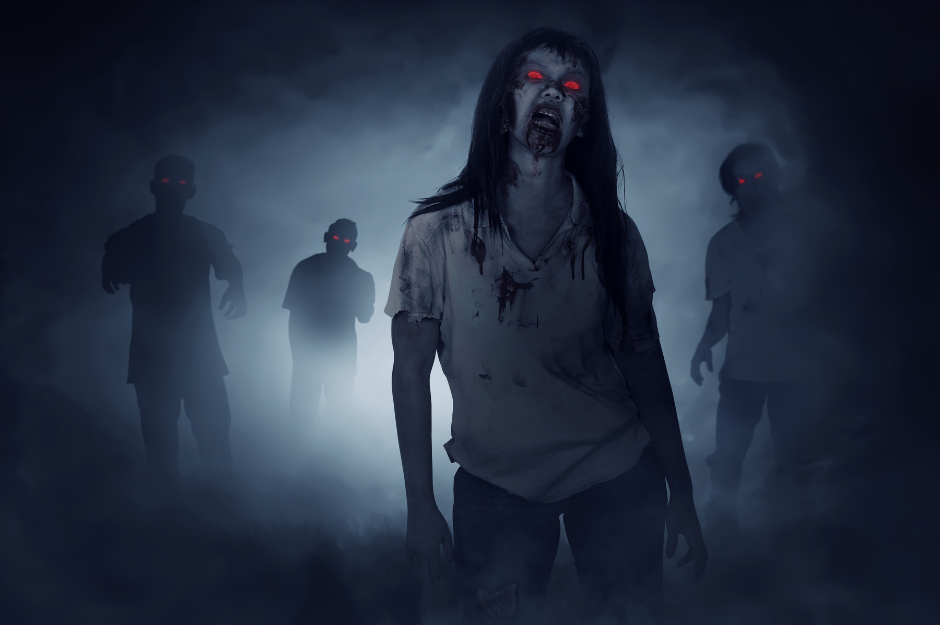
    A frightening zombie that's honestly a little too scary for the horror comedy genre.

    Teen Horror

    Stephen King’s Carrie perfectly exemplifies teen horror, where adolescent experiences—physical changes, social pressures, identity formation—intersect with supernatural or horrific elements. This sub-genre recognizes that teenage years already feel terrifying to many people, then amplifies those fears through genre elements.

    Pulp Horror

    Fast-paced and lurid, pulp horror embraces accessibility and entertainment value. Born in the late 19th century and popularized in the 1950s, pulp horror delivers quick thrills through sex, drugs, violence, and supernatural elements. It’s horror designed for pure entertainment rather than deep psychological exploration.

    Finding Your Horror Approach

    The beauty of horror sub-genres lies in their flexibility. Writers can blend multiple approaches—combining psychological elements with supernatural threats, or mixing sci-fi concepts with body horror. The goal isn’t purity but effectiveness: which horror elements serve your story’s emotional core?

    Consider your primary genre first, then identify which horror sub-genre complements your story’s needs. A romance writer might find gothic horror perfect for historical settings, while a contemporary fiction author could use psychological horror to explore family trauma.

    A spooky necromancer holding a skull with rainbow smoke.

    With all these fun and frightening horror sub-genres, writers can mix and match them or go heavy one specific theme. With a goal to twist their readers into knots with plots that will keep them up at night, these stories will have you questioning every noise you hear and every shadow that passes your way.

    Thanks for reading about these spooky Horror Sub-genres,
    and don’t be scared of that beast under your bed tonight!


    Recognition for Genre-Blending Excellence

    *Gasp!* Don’t miss out on your chance to submit to these fabulous Awards!

    Whether you’re writing pure horror or incorporating horrific elements into other genres, professional recognition celebrates the craft behind effective fear. The Chanticleer International Book Awards recognize outstanding speculative fiction across multiple divisions that welcome horror elements:

    The 2025 deadline is June 30th—less than a week away! These awards recognize the skillful blending of genres that creates memorable, impactful fiction.

    Horror isn’t about shocking readers—it’s about creating emotional experiences that resonate long after the final page. Whatever your primary genre, the right horror elements can transform good stories into unforgettable ones.

    Submit before June 30th and let professional judges recognize your skill in crafting compelling, genre-blending fiction.

  • Spring Cleaning for Writers: Clearing Mental and Physical Clutter for Better Focus

    You sit down with the intention to write.

    You have your project planned out, your ideas ready, but somehow the words aren’t flowing onto the page as smoothly as you’d hoped. Your mind feels cluttered, your space feels distracting, and your focus keeps drifting. We can help with these ideas of spring cleaning for writers!

    target, bell, computer, list, woman, cell phone

    For professional and aspiring authors alike, maintaining focus is essential to productivity. As spring arrives, it’s the perfect time to consider how clearing both mental and physical clutter can transform your writing process. Let’s explore how to spring clean your writing life for a productive and creative season ahead.

    Spring Cleaning for Writers: Getting Started

    Declutter Your Physical Writing Space

    Your environment significantly impacts your ability to focus. Just as we clear out our homes during spring cleaning, dedicating time to optimize your writing space can yield remarkable results.

    Create a dedicated writing spacethat signals to your brain it’s time to work. This doesn’t need to be an entire office—even a specific corner of a room can work wonders. Remove unnecessary items, organize your reference materials, and surround yourself only with objects that inspire creativity rather than distract from it.

    You can read even more about decluttering your digital space from this Writer’s Resolution Article here!

    Consider the ergonomics of your setup too. Is your chair comfortable for long writing sessions? Is your screen positioned at eye level? Physical discomfort can be a significant distraction that pulls you away from your writing flow.

    Focus by Clearing Digital Distractions

    Our digital environments often contain more clutter than our physical ones. Take time to:

    • Organize your computer files and folders for easy access to your writing projects
    • Clear your desktop of unnecessary icons and files
    • Uninstall unused applications that might tempt you away from writing
    • Set up a distraction-free writing application (like Scrivener’s composition mode or a simple text editor)
    • Create browser bookmarks for essential research sites to avoid falling down internet rabbit holes

    Tools like Freedom or Cold Turkey can block distracting websites during designated writing periods. Even simple steps like turning off notifications or using “do not disturb” mode can significantly improve your ability to stay present with your work.

    Establish Focused Routines

    Spring is about new beginnings, making it the perfect time to establish or refresh your writing routines.

    Start by identifying your most productive writing times. Are you sharpest in the early morning, or does creativity flow better in the evening? Schedule your most challenging writing tasks during these peak periods.

    The Pomodoro Technique can be particularly effective—write for 25 minutes, followed by a 5-minute break. After four cycles, take a longer break of 15-30 minutes. This structured approach helps maintain concentration while preventing burnout.

    Consider creating pre-writing and post-writing rituals that signal to your brain when it’s time to focus and when it’s time to step away. This might be as simple as brewing a specific tea before starting or taking a short walk after completing a session.

    routine, clock, checklist

    Mental Spring Cleaning

    Just as we dust out cobwebs during spring cleaning, we need to clear our mental cobwebs to focus effectively.

    Mindfulness and meditation practices can help clear mental clutter before writing sessions. Even five minutes of deep breathing or guided meditation can significantly improve your ability to concentrate.

    Before beginning a writing session, try a “mind dump” exercise: spend five minutes writing down everything that’s on your mind—tasks, worries, random thoughts—to clear these distractions from your mental workspace.

    Looking to declutter your manuscript? You can check out this article on tips for cleaning up your work!

    Meditating, women, men, prayer

    Organize Your Writing Projects

    Spring cleaning your actual writing projects can make a tremendous difference in your focus and productivity:

    • Review your works-in-progress and decide which ones deserve your immediate attention
    • Create clear outlines for projects to provide roadmaps when focus wavers
    • Break larger projects into smaller, manageable chunks with specific goals for each writing session
    • Set realistic deadlines and track your progress
    • Clean up your drafts by removing unnecessary words and phrases that dilute your message

    Nurture Your Creative Energy

    Finally, remember that taking care of yourself is taking care of your writing. Spring is a season of renewal, making it the perfect time to refresh your self-care practices:

    • Stay hydrated and fuel your body with brain-nourishing foods
    • Take regular breaks to move your body—even a short walk can refresh your mind
    • Get adequate sleep to ensure your brain functions optimally
    • Set boundaries around social media usage
    • Schedule time for activities that replenish your creative energy

    water, glass, vegetables

    Putting It All Together

    By spring cleaning both your physical and mental spaces, you create optimal conditions for focused, productive writing. Like tending a garden, this isn’t a one-time effort but rather an ongoing practice of cultivation and care.

    Start small—choose just one or two areas to focus on this week. Perhaps begin by decluttering your writing space or implementing the Pomodoro Technique. As these practices become habitual, gradually incorporate others into your routine.

    Remember, the goal isn’t perfection but progress. Every step you take toward clearing clutter from your writing life is a step toward greater focus, creativity, and productivity. Before you know it, your story will be flowing onto the page with the fresh energy of spring.

    self care, woman, flowers, watering can

    Taking care of YOU is taking care of your writing. 

    Self-care goes far beyond your physical health. Upgrade your daily routine to include these tips and you’ll find the fun returning to your writing and, before you know it, your story will be flowing on the page!


    Chanticleer Editorial Services – Taking Your Writing to the Next Level

    Now that you’ve spring-cleaned your writing space and process, you might be ready to take your manuscript to the next level. Chanticleer’s professional editing services can help polish your work and prepare it for publication.

    Did you know that Chanticleer offers editorial services? We do and have been doing so since 2011.

    Our team of professional editors has worked with top publishing houses including TOR, MacMillan, Thomas Mercer, Penguin Random House, Simon & Schuster, and more. They bring their expertise in the Chicago Manual of Style and years of industry experience to help your manuscript shine.

    A great place to start is with our manuscript evaluation service, which gives you a comprehensive overview of your work’s strengths and areas for improvement. This bird’s-eye view can significantly shorten the time needed for developmental and line editing, saving you both time and money.

    For more information about our editorial services, testimonials, and fees, email Kiffer or David at KBrown@ChantiReviews.com or DBeaumier@ChantiReviews.com.

    Ready to take that first step? Consider our $75 editorial consultation: https://test.chantireviews.com/services/Editorial-Services-p85337185

    Or learn more about our manuscript evaluation service here: https://test.chantireviews.com/manuscript-reviews/

    Thank you for reading this Chanticleer Writer’s Toolbox article.

    Writers Toolbox Links from the Article: 

    Chanticleer’s Tips for Preparing Your Hardware and Software for 2025

    Search and Destroy, Cull and Extract, and Other Editorial Tactics for Your Work in Progress

  • Building Frankenstein’s Monster: Creating Characters That Move Your Readers

    “Beware; for I am fearless, and therefore powerful.”
    Mary Shelley, Frankenstein

    Writers of every genre all face the challenge of creating meaningful, memorable characters that are fully fleshed out and believable. It’s a feat of magic that, if done right, creates the kind of characters that readers connect with and may even glance something they recognize within themselves.

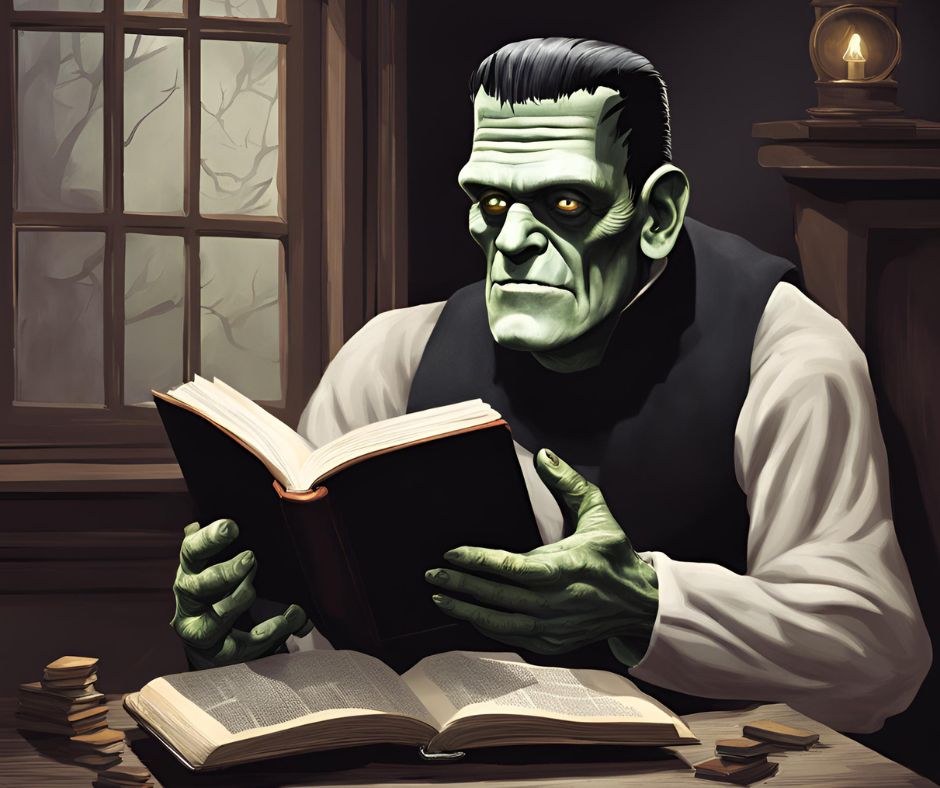
    Frankenstein, lab, monster, igor, movie, black and white

    Get out your scalpels my writing friends, because today we’re going to dissect how to create a great character!

    When a writer sets out to create a memorable character they assume the role of a mad scientist, taking pieces of a person’s physical, intellectual, and emotional self and mixing them together to create their version of the type of person they need for their plot. It’s a delicate procedure of hitting the right mark, without going over the top or leaving them flat and uninteresting. If done right, a writer can create an unbreakable link between their characters and the reader, regardless of whether it’s a human, animal, or even a monster!

    Mary Shelley’s Frankenstein is a great example of this. The plot’s profound exploration of human nature, ethics, and the consequences of scientific ambition makes for fertile ground for showing the complexities of her realistic and fantastical characters. The sympathy Shelley is able to elicit from the reader for her “Monster” makes the novel resonate with readers across all boundaries and offers rich lessons for writers looking to craft their own unforgettable personas.

    Vitruvian Man, leonardo da vinci, black, white, circle, square

    Here’s a deep dive into how Shelley developed her characters and what we can learn from her approach.

    1. Complex Protagonists

    One of the most striking features of Frankenstein is its dual protagonists: Victor Frankenstein and his creation, often referred to as “the Monster.” Both characters are distinctly different, multi-dimensional, and able to elicit empathy despite their flaws.

    Lesson: Embrace Complexity

    When creating characters, avoid the temptation to make them purely good or evil. Victor is ambitious and passionate, but his hubris leads to tragedy. The Monster, on the other hand, starts as a blank slate, driven by a desire for companionship and understanding but ultimately succumbs to despair and violence. By portraying your characters with a mix of virtues and vices, you invite readers to explore the complexities that are ingrained inside each character.

    2. Strong Drive

    Shelley provides compelling motivations for her characters, which drive the narrative forward. Victor’s desire to have dominion over life and death through his creation stems from a blend of intellectual curiosity and personal loss. The Monster’s longing to find his humanity in the love and acceptance he expects to receive from others illustrates the fundamental human need for connection.

    Lesson: Define Clear Motivations

    When crafting your characters, think deeply about what drives them. Their goals should be relatable, allowing readers to understand their choices, even when those choices lead to tragic outcomes. Clear motivations can create a strong emotional bond between the reader and the character, which makes each individual journey more impactful.

    people, heart, books, colors

    3. Relationships that Shape Identity

    The relationships between characters in Frankenstein are critical in shaping their identities and trajectories. Victor’s relationships with his family, friends, and the Monster highlight themes of isolation, responsibility, and the consequences of neglect. The Monster, a blank slate at his incarnation, responds to Victor’s mishandling of his care with a combination of confusion and sadness until he eventually becomes a dark force who turns to self-imposed isolation to save himself.

    Lesson: Develop Interconnected Relationships

    As you build your characters, consider how their relationships influence their development. Interactions with others can reveal vulnerabilities and strengths, adding depth to your characters. Show how relationships can uplift or destroy, creating a dynamic that enriches the narrative.

    4. Thematic Depth

    Shelley’s characters are not just vehicles for the plot; they embody the novel’s themes of ambition, isolation, and the quest for understanding. The struggles of both Victor and the Monster reflect broader questions about humanity’s place in the world.

    Lesson: Infuse Characters with Thematic Significance

    Think about how your characters can serve as representations of the themes you want to explore. Their experiences should resonate with the central ideas of your story, prompting readers to reflect on larger questions. When characters embody your themes, their journeys become more profound and thought-provoking.

    red, black, two people, man, woman

    5. Evolution Through Conflict

    Both Victor and the Monster undergo significant transformations throughout the novel. Their encounters with conflict force them to confront their values, desires, and the repercussions of their actions.

    Lesson: Allow Characters to Grow and Change

    Conflict is essential for character development. Whether it’s internal struggles or external challenges, ensure your characters face obstacles that force them to grow. By the end of their journey, they should reflect on their experiences and provide a satisfying arc that resonates with the reader.

    Mad science, scientist, lab, skulls, light

    Mary Shelley’s Frankenstein offers a masterclass in character creation. By embracing complexity, defining clear motivations, developing meaningful relationships, infusing thematic depth, and allowing for character evolution through conflict, you can craft characters that leave a lasting impression on your readers.

    As you write, remember that characters are not just components of your story; they are the heart and soul that breathe life into your narrative. Take a page from Shelley’s playbook, and let your characters inspire, challenge, and engage your audience in a dialogue that transcends time and space.


    Thank you for joining us in celebrating a literary icon, Mary Shelley!

    Do you have a book that deserves to be discovered? You can always submit your book for an Editorial Review with Chanticleer!Chanticleer Editorial Review Packages are optimized to maximize your digital footprint. Reviews are one of the most powerful tools available to authors to help sell and market their books. Find out what all the buzz is about here.

    Is your book an Award Winner?

    The tiers of achievement for the CIBAs

    Submitting to Book Awards is a great way to get your book discovered! Anytime you advance in the Chanticleer Int’l Book Awards, your name and book are promoted right here on our website, through our newsletter, and across social media. One of the best ways to engage in long tail marketing!

    The Shelley Awards for Paranormal Fiction features an image of Mary Shelley at her writing desk

    The Shelley Awards for Paranormal & Supernatural Fiction are open through Oct 31st!

    Don’t miss out on your chance to introduce your characters to new readers!


    Chanticleer Editorial Services – when you are ready

    Did you know that Chanticleer offers editorial services? We do and have been doing so since 2011.

    Tools of the Editing Trade

    Our professional editors are top-notch and are experts in the Chicago Manual of Style. They have and are working for the top publishing houses (TOR, McMillian, Thomas Mercer, Penguin Random House, Simon Schuster, etc.).

    If you would like more information, we invite you to email Kiffer or David at KBrown@ChantiReviews.com or DBeaumier@ChantiReviews.com for more information, testimonials, and fees.

    We work with a small number of exclusive clients who want to collaborate with our team of top-editors on an on-going basis. Contact us today!

    Chanticleer Editorial Services also offers writing craft sessions and masterclasses. Sign up to find out where, when, and how sessions being held.

    A great way to get started is with our manuscript evaluation service. Here are some handy links about this tried and true service: https://test.chantireviews.com/manuscript-reviews/

    And we do editorial consultations. for $75.  https://test.chantireviews.com/services/Editorial-Services-p85337185

    Writer’s Toolbox

    Thank you for reading this Chanticleer Writer’s Toolbox article.

    Writers Toolbox  a few more Helpful Links: 

    The INCITING INCIDENT: STORY, SETBACKS and SURPRISES for the PROTAGONIST – A Writer’s Toolbox Series from Jessica Morrell’s Editor’s Desk

    ESSENCE of CHARACTERS – Part One – From the Jessica Morrell’s Editor’s Desk – Writer’s Toolbox Series

  • Finding Your Writing Voice: A Journey to Authenticity from the desk of Dena Weigel

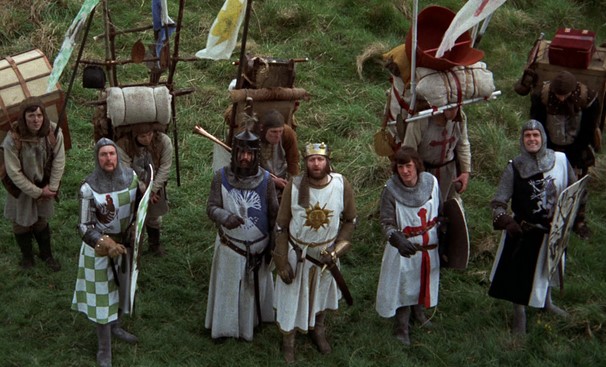
    Finding your writing voice can feel like a quest for the Holy Grail of self-expression.

    And hopefully no one will smell of elderberries by the time you find your writing voice!

    Your writing voice is the unique blend of style, tone, and personality that makes your writing distinct and yours. Whether penning a novel, crafting an essay, or composing a blog post, discovering and honing your voice is crucial for resonating with your audience and truly connecting through your words.

    Here’s a guide to help you on your journey to finding your authentic writing voice:

    computer, notebook, phone, pens, writing

    Write Regularly and Freely

    The first step in uncovering your writing voice is to write regularly. Set aside time each day or week to write without worrying about perfection. Free writing, journaling, or even experimenting with different genres can help you explore various styles and tones. The more you write, the more you’ll start to notice patterns and preferences that signal your natural voice, and this will define your voice.

    Even committing to five minutes a day can work wonders. Many find setting either a time or a word count goal to keep themselves accountable leads to the best results.

    Experiment and Iterate

    Finding your voice is an iterative process. Experiment with different styles, tones, and formats. Don’t be afraid to take risks and push boundaries. Through trial and error, you’ll refine your voice and discover what works best for you. And, remember, your voice may evolve over time, and that’s a natural part of growth as a writer. Just go with it and trust your instincts.

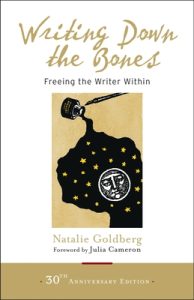
    Prompt books like Natalie Goldberg’s Writing Down the Bones can help you delve even deeper into different styles until you find the one that fits you best.

    Writing down the Bones by Natalie Goldberg cover

    With insight, humor, and practicality, Natalie Goldberg inspires writers and would-be writers to take the leap into writing skillfully and creatively. She offers suggestions, encouragement, and solid advice on many aspects of the writer’s craft: on writing from “first thoughts” (keep your hand moving, don’t cross out, just get it on paper), on listening (writing is ninety percent listening; the deeper you listen, the better you write), on using verbs (verbs provide the energy of the sentence), on overcoming doubts (doubt is torture; don’t listen to it)—even on choosing a restaurant in which to write. Find it here.

    Read Widely and Deeply

    Expose yourself to a range of voices by reading diverse authors and genres. Try different methods, from reading one author and analyzing their language, structure, and tone, to reading a selection of books in different genres from a variety of authors to see what standards exist in each different genre, and how that might impact your own writing. Jessica Brody’s Save the Cat! Writes a Novel can be a great starting point to understanding genre, while George Saunders A Swim in a Pond in the Rain offers a masterclass in a book for how to analyze literature (at least Russian literature).

    Pay attention to what resonates with you and why. Analyze how different writers use language, structure, and tone to convey their message. This not only broadens your understanding of different styles but also helps you identify elements you want to incorporate into your own writing.

    Clouds, thinking, cartoon

    Reflect on Your Influences

    You know about the canon of literature you had to study in school. What is your own personal canon? Daniel Handler, AKA Lemony Snicket of the Series of Unfortunate Events fame details his own personal literary canon in his memoir And then? And then? What else? Consider what would be put into your own canon of reading to build up to your style of writing and inspiration. How does your relationship with those books change when you think of htem as your own personal canon. Understanding these influences can help you pinpoint the qualities you wish to integrate into your own voice while still making it uniquely yours.

    Write for Yourself

    Ultimately, writing for yourself is the most crucial step. Write what you’re passionate about and in a way that feels natural to you. When you focus on expressing your own ideas and emotions honestly, your voice will emerge naturally. Remember, writing is a personal journey, and your voice is a reflection of your unique perspective.

    Love yourself, beach, water, ocean, waves, sky

    Embrace Your Authentic Self

    Your writing voice is a reflection of who you are. Embrace your quirks, perspectives, and experiences. Don’t be afraid to let your personality shine through your writing. Authenticity resonates with readers more than a polished, but impersonal, style. Write from your heart and trust that your genuine voice will come through.

    Seek Feedback

    While we are often told writing is a solitary activity, you being here reading these words just shows how much community is needed for writing and writers to succeed! Writing groups can often be found at your local bookstore or through your local library. You can also join online communities like The Roost, which feature regular write-ins, online workshops, and so much more!

    Email AuthorOutreach@Chantireviews.com to learn more about The Roost, where Authors like to Perch!

    You can learn about all sorts of writing groups here.

    Once you get feedback from those in community, the next step is to hire a professional to look at your work. In the Big Five Traditional Publishing Houses over 40 pairs of eyes will look at your work. If indie publishing or publishing through a small press, hiring a professional for a Manuscript Overview, or other Editorial Services like Developmental Editing, Line Editing, Copy Editing, or Proofreading is crucial to standing out from the millions of books that are published every year!

    Trust in Yourself and Let Your Voice Be Heard!

    Finding your writing voice is a rewarding journey of self-discovery and creative expression. By writing regularly, exploring various influences, and staying true to your authentic self, you’ll gradually uncover a voice that’s uniquely yours. Embrace the process with patience and curiosity, and remember that your voice is an evolving aspect of your writing. Happy writing!


    Chanticleer Editorial Services – when you are ready

    Did you know that Chanticleer offers editorial services? We do and have been doing so since 2011.

    Tools of the Editing Trade

    Our professional editors are top-notch and are experts in the Chicago Manual of Style. They have and are working for the top publishing houses (TOR, McMillian, Thomas Mercer, Penguin Random House, Simon Schuster, etc.).

    If you would like more information, we invite you to email Kiffer or David at KBrown@ChantiReviews.com or DBeaumier@ChantiReviews.com for more information, testimonials, and fees.

    We work with a small number of exclusive clients who want to collaborate with our team of top-editors on an on-going basis. Contact us today!

    Chanticleer Editorial Services also offers writing craft sessions and masterclasses. Sign up to find out where, when, and how sessions being held.

    A great way to get started is with our manuscript evaluation service. Here are some handy links about this tried and true service: https://test.chantireviews.com/manuscript-reviews/

    And we do editorial consultations. for $75.  https://test.chantireviews.com/services/Editorial-Services-p85337185

    Writer’s Toolbox

    Thank you for reading this Chanticleer Writer’s Toolbox article.

    Writers Toolbox  a few more Helpful Links: 

    The INCITING INCIDENT: STORY, SETBACKS and SURPRISES for the PROTAGONIST – A Writer’s Toolbox Series from Jessica Morrell’s Editor’s Desk

    ESSENCE of CHARACTERS – Part One – From the Jessica Morrell’s Editor’s Desk – Writer’s Toolbox Series

  • Zooming Your Way to a Great Book Launch: A Step-by-Step Guide to Virtual Book Launch Events

    We are Deep in the Digital Age

    Man, desk, computer, plant, clapping, conference call, zoom, virtual meeting

    Is your virtual book launch ready?

    In the digital age, a virtual book launch can be a highly effective way to celebrate and promote your new book. It offers an opportunity to reach a global audience, engage with readers in real-time, and create a buzz around your work–all from your own desk.

    Planning to host a virtual book launch but not sure where to start?

    A white man surrounded by books looking frustrated
    So much to learn, so little time!

    Let us walk you through the first steps to ensure a successful and memorable event.

    1. Define Your Goals and Objectives

    Before diving into the details, clarify what you want to achieve with your virtual book launch. Your goals might include:

    • Increasing Book Sales: Drive pre-orders and sales through special promotions.
    • Building Your Author Brand: Enhance your visibility and establish your presence as an author.
    • Engaging with Your Audience: Connect with readers, fans, and influencers in your genre.
    • Generating Media Coverage: Attract attention from bloggers, journalists, and book reviewers.

    Authors should try to zero in on what their potential readers could look like and which outlets are the best for reaching those targets. Sometimes (more often than not), going in deep (some say guerilla marketing) towards a specific target audience for podcasts, blogging, and events (publicity) and then expanding the spheres if a strategy that works (marketing). Read more on this from Kiffer Brown here!

    2. Choose the Right Platform

    Selecting the appropriate platform is crucial for hosting your virtual book launch. Consider the following options:

    • Zoom: Ideal for interactive events with features like breakout rooms and live Q&A sessions.
    • Facebook Live: Great for reaching your social media audience and facilitating real-time engagement.
    • YouTube Live: Offers high video quality and can be integrated with your book’s promotional content.
    • Twitch: Suitable for a more informal, interactive experience, particularly with younger audiences.

    Choose a platform that aligns with your goals and technical comfort level.

    Woman, planning, pink, blue, orange

    3. Plan Your Event Format

    Decide on the format and structure of your virtual launch. Some popular formats include:

    • Live Reading and Q&A: Read excerpts from your book and answer questions from attendees.
    • Author Interview: Conduct an interview with another author, a moderator, or a celebrity guest.
    • Panel Discussion: Gather experts or fellow authors to discuss themes related to your book.
    • Virtual Book Tour: Share behind-the-scenes content or host virtual visits to locations featured in your book.

    Calendar, red, black

    4. Set a Date and Time

    Choose a date and time that will maximize attendance. Consider the time zones of your target audience and avoid scheduling conflicts with major events or holidays. Weekdays or weekends can work depending on your audience’s availability.

    The experts who can market your book make up what we call Slant in the book industry. Our own Chanticleerian author Carol Cram wrote an article all about the best ways to connect and work with experts, which you can read here.

    5. Promote Your Event

    Effective promotion is key to a successful virtual book launch. Use a combination of strategies:

    • Social Media: Create event pages and share regular updates on platforms like Facebook, Instagram, and Twitter.
    • Email Newsletters: Send invitations and reminders to your mailing list.
    • Book Communities: Engage with book clubs, forums, and online reading groups.
    • Collaborations: Partner with influencers, bloggers, and other authors to broaden your reach.

    Design eye-catching promotional materials such as graphics, videos, and teaser content to generate excitement.

    Home office, Welcome to my book Launch, stick figure, green, beige, modern, bookshelf, desk, chair, computer

    6. Prepare Your Content and Rehearse

    Prepare and rehearse the content of your event to ensure smooth execution:

    • Script: Outline key points, introductions, and transitions.
    • Visuals: Create slides, book trailers, or other visual aids.
    • Tech Check: Test your internet connection, microphone, camera, and platform features ahead of time.
    • Rehearsal: Practice your presentation and timing to avoid any hiccups during the live event.

    7. Engage with Your Readers

    During the event, foster engagement and interaction:

    • Welcome Attendees: Greet participants and provide an overview of the event.
    • Interactive Elements: Use polls, chat features, and live Q&A to involve your audience.
    • Personal Touch: Share personal anecdotes or behind-the-scenes stories related to your book.
    • Encourage Sharing: Ask attendees to share their thoughts on social media using a specific hashtag.

    Computer, thank you, email, envelope, blue screen, keyboard

    8. Follow Up After the Event

    Post-event follow-up is essential for maintaining momentum and maximizing the impact of your launch:

    • Thank You Notes: Send gratitude messages to attendees, guests, and collaborators.
    • Event Recap: Share highlights, recordings, or photos from the event on your website and social media.
    • Feedback: Collect feedback from attendees to learn what worked well and what could be improved for future events.
    • Continued Engagement: Keep the conversation going by engaging with your audience and providing updates on book sales or upcoming events.

    Woman, online, computer, brick, papers, notebook, yellow shirt, pencil

    9. Analyze and Reflect

    Evaluate the success of your virtual book launch by analyzing key metrics:

    • Attendance Numbers: Assess how many people attended and engaged with the event.
    • Sales Data: Review book sales figures before, during, and after the launch.
    • Audience Feedback: Analyze comments, questions, and feedback to gauge audience reaction and satisfaction.

    Reflect on what went well and areas for improvement to enhance your future virtual events.

    Rocket, take off, lift off, 3, 2, 1, clouds, sky, fire, boosters

    A well-executed virtual book launch can create a powerful platform for celebrating your book and connecting with readers. By following these steps, you can craft an fun, engaging event that not only promotes your book but also builds lasting relationships with your new fans!

    Happy launching!


    Thank you for joining us for this Writer Toolbox Article

    A red toolbox with the words "What's in your toolbox

    There is so much to learn and do with Chanticleer!

    From our Book Award Program that has Discovered the Best Books since the early 2010s to our Editorial Book Reviews recognizing and promoting indie and traditional authors, Chanticleer knows your books are worth the effort to market professionally!

    Helpful Toolbox Articles:

    When you’re ready,did you know that Chanticleer offers editorial services?We do and have been doing so since 2011.

    Our professional editors are top-notch and are experts in the Chicago Manual of Style. They have and are working for the top publishing houses (TOR, McMillian, Thomas Mercer, Penguin Random House, Simon Schuster, etc.).

    If you would like more information, we invite you to email us at info@ChantiReviews.com for more information, testimonials, and fees.

    We work with a small number of exclusive clients who want to collaborate with our team of top-editors on an on-going basis. Contact us today!

    Chanticleer Editorial Services also offers writing craft sessions and masterclasses. Sign up to find out where, when, and how sessions being held.

    A great way to get started is with our manuscript evaluation service, with more information available here.

    And we do editorial consultations for $75. Learn more here.


  • Unlock Your Creativity With These Keys to Break Through Writer’s Block from the desk of Dena Weigel

    A Writer’s Greatest Enemy: The Block!

    Your creativity is elusive and your imagination has taken a backseat to worry and anxiety.

    Don’t worry!

    We have time-tested tactics to break through writer’s block

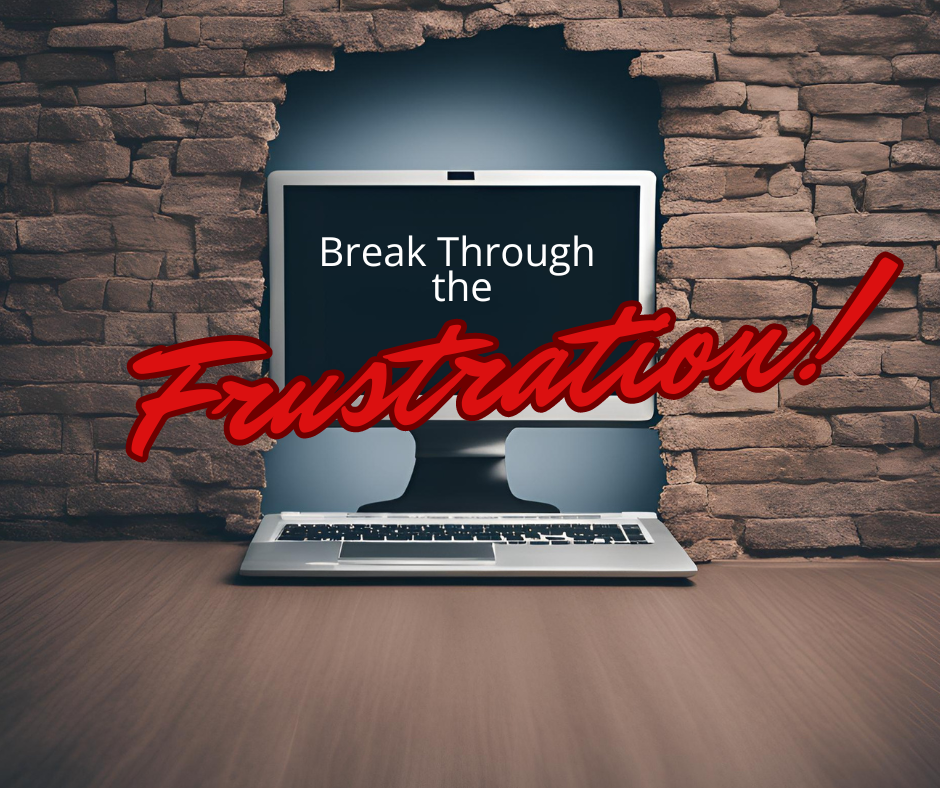
    Writers Block, brick wall, computer, frustration, table

    Writers block is a common nemesis every writer faces at some point in our creative journey.

    It’s a frustrating experience when inspiration seems elusive, and every word feels like it’s buried under layers of mental fog. But fear not! In this blog post, we’ll explore practical strategies to help you conquer your creative blockade and break through what’s keeping your imagination at bay.

    Whether you’re a seasoned writer or just starting out, finding the keys that will unlock the door to your imagination and reclaim your writing flow.

    The secret tools against writer’s block are just ahead!

    Free write:

    The first draft is for you, so embrace your half-baked ideas and write with total freedom! Push your negative thoughts to the side and just start writing anything that comes to mind. Don’t worry about structure or grammar, or the areas of your story that haven’t yet come together. Starting out boldly, without regard to what comes next, can help get your creative juices flowing.

    Take breaks:

    If you’re feeling stuck, take a short break. Take a walk, play with your pet, go for a run or do some yoga. Physical activity or relaxation techniques like deep breathing can help clear your mind.

    Change of scenery:

    Sometimes a different environment can stimulate your mind. Try writing in a new location, such as a coffee shop, park, or library. If you don’t want to roam too far, explore another writing space at your home. I do this often and find that it acts as an eraser to all the noise that came before, freeing up my mind for new thoughts to come in.

    Headphones, man, beard, computer, phone, lamp, window

    Set small goals:

    Break down your writing task into smaller, manageable goals. For example, aim to write for 15 minutes without interruption or limit yourself to just one chapter. Sometimes I find seeing each chapter as its own super short story can help avoid feeling overwhelmed. You can read more about our suggestions of tracking productivity in your writing here.

    Read:

    Read books, articles, or even your own past work can inspire new ideas and perspectives. When we’re in the midst of writers block doubt can often seep in and stymie our writing process. By reviewing your own past work, you’ll see for yourself the wonderful writing we’ve delivered in the past. Need a new book? Check out our most recent reviews and add to your TBR!

    Brainstorming:

    You never know when inspiration will strike, so carry a notepad or use your smartphone to write down ideas, words, or phrases related to your topic so you can put into your story the next time you sit down to write. Overtime, that treasure chest of great ideas will be full of ideas for you to pull from on your next book, and the next, and so on!

    Friends, women, books, computer, smiling

    Talk it out:

    Discuss your ideas with someone else. Sometimes talking through your thoughts can help clarify them. We love to reach out to people in our Circle of Influence. You can learn more about forming a Circle of Influence here!

    Change your approach:

    If you’re stuck on a particular section, skip it and work on a different part of your writing. You can always come back to it later. Kiffer’s favorite advice we ever received is “Write Fast, Edit Slow.” Chanticleer Award Winner Michelle Rene goes into detail about why here!

    Eliminate distractions:

    Find a quiet space and eliminate distractions such as phones or social media to help you focus. If you find you are interrupted by people walking in and out of your writing space, clearly define your writing time and let them know you when you will once again be available.

    door, man, black suit, pushing, door handle, lock

    Set a routine:

    Establishing a regular writing routine can help train your brain to be more creative at specific times. Some writers rely on a pre-writing ritual that helps to clear their minds and put them in the right headspace to imagine the next plot twist. I like to make tea while listening to music that fits the scene I’ll be working on. YouTube has innumerable choices of background noise videos that help set the right mood, too.

    Use prompts:

    Sometimes a good writing prompt is all you need to do to get those creative juices flowing. Pick a photo, a phrase, something in the news, or something you overheard to get you started. Knowing this is just a one off, fun writing assignment, you can allow yourself to breath and enjoy the writing process once again.

    Seek feedback:

    All writers like to hear good reviews! Sharing your work-in-progress with others can provide fresh perspectives, constructive criticism, and even a whole lot of confidence that you can use like a sledgehammer to break through that writers block.

    Remember, writer’s block is a common challenge, and different techniques work for different people. So, try a few different ideas and see what works best for you!

    typewriter, woman, floor, paper


    Chanticleer Editorial Services – We’re ready when you are ready!

    Did you know that Chanticleer offers editorial services? We do and have been doing so since 2011!

    Tools of the Editing Trade

    Our professional editors are top-notch and are experts in the Chicago Manual of Style. They have and are working for the top publishing houses (TOR, McMillian, Thomas Mercer, Penguin Random House, Simon Schuster, etc.).

    If you would like more information, we invite you to email Kiffer or Sharon at KBrown@ChantiReviews.com or SAnderson@ChantiReviews.com for more information, testimonials, and fees.

    We work with a small number of exclusive clients who want to collaborate with our team of top-editors on an on-going basis. Contact us today!

    Chanticleer Editorial Services also offers writing craft sessions and masterclasses. Sign up to find out where, when, and how sessions being held.

    A great way to get started is with our manuscript evaluation service. Here are some handy links about this tried and true service: https://test.chantireviews.com/manuscript-reviews/

    Thank you for reading this Chanticleer Writer’s Toolbox article.

    Helpful links!

  • Making Character Introductions Memorable from the Desk of Editorial Assistant Scott Taylor

    Think of Characters like Speed Dating

    A white man around 40 gestures flirtatiously
    Is he actually cute?

    Who is This Guy and Why Should I Care?

    Writers often fall in love with our characters before their names ever appear on a page. They’re charming, intimidating, scrappy, and clever. Most of all, they matter to us.

    But how do you get the reader to agree that this brainchild of yours is worth checking out? Like all good first impressions, shaping how your character enters the story is important.

    This introduction will shade every other moment the character will have. Here are three tips to give your characters the best chance at a second date.

    Lights, Camera, Action!

    When the character enters they need to be doing something important. Maybe it’s key to the plot, maybe to themselves or another person—or, even better, both.

    We see characters through their actions: What they’re capable of, what they’re willing to do, what they want. And seeing what someone is in a position to do tells the reader almost everything they need to know about the role that person will play in the broader story.

    In her sci-fi novel A Closed and Common Orbit, Becky Chambers introduces the character Owl by having her save a young girl’s life.

    She felt some spit hit the back of her leg.

    The voice changed. ‘Hey! This way! Come towards me!’

    There was no time for questions. Jane 23 ran at the voice.

    A machine stuck out from one of the scrap piles, a huge machine with thick sides and — and a door.

    Though Owl is only known as a nameless, disembodied voice at this point, she’s already a meaningful character—a sanctuary of kindness in an otherwise horrifying ordeal.

    This immediately establishes a dynamic between Owl & Jane 23—savior and saved. With this foundation, Chambers develops a deep and resonant relationship between the characters, as Owl guides Jane 23, encouraging her to keep going despite all the danger and hardship around her.

    This introduction also serves the function of pushing the plot forward. Jane 23 has her first real chance at survival. She escapes the beasts—for now.

    While not every character needs such a dramatic entrance, consider whether some of your characters might be well-illustrated by emphasizing them first with action. This may be delivering a casserole to a grieving widow, binding a magical beast in chains of cold iron, or stuffing a wedding invitation deep at the bottom of a cluttered drawer.

    And speaking of drawers…

    In what environment do we first find your character?

    A prison cell implies too much to list here. Go deeper. Ask yourself what does your character have on the wall of their prison cell? This is a great opportunity for contrast. You can show how your character relates to the world around them, how they clash or are at peace with it.

    This tells the reader what kind of power they hold. Remember, that also means what kinds they clearly do not. If your character visits wealthy distant relatives, are they put in an opulent guest room or are they relegated into the former servant’s quarters?

    Loren Eiseley opens his short story, The Star Thrower, with an impactful example of contrast and powerlessness. The protagonist muses on how he’s come to a place called Costabel, concluding that his arrival there might have been simply inevitable. He immediately relinquishes his agency, which is given significant meaning by the description of the beach itself.

    The beaches of Costabel are littered with the debris of life. Shells are cast up in windows; a hermit crab, fumbling for a new home in the depths, is tossed naked ashore, where the waiting gulls cut him to pieces. Along the strip of wet sand that marks the ebbing and flowing of the tide, death walks hugely in many forms.

    He isn’t just resigned to the idea that he would inevitably end up somewhere—but here. A place where uncaring fate casts vulnerable creatures to their deaths. It’s easy to see the kinship he shares with them.

    This gloomy introduction reveals his lack of self-worth and deep sorrow, which, crucially, frames the protagonist’s experiences and transformation through this story.

    What’s Your Problem?

    A young Asian woman is on a first date at a nice restaurant.
    So, why are you still single?

    Characters are most interesting when they’re actively dealing with their big conflict!

    This is obvious with protagonists, but especially consider also how you can flesh out the side characters or antagonists. A conflict-focused introduction establishes  where a character stands in the plot as well as their strengths and weaknesses.

    Armistead Maupin opens Tales of the City by immediately connecting us with the inner conflict of the protagonist.

    We meet Mary Ann just as she’s made the decision not to come home to the Midwest, and instead stay in San Francisco. She has no job here, no apartment, but when she calls her mom about her decision, she’s resolute—more than resolute, she’s excited.

    “Her mother began to cry. ‘You won’t come back, I just know it.’

    ‘Mom… please… I will. I promise.’

    ‘But you won’t be… the same!’

    ‘No! I hope not.’”

    In much of Mary Ann’s following story, she embraces and struggles with the culture of 1970s San Francisco, as she’s pulled along by the bay winds of fate. And right here at the start, the contradictions in her character are established.

    She’s impulsive, terribly so. Desperate to be part of a wider world. Perhaps careless, maybe unprepared, a stranger in the place she now calls home, but she’s alive! Readers fall in love with Mary Ann because she needs to be free from the world she came from, and because she has the bravery to take that risk.

    This leads to a hint of trouble yet to come. As Mary Ann claims her adult life, she’ll struggle with new and changing relationships. Her impulsiveness enthralls the readers and stresses her emotional connections.

    Best Foot Forward

    Next time you introduce a character revisit these three tips. Even if you choose a different introduction method, examine the essential parts of your characters and how those elements shine through in their first appearance. That spark—what makes them curious, important, worth reading a story about—will seize your readers and carry them through to see not only what becomes of those characters, but what they become.


    Thank you for joining us for this Writer Toolbox Article

    A red toolbox with the words "What's in your toolbox

    There is so much to learn and do with Chanticleer!

    From our Book Award Program that has Discovered the Best Books since the early 2010s to our Editorial Book Reviews recognizing and promoting indie and traditional authors, Chanticleer knows your books are worth the effort to market professionally!

    When you’re ready,did you know that Chanticleer offers editorial services?We do and have been doing so since 2011.

    Our professional editors are top-notch and are experts in the Chicago Manual of Style. They have and are working for the top publishing houses (TOR, McMillian, Thomas Mercer, Penguin Random House, Simon Schuster, etc.).

    If you would like more information, we invite you to email us at info@ChantiReviews.com for more information, testimonials, and fees.

    We work with a small number of exclusive clients who want to collaborate with our team of top-editors on an on-going basis. Contact us today!

    Chanticleer Editorial Services also offers writing craft sessions and masterclasses. Sign up to find out where, when, and how sessions being held.

    A great way to get started is with our manuscript evaluation service, with more information available here.

    And we do editorial consultations for $75. Learn more here.


    Looking to add to your TBR?

    Check out the books mentioned in this article below:

    Even better, find a new Chanticleer Reviewed Book with a great introduction!