Tag: Writing Tips

  • Search and Destroy, Cull and Extract, and Other Editorial Tactics for Your Work in Progress — A Chanticleer Toolbox Primer Article by David Beaumier & Kiffer Brown

    Search and Destroy, Cull and Extract, and Other Editorial Tactics for Your Work in Progress — A Chanticleer Toolbox Primer Article by David Beaumier & Kiffer Brown

    Now that you’ve completed your beautiful manuscript and have made several draft revisions, you are ready for the next move.

    You know, the one that comes before starting the editing process.

    A writer before having a manuscript overview terrified about what comes next for their work-in-progress. Don’t let this happen to you.

    Now for some Real-Life Ruthless Editorial Terms:

      • Reconciliation or Go Separate Ways
      • Search and Destroy (SAD)
      • Cull and Extract
      • Wrench Out Passive Voice – Mistakes Were Made
      • Clichés, Platitudes, and Banalities – Oh NO!
      • Kill Your Darlings – Stephen King
      • Are You Listening to How You Sound?

        Are You Listening to How Your Work-in-Progress Sounds? Really?

      Continue reading to the end of this post if you would like more information about these scary but necessary editing tactics.
      Some writers like to put their draft into a drawer for six weeks or so to allow themselves fresh eyes before endeavoring on one more draft revision as Stephen King recommends in his On Writing: A Memoir of Craft.

      Here at Chanticleer, we see basically two camps that writers fall into.

      • Writers who rework every sentence before moving on to the next sentence trying to reach perfection. If this is you, (And you know who you are.) then we advise you to click on this link to read an article by the multiple award-winning author, Michelle Rene.

      OR

      • Writers who bang out work and then think they are ready to publish with perhaps just a quick once over for typos. (And you know who you are.) Just upload to Amazon and you are done. Au contraire, mon ami!, as Q from Star Trek notoriety might say.
      Q from the Star Trek Next Generation Deja Q episode – Of course, the excerpt is on YouTube.

      Is this conundrum the same as the age-old question of writing style: Are you a plotter or pantzer?

      No, it isn’t. Writing styles are deeply personal. What we are discussing here is the editing process for novels.

      So, what’s a writer to do?

      Emulate what has worked successfully for traditional publishing houses.

      After your draft, but before you begin the editing process, have a manuscript overview (MOV) – an evaluation performed on your work by a professional editor. If you are with a literary agent, or if you work with a traditional publisher or acquisitions editor, this is the time to turn it over to them for their feedback.

      We hear you, “Well, if I had a literary agent or was working working with a traditional publishing house, I wouldn’t need to read this article.”

      If you don’t have any of these professionals on your team, then consider using a professional manuscript evaluation service such as Chanticleer’s. A manuscript evaluation will save you time and money and it will give you feedback about your work’s pacing, plotline, characters, atmosphere, P-O-V structure, dialog, and if you have a compelling story—one that will keep your targeted reader engaged.

      Here at Chanticleer Reviews, we come across many published works that skipped over this vital step. The work might have been copy-edited and proofed before clicking the publish button, but the story just isn’t compelling, or it has a saggy middle, or the characters are flat, or dialog stilted, or there is no “voice.” It is almost impossible for the author to “see” these issues because the story lives in the author’s head. The authors’ who receive this feedback generally exclaim to us, “But I’ve paid to have it edited. There are no typos.”

      No typos, does not a story make. However, authors and writers can create story magic. But it is difficult to get the story out of the writer’s mind and into words that communicate the “mind-film” that many authors see. This is where having an unbiased reading of your work with feedback will make your work shine. kb

      Others know there are choices they made at the end of the book that will require changes earlier in the book (maybe it started in 3rd person and the moved to 1st person). Whatever your process is, this article will help your work shine!

      The Editor – going over the ms with an MOV.

      1. Reconciliation or Go Separate Ways

      Getting Ready to Polish Now that Your Work-in-Progress has had a MOV

      There’s no universal way to use writing tools. As always, remember these are recommendations that have worked well for many of our authors, though it’s okay if they don’t work for you.

      Consider the Following for when you receive your manuscript’s MOV

      First off, give yourself time after reviewing notes from your MOV editor/agent/publisher. After receiving feedback try the following:

      • Consider recommended changes from your second pair of fresh eyes. It is good to keep in mind, that each one of the readers who decide to read your published book will be reading it with fresh eyes also.
      • Address issues. The editor will have made suggestions where needed. Deal with the biggest issues first.
      • Save a clean draft of your copy where the suggested changes don’t stand out. (Of course, you’ll want to save one where they do stand out as well, just in case.)
      • Wait two weeks.
      • Revisit the work. Ask yourself if anything stands out as odd or a change in voice.

      And, yes, sometimes, we do receive a ms that is ready to move on to either a line-edit or a copy-edit. It does happen. If this is the case, won’t you breathe easier knowing that it is ready to invest editing and shining.

      Rarely will suggestions from professional readers and editors let you down–just see the difference yourself!

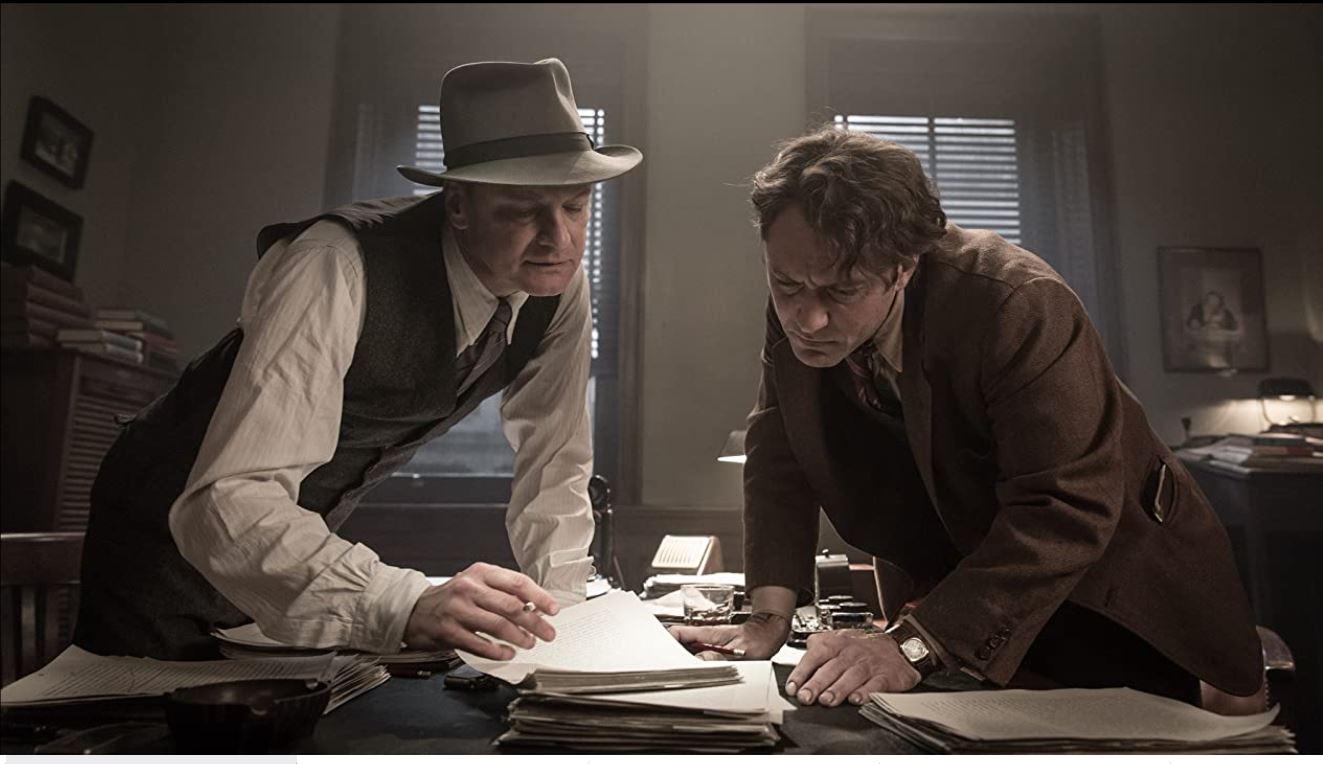
      The Editor film is based on award-winning book Max Perkins: Editor of Genius by A. Scott Berg. “Max Perkins discovered Ernest Hemingway and F. Scott Fitzgerald. But he never met anyone like Thomas Wolfe.” The film’s tagline.  Yes, even great authors such as these benefited from working with an editor.

      When you are satisfied that you have a compelling story—the work has had a manuscript overview and then you have reconciled the w-i-p with the advice given, it is  now the time to begin the Self- Editing Process! (Do the following before line editing or copy editing.)

      2. Search and Destroy (SAD)

      When we’re inspired by outside work, we love to tell you about it. The best line editing tools we know about come from Brenda Miller and Susan Paola’s book on creative nonfiction Tell It Slant, which features clear and direct steps to make your writing stronger.
      Tell it Slant, Third Edition — Brenda Miller
      First, identify all your “to be” verbs. If you can think of a comfortable, easy replacement, use it. Obviously, not all of them need to go (just glance through this article and you’ll see plenty), but a “to be” verb, while almost always the easiest choice, is not always the best choice.
      For example, here’s a piece of the short story Medusa by David Beaumier. First, with “to be” verbs shown in bold:

      She isn’t happy about it, but she had been encouraged to join Visitation to help people, not because it was personally comfortable for her. So she is sent into decontamination, followed by the sound of a seal behind her as the hermetic vacuum in front of her is opened. Her hair is only a little fluffed up by the experience, and is easily coiffed back into place after the blast of ionization that would be deadly to any foreign compounds in the air.

      Medusa
      Sometimes fluffier hair can be dangerous.

      And now revised without the repetitive verb choice:

      She doesn’t like it, but she joined the Visitation to help people, not for her own personal comfort. So into the decontamination room she goes, followed by the locking of one hermetic seal behind her and a second one in front. Her hair only needs to be patted down a little bit after the blast of ionization that should kill any foreign compounds in the air.

      3. CULL and EXTRACT

      Second, find your adverbs and adjectives. These can be the condiments and spice of your piece that really give it life, but too much mayonnaise is never a good thing, so look at each of them and see if there’s a weak verb or noun that’s being propped up by them.

      An arm holding food that it is impossible to identify due to the large amount of mayonnaise that is surely getting on the person's hand.
      Hopefully someone has a napkin

      Consider your proportion here, too. In one YA urban fantasy dredged up from the out of print pile was this unforgettable villainous dialogue spoken to the protagonist: “‘I’ll kill your whole family,’ he hissed maliciously.” While the intent is clearly to be evil, we can also see that the author didn’t trust the reader to understand that the villain wasn’t very nice.

      An adorable little girl dressed as a vampire devil
      Yes, evilly gnashing malignant teeth angrily with malintent

      4. Wrench Out Passive Voice

      The last suggestion from Miller and Paola is to look for passive voice, often indicated using “have” or “had.” A favorite trick for finding passive voice is to see if you can add “by zombies” to the end of the sentence. Like the previous rules, knowing why we use active and passive voice is important. Active voice tells us who does what to whom. Passive voice tells us what actions are done to whom, but not necessarily who did them.

      Looking to get more weasel words? Check out this article here by Jessica Morrell on decluttering your sentences.

      For a great example on passive voice, see this video below.  (It is non-partisan, we promise.) 


      5. CLICHES, PLATITUDES, and BANALITIES — Oh NO!

      Taking Advice from the Best: Jessica Morrell – Top-Tiered Developmental Editor

      Jessica Page Morrell
      Jessica Page Morrell

      Those who attended VCAC21 will know, Jessica Morrell is one of our favorite contributors. In her two workshops, Jessica goes deeper discussing the idea of “junk” words for writers. Maybe you’ve avoided all the pitfalls so far, but do you notice your characters do a lot of the following?

      Jessica’s advice on eliminating junk words can be found on the link below:

      https://www.chantireviews.com/2019/05/18/decluttering-sentences-by-eliminating-junk-words-from-jessica-morrells-editors-desk-writing-toolbox-series/

      • Shrug
      • Wrinkle their nose in disgust
      • Widen their eyes in surprise
      • Nod
      • Smile
      • Any other sort of repetitive description that doesn’t really subvert the reader’s expectations?

      What would you say your own junk words are?

      Jessica even provided a long list of words to give an idea of what hints that writing might not be as strong as we hope.

      Definitely, absolutely, particularly, actually, decidedly, quite, very, totally, mostly, dearly, ideally

      Notice how all of those are also adverbs? Keep an eye on your work!

      6. KILL YOUR DARLINGS and TOO MUCH EXPOSITION – TMIF

      Show vs Tell

      Showing and telling goes well with the debate about active and passive voice. In my mind, there is almost no writing rule more contentious or less understood than the rule that writers should always show rather than tell. Dialogue is often the heart of showing, but be careful! Occasionally dialogue can sneak in as a form of telling when it’s being used to explain something the characters probably already know for the sake of the reader. 

      Another video on the potential pitfalls of too much exposition and when dialogue tells too much. TMIF.

      We dare you to see just how long you last watching Too Much Exposition. (Kiffer lasted about 30 seconds)

      Go ahead, give it a try. We double dare you.


      So how should we define Show and Tell? Well, Showing is an example of narrative scene—something happens in real time! Meanwhile, Telling is an example of narrative description where there’s either a moment of summary or interiority, something that probably isn’t happening in real time. Like passive and active voice, there’s a time and a place for each.

      Consider the structure of your work. Has there been quite a bit of showing happening as characters flit from scene to scene? Even in a thriller, the reader will need a moment to rest, to have the narrator examine the main character’s interiority and explain a little bit of the backstory or the connection the hero makes just before solving the mystery.

      The moment where everything clicks into place often isn’t a show, but a tell, directly informing the reader that the most important discovery of the book has been made. That lets it happen fast rather than laboring to show each and every scene.

      We are quite proud of the articles on our website and to be a leading resource for writers, and you might also like some of what these websites say about writing craft:

      6. Are You Listening to How You Sound?

      Listening: The Most Powerful Tool

      The last secret here is one of the most useful things we’ve heard of for any writer or editor, and that is read your work aloud. You can ask a friend or loved one to do this for you, or you can find a screen reader that will take you through your story, but words always sound different when they’re vocal vibrations rather than fixed to a page. 

      A microphone that looks to be a blue yeti brand
      Recording yourself can also let you play back your story and, no you do not  need a fancy microphone like this.

      Reading aloud, especially for dialogue, can help you better understand your tone, and it helps you find where words may have been repeated more than necessary. Sometimes, especially if writing a play, it can help to highlight the piece with different colors based on whose speaking. If there’s an emotion that should be conveyed in the story, assign colors to each emotion and highlight lines with how they should land. Then, while reading it aloud, you can check to make sure that the assigned tones fit.

      Jessica Page Morrell has an excellent article on Glissando And Wordcraft you can read here.

      If you’re looking for voice recording software beyond Voice Memos on your phone, consider the following programs:

      In Conclusion, Remember that the Work is Always Yours 

      In the end, remember that you are the author of your work, which means you get final say. Peer review is excellent, and, as said above, it can be helpful to practice accepting all feedback and then reading your work after you’ve given it some space. 

      Remember, the earliest time we recommend submitting your work to one of our Twenty-Three divisions for the Chanticleer International Book Awards here or for a much sought after Editorial Review here is once you’ve reached the proofreading stage of your manuscript. Again, that’s the earliest we recommend sending your work in.

      For further reading on what we’ve said in the past at Chanticleer, check out parts one and two of articles written by Jessica Page Morrell here and here, plus a bulleted list of tips she put together here.

      Looking to demystify even more of the editing terminology? Learn about it here from Kiffer Brown herself.


      Chanticleer Editorial Services – when you are ready

      Did you know that Chanticleer offers editorial services? We do and have been doing so since 2011.

      Tools of the Editing Trade

      Our professional editors are top-notch and are experts in the Chicago Manual of Style. They have and are working for the top publishing houses (TOR, McMillian, Thomas Mercer, Penguin Random House, Simon Schuster, etc.).

      If you would like more information, we invite you to email Kiffer or Sharon at KBrown@ChantiReviews.com or SAnderson@ChantiReviews.com for more information, testimonials, and fees.

      We work with a small number of exclusive clients who want to collaborate with our team of top-editors on an on-going basis. Contact us today!

      Chanticleer Editorial Services also offers writing craft sessions and masterclasses. Sign up to find out where, when, and how sessions being held.

      A great way to get started is with our manuscript evaluation service. Here are some handy links about this tried and true service: https://www.chantireviews.com/manuscript-reviews/

      And we do editorial consultations. for $75.  https://www.chantireviews.com/services/Editorial-Services-p85337185

      Writer’s Toolbox

      Thank you for reading this Chanticleer Writer’s Toolbox article.

      Writers Toolbox Helpful Links: 

      First Draft in Thirty Days? No Tricks! Award-Winning Author Michelle Rene Shares How She Does It!

      Part One WRITING FICTION GUIDELINES — by Jessica Page Morrell

      An Editor’s Checklist for Manuscript Evaluations of Fiction by Jessica Page Morrell | Jump Start Your Novel – Brainstorming Tips for NaNoWriMo Season from the Editor’s Desk of Jessica Morrell

      15 Self-Editing Tips from the Editor’s Desk of Jessica Morrell

      GLISSANDO and WORDCRAFT from Jessica Morrell

      “The Strange World of Editing and the Beasts Who Inhabit It” by Kiffer Brown

      The traditional publishing tool that indie authors can use to propel their writing careers to new levels?  https://www.chantireviews.com/2016/05/15/the-seven-must-haves-for-authors-unlocking-the-secrets-of-successful-publishing-series-by-kiffer-brown/
    • The Eyes Have It – From the Editor’s Desk of Jessica Morrell – a Chanticleer Writer’s Toolbox blog post

      The Eyes Have It – From the Editor’s Desk of Jessica Morrell – a Chanticleer Writer’s Toolbox blog post

      Into every writer’s life problems rear their snaggley heads.

      At times we lapse into dullness, we lean on crutch words, we make typos and gaffs. We write with clichés.

      Punch Almanack 1885

      Our plots wander, our characters confuse, and our endings fall flat.

      Because writing is hard. Yep.

      And writers are at a natural disadvantage  because we use computers and the familiarity of our words on the screen breeds a kind of blindness. Sometimes the more often you read your own words, the less you’re able to identify their strengths and weaknesses.

      With that in mind, I want to call your attention to a simple technique in writing fiction:

      Using characters’ eyes to reveal emotion and  meaning.

      This is a reminder to  pay more attention to how your characters look, stare, and express emotions. If eyes are the windows to the soul, then match your characters’ expressions  to the exact emotion or reaction needed. – Jessica Morrell

      Here are some suggestions for getting your characters’ eyes to reveal emotion and meaning:

      1. Figure out your crutch phrases and go-to moves. A few that appear too often  are eyes widening, teary eyed, blank stares,  blurred vision, stared straight ahead, watched like a hawk, she looked him straight in the eye, eyes darting, piercing stares, blinking back tears, eyes narrowing, smoldering looks, deep-set eyes, and steely-eyed. Avoid also cliched colors like baby blue, emerald, and chocolate.
      2. Make certain that the character’s eyes are appropriate to the scene. Too often characters gaze down at the floor or at their hands. Now, these gestures typically indicate discomfort or avoidance, but sometimes writers just sow them into a scene when that’s not the intended effect.
      3. Don’t. Feature. All. Your. Characters. Reacting. The. Same. Way.
      4. Avoid strangeness and viewpoint slips such as His eyes smiled at me or Her face fought against tears. Three words to keep in mind – POINT OF VIEW.
      5. Ditch the hobbit staring. Hobbit staring is a term I learned from a movie buff friend. He coined it from the Lord of the Rings films when the camera lingers too long on stares between two characters as if that demonstrates some deep meaning or message. Because often it does not. We’ve all seen this in films. Imagine how this will have your readers skimming the pages.
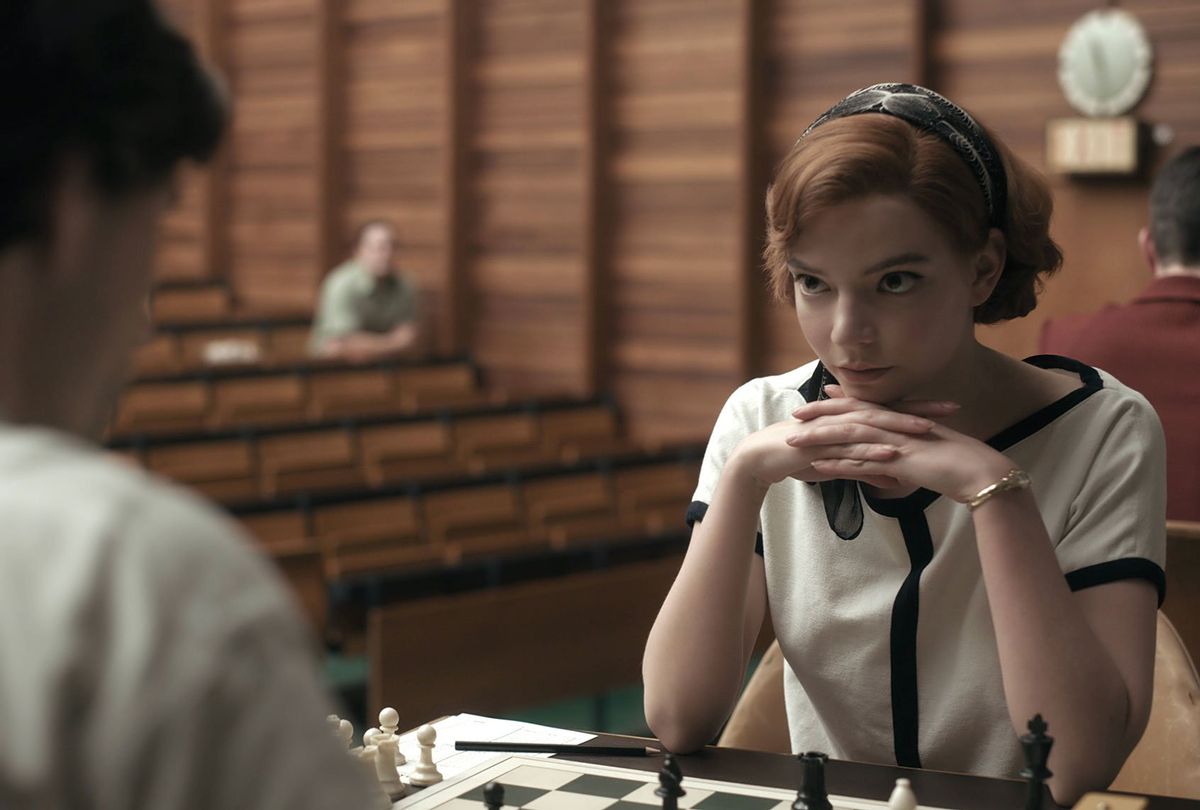
      6. If you’ve watched the delightful and deservedly popular series The Queens Gambit you’ll notice characters staring at each other a lot. Because it’s appropriate.
        THE QUEEN’S GAMBIT (L to R) MATTHEW DENNIS LEWIS as MATT and ANYA TAYLOR-JOY as BETH HARMON in episode 102 of THE QUEEN’S GAMBIT Cr. PHIL BRAY/NETFLIX © 2020

        Because they’re seated a few feet across from each other in earnest and sometimes excruciating combat.  Because they’re often trying to psych each other out. And the onlookers are staring intently at the board trying to guess the next moves of the two players.

      7.  Question every tear. I sometimes ask writers to count every scene where a character ends up weeping, wet-eyed, or with tears leaking down wet cheeks. This request comes from noticing how weeping and sobbing are overused resulting in melodrama, excess sentimentality, or depicting a character as too emotional for her own good. And the good of the story. Too much weeping and the story gets soggy and dull. And please, just forget single tears. Please.
      8.  Mix it up. Often a writer’s most used crutch words are look and see. However, in real life people gape, squint, spot, gander, gawk, ogle, stare, gaze, study, inspect, scan, scout, spy, study, inspect, notice, note,  peek, peep, peer, and rubberneck.
      9. Expand  your repertoire of descriptions: haunting, beckoning, steady, stormy, mocking, mournful, lifeless, sultry, goopy, teasing, pitiless, glassy.
      10. Stir in a little weirdness. Many people have mismatched eyes. Then there are droopy eyes, people with different colored eyes, bloodshot eyes, Rasputin eyes, lazy eyes, buggy eyes, one working eye, wandering eyes, piggy and close-set eyes.
      11.  Study how and when successful authors use close-ups. If you never focus the camera lens on a character’s face during an emotionally-charged scene, then readers cannot enter the moment and feel what the characters are feeling.
      12. Study actors. Notice how their eyelids raise a bit to show interest or droop to indicate the lack of interest. Note how they leer, seduce, flash anger, hide their true feelings.
      Beth Harmon knows she will win several moves out in this scene of Queen’s Gambit

      If you’re serious about writing, you must notice subtext and how to convey it. And that often begins with the eyes.

      Keep writing, keep dreaming, have heart. Jessica

      Jessica Page Morrell

      Jessica Page Morrell

      Jessica Morrell is a top-tier developmental editor and a contributor to Chanticleer Reviews Media and to the Writer’s Digest magazine. She teaches Master Writing Craft Classes along with sessions at the Chanticleer Authors Conference that is held annually along with teaching at Chanticleer writing workshops that are held throughout the year. 

      Don’t delay. Register today!

      This year the CAC21 will be held virtually. Registration will include access to video recordings of the conference.

      April 21- 25, 2021.   Multichannel Marketing for Authors and Intermediate and Advanced Writing Craft


      Chanticleer Editorial Services – when you are ready

      Did you know that Chanticleer offers editorial services? We do and have been doing so since 2011.

      Tools of the Editing Trade

      Our professional editors are top-notch and are experts in the Chicago Manual of Style. They have and are working for the top publishing houses (TOR, McMillian, Thomas Mercer, Penguin Random House, Simon Schuster, etc.).

      If you would like more information, we invite you to email Kiffer or Sharon at KBrown@ChantiReviews.com or SAnderson@ChantiReviews.com for more information, testimonials, and fees.

      We work with a small number of exclusive clients who want to collaborate with our team of top-editors on an on-going basis. Contact us today!

      Chanticleer Editorial Services also offers writing craft sessions and masterclasses. Sign up to find out where, when, and how sessions being held.

      A great way to get started is with our manuscript evaluation service. Here are some handy links about this tried and true service: https://www.chantireviews.com/manuscript-reviews/

      And we do editorial consultations. for $75.  https://www.chantireviews.com/services/Editorial-Services-p85337185

      Writer’s Toolbox

      Thank you for reading this Chanticleer Writer’s Toolbox article.

      Writers Toolbox Helpful Links: 

      The INCITING INCIDENT: STORY, SETBACKS and SURPRISES for the PROTAGONIST – A Writer’s Toolbox Series from Jessica Morrell’s Editor’s Desk

      ESSENCE of CHARACTERS – Part One – From the Jessica Morrell’s Editor’s Desk – Writer’s Toolbox Series  

    • RULE #1 of Writing a Novel – Unspooling the Story in Your Brain Onto the Page –  Links included-Chanticleer Writers Tool Kit

      RULE #1 of Writing a Novel – Unspooling the Story in Your Brain Onto the Page – Links included-Chanticleer Writers Tool Kit

      The FIRST RULE of Writing Your Next Book

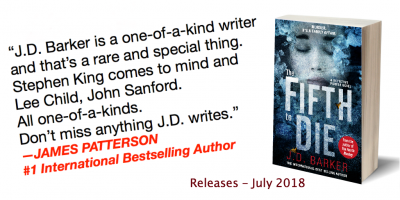
      (From top editor Jessica Morrell and Chanticleer’s own Kiffer Brown along with advice from Stephen King, Chelsea Cain, Ernest Hemingway, Robert Dugoni, J.D. Barker,  and many more bestselling authors).

      The Secret to Successful Publishing

      Don’t edit your first draft as you write it!

      Writing your first draft should be a mad dash to get your story out of your brain. Jessica calls it “unspooling your story thread.”

      Don’t hinder it by worrying about each little detail. There will be time for that later. NaNoWriMo or not.

      Not taking our word for that piece of advice?

      Chelsea Cain, a bestselling thriller author (with a TV series to her credit),  gives this piece of advice:

      Write the bare-bones version of the scene first using mostly dialogue, and then move on and in the second draft flesh out the scenes with description and action.

      Action is dialogue. Dialogue is action. – Robert Dugoni, Amazon Bestselling Author

      What is YOUR STORY?

      Story is essentially a problem that needs solving for the protagonist. – Jessica Morrell

      • What is your protagonist’s problem that must be solved—or else?
      • What is the worst thing that can happen next to your protagonist?
      • Remember that it is not your problem. It is your protagonist’s problem, obstacle, impossible dream.
      • Start at least one subplot. This subplot(s) should also complicate the protagonist’s goals.

      No matter when the problem begins (it’s always in Act One) the problem is weighty and vexing, perhaps insurmountable. If the problem is not immediately personal, it should become so that it will create a bond (connection) between the protagonist and antagonist. (A classic example is the connection between Sherlock Holmes and Jim Moriarty).

      Sherlock Holmes and James Moriarty

      What is the inciting event or threat? 

      The inciting incident might lead to the problem. This event will disrupt the status quo, demand response, and set actions in motion. It’s a threat that unbalances the story world and creates dilemmas that must be dealt with.

       These excerpts above are from The Inciting Incident blogpost


      Environment (internal and external)

      • Remember you want to send your protagonist into new emotional territory with new challenges and pressures.
      • And at the same time, she will need to deal with new physical territories such as a new school (Footloose) or a different culture (Dances with Wolves) or a different legal society with different norms (Handmaid’s Tale) or a new environment (Deadwood)  or a different time (Outlander) or galaxy (Farscape).
      • Don’t be afraid to stage danger in benign or lovely settings or conversely gentle scenes in dangerous and gruesome settings.

      Atmosphere

      • Allow the overall atmosphere and mood to imbue your writing from the get-go.
      • The atmosphere lends itself to the overall tone and mood of a work. Allow it to permeate your work as you write.

      Why use atmosphere in your first draft? (or during NaNoWriMo)? 

      • Because it will affect your mood and approach to your story.
      • It will make you focus on creating unease–a necessary ingredient not always considered in early drafts.
      • Unease contributes to writing a page-turner.
      • Atmosphere underlines themes–even if you don’t have your themes nailed down yet.

      Here is the link to our Writer’s Toolbox article on Atmosphere

      Emotional Baggage

      • Know your protagonist’s main emotional wound, sometimes called baggage in real life. How is it going to affect his or her ability to solve the story problem? (See the questions below to jumpstart creativity.)

      Remember that Writers (that is you) should carry a notebook everywhere you go. You never know when a brilliant solution is going to appear. Jessica Morrell

        If I could offer a single piece of advice about creating characters it would be this (Jessica Morrell):

        • Take risks with your main characters.
        • Make them stand out from the myriads of fiction published each year.
        • And don’t be afraid to allow eccentricities, quirks, and oddball ways of seeing reality.

        More questions for your protagonist from Jessica Morrell—these are guaranteed to get your creative wheels turning:

        First, ask yourself these questions and then “ask” your protagonist. Have your protagonist go into depth. Find out what your protagonist’s iceberg under the waterline is all about.

                                                                                        Photo taken in Greenland’s waters.

        Kiffer suggests that you take a walk when you are considering these questions. Be sure to either take notes or record your thoughts on your smartphone while you explore your protagonist’s emotional baggage. Walk a mile in your protagonist’s shoes. 

        J.D. Barker stated at the Chanticleer Authors Conference 2019 that he knows which rides his main characters would go on at Disney Land, the type of beer that he/she would order, and favorite toys that he/she played with as a child. He may not use this info in his manuscript but knowing  this information gives his characters subtext and undercurrents that make his novels international bestsellers.

        Jessica Morrell suggests that you ask your protagonist these questions?

        • What’s the most embarrassing thing that has ever happened to you?
        • What is your biggest regret?
        • What is your superpower?
        • Who do you cherish most in the world?
        • If you could change one thing about your world, what would it be?
        • What is your average day or schedule?
        • What 5-6 words sum up your values?
        • What do you do after a really bad day?
        • How do you celebrate?
        • The secret you’d never tell your significant other? Your mother? Your sibling?
        • What reminds you of home?
        • What item must you always take along when traveling?
        • Favorite drink?
        • Secret vice?
        • Pizza or tacos? Cookies or tequila?
        • Favorite climate?
        • Reading or television to unwind?
        • Breakfast or coffee only?

        We hope that we helping you, Dear Writer, to arm and prep yourself to get down to the writing of your next work—the reckoning.


        Ernest Hemingway:  There is nothing to writing. All you do is sit down at a typewriter and bleed.

        Unspooling the Thread of Your Story

        Stay tuned for more Writing and NaNoWriMo Tips

        Link to Part One of our Annual NaNoWriMo Writing Tips Series


        Chanticleer Editorial Services – when you are ready

        Did you know that Chanticleer offers editorial services? We do and have been doing so since 2011.

        Tools of the Editing Trade

        Our professional editors are top-notch and are experts in the Chicago Manual of Style. They have and are working for the top publishing houses (TOR, McMillian, Thomas Mercer, Penguin Random House, Simon Schuster, etc.).

        If you would like more information, we invite you to email Kiffer or Sharon at KBrown@ChantiReviews.com or SAnderson@ChantiReviews.com for more information, testimonials, and fees.

        We work with a small number of exclusive clients who want to collaborate with our team of top-editors on an on-going basis. Contact us today!

        Chanticleer Editorial Services also offers writing craft sessions and masterclasses. Sign up to find out where, when, and how sessions being held.

        A great way to get started is with our manuscript evaluation service. Here are some handy links about this tried and true service: https://www.chantireviews.com/manuscript-reviews/

        And we do editorial consultations. for $75.  https://www.chantireviews.com/services/Editorial-Services-p85337185

        Writer’s Toolbox

        Thank you for reading this Chanticleer Writer’s Toolbox article.

        Writers Toolbox Helpful Links: 

        The INCITING INCIDENT: STORY, SETBACKS and SURPRISES for the PROTAGONIST – A Writer’s Toolbox Series from Jessica Morrell’s Editor’s Desk

        ESSENCE of CHARACTERS – Part One – From the Jessica Morrell’s Editor’s Desk – Writer’s Toolbox Series  

        Keep writing, keep dreaming, have heart. Jessica

        Jessica Morrell is a top-tier developmental editor and a contributor to Chanticleer Reviews Media and to the Writer’s Digest magazine. She teaches Master Writing Craft Classes at the Chanticleer Authors Conference that is held annually along with teaching at Chanticleer writing workshops that are held throughout the year. 


        Keep creating magic! Kiffer 

        Kathryn (Kiffer) Brown is CEO and co-founder of Chanticleer Reviews and Chanticleer Int’l Book Awards (The CIBAs) that Discover Today’s Best Books. She founded Chanticleer Reviews in 2010 to help authors to unlock the secrets of successful publishing and to enhance book discoverability. She is also a scout for select literary agencies, publishing houses, and entertainment producers.


      • TIPS for FICTION WRITERS – from Jessica Morrell’s Editor’s Desk and Kiffer Brown – Chanticleer Writers Toolbox Series

        TIPS for FICTION WRITERS – from Jessica Morrell’s Editor’s Desk and Kiffer Brown – Chanticleer Writers Toolbox Series

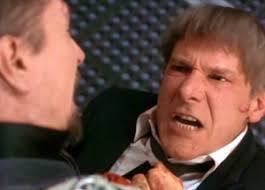
        Get off my plane! Air Force One (1997)

        Sometimes we all need reminders to keep us on track and focused while writing. We hope that you will find these tips handy.

        • Make certain that a major crisis, reversal or twist occurs at the midpoint to send the story skittering in a new direction and creating new motivation for the protagonist.
          • Kiffer:  It doesn’t matter if you are writing a lighthearted romance or a thriller or middle-grade fiction, keeping your readers guessing will keep them entertained and turning the pages.
        • Make certain that your protagonist is struggling with internal conflict as well as external conflict.
          • Kiffer: Jessica has contributed some excellent posts on creating complicated protagonists. See links below.
        • The reader’s first glimpse of the protagonist should evoke sympathy.
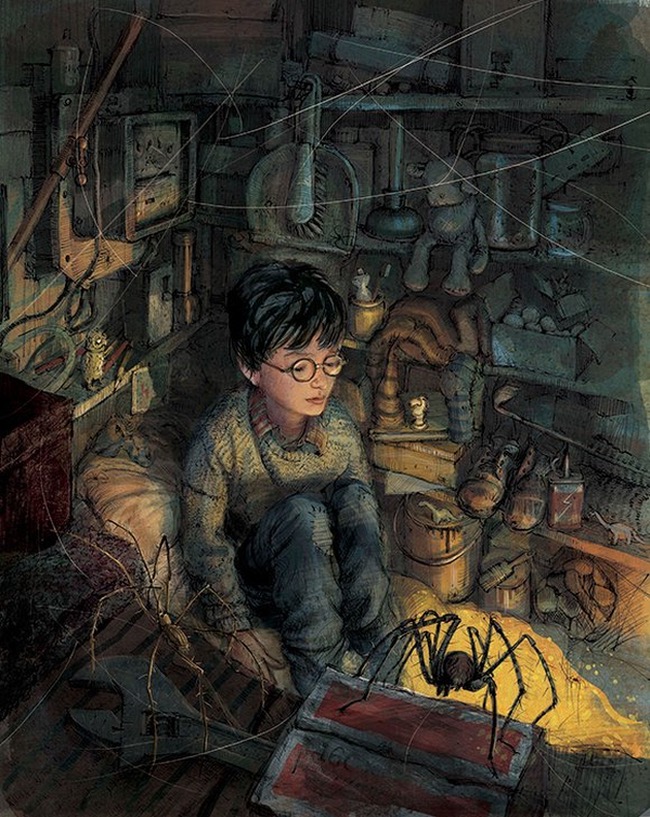
          • Kiffer: Think of Celie of The Color Purple, Harry Potter, Tom Ripley in the The Talented Mr. Ripley, James Bond in Casino Royale, Anne Shirley of Anne of Green Gables, Dana of Kindred, Katniss in the Hunger Games, Bella Swan in Twilight.

            The Cupboard Under the Stairs Artwork by Jim Kay, Illustrator for the Harry Potter series.
        • Base fiction around a single dramatic question.
          • Kiffer: This will become your log-line or pitch. See link below.
        • Remember always that you are a storyteller first. Stories are not merely about issues or themes. Fiction is about how threatening events affect fictional people.
        •  While a storyline requires a series of crises, surprises and reversals, do not use violence, sex, sin, gore, or murder to enliven a sagging plot.
          • Kiffer: This is known as lazy writing in the publishing biz. Don’t ever let yourself get labeled as a “lazy writer” by taking the easy way out.
        •  Don’t launch a story with too many characters for the readers to track in the opening.
          • Kiffer:  This is something that we see often when evaluating manuscripts–too many story lines cramped into one work when they should be divided out into a series or other story arcs.
        •  Keep dialect to a minimum and don’t write it without thorough research or intimate knowledge.
        • Dialogue immediately reveals a writer’s skills. Use it sparingly  and effectively by understanding that it is inherently dramatic. Avoid long sections of endless dialogue. Also avoid long sections where there is no dialogue. Eliminate mundane exchanges and repetitions. Limit using dialogue to reveal backstory.  Keep attributions short.
        •  Remember that the opening has much to accomplish including establishing the voice, viewpoint, tone, and pacing.
          • Kiffer: Most readers will determine if they want to invest time in reading a work by the opening.
        •  Characters are revealed while acting, talking, making choices and decisions. People are what they do.
        •  Make certain that there is a visual element on every page.
          • Kiffer: Scenes that are void of sensory input have a writing craft problem known as  “white room” syndrome. White room syndrome is where the characters float around the scene without visuals, noise, smells, atmosphere, or tactile experiences. There is nothing to anchor the reader into the scene.
        •  Create a vibrant and quirky cast of secondary and minor characters to enliven the story and reveal several sides of the protagonist.
        •  Don’t start major edits or rewrites until you finish your first draft.
          • Kiffer: As award-winning author Michelle Rene advises: “Pour your heart and soul into the rough draft with reckless abandon.” In other words, don’t start nitpicking and ripping into your work until you have a story idea that is fully formed. Let yourself be creative! Get the story down and then go back to fill in the blanks or to do research. Enjoy the creativity of following in love with your story and characters.

            Head Over Heels in Love with Your Story Idea!
        •  Each major character has an agenda and purpose.
        •  Avoid problems being solved by another character or force of nature.
          • Kiffer:  Avoid Deux Ex Machina (aka dragons, lottery winnings, Prince Charming, etc.). However, there are few times when it works (these tend to be in works that explore the human psyche) such as in the Wizard of Oz when it was all a dream for Dorothy or in Shakespearean works that tend incorporate human psyche archetypes.
        •  Beware of digressions that follow your interests or research, not the story. Rein yourself in.
          • Kiffer: This means that you should not use all that research that you gathered. However, all that research could become subtext and subtle undercurrents of your story. Use research as you would spice—as needed. Just because you have it (research/spice) doesn’t mean that you should use it all. #justsaying
        •  Nothing should happen at random, all fiction is causal. Fiction is storytelling.
        •  Structure scenes around scene goals and opposition to these goals.
          • Kiffer: This is the story current—imagine that your story is a river. Does it flow straight at a constant speed? Or does it bend and twist so that the readers do not know what is just around the corner? Does it have eddies? Does it have turbulence caused by huge obstacles to overcome? Does it run deep? Or shallow? Or both? Shallows can be very dangerous…

        Keep writing, keep dreaming, have heart. Jessica

        Keep creating magic! Kiffer 


        Chanticleer’s Writer’s Toolbox

        Handy Links to More Chanticleer Writers Toolbox Series blog posts

        Will Your Story Idea Work? by Jessica Morrell

        Writing Protagonists by Jessica Morrell

        How to Write Your First Draft in Four Weeks by Michelle Rene, award-winning author

        Prepping to Write: Plotting, Inciting Incidents, Atmosphere, Characters by Jessica Morrell and Kiffer Brown with advice from Chelsea Cain, Robert Dugoni, Stephen King…

        Inciting Incident: Story, Setbacks, and Surprises for the Protagonist – Jessica Morrell

        Minor Characters – the SPICE of FICTION by Jessica Morrell  (Part 1 & 2) 

        Part Two

        Essence of Characters Part One by Jessica Morrell

        Essence of Characters Part Two by Jessica Morrell


        Jessica Page Morrell
        Jessica Page Morrell

        Jessica Page Morrell is a top-tier developmental editor for books and screenplays. Her articles have appeared in Writer’s Digest and The Writer magazines. She is known for explaining the hows and whys of what makes for excellent writing and for sharing very clear examples that examine the technical aspects of writing that emphases layering and subtext. Her books on writing craft are considered “a must have” for any serious writer’s toolkit.

        Jessica will teach the Master Craft Writing Classes at the Chanticleer Authors Conference VIRTUAL Conference that will be held from Tuesday, Sept 8 – Sunday, Sept. 13, 2020. She will present sessions and Master Classes during the conference. She and Kiffer will also host a fun kaffeeklatch for Word Nerds at CAC20.

        Did you know that Chanticleer offers editorial services? We do and have been doing so since 2011.

        And that our professional editors are top-notch and are experts in the Chicago Manual of Style. They have and are working for the top publishing houses (TOR, Macmillan, Thomas Mercer, Penguin Random House, etc.) and award-winning independent presses. If you would like more information, we invite you to email Kiffer or Sharon at KBrown@ChantiReviews.com or SAnderson@ChantiReviews.com.

        Click here to read more about our Editorial services: https://www.chantireviews.com/services/Editorial-Services-p85337185

        A great way to get started is with our manuscript evaluation service. Here are some handy links about this tried and true service:

        https://www.chantireviews.com/manuscript-reviews/

        We work with a small number of exclusive clients who want to collaborate with our team of top-editors on an on-going basis. Contact us today!

        Writer’s Toolbox

        Thank you for reading this Chanticleer Writer’s Toolbox article. 

      • GLISSANDO and WORDCRAFT from Jessica Morrell’s Editors Desk – A Chanticleer Writer’s Toolbox blog post

        GLISSANDO and WORDCRAFT from Jessica Morrell’s Editors Desk – A Chanticleer Writer’s Toolbox blog post

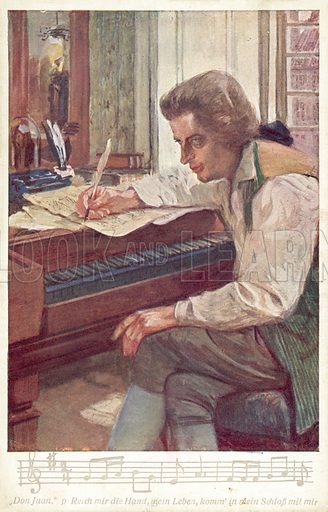
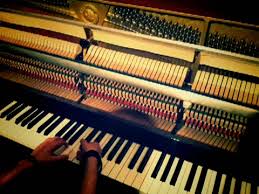
        Glissando is a term from music meaning sliding or gliding over keys.

        When glissando is applied to wordcraft, it means paying attention to the sound and flow of language.  Sounds arrest the reader’s attention. Even if your words are not read out loud, the reader hears them with her/his inner ear.

        All language has sound and sound communicates meaning, emotion, mood and tone. Language is also embedded with deeply appealing rhythms that, like drum beats or heart beats, that slip into the reader’s consciousness and enhance the experience of reading.

        In all writing, every word exists for a reason, every sentence builds the scene or idea. Each word is a note. Sometimes you want sound to lull a reader before you slap him with a heated argument or stage a bombshell scene. Sometimes you want him to pause at the end of a string of words. Sometimes you want to march along briskly as you dispense information.

        When sound is emphasized a narrative becomes poetic. When sound is deliberately employed, sentences, paragraphs and scenes have clout. Writing without themes, purpose and music is only typing and writing without paying attention to sound is flat and empty.

        Sound can add or subtract to the flow of writing.  Like other writing devices, flow is a nearly invisible factor, but when it’s employed, your writing will be seamless and will reflect the mood and ambiance of a particular point in a story.

        A note from Kiffer:  Think of a symphony.

        Think of symphonies and the myriad of moods that they evoke.

        A few examples:

        • Stravinsky’s riotous Rite of Spring
        • Gershwin’s sultry jazzy and brash exuberant Rhapsody in Blue
        • Bernstein’s fresh and challenging West Side Story
        • Mozart’s complex and exhilarating Jupiter 
        • Aaron Copland’s stirring and nostalgic Symphony for the Common Man
        • Bear McCreary’s Symphony for Battlestar Galactica  (a side note: Bear is from Bellingham)

        Each symphony is written with the same twelve notes, one note at a time. Each novel, each written work, is written one word at a time.

        Flow

        Flow happens when ideas and stories have fluidity, connectivity, and cohesion.  Flow is consciously applied as a courtesy to the reader because readers deeply resent being lost of confused when amidst a page or story. Readers also hate to be jolted or to dangle, or feel a sense of disorientation.  Flow provides the map, flow connects the dots, flow grants readers firm footing. Flow aids the internal logic needed to make your ideas comprehensible.  Flow will move the reader from sentence to sentence, paragraph to paragraph, idea to idea, scene to scene, and chapter to chapter with grace and ease.

        Transitions

        An essential technique that creates flow is transitions and it’s shocking how often writers neglect to use them.  Transitions are the words, phrases, sentences or paragraphs used to bridge what has been said with what is going to be said. Simple transitions are generally, but not always, a subordinate clause placed in the beginning of a sentence or paragraph and used as a road sign indicating a change. Probably the most famous transition in writing is “meanwhile, back at the ranch.” It provides an easy shorthand and the reader knows, Ah, we’ve changed locales; we’re at the ranch again. Wonder how Jane is getting along since Luke has been on the cattle drive for three months now.

        Transitions are handy devices because they can accomplish so much in only a few words. Their jobs are to signal: a change in time, a change in place, a shift in mood or tone, or a shift in point of view. Transitions also clarify relationships, emphasize, contrast or compare things, conclude actions or thoughts, and create associations.

        Here are a few tips for writing with wordcraft.

        • When in doubt, understate. Often the most painful, emotional, or violent moments in writing works best by using a minimalist approach.
        • Write about subjects that mean something to you, emotionally and intellectually; that force you to question your beliefs and values.
        • Save lush passages for choice moments in the story, especially decisions, revelations, and reversals. If you use heightened prose every time your character feels an emotion the whole will become contrived.
        • Omit redundancies like grotesquely ugly, grim reminders, complete surprise, and happy coincidence.
        • Make certain every sentence adds something new.
        • Generally avoid heightened prose for endings—often the best endings are concrete or understated.
        • Respect word territory. If you feature an unusual word in a sentence (effervescent, rococo, unremunerated, infelicity) then don’t repeat it again in a nearby paragraph or better yet, use it only once.

        Don’t forget to keep asking yourself, what does this remind me of?  As you lay out sentences and scenes, but also as go through your days, look around you with an artist’s curiosity.  It’s a simple question, and leads to wizardry.

        Keep writing, keep dreaming, have heart. Jessica


        Jessica Page Morrell

        Jessica Page Morrell is a top-tier developmental editor for books and screenplays. Her articles have appeared in Writer’s Digest and The Writer magazines. She is known for explaining the hows and whys of what makes for excellent writing and for sharing very clear examples that examine the technical aspects of writing that emphases layering and subtext. Her books on writing craft are considered “a must have” for any serious writer’s toolkit.

        Jessica will teach the Master Craft Writing Classes at the Chanticleer Authors Conference on Thursday, Sept. 3, 2020  and will present sessions during the conference.


        Did you know that Chanticleer offers editorial services? We do and have been doing so since 2011.

        And that our professional editors are top-notch and are experts in the Chicago Manual of Style. They have and are working for the top publishing houses (TOR, McMillian, Thomas Mercer, Penguin Random House, etc.). If you would like more information, we invite you to email Kiffer or Sharon at KBrown@ChantiReviews.com or SAnderson@ChantiReviews.com.

        A great way to get started is with our manuscript evaluation service. Here are some handy links about this tried and true service:

        https://www.chantireviews.com/manuscript-reviews/

        We work with a small number of exclusive clients who want to collaborate with our team of top-editors on an on-going basis. Contact us today!

        Writer’s Toolbox

        Thank you for reading this Chanticleer Writer’s Toolbox article. 

      • Writing Protagonists – by Jessica Page Morrell – A Chanticleer Writer’s Toolbox post

        Writing Protagonists – by Jessica Page Morrell – A Chanticleer Writer’s Toolbox post

        You need to care deeply about your protagonist – Jessica Page Morrell

        It’s impossible to write about a main character you don’t care about. And care deeply. When I say care, you can actually pity the poor sod (Quoyle in The Shipping News), or disagree with his morality as when you write an anti-hero like Scarlett O’Hara or Tyrion Lannister of the Game of Thrones series. Many readers find anti-heroes likable or relatable, but so must the writer/creator. Because fiction writing requires a serious emotional and intimate involvement.

        Harry Potter of the Harry Potter Book Series by J.K. Rowling

        Ideally you’ll find your protagonist fascinating, indelible, someone you can co-habitate with for at least a year if not longer. Because between first drafts and final revisions, it will take at least a year to finish your novel. This means your main player needs to be interesting to hang out with and interesting to write.

        Miss Celie of The Color Purple by Alice Walker

        I’ve known writers who have fallen out of love with their characters and it ain’t pretty. Especially if they created a series character. Typically they discover their creation feels stale or predictable. Similar to a failing relationship in the real world. Like those glum couples you spot in restaurants not speaking to each other; sitting in slumped misery or apathy. Of course I’m nosy and apt to spy on my fellow diners and I’ve been noticing these miserable pairings for years.

        Douglas Adam’s Hitchhiker’s Guide to the Galaxy’s protagonist – Arthur Dent

        Back to you and your main characters. Think long haul. Lasting commitment, curiosity or admiration. Think not being judgy, but observant and nosy, and perhaps a bit curious.

        Unforgettable or haunting protagonists are the keys to great fiction!

        A few suggestions for you to keep in mind:

        • Character first. Plot is people.
        • Create an intricate backstory that will cause motivations. This does not mean to add all of that backstory to your work.
        • Don’t confuse protagonist with hero. Sometimes the hero saves the day for the protagonist.
        • Sometimes the protagonist is not a “good guy.” Examples are:  Holden Caulfield from The Catcher in the Rye, Michael Corleone from Mario Puzo’s The Godfather, or Arthur Dent in The Hitchhiker’s Guide to the Galaxy by Douglas Adams.
        • Holden Caulfied – The Catcher in the Rye by J.D. Salinger
        • Give it time. It doesn’t need to be an instant attraction or intimacy, but your character should pique your curiosity.
        • Discover what in your character’s nature validates his/her humanity. Makes him or her worthy of your reader’s time.  Some of the best protagonists are not immediately sympathetic or understandable. It can take readers time to understand them. But that’s okay. Because there will be tests along the way that reveal his/her true nature.
        • Your protagonist needs traits you admire, even begrudgingly.
        • Figure in your protagonist’s chief vulnerabilities, then exploit them.
        • Understand how your character’s triggers, reactions or overreactions under duress.
        • Consider working out your demons through your protagonist. Is he or she insecure? Will he feel misunderstood? What about rewriting your awkward adolescent years through your character?
        Frodo of the The Lord of the Rings series by J.R.R. Tolkien

        Oh, and the protagonist should fail, fall on his face at least a few times along the way to the climax. Because your job as the master manipulator (aka author) is to blindside, torment, and thwart your characters. Again and again, so the outcome is in question and your readers are compelled to keep turning the pages.

        Handy Links to other articles featuring Protagonists

        The INCITING INCIDENT: STORY, SETBACKS and SURPRISES for the PROTAGONIST

        Essence of Characters

        Jessica Page Morrell
        Jessica Page Morrell

        Keep writing, keep dreaming, have heart.  – Jessica 

        Jessica Morrell is a top-tier developmental editor and a contributor to Chanticleer Reviews Media and to the Writer’s Digest magazine. She teaches Master Writing Craft Classes at the Chanticleer Authors Conference that is held annually along with teaching at Chanticleer writing workshops that are held throughout the year. 

        Jessica is teaching a Master Class at the Chanticleer Authors Conference along with other sessions. Click here to find out more information or to register. 

        Chanticleer Editorial Services

        Did you know that Chanticleer offers editorial services? We do and have been doing so since 2011.

        Our professional editors are top-notch and are experts in the Chicago Manual of Style. They have and are working for the top publishing houses (TOR, Macmillan, Thomas Mercer, Penguin Random House, Simon Schuster, etc.).

        If you would like more information, we invite you to email Kiffer or Sharon at KBrown@ChantiReviews.com or SAnderson@ChantiReviews.com for more information, testimonials, and fees.

        We work with a small number of exclusive clients who want to collaborate with our team of top-editors on an on-going basis. Contact us today!

        Chanticleer Editorial Services also offers writing craft sessions and masterclasses. Sign up to find out where, when, and how sessions being held.

        A great way to get started is with our manuscript evaluation service. Here are some handy links about this tried and true service:

        https://www.chantireviews.com/manuscript-reviews/

        Writer’s Toolbox

        Thank you for reading this Chanticleer Writer’s Toolbox article.

      • The INCITING INCIDENT:  STORY, SETBACKS and SURPRISES for the PROTAGONIST – A Writer’s Toolbox Series from Jessica Morrell’s Editor’s Desk

        The INCITING INCIDENT: STORY, SETBACKS and SURPRISES for the PROTAGONIST – A Writer’s Toolbox Series from Jessica Morrell’s Editor’s Desk

        Fiction features a problem that needs solving and only the protagonist can solve it.

        In short stories, the problem is often introduced by the inciting incident–an event that triggers or launches what follows.

        In longer fiction, the inciting incident might lead to the problem. This event will disrupt the status quo, demand response, and set actions in motion. It’s a threat that unbalances the story world and creates dilemmas that must be dealt with.

        The Wizard of Oz – Inciting Incident

        A simple plot structure is a protagonist struggling to solve an intolerable problem and re-establish order. Jessica Morrell

        No matter when the problem begins (it’s always in Act One) the problem is weighty and vexing, perhaps insurmountable. If the problem is not immediately personal, it should become so that it will create a bond (connection) between the protagonist and antagonist. (A classic example is the connection between Sherlock Holmes and Jim Moriarty).

        Sherlock Holmes and Jim Moriarty

        As you know, in real-life problems are sometimes unsolvable and don’t fit neatly into a satisfying narrative arc. Across the globe, there are ‘forever’ problems of climate change, financial inequities, immigrants who need homes, corporate greed, and fascism. No shallow fixes will work, though incremental changes can chip away at underlying issues.

        Closer to home, you might be dealing with a job that drives you crazy, but you cannot leave; family members who refuse to reconcile; health or mental health issues that can only be coped with, not cured; or agonizing decisions about caring for elderly family members. In fact, studies have shown that depression can be linked to seemingly unsolvable problems.

        This is why some people turn to fiction. Where love wins in the end, crimes are solved and justice is served, and friends or families reconcile. But in well-told tales, success never comes easy and it always exacts a toll. Often success comes from the protagonist tapping into inner resources he or she hadn’t accessed before.

        Frodo and the Ring – LOTR

        A FEW STORY  TIPS and HANDY REMINDERS from Jessica Morrell

        • As the story progresses the protagonist forms a plan. Now the plan can be shaky, untested, or desperate, but readers need a  strategy at work.
        • Force your character to solve smaller problems along the way to resolving the major story problem. A detective can dig up a much-needed witness or help a vulnerable street kid.
        • Endow your protagonist with specific, interesting skills and personality attributes that won’t waver and make him or her suited to the task.
        • Create a protagonist who is somehow lacking in something he or she needs for happiness or fulfillment.
        • Burden him or her with emotional baggage and needs, personal demons or addictions, then toss in cast members and subplots that distract, undermine, or hinder.
        • Understand how the problem makes the protagonist feel in each scene: hesitant, unaware, outgunned, overwhelmed, weak, unqualified, terrified.
        • Setbacks and surprises should be baked into the plot.

        Oh, and the protagonist should fail, fall on his face at least a few times along the way to the climax. Because your job as the master manipulator (aka author) is to blindside, torment, and thwart your characters. Again and again, so the outcome is in question and your readers are compelled to keep turning the pages.

        Jessica Page Morrell
        Jessica Page Morrell


        Keep writing, keep dreaming, have heart.  – Jessica 

        Jessica Morrell is a top-tier developmental editor and a contributor to Chanticleer Reviews Media and to the Writer’s Digest magazine. She teaches Master Writing Craft Classes at the Chanticleer Authors Conference that is held annually along with teaching at Chanticleer writing workshops that are held throughout the year. 


        Chanticleer Editorial Services

        Did you know that Chanticleer offers editorial services? We do and have been doing so since 2011.

        Our professional editors are top-notch and are experts in the Chicago Manual of Style. They have and are working for the top publishing houses (TOR, Macmillan, Thomas Mercer, Penguin Random House, Simon Schuster, etc.).

        If you would like more information, we invite you to email Kiffer or Sharon at KBrown@ChantiReviews.com or SAnderson@ChantiReviews.com for more information, testimonials, and fees.

        We work with a small number of exclusive clients who want to collaborate with our team of top-editors on an on-going basis. Contact us today!

        Chanticleer Editorial Services also offers writing craft sessions and masterclasses. Sign up to find out where, when, and how sessions being held.

        A great way to get started is with our manuscript evaluation service. Here are some handy links about this tried and true service:

        https://www.chantireviews.com/manuscript-reviews/

        Writer’s Toolbox

        Thank you for reading this Chanticleer Writer’s Toolbox article.

      • How He Increased Book Sales, Writes Realistic Dialogue, and Structures His Writing — Award-winning Author Peter Greene Shares His Tips and Tools

        How He Increased Book Sales, Writes Realistic Dialogue, and Structures His Writing — Award-winning Author Peter Greene Shares His Tips and Tools

        Goethe Grand Prize Winner – Peter Greene

        Meet Peter Greene, CIBA Award-Winning author of High-Seas Action Adventure novels that appeals to all ages!

        If you’ve ever been to a CAC (Chanticleer Authors Conference), you might recognize author Peter Greene. He’s the one that sits on the outside aisle, quiet and unassuming. Well kids, don’t be fooled! Peter has one of the best imaginations I know of—and there is a reason for his works are award-winning!  You’ll just have to read on to discover it yourself!

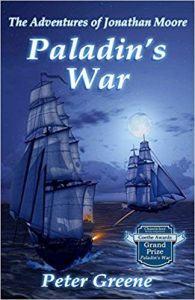
        Peter Greene took home the Goethe Book Awards Grand Prize in the 2017 CIBAs for Historical Fiction for Paladin’s War.


        CIBA 2017 Goethe Book Awards Winners Joe Vitovic & Peter Greene

        Chanticleer: Tell us a little about yourself: How did you start writing?

        Greene: My parents were both prolific storytellers, and they were amazingly descriptive, especially my Father. He would act out the voices and mannerisms of all the people. I learned a lot from trying to outdo them.  Then in high school, when I took a creative writing class, my teacher, Mrs. Beem, would just yell out something like “a story with lots of movement” or “use the words ‘freedom’ and ‘cheesecake’ in a short story” and I would just go. The other kids sat and struggled, but I already had a plot, characters, and all that in seconds. She gave me A’s all the way through.

        Structure: Pantzer or Plotter?

        Chanti: That sounds like a great way to be introduced to storytelling! 

        So just how structured are you in your writing work?

        Greene: Very structured, but only in the process, not in the structure of the piece.

        1. I first list “essentials” – just the essential things I want in the story, in no order, and some may make it in there, some may not. This way I get ideas out of my head before they are lost in the ether!
        2. Then comes some basic research, which is ongoing through the process of course, but I just want to make sure I’m building my fiction on a solid, believable foundation.
        3. I then outline like a madman, very detailed at times, sometimes with partial chapters written out, sometimes with crude drawings! These outlines are dozens of pages long, and I print them and literally wallpaper my office with them! The outline for Paladin’s War covered three walls in my office!
        4. Finally, I start the actual writing, usually in chronological order, but that is a rule I break depending on my mood.
        5. When I’m done, I have my wife read the book out loud to me so I can hear the rough spots-that is critical— I find so much that makes me cringe: from unnatural dialogue to foggy descriptions to just clunky passages. I judge a competition and this is the advice that I tell almost every beginning author who enters the contest.
        6. Then, I send to the editor for evaluation. But all of these steps are ‘writing’ to me. And I love all of it.

        Authors Who Have Influenced Your Work

        Chanti: That’s a good way to approach your writing! I like the Madman Outliner… sounds like the title of your next book! Name five of your favorite authors and describe how they influence your work.

        1) Kurt Vonnegut, mostly his later stuff, like Breakfast of Champions because he became so irreverent after his ‘mainstream’ success. He taught me that style can change, and be ANYTHING as long as it has something valuable to say.

        2) Erma Bombeck, again showing that style, if it is true, can let you do anything. I would read her columns, and even though I was about twenty-two years old and a single man in Los Angeles when I discovered her, I identified with her message and I laughed. Her writing seems so effortless! I miss her.

        3) Ray Bradbury! He is so creative and smartly expresses even the most obtuse ideas. And he is funny beyond comprehension, as in The Martian Chronicles, and then scary, as in Something Wicked This Way Comes, then poignant, like Fahrenheit 451. His descriptions are poetic. I have read all of his work.

        4) David McCullough. This is cliché, but he makes history come alive, and his writing voice (as well as his speaking voice), is so crystal clear. No extra stuff, just the best, most important things are covered in a wonderful manner that intrigues us. He never put his opinion in his works, because he doesn’t have to. History is history, and it is interesting enough.

        5) J.R.R. Tolkien because he is the best at everything: plot, character, situation, excitement, humanity, emotion, poetry, prose and adventure. I have read the Silmarillion at least ten times and Lord of Rings each year since I was fourteen. I am always amazed at the scope of his stories, and the languages – truly amazing. I have learned from him that no matter how good I think I can be at times, I am no master. He is the true master. I would never try epic fantasy because the bar has been raised so high.

        About Dialogue

        Chanti: Great insights – and choices! You’ve given us something to chew on. What areas in your writing are you most confident in? What advice would you give someone who is struggling in that area?

        Greene: Dialogue is pretty easy and natural for me, maybe because of my theatre training. As far as advice for others who struggle with dialogue, I’d say this: if you are always looking for a witty, snappy, clever, smart ways for your characters to speak, STOP! It will all come out cliché, and no one talks in clichés. It will read like an episode of some seventies, low-budget television series. J.D. Barker said at the last CAC19 that he sits in a Starbucks, has a cup of coffee and listens to what the people around him say, and he types it into his laptop! That is brilliant. It’s natural. I tried it. It was a blast!

        JD Barker presented at CAC19!

        Expanding Readership and Promoting Literacy

        Chanti: Ah, that’s my favorite thing to do! What do you do in your community to improve/promote literacy?

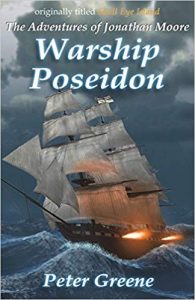
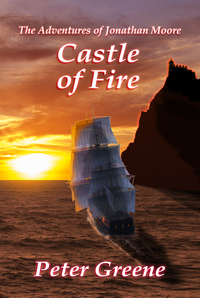
        Greene: For the Adventures of Jonathan Moore series, I specifically targeted YA readers. I consciously write each book to graduate the reader from the fourth-fifth grade reading level with Warship Poseidon, to the sixth-seventh grade level with Castle of Fire, then Paladin’s War finishes on the ninth-tenth grade level. If a youngster reads all three, he jumps several reading levels! I also donate books to schools and libraries in the area and have done a few talks to writing classes.

        Honestly, my book reviews from Chanticleer after my winning the Goethe award in 2018 and the (Chanticleer) review of Paladin’s War exploded my sales. I increased my sales by over 400%, so that worked for me! – Peter Greene

        Marketing and Sales Tips

        Chanti: That’s awesome! So, you give away books and present writing classes, what else do you do to market your books? What’s worked to sell more books, gain notoriety, and expand your literary footprint?

        Greene: I don’t do enough, but when I learn something, I do it. I enter contests that are legit. Advertising can work, it just depends on finding what works for you. Honestly, my book reviews from Chanticleer after my winning the Goethe award in 2018 and the (Chanticleer) review of Paladin’s War exploded my sales. I increased my sales by over 400%, so that worked for me! You just have to try everything, meet people, and spread the word – without saying “Hey, I wrote this great book, you should read it.” Let others speak for you, and most of all, let your writing speak for you.

        Let others speak for you, and most of all, let your writing speak for you. – Peter Greene

        How do you separate your books in a crowded marketplace?

        Chanti: That is incredible! I love that – especially how Chanticleer Reviews helped to boost your book sales by 400%! I think we need that on a t-shirt…

        What is different about your series from other YA books out there?

        Greene: Two things: I avoided all magic, superpowers and paranormal material. That’s all fun – but there is too much of it out there already. None of us will ever discover we have wizards or Olympians for parents or have a mystical ability. For this series, I wanted to point out that real heroes do exist, and they have throughout history.

        I also decided to take it easy on the terminology and more unsavory aspects of life at sea. I’ve always loved the classic sea stories in Stevenson’s Treasure Island, Forester’s Horatio Hornblower, and O’Brian’s Jack Aubrey series, but I couldn’t help thinking that for most of us, unless one had supporting texts and companion guides to get through all the jargon and technicalities, one could easily become lost-and maybe surrender to something easier to read. That would be too bad. And the things you do really need to know, well, wouldn’t it be best to learn that along with the characters? The ones that started out as land-lubbers just like you and your kids?

        The Adventures of Jonathan Moore books are about one would-be hero and his friends who try to succeed using only their courage, their wits and industry alone – no magic necessary. And though I will never fill the shoes of Stevenson, Forester or O’Brian, I can attempt to follow in their footsteps.

        Chanticleer: That’s great! But you never know…you may be the one to fill their shoes if  “Adventures of Jonathan Moore” are any indication!

        Now we would really do need to know a little bit more about when did you realize you that you were an author?

        Greene: I got my degree in Theatre from Illinois State, and a playwriting professor said I had a “knack for dialogue and physical humor.” That made me continue writing. I wrote screenplays after college, and a studio exec at 20th Century Fox pulled me aside and said “you really can write, keep it up” – then years later, my first novel, Warship Poseidon won the Adventure Writers Competition’s Grandmaster award, and Clive and Dirk Cussler chose the winner. When Clive announced my name, he said “I read your book, you know. Beautifully written.” THAT made me think that maybe I have a little writing ability. So when I write, I always think “maybe Clive and Dirk will read this so it better be my best effort.”

        Editor’s Note: Clive Cussler’s books have been published in more than 40 languages in more than 100 countries. They are New York Times and international bestsellers. He has written 17 books in a row that reached the New York Times’ fiction best selling list. He is of a select group of authors to achieve this status. Cussler has also published more than 50 novels—quite the back list that keeps him on the list of richest authors in the world.

        Chanticleer: Holy Moley, man! That’s Clive & Dirk Cussler! I can’t… I just need a moment… Okay then, what led you to write what you write?

        Greene: I write a lot of different stuff in different genres, because, why not? The Adventures of Jonathan Moore series is YA historical fiction, and it all happened by accident. One night, as I was putting my children to bed, I realized that I was tired of reading the books available on our bookshelf. Knowing they were crazy about the Pirates of the Caribbean movie, I just said, “Tonight I’m going to tell you a story about twelve-year-old Jonathan Moore who lived in a dark and filthy alley, and how he ended up a hero on a tall sailing ship.” I kept telling a little bit each night, making it up as I went. My wife, who was listening to the stories each night, suggested that I write it as a novel. Ten years later I have three books in the series!

        Chanti: And so the magic began… How do you come up with your ideas for a story?

        Greene: Good question! Usually, something just clicks that I observe or realize, and off I go. For example, I was thinking about hidden social casts in America and I thought “Wow. People don’t see it, do they?” So BAM! This Sci-Fi idea hits me for a novel, the characters came quickly and then a plot and now the outline is almost finished.  I’m starting it now. It’s a strong female character who uses history and propaganda to, well, you will have to read it!

        Chanti: A SciFi novel! We can’t wait to read it! Are you going to enter it into the Cynus Book Awards? 

        Greene: Definitely!

        Chanti: Thank you, Peter Greene with an “e,” and we look forward to seeing you at CAC20! 

      • MINOR CHARACTERS – the SPICE of FICTION – Part 2 From Jessica Morrell’s Editor’s Desk – Writers Toolbox Series

        MINOR CHARACTERS – the SPICE of FICTION – Part 2 From Jessica Morrell’s Editor’s Desk – Writers Toolbox Series

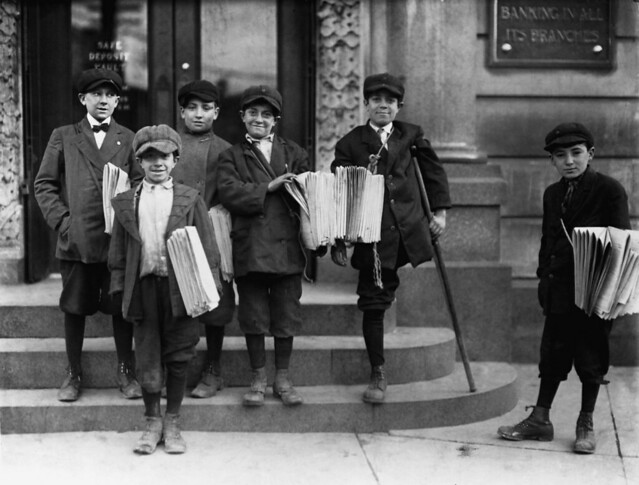
        “If you’re going to have a character appear in a story long enough to sell a newspaper, he’d better be real enough that you can smell his breath.” ~ Ford Madox Ford

        Newspaper Boys – New Jersey

        Minor characters are too often faceless walk-ons in fiction. But that means the writer has missed a chance to create reality and complexity. ~Jessica Morrell

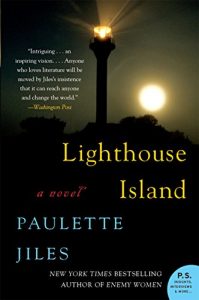
        Here’s how it’s done in Paulette Jiles dystopian novel Lighthouse Island that takes place in the Pacific Northwest. This scene features two minor characters her protagonist Nadia Stepan is about to meet. Problem is, she’s on the lam in a hideous, nightmare society and the authorities are searching for her. And she’s an outlaw in a desiccated, chaotic world where danger lurks everywhere and the underclass people are perishing from thirst and deprivation. The government is a diabolical network of agencies that inflict senseless cruelty on most of its citizens while the one percent live in luxury.

        The first character Nadia will meet for only a few minutes, the second one actually saves her and she spends maybe 5 minutes with him. Nadia’s trying to bluff her way out of capture–something she’s good at. At least so far.

        Notice how Jiles instills them with just enough realism to underline their purpose. Notice how she manages this trick with only a few economical words.

        Okay. The officer had tissue-engineered jaws square as a brick and eyes of two different colors and a scorpion tattoo on his neck. She saw him hesitate and so she turned and walked away down the narrow street and the biscuit-colored buildings of concrete whose dim and broken windows stared at each other across the pavement.

        A hand shut on her elbow and shoved her forward. Nadia turned. A stout Forensics officer stared straight ahead and pushed her on. His gray hair shone short and clean under an old-fashioned watch cap with a bill and his body smelled of sweat and hot uniform cloth. She started to say something, to invent an objection and a story but he said Shut up. He was not much taller than she was but there was something about him of that proctor in high school so long ago but more unwavering and quiet.

        Here are some tips for making minor characters count:

        •  Anchor them to a time and place–a street cop, a waitress, a lounge singer, a Wall Street executive.
        •  Give them at least one memorable characteristic. Mismatched eyes. Purple hair. A synthetic smile. Nasty yellow teeth. Vomit breath.
        •  Create an interaction, however brief–a taxi ride, an insult or accusation, asking for directions, buying a coffee.

        Nadia sneaks into the Ritz Carlton and makes it to the elevator. A guard came up. His uniform was sweaty and the hem of his pants legs were leaking threads like a fringe. He smiled at her.

        All right, all right, he said. What floor?

        •  Don’t worry about introducing them–they can simply appear.

        Emergency workers in orange coveralls came running through the dust scrim and shouted at her to go back but she walked on toward them. The telephone poles were down and electrical wires curled in the rubble.

        • Imbue them with meaning to your protagonist. In Nadia’s world—guards, troops, cops are the enemy. And they’re everywhere.
        • Give them a voice if possible.

        In a crowd of people who had lined up for something she saw a woman with a toddler in one arm.

        Cute kid! Nadia said and slipped the badge into the toddler’s baggy pants.

        The woman glared at her. Get one of your own, she said.

        Jessica suggests:

        • Pretend that you’re walking into a room and seeing your character for the first time.
        • What are your first impressions? 
        •  Can you feel the force of his or her personality? Does he or she remind you of a celebrity? Or someone you know?
        • It’s not all about the specifics of appearances—some people arrive on the scene full of confidence, some are hesitant or nervous. Why? Some people stand erect, some slouch. Some have lovely voice qualities, some people bray. Some wear too much cologne, some smell of fresh air or machine oil.  Use clothes, setting, and possessions, including large possessions such as cars to reveal characters.

        What to AVOID! 

        Avoid thumbnail sketches or police blotter descriptions whenever a new character steps into your book.

        (The suspect was a Latino male, 6 feet, medium build, scar on the left cheek, a tattoo of a snake on the right shoulder,  wearing a black jacket, jeans, and sneakers).

        This technique tends to feel contrived especially if used too often. 

        Also, a character doesn’t need to be described all at once, you can layer his or her appearance into the story in increments.

        Avoid heavy-handed effects and characterizations. You want enough nuance to make the reader pay close attention and to enjoy discerning subtle clues. Find ways to insert subtext—the unspoken, between-the-lines innuendo.

        Avoid piling it on. Here is an example of what not to do:

        “Allison, a 30-something, 5 foot 8 redhead, with heavily-mascaraed blue eyes and legs for days strolled into the restaurant her green eyes flashing. Her hair was shoulder-length, her figure striking, her fingernails painted a garish purple. She wore what looked like a real mink jacket over a tight, black dress and teetered on dangerously high heels.”

        Kate Pierson of the B52s

        A character doesn’t need to be described all at once. Instead, try to layer details in throughout the story in increments—as one might adjust the seasonings while cooking. It is better to err on the side of less than too much. You can always add a little more “spice” if needed…

        Here is the link to Part One of MINOR CHARACTERS – the SPICE of FICTION

        https://www.chantireviews.com/2019/06/24/minor-characters-the-spice-of-fiction-part-one-from-jessica-morrells-editors-desk-writers-toolbox-series/

        Keep writing, keep dreaming, have heart. Jessica


        Jessica Morrell is a top-tier developmental editor and a contributor to Chanticleer Reviews Media and to the Writer’s Digest magazine. She teaches Master Writing Craft Classes at the Chanticleer Authors Conference that is held annually along with teaching at Chanticleer writing workshops that are held throughout the year. 


        Did you know that Chanticleer offers editorial services? We do and have been doing so since 2011.

        And that our professional editors are top-notch and are experts in the Chicago Manual of Style. They have and are working for the top publishing houses (TOR, McMillian, Thomas Mercer, Penguin Random House, etc.). If you would like more information, we invite you to email Kiffer or Sharon at KBrown@ChantiReviews.com or SAnderson@ChantiReviews.com.

        We work with a small number of exclusive clients who want to collaborate with our team of top-editors on an on-going basis. Contact us today!