NICOLE J. PERSUN – Award Winning and Bestselling Author and Creative Writing Instructor
Nicole J. Persun is an award-winning and internationally bestselling author with a master’s degree in Creative Writing & Instruction. Nicole has written and published in multiple genres, most recently book club fiction under the pen name Jennifer Gold. Her most recent novel, Halfway to You, was an Amazon First Reads selection in March 2023. Learn more at nicolejpersun.com. Discover her recent novels at jennifergoldauthor.com.
Still thinking about Registering for the Chanticleer Authors Conference?
Find out why The Writer Magazine (founded in 1887) has repeatedly recognized the Chanticleer Authors Conference as one of the best conferences to attend and participate in for North America.
Christine Fairchild offers 35+ years experience as a writer, editor, and book doctor. She’s conducted celebrity interviews (XFiles, SciFiMall.com), edited for technical giants (Microsoft, Hitachi), and served as a marketing/readability specialist for consumer products (DHL, Cingular, AT&T). She now specializes in Suspense fiction and helps authors take their work, and their career, to the next level through her online workshops, classes at conferences and one-on-one book-doctoring of clients’ novels. She also writes suspense and historical fiction, so she understands the challenges authors face in their craft and the publishing industry.
• Power Moves to Make Your Story UNDENIABLE • Look Out! He’s Behind You! Effectively Using Suspense to Insure a Page-Turner Story • And more to be announced!
Still thinking about Registering for the Chanticleer Authors Conference?
Find out why The Writer Magazine (founded in 1887) has repeatedly recognized the Chanticleer Authors Conference as one of the best conferences to attend and participate in for North America.
MARK BERRIDGE – Author, Leader, and Motivational Speaker
Mark Berridge is a multi-award-winning author, a highly experienced international corporate leader and an inspiring and engaging motivational speaker. Mark’s life and career took a sudden and unexpected turn in 2019, when a biking accident resulted in severe spinal cord damage, triggering a personal battle to overcome the ongoing muscular and sensory impacts of his devastating injuries.
By melding his professional background with the lived experience of his personal recovery journey, Mark brings his unique insights, perspective and practical tips and strategies to every custom-curated presentation he delivers.
Mark’s authenticity, openness, expertise and practicality profoundly impact the individuals, teams and organisations he presents to, helping them build the resilience they need to succeed in today’s challenging business environment.
His book, A Fraction Stronger was the Grand Prize Winner for the 2022 Journey Award.
Find out why The Writer Magazine (founded in 1887) has repeatedly recognized the Chanticleer Authors Conference as one of the best conferences to attend and participate in for North America.
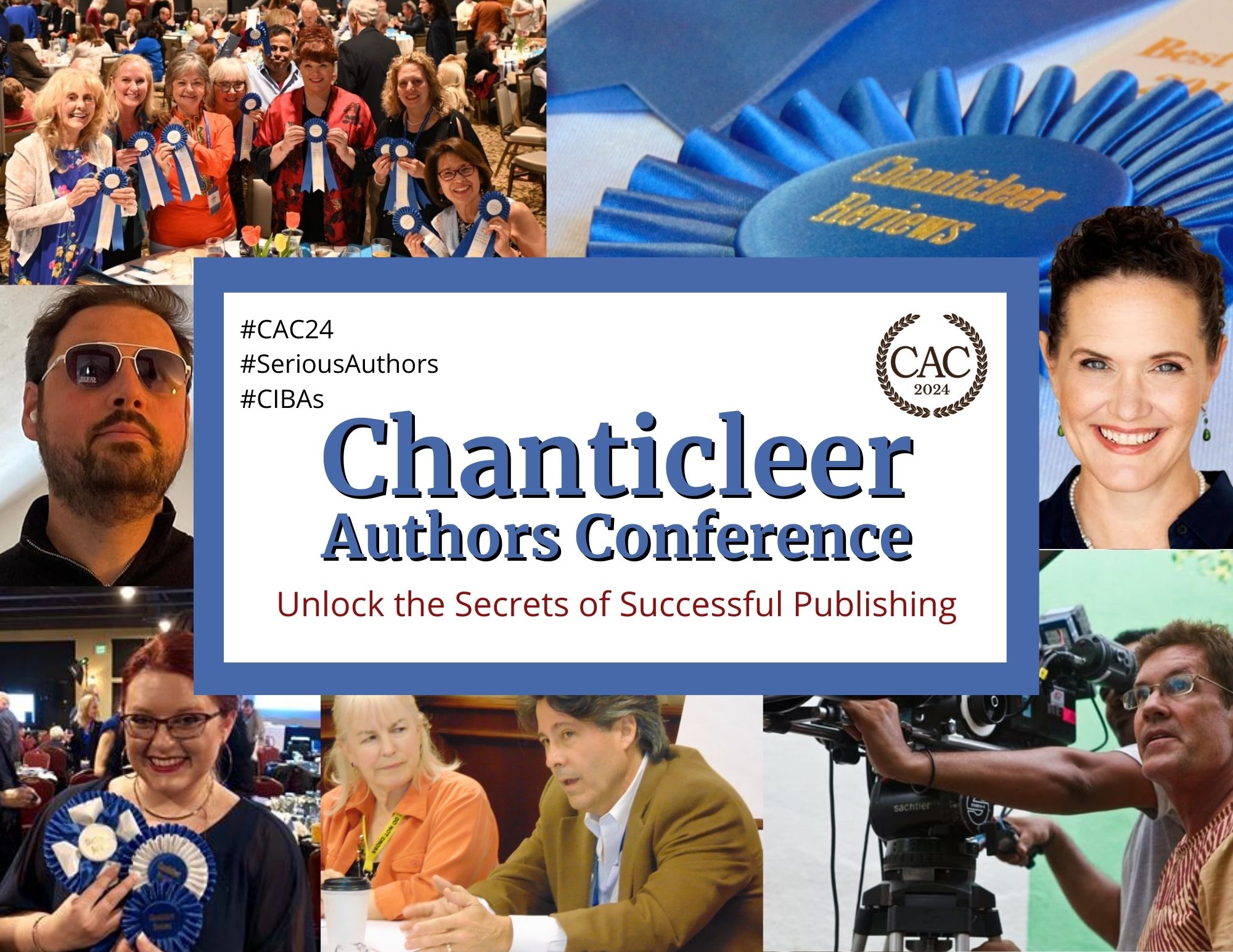
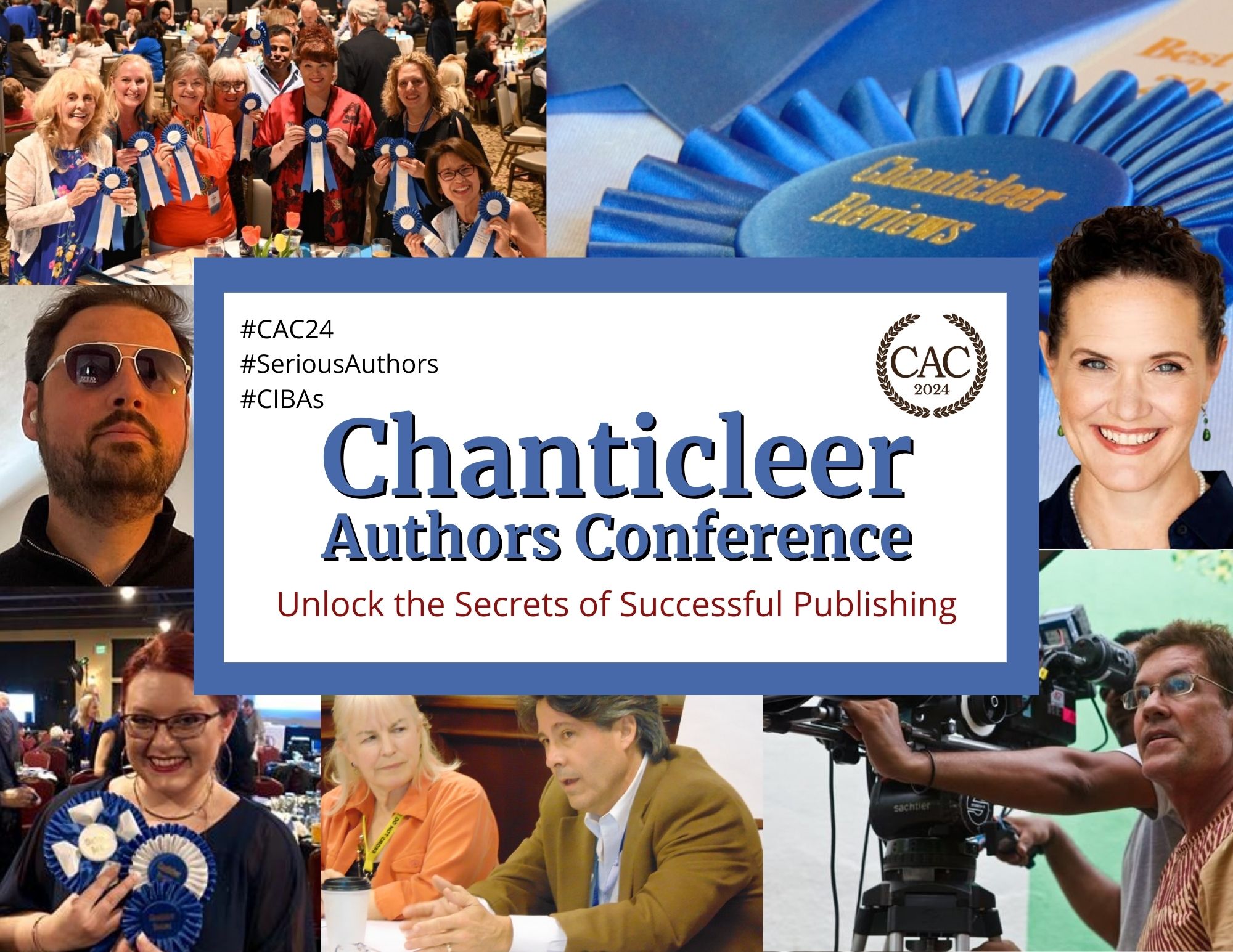
We’re bringing together top experts in storytelling, marketing, book publicity, and publishing for the 2024 Chanticleer Authors Conference!
With two master classes (read our recent article celebrating those here!), we are just getting started with the incredible offerings at CAC24! Check out these amazing attendees and upcoming sessions below!
MICHELLE COX – OVERALL GRAND PRIZE AUTHOR
Near and dear to our hearts is Michelle Cox, the author of the multiple award-winning Henrietta and Inspector Howard series as well as “Novel Notes of Local Lore,” a weekly blog dedicated to Chicago’s forgotten residents. She suspects she may have once lived in the 1930s and, having yet to discover a handy time machine lying around, has resorted to writing about the era as a way of getting herself back there.
Her work has received multiple Mystery & Mayhem and Clue Awards from Chanticleer as well as the Overall Grand Prize Award for Best Book for her book A Spying Eye, in addition to several top-rated reviews and other accolades, so she might be on to something. Unbeknownst to most, Michelle hoards board games she doesn’t have time to play and is, not surprisingly, addicted to period dramas and big band music. Also marmalade.
DIANE GARLAND – Your WorldKeeper – Continuity Senior Editor
An expert in world building and continuity, Diane Garlandand her editorial companyYour WorldKeeper,specializes in the world of continuity. Multiple USA Today best-selling and award-winning authors in various genres rely on her system of cataloging and organizing the minutiae and rules of their story worlds. Growing up as an AF Brat, Diane traveled extensively as a child, which has fueled her passion for travel and reading. She graduated from Florida State University and is a life-long learner. She, along with her husband and two cats, have recently relocated to Columbus, Ohio from the Seattle, Washington area.
Join Diane at her sessions about the necessity, creation, and organization of a story bible along with pointers on maintaining and using it to take your author career to the next level.
Sessions include:
Creating Worlds that Last
Continuity and Preparing for a Series
LISA SPICER – Producer, Editor, Writer
Our local expert on Book to Screen, Lisa Spicer has worked in television, film, and video production for over 30 years as producer, writer, and editor. Starting in the documentary unit at KCTS/PBS Seattle, later on she worked on the Bill Nye the Science Guy show, earning 3 Emmys. As an independent documentary producer, she has worked in Kenya, Mexico’s Lacandon rainforest, Northern Cheyenne and Lummi Indian reservations, Boulder, Seattle,
and Bellingham. Lisa has a BA in Broadcast Journalism and certificates in Filmmaking and Screenwriting (UW). Mid-career she earned an MA in Anthropology (WWU). Integrating anthropology into documentary, she
co-produced Homeless in Bellingham, an award-winning web series and documentary, and served as Consulting Anthropologist for the feature documentary, Cheech and Chong’s Last Movie. Recently
finishing an historical novel, Radio Smokva, she’s now writing about her back-to-the-land childhood and publishing a weekly series on Substack, Collective Effervescence: Research About the Counterculture.
Lisa will lead a workshop called How to Read a Film, with a focus on enhancing your fluency in the language of film. Rooted in the practice of mise-en-scene, learn how meaning is conveyed through elements such as camera angle, set design, motif (shapes), lighting, actors, sound, all of which work together in support of the narrative.
How to Read a Film and Writing Tips & Tools with the Screen in Mind – by Lisa G. Spicer
Writing for the screen or with the screen in mind, whether narrative or non-fiction (documentary) film.
Ex: From any story, what is selected to be scripted and filmed? How is it framed (what do we see)?
Ex: Screenplays are written in present tense
As related to writing, film borrows from theater by using elements of mis en scene and motif.
Ex: How do theater directors use props and costume to support the narrative?
Writing for film or with film in mind can be informed by the craft and how films are actually made.
Ex: Basic camera terminology, used throughout entire process: writing, filming, editing.
JANET OAKLEY – Award-Winning Author and Historian, and Community Leader
The leader of our usual suspects and historian extraordinaire, J. L. Oakley writes historical fiction that spans the mid-19th century to WW II with characters standing up for something in their own time and place. She is an award-winning author and a recipient of the 2013 Bellingham Mayor’s Arts Award; the 2013 Chanticleer Grand Prize; the 2014 First Place Chaucer Award; an Everybody Reads and Bellingham. When not writing, she demonstrates 19th-century folkways in the schools and at San Juan Island National Park. She also has a cat who thinks she’s editing. Read pick and the 2015 WILLA Silver Award, Pulpwood Queen Book Club 2016 backlist pick for February 2016.
As a First in Category winner in the Goethe, Laramie, and Chatelaine Awards for Mist-chi-mas: A Novel of Captivity, the Chaucer Award for Timber Rose and The Jøssing Affair, the Hemingway Grand Prize Winner for The Quisling Factor and the OVERALL Grand Prize for her book, Tree Soldier, Janet will present at the 2021 Chanticleer Int’l Book Awards Ceremonies (The CIBAs) on Sunday evening and recognize the finalists and announce the Grand Prize winner, and perhaps the Overall Grand Prize winner on Sunday evening.
J.L. Oakley is an expert in presenting on the following:
Renaissance Man and one of the most interesting people you’ll meet, Strider is an award winning, first place author of the Chanticleer International Book Awards, Strider began his writing career after twenty-five years as a firefighter/EMT. The emotions and experiences of those calls carry themselves through every story, bringing true ‘been-there’ reality to the scenes.
With additional years as a business owner, general contractor, designer, wildland firefighter, big game guide, ski instructor, backpacker and sword fighter, his wide range of knowledge is intricately woven throughout his stories.
To date, Strider has written YA (young adult), NA (new adult), and general fiction in the realm of: sci-fi western, light steampunk, dystopian (post apocalyptic), gaslight (early mechanism era) and just good fun reading.
Strider will be presenting in and around the following topics:
Jennifer entered Mr. Hostler’s home, finding herself in an empty white room.
“Where’s your furniture?” she asked.
Mr. Hostler cocked a brow. “You don’t need chairs to talk, Ms. Trent.”
White Room Syndrome is an ominous name for a common problem in prose writing: the characters are acting, talking, and moving the story forward, but all in a scene that hasn’t been set through description. They’re in an empty white void. Despite the name, a literal white room is not required.
Chances are good you’ve seen White Room Syndrome at some point in your own writing, where an old friend’s attic, the car of a speeding train, or even the great outdoors aren’t described to the reader beyond those broad descriptions.
So, how do you paint a scene? Well, you can’t include every single detail about the locations your characters go to, not without sacrificing any hope of good pacing – or readers finishing your book. So, I’m going to go over five critical lenses you can use to figure out which aspects of a setting are most valuable to the story: The lenses of clarity, character, tone, imagination, and pacing.
First, the lens of clarity; you must construct the world to seem cohesive.
“Then where am I supposed to put this?” Jennifer demanded, shaking her sodden umbrella.
Mr. Hostler took it from her. “First, you ought to close it. You certainly don’t need any more bad luck. And, where else would it go?” He set it carefully in the umbrella stand.
“Hey! Where did that come from–”
“Why, it’s always been there. We live in a rainy city after all,” Mr. Hostler said.
Oh that’s where I left that!
Without a scene set in your reader’s mind, the actions of your characters will be harder to imagine, and immersion will suffer. Description bears much of the responsibility for maintaining continuity in your story, both at a small scale and a large one.
Focus on the specifics of your setting.
If your story is set in a desert town, then perhaps a room is filled with the hum of air conditioning, while sunlight bathes everything near the windows.
These small details will become part of your readers’ gestalt image of this town and its environment. So, rather than having a character comment on the heat of their city, you can simply let the dry stretch of sand, pitcher of ice water on the table, or faint smell of sweat comment on it instead. What an average person’s house looks, sounds, and smells like can tell you a lot about a town, from weather to economics to culture.
Building the world, piece by piece
On the smaller scale, try to describe important details for the actions of the coming scene.
If someone is going to lunge across their desk, then take a moment to describe that desk as the scene opens on the room around it. What’s going to fall and clatter to the floor? If one of your characters is worn down after a long day of work, about to have an argument with their inconsiderate partner, you might describe the car in the driveway that one of them will later angrily drive off in. Remember the principle of setup and payoff: willing suspension of disbelief thrives when important details are established before they come into action.
Not all details should be practical building blocks for the beats of a scene. As much as they can reveal the world itself, so can they reveal the people within it.
Consider next the lens of character
A description of a woman with butterflies in her stomach, of possibility in a beautiful world:
Pink crocuses beckon to the first rays of sunlight, eager on the riverbank. Marie’s fingers explored the spirals and stripes of the railing. To where did they all lead? On the far end of the bridge, a wooden board creaked faintly beneath Rona’s familiar blue boots as she stopped a few feet away. She seemed to belong on the bridge’s rising arch. Cool, piney air filled Marie’s chest.
You could fall in love here
A description of a woman who’s probably going to go missing in about two pages:
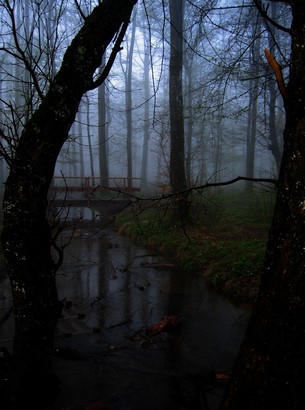
Dark green roots slithered out from the riverbank, disappearing beneath murk and silt. Marie’s every step was interrogated by the stark light of dawn. She traced the spirals of the wooden railing, but her fingers never quite escaped the splintery prodding of their coils. A sharp whine cut through the air, and Marie’s eyes darted up to find Rona, standing not but a few feet from her. Those heavy boots, sagging jacket, and long, flat hair all seemed to whisper that only a few old planks separated Marie from the sinking grip of the river.
Not a place to go walking alone
Because of the tone set by these descriptions, the conversation between these characters will have a strong foundation, with words that would otherwise mean very little now being heavy with implication (for better or for worse). Choose those details which tighten tension and keep your readers excited to see how this scene plays out.
This is a great time to employ sensory description beyond sight and sound. Yeasty baking bread, the calloused fingers of mountain wind on exposed skin, a disappointingly-unsweet taste of fresh cherry sap – details like these put your readers into the bodies of your characters, a powerful tool for establishing the emotional shade of a scene.
To spark imagination, use a lens of specificity
Find the balance of trusting your reader and showing them your world.
It’s not just a sunny day – the sun sears white even the empty sky around it. What can you describe in ten words that says a thousand about your setting? What could your character have on their desk that shows the fear seeded deep in their bones? How should the light fall in the old church, to make clear that something is very, very wrong in this town? These evocative details act as foundations, allowing readers to fill in the empty space without even realizing they’re doing it.
Give them enough of a groundwork to understand how a location feels, show them the striking details, but don’t spell out every mundane element of someone’s kitchen.
No hard and fast rules
These lenses aren’t requirements for every scene, especially as you’re drafting (consider this article by Michelle Rene on Write Fast, Edit Slow.) Lenses are useful tools for when you’re editing your work, thinking about what each line of description is supposed to do for your story.
Does it accomplish its goal?
Would something else be stronger in its place?
Could combine two lines into a single, more evocative one?
If you don’t know what color to paint your white room, try these lenses, and see what they can show you about the walls of your story.
Chanticleer Editorial Services – when you are ready
Did you know that Chanticleer offers editorial services?
We do and have been doing so since 2011.
Tools of the Editing Trade
Our professional editors are top-notch and are experts in the Chicago Manual of Style. They have and are working for the top publishing houses (TOR, McMillian, Thomas Mercer, Penguin Random House, Simon Schuster, etc.).
If you would like more information, we invite you to email Kiffer or Sharon at KBrown@ChantiReviews.com or SAnderson@ChantiReviews.com for more information, testimonials, and fees.
We work with a small number of exclusive clients who want to collaborate with our team of top-editors on an on-going basis.Contact us today!
Chanticleer Editorial Services also offers writing craft sessions and masterclasses. Sign up to find out where, when, and how sessions being held.
Thank you for reading this ENCORE Chanticleer Writer’s Toolbox article.
Scott Taylor – Editorial Assistant
Scott has worked as a book editor since 2020, with a BA in English & Writing from The Evergreen State College.
He facilitates a small writing critique group, and serves as an editor on the biennial anthology The Writer’s Corner. Scott’s book reviews feature on the Chanticleer Book Reviews website. His own writing centers on speculative and surreal fiction, from sci-fi & fantasy to magical realism, and has been published in the HamLit literary journal.
Beyond working on novels and short stories, Scott explores other media and modes of narrative, such as playwriting, tabletop game design, and music composition. He finds moving from one medium to another offers inspiration that feeds back into his prose work.
I learned a very long time ago in business school that “nothing happens until someone sells something.” [Henry Ford]
Selling is meant to create a chain reaction.
Pitching is the act of trying to sell something.
Selling (pitching) your book(s) is part of being a professional writer.
Pitching your book should put another spin on your book’s marketing flywheel to gain momentum for your book sales. The flywheel strategy creates a cyclical business pattern of success.
The idea is that a flywheel takes a lot of effort at the start, but once it gets spinning, it continues to quickly gain momentum and spin faster. This is similar to the snowball effect, where a snowball gets pushed down a hill as it progressively gets bigger and bigger until it is nearly impossible to stop before it reaches the bottom of the hill. The difference is that a flywheel never has to stop.
Amazon has a very intentional flywheel strategy. And, yes, it was written by Jeff Bezos on a paper napkin in 2001.
ATTRACT. ENGAGE. DELIGHT/ENTERTAIN
Elegantly simple.
The FLYWHEEL SUMMARY
The flywheel effect occurs when small wins (acquiring readers one at a time) accumulate over time, creating momentum that keeps your business growing (increasing your readership).
The concept is based on mechanical flywheels that power rowing machines and other devices.
Achieving the flywheel effect requires removing friction and applying force. In business terms, that means creating a self-serve purchase flow and applying “forces” to make the wheel spin faster, e.g., SEO, Meta-Data, and nurture campaigns.
A flywheel go-to-market model is well suited for selling books — easily replicated products such as books, e-pubs, audio-books, games, etc.
Flywheels attract and engage customers 24 hours a day – they’re literally working while you sleep. See SEO above.
Stay tuned for future posts on FLYWHEELS and how to create yours.
A Tiny Bit of Publishing History
We will circle back around to pitching. Please bear with me.
Amazon shifted the book-selling business by selling print books on July 16, 1995 and is now considered having the world’s largest collection of books. The first books were sold out of Jeff Bezos rented home’s garage. Remember that Bezos drew Amazon’s flywheel on a napkin in 2001. The rest is history.
E-books have been around since late 1990s, but it wasn’t until Amazon released the Kindle book reader in 2007 that e-books (digital books) caught the general public’s attention and dollars.
Selling books online – digital books requires a very different approach – one that sells directly to the reader and works to make the work discoverable by potential readers/purchasers.
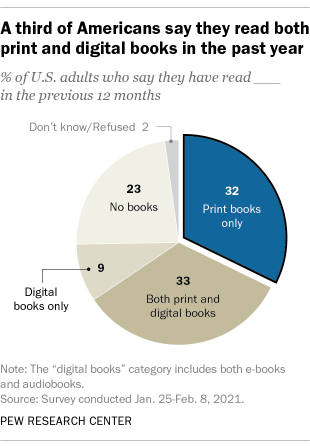
The Pew Research Center states that as of April 4, 2012 that only one-fifth (21%) of Americans have read an e-book.
As of now, 30% of Americans have read an e-book. This number has remained consistent since 2019 according to PEW Research.
The typical American reads five books a year (median – symmetric distribution) while the average (mean – includes outliers) is about 14 books per year per person.
Most Americans only have eight hours of free time per week. This is the window when reading a book (e-book or print book) for pleasure/leisure would take place. People could watch TV, play video games, play pickleball, golf, swim, etc. instead of reading during these rare free hours. Hence, this is why audio-books sales are increasing! Busy people can listen to books while they commute, knit, wash laundry, load the dishwasher, or rake the autumn leaves.
The point is “what is in your bag to sell?” If you are self-published, are your works available on a wide variety of platforms to reach your readers?
Audiobooks Hands-Free Reading
Now to circle back to PITCHING!
Whether or not you are pitching your work to a literary agent, a publishing acquisitions editor, bookstore staff, or, most importantly, a potential reader, you will need to know how to pitch your works.
Your literary agent will need to know how to pitch your book to publishers. They do not get paid until your book is under contract (and purchased).
The publishing house (you or a traditional publishing house) will pitch your books to “the trade” – booksellers, libraries, online selling platforms, and other brick & mortar outlets.
Most writers first exposure to pitching to agents is at writing conferences that offer “Pitch Blocks” or “Pitch Slams” where the conference host is paid (again, not the literary agent) a fee for hosting a session with a roster of agents who will listen to pitches. PNWA and Writer’s Digest offer these for a fee per block (WD $179 PNWA $100 per block). Pitch time is anywhere from five minutes to eight minutes per attendee and are on a strict time schedule with one pitch being delivered after another. There are different schools of thought of whether pitch sessions are helpful or not in obtaining a literary agent, but that is another topic.
How to Pitch at Conference Pitch Sessions
While it is normal to feel nervous when you are pitching your works, it behooves you to remember that:
You paid for this pitch session.
The clock is ticking.
There are many others pitching to the same agent.
Agents only want pitches on completed manuscripts or polished non-fiction book proposals.
Do your homework ahead of –make sure that you are pitching to an agent who is representing your genre. Visit their websites to see other books that they are representing.
First, most agents are forgiving of nervousness. It happens a lot and all that anxiousness will not help your pitch to stand out. Don’t spend your time apologizing for being nervous or explaining why you are not prepared. Doing so is wasting precious time. Rambling does not make a good impression. You want them to have your pitch echoing in their brains.
Come prepared. Over prepare. Have a prepared, polished pitch. Write it on a note card. Carry the card with you. Memorize your pitch. Read off from it if you need to. Believe me, the agent will appreciate this more than you hearing you hemming and hawing and umming.
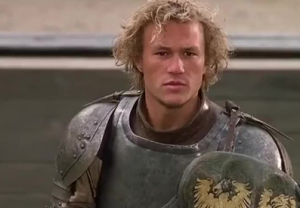
“Or is your name Sir ‘Um’?” Knight’s Tale
They also do NOT want to hear about your ‘dreams and passions’ about writing. Everyone that is pitching to them is passionate about their writing. Agents are about salability. They have mortgages to pay, food to by, and their own dreams of vacations and income from discovering that next break-out Hunger Games. See “nothing happens until someone sells something” above.
Keep your pitch short. Have questions to ask the agent-your conduit to the world of publishing-about if there was something that appealed to them. What did not appeal to them or what was missing. Try to let the agent guide the feedback. This is your chance to get professional feedback, to listen and learn.
Also, keep in mind that agents are also seeking to represent writers who are open to feedback and pleasant to work with along with understanding the process of the publishing industry (that it takes time and effort).
Remember to bring your business card with your website and contact information. Say hello. Introduce yourself. Give your pitch early on so that the agent will have time to give you feedback on it. Ask questions instead of “explaining” your manuscript to the agent so that she will give you feedback.
When your session is over (Some are as short as three minutes. Eight minutes is considered to be a long session.). Thank them for their time and leave. The next person to pitch is waiting to take your spot.
If the agent does have interest, be sure to have your synopsis ready (printed) with your contact information in case she asks for it.
Less than 1 percent of writers at a pitch session will gain representation. It is about the same as cold querying (another post is coming on that — stay tuned). So, keep on writing, editing, refining. The main objective is for the agent at the pitch sessions to think that you are open and understand the business and marketing side of being a writer.
Most agents also understand that it’s a busy world and will allow simultaneous submissions. If they don’t, they might not be a good general fit for most writers.
Chanticleer Authors Conferences do not offer “pitch sessions.” However, we do offer sessions on developing pitches. We do have opportunities to make excellent connections with film agents, directors, publishing house acquisitions, literary agencies, and other professional connections in the content industry such as Maggie Marr, Legal (Film and Book Representation) and Scott Steindorff, President of Stone Village Film Productions
Mariners pitching prospect Bryce Miller gets his first start of spring — against team he grew up watching | The Seattle Times
What is a PITCH and/or LOGLINE?
Your story reduced to less than 33 descriptive words. EACH. WORD. COUNTS.
Brand your story with a compact package of words that will astonish and entertain. It’s a craft of its own! Continue to refine and refine your pitch to a concise sound bite.
A PITCH is NOT
A meandering description about the story
The opening scene
Side stories
Character names
Flash forwards
Psychological thinking
Don’t confuse platitudes for story – avoid them!
Get your ‘self’ (looking at you Writer) out of the way of your story
Never give away the ending
A PITCH consists of the following:
Identifying the main character (protagonist) using descriptive words — tonality – leverage your language/voice
Describe the world that character lives in (Fantasy? Dystopian? Barbie Land? Future? Stone Age? Future in a galaxy far away?
What sets the story in motion — the inciting event
The goal of the protagonist — central conflict — choice — action
What stands in the protagonist way – what is the conflict or who is antagonist?
The best loglines have a sense of irony. (There’s the conflict again!)
Answer all of the above in 33 words or less. Perfect words. Use active and visual language. This is where you should show off your word craft abilities.
How are loglines/pitches different than taglines? Pitches are descriptive. Taglines are provocative and are used for marketing. Don’t confuse the two.
Here is a classic example of a logline/pitch and tagline:
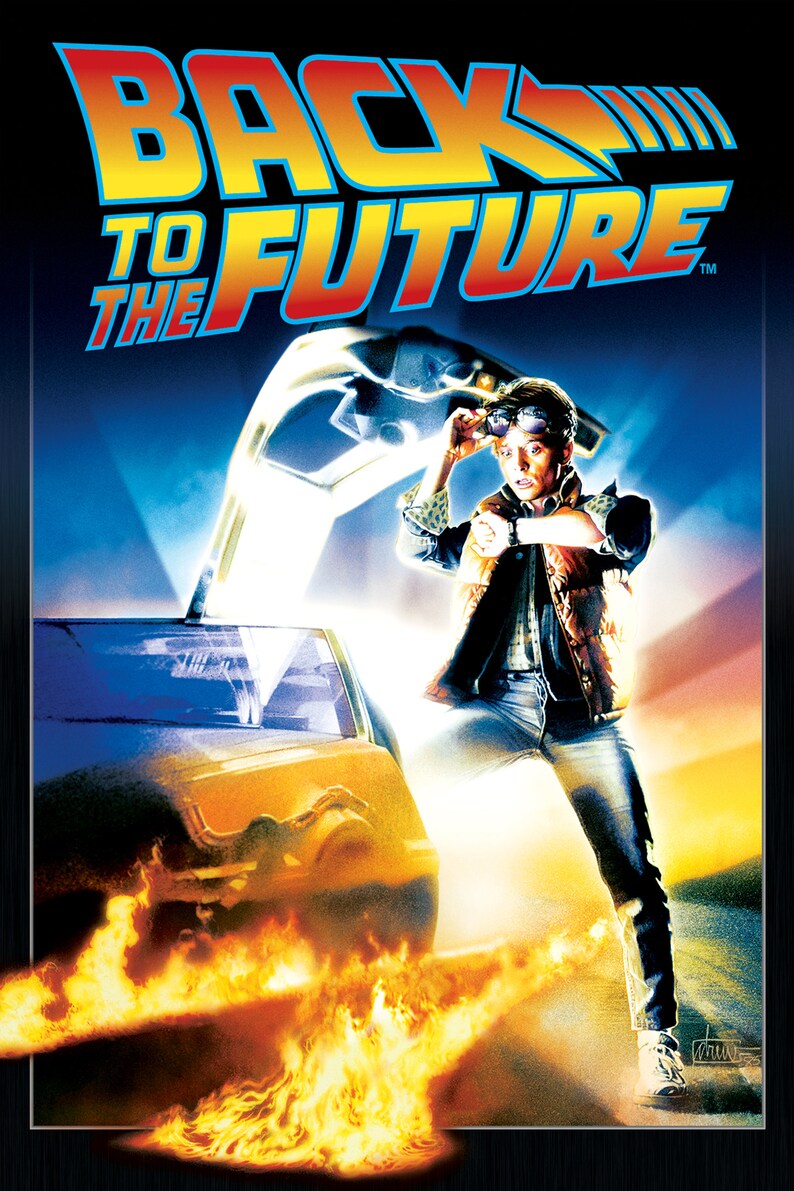
Back to the Future:
Logline: “A young man is transported to the past, where he must reunite his parents before he and his future cease to exist.”
Tagline: 17-year-old Marty McFly got home early last night—30 years early. (Notice that this tagline gives the tonality and targets the market for the work/film.)
In closing: The whole idea of pitching is to entice an extremely busy person to making time to read your work!
Next step: write a 50 word summary of your story. Bring it on your stationary along with your pitch on a notecard to your pitch session. Just in case! I’d even work on a tagline to give a visual!
An effective, evocative, compelling logline/pitch can propel your writing career forward and open doors and lead to conversations with industry professionals.
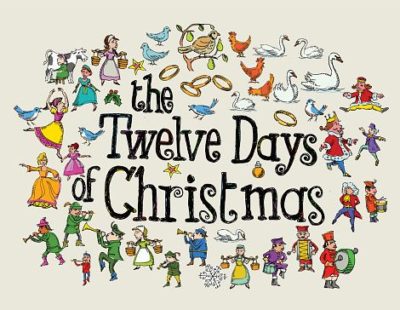
Yes, just like the well-known Christmas Carol, we have our own version! For these twelve days, we’ll share a bit of our Chanticleer wisdom and cheer with you!
“But Jiminy Crickets, it is the 26th of December! Is it not too late for the 12 Days of Christmas?” you say.
Not to fear, Chanticleerians! The 12 Days of Christmas begins on December 26th! And it continues to the 6th of January – Three Kings Day. The four weeks leading up to Christmas is known as the Advent.
So if you haven’t finished wrapping presents, sending out those cards, and baking cookies—don’t worry—you’ve got an extra 12 days!
Some say the Twelve Days tradition is wishing good luck and cheer for each of the following months in the new year.
Others say the first six of the days are to pay homage to the previous year and six of the days that are in the new year bringing hope and glad tidings for coming times.
The Twelve Days of Christmas would be a welcome break for those who worked the land.
The twelve days of Christmas run from December 26th until January 6th (Three Kings Day).
If you are singing the song, and you miss or mess up a verse, you owe your opponent (the person singing the round before you a kiss or a sweet treat or grant a favor).
On the first day of Christmas my true love sent to me a partridge in a pear tree.
Happy Holidays to You from the Chanticleer Team!
On the First Day of Christmas, Chanticleer brings to me…
One Curated Online Community!
We’re immensely proud of The Roost, a place where any Partridge in a Pear Tree would be happy to make its nest. In thinking about our authors, we have The Roost set up for weekly write-ins, discussions of Writing Craft Books, as well as advice on the Author’s Journey.
Couple this with access to authors at all stages of the writing journey, and you have a powerhouse community that isn’t dependent on an outside social media site that might suddenly take a downward turn.
Writing might seem like a solitary activity, but it is truly done in community. Whether you find that in The Roost or elsewhere, we’re happy to share some space in your life!
Stay Tuned for the Second Day of Christmas, and Happy Holidays to all!
And for our weekly informative posts on writing craft, marketing, book promotion, and more.
You can have the last laugh by submitting to the Humor and Satire Book Awards.
The Humor and Satire Book Awards recognize emerging new talent and outstanding works in Humor and Satire. The Humor and Satire Book Awards is a division of the Chanticleer International Book Awards (The CIBAs).
Chanticleer International Book Awards is looking for the best books featuring satire, humor, political ideology, parody, fantasy, and allegory or fable. The Deadline for the 2022 Humor and Satire Book Awards is the end of November.
Looking to learn more about the Humor and Satire Awards? Click here!
A Newer Division of the CIBAs, the Humor and Satire is quickly establishing itself as a book award program for humor, satire, lampoons, and allegory.
Let’s take a look at some of the 2021 winners from the 10th Anniversary Chanticleer Author’s Conference!
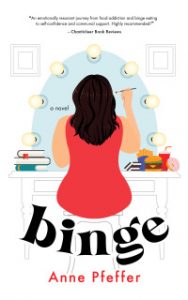
Twenty-seven-year-old Sabrina “Bree” Hunter has the chance to grasp her dream of being a published author, but will her binge eating spell the end of that dream?
After years of working for a demanding B-list talent agent in Los Angeles, Bree earned a publishing deal with Fast Track Books. She should celebrate, thrilled that her life will finally go down the right path since her graduation from Dartmouth. However, Bree has a problem that isn’t easily fixed. Her publisher expects the skinny beauty on her webpage, a picture taken many years previously.
Since the days of the photo, Bree has become a compulsive eater. She spends every moment of her day obsessing over junk food. Bree turns to food to comfort her, console her, and to bring her joy. This addiction has caused her to gain forty pounds since college. Finding dieting on her own harder than she expected, Bree agrees to attend a support group meeting. Her sister, Lena’s, boyfriend has recently found success in breaking his addiction to drugs and alcohol.
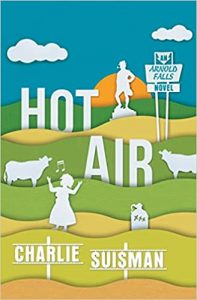
Arnold Falls bristles with zany events, quirky locals, and colorful newbies. Above all, this memorable enclave buoys its people through heart, soul, wit, and a true sense of collective spirit.
Jeebie Walker returns as the story’s central narrator.
The successful voice-over artist stands as a solid fixture in the town, now in a loving relationship with his partner Will. A volunteer fireman, illustrator, and candidate for an MA in Conservation Biology, Will jokingly claims that Jeebie makes “bossing others around” a superpower.
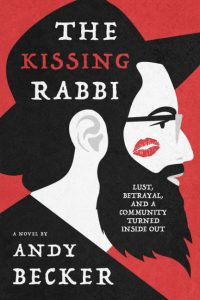
Based on a true story, Andy Becker’s taleThe Kissing Rabbiis a smart, witty, and engaging novel that takes readers into the heart of a Jewish community in the Pacific Northwest.
Here a young, self-serving rabbi sets a town on edge when his salacious desires and personal financial agenda are brought to light by the people he was brought there to serve.
Rabbi Mishegas Dreidel, a young orthodox leader, arrives in the quiet town of Destiny, Oregon. His intentions seem noble as he opens up a synagogue in his basement and establishes a flock of dedicated followers.
Babs and Basil, and the Hounds of the Hollywood Baskervilles
This book is still a manuscript, but we’re excited for it to come out!
A cute premise and a light-hearted beginning. Babs and Basil, and the Hounds of the Hollywood Baskervilles features humor, mystery, and action throughout that’s easy to read and follow.
An excellent book for older readers and Hollywood movie buffs that can catch the myriad of references. The lightheartedness storyline buoys the reader along naturally. A kindly read to escape into and keep your spirits afloat.
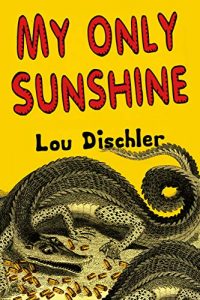
Lou Dischler delivers an intricately woven story about one well-meaning boy who tries to make sense of the crazy he’s been born into. Get ready for one belly laugh of an adventure in My Only Sunshine.
Welcome to the Louisiana low country, home of 9-year-old Charlie Boone, a kid growing up in 1962. Charlie, a most unreliable narrator, concerns himself with giant wingless wasps and biting red velvet ants. Combine his critter-concerns with the legend of the giant slugs, the story of his mother taken up by a hurricane, and the episode of the puddle he and his brother dug that grew into a pond, then turned into a lake, and we have one wildly imaginative ride well-worth taking.
Dischler delivers an epic tale that shifts from Charlie’s first-person point-of-view with his youthful ignorance coloring his observations to his Uncle Dan’s and “Aunt” Lola’s in third-person point-of-view. While Charlie ages and grows in wisdom as the story progresses, his uncle never seems to gain a lick of sense. Dischler skillfully applies the laws of magic realism to Charlie’s wonderful way of viewing his world. Uncle Dan’s story, on the other hand, derives from an inept conman’s rap-sheet – from failed grifts to bank robbery bungles that succeed only by accident. Dischler guides us, normalizing the ridiculous to the point that the characters jump off the page and set up camp in your living room.
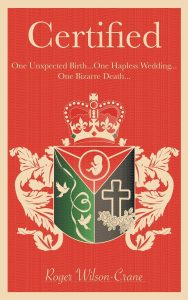
Certified by Roger Wilson-Crane is a multi-award-winning comedy-drama, following one man down three sharp turns in his life trajectory.
Based on real-life events, Certified shows the narrator’s birth, marriage, and death, three of the most significant milestones in human life. The book is divided into three sections.
“One Unexpected Birth” explores his flawed string of relationships until he meets Dawn, the love of his life. However, a woman from the past makes a comeback, threatening to shatter his newly found happiness.
“One Hapless Wedding” careens about his well-planned wedding in Puglia, Italy, which is trampled by Justin Timberlake who wants the same venue. “One Bizarre Death”, on the other hand, follows the loss of the narrator’s loved one and the pain and confusion that surrounds an unexpected death. Certified is full of humor, heart, and unexpected gems that one might find in a trunk of well-lived memories.
The last day to submit your work is November 30, 2022. We invite you to join us, to tell us your stories, and to find out who will take home the prize ribbons at CAC23 in April.
As our deadline draws near, don’t miss this opportunity to earn the distinction your novel deserves! Enter today!
The Humor and Satire Book Awards for Satirical and Allegorical fiction is a division of the Chanticleer International Book Awards – the CIBAs.
You have an idea. Not just any idea, a big idea! We’re talking ten thousand pages, hundreds of thousands of words, the next Great Doorstop of a novel!
Consider breaking that up into a series!
It might be easier to split up the book digitally
Smaller books are more accessible, and a series keeps you in the front of your readers’ minds. With books consistently coming out, winning awards, and receiving reviews, the marketing for those happens much more naturally than having to bring out a backlist of unrelated novels. When a book takes place in a series, a reader who read an earlier book already knows they’re going like what they pick up.
Theme is the central idea of the series. Your theme informs the main character’s goal, their motivation to pursue that goal, and the threats to their success.
Your stories are grounded in the theme. A hero who saves the world from evil plans will experience different challenges than two teenage friends who love to solve small-town mysteries. The theme helps you maintain the tone of each book in the series. If one book is filled with irony and another is deadly serious, your readers will be disappointed and stop reading. That’s why your theme is important to the success of the entire series.
There’s no guaranteed formula, but you can start out by doing some serious research into great series that have already succeeded. The tools you discover will help fashion unique work for you and your voice.
Let’s Dive in!
Research and Read
All good story research starts somewhere
Everyone will tell you to be a great writer, you should be a great reader. Think about the series you want to write, and ask yourself: What authors do I admire who are doing something similar? You’re going to want to look through their books for all that we will discuss here, as well as comparing it to your own understanding of structure and what makes a good story.
Now that you have your list and a running understanding of what’s making the books work, you can take notes on what your favorite series are doing that makes them your favorite series! Your notes should cover the important events in each book, and then ask yourself what the overall point of the book was, and finally how did that book fit into the series as a whole.
With regards to character, you’ll want to examine which central characters return, and how many new characters come on the scene (these are named characters where you receive background on them and they have a non-trivial impact on your main cast).
At the end, do a comparison of themes between books and ask how they relate to other books in the series.
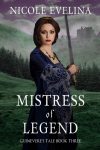
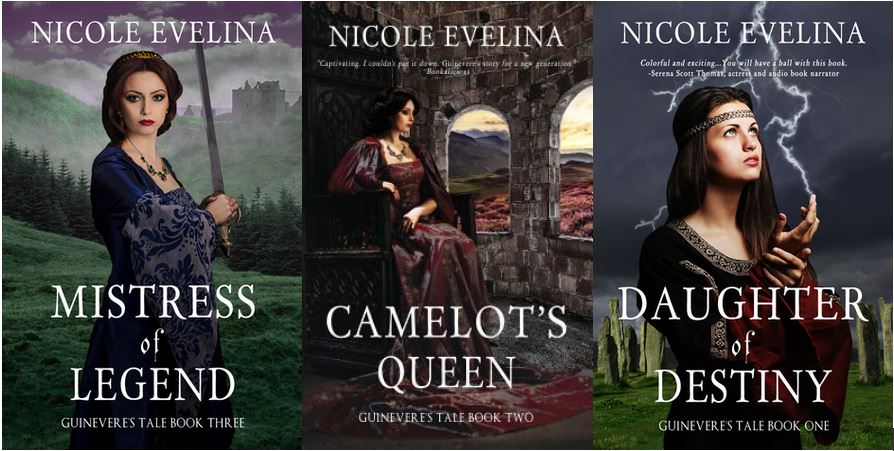
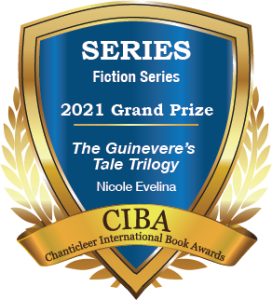
Here are some of our favorite series that also won First Place in the Series Awards! you could look through for ideas. Let us know if any of them are similar to what you want to write!
Learning another language has always been my portal to understanding the nuances of my own language, American English. Currently, I am trying to learn European Portuguese to add to my faltering French and German. It is a very slow process but still appeals to my word nerdiness that I attribute to my Latin classes in high school.
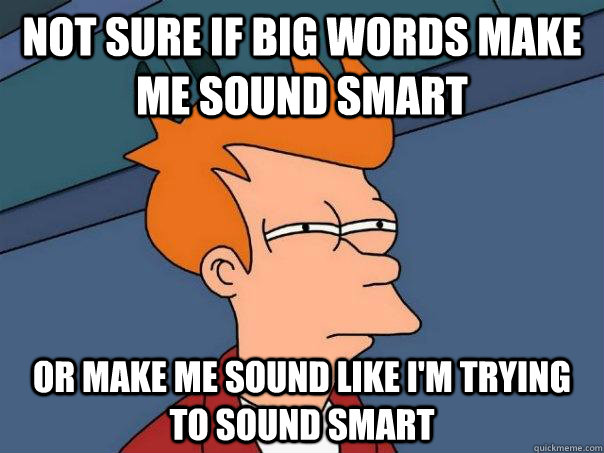
In reviewing books and many other types of media, my most frequent complaint is when the writers are lazy with their word usage. Not punctuation. Not verb agreement. Not even when the writers are being pedantic. What makes me twitch the most is Lazy Word CHOICE!
Not that the words must be sesquipedalian. (Definition at the end of the post.)
For example, the word PERFECT.
Would any of these words below be a better fit than “perfect” for conveying your thoughts with a more exact meaning?
impeccable
without fault
flawless
faultless (slightly different than flawless)
incomparable
sublime
ideal
the best
shiny new
perfection
absolutely
None of the words above are sesquipedalian (ahem), but they do have slightly different connotations to convey your thoughts more exactly, don’t they?
And now, as promised, the definition of sesquipedalia: very long words.
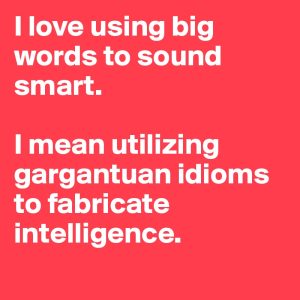
Sesquipedalian: a person who uses big words to sound smart.
Even though Diane Garland and I are lexicomanes, I hope that we do not come across as sesquipedalian. However, no one would accuse me of being pauciloquent.
Lexicomane:lover of dictionaries
Pauciloquent: using few words in speech or conversation
The main point is that as a writer, you do not want to bumfuzzle your readers or listeners.
Bumfuzzle: confuse, perplex, fluster
To bring this diverting (aka fun, I hope) post to a close, I would like to share some words that I read in a business journal that are supposed to make you sound smarter. However, their synonyms might work better in your works. It depends. Right? Right! Or as my friend with whom English is a second language admonishes me to say, “Correct? Correct!” instead of right—especially when giving directions.
articulate (well-spoken)
accolades (kudos)
brevity (concise)
adulation (excessive flattery)
anomaly (odd)
pithy (brief, clever remark)
lucid (clear and intelligible)
bespoke (custom-made)
diatribe (rant)
vitriolic (nasty, scathing comment or action)
aplomb (confidence)
resplendent (shining brilliantly)
Do you have some words that you would love to share or ones that you think should be abolished (scrapped) from the English language? Let me know!
REMINDER to WRITE FAST and EDIT SLOW
And remember to not worry about word choice when you are creating your first or second draft.
Word choice editing comes after you get your story’s first or second draft draft down in words from the “mindfilm” that you experience when you are creating a work.
I do hope that you have enjoyed reading this post at least half as much as I enjoyed writing it. Until next time,
Keep on Writing! Kiffer
Chanticleer Editorial Services – when you are ready
Did you know that Chanticleer offers editorial services?We do and have been doing so since 2011.
Tools of the Editing Trade
Our professional editors are top-notch and are experts in the Chicago Manual of Style. They have and are working for the top publishing houses (TOR, McMillian, Thomas Mercer, Penguin Random House, Simon Schuster, etc.).
If you would like more information, we invite you to email Kiffer at KBrown@ChantiReviews.com for more information, testimonials, and fees.
We work with a small number of exclusive clients who want to collaborate with our team of top editors on an ongoing basis.Contact us today!
Chanticleer Editorial Services also offers writing craft sessions and masterclasses. Sign up to find out where, when, and how sessions are being held.



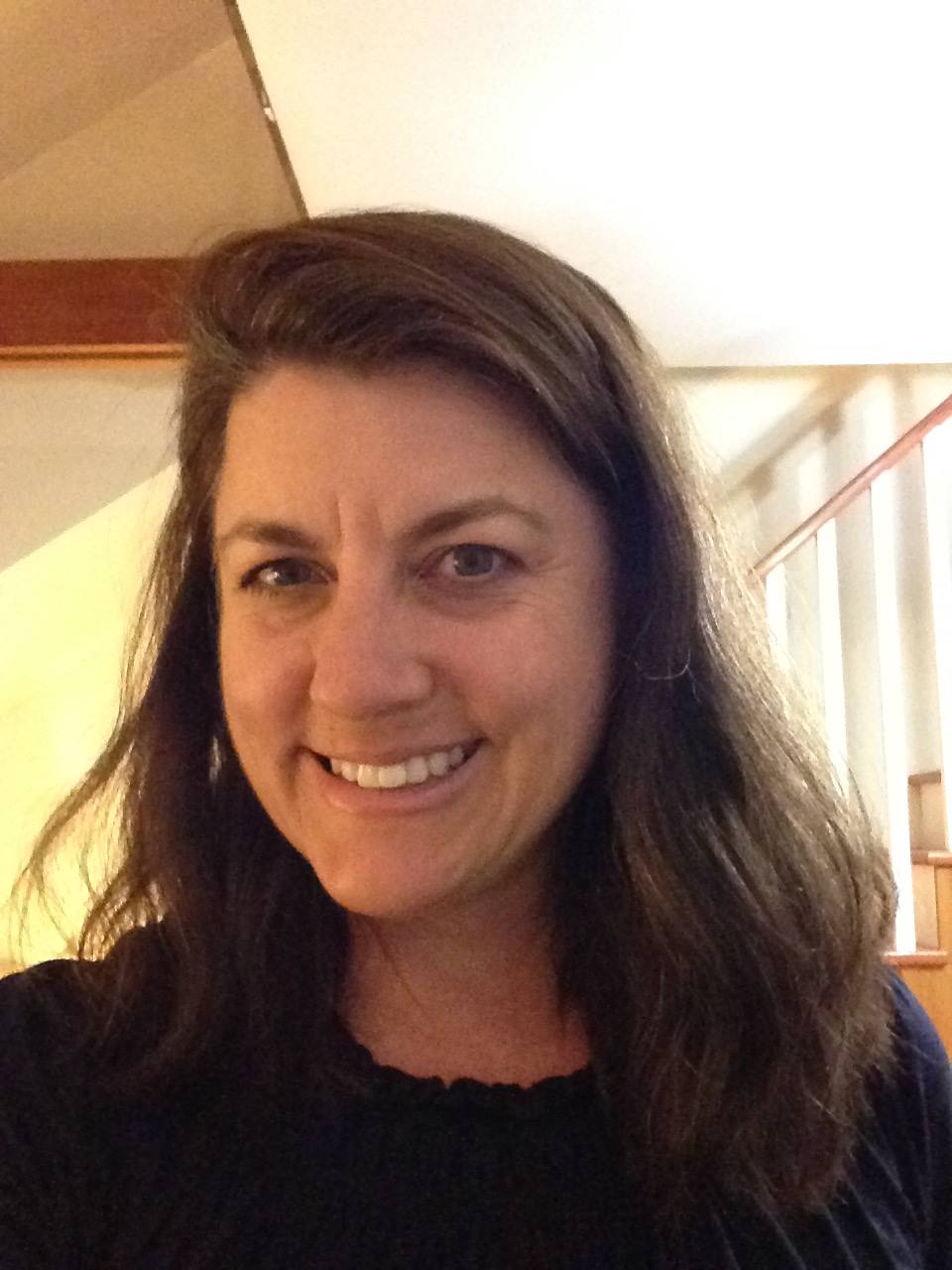


 Near and dear to our hearts is Michelle Cox
 An expert in world building and continuity, Diane Garland
 Our local expert on Book to Screen, Lisa Spicer has worked in television, film, and video production for over 30 years as producer, writer, and editor. Starting in the documentary unit at KCTS/PBS Seattle, later on she worked on the Bill Nye the Science Guy show, earning 3 Emmys. As an independent documentary producer, she has worked in Kenya, Mexico’s Lacandon rainforest, Northern Cheyenne and Lummi Indian reservations, Boulder, Seattle,
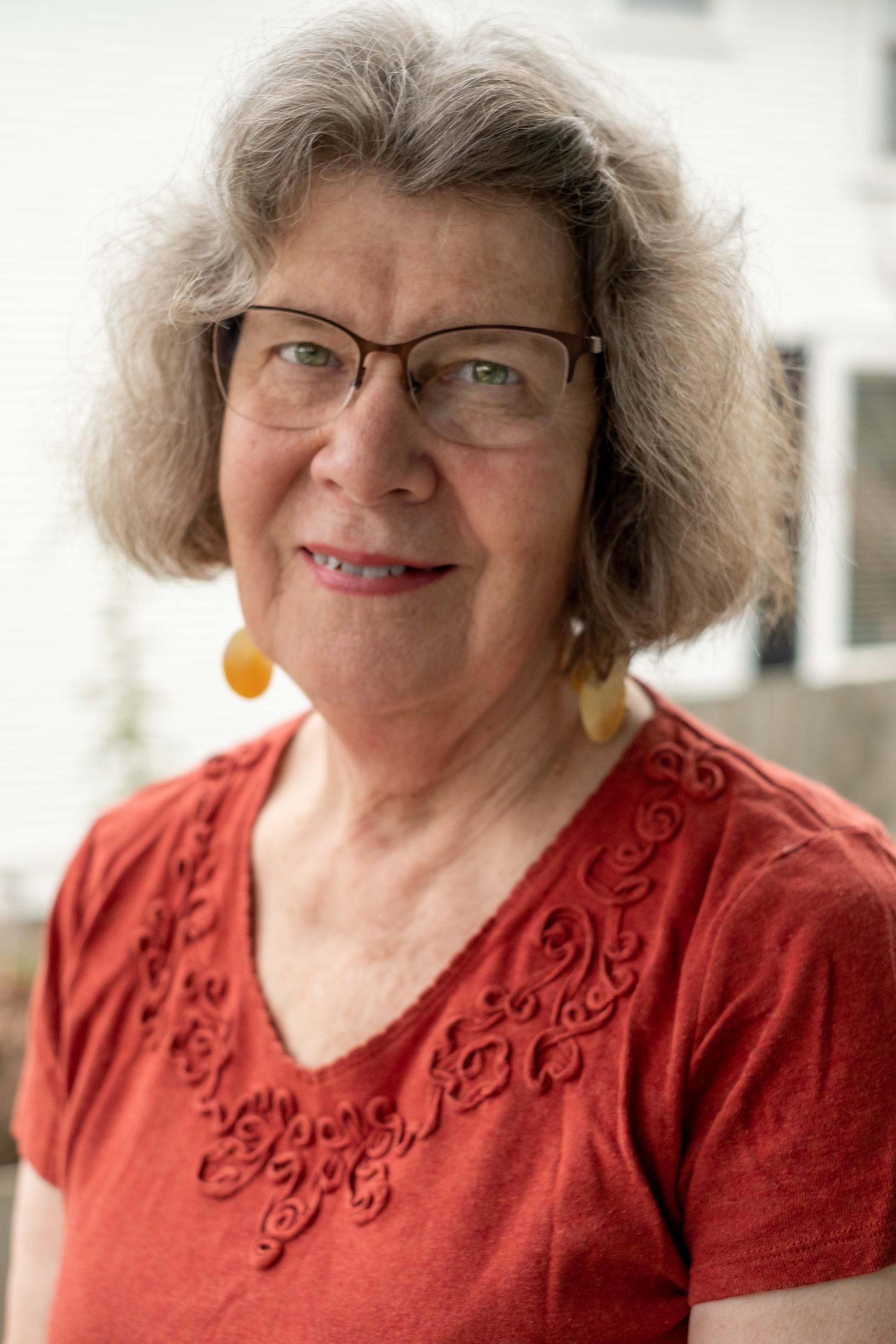 The leader of our usual suspects and historian extraordinaire, J. L. Oakley writes historical fiction that spans the mid-19
 STRIDER KLUSMAN – Award Winning Author and Host of the