Tag: Writing inspiration

  • On the 7th Day of Christmas, Chanticleer Brings to Me 7 Non-Fiction Divisions| 12 Days of Christmas 2024!

    Celebrating the Twelve Days of Christmas – One Day at a Time

    And the Seventh Day of Christmas brings us a New Year!

    “But Jiminy Crickets, it’s after December 25th! Is it not too late for the 12 Days of Christmas?” you say.

    Not to fear, Chanticleerians! The 12 Days of Christmas begins on December 26th! And it continues to the 6th of January – Three Kings Day. The four weeks leading up to Christmas is known as the Advent.

    So if you haven’t finished wrapping presents, sending out those cards, and baking cookies—don’t worry—you’ve got an extra six days!

    On the seventh day of Christmas, my true love sent to me

    Seven Swans-a-Swimming

    Six Geese-a-Laying

    Five Golden Rings

    Four Calling Birds

    Three French Hens (Chanticleer’s favorite #justsaying)

    Two Turtle Doves

    And a Partridge in a Pear Tree 

    The 7th Day of Christmas is January 1st! A new year means new beginnings, new habits, new routines, and new hopes and dreams for the future.

    The Seven Swans symbolize Seven Graces: Service, Teaching, Encouraging, Giving and Sharing, Planning,  Leadership, and Reaching Out to Others

    What are your favorite ways to mark the new year? Resolutions? Thorough cleaning? A polar plunge?

     

    On the 7th Day of Christmas, Chanticleer brings to me….

    Seven Non-Fiction Divisions!

    At Chanticleer, we’re proud to honor these remarkable stories through our seven Non-Fiction Divisions, each one representing a unique facet of the human experience. Whether overcoming adversity, inspiring others, or sharing expert insights, these authors remind us that there’s much more beneath the surface.

    Journey Narrative Non-Fiction CIBA Badge

    The Journey Awards for Overcoming Adversity in Non-Fiction

    The Journey Awards honor memoirs of pain, survival, and endurance. These books will have you on the edge of your seat, pulling at your heartstrings and keeping you hooked until the very last page. Authors in this division share stories that explore the depths of human struggle, yet they also reveal the strength it takes to overcome the greatest of obstacles. These are stories that not only survive hardship but turn it into a testament of the human spirit.
    The Hearten Awards for Uplifting and Inspiring Non-Fiction

    If adversity fuels transformation, then The Hearten Awards shine with the light of hope. These books embody the courage to face hardships head-on while remaining a beacon of inspiration. Authors in this division tell tales of kindness, resilience, and triumph, showing us the best of humanity even in the most difficult times. Their works inspire us to rise above challenges and make the world a better place.

    The Military and Front Line Awards for Service to Others

    In the spirit of selflessness and community, the Military and Front Line Awards honor those who serve others. Whether through the military or community service, these authors’ stories remind us of the dedication and sacrifice required to serve others. This division was inspired by figures like Florence Nightingale and aims to shed light on those whose service makes the world a better place. Their stories are a testament to the power of giving and serving others.
    Mind and Spirit Non-Fiction Awards CIBA Badge

    The Mind & Spirit Awards for Metaphysical Non-Fiction

    Sometimes, we need to expand our view of the world. That’s where The Mind & Spirit Awards come in. These works span from self-help to memoir, guiding readers on their personal journeys of transformation, healing, and spiritual discovery. Authors in this division offer wisdom and insights that encourage introspection, growth, and a deeper understanding of the world around us.
    I&I or Instruction & Insight Awards CIBA Badge

    The I&I, Instruction and Insight Awards for How-To and Self-Help

    In our busy lives, we all need a little guidance from time to time. The I&I Awards recognize how-to and self-help books that provide practical solutions and insights. Whether offering expert advice or simple, actionable tips from those who’ve been there, these books are an essential tool for navigating everyday challenges and taking the next steps in life, business, or personal growth.
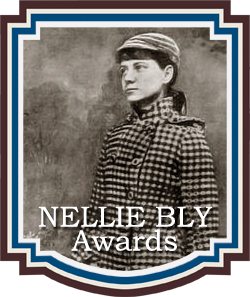
    Nellie Bly Awards

    The Nellie Bly Awards for Longform Journalism

    For those who seek depth and thoroughness in their reading, the Nellie Bly Awards celebrate longform journalism. These works offer well-researched, in-depth dives into subjects both timely and timeless. Whether investigating social issues, politics, or human rights, these authors bring critical attention to important stories and provide the detailed, comprehensive reporting we need to better understand the world.

    Three Black stripes on a yellow badge CIBA Badge

    The Harvey Chute Awards for Business and Finance

    For those looking to elevate their careers and deepen their business knowledge, the Harvey Chute Awards are the gold standard. Recognizing works in business and finance, this division helps authors make sense of the complex world of corporate leadership, finance, and entrepreneurship. Whether you’re a business owner, aspiring leader, or investor, these books provide invaluable insights to help you take your professional journey to the next level.

    Stay tuned for the 8th Day of Christmas!

    The Chaicleer Rooster logo wearing a santa hat

    Our favorite part about having the 12 Days of Christmas is that we can have the time we need to celebrate with our loved ones. We have time for wrapping our presents, meeting with friends for hot cocoa, and setting ourselves up in the New Year  for publishing success (with Chanticleer Professional Services and the Chanticleer Authors Conference).

    Wishing you Happy Holidays from Chanticleer from Kiffer, David, Dena, Scott, Anya, and Argus!
  • Mastering the Four Styles of Narrative Writing, a Chanticleer Toolbox Article from Dena Weigel and David Beaumier

    Narrative writing is one of the most powerful ways to tell stories.

    chalkboard, message, white, black, wood

    Giving your story a voice that readers connect with creates a world for them to become a part of as the story unfolds. Whether you’re crafting a novel, penning a memoir, or writing a short story, telling it as narrative will bring readers closer to your characters.

    What is Narrative Writing?

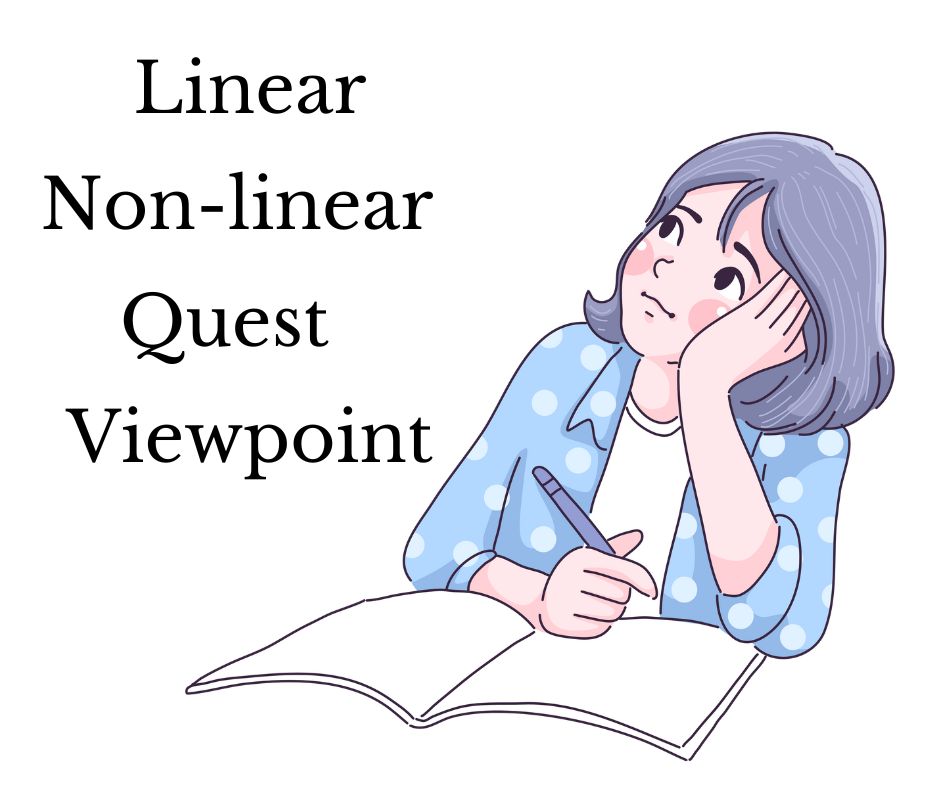
    This can be thought of simply as any type of writing that follows a plot and story bounded by time. It may be easiest to think of Narrative writing in terms of what it isn’t, which is prescriptive writing. Prescriptive writing is how-to, sometimes self-help, and cookbooks – anything that tells you how to do something rather than relating a sequence of events. Narrative writing, each with its own unique approach and purpose, are effective tools for crafting an interesting, compelling story. Understanding the purpose of the different types of narrative writing can help you fine-tune your storytelling skills and choose the right type to propel your story’s plot along.

    In this post, we’ll break down four types of narrative writing, explore its key characteristics, and offer tips on how to each type effectively in your writing. Whether you’re a seasoned writer or just starting out, mastering these different approaches will deepen your ability to captivate your readers and communicate your ideas with clarity and impact.

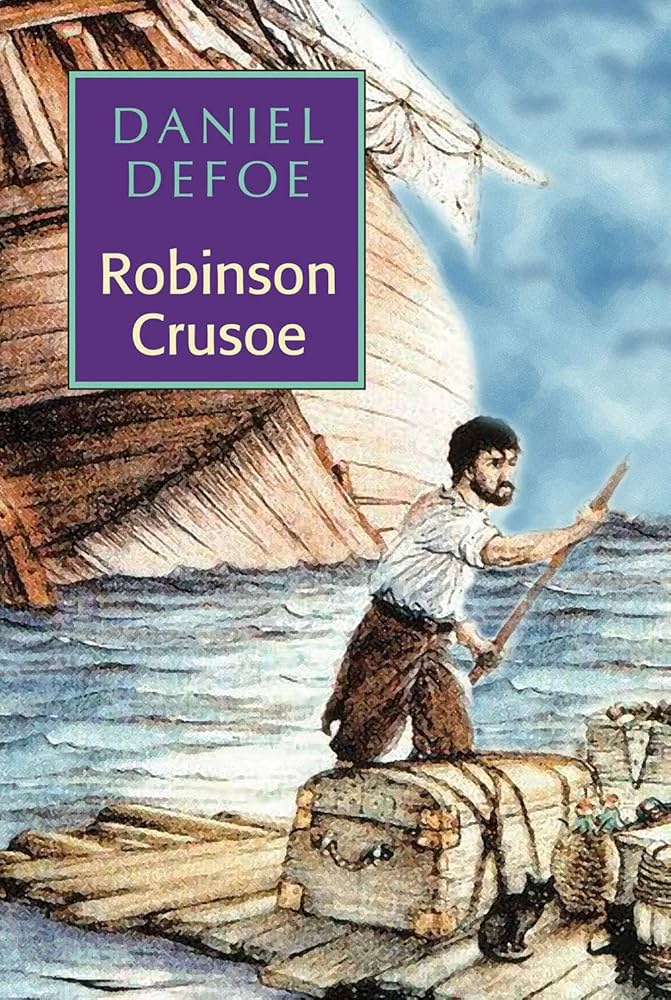
    Robinson Crusoe, book cover

    1. Linear Narrative.

    A linear narrative presents events in the order they happen, taking the reader on a straightforward journey through time. This structure can be found in personal essays, autobiographies, and novels where clarity and progression are paramount. Robinson Crusoe by Daniel Defoe serves as a solid example as readers follow Crusoe’s daily life and struggles chronologically, experiencing his survival and growth in real time.

    Why choose linear storytelling?

    Linear narratives are perfect for stories where clarity and immersion are key. They allow readers to step into the protagonist’s shoes and experience events as they happen, fostering a sense of immediacy and intimacy. For authors, this structure helps maintain a steady pace and ensures that every event naturally builds upon the last, making it easier to keep the narrative focused and cohesive. Linear storytelling is probably the most common type of narrative, which makes it particularly effective for readers.


    2. Non-linear Narrative.

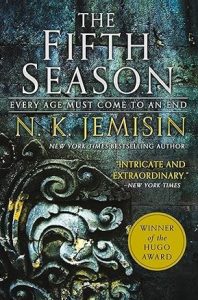
    Non-linear narratives present events out of chronological order, using flashbacks, flash-forwards, and shifts in perspective. This structure allows readers to piece together the story like a puzzle, often uncovering thematic connections and emotional truths along the way. These stories, which we’re about to talk about, are often rife with spoilers. A stunning example of this storytelling style is N.K. Jeminsin’s The Fifth Season, which intertwines timelines and perspectives to reveal more about that world than a linear viewpoint could and culminates in a groundbreaking twist that will drive readers to turn the pages again and again. The fragmented structure mirrors the fractured realities of the story’s characters, creating an emotionally resonant and intellectually stimulating story for readers.

    Why choose Non-Linear Storytelling?

    Authors can be drawn to non-linear narratives for the opportunity to build suspense, deliver surprises, and exploring intricate themes without being hampered by a strict timelines. For readers, this style can draw them in as they actively work to piece together the narrative. It invites them to experience the story on multiple levels, often increasing the joy of not only reading the book, but re-reading it. Other great examples of non-linear narratives in media are the TV show Lost and the movie Pulp Fiction.

    3. Quest Narrative.

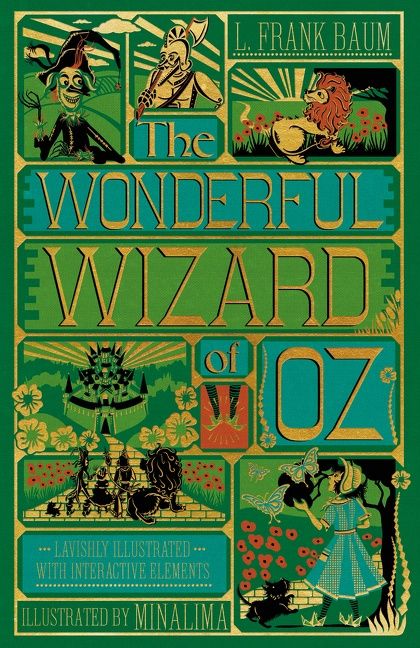
    A quest narrative centers on a protagonist who embarks on a journey to achieve a specific goal. This structure can be see in Frank Baum’s The Wizard of Oz, where Dorothy travels through strange lands, faces challenges, and learns valuagle lessons, all in pursuit of returning home to Kansas. As her journey unfolds, she makes friends, finds mentors, and confronts her fears, all leading to a story of transformation.

    Why choose Quest Storytelling?

    Similar to linear narratives in many ways a quest narrative could be considered our first “subset” of narrative style. However, quest storytelling, like the romance genre, has a few key points that must be touched upon. The protagonist must overcome external obstacles and internal struggles to achieve their goal, and at the end they must have gone through a transformation. Quests fit best for stories where growth is a central theme. Readers connect deeply with quest narratives because of the way they mirror universal experiences of striving, learning, and triumphing against all odds. This timeless framework excels at emotional resonance and a satisfying payoff.

    4. Viewpoint Narrative.

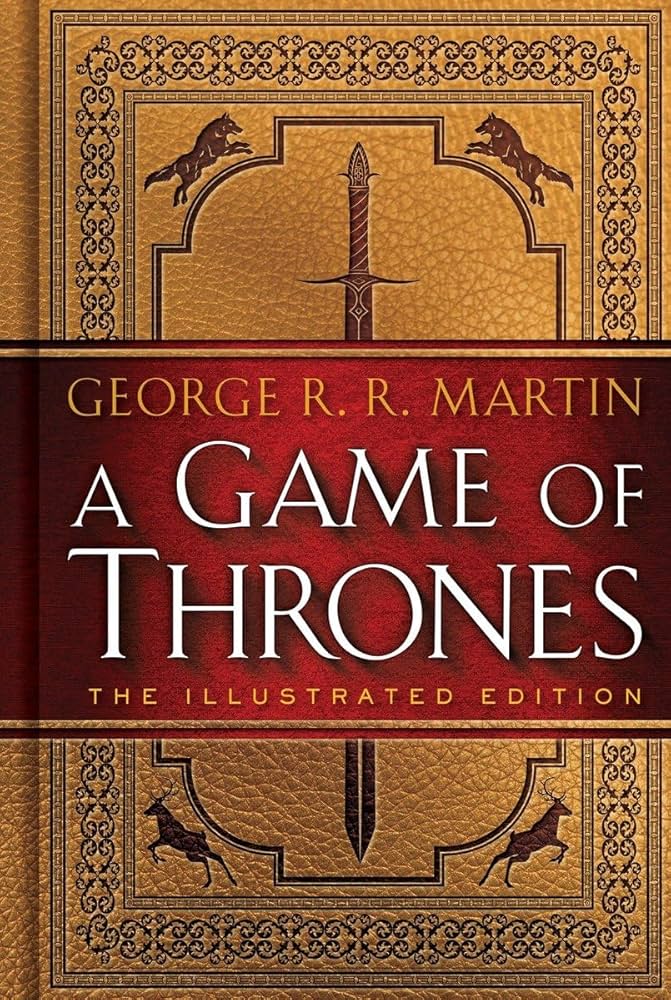
    Viewpoint narratives delve into the lives and perspectives of multiple characters, offering a kaleidoscopic view of the story. George R.R. Martin’s A Game of Thrones shines as an example of this structure, with each chapter revealing events and motives from the point of view of difference characters. This multifaceted approach allows for a deeper view of plot that reveals layers of intrigue as the readers are able to see what happens through a diverse variety of lenses.

    Why choose Viewpoint Storytelling?

    Viewpoint narratives create rich, multifaceted worlds where the reader can explore the depth of multiple characters and storylines. For authors, this structure adds a layer of complexity to their tales as the shifting perspectives can unveil hidden truths, add suspense, and explore contrasting ideologies. Readers are drawn into the intricacy of the narrative, finding their loyalties and perceptions constantly tested, making for an immersive and dynamic storytelling experience.

    Why Narrative Style Matters

    quill, candle, arm

    First off, this is hardly a comprehensive list of narrative styles, just examples of some of the ones most commonly seen today. There’s plenty of overlap as well between these, as you could have a non-linear, quest focused story with multiple viewpoints.

    Each narrative structure—linear, non-linear, quest, or viewpoint—shapes the way readers connect with your story. By experimenting with different styles, you can tailor your storytelling to match the themes and emotions you want to evoke.

    As an exercise, we recommend trying to write the same scene following different styles. Including quest adds a fun element of tone to explore as you go through it! If you don’t have a story, you can try rewriting parts from our own David Beaumier’s short story Medusa, which  you can read here.

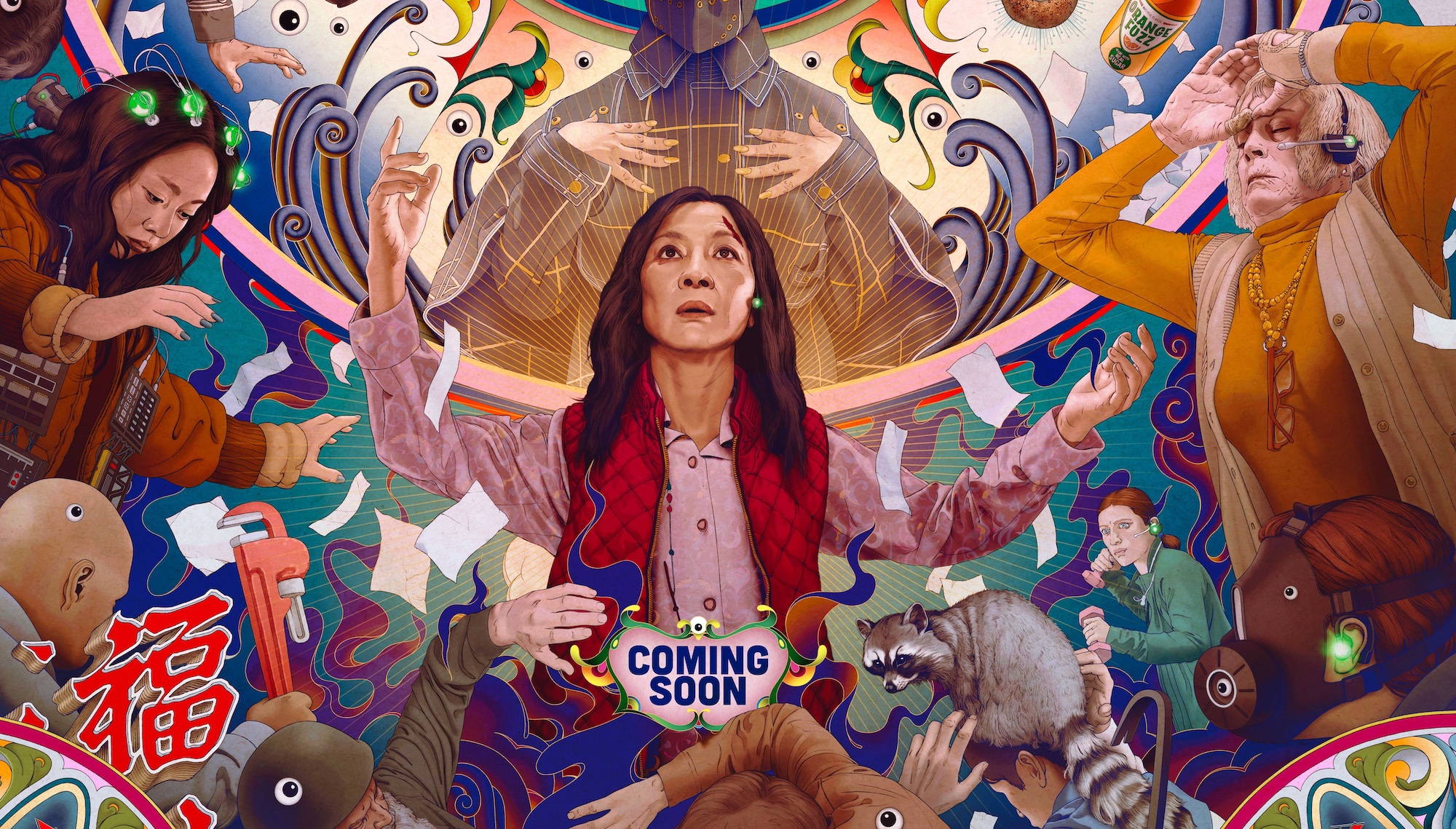
    A promotional image for the incredible Everything Everywhere All At Once movie featuring Michelle Yeoh
    Think of the exercises like balancing the universes in Everything Everywhere All At Once
    • Linear Narrative: Your story may already be like this, but if not, remember to focus in on moving from one point to another, and exploring what it would mean for a non-linear story to come out in order.
    • Non-Linear Narrative: Here the question is what comes first and what comes last? Does it need to overlap in different ways (possibly with multiple perspectives) to make this story work? Thinking of Medusa would we need to see Melody’s interrogation from her perspective first and then have a flashback to the attack with her brother?
    • Quest Narrative: Thinking of a classic story like The Hobbit, what is the call to action for this story? What is the external and internal adversity faced by the main character, and then how do they transform by the end? Medusa would need to be expanded to do that, but Allison could be well on her way to creating a home and safe place for people with strange and unusual powers where they won’t be harmed by the mysterious Visitation.
    • Viewpoint Narrative: What does everyone in the scene think? If way your story is written only has one character is there an object that could have a viewpoint? Is someone listening in? Or is there another scene that can be added from the point of view of the person who the characters are talking about?

    Understanding these narrative techniques will help maximize your creativity and craft stories that captivate, surprise, and stay with your readers long after “The End.”


    Chanticleer Editorial Services – We’re ready when you are ready!

    Did you know that Chanticleer offers editorial services?

    We do and have been doing so since 2011!

    Tools of the Editing Trade

    Our professional editors are top-notch and are experts in the Chicago Manual of Style. They have and are working for the top publishing houses (TOR, McMillian, Thomas Mercer, Penguin Random House, Simon Schuster, etc.).

    For more information, please reach out to us at info@ChantiReviews.com.

    We work with a small number of exclusive clients who want to collaborate with our team of top-editors on an on-going basis. Contact us today!

    Chanticleer Editorial Services also offers writing craft sessions and masterclasses. Sign up to find out where, when, and how sessions being held.

    A great way to get started is with our manuscript evaluation service: https://test.chantireviews.com/manuscript-reviews/