Tag: Writing Habits

  • Spring Cleaning for Writers: Clearing Mental and Physical Clutter for Better Focus

    You sit down with the intention to write.

    You have your project planned out, your ideas ready, but somehow the words aren’t flowing onto the page as smoothly as you’d hoped. Your mind feels cluttered, your space feels distracting, and your focus keeps drifting. We can help with these ideas of spring cleaning for writers!

    target, bell, computer, list, woman, cell phone

    For professional and aspiring authors alike, maintaining focus is essential to productivity. As spring arrives, it’s the perfect time to consider how clearing both mental and physical clutter can transform your writing process. Let’s explore how to spring clean your writing life for a productive and creative season ahead.

    Spring Cleaning for Writers: Getting Started

    Declutter Your Physical Writing Space

    Your environment significantly impacts your ability to focus. Just as we clear out our homes during spring cleaning, dedicating time to optimize your writing space can yield remarkable results.

    Create a dedicated writing spacethat signals to your brain it’s time to work. This doesn’t need to be an entire office—even a specific corner of a room can work wonders. Remove unnecessary items, organize your reference materials, and surround yourself only with objects that inspire creativity rather than distract from it.

    You can read even more about decluttering your digital space from this Writer’s Resolution Article here!

    Consider the ergonomics of your setup too. Is your chair comfortable for long writing sessions? Is your screen positioned at eye level? Physical discomfort can be a significant distraction that pulls you away from your writing flow.

    Focus by Clearing Digital Distractions

    Our digital environments often contain more clutter than our physical ones. Take time to:

    • Organize your computer files and folders for easy access to your writing projects
    • Clear your desktop of unnecessary icons and files
    • Uninstall unused applications that might tempt you away from writing
    • Set up a distraction-free writing application (like Scrivener’s composition mode or a simple text editor)
    • Create browser bookmarks for essential research sites to avoid falling down internet rabbit holes

    Tools like Freedom or Cold Turkey can block distracting websites during designated writing periods. Even simple steps like turning off notifications or using “do not disturb” mode can significantly improve your ability to stay present with your work.

    Establish Focused Routines

    Spring is about new beginnings, making it the perfect time to establish or refresh your writing routines.

    Start by identifying your most productive writing times. Are you sharpest in the early morning, or does creativity flow better in the evening? Schedule your most challenging writing tasks during these peak periods.

    The Pomodoro Technique can be particularly effective—write for 25 minutes, followed by a 5-minute break. After four cycles, take a longer break of 15-30 minutes. This structured approach helps maintain concentration while preventing burnout.

    Consider creating pre-writing and post-writing rituals that signal to your brain when it’s time to focus and when it’s time to step away. This might be as simple as brewing a specific tea before starting or taking a short walk after completing a session.

    routine, clock, checklist

    Mental Spring Cleaning

    Just as we dust out cobwebs during spring cleaning, we need to clear our mental cobwebs to focus effectively.

    Mindfulness and meditation practices can help clear mental clutter before writing sessions. Even five minutes of deep breathing or guided meditation can significantly improve your ability to concentrate.

    Before beginning a writing session, try a “mind dump” exercise: spend five minutes writing down everything that’s on your mind—tasks, worries, random thoughts—to clear these distractions from your mental workspace.

    Looking to declutter your manuscript? You can check out this article on tips for cleaning up your work!

    Meditating, women, men, prayer

    Organize Your Writing Projects

    Spring cleaning your actual writing projects can make a tremendous difference in your focus and productivity:

    • Review your works-in-progress and decide which ones deserve your immediate attention
    • Create clear outlines for projects to provide roadmaps when focus wavers
    • Break larger projects into smaller, manageable chunks with specific goals for each writing session
    • Set realistic deadlines and track your progress
    • Clean up your drafts by removing unnecessary words and phrases that dilute your message

    Nurture Your Creative Energy

    Finally, remember that taking care of yourself is taking care of your writing. Spring is a season of renewal, making it the perfect time to refresh your self-care practices:

    • Stay hydrated and fuel your body with brain-nourishing foods
    • Take regular breaks to move your body—even a short walk can refresh your mind
    • Get adequate sleep to ensure your brain functions optimally
    • Set boundaries around social media usage
    • Schedule time for activities that replenish your creative energy

    water, glass, vegetables

    Putting It All Together

    By spring cleaning both your physical and mental spaces, you create optimal conditions for focused, productive writing. Like tending a garden, this isn’t a one-time effort but rather an ongoing practice of cultivation and care.

    Start small—choose just one or two areas to focus on this week. Perhaps begin by decluttering your writing space or implementing the Pomodoro Technique. As these practices become habitual, gradually incorporate others into your routine.

    Remember, the goal isn’t perfection but progress. Every step you take toward clearing clutter from your writing life is a step toward greater focus, creativity, and productivity. Before you know it, your story will be flowing onto the page with the fresh energy of spring.

    self care, woman, flowers, watering can

    Taking care of YOU is taking care of your writing. 

    Self-care goes far beyond your physical health. Upgrade your daily routine to include these tips and you’ll find the fun returning to your writing and, before you know it, your story will be flowing on the page!


    Chanticleer Editorial Services – Taking Your Writing to the Next Level

    Now that you’ve spring-cleaned your writing space and process, you might be ready to take your manuscript to the next level. Chanticleer’s professional editing services can help polish your work and prepare it for publication.

    Did you know that Chanticleer offers editorial services? We do and have been doing so since 2011.

    Our team of professional editors has worked with top publishing houses including TOR, MacMillan, Thomas Mercer, Penguin Random House, Simon & Schuster, and more. They bring their expertise in the Chicago Manual of Style and years of industry experience to help your manuscript shine.

    A great place to start is with our manuscript evaluation service, which gives you a comprehensive overview of your work’s strengths and areas for improvement. This bird’s-eye view can significantly shorten the time needed for developmental and line editing, saving you both time and money.

    For more information about our editorial services, testimonials, and fees, email Kiffer or David at KBrown@ChantiReviews.com or DBeaumier@ChantiReviews.com.

    Ready to take that first step? Consider our $75 editorial consultation: https://test.chantireviews.com/services/Editorial-Services-p85337185

    Or learn more about our manuscript evaluation service here: https://test.chantireviews.com/manuscript-reviews/

    Thank you for reading this Chanticleer Writer’s Toolbox article.

    Writers Toolbox Links from the Article: 

    Chanticleer’s Tips for Preparing Your Hardware and Software for 2025

    Search and Destroy, Cull and Extract, and Other Editorial Tactics for Your Work in Progress

  • 10 Question Author Interview with DESTINY ALLISON – 2016 Grand Prize Winner for JOURNEY AWARDS

    10 Question Author Interview with DESTINY ALLISON – 2016 Grand Prize Winner for JOURNEY AWARDS

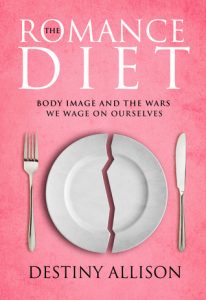
    Destiny Allison writes narrative non-fiction/memoir, and she writes it in a no-holds-barred fashion that captures audiences across the globe. The Romance Diet: Body Image and the Wars We Wage On Ourselves was our pick for Grand Prize in the 2016 Journey Awards.

    Join us in discovering what drives Destiny Allison.

    Chanticleer: Tell us a little about yourself: How did you start writing?

    Allison: I started writing at a very young age. My father was an aspiring writer and I wanted to be like him. I published my first poems when I was nine.

    Chanticleer: Nine-years old? Wow! That is so exciting – Congratulations! When did you realize you that you were an author?

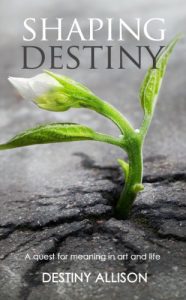
    Allison: The day I released my first book, Shaping Destiny. There’s a big difference between being a writer and being an author. When you become an author, you can change people’s lives.
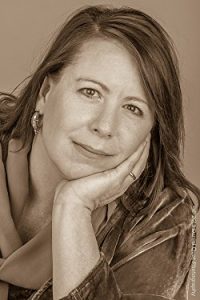
    Chanti: Well said, Destiny. Thank you for that. What do you do when you’re not writing? Tells us a little about your hobbies.

    Allison: I love to hike with my dog and I love to kayak, which is difficult because I live in the desert. Finding water is a constant adventure and a joy. I also own and operate several businesses. I think I was a social entrepreneur before the term was coined.

    Chanti: You’re ahead of your time! How do you come up with your ideas for a story?

    Allison: Most often, they come to me, as long as I’m writing regularly. When I try to force an idea, the writing typically isn’t good.

    Chanti: Speaking of writing regularly, how do you approach your writing day?

    Allison: With anticipation. I’m very disciplined when working on a project and I like to start early in the morning. I have to write at least 500 words every day, but usually, by the time I do, I have the inspiration for a couple of thousand.


    Chanti: What areas of your writing are you most confident in? What advice would you give someone who is struggling in that area?

    Allison: Memoir is my greatest strength. My advice to other memoir authors is simple. Be brutally honest, but don’t feel like you have to provide every detail. Lay bare the bones of your story – know why you’re telling it and what message you hope your readers will take from it – then concentrate on the details that craft that message. Be lush with your imagery, authentic with your dialogue, and borrow from fiction. Your aunt may have been wearing a green hat that day but giving her a red one might flesh out her character and add pop to your story. It’s important to work on your craft. What do you do to grow your author chops? Read, write, repeat.

    Chanti: What do you do in your community to improve/promote literacy?

    Allison: I sponsor readings, support my local library, and help local authors sell their books.

    Chanti: That is so important – Thank you! Give us your best marketing tips, what’s worked to sell more books, gain notoriety, and expand your literary footprint.

    Allison: While we all love to see our work in bookstores, I’ve found that marketing outside the mainstream is more effective. I sell The Romance Diet in a local boutique and it does really well there because the subject matter is so close the hearts of that store’s customers. Knowing you market matters most when promoting your book.

    Chanti: Very smart! What is the most important thing a reader can do for an author?

    Allison: The most important thing a reader can do for an author is to leave a review. The next best thing is telling friends about the books they love and giving those books as gifts. Loaning a book is great, but gifting a book is better. Authors need to eat, too.

    Chanti: Destiny Allison is also a sculptor and works in steel. Here is a quote from her blog:

    Steel is exciting to me as a medium because it can have an exceptional softness in the final finish. I achieve a combination of organic forms and geometric shapes through the use of my MIG welder and plasma cutter. I create my colors by applying acid patina and heat to the raw metal, after the form has been completed. The combination of techniques allows me the freedom to explore relationships between emotional and intellectual responses to experience.

    Reminds me of the editing process…Chanticleer

    Thank you, Destiny Allison, for being a part of the Chanticleer Author Interview series! 

    Now, readers, you know what to do:

    • Like & follow Destiny’s Facebook Page
    • Check out her books on her Amazon.com author page
    • Read her book and, you guessed it, write those reviews!

    Here are Destiny’s other book links:

    Pipe Dreams  and Bitter Root 

  • The Writer’s Life: Author Interview with DIANA FORBES – Chatelaine 1st Place Winner, Historical Romance, The Guilded Age

    The Writer’s Life: Author Interview with DIANA FORBES – Chatelaine 1st Place Winner, Historical Romance, The Guilded Age

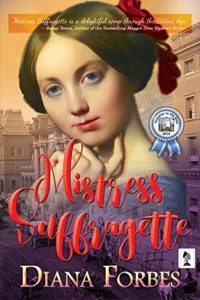
    Diana Forbes writes romantic historical fiction. Her debut novel, Mistress Suffragette is easy to pick up and hard to put down. Recently, I had the opportunity to interview this author and I think you’ll enjoy what she had to say…


    Chanticleer: Tell us a little about yourself: How did you start writing?

    Forbes: I started writing when I was 6 years old. First I wrote poetry. Then I wrote diary entries, heavily influenced by Harriet the Spy. After that, I wrote articles for my school paper. Then I wrote restaurant reviews for the school paper. In college, I wrote features for the college paper.

    Chanticleer: So, basically as soon as you could form cohesive sentences, you were off to the races! Nice job, Diana. But when did you realize that you were an author?

    Forbes: I met with a career coach in 2003 and I told him, “I want to be a writer.” He said, “Why don’t we just say you are a writer since writing is in the doing?”

    Chanticleer: Smart – writing is an active verb… Let’s chat about genre. What genre best describes your work?

    Forbes: Mistress Suffragette, my debut novel, is best described as a romance. It’s historical, so sometimes it’s described as cross-genre: historical-romance. It also has a lot of humor in it.

    Chanti: Cross-genre sweet spot – best of both worlds. What inspired you to write historical/romance? 

    Forbes: I take two writing classes a week in Manhattan where I live, and one of my writing teachers used to tell me, “Don’t worry about the genre. A debut novel is what it is. Just write it.” But, I basically wrote the story I wanted to read. It’s a romance against a very interesting historical backdrop – the late 19th century or Gilded Age.

    Chanti: I love the fact that you continue to work on your craft by taking writing classes. That’s such an important thing to do! Do you find yourself following the rules or do you like to make up your own rules?

    Forbes: I like to break rules selectively. In other words, I love to know what the rules are, then break them if there is a very good reason.

    Chanti: Good. Know the rules, so you know when, why, and how to break them. What do you do when you’re not writing? Tells us a little about your hobbies.

    Forbes: I am an art buff. I like to go to museums and galleries and look around. Recently I have also started going to plays and musicals in Manhattan. I like to poke around antique stores and fairs, too. I have a great respect for history, so if I can learn a little history while I am having fun, that’s even better.

    Chanti: You’re in the perfect place to do all that! Tell us a little about how you structure your writing day.

    Forbes: I am very structured. I am fortunate to have an office that is separate from where I live. I roll into the office at 9 a.m., trying to get in one full hour of reading before the day officially starts, so from 7:30 a.m.-8:30 a.m. Then I write from 9 a.m. until 3:30 p.m., trying to stay off social media and email completely. At 3:30 or so, I return all my emails and hop on social media. After that, I work till between 7 p.m. and 8 p.m. on marketing Mistress Suffragette.
    Chanti: That’s a fantastically structured day! What has been the most helpful marketing tool you’ve used so far?

    Forbes: I really like awards shows. They offer the chance to have the work receive a little recognition as well as a great marketing push. Award shows can also help introduce the work to new readers.

    Chanti: What areas of your writing are you most confident in? What advice would you give someone who is struggling in that area?

    Forbes: Readers often tell me that my strengths are my research, the setting, and the voice. I love stories that whisk me away, and that’s what I aimed for with Mistress Suffragette. I also want to tell untold stories. Some of the things I learned while researching M. Suffragette, I had never ever heard before – even in Political Science classes at my university. Anything I discovered that was really new and really interesting about the time period I made sure to include in the novel.

    Chanti: That’s pretty cool. So, we know that you take two writing classes a week, what other things do you do to grow your author chops?

    Forbes: My writing classes in Manhattan require that I turn in 20 pages at a time to early readers (my classmates) who give me feedback. One of the classes concentrates more on the craft of writing. I also read books about writing. In addition, I look for award show contests that provide feedback, so that I can learn and grow and my writing can improve before I show my work to an agent or editor.

    Chanti: This is how we discovered each other! We’re thrilled you entered your novel into the Chatelaine Awards. What are you working on now? What can we look forward to seeing next from you?

    Forbes: I am working on the sequel to Mistress Suffragette. I see the story as a trilogy. I am not sure when the sequel publication date will be. I write many drafts of my novels before I show them to my agent and editor, so I am somewhere in the revision process.

    Chanti: I certainly hope we get to see the sequels of Mistress Suffragette. Thank you for stopping in! 

    If you love romance (and who doesn’t?) and the Gilded Age, you know what to do! Check out Diana’s website and follow the links to purchase her book, Mistress Suffragette.

    Like her Facebook page and follow her. Trust me, there is more to come from Forbes, and you’ll not want to miss out.