Celebrating the Twelve Days of Christmas – One Day at a Time
On the 9th Day of Christmas…
Some say the Nine Ladies Dancing represent the Nine-Day Novenas. A novena is made up of nine days of prayer and meditation for some thing or some guidance from God. Can you see “dance” in that word “guidance?”
On the Ninth Day of Christmas, Chanticleer brings to me…
Top Tips to keep your Software up to date and Safe!
On the 9th Day of Christmas, we’re taking a step into the digital world—because just like you need a clean workspace and a fresh computer, your software needs attention too. As we head into 2024, it’s the perfect time to ensure that the tools you rely on for your writing are running smoothly and securely. Let’s take a look at some essential software maintenance tasks to help you start the new year on the right foot.
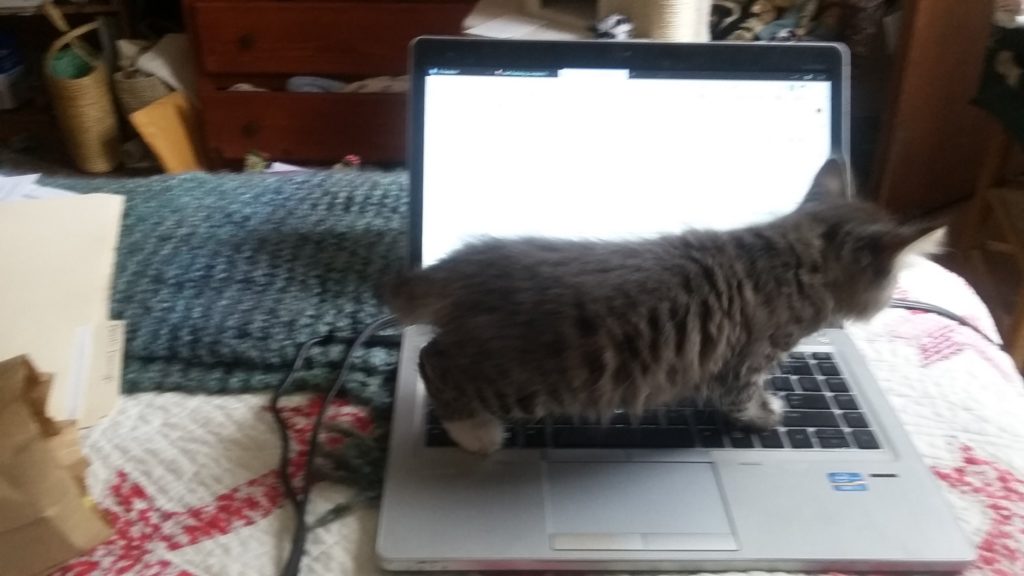
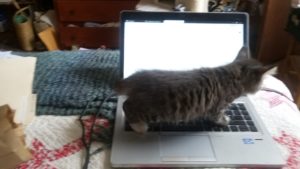
J.L. Oakley’s intern Kinky Boots knows all about software
Password Management: Secure Your Work and Peace of Mind
Let’s start with something crucial: your passwords. Did you know that more than 6 million passwords are hacked every single day? Keeping your passwords secure should be at the top of your list for 2024.
Use a reliable password manager to keep track of all your credentials. Whether you choose LastPass, 1Password, or Bitwarden, a password manager helps protect your accounts and saves you from using the same password for everything — something that could be a major security risk.
Take it a step further by enabling two-factor authentication on your accounts. It may feel like a hassle, but it’s an essential safeguard against unauthorized access.
Clearing Your Cache: Keep Your Browser Running Smoothly
Your browser’s cache might be storing old data that can slow down your computer. It’s time for a little “browser hygiene.”
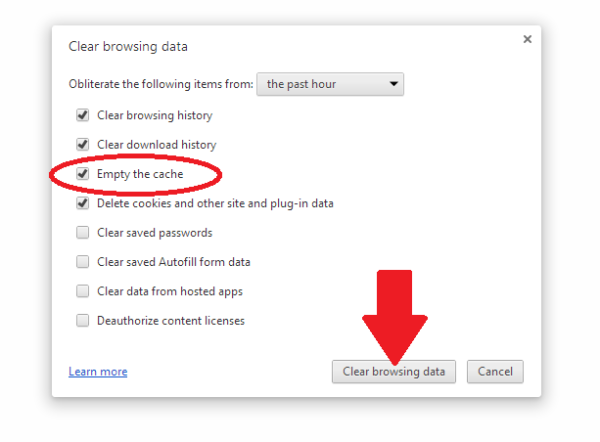
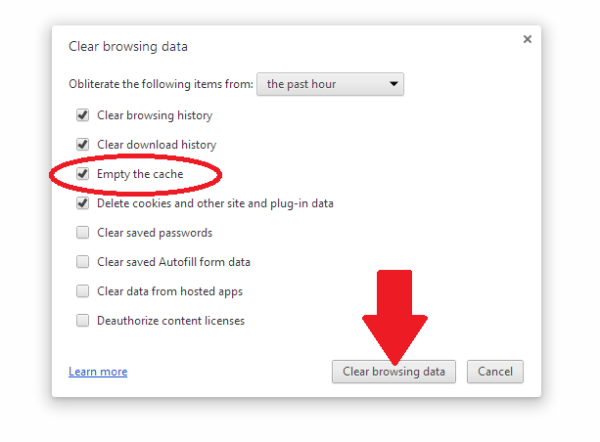
Clearing your cache regularly helps speed up your browsing experience and ensures that you’re always seeing the latest version of your favorite websites — especially your author platform. While every browser has a different method for clearing the cache, it’s worth doing every few months (or when your browser starts feeling sluggish).
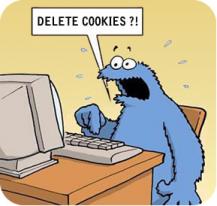
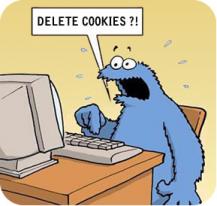
Remember, clearing cookies can also help with privacy. It’s a simple way to protect your data while browsing, so it’s worth adding to your routine maintenance.
NOTE: Before you do this, please be sure to have your passwords secure. Clearing your cache on some browsers can remove any saved passwords you might have.
Anti-Virus and Malware Protection: Stay Safe from Threats
The risk of cyber threats is real, but fortunately, a good anti-virus program can keep you safe. With malware attacks becoming more sophisticated, it’s essential to have a reliable anti-virus program that updates daily to guard against the latest threats. Programs like Norton and Bitdefender are great options to keep your devices secure.
It’s important to regularly update your anti-virus software and run periodic scans to detect any potential threats lurking on your system. If your computer slows down unexpectedly, or if you start receiving strange messages from your contacts, it could be a sign that malware has slipped in.
Backup Your Files: Don’t Let Data Loss Derail Your Year
Writers, don’t let your precious words be vulnerable to data loss. Backing up your files is the most effective way to ensure that your work is protected. Whether you use Google Drive, OneDrive, or an external hard drive, always have a backup plan.
Consider setting up an automatic backup system, so you never forget to save your most recent work. Remember: if it’s important enough to write, it’s important enough to back up.
Update Your Software: Stay Current for Optimal Performance
Last but not least, always keep your software up to date. Software developers release regular updates to patch security vulnerabilities, fix bugs, and improve performance. Make sure your operating system, writing tools (like Scrivener or Word), and any other software you use are running the latest versions.
Outdated software can cause compatibility issues, slow down your computer, and expose you to security risks, so take the time to check for updates.
Get Ready for the New Year of Writing!
By taking a little time to clean up your software and digital space, you’ll be setting yourself up for a successful and productive 2025. These simple steps will help you stay secure, organized, and ready to tackle your writing goals without any digital distractions.
The Ninth Day of Christmas gift of Nine Ladies Dancing are symbolic of the nine life principles: Love, Joy, Peace, Kindness, Goodness, Loyalty, Gentleness, Self-Control, and Patience.
“But Jiminy Crickets, it’s after December 25th! Is it not too late for the 12 Days of Christmas?” you say.
Not to fear, Chanticleerians! The 12 Days of Christmas begins on December 26th! And it continues to the 6th of January – Three Kings Day. The four weeks leading up to Christmas is known as the Advent.
So if you haven’t finished wrapping presents, sending out those cards, and baking cookies—don’t worry—you still have time! Well, four days that is.
Happy Holidays to You from the Chanticleer Team!
On the Ninth day of Christmas, my true love sent to me
Nine Ladies Dancing
Eight Maids A-Milking
Seven Swans A-Swimming
Six Geese A-Laying
Five Golden Rings
Four Calling Birds
Three French Hens (Chanticleer’s favorite #justsaying)
Two Turtle Doves
And a Partridge in a Pear Tree
Happy Holidays to You from the Chanticleer Team!
Stay tuned for the 10th Day of Christmas!
Our favorite part about having the 12 Days of Christmas is that we can have the time we need to celebrate with our loved ones. We have time for wrapping our presents, meeting with friends for hot cocoa, and setting ourselves up in the New Year for publishing success (with Chanticleer Professional Services and the Chanticleer Authors Conference).
Wishing you Happy Holidays from Chanticleer from Kiffer, David, Dena, Scott, Anya, and Argus!
Celebrating the Twelve Days of Christmas – One Day at a Time
On the 8th Day of Christmas…
“But Jiminy Crickets, it is the 2nd of January! Is it not too late for the 12 Days of Christmas?” you say.
Not to fear, Chanticleerians! The 12 Days of Christmas begins on December 26th! And it continues to the 6th of January – Three Kings Day. The four weeks leading up to Christmas is known as the Advent.
So if you haven’t finished wrapping presents, sending out those cards, and baking cookies—don’t worry—you still have time! You have FIVE Days!
Happy Holidays to You from the Chanticleer Team!
On the Eighth day of Christmas, my true love sent to me
Eight Maids A-Milking
Seven Swans A-Swimming
Six Geese A-Laying
Five Golden Rings
Four Calling Birds
Three French Hens (Chanticleer’s favorite #justsaying)
Two Turtle Doves
And a Partridge in a Pear Tree
This lyric represents the common worker. We are so grateful to all those who make the wheels of the world turn who can be so easy to forget! An extra special Happy New Year to all workers!
Happy Holidays to You from the Chanticleer Team!
On the Eighth Day of Christmas, Chanticleer brings to me…
Tips to keep your workspace clean!
On the 8th Day of Christmas, we’re diving into a very important tradition — keeping your space clean and your computer fresh as we head into the new year. Whether you’re writing your next masterpiece, editing your latest project, or just catching up on emails, your computer is one of your most valuable tools as a writer.
But how often do we think about maintaining it?
Just like your workspace, your computer—whether a desktop, laptop, or your trusty tablet—deserves a little TLC. After all, it’s where your creativity comes to life and where your stories begin to unfold. So, let’s take a moment this holiday season to give your computer the attention it deserves with a little cleaning and maintenance to keep it running smoothly in 2024.
The Essential Clean-Up: Get Your Computer Ready for 2025
Clean Your Keyboard, Mice, and Screens
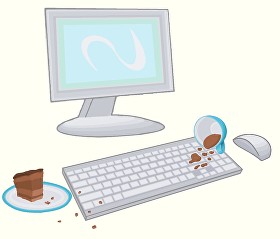
Your keyboard is where the magic happens—but did you know that it can also be a hotspot for dust, crumbs, and all sorts of nastiness? A quick clean-up is a small task with big rewards.
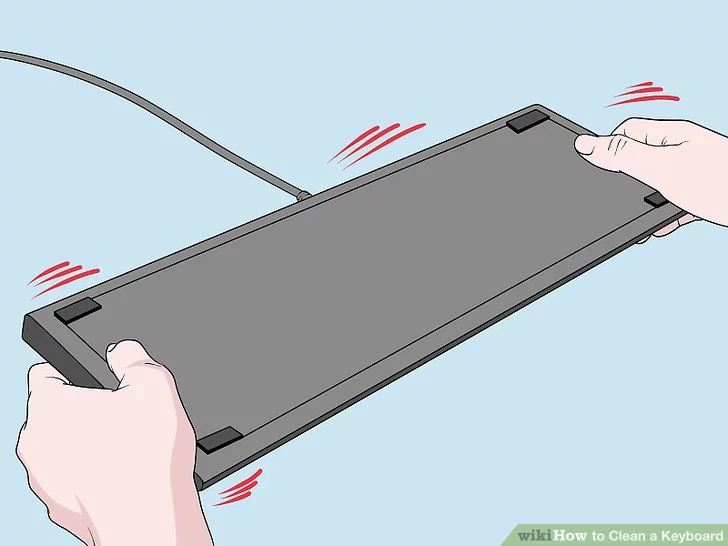
Keyboards: Wipe your keyboard down with a slightly damp microfiber cloth, then dry it with another cloth. Finish with a disinfectant wipe or a cloth dampened with rubbing alcohol to ensure you’re clearing away germs. Don’t forget to give it a gentle shake or tap upside down each week to remove the hidden debris!
Mice & Phones: Just like your keyboard, your mouse and phone need a little love too! Clean them regularly to remove oil and fingerprints, ensuring smooth interaction and a clear screen.
Clear Your Screen for Better Viewing
Editing with a dirty screen is like trying to read through foggy glasses! Let’s avoid that in the new year by cleaning our screens regularly.
Microfiber Cloth: The best way to clean any screen is with a microfiber cloth. Don’t spray cleaner directly on the screen—dab a little onto the cloth and gently wipe the screen in circular motions. You’ll be amazed at how much better everything looks once your screen is spotless!
Specialty Wipes: If you’re looking for a quick fix, consider using electronic wipes. These are great for clearing smudges from tablets, smartphones, and laptops—perfect for when you’re writing on the go or working from a coffee shop!
Boost Your Computer’s Performance with Regular Maintenance
It’s not just about the outside. Keeping your computer in tip-top shape means taking care of its inner workings too.
Clear Your Cache: Over time, your computer stores tons of temporary files. While they help speed up certain processes, they can also slow down your machine. Be sure to clear your browser cache and clean up unnecessary files to make your system run smoother.
Update Your Software: Outdated software can lead to performance issues and security vulnerabilities. Start the new year with the latest updates to your operating system, apps, and programs to ensure everything is running as efficiently as possible.
Don’t Forget Your Other Devices!
While you’re in cleaning mode, take a few minutes to clean your phone, tablet, Kindle, and even your remote controls. These everyday devices gather germs and dust, so a quick wipe-down can make them work better and last longer.
A Fresh Start for a New Year of Writing
Stay tuned for the 8th Day of Christmas!
Our favorite part about having the 12 Days of Christmas is that we can have the time we need to celebrate with our loved ones. We have time for wrapping our presents, meeting with friends for hot cocoa, and setting ourselves up in the New Year for publishing success (with Chanticleer Professional Services and the Chanticleer Authors Conference).
Wishing you Happy Holidays from Chanticleer from Kiffer, David, Dena, Scott, Anya, and Argus!
In the digital age, a virtual book launch can be a highly effective way to celebrate and promote your new book. It offers an opportunity to reach a global audience, engage with readers in real-time, and create a buzz around your work–all from your own desk.
Planning to host a virtual book launch but not sure where to start?
So much to learn, so little time!
Let us walk you through the first steps to ensure a successful and memorable event.
1. Define Your Goals and Objectives
Before diving into the details, clarify what you want to achieve with your virtual book launch. Your goals might include:
Increasing Book Sales: Drive pre-orders and sales through special promotions.
Building Your Author Brand: Enhance your visibility and establish your presence as an author.
Engaging with Your Audience: Connect with readers, fans, and influencers in your genre.
Generating Media Coverage: Attract attention from bloggers, journalists, and book reviewers.
Authors should try to zero in on what their potential readers could look like and which outlets are the best for reaching those targets. Sometimes (more often than not), going in deep (some say guerilla marketing) towards a specific target audience for podcasts, blogging, and events (publicity) and then expanding the spheres if a strategy that works (marketing). Read more on this from Kiffer Brown here!
2. Choose the Right Platform
Selecting the appropriate platform is crucial for hosting your virtual book launch. Consider the following options:
Zoom: Ideal for interactive events with features like breakout rooms and live Q&A sessions.
Facebook Live: Great for reaching your social media audience and facilitating real-time engagement.
YouTube Live: Offers high video quality and can be integrated with your book’s promotional content.
Twitch: Suitable for a more informal, interactive experience, particularly with younger audiences.
Choose a platform that aligns with your goals and technical comfort level.
3. Plan Your Event Format
Decide on the format and structure of your virtual launch. Some popular formats include:
Live Reading and Q&A: Read excerpts from your book and answer questions from attendees.
Author Interview: Conduct an interview with another author, a moderator, or a celebrity guest.
Panel Discussion: Gather experts or fellow authors to discuss themes related to your book.
Virtual Book Tour: Share behind-the-scenes content or host virtual visits to locations featured in your book.
4. Set a Date and Time
Choose a date and time that will maximize attendance. Consider the time zones of your target audience and avoid scheduling conflicts with major events or holidays. Weekdays or weekends can work depending on your audience’s availability.
The experts who can market your book make up what we call Slant in the book industry. Our own Chanticleerian author Carol Cram wrote an article all about the best ways to connect and work with experts, which you can read here.
5. Promote Your Event
Effective promotion is key to a successful virtual book launch. Use a combination of strategies:
Social Media: Create event pages and share regular updates on platforms like Facebook, Instagram, and Twitter.
Email Newsletters: Send invitations and reminders to your mailing list.
Book Communities: Engage with book clubs, forums, and online reading groups.
Collaborations: Partner with influencers, bloggers, and other authors to broaden your reach.
Design eye-catching promotional materials such as graphics, videos, and teaser content to generate excitement.
6. Prepare Your Content and Rehearse
Prepare and rehearse the content of your event to ensure smooth execution:
Script: Outline key points, introductions, and transitions.
Visuals: Create slides, book trailers, or other visual aids.
Tech Check: Test your internet connection, microphone, camera, and platform features ahead of time.
Rehearsal: Practice your presentation and timing to avoid any hiccups during the live event.
7. Engage with Your Readers
During the event, foster engagement and interaction:
Welcome Attendees: Greet participants and provide an overview of the event.
Interactive Elements: Use polls, chat features, and live Q&A to involve your audience.
Personal Touch: Share personal anecdotes or behind-the-scenes stories related to your book.
Encourage Sharing: Ask attendees to share their thoughts on social media using a specific hashtag.
8. Follow Up After the Event
Post-event follow-up is essential for maintaining momentum and maximizing the impact of your launch:
Thank You Notes: Send gratitude messages to attendees, guests, and collaborators.
Event Recap: Share highlights, recordings, or photos from the event on your website and social media.
Feedback: Collect feedback from attendees to learn what worked well and what could be improved for future events.
Continued Engagement: Keep the conversation going by engaging with your audience and providing updates on book sales or upcoming events.
9. Analyze and Reflect
Evaluate the success of your virtual book launch by analyzing key metrics:
Attendance Numbers: Assess how many people attended and engaged with the event.
Sales Data: Review book sales figures before, during, and after the launch.
Audience Feedback: Analyze comments, questions, and feedback to gauge audience reaction and satisfaction.
Reflect on what went well and areas for improvement to enhance your future virtual events.
A well-executed virtual book launch can create a powerful platform for celebrating your book and connecting with readers. By following these steps, you can craft an fun, engaging event that not only promotes your book but also builds lasting relationships with your new fans!
Happy launching!
Thank you for joining us for this Writer Toolbox Article
There is so much to learn and do with Chanticleer!
From ourBook Award Programthat has Discovered the Best Books since the early 2010s to ourEditorial Book Reviewsrecognizing and promoting indie and traditional authors, Chanticleer knows your books are worth the effort to market professionally!
When you’re ready,did you know that Chanticleer offers editorial services?We do and have been doing so since 2011.
Our professional editors are top-notch and are experts in the Chicago Manual of Style. They have and are working for the top publishing houses (TOR, McMillian, Thomas Mercer, Penguin Random House, Simon Schuster, etc.).
If you would like more information, we invite you to email us at info@ChantiReviews.com for more information, testimonials, and fees.
We work with a small number of exclusive clients who want to collaborate with our team of top-editors on an on-going basis.Contact us today!
Chanticleer Editorial Services also offers writing craft sessions and masterclasses. Sign up to find out where, when, and how sessions being held.
A great way to get started is with our manuscript evaluation service, with more information availablehere.
And we do editorial consultations for $75. Learn morehere.
Lay Out the Welcome Mat for Productivity and Imagination
Creating an effective writing space is more than just finding a quiet corner with a comfortable chair and a sturdy desk. It’s about creating an environment that nurtures your imagination, enhances focus, and inspires productivity. Whether you’re a seasoned writer or just starting out, the space in which you write plays a crucial role in your overall writing experience.
Having a good writing space is crucial to a writer!
Writers can find a million excuses to put off sitting in the chair and getting some thoughts on paper (well, okay – monitors), but by setting the right environment in your work space you’ll find it’s easier to get started, maintain the flow, and finish faster because a good work space can
Minimizes Distractions: Whether it’s a separate room, a quiet corner, or even a specific coffee shop, having a designated area signals to the mind that it’s time to focus solely on writing.
Boosts Creativity: Personalizing the space with inspiring decor, books, or artwork can stimulate ideas and encourage innovative thinking.
Enhances Comfort and Ergonomics: A well-designed space ensures writers can work for extended periods without discomfort or strain.
Creates a Routine: Having a consistent writing space helps establish a ritual around writing, making it easier to get into the flow and maintain momentum.
Reduces Mental Barriers: When your space is personalized and clutter-free, writers can focus more on their ideas and less on external chaos.
Inspires Discipline: Writers are more likely to stick to their writing goals when they have a dedicated area that reinforces their commitment to the craft.
Creating an effective writing space is a personalized process that balances functionality, comfort, and inspiration.
Here are practical steps to help you design a writing space that enhances your productivity and creativity:
1. Choose the Right Location: Select a quiet area in your home or a favorite spot where you feel comfortable and can focus without interruptions. Natural light is beneficial, so consider proximity to windows if possible.
2. Personalize Your Space: Surround yourself with items that inspire you. Whether it’s motivational quotes, artwork, plants, or personal mementos, these can contribute to a positive and creative atmosphere. However, avoid clutter that could become distracting.
3. Invest in Comfortable Furniture: Your writing desk and chair should be ergonomic and supportive. Ensure your desk height allows for comfortable typing or writing without strain. Consider a chair that promotes good posture and allows you to sit for extended periods without discomfort.
4. Organize Your Supplies: Keep essential writing materials within easy reach. This includes pens, notebooks, reference books, and any other tools you frequently use. A tidy workspace contributes to mental clarity and reduces distractions.
5. Manage Technology Wisely: Minimize digital distractions by organizing your computer desktop and using apps or tools that block social media or other distracting websites during focused writing sessions.
6. Ensure Good Lighting: Proper lighting is essential for reducing eye strain and maintaining alertness. If natural light is insufficient, invest in a desk lamp with adjustable brightness and color temperature.
7. Create a Distraction-Free Zone: Establish boundaries with household members or roommates to respect your writing time and space. Consider noise-canceling headphones or background music if it helps you concentrate.
8.Maintain Cleanliness and Order: Regularly de-clutter and organize your writing space to keep it conducive to creativity and productivity. A clutter-free environment promotes clear thinking and focus.
9. Establish a Ritual: Develop a pre-writing ritual that signals your brain it’s time to write. This could involve making a cup of tea, lighting a candle, or reading a few pages from a favorite book to transition into a focused writing mindset.
10. Evaluate and Adjust: Periodically assess your writing space to ensure it continues to meet your needs. Experiment with changes in layout, decorations, or routines to optimize your productivity and comfort.
Minimize distractions and maximize your writing production by tailoring your writing space to support your workflow and see how your writing space transforms into a sanctuary for inspiration and productivity.
Thank you for joining us for this Writer Toolbox Article
There is so much to learn and do with Chanticleer!
From ourBook Award Programthat has Discovered the Best Books since the early 2010s to our Editorial Book Reviews recognizing and promoting indie and traditional authors, Chanticleer knows your books are worth the effort to market professionally!
When you’re ready,did you know that Chanticleer offers editorial services?We do and have been doing so since 2011.
Our professional editors are top-notch and are experts in the Chicago Manual of Style. They have and are working for the top publishing houses (TOR, McMillian, Thomas Mercer, Penguin Random House, Simon Schuster, etc.).
If you would like more information, we invite you to email us at info@ChantiReviews.com for more information, testimonials, and fees.
We work with a small number of exclusive clients who want to collaborate with our team of top-editors on an on-going basis. Contact us today!
Chanticleer Editorial Services also offers writing craft sessions and masterclasses. Sign up to find out where, when, and how sessions being held.
A great way to get started is with our manuscript evaluation service, with more information available here.
And we do editorial consultations for $75. Learn more here.
Just as every dark and stormy night, dinner party, holiday gathering, or bustling office on payday are infused with mood, so are scenes in the best fiction.
Mood affects, resonates, and reinforces the reader’s emotions, aids in understanding key moments, and enhances his or her immersion into the story events.
Mood is the feel or atmosphere or ambience of a story or scene.
ALL writing should evoke a mood.
Miranda at “that” dinner party that takes place in the STATION ELEVEN series. The tension is palpable.
Mood is the Soundtrack of Fiction aka Mood as Backdrop
Mood is omnipresent in the best books much like the soundtracks of notable films. As with movies without a soundtrack, fiction is not complete and captivating without having moods as a backdrop. Mood makes readers worry about heroines stranded in lonely castles and fog-bound moors. It feeds suspense and tension, and is in fact inseparable from them. It is essential to genres like horror, thrillers, and action, but is necessary to every moment in every story where you want a reader to feel a certain way. You can stage your characters in dramatic events but without setting up the proper mood, the characters’ actions will fall short.
Mood is What Readers Feel While Reading Your Story.
Mood is what the reader feels while reading a scene or story. It’s not the reader’s emotions, (though mood is designed to influence them) but the atmosphere (the vibe) of a scene or story. It’s the tornado heading for Dorothy Gale’s Kansas farm. In the film, once the viewers spot that towering tunnel and witness winds lashing the countryside, fear sets in. Will Dorothy make it to cellar in time?
It’s what the reader notices, what gets under his or her skin. Not all readers will experience/perceive the same mood from a scene, although the writer tries to achieve a particular feel common to every reader.
A quick example from everyday life–candlelight is soothing and soft; overhead fluorescent lights are harsh and even irritating.
Tip: Mood should change and vary as the story moves forward. Moods in subplots should vary from the main storyline.
Why Mood?
Deepens the reader’s experience.
Creates cohesion.
Enhances tension and suspense.
Evokes emotions, creates emotional connections to the characters and their situations.
Works with reader’s nervous system.
Underlines themes.
Mood helps fiction become more immersive, alive, lifelike and creates a backdrop for drama.
Mood is Created by a Range of Literary Devices:
Setting
Conflict
Imagery
Sensory Details
Characters Reacting and Responding in Scenes.
Diana Gabaldon’s Outlander series is an exemplary example of infusing mood into scenes: joy, fear, longing, betrayal, expectation, disappointment, and so on.
Evoking mood in fiction – Outlander by Diana Gabaldon
Use Descriptive Language to Induce Moods
While setting is most commonly used to induce moods, descriptive language is a potent tool and that decreases or amps up tension. In Dean Koontz’s psychological thriller The Face, a horrific storm lashes Los Angeles a few days before Christmas adding a delicious shiver of danger and tension. The weather is referred to in each scene, causes things to happen and creates an ominous, the ‘world-is-askew’ mood. For example, he writes, “In the witches’ cauldron of the sky, late-morning light brewed into a thick gloom more suitable to winter dusk.”
Mood is created on a word-by-word basis by choosing sensory details that stir emotions, but also by orchestrating pacing. Slow down for important moments, places readers need to savor. Pacing naturally speeds up when excitement is high, conflict is intense, action is nonstop. Short sentences and paragraphs communicate excitement, urgency, panic, anger, shock, and violence. Short sentences land a gut punch and demand readers keep zipping through the text.
While most stories, especially short stories, have an overarching atmosphere, the ambience or vibe of a story will change over time and change in intensity.
Mood is linked to tension and suspense and getting under your reader’s skin.
Use mood to foreshadow.
Remember that a vague or pallid setting will create vague and pallid emotions/reactions in your readers. – Jessica Morrell
Example as Mood as Backdrop
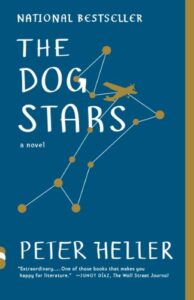
Peter Heller’s brilliant novel The Dog Stars takes place in a future where the world has been ravaged by a pandemic that’s killed off most of the population. If that wasn’t bad enough, the natural world is dying off too. He wrote it in 2012. I’m a sucker for a post-apocalyptic novel, even when they’re shockingly prescient. I cannot recommend enough this beautiful, compelling, heart-wrenching story that invaded my thoughts for days while reading it. This backdrop to the state of affairs the protagonist Hig exists in, is dropped in on page 6.
“In the beginning there was Fear. Not so much the flu by then, by then I walked, I talked. Not so much talked, but of sound body—and of mind, you be the judge. Two straight weeks of fever, three days 104 to105, I know it cooked my brains. Encephalitis or something else. Hot. Thoughts that once belonged, that felt at home with each other, were now discomfited, unsure. Depressed, like those shaggy Norwegian ponies that Russian professor moved to the Siberian Arctic I read about before. He was trying to recreate the Ice Age, a lot of grass and fauna and few people. Had he known what was coming he would have pursued another hobby. Half the ponies died, I think from heartbreak for their Scandinavian forests, half hung out at the research station and were fed grain and still died. That’s how my thoughts are sometimes. When I’m stressed. When something’s bothering me and won’t let go. They’re pretty good, I mean they function, but a lot of times they feel out of place, kinda sad, sometimes wondering if maybe they are supposed to be ten thousand miles from here in a place with a million square miles of cold Norwegian spruce. Sometimes I don’t trust my thoughts not to bolt for the brush. Probably not my brain, probably normal for where we’re at.”
“I don’t want to be confused: we are nine years out. The flu killed almost everybody, then the blood disease killed more. The ones who are left are mostly Not Nice, that is why we live here on the plain, why I patrol every day.”
Example of Mood Setting the Stage
“Stop that you’ll fall.”
A week’s worth of snow has compressed into ice, each day’s danger hidden beneath a nighttime dusting of powder. Every few yards my boots travel farther than my boots intended, and my stomach pitches, braced for a fall. Our progress is slow, and I wished I’d thought to bring Sophia on a sled instead.
Reluctantly, she opens her eyes, swivels her head owllike, away from the shops, to hide her face in her sleeve. I squeeze her gloved hand. She hates the birds that hang in the butcher’s window, their neck iridescent feathers cruelly at odds with the lifeless eyes they embellish.
I hate the birds too.
Adam says I’ve given the phobia to her, like a cold or a piece of unwanted jewelry.
“Where did she get it from them?” he said when I protested turning to an invisible crowd, as if the absence of answer proved his point. “Not me.”
Of course not. Adam doesn’t have weaknesses.
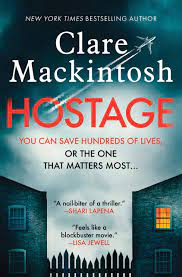
This is the opening salvo for Hostage written by Clare Mackintosh, a ‘locked room’ thriller. The locked room in this story is a London to Sydney flight. It feels like a thriller doesn’t it? Those creepy dead birds, dangerous snow, and the husband-wife conflict signal something bad is going to happen.
Keep writing, keep dreaming, have heart. Jessica
Jessica Page Morrell
Jessica Morrell is a top-tier developmental editor and a contributor to Chanticleer Reviews Media and to the Writer’s Digest magazine. She teaches Master Writing Craft Classes along with sessions at the Chanticleer Authors Conference that is held annually along with teaching at Chanticleer writing workshops that are held throughout the year.
Jessica Morrell’s Classes and Workshops at CAC22
June 23 – 26, 2022 at the Hotel Bellwether, Bellingham, Wash. In Real Life and Virtual!
Using Film Techniques for Fiction Writers– Camera angles, method acting for getting into a character’s pov, and creating subtext and tight dialogue
Your Brain on Writing
Captivating Co-Starsthat add depth to your work-in-progress
Let’s discuss using closeup “shots” of your characters in fiction. Filmmakers have a large repertoire of techniques that writers are wise to study and borrow. Closeup camera angles are powerful in film and an important technique fiction writers need to emulate throughout their stories.
When to Use a Wide Angle in Your Scenes
I write many, many notes and suggestions to my editing clients, some within the pages of the manuscript, some included in a long, detailed memo. At times I suggest a wide angle or establishing shot to introduce setting and atmosphere–especially helpful when a character arrives at a new place or when major action is about to go down.
“We’ll always have Paris.” Casablanca Original Book: Everyone Comes to Rick’s by Murray Bennett and Joan Alison in 1940.
When to Use Closeups
However, I’m certain that every story I’ve worked on needed more ‘closeup’ shots of characters, so I suggest when to bring the viewpoint– fiction’s camera lens–closer. In film or television the director and cameraman have lots of choices about how to use distance to achieve drama. There are full shots, medium, long, POV, closeup and extreme closeups. A closeup shot tightly frames the actor’s face and signals significance. They’re typically used to portray deep emotions and create connection between audience and actor. There are also ‘extreme close-ups’ where the camera lingers on a subject, usually the actor. But close-ups can also focus on hands and body parts, props, jewelry, or other objects of interest.
Be Cognizant of What You Are Revealing to Your Readers in Your Closeups
Obviously closeups are intimate because they’re revealing. They showcase significant emotions, realizations, decisions, and important moments or actions. They also reveal when characters have something to hide.
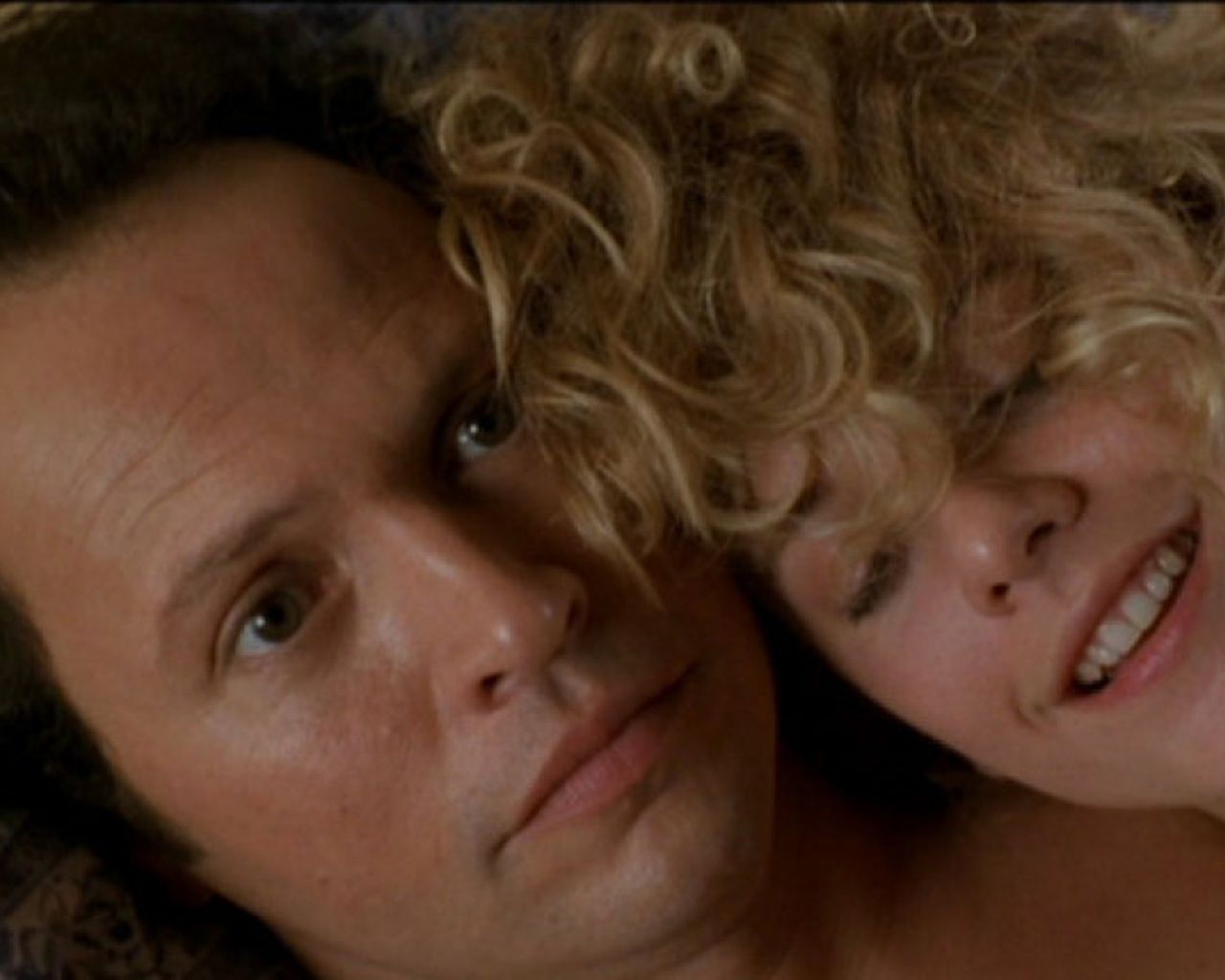
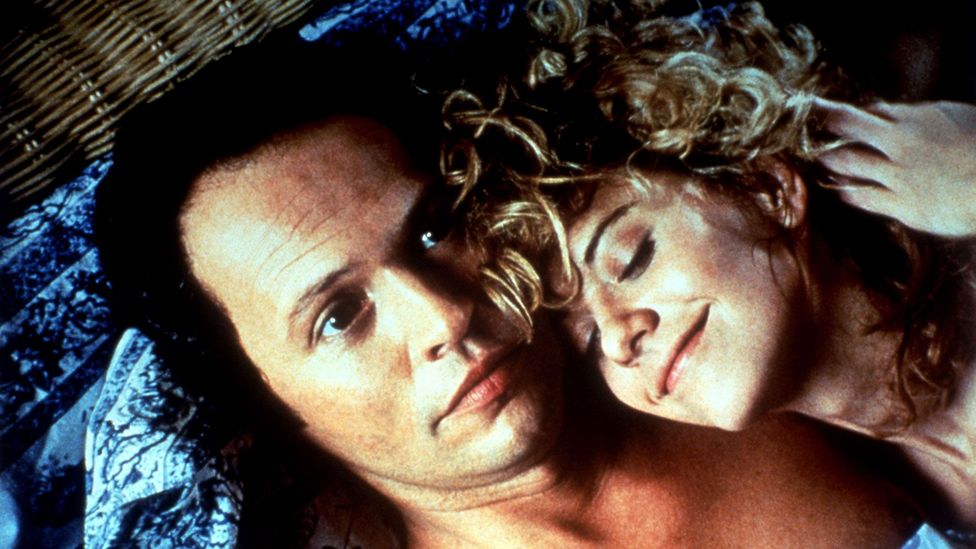
When Harry Met Sally – The SCENE that set the story. By Nora Ephron
Romance films and dramas employ these shots especially when characters are surprised, shocked, filled with dread, or when feelings shift. Closeups, naturally, are often used in horror and suspense films to increase the audience members’ heartbeat. Alfred Hitchcock was fond of using them, such as in the grisly shower scene inPsycho. You know the one.
Convey important moments, reversals, revelations.
Enhance threat and danger.
Enhance evil and malevolence.
Shock value as when a monster or villain is in the frame.
Focus on, reveal a character’s state of mind.
Slow the pacing.
Portray damage, pain, the cost paid by characters.
Allow readers to see the world through the character’s eyes. * See The Eyes Have It post link below.
Reveal closeness, intimacy, estrangement, coldness between characters.
Suggest or define character arc.
Show other ‘sides’ of a character, including subtler traits.
Illustrate a character’s emotional bandwidth, as in how she or he handles the best of times and the worst of times.
In scenes that contain violence, brutality, or horror, a closeup amplifies the dangers as in the ‘here’s Johnny’ moment inThe Shiningwhen Jack Torrence, played by Jack Nicholson is terrorizing his family. Notice how it’s clear that he’s sunk into madness.
The unforgettable “Here’s Johnny” scene in The Shining.
As you’re revising, make sure that during the most poignant moments in the story, readers are pulled in. Allow your readers to witness emotions flickering across the character’s face. Let them sense what’s churning beneath a character’s exterior.
Notice Beth’s hands, her eyes, her posture. The juxtaposition of the watch she wears versus the clock on the wall. Her black and white dress adjacent to the black and white chess board. See how she is capturing the white pawns.
Beth Harmon knows she will win several moves out in this scene of Queen’s Gambit
Jessica Morrell is a top-tier developmental editor and a contributor to Chanticleer Reviews Media and to the Writer’s Digest magazine. She teaches Master Writing Craft Classes along with sessions at the Chanticleer Authors Conference that is held annually along with teaching at Chanticleer writing workshops that are held throughout the year.
Jessica Classes and Workshops at CAC22
Using Film Techniques for Fiction Writers– Camera angles, method acting for getting into a character’s pov, and creating subtext and tight dialogue
Your Brain on Writing
Captivating Co-Starsthat add depth to your work-in-progress
Please enjoy Chanticleer’s Business and Marketing Tips and Tools for Writers for a Happy and Productive 2022!
Start the year out right with our suggestions on the best practices for 2022.
Must-Dos for Authors and Publishers for 2022!
At Chanticleer, as many of you know, we do things a little differently. We are bringing you an author checklist, things for your author development and business.That’s why we’re here!
We suggest tackling one Must-Do a month in any order that you chose except for the first three. Also, we will have a handy checklist to print out at the end of the series for your author lair to help keep you on track.
We wish you a successful and productive year for achieving your publishing goals! ~ The Chanticleer Reviews Team
On the First Blogpost of 2022, Chanticleer gave to me…
Advice on how to care for arguably the most important tool in our toolbox. Care to guess what it is?
We will give you a hint. It stores your intellectual property, aids in getting words from your brain into little alphabet letters that add up to a story. And for most of us, enables us to create what we love most—books and stories!
Your hardworking computer – whether it is a desktop, laptop, pad, or your own Mad Maxx creation of technologies (like Argus’s), deserves a little bit of attention.
Computer Care for Authors and Publishers
We often forget how important it is to maintain a clean computer on the inside and outside, even if our desk and the surrounding area is spotless. Here are a few tips to get you started. And, yes, this is your annual reminder!
1. Clean your keyboard
If you don’t want to be like the person in this XKCD comic, you might want to clean your keyboard. Luckily, this is an easy task you can do once a week. Or at least once a year…
Ewwww!!
Wipe it down with a slightly damp microfiber cloth, dry it with a different cloth, and then use a disinfectant wipe or a cloth just damp with rubbing alcohol to finish it out (do not use bleach!). Probably best to do this when your computer and keyboard are unplugged because keyboards are actually quite delicate inside.
Gross stuff under the keycaps. Maintenance will prevent your computer keyboard from getting to this state.
Also, as the character in the cartoon that you clicked on above, turn your keyboard or laptop upside down and give it a gentle shake or two about once a week. Gentle being the operative word. You may be surprised to see what falls out of it.
Especially if you have a cat for an intern. Here’s looking at you, Janet Oakley!
Janet’s intern, Kinky Boots, hard at work.
We’ve even seen Argus vacuum his keyboards. But, that is up to you.
Really consider giving this a try. Your keyboard will feel cleaner. All the bits of dust and crumbs of food you’ve learned to ignore will be gone, and it will be such a pleasant experience for your hands.
Clean your screen
We’ve all had that experience of editing and suddenly an errant apostrophe or period appears where there ought not to be one. We click on it to edit it, but something about the way it appears doesn’t quite make sense, and then we can’t delete it from the page. That’s when it clicks. The screen is just dirty.
To clean it, a microfiber cloth is always the recommendation. Always dab any cleaning solution (Windex and/or a little bit of mild soap and water are recommended but check before trying anything else!) onto the cloth not directly on the screen itself.
Password Management
6.85 million passwords are hacked each day or 158 every second. INC magazine 2018 – this number has gone up substantially since 2018.
The concept of a healthy mind healthy body can be applied to healthy software healthy hardware. Now that you have a clean machine, make sure you have a good password system. While two-factor authentication (such as when you need to type in a code from your phone or email as well) can seem like a hassle but is also another key factor in security. For reliable password managers, see the following.
and so do numbers, characters, and upper and lower cases matter it comes to passwords
We use these here at Chanticleer —but use caution and be prepared!
Make sure that the password that you decide on is something that is memorable to YOU. The only other person who should have it is your estate executor or life partner or someone that you would trust with your bank accounts and credit cards.
If you happen to momentarily forget your master password, because someone was talking to you while you were creating it —you will need to start over. There is no way to recover your account, unless you happen to find the random piece of paper you scribbled your master password on… Experience is a cruel teacher…
IMPORTANT: DO NOT USE THE SAME PASSWORD for your business/work accounts and your personal household accounts or publishing accounts. This is how hackers can take people down by infiltrating a business password —harder but to do but then they have access to so many personal accounts because so many people use the same password for home and personal accounts.
But after hearing from several authors whose computers were hacked, bank accounts taken over, ransomware remotely installed, and other malicious activity that drained their credit card balances and credit ratings, and stole their intellectual property (as in books – published and unpublished), do not go another day without a password manager.
There is no excuse. There are several excellent password managers that are FREE or as little as $36 per year.
For more information here are three links to articles about password managers from reliable sources:
Here is a link from CNet on the Best Password Manager to Use for 2021.
[Note from Editor: Do NOT proceed to this step until you have your Password Manager project all sorted out. ]
As we barrel forward into the future there’s so much that this has started to be a bigger and bigger project. Luckily, PC Mag has a great article about how to clear your cache on any browser. While this can be a little tricky to navigate, it can be worth it for the faster computer speed. PC Mag also focuses on the security risks of the cache, but chances are most of us don’t have to worry too much about those.
WHY SHOULD YOU CLEAR YOUR CACHE from COOKIES?
This is called “Browser Hygiene.” Really.
Browsers tend to hold onto information and like a clogged drain, after a while, it will slow down the speed and performance of your computer. Where your browser holds onto this information is in its “cache.”
A computer’s cache (pronounced ‘cash’) is also where websites that you visit implement their “cookies” — that bread crumb trail that rambles through the internet linking your computer to the websites that you visit. Each and every website uses cookies — even yours is guilty of it. It is the nature of the internet…
Have you ever had this happen to you?
“I don’t see the change. You said you updated on your web page.”
That is because your computer is storing and showing you the previous cache of the website it stored in its cache. You are not seeing the latest and greatest of the website that you are revisiting, but a “shadow” of it.
To see the latest version of a website or webpost, you will probably have to clear your computer’s cache which will delete cookies.
Each computer and browser has a different system, so we advise you to search on your browser (i.e. Google it) on how to clear the cache for your particular system.
Also, you can decide how much of the cache that you want to clear. All of it? Only the cookies? Save the passwords? Clear the passwords? (the reason to do #2 Password Management first). It is probably a good idea to clean the password cache at least once a year. But remember that you will need to do a fresh login for each website that you visit. See #2 Password Management.
We clear our caches here at Chanticleer at least every three months or as needed to access new data from websites that we visit.
More info:
Remember all that fuss about Data Privacy back in May 2018? Cache and Cookies are what that was and is all about. Here is a handy link to Chanticleer’s blog post about it. Are you ready for the GDPR? (General Data Protection Regulation)
Virus Protection
What are the odds of becoming a victim of a cyber attack? One in Four
Any highly rated anti-virus and anti-malware program will update itself on a daily basis for latest hacking techniques, Trojan horses, phishing methods, ransomware, adware, spyware, and worms (I shudder to think about this one), and other malicious activity. This is different than updating the program itself. Is your antivirus program a couple of years old? If so, time to do some research.
Again, we’re going to turn to the experts here and look at CNET’s best Windows antivirus Protection. A good antivirus keeps your computer running in top shape, and it keeps your data and writing easy to access for yourself, so you don’t end up like one of the characters in Neal Stephenson’sReamde who end up with all their files locked away by ransomware.
Now for some potentially bad news.Ifmalware has made it into your computer, you will need to have it professionally removed or contact the family and friends computer geek to save your computer and your sanity. If you are computer handy, then you have probably already taken steps to rid your computer of it.
The scary thing about malware is that once it has infiltrated your computer, it may be hard to detect even by anti-virus protection. That is how sneaky and under handed malware can be.
Some symptoms that your computer may be infected with malware:
Your computer is slowing down
Your computer crashes more often or “locks up”
Your friends and contacts receive strange messages from you
Suddenly you do not have any storage space available
Your homepage changed itself without you changing it.
PUPs show up. These are Potentially Unwanted Programs that have infiltrated your system when you give your consent to install additional tools on your computer. We think “barnacles” would be a better name.
Make sure that your computer (and smart phone) has the latest anti-virus and anti-malware programs protecting it.
Now for some definite good news!
Highly rated by independent and professional reviewers of Anti-Virus and Anti-Malware programs are available from free to $59 a year. A small price for piece of mind.
Don’t think that it can’t happen to your computer. Computer viruses and malware are prevalent and widespread. Once they find a home, they tend to go systemic in a very sly and under-the-radar kind of way. Your screen will not flash or start posting pictures of Moriarty when your computer has been invaded. Today’s hacks tend to be silent but deadly.
That’s what we want to see! You are safe!
Back up your files
Anything that you’d have trouble replacing, it’s worth backing up. There are several places like One Drive, Dropbox, or Google Drive that will let you store files for free, up to a certain point. Luckily, external hard drives are getting cheaper all the time, and you can always do both. Whenever one of my free online drives fills up, I move anything I’m not currently using onto my external hard drive. I also make sure to periodically back up my writing.
This is such a great fear of mine that on my fire list (list of things that I need to immediately grab in case of fire) I have my external hard drive above everything else. I’m sure if you aren’t someone who has lost data, you know people who have, and I dearly hope to never have to worry about that.
Cyber Threats STOPS with each of US!
Once your computer and files are all protected, you’ll be free to write without any anxiety over your head. Like cleaning and maintaining most things, a routine means you only need to do a little work when the time comes to get everything squared away.
We hope these were handy reminders. We all get busy and can easily procrastinate about taking care of these mundane but vital tasks. We certainly do!
If there is something we should add to this blog-post or you have an experience that you would like to share or a question that you would like to ask about this blog post, please contact us at Chanticleer@ChantiReviews.com
We’d love to hear from you!
Thank you for joining us and please stay tuned for the next Business and Marketing Tools and Tips for Writers Article!
Thank you for joining us for this Writer Resolutions Article
Our 10th Anniversary Chanticleer Authors Conference (CAC22) will be June 23-26, 2022, where our 2021 CIBA winners will be announced. Space is limited and seats are already filling up, so sign up today! CAC22 and the CIBA Ceremonies will be hosted at the Hotel Bellwether in Beautiful Bellingham, Wash. Sign up and see the latest updates here!
Because of COVID, we are offering flexible registration packages—just in case!
When you’re ready,did you know that Chanticleer offers editorial services?We do and have been doing so since 2011.
Our professional editors are top-notch and are experts in the Chicago Manual of Style. They have and are working for the top publishing houses (TOR, McMillian, Thomas Mercer, Penguin Random House, Simon Schuster, etc.).
If you would like more information, we invite you to email Kiffer or Sharon at KBrown@ChantiReviews.com or SAnderson@ChantiReviews.com for more information, testimonials, and fees.
We work with a small number of exclusive clients who want to collaborate with our team of top-editors on an on-going basis.Contact us today!
Chanticleer Editorial Services also offers writing craft sessions and masterclasses. Sign up to find out where, when, and how sessions being held.
A great way to get started is with our manuscript evaluation service, with more information availablehere.
And we do editorial consultations for $75. Learn morehere.
If you’re confident in your book, consider submitting it for a Editorial Book Reviewhereor to one of our Chanticleer International Awardshere.
Writer’s Toolbox
Thank you for reading this Chanticleer Writer Resolutions article.
Social media can feel like a scary thing, but if you work on a schedule and promise yourself a little time on it each week, it’ll grow before you know it.
Go from this>
To This>
YES, YOU CAN!
Social media and marketing can feel like such a pain, but remember, writing is essentially starting your own business, which means you have to manage your product and its image accordingly.
Most writers don’t write to market, but write because we are artists, yet, without doing some marketing, we miss out on big audience interactions.
The main thing here is that it isn’t a mystery, and it isn’t a secret. Social media is a long term place to be, so this will take start up energy, but, like Isaac Newton says, an object in motion stays in motion. Once you’re up and running, social media will be easier to manage, and the results only grow over time. The goal is to be authentic and a human being while keeping to some sort of schedule.
Note from Kiffer: Digital Marketing is all about “long-tail” strategy. Consumers no longer watch shows or read books the day they launch. We are all too busy. But eventually, we do get around to viewing the Netflix series that everyone is talking about or reading that book that intrigued you with its cover that you saw on your social media platform. Social Media posting is a corner stone of any book promotion strategy. Social Media helps to build awareness of your brand and titles.
Rinse and Repeat
Want more marketing tips? Check out this article written by Kiffer Brown and David Beaumier here!
1. Who are you Writing for?
By the point you start marketing your book you should hopefully know who your audience is. Young Adult readers? Mystery lovers? Nature enthusiasts? This will all determine the kind of content you want to be sharing on social media. Elana A. Mugdan does a great job of this focusing her Twitter toward fantasy.
You can’t scroll through five posts without seeing a dragon! She also advertises to the Ace Community who, you guessed it, loves dragons! All that’s missing is cake!
Elana A. Mugdan
The next question to ask yourself is how many copies of this do you want to sell? If you’re looking for a smaller print run, maybe your focus on selling will only come in brief bursts rather than be something you link to regularly, and then once you’re out of books, you let your feed return to normal. But we at Chanticleer imagine you’re in this writing business for multiple books.
Once you figure out who you write for and how many people you hope to reach, that information will help guide what you put in your profile. Like your book cover, readers should be able to tell at a glance if your social media platform will appeal to them or not, so make sure you make it clear who your audience is.
2. Find a Consistent Voice and Theme
It helps if the voice for your social media matches or at least is adjacent to how you write for your novels.
If you are a fantasy writer it makes sense to share information about fantasy topics and images. Maybe you have faerie circle Sundays where you share beautiful photos of mushrooms. Whatever it is, go with it and let your work inform how you post. We’ll look at Avanti Centrae a little more later in this post, but you can see her posts Twitter here is a great example of keeping the focus on global thrillers. This will be important in all the following suggestions. The next thing to keep in mind is…
3. Keep a Social Media Calendar
Like any business, you want to have a schedule of some sort. The current top media organizations (it will change) are Twitter, Facebook, Instagram, and TikTok. Here are some good rules of thumb:
Twitter: post once a day with a focus on text and sometimes media.
Facebook: post twice a week with a balance between text and media.
Instagram: post twice a week with a focus on media. Even if you just want to do text, make it an image somehow.
TikTok: This one deserves to be separated out because it’s so easy to cross post onto other media platforms. It seems like posting twice a day, three times a week is probably a good starter for TikTok. Vary your video lengths, but remember, you want to keep people who approach your social media content focused on the reason that social media exists. TikTok is meant to be entertaining!
Since TikTok is the fastest growing social media platform and a significant number of Indie authorsWe have scheduled several sessions on TikTok for CAC 22.
This level of posting also fits well for the amount of attention the users for these sites give to their respective styles of media. Your posts don’t have to be radically different across platforms, but they should be tailored to the feel of each, Twitter being more of a slice of life, Facebook being a little more thoughtful and engaging, Instagram more focused on visual media, and TikTok focused on video.
Consider doing themed days, such as Selfie Saturday, Superhero Month, whatever will fit in with the voice and theme you believe will appeal to your audience. A theme also takes away some of the work of needing to decide what to post about from square one every day.
And be sure to use hashtags for your themes to expand your audience reach. Click here for our article on #Hashtags. Kiffer
Now, if none of these platforms work for you, there are plenty of others with their own recommendations to be researched. TikTok is the newest and shiniest, while Tumblr can work better for people who are more content driven and discomforted by Facebook and Twitter. We count Patreon as a social media since you can use it to connect with other creators, and it can be a good way to generate some passive income (though making a living on it is a whole other level). Likewise, YouTube can be a wonderful platform if you make videos. You can always “Go Live” on the original platforms mentioned, and we’ll talk about that later in this post.
4. Be a Human Being
Don’t be mistaken for a robot or a “bot”
The main goal of social media is to connect with other people. Don’t be afraid to be yourself. You can post pictures of yourself, your life, your pets (please post pet pictures), and even thoughts that are generally on your mind. Do you have any life questions you’ve been considering? Holiday plans that you want to share in order to hear about the plans other people have?
Going along with the idea of holidays, it’s okay to take social media breaks. Let your followers know when you step away, so they know not to expect a response. That also shows you’re a person and not a bot programmed to send out canned content.
One of our favorite authors who really puts herself into her posts is Janice Ellis, PhD. You can see her Twitter here, and you can see how her own work and passions are entangled throughout her posts. She does a great job sharing more content about her life than selling her work, which is a great way to reach people. No one wants to follow a one person advertising company that only tries to get you to buy their product.
Janice Ellis, Ph.D.
Take a little time, after your posting, the scroll through and be social with people. Scrolling to comment and react to people’s content only needs to last ten minutes at most. A little goes a long way, and with a few comments on posts that interest you, your friends and followers will remember that they’re in your thoughts, and then you’ll be in theirs. If some of their content really speaks to you, share it! And speaking of sharing…
5. Recommend Material
When you find something you love spread the joy! I still gush about Rob Slater’s Deserted Land series five years after reading it because I was so carried away by the way he brought a dystopian YA to life in a city I know and love, which I had never seen before. Whenever one of those “Post only 7 Titles of Books you Love” posts goes around, you can bet I share my favorite Chanticleer authors first and foremost.
Rob Slater
When you share material you like that’s in the genre you write, you’re also re-emphasizing the voice of your social media and letting that author’s audience know that they might like your work, too.
And it goes beyond just books. Products, photos, memes, these are all fun posts that let people see who you are and get to know you a little better. It helps clue people in to the world you are passionate about.
6. Create Shareable Content
This one can be a little tricky of all the suggestions so far because it’s not always clear what will do well. Here are a few examples:
Make a meme. These are images with text superimposed, usually with some relevant pop culture reference
Send out an author Newsletter
Write blogposts, either on your own website, on Medium, or for a friend’s website. Anything to increase your name recognition out on the web.
Create giveaways for your book
Announce a cover reveal for your book
Fundraisers can be great, too, but those typically work best only once you’ve already developed a solid platform. You want people to give you the greatest gift they have to offer: Their attention.
This content will ideally speak to your audience and be an effective way for you to communicate and interact with them. Think creatively about what you can share because chances are, you already have a good candidate. When it comes to shareable content and interviews, check out Avanti Centrae whose Twitter you can find here.
Avanti Centrae
7. #Hashtags
Another difficult concept to grasp is the mystery of hashtags. While we’ve all felt #blessed at some point, the important thing is to use hashtags that will actually stand out to your audience. The trickiest hashtags are the ones that you want to convey a sense of what you’re doing, for example #amwriting has over 2 million Google results while #writeratwork has just over ten thousand. It’s clear which one will find more engagement and will be searched more often.
If you aren’t sure what hashtag to use, look up a few of your favorite authors in your genre and make a list of what they’re using, and then check what’s most popular.
The easy side of hashtags is when you’re attending a specific event with a readymade hashtag. At the Chanticleer Author’s Conference, we use variations on #CAC followed by the year. This was #VCAC21 and next year will be #CAC22 because we are so hopeful that we will be able to have an in-person conference next year! Hashtags should be simple and easy to use. Our 10th Anniversary Chanticleer Authors Conference (CAC22) will happen LIVE at the Hotel Bellwether in beautiful Bellingham, Wash, April 7-10, 2022.
8. Be Live
Interact with people and let them into your life. Consider launching polls for your readers to be able to respond directly to you. These can be related to titles or what should happen next with a character. You are an active writer, and that means people can actively participate with you.
You can also “Go live” and post video of you interacting with readers in real time. Things you can do when you are live:
A Q&A session about your work, writing process, and the research that goes into your writing.
Introduce people to your pets
Read some of your work
Read someone else’s work that you recommend
Promote your books
Run a fundraiser or giveaway
Raise awareness about a subject you are passionate about.
John Green, Author of The Fault in Our Stars and many other books, even goes live when he signs the pages that are to be inserted in his upcoming books. He just chats casually with the camera to help the time pass.
9. Where Chanticleer Fits
When you have a victory, especially related to one of your books, you should crow about it! A Blue Ribbon for a First Place Category or Grand Prize win in one of our 24 contest divisions you can enter here? A positive Editorial Review which you can sign up for here? Digital badges from both of those? All of it can be posted on social media and your website to highlight the progress and recognition your book has earned.
There are millions of books being published, and you can take all of these steps and still get missed. But if you participate in a writing community with international reach and gain recognition with it, that can be one more step to better sales.
Remember, social media takes some up front work, but once it’s set and you’re on a schedule, it’s just another part of the writing career. You can make it work by putting in less than an hour a week once all the pieces are in place. Set your schedule and keep at it!
Writer’s Toolbox
Thank you for reading this Chanticleer Writer’s Toolbox article.
Remember! The Chanticleer Author’s Conference is coming up, April 7-10, 2022! Don’t miss out, register here!
“I try to pull the language into such a sharpness that it jumps off the page. It must look easy, but it takes me forever to get it to look so easy. Of course, there are those critics — New York critics as a rule — who say, Well, Maya Angelou has a new book out and of course it’s good but then she’s a natural writer. Those are the ones I want to grab by the throat and wrestle to the floor because it takes me forever to get it to sing. I work at the language.” ~ Maya Angelou
~ Maya Angelou Source: Source:The Paris Review Interviews: Volume IV
Maya Angelou, her gift for crafting words has forever left us with some of the most inspirational and memorable quotes of our time. “Biography” Jan 29, 2021
Writing Advice from Jessica Page Morrell – Lassoing the Jottings and Crafting Words
I’ve been purging my office and as I toss old receipts and rearrange books I’m finding scraps of paper with scrawls and tidbits on them. So I’m lassoing all these jottings. A single word on the back of an envelope says ‘waft’. Now, waft is in my vocabulary, and I’ve used it in writing, but these lists always inspire me. Another envelope back includes: pinprick, squatter, fusty, quisling, shacky, gawk, wheedle, moonwalk, shirk, bupkis, wraith, servile, scuttle, torpor, badger. Because if you’re not constantly gathering words you’re not growing as a writer.
“…if you’re not constantly gathering words you’re not growing as a writer. – Jessica Morrell
My next step is to figure out where to record these snippets. If you’re an analogue type like I am, you might have notebooks stashed all over the place. In fact, I’ve decided to stash one in my car’s glove box. Wondering why I haven’t done this years ago since I often hear information on NPR that I scribble on my hand as I’m driving. I’ve written here before about keeping a writer’s notebook, a lens to the world. Some jottings will land in my current writer’s notebook, while others will end up in specific ongoing projects.
Jessica’s Notebooks
Ruminate Productively. Question Thought Cycles
Another note says: Ruminate productively. Question thought cycles. This one struck me hard. There was a tragic death in our family 3 weeks days ago and during the final weeks of my niece’s life, my thoughts returned again and again to her suffering. And her parents’ suffering. And, of course, I suffered too, sad, worried for them all, grieving the unfairness of her shortened life. I also tracked memories along years of family events and unearthed painful memories and tracked over old scars. In other words, unproductive ruminations.
Poetry
Sometimes it felt like I needed a lifeline to yank me free of this painful undertow. So I’ve turned to poetry before falling sleep and reading verses during the day. Such solace. And I’m falling into the poems and marveling at the poet’s imagery and turns of thought. Poetry can teach all writers. Poetry can help heal bruised and shattered hearts.[Editor’s Note: See Links above for Maya Angelou]
Poetry can teach all writers. Poetry can help heal bruised and shattered hearts. – Jessica Morrell
Track Complicated Emotions and Contradictory Thoughts
Here’s another morsel: Track complicated emotions and contradictory thoughts. Since I’ve been quarantining for about a century now I’m getting worn down from too much time spent inside my head. Some days thoughts go skittering into strange places which then scare up unexpected emotions. Not always welcome emotions. So, as I ‘hear’ unhelpful inner talk, I try to stop myself. Then I backtrack into whatever I was thinking or feeling. Slow it all down and linger there. Figure out where the thought originated. Listening in to a hidden (or noisy) part of myself. Then, as I’ve been telling myself for years, thoughts aren’t like the weather. I can do something about them; question or entertain them, discard, or act on them. Instead of allowing a storm to brew.
If you’re not prone to rumination be on the lookout for these complicated emotions on a screen or while reading a novel. For example, don’t you love it when you witness a cocktail of emotions flicker across an actor’s face? Maybe as a painful realization dawns or a joyful understanding blooms. How would you write that? Sir Anthony Hopkins starring in The Remains of the Day as the fusty head butler is an excellent example of how tiny face muscles can express a wide range of emotions.
“The Remains of the Day” by Kazuo Ishiguro – Stevens the Butler of Darlington Hall, played brilliantly by Anthony Hopkins.
Contradictions
But let’s get back to contradictions. I taught online workshops last fall and in one workshop on subplots I explained the potency of contradictions while writing fiction. Contradictory needs and wants (or desires) within your main characters create delicious conflict. In The Remains of the Day, Hopkin’s character Stevens is at war with the truth. He’s blinded by his loyalty to his employer, a Nazi sympathizer, and clings to his duties instead of risking emotional intimacy–needs he dare not admit to. His elderly father dies alone while Stevens tends to an important dinner party and ignores the housekeeper’s–played impeccably by Emma Thompson– interest in him. The film is based on The Remains of the Day by Kazuo Ishiguro and is written as a first-person account by Stevens, a sometimes unreliable narrator.
You often see this dynamic at work in romance plots and subplots. For example, a woman is attracted to bad boy types, but deep down she longs for marriage, stability, and kids. This scenario played out in Bridget Jones Diary by Helen Felding where readers and viewers recognized what was best for Bridget, but she did not. Bridget was beginning a new year and diary by vowing to cut down on cigarettes, alcohol and calories. Also on her list was to find a stable man, but of course, chaos ensued in the form of a fling with a bad boy. He was played with aplomb by Hugh Grant in the hit film version, while she overlooked stable lawyer Patrick Darcy (Colin Firth) until it was almost too late.
Bridget Jones and one of her issues – smoking.
Or a former addict or alcoholic has become clean and sober. All is well, until he is somehow triggered and then slips back into the bottle or ends up visiting his dealer. Meanwhile, as your reader is begging “do not go into that liquor store. Do not screw this up.” And this means your reader might be feeling contradictory feelings too–sympathy for the addiction, but enraged at the character for buckling under pressure.
Contradictions create suspense and tension. Stay tuned because I’m going to cover this in more depth in the future.
And as an aside: Villains MUST Deliver
This note was scrawled on a legal pad as I was reading a recent client’s manuscript: Villains MUST deliver. If you plop a villain or villainous group into your story they need to embody some form of evil and profound threat. He/she/they cannot remain offstage throughout. If your villains don’t threaten or scare your protagonist up close and personal, then fix the bad guy or your plot.
Immersive Reading Experience = Resonating with Readers
These days my notebooks are filled with mannerisms and reactions from the novels I read. In my editing work I notice that writers use the same emotional responses in their stories. Characters repeatedly look down, shrug, or are wide eyed. I read a novel recently where the author used ‘deadpanned’ five or six times. By the third deadpan, I was wincing.
Another reason to study other writer’s techniques is to create a more immersive reading experience. If you nail aftermaths or the viewpoint character’s experiences they will resonate with readers. Such as: startled chuff of laughter, a brittle silence settled between them, staring at him with dead, dark eyes, she flinches, settling uncomfortably, his heart started clattering around in his chest.
Write Your First Draft with Everything You Got
Don’t worry about finding the perfect words, the right words on your first draft. Just get your story out of your brain and into words.
Then put the whole thing away for a few weeks or months. Come back to your draft with fresh eyes to see if the story concept is worth your editing time. Meanwhile, start a new story while this one simmers on the proverbial back burner. Have you fallen in love for one or the other?
Here are two links that may prove helpful in unspooling the story in your brain onto the page:
Jessica Morrell is a top-tier developmental editor and a contributor to Chanticleer Reviews Media and to the Writer’s Digest magazine. She teaches Master Writing Craft Classes at the Chanticleer Authors Conference that is held annually along with teaching at Chanticleer writing workshops that are held throughout the year.
Chanticleer Editorial Services – when you are ready
Did you know that Chanticleer offers editorial services?We do and have been doing so since 2011.
Tools of the Editing Trade
Our professional editors are top-notch and are experts in the Chicago Manual of Style. They have and are working for the top publishing houses (TOR, McMillian, Thomas Mercer, Penguin Random House, Simon Schuster, etc.).
If you would like more information, we invite you to email Kiffer or Sharon at KBrown@ChantiReviews.com or SAnderson@ChantiReviews.com for more information, testimonials, and fees.
We work with a small number of exclusive clients who want to collaborate with our team of top-editors on an on-going basis.Contact us today!
Chanticleer Editorial Services also offers writing craft sessions and masterclasses. Sign up to find out where, when, and how sessions being held.
Please enjoy Chanticleer’s 12 Must-Dos for a Happy and Productive 2021!
Well…maybe not “enjoy” as there ere is a lot of work to be done to complete this list that will help you have a successful and productive 2021 year for your writing career.
Twelve Must-Dos for Authors and Publishers for 2021!
At Chanticleer, as many of you know (especially if you have attended a Chanticleer Authors Conference or VCAC), we do things a little differently. Adapting the theme of “12 Days,” we are bringing you an author checklist, things for your author development and business.That’s why we’re here!
We suggest tackling one Must-Do a month in any order that you chose except for the first three. Also, we will have a handy checklist to print out at the end of the series for your author lair to help keep you on track.
We wish you a successful and productive year for achieving your publishing goals! ~ The Chanticleer Reviews Team
On the First Blogpost of 2021, Chanticleer gave to me…
Advice on how to care for arguably the most important tool in our toolbox. Care to guess what it is?
We will give you a hint. It stores your intellectual property, aids in getting words from your brain into little alphabet letters that add up to a story. And for most of us, enables us to create what we love most—books and stories!
Your hardworking computer—whether it is a desktop, laptop, pad, or your own Mad Maxx creation of technologies, deserves a little bit of attention.
Computer Care for Authors and Publishers
We often forget how important it is to maintain a clean computer on the inside and outside, even if our desk and the surrounding area is spotless. Here are a few tips to get you started. And, yes, this is your annual reminder!
1. Clean your keyboard
If you don’t want to be like the person in this XKCD comic, you might want to clean your keyboard. Luckily, this is an easy task you can do once a week. Or at least once a year…
Wipe it down with a slightly damp microfiber cloth, dry it with a different cloth, and then use a disinfectant wipe or a cloth just damp with rubbing alcohol to finish it out (do not use bleach!). Probably best to do this when your computer and keyboard are unplugged because keyboards are actually quite delicate inside.
Gross stuff under the keycaps. Maintenance will prevent your computer keyboard from getting to this state.
Also, as the character in the cartoon that you clicked on above, turn your keyboard or laptop upside down and give it a gentle shake or two about once a week. Gentle being the operative word. You may be surprised to see what falls out of it.
Especially if you have a cat for an intern. Here’s looking at you, Janet Oakley!
Janet’s intern, Kinky Boots, hard at work.
We’ve even seen Argus vacuum his keyboards. But, that is up to you.
Really consider giving this a try. Your keyboard will feel cleaner. All the bits of dust and crumbs of food you’ve learned to ignore will be gone, and it will be such a pleasant experience for your hands.
Clean your screen
We’ve all had that experience of editing and suddenly an errant apostrophe or period appears where there ought not to be one. We click on it to edit it, but something about the way it appears doesn’t quite make sense, and then we can’t delete it from the page. That’s when it clicks. The screen is just dirty.
To clean it, a microfiber cloth is always the recommendation. Always dab any cleaning solution (Windex and/or a little bit of mild soap and water are recommended but check before trying anything else!) onto the cloth not directly on the screen itself.
Password Management
6.85 million passwords are hacked each day or 158 every second. INC magazine 2018 — this number has gone up substantially since 2018.
The concept of a healthy mind healthy body can be applied to healthy software healthy hardware. Now that you have a clean machine, make sure you have a good password system. While two-factor authentication (such as when you need to type in a code from your phone or email as well) can seem like a hassle but is also another key factor in security. For reliable password managers, see the following.
and so do numbers, characters, and upper and lower cases matter it comes to passwords
We here at Chanticleer use Keypass – but beware!
Make sure that the password that you decide on is something that is memorable to YOU. The only other person who should have it is your estate executor or life partner or someone that you would trust with your bank accounts and credit cards.
If you happen to momentarily forget your master password, because someone was talking to you while you were creating it – you will need to start over. There is no way to recover your account, unless you happen to find the random piece of paper you scribbled your master password on… Experience is a cruel teacher… #justsaying
IMPORTANT: DO NOT USE THE SAME PASSWORD for your business/work accounts and your personal household accounts or publishing accounts. This is how hackers can take people down by infiltrating a business password –harder but to do but then they have access to so many personal accounts because so many people use the same password for home and personal accounts.
But after hearing from several authors whose computers were hacked, bank accounts taken over, ransomware remotely installed, and other malicious activity that drained their credit card balances and credit ratings, and stole their intellectual property (as in books – published and unpublished), do not go another day without a password manager.
There is no excuse. There are several excellent password managers that are FREE or as little as $36 per year.
For more information here are three links to articles about password managers from reliable sources:
Here is a link from C|Net on the Best Password Manager to Use for 2021.
[Not from Editor: Do NOT proceed to this step until you have your Password Manager project all sorted out. ]
As we barrel forward into the future there’s so much that this has started to be a bigger and bigger project. Luckily, PC Mag has a great article about how to clear your cache on any browser. While this can be a little tricky to navigate, it can be worth it for the faster computer speed. PC Mag also focuses on the security risks of the cache, but chances are most of us don’t have to worry too much about those.
WHY SHOULD YOU CLEAR YOUR CACHE from COOKIES?
This is called “Browser Hygiene.” Really.
Browsers tend to hold onto information and like a clogged drain, after a while, it will slow down the speed and performance of your computer. Where your browser holds onto this information is in its “cache.”
A computer’s cache (pronounced ‘cash’) is also where websites that you visit implement their “cookies” —that bread crumb trail that rambles through the internet linking your computer to the websites that you visit. Each and every website uses cookies —even yours is guilty of it. It is the nature of the internet…
Have you ever had this happen to you?
“I don’t see the change. You said you updated on your web page.”
That is because your computer is storing and showing you the previous cache of the website it stored in its cache. You are not seeing the latest and greatest of the website that you are re-visiting, but a “shadow” of it.
To see the latest version of a website or web-post, you will probably have to clear your computer’s cache which will delete cookies.
Each computer and browser has a different system, so we advise you to search on your browser (i.e. google it) on how to do clear the cache for your particular system.
Also, you can decide how much of the cache that you want to clear. All of it? Only the cookies? Save the passwords? Clear the passwords? (the reason to do #2 Password Management first). It is probably a good idea to clean the password cache at least once a year. But remember that you will need to do a fresh login for each website that you visit. See #2 Password Management.
We clear our caches here at Chanticleer at least every three months or as needed to access new data from websites that we visit.
More info
Remember all that fuss about Data Privacy back in May 2018? Cache and Cookies are what that was and is all about. Here is a handy link to Chanticleer’s blog post about it. Are you ready for the GDPR?
Virus Protection
What are the odds of becoming a victim of a cyber attack? One in Four
Any highly rated anti-virus and anti-malware program will update itself on a daily basis for latest hacking techniques, Trojan horses, phishing methods, ransomware, adware, spyware, and worms (I shudder to think about this one), and other malicious activity. This is different than updating the program itself. Is your antivirus program a couple of years old? If so, time to do some research.
Again, we’re going to turn to the experts here and look at CNET’s best Windows antivirus Protection. A good antivirus keeps your computer running in top shape, and it keeps your data and writing easy to access for yourself, so you don’t end up like one of the characters in Neal Stephenson’s Reamde who end up with all their files locked away by ransomware.
Now for some potentially bad news.Ifmalware has made it into your computer, you will need to have it professionally removed or contact the family and friends computer geek to save your computer and your sanity. If you are computer handy, then you have probably already taken steps to rid your computer of it.
The scary thing about malware is that once it has infiltrated your computer, it may be hard to detect even by anti-virus protection. That is how sneaky and under handed malware can be.
Some symptoms that your computer may be infected with malware:
Your computer is slowing down
Your computer crashes more often or “locks up”
Your friends and contacts receive strange messages from you
Suddenly you do not have any storage space available
Your homepage changed itself without you changing it.
PUPs show up. These are Potentially Unwanted Programs that have infiltrated your system when you give your consent to install additional tools on your computer. We think “barnacles” would be a better name.
Make sure that your computer (and smart phone) has the latest anti-virus and anti-malware programs protecting it.
Now for some definite good news!
Highly rated by independent and professional reviewers of Anti-Virus and Anti-Malware programs are available from free to $59 a year. A small price for piece of mind.
Don’t think that it can’t happen to your computer. Computer viruses and malware are prevalent and widespread. Once they find a home, they tend to go systemic in a very sly and under-the-radar kind of way. Your screen will not flash or start posting pictures of Moriarty when your computer has been invaded. Today’s hacks tend to be silent but deadly.
That’s what we want to see! You are safe!
Back up your files
Anything that you’d have trouble replacing it’s worth backing up. There are several places like One Drive, Dropbox, or Google Drive that will let you store files for free, up to a certain point. Luckily, external hard drives are getting cheaper all the time, and you can always do both. Whenever one of my free online drives fills up, I move anything I’m not currently using onto my external hard drive. I also make sure to periodically back up my writing.
This is such a great fear of mine that on my fire list (list of things that I need to immediately grab in case of fire) I have my external hard drive above everything else. I’m sure if you aren’t someone who has lost data, you know people who have, and I dearly hope to never have to worry about that.
Cyber Threats STOPS with each of US!
Once your computer and files are all protected, you’ll be free to write without any anxiety over your head. Like cleaning and maintaining most things, a routine means you only need to do a little work when the time comes to get everything squared away.
We hope these were handy reminders. We all get busy and can easily procrastinate about taking care of these mundane but vital tasks. We certainly do!
If there is something we should add to this blog-post or you have an experience that you would like to share or a question that you would like to ask about this blog post, please contact us at Chanticleer@ChantiReviews.com
We’d love to hear from you!
Thank you for joining us and please stay tuned for the next article on Marketing and Promotion.