Hands down, my favorite introduction to a character in film is The Dude in the Cohen Brother’s movie The Big Lebowski.
Every writer loves a well-rounded, compelling character—someone who leaps off the page and sticks with readers long after they’ve finished the book. One of the best examples of effective character development comes from The Big Lebowski. Picture The Dude strolling through a Ralph’s grocery store, dressed in a rumpled bathrobe and flip-flops, sipping from a carton of half-and-half to complete his White Russian. In just a few moments, we learn so much about him: his unapologetically laid-back attitude, his focus on his own rules, and his quiet contentment. All this information comes to us without a single word of backstory—just actions and subtle hints.
This is the magic of character development—the small gestures and details that reveal volumes about who your character is, what they want, and how they’ll react to the world. The best characters are those whose personalities are woven into every action, interaction, and detail of their lives, making them feel real and relatable to your readers.

Subtle hints provide big insights into your character development
Small details often provide the biggest insights into your character’s psyche, helping to flesh them out and give them a depth that pulls readers in. These subtleties don’t just make a character more intriguing—they’re also key to driving your plot forward. The more authentic these details feel, the more invested readers will become.
When done well, these tiny shifts in behavior create momentum, showing the growth or change of a character throughout the story. As a writer, learning to incorporate these subtle cues is an essential tool in your character development toolkit.
Here are six ways you can use subtle character hints to bring your characters to life:
The hidden story elements you can use to elevate your character development
1. Micro-Expressions
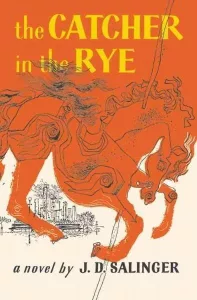
A character’s fleeting facial expressions, like a twitch of the lips or a nervous glance, reveal deeper emotional layers. Holden Caulfield, in The Catcher in the Rye, provides a prime example of this. He describes giving “one of those small, tight smiles” that he uses when feeling depressed. This simple smile conveys more than words could—an inner turmoil, a quiet judgment. Readers understand immediately that Holden’s smile isn’t friendly, but one of disapproval, adding to the complexity of his character.
2. Body Language
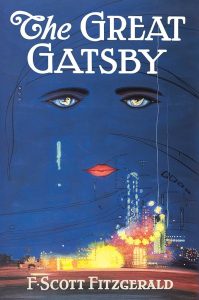
Body language can speak volumes about a character’s true intentions. In The Great Gatsby, Jay Gatsby’s posture—always confident, open, and engaging—helps him project the image of wealth and success he craves. His body language becomes a mask for the character’s insecurities and hidden desires, which is later revealed throughout the story. This subtle communication between the character’s physical presence and the story’s underlying themes enhances the depth of the narrative.

3. Vocal Cues
The way a character speaks—whether their pitch rises in excitement or drops with dread—can provide a clear indication of their emotions and intentions. In Lord of the Flies, Jack’s chilling chant “Kill the pig. Cut her throat. Spill her blood,” escalates as he and the others embrace violence. The shifting rhythm in their chant exemplifies their descent into savagery, a profound transformation in character and group dynamics.
4. Choice of Words
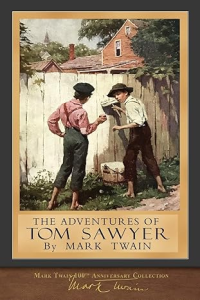
A character’s speech patterns reveal their background, social status, and education level. In The Adventures of Tom Sawyer, Mark Twain’s use of dialect and slang not only brings his characters to life but also defines the social boundaries within the story. By using specific phrases and informal speech, Twain highlights the differences between his characters, revealing much about their social class and personalities.
5. Habits and Mannerisms
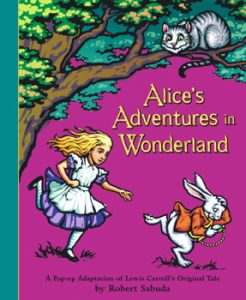
Every character has habits or quirks that can offer insight into their personality. Whether it’s a nervous tick or a consistent routine, these traits can help define who they are. In Alice’s Adventures in Wonderland, the White Rabbit is always checking his watch, embodying the character’s anxiety and obsession with time. This simple habit reinforces his role as a frantic, disorganized figure, adding another layer to the story.
6. Reactions to Others
A character’s response to someone else can be just as telling as their actions. In One Flew Over the Cuckoo’s Nest, Nurse Ratched’s subtle shift in her facial expression—a tightening of the mouth and a sharp look—signals that Randle McMurphy has crossed a line. His own response—initial shock followed by anger—reveals the underlying tension in their relationship and foreshadows the power struggle to come.
Final Thoughts: Layering Character Development Subtext
Subtle details make your character development more engaging and dynamic. The magic lies in how these hints are carefully woven into the fabric of your story. Each gesture, word, or expression adds depth and complexity, bringing your characters to life and allowing readers to connect with them on a deeper level. By understanding the nuances of character development, you’ll be able to create unforgettable characters that linger in the minds of your readers long after they turn the final page.
Chanticleer Editorial Services – when you are ready!

Did you know that Chanticleer offers editorial services? We do and have been doing so since 2011.

Tools of the Editing Trade
Our professional editors are top-notch and are experts in the Chicago Manual of Style. They have and are working for the top publishing houses (TOR, McMillian, Thomas Mercer, Penguin Random House, Simon Schuster, etc.).
If you would like more information, we invite you to email Kiffer or David at KBrown@ChantiReviews.com or DBeaumier@ChantiReviews.com for more information, testimonials, and fees.
We work with a small number of exclusive clients who want to collaborate with our team of top-editors on an on-going basis. Contact us today!
Chanticleer Editorial Services also offers writing craft sessions and masterclasses. Sign up to find out where, when, and how sessions being held.
A great way to get started is with our manuscript evaluation service. Here are some handy links about this tried and true service: https://test.chantireviews.com/manuscript-reviews/
And we do editorial consultations. for $75. https://test.chantireviews.com/services/Editorial-Services-p85337185

Writer’s Toolbox