CHANTICLEER 10 QUESTION AUTHOR INTERVIEW SERIES
with Meredith Wargo
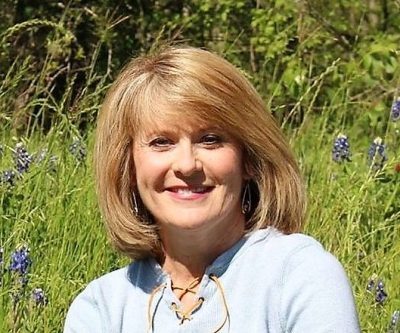
 Meredith Wargo, multi-award-winning author is smart – and exceptionally passionate about animals, especially those in need of rescue. In fact, Meredith sent the book into our Hearten Awards, and DAWGS: A True Story of Lost Animals and the Kids Who Rescued Them took home GRAND PRIZE in 2021!
Chanti: Tell us a little about yourself: How did you start writing?
Wargo: When I was first learning how to write, I used to copy Dr. Seuss’ books verbatim. From there, I started penning my own stories, always using colored construction paper and crayons as my medium. I would add little drawings to illustrate the story and staple my “book” down the long edge of the paper. My drawings were never that good, so I think that influenced my decision to focus on writing at an early age! But when I started college I chose music as my degree because I had taken piano lessons for ten years. After one semester of practicing in a tiny cubbyhole in the basement of the school’s music hall for hours every day while my roommates were out living life as normal college freshmen, I changed my major to journalism, realizing I’m happiest when I’m writing.
Chanti: That’s wonderful! I’m glad you discovered your happy place early on. What a life changing decision. Besides, you can always play the piano, right? Let’s chat about your writing. Describe your work. And, what led you to write in this category?
Wargo: Most of my professional career involved writing, editing, and marketing for a variety of industries, including the legal, architectural, and engineering markets. Working in a corporate structure helped me understand and appreciate how to work under deadlines. I also learned how to interview people and to distill their information to find the hidden gems. But I always had a desire to use my writing for things I felt passionate about. The famous cliché is to write about what you know and love, so I started freelancing on the side and writing about animals. I’ve had more than 60 articles published in a variety of animal-related magazines. Several of my articles have won Maxwell Awards from the Dog Writers Association of America, which is the most recognized professional writing association devoted to dogs.
Chanti: Congratulations on your wins! What an honor it must be to be so awarded for doing what you love to do. What do you do when you’re not writing? Tell us a little about your hobbies.
Wargo: Growing up I was a tomboy, which has spilled over into my adult life. I love being outdoors and experiencing all that Mother Nature has to offer. Hiking, cross-country skiing and playing tennis are some of my favorite activities. I am a native Texan but currently live in southern Utah, which is the perfect place for my love of nature. Since moving here, my husband and I have challenged ourselves to try new things. We’ve taken rappelling lessons, which is both exhilarating and terrifying at the same time! Learning to trust a piece of rope to get you safely down a steep cliff changes your perspective on things rather quickly.
Chanti: I bet! Trust issues are probably worked out rather quickly. Where do you find your inspiration?
Wargo: I have always been an animal advocate and I love helping the underdog (or cat) through animal rescue. From growing up with the family dogs to taking horseback riding lessons as a teenager, many of my happiest memories are those that include a four-legged creature. We can learn so much from the animals in our lives and I enjoy promoting the heroic efforts of animal rescue groups and shelters or sharing news about the latest advances in animal health and wellness.
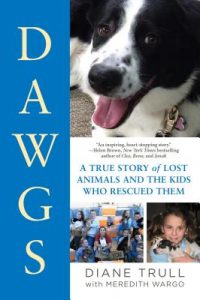
From the moment I first learned about Diane Trull and her fourth-grade students starting an animal sanctuary in the Texas Panhandle, I knew I wanted to write a book about their amazing journey. Too often, kids are criticized as being lazy or indifferent. I was so impressed with these students’ resilience and dedication that I wanted to shine a light on their efforts. I hope DAWGS inspires readers to realize that they can make a difference in whatever they feel passionate about. The human spirit can achieve great things and every small and not-so-random act can make a huge difference. It doesn’t matter your age or your size when you’re doing something you believe in. There are heroes among us everywhere and every day.
Chanti: So true. Thank you for that inspiration! I love how a bunch of fourth graders and their teacher have made such a huge difference in their community. As we move on, it’s important to work on your craft. What do you do to grow your chops?
Wargo: I believe that writing is a muscle that needs to be constantly developed so I enter my work in various writing contests and competitions on a regular basis. I usually gain great feedback as a result, and I think it’s just a good way to continue honing my skills. And because the publishing world is constantly changing, I try and take advantage of online courses that help me stay abreast of the latest. Technology has made tapping into these resources so easy there’s really no excuse for [not] taking advantage of them. I have also attended numerous writer’s conferences around the country, which have always been beneficial from hearing professionals speak on the craft to meeting other authors.
Chanti: I’m so glad you entered your work into Chanticleer’s CIBAs! Just look what happened – a Grand Prize! What craft books have helped you the most?
Wargo: Over the years, I have read a lot of books that have helped me in my writing, including The Artist’s Way by Julia Cameron, Bird by Bird by Anne Lamont and Stephen King’s On Writing. I’ve also read several books on how to become a successful freelance writer. Additionally, I’ve subscribed to many magazines such as Writer’s Digest, Poets & Writers, and The Writer.
Chanti: What advice would you give budding writers?
Wargo: I think being a writer means different things to different people. Regardless if you have aspirations to become a New York Times’ Bestselling Author or you’re simply writing to document your family history or penning your memoir, perseverance is key. Many people think that sitting down to write a book is easy but, like any other profession or career, you get out of it what you put into it. I once read that there are no new stories to write but because everybody’s perspective is slightly different then the possibilities are limitless. At the end of the day, you have to feel good about what you’ve written, no matter what others may think or say. I also think it’s imperative to read a lot, especially books that are in the genre in which you are interested in writing. Go where your passion lies.
Chanti: That’s great advice. Who’s the perfect reader for your book?
Wargo: I think one of the great things about DAWGS is that it appeals to a variety of readers. Those involved in education can use the book as a teaching moment to help students realize they have the potential to make a difference, no matter their age. Animal lovers will also relate to the book because it reinforces that animal shelters and rescue groups rely on the generosity of caring individuals and that every small and not-so-random act can make a huge difference to homeless animals as they wait for their forever homes. Because DAWGS is a book about hope and compassion, I think its message is timeless.
Chanti: Do you ever experience writers block? What do you do to overcome it?
Wargo: There seems to be an ongoing debate regarding writer’s block and if it’s real. I am here to tell you that it does exist! On days when my creative juices just aren’t flowing, I don’t force it. I walk away from the computer and focus on other things for a while, trying to engage a different area of my brain. But I have noticed that when I get in the habit of sitting down to write every day, writer’s block doesn’t happen as often. That’s not to say that what I write is always good or that I’m happy with the output but for me, just showing up on a regular basis seems to help.
Chanti: What is the most important thing a reader can do for an author?
Wargo: Readers are the lifeblood for any author and there are several things readers can do to help promote their favorite authors from adding the book to their Goodreads’ shelf to blogging about their favorite new read. But probably the most important thing is to simply write a review—even if it’s just a few sentences—and posting it to online bookstores and on social media sites. Book reviews influence buying decisions, plain and simple. And when readers are genuinely excited about something they’ve read, a book review is worth its weight in gold.
Chanti: Well said. And now, a new question…. What’s your favorite dessert?
Wargo: I am a chocoholic and proud of it! It doesn’t matter what shape or form it comes in; chocolate makes the world a better place.
Chanti: I agree!
Now, dear readers, if you would like to know more about Meredith Wargo and the books she’s written, follow this link: https://meredithwargo.com/ and remember to write those reviews!
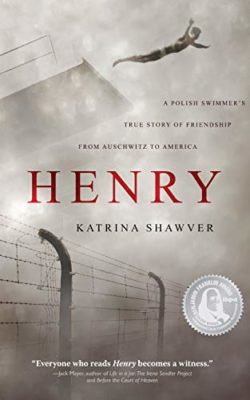
 Katrina Shawver, a journalist for a Phoenix newspaper, was seeking a story for her weekly column. She had heard from a friend that a Holocaust survivor named Henry Zguda and his American wife, Nancy, lived in Phoenix. She called Zguda and was invited to come to his home, only a few blocks from her own. Shawver quickly bonded with both Henry and Nancy. Then she and Henry decided to have a series of weekly interviews, which she would draw on for her column and, later, for a book—this biography.