Tag: Southern Literature

  • SAVONNE, NOT VONNY by Robin Lee Lovelace – Southern Literature, Myths & Legends, 1960’s

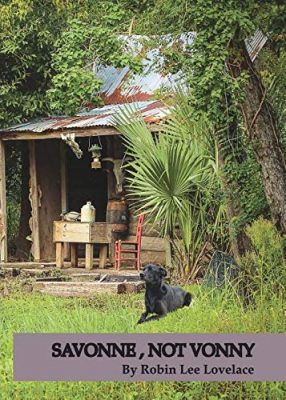
    Shorts Grand Prize for Short Stories, Novelettes, & Novellas Savonne, Not Vonny by Robin Lee LovelaceRobin Lee Lovelace evokes a world in which the mystical intertwines with the everyday in Savonne, Not Vonny, a coming-of-age story set in rural Louisiana.

    Nine-year-old Savonne lives in a small room at the back of Mama Gwen’s whorehouse, in Indianapolis in the ’60s. Her mama is one of the working girls, and her father is Mama Gwen’s own son. Savonne’s daddy dotes on her, and Mama Gwen loves Savonne like the daughter she never had; the two of them together make a loving home for Savonne, in the midst of their raucous brothel.

    By contrast, Savonne’s birth mother rarely pays her any mind. A “crazy-ass woman” with a temper “as hot as a Mississippi afternoon,” Coco is not at all opposed to beating the bejesus out of someone. In a fury one night, she does something that cannot be undone, and in her headlong flight out of town, she takes Savonne with her.

    And so it is that Savonne is forced from the only home she’s ever known and left in the care of her mysterious and reclusive great-grandfather, Pompey.

    With Pompey, Savonne enters another world, one of casual acquaintance with hoodoo and root work, a world where Papa Legba guards the crossroads and serves as an intermediary between the human and the spirit world, a world where an enemy might cast a subtle spell or command the serpents, or shapeshift into another form himself. However, as long as Pompey is there to guard her, Savonne is safe. She takes after her great-grandfather, and he recognizes that she too has the gift, the ability to conjure, “the natural.”

    But the day will come when Savonne is left to face the forces that would undo her, with only Leatha, Pompey’s old black dog all gone now to gray and stiff-boned, by her side. Before her journey home is over, Savonne must outwit an enemy far more powerful than she — and rely on help from the most unlikely of allies.

    Robin Lee Lovelace has conjured a world in which the seen and the unseen alike direct our days, in which the divine intermingles with the mundane, with characters so rich and fully realized they fairly leap off the page.

    Pick this story up for the delicious experience of diving headlong into a landscape reminiscent of those spun by the finest Southern writers in the American canon.

    Readers may find themselves racing through this novella to see how it all comes out for Savonne in the end, and likely wanting more of Savonne and her world (and maybe those allies too) in her full short story collection, A Wild Region, is available now!

    Savonne, Not Vonny by Robin Lee Lovelace won Grand Prize in the 2020 CIBA Shorts Awards for Short Stories.


    5 Stars! Best Book Chanticleer Book Reviews

  • LADIES in LOW PLACES by Mary Ann Henry, a collection of short stories

    LADIES in LOW PLACES by Mary Ann Henry, a collection of short stories

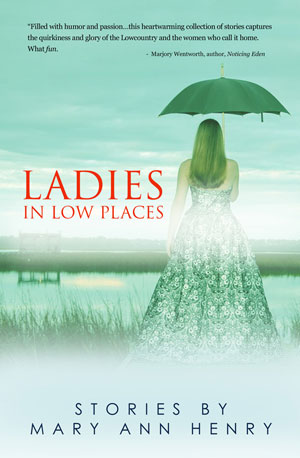
    Mary Ann Henry’s debut short story collection, Ladies in Low Places, paints a vivid portrait of multiple generations of Southern Women examining where they fit in with today’s rapidly changing world. Deeply imbued with a sense of place, most of the stories in this captivating collection are set in or around Charleston, South Carolina, a city where the past bleeds dramatically into the present.

    Henry succeeds at creating 18 unforgettable characters from very different walks of life in the South, while she subtly weaves universal themes throughout the collection that will resonate with readers. The setting’s Lowcountry nuances are enchanting and serve to tie all of the stories together seamlessly.

    Each story is a refreshing portrait of a woman bucking convention or finally deciding to forego the traditional path. Among them, “The Basket Maker” and “Blood Orange” are standouts. “The Basket Maker” depicts the life of Charleston’s most powerful wedding planner as she is discovering that perhaps she is not as satisfied with her life as she might have believed. With just a dash of magical realism, the story is deeply emotional.

    In some of the stories, Henry writes with a powerful, authentic voice about characters not often seen in contemporary fiction: older women. One of these is “Blood Orange;” a lighter tale about a woman’s sixtieth birthday party and the travails one could face when dating at that age. Some of the stories focus on younger women, with a particularly hilarious story about a beauty pageant with three unlikely contestants titled “Hell Hole Swamp Queen.”

    The collection has deep undercurrents running just below the surface that allow profound glimpses into the tension between the grounding pull of traditional ties and the forces of modernity that many women must come to terms with as their own stories unfold.

    Even still, each one of the stories is a delightfully entertaining and poignant read that will linger and leave you wanting more.

    Ladies in Low Places is a passionately crafted collection that makes for an insightful, but humorous and uplifting, read. A wonderful sense of place, authentic voice, and vividly drawn characters make this work stand out from others about contemporary Southern women.

    Henry’s next project is a novel length expansion of the collection’s final story. Titled “The Wayward Daughter,” the longer format should give her leave to explore some of the tantalizing ideas and quirky characters presented in this collection.

  • An Editorial Review of “The Prodigal” by Michael Hurley

    An Editorial Review of “The Prodigal” by Michael Hurley

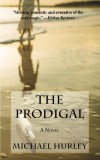
    Undoubtedly one of the best new books I’ve read, The Prodigal by Michael Hurley is the novel I tell everybody they must read.  This award-winning novel is a story that you will not soon forget.

    The Prodigal could be interpreted as a coming of age story, not of teenagers or young adults, but of the middle-aged. Mature adults who seem to have it all together, but grapple with insubstantiality.  Adults, who as arrows of Life’s bow, are missing their true target. These are the vividly drawn characters of Michael Hurley’s novel.

    A riveting and socially relevant tale, The Prodigal is a contemporary marvel of an allegorical story of vices and virtues, of Achilles’ heels, and odysseys into the unknown. Hurley spans two thousand years, several oceans, and eternal love with adventure and captivation.

    The protagonist, Aidan, finds himself stripped of all his privileged-trappings: professional kudos,  private clubs, top level connections, cash, even credit cards, due to a quick and nearly fatal bite from one of his own kind, an attorney of law. Aidan’s mentor sends him to the backwaters of Okracoke Island in North Carolina, a land  sequestered between the Pamlico Sound and the Atlantic Ocean, to get his bearings.

    Okracoke is often described as a geographical oddity with the folks to go with it. This quirky island has a single paved road and is only accessible by boat; it is so isolated that you can still hear traces of Elizabethan English spoken by the locals. It is as it has always been–a place treacherous enough to be a safe haven. It is here in Okracoke that Aidan meets the others whose fates and chances are bound up with his.

    The tides, winds, and currents of life propel us along in directions that, unless we take notice and change our sails, might endanger us, indeed, ensnare our very souls.  Hurley captures the forces that swirl among us; sometimes with dangerous gale strengths, sometimes with stalling headwinds, and sometimes becalming. And then there are those magical times in our lives when we have the wind at our backs and our sails on a broad reach going faster than hull speed—our eyes on the prize. The Prodigal portrays these moments with powerful writing that is finely nuanced.

    Hurley unfolds the timeless stories of transgression and forgiveness, of despair and hope, of damnation and redemption with brilliant subtlety in this riptide of a novel.

    The Prodigal was awarded the Chanticleer Best Book of the Year Award 2013 and the Somerset Grand Prize for Literary Fiction.

    2013-Hurley[fusion_builder_container hundred_percent=”yes” overflow=”visible”][fusion_builder_row][fusion_builder_column type=”1_1″ background_position=”left top” background_color=”” border_size=”” border_color=”” border_style=”solid” spacing=”yes” background_image=”” background_repeat=”no-repeat” padding=”” margin_top=”0px” margin_bottom=”0px” class=”” id=”” animation_type=”” animation_speed=”0.3″ animation_direction=”left” hide_on_mobile=”no” center_content=”no” min_height=”none”][Reviewer’s Note:  If you love the taste of salt on your lips, the stars above you and the wind in your face, The Prodigal will engulf you in its myriad of temperaments as it races against time, the elements, treachery, and power.  As a sailor myself, I must say Hurley’s portrayal of `The Prodigal’ sailboat as a metaphor for the Divine Heavenly Host, Savior, and Spirit is pure genius.]

    [/fusion_builder_column][/fusion_builder_row][/fusion_builder_container]