Tag: Slavery

  • Chanticleer 10-Question Author Interview Series with David Calloway – Historical Fiction, African American History, Slavery & the Civil War

    CHANTICLEER 10-QUESTION AUTHOR INTERVIEW SERIES

    with Award-Winning Author, David Calloway
    Hello friends, we have another fabulous interview for you today.

    In 2024, David Calloway took home the 2023 Chanticleer Grand Prize in the Goethe Awards division for his fascinating novel, If Someday Comes. Here, he tells us how he was inspired by his own family’s history to write If Someday Comes and the subsequent heights it is now reaching! Take a minute or two and get familiar with David to learn more about his ancestors’ amazing story. You won’t be sorry!

    Chanti: Your writing is very personal. What drove you to tell your family’s history?

    Calloway: The heart of my wish to write and to tell my family’s story was to record for the coming generations the stories I heard from the old folks as I was growing up. I wanted to preserve the struggles, hardships, and triumphs of my ancestors’ American lives.

    I think I always wanted to write, but put no real effort into it early in my life, as I was filled with self-doubts about my ability. Eventually I would overcome my inertia through the feedback and encouragement of close friends and family. In my professional life, I was in the motion picture and TV business, first as a cinematographer, then as a director, and then a producer. From day one, I read every screenplay – all revisions – and watched the words come to life on the screen.

    Slowly, I learned what worked to tell stories economically, so some story sense came by osmosis, some by study, some by practice. I took story structure classes, studied Robert McGee. I read Bird by Bird by Ann Lamott and On Writing by Stephen King. I talked with working writers about series and story arcs, plotting, character, and foreshadowing. I also attended writer workshops, retreats, and read other successful novelists.
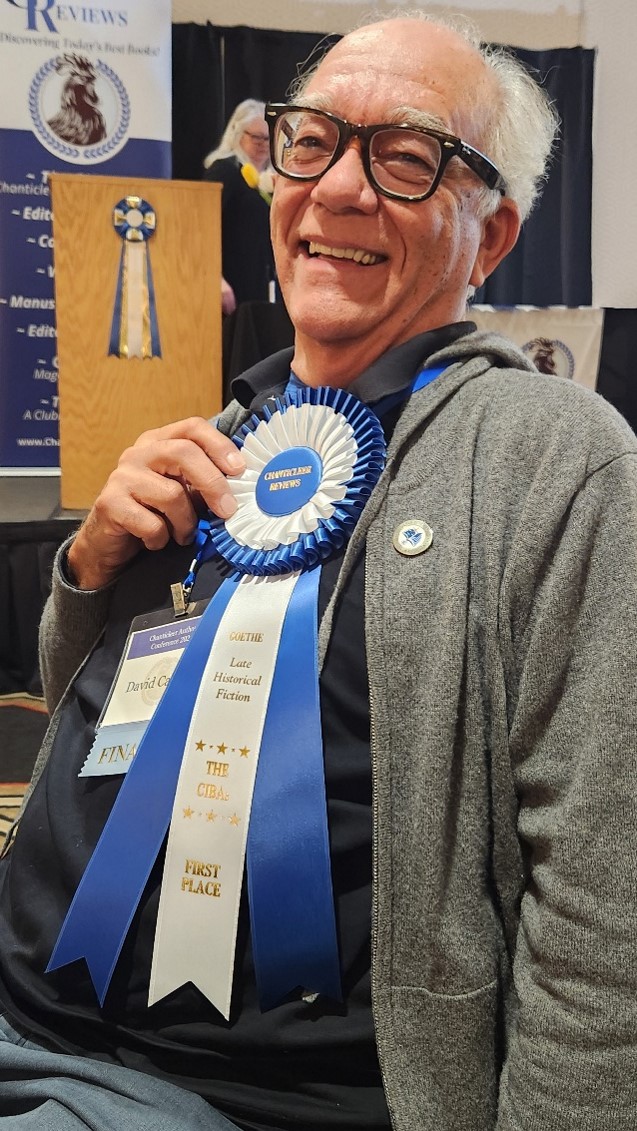
    CIBA award, Grey sweater, David Calloway, black shirt, conference, awards banquet

    Chanti: When did you finally feel you were an author and add that to your extensive resume?

    Calloway: The day I opened the box that brought the proof copy of If Someday Comes! Up to that point, there were many moving parts, the manuscript, the proof reading, the cover art, the endless formatting. Here in my hand was a real book, something anyone might buy. Unbelievably, it had my name as writer on it. It’s been published for many months, and I still find it hard to introduce myself as an author.

    Chanti: Your ancestor’s story is so compelling. What genre best describes your book?

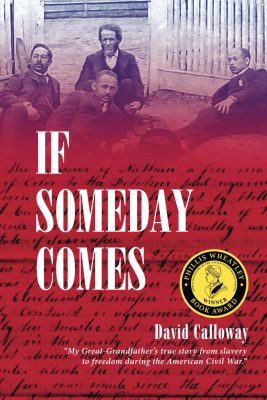
    Calloway: If Someday Comes is historical fiction, closely based on the true story of my great-grandfather’s life during the American Civil War. I grew up knowing where people were during that period, but their exact relationships were lost in time, so I filled out the characters and created the tone of the plot as I went. Comments from the old folks like “he was a nice man” are not enough. It’s hard to avoid retroactively applied values to those times, and I’m sure some of my twenty-first century “I have judgement” slipped in there somewhere, but the goal of getting his story into a book was my true goal.
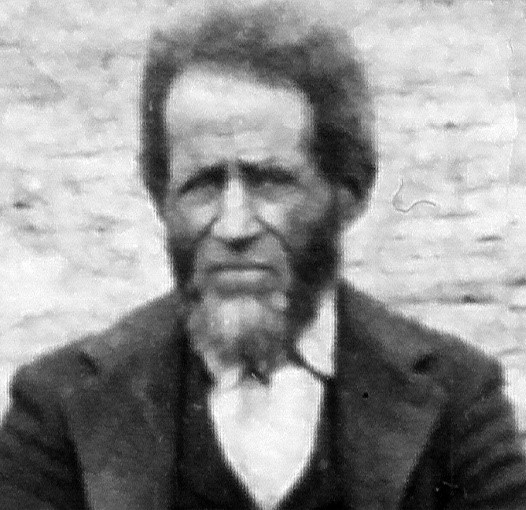
    Old photograph, African America, slavery, beard
    George Calloway

    Chanti: How did find the information you used to fill in the background of the story?

    Calloway: I read historical accounts of the period and subject, then added in my family’s tales of the past. I also created an outline of events for the story, and I used incidents I read about in books, letters, and newspapers for inspiration. The motivations of people never change for as far back as written history will allow us to see. Well-worn are the old trials of the human condition, and how often do we quote the Romans and Greeks on sex, greed, love, and jealousy. And of course, my own feelings on the same subjects.

    Chanti: That’s a rich way to develop both character and story! How do you approach your writing day? What is your routine?

    Calloway: “Sporadic” is my routine. I’ll write for several days, then none, then return to the page, then realize I need input, then read more history and other people’s work, stare at the blank screen, castigate my own procrastination, remind myself that no one is going to read this if I decide to cut it-so don’t worry. Then I despair that none will read the book anyway, convince myself that I’m hungry and a snack will get me going. I’ll check my email, take my dog for a walk, and then have lunch with old friends whom I’ve convinced my book is going great.

    Ad infinitum.
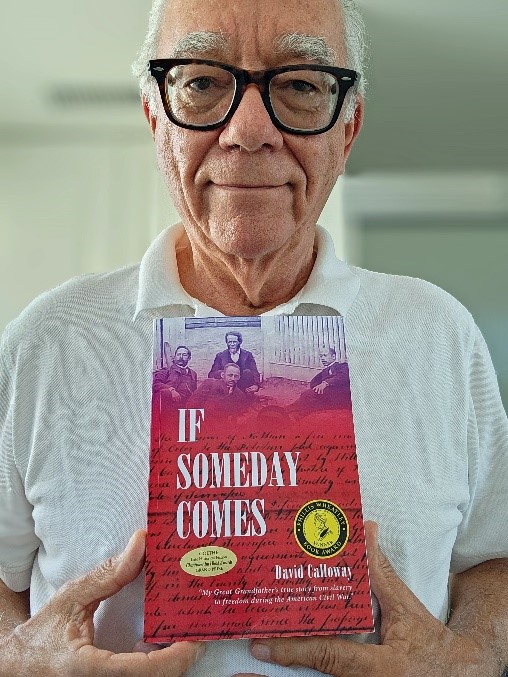
    David Calloway, If Someday Comes, White shirt, black glasses

    Chanti: What about writer’s block? How do you handle it when the words just won’t come to you?

    Calloway: Staring at an empty page with no ideas popping is tough. I write whatever comes to mind. It may have nothing to do with the book, or it may have a connection later on in the story. Some days are two sentence days, some are two-page days. I concentrate on my rights as an editor and will change or eliminate any thoughts, so I just jump right in.

    If I’m really stuck, taking a walk helps. I leave the phone at home, as I find stepping away from it resets the brain. Sometimes I imagine your main character with walking with me. And the phrase “I’ve got to sleep on it” is a maxim I refer to often, because problems are solved and ideas are generated by whatever part of the brain is working at night. It’s an approach that work for me… sometimes.

    Chanti: Those are great pieces of advice for breaking out of a block. Beyond writing, what sort of marketing tips do you have for authors?

    Calloway: Online ads are the only strategy that has worked for me. Spending lots of money in trade magazines has been a complete bust. I advertise on Amazon and Facebook. Set a budget and see how it works for you. Even so, It’s a struggle. Contacting public libraries, local papers, community clubs (Rotary, Elks, Chamber of Commerce) help – they always need luncheon speakers. I also make a point of being available for online book clubs and chats, and I have a website that has book reviews, awards, and links to other websites. www.IfSomedayComes.com. And I always encourage readers to write reviews online. It really helps others to decide to read the book.

    David Calloway, water, cap, grey, sky, land

    Chanti: What is your next project? Another story about a member of your family?

    Calloway: Yes! I am working on my Grandfather James’ story as historical fiction. He was born a slave in 1860, and grew up to become a surveyor and farmer. James and his brothers – all graduates of Fisk University – worked for and with Booker T. Washington in the building of Tuskegee Institute. James ran the farms and also taught farming. He was Tuskegee’s representative sent to Washington, DC to lobby for land grants to help finance the school. Later, James was hired by the German government and traveled to Togo to teach cotton farming.

    Chanti: Who are the perfect readers for If Someday Comes?

    Calloway: The book is a story of family, both before and during the Civil War. It highlights the close relationships between owner and slave, and as was so often the case, is about one large family separated by race and class.

    The story includes the good stuff, like love, courage, ingenuity, as well as the bad stuff of violence, cruelty, famine. Everyone suffered during the war; but remarkably, George (my Great Grandfather) kept everyone alive on both sides of the color line.

    It will be a book for anyone interested in the Civil War, the experience of slavery in East Tennessee, and the relationship of whites and blacks in the South.
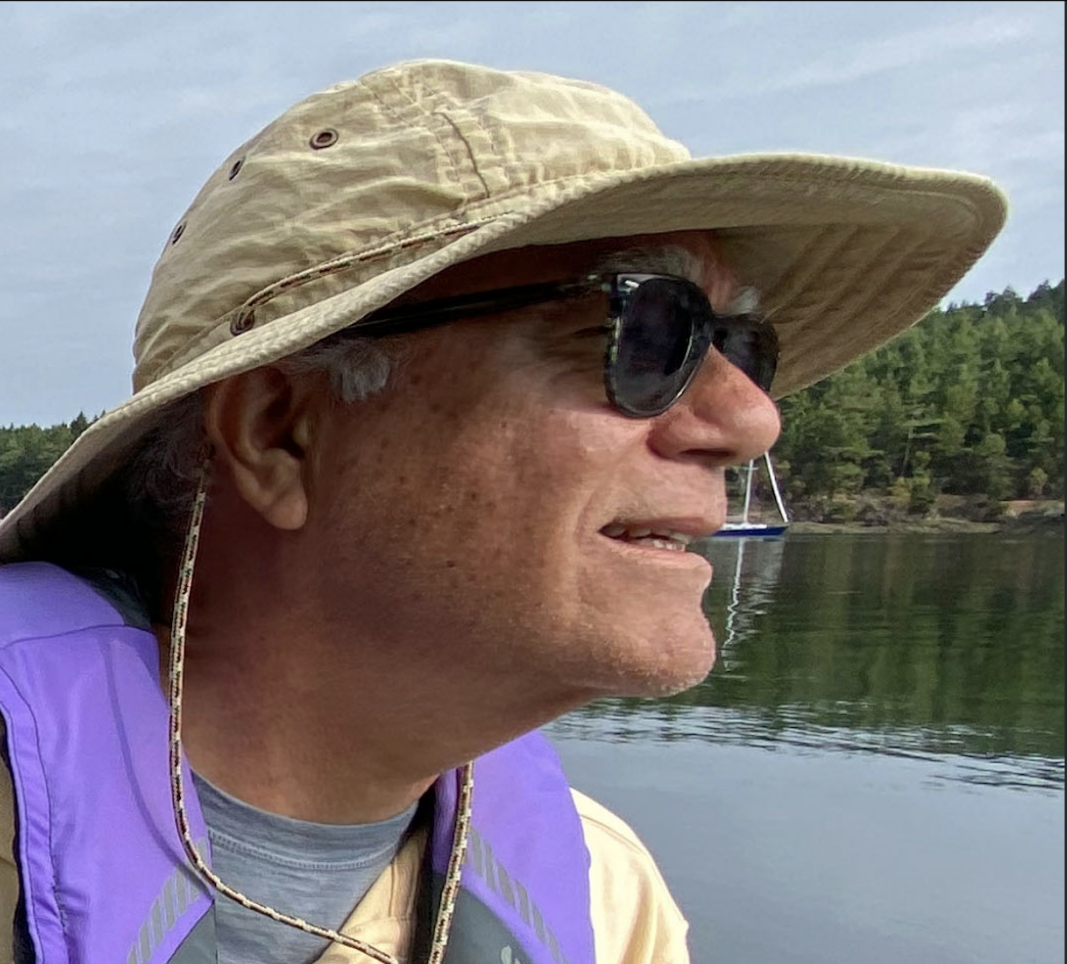

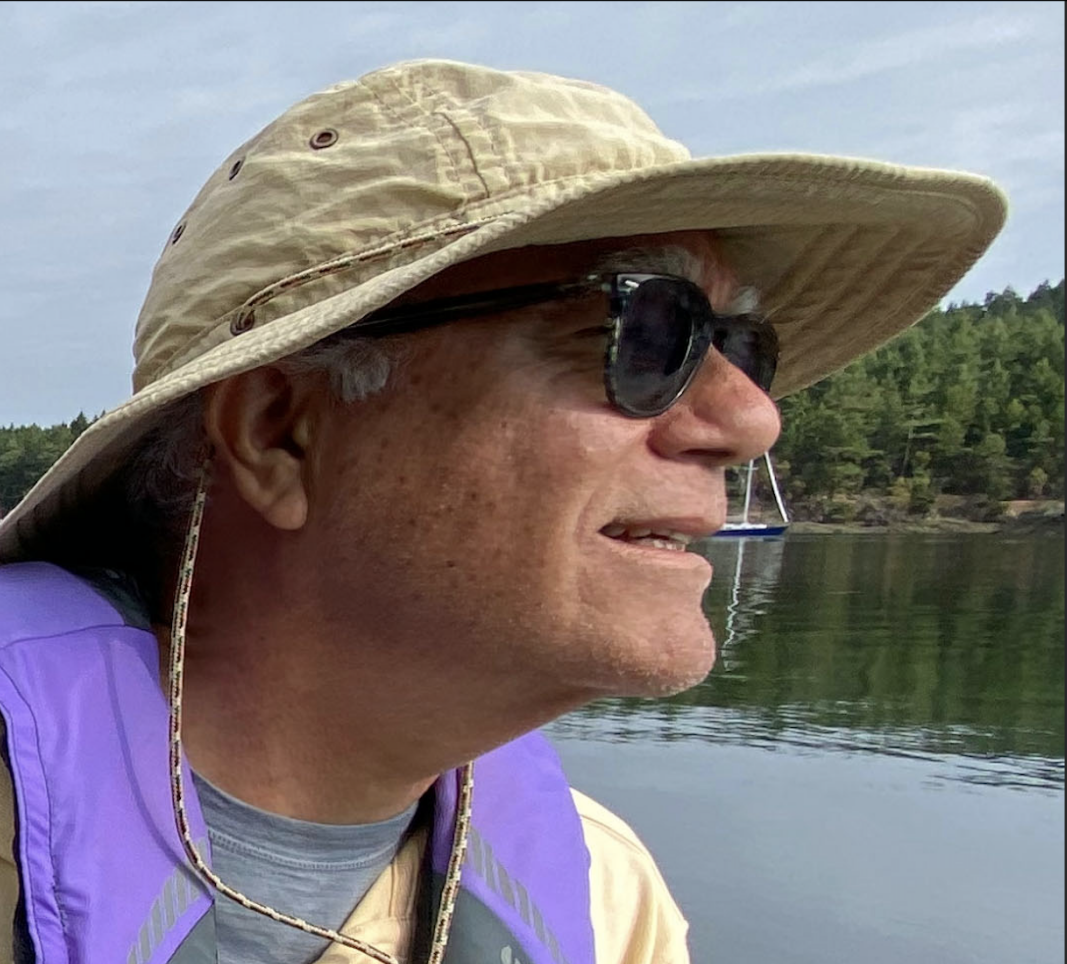
    man, hat, yellow shirt, water, land, sky, David Calloway David Calloway was born in Chicago and grew up in Palo Alto and Berkeley. Calloway holds an MFA from UCLA in Film Production. His first job was as an Editor, progressing to Cinematographer, then a Producer of features and television. He is a member of the Producer’s Guild, the Director’s Guild, and the Academy of Television Arts and Sciences.

    Calloway is a Director on the board of the Angel’s Gate Cultural Center and on the board of the Offshore Racing Outreach Foundation.

    Calloway lives and works in Los Angeles, California. You can find out more about David Calloway’s writing on his website.

    If Someday Comes available on Amazon in print and Kindle, and as an Audible book.
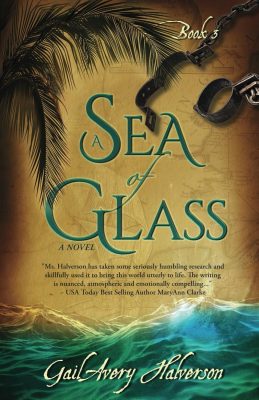
  • A SEA Of GLASS: The Stockbridge Series Book 3 by Gail Avery Halverson – Historical Fiction, Colonial America, Slavery

    blue and gold badge recognizing A Sea of Glass by Gail Avery Halverson for winning the 2023 Chatelaine Grand Prize


    A Sea of Glass by Gail Avery Halverson is a sweeping historical novel that captivates readers as it takes us from the bustling world of Colonial Boston to the shores of Barbados. But the island’s burgeoning sugar industry harbors dark secrets for those trapped there, either by circumstance or by slavery.

    The colonial backdrop is brimming with conflict. Businesses struggle under British taxation enforced by the hated Red Coats. With the dangers of traveling through pirate—and privateer—infested waters, there are more than enough shifting winds to keep readers engaged until the very end.

    Lady Catherine Abbott-McKensie, her physician husband Simon McKensie, and their daughter Charlotte, enjoy the pace of life in Colonial Boston, but their peace does not last long.

    After a very personal tragedy, Catherine starts imagining life would be better in her homeland of England. But when a free black woman who works for the McKensie’s attempts to do something out of the ordinary, Catherine finds she has reason to stay in Boston and stand up for what she believes is right.

    Catherine’s not the only soul struggling in this tenuous world of Colonial America.

    Her brother Charles is planning to invest in a sugar plantation in Barbados. He soon sets sail with his wife, Arabella, to visit the plantation in person. But on their way, they are beset by pirates and are separated from each other. Eventually, Arabella makes her way back to Boston, but her trauma from the pirate attack renders her nearly mute.

    News of the plundered ship sends Simon to Barbados to find Charles, and they both discover the dark underside of the “Barbados Plan to Prosperity.” A plan with dire costs to both Catherine, Arabella, and the slaves who smolder at their unjust treatment.

    A Sea of Glass includes excellently researched details, but its greatest strength is the relationships between the characters.

    The reader will find themselves invested in everyone’s lives, both in their successes and perils. The rich emotion behind these characters will make readers empathize deeply with them.

    As the third book in the saga of Lady Catherine Abbott and Simon McKensie, A Sea of Glass artfully shares the details a new reader would need, while not frustrating returning fans.

    Any lover of historical fiction will find a meaningful read in A Sea of Glass, with the preceding Stockbridge Series fully living up to it.

    A Sea of Glass by Gail Avery Halverson won Grand Prize in the 2023 CIBA Chatelaine Awards for Romantic Fiction.


  • IF SOMEDAY COMES: A Slave’s Story of Freedom by David Calloway – Historical Fiction, African American History, Slavery & the Civil War

    blue and gold badge recognizing If Someday Comes by David Calloway for winning the 2023 Goethe Grand PrizeDavid Calloway’s moving historical fiction, If Someday Comes: A Slave’s Story of Freedom, tells the true story of his great-grandfather George Calloway, born into slavery on January 8, 1829. in Cleveland, Tennessee.
    It is a tale of determination, perseverance, and achievement before and during the Civil War. If Someday Comes covers George’s final years in slavery; detailed accounts of the Civil War and its impacts on George and his family, both Black and White.

    It is a family saga of survival and endurance.

    The story begins in Cleveland, Tennessee, March 6th, 1857. We meet George and his family, his wife Elizabeth, their infant daughter Baby Caroline, and the stratified world of slavery in which they live. Thomas Howard Calloway (Marsa Thom), is their White owner who owns the East Tennessee and Georgia Railroad, the South’s only copper mines, and the local bank. He is one of Cleveland’s prominent town leaders.

    Lincoln wins the 1860 election and the White community reacts fearfully. Fort Sumter is attacked, the War begins. The families of East Tennessee are mainly pro union, including Thomas Calloway.  Cleveland is ‘occupied’ by the Confederate Army. The Union men flee to join the US Army or hide out in the nearby hills.

    George and his family begin to help ‘runaway’ slaves escape north, eventually helping White men to escape to the Union Army. The Confederates take all the guns and food from the Union families.

    Times get desperate: Marsa Thom is stripped of all his properties and must go into hiding among the caves in the mountains. George risks his life making repeated trips to the caves to take food and clean clothes to Marsa Thom for the duration of the war. Without the protection of Marsa Thom, George’s family is in constant danger of cruel punishments, violence, and exploitation.

    Union and Reb troops fight over the tiny town and vital rail line, with control passing back and forth between the two sides. Treachery and desperation add to the suffering of both the White Calloways and the Black Calloways.

    George becomes the undeclared head of both the White and Black families. With grit and determination, he provides for all, protecting them throughout the war.

    “I found that to understand America, you must first understand the Civil War. George was then, and remains, a hero of our family.” – David Calloway

    This account honestly and vividly depicts an era in history that should never be forgotten.

    Those that love the history of the Civil War will be fascinated by this retelling.

    David Calloway expresses his hope for the day when America will rise beyond the racist heritage that the founding fathers left behind. This award-winning historical masterpiece, If Someday Comes, combines the author’s relatives’ direct experiences and extensive, meticulous historical research to deliver a story that readers will appreciate through to the very end.

    If Someday Comes: A Slave’s Story of Freedom by David Calloway won Grand Prize in the 2023 CIBA Goethe Awards for Late Historical Fiction.


  • DAUGHTER Of HADES by Mack Little – Historical Fiction, Caribbean Piracy, Slavery


    Mack Little’s historical fiction novel Daughter of Hades explores the lives of slaves during the age of pirates.

    Little’s research shines in her thoughtful presentation of the Caribbean islands, the escaped slaves who found freedom amongst them, the lives of buccaneers and maroons, and their daring and dangerous exploits.

    On the first page, Little introduces us to Geraldine, or “Dinny”, running for her life from her owner, Owen Craig, who has just raped her.

    Dinny’s father had arranged for her to be removed from the plantation before Craig molested her, but he’d miscalculated Craig’s lust. Dinny is rescued by her twin brother, Jimmie, and Leixiang, and taken to the Hades, a pirate ship captained by the buccaneer Duff.

    Lei is drawn to Dinny, and when he finds out Craig raped her, he tells Duff against Dinny’s wishes. Duff organizes a retaliatory raid.

    Their revenge sets in motion a series of events that Duff and Company must overcome, namely the wrath of the Craig family.

    Little exposes the harsh cruelty and treatment of slaves during the 17th century, revealing a life in the Caribbean that was sometimes beautiful for the Maroons, but was also fraught with danger and the constant fear of being recaptured and punished to near death.

    Expertly building this world, Little fills it with characters that readers will love and hate, especially as they root for Dinny, Lei, and Duff.

    Dinny’s future looks bleak, and she gains knowledge of Owen Craig’s father that shrivels her heart against the Admiral and his housekeeper Jane.

    With the whole island aware of Admiral Craig’s deviant ways, and Jane’s assistance in finding him young boys to satisfy his lust, the clock is ticking before the island erupts in violence. Little’s plot twists and turns to keep readers on the edge of their seats as she slowly reveals the resolution to Craig’s revenge.

    Author Little’s research into the history of buccaneers and the lives they led– right down to the democratic approach some captains took in including their crew in the decision-making process– creates a rich setting for this tale. Her skill in developing such a varied cast of characters will delight readers, and the love story that ties the novel together will draw readers in until the very last page.

    Daughter of Hades will provide hours of entertainment and satisfy history buffs and romance readers alike. Little enthralls us with Dinny’s compassion, courage, determination, and strength, as this intelligent woman pursues a life of conviction and honesty.

    Daughter of Hades by Mack Little won Grand Prize in the 2022 CIBA Chaucer Awards for Early Historical Fiction.


    Gold Foil Book Sticker Chaucer Grand Prize

    5 Stars! Best Book Chanticleer Book Reviews

  • TROUBLE the WATER by Rebecca Dwight Bruff – Black & African American Historical Fiction, Biographical Fiction,

    TROUBLE the WATER by Rebecca Dwight Bruff – Black & African American Historical Fiction, Biographical Fiction,


    The 202 Best Book Grand Prize Badge for Trouble the Water by Rebecca Dwight BruffRobert Smalls’ life should have been one for the history books.

    Smalls was born a slave in Beaufort, South Carolina, in 1839. When the first shots of the Civil War were fired upon Fort Sumter, Smalls was an experienced helmsman aboard a small cargo ship plying the coastal waters of South Carolina and the neighboring states. Once the war broke out, he found himself working to support a cause that kept him, his wife, and their children locked in chattel slavery.

    But in a daring escapade that fell somewhere between a raid and a rescue, Smalls planned, with the help of his fellow crew members (also slaves) aboard the CSS Planter, to abscond with the ship, its cargo of munitions taken from Fort Sumter, and bring their families. The plan was to sail the ship as though its white officers were still on board, pretending to be carrying out their orders—at least until the ship was out of the reach of Fort Sumter’s guns.

    If they failed to fool the Confederate batteries as they passed by in the night, the crew planned to set fire to the munitions in the hold rather than return to slavery. If they didn’t manage to strike down the Rebel colors and raise a white flag of surrender before they reached the Union blockade of the harbor, they’d be killed.

    But no price was too high to pay for the hope of freedom.

    This is the story of Smalls’ life from his childhood enslaved to Henry McKee through his hiring out in Charleston to his well-planned, well-executed and incredibly lucky escape, told in this fictionalized autobiography as if seen through the eyes of Robert Smalls himself.

    The reader is inside the protagonist’s own thoughts and feelings as he grows from a childhood of slavery under the watchful eyes of his mother to learn at a very young age that the world in which he lives is designed to keep him in a cage. The unfairness of his world is in the very air that everyone around him breathes. To the point where those who benefit from that unfairness don’t even recognize that they are perpetuating the problem—no matter how good or how righteous or God-fearing they believe they are.

    The lessons are hammered home as Smalls grows up to be a man who can never chart the course of his own destiny or make his own decisions—until he takes that destiny in his own hands at the wheel of that ship.

    Smalls’ well-planned escape is the pivotal point of this true story. That desperate night makes for gripping, edge-of-the-seat reading as the small ship and its anxious crew, along with their praying families, ride the edge between hope and terror for a chance at freedom—no matter the cost.

    But the heart and soul of the story are in the hero’s journey from a childhood as he grasped the cruel institution of slavery through growing consciousness of his precarious place in a world set against him. It’s not just that the reader is able to walk with him, but in this first person perspective his thoughts are laid bare and the reader can feel him reach for his own truth – and his own answers. Rebecca Dwight Bruff wrote a timely and brilliant debut novel that captures the lion-hearted Congressman Robert Smalls who continued to push boundaries for the political rights of African Americans.

    Trouble the Water is an inspiring story of courage and grace under fire in its many forms. It rings with a voice of heroism along with thoughtfulness and sincerity. Stories matter.

    Trouble the Water won the Chanticleer Int’l Book Awards Overall Grand Prize for 2020. 

    5 Stars! Best Book Chanticleer Book Reviews