Tag: Setting

  • “It was a Dark and Stormy Night:” How Atmosphere Enhances the Plot and Crafts Immersive Narratives

    Shakespeare knew what he was doing…

    Creating a tangible atmosphere in your storytelling is often a subtle force that plays a critical role in shaping a narrative and enveloping your reader in the story.

    A good atmosphere – created through setting, tone, and sensory details – can transform a simple plot into a rich, immersive experience filled with bright skies, stormy weather, and everything in between. Here we’ll explore how atmosphere enhances the plot and why it’s essential for crafting stories that draws readers into their characters’ world and lets them experience it (nearly) first-hand.
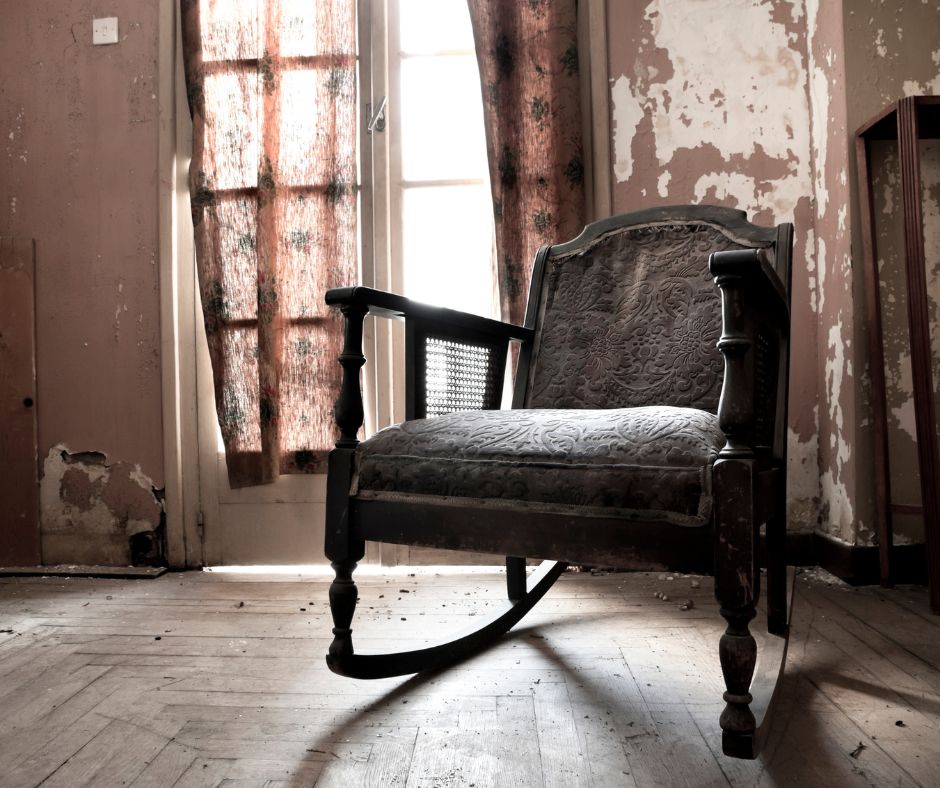
    rocking chair, deserted house, chipped paint, door, window, curtain

    Setting the Scene

    Atmosphere begins with setting. The world in which a story unfolds is more than just a backdrop. it influences mood, behavior, and narrative flow. Imagine a thriller set in a foggy, empty street at night versus one set in a bright, bustling city. The atmosphere created by each setting will evoke different emotional responses and drive the plot in unique ways.

    In Charles Dickens’s Oliver Twist, for example, the dark, oppressive atmosphere of a decaying mansion reflects the internal turmoil of Miss Havisham’s deteriorated mental state. By adding depth to the setting, it actually becomes a character in itself, influencing the actions and decisions of the protagonists. This synergy between setting and plot helps readers immerse themselves more fully in the story.
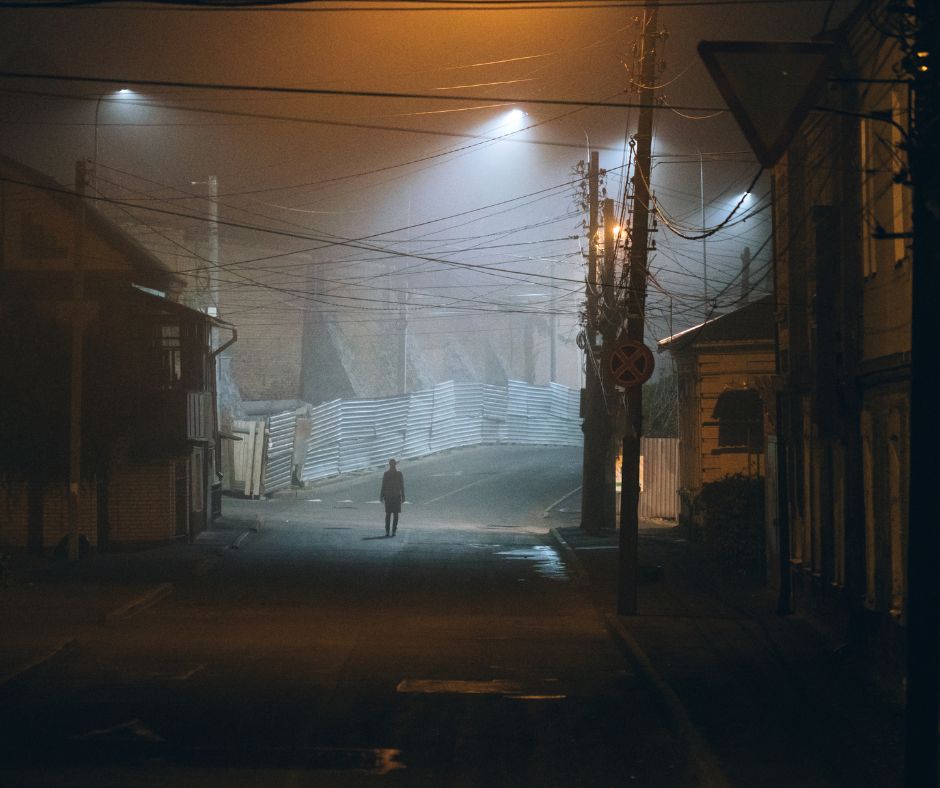
    Foggy, street, lights, person, city, alley

    Enhancing Tension and Suspense

    Atmosphere is crucial in creating tension and suspense. A story’s mood can build anticipation and keep readers on edge. For example, a tense atmosphere can heighten the stakes and make moments of danger feel more immediate and pressing.

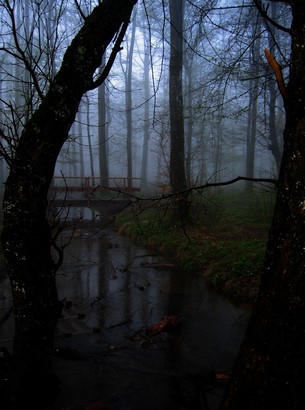
    Consider a suspenseful scene set on a foggy, deserted street. The shadows and lack of other people can amplify the sense of danger and unpredictability. The atmosphere makes the plot twists more gripping because it engages the readers’ senses and emotions, making the narrative’s tension more palpable.
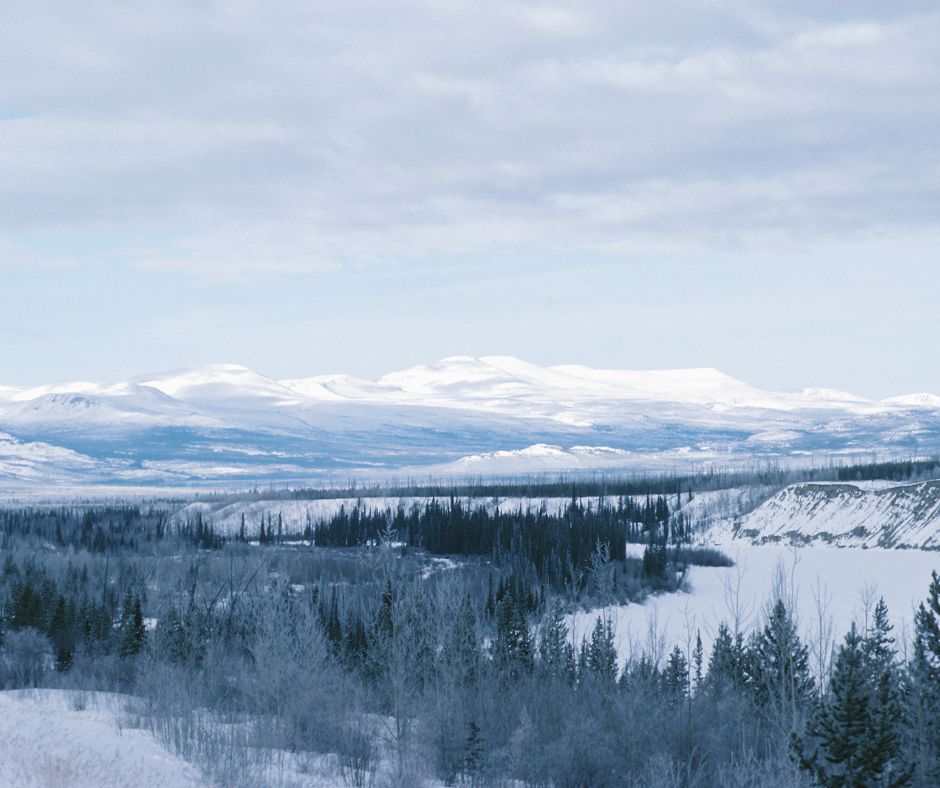
    snow, trees, clouds, blue, landscape

    Reflecting Internal States

    Atmosphere can also mirror a character’s internal state, providing insight into their emotions and motivations. For example, in the opening scene of Jack London’s White Fang we find two men traveling alone across the snowy Yukon Territory. Their lives are under constant threat from the world around them. This mirrors the theme of the story and the torment its protagonist experiences as a wolf left to constantly fight for his survival.

    This mirroring helps readers connect more deeply with the characters, as the external atmosphere echoes their internal struggles and triumphs. It adds a layer of emotional resonance to the plot, making characters’ experiences feel more authentic and impactful.
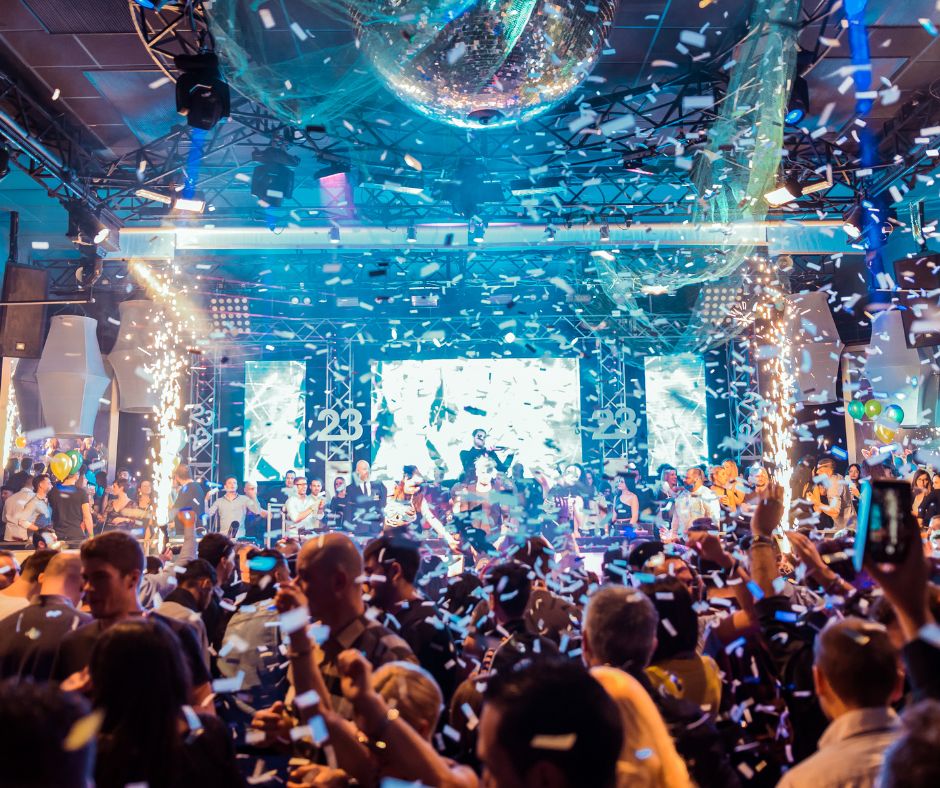
    party, blue, glitter, disco ball, windows, people

    Creating Symbolism and Themes

    Atmosphere can enhance themes and symbolism within a narrative. By weaving certain atmospheric elements into the story, authors can subtly reinforce thematic undertones and symbols. For instance, a recurring motif of decay and deterioration in a story can symbolize the moral or societal decline of the characters or setting.

    In The Great Gatsby, F. Scott Fitzgerald uses the opulent but hollow atmosphere of Gatsby’s parties to highlight themes of disillusionment and the emptiness of the American Dream. The atmosphere becomes a glittery vehicle for thematic exploration, enriching the plot’s complexity.

    Leonardo DiCaprio as Gatsby in The Great Gatsby 2013 film
    Leonardo DiCaprio as Gatsby in The Great Gatsby 2013 film

    Guiding Reader Expectations

    The atmosphere can guide readers’ expectations and shape their interpretation of the plot. A story that opens with a cheerful, light-hearted atmosphere might lead readers to anticipate a light, humorous tale. Conversely, a dark, foreboding atmosphere might set the stage for a more serious or tragic narrative.

    By manipulating atmosphere, authors can subtly influence how readers engage with the plot, leading them to anticipate certain outcomes or questions about the narrative’s direction. This is seen in Suzanne Collin’s The Hunger Games, where the shanty town world her heroine, Katniss Everdeen, is born into is used as a comparison to the opulent wealth of Capitol City. This adds layers of complexity and surprise to the story as she must use the smarts she gained in her original environment to survive in a new and unusual place.
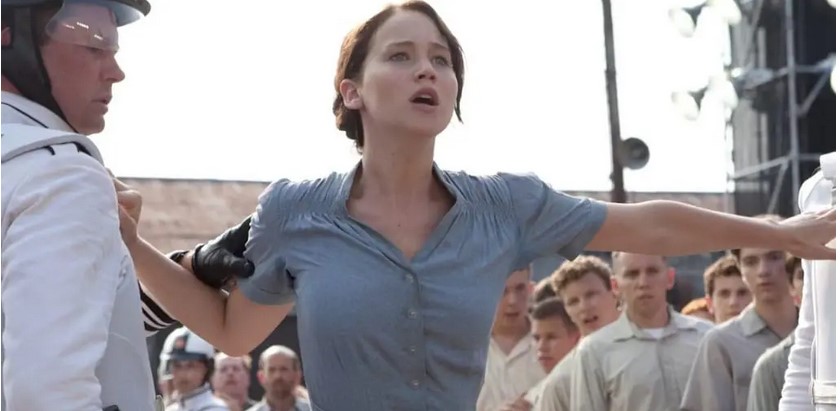
    Jennifer Lawrence as Katniss Everdeen volunteering as tribute in place of her sister at the barbaric Reaping for the Capitol.

    Deepening Immersion

    Finally, atmosphere plays a crucial role in deepening reader immersion. A well-crafted atmosphere can transport readers to another world, making the plot more engaging and compelling. The sensory details, emotional undertones, and overall mood create a rich tapestry that draws readers in and holds their attention.

    Whether it’s the cozy warmth of a small-town bakery or the cold, sterile environment of a high-tech laboratory, the atmosphere creates a sensory experience that enhances the plot and makes the story come alive. It helps readers visualize and feel the world of the story, making the plot more vivid and impactful.
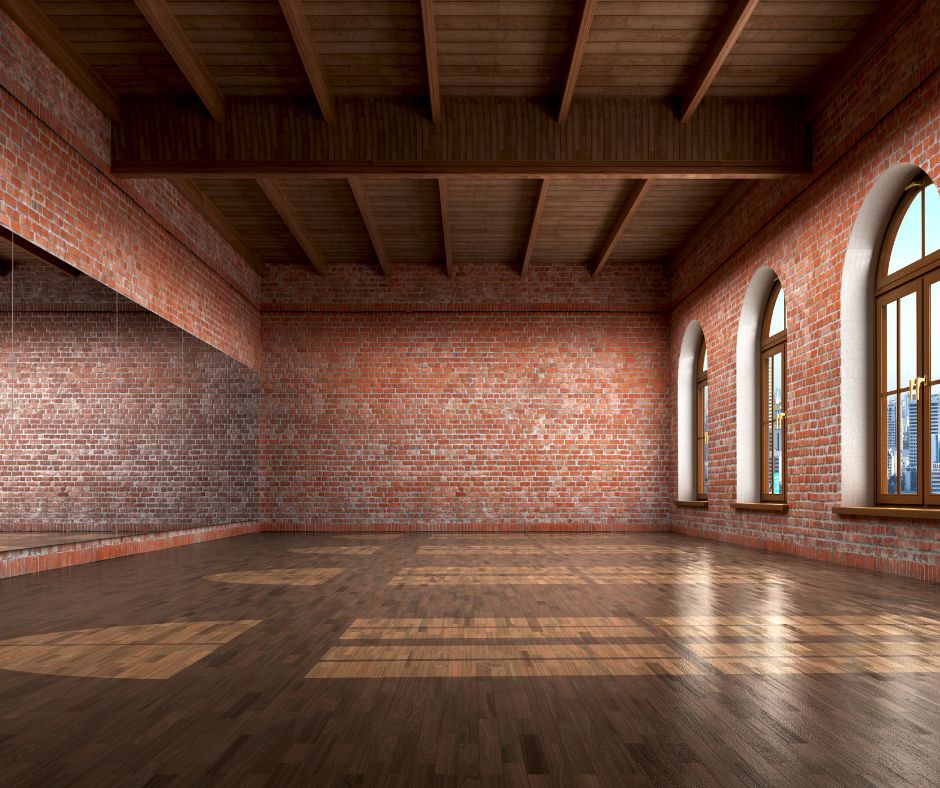
    Brick walls, windows, wood beams, wood floor

    Brick by Brick You Build A World Your Readers Can Feel

    Atmosphere is a powerful tool in storytelling, enhancing the plot in ways that go beyond mere setting. By influencing mood, creating tension, reflecting internal states, and deepening thematic elements, atmosphere enriches the narrative and captivates readers. When done effectively, it turns a simple story into an immersive experience, making every plot twist and character development resonate more deeply.

    So, the next time you’re crafting a story, remember that the atmosphere you create is as integral to the plot as the characters and events. It’s the subtle force that breathes life into your narrative and keeps readers’ attention until the very last clap of thunder!


    Chanticleer Editorial Services – We’re ready when you are ready!

    Did you know that Chanticleer offers editorial services?We do and have been doing so since 2011!

    Tools of the Editing Trade

    Our professional editors are top-notch and are experts in the Chicago Manual of Style. They have and are working for the top publishing houses (TOR, McMillian, Thomas Mercer, Penguin Random House, Simon Schuster, etc.).

    If you would like more information, we invite you to email Kiffer or Sharon at KBrown@ChantiReviews.com or SAnderson@ChantiReviews.com for more information, testimonials, and fees.

    We work with a small number of exclusive clients who want to collaborate with our team of top-editors on an on-going basis.Contact us today!

    Chanticleer Editorial Services also offers writing craft sessions and masterclasses. Sign up to find out where, when, and how sessions being held.

    A great way to get started is with our manuscript evaluation service. Here are some handy links about this tried and true service: https://test.chantireviews.com/manuscript-reviews/
  • MOOD – the Soundtrack of Fiction Works from Jessica Morrell’s Editor’s Desk – A Chanticleer Writers Toolbox Post

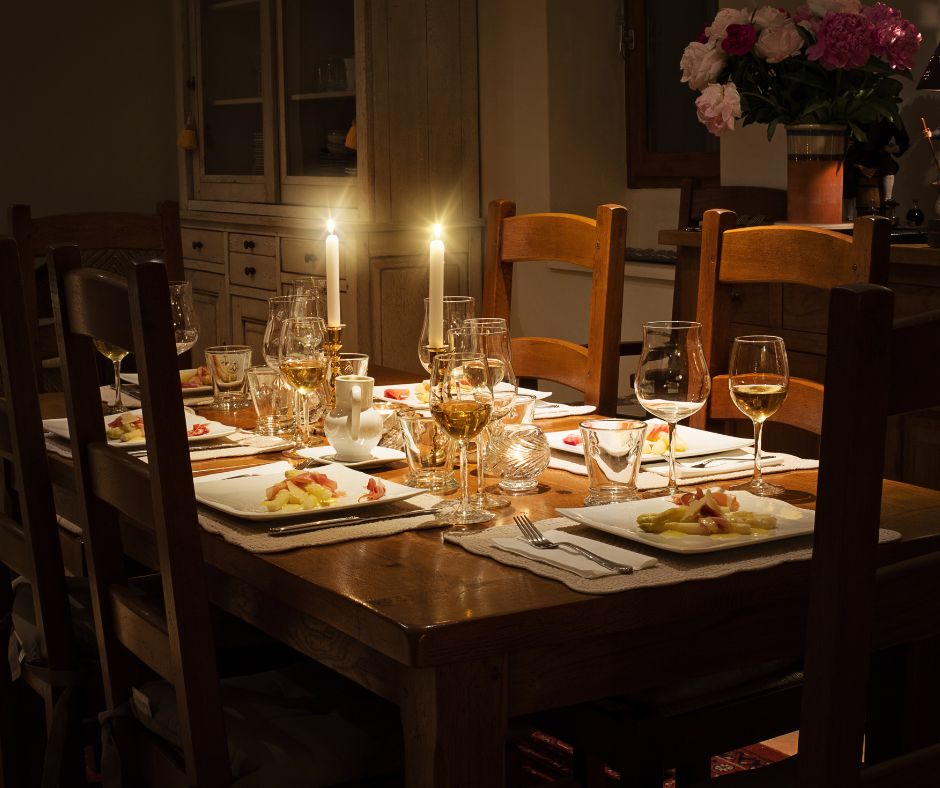
    Just as every dark and stormy night, dinner party, holiday gathering, or bustling office on payday are infused with mood, so are scenes in the best fiction.

    Mood affects, resonates, and reinforces the reader’s emotions, aids in understanding key moments, and enhances his or her immersion into the story events.

    Mood is the feel or atmosphere or ambience of a story or scene.

    ALL writing should evoke a mood.

    A tense mood is in the room as Miranda makes a toast to her soon-to-be cheating husband in Station 11
    Miranda at “that” dinner party that takes place in the STATION ELEVEN series. The tension is palpable.

    Mood is the Soundtrack of Fiction aka Mood as Backdrop

    Mood is omnipresent in the best books much like the soundtracks of notable films. As with movies without a soundtrack, fiction is not complete and captivating without having moods as a backdrop. Mood makes readers worry about heroines stranded in lonely castles and fog-bound moors. It feeds suspense and tension, and is in fact inseparable from them. It is essential to genres like horror, thrillers, and action, but is necessary to every moment in every story where you want a reader to feel a certain way. You can stage your characters in dramatic events but without setting up the proper mood, the characters’ actions will fall short.

    Mood is What Readers Feel While Reading Your Story.

    Mood is what the reader feels while reading a scene or story. It’s not the reader’s emotions, (though mood is designed to influence them) but the atmosphere (the vibe) of a scene or story. It’s the tornado heading for Dorothy Gale’s Kansas farm. In the film, once the viewers spot that towering tunnel and witness winds lashing the countryside, fear sets in. Will Dorothy make it to cellar in time?

    It’s what the reader notices, what gets under his or her skin. Not all readers will experience/perceive the same mood from a scene, although the writer tries to achieve a particular feel common to every reader.

    A quick example from everyday life–candlelight is soothing and soft; overhead fluorescent lights are harsh and even irritating.

    Tip: Mood should change and vary as the story moves forward. Moods in subplots should vary from the main storyline.

    Why Mood?

    • Deepens the reader’s experience.
    • Creates cohesion.
    • Enhances tension and suspense.
    • Evokes emotions, creates emotional connections to the characters and their situations.
    • Works with reader’s nervous system.
    • Underlines themes.
    • Mood helps fiction become more immersive, alive, lifelike and creates a backdrop for drama.

    Mood is Created by a Range of Literary Devices:

    • Setting
    • Conflict
    • Imagery
    • Sensory Details
    • Characters Reacting and Responding in Scenes.

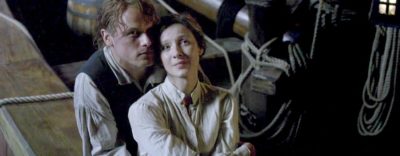
    Diana Gabaldon’s Outlander series is an exemplary example of infusing mood into scenes: joy, fear, longing, betrayal, expectation, disappointment, and so on.

    Evoking mood in fiction – Outlander by Diana Gabaldon

    Use Descriptive Language to Induce Moods

    While setting is most commonly used to induce moods, descriptive language is a potent tool and that decreases or amps up tension. In Dean Koontz’s psychological thriller The Face, a horrific storm lashes Los Angeles a few days before Christmas adding a delicious shiver of danger and tension. The weather is referred to in each scene, causes things to happen and creates an ominous, the ‘world-is-askew’ mood. For example, he writes, “In the witches’ cauldron of the sky, late-morning light brewed into a thick gloom more suitable to winter dusk.”

    • Mood is created on a word-by-word basis by choosing sensory details that stir emotions, but also by orchestrating pacing. Slow down for important moments, places readers need to savor. Pacing naturally speeds up when excitement is high, conflict is intense, action is nonstop. Short sentences and paragraphs communicate excitement, urgency, panic, anger, shock, and violence. Short sentences land a gut punch and demand readers keep zipping through the text.
    • While most stories, especially short stories,  have an overarching atmosphere, the ambience or vibe of a story will change over time and change in intensity.
    • Examples of mood: spooky, light-hearted, gothic, sexy, peaceful, ominous, brooding, funny, suspenseful.
    • Mood is linked to tension and suspense and getting under your reader’s skin.
    • Use mood to foreshadow.

    Remember that a  vague or pallid setting will create vague and pallid emotions/reactions in your readers. – Jessica Morrell

    Example as Mood as Backdrop

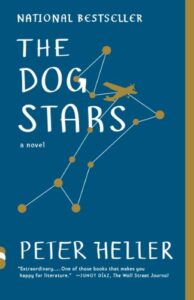
    Peter Heller’s brilliant novel The Dog Stars takes place in a future where the world has been ravaged by a pandemic that’s killed off most of the population. If that wasn’t bad enough, the natural world is dying off too. He wrote it in 2012. I’m a sucker for a post-apocalyptic novel, even when they’re shockingly prescient. I cannot recommend enough this beautiful, compelling, heart-wrenching story that invaded my thoughts for days while reading it. This backdrop to the state of affairs the protagonist Hig exists in, is dropped in on page 6.

    “In the beginning there was Fear. Not so much the flu by then, by then I walked, I talked. Not so much talked, but of sound body—and of mind, you be the judge. Two straight weeks of fever, three days 104 to105, I know it cooked my brains. Encephalitis or something else. Hot. Thoughts that once belonged, that felt at home with each other, were now discomfited, unsure. Depressed, like those shaggy Norwegian ponies that Russian professor moved to the Siberian Arctic I read about before. He was trying to recreate the Ice Age, a lot of grass and fauna and few people. Had he known what was coming he would have pursued another hobby. Half the ponies died, I think from heartbreak for their Scandinavian forests, half hung out at the research station and were fed grain and still died. That’s how my thoughts are sometimes. When I’m stressed. When something’s bothering me and won’t let go. They’re pretty good, I mean they function, but a lot of times they feel out of place, kinda sad, sometimes wondering if maybe they are supposed to be ten thousand miles from here in a place with a million square miles of cold Norwegian spruce. Sometimes I don’t trust my thoughts not to bolt for the brush. Probably not my brain, probably normal for where we’re at.”

    “I don’t want to be confused: we are nine years out. The flu killed almost everybody, then the blood disease killed more. The ones who are left are mostly Not Nice, that is why we live here on the plain, why I patrol every day.”

    Example of Mood Setting  the Stage

    “Stop that you’ll fall.”

    A week’s worth of snow has compressed into ice, each day’s danger hidden beneath a nighttime dusting of powder. Every few yards my boots travel farther than my boots intended, and my stomach pitches, braced for a fall. Our progress is slow, and I wished I’d thought to bring Sophia on a sled instead.

    Reluctantly, she opens her eyes, swivels her head owllike, away from the shops, to hide her face in her sleeve. I squeeze her gloved hand. She hates the birds that hang in the butcher’s window, their neck iridescent feathers cruelly at odds with the lifeless eyes they embellish.

    I hate the birds too.

    Adam says I’ve given the phobia to her, like a cold or a piece of unwanted jewelry.

    “Where did she get it from them?” he said when I protested turning to an invisible crowd, as if the absence of answer proved his point. “Not me.”

    Of course not. Adam doesn’t have weaknesses.

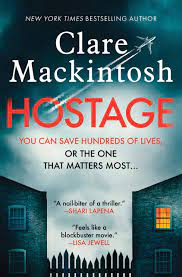
    This is the opening salvo for Hostage written by Clare Mackintosh, a ‘locked room’ thriller. The locked room in this story is a London to Sydney flight. It feels like a thriller doesn’t it? Those creepy dead birds, dangerous snow, and the husband-wife conflict signal something bad is going to happen.


    Keep writing, keep dreaming, have heart. Jessica


    Jessica Page Morrell
    Jessica Page Morrell

    Jessica Morrell is a top-tier developmental editor and a contributor to Chanticleer Reviews Media and to the Writer’s Digest magazine. She teaches Master Writing Craft Classes along with sessions at the Chanticleer Authors Conference that is held annually along with teaching at Chanticleer writing workshops that are held throughout the year. 


    Jessica Morrell’s Classes and Workshops at CAC22

    June 23 – 26, 2022 at the Hotel Bellwether, Bellingham, Wash.  In Real Life and Virtual!

    • Using Film Techniques for Fiction Writers – Camera angles, method acting for getting into a character’s pov, and creating subtext and tight dialogue
    • Your Brain on Writing
    • Captivating Co-Stars that add depth to your work-in-progress
    • Word Nerd Kaffeeklatsch with Kiffer Brown 
    • And more TBD!

    Don’t Delay! Register Today!