2024 Chanticleer Authors Conference focusing on Books to Film!
Kim Hornsby is a USA Today and Amazon Bestselling Author along with being a sold, multi-optioned, and produced screenwriter. Her Chanticleer Paranormal Book Awards winning novel, The Dream Jumper’s Promise, is in development with plans to film in late 2024. We are excited for her Romcom Christmas movie, Christmas in Crystal Creek, that is slated for filming in 24/25. She teaches adaptation of books to scripts across North America. Kim has a diverse portfolio of scripts and novels that include Christmas, thrillers, and stalkers, although not in the same story.
Top 25 Screenwriters to Watch in 2024, Kim Hornsby
We are beyond thrilled to have this long-time Chanticleerian join us again at CAC24 where she will present, teach, sit on panels, and participate. Kim will share her Books to Film journey with us along with the Tips and Tricks she has picked up on it. Don’t miss out on her special Kaffeeklatsch session either!
This book to film class is specifically an adaptation guide. Learn how to take your book, extract the scenes needed for a movie and turn it into a script. She concentrates on Plotting and Formatting (for film) with all the tips and tricks.
Thursday, April 18, 2 p.m. until 6 p.m.
Learn the Power of Pitch Decks, Log Lines, and Quick Pitches to Your Own Original Story to make an exec or producer realize they have to have this movie.
From Novel to Production – The Story of Dream Jumper’s Promise
How to Write the “TV movie” (which covers Hallmark Christmas, Lifetime Thrillers, and the 9 Act Script).
Why Write a Series Panel
Multi-Author Anthologies – the Why and How Panel In this session, Kim will touch on how she got her USA Bestseller status through a targeted campaign with other authors.
Life After You Finish Your Screenplay – How to market your work, yourself, be seen by producers, execs, studios. How to get a Lit Manager or Agent and if you need one.
All this and more, at the 2024 Chanticleer Authors Conference and the Chanticleer International Book Awards Banquet and Ceremony.
CAC24 Dates: April 18th – April 21st, 2024
Thursday, April 18th – Master Classes
Friday and Saturday, April 19th & 20th – Keynote Luncheons, Conference Sessions, Kaffeeklatsches, Networking “Happy Hours”
Saturday Evening, April 20th – The 2023 CIBA Banquet and Ceremony
Sunday, April 21st – Book Fair by Village Books (more info to come regarding Sunday’s activities). We have a few surprises in mind 🙂
CAC24 and the 2023 CIBA Banquet and Ceremony will be held at the Sheraton Four Points on Lakeway Avenue, Bellingham, Wash. Centered amid popular downtown attractions, the Four Points by Sheraton Bellingham Hotel & Conference Center is a haven of contemporary comfort and conveniently located.
The CIBA FICTION SERIES Book Awards recognize emerging new talent and outstanding works in any of our 16 Fiction Divisions where the author has written a series. The Fiction Series Book Awards is a division of Chanticleer International Book Awards and Novel Competitions (CIBAs).
Chanticleer International Book Awards (The CIBAs) is seeking for the best book series in all of its fifteen fiction divisions: Mysteries, Suspense Thrillers, Espionage/High Stakes, Young Adult, Middle-Grade Readers, Science Fiction, Fantasy, Supernatural and Paranormal, Romance, Historical Fiction. These books have advanced to the next judging rounds. We will put them to the test and choose the best among them.
These titles have moved forward in the judging rounds from the 2023 Series Book Awards Entries to the 2022 Series Book Awards Long List. Entries below are now in competition for 2022 Series Short List. Semi-Finalists are chosen from the Short List. Finalists are then chosen from the Semi-Finalists. All FINALISTS will be announced and recognized at the Chanticleer Authors Conference (CAC24).
The First Place Category Winners, along with the CIBA Division Grand Prize winners, will be selected from the 25 CIBA divisions’ Finalists.
We will announce the 1st Place Category winners and Grand Prize Division Winners at the CIBAs Banquet and Ceremony on Saturday, April 20th, 2024 at the luxurious Hotel Bellwether in Bellingham, Wash. sponsored by the 2024 Chanticleer Authors Conference.
These titles are in the running for the Short List of the 2023 Series Book Awards novel competition for Genre Fiction!
Join us in cheering on the following authors and their works in the 2023 CIBAs.
David Fitz-Gerald – Ghosts Along the Oregon Trail
Eric J. Gates – The Cull
CK Van Dam – On the Dakota Frontier
Michele L. Sayre – Darke Realms
Chuck Morgan – Crime
Jode Millman – The Queen City Crimes Series
John J Spearman – Perseverance Andrews
John J Spearman – Halberd
Sharon Michalove – Global Security Unlimited
McKinley Aspen – Shadows in the Wind
James Hutson-Wiley – The Sugar Merchant
Holly Brandon – Chastity Series
Mary Seifert – Katie and Maverick Cozy Mysteries
Jeannée Sacken – The Annie Hawkins Series
Ralph R. “Rick” Steinke – Jake Fortina
Amy Wolf – The Spinners of Time
Laura Teste – Book of Bad Manners Series
Jodi Lea Stewart – Silki, the Girl of Many Scarves
Mark A. Gibson – Hamilton Place
KD Sherrinford – Sherlock Holmes and Irene Adler romantic mysteries
Murray Pura & Patrick E. Craig – Islands Series
Tiffany Kahapea – Magic and Prophecies
Vincent M. Miceli – The Last Triceracorn
C.K. Donnelly – The Kinderra Saga
McKinley Aspen – Praesidium
Alice McVeigh – Warleigh Hall Press Jane Austen Series
Michele Kwasniewski – The Rise and Fall of Dani Truehart
Hari Hyde – The Honeygate Chronicles
Elizabeth R. Jensen – The Three Brothers Trilogy
Sophia Alexander – The Silk Trilogy
Rae St. Clair Bridgman – The MiddleGate Books
AG Flitcher – Boone and Jacque
Brooks Olbrys – The Adventures of Blue Ocean Bob
Lucinda Brant – Roxton Foundation Series
S. Lee Fisher – The Women of Campbell County
Andrew Sweet – Reality Gradient
Frank F. Weber – The Jon Frederick series
E. Alan Fleischauer – How the West was Won then Lost Annihilation
Elizabeth Woolsey – The Travels of Dr. Rebecca Harper
Tom Burkhalter – No Merciful War
E. Alan Fleischauer – Invisible Death
Dave Lager – The Ro Delahanty Novels
John J. Spearman – FitzDuncan
James T. Hogg – Girl with a Knife Books
Marieke Lexmond – The Madigan Chronicles
Tony Johnson – The Story of Evil
PROMOTING OUR AUTHORS!
This post has been posted on the Chanticleer Facebook Page. We try to tag all authors listed here in the FB post. However, for FB to allow us to tag an author, that author must LIKE our page and Follow Chanticleer Reviews.
Featuring authors like D.D. Black, book doctor Christine Fairchild, and Mark Berridge, our twelfth annual conference is shaping up to be excellent! You won’t want to miss out on the best tips around the business of being an author!
Seating is Limited. The esteemed WRITER Magazine (founded in 1887) has repeatedly recognized the Chanticleer Authors Conference as one of the best conferences to attend and participate in for North America.
Jennifer entered Mr. Hostler’s home, finding herself in an empty white room.
“Where’s your furniture?” she asked.
Mr. Hostler cocked a brow. “You don’t need chairs to talk, Ms. Trent.”
White Room Syndrome is an ominous name for a common problem in prose writing: the characters are acting, talking, and moving the story forward, but all in a scene that hasn’t been set through description. They’re in an empty white void. Despite the name, a literal white room is not required.
Chances are good you’ve seen White Room Syndrome at some point in your own writing, where an old friend’s attic, the car of a speeding train, or even the great outdoors aren’t described to the reader beyond those broad descriptions.
So, how do you paint a scene? Well, you can’t include every single detail about the locations your characters go to, not without sacrificing any hope of good pacing – or readers finishing your book. So, I’m going to go over five critical lenses you can use to figure out which aspects of a setting are most valuable to the story: The lenses of clarity, character, tone, imagination, and pacing.
First, the lens of clarity; you must construct the world to seem cohesive.
“Then where am I supposed to put this?” Jennifer demanded, shaking her sodden umbrella.
Mr. Hostler took it from her. “First, you ought to close it. You certainly don’t need any more bad luck. And, where else would it go?” He set it carefully in the umbrella stand.
“Hey! Where did that come from–”
“Why, it’s always been there. We live in a rainy city after all,” Mr. Hostler said.
Oh that’s where I left that!
Without a scene set in your reader’s mind, the actions of your characters will be harder to imagine, and immersion will suffer. Description bears much of the responsibility for maintaining continuity in your story, both at a small scale and a large one.
Focus on the specifics of your setting.
If your story is set in a desert town, then perhaps a room is filled with the hum of air conditioning, while sunlight bathes everything near the windows.
These small details will become part of your readers’ gestalt image of this town and its environment. So, rather than having a character comment on the heat of their city, you can simply let the dry stretch of sand, pitcher of ice water on the table, or faint smell of sweat comment on it instead. What an average person’s house looks, sounds, and smells like can tell you a lot about a town, from weather to economics to culture.
Building the world, piece by piece
On the smaller scale, try to describe important details for the actions of the coming scene.
If someone is going to lunge across their desk, then take a moment to describe that desk as the scene opens on the room around it. What’s going to fall and clatter to the floor? If one of your characters is worn down after a long day of work, about to have an argument with their inconsiderate partner, you might describe the car in the driveway that one of them will later angrily drive off in. Remember the principle of setup and payoff: willing suspension of disbelief thrives when important details are established before they come into action.
Not all details should be practical building blocks for the beats of a scene. As much as they can reveal the world itself, so can they reveal the people within it.
Consider next the lens of character
A description of a woman with butterflies in her stomach, of possibility in a beautiful world:
Pink crocuses beckon to the first rays of sunlight, eager on the riverbank. Marie’s fingers explored the spirals and stripes of the railing. To where did they all lead? On the far end of the bridge, a wooden board creaked faintly beneath Rona’s familiar blue boots as she stopped a few feet away. She seemed to belong on the bridge’s rising arch. Cool, piney air filled Marie’s chest.
You could fall in love here
A description of a woman who’s probably going to go missing in about two pages:
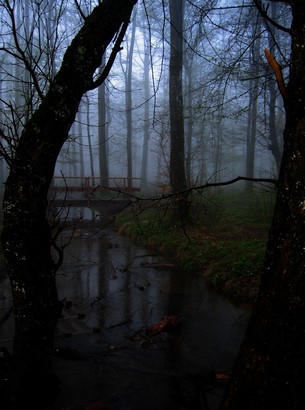
Dark green roots slithered out from the riverbank, disappearing beneath murk and silt. Marie’s every step was interrogated by the stark light of dawn. She traced the spirals of the wooden railing, but her fingers never quite escaped the splintery prodding of their coils. A sharp whine cut through the air, and Marie’s eyes darted up to find Rona, standing not but a few feet from her. Those heavy boots, sagging jacket, and long, flat hair all seemed to whisper that only a few old planks separated Marie from the sinking grip of the river.
Not a place to go walking alone
Because of the tone set by these descriptions, the conversation between these characters will have a strong foundation, with words that would otherwise mean very little now being heavy with implication (for better or for worse). Choose those details which tighten tension and keep your readers excited to see how this scene plays out.
This is a great time to employ sensory description beyond sight and sound. Yeasty baking bread, the calloused fingers of mountain wind on exposed skin, a disappointingly-unsweet taste of fresh cherry sap – details like these put your readers into the bodies of your characters, a powerful tool for establishing the emotional shade of a scene.
To spark imagination, use a lens of specificity
Find the balance of trusting your reader and showing them your world.
It’s not just a sunny day – the sun sears white even the empty sky around it. What can you describe in ten words that says a thousand about your setting? What could your character have on their desk that shows the fear seeded deep in their bones? How should the light fall in the old church, to make clear that something is very, very wrong in this town? These evocative details act as foundations, allowing readers to fill in the empty space without even realizing they’re doing it.
Give them enough of a groundwork to understand how a location feels, show them the striking details, but don’t spell out every mundane element of someone’s kitchen.
No hard and fast rules
These lenses aren’t requirements for every scene, especially as you’re drafting (consider this article by Michelle Rene on Write Fast, Edit Slow.) Lenses are useful tools for when you’re editing your work, thinking about what each line of description is supposed to do for your story.
Does it accomplish its goal?
Would something else be stronger in its place?
Could combine two lines into a single, more evocative one?
If you don’t know what color to paint your white room, try these lenses, and see what they can show you about the walls of your story.
Chanticleer Editorial Services – when you are ready
Did you know that Chanticleer offers editorial services?
We do and have been doing so since 2011.
Tools of the Editing Trade
Our professional editors are top-notch and are experts in the Chicago Manual of Style. They have and are working for the top publishing houses (TOR, McMillian, Thomas Mercer, Penguin Random House, Simon Schuster, etc.).
If you would like more information, we invite you to email Kiffer or Sharon at KBrown@ChantiReviews.com or SAnderson@ChantiReviews.com for more information, testimonials, and fees.
We work with a small number of exclusive clients who want to collaborate with our team of top-editors on an on-going basis.Contact us today!
Chanticleer Editorial Services also offers writing craft sessions and masterclasses. Sign up to find out where, when, and how sessions being held.
Thank you for reading this ENCORE Chanticleer Writer’s Toolbox article.
Scott Taylor – Editorial Assistant
Scott has worked as a book editor since 2020, with a BA in English & Writing from The Evergreen State College.
He facilitates a small writing critique group, and serves as an editor on the biennial anthology The Writer’s Corner. Scott’s book reviews feature on the Chanticleer Book Reviews website. His own writing centers on speculative and surreal fiction, from sci-fi & fantasy to magical realism, and has been published in the HamLit literary journal.
Beyond working on novels and short stories, Scott explores other media and modes of narrative, such as playwriting, tabletop game design, and music composition. He finds moving from one medium to another offers inspiration that feeds back into his prose work.
I learned a very long time ago in business school that “nothing happens until someone sells something.” [Henry Ford]
Selling is meant to create a chain reaction.
Pitching is the act of trying to sell something.
Selling (pitching) your book(s) is part of being a professional writer.
Pitching your book should put another spin on your book’s marketing flywheel to gain momentum for your book sales. The flywheel strategy creates a cyclical business pattern of success.
The idea is that a flywheel takes a lot of effort at the start, but once it gets spinning, it continues to quickly gain momentum and spin faster. This is similar to the snowball effect, where a snowball gets pushed down a hill as it progressively gets bigger and bigger until it is nearly impossible to stop before it reaches the bottom of the hill. The difference is that a flywheel never has to stop.
Amazon has a very intentional flywheel strategy. And, yes, it was written by Jeff Bezos on a paper napkin in 2001.
ATTRACT. ENGAGE. DELIGHT/ENTERTAIN
Elegantly simple.
The FLYWHEEL SUMMARY
The flywheel effect occurs when small wins (acquiring readers one at a time) accumulate over time, creating momentum that keeps your business growing (increasing your readership).
The concept is based on mechanical flywheels that power rowing machines and other devices.
Achieving the flywheel effect requires removing friction and applying force. In business terms, that means creating a self-serve purchase flow and applying “forces” to make the wheel spin faster, e.g., SEO, Meta-Data, and nurture campaigns.
A flywheel go-to-market model is well suited for selling books — easily replicated products such as books, e-pubs, audio-books, games, etc.
Flywheels attract and engage customers 24 hours a day – they’re literally working while you sleep. See SEO above.
Stay tuned for future posts on FLYWHEELS and how to create yours.
A Tiny Bit of Publishing History
We will circle back around to pitching. Please bear with me.
Amazon shifted the book-selling business by selling print books on July 16, 1995 and is now considered having the world’s largest collection of books. The first books were sold out of Jeff Bezos rented home’s garage. Remember that Bezos drew Amazon’s flywheel on a napkin in 2001. The rest is history.
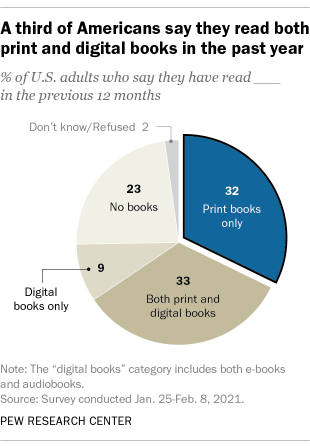
E-books have been around since late 1990s, but it wasn’t until Amazon released the Kindle book reader in 2007 that e-books (digital books) caught the general public’s attention and dollars.
Selling books online – digital books requires a very different approach – one that sells directly to the reader and works to make the work discoverable by potential readers/purchasers.
The Pew Research Center states that as of April 4, 2012 that only one-fifth (21%) of Americans have read an e-book.
As of now, 30% of Americans have read an e-book. This number has remained consistent since 2019 according to PEW Research.
The typical American reads five books a year (median – symmetric distribution) while the average (mean – includes outliers) is about 14 books per year per person.
Most Americans only have eight hours of free time per week. This is the window when reading a book (e-book or print book) for pleasure/leisure would take place. People could watch TV, play video games, play pickleball, golf, swim, etc. instead of reading during these rare free hours. Hence, this is why audio-books sales are increasing! Busy people can listen to books while they commute, knit, wash laundry, load the dishwasher, or rake the autumn leaves.
The point is “what is in your bag to sell?” If you are self-published, are your works available on a wide variety of platforms to reach your readers?
Audiobooks Hands-Free Reading
Now to circle back to PITCHING!
Whether or not you are pitching your work to a literary agent, a publishing acquisitions editor, bookstore staff, or, most importantly, a potential reader, you will need to know how to pitch your works.
Your literary agent will need to know how to pitch your book to publishers. They do not get paid until your book is under contract (and purchased).
The publishing house (you or a traditional publishing house) will pitch your books to “the trade” – booksellers, libraries, online selling platforms, and other brick & mortar outlets.
Most writers first exposure to pitching to agents is at writing conferences that offer “Pitch Blocks” or “Pitch Slams” where the conference host is paid (again, not the literary agent) a fee for hosting a session with a roster of agents who will listen to pitches. PNWA and Writer’s Digest offer these for a fee per block (WD $179 PNWA $100 per block). Pitch time is anywhere from five minutes to eight minutes per attendee and are on a strict time schedule with one pitch being delivered after another. There are different schools of thought of whether pitch sessions are helpful or not in obtaining a literary agent, but that is another topic.
How to Pitch at Conference Pitch Sessions
While it is normal to feel nervous when you are pitching your works, it behooves you to remember that:
You paid for this pitch session.
The clock is ticking.
There are many others pitching to the same agent.
Agents only want pitches on completed manuscripts or polished non-fiction book proposals.
Do your homework ahead of –make sure that you are pitching to an agent who is representing your genre. Visit their websites to see other books that they are representing.
First, most agents are forgiving of nervousness. It happens a lot and all that anxiousness will not help your pitch to stand out. Don’t spend your time apologizing for being nervous or explaining why you are not prepared. Doing so is wasting precious time. Rambling does not make a good impression. You want them to have your pitch echoing in their brains.
Come prepared. Over prepare. Have a prepared, polished pitch. Write it on a note card. Carry the card with you. Memorize your pitch. Read off from it if you need to. Believe me, the agent will appreciate this more than you hearing you hemming and hawing and umming.
“Or is your name Sir ‘Um’?” Knight’s Tale
They also do NOT want to hear about your ‘dreams and passions’ about writing. Everyone that is pitching to them is passionate about their writing. Agents are about salability. They have mortgages to pay, food to by, and their own dreams of vacations and income from discovering that next break-out Hunger Games. See “nothing happens until someone sells something” above.
Keep your pitch short. Have questions to ask the agent-your conduit to the world of publishing-about if there was something that appealed to them. What did not appeal to them or what was missing. Try to let the agent guide the feedback. This is your chance to get professional feedback, to listen and learn.
Also, keep in mind that agents are also seeking to represent writers who are open to feedback and pleasant to work with along with understanding the process of the publishing industry (that it takes time and effort).
Remember to bring your business card with your website and contact information. Say hello. Introduce yourself. Give your pitch early on so that the agent will have time to give you feedback on it. Ask questions instead of “explaining” your manuscript to the agent so that she will give you feedback.
When your session is over (Some are as short as three minutes. Eight minutes is considered to be a long session.). Thank them for their time and leave. The next person to pitch is waiting to take your spot.
If the agent does have interest, be sure to have your synopsis ready (printed) with your contact information in case she asks for it.
Less than 1 percent of writers at a pitch session will gain representation. It is about the same as cold querying (another post is coming on that — stay tuned). So, keep on writing, editing, refining. The main objective is for the agent at the pitch sessions to think that you are open and understand the business and marketing side of being a writer.
Most agents also understand that it’s a busy world and will allow simultaneous submissions. If they don’t, they might not be a good general fit for most writers.
Chanticleer Authors Conferences do not offer “pitch sessions.” However, we do offer sessions on developing pitches. We do have opportunities to make excellent connections with film agents, directors, publishing house acquisitions, literary agencies, and other professional connections in the content industry such as Maggie Marr, Legal (Film and Book Representation) and Scott Steindorff, President of Stone Village Film Productions
Mariners pitching prospect Bryce Miller gets his first start of spring — against team he grew up watching | The Seattle Times
What is a PITCH and/or LOGLINE?
Your story reduced to less than 33 descriptive words. EACH. WORD. COUNTS.
Brand your story with a compact package of words that will astonish and entertain. It’s a craft of its own! Continue to refine and refine your pitch to a concise sound bite.
A PITCH is NOT
A meandering description about the story
The opening scene
Side stories
Character names
Flash forwards
Psychological thinking
Don’t confuse platitudes for story – avoid them!
Get your ‘self’ (looking at you Writer) out of the way of your story
Never give away the ending
A PITCH consists of the following:
Identifying the main character (protagonist) using descriptive words — tonality – leverage your language/voice
Describe the world that character lives in (Fantasy? Dystopian? Barbie Land? Future? Stone Age? Future in a galaxy far away?
What sets the story in motion — the inciting event
The goal of the protagonist — central conflict — choice — action
What stands in the protagonist way – what is the conflict or who is antagonist?
The best loglines have a sense of irony. (There’s the conflict again!)
Answer all of the above in 33 words or less. Perfect words. Use active and visual language. This is where you should show off your word craft abilities.
How are loglines/pitches different than taglines? Pitches are descriptive. Taglines are provocative and are used for marketing. Don’t confuse the two.
Here is a classic example of a logline/pitch and tagline:
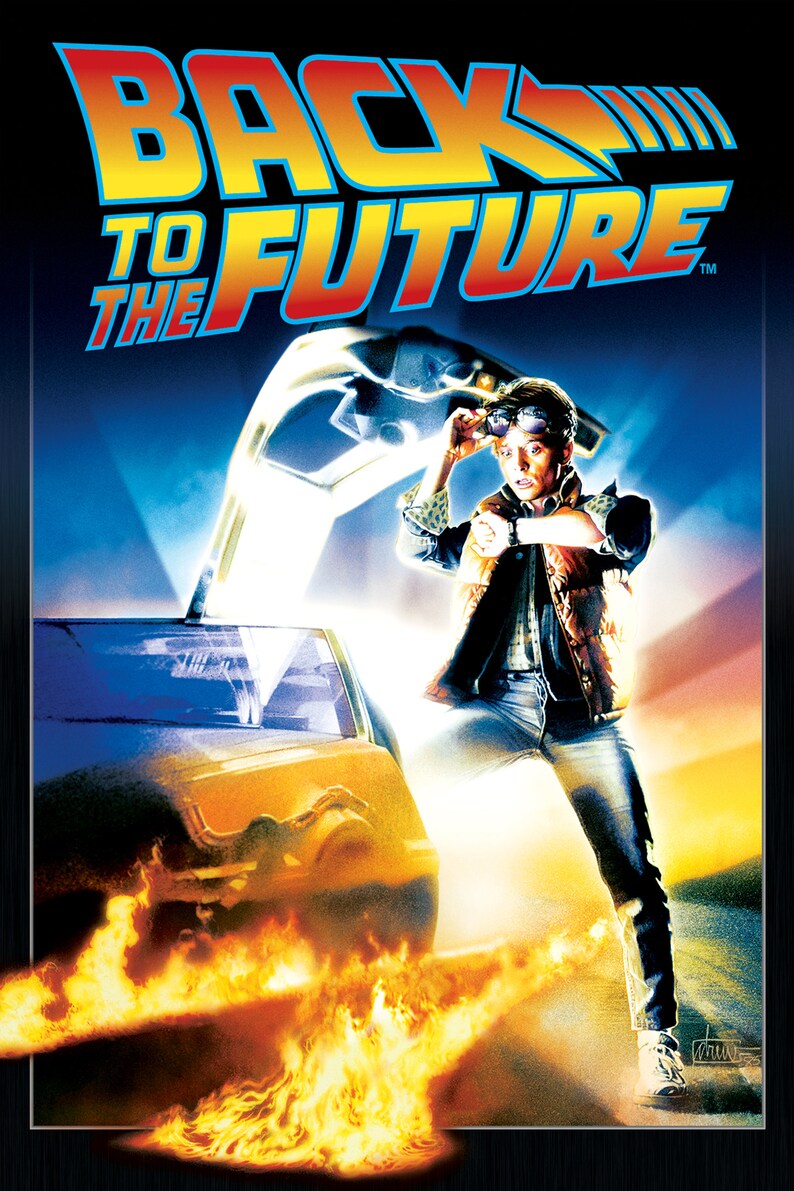
Back to the Future:
Logline: “A young man is transported to the past, where he must reunite his parents before he and his future cease to exist.”
Tagline: 17-year-old Marty McFly got home early last night—30 years early. (Notice that this tagline gives the tonality and targets the market for the work/film.)
In closing: The whole idea of pitching is to entice an extremely busy person to making time to read your work!
Next step: write a 50 word summary of your story. Bring it on your stationary along with your pitch on a notecard to your pitch session. Just in case! I’d even work on a tagline to give a visual!
An effective, evocative, compelling logline/pitch can propel your writing career forward and open doors and lead to conversations with industry professionals.
Join us as we delve into the Hall of Fame for Grand Prize Winners of the Shorts Awards – a realm where short fiction goes beyond genre. Starting in with the 2021 winners while the reviews for 2022 are processed!
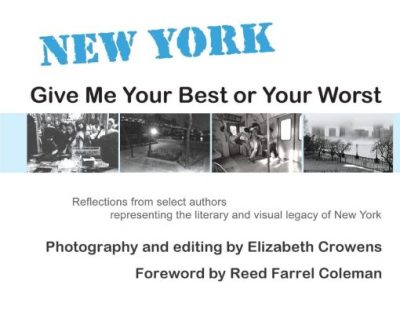
New York: Give Me Your Best or Your Worst By Elizabeth Crowens
Prepare to be carried away to bustling, vivacious streets as you read Elizabeth Crowens’ New York: Give Me Your Best or Your Worst.
This captivating literary anthology is a love letter to the great city from a group of brilliant artists and authors, which delves into the multifaceted lives of New Yorkers.
Short fiction and a few poems describe the ins and outs of New York living. Murder mysteries, revenge, family struggles, family sagas, and, of course, the most important questions regarding real estate. Finding the perfect place to live in the city may be difficult, but this story brings into vivid relief the heart of what makes New York special: the people.
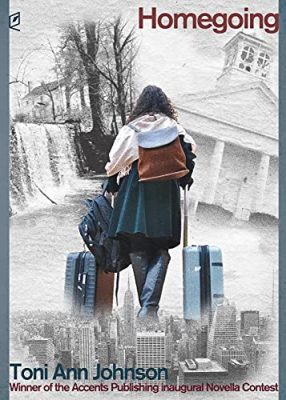
Homegoing by Toni Ann Johnson is an intimate portrait of a middle-aged African-American woman dragging herself hand over hand out of grief and despair.
This story begins with her aching, echoing pain after the one-two punch of a miscarriage and the dissolution of her marriage. Her journey takes her back to the upper-middle-class white suburb where she grew up, through childhood memories that refuse to be denied and to, of all times and places, a funeral.
Something and someone is supposed to be buried. Certainly the deceased. But quite possibly the woman who has held on to her losses and her grudges long enough to poison her own future.
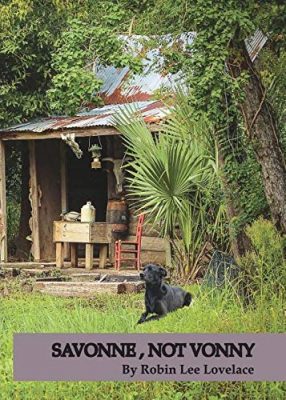
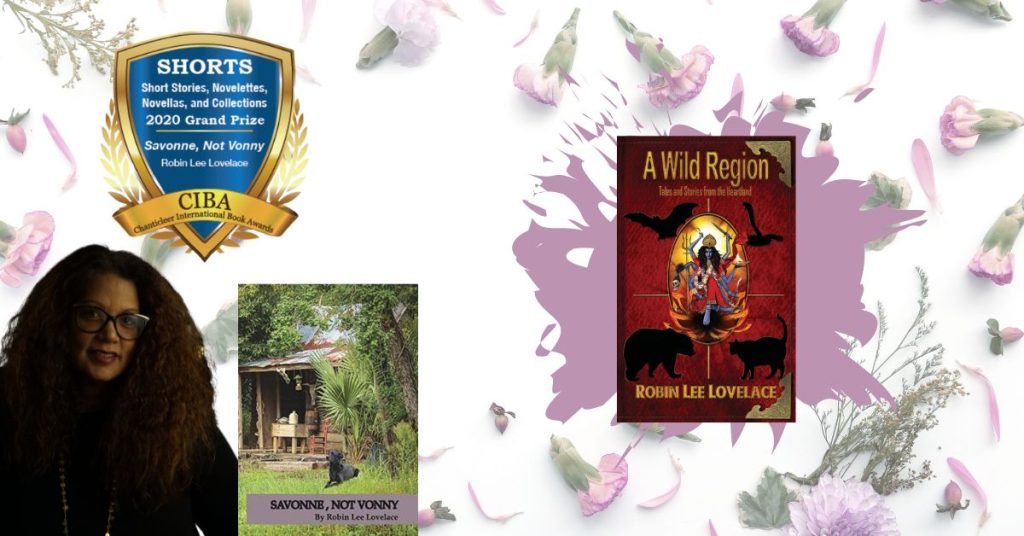
Robin Lee Lovelace evokes a world in which the mystical intertwines with the everyday in Savonne, Not Vonny, a coming-of-age story set in rural Louisiana.
Nine-year-old Savonne lives in a small room at the back of Mama Gwen’s whorehouse, in Indianapolis in the ’60s. Her mama is one of the working girls, and her father is Mama Gwen’s own son. Savonne’s daddy dotes on her, and Mama Gwen loves Savonne like the daughter she never had; the two of them together make a loving home for Savonne, in the midst of their raucous brothel.
By contrast, Savonne’s birth mother rarely pays her any mind. A “crazy-ass woman” with a temper “as hot as a Mississippi afternoon,” Coco is not at all opposed to beating the bejesus out of someone. In a fury one night, she does something that cannot be undone, and in her headlong flight out of town, she takes Savonne with her.
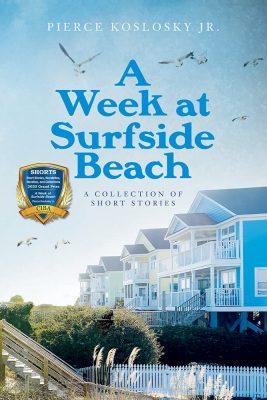
Vacationers from all walks of life converge on Portofino II-317C, South Carolina, a quaint blue beach house, in Pierce Koslosky Jr.’s short story collection, A Week at Surfside Beach.
From May 30th-December 26th each group of people comes to stay one week at a time, to forget their cares of the big city, to work, to celebrate, or to simply get away. Surfside Beach has much to show them, including temperamental weather.
The small town itself offers a charming supermarket where fishing supplies, whoopie pies, and local southern favorites can be found. The Christmas vacationers, the final of the thirteen beach house renters, struggle to find a tree in time; a real tree simply wouldn’t allow enough space for the family to sleep, and the fake tree would cost too much. But they find arts and crafts supplies in town, to fashion a paper Christmas tree during a day of rainy weather.
“Short stories are tiny windows into other worlds and other minds and other dreams. They are journeys you can make to the far side of the universe and still be back in time for dinner.”
― Neil Gaiman
Neil Gaiman
The Shorts Awards: Celebrating the Power of Concise Storytelling
The Shorts Awards, one of our newer divisions, have quickly become a cherished space for recognizing and celebrating the magic of short prose. While initially limited to fiction, the overwhelming demand from our authors prompted us to also embrace short non-fiction. As always, our commitment to meeting authors’ needs remains unwavering, and we’re thrilled to provide this platform for their literary achievements.
Short Prose: Where Seeds of Creativity Flourish
Short prose serves as both a starting point and a catalyst for literary journeys. It offers emerging writers a brilliant entryway to the world of publishing, allowing them to introduce their unique voices to readers. These brief narratives can often ignite the spark for larger projects, as exemplified by Robin Lee Lovelace’s Savonne Not Vonny, a hint of what was to come with her captivating collection A Wild Region. Lovelace’s brilliantly weird and magical tales tales of wonder and enchantment blossomed from the seed of short fiction.
Robin Lee Lovelace with her excellent fiction
Whether it’s mystery, romance, science fiction, or fantasy, short stories can transport readers across a spectrum of emotions and genres. This concise format becomes a canvas for authors to explore diverse themes and experiment with various narrative styles. Just as Karen Russell’s wonderful School for Girls Raised by Wolves provides the a launch point for her acclaimed novel Swamplandia short fiction often serves as the fertile ground where authors sow the seeds of larger tales.
Capturing Moments, Echoing Emotions
The succinct nature of short stories allows readers to hold an entire world in their hearts with a single reading. As Paolo Bacigalupi aptly noted, short fiction delivers targeted narratives—vivid hand grenades of ideas that explode in the reader’s mind, leaving an indelible mark. The brevity enables authors to encapsulate specific moments, emotions, and characters, resulting in stories that linger and provoke reflection. Indeed, while longer works may scatter across memory, short prose remains vivid and focused.
“Short fiction seems more targeted – hand grenades of ideas, if you will. When they work, they hit, they explode, and you never forget them. Long fiction feels more like atmosphere: it’s a lot smokier and less defined.”
― Paolo Bacigalupi
Paolo Bacigalupi
Evolving Ideas, Inspiring Creativity
The evolution of ideas often commences in the realms of short fiction. Authors nurture fledgling concepts within these concise narratives, which may eventually flourish into extensive novels or novellas. The transformation of small tales into grand sagas speaks to the inherent power of short stories as seeds that germinate into larger, more intricate narratives.
The Shorts Awards shine a spotlight on talented authors who are forging their paths through short prose. This division acts as a stepping stone for emerging writers, enabling them to connect with readers and gain recognition. Stories birthed within this realm can be the catalyst for a writer’s creative journey, ultimately leading to the exploration of diverse storytelling forms.
As Ezra Pound once said, “Poetry is a sort of inspired mathematics.” In a similar vein, short fiction celebrates the art of crafting narratives with precision, each word chosen with care and intention. The Shorts Awards showcase this brilliance, highlighting the power of brevity to ignite imagination, evoke emotions, and leave lasting impressions. Whether through fiction or non-fiction, these stories showcase the beauty of concise storytelling that resonates deeply within us.
Discover the Short Treasures
We invite you to explore the Shorts Awards section and immerse yourself in the world of captivating short stories and essays. Engage with these tales, share your experiences, and celebrate the remarkable journey that unfolds within each succinct narrative. We’re delighted to be able to recognize the excellent short stories, essays, novellas, and collections that come through these Awards. Sometimes, the little things really do matter the most.
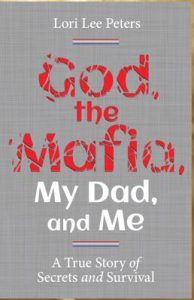
The Grand Prize Winner for the CIBA 2022 SHORTS Awards for Collections and Anthologies was: God, the Mafia, My Dad, and Me by Lori Lee Peters
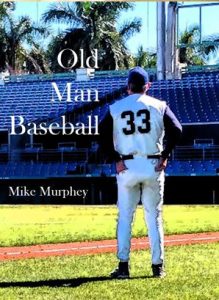
The Grand Prize Winner for the CIBA 2022 SHORTS Awards for Short Stories and Essays was Old Man Baseball by Mike Murphey
Reviews of each of these titles are forthcoming, and you can see the full list of Shorts Awards Winners here and here.
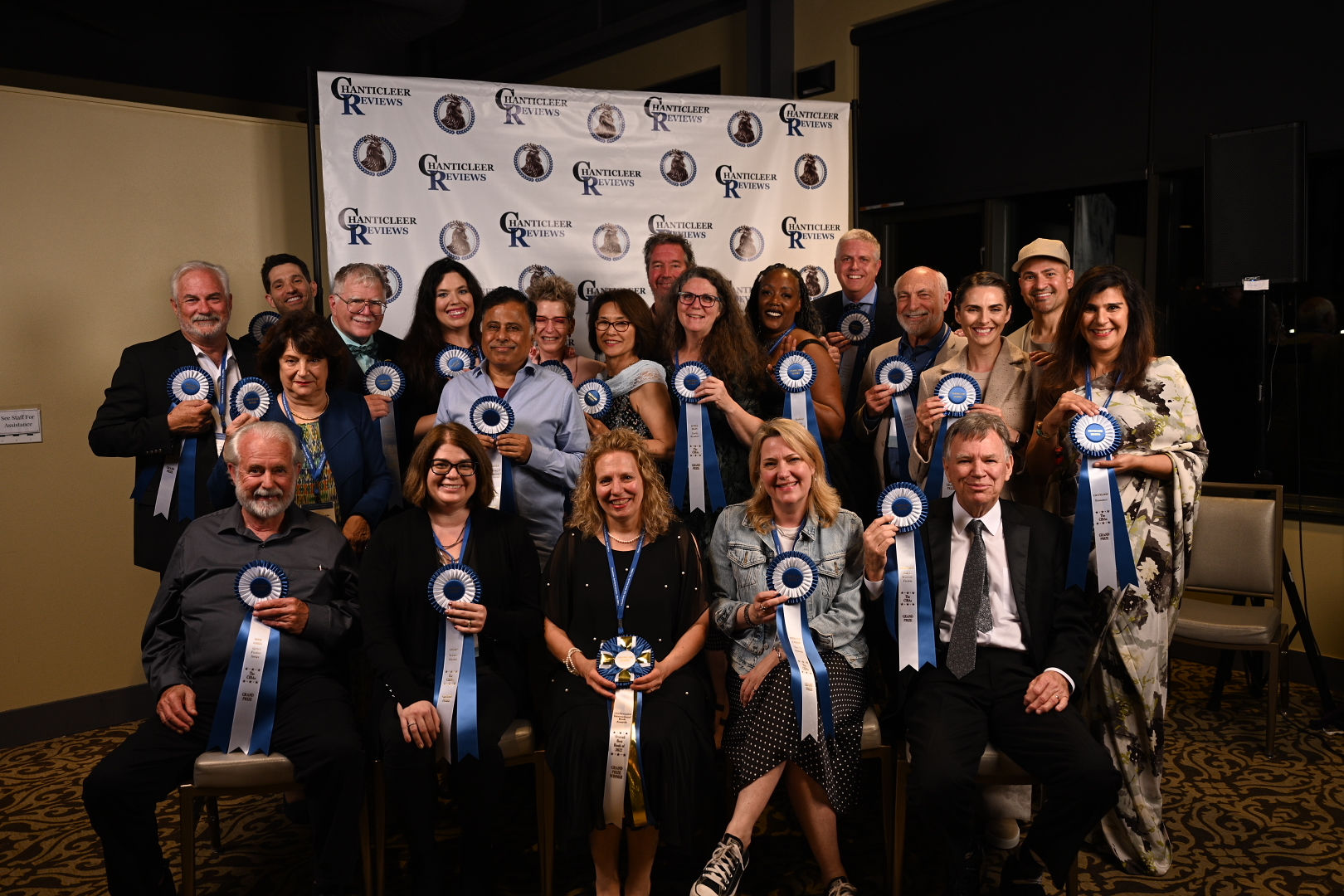
All the 2022 Grand Prize Winners are pictured below! See them all here.
A Huge Congratulations to all of the Chanticleer Int’l Book Awards (CIBAs) Finalists!
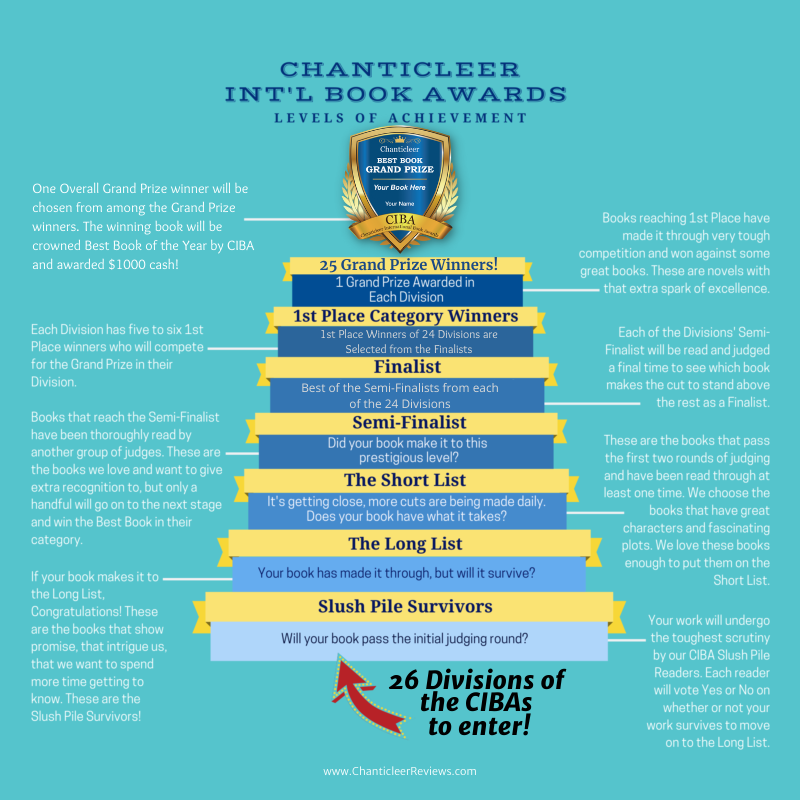
Every tier of the CIBAs is an important one, though few manage to rise this far in the ranks.
For our Shorts and Series Authors, this post has links to all of the Finalist Awards for the 3 CIBA Division Lists we have for Longform work like collections, anthologies, and novellas; Short Prose like Short Stories and Essays; and Series. We will have a separate post for Fiction and Non-Fiction.
All Finalists in attendance will be recognized at the Chanticleer Authors Conference, and we will announce the Winners at the CIBAs Ceremonies on Saturday, April 29th at the Chanticleer Banquet. We can’t express how excited we are to be able to do this in person with our fully vaccinated and boosted staff in a healthy metro area.
Now let’s take a step back and look at where we came from to make this happen.
The remaining tiers are the First Place Winner, the Grand Prize Winners, and finally, the coveted Overall Grand Prize Winners. The Overall Grand Prize Winner takes home the $1000 and more! See the Book Award details here.
Now, presenting the links to the Non-Fiction Awards Finalists
The Official 2022 CIBA Lists of the First Place and Grand Prize Winners for all Divisions of the CIBAs will start to be posted April 29th, 2023.
We have badges available starting with the Short List. If you need a digital badge reflecting your tier level, please email info@ChantiReviews.com with your division and rank, and we will send you one as soon as possible.
The 11th Anniversary Chanticleer Authors Conference is April 27-30, 2023
Make sure your Award gets the attention it deserves on Goodreads.com
In the Librarian Manual on Goodreads, you can go to your Book Edit Page — Literary Awards.
You want to list the Award for Chanticleer International Book Awards (CIBA) Winners, and be sure to include the year and what place you received. For example:
The year Long List, Short List, Semi-Finalist, or Finalist.
Note from Goodreads: “To add a new award or edit an existing award, you’ll need help from one of our volunteer librarians or a staff member.” For assistance, post in the Goodreads Librarians Group.
Always double check that you’ve written everything correctly before posting it. The search function for Awards on Goodreads is both case and punctuation sensitive.
Remember, you don’t have to be present to win, but it sure is a lot more fun!
The esteemed WRITER Magazine (founded in 1887) has repeatedly recognized the Chanticleer Authors Conference as one of the best conferences to attend and participate in for North America.
A Huge Congratulations to all of the Chanticleer Int’l Book Awards (CIBAs)
2022 Non-Fiction Book Awards Finalists!
Every tier of the CIBAs is an important one, though few manage to rise this far in the ranks.
For our Non-Fiction Authors, this post has links to all of the Finalist Awards for the 7 CIBA Divisions we have for Non-Fiction. We will have a separate post for Fiction and one more post for the Shorts Awards for both Individual Works and Collected Works, as well as the Series Book Awards.
All Finalists in attendance will be recognized at the Chanticleer Authors Conference, and we will announce the Winners at the CIBAs Ceremonies on Saturday, April 29th, 2023 at the Chanticleer Banquet.
Now let’s take a step back and look at where we came from to make this happen.
The remaining tiers are the First Place Winner, the Grand Prize Winners, and finally, the coveted Overall Grand Prize Winners. The Overall Grand Prize Winner takes home the $1000 and more! See the Book Award details here.
Now, presenting the links to the Non-Fiction Awards Finalists
The Official 2022 CIBA Lists of the First Place and Grand Prize Winners for all Divisions of the CIBAs will start to be posted April 29th, 2023.
We have badges available starting with the Short List. If you need a digital badge reflecting your tier level, please email info@ChantiReviews.com with your division and rank, and we will send you one as soon as possible.
The 11th Anniversary Chanticleer Authors Conference is April 27-30, 2023
Make sure your Award gets the attention it deserves on Goodreads.com
In the Librarian Manual on Goodreads, you can go to your Book Edit Page — Literary Awards.
You want to list the Award for Chanticleer International Book Awards (CIBA) Winners, and be sure to include the year and what place you received. For example:
The year Long List, Short List, Semi-Finalist, or Finalist.
Note from Goodreads: “To add a new award or edit an existing award, you’ll need help from one of our volunteer librarians or a staff member.” For assistance, post in the Goodreads Librarians Group.
Always double check that you’ve written everything correctly before posting it. The search function for Awards on Goodreads is both case and punctuation sensitive.
Remember, you don’t have to be present to win, but it sure is a lot more fun!
The esteemed WRITER Magazine (founded in 1887) has repeatedly recognized the Chanticleer Authors Conference as one of the best conferences to attend and participate in for North America.
The Short Story Awards recognize emerging talent and outstanding works in Short Stories, Essays, Novelettes, Novellas, Short Story Collections and Anthologies. The Short Story Awards is a division of the Chanticleer International Book Awards program.
The Chanticleer International Book Awards program discovers today’s best works. The Short Stories Awards discovers the Best New Shorts in Fiction and Narrative Non-Fiction. These books have advanced to the next judging rounds. We will put them to the test and choose the best among them.
These titles have moved forward in the judging rounds from the 2022 Shorts Book Awards Short List to the 2022 Shorts Book Awards Finalists.All FINALISTS will be announced and recognized at the Chanticleer Authors Conference (CAC23).
The First Place Category Winners, along with the CIBA Division Grand Prize winners, will be selected from the 25 CIBA divisions’ Finalists.
We will announce the 1st Place Category winners and Grand Prize Division Winners at the CIBAs Banquet and Ceremony on Saturday, April 29th, 2023 at the luxurious Hotel Bellwether in Bellingham, Wash. sponsored by the 2023 Chanticleer Authors Conference.
NOTE: We are posting the Collections and Novellas in a separate post.
These titles are in the running for First Place and Grand Prize Winners of the 2022 Shorts Book Awards for Short Stories and Essays!
Join us in cheering on the following authors and their works in the 2022 CIBAs.
Louise Lenahan Wallace – Mud on the Range
Susannah Dawn – The Case To Be Me
Brian Feutz – Masquerade
Linda Lee Keenan – The Sentinel
Mike Murphey – Old Man Baseball
Lloyd Jeffries – Buried in the Stars
Alice McVeigh – Capturing Mr Darcy: A Pride and Prejudice Short Story
Miriam Polli – Agathos
Tom Durwood – Jayani’s Big Gamble
Ellen Notbohm – What She Thinks About When She Thinks About Shoes
Robert Phillips – The Dummy
Mekiya Outini – The Man Who Misspelled God
J.L. Oakley – Sons and Streams
Donna LeClair – I Am Human
George T. Arnold – Those phone calls
Claudia Carbonell – Hututu
Ray Dionne – Harvest Day
Suzanne Smith – Bullets and Bustles
Suzanne Smith – The Scalp Collector
Leslie Wibberley – The Poison Garden
PROMOTING OUR AUTHORS!
This post has been posted on the Chanticleer Facebook Page. We try to tag all authors listed here in the FB post. However, for FB to allow us to tag an author, that author must LIKE our page and Follow Chanticleer Reviews. FB rules — not ours.
Seating is Limited. The esteemed WRITER Magazine (founded in 1887) has repeatedly recognized the Chanticleer Authors Conference as one of the best conferences to attend and participate in for North America.
A Huge Congratulations to all of the Chanticleer Int’l Book Awards (CIBAs) Finalists!
Every tier of the CIBAs is an important one, though few manage to rise this far in the ranks.
For our Fiction Authors, this post has links to all of the Finalist Awards for the 16 CIBA Divisions we have for fiction. We will have a separate post for Non-Fiction and one more post for the Shorts Awards for both longer works and collections as well as , as well as the Series Book Awards.
All Finalists in attendance will be recognized at the Chanticleer Authors Conference, and we will announce the Winners at the CIBAs Ceremonies on Saturday, April 29th at the Chanticleer Banquet. We can’t express how excited we are to be able to do this in person with our fully vaccinated and boosted staff in a healthy metro area.
Now let’s take a step back and look at where we came from to make this happen.
The remaining tiers are the First Place Winner, the Grand Prize Winners, and finally, the coveted Overall Grand Prize Winners. The Overall Grand Prize Winner takes home the $1000 and more! See the Book Award details here.
Now, presenting the links to the Fiction Awards Finalists
The Official 2022 CIBA Lists of the First Place and Grand Prize Winners for all Divisions of the CIBAs will start to be posted after April 29th, 2023.
We have badges available starting with the Short List. If you need a digital badge reflecting your tier level, please email info@ChantiReviews.com with your division and rank, and we will send you one as soon as possible.
The 11th Anniversary Chanticleer Authors Conference is April 27-30, 2023
Make sure your Award gets the attention it deserves on Goodreads.com
In the Librarian Manual on Goodreads, you can go to your Book Edit Page — Literary Awards.
You want to list the Award for Chanticleer International Book Awards (CIBA) Winners, and be sure to include the year and what place you received. For example:
The year Long List, Short List, Semi-Finalist, or Finalist.
Note from Goodreads: “To add a new award or edit an existing award, you’ll need help from one of our volunteer librarians or a staff member.” For assistance, post in the Goodreads Librarians Group.
Always double check that you’ve written everything correctly before posting it. The search function for Awards on Goodreads is both case and punctuation sensitive.
Remember, you don’t have to be present to win, but it sure is a lot more fun!
The esteemed WRITER Magazine (founded in 1887) has repeatedly recognized the Chanticleer Authors Conference as one of the best conferences to attend and participate in for North America.





















 The Chanticleer International Book Awards program discovers today’s best works. The Short Stories Awards discovers the Best New Shorts in Fiction and Narrative Non-Fiction.