Tag: Self Esteem

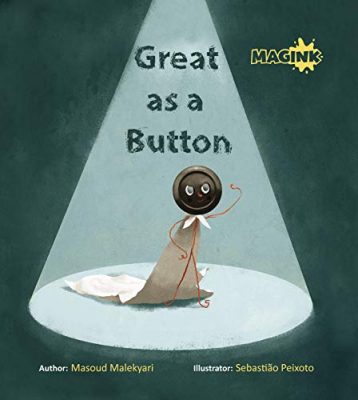
  • GREAT AS a BUTTON by Masoud Malekyari – Children’s Books, Children’s Self-Worth Books, Children’s Picture Books

    A blue and gold badge for the 2020 Grand Prize Winner for Little Peeps Children’s Books Great as a Button by Masoud Malekyari

    Masoud Malekyari’s Great As a Button is a delightful children’s book that places a soulful little plastic adornment at center stage in a thought-provoking story that offers up a positive lesson about self-worth.

    This tale unfolds from a first person POV as a lonely, black plastic button falls off a shirt. The button ruminates over its plight of feeling too plain to be noticed, and wishes perhaps to be a sock, a key, or a pair of glasses, i.e., a more important item that the button surmises someone would go out of their way to look for.

    Amidst encounters with an inquisitive dog and some playful ants, the button has longings to reside in a big castle while adorning a king’s coat, or to sail across the ocean while attached to a boat captain’s slicker. Fate suggests that the button might be in trouble if snatched up by birds; lucky if used by a seamstress; or forlorn when not chosen like the more ornate accessories in a tailor’s shop. When given to a young boy, surprising opportunities send the button in an unexpected direction where ultimately, he discovers newfound importance on a sunny winter’s day.

    Illustrations by Sebastião Peixoto prove glowingly complimentary and are a key component of the story.

    The natural color shadings render quiet, yet well-defined drawings. Quirky and whimsical features lend true personality to the bevy of characters. From the intense facial details of a battling buttons army to the sad expression of the central plastic disc pondering his plainness, this simple character with its curlicued thread body is artfully brought to life.

    Peixoto also smartly visualizes enlightening options between the little button’s desire to live in a royal palace, contrasted with an outdoor tent-like open book structure, where a smokestack chimney provides warmth on a snowy day. Likewise, the thought of adventure on the high seas is pitted against the simplicity of a paper vessel floating down a curbside stream.

    Great As a Button is a charming take on learning to be happy with who you are.

    Like the little button, it may take some of us a bit longer than others, but finding our particular niche is key. Our own unique traits and talents will lead us to where we belong, and satisfaction will come with contentment. Comparisons with others is unnecessary, as we come to realize we are each an individual with our special place in this world.

    Like the simple button who comes to understand his self-worth, this quaint, imaginative read is an important work with a vital message for both young readers and the confident adults they aspire to be.
    Great As a Button by Masoud Malekyari won Grand Prize in the 2020 CIBA Little Peeps Book Awards for Early Readers Fiction.


    5 Stars! Best Book Chanticleer Book Reviews

    Little Peeps Grand Prize gold foil book sticker

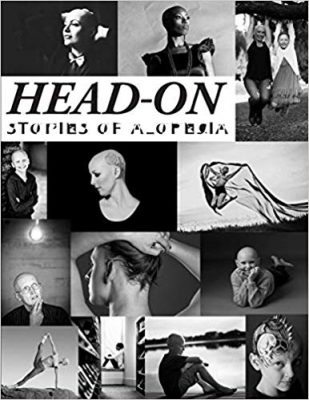
  • HEAD ON – Stories of Alopecia by Deeann Callis Graham – Self-Esteem, Success Self-Help, Dermatology

    HEAD ON – Stories of Alopecia by Deeann Callis Graham – Self-Esteem, Success Self-Help, Dermatology

    Instruction & Instight Blue and Gold 1st Place BadgeMore than 10 years ago, when Deeann Callis Graham went through a second bout of alopecia areata (AA), the first was when she was seven years old, she wondered where she could find pictures and read stories of people who were also losing their hair. She wanted to embrace positive messages amid a society that equates baldness with cancer and sickness. Yearning to relate to people who looked like her, she started writing her own story and soon she had connected with others with alopecia wanting to tell their stories.
    Head-On: Stories of Alopecia, featuring 75 narratives from people of all ages and walks of life with alopecia. Graham’s purpose is to educate and shed light on the illness that affects 6.8 million people in the US, according to the National Alopecia Areata Foundation (NAAF), and help change the world’s attitudes toward hair, beauty, and self-worth.

    In the book, Graham makes it clear that alopecia areata is not cancer, and that hair loss is not any easier for men and boys than it is for girls and women. Alopecia areata is an autoimmune condition where the body gets confused and attacks the hair follicles, which causes hair to fall out. A more severe form is alopecia totalis, where all of the hair on the head falls out. Alopecia universalis, which is less common, is hair loss on the entire body including the head, eyelashes, eyebrows, legs, toes, etc.

    To produce the 216-page book, which features black-and-white portraits and short narratives from each participant, Graham talked to more than 500 people to compile the stories and conduct research. At the end, she includes interviews with Jeff Woytovich, founder of the nonprofit Children’s Alopecia Project (CAP), and Andy Turpen, who started Mondo Baldo to highlight positive messages around baldness.

    Most impressive are the narratives of hope, rebirth and renewed confidence after years of stares, pranks, and bullying in school and misinformed comments, rudeness, and more stares as adults. Being a child with alopecia can be particularly devastating, as the many contributors wrote, being called “freak” or “hairless cat” on the schoolyard. Sophia said she missed going to her junior prom; and Tanya recalls that as a youngster, she felt “ugly and vulnerable.”

    Most of the contributors talk about the countless hours they spent in front of the mirror creatively trying to hide their bald patches with their existing hair. Making the decision to wear a wig in public was a major turning point and a show of independence yet it also came with its own potential failures. Sarah, from California, had a pivotal moment during middle school when a classmate pulled her wig off her head. Sarah was “completely shocked,” but after that incident, she decided to tattoo her eyebrows and leave the wig at home when she entered high school. “I’m just so tired of hiding,” she writes.

    While some of the stories are heartbreaking, they are also uplifting, showing how each person rose from the ashes to use their alopecia for good either for their own self exploration or to help the world understand the illness.

    Steph, a high school swimmer, says when the team gathers for pictures at meets, she proudly displays her bald head. “It’s as if I’m announcing, ‘Here I am. Bald, beautiful, and not sick!’”

    Joyce, who has had alopecia for more than 50 years, had hair loss from age 12 to 24. Her hair fully returned and remained for almost 30 years. “I believed I was cured,” Joyce writes, however there is no known cure at this time although there are treatments. Later, when her son’s hair started falling out, hers did again too and she said she felt relieved she was done with the cycle.

    Not only is Head-On a lovely display for the coffee table, it serves as a resource for parents of children with alopecia and anyone who would like to learn more. Graham has included Alopecia 101 with facts and, at the end, a Resources page listing organizations based in the US, the UK, Australia, and Canada.


    Head On: Stories of Alopecia won First Place in the CIBA 2017 Instruction & Insight Awards for Non-Fiction.


  • ZILLY: A MODERN DAY FABLE by Kelly Parks Snider – Children’s/Middle Grade, Anti-Bullying, Self-Esteem

    ZILLY: A MODERN DAY FABLE by Kelly Parks Snider – Children’s/Middle Grade, Anti-Bullying, Self-Esteem

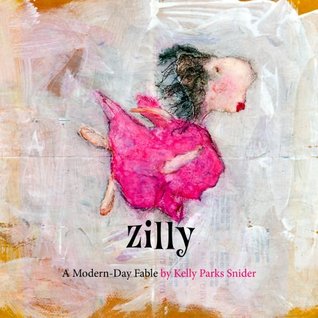
    Children’s books fall into many categories: picture books, early readers, books that teach the alphabet, colors etc. Zilly is a message book, presented with a poignant story, engaging artwork, and timely message.

    Zilly is an “out of the ordinary flyer” whose bumpy, flip-flop flying style garners criticism from the other flyers. It doesn’t help that her best friend who is always on the scene to offer support and encouragement, happens to be a goat named Mingle.

    When Zilly sees a large billboard that announces, “flying lessons for flyers who want to fit in” Zilly wants to try out. But this will require her to change from her free-spirited flips, zips, and bumpiness. The billboard also says: “no goats allowed.”

    Zilly falls for the message that she needs to conform to be beautiful like the other flyers and even snubs Mingle in order to fit in. But, on the day of her try-outs, she doesn’t measure up and Zilly is ready to hide away until she hears the voice of her best friend cheering for her.

    In Zilly, Parks Snider presents a positive message of being yourself when our society, through constant media messaging and peer pressure, attempts to get young people to be anything but themselves. Zilly has a timely theme and comes with discussion questions that children will benefit from considering – some questions may have to be modified for younger children.

    Kelly Parks Snider has created a colorful, thoughtful book that has the power to teach children of all ages that most important lesson we all need to learn: being yourself is good enough. The artwork in it is mixed media, with visual textures and eye-catching colors that will catch – and keep – readers’ attention. Parks Snider adds that her decision to create the book “… on old paper bags – allow[s] for additional discussions about creativity, repurposing stuff and that being creative and innovative doesn’t have to be expensive.”

    Kelly Parks Snider is passionate about this message and channeled her passion and artistic vision into a wonderful project called the Project Girl workshops in Madison, Wisconsin, aimed at tween and early teen girls. The workshops combined art, media awareness, and activism. It culminated in The Project Girl Exhibition which was accompanied by the publication of The Project Girl Workbook-A Guide to Un-Mediafying Your Life. which includes art and stories from Snider and artwork from some of the workshop participants whose works were in the exhibition.

    Find out more about this 2012 initiative and follow the author at projectgirl.orgwww.zillybooks.com, and www.kellyparkssnider.com