CHANTICLEER 10-QUESTION AUTHOR INTERVIEW SERIES with RUTH AMANDA,
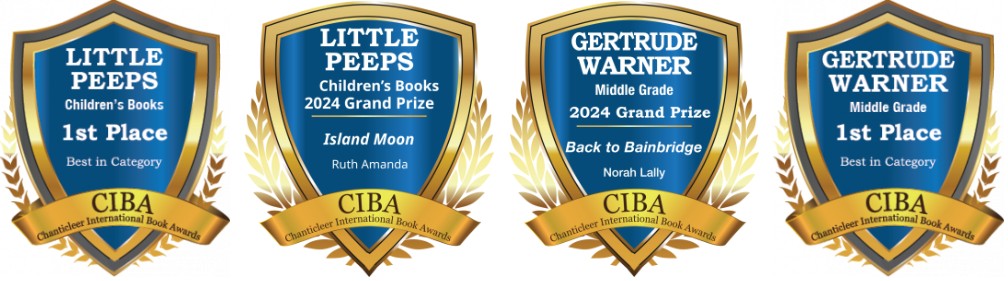
the CIBA Grand Prize Winning Author in the
Little Peeps Division!

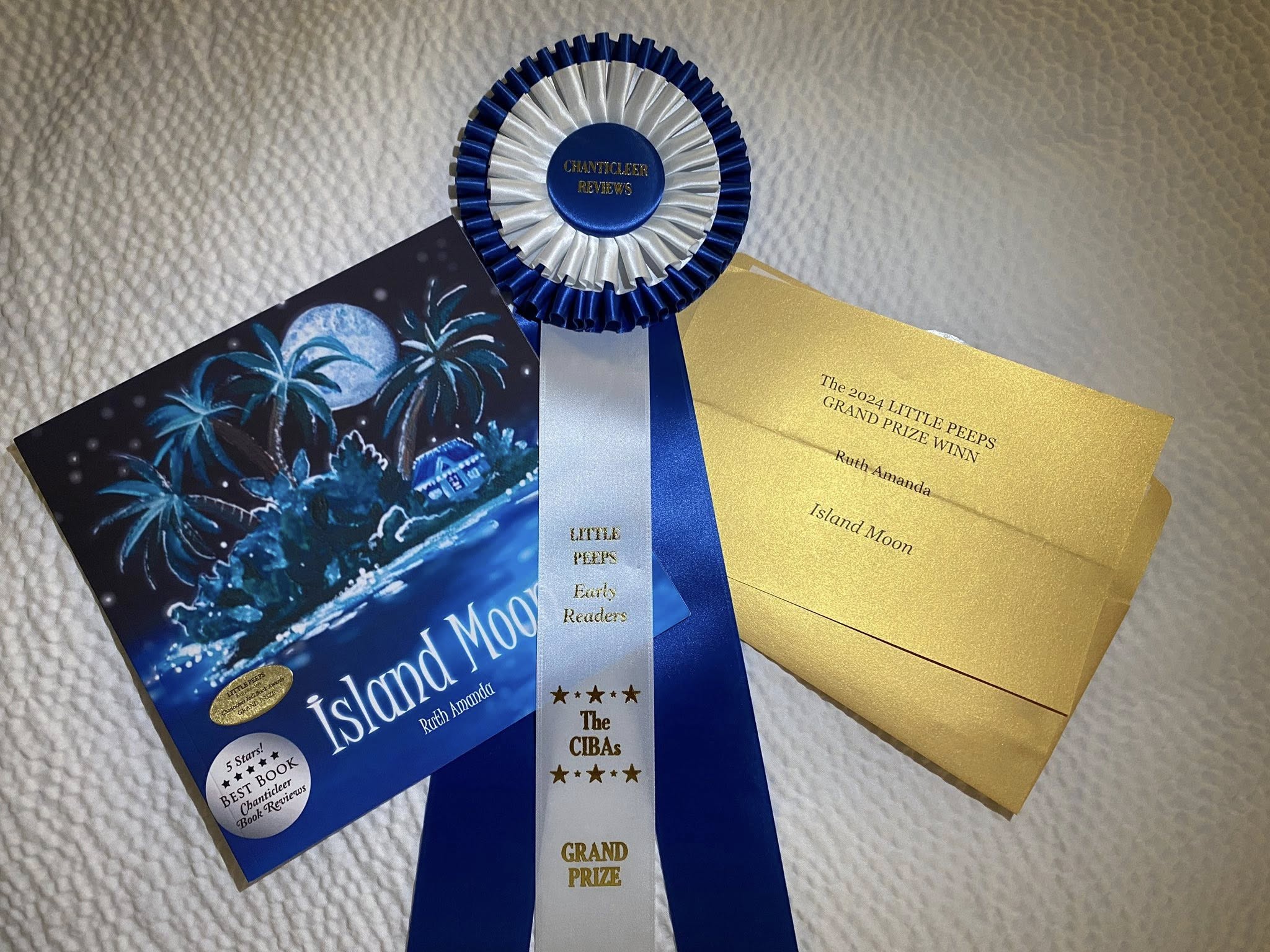
Hello friends! We have another fabulous interview for you today, with author Ruth Amanda! Her book Island Moon took home the Chanticleer 2024 CIBA Grand Prize Award in the Little Peeps Division for Early Readers, and we are excited to share with you the joyful journey she took to becoming an author and what adventures she’s planning to take readers on now. Take a minute or two and get familiar with Ruth Amanda and her incredible journey to becoming award-winning author!
Chanti: Tell us a little about yourself: Have you. always been telling such imaginative, fun stories?
Ruth Amanda: I’ve been making up stories since I was quite small, usually with an art project to accompany it, and sometime around grade 4 or so I started writing those stories down. Not because I thought I would become a writer, but because it seemed a good way to not forget the stories.
One of my teachers in grade 7 or so, encouraged me to enter a writing competition. I won that, along with a small cash prize, and I promptly spent the money on something important like chocolate.
Writing seemed to be more school related for a while but when I had my kids, I would read to them endlessly and, as children are prone to do, they would ask incessant questions. “Why are the eggs and ham green?” “He should have been an accountant, not a pirate because he can count good…why isn’t he an accountant?” And so on…so I made up answers, like “There used to be flying pigs, but their meat was green and very tasty so people hunted them and ate them all. Now they are extinct, so we can’t by green ham at the grocery store and that’s also why we have no flying pigs.” “The Pirate Captain actually used to run a very profitable bookkeeping business at the docks until his competitor—Bahama Bob—stole his calculator. So the Pirate Captain snuck onto Bob’s ship late at night and stole it back, but he was spotted by the Pelican who ran security and had to flee in his boat…after that, a life of nautical crime seemed more appropriate than returning to shore and a very tedious job of ‘accountancy’ and ‘tax season’…funny thing, your Grandpa probably should have been a pirate…”)
We would also read chapter books when they were quite small so they could be tucked into bed and I would read to them from the hallway between their bedrooms. I would tell them to close their eyes and imagine the pictures since there weren’t any in the book. Then I would go downstairs and put paper on the walls in the playroom and doodle the characters with a magic marker for the kids to colour the next day. Together we would make up our own stories while we were coloring.
Chanti: I love those creative parenting moments! Your humor and whimsy really shine through in your work. What drew you specifically to writing picture books for children?
Ruth Amanda: I write particularly good “utter nonsense”, “total drivel”, and factual biographies of people like Stumpy (a gecko), Skippy (a bullfinch) and Coulda, Woulda, Shoulda, Diddit and Bob (the Grackle crime family).
Translation: Children’s Picture Books.
I primarily write these in rhyme as, having grown up with a lot of Dr. Seuss in my formative years, I tend to think in rhyming couplets. (Much to the dismay of my husband.)
I do have some plans to write for adults as well, but that means I will have to grow up first.
Chanti: You seem to have a gift for characters whose personalities shine on every page. Do you find yourself following the rules or do you like to make up your own rules?
Ruth Amanda: I like to think I follow the rules, but then I get gentle reminders from the people editing my work that I take liberties with punctuation and making up words.
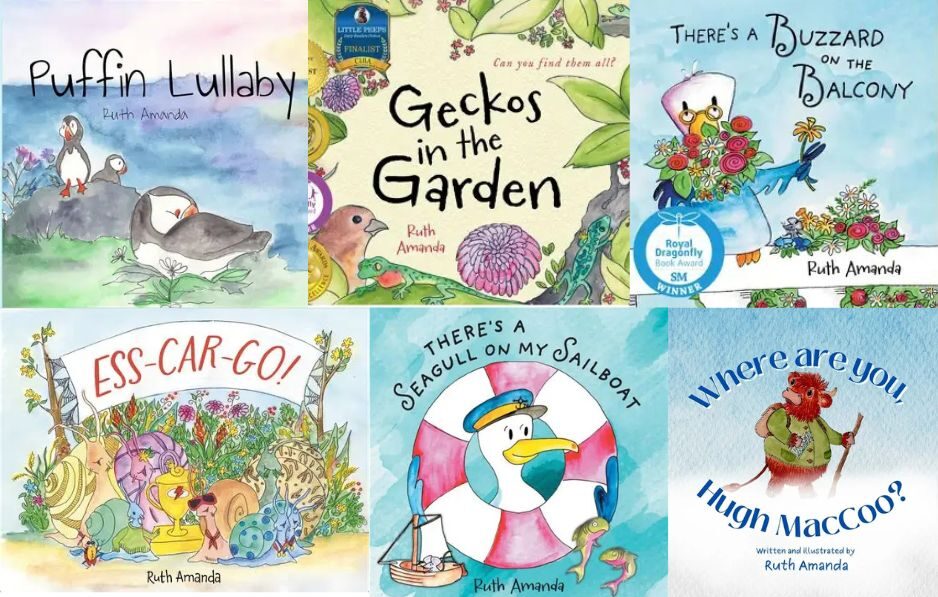
And of course, I often break the laws of anatomy when illustrating. I mean, really!! A buzzard with it’s pinkie in the air? Buzzards lack the necessary fingers to do so, but then it happened so… (see “There’s a Buzzard on the Balcony”, 2023, Friesen Press).
Chanti: What do you do you like to do in your off-time? Are you always looking for new ideas?
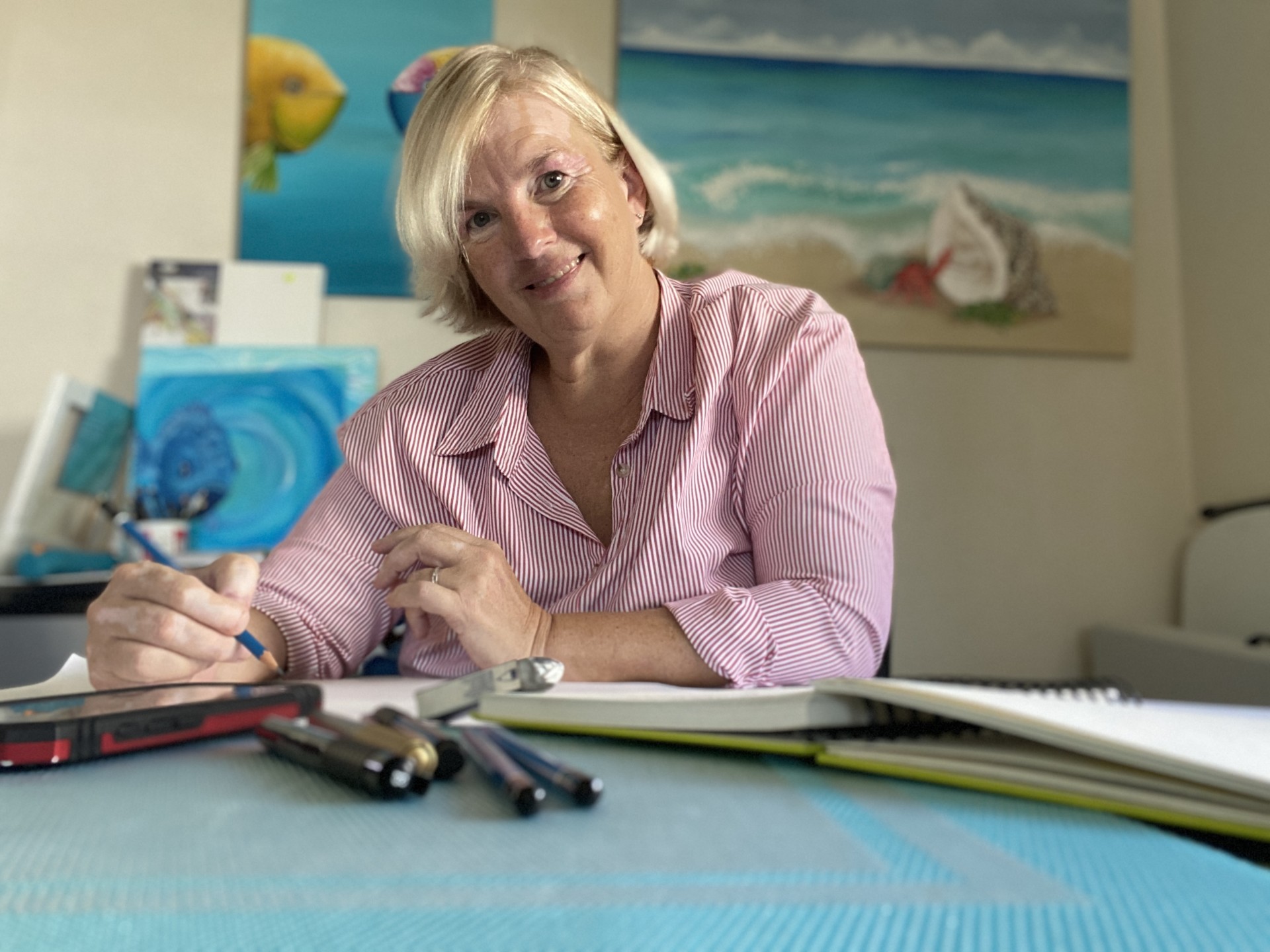
Ruth Amanda: I like to go hiking and camping. Anything outdoors where I may bump into cool characters like Philbert the cane toad or a pack of green monkeys. The beach is a favourite hangout, especially with a snorkel and mask! I also enjoy sketching and painting.
“But you also illustrate your books, so that doesn’t count.” You say.
I say “Ah, but it DOES count as a hobby because (1) I don’t pay me to illustrate which makes it a hobby and (2) I sketch and paint things that have nothing to do with my stories.”
(Yet.)
Sometimes a painting gives me an idea for a book.
There should be a twelve-step program.
Chanti: Your creative process sounds inspired. Can you talk a little more about how those story ideas actually come to you? What’s your method for developing a new book?
Ruth Amanda: I think I come up with my story ideas in the usual way. Someone annoys me. I write their name down. I turn them into a frog (it’s a bit like witchcraft) and put them into a book.
All kidding aside, I see possibilities in everything.
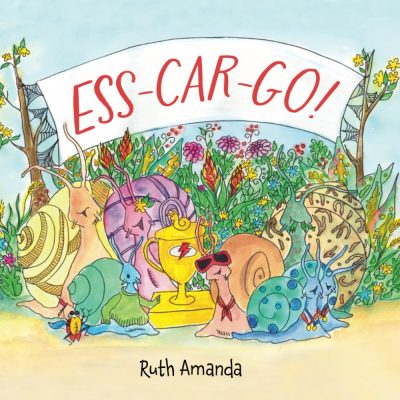
If you were to look outside right now, you would have trouble spotting any snails. If it rains, you will instantly see thousands of them. Why? Good question. Because they can hydroplane in the puddles, which makes them go very, very fast. So, they are obviously holding races. Voila! “Ess-Car-Go!” (2024, Ruth Amanda).
You might go to bed but wake later with your bedroom flooded with light. It’s morning!-you think. So, you get up and go to the window, only to discover that it’s a very bright full moon pouring through the window. You hear the whistling frogs, the wind, the waves, a dove who is also having trouble sleeping…and again, you suddenly have “Island Moon” (2024, Ruth Amanda).
Chanti: What do you feel your writing fosters in children?
Ruth Amanda: I am most confident in my ability to make kids look at things they wouldn’t normally stop for in this age of electronics and social media. Most of them haven’t hunted for small lizards in the back yard ever…until now!
I am also quite confident in my ability to entertain children. My success is measured in children’s reactions and not in book sales. Don’t get me wrong, books sales are great, but, hearing the kids laughing and talking about what’s happening in the book is all I need. Or the sleepy smiles as they head to bed. Priceless.
My advice? Regress into your childhood. Look at things with childlike eyes and see the everyday magic that is dewdrops on spiderwebs, butterflies in aerial combat, puffins dancing polkas, and whales that snore deep in the ocean. Open up that imagination and let it spread out like a flood.
Also, do not get too caught up in a moral or a lesson for the kids. They get school. Some of them get Sunday School or other religious instruction. If you want them to read in their own personal time, provide them some fun escapist reading.
After all, when you take a book to read for your personal time, you likely are not picking up a text book or academic paper. You are going to grab a murder mystery, espionage, romance, or other fun reading. Don’t expect children to get enthusiastic over something you wouldn’t be enthusiastic about.
It can have a lesson—just don’t sacrifice story.
Chanti: Not sacrificing story for lessons really resonates with me. Writing is definitely a craft that requires ongoing development. How do you continue growing and sharpening your skills?
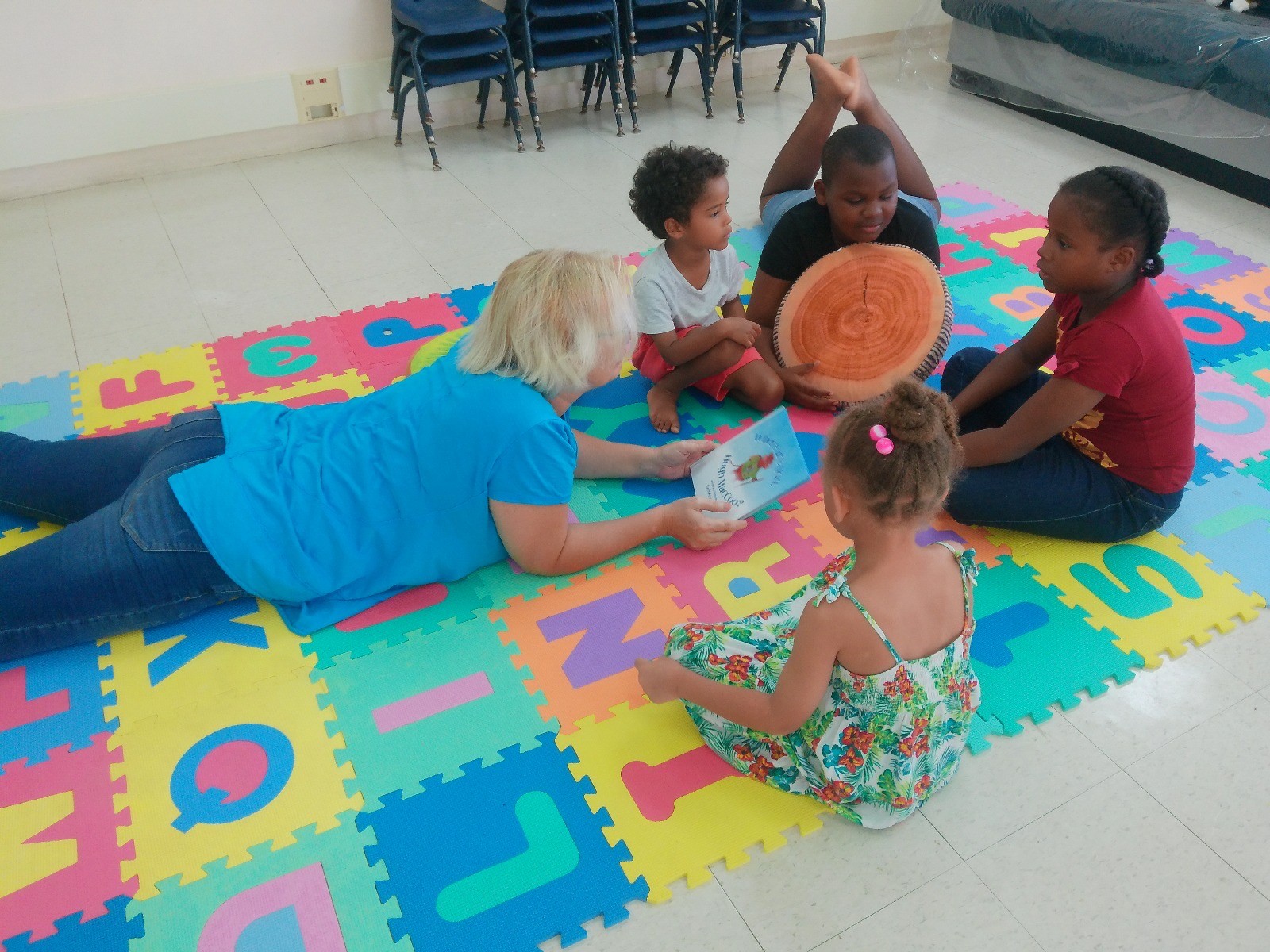
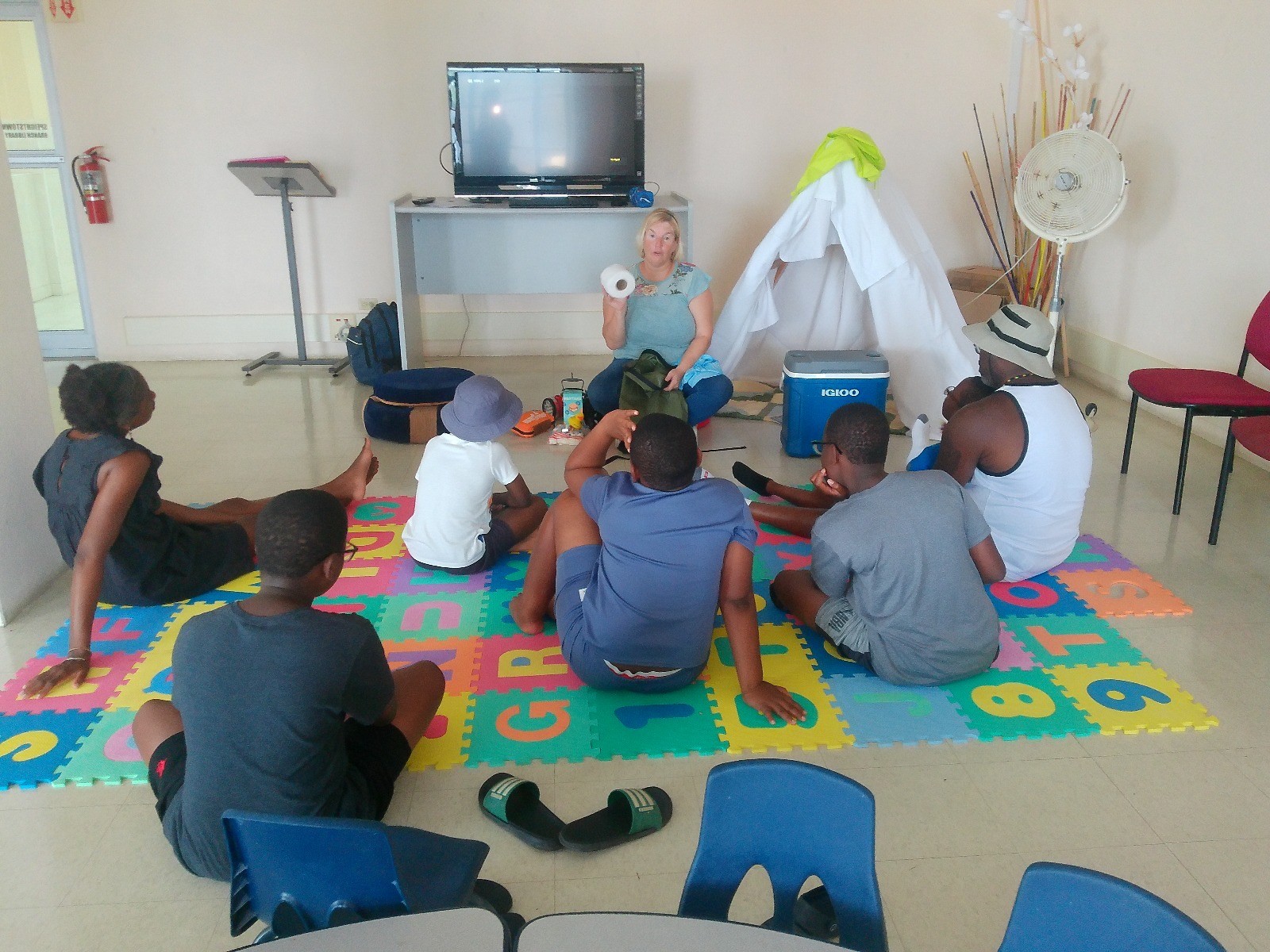
Ruth Amanda: I read to a great group of kids at the local library. By great, I mean enthusiastic, inquisitive and as unruly as I was at that age. They love to question the content of the books, adore getting the globe out to see how far away the story happens, and they always provide feedback on my latest writing projects. That act of reading also means I am constantly reading work in my genre of Children’s Picture Books by my peers and writers from previous generations. I get to rediscover these stories with fresh childlike eyes as I try to anticipate what the questions will be so I can be prepared.
I also try to write something every day even if it’s just a limerick.
A good game of Scrabble is also useful to keep the vocabulary sharp.
By the way, if asking for feedback from people who fall into the Picture Book target audience, be clear. Responses must be, “I don’t like it because __________” or “I like it because ___________”. This gives the opportunity for them to develop some clear communication skills, and also provides you with actionable feedback on what to tweak or which story to just scrap and move on until a better idea surfaces.
Chanti: What are you working on now? What can we look forward to seeing next from you?
Ruth Amanda: I have just released, on June 6, 2025, “Where are you, Hugh MacCoo?” which is about a young highland cow (or “coo”) that goes out hillwalking in Scotland and gets caught in some weather (as one does). The Mountain Rescue is called in to go search for him. Meantime, he has bumped into a Scottish legend. No spoilers here—buy the book. Available on Amazon, Barnes & Noble, Chapters/Indigo, Waterstones, Foyles, and wherever fine books are sold…(And leave a review!)
I also have two Caribbean themed Christmas books in illustration to be released in November 15 (knock on wood), a middle grade sequel to “Cried the Raven” (2024, Ruth Amanda) that is stumbling through a plot flaw at the moment, and a developing manuscript about a hermit crab experiencing a fashion crisis due to a shortage of suitable shells on the beach.
If I can squeeze it in, I also have a sea turtle themed colouring book in development.
Chanti: Wow! You are so creative! What is the most important thing a reader can do for an author?
Ruth Amanda: Read their book. At the library, or buy a copy, it doesn’t really matter. Just read it. Recommend it. Leave a review on Goodreads and Amazon.
Also, send cash. A writer needs to eat.
Chanti: Your books are both fun to read and beautiful to look at. What excites you most about writing?
Ruth Amanda: A blank screen and a great idea. They go together like Peanut Butter and Jelly! Much like the chapter books I used to read to my kids, the pictures pop into my head as the words fill the page.
What excites me the least about writing? Knowing that I have to bring those pictures in my head out onto the canvas and paper…that’s stressful. Especially when you have a couple of young fans asking, “Miss Ruth, I need more books. Are you writing more books?”
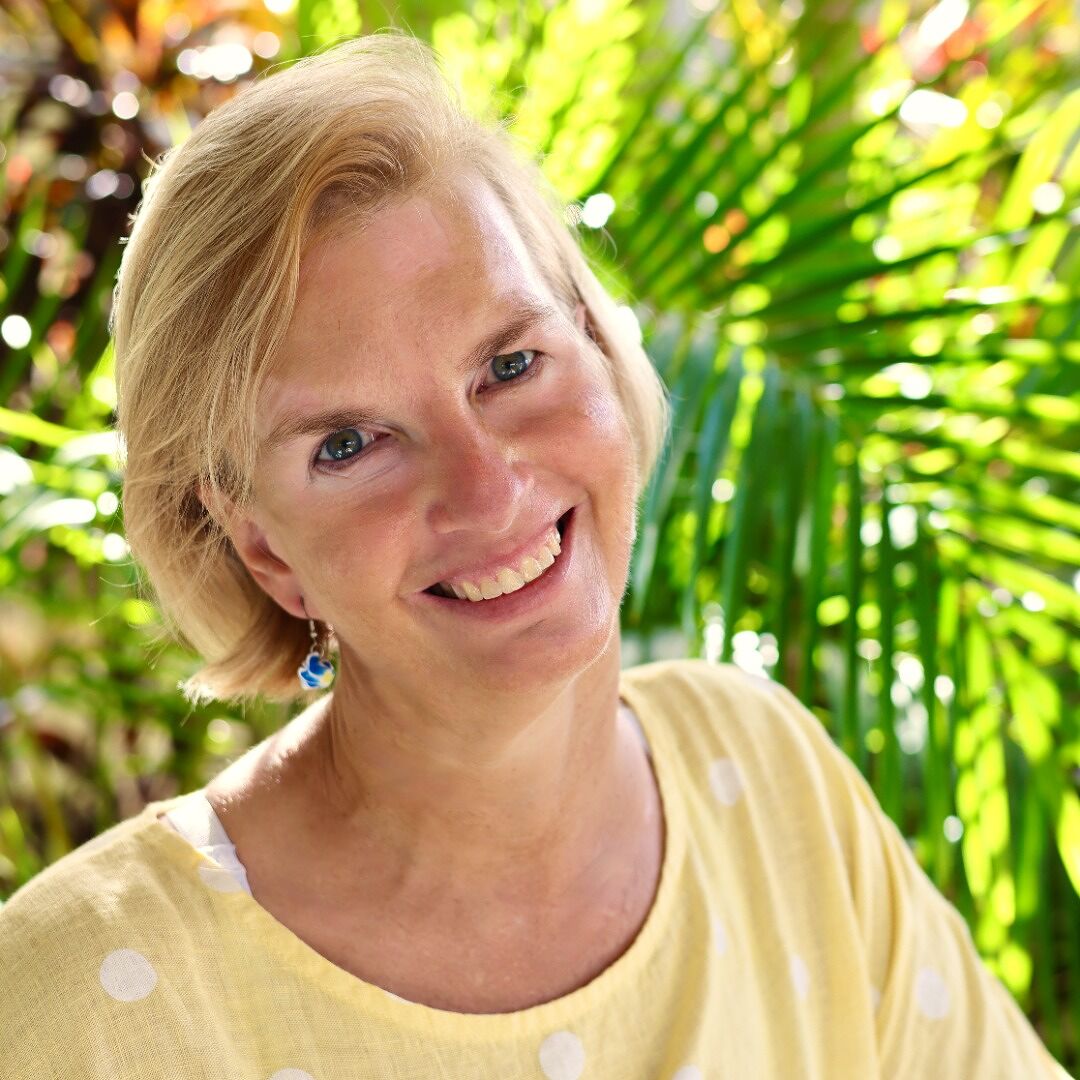
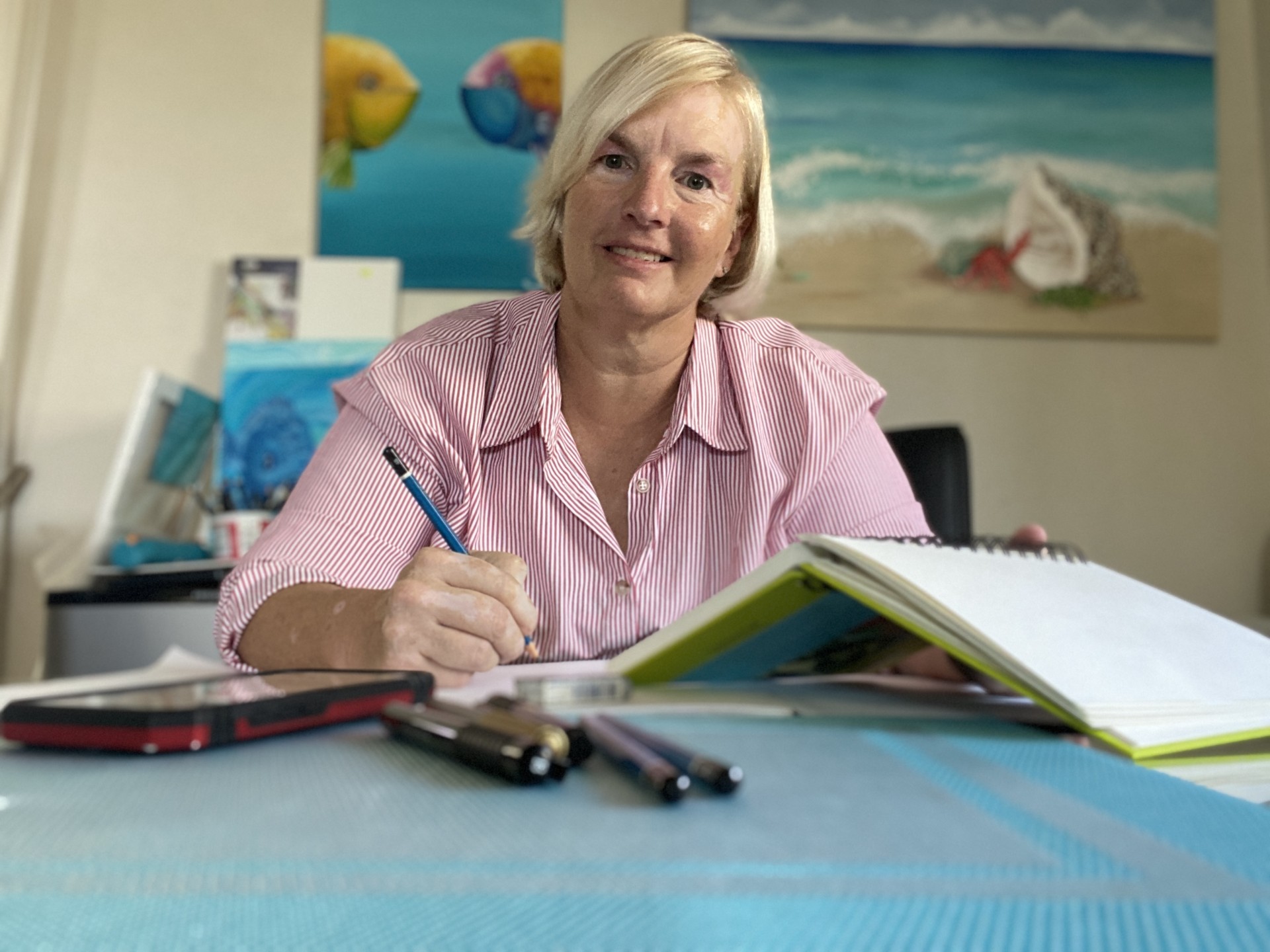
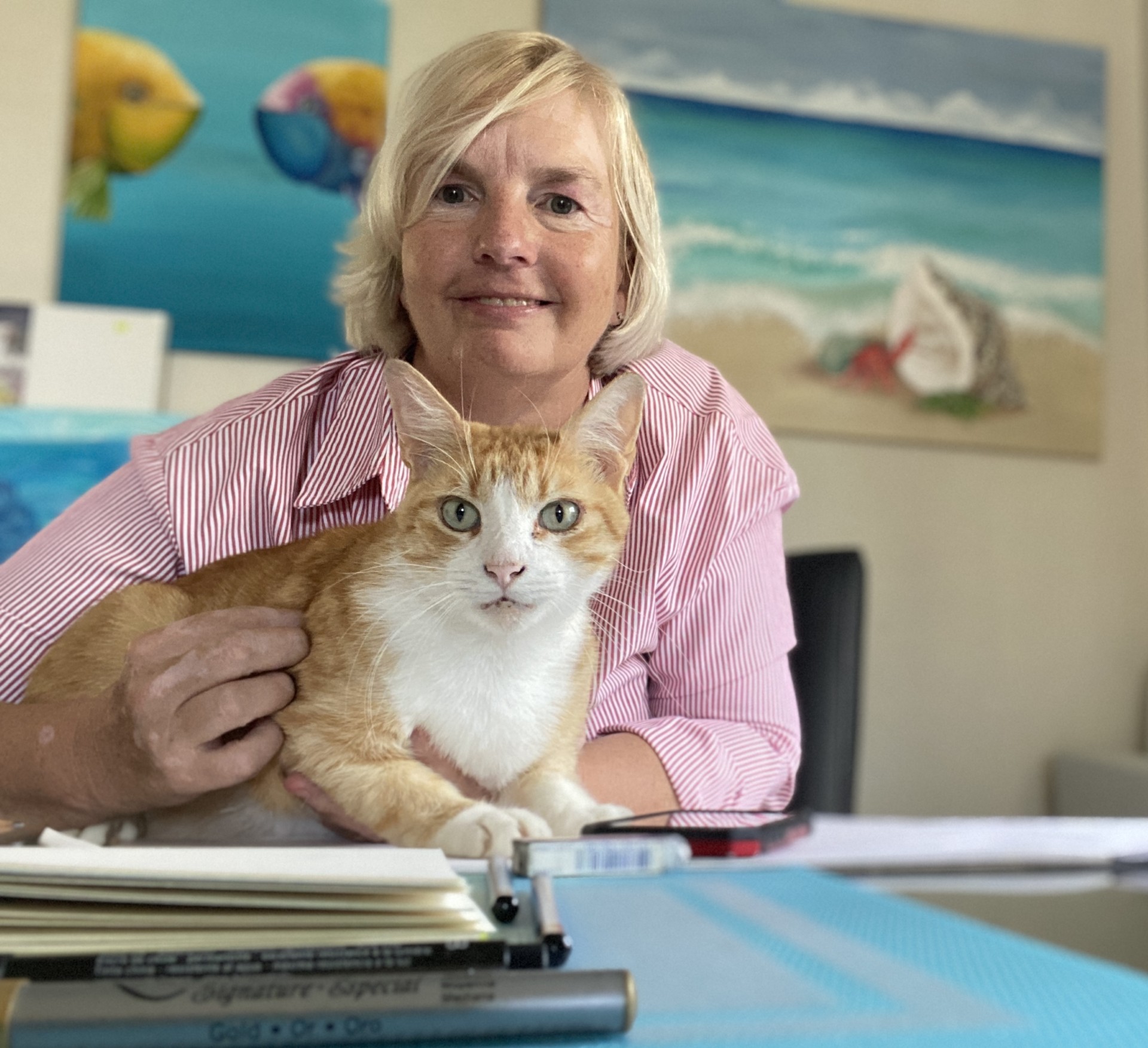
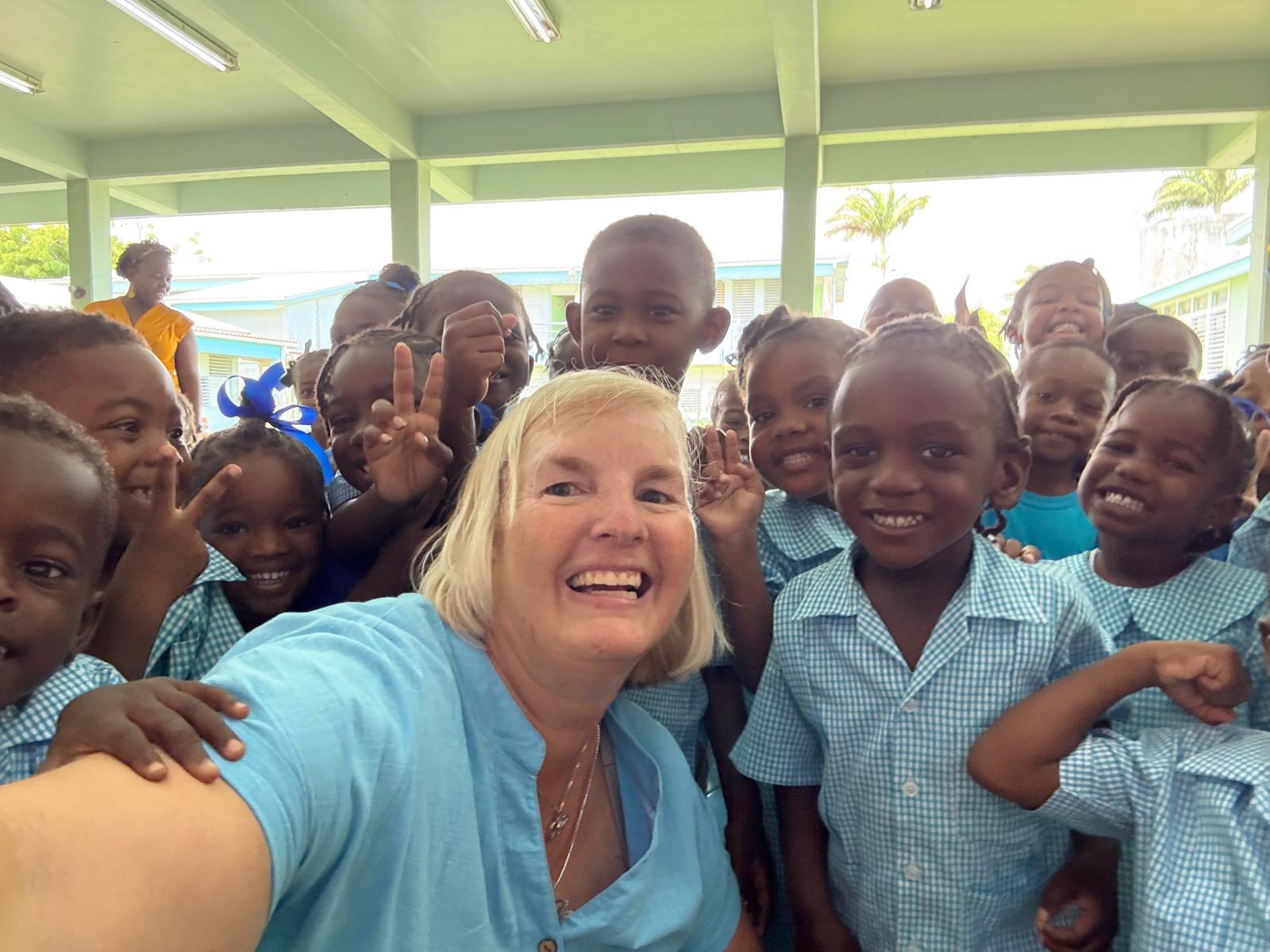
Ruth Amanda lives in Barbados with her husband and a collection of wild creatures in her garden and tame creatures in her home. On most Saturdays, you can find her at the Speightstown Branch of the Barbados National Library Service where she works hand in hand with the Barbados Roaring Virtual Lions Club and the library to provide entertaining story time and activities for the kids. Ruth Amanda also conducts school visits and readings, and has some fabulous handouts for classrooms on Writing Stories and creating books.
Ruth Amanda has been helping install book nooks in various nurseries and schools in coordination with the Kiwanis Club of Barbdos in Action and President Tracey MacWatt for the program BarbadosWorking, as well as the Child Care Board Barbados and the Barbados Association of Reading. Ruth Amanda is a strong proponent of increasing literacy worldwide, and knows that literacy begins very early. She also works in partnership with the Barbados National Library Service and the Prime Minister’s Office Division of Culture along with other authors and local creators to promote literacy in Golden Square Freedom Park, Bridgetown.
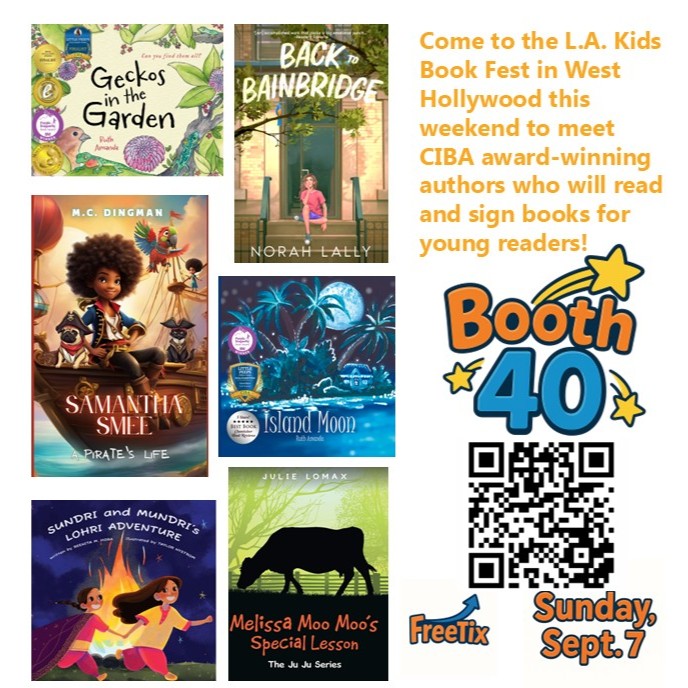


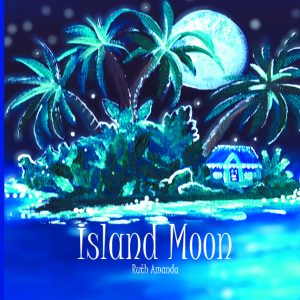
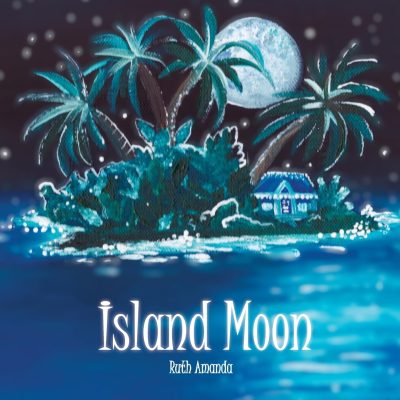
 Ruth Amanda’s Island Moon is a magical moment captured in a poem.
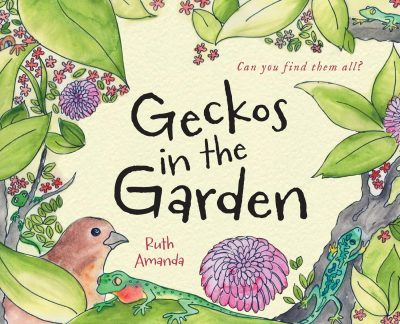
 Geckos in the Garden by Ruth Amanda is a children’s counting book that takes readers through a delightful, rhythmic, aesthetically pleasing romp past a series of hidden geckos.