

 A guide to achieving financial freedom in retirement, E. Alan Fleischauer’s bestseller Reconfigurement™ reveals a roadmap guided by the Mantra, “Navigate, Customize, and Thrive.”
Advances in medicine, nutrition, and longevity planning now offer unparalleled possibilities to live longer, higher-quality lives. However, looming over this rosy image is a genuine concern: the financial ramifications of a longer retirement term. More alarming is that a sizable portion of the American populace is not harnessing their 401(k) retirement plans.
In light of this scenario, can traditional investment programs with fraying safety nets, such as pensions, remain viable? Reconfigurement combines the emotional fulfillment of making retirement dreams a reality with practical guidance that rejects the notion of a set retirement age of 65. This work’s personal tales and sound financial guidance entice readers away from the constraints of traditional retirement approaches.
Author Fleischauer integrates the needs of financial, professional, and retirement life to create a path for long-term stability and success.
Reconfigurement opens with an eye-opening examination of the unpleasant reality of money and its importance in our lives. It focuses on why budgeting is crucial in a society where success relies so heavily on personal finance. Practical advice and experiences follow to demonstrate the viability of preserving the capacity to earn.
After addressing the financial side, Reconfigurement moves on to the career aspect with a series of tests to assist readers in discovering what career would fit them best.
Continuing the journey, the book explains financial stability pillars that can help strengthen assets and ensure a fruitful retirement. It guides readers through the complexities of insurance, social security systems, and investment opportunities. Next follows the link between safeguarding one’s financial future through insurance and planning for retirement with a chapter on investment options.
The foundation of life, healthcare, takes center stage as Reconfigurement untangles the web of Medicare and Medicaid to safeguard one’s well-being across the years.
The specter of long-term care looms as the book addresses its issues and how to plan around them. Next comes guidance on securing a legacy for one’s posterity, focusing on wills, trusts, and the complexities of their legal and tax implications. This path to financial freedom finally carries into uncharted territory: education savings, budgeting skills, and charitable donations.
Reconfigurement delivers an in-depth account of the different aspects involved in preparing for and managing life transitions, both those hotly discussed and those concealed.
Case studies, practical counsel, and real-life examples serve to close the gap between theory and implementation. Also, the author concedes that the financial material may tire readers, so he endeavors to balance it with humor, anecdotes, and interactive components in a conversational tone.
Rather than aiming for ‘one-size-fits-all’, this book’s advice remains flexible for each reader’s unique situation.
Readers are encouraged to make decisions consistent with their goals, circumstances, and preferences. It is worth noting that Reconfigurement primarily targets the American audience in reflecting American financial standards and systems. However, its overarching financial planning concepts, emphasizing individual customization, assure its global applicability.

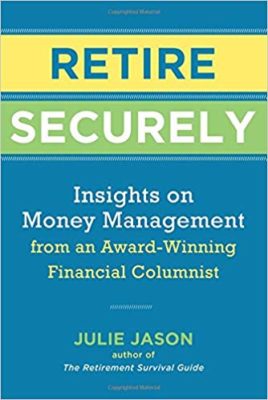
 If you’re wondering what the difference is between a Roth IRA and a traditional IRA, then you’ll want to pick up Julie Jason’s Retire Securely: Insights on Money Management from an Award-Winning Financial Columnist. You will be treated to a crash course on financial terms like these and get inside information on saving and investing thanks to scores of conversations she’s had with her readers over the years.