Tag: reader engagement

  • The Author Newsletter That Actually Converts | A Chanticleer Toolbox Article from the desk of David Beaumier

    Your Newsletter Can’t wait!
    A newsletter coming out of a computer as a personal letter

    A Strategic Guide to Reader Engagement and Audience Growth

    Your author newsletter isn’t just another marketing obligation—it’s your most direct path to sustainable reader relationships and long-term book sales.

    Email marketing remains the highest-converting digital marketing channel, yet it’s easy to treat author newsletters as afterthoughts. While social media algorithms limit your reach and book retailers control your visibility, your author newsletter represents the only marketing channel you truly own. When developed strategically, it becomes your most powerful tool for sustained reader engagement and genre-specific audience development.

    Why Your Author Newsletter Matters More Than You Think
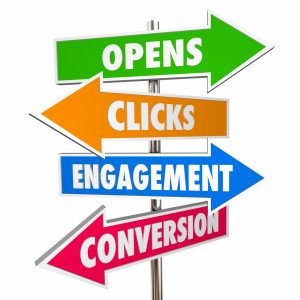
    Signpost saying Opens, Clicks, Engagement, Conversion
    The GOAL!

    Professional authors recognize that newsletter subscribers convert to book buyers at significantly higher rates than social media followers. Unlike platform-dependent marketing strategies, your email list provides direct access to engaged readers who have explicitly requested your content. Publishers and agents increasingly evaluate authors based on email subscriber metrics, understanding that a quality newsletter audience indicates genuine reader demand and marketing capability.

    The most successful authors don’t just collect email addresses—they cultivate reader communities through consistent, valuable newsletter content that strengthens the author-reader relationship with every issue.

    Building Your Newsletter Foundation

    Hari Seldon understands the importance of a good Foundation

    The blinking cursor is hard enough when it comes to creative writing, but for many authors marketing poses a unique challenge. Reframing newsletter writing as something you can do with prompts can turn it into a strategy for success!

    Author newsletters can be thought of in two main arms: personal connection and professional value. For both of these, focus in on what engages readers and drives those open rates.

    Prompts for your Newsletter

    Writing Journey: Writing Craft and Wins

    Behind the scenes strategies for making your writing work. No one shares the same experience as a writer, and giving insight into your unique journey can draw readers in! Consider what you feel like you’re an expert in: World Building, Character Development, Dialogue.

    And it’s not just writing craft! Share achievements authentically—book awards, positive reviews, speaking engagements, or publishing milestones. These updates build credibility and social proof while keeping readers invested in your career trajectory. Frame these as shared celebrations rather than simple announcements.

    Reading Recommendations and Genre Insights

    Writers are a great voice within their own genre, and you have the book recommendations to prove it! Thoughtful recommendations can follow a formula to make them easier to write such as a star rating, plot summary, what you loved the most, and who would be the best reader for that. Not only do these recommendations help drive engagement with your readers, but it can help connect you with other authors, creating two valuable links for you!

    Exclusive Content and Early Access

    These are often the lead magnets of your newsletter. A free short story or that prologue you wrote that didn’t make it into your final draft can be great bonus content for people who already love your work or to bring in people who are just discovering it.

    Other great benefits can be raffles, access to playlists you write to, opportunities to join your ARC Team, and so much more! The list of ways you can reward people for following you are nearly limitless. All this helps them feel like subscribing to your newsletter is a privilege, not an obligation.

    Mastering Newsletter Subject Lines

    Your subject line determines whether readers open your newsletter or delete it. Focus on the most compelling element of each issue rather than generic announcements.

    Instead of: “Monthly Author Update” Try: “The Research Discovery That Changed My Entire Plot”

    Instead of: “New Book Release” Try: “Three Years of Writing Led to This Moment”

    Instead of: “Newsletter #47” Try: “Why I Almost Deleted This Entire Manuscript”

    The most effective subject lines create curiosity while promising specific value relevant to your genre audience.

    Multi-Channel Marketing for Audience Growth

    A seedling just beginning to sprout
    We all start somewhere

    Event-Based Acquisition: Maximize both virtual and in-person events for newsletter growth. Create QR codes linking directly to signup pages, offer event-exclusive subscriber bonuses, and position newsletter signup as continued connection rather than marketing obligation. Physical sign-up sheets are also great for people who are tired of dealing with screens all day.

    Cross-Promotion Opportunities: Participate in genre-specific newsletter cross-promotions with fellow authors and through podcast tours. Having a website with a newsletter and landing page is a great way to make sure people who look you up can find an easy way to stay up to date after that first or second good impression.

    Website Optimization: Ensure newsletter signup is prominent but not intrusive on your author website. Multiple signup opportunities—header, sidebar, post-content, and dedicated landing pages—increase conversion without overwhelming visitors.

    Maintaining Consistency and Relevance

    Successful author newsletters benefit from consistent publishing schedules and strategic content planning. Develop an editorial calendar that balances personal updates with genre-relevant content, seasonal considerations, and book release timing.

    Brandon Sanderson, an author famous not only for his exceptional success as a writer of high fantasy, but also for his record-breaking Kickstarter campaigns, recommends a minimum of two newsletters a year. Most authors can probably swing once a month. Find a system that works with your schedule and ability to create engaging content and run it from there!

    Measuring Newsletter Success

    Track metrics that indicate genuine reader engagement rather than vanity numbers.

    Current Benchmarks from Mailchimp and the Whop Blog

    Recent industry data shows that the overall average email open rate across all industries is 39.7%, with newsletters focusing on specific niches achieving 16% higher open rates than general content. Welcome emails perform exceptionally well, with an average open rate of 47%, making your initial subscriber communication crucial for long-term engagement.

    Click-through rates typically range from 1.0% for general industry averages to 3.2% for well-optimized campaigns. Interactive or dynamic newsletters achieve 2x more engagement than static content, suggesting that authors should incorporate multimedia elements and engaging formats.

    Key Performance Indicators for Author Newsletters:

    • Open rates by content type (identify your most engaging topics)
    • Click-through rates to book purchase links (measure commercial effectiveness)
    • Subscriber growth rate and retention (track audience development)
    • Direct responses and reader interaction (gauge community engagement)
    • Book sales correlation with newsletter campaigns (measure ROI)

    The Importance of Welcome Emails

    Your welcome email represents the highest-engagement opportunity in your entire newsletter strategy. With average open rates of 47%, this first impression often determines long-term subscriber engagement. Use welcome emails to set expectations, deliver your promised lead magnet, and establish the value proposition that will keep readers opening future newsletters.

    Building to Benchmark Performance

    Don’t expect immediate success with industry-average metrics. The typical conversion rate from free to paid newsletter subscriptions is around 5%, but building a quality engaged audience takes time and consistent value delivery. Focus on delivering exceptional content to your niche audience rather than chasing vanity metrics. Newsletters with A/B testing and comprehensive pre-send quality checks achieve 28% higher returns than those published without optimization.

    Where to Start

    There are quite a few newsletter platforms out there, and it’s worth doing a little research to determine what’s the right fit for you.

    Mailchimp: The Comprehensive Solution Mailchimp offers sophisticated tools and extensive customization opportunities that can elevate your author newsletter to professional standards. The platform excels in automation capabilities, detailed analytics, and integration options with other marketing tools. However, new users often find the interface complex and less intuitive initially. The learning curve is worth the investment, particularly for authors serious about email marketing optimization. Mailchimp offers a free tier for up to 500 subscribers, making it accessible for emerging authors, but costs increase significantly as your subscriber base grows. You can see our write up on Mailchimp here!

    Substack: The Creator-Focused Choice Substack has revolutionized newsletter publishing by combining simplicity with powerful monetization features. The platform functions as both a newsletter service and a content discovery network, potentially expanding your reader base through its built-in social features. Everything about Substack prioritizes ease of use—from scheduling newsletters to managing subscriber interactions. The platform’s standout features include seamless paid subscription integration, content paywalls for premium readers, and direct financial support from subscribers. For authors considering paid newsletter models, Substack’s integrated payment system eliminates technical barriers to monetization.

    Additional Platform Considerations Beyond these popular options, authors should also evaluate Kit – formerly ConvertKit (excellent for creator-focused automation), Beehiiv (rapid growth in creator economy), and MailerLite (budget-friendly with solid features). Your choice should align with your technical comfort level, monetization goals, and long-term audience development strategy.

    Learn from the Best

    The 2025 CIBA Grand Prize Winners at CAC25
    We know the best when we see them!

    Lately, we’ve been discussing our favorite newsletters with some of our authors. Here are some great options to follow:

    Your author newsletter represents direct access to readers who have chosen to hear from you regularly. With strategic content development, consistent value delivery, and professional audience growth tactics, your newsletter becomes more than a marketing tool—it becomes the foundation of a sustainable writing career built on genuine reader relationships.

    One last tip: Overlap between Social Media and Newsletters

    Any section that you write about on your newsletter can be turned into multiple social media posts. Anything that’s more text intensive can be a great Facebook post or thread on Bluesky, and anything image focused can be great for Instagram or TikTok! If you’re one of those authors with video skills, you can even turn your newsletter into a script and use sections for short form content. You can read more about our social media suggestions here!


    Don’t let your Book Be Invisible!

    Looking to add more wins and news to share with your readers? Consider getting professional validation that enhances your author platform and provides compelling newsletter content. A Chanticleer Editorial Review offers you a comprehensive professional assessment that not only serves as powerful marketing material but also comes with robust SEO optimization through our AIOSEO package. When algorithms change, we update your review’s online presence to maintain high search engine rankings, ensuring long-term marketing value.
    For authors seeking recognition that resonates with readers, our Book Awards program features 28 divisions across fiction and non-fiction categories. These awards create multiple tiers of achievement that strengthen your digital footprint and provide ongoing marketing material for newsletters, social media, and author bios. We regularly hear from authors that award recognition increases book sales when results are announced, giving you concrete success stories to share with your newsletter subscribers.
    You know you want it…

    Both services provide the professional third-party validation that serious authors need while generating authentic content for reader engagement—exactly the kind of wins and achievements that make compelling newsletter material.

  • On the 6th Day, Chanticleer brings to me Six Newsletter Tips| 12 Days of Christmas 2024!

    Celebrating the Twelve Days of Christmas – One Day at a Time

    On the 6th Day of Christmas, we wish you a very HAPPY NEW YEAR! 

    “But Jiminy Crickets, it’s after December 25th! Is it not too late for the 12 Days of Christmas?” you say.

    Not to fear, Chanticleerians! The 12 Days of Christmas begins on December 26th! And it continues to the 6th of January – Three Kings Day. The four weeks leading up to Christmas is known as the Advent.

    So if you haven’t finished wrapping presents, sending out those cards, and baking cookies—don’t worry—you’ve got an extra seven days!

    Happy Holidays to You from the Chanticleer Team! 

    On the sixth day of Christmas, my true love sent to me

    Six Geese a-laying

    Five Golden Rings

    Four Calling Birds

    Three French Hens (Chanticleer’s favorite #justsaying)

    Two Turtle Doves

    And a Partridge in a Pear Tree 

    The 6th Day of Christmas, December 31st, is New Years Eve! Despite not all cultures celebrating in accordance with the Georgian calendar, everyone culture has their own ways to mark the end of one year and arrival of the next. Here are some traditions from around the world!

    United States

    The Times Square ball drop is a nationally televised event that millions of Americans tune into on December 31st, with thousands more waiting on the freezing streets of New York City to watch in person. The inaugural drop was to mark the start of 1908 but the countdown until the midnight has become a wide-spread tradition enjoyed by folks of all ages.

    Denmark

    Danes take the expression “leaping into the new year” literally! It’s traditional to jump off a chair, couch, counter, or wherever you can find yourself several centimeters off the ground right as the clock strikes midnight. It is seen as a way to bring good luck into the new year.

    Brazil

    Since the new year arrives on the same day as the summer celebration of the sea god, these annual traditions overlap. Wearing white, meant to signify purity for the sea goddess Iemanjá, the culminating event of the night, everyone runs into the ocean fully dressed and jumps over seven waves. These jumps and waves are meant to hold wishes and hopes for the coming year. 

    Ireland

    The Irish have many traditions surrounding the new year, including banging the outside of their homes with bread to keep away bad luck and evil spirits. The most heartfelt of these is the setting of an extra place at the table for the evening meal, said to be for any loved ones who have been lost in the past year.

    Philippines

    While many cultures eat “lucky” foods, such as Hoppin’ John in the southern USA or 12 raisins in Spain, or twelve grapes in Italy, in the Philippines it’s considered lucky to eat numerous round fruits. And not only do they eat round things, they also dress in polka dots! The more round objects the better.

    What are your favorite ways to mark the new year? Resolutions?
    Thorough house cleaning? A polar plunge?


    On the 6th Day of Christmas, Chanticleer brings to me…

    Six newsletter tips!

    Newsletters are a staple in an author’s marketing toolbox. But hitting the right mark with a newsletter that will attract readers can be elusive. For our Sixth Day of Christmas, we’re bringing you six tips to help you improve your newsletter to attract more readers.

    Newsletter, white, yellow, red, blue, black, megaphone

    1. Be unique. Create a newsletter that reflects your brand, or your book’s genre, to give your readers an idea of what to expect when they dive into your latest release. Think about color choices, subject matter, layout, and what extras you may want to put into it to keep readers coming back for more. I’ve seen newsletters that offer a recipe, discount offers, and some that even offer birthday wishes to their followers.

    2. Write original email subject lines. You’ve got to catch their attention right away, so you better use your writing chops to throw out that hook! Create a phrase that relates to the content of your newsletter, and make it interesting. Think of it as a tagline—something that will excite them enough  to open it. This also goes for your preview text.

    3. Consistency is king! Do your research to find the best time and day to schedule the release of your newsletter, but note, the best day/time you see today could change in the future so check back every few months to see if the statistics have changed. A simple Google search can help you with finding the most updated information.

    target, dart, blue, white, yellow, red

    4. Keep the topic focused. Your newsletter readers follow you for a reason. They know they can get the information they are looking for when they click to open the newsletter. It could be they are interested in your writing journey, tips, or you! Newsletters are a branding tool that need to reflect what you are creating. It also helps to create interest if you give a little insight into your own life, but just a taste. A photo collage of a place you visited that you reference in your book is a good example.

    5. Repurposed content. We all need a few extra hours during the day, so don’t give yourself extra work. Find ways to repurpose the content you’ve already generated. I offer a bit of information, just a short blurb, with a link embedded in the text or through a clickable button that will take them to my website where I have a full article for them to read. This way I am seeing an advantage with my newsletter and my website at the same time!

    6. Keep it timely. People are reading your newsletter because they think of you as an publishing insider. Stay up on the topics of the day and provide them with well-researched content, or an honest critique on the top issues of the day.

    Santa, reading, dog, happy Holidays

    Stay tuned for the 7th Day of Christmas!

    The Chaicleer Rooster logo wearing a santa hat

    Our favorite part about having the 12 Days of Christmas is that we can have the time we need to celebrate with our loved ones. We have time for wrapping presents, meeting with friends for hot cocoa, and continuing to prepare the Chanticleer Authors Conference and the CIBA Banquet and Ceremony.

    Wishing you Happy Holidays from Chanticleer from Kiffer, David, Dena, Scott, Anya, and Argus!

  • Create a Mobile Selling Site: An Author’s Comprehensive Guide to QR Codes from the desk of Dena Weigel – A Writer’s Toolbox Article

    Anywhere, Anytime

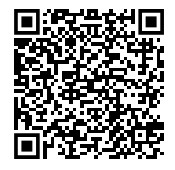
    A QR code for the I&I Awards

    QR codes have emerged as
    a versatile and powerful tool
    for authors to promote and sell their books

    In the ever-evolving landscape of book marketing and reader engagement, QR codes, these seemingly simple squares of black and white pixels can open doors to a multitude of opportunities. This makes them an invaluable asset for writers looking to connect with their audience in innovative ways. Here we’ll  delve into how QR codes work and how authors can harness their potential to sell more books!

    What is a QR Code?

    QR codes, or Quick Response codes, are two-dimensional barcodes that can store a variety of information. When scanned using a smartphone or QR code reader, they can direct users to websites, videos, social media profiles, and more. Unlike traditional barcodes, QR codes can hold much more data and can be read from any angle, making them exceptionally user-friendly.

    Books, shelves, phone, hand, qr code, lights

    How Do QR Codes Work?

    Encoding Information:

    QR codes are created by encoding information into a pattern of black and white squares. This information can range from URLs, to contact details, or even multimedia content.

    Scanning the Code:

    When a QR code is scanned using a smartphone or tablet, the embedded data is quickly decoded and the user is redirected to the stored content, whether it’s a webpage, a promotional video, or a digital book. It’s a seamless and mostly effortless way for your readers to find you on the internet.

    Decoding and Action:

    The scanning app or device, such as a cell phone, reads the QR code and performs the action associated with it. If the QR code contains a URL, the device will open the linked webpage automatically.

    data, rainbow, colorful, yellow, red

    Why Should Authors Use QR Codes?

    QR codes present a unique opportunity to engage with readers in a more interactive and dynamic way. These are just some of that ways you can incorporate QR codes into your marketing strategy:

    Streamlined Book Sales:

    Place QR codes in promotional materials, at book signings, or on your book covers to lead readers straight to your selling sites, like Amazon or your personal website.

    Direct Access to Content:

    QR codes can link directly to book trailers, sample chapters, exclusive content, or your Newsletter! This immediate access helps generate interest and provides readers with a direct path to learn more about your work. For more information on different types of content marketing and how to build your Newsletter, check out this interview with Chanticleer Overall Grand Prize Winner Michelle Cox!

    Enhanced Author Websites:

    Use QR codes to direct readers to your author website where they can find more information about your books, upcoming events, or subscribe to your newsletter.

    Interactive Marketing:

    QR codes can be used to participate in interactive campaigns. For example, you can create codes that lead to online contests, reader polls, or exclusive behind-the-scenes content.

    Social Media Integration:

    Encourage readers to follow you on social media by including QR codes on you promotional materials. Scanning the code can take them directly to your social media profiles, making it easier for them to connect with you.

    Simplify Reader Reviews:

    Having a QR code at the end of your book can better link the reader directly with your Amazon or Goodreads page where they can leave a review of your book. Remember! Editorial Reviews help drive Reader Reviews by giving them language to work with. You can learn more about updating your Editorial Reviews on your Author Central here.

    For more tips on marketing your book, check out this article here, which includes suggestions for using Book Awards and Editorial Reviews to market your work!

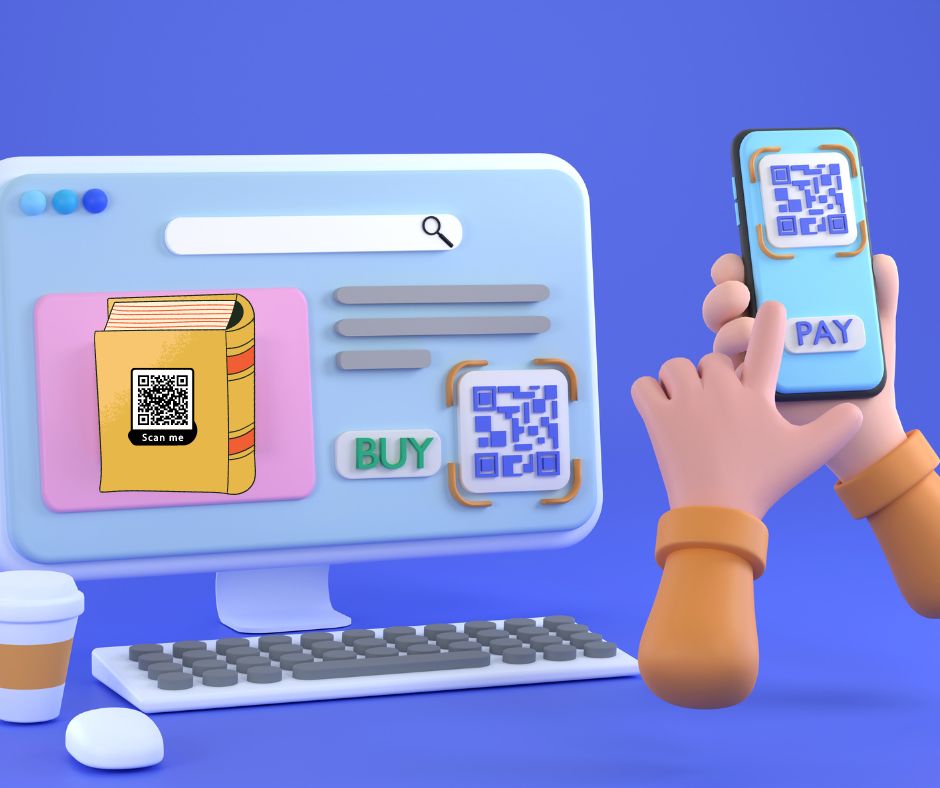
    QR Code, book, computer, blue, display, hands, cartoon, cell phone

    How to Create and Use QR Codes Effectively

    Generate the QR Code:

    Use a QR code generator tool (Many of which are free) to create your code. Enter the URL or information you want to encode, and download  or screenshot the generated code.

    Design with Purpose:

    Incorporate your QR code into your book cover design, marketing materials, or business cards. Ensure it is large enough to be easily scanned and placed in a prominent location.

    Test Thoroughly:

    Before printing or distributing, try scanning your QR code yourself. Nothing is worse than discovering the code you set up for people to use just doesn’t work!

    Provide Instructions:

    Not all readers may be familiar with QR codes. Including a brief explanation on how to scan the code and what to do afterward can be the call to action you need to make things as easy as possible for your readers.

    QR code, woman, books, hand, cell phone

    Give Readers More with QR Codes

    QR codes are a powerful, cost-effective tool for authors aiming to enhance their marketing efforts and engage with readers in new ways. By providing direct access to content, facilitating book sales, and integrating with your online presence, QR codes can significantly boost your visibility and reader interaction. Embrace this technology to unlock new opportunities and keep your promotional strategies ahead of the curve!


    Thank you for joining us for this Writer Toolbox Article

    A red toolbox with the words "What's in your toolbox

    There is so much to learn and do with Chanticleer!

    From our Book Award Program that has Discovered the Best Books since the early 2010s to our Editorial Book Reviews recognizing and promoting indie and traditional authors, Chanticleer knows your books are worth the effort to market professionally!

    Helpful Links:

    When you’re ready,did you know that Chanticleer offers editorial services?We do and have been doing so since 2011.

    Our professional editors are top-notch and are experts in the Chicago Manual of Style. They have and are working for the top publishing houses (TOR, McMillian, Thomas Mercer, Penguin Random House, Simon Schuster, etc.).

    If you would like more information, we invite you to email us at info@ChantiReviews.com for more information, testimonials, and fees.

    We work with a small number of exclusive clients who want to collaborate with our team of top-editors on an on-going basis. Contact us today!

    Chanticleer Editorial Services also offers writing craft sessions and masterclasses. Sign up to find out where, when, and how sessions being held.

    A great way to get started is with our manuscript evaluation service, with more information available here.

    And we do editorial consultations for $75. Learn more here.


    Read more great articles from Chanticleer here!