Tag: Paranormal Fiction

  • All the Things that Go BUMP! in the Night — The Varied Word of Horror Sub-Genres

    Zombies, Spectors, Psychos—Oh, My!

    A frightened woman reads a red horror book!

    The horror fiction genre is full of scary and scintillating sub-genres, each offering its own unique flavor of terror and suspense. From the eerie atmosphere of gothic horror to the intense, cerebral tension of psychological horror, there are sub-genres that cater to a wide range of tastes and interests. Like romance, including a little horror can elevate your story and drag the reader kicking and screaming to the next page. 

    The key to effective horror writing lies in choosing the right sub-genre approach for your story’s needs. Each sub-genre offers unique methods for building suspense, developing atmosphere, and connecting with readers who crave that spine-tingling experience.
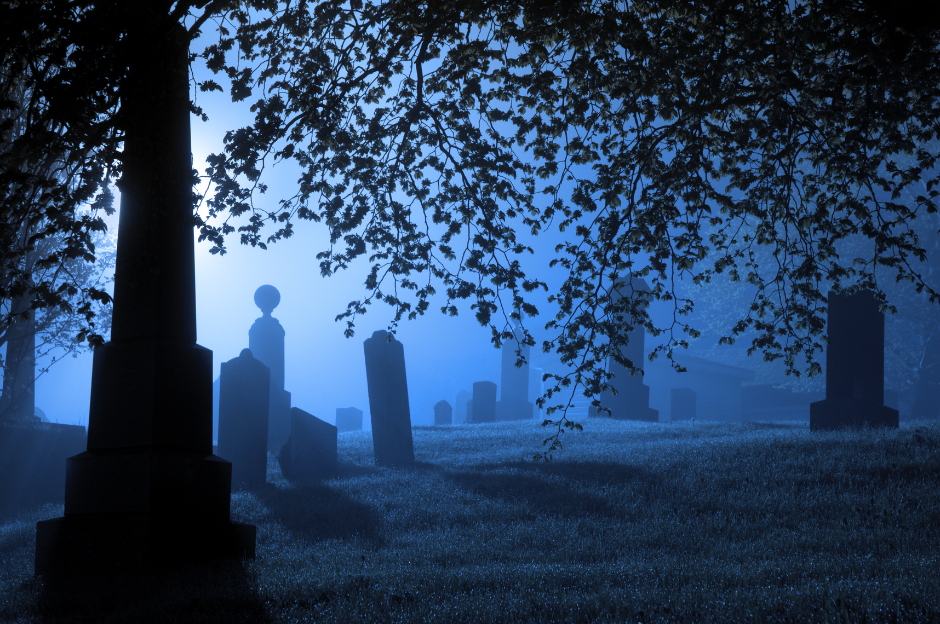
    A graveyard as an example of the gothic horror genre

    Classic Foundations: Where Horror Began

    Gothic Horror

    Gothic horror combines atmospheric dread with romantic elements, creating stories that feel both timeless and deeply emotional. Think Mary Shelley’s Frankenstein and Bram Stoker’s Dracula—these foundational works established horror tropes that continue to captivate readers today. Gothic horror typically features decaying settings, family secrets, and protagonists caught between love and terror. The underlying themes often explore human nature’s darker impulses, making readers question what we’re truly capable of when pushed to our limits.

    Perfect for: Historical fiction writers, romance authors seeking darker themes, or fantasy writers building atmospheric world-building.

    Psychological Horror

    Rather than relying on jump scares or gore, psychological horror gets under your skin by exploiting fundamental human fears: losing control, being manipulated, or questioning reality itself. This sub-genre creates tension that lingers long after readers close the book because the horror is experienced internally. When done subtly—settling into the subconscious without overt horrifying acts—it’s called “quiet horror.”

    Perfect for: Literary fiction, contemporary drama, or any story exploring mental health, family dynamics, or social pressures.

    A red misted window with a dark hand for thriller horror genre

    Action-Driven Horror: High Stakes and High Fear

    Slasher Horror

    When a slasher is on the loose, no one is safe. These antagonists hunt methodically, treating their victims like prey in stories designed to keep readers on edge. The appeal lies in the relentless pursuit and the question of who, if anyone, will survive. A newer variation, “splatter horror,” emphasizes excessive blood and gore as integral story elements—messy, shocking, and viscerally terrifying.

    Perfect for: Thriller writers, action-adventure authors, or anyone crafting high-stakes survival scenarios.

    Survival Horror

    Survival horror places characters in environments where death lurks constantly—whether from supernatural beings, natural disasters, or post-apocalyptic scenarios. The key is creating relatable situations that could theoretically happen to anyone, then amplifying the danger beyond normal human experience. Zombie fiction falls into this category, with its methodical, unstoppable threats that transform familiar environments into deadly landscapes.

    Perfect for: Post-apocalyptic fiction, adventure stories, or science fiction exploring environmental collapse.

    Speculative Horror: Beyond Our World

    Paranormal and Supernatural Horror

    This sub-genre ventures beyond known reality into realms of magic, spirits, and otherworldly phenomena. Characters face threats they can’t fully understand or prepare for—extrasensory perception, ghostly encounters, cryptozoology, and unexplained phenomena that leave everyone tenuously off-balance. While similar to gothic horror, paranormal horror often features contemporary settings and modern characters encountering ancient or otherworldly forces.

    Perfect for: Fantasy writers, urban fantasy, or contemporary fiction with magical elements.

    Science Fiction Horror

    Sci-fi horror blends familiar horror elements with scientific complexity, introducing innovative threats that make readers question what’s possible. H.P. Lovecraft mastered this fusion, creating cosmic horror that made humanity feel insignificant against vast, unknowable forces. Modern sci-fi horror might explore AI gone rogue, genetic manipulation, or extraterrestrial threats that view humans as nothing more than obstacles.

    Perfect for: Science fiction writers, dystopian fiction, or stories exploring technological advancement’s dark side.
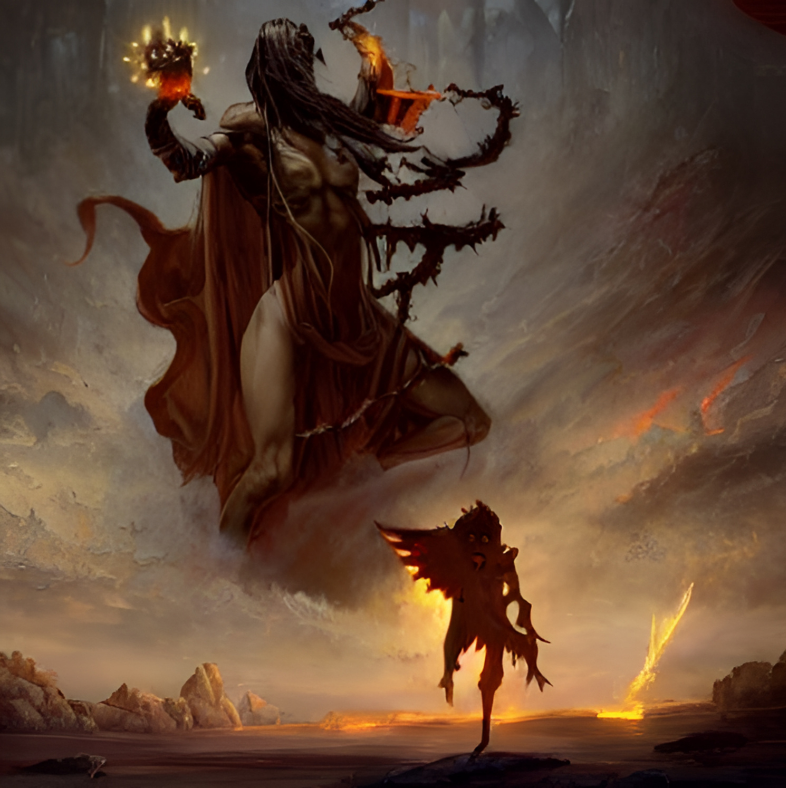
    eldritch beings for fantasy and paranormal horror genres

    Dark Fantasy

    When horror meets fantasy worlds, anything becomes a potential threat. Witches, shapeshifters, dark wizards—these antagonists wield magic that defies conventional solutions. Characters face seemingly insurmountable odds against supernatural powers, creating terror through the unknown capabilities of magical threats. The fantasy setting allows for creative freedom in crafting unique, otherworldly fears.

    Perfect for: Fantasy writers seeking darker themes, fairy tale retellings, or urban fantasy with horror elements.

    Specialized Horror Approaches

    Body Horror

    Body horror exploits our fundamental fear of physical transformation and decay. From Oscar Wilde’s The Portrait of Dorian Gray (accelerated aging) to Franz Kafka’s The Metamorphosis (human-to-insect transformation), this sub-genre makes the human body itself the source of terror. Modern body horror might explore medical experimentation, genetic mutation, or loss of physical control.
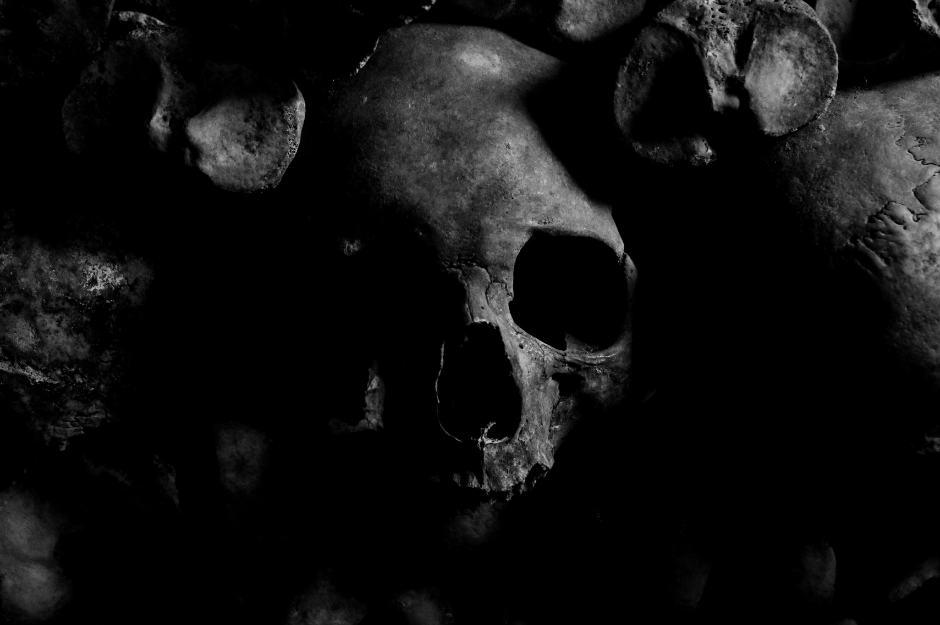
    a dark skull for the body horror genre

    Occult Horror

    Satan, demons, and religious corruption dominate occult horror. Stories like Ira Levin’s Rosemary’s Baby blend supernatural terror with religious themes, creating atmosphere through familiar spiritual concepts turned malevolent. The power of faith—and its potential corruption—provides rich material for exploring good versus evil.

    Eco Horror

    Environmental catastrophes and nature’s revenge characterize eco horror, serving as metaphors for real-world ecological crises. Samanta Schweblin’s Fever Dream exemplifies this sub-genre, combining maternal anxiety with environmental pollution. Common elements include deadly toxins, mutated creatures, animated plants, and killer viruses—all reflecting our complex relationship with the natural world.

    Techno Horror

    When technology becomes the enemy, techno horror explores our dependence on systems we don’t fully understand. AI malfunctions, computer viruses, and rogue robots create scenarios where characters must fight threats beyond their technical capabilities. This sub-genre resonates particularly well in our increasingly digital world.

    Hybrid and Flexible Approaches

    Comedy Horror

    Sometimes writers want chuckles instead of screams. Comedy horror takes terrifying elements and places them in absurd situations, creating three distinct approaches: black comedy, parody, and spoof. Washington Irving’s The Legend of Sleepy Hollow demonstrates how humor can actually enhance horror by making readers lower their guard before delivering genuine scares.
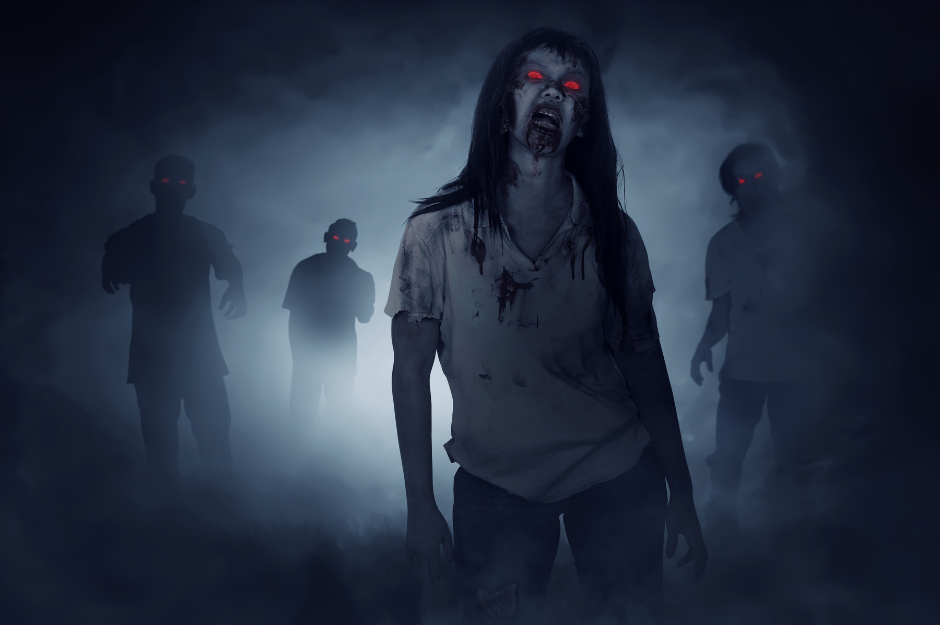
    A frightening zombie that's honestly a little too scary for the horror comedy genre.

    Teen Horror

    Stephen King’s Carrie perfectly exemplifies teen horror, where adolescent experiences—physical changes, social pressures, identity formation—intersect with supernatural or horrific elements. This sub-genre recognizes that teenage years already feel terrifying to many people, then amplifies those fears through genre elements.

    Pulp Horror

    Fast-paced and lurid, pulp horror embraces accessibility and entertainment value. Born in the late 19th century and popularized in the 1950s, pulp horror delivers quick thrills through sex, drugs, violence, and supernatural elements. It’s horror designed for pure entertainment rather than deep psychological exploration.

    Finding Your Horror Approach

    The beauty of horror sub-genres lies in their flexibility. Writers can blend multiple approaches—combining psychological elements with supernatural threats, or mixing sci-fi concepts with body horror. The goal isn’t purity but effectiveness: which horror elements serve your story’s emotional core?

    Consider your primary genre first, then identify which horror sub-genre complements your story’s needs. A romance writer might find gothic horror perfect for historical settings, while a contemporary fiction author could use psychological horror to explore family trauma.
    A spooky necromancer holding a skull with rainbow smoke.

    With all these fun and frightening horror sub-genres, writers can mix and match them or go heavy one specific theme. With a goal to twist their readers into knots with plots that will keep them up at night, these stories will have you questioning every noise you hear and every shadow that passes your way.

    Thanks for reading about these spooky Horror Sub-genres,
    and don’t be scared of that beast under your bed tonight!


    Recognition for Genre-Blending Excellence
    *Gasp!* Don’t miss out on your chance to submit to these fabulous Awards!

    Whether you’re writing pure horror or incorporating horrific elements into other genres, professional recognition celebrates the craft behind effective fear. The Chanticleer International Book Awards recognize outstanding speculative fiction across multiple divisions that welcome horror elements:

    The 2025 deadline is June 30th—less than a week away! These awards recognize the skillful blending of genres that creates memorable, impactful fiction.

    Horror isn’t about shocking readers—it’s about creating emotional experiences that resonate long after the final page. Whatever your primary genre, the right horror elements can transform good stories into unforgettable ones.

    Submit before June 30th and let professional judges recognize your skill in crafting compelling, genre-blending fiction.

  • Chanticleerians in the News: Go from Page to Screen with Kim Hornsby

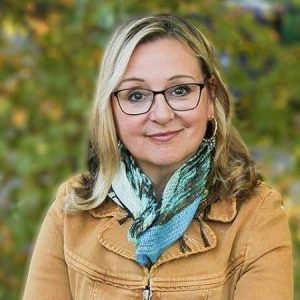
    Masterclass Instructor, USA Today Bestselling Author, and Chanticleer Keynote Kim Hornsby invites you to join her on the next adventure! 

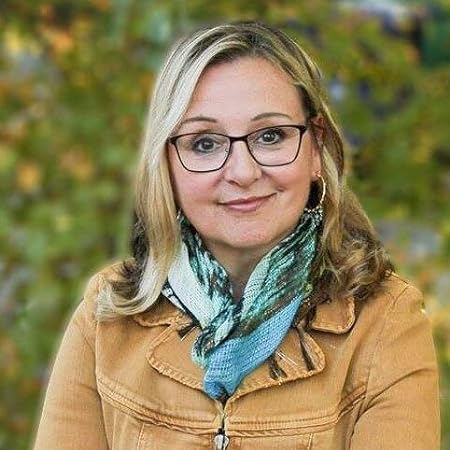
    Kim Hornsby, a young white woman with blonde hair and glasses wearing a stylish yellow jacket with a blue scarf

    Realize your book-to-screen dreams in Greece this fall!

    When your mission is to Discover Today’s Best Books, you come across good news regarding authors!

    Kim Hornsby came to Chanticleer as a First Place Winner for the Paranormal Awards (now Shelley Awards) almost a decade ago for her book Dream Jumper, which has been optioned for film. She gave the Friday keynote at the last Chanticleer Authors Conference where she shared insights from her journey from bestselling novelist to produced screenwriter—and she’s ready to show authors how to follow in her footsteps.

    Braving Rapids is streaming now!

    Hornsby’s family adventure film Braving Rapids launched May 15th across streaming platforms, bringing her rafting screenplay to life with what she describes as “a darling puppy” and a heartwarming story about a grieving family’s healing journey. And the good news keeps coming as her Lifetime Thriller, Secret Life of My Other Wife recently premiered on LMN!

    This Amazon #1 and USA Today bestselling author wants to share her book-to-screen expertise. Hornsby is heading to the Greek Isle of Patmos this September 20-25, 2025 to mentor writers at an exclusive retreat focused on transforming novels into screenplays.

    Beautiful Patmos, Greece

    Authors can learn to write a screenplay while staring at the cerulean Aegean Sea, and already one Chanticleer author has signed up for the adventure. For authors dreaming of seeing their stories on screen, this is a rare opportunity to learn from someone who’s actually done it. From her island home off Seattle, Hornsby has transformed her Chanticleer-recognized paranormal fiction into a multimedia success spanning streaming platforms, cable networks, and film options.

    Registration is open now, and spots are limited!


    Ready to turn your own stories into award-winning successes?

    You know you want it…

    Don’t miss out! Several Chanticleer International Book Award divisions have deadlines fast approaching. Kim’s journey from Shelley Award winner to produced screenwriter shows exactly what recognition can launch. Whether you’re crafting paranormal fiction for our Shelley Awards or working in any of our genre divisions, professional recognition opens doors to opportunities you might never have imagined.

    Submit your manuscript today before deadlines close!


  • V.C. Andrews – The Author that’s Still Publishing Forty Years After Her Passing

    V.C. Andrews was trapped in an attic

    And she created worlds of gothic horror

    The gothic horror and paranormal fiction that V.C. Andrews pioneered continues to captivate readers today—and at Chanticleer, we know exactly what makes these dark, atmospheric stories work. That’s why our Shelley Awards (named for Mary Shelley, the Mother of Horror) celebrate the best in paranormal and horror fiction each year.

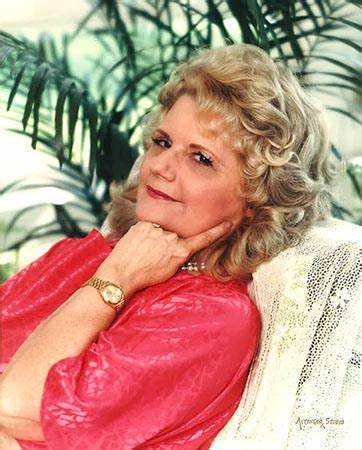
    V.C. Andrews, rose, blonde, woman

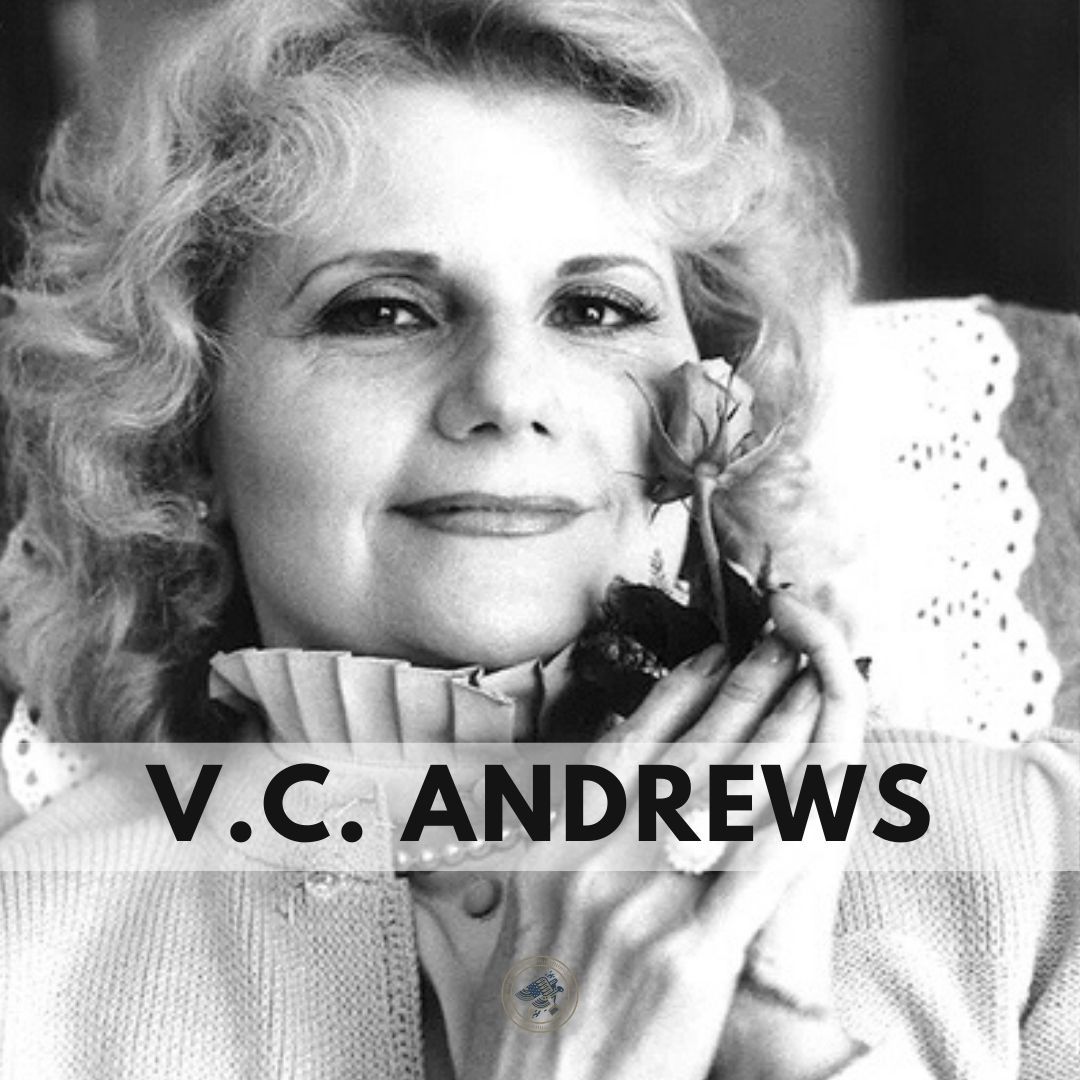
    V.C. Andrews, born Cleo Virginia Andrews on June 6, 1923 in Portsmouth, VA, faced a secluded life in her parent’s home, but that didn’t stop her from creating several series with unique characters and plots that will keep you up at night.

    From Personal Struggle to Gothic Masterpiece

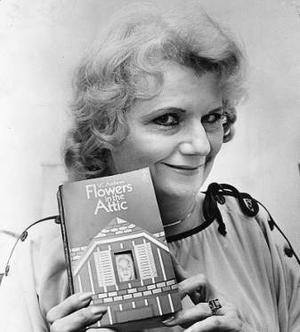
    Flowers in the Attic by V.C. Andrews follows the lives of four children whose mother kept them imprisoned in an attic for years in order to collect an inheritance. Released in 1979, it became an instant sensation and led her to write four more books in the Dollanganger Family Series. Its dark themes of family strife and isolation reflected a similar scenario playing out in Andrews’ own life, and she used her experience to speak through the character Cathy Dollanganger, who narrates the story.

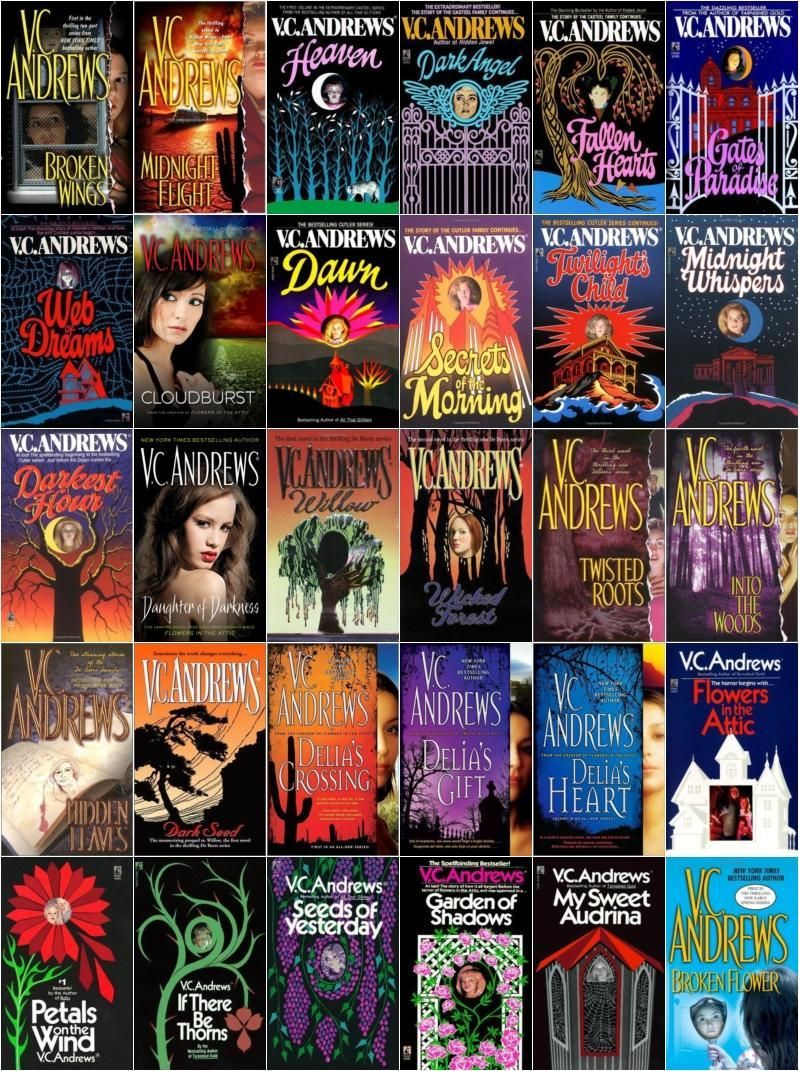
    V.C. Andrews, Flowers in the Attic, Books, covers, series

    The dark tale of children kept locked away in an attic somewhat mirrored Andrews’ own life. Born the youngest child and only daughter of three children, she suffered a devastating fall from a stairwell at school as a teen. The accident required several surgeries and resulted in crippling arthritis that left her wheelchair bound and in the care of her mother for much of her life. Just as with many children, that close relationship with her emotionally distant mother, even as she fully supported her daughter’s writing career, proved difficult at times and, when her father passed away in 1957, Andrews used the commissions from her art sales to support her family.

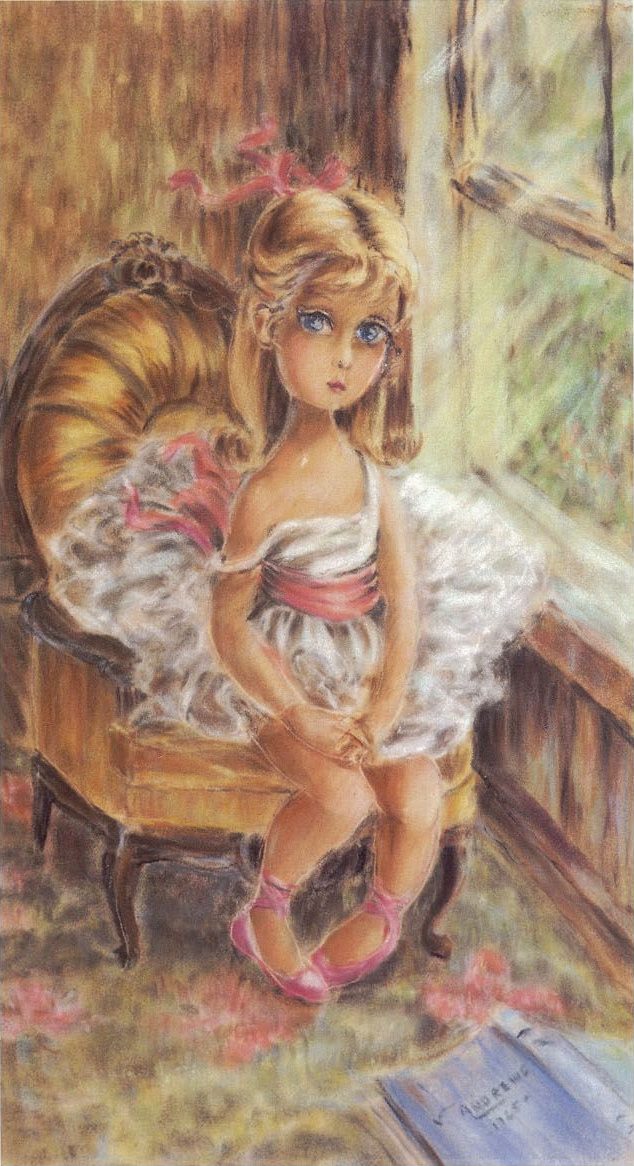
    VC Andrews, painting, art, girl

    The Fast-Paced Formula That Hooked Millions

    Later in life, Andrews turned to writing, beginning with a science fiction novel in 1972 titled Gods of Green Mountain, which was published posthumously in 2004 as an ebook. In 1975, Andrews completed the manuscript for Flowers in the Attic in two weeks, only to have the novel returned with a note to “spice up” and expand the story. Published in 1979, it was an instant success, reaching the top of the bestseller lists in just two weeks. Andrews published a new novel every year after that, earning Andrews larger advances and a growing readership.

    “I think I tell a whopping good story. And I don’t drift away from it a great deal into descriptive material,” she stated in Faces of Fear in 1985. “When I read, if a book doesn’t hold my interest in what’s going to happen next, I put it down and don’t finish it. So, I’m not going to let anybody put one of my books down and not finish it. My stuff is a very fast read.”


    V.C. Andrews, red, watch, finger, blonde, plant, woman

    A Literary Legacy That Defies Death

    V.C. Andrews wrote novels that combine Gothic horror and family saga, often revolving around family secrets and forbidden love. Her best-known novel, Flowers in the Attic, was the catalyst to a career that spanned decades, with stories exploring those same themes. Today, her fans have 104 books and 27 series that continue to enthrall readers and inspire Hollywood filmmakers.

    V.C. Andres, books, covers

    After Andrews’s death from breast cancer in 1986, ghostwriter Andrew Neiderman was hired, initially, to complete two unfinished works, Garden of Shadows and Fallen Hearts that were published soon after. It’s these two novels that are considered the last novels to be almost completely written by Andrews herself, but many more books inspired by her writing and written by Neiderman continued to be published. Forty years later, Andrews’ literary legacy continues to grow, inspiring not only the ghostwriter who continues her stories, but also the many readers who have escaped into her world of family drama and isolation—making Andrews one of the most beloved modern horror writers today.

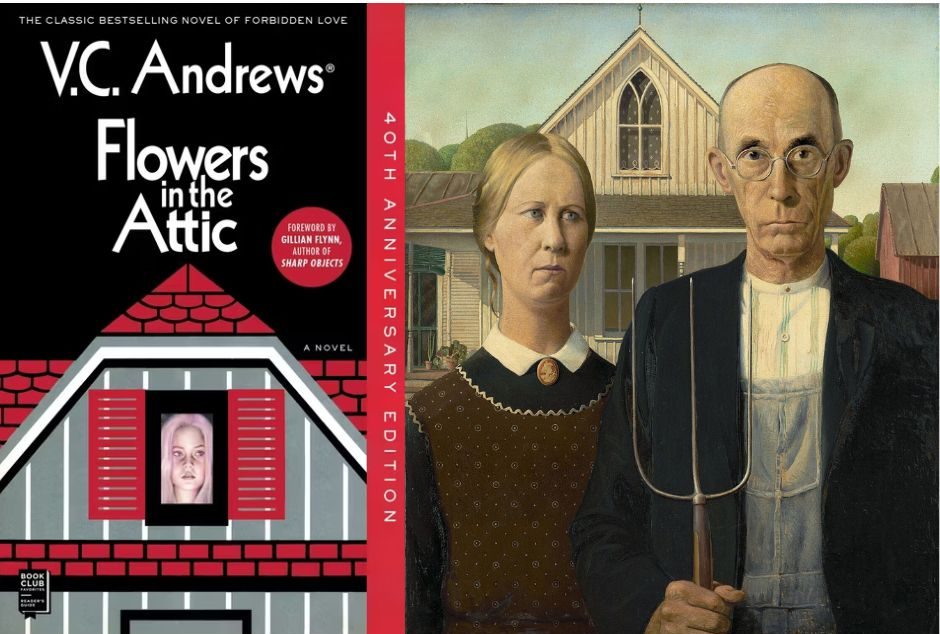
    American gothic, Grant wood, Flowers in the Attic, VC. Andrews

    Gothic Art Meets Family Nightmares

    When I think of Andrews’ novels, particularly Flowers in the Attic, I’m reminded of the famous artwork, American Gothic by Grant Wood—family dynamics painted with a nod to the type of horror that penetrates and unsettles the family dynamic. Surely, Andrews must have pulled from her own conflicted emotions about her family to create a novel that resonates with the love/hate relationships we all grapple with. — Dena Weigel


    V.C. Andrews, book, woman, blonde

    Happy Birthday to V.C. Andrews, an author whose legacy in horror extends beyond her life to entertain and unsettle readers for years to come!


    Does Your Gothic Horror Deserve the Same Recognition?

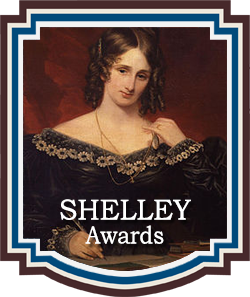
    The Shelley Awards for Paranormal Fiction features an image of Mary Shelley at her writing desk

    The gothic horror and paranormal fiction that V.C. Andrews pioneered continues to captivate readers today—and at Chanticleer, we know exactly what makes these dark, atmospheric stories work. That’s why our Shelley Awards (named for Mary Shelley, the Mother of Horror) celebrate the best in paranormal and horror fiction each year.

    If your horror novel carries themes of family secrets, supernatural elements, psychological terror, or gothic atmosphere like Andrews’ masterworks, the Chanticleer International Book Awards (CIBA) Shelley Division wants to discover it. Our judges understand the nuances that separate good horror from unforgettable horror—the kind that keeps readers turning pages late into the night.

    You know you want it…

    The 2025 Shelley deadline is June 30th—just weeks away! Whether your work explores paranormal romance, supernatural powers, unexplained phenomena, or psychological horror, professional recognition through the Shelley Awards gives your book the credibility boost that social media alone cannot provide.

    Thriller Suspense Fiction Award

    For suspense and thriller authors, don’t overlook our Clue Awards division, perfect for works that blend mystery with darker elements.

    Submit to the Shelley Awards before the June 30th deadline and join the ranks of professionally recognized horror and paranormal fiction.

    Check back next week as we’ll be featuring several articles about outstanding paranormal fiction and the authors who master this challenging genre!

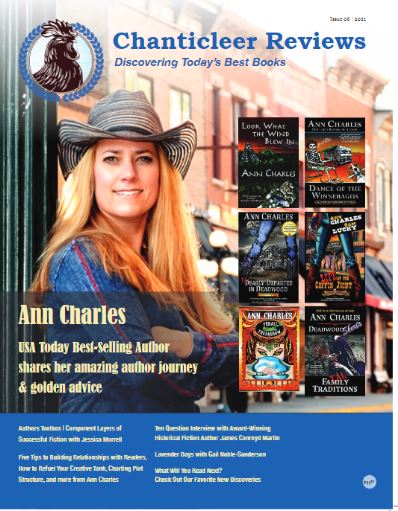
  • Chanticleer Magazine featuring USA Today Bestselling Author Ann Charles is Available in Print and E-Zine

    Chanticleer Magazine featuring USA Today Bestselling Author Ann Charles is Available in Print and E-Zine

    The latest issue features Ann Charles, USA Today Best-Selling Author.

    Ann shares her amazing author journey and her secrets to success! She has five, count them, five book series that are filled with mystery, humor, romance, supernatural, and the paranormal. Ann has also been awarded the CIBA Grand Prize for Paranormal Fiction.

            • Five Tips for Building Relationships with Readers
            • How to Refuel Your Creative Tank
            • Charting Plot Structure
            • Writing Life
            • Secrets for Writing Series

    All this and more in Sharon E. Anderson’s great interview with Ann!

    Order your print copy today!


    Download your e-pub copy today! Click here for a digital copy featuring Ann Charles. 

    Writing Craft with Jessica Morrell, Top-Tiered Editor and one of Chanticleer’s exceptional Master Writing Class instructors, expands on the components of successful fiction.

    Jessica Page Morrell
    Jessica Page Morrell

    James Conroyd Martin, Chanticleer Overall Grand Prize Winning Author known for bringing historical fiction to life, 10 Question Interview.

    James Conroyd Martin, Overall Chanticleer Grand Prize Winner!

    Sweet Lavender Days with Gail Noble-Sanderson with her delicious lavender shortbread cookie recipe. Gail is a multi-award-winning author who weaves an epic tale of romance set against World War I and II, full of warmth, family, and the hope that love can indeed conquer all.

    Award-Winning Author Gail Noble-Sanderson

    What Will You Read Next? Discovery New Reads from this issue’s Chanticleer reviews of these authors’ works from Non-Fiction to Fiction and even an anthology! More than 80 Chanticleer Reviews on the following authors’ works.

    Robert L. Slater, Ted Neill, G.R. Morris, Paul E. Vaughn, T. K. Riggins,  JW Zarek, Joy Ross Davis, Jeny Heckman, Richard J. OBrien, Chris Karlsen, Corey Lynn Fayman, Kevin G. Chapman, Pamela Beason, Norman M. Jacobs, M.D., Marilyn Larew, Michael Pronko, Michelle Cox, Wally Duff, Ann Charles, Karen Musser Nortman, Anna Castle, James Conroyd Martin, Bruce Gardner, Blaine Beveridge, Joe Vitovec,  Sandra Wagner-Wright, Andrea McKenzie Raine, Gerri Hilger, Michael L. Ross, Kari Bovee, David Fitz-Gerald, Sandra Rostirolla, L. A. Thompson, Susan Faw, Tiffany Brooks, Kay M. Bates, Robert D. Calkins, Aric Cushing, Sara Dahmen, Robert Scott Thayer, Simon Calcavecchia, L. E. Rico, Bronwen Evans, Elana Mikalsen, Claire Fullerton, Gene Helfman, Charlie Suisman, Lou Dischler, Eileen Charbonneau, Yorker Keith, Kris Kelso, Julie Jason, Lance Brewer, Franklin Ball, David Okerlund, Linda Jamsen, Cassandra Overby, Stevanne Auerbach, Bill W, Thomas Widman, Karen Keilt,  Jill Anderson, Dan Juday, Ilene Birkwood, Dr. Rhona Epstein, Ramzi Najjar, K,  Tanner T. Roberts, J. Nell Brown, Maya Castro, Janice S. Ellis, Ph.D, and The Red Wheelbarrow Writers.

    Where can you get you copies of the Chanticleer Reviews Magazine?

    You may order print and e-zine copies directly from us! Print copies receive complimentary shipping to anywhere in the United States.

    OR Purchase Print Copies from these Independent Booksellers:

    U.S.

    Village Books of Bellingham, Wash. They can mail magazines out anywhere and they keep copies of the latest issue of Chanticleer Reviews quarterly magazine in stock on their magazine racks.

    Canada & U.K.

    If you live in Canada or the United Kingdom, then order your print magazine from Dragon’s Lair: www.DragonsLairArtist.com or email Susan Faw at susan@dragonslairartist.com | We ship a stack to Dragon’s Lair in Ontario, Canada. Then, they can ship them much easier, faster, and for cheap to Canadian addresses. 

    E-zines!

    Order from Bookchain.ca

    Or download directly from us!

    Advertise?  Yes, please! Email DBeaumier@ChantiReviews.com  for more information.

    Chanticleer Reviews magazine will make a great showpiece for the coffee table, or to take to book signings, or to have in your writer’s den, or to take to other promotional events for your books, or with you to book club meetings, and just in time for the holidays! 


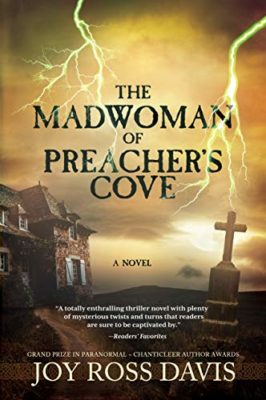
  • The MADWOMAN of PREACHER’S COVE by Joy Ross Davis – Paranormal Ghost Thrillers, Occult Fiction, Witch/Wizard Thrillers

    The MADWOMAN of PREACHER’S COVE by Joy Ross Davis – Paranormal Ghost Thrillers, Occult Fiction, Witch/Wizard Thrillers

    A Gold and Blue Badge that reads: Paranormal Supernatural Fiction 2018 Grand Prize The Madwoman of Preacher's Cove Joy Ross DavidAward-winning author, Joy Ross Davis’ latest work, The Madwoman of Preacher’s Cove, ventures beyond the paranormal into the surreal. Like Medusa on a bad hair day, the lives of characters are intertwined and twisted in a snaky snarl of conflicting human desires, terrifying inexplicable events, and the lingering afterlives of ancient, supernatural beings.

    Davis gifts us with a 21st-century legend, replete with mythological themes and creatures, and snippets of folklore and superstition melded with documented vagaries of weather, obscure herpetology, and creates a mystical potion worthy of Circe. In other words, Davis gives us a thrilling read!

    Rumors about suspicious deaths have put Preacher’s Cove, Alabama, a small, historic town notorious for powerful, killer storms, on the map. Hap Murray, Huntsville’s Channel 12 field reporter, with family ties to the Cove, arrives in town on assignment, armed with only limited knowledge of the town’s history of inexplicable deaths. The rumors speculate that the local pastor may be involved.

    Hap meets the beautiful, provocative owner of Cove’s Inn, Libby Arbuckle, when he first arrives. She is a woman with many secrets—a woman with a history. When Libby, along with Chief of Police Riggs, join Hap in the search for the truth, their ensuing relationship proves integral to Hap’s investigation.

    During his stay, Hap experiences supernatural events that sometimes make him question his sanity, and he already has issues. Like PTSD, he is plagued by periodic, severe headaches accompanied by fragmented, bizarre visual and auditory hallucinations along with phatomasia, he smells things that are not there, which renders him anxious, fearful, and confused. These are never far from his mind, along with the guilt he feels over losing the love of his life and their child through his own failure to act.

    Little does Hap know that the affliction and emotional angst he experiences are pieces of the puzzle he’s challenged to solve. Or, that when Preacher’s Cove welcomes him, a chain of events are triggered that change the shape of residents’ lives forever, in ways that no one could ever predict.

    Joy Ross Davis has crafted an eerie, twisted plot where reality is warped—slightly out of focus, keeping the reader off-balance and engaged. The Madwoman of Preacher’s Cove satisfies dreamers’ needs for a taste of magic, the desire for good to triumph over evil, and the reassurance of a benevolent all-powerful being that is always available.

    The Madwoman of Preacher’s Cove won Grand Prize in the CIBAs for Paranormal Fiction.

  • PATH of the HALF MOON by Vince Bailey – Historical Fantasy, Supernatural Thrillers, Historical Thrillers

    PATH of the HALF MOON by Vince Bailey – Historical Fantasy, Supernatural Thrillers, Historical Thrillers

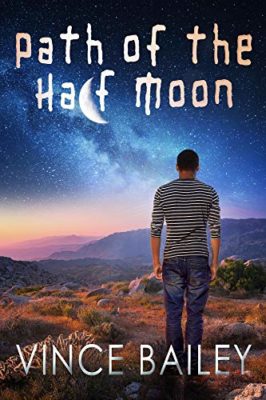
    Paranormal Supernatural Fiction 1st Place CIBAAfter being charged with burglary and attempted arson, fifteen-year-old African American boxer, Curtis Jefferson, has been sent to Fort Grant, a juvenile detention area in Arizona in Vince Bailey’s Path of the Half Moon.
    All of the creepy stories and whispered warnings about the former US military outpost used by the US cavalry to eliminate the Apache a hundred years ago pale in comparison to the truth Curtis finds there. Curtis faces racism from both inmates and guards, to make matters worse, he is also very aware of the presence of something not of this world. He quickly discovers (though he doesn’t want to admit it) that he is sentient to the fort’s bloody past atrocities. As the site where Pinal and Aravaipa Apaches were slaughtered, the fort seems to be a crossroads where past and present meet. From mournful coyotes to hundreds of circling vultures, Curtis can’t escape the strange visions and events inside and outside the fort. When he attracts the unwanted attention of Harvey Huish, an inmate with unusual abilities, Curtis creates a powerful enemy bent on revenge and humiliation.

    A major theme of the novel is the power of language.

    It appears in numerous aspects of the plot from the Apache cursing the white man’s cunning use of his complicated and deceitful tongue to Randy’s appreciation of Howard Cosell’s elevated vocabulary. The frame-story technique within the novel establishes the concept of storytelling and the influence of words. Curtis’s story is narrated by Vince, Curtis’s new friend, who relays it to the reader at the same time Curtis is telling him. As a natural-born storyteller, Curtis is the storyteller in town, and Vince sees the story as a treasure, a jewel, that Curtis has seen fit to share with him and thus sees himself as somehow honored in receiving the tale. Vince values the story as more than just words; it makes him more significant for having heard it. Though the story is unbelievable at times, Curtis does what all great storytellers do – he creates a suspension of disbelief, granting the listener the right to believe, to feel that “[a]ll things are possible,” an idea repeatedly given by various characters within the story. Through the telling, Curtis finds solace in giving his outlandish tale an authentic voice.

    The theme of language also appears later in the character of Will Farnsworth, Harvey’s tortured attorney. As the newest and most talented attorney in the firm that represents the Huish family, Will has been given the unachievable task of pacifying Harvey during his imprisonment at Fort Grant. Like many lawyers, Will uses words in “purposed profusion,” trying unsuccessfully to befriend Harvey and later intimidating him with language. He attempts to use his words as weapons, rather than tools for communication, a failure which leads to his enslavement to the abhorrent Harvey.

    Another aspect of the novel is the blurring of time.

    The sinister fort itself is one part of this theme because it seems to exist in two time periods, its tragic past and its purposeful present. Curtis repeatedly sees images of days past that cross into his present-day 1960s. In fact, his first day at the fort, he witnesses a hanging from the Indian uprising days. Later, Curtis crosses this boundary himself and crosses paths with a murdered Apache boy. The Headmaster, Roy Whitcomb, known by all as the Lieutenant, never leaves the fort but is stuck it seems within Fort Grant’s time loop, effectively becoming “the man in the maze,” the Pima tribal emblem. He is forever trapped within the maze’s limitations and obstacles, unable to make the right choices and find his way into the next plane, the gift of a better existence. The very retelling of Curtis’s story symbolizes this blurring of time as well. During the entire story, Vince’s watch remains fixed when Curtis begins his tale, time seemingly suspended along with his disbelief.

    Path of the Half Moon won First Place in the CIBA 2018 Paranormal Awards for supernatural novels.


    Paranormal 1st Place Winner Sticker

    5 star book award sticker


  • SOULS UNTETHERED SAGA, Book 1 by K.J. McPike – YA Metaphysical, Contemporary, Action/Adventure

    SOULS UNTETHERED SAGA, Book 1 by K.J. McPike – YA Metaphysical, Contemporary, Action/Adventure

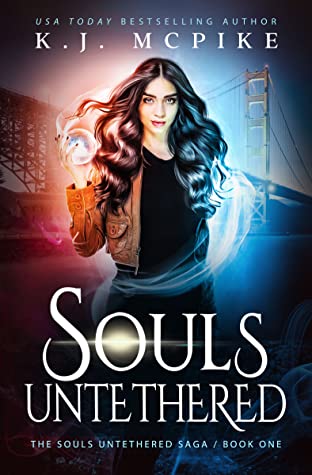
    Lali Yavari has her hands full. She’s the oldest of five siblings, a bright, sensitive daughter of a scientist (her father) and a loving mother. Except, her mother up and abandoned the family leaving only a cryptic note behind. And now Lali’s having strange visions of things and people she does not know coupled with the disturbing ability to astral project her consciousness to another place—another dark and beautiful place.

    Imagine her surprise when one of the people from her visions shows up as the new kid (#hottie_alert) at school! The surrounding cast includes her boy-crazy best friend, Paisley (and Paisley’s new annoying side-kick), and Nelson, a buddy Lali has grown up with since pre-school. Just to be clear: Nelson is not fond of NewBoy, Kai. In fact, Nelson is downright irritated over all the attention Lali is suddenly giving to the new boy. But Kai’s arrival at school is no accident. He knows more about Lali than she does—why she’s having visions and, perhaps more importantly, what the visions mean. He may even be able to help Lali decipher her mother’s note, thus solving the puzzle of her whereabouts.

    But his assistance comes with a price. Kai’s baby sister also disappeared shortly after she was born, and Kai wants Lali to find her. Kai knows something no one else does: Lali is the only person who can astral project to the alternate reality of Alea.

    Alea is filled with thick white trees and grass that’s red and yellow. Beautiful or not, Lali soon learns that Alea is a dangerous place whose citizens are watched by a controlling government with a police force known as the “Eyes and Ears.” Could this surveillance operation have something to do with Lali’s mother’s disappearance? If so, what has her mother done to earn their wrath—and how is her mother connected to Alea in the first place? Past and current events collide in a deeply suspenseful narrative that will have readers turning page after page to determine which characters are good and which are evil. Fittingly, Lali’s brothers and sisters get in on the action and the adventure ramps up in nail-biting intensity.

    McPike gives us a strong family full of teasing, quarreling and sarcasm, yet indisputable evidence of a deep and abiding trust between brothers and sisters alike. The dialogue is fast-paced, witty, and wholly believable throughout the book. Here we have a splendid contemporary metaphysical young adult novel that deserves a place alongside our beloved Ursala Le Quin.

    Souls Untethered is the story of an endearing, resourceful teenager who will stop at nothing to reunite her family.

    *Note: Souls Untethered original title, Xodus, won first place in the 2016 Dante Rossetti Awards for Paranormal Y/A Fiction.

    • Writing: Excellent
    • Sex: None
    • Violence: Some physical combat, nothing graphic
    • Narration: Prologue is in 3rd person; the main novel is in 1st person; Epilogue is in 3rd
    • Tense: Past
    • Mood: Suspenseful with comedic moments

    5 Stars! Best Book Chanticleer Book Reviews