Tag: Occult Horror

  • All the Things that Go BUMP! in the Night — The Varied Word of Horror Sub-Genres

    Zombies, Spectors, Psychos—Oh, My!

    A frightened woman reads a red horror book!

    The horror fiction genre is full of scary and scintillating sub-genres, each offering its own unique flavor of terror and suspense. From the eerie atmosphere of gothic horror to the intense, cerebral tension of psychological horror, there are sub-genres that cater to a wide range of tastes and interests. Like romance, including a little horror can elevate your story and drag the reader kicking and screaming to the next page. 

    The key to effective horror writing lies in choosing the right sub-genre approach for your story’s needs. Each sub-genre offers unique methods for building suspense, developing atmosphere, and connecting with readers who crave that spine-tingling experience.
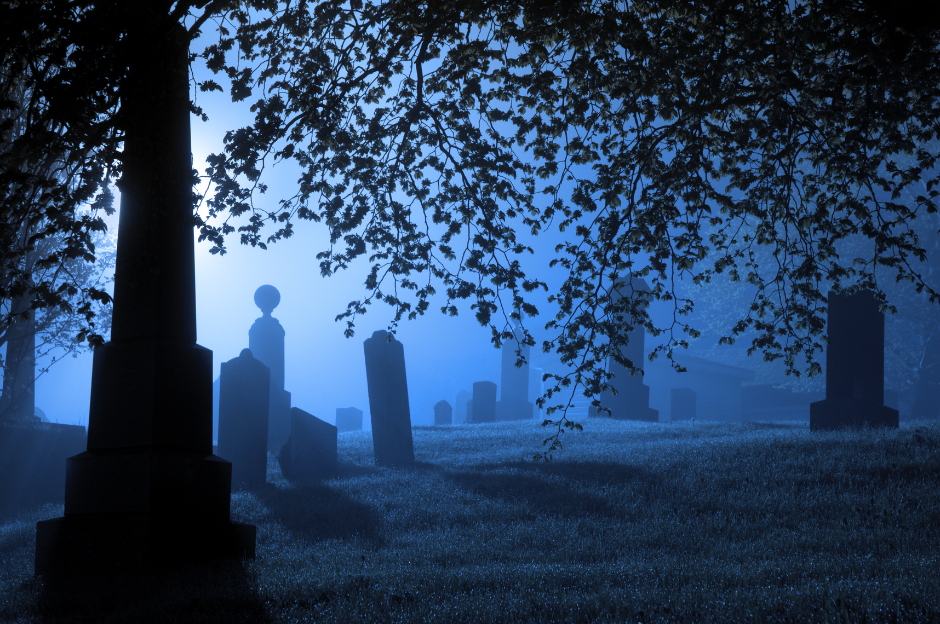
    A graveyard as an example of the gothic horror genre

    Classic Foundations: Where Horror Began

    Gothic Horror

    Gothic horror combines atmospheric dread with romantic elements, creating stories that feel both timeless and deeply emotional. Think Mary Shelley’s Frankenstein and Bram Stoker’s Dracula—these foundational works established horror tropes that continue to captivate readers today. Gothic horror typically features decaying settings, family secrets, and protagonists caught between love and terror. The underlying themes often explore human nature’s darker impulses, making readers question what we’re truly capable of when pushed to our limits.

    Perfect for: Historical fiction writers, romance authors seeking darker themes, or fantasy writers building atmospheric world-building.

    Psychological Horror

    Rather than relying on jump scares or gore, psychological horror gets under your skin by exploiting fundamental human fears: losing control, being manipulated, or questioning reality itself. This sub-genre creates tension that lingers long after readers close the book because the horror is experienced internally. When done subtly—settling into the subconscious without overt horrifying acts—it’s called “quiet horror.”

    Perfect for: Literary fiction, contemporary drama, or any story exploring mental health, family dynamics, or social pressures.
    A red misted window with a dark hand for thriller horror genre

    Action-Driven Horror: High Stakes and High Fear

    Slasher Horror

    When a slasher is on the loose, no one is safe. These antagonists hunt methodically, treating their victims like prey in stories designed to keep readers on edge. The appeal lies in the relentless pursuit and the question of who, if anyone, will survive. A newer variation, “splatter horror,” emphasizes excessive blood and gore as integral story elements—messy, shocking, and viscerally terrifying.

    Perfect for: Thriller writers, action-adventure authors, or anyone crafting high-stakes survival scenarios.

    Survival Horror

    Survival horror places characters in environments where death lurks constantly—whether from supernatural beings, natural disasters, or post-apocalyptic scenarios. The key is creating relatable situations that could theoretically happen to anyone, then amplifying the danger beyond normal human experience. Zombie fiction falls into this category, with its methodical, unstoppable threats that transform familiar environments into deadly landscapes.

    Perfect for: Post-apocalyptic fiction, adventure stories, or science fiction exploring environmental collapse.

    Speculative Horror: Beyond Our World

    Paranormal and Supernatural Horror

    This sub-genre ventures beyond known reality into realms of magic, spirits, and otherworldly phenomena. Characters face threats they can’t fully understand or prepare for—extrasensory perception, ghostly encounters, cryptozoology, and unexplained phenomena that leave everyone tenuously off-balance. While similar to gothic horror, paranormal horror often features contemporary settings and modern characters encountering ancient or otherworldly forces.

    Perfect for: Fantasy writers, urban fantasy, or contemporary fiction with magical elements.

    Science Fiction Horror

    Sci-fi horror blends familiar horror elements with scientific complexity, introducing innovative threats that make readers question what’s possible. H.P. Lovecraft mastered this fusion, creating cosmic horror that made humanity feel insignificant against vast, unknowable forces. Modern sci-fi horror might explore AI gone rogue, genetic manipulation, or extraterrestrial threats that view humans as nothing more than obstacles.

    Perfect for: Science fiction writers, dystopian fiction, or stories exploring technological advancement’s dark side.
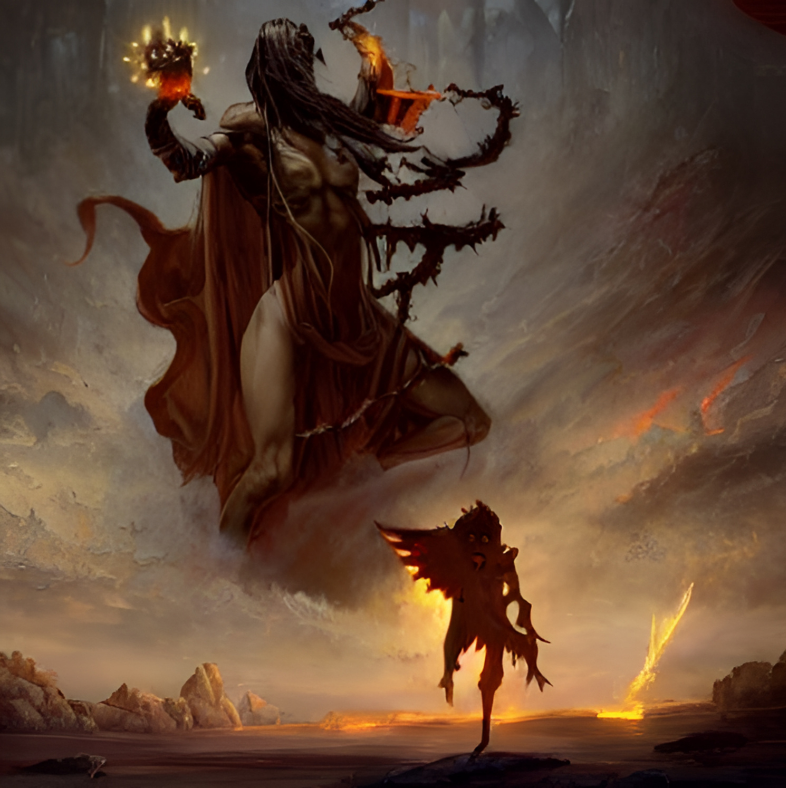
    eldritch beings for fantasy and paranormal horror genres

    Dark Fantasy

    When horror meets fantasy worlds, anything becomes a potential threat. Witches, shapeshifters, dark wizards—these antagonists wield magic that defies conventional solutions. Characters face seemingly insurmountable odds against supernatural powers, creating terror through the unknown capabilities of magical threats. The fantasy setting allows for creative freedom in crafting unique, otherworldly fears.

    Perfect for: Fantasy writers seeking darker themes, fairy tale retellings, or urban fantasy with horror elements.

    Specialized Horror Approaches

    Body Horror

    Body horror exploits our fundamental fear of physical transformation and decay. From Oscar Wilde’s The Portrait of Dorian Gray (accelerated aging) to Franz Kafka’s The Metamorphosis (human-to-insect transformation), this sub-genre makes the human body itself the source of terror. Modern body horror might explore medical experimentation, genetic mutation, or loss of physical control.
    a dark skull for the body horror genre

    Occult Horror

    Satan, demons, and religious corruption dominate occult horror. Stories like Ira Levin’s Rosemary’s Baby blend supernatural terror with religious themes, creating atmosphere through familiar spiritual concepts turned malevolent. The power of faith—and its potential corruption—provides rich material for exploring good versus evil.

    Eco Horror

    Environmental catastrophes and nature’s revenge characterize eco horror, serving as metaphors for real-world ecological crises. Samanta Schweblin’s Fever Dream exemplifies this sub-genre, combining maternal anxiety with environmental pollution. Common elements include deadly toxins, mutated creatures, animated plants, and killer viruses—all reflecting our complex relationship with the natural world.

    Techno Horror

    When technology becomes the enemy, techno horror explores our dependence on systems we don’t fully understand. AI malfunctions, computer viruses, and rogue robots create scenarios where characters must fight threats beyond their technical capabilities. This sub-genre resonates particularly well in our increasingly digital world.

    Hybrid and Flexible Approaches

    Comedy Horror

    Sometimes writers want chuckles instead of screams. Comedy horror takes terrifying elements and places them in absurd situations, creating three distinct approaches: black comedy, parody, and spoof. Washington Irving’s The Legend of Sleepy Hollow demonstrates how humor can actually enhance horror by making readers lower their guard before delivering genuine scares.
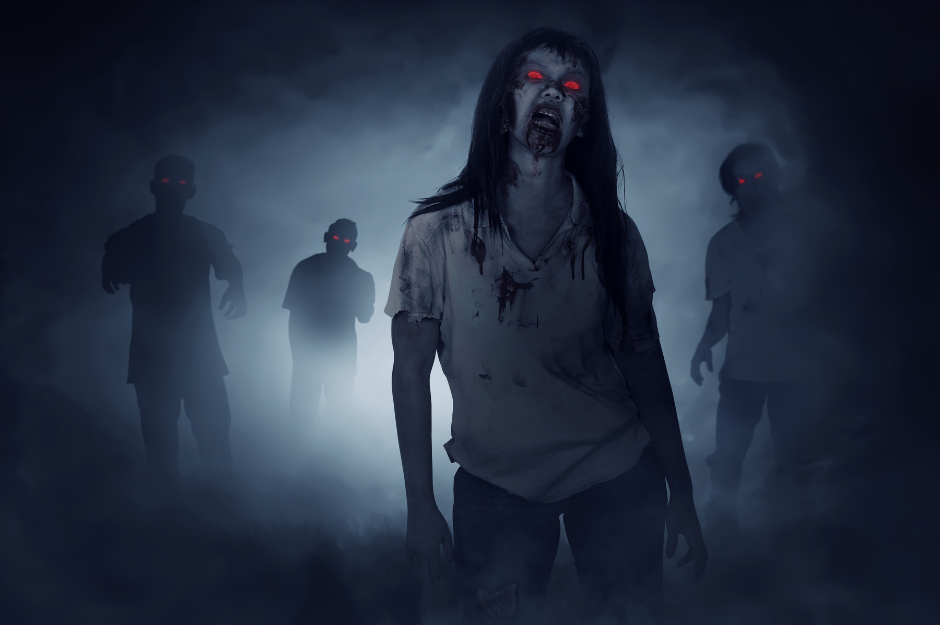
    A frightening zombie that's honestly a little too scary for the horror comedy genre.

    Teen Horror

    Stephen King’s Carrie perfectly exemplifies teen horror, where adolescent experiences—physical changes, social pressures, identity formation—intersect with supernatural or horrific elements. This sub-genre recognizes that teenage years already feel terrifying to many people, then amplifies those fears through genre elements.

    Pulp Horror

    Fast-paced and lurid, pulp horror embraces accessibility and entertainment value. Born in the late 19th century and popularized in the 1950s, pulp horror delivers quick thrills through sex, drugs, violence, and supernatural elements. It’s horror designed for pure entertainment rather than deep psychological exploration.

    Finding Your Horror Approach

    The beauty of horror sub-genres lies in their flexibility. Writers can blend multiple approaches—combining psychological elements with supernatural threats, or mixing sci-fi concepts with body horror. The goal isn’t purity but effectiveness: which horror elements serve your story’s emotional core?

    Consider your primary genre first, then identify which horror sub-genre complements your story’s needs. A romance writer might find gothic horror perfect for historical settings, while a contemporary fiction author could use psychological horror to explore family trauma.
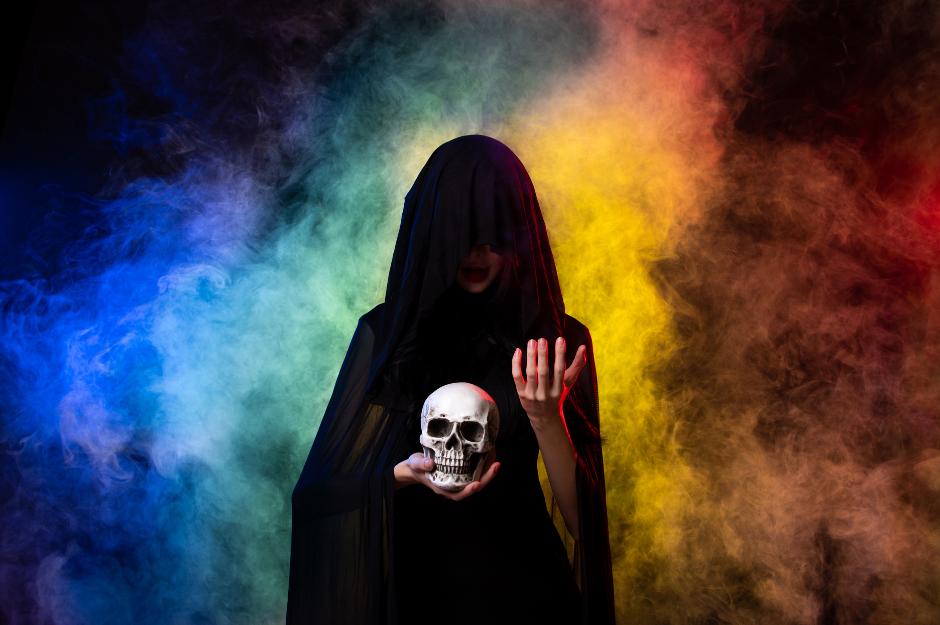
    A spooky necromancer holding a skull with rainbow smoke.

    With all these fun and frightening horror sub-genres, writers can mix and match them or go heavy one specific theme. With a goal to twist their readers into knots with plots that will keep them up at night, these stories will have you questioning every noise you hear and every shadow that passes your way.

    Thanks for reading about these spooky Horror Sub-genres,
    and don’t be scared of that beast under your bed tonight!


    Recognition for Genre-Blending Excellence
    *Gasp!* Don’t miss out on your chance to submit to these fabulous Awards!

    Whether you’re writing pure horror or incorporating horrific elements into other genres, professional recognition celebrates the craft behind effective fear. The Chanticleer International Book Awards recognize outstanding speculative fiction across multiple divisions that welcome horror elements:

    The 2025 deadline is June 30th—less than a week away! These awards recognize the skillful blending of genres that creates memorable, impactful fiction.

    Horror isn’t about shocking readers—it’s about creating emotional experiences that resonate long after the final page. Whatever your primary genre, the right horror elements can transform good stories into unforgettable ones.

    Submit before June 30th and let professional judges recognize your skill in crafting compelling, genre-blending fiction.

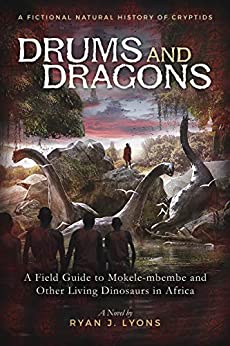
  • DRUMS and DRAGONS: A Field Guide to Mokele-mbembe and Other Living Dinosaurs in Africa by Ryan J. Lyons – Occult Horror, Adventure, Mythology and Folk Tales


    Blue and Gold Paranormal 1st Place Best in Category CIBA Badge Image

    Ryan J. Lyons presents Drums and Dragons: A Field Guide to Mokele-mbembe and Other Living Dinosaurs in Africa with such a realistic edge, readers may wonder at the fictional account of the many prehistoric survivors contained within the book.

    Lyons crafts Drums and Dragons as a journal written by an assistant curator, who joins an expedition into the African jungles to discover cryptids. Readers will become immersed in the spell-binding story of what happens when one dares to believe that this world still has hidden things yet to be discovered. Lyons’ approach to his work will delight and inform readers, as every aspect of these creatures’ lives is carefully documented.

    Meet Matt Preston, an assistant curator at the F. Donald Hagstrom Museum of Natural History in Fairview. His life takes a strange turn, and he encounters the notorious “monster hunter,” Walter Spink. This meeting sets the stage for a mission to find dragons in the African wilderness.

    The expedition leads the two dragonologists to uncover the existence of many species of surviving dinosaurs.

    Preston records it all. The comprehensive work includes additional information in its appendix: A. Brief Guide to African Dragons, B. List of Plants Consumed by Mokele-mbembe, and C. Body Measurements of the Biafran Sea Dragon. Preston’s journal serves to shed light on Walter Spink’s legitimate discovery, which an apathetic public dismissed and mocked in the 1980s.

    It turns out that not everyone seeking the elusive beasts is a friend to them.

    Spink and Preston must preserve these species from natural predators in the forest and from human game hunters. Meanwhile, a feticheuse, a witch doctor of Toukalaka village, attempts to stop the two men from seeking more dragons. She warns them that they are the most significant risk to these creatures’ survival. As for Preston and Spink, they believe in what they are doing. 

    Drums and Dragons illustrates how we derive meaning and purpose through caring for others and other species, and author Lyons accomplishes this with a good bit of humor. 

    Spink, a well-informed naturalist, divulges information on dragon physiology, diet, habitat, behavior patterns, and plants indigenous to African forests. Moreover, he shows compassion for the dinosaurs, to the point that he frets about one female mokele-mbembe’s choice for a mating partner. This dry humor permeates Matt Preston’s record.

    This story concerns the nature of dwelling on desire.

    Spink determines to stop the hunters from killing his savage dragon friends. He also insists on keeping track of their lives as long as possible. When the feticheuse demands that he leave the dinosaurs alone, and in exchange, she will keep the creatures safe from the hunters, he is torn. What happens next will make the book stick in readers’ minds long after it is finished. 

    Drums and Dragons by Ryan J. Lyons won 1st Place in the 2019 CIBA Paranormal Book Awards for Supernatural Fiction and comes highly recommended!

    Paranormal 1st Place gold foil book sticker image

    5 Stars! Best Book Chanticleer Book Reviews


  • A SONG of VENGEANCE (Call of Vengeance Book 3) by John Stafford – Global Thriller, Christian Suspense/Thriller,  Supernatural Thriller

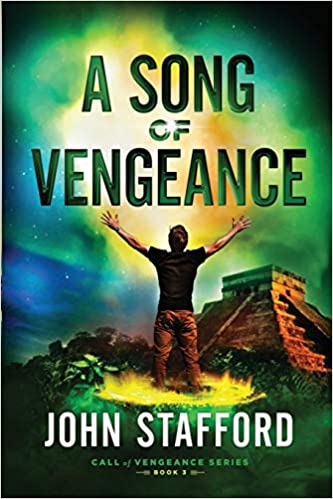
    A SONG of VENGEANCE (Call of Vengeance Book 3) by John Stafford – Global Thriller, Christian Suspense/Thriller, Supernatural Thriller


    A Song of Vengeance: A Novel (Call of Vengeance book 3) by John Stafford begins right on the tail of where A Sword of Vengeance left off. In this novel, much like the two before, Stafford displays his talent for weaving in real-world individuals into his Global Thriller tale.

    Reeling from the damage inflicted on the Forces of Darkness by Brady, the young American master of The Light and his compatriots, the Evil One seeks revenge. It is now 1980. The Temple Mount in Israel, now consecrated with Christ’s blood after Brady’s successful mission, literally vaporizes any soldier of the Darkness who enters its doors. At a meeting at the Temple Mount, Iranian loyalists—in this telling, Iran seems to be the headquarters of the Devil on Earth—receive instructions by the Darkness to hunt down Brady, capture or kill his wife, Michelle, and kidnap her unborn baby.

    One of those at the meeting is a young Imam named Rouhani. Current events fans will recognize the name as the powerful former President of Iran. Also attending is the Banker, a treacherous Vatican priest who controls funds purloined from the Holy See used to fund Darkness missions across the globe.

    A new agent of the Darkness emerges.

    Meet Gudren Himmler, daughter of Nazi leader Heinrich Himmler, a historical figure who assisted Nazis on the run after World War II. In this book, she connects Nazis and anti-Israel Arabs. Among her many activities, she accuses Saudi Arabia of desecrating Mecca, which she hopes will bring about the fall of the Saudi family and its ties to the United States. She explains this to an Arab who will deliver her messages to the appropriate people and whose lover, unfortunately, winds up being a barbecued lunch for Gudren and her guest.

    Such are some of the forces of evil arrayed against Brady and his friends.  In this newest volume, quite literally, the Devil is in the details.

    Meanwhile, back in Ohio, Brady and company now live on a fortified farm, with detailed plans for their protection that include both military-like fortifications as well as assistance from their Heavenly protectors.

    For the first time in the series, Brady’s grandfather, Giovanni, one of the many ongoing characters in the series,  helps Brady understand his role as the leader of the anti-Darkness forces. Giovanni spells out the historical war between the forces of good and evil. He directs Brady’s attention to recovering mystical stones that fell from heaven at the same time the angels fell. The quest for the stones becomes the main adventure in the remainder of the book. As the men ready for their journey, the Army of Darkness cooks up plans of their own.

    In contrast to the Darkness followers, Stafford develops Brady’s circle of supporters with strength, mission, and clear focus of purpose.

    Brady’s family expands as other people join their Catholic family, including growing support from the Mighty Men of King David, an Israeli militant group. The daughter of its commanding officer has now married one of Brady’s brothers. Marriages and details of rich family life take the edge off some of the novel’s more violent passages. There’s even a surprise visit at one of the weddings from a VIP. Since this is a Catholic-themed book, it’s not hard to guess who shows up.

    All the books in the series relay credible details, whether in the construction of Brady’s fortified farm, military-style attacks by the forces of both good and evil, or acts of vitriolic violence by the Darkness. As the Devil wages war on human society and uses major historical events and figures to do his vile deeds, readers will be relieved to know that the Evil One may have met his match. Fans of Paranormal Global Thrillers will surely devour this series. Start at the beginning with A Prayer of Vengeance.

  • A PRAYER of VENGEANCE (Call of Vengeance Book 1) by John Stafford – Christian Supernatural Thriller, Catholic Horror Novel, Dark Fantasy Thriller

    A PRAYER of VENGEANCE (Call of Vengeance Book 1) by John Stafford – Christian Supernatural Thriller, Catholic Horror Novel, Dark Fantasy Thriller

    The Beast watched gleefully on that sad Good Friday, watched with grim satisfaction as the Son of God died.

    And so was a little boy who witnessed the grieving mother, her tears and pain beyond description, her sorrow etching deeply on his own soul. He promised himself and God that he would vanquish the evil that killed her son. “I will never let this happen again,” the boy said to the woman, and she touched his face with her hand and said, “And so it shall be.”

    The boy gave the Beast the sign of death, the acknowledgment that Roman soldiers gave to an enemy in battle. The Beast accepted the challenge and thus began the struggle between good and evil, the Light and the dark, that would last unto the present day.

    This story, or fable, is at the heart of A Prayer of Vengeance by John Stafford.

    The first of a four-book series opens in 1976 and takes the epic struggle of good versus evil at face value. It tells the story of a teenage boy in the 20th Century, a linear descendant of that boy. He witnessed Jesus’ crucifixion and inherited vast powers to fight the Darkness in his hometown of Beavercreek, Ohio. 

    Readers expecting a soft-edged Sunday sermon approach to the eternal battle between good and evil will not find it here. Instead, the book begins with as vile a depiction imaginable of a young girl’s rape, disfigurement, and death by Ray and his buddies, the embodiment of the Darkness living on earth. 

    Enter Brady, the counterpoint to Ray.

    Brady enters the scene as an all-American high school teenager the students and faculty all but worship. Everyone wants him as a friend. The high school coach wants him for his football team. Yet Brady is in training for something else that he dare not tell another living soul.

    It takes a while before Brady reveals his unique powers. When he calls the Light, he elevates above the earth with arms spread in a Christ-like manner and protects those who need protecting. Brady heals the sick and the wounded by allowing their injuries to flow into him, onto him. 

    When his high school friends plan a long-standing prank, painting a nearby train bridge with the school’s colors before a big football game, Brady understands the danger awaiting them from unanticipated trains and assumes the critical role in getting the bridge painted. When a train inevitably shows up, Brady brings forth the Light and protects a classmate from certain death. No one there remembers afterward precisely what happened. Such is Brady’s power to do good and yet defend himself and those he loves from his enormous powers.

    Brady learned to call the Light at age five.

    At 13, he was additionally schooled by his grandfather, who taught him the prayer of vengeance, recited when the Light was called forth. Once he called on the Light, the Darkness, the Beast’s presence followed. Brady would then absorb the damage done by the Darkness, and the victim’s healing would take place.

    Once the reader understands Brady’s unique powers and accepts this more muscular version of Catholicism, the inevitable wars between Darkness and light ramp up; even as more people disappear at the hands of Ray and his predators, more people are attracted to Brady and become part of his circle of guardians. The ultimate goal? To destroy the Darkness once and for all. 

    Catholic horror describes A Call of Vengeance just right.

    Catholic readers are in for a polemic as well as a religious-themed supernatural thriller. The author clearly intends it to be such. Non-Catholic readers will find a large cast of characters, several of which are clearly set up for sequels by the end of the book.

    This book is clearly not for everyone. The atrocities in the first chapter alone may keep readers from proceeding further. Yet, those whose reading interests embrace the supernatural in its many forms will find A Prayer of Vengeance a bracing reading adventure. 

    Round Blue and Gold CIBA Semi-Finalist Badge