Tag: Non-fiction Awards

  • On the 7th Day of Christmas, Chanticleer Brings to Me 7 Non-Fiction Divisions| 12 Days of Christmas 2024!

    Celebrating the Twelve Days of Christmas – One Day at a Time

    And the Seventh Day of Christmas brings us a New Year!

    “But Jiminy Crickets, it’s after December 25th! Is it not too late for the 12 Days of Christmas?” you say.

    Not to fear, Chanticleerians! The 12 Days of Christmas begins on December 26th! And it continues to the 6th of January – Three Kings Day. The four weeks leading up to Christmas is known as the Advent.

    So if you haven’t finished wrapping presents, sending out those cards, and baking cookies—don’t worry—you’ve got an extra six days!

    On the seventh day of Christmas, my true love sent to me

    Seven Swans-a-Swimming

    Six Geese-a-Laying

    Five Golden Rings

    Four Calling Birds

    Three French Hens (Chanticleer’s favorite #justsaying)

    Two Turtle Doves

    And a Partridge in a Pear Tree 

    The 7th Day of Christmas is January 1st! A new year means new beginnings, new habits, new routines, and new hopes and dreams for the future.

    The Seven Swans symbolize Seven Graces: Service, Teaching, Encouraging, Giving and Sharing, Planning,  Leadership, and Reaching Out to Others

    What are your favorite ways to mark the new year? Resolutions? Thorough cleaning? A polar plunge?

     

    On the 7th Day of Christmas, Chanticleer brings to me….

    Seven Non-Fiction Divisions!

    At Chanticleer, we’re proud to honor these remarkable stories through our seven Non-Fiction Divisions, each one representing a unique facet of the human experience. Whether overcoming adversity, inspiring others, or sharing expert insights, these authors remind us that there’s much more beneath the surface.

    Journey Narrative Non-Fiction CIBA Badge

    The Journey Awards for Overcoming Adversity in Non-Fiction

    The Journey Awards honor memoirs of pain, survival, and endurance. These books will have you on the edge of your seat, pulling at your heartstrings and keeping you hooked until the very last page. Authors in this division share stories that explore the depths of human struggle, yet they also reveal the strength it takes to overcome the greatest of obstacles. These are stories that not only survive hardship but turn it into a testament of the human spirit.
    The Hearten Awards for Uplifting and Inspiring Non-Fiction

    If adversity fuels transformation, then The Hearten Awards shine with the light of hope. These books embody the courage to face hardships head-on while remaining a beacon of inspiration. Authors in this division tell tales of kindness, resilience, and triumph, showing us the best of humanity even in the most difficult times. Their works inspire us to rise above challenges and make the world a better place.

    The Military and Front Line Awards for Service to Others

    In the spirit of selflessness and community, the Military and Front Line Awards honor those who serve others. Whether through the military or community service, these authors’ stories remind us of the dedication and sacrifice required to serve others. This division was inspired by figures like Florence Nightingale and aims to shed light on those whose service makes the world a better place. Their stories are a testament to the power of giving and serving others.

    Mind and Spirit Non-Fiction Awards CIBA Badge

    The Mind & Spirit Awards for Metaphysical Non-Fiction

    Sometimes, we need to expand our view of the world. That’s where The Mind & Spirit Awards come in. These works span from self-help to memoir, guiding readers on their personal journeys of transformation, healing, and spiritual discovery. Authors in this division offer wisdom and insights that encourage introspection, growth, and a deeper understanding of the world around us.
    I&I or Instruction & Insight Awards CIBA Badge

    The I&I, Instruction and Insight Awards for How-To and Self-Help

    In our busy lives, we all need a little guidance from time to time. The I&I Awards recognize how-to and self-help books that provide practical solutions and insights. Whether offering expert advice or simple, actionable tips from those who’ve been there, these books are an essential tool for navigating everyday challenges and taking the next steps in life, business, or personal growth.
    Nellie Bly Awards

    The Nellie Bly Awards for Longform Journalism

    For those who seek depth and thoroughness in their reading, the Nellie Bly Awards celebrate longform journalism. These works offer well-researched, in-depth dives into subjects both timely and timeless. Whether investigating social issues, politics, or human rights, these authors bring critical attention to important stories and provide the detailed, comprehensive reporting we need to better understand the world.

    Three Black stripes on a yellow badge CIBA Badge

    The Harvey Chute Awards for Business and Finance

    For those looking to elevate their careers and deepen their business knowledge, the Harvey Chute Awards are the gold standard. Recognizing works in business and finance, this division helps authors make sense of the complex world of corporate leadership, finance, and entrepreneurship. Whether you’re a business owner, aspiring leader, or investor, these books provide invaluable insights to help you take your professional journey to the next level.

    Stay tuned for the 8th Day of Christmas!

    The Chaicleer Rooster logo wearing a santa hat

    Our favorite part about having the 12 Days of Christmas is that we can have the time we need to celebrate with our loved ones. We have time for wrapping our presents, meeting with friends for hot cocoa, and setting ourselves up in the New Year  for publishing success (with Chanticleer Professional Services and the Chanticleer Authors Conference).

    Wishing you Happy Holidays from Chanticleer from Kiffer, David, Dena, Scott, Anya, and Argus!
  • Cover Design and the new Chanticleer Cover Design Awards (CCDAs) are open now!

    Don’t Judge a Book by Its Cover—Or Do!

    The Cover Design Book Awards for Fiction and Non-Fiction
    Your Cover Deserves Recognition

    Make your book *POP* and succeed in the CCDAs!

    We’ve all heard the saying, but those of us in the industry know the truth: your cover only has three seconds to catch the eye of a reader. That’s right – three seconds. The cover sells the first book, but it’s the content that keeps readers coming back for more.

    The Power of a Great Book Cover Design

    Imagine you’re in a bookstore. You’re looking for a thriller that’ll keep you turning pages late into the night. Do you pick the book with a woman walking down a shadowy alley, or the one with a serene beach scene under a vibrant sky?

    If you love suspense and intrigue, you know which one you’re looking for. If you prefer travelogues or romances, the other choice is obvious. A great book cover doesn’t just look nice – it taps into the emotions and expectations of the reader. It’s a visual cue that signals what lies within.

    In today’s competitive market, first impressions matter more than ever, especially with the rapid rise of digital books. A book’s cover is the first thing potential readers see, and it’s often what makes them decide whether or not to pick up your book, click on it, or share it with others.

    bookshelves, woman, books

    Best Practices for Designing an Effective Book Cover

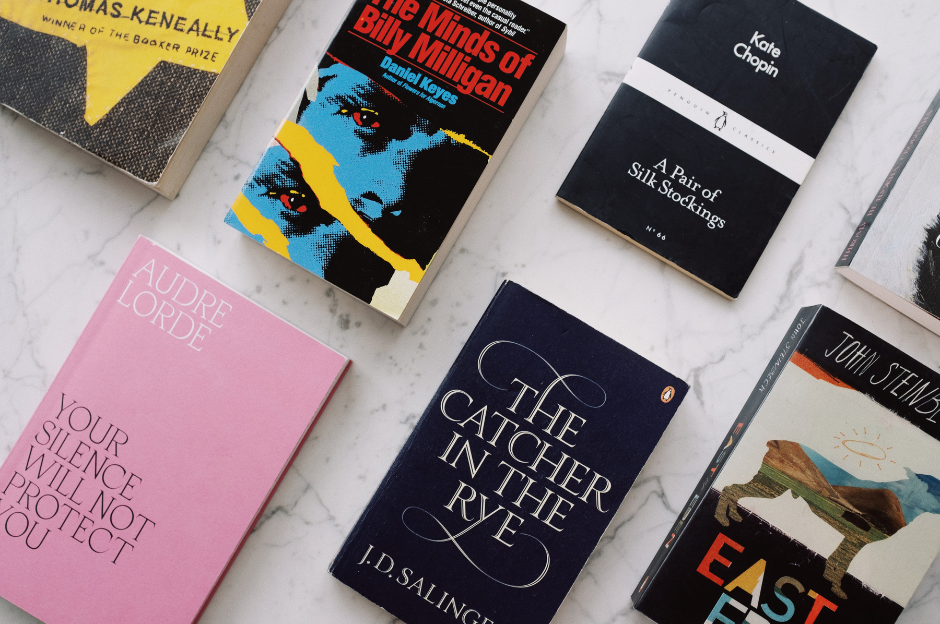
    Your cover is a visual ambassador, capturing the essence of your story and compelling potential readers to pick it up, click on it, or share it with others. A well-designed cover signals professionalism, sets expectations for your genre, and serves as a powerful marketing tool to stand out in both digital and physical spaces.

    It’s not just a cover – it’s your book’s first opportunity to shine!

    Book, Books, cover


    Consider the Genre

    The first step in designing a great book cover is getting to know what your readers will be expecting. Your cover should have it’s own distinct look, but don’t be a rebel and put a cute kitten on a horror book (unless there’s blood splattered all around, of course). The cover should accurately represent the book’s content and genre to resonate with the intended audience. Pay attention to details and find elements that make clear what genre your book belong sin. James bond, book, covers

    Think About the Future

    If your book is the first in a series, design a cover that can be act as a template for future books. Use different colors or features that stay within the norms of the genre and connect all the books to one visual theme. The James Bond series is a great example of carrying the cover’s theme across several books. Several editions have been published, and each time the books carry a strong theme with little adjustments that hint at the plot of the book. Readers can easily see that each book belongs with the other, but they retain their individualism at the same time because the style retains a similar book. 

    font, script, calligraphy

    Typography Matters

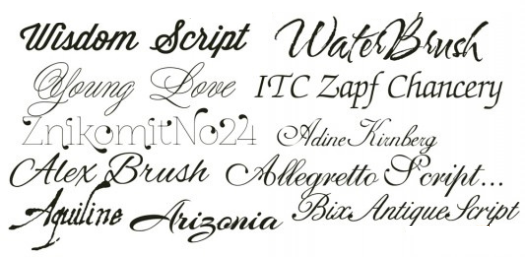
    Typography can be a focal point that you can use to visually communicate emotion. Light, fluid script will be a clue for the reader that the plot will reflect the same tone. Heavy, bold script conveys a serious tone that is appropriate for stories with dangerous or important themes. And if your story takes place in a foreign land, there are several fonts that depict the writing associated with their culture. You can try using up to two different typefaces, such as a serif and sans-serif, to separate the title from the the other information on the book—the blurb, reviews, or the author name. More than that can look messy.

    blue, book, money, title

    Avoid Clutter

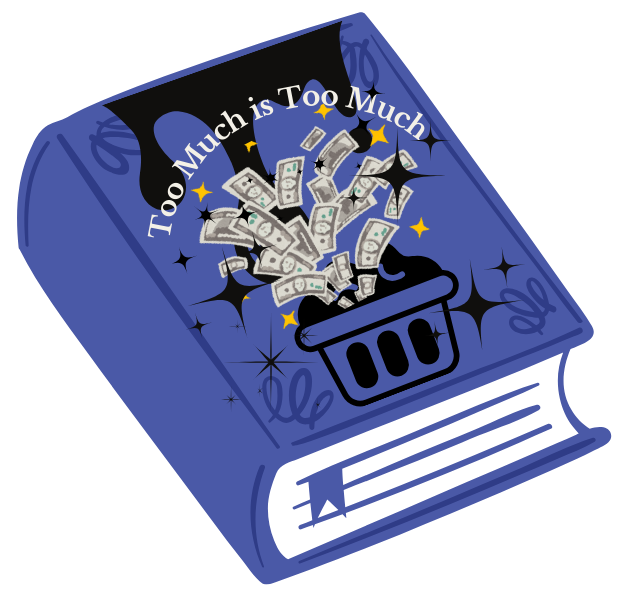
    Too many images, typefaces, and other information can make it difficult for the viewer to understand the cover’s core message. You want your design to immediately be understandable when someone sees the book. Clear images, readable text, and a strong layout will keep the look of your cover accessible for readers.

    the Hunger Games, Suzanne Collins, book cover


    Use Contrast

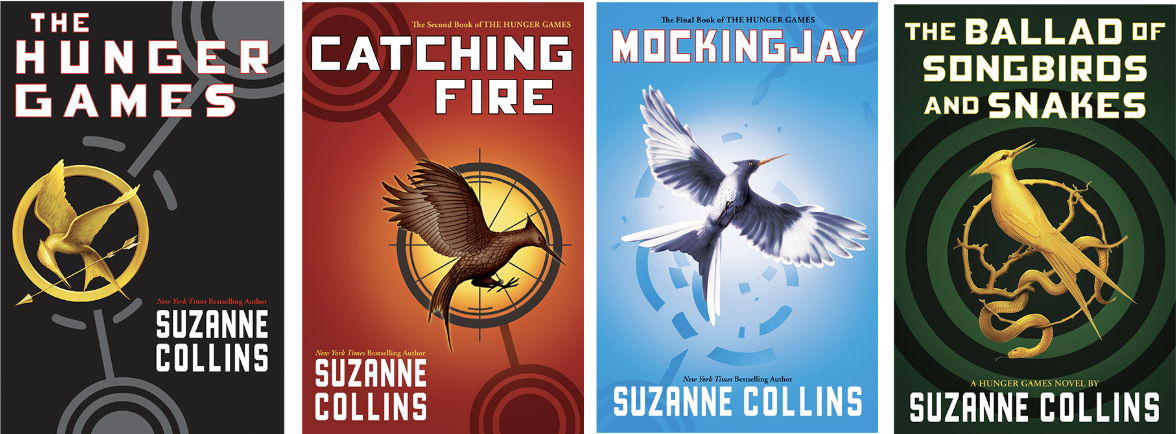
    Style can profoundly affect the effectiveness of your book cover. Using contrasting colors between the background, the imagery, and the typography will catch the attention of people looking at a row of books more effectively than a flat look with monochromatic color combinations. In the case of The Hunger Games series, the mockingbird medallion is made a stronger element by using yellow-gold, either as a background color or as the color of the medallion itself, makes the key message of the cover stand out. Mockingjay’s cover shows how a strong contrast between light and shadow cast upon the bird in flight can carry that same theme using unexpected colors that suggests a different theme for this specific book, but using the same elements lets readers know it’s part of the series.

    Book, pyramid, 75

    Consider the Size

    Books come in all shapes and sizes, and size matters when it comes to cover design. Your book will probably need to look good as a full size cover, a digital thumbnail, and ideally as a square or banner. Whether your book will be sold in digital, print, or audiobook formats, consider how the cover will look in different sizes and whether it’ll stand out on the shelf next to similar books in your genre. The right size can help your book feel approachable and accessible to readers.


    Red book, glasses, the rule book

    Capture readers with a cover that jumps out at them, intrigues them, and makes it impossible to pass by your book with these tips and you’ll find more readers pausing as they peruse the shelves. With an intriguing cover you have already gotten your foot in the door of your next committed reader!


    Chanticleer Book Cover Design Awards celebrates the visual art of storytelling with

    TWO NEW CIBA Award Divisions

    The Cover Design Book Awards for Fiction and Non-Fiction

    Chanticleer is proud to announce two new CIBA Awards for Cover Design in the Fiction and Non-Fiction genres!

    The first awards will be announced at the 2024 CIBA Ceremony and Banquet that will hosted on Saturday, April 5th, at the 2025 Chanticleer Authors Conference.

    Click here for more information on the COVER DESIGN AWARDS for NON-FICTION works.

    Click here for more information on the COVER DESIGN AWARDS for FICTION works.

    Click here for more information about the Chanticleer International Book Awards program.

    As always, please email info@ChantiReviews.com with any questions or suggestions!

  • EXPLORE EUROPE on FOOT by Cassandra Overby – General Europe Travel Guide, Walking Guide, Mountain Climbing

    EXPLORE EUROPE on FOOT by Cassandra Overby – General Europe Travel Guide, Walking Guide, Mountain Climbing

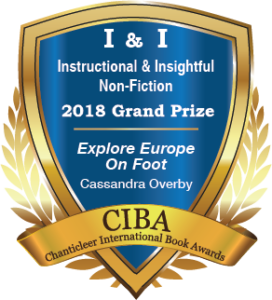
    A Blue and Gold Badge that reads I & I Instructional & Insightful Non-fiction 2018 Grand Prize Explore Europe on foot cassandra overbyDue to COVID-19 sweeping across continents, travel restrictions are at an all-time high. With the general population being placed on lockdown, the need for social distancing, and hunkering down moving towards an indefinite timeframe, some much-needed armchair travel adventures couldn’t come at a better time.

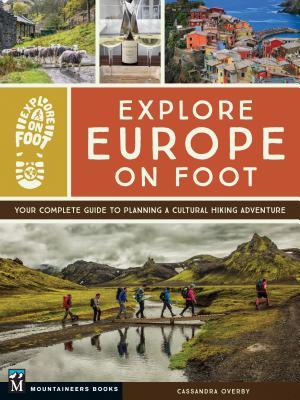
    Here in Cassandra Overby’s encyclopedic guide Explore Europe On Foot, readers are taken through a step-by-step process of dreaming, planning, and hopefully soon experiencing memorable, slow travel ventures of a lifetime. Whether it’s choosing a route and destination, deciding what to pack, finding appropriate accommodations and food options, or dealing with inevitable challenges, Overby supplies a world of information in this colossal foot travelers’ bible.

    A personalized introduction draws us into Overby’s early disillusionment with travel, and what she felt was its all-too-often focus on the inauthentic global itinerary. A 2015 extended European tour with her now-husband, Mac, soon changed her mind. The trip filled with long walks and opportunities to live like locals ultimately rekindled her traveling desires and made her realize this slower, off-the-beaten-path journey mode offered a much more genuine and rewarding experience, and truly “opens the door to trail magic.” Along with the best natural beauty a region has to offer, Overby showcases such travels as an opportunity to glimpse varied cultures up close and personal. Foot travel is a chance to learn the rhythm of a region’s daily life and participate in everything from the likes of a shared meal to chores on a farm, or sing-a-longs at the local watering hole.

    The book includes specifics of 15 hand-picked walks from classics like the Tour du Mont Blanc in France and Italy, to lesser-known routes like King Ludwig’s Way in Germany and Portugal’s Rota Vicentina, as well as options for shorter wanderings. A planning section covers everything from travel companions and arranging transportation, to obtaining passports and plane tickets, to making reservations and buying travel insurance. Pre-trip exercises for both body and mind, along with detailed packing information offer shared knowledge for a positive travel experience. Beautiful interspersed photographs help take us around the globe. Whether the “meres” of England’s Lake District or the dunes of Eng Chebbi in the Sahara Desert, whirling dervishes in Turkey or a special message of “Joy” spelled out in stone along Scotland’s West Highland Way, all capture the heart of Overby’s enthusiasm.

    The rich narrative is woven throughout with poetic descriptives. Consider the beauty of an Icelandic trek rendered as ” … intricate designs swirled in the earth by crawling and cooling lava, brave wildflowers that don’t mind a challenge.” Even a simple Spanish proverb of “On a long journey, even a straw weighs heavy”, highlights an important message about the need for light, versatile packing. Clearly the author’s smart advice about bringing home the best souvenir from a trip coincides with the less incumbrance sentiment in suggesting travelers return to their homeland with the practical nuance of a new custom or attitude, i.e. perhaps enjoying the lingering dinners practiced in France, or realizing the importance of family as viewed in the Italian culture.

    Overby’s shared anecdotes and experiences provide a nice change-up amidst the facts and figures featured throughout the chapters, particularly if the book is read from start to finish. Readers will find the information overwhelmingly beneficial in terms of necessary specifics for trip planning. Also, the book’s easily followed design allows readers to meander through chapters and dream of where they will go when they can.

    Overby’s own foot-travel enthusiasm ignited similar passions with family and friends, and ultimately became the impetus for a new life’s calling and writing this book. In the resulting Explore Europe On Foot, this walking aficionado now serves as both guide and inspirational cheerleader to help all wannabe hikers turn their dreams into reality someday.

    Explore Europe On Foot won the CIBA 2018 GRAND PRIZE Insight & Instruction Awards and remains one of our favorites.


  • The SUBURBAN MICRO-FARM: Modern Solutions for Busy People by Amy Stross – Fruit Gardening, Sustainable Gardening, Garden Design, Gardening & Horticulture Reference

    The SUBURBAN MICRO-FARM: Modern Solutions for Busy People by Amy Stross – Fruit Gardening, Sustainable Gardening, Garden Design, Gardening & Horticulture Reference

    Author, educator, and urban farmer Amy Stross offers a comprehensive look at how to repurpose a small yard in the city for basic sustenance and so much more.
    Award-winning writer Stross has composed a thoroughly practical guide to everything a reader would need to know to do what she did: transform a yard into a farm. Acknowledging that the ground surrounding a town dwelling is hardly what one thinks of when one thinks farmland, Stross draws from her personal experience to show precisely how the transformation can take shape. Her colorfully illustrated manual gives the basics for managing an ample garden space, or micro-farm, almost down to the minute (in fact, seven minutes twice a day).

    Stross was caught between jobs and challenged to make the best use of time and space. Growing the kinds of foods her family liked to eat on a tenth of an acre, preparing and preserving them and, at times offering produce for sale became her grand quest. She shares the wisdom she gained as she gradually moved from beginner to experienced farmhand, to teacher of others. She tells readers what, why, and how to grow sustainable crops from the depths of the soil on up.

    One bias Stross invites us to overcome is that gardens are ugly and should be hidden. She blasted that notion by using the “parking strip” – that piece of land between the sidewalk and the street – for cherry trees, providing not only the beauty of the spring blooms but, after a few years, an abundance of cherries for jams and preserves. She makes useful suggestions about how to explain one’s project to perhaps skeptical or critical neighbors. She recounts our American history of Victory Gardens as a success story supporting the home garden venture. If we can, why should we not provide a good portion of our edibles by our own labor? Later, the author became involved in community gardening, learning from, and helping others in a socially responsible setting.

    Stross’s book combines memoir and good humor with an encyclopedic knowledge of the subject. She starts with soil with composting readily available substances like coffee grounds and eggshells, then covers annual plantings and planning with a micro-farm calendar. Instead of seeing hills, rocks, and other barriers as problems, Stross shows how these can be utilized in the overall strategy of garden planning. Stross goes on to recommend specific plants for specific purposes such as hedgerows, shady areas, and saleable products like cut flowers and homemade soaps. Following her example, readers can become writers, teachers, and sharers of the vast body of information she presents. The Suburban Micro-Farm projects Stross’s personal win-win-win-win: readers will learn, learners will do, doers will share, and all will be the better for it.

    The Suburban Micro-Farm: Modern Solutions for Busy People won First Place in the 2018 CIBAs for Instruction and Insight.


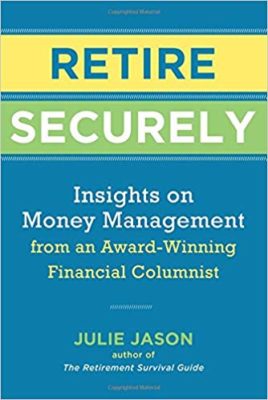
  • RETIRE SECURELY: Insights on Money Management from an Award-Winning Financial Columnist by Julie Jason – Personal Financial Management, Retirement Planning, Budgeting & Money Management

    RETIRE SECURELY: Insights on Money Management from an Award-Winning Financial Columnist by Julie Jason – Personal Financial Management, Retirement Planning, Budgeting & Money Management

    If you’re wondering what the difference is between a Roth IRA and a traditional IRA, then you’ll want to pick up Julie Jason’s Retire Securely: Insights on Money Management from an Award-Winning Financial Columnist. You will be treated to a crash course on financial terms like these and get inside information on saving and investing thanks to scores of conversations she’s had with her readers over the years.
    Plenty of titles on financial planning and investing exist on bookstore shelves, but what makes Jason’s compilation different is that hers is culled from more than 1,000 columns she has written over the years for the Connecticut newspapers, Greenwich Time and the Stamford Advocate. In 2013, King Features syndicated her “Retirement Planning and Investment” column, where she explores topics like 401(k) investing, choosing a financial adviser and how to determine if sending your kid to college is a good value. Jason, who worked as a Wall Street lawyer, money manager, and investment counselor, really knows her stuff: whether it’s unraveling the complicated world of market trends or explaining estate planning, her columns are worth reading and applying to your financial life. Her column has recently moved from King Features to Andrews McMeel Syndicate [Chanticleer Reviews was notified about this change on April 3, 2020].

    “Through my dialogue with readers, I want to share a message of both promise and watchfulness,” she writes in the Introduction. With an easy to follow and conversational tone, Jason invites readers to get financially literate–understanding how to read a mutual fund prospectus, for example. (A prospectus is not literature that you read from start to finish. Instead, it’s designed to protect you, so read it like a warning label on a medicine bottle, she advises.)

    Recognizing that some investors are overwhelmed by financial jargon and the pressure to keep up with the Joneses, she assures her readers that attaining financial security is “a work in progress,” with room for improvement. “I’ve interacted with hundreds of people who wrote to or visited with me to discuss their challenges, concerns, and questions,” she says.

    Our culture’s most significant challenge today, she says, seems to be the pressure Millennials face as they swim in debt. On top of it, Jason points out, this younger generation is in the dark about financial matters. So much so that in 2013, President Obama helped create the President’s Advisory Council on Financial Capability for Young Americans*, designed to educate young people on how to “successfully handle their personal and household finances as they grow into adulthood.”

    Citing statistics, Jason tells us at least half of 18-to 24-year-old adults stated they would have benefited from a high school course on managing their money. Unfortunately, financial literacy isn’t a mandatory class, so the on us falls on parents to approach kids early with guidelines for saving and even borrowing money.

    Because the book idea came from dialogue she had with readers via her column, many of the issues have to do with feeling secure in retirement, as evidenced in chapters like, “It’s Never Too Early for Retirement Planning” and “Understanding the Relationship Between Your W-2 and Your 401(k).”

    We all could take a cue on how to improve our financial know-how, and a number of the columns are especially useful for parents and their children to review at various stages of their financial planning life cycles.

    Lastly, if you’re wondering how republished articles, some from a decade ago, could be relevant today, Jason has taken the time to update some of the columns to keep pace with changes in the market.

    Retire Securely: Insights on Money Management from an Award-Winning Financial Columnist by Julie Jason won First in Category in the CIBAs 2018 I&I Awards for Instructive Non-Fiction.


    *The Council officially ended on January 29, 2013: https://www.treasury.gov/resource-center/financial-education/Documents/PACFCYA%20Final%20Report%20June%202015.pdf


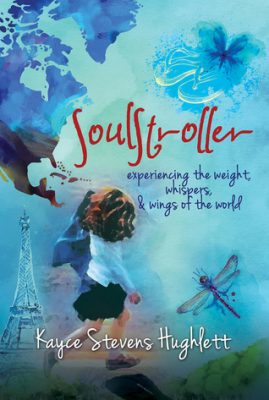
  • SOULSTROLLER: Experiencing the weight, whispers, & wings of the world by Kayce Stevens Hughlett – Women’s Biographies, Personal Transformations, Self-Help

    SOULSTROLLER: Experiencing the weight, whispers, & wings of the world by Kayce Stevens Hughlett – Women’s Biographies, Personal Transformations, Self-Help

    In a creative blend of existential memoir and artful travel journal, Kayce Stevens Hughlett’s SoulStroller takes readers along on an adventurous journey of self-discovery. Reminiscent of Elizabeth Gilbert’s popular Eat, Pray, Love, Hughlett focuses on family issues, ancestral memories, and dreams explored within the context of personal travels, focusing on the importance of moving beyond our comfort zones.


    Here we come to learn that a SoulStroller is a term used for an individual who ventures into the fullest version of their true selves. Guided by intuition and spiritual essence, they stroll through life with a feeling of curiosity, compassion, contentment, and gratitude. Like a pilgrim on a quest, they follow their heart, rather than move ahead with a tourist mentality of set goals and to-do lists.

    Raised with the traditional expectations of the “good girl,” Hughlett lived the first 30 years of her life within 150 miles of Oklahoma City, an area of white, middle-class, conservatives. The blinders came off when she moved to Seattle. Divorced, and remarried with two children, Hughlett indicates that when everything is FINE, sometimes that refers to the acronym for “fucked up, insecure, neurotic, and exhausted.”

    It is during a trip to Mexico in search of a therapeutic boarding school for her troubled son that she finds a sense of peace and a firm idea of place as she falls in love with the desert landscape. With the outstretched arms of the saguaro cactus offering a sense of peace, it is in this moment that everything changes.

    Hughlett’s journeys go far beyond visits to the likes of the Eiffel Tower and Louvre. Whether enjoying the delicacy of an eggplant and cheese sandwich on the banks of the Seine or meeting a charmingly eccentric and her poodle, Hughlett learns to distinguish the essential rhythms of her own life.

    Hughlett writes with a comfortable conversational voice that invites readers into her world view; one that she approaches with both exuberance and trepidation. The overall narrative unfolds in a generally chronological sequence, though journal entries and recollections can at times reflect past memories or events.

    Insightful words from several authors, poets, scholars, and artists are used to grace the opening of each chapter, including contributions as varied as those of Roald Dahl, Thich Nhat Hanh, Gloria Steinem, and Henry Miller. Mark Twain’s quote seems to epitomize the central “SoulStroller” sentiment in “Sail away from the safe harbor. Catch the trade winds in your sails. Explore. Dream. Discover.”

    Each section of the book concludes with a simple practicum highlighting suggestions for readers to venture into their own SoulStrolling mindset. Exercises range from quiet meditation and writing prompts, to practicing self-kindness and ideas for travels off the beaten path.

    While Hughlett considers that her story may be too personal or esoteric for some readers, her work speaks to her positive growth, as her travels and experiences have allowed her to trust her own voice and value the lessons of her own journey. This is a book that strings together individual pearls of wisdom that have universal appeal.

    SoulStroller by Kayce Stevens Hughlett won 1st Place in the CIBA 2018 Journey Awards for Narrative Non-Fiction.


  • FEDERAL PRISON HANDBOOK – The Definitive Guide to Surviving the Federal Bureau of Prisons by Christopher Zoukis – Survival Guide, Non-Fiction, Federal Prison

    FEDERAL PRISON HANDBOOK – The Definitive Guide to Surviving the Federal Bureau of Prisons by Christopher Zoukis – Survival Guide, Non-Fiction, Federal Prison

    In the Federal Prison Handbook-The Definitive Guide to Surviving the Federal Bureau of Prison, Christopher Zoukis has meticulously identified, collected, and organized a compendium of information regarding life in federal prison. Zoukis’ straightforward writing, free of personal bias or opinion, is neither mysterious nor titillating—reality is not sensationalized—it’s not fiction, it’s the facts.

    However, if through some twist of fate, you or a loved one finds yourself in the unthinkable situation of going to prison, it may become the best book you’ve ever read.

    Consider. You’ve been sentenced to serve time in one of the Federal Bureau of Prisons’ 125 stand-alone facilities, a private contract facility, or a satellite prison camp scattered throughout the United States. You, who need directions to find your way through Costco to the deli, must now enter an unfamiliar world with its own lexicon, rules, and consequences. How will you survive?

    As a thirty-year-old federal prisoner, incarcerated since he was a high school senior, Zoukis speaks authoritatively to that question—and other issues you haven’t even considered—and, why would you, with no previous experience or points of reference.

    Zoukis has created a comprehensive guide to seemingly all aspects of prison life—from entering the front doors to the time you leave. He provides annotated, specific information regarding life in this mandated setting, a community which exists within both real and figurative walls. Its written and unwritten rules allow little latitude for divergent behavior or personal desires. And, perhaps equally important, Zoukis delineates the unique customs and unwritten social mores of prison culture.

    Each handbook section cites and explains rules and regulations in detail, as well as providing practical tips, based upon the author’s experiences, observations, and information garnered from extensive interviews of fellow prisoners.  The Federal Prison Handbook disabuses some of the sensationalism created by fiction, tell-alls, and media in general, regarding sexual abuse, gang violence, power hierarchies, and such. The topics are objectively elucidated within the context of the prison rules, consequences, and the overall prison culture.

    Unlike many popular “survival” books, the Federal Prison Handbook will probably not give the reader an emotional rush or provide an epiphany regarding the meaning of life. However, it could prove invaluable to counselors, lawyers, families, and individuals who find themselves facing incarceration in the federal prison system.

    Federal Prison Handbook-The Definitive Guide to Surviving the Federal Bureau of Prison won First Place in the Instruction & Insight Awards in 2017.