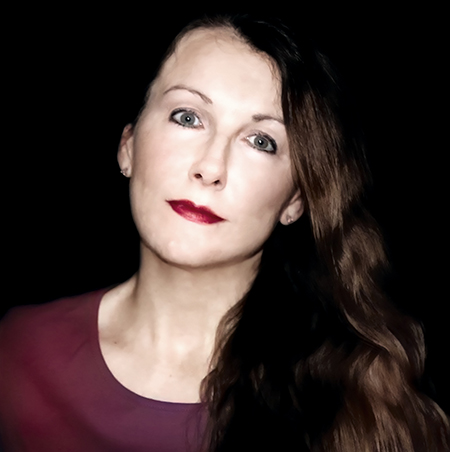
 Thriller and Horror Author Alexandrea Weis sat down for a 10-Question Interview with Chanticleer!
We had the pleasure of speaking with Alexandrea Weis recently. The author of more than a dozen books, her YA Thriller Have You Seen Me? took home the 2022 Clue Grand Prize for Thriller/Suspense. Weis is an award-winning author, screenwriter, advanced practice register nurse, and historian born and raised in the French Quarter of New Orleans. Here’s what we talked about:
Chanticleer: Thank you so much for making the time for this interview. To start, when did you realize you that you were an author?
Weis: Probably after I published my third book. It wasn’t a fluke anymore, and I had readers interested in my stories. I began to believe I could do this professionally. Being an author is really a mindset, but it doesn’t happen overnight. You put your first book on the market and doubt you can do it again. By the third book, you’re looking forward to writing your next story.
Chanticleer: I love the idea of embracing the author mindset and the way in which you slowly build up confidence. What sort of stories do you write? What genre do you write and what led you there?
Weis: Thriller/Horror. It was a progression for me to this genre, but I love the challenge of tying all the elements together and keeping the reader guessing about the outcome. It also allows me to utilize my nursing experience by incorporating forensic aspects that are so important when writing thrillers. In addition, I write about the area where I live, Southeast Louisiana, as often as I can. We have such a rich history that lends itself beautifully to this genre.
Chanticleer: Thriller and Horror could definitely interact with nursing experience in some fascinating ways. When you’re writing how do you interact with the conventional rules of writing?
Weis: I believe that when you break the rules, you create an exciting and unpredictable story. That doesn’t mean breaking away from the expectations of specific genres—readers expect certain things—but I try to push those boundaries.
Chanticleer: We owe so much innovation to people who push boundaries. What about outside of writing? Tell us a little about your life outside of being an author.
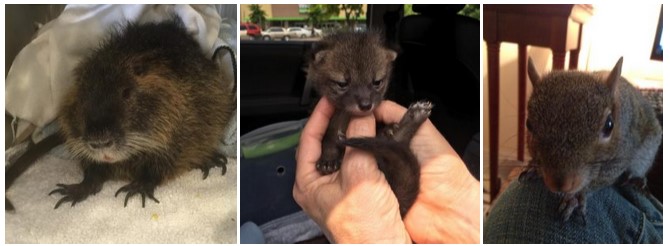
Weis: I’m a permitted and certified wildlife rehabber with the Louisiana Department of Wildlife and Fisheries, so when I’m not writing, I’m working with orphaned and injured wildlife. With Hurricane Francine passing through our area recently, I’ve been busy with displaced babies after the storm. You haven’t lived until you’re surrounded by hungry baby squirrels. I love working with wildlife and rescuing domestics as well.
Chanticleer: That sounds both adorable and also quite difficult. The number of hurricanes and “once in a lifetime storms” we experience these days is terrible. Sorry for the tangent. How do you come up with your ideas for a story?
Weis: I am constantly coming up with ideas. I can drive to the grocery store and have a new idea for a book series. I love working history into my stories and often find ideas when reviewing Louisiana folklore. I was raised in the French Quarter, so the history of the area has always become ingrained. We lived in an old Creole Cottage with a rich past representing the French and Spanish influences on the city. I was also raised around Cajuns and learned a great deal about tales associated with the swamps, including fanciful legends blended with historical facts. It’s a colorful place to live, and everywhere you turn, there is a terrifying account about a haunted stretch of marshland or the ghostly encounters inside a Creole cottage in the French Quarter. It is fodder for the imagination and has always inspired me to weave the magic of where I live into my books.
Chanticleer: That’s so cool! We just had a post celebrating Anne Rice’s birthday, and I know she grew up in the same area. So, moving from how you come up with your ideas, how structured would you say you are in your writing?
Weis: I usually have a pretty detailed outline, especially when working on a thriller. So many elements need to be addressed and fed into the ending; you need a well-thought-out progression of the storyline. When writing outside of that genre, such as when I’m tackling a romance or paranormal story, I’m not as strict in sticking with my outline.
Chanticleer: I love outlines as suggestions for the path rather than hard and fast. What about craft – how do you grow as an author?
Weis: Take risks. For me that was writing in genres I wasn’t comfortable with. I started romance and had reservations about moving into thrillers, but once I wrote my first one, I found the challenge addictive. I’m always looking to move into an area I’m not familiar with to learn and grow. I’ve also stretched my creative chops into writing screenplays and television shows. It’s a different form of writing, but it also teaches you to put as much into a scene while using the least words possible. It also helps hone dialogue skills.
Chanticleer: That courage to try new things is an inspiration. What new things are coming up as you continue to grow and challenge yourself?
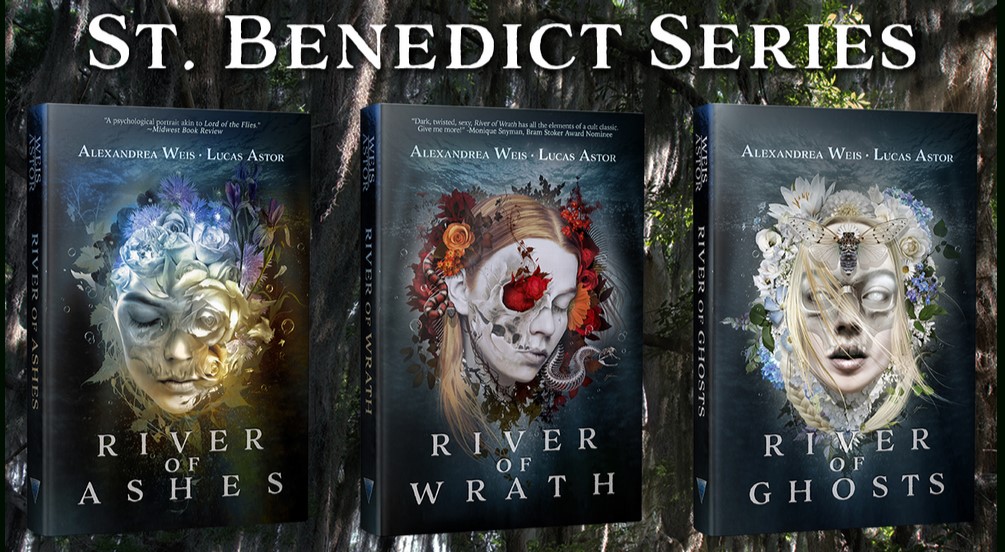
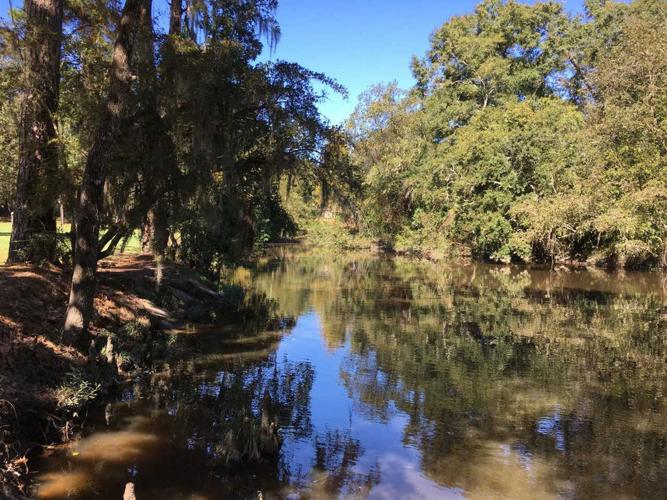
Weis: I have two series I’m working on. The St. Benedict Series, with Lucas Astor is set around my hometown of Covington, Louisiana, along the Bogue Falaya River. It’s a thriller/horror series about a powerful family and their fall from grace. I love this series and its characters. I’m also working on The Basin Series. The first book, Cypress Hill, will be out next year. This is a spooky thriller set in the creepy Atchafalaya Basin and filled with local legends. The cast of characters are close to my heart and unforgettable.
Chanticleer: Those both sound amazing! We’ll definitely keep an eye out for them. As we prepare to wrap up, I’m curious: What is the most important thing a reader can do for an author?
Weis: Let us know what you think! Either by review, email, posting on social media, or whatever a reader feels comfortable with, but please reach out. Every writer loves to hear from readers, especially if you loved the book. You so often work in a bubble, and to get words of encouragement, or even criticism, from a reader is valuable feedback. Writers always listen to what readers have to say. So don’t be shy.
Chanticleer: Writing truly happens with a community with reviews and outreach being one of the best ways for readers to participate with writers. Thank you for that advice. Finally, at the end of the day, what excites you most about writing?
Weis: There’s nothing better than finishing a book, bringing all the elements together, and realizing you’ve created a, hopefully, compelling story. It’s an incredibly satisfying experience. That’s what keeps me going.
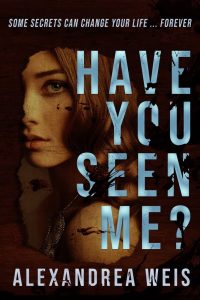
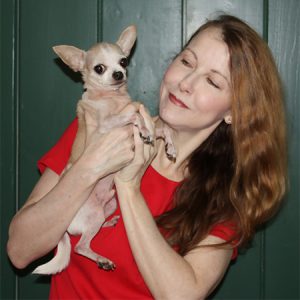 Alexandrea Weis won the Clue 2022 Grand Prize for her YA Thriller Have You Seen Me?
Weis is a member of the International Thriller Writers (ITW) and Horror Writers Association (HWA). She lives with her husband outside of New Orleans where she is a permitted/certified wildlife rehabber with the Louisiana Wildlife & Fisheries and rescues orphaned and injured animals.
You can connect via her website, Facebook, X, LinkedIn, and Instagram.
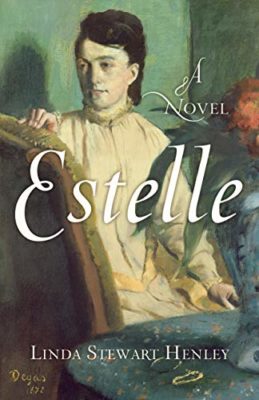
 Twenty-two-year-old museum intern and unknown artist, Anne Gautier, has undertaken a significant project, restoring an elegant house on one of the most beautiful streets in New Orleans. The grand old Creole home has been in her family for many generations, and, when her grandfather died, he left her the house on Esplanade Avenue, where all the best French Creole families once lived.