Tag: Memoirs

  • HELLO? WHO IS THIS? MARGARET? by Dani Alpert – Personal Essays, Memoirs, Writers & Entertainers


    In Dani Alpert’s Hello? Who Is This? Margaret?, she shares her story through a series of essays, each one a piece in the larger puzzle of who she is as a performer, writer, director, Pilates instructress, and unapologetic optimist.

    Throughout Hello? Who Is This? Margaret?, we follow the author as she learns the important lessons of life, laughing, shaking our heads, and taking away a few lessons for ourselves, too.

    Though these essays may seem unconnected at first, they ultimately weave together the story of a flawed woman who suffers through heartbreak and failure only to keep trying, and trying again. She writes with humor, honesty, and hope. Regardless of what is thrown Alpert’s way, she perseveres, finding new ways to plow through difficulties and chase after her dreams—even those that need to be dusted off and rearranged.

    From her very first performance at the age of seven, Alpert knew she wanted to be a performer, and international fame was her only acceptable outcome.

    Even when no one else believed in her, she stubbornly believed in herself. Despite all evidence to the contrary, she was certain her big break was just around the corner—and any corner would do.

    Along the way she got married, divorced, lived with a man with two kids and played at being a girlfriend mom—which, it turned out, was a role she was actually pretty good at. She moved to Prague to teach English to foreign students (something she was very pretty good at), and began to write.

    There, in writing, is where she flourished.

    Though she never gave up her dream of being an international superstar performer, writing—then Pilates—became her life. And how lucky we are that she found her voice and picked up her pen!

    With brutal self-awareness and sometimes dark humor, Alpert shares these stories of her life.

    From hanging with Chas Bono (now Chaz) in the hopes she’ll meet Cher, to failing to impress Norman Lear, finding Pilates and learning to pole dance, Alpert weaves along the many paths she took to find herself. At each and every turn, she is certain beyond a doubt that all will work out and she will succeed. She will be discovered. She will find fame. But in the end, what she finds is much more personal. Dani finds herself as we all must.

    Anyone who has struggled to believe in their dreams, and yet persevered, will relate to Alpert’s stories. Finding humor and truth in one’s life is not always easy, particularly when surviving a global pandemic or a heartbreaking relationship, but in Hello? Who Is This? Margaret? Alpert shows us how she did it—and leaves us wanting more.

     

    Chanticleer Book Reviews 4 star silver foil book sticker

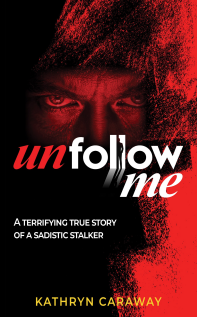
  • UNFOLLOW ME by Kathryn Caraway – Memoirs, Stalking, Contemporary Social Issues

    When you’re a target of stalking, “Each day is a fight to stay alive. Even while sleeping, you must be ready.” So reveals Kathryn Caraway in Unfollow Me, a spine-tingling true crime novel tracing a life shattered by severe stalking.

    Although the author uses the pseudonym “Kathryn Caraway” throughout this novel to protect her identity, her harrowing tales of being the target of a stalker and fighting for her rights to freedom and safety are a testament to the real danger she was exposed to. Caraway’s experience creates a compelling story of one woman’s brave quest for justice against her torturer.

    Kathryn emotionally, mentally, and physically falls apart at the hands of a violent, ubiquitous presence. Despite the severity of the crimes committed against her, Kathryn’s concerns are routinely dismissed as irrational and hysterical by law enforcement officials, lawyers, and even long-time friends.

    Before a malicious intruder targets her, Kathryn is a beloved mother, a wonderful friend, and a confident employee. But after she is introduced to Todd, he begins to slowly strip her life from her control.

    Todd absorbs Kathryn’s routines and destroys any sense of safety. He starts hurtful rumors that damage her reputation and cause her to doubt herself and others around her. He invades an office space in her home, installs secret security cameras and listening devices, tracks her car, kidnaps her dog, clones her phone, and befriends her abusive ex-husbands, making her life a living nightmare.

    His aggressive actions only increase in extremity and frequency.

    Overtime, Kathryn’s circle of trusted people becomes smaller. Her sleep and mental health degrade as she spends every second aware of her vulnerability and Todd’s proximity. Any sense of normalcy is turned upside down as Kathryn is forced to become a ghost observing the shambles of her previous life.

    An inspiring story of survival, Unfollow Me brings awareness to the horrors of stalking and its devastating effects on the mental health of those targeted.

    Despite the seemingly endless suffering and anxiety, Kathryn remains steadfast in her commitment to defend her safety and punish Todd for his crimes against her and his other targets. Juggling hundreds of pages of documented incidents in a black binder, Kathryn assembles a case against Todd. Her sacrifices and bravery serve as an eye-opening lesson to readers on the lack of resources for those subjected to stalking and how to support those who are in danger.

    Caraway’s true-to-life novel focuses much-needed attention on stalking as a crime, its consistent dismissal by law enforcement, and the suffering of those who have been targeted

    Caraway not only shares her first-hand experience as a person who’s been the target of a sadistic stalker, but also the lack of compassion by those who are supposed to protect her. Left to fend for herself, Kathryn spends three years advocating for her own survival as any semblance of trust for others is demolished, which leads her to distrust her own mind. “My sole focus was on survival,” she writes. “Life, as I knew it, had become unbearable.”

    Caraway’s diligent attention to detail, a practice learned from years of scrupulous incident documentation, allows her to craft a truly captivating story. Readers will find themselves clenching every muscle in anticipation as Unfollow Me unfolds, horrified and enraged, but ultimately inspired.

    Unfollow Me by Kathryn Caraway won Grand Prize in the 2024 CIBA Journey Awards for Overcoming Adversity in Narrative Non-Fiction.


  • ONE KISS by Michelle Ashton – Memoirs, Spirituality, Inspirational

    One Kiss by Michelle Ashton is a poignant and emotionally unvarnished memoir of life through loss, healing, and the grim, lovely battle of being human.

    One Kiss feels like a private journal—vulnerable, scattered at times, terribly real and sympathetic. Readers walk beside someone who’s still dealing with life’s challenges—working through heartbreak, trying to heal, stumbling, getting back up, and asking big questions she hasn’t yet found the answers to.

    Much of this book circles around Ashton’s deep, complicated attachment to Noah, the man she calls “Adonis” and her “Twin Flame.” She relates with painful but relatable honesty how it feels like to wait, to hope, to wonder if you should hold on or walk away. Who hasn’t sat there refreshing their messages or praying for a sign that maybe this time things will turn out differently?

    But One Kiss reveals far more than just romantic longing, as Ashton opens her everyday life to the reader.

    She shares her love for her brother Seb, the joy she gets from her niece and nephew, and the little experiences that remind her she’s still fighting. One moment, she’s breaking down over a memory that haunts her or a silence that’s too loud, and in the next moment, she’s belting out songs in the car or laughing with the kids. That mix of grief and light feels so real because our complex lives rarely offer just one emotion when we struggle.

    Ashton’s spiritual experiences thread through One Kiss.

    She talks about seeing signs, feeling nudged by something bigger, and wondering if the universe (or angels or God) is trying to guide her. She never comes across like she’s trying to preach or claim some special wisdom, but rather attempting to make sense of her own experiences with touching authenticity.

    Through her “One Kiss” project (which gives the book its name), Ashton wants to do something meaningful by helping survivors, protecting animals, and making the world a little less cruel. Even when she’s burned out or doubting herself, she keeps circling back to that powerful question: “How can I turn my pain into something useful?”

    One Kiss foregoes a typical memoir structure, reading like a conversation over coffee as someone pours their heart out.

    It rambles and loops back on itself at times, lending to its casual and personal tone. In the end, what may stick with the reader isn’t just Ashton’s heartbreak or her spiritual reflections, but her stubborn resilience. She’s learning, piece by piece, how to keep moving when everything feels stuck, how to keep loving even when it’s messy and painful, and how to slowly start building the life she wants to live.

    Michelle Ashton’s One Kiss maintains its conversational and realistic style even when it becomes passionate or fragmentary, which complements the narrative since it welcomes readers to empathize with their own experiences. You will likely discover elements of yourself here from times when you’ve felt sad, lost, and weary. The text is not flawless, but healing is not either and that’s what makes it hit close to home.


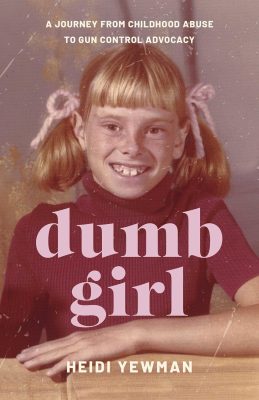
  • DUMB GIRL: A Journey from Childhood Abuse to Gun Control Advocacy by Heidi Yewman – Memoirs, Dysfunctional Families, Trauma & Recovery

    In this powerful and heart wrenching memoir Dumb Girl, Heidi Yewman confronts her past to turn the pain and shame of an abusive childhood into resilience and purposeful action. She connects with readers through her transformation and triumphantly advocates for change.

    During the #MeToo Movement, Yewman attended a stage production of the well-known “Vagina Monologues.” When audience members were asked to stand if they’d been abused, Yewman felt ashamed about her past but also obligated to rise. It was there that she decided to write her story as a release from that lingering sense of guilt.

    Yewman’s narrative takes us on an inspiring journey between her adulthood passion to advocate for gun control, and a traumatic childhood attempting to escape from a cycle of abuse.

    Growing up in a toxic environment under the constant mantra “Don’t Be a Dumb Girl”, Yewman’s recollections reveal the myriad forms of anguish she endured. From a father who hit her, forced her to line her bedroom walls with school papers of failing grades, and watched her naked in the bath as a teen; to an alcoholic mother; and a brother who sexually assaulted her with his “boyfriend/girlfriend game”.

    Dealing with such psychological and physical stressors, Yewman began building an inner grit that followed her throughout her life. When she was 17, on a bonding trip with her mother, she revealed being molested by her brother. The next step was individual and family therapy.

    By April of 1999, Yewman was married with two children when newscasts reported the Columbine High School shootings—the same school that Yewman had attended thirteen years prior.

    After attending a memorial for the school’s murdered basketball coach, Yewman made an important decision. She was determined to transform from a stay-at-home mom to an activist for a safer world.

    In her youth, Yewman had found solace in the church. But after Columbine she felt Christian leaders gave sales pitch speeches about giving your life to Christ, rather than offering words of love, healing, and empathy. As an adult, she found her “religion of compassion” in the world of gun violence prevention.

    From the Million Mom March in Washington, D.C., to press conferences and debates, a nervous Yewman prepared her stance on gun control and safety issues with her husband’s help.

    She began interviewing those who’d lost loved ones to gun violence and eventually authored the book “Beyond the Bullet.” For Yewman, as well as those she interviewed, tears became a cathartic part of the healing process.

    Yewman started work on a film about people who pulled a trigger—accidentally or intentionally—and the survivors of gun violence. In sharing her own story of grief and healing, Yewman’s discussed contemplating suicide as a teen when life seemed too difficult. This proved a relatable moment for others who had been victimized.

    Though Yewman had neither writing nor filmmaking experience, she believed that these tragic stories needed to be told.

    The importance of telling the heartbreaking tragedies others had endured became even more clear as she processed her own traumas. It empowered Yewman with questions worth asking and pushed her to garner support for her project, and she soon realized she was growing more comfortable in her attempt to do something totally new. This feeling of accomplishment was validated when she received Best Documentary and Best Director awards for Behind the Bullet at several film festivals.

    In the book’s final pages, Yewman writes a letter to her younger self, foretelling what happens thirty-seven years in the future. Yewman is clearly a survivor. She has much to be proud of— developing new skills to ultimately break a familial cycle of abuse and make a positive life-changing shift.

    This memoir’s open, honest, and genuine voice welcomes readers to empathize and share their grief.

    Yewman’s stories of her life experiences, both good and bad, are not only a point of personal pride for her accomplishments. They also act as a beam of hope to survivors that affirms there is a bright future waiting for them beyond the abuse. Dumb Girl proves a powerful, informative read of personal healing and hope for readers familiar with such traumatic situations.


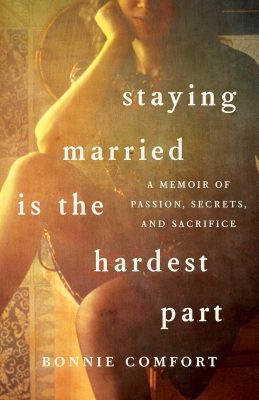
  • STAYING MARRIED Is The HARDEST PART: a Memoir of Passion, Secrets and Sacrifice by Bonnie Comfort – Memoirs, Marriage, Family

    In her stunning and intimate memoir Staying Married is the Hardest Part: A Memoir of Passion, Secrets and Sacrifice, Bonnie Comfort takes readers on a decades-long journey of deep love, laughter, and the challenges of a long-term marriage, from first meeting her husband Bob in the late 1970s until his death in 2010.

    Throughout their life together, Bonnie and Bob have their fair share of disagreements—including where to live—but the main conflict within their marriage centers around their conflicting sexual needs and preferences.

    As a professional psychologist, Bonnie shows the highs and lows of her marriage to Bob, contrasted by her job of helping others with their emotional and relationship problems. Bonnie and Bob’s committed love for one another makes staying married both the hardest and easiest part of their lives regardless of what challenges come their way.

    Staying Married is the Hardest Part also follows the complicated relationship between a mother and a daughter, and how it intersects with Bonnie’s marriage.

    Bonnie’s mother struggles to come to terms with her own decision to move from her beloved Southern California home to Canada in 1934 for the sake of her marriage. The disappointment Bonnie’s mother feels in her life choice creates conflict when Bonnie moves to Los Angeles as a young adult to follow her own dreams.

    Over the years, mother and daughter come to slowly understand each other, especially when Bob decides he wants to move and Bonnie fights to stay in LA. When the move doesn’t happen, Bob spends more and more time in a small town in Oregon.

    Bonnie recounts both marriage and maternal bonds beautifully in a way that touches many families’ experiences.

    The passages on Bonnie’s relationship with her mother are extraordinarily moving, as any child can relate to comparing their life to a parent’s, and the sacrifices made to follow a dream.

    Bob comes off as quite the character, fitting someone who worked in Hollywood. His infectious humor and love for life fill the pages with engaging levity. But what Bonnie illustrates throughout the memoir is that everyone has flaws, and the choice to stay with someone means asking yourself if you can accept those flaws for the sake of the love and laughter that comes with them.

    Bonnie Comfort’s Staying Married is the Hardest Part: a Memoir of Passion, Secrets and Sacrifice navigates the wild seas of married life to reveal its profound rewards. Avid readers of memoirs and contemporary fiction will find much to love about this engaging journey.

    Also available at: Simon & Schuster, Barnes & Noble, Target, Bookshop.org and Apple Books


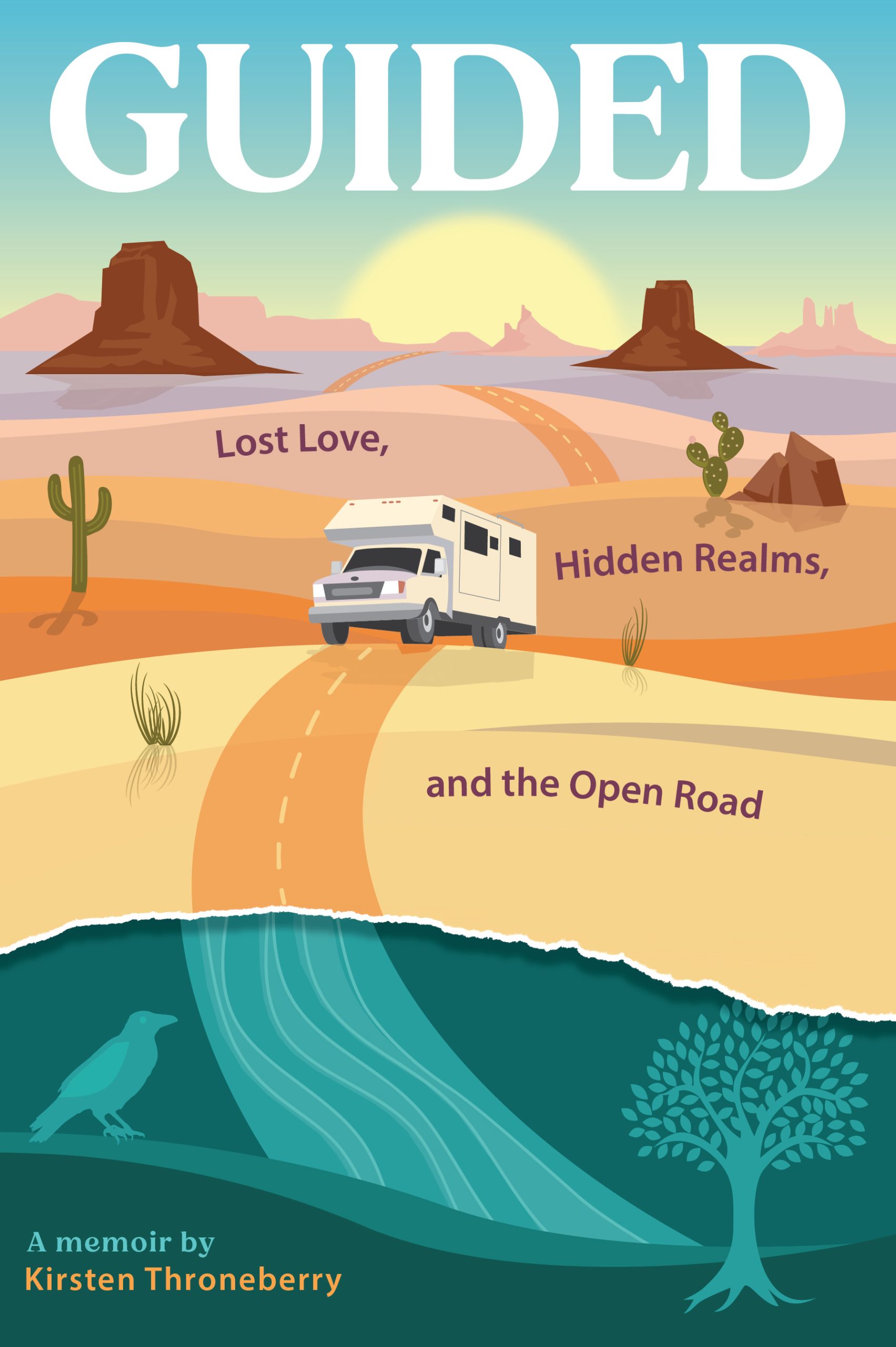
  • GUIDED: Lost Love, Hidden Realms, and the Open Road by Kirsten Throneberry – Memoirs, Surviving Loss, Spirituality

    In her stunning memoir, Guided: Lost Love, Hidden Realms, and the Open Road, Kirsten Throneberry weaves together the highs and lows of a road trip packed with life wisdom, where she explores grief, spirituality, and rekindled hope.
    Throneberry’s achingly vulnerable memoir splits its readers’ hearts and tenderly sews them back together.

    In the aftermath of the devastating loss of her husband, Kirsten sells her home and takes her two small sons, two elderly pups, and eccentric mother on a year-long road trip around the United States in their new-to-them Bigfoot RV.

    Encouraged by the same spirit guides whose earlier advice for her husband’s health left her broken and untrusting, Kirsten must learn to face the open road with an equally open heart and mind.

    Kirsten forces herself past her comfort level, attempting to heal old wounds, confront and patch up her relationship with her mother, and curate a life of wonder and independence for her sons. All the while hoping that as she carries out her mission, she will somehow be able to restore her faith in her guides and herself.

    Throneberry guides readers toward their own life-fulfilling adventures, reminding them, “The point is not simply to live, but to shake yourself awake, to open your eyes, eyelash after eyelash, until you finally understand your true nature.”

    Learning to live through humble collaboration, true intuition, and radical acceptance is core to this heartwarming autobiography.

    Throneberry intentionally exposes her life—both its exquisite beauty and deep suffering—in each and every sentence, creating a relationship with the reader that feels truly authentic.

    First unfolding in Hawaii, the narrative follows the family to their home in Seattle and around the country until their journey leads them all the way back to the Pacific Northwest region. The intricate play between places, people, and timelines will make readers feel like they have returned home as well.

    At times jaw-dropping terrifying, laugh-out-loud hilarious, and curl-up-in-the-fetal-position sad, Throneberry beautifully sculpts not one but five interwoven lives out of the rubble of life-altering loss.

    Guided empowers readers to expand what they believe is possible and to connect with the guides that inspire them. Kirsten Throneberry is a vibrant and deeply empathetic storyteller. Bold, courageous, and attentive to delicate relationships, her story is studded with bright jewels of inspiration that will carry readers through their own difficult journeys.

    Readers of Guided: Lost Love, Hidden Realms, and the Open Road will feel held by these pages, no matter what battles they face. After all, as Throneberry writes, “Despite the unexpected and sometimes heartbreaking twists and turns inherent in any life, we are never truly alone. Something is always pushing us forward, onto the next situation or person that will encourage our evolution.”


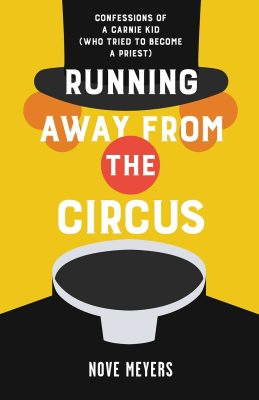
  • RUNNING AWAY From The CIRCUS: Confessions of a Carnie Kid (Who Tried to Become a Priest) by Nove Meyers – Memoirs, Coming of Age, Religion & Spirituality


    blue and gold badge recognizing Running Away From the Circus by Nove Meyers for winning the 2023 Hearten Grand Prize

    Debut author Nove Meyers breathes life into the big tent of human aspirations and desperations, from his birth into a raucous circus atmosphere to his diligent study for Catholic priesthood.

    Running Away from the Circus is a vibrant chronicle that opens with a vignette of his grandmother, clad in sequins and flying on a trapeze. She spun like a top to enthusiastic applause under the circus tent, until the fateful day when she included her young child in the act, dropping her thirty feet to the sawdust-covered floor below. But this did not prevent Nove Meyers from being born and having a story to tell.

    The boyhood described was as wild as the circus acts. He was encouraged to smoke cigarettes like his father and watched in astonishment as his mother burned up paper money, possibly to protect his uncle, a counterfeiter. Yet despite his unusual upbringing as one of the family’s third generation of circus owners, Meyers was taken regularly to Catholic church services. There, he discovered God, an entity as mysterious as the traveling circus and carnie crowds he was raised among.

    While tending to an elephant in the backyard and working alongside tightrope walkers and a “human cannonball,” Meyers was signing on as an altar boy and making his first confession.

    At age eight he became determined to become a priest, but there were obstacles. When he took a summer job as a carnie, he discovered he would have to work on the Sabbath. He struggled to convince himself that God would understand. Even these early experiences foreshadowed the life that would slowly chip away at the spiritual armor he tried to don. And there were girls. To become a priest he would have to take a vow of celibacy, perhaps the largest barrier he faced.

    In college, after enjoying the companionship of a young woman, he confronted a priest about the celibacy issue, suggesting that celibacy was merely a church-based control mechanism. Advised by the priest to pray, the young Nove lay in bed and talked at length to God, promising to try his best to become a worthy priest, but also asserting that if he met the right girl, he would love and marry her. He wraps up saying, “I hope You’ll understand. Thanks for listening.”

    Meyers demonstrates a clear gift for wordsmithing and a flair for storytelling that expertly handles the quick changes and maneuvers he experienced in the parallel worlds of the church and life under the “Big Top.”

    Based on the paradox he faced from an early age between religious requirements and human behaviors, he creates an enthralling tale, kept buoyant with wry humor and fascinating behind-the-scenes depictions of circus and carnival life that may startle those unfamiliar with it as it charms those who have shared his experiences.

    The choices Meyers made in his progression between the often-enjoyable chaos of the Big Top to the quiet comfort of the religious sanctuary of the church are remarkable, not only for his lively examination of them but for his rational yet spiritually grounded conclusions. Meyers’ dynamic, frank, and amusing saga will have his readers hoping for a second encore to this captivating life.

    Running Away from the Circus by Nove Meyers won Grand Prize in the 2023 CIBA Hearten Awards for Inspiring & Uplifting Non-Fiction.


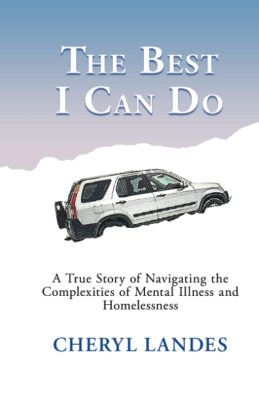
  • THE BEST I CAN DO: A True Story of Navigating the Complexities of Mental Illness and Homelessness by Cheryl Landes – Memoirs, Mental Illness, Family Dysfunction


    Cheryl Landes’s The Best I Can Do: A True Story of Navigating the Complexities of Mental Illness and Homelessness, follows the devastation of a happy marriage as mental illness slowly takes over the mind of her husband. Landes must then make the journey back to peace.

    Cheryl and her husband, Tom, had known each other since their college days. A classic love story, Landes does a beautiful job with the set up, and then delivers the tragedy of Tom’s spiral into paranoia as their plans for the future begin to fall apart.

    The Best I Can Do tells the story of what happens when Tom insists someone is trailing him, believing a car passes by his and Cheryl’s home every day even though no one else sees it. He claims someone installed listening devices in their house and refuses to speak unless his white-noise devices are on. As his paranoia increases he locks the refrigerator with a chain and a padlock to protect himself from the certainty someone—perhaps Cheryl—wants to poison him.

    When Tom is laid off from a job he’s had for ten years, he decides to switch careers from sales to finance. The shift takes the couple from Seattle to New York City, disregarding Cheryl’s objections. With compassion and love, we follow her journey to understand his illness as she sets the boundaries she needs to rebuild her life.

    But New York is only the beginning of a series of moves, all orchestrated by Tom’s inner voices.

    He wipes out their savings, spends money the couple doesn’t have, and before long, Cheryl’s resilience is tested as she finds herself homeless and regularly sleeping in her car. The story jumps around, back and forth in time, from Seattle to the East Coast and back again as it weaves the tangled web of Tom’s life into a narrative that resembles the clear struggle of Cheryl’s new reality.

    Pride keeps Cheryl from telling anyone at her white-collar job about her situation as Tom, thoroughly in the depths of his mental illness, is rarely seen. He pops up occasionally with no answers regarding his long absences or evidence of clarity. Cheryl’s inner voice attempts to warn her about her own downward trajectory, but not soon enough.

    Landes’s novel is a fascinating and grueling tale of navigating the complexities of living with a person dealing with mental illness.

    The Best I Can Do: A True Story of Navigating the Complexities of Mental Illness and Homelessness is a heart-breaking memoir. Cheryl Landes does a superb job of chronicling the ups and downs of her life as her husband becomes a prisoner of his schizophrenia.


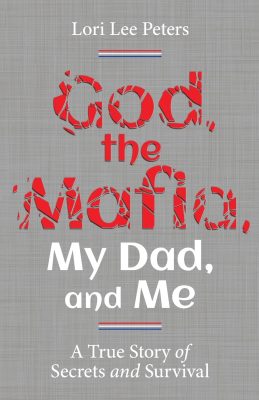
  • GOD, The MAFIA, MY DAD, and ME: A True Story of Secrets and Survival by Lori Lee Peters – Memoirs, Family Relationships, Organized Crime


    God, the Mafia, My Dad, and Me by Lori Lee Peters begins in the voice of a child, compelling not just for its narrative honestly, but for the fact that it might not be reliable. As the book opens, we learn that this narrator firmly believes she will be killed.


    Readers can easily see through the childlike hyperbole, but that doesn’t detract from the intrigue. How did a kid come to such an extreme conclusion? Is there any seed of truth to it? These questions will hook readers from the start.

    Author Peters set out to write a book about her dad. God, the Mafia, My Dad, and Me tells the true story of her father, and his fascinating work helping the FBI tackle Mafia activity in Lodi, California. Yet in the end, this is a memoir in which the compelling lead character – young Lori – overshadows her father in many ways.

    We only see Lori’s father through Lori’s eyes, so he seems larger-than-life. Lori herself becomes the truly fascinating figure, especially as her life grows more complex with age. At first, the book holds little suspense, as young Lori unpacks the seemingly-straightforward details of her and her father’s life. Yet what seems to be an idyllic childhood starts to break down as the narrator reveals her complicated family dynamics and very real fears. Lori’s fear of God takes on a literal meaning, far beyond religion. In fact, it starts to tear apart her life.

    Author Peters provides every detail with remarkable calmness, giving a window into the adult writing the story.

    Yet the book maintains the voice of a child until near the end, which may leave readers wishing for more reflection from present-day Lori. Instead, we walk closely with young Lori through the twists and turns of a childhood plagued by fear. Her father’s challenges dealing with the Mafia undercover become more tangible, and in some ways, easier to face. They seem to pale in comparison to Lori’s nebulous personal troubles, especially since she’s so afraid to speak them out loud.

    Peters includes moments from her father’s perspective, recreated from later research. These recreations feel less lively than other scenes, but ultimately, the book is more memoir than biography. Scenes increasingly focus on Lori’s life as time progresses, and readers will feel drawn in by the truthful way she relates her struggles.

    God, the Mafia, My Dad, and Me avoids traditional chapter headings, and initially jumps back and forth through time, which can create some confusion. However, later sections settle into a steady rhythm as Lori enters adulthood, plagued by growing anxiety and secret issues with grasping reality itself.

    Watching her slowly confront, then overcome, these inner problems is the heart of the book, and provides an ending even more satisfying than her father’s win over the Mafia.

    As a narrator, Lori offers compelling moments of honesty and understanding, such as when she goes through a messy divorce with vast compassion for her soon-to-be ex. When she grows up, the adult Lori emerges as a stronger and more reliable narrator, giving readers reflection and depth that ties the book together. This warm and thoughtful voice that will keep readers invested throughout the story.

    God, the Mafia, My Dad, and Me by Lori Lee Peters won Grand Prize in the 2022 CIBA Shorts Awards for Novellas, Collections, and Anthologies.


    Shorts GP gold sticker

    5 Stars! Best Book Chanticleer Book Reviews

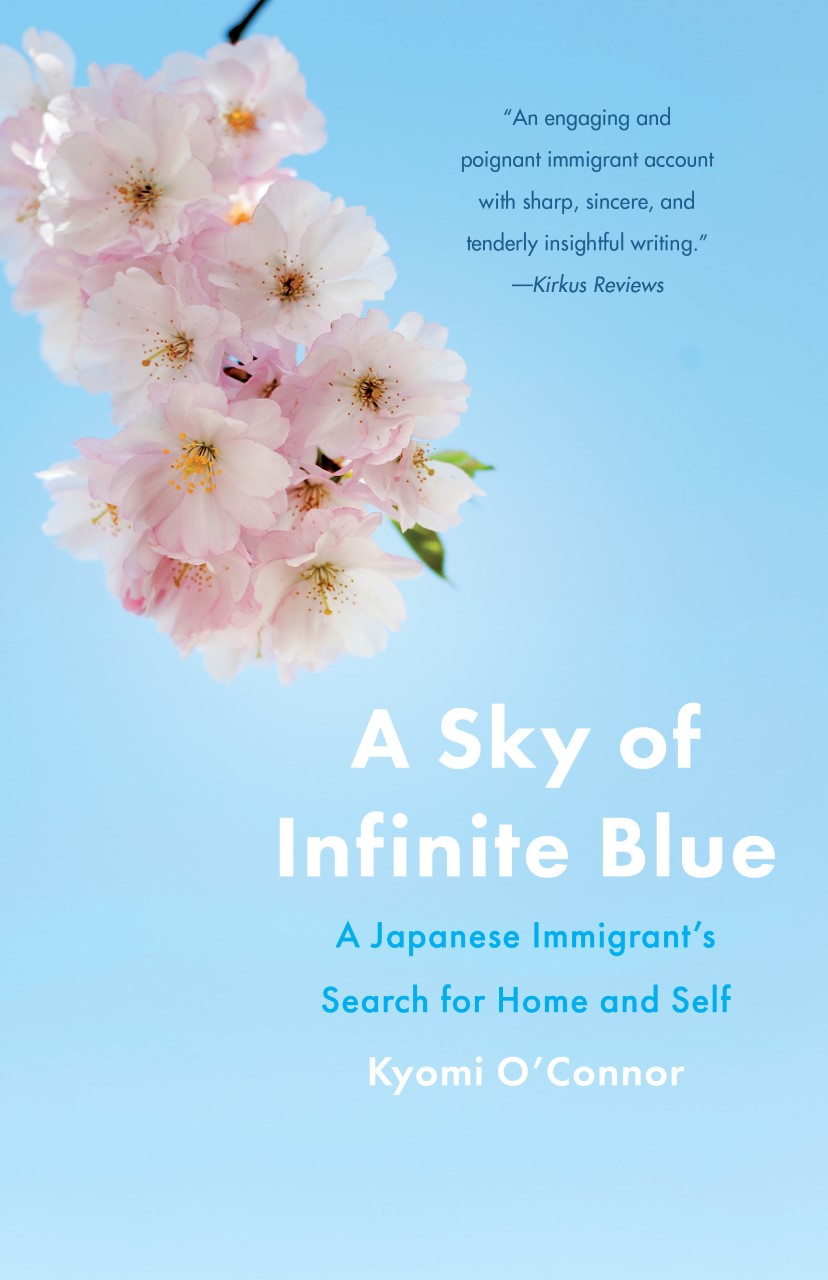
  • A SKY Of INFINITE BLUE: A Japanese Immigrant’s Search for Home and Self by Kyomi O’Connor – Memoirs, Surviving Loss, Spirituality

    Mind and Spirit Grand Prize for a Sky of Infinite Blue by Kyomi O'Connor“It’s my armor,” Kyomi O’Connor realizes, as she sees herself continuing life as normal after her husband dies of cancer.

    Grief brings with it many companions: childhood trauma, memories of difficult seasons of life, triumphant moments of growth, epiphanies, healing, love. In A Sky of Infinite Blue, Japanese immigrant Kyomi O’Connor allows grief to open her heart to the lessons of her past.

    In particular, she recognizes emotional armor that since childhood, she has built up, torn down, and built up again. Through her relationship with her husband, her devoted Buddhist practice, and her trust in her “Self,” Kyomi makes meaning of her life and redeems her darkest memories. Readers walk through these memories with her as the book shifts between past and present.

    Kyomi is deeply guarded as a child.

    She struggles to deal with her family’s dysfunction, gradually learning to distance herself emotionally as a means of protecting herself. She fashions her armor, wearing it for years. But, after immigrating to the US, she finds a reason to begin taking it off.

    Kyomi falls in love with Patrick, as his warmth and care give her the strength to become truly vulnerable. His rich characterization invites readers to fall in love with him right alongside the author.

    However, Kyomi’s vulnerability is tested when her father becomes ill and reignites old family tensions. By now, though, she’s strong enough to face this dysfunction head-on. Though her sisters have long since turned against their father, Kyomi guides them and their mother toward forgiveness and reconciliation. This redemptive arc cements the central guidance of the memoir: that emotional armor is a barrier to connection, but vulnerability can heal even what feels irrevocably broken.

    Kyomi and Patrick explore Buddhism to honor her father’s last wish. The couple’s practice anchors them during the dark events to come.

    Patrick’s career becomes brutally challenging, and Kyomi relies on Buddhism to handle the resulting complications in their relationship.

    Then, when Patrick is diagnosed with cancer, Kyomi wrestles with the agony of watching her loved one decline. Only her spirituality and undying love for Patrick keep her sane.

    However, Kyomi’s armor returns as she takes on the role of emotional caretaker at the expense of her own health.

    Kyomi fades into the background and primarily reports on Patrick’s career and spiritual journey, leaving out her individual reflections and desires. The long nightmare of Patrick’s illness becomes all-consuming. These steps back show the natural struggle with emotional regression and re-healing that any daunting personal journey can stoke.

    At times, the author rationalizes her overt caretaking as being rightfully supportive of Patrick, saying she is being called to be the foundation for them both. While she does occasionally acknowledge that her old, dysfunctional pattern of armor returned during those years, she turns to her spiritual practice and finds Buddhism serves as her own foundation.

    Kyomi O’Connor will break your heart, heal it, and break it again, but she will keep reminding you to be vulnerable. Though she records many dark experiences, her message is ultimately one of “wisdom, loving kindness, and compassion.”

    This book will appeal to readers in search of validation of grief or guidance in lowering emotional barriers. Those interested in the rich insights of Buddhism can also learn much about the spiritual practice through Kyomi’s journey, and those with complicated family histories will relate to Kyomi’s efforts to untangle her past.


    5 Star Best Book Chanticleer Reviews round silver sticker