Tag: Marketing tips

  • The Author Newsletter That Actually Converts | A Chanticleer Toolbox Article from the desk of David Beaumier

    The Author Newsletter That Actually Converts | A Chanticleer Toolbox Article from the desk of David Beaumier

    Your Newsletter Can’t wait!

    A newsletter coming out of a computer as a personal letter

    A Strategic Guide to Reader Engagement and Audience Growth

    Your author newsletter isn’t just another marketing obligation—it’s your most direct path to sustainable reader relationships and long-term book sales.

    Email marketing remains the highest-converting digital marketing channel, yet it’s easy to treat author newsletters as afterthoughts. While social media algorithms limit your reach and book retailers control your visibility, your author newsletter represents the only marketing channel you truly own. When developed strategically, it becomes your most powerful tool for sustained reader engagement and genre-specific audience development.

    Why Your Author Newsletter Matters More Than You Think
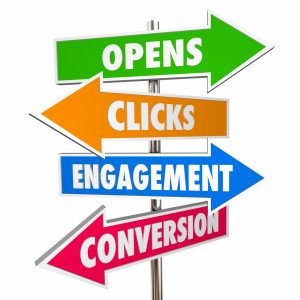
    Signpost saying Opens, Clicks, Engagement, Conversion
    The GOAL!

    Professional authors recognize that newsletter subscribers convert to book buyers at significantly higher rates than social media followers. Unlike platform-dependent marketing strategies, your email list provides direct access to engaged readers who have explicitly requested your content. Publishers and agents increasingly evaluate authors based on email subscriber metrics, understanding that a quality newsletter audience indicates genuine reader demand and marketing capability.

    The most successful authors don’t just collect email addresses—they cultivate reader communities through consistent, valuable newsletter content that strengthens the author-reader relationship with every issue.

    Building Your Newsletter Foundation

    Hari Seldon understands the importance of a good Foundation

    The blinking cursor is hard enough when it comes to creative writing, but for many authors marketing poses a unique challenge. Reframing newsletter writing as something you can do with prompts can turn it into a strategy for success!

    Author newsletters can be thought of in two main arms: personal connection and professional value. For both of these, focus in on what engages readers and drives those open rates.

    Prompts for your Newsletter

    Writing Journey: Writing Craft and Wins

    Behind the scenes strategies for making your writing work. No one shares the same experience as a writer, and giving insight into your unique journey can draw readers in! Consider what you feel like you’re an expert in: World Building, Character Development, Dialogue.

    And it’s not just writing craft! Share achievements authentically—book awards, positive reviews, speaking engagements, or publishing milestones. These updates build credibility and social proof while keeping readers invested in your career trajectory. Frame these as shared celebrations rather than simple announcements.

    Reading Recommendations and Genre Insights

    Writers are a great voice within their own genre, and you have the book recommendations to prove it! Thoughtful recommendations can follow a formula to make them easier to write such as a star rating, plot summary, what you loved the most, and who would be the best reader for that. Not only do these recommendations help drive engagement with your readers, but it can help connect you with other authors, creating two valuable links for you!

    Exclusive Content and Early Access

    These are often the lead magnets of your newsletter. A free short story or that prologue you wrote that didn’t make it into your final draft can be great bonus content for people who already love your work or to bring in people who are just discovering it.

    Other great benefits can be raffles, access to playlists you write to, opportunities to join your ARC Team, and so much more! The list of ways you can reward people for following you are nearly limitless. All this helps them feel like subscribing to your newsletter is a privilege, not an obligation.

    Mastering Newsletter Subject Lines

    Your subject line determines whether readers open your newsletter or delete it. Focus on the most compelling element of each issue rather than generic announcements.

    Instead of: “Monthly Author Update” Try: “The Research Discovery That Changed My Entire Plot”

    Instead of: “New Book Release” Try: “Three Years of Writing Led to This Moment”

    Instead of: “Newsletter #47” Try: “Why I Almost Deleted This Entire Manuscript”

    The most effective subject lines create curiosity while promising specific value relevant to your genre audience.

    Multi-Channel Marketing for Audience Growth

    A seedling just beginning to sprout
    We all start somewhere

    Event-Based Acquisition: Maximize both virtual and in-person events for newsletter growth. Create QR codes linking directly to signup pages, offer event-exclusive subscriber bonuses, and position newsletter signup as continued connection rather than marketing obligation. Physical sign-up sheets are also great for people who are tired of dealing with screens all day.

    Cross-Promotion Opportunities: Participate in genre-specific newsletter cross-promotions with fellow authors and through podcast tours. Having a website with a newsletter and landing page is a great way to make sure people who look you up can find an easy way to stay up to date after that first or second good impression.

    Website Optimization: Ensure newsletter signup is prominent but not intrusive on your author website. Multiple signup opportunities—header, sidebar, post-content, and dedicated landing pages—increase conversion without overwhelming visitors.

    Maintaining Consistency and Relevance

    Successful author newsletters benefit from consistent publishing schedules and strategic content planning. Develop an editorial calendar that balances personal updates with genre-relevant content, seasonal considerations, and book release timing.

    Brandon Sanderson, an author famous not only for his exceptional success as a writer of high fantasy, but also for his record-breaking Kickstarter campaigns, recommends a minimum of two newsletters a year. Most authors can probably swing once a month. Find a system that works with your schedule and ability to create engaging content and run it from there!

    Measuring Newsletter Success

    Track metrics that indicate genuine reader engagement rather than vanity numbers.

    Current Benchmarks from Mailchimp and the Whop Blog

    Recent industry data shows that the overall average email open rate across all industries is 39.7%, with newsletters focusing on specific niches achieving 16% higher open rates than general content. Welcome emails perform exceptionally well, with an average open rate of 47%, making your initial subscriber communication crucial for long-term engagement.

    Click-through rates typically range from 1.0% for general industry averages to 3.2% for well-optimized campaigns. Interactive or dynamic newsletters achieve 2x more engagement than static content, suggesting that authors should incorporate multimedia elements and engaging formats.

    Key Performance Indicators for Author Newsletters:

    • Open rates by content type (identify your most engaging topics)
    • Click-through rates to book purchase links (measure commercial effectiveness)
    • Subscriber growth rate and retention (track audience development)
    • Direct responses and reader interaction (gauge community engagement)
    • Book sales correlation with newsletter campaigns (measure ROI)

    The Importance of Welcome Emails

    Your welcome email represents the highest-engagement opportunity in your entire newsletter strategy. With average open rates of 47%, this first impression often determines long-term subscriber engagement. Use welcome emails to set expectations, deliver your promised lead magnet, and establish the value proposition that will keep readers opening future newsletters.

    Building to Benchmark Performance

    Don’t expect immediate success with industry-average metrics. The typical conversion rate from free to paid newsletter subscriptions is around 5%, but building a quality engaged audience takes time and consistent value delivery. Focus on delivering exceptional content to your niche audience rather than chasing vanity metrics. Newsletters with A/B testing and comprehensive pre-send quality checks achieve 28% higher returns than those published without optimization.

    Where to Start

    There are quite a few newsletter platforms out there, and it’s worth doing a little research to determine what’s the right fit for you.

    Mailchimp: The Comprehensive Solution Mailchimp offers sophisticated tools and extensive customization opportunities that can elevate your author newsletter to professional standards. The platform excels in automation capabilities, detailed analytics, and integration options with other marketing tools. However, new users often find the interface complex and less intuitive initially. The learning curve is worth the investment, particularly for authors serious about email marketing optimization. Mailchimp offers a free tier for up to 500 subscribers, making it accessible for emerging authors, but costs increase significantly as your subscriber base grows. You can see our write up on Mailchimp here!

    Substack: The Creator-Focused Choice Substack has revolutionized newsletter publishing by combining simplicity with powerful monetization features. The platform functions as both a newsletter service and a content discovery network, potentially expanding your reader base through its built-in social features. Everything about Substack prioritizes ease of use—from scheduling newsletters to managing subscriber interactions. The platform’s standout features include seamless paid subscription integration, content paywalls for premium readers, and direct financial support from subscribers. For authors considering paid newsletter models, Substack’s integrated payment system eliminates technical barriers to monetization.

    Additional Platform Considerations Beyond these popular options, authors should also evaluate Kit – formerly ConvertKit (excellent for creator-focused automation), Beehiiv (rapid growth in creator economy), and MailerLite (budget-friendly with solid features). Your choice should align with your technical comfort level, monetization goals, and long-term audience development strategy.

    Learn from the Best

    The 2025 CIBA Grand Prize Winners at CAC25
    We know the best when we see them!

    Lately, we’ve been discussing our favorite newsletters with some of our authors. Here are some great options to follow:

    Your author newsletter represents direct access to readers who have chosen to hear from you regularly. With strategic content development, consistent value delivery, and professional audience growth tactics, your newsletter becomes more than a marketing tool—it becomes the foundation of a sustainable writing career built on genuine reader relationships.

    One last tip: Overlap between Social Media and Newsletters

    Any section that you write about on your newsletter can be turned into multiple social media posts. Anything that’s more text intensive can be a great Facebook post or thread on Bluesky, and anything image focused can be great for Instagram or TikTok! If you’re one of those authors with video skills, you can even turn your newsletter into a script and use sections for short form content. You can read more about our social media suggestions here!


    Don’t let your Book Be Invisible!

    Looking to add more wins and news to share with your readers? Consider getting professional validation that enhances your author platform and provides compelling newsletter content. A Chanticleer Editorial Review offers you a comprehensive professional assessment that not only serves as powerful marketing material but also comes with robust SEO optimization through our AIOSEO package. When algorithms change, we update your review’s online presence to maintain high search engine rankings, ensuring long-term marketing value.
    For authors seeking recognition that resonates with readers, our Book Awards program features 28 divisions across fiction and non-fiction categories. These awards create multiple tiers of achievement that strengthen your digital footprint and provide ongoing marketing material for newsletters, social media, and author bios. We regularly hear from authors that award recognition increases book sales when results are announced, giving you concrete success stories to share with your newsletter subscribers.
    You know you want it…

    Both services provide the professional third-party validation that serious authors need while generating authentic content for reader engagement—exactly the kind of wins and achievements that make compelling newsletter material.


  • Casting the SEO Net for Readers: How Search Engine Optimization Attracts Online Followers

    Casting the SEO Net for Readers: How Search Engine Optimization Attracts Online Followers

    SEO – Search Engine Optimization: Cast a Wider Net for Your Readers

    The cyber world is a vast and active ocean of readers, and it’s not always easy to catch your target audience when casting out your book marketing net online.

    Your content is great, but it’s struggling to reach an audience. By reinforcing the effectiveness of your efforts with strong search engine optimization (SEO), you’ll create a virtual fishing net that will catch readers who love your genre and widen your pool to an even larger audience of “fish in the sea!”

    Fishing, sunrise, water, net, fisherman

    Having a strong online presence is crucial for any author. Whether you are traditionally or self-published, your success often hinges on visibility—how easily potential readers can find your work.

    What is SEO and Why Does It Matter for Authors?

    SEO is the practice of optimizing your online content, so it becomes more visible and understandable to search engines like Google, Bing, and others. These search engines use sophisticated algorithms and digital ‘crawlers’ that scan websites to understand their content and relevance. By strategically using keywords, creating quality content, and improving your site’s technical aspects, you help these digital gatekeepers better understand what your content is about and who might find it valuable.

    Imagine a reader searching for “thriller novels about art heists” or “greatest baseball games.” If your books are optimized with keywords related to your story, they are more likely to show up in search results and get in front of new readers who may not have found you otherwise.

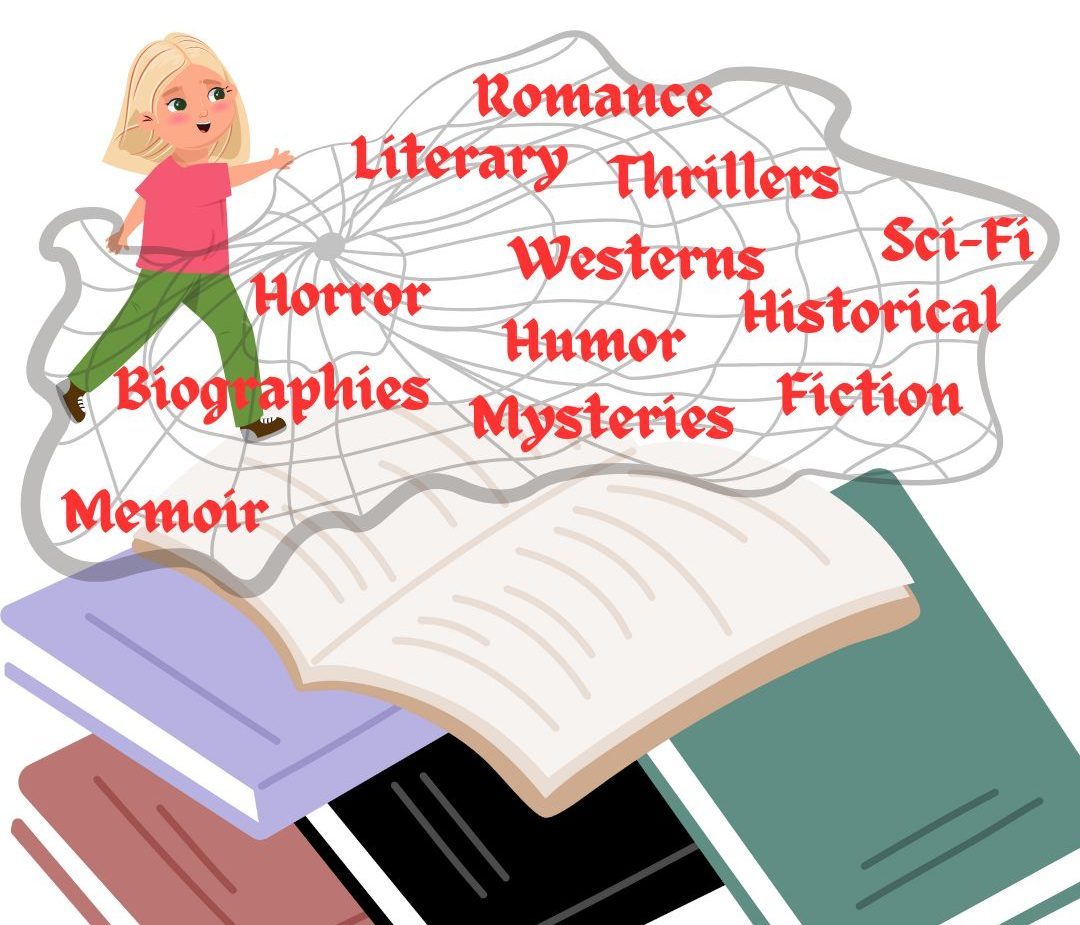
    net, woman, books

    Why SEO is Crucial for Authors

    Shining a Spotlight on Your Work and Yourself

    One of the primary reasons SEO is important for authors is visibility. With millions of books available online, offering a great story just isn’t enough. By using SEO techniques on your author website, book descriptions, and blog posts, you increase your chances of those marketing tools appearing in search results when potential readers are looking for books in your genre.

    Employing effective SEO isn’t only about increased visibility for your book. It’s also about building your author brand. A strong SEO strategy allows readers to learn more about you, your writing process, and your publications. By regularly posting SEO-optimized content, such as blog posts, articles, social media posts, and interviews, you are giving readers insight into your writing and establishing yourself as a trusted voice in the literary world.

    Spreading the Net Wide with Organic Traffic

    Organic traffic refers to visitors who come to your website through unpaid search results. SEO helps you attract that organic traffic by offering the keywords you’ve put into your online text as if it were a little worm on the hook. This means more readers will discover your work without the need for expensive ads. With the right keywords, you’ll find your author website or blog is a well-optimized, powerful tool you can use to build a sustainable online presence that continually attracts your target audience.

    Signing, book, pen, grey

    Better Book Sales

    By making your books more visible on platforms like Amazon, Goodreads, or your own author website, you’ll be gaining more power in the online bookstores where authors compete to find readers. By optimizing your books’ descriptions with relevant keywords, such as genre-specific or popular theme words, you will improve the chances of attracting new readers who purchase or research books online.

    Connecting with Your Audience

    SEO also gives you a boost in attracting the right audience. By strategically using keywords related to your book’s genre, style, or themes, you have a better chance of reaching the readers most likely to be interested in your books. For example, a romance writer could target keywords like “new in town love stories,” while a science fiction author might optimize for terms like “space operas” or “first contact adventures.” Understanding your audience’s reading preferences helps you tailor your SEO strategy to catch just the right readers.

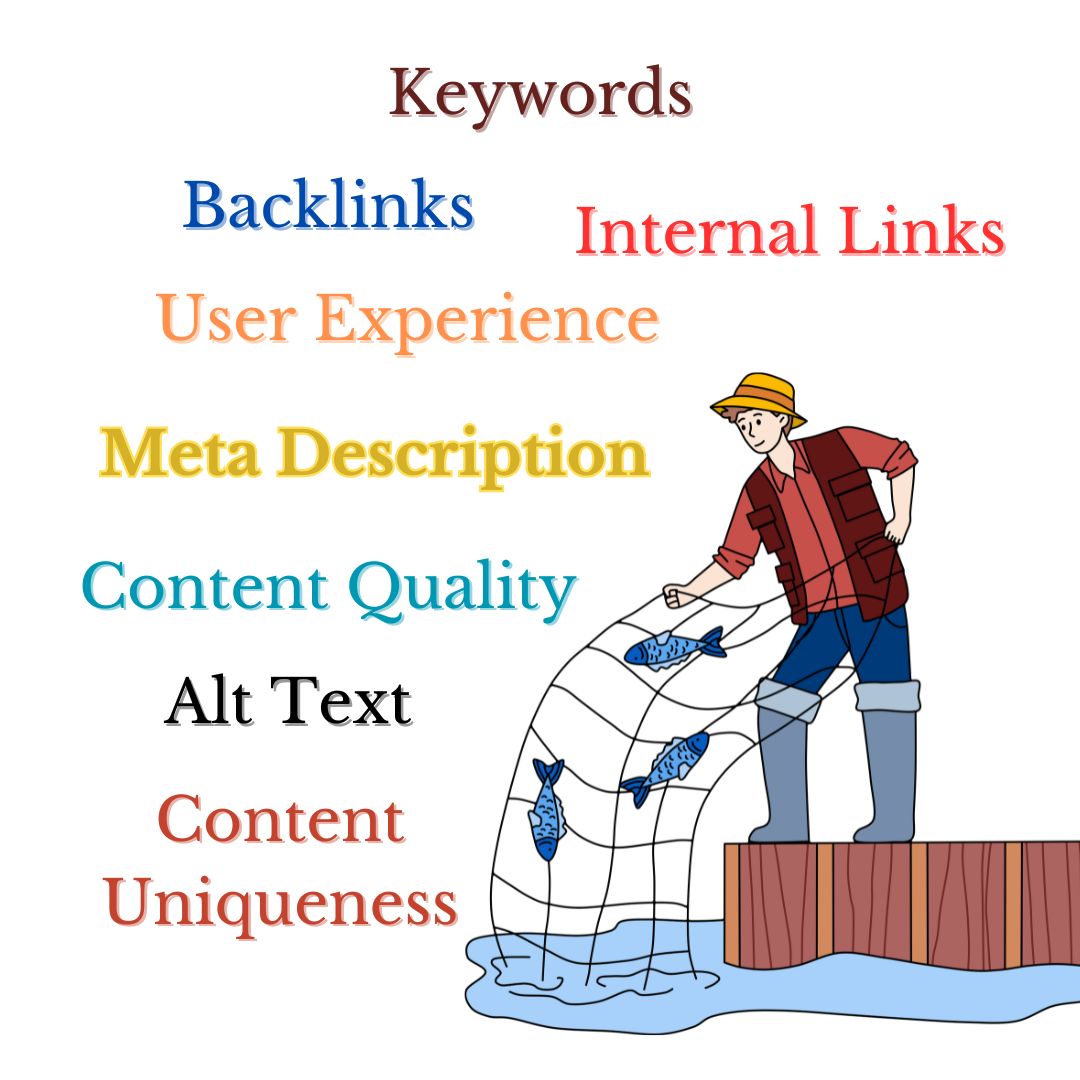
    Fishing, net, fish, man

    Enhance Discoverability with Chanticleer Editorial Reviews and Book Awards

    Beyond basic SEO strategies, authors can significantly boost their discoverability through Chanticleer’s Editorial Book Reviews and Book Awards. These professional validations don’t just enhance your book’s credibility—they create additional pathways for readers to find your work.

    The Editorial Book Review

    Chanticleer Editorial Book Reviews are specifically crafted with SEO in mind. Our reviewers are trained to optimize everything from title keywords to sentence length, ensuring that when your review is published, it’s designed to catch the attention of both search engines and human readers. These reviews create quality content that search engines value, especially when featured on your website or in your book’s metadata. The strategic keyword placement in our reviews helps your book appear in searches relevant to your genre and themes. We even wrote an article explaining the ins and outs of how we do that, so you can too! 

    The Book Award Program

    Similarly, Chanticleer Int’l Book Awards – CIBAs – create multiple touchpoints for discovery. When your book receives an award or makes a shortlist, it generates announcements, listings, and social media mentions—all containing relevant keywords that improve your SEO footprint. Our award posts are specifically designed to catch just the right readers for each genre division. We frequently hear from readers that they purchase every book on our Finalist lists just to enjoy a variety of new authors in their favorite genres. This creates an immediate audience expansion for authors who make these prestigious lists. You can see the culmination of this with our celebration of the 2024 Grand Prize Winners that went our recently here. 

    These professional validations work in tandem with your SEO efforts, creating a stronger, more expansive net to catch interested readers. At industry events like Women in Publishing, Author Nation, and the San Francisco Writers Conference, authors regularly approach our team to share how Chanticleer’s posts and promotions have significantly improved their marketing efforts, given them a sales bump, and expanded their readership.

    Key SEO Strategies for Authors

    So, where do you begin? It may sound complicated, but empowering your SEO isn’t magic. Taking a few simple steps—both now and each time you update your website—will get you in the right position to pull in those readers.

    1. Optimize Your Author Website

    Your author website is your digital home base. Make sure it’s well-optimized to increase visibility. Use relevant keywords in the title tags, meta descriptions, and headers. For instance, if you’re a mystery novelist, use keywords like “mysteries,” “detectives in literature,” or “suspense plots.” When someone inputs these terms into a search engine, they are more likely to see your website as a result.

    Don’t forget the technical aspects of SEO that affect how readers experience your site. Ensure your website loads quickly, works well on mobile devices, and has a clear navigation structure. Search engines prioritize sites that offer a good user experience for your audience.

    2. Use Keywords in Book Descriptions

    On platforms like Amazon, your book description is a vital part of how your book will rank in search results. Use targeted keywords your readers will likely use when searching for a new book. It must accurately describe your book, since it won’t benefit you to mislead the reader. For instance, a reader looking for a book about a historical figure might include terms like “biographical fiction” or “historical biography” in their search, so those are great keywords to use in your descriptions.

    fish, blogging, water, goldfish, keyboard

    3. Start a Blog

    Blogging is a powerful tool for authors to connect with their audience while boosting their SEO efforts. Regularly posting articles that engage your target audience helps establish your authority and increases your site’s traffic. You could write about topics like writing tips, industry trends, book recommendations, or personal stories about your writing journey. Understanding your audience’s interests helps you create content that not only ranks well but genuinely connects with potential readers.

    4. Claim and Optimize Your Author Profile on Amazon and Goodreads

    Amazon and Goodreads are the go-to platforms for book discovery, and ensuring your author profile is fully optimized can help you get more visibility. Use relevant keywords in your author bio, list all your books clearly, and encourage readers to leave reviews. The more activity you have on these platforms, the more likely it is that your books will appear in searches and reach new readers interested in your genre.

    SEO, Computer, fingers, holding

    5. Leverage Social Media and External Content

    SEO isn’t just about what happens on your website. Google also takes social media activity into account when ranking websites. Share your blog posts, articles, and updates on your social media channels (Bluesky, Instagram, Facebook, etc.) with appropriate hashtags and links to your website. Effective book marketing extends beyond your website to social platforms where your readers are already active. The more you share and the more engagement your posts receive, the more likely it is that search engines will take notice.

    6. Focus on Local SEO

    If you’re an author attending book events, readings, or speaking engagements in your area, local SEO is vital. Optimizing your website and author profile for local searches will help you connect with fans in your region. Include your city and relevant location-based keywords in your website’s content, like “author in [city]” or “book events near [city].” This helps readers find not just your books but opportunities to meet you in person, creating a stronger connection with your audience.

    blue, green, wave, fish

    Track Your SEO Success

    Implementing SEO strategies is only half the battle—you also need to know if they’re working. Use tools like Google Analytics to track your website traffic, see which pages are performing well, and understand where your audience is coming from. This data helps you refine your approach and focus on the book marketing tactics that bring the most readers to your work.

    Look for patterns in how readers find and interact with your content. Are certain blog topics attracting more visitors? Do specific keywords drive more traffic? Understanding these patterns helps you tailor your content to better meet your audience’s interests and search habits.

    You’re ready to set your SEO Net for More Readers

    In an increasingly competitive digital landscape, authors need the very best lures they can get to stand out online. SEO offers an accessible and cost-effective way to increase visibility, connect with readers, and ultimately boost book sales. Using these strategic SEO approaches on your author website, in book descriptions, and in your online content can ensure your books reach the right audience.

    Remember, SEO is an ongoing process, not a one-time fix. It requires consistency, strategy, and a deep understanding of what your readers are searching for. By optimizing your online presence, you increase your chances of building a long-term, sustainable writing career—one where your books are not just published, but discovered and celebrated by the readers who want them most.

    With a little SEO know-how, you’ll be well on your way to netting more readers, building your brand, and boosting your success as an author! The digital ocean is full of potential readers waiting to discover their next favorite book—yours.

    Now go out and catch the Big Fish!

    Fish, book, glasses, orange, blue


    Thank you for joining us for this Writer Toolbox Article

    A red toolbox with the words "What's in your toolbox

    There is so much to learn and do with Chanticleer!

    From our Book Award Program that has Discovered the Best Books since the early 2010s to our Editorial Book Reviews recognizing and promoting indie and traditional authors, Chanticleer knows your books are worth the effort to market professionally!

    Helpful Toolbox Articles:

    Ready to Strengthen Your Book Marketing Net?

    If you’re ready to enhance your book’s visibility and reach more readers, Chanticleer offers professional services designed specifically for authors who are serious about their writing careers:

    Chanticleer Editorial Book Reviews: Our professionally crafted, SEO-optimized reviews give your book the visibility boost it deserves. Each review is strategically written to improve your book’s discoverability while providing the credibility that comes from a respected third-party assessment. Learn more about our Editorial Review service here.

    Chanticleer International Book Awards (CIBAs): Join the ranks of authors who’ve seen significant visibility boosts after participating in our prestigious book awards. The CIBAs create multiple opportunities for your book to be discovered by new readers who trust our curated selections. When you submit your book, you’re not just entering a contest—you’re joining a community of authors committed to excellence. Submit your book to the CIBAs today!

    Don’t let your great book remain hidden in the vast digital ocean. With Chanticleer’s professional services working alongside your SEO efforts, you’ll cast a wider net and catch more readers than ever before.

  • Next Level Strategies New Genres with an Established Author Platform

    Next Level Strategies New Genres with an Established Author Platform

    Is your Author Platform Ready for the Next Level?

    In publishing, your author platform is your most valuable marketing asset. When writing across genres, it needs strategic adjustment to keep your audience, not reconstruction.

    How high does the sound board go? 11!

    The publishing industry rewards specialization, but creative writers rarely stay in a single lane. You’ve invested years building your author platform—your website, social media presence, and newsletter subscribers. Now, as you venture into a new genre, you face critical marketing decisions that will determine whether your existing audience follows you or falls away.

    Plans, hammer, house

    Grab your tool belt, writers, because we’re going to build onto that already established Author Platform with 5 great tools to help you hold onto your audience!

    The Multi-Genre Marketing Challenge: Industry Reality

     Professional authors understand that genre-switching creates specific marketing challenges. Industry experience suggests that without intentional platform adaptation, many readers don’t automatically follow authors to new genres—your thriller fans won’t necessarily pick up your romance novel simply because they enjoyed your previous work. This isn’t merely about announcing a new book—it requires strategic repositioning of your entire author brand within the publishing ecosystem.

    Under, construction, man, stairs, yellow

    Your Author Platform Blueprint

    1. Conduct a Platform Audit (Foundation Check)

     For this essential marketing exercise, systematically evaluate your website, email list, social media presence, media coverage, and author branding through two critical lenses: current effectiveness and genre flexibility.

    Your website might excel at showcasing your historical fiction but may lack architecture for your new romance titles. Your email marketing strategy might need to be targeted to these specific, and different, readers rather than general broadcasts. Possibly your author branding is overly tethered to your original genre, creating invisible barriers for potential readers of your new work.

    Authors who endure recognize that platform development isn’t just about growth—it’s about strategic alignment with your full creative range. This audit forms the foundation for all subsequent marketing decisions.

    2. Author-Centered Rebranding

    Your most valuable marketing asset transcends genre boundaries—it’s your unique authorial identity and worldview.

    Strategic Implementation: Create an “About the Author” narrative that emphasizes your creative journey across genres. Thriller author Gillian Flynn exemplifies this approach by positioning herself as exploring “the dark side of human psychology” rather than simply identifying as “a thriller writer,” maintaining brand consistency while writing across multiple market categories.

    Update your website architecture to showcase YOU as the central brand rather than a specific genre. Consider repositioning language: “Author of dark fiction and young adult romance exploring how we form profound connections in our lives.” This represents two genres while maintaining thematic continuity.

    3. Content Bridge Marketing

     Develop strategic content that connects your established genre with your new direction, facilitating reader transition.

    When shifting from romance to mystery, professional authors don’t simply announce the genre change—they create deliberate content bridges. This might include analyzing romantic subplots in classic mysteries, exploring detective-character relationships, or highlighting mystery elements in romance novels.

    This content marketing approach creates intellectual and emotional pathways for existing readers to follow you into new creative territory. Industry professionals recognize that reader migration requires scaffolding, not cold transitions.

    4. Strategic Collaboration Marketing

     Form tactical partnerships with established authors in your target genre to access their reader communities.

    hands, people

    Professional authors implement specific cross-promotion strategies:

    • Organize genre-blending anthologies featuring 3-5 authors from your target market
    • Host “Genre Crossroads” interview series on your blog, podcast, or live at literary events
    • Develop co-marketed reading bundles with complementary titles

    Industry Example: Kim Hornsby has masterfully expanded her readership by strategically participating in anthologies where authors rotate as featured contributors. This collaboration marketing approach has allowed her to extend her platform across multiple genres while maintaining audience continuity.

    5. Email Segmentation Marketing for your Audience

     Transform your email list from a basic announcement channel into a sophisticated marketing instrument with targeted audience segmentation.

    Begin with a strategic Reader Preference Survey distributed to your subscriber base:

    The focus: delivering precisely targeted content to each reader segment. Essential data points include:

    1. Which of your titles have resonated most strongly with each reader
    2. What genres comprise their overall reading diet
    3. Their specific interest level in your upcoming work in new categories

    Use these insights to implement segmented email marketing campaigns, allowing for differentiated communication with readers based on their genre preferences and relationship to your body of work.

    Measuring Your Multi-Genre Marketing Effectiveness

     Professional authors evaluate cross-genre success beyond simple sales metrics. Track these sophisticated performance indicators:

    • Cross-genre reader migration percentage (what proportion of existing readers follow you into new territory)
    • New audience acquisition rates by source
    • Platform growth velocity across distribution channels
    • Engagement metrics by reader segment

    Publishers and agents increasingly evaluate authors based on these metrics, as they demonstrate platform resilience and audience development capabilities—key factors in multi-book contract decisions.


    Construction, workers, house

    The most successful author platforms aren’t rigid constructions but flexible ecosystems designed to showcase your entire creative range. With strategic platform development and deliberate marketing approaches, you can build a sustainable readership that follows your work regardless of genre boundaries.


    Thank you for joining us for this Writer Toolbox Article

    A red toolbox with the words "What's in your toolbox

    There is so much to learn and do with Chanticleer!

    From our Book Award Program that has Discovered the Best Books since the early 2010s to our Editorial Book Reviews recognizing and promoting indie and traditional authors, Chanticleer knows your books are worth the effort to market professionally!

    Helpful Toolbox Articles:

    When you’re ready, did you know that Chanticleer offers editorial services? We do and have been doing so since 2011.

    Our professional editors are top-notch and are experts in the Chicago Manual of Style. They have and are working for the top publishing houses (TOR, McMillian, Thomas Mercer, Penguin Random House, Simon Schuster, etc.).

    If you would like more information, we invite you to email us at info@ChantiReviews.com for more information, testimonials, and fees.

    We work with a small number of exclusive clients who want to collaborate with our team of top-editors on an on-going basis. Contact us today!

    Chanticleer Editorial Services also offers writing craft sessions and masterclasses. Sign up to find out where, when, and how sessions being held.

    A great way to get started is with our manuscript evaluation service, with more information available here.

    And we do editorial consultations for $75. Learn more here.

  • Top Revision Tips Before a Manuscript Overview from the desk of David Beaumier

    Top Revision Tips Before a Manuscript Overview from the desk of David Beaumier

    You’ve arrived at the last page of your story and written those crucial, beautiful words: “The End.”

    A young Asian woman leans back from her computer, done with her work in a generic room.
    Finished at last!

    Well done! You deserve some time to rest before you dive into the next step of editing your story.

    Now, one key piece of advice here is there isn’t a wrong time to put your work in front of a professional for feedback. While this article will take you through steps that will bring your book to be as strong as you can possibly make it on your own, we all are of different skillsets, so if something isn’t for you, that’s when you bring in a professional editor.

    To start out with, what is a Manuscript Overview?

    Someone hard at work on a Manuscript Overview

    Perhaps the easiest definition can be pulled from our page on providing Manuscript Overviews (MOVs).

    It is an objective evaluation of a story idea that is fully formed with a beginning, middle, and end, but still in an early draft stage. The MOV comes before Line Editing and Copy Editing.

    No matter who you pick to perform a Manuscript Overview for your book, you should get one. The amount of time and money it saves on editing by being more general and help you go further with your own writing is on thing, but the most important part is it helps keep your book focused and your narrative strong. Traditional Publishing Houses use them, and it makes sense to follow suit.

    Typically, an MOV will cover

    • compelling nature of story
    • dialogue
    • character development
    • does the scenery and setting work with the story
    • backstory issues
    • professionalism of editing & formatting
    • continuity of storyline
    • plotting and plot-hole issues
    • writing craft

    So, the question remains, how do you get your book to that point: fully formed with a beginning, middle, and end. How do you get it to the best point you can do on your own?

    The Reverse Outline

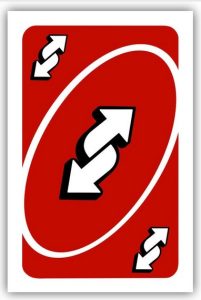
    A Red Uno Reverse Card

    Once you’ve finished your manuscript, even if you already have an outline, you can create one that reflects the actual book you’ve written. From this point, you can edit that outline of your book as is. Working within the outline to create a roadmap to revision often feels much more approachable.

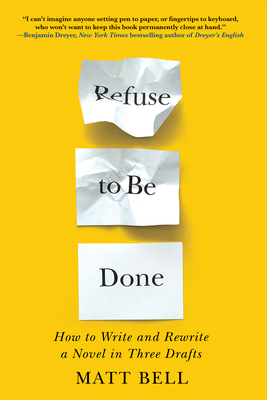
    Next off, we have a recommendation from Matt Bell, author of Refuse to Be Done.

    Rewrite your book.

    You can have the draft you wrote printed out, off to the side, on a separate monitor, whatever feels comfortable, but rewrite it using your new outline as a guide.

    Refuse to Be Done has a yellow cover with the title written out across 3 pieces of paper

    Bell’s theory behind this is that you will copy and paste a bad line (or duplicate scene). But you won’t rewrite a bad line.

    Not sure where to start in creating your outline? Jessica Brody’s beat sheet from Save the Cat! Writes a Novel can help. Brody breaks down the story into actionable beats you can aim for to keep your book flowing along. Check out her breakdown of story beats here!

    Once you’re done rewriting the book, it helps to go through and check to see if you’ve met the goals of a new outline. Ask yourself if your story has a beat and if you can dance to it.

    After all that work, you’re probably ready for a Manuscript Overview.

    What to do while you wait

    A standard Chanticleer MOV takes 6-9 weeks to finish. While that’s going on, we recommend following D.D. Black’s critical advice whenever you’re in writing limbo: Write the next thing.

    D.D. Black presented at CAC24! Check out his incredible series here!

    Not only will that get you out of your head and allow you to be more objective with your manuscript when it comes back, but it will put you ahead of the game for the next book.

    What do our authors say about our MOVs? Read recent testimonials here!

    Wow, huge thank you for this second review! It’s so detailed and very much what I was hoping for. The specifics about moving content and clarity are spot on. I knew it needed structural improvements but I was too close to do it. Please pass on my sincere thanks for this work! I’ve only started some of it & already feel a better flow. I’m hoping to possibly even cut about 10k words to make it tighter. – Sheridan Genrich author of REWIRED: Optimise Your Genetic Potential


    I’m writing to gratefully acknowledge receipt of the Manuscript Overview of my book. I am so pleased to have this close reading and incredibly helpful insights. These comments are far more beneficial than anything I had expected. It will be a pleasure addressing the editor’s critiques and trying out his concrete suggestions. Please extend to him my genuine gratitude. Chanticleer crows again! – John Feist, author of Edged in Purple and many more


    I finally got this copied and read. It’s just what I wanted it to be—a skillful job. I knew there were the kind of holes the editor mentioned, but he’s given me a plan for the revisions. Please pass on my thanks. – Linda Brugger, columnist and accidental author


    Please thank the reviewer for a very relevant and detailed review of my manuscript, ANKANAM. I plan to incorporate all his notes! – Vee Kumari, author of Ankanam.


    This was just what I needed. I am looking at the book with a new focus and have already started working up the suggested changes. The first thing I did was remove those items the editor mentioned should be deleted. It was a bit painful but necessary. There was plenty of meat in his review, which took me a while to digest, but changes are on the way. These will take some time, but I will likely be interested in the Manuscript Reconciliation process. I can tell the editor spent quite some time researching some of the issues raised in the book, which I greatly appreciated. It helped me see the book more from the reader’s perspective than mine. Please pass along my sincere thanks. – Jim Leonard


    Thank you for joining us for this Writer Toolbox Article

    A red toolbox with the words "What's in your toolbox

    There is so much to learn and do with Chanticleer!

    From our Book Award Program that has Discovered the Best Books since the early 2010s to our Editorial Book Reviews recognizing and promoting indie and traditional authors, Chanticleer knows your books are worth the effort to market professionally!


    When you’re ready, did you know that Chanticleer offers editorial services? We do and have been doing so since 2011.

    Our professional editors are top-notch and are experts in the Chicago Manual of Style. They have and are working for the top publishing houses (TOR, McMillian, Thomas Mercer, Penguin Random House, Simon Schuster, etc.).

    If you would like more information, we invite you to email us at info@ChantiReviews.com for more information, testimonials, and fees.

    We work with a small number of exclusive clients who want to collaborate with our team of top-editors on an on-going basis. Contact us today!

    Chanticleer Editorial Services also offers writing craft sessions and masterclasses. Sign up to find out where, when, and how sessions being held.

    A great way to get started is with our manuscript evaluation service, with more information available here.

    And we do editorial consultations for $75. Learn more here.  

    Writer Toolbox Helpful Links: 

    The traditional publishing tool that indie authors can use to propel their writing careers to new levels?  Check it out here!

  • MailChimp 101: Level Up Your Mailing List from the Desk of Rochelle Parry

    MailChimp 101: Level Up Your Mailing List from the Desk of Rochelle Parry

    An Introduction to MailChimp

    MailChimp may be no Rooster, but it’s a great way to start email marketing. With a very low barrier to entry (free!), you can build your audience before your book is published!

    Why Use MailChimp?

    Your personal email is great for sending messages to a small group of people, but once you get a higher volume of recipients, limits will apply. For instance, Gmail will only allow 100 contacts per outgoing email, with a limit of 2000 emails per day (source). Your email account can be suspended if you go over their limits.

    Signing Up

    To sign up, just go to MailChimp.com. Of course, there are paid plans, but assuming you’re starting out with fewer than 500 contacts, free will work! They also offer free email support for the first 30 days, so make sure to get your questions in early. Paid accounts can provide 24/7 technical support, add additional users to your account, and would allow more than 500 subscribers (source).

    To sign up, create an account with your email, and be prepared to verify. A surprise for most users is that to sign up you have to provide a physical address. This address will appear at the bottom of every email! Make sure it’s not going to give away your location if you’re working from home and are concerned about safety and privacy. Read up on MailChimp’s ideas to provide a less personal address here.

    I’ve signed up, now what?

    Once you’re in the Mailchimp site, you’ll see a dizzying array of choices. If you have a website, you’ll want to create a signup form. Click the “create” icon, and select “embedded form.” The form includes name and email by default, but other fields are available too.

    Newsletter Button Sign up
    You can see our Newsletter sign-up as an example here

    Once you’re happy with your form fields, hit ‘continue’ and you can copy the code and place it directly into your website. If this is all Greek to you, consider working with a webmaster to get the form to appear correctly. They also have a pop-up form option. If you create a pop-up form, you’ll need to provide your website address to connect it, then add some provided code to your site’s header, which MailChimp explains here.

    Your Audience

    A group of people applauding at a rock concert
    Get your audience excited!

    Once people sign up, they’ll be added to your Audience. “Audience” is where you manage your contacts. If you already have a list of emails you want to market to through Mailchimp, you can add them manually or by uploading a spreadsheet. Make sure you have the email owner’s permission first! The anti-spam laws can work against you if you get a lot of people marking your email as spam (learn about the importance of permission here). If they sign up via your form, they’ve given their consent!

    Campaigns

    Four People Playing a Board Game
    Marketing Campaigns rather than D&D Campaigns

    Your outgoing emails are called “Campaigns” in MailChimp. You create your campaign to go out to your audience or to a section of your audience. MailChimp’s design tools are a bit rudimentary, but they do provide templates to help you get started. You can use uploaded images, different fonts, texts and links, and style it to be consistent with your brand. While designing your email to send, you can send test emails to yourself and others to see how it appears in your inbox. Just remember that once it’s finalized, you can no longer make edits. Once sent to your designated audience, you’ll be able to see how many people opened your email in your dashboard via Campaign Reports. You can learn more about Campaigns in Mailchimp directly here.


    Thank you for joining us for this Writer’s Toolbox Article, and good luck out there on the web!

    Writer’s Toolbox

    Writer Toolbox Helpful Links: 

    Gmail sending limits in Google Workspace

    MailChimp Website

    Pricing Options for MailChimp

    Alternative Physical Address Ideas

    How to Add a Pop-Up Signup Form to Your Website

    Email Consent and The Importance of Permission

    Getting Started with MailChimp Campaigns

    Rochelle Parry – Creative Director

    Rochelle Parry helps authors and small business owners with their digital marketing efforts by creating custom websites, setting up social media, and publishing print and online materials including magazines and art books. You can learn more at her website: www.megabite.com

    Web Design | Megabite | WordPress Websites | Bellingham, WA Logo


    I hope you enjoyed this quick introduction to using MailChimp and found some useful tips! There is much more to this service, and hopefully this is enough to get you past the blank white page and into creating some fantastic emails! — Rochelle

    Looking for more quality time with Chanticleer?

    a Wreath surrounds CAC 2023 for the Chanticleer Authors Conference


    Take Your Publishing Career to the Next Level –  April 27 – 30, 2023! Register Today!

    Seating is Limited. The  esteemed WRITER Magazine (founded in 1887)  has repeatedly recognized the Chanticleer Authors Conference as one of the best conferences to attend and participate in for North America.

    Join us for our 11th annual conference and discover why!


  • Chanticleer Author Marketing Primer: Hashtag How-To

    Chanticleer Author Marketing Primer: Hashtag How-To

    Authors marketing their books on social media need know how to use hashtags. Hashtags are a fairly simple concept, an effort to index categories among posts, but for the newcomer to social media they can be intimidating. Even those who know about hashtags may not be aware of the intricate ways to maximize their benefits.

    Hashtag Types:

    • Organic/Topics
    • Promotion (brands, products, people, events, etc.)
    • Discussions/Issues
    • Activities (Day-of-the-Week/Themes)
    • Asides (humor, reflection of emotions, feelings, states of minds related to the post)

    Why do we use hashtags?

    There are many reasons to use hashtags, but keep in mind that our most important reason for using a hashtag is to enhance our exposure among people who don’t follow us. Even if you have one Twitter follower, using #amwriting has the effect of increasing your followers for that one post by showing it to anyone who is searching on that topic.

    If you are using a hashtag that is unique or has very little exposure–which you might do to create a branding effect, or spawn a new social activity (like #YouMightBeAWriterIf)–you would pair it with a hashtag with higher exposure to give your post better support.

    Basic Hashtag etiquette:

    • Don’t go overboard. Use two, maybe three. More than that will communicate “this is spam” to people.
    • Use clear and concise hashtags, generally. Long hashtags are not easy to read. So keep them to a minimum and know that if you do use one some eyes will slip past without comprehension.
    • Use hashtags that are relevant to your post and help people find the posts they want to find. Think of it like creating an index at the back of a cook book. If cream puffs were listed under #shrimp that would confuse and possibly upset a lot of people.

    Where to Place Hashtags

    Hashtags may be used on any social media, and are typically found within a post in an #organic fashion, or at the end of the post like an index word. Twitter is a platform where the hashtag is so endemic that it often becomes like punctuation, performing its function while remaining nearly invisible to readers, as long as it’s not overdone.

    Using a hashtag as part of a sentence is understood and accepted on Twitter, probably due to the character limit. But on Google+ and Facebook the hashtags are used less and can be intrusive in the middle of sentences. When in doubt on Facebook and Google+, add your hashtags to the end of your post, even on a separate ending line.

    If your hashtags sticks out like a sore thumb, it may communicate “this is spam”, especially on some platforms, and that may create a negative reaction to the post.

    How to vet a Hashtag

    Always run a search of the hashtag on Twitter or the platform you will be using, to make sure the other posts using it will be good company for your posts. You don’t want to accidentally use a hashtag that has a lot of inappropriate content under it–or worse, co-op a hashtag meant to promote an important social issue for your own self-promotion.

    Next use https://ritetag.com/hashtag-search to look up your hashtags to see how well they will serve as promotional tools. RiteTag will give ratings to guide you.

    These results will change over time, but here are a few examples of the different ratings that RiteTag uses to vet hashtags:

    #Free shows up as red with a “!” and a message “Don’t use this hashtag or you will get lost in the crowd”. The statistics show that people are tweeting over 5000 times an hour under that hashtag–lost in the crowd is right!

    #Writing shows up as green with a lightning bolt and the message “Use this hashtag to get seen now”. The statistics show it’s being used nearly 300 times an hour, but over 3.5 million people are seeing those posts. But keep in mind whats hot today could be gone tomorrow.

    #Pubtips shows up as blue with an hourglass and the message “use this to be seen over time”. The current stats don’t look very impressive, but the history shows that it has regular and consistent surges in activity.

    #Pubtip (I intentionally used this one to demonstrate how one little letter can make a difference) shows up grey with a crossed circle and the message “don’t use this, very few people are following it”. The stats are almost empty and the history shows very low usage.

    Enjoying these tips? Learn how to market and sell more books at our upcoming Chanticleer Authors Conference. #SeriousAuthors register for #CAC17

  • Shari Stauch, Keynote Speaker at CAC

    Shari Stauch, Keynote Speaker at CAC

    Shari_StauchWe are excited to introduce Shari Stauch, CEO of Where Writers Win, as our Saturday keynote speaker at the inaugural Chanticleer Authors Conference.

    Shari is joining us from Charleston, South Carolina, the new literary center of the South.

    At her keynote presentation at Saturday’s CAC luncheon, Stauch will discuss the upheaval between Indie and Traditional publishing, the Hatchette and Amazon issue, bookstores becoming publishers, how  the role of literary agents is changing, and emerging publishing avenues. 

    Shari Stauch has been on the forefront of marketing and public relations for more than 30 years. She conducts seminars on website marketing and author branding and is the CEO of Where Writers Win, a company that “shrinks the web”  and vets services for authors.

    Stauch continues to work with PubSmart and the Pirate’s Alley Faulkner Society as well as with agents, editors, and emerging authors throughout the U.S., using her marketing and PR talents to help authors broaden their audiences, and publishers realize greater sales potential.

    She currently is the president of the Lowcountry Initiative for the Literary Arts (LILA) in Charleston, S.C.  Stauch  is an award-winning essayist and fiction writer, author of four non-fiction books, and has recently completed a novel set in her hometown of Chicago, Illinois.

    Attendees to CAC will have the opportunity to sit-in on two of Shari Stauch’s  informative and engaging workshops:

    • How to Build an Audience of Readers
    • It’s a Blog-Eat-Blog World

    We invite you to meet other members of the Chanticleer International Community of Authors at this fun and informative three day event featuring:

    • CBR Awards Banquet – You don’t have to be a CBR winner to attend this exciting event.
    • Sessions, workshops, and panel discussions
    • Keynote Speakers: Shari Stauch and Diane Isaacs
    • Networking opportunities
    • Prizes and drawings
    • Books By the Bay Bookfair

    Join us at the elegant  Hotel Bellwether on beautiful Bellingham Bay. Register today! 

    Awards Banquet 2014