
Tag: launching a book

  • A QUICK GUIDE to PUBLISHING LESSONS that YOU NEED NOW by Sharon Anderson & Kiffer Brown

    A QUICK GUIDE to PUBLISHING LESSONS that YOU NEED NOW by Sharon Anderson & Kiffer Brown

    Writing is not the same as publishing.

    That may seem obvious to most. However, imagine a new writer, a hopeful author, with a lot to say – this person writes and writes, day after day. The diligent writer amasses 283,472 words exactly. This person then believes that everyone will want to read her story. Why not? The story is sent off to a literary agent – maybe two. Okay, the manuscript is sent off to five dozen literary agencies with query letters and synopsis. Our dear writer is no sloth; she has done her due diligence!

    And then the wait commences. Six weeks, three months, six months, a year later… no replies. No responses. Nothing – not even a generic letter or automated email response. Not unreasonable—really— when one considers more than two million new works are created each year in the English language. We can tell you this: The slush pile takes no prisoners. Only the best of the best will be noticed.

    Our author is crushed, heartbroken. Vows to never write again….

    THERE IS  A BETTER WAY! Below is a Quick Guide that outlines the crucial steps involved in successful publishing (read book sales). These mimic, for the most part, the tried and true methods of traditional publishing houses that work for Indie and Small Press authors—especially when the advantages of today’s new world of publishing are added into the mix.

    Let’s back up a minute and examine what our aspiring author could have done to have a better chance at succeeding in today’s publishing market: 

    1. Manuscript Overview. You’ve spent many hours writing your manuscript – It’s time to invest in a Manuscript Overview (MOV). What’s that? It’s a process whereby you send your work off to a trusted, experienced editor. This editor will read your work and give you professional, genre-specific feedback: tell you what’s good, what needs work, if your manuscript is ready to publish. If you have a literary agent or work with an acquisitions editor at a publishing house, you would send if off to them for feedback. If you don’t have one of these (yes, it is like trying to get a loan from a bank, the bank will loan you the money if you don’t need it…), then you may want to consider our manuscript evaluation service. It can be painful, but every author who has used it says that it is the only way to go. Most of our authors consider it like taking graduate courses in storytelling. A MOV really helps to hone a work.
    2. Build Your Online Digital Presence. At the same time as the Manuscript Overview is going on, begin strengthening your on-line presence through interactive social media. These days, even Fiction authors need a platform. Facebook is still a good way to do this, as is Instagram. If your book is science fiction, maybe you should try Reddit. Whatever you do, invite your targeted readership community into a relationship on the platform where they can be found. The thing to understand is publishers are looking for authors who already have a following who can be motivated to purchase books.
    3. Line Edit. After you’ve incorporated the suggestions from your Manuscript Overview into your work, and have had several trusted brutally truthful beta readers to thumbs up the story line and characters, it’s time to send it off to a Line Editor. What? Yes, you heard me. Your work will require a LINE EDIT that insures that each and every sentence makes the story move forward. Line Editing is defined as a thorough and focused reading of the manuscript on a line-by-line basis with suggestions, comments, and remarks noted for the author to consider. Take the extra time and send your work off to a professional, experienced editor who will examine your work to make sure you’ve hit all of the plot points, your characters are believable, your story is solid, that it doesn’t sag anywhere, and that the opening is a grabber. Take the time. Do this step.
    4. What’s next? While your work is with the Line Editor, we hope that you are developing  the next work in your series or researching your next story idea. Every agent, every publisher will want to know what you are working on next. Series sell.
    5. Cover Concept. Begin developing cover concepts for your work in progress (WIP) by selecting key elements of it. Your cover should convey time period, location, genre, targeted audience, and story elements. These cover elements should be reflected in your marketing collateral (biz cards, website background, social media elements, etc.).
    6. Fresh Eyes. After incorporating the LINE EDITS that were suggested, we advise that you have another set of fresh eyes read the work. Perhaps, a second independent manuscript overview. This can also fall under the responsibility of your literary agent or publishing house’s acquisitions editor. If you don’t have either of these, then use an independent consultant. See Item 1 above. Professional Fresh Eyes are the Traditional Publishing Houses secret weapon.
    7. Copy Edit. Now that the story is solid, it is time for a COPY EDIT. Copyediting is a very technical read of a work for flaws in grammar, punctuation, syntax, consistency in spelling, numerals, hyphenation, etc.; flagging any inconsistencies that have made it past the Copy Edit such as eye color, name spelling, location, timing from point A to point B. Copy editing also tracks any internal inconsistencies in the story (conflicting abilities or inabilities, location inconsistencies), etc. This is where the story is held accountable to the publisher’s style guide and to the story’s individual world building construct.
    8. Cover Design. If you are indie-publishing or even hybrid publishing, you will need to seriously consider investing in your cover design. Your book has less than 3 seconds – that’s THREE seconds to attract a potential buyer. If you have the chops to do this yourself, that’s awesome. But most authors don’t. Think about it. You have an awesome book. You’ve spent time and money making certain of it. Why wouldn’t you want to put as much time and attention into a cover that will work for you instead of against you? A good cover doesn’t have to cost thousands of dollars, but you do need to hire a professional cover designer who understands your genre. The cover will sell your first book. Your content will sell the second the book.
    9. Author Brand. Create your bio’s. You will need a 100-word, a 200-word, and a 500-word biography to send to agents and publishers, to slap on your sell sheets, to place on the back of your book. The three bio’s will work for different applications. Have these ready to go. You will need professional head shots that reflect your author brand. Get it done.
    10. Proofing. Proofreading is the final step of the writing process. It looks for purely grammatical errors, typos, and spelling errors only.
    11. ISBN Designation. BISAC CODES. Meta Data. The “alphabet soup’ part is extremely important in getting your books into the hands of booksellers and into libraries — more on this in a later post.
    12. Professional Formatting. This is a mystical process that takes your manuscript and transforms it into a book, digital and print. Lack of professional formatting is the reason booksellers can spot a self-published book (besides the cover). They can spot it at a hundred paces. It is best left to professionals—in our not-so-humble-opinion.
    13. ARCs. Advanced Reader Copies for Publishing Industry Professionals and for your Beta Readers. These are needed for launch reviews and for regional independent bookseller trade shows (SIBA, PNBA, NCBA, MPIPA, GLIBA, —more alphabet soup). Use your ARCs to start lining up book-signings, author events, promotional tours, and to create book buzz.
    14. Advance Reviews – make sure that you have professional publishing industry reviews ready to go for the launch (press releases, industry news, etc.) and for the cover blurbs (front and back!).
      Before you hit the publish button, send your work off for a professional, unbiased review. Traditional publishing houses know that advance professional reviews set the tone for consumer reviews. Reviews are considered to be the cornerstone of any book’s marketing strategy.
    15. Trade Shows & Distribution – Do you want your book to be available to independent book stores across the nation? Then it must be available in traditional distribution channels and on display at the regional independent bookseller tradeshows.  This cannot wait until the last minute. Shelf space is hard to come by and shows are not inexpensive.
    16. Proof and Edit again! Formatting issues discovered in the ARCs taken care of?
    17. Publish and Launch- Digital and Print! Do you have your promotional events on the calendar? Your social media postings calendar ready to go? See item 13.  How is that website looking? That is the first place any publishing professional (read literary agents, acquisition editors, etc.) will check if you garner their interest. What will they find when they google your name and the title of the book? Will they find a flurry of posts or will your info be on the eighth page down on a Google search?

    Imagine the polish that following these tried and true methods of traditional publishing will bring to your published work!

    The Secret to Successful Publishing

    Honestly, there are even more things an author can do to ensure that her book has the best chances for publishing success. Enter a writing contest, go to book events for other authors, arrange a signing at some place other than a bookstore, talk to people, take workshops, participate. It may feel overwhelming when you start, but when the connections and preparations start compounding and spreading, it can be life—and career—changing! You will be thankful that you took the extra effort. And your work will be ready for whatever may come its way!

    ***************************************************************************************

    Chanticleer Editorial Services (CES) is proud to have some of the best line editors, copy editors, proof readers, world construct editors, indexers, book formatting professionals, and others in the publishing business on our team. We have secured some of the best from the Big 5. All CES editorial work must start with a manuscript overview. It is the only way that our professional editors will proceed to edit a manuscript (that is how important they believe manuscript overviews are to a work’s commercial and literary success).

    Sharon E. Anderson is an award-winning author and Chief Reviews Editor for Chanticleer Reviews and International Book Awards. Creating and editing content – as well as editing/writing reviews – and outreach are just a few skills she brings to the table. She writes dark comedy, horror, short stories, articles, and essays whenever she gets the chance. She lives in Skagit Valley with her husband, two children, two dogs, a couple of cats, and a sketchy Guinea pig. We are so fortunate to have someone with her talent and experience on the Chanticleer Team! Contact: editor@chantireviews.com

    Kiffer Brown, founder of Chanticleer Reviews, is also founding partner in SillanPaceBrown Publishing + Production + Agency, LLC. SPB uses these tried and true traditional publishing methods to prepare intellectual properties to become fully actualized in the extremely competitive entertainment industry.

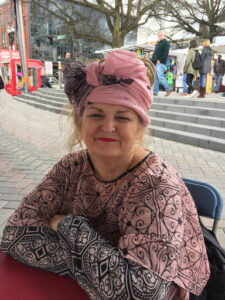
  • KATHY MURPHY the PULPWOOD QUEEN is Coming to Bellingham, Wash!

    KATHY MURPHY the PULPWOOD QUEEN is Coming to Bellingham, Wash!

    It will be Kathy L. Murphy, the Pulpwood Queen herself, all the time — at least in Bellingham, Wash. from Thursday, July 13th through July 15th, 2017.

    Kathy is headlining the following three events, along with some surprise ones, when she visits the Pacific Northwest this summer for a long weekend sponsored by Chanticleer Book Reviews.


    1. The TimberRose and Timber Guys Chapter of The Pulpwood Queens International Book Club will meet on Thursday, July 13th. Check out the chapter’s Facebook event page 
    2. An Evening with Kathy L. Murphy at Village Books, Saturday, July 15th at 7 p.m. All Book Groups and Clubs are welcome!
    3. A Very Special WORKSHOP Creating Book Buzz and Building Your Author Brand – Saturday, July 15th, Kathy will present a three hour workshop and share her secrets of success from 9:30 in the morning until 12:30 in the afternoon. $55 per seat. Reservations required. Click here for more info and to register.

    TimberRose Queens and Timber Guys Chapter of the Pulpwood Queens Book Club

    We are pleased as punch to announce The TimberRose and Timber Guys Chapter of Kathy Murphy’s The Pulpwood Queen’s Tiara-Wearing, Book-Sharing Guide to Life Book Club is welcoming the Queen, herself, to the club’s first-ever meeting to discuss the books of the month and other important news on Thursday, July 13, 2017.

    The Pulpwood Queen Book Club began when Kathy Murphy wanted a seat in a local book club, but alas, there was no room. And apparently, there would not be one available for some time….

    Did that stop her?

    No way, no how! Kathy L. Murphy created her own book club – a fun, tiara wearing, book loving, festival of reading called The Pulpwood Queens, which now spans the continental United States plus Alaska and 15 foreign countries!

    Meet the Queen and become a member of the TimberRose and Timber Guys Chapter of the Pulpwood Queens at Nikki’s Bella Marina Bar & Restaurant from 7 – 8:30 pm.  Of course, there will be food and drink available for purchase. New members are always welcome!

    Seating is limited for the chapter meeting. Members who  have made reservations via the Facebook page will be given priority upon check-in. Reserve your seat today!


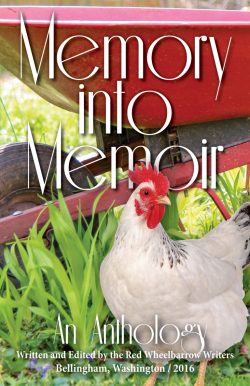
  • MEMORY into MEMOIR: An Anthology by The Red Wheelbarrow Writers – NonFiction, Memoir, Anthology

    MEMORY into MEMOIR: An Anthology by The Red Wheelbarrow Writers – NonFiction, Memoir, Anthology

    This curated anthology shows the collective creative effort that the Red Wheelbarrow Writers have dedicated to “Memory into Memoir,” each one a nugget of remembrance cloaked in the wisdom of time’s perspective and expressed in well-chosen words and memorable well-crafted story telling that will capture your heart and expand your soul.

    Below are a few samples of the superb writing in this anthology.

    The collections start with author (Beyond the Scope – Truth Turns Deadly in the Congo) and former US Embassy staffer Nancy Adair, who recounts, in “Just Say No,” being called upon to provide “community control” for a planned visit from Nancy Reagan to her post in Malaysia. Disaster follows disaster as plans fall through, the weather refuses to cooperate, and Reagan’s anticipated speech is four words long. Adair learns that far from being “one of those introverts who doesn’t like to disappoint people” as she initially imagined herself to be, she is secretly feisty, feisty enough to say “no” to the First Lady when the situation requires it.

    Blogger Sky Hedman’s “The Chosen Day” examines a distraught family trying to reconnect on a mountain picnic. The narrator, her Alzheimers-ridden mother and silently suffering sister Martha barely dodge tragedy on that outing, only to face it days later, along with an acknowledgment of fractured relationships: “The time to know Martha better had passed.”

    In “Thank You, Grace Paley,” aspiring Novelist Barbara Clarke recalls her remarkable personal meeting with the feminist icon over a late-evening cup of tea. Discouraged with her attempts at writing, she asks for and gets en-heartening advice from the famous author: “Just keep going.”

    University instructor Kate Miller’s “Elemental” is the memory of her eleven-year-old self, happily receiving a much-desired chemistry set, then balking at using it when she discovers the many vials containing poisonous substances: “What if I spilled two chemicals that weren’t supposed to mix?” Her escalating concern sparked by an active imagination causes her to stow the set away; later in life she is diagnosed with panic disorder, but still sometimes dreams of the chemistry set and its many messages.

    In “Leaving the Roman Lands,” world-wanderer Kenneth W. Meyer recreates his adventures overseas when in 1976 he and a traveling buddy agree to drive four wealthy students from Istanbul to Pakistan. In those days, foreign travel, the author states, “was like walking in space: you detached from the capsule, fed out your line, and enjoyed the spectacular view.”

    The final piece in Memory into Memoir, “The Great Moratorium,” is the fascinating story of a young woman “busting out of the beige life” at age 18, only to find herself in a highly abusive relationship. Escaping that, she later becomes a therapist for victims of domestic violence and embarks on a one-month experiment in “relationship moratorium” that stretches out to eighteen elucidating years.

    Superb writing styles blend with ease in The Red Wheelbarrow Writers’ first anthology of thirty-two non-fiction works that are a pleasure to read. Offering something for most everyone to appreciate makes this anthology a wonderful gift and a welcome addition to any writer’s library as an inspirational read. A consortium of writers has produced this engaging collection of life’s vicissitudes remembered.

    The Red Wheel Barrel Writers

    According to members Cami Ostman and Laura Kalpakian, the Red Wheelbarrow Writers in Bellingham, Washington, call themselves a “loose collective of working writers” who have “monthly Bored meetings (yes, that’s the correct spelling)” and eschew formal designation as a club or non-profit (“when we need money we pass a hat”). The writers have conspired to inspire with this array of 32 short memoirs.

    The group takes its name from a poetic work, XXII, by William Carlos Williams:

    So much depends
    upon
    a red wheelbarrow
    glazed with rain
    water
    beside the white
    chickens.

    Underscoring this theme, each memoir begins with a quotation from Williams chosen by the individual writer.

    5 Star Best Book Chanticleer Reviews round silver sticker

  • USING PINTEREST as an AUTHOR TOOL by  Claire McKinney P/R

    USING PINTEREST as an AUTHOR TOOL by Claire McKinney P/R

    Have some fun with

    Did you know that Pinterest is the world’s catalog of ideas and images? Millions of people are looking for books to read by imagery. Pinterest allows authors to connect with these potential readers.

    Add this powerful social media tool to your author platform!

     It’s hard not to immediately think about recipes, hair tutorials, or DIY projects when someone mentions the word “Pinterest,” and it can seem like there is no room for anything else when your own boards are filled with these exact objects. But as an author, you can take advantage of Pinterest—and most importantly, have fun with it.


    Does your main character that has a love of dresses and cute shoes? You can create a Pinterest board full of the exact clothing that she wears. Was there a specific playlist of songs that you listened to over and over again while you were writing your latest novel?

    It’s USER FRIENDLY

    You can make a board solely based on the songs and artists you listed to. Do you have a blog that you post to weekly? You can upload them onto a board based on your blog.

    Are there a number of quotes from your book that can be added to a graphic? Post them up on a colorful background. Are you participating in the Gilmore Girls/Rory Gilmore books challenge? Add a pin of each book you’ve read so far. (And good luck. That’s quite the goal!)

    There’s so much more that you can do with Pinterest, and the best part about it is that you aren’t just limited to one thing (140 characters, a photo, a status). You can make as many boards as you want, full of as many pins as you want.

    Another great aspect of Pinterest that makes it different from other social media is that it is a passive and harmless: it’s highly unlikely that you’ll come across a critical or a negative comment, and you don’t have to consistently keep others happy with tweeting, retweeting, liking, commenting, etc.

    Don’t Forget to PIN IT

    Make sure that you are maximizing Pinterest by adding a follow button to your website. If you have a blog, you can add a “pin it” button to your website. This allows someone who likes your blog posts to add them to one of their own boards, and it’s one more way that you can market your blog and website.



    One last warning, however: You might want to put a timer on though for how long you can spend on Pinterest each day, because Pinterest is an addiction like no other!

    A note from Kiffer Brown of Chanticleer Reviews:
    This blog post comes to us from Claire McKinney  Public Relations LLC, Communications Strategies for the 21st Century. 

    Claire McKinney PR, LLC

    I met Claire McKinney at Shari Stauch’s  PubSense Summit that was held in Charleston, S.C. several years ago. We were both on the faculty of presenters and were able to get to know each other and have since stayed in contact.

    Her company specializes in campaigns for books, authors, educational programs, websites, art, film, and other intellectual properties. They work carefully with clients to create messaging; branding concepts; and marketing and media strategies that integrate both traditional and new media opportunities.

    Chanticleer Reviews & Media contracts with  Claire McKinney Public Relations LLC for our company’s and client’s publicity and p/r needs.


  • The Atheist and the Parrotfish by Richard Barager – Religious/Spiritual Fiction/Literary/Medical

    The Atheist and the Parrotfish by Richard Barager – Religious/Spiritual Fiction/Literary/Medical

    Can the souls of the departed live on in their transplanted organs? Read Richard Barager’s edgy novel, The Atheist and the Parrotfish, and find out!

    Dr. Cullen Brodie receives word that a donor is available for one of his patients, Ennis, a sixty-three-year-old cross-dresser desperately in need of a new heart and kidney. Cullen learns that the donor happens to be his boss’s daughter-in-law, Carla, who never recovered from a car accident.

    At his three-month follow-up appointment, Ennis declares that his donor came to him in a dream and that Carla’s organs have exerted influences on him “beyond their intended bodily functions,” such as unexplained sweating and flushing, chattiness, a love for jazz as well as beets.

    The possibility of Carla’s transmigration (passage of a soul into a living body) sends chills through Cullen. How can this be?

    The uncanny “spiritual” experiences in Ennis’s life spark religious questions within Cullen’s mind, particularly ones directed toward an unresolved conflict embedded in his past.

    Ennis has some other issues, as well. But his (or more correctly, Carla’s) take shape in an obsession with locating the donor’s family. When he does, however, that familial connection stirs up personality clashes between Ennis and Elaine (Ennis’s feminine side), and Carla.

    Amid the turmoil, Ennis is aware of Carla desperately trying to relay a critical life-changing message to her family, but he needs Cullen’s help to deliver it. The real trick will be whether or not Ennis can convince Cullen before Carla destroys Ennis altogether.

    Coming-out-of-the-closet late produces in Ennis a multitude of inner struggles and unsettling childhood memories. In the midst of his personal chaos, Ennis has amazing moments of clarity (with the help of Carla) to see through people and their faults.

    Cullen, on the other hand, finds himself between a rock and a hard place dealing with Ennis’s ongoing commentary about Carla. “When all else fails, listen to your patient” is Cullen’s default motto to identify patients’ diagnoses. With Ennis however, Cullen finds this motto difficult to live by, especially since it is both extremely unusual and disconcerting for Cullen to even consider the possibility of life after death – or the very existence of a soul. As a result, Cullen’s attempt to apply reason to an unreasonable situation leads him to revisit conflicts from his own past.

    Contradiction is a key narrative theme in this work. One story coiled within another builds while Barager slowly and masterfully weaves the two seemingly opposing accounts together. Chapters alternate between characters dealing with past and present situations, and scenes that include shocking, and at times, heart-stopping endings.

    Pages are replete with rich descriptions of religious and ethical conundrums, philosophy, and theological ambiguities. The latter, readers may not recognize until much later in the story.

    Rising author Richard Barager pulls from his daytime job experience as a nephrologist to create a gripping human-interest account packed with complex characters and spiritual paradoxes.

    “A fascinating story, The Atheist and the Parrotfish, which merges age-old spiritual questions with the latest in modern medicine, is replete with complex characters and riveting pages that brim with religious and ethical conundrums, making Richard Barager’s novel a thought-provoking top-of-the-line read.”  – Chanticleer Reviews


    5 Star Best Book Chanticleer Reviews round silver sticker

  • The Nitty Gritty – Business Growth Strategy Applied to Authorship & Beyond by Sara Dahmen

    The Nitty Gritty – Business Growth Strategy Applied to Authorship & Beyond by Sara Dahmen

    What more does it take to be a successful author?

    Whether you’re represented or self-published or somewhere in between, using overarching business tools are a huge assistance in building success.

    How can the tools commonly manipulated by marketers, large and small companies, and retailers help you create a successful ‘business plan’ as an author?

    From multi-pronged approaches, to developing a tiered ‘clientele’, to organization and presence, business is business, whether you’re an author or the manager of Apple. Use those same tools that business marketers use to create your multi-pronged marketing approach.

    If you’re an author, you’re also, by default, a self-employed business owner. I know many of us don’t take out LLC’s or even own our own URL, but the fact remains, if only on paper, that we are all business owners.  There’s a resounding ring to that.

    Business owner.
    Self-employed.
    My own boss.
    The plotter of my own destiny.

    Excellent.  So, once we’ve all recognized that fact…now what?

    Being a successful author is more than simply selling some (or a lot!) of books. Even getting 20,000 books out there is not going to be a sustainable career. Once those 20,000 books have been read (and unless you continually churn out best-sellers), you’re left with a bit of a hangover and half-formed additional ideas. None of these bode well to continue the business of “you.”

    Success is measured both by income and by long-term growth. It’s a bit hard, and not nearly as wonderfully artsy to say, but it’s the truth. If you’re going to be a successful small business owner, you need to pull up a chair with the left side of your brain and get to work.

    A multiple pronged approach is best, and each person’s strategy will vary widely depending on your audience, which should always be broader than a singular author’s platform. There are a myriad of business tools out there – some expensive, and some free – that can be harnessed to create a wide-scale business bigger than a book.

    A business owner will always have a product or a service. You have that already: your book. And a business owner will also have a marketing strategy (and we all know many of those…but many are also often forgotten or overlooked or we get in a rut and forget to think outside the box) that encompasses far more than a blog, a website and some social media. And a business owner will think long-term. A one-hit wonder will be lovely, but after that advance is gone and the shine has worn from those book covers, you’ll need to ask yourself: what now?

    Business is business, and books are business in many more ways than getting some readers and a publisher. Whether you write it down (pun intended!) or not, writers need some sort of a business plan that goes beyond writing the words “the end” and I’m not just talking about plastering a Twitter page with a bunch of book launch announcements.

    Authors should walk into the arena equipped with answers to the questions:

    What do you believe: about yourself, your book, your future plans?
    What are you going to do to make those future plans happen – and how?
    Who do you need to know to help you?
    And what kind of wacky ideas can you dream up for yourself…and then do?

    I plan to tackle much of this in a presentation (Bigger Than Books: Business Growth Applied to Authorship & Beyond) at the Chanticleer Author Conference in Bellingham WA the weekend of March 31 – April 2 where I promise I will be far less vague and incredibly specific.
    Looking forward to seeing you there! – Sara Dahmen 


  • BOOKSELLER CONFIDENTIAL — What Are Booksellers Seeking to Buy for Stocking Their Shelves?

    BOOKSELLER CONFIDENTIAL — What Are Booksellers Seeking to Buy for Stocking Their Shelves?

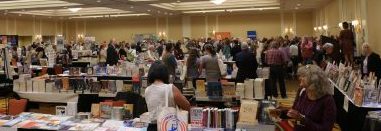
    While Chanticleer Reviews was exhibiting books vetted by our reviewers and writing competitions at several Independent Bookseller Association Trade Shows this September, I was able to observe (a marketing habit of mine) professional book buyers in action. Their traits  were consistent with what they were seeking to fill their shelves. Also, I was able to ask the book buyers what they were looking for in particular to make their buying decisions.

    [fusion_builder_container hundred_percent=”yes” overflow=”visible”][fusion_builder_row][fusion_builder_column type=”1_1″ background_position=”left top” background_color=”” border_size=”” border_color=”” border_style=”solid” spacing=”yes” background_image=”” background_repeat=”no-repeat” padding=”” margin_top=”0px” margin_bottom=”0px” class=”” id=”” animation_type=”” animation_speed=”0.3″ animation_direction=”left” hide_on_mobile=”no” center_content=”no” min_height=”none”]

    p1550287
    A Sea of Books


    Book buyers  “walk the show” rather quickly as they scan for covers that pique their interest enough to stop and inquire. Book covers had, maybe, two or three seconds to catch a book buyers attention.

    They do this because this is how most readers (aka customers) shop for books in their bookstores. Most independent book stores carry approximately seven thousand books. Inventory must be refreshed constantly to keep the core clientele coming back and to attract new clients.

    [/fusion_builder_column][fusion_builder_column type=”1_1″ background_position=”left top” background_color=”” border_size=”” border_color=”” border_style=”solid” spacing=”yes” background_image=”” background_repeat=”no-repeat” padding=”” margin_top=”0px” margin_bottom=”0px” class=”” id=”” animation_type=”” animation_speed=”0.3″ animation_direction=”left” hide_on_mobile=”no” center_content=”no” min_height=”none”]

    p1550180
    Book Buyers with Sell Sheets


    TOP TEN OBSERVATIONS of the Independent Booksellers Association Trade Shows (so far)

    1. The book store buyers were there to discover “new finds” for their patrons—not just the New York Times bestselling books. Many said their patrons shop with them to discover new authors.
    2. They want to know what the author is doing to push sales on all fronts (websites, p-o-s, social media, etc.)
    3. Book buyers want to know if the author is reaching out specifically to her targeted audience.
    4. Are authors promoting their books in social media platforms that are targeted for their genres?
    5. Do authors supply point-of-sale promotions (shelf-talkers, shiny award stickers)?
    6. Is the book an award winner? Are there shiny stickers to attract the eyes of the readers? (Yes, I am repeating the bit about shiny stickers.)
    7. Does the cover list review blurbs and endorsements?
    8. Stores are becoming more event oriented. Is the author willing to do an event at book stores (not just a reading)? Events add value to a title and author brand.
    9. Booksellers LOVE series! They love series and the promise of works to come.
    10. Booksellers can tell the quality of a printed book in a heartbeat and at thirty paces.
      • It is an unspoken tenet that Booksellers do NOT want books printed by CreateSpace/Amazon — primarily because they are not available through the usual distribution channels.
      • Booksellers do NOT want books from certain vanity presses and/or  author services known to be disreputable because of terrible past experiences. Everyone in the business of book selling knows about this unspoken list of disreputable publishing houses.

    [/fusion_builder_column][fusion_builder_column type=”1_1″ background_position=”left top” background_color=”” border_size=”” border_color=”” border_style=”solid” spacing=”yes” background_image=”” background_repeat=”no-repeat” padding=”” margin_top=”0px” margin_bottom=”0px” class=”” id=”” animation_type=”” animation_speed=”0.3″ animation_direction=”left” hide_on_mobile=”no” center_content=”no” min_height=”none”]

    p1550341
    This Cover Sells Itself

    The NITTY GRITTY

    • Booksellers do not care if a book is traditionally published, Indie published, or small press published. They care if the book will sell itself as it sits on the shelf–will the cover reach out to the targeted audience and pique interest? Booksellers want to know what the author/publisher is doing and will do to create book buzz.
    • Booksellers do want to offer independently published books that have been vetted, but unless the authors are  local community members, they want the books to come through the typical distribution channels.

    [/fusion_builder_column][fusion_builder_column type=”1_1″ background_position=”left top” background_color=”” border_size=”” border_color=”” border_style=”solid” spacing=”yes” background_image=”” background_repeat=”no-repeat” padding=”” margin_top=”0px” margin_bottom=”0px” class=”” id=”” animation_type=”” animation_speed=”0.3″ animation_direction=”left” hide_on_mobile=”no” center_content=”no” min_height=”none”]

    p1550190
    Book Buyers Asking Questions about Carrying Indie Books while another book buyer is reading the back cover of one of the books in the Chanticleer Collection.


    However, they do care about:

    • Covers — covers must be compelling, perfect, targeted, and sell the book by itself while sitting on a shelf. The cover must convey:  Genre, Sub-genre, time period, mood (humorous, scary, romantic, light reading, intense, etc.), age appropriateness, targeted audience, tone, and the TITLE! The cover must convey ALL of this information in seconds.
    • Professional Reviews (Editorial Reviews)
    • Professional Editing
    • Professional Formatting, Typography, and Graphic Design and Layout
    • Availablility through traditional distribution channels (Baker Taylor, Ingram Spark, etc.)
    • Conventional credit terms that are available through the distributor.
    • Are the books returnable to the distributor?
    • A minimum of 40 percent discount off retail price
    • Ease and reliability of re-ordering from a stable supplier/distributor/publisher in to restock a bestselling book quickly

    [/fusion_builder_column][fusion_builder_column type=”1_1″ background_position=”left top” background_color=”” border_size=”” border_color=”” border_style=”solid” spacing=”yes” background_image=”” background_repeat=”no-repeat” padding=”” margin_top=”0px” margin_bottom=”0px” class=”” id=”” animation_type=”” animation_speed=”0.3″ animation_direction=”left” hide_on_mobile=”no” center_content=”no” min_height=”none”]

    p1550307
    Simon & Schuster Book Covers

    What Independent Booksellers do care about is meeting their sales goals so that they can continue as a going-concern (staying open and in business). To do this, they must keep their clientele coming back by offering unique books and great “discoveries,” hosting events, and providing excellent service. 

    GOOD NEWS!

    At each show, I met NEW INDIE bookstore owners who have just opened their stores in the past six months or were opening in November for the upcoming holiday season. All the bookstore  owners told me that they were bringing in approximately $75,000 to $100,000 (in wholesale dollars) of books to initially stock their shelves.

    [/fusion_builder_column][fusion_builder_column type=”1_1″ background_position=”left top” background_color=”” border_size=”” border_color=”” border_style=”solid” spacing=”yes” background_image=”” background_repeat=”no-repeat” padding=”” margin_top=”0px” margin_bottom=”0px” class=”” id=”” animation_type=”” animation_speed=”0.3″ animation_direction=”left” hide_on_mobile=”no” center_content=”no” min_height=”none”]

    p1550203
    Book Buyers Inquiring about Author Events

    Independent Booksellers do care about the quality of the books (content, cover, editing, formatting, and design) that they stock because the books reflect the quality of the bookstore.

    AND, one more time, booksellers care the most about the cover (front, back, spine, dust jacket) which sells the book by attracting the targeted audience, acting as a point-of-sale promotion, and getting the book in the reader’s hands.

    NEVER underestimate the power of the cover–especially for first time authors. The cover of the first book will sell it, and then is the content that will sell the second book.

    [/fusion_builder_column][fusion_builder_column type=”1_1″ background_position=”left top” background_color=”” border_size=”” border_color=”” border_style=”solid” spacing=”yes” background_image=”” background_repeat=”no-repeat” padding=”” margin_top=”0px” margin_bottom=”0px” class=”” id=”” animation_type=”” animation_speed=”0.3″ animation_direction=”left” hide_on_mobile=”no” center_content=”no” min_height=”none”]

    p1550302
    Denver MPIBA Show – Book Buyers Cruising the Show


    Kiffer’s TOP OBSERVATIONS

    • Either the cover attracted the bookseller to pick it up and check it out, OR the book did not exist — books with less than stellar covers seemed as if they were invisible or just did not exist.
    • The cover must convey the genre, sub-genre, tone, mood, and be compelling to its targeted market in a glance.
    • There must not be any question from the cover as to whether or not the book is  a mystery, sci-fi, thriller, romance, etc. If there is any question as to its targeted readership—it is a pass to the book buyer.

    In Closing

    I am proud to say that the booksellers were impressed that the Chanticleer Reviews team members staffing the booth knew so much about the books that we were exhibiting and the authors.  They found the author sheets given to them to take back to their offices very professional for Indie authors. They also were pleased to know that the titles were available in our printed and online catalogs, and that each and every book we were representing was vetted by us—Chanticleer Reviews—either with a top Chanticleer review that they could read and/or that the books were award winners in the Chanticleer International Writing  Competitions.

    [/fusion_builder_column][fusion_builder_column type=”1_1″ background_position=”left top” background_color=”” border_size=”” border_color=”” border_style=”solid” spacing=”yes” background_image=”” background_repeat=”no-repeat” padding=”” margin_top=”0px” margin_bottom=”0px” class=”” id=”” animation_type=”” animation_speed=”0.3″ animation_direction=”left” hide_on_mobile=”no” center_content=”no” min_height=”none”]

    p1550230
    Kiffer Brown Hand-selling the Chanticleer Reviews Collection

    Only books that received a four or five star Chanticleer Review and/or have been awarded a First in Category Award in the Chanticleer Reviews Writing Competitions are eligible for exhibition at the Chanticleer Reviews trade show booths for Booksellers and Librarians.  If your book has received a coveted four or five star review from Chanticleer or was Short-Listed in the Chanticleer International  Book Awards, it will be eligible to participate in Chanticleer’s exclusive trade show representation service.

    Here is a comment from the owner of Village Books (one of the top five independent bookstores in the U.S.), Paul Hanson:

    Kiffer, your Bookseller Confidential article is SPOT ON. Thank you for spreading good and accurate information!”  Best, Paul Hanson, Village Books

    Thank you, Paul!


    Another Note from Kiffer Brown: a tip of the hat to one of my favorite authors:  Anthony Bourdain and his best-selling book, Kitchen Confidential. 

    [/fusion_builder_column][/fusion_builder_row][/fusion_builder_container]

  • Using Public Relations to Get Your Book Extra Recognition by Sara Dahmen, award winning author

    Using Public Relations to Get Your Book Extra Recognition by Sara Dahmen, award winning author

    “The End” is the first step

    There’s that moment when you write the words “The End” that every writer achieves. It feels good, right? Then comes the next thought that edges almost immediately into our consciousness: “Now what?” It’s an eating type of thought that chews away at our sense of accomplishment with finishing a writing project. “The End” is actually the very first step of a much longer process that truly results in our eventual success.


    For all writers, both traditionally represented and those who choose to self-publish, there is an expectation and need to market ourselves, our books, and build our author platforms. We are given overarching tools that require us to build, from nothing, a following – on Twitter, Facebook, Instagram, Snapchat, and beyond. For many of us, those tools feel like another place we need to shout into the abyss and hope that a group of people starts to take notice. For me, some days I feel like I tweet for no one but myself – it’s yet one more place that I’m trying to garner a reaction in an already crowded atmosphere, much like pitching a big-time agent.

    P/R – It’s not just for social media posts

    I’m not saying that these marketing tools (for that is really how we are using these social media platforms) are unnecessary. It’s the only way we can reach bigger and newer audiences these days, and they’re certainly a big part of our society and should be maintained. Still, it takes more than a handful of online posts to get good press, and it’s press that can offer more to authors, and get more people in our corner both as our allies and as our readers.

    sharedcontent

    When I talk about using public relations (PR) to further an author’s reach, I’m talking about far more than asking the local library to host you as a local author touting your latest book, or even asking the local newspaper to write up a story about your upcoming novel. These outreaches are, of course, a great way to start getting started, especially if you’re not used to pitching stories, and you will get a consistently loyal fan base from the people who live in your area and want to support someone who is their neighbor.

    “The Scoop” is a powerful tool

    But PR is a vastly powerful tool that can be used, with some constant re-phrasing and concise pinpointing, to get your book into bookstores across the country, in unique locations, and ideally in other publications.

    PR means thinking a bit outside of the box. It’s not writing up a press release and sending it to 100 media outlets (though that’s always nice to do to have the information out there and available – and sometimes that garners additional stories as reporters pick up the info if it’s pertinent to their story). PR means pinpointing other writers out there who write for the mainstream or for a blog or a larger audience and giving them a unique story angle (the scoop) that no one else would have, and showing them how it would relate to their own readership.

    signpost-200x3001.pngPR means reaching out to locales that are covered in your book. Perhaps you live in California, but your book is set in the American South – call local bookstores in Mississippi or Alabama, or wherever your book is specifically set and ask for their buyer, explaining that while you are not a local writer, your book is set in their own backyard – something many local places like to tout on their shelves.

    Cross Promotion

    PR means hunting down local events, museum exhibits, charities, and gift stores that touch on your book’s contents. For instance, if you are writing about a historical character – let’s pick Abraham Lincoln, since he’s the most celebrated and written character in American literature – and your local museum is bringing in the traveling exhibit of his wife’s dresses. Ask the curator about putting your book in their gift shop while the exhibit is in town. Then you can cross-promote your book and their exhibit. This works even if the event/exhibit/museum isn’t even in your town. The movement to support small, individual writers, businesses and the like is huge – cash in on that current philosophy.

    Engaging Others

    PR is about going to as many book conferences as you can afford and networking. It’s not necessarily about immediately sitting down and talking about your book to whomever you meet. It’s about asking questions – who are you? What do you do? What’s your day job? You may meet people who are far more entrenched in the publishing and writer’s world who may not read your genre, but may become a friend who you can lean on or use as a sounding board, or who may have further connections that they can offer you, if you’re lucky.

    peoplenetworking-1024x4861

    Become an Expert

    Using PR can be about hiring or volunteering yourself out as an expert. For those of you who write non-fiction, especially if it’s either biographical or about a particular topic in science, this is huge. Search for speaking opportunities that may not be about books or writing, but about your well-researched expertise. Likely you’ll be able to dovetail your book into a bio, your presentation, your meet & greet. I once went to a conference for event planners. A big-time DJ gave a great one hour presentation that was aimed at giving real-time advice to all wedding professionals, but in the end he was able to tout the book he’d written that was melded into his speech. You wouldn’t believe the line of florists, event planners and cocktail table linen buyers that were lined up to buy this man’s book in the end. His presentation was a great PR moment for him, and a huge windfall in sales.

    HAR-WHO?  HARO

    Offer yourself to local and regional news producers and reporters as someone who is knowledgeable in a certain field. A unique resource, called HARO (an acronym for Help A Reporter Out) sends daily emails several times per day asking for experts – sometimes these reporters want writers, or specialists – and will certainly respond in a quick (deadline-approaching!) fashion about using you as a source. It’s yet another way to garner additional press, name mentions, and authenticate yourself as a writer and as someone who is professionally tied to certain subjects.

    PR is more than marketing – it’s bigger, broader and has very few parameters. Your options can be as far-reaching as you’d like to be – and the worst that can happen is nothing can happen, which leaves you where you started but with more experience in marketing under your belt. If you’re feeling a bit overwhelmed about making initial outreaches yourself, you could always enlist the help of a local PR guru. Some are simply independent contractors and can be paid hourly, or by placement, meaning you don’t owe them anything unless they land you a spot or an article or additional press and exposure.

    Regardless of how you work to get additional recognition as an author, or whatever you do to build your platform, anything, no matter how small, is a success, starting with writing those two little words: “The End”!

    saradahmen cover


    Note from the Editor:

    Sara Dahmen awarded Laramie Grand Prize for DR. KINNEY'S HOUSEKEEPER

    Sara Dahmen is the Chanticleer Book Review’s 2015 Grand Prize Laramie Award winner for her book, Doctor Kinney’s Housekeeper. She has a background in public relations, television and radio production where she has worked with large-scale clients such as CITGO and Mastercraft Boats. She has recently presented for the TEDx talks. Since 2006, she has run an event planning and coordinating company, with a national award for Best Charity Event in the United States and has worked on red carpet events in conjunction with Universal Studios. She currently works on her new project, American-made kitchen and cookware lines: Housekeeper Crockery and House Copper, which were inspired by Doctor Kinney’s Housekeeper.

  • It’s SHOWTIME – Deadline for Trade Show Representation Fast Approaching

    It’s SHOWTIME – Deadline for Trade Show Representation Fast Approaching

    Theater-spotlight-clipart-image[Editor's note: Chanticleer no longer offers these services]

    It’s Showtime!

    Get your books in the SPOTLIGHT!

    The deadline to reserve your place in our Chanticleer Collection, get discovered, and get exposure at trade shows is August 5th, 2017.

    MPIPA

    PNBA

    nciba bear


    This deadline will allow us enough time to create our on-line catalog for these fall shows:

    Please click the links above to reserve your spot on our table at each.

    What is the big deal about a bookseller trade show?

    Booksellers, librarians, book distributors, Indie and small presses, along with the big-five publishers participate in regional trade shows  to make their book purchasing and business decisions.  These shows are for the trade–not open to the general public. They are an amazing opportunity for books to vastly increase distribution and to gain visibility and book buzz.

    OLYMPUS DIGITAL CAMERA

    Why go with Chanticleer? Why not buy your own table?

    Lone authors sometimes pay the exhibitor fees for a booth at these shows, but there are two problems with that. First, the fees can be very high. Second, they are obvious self-promoters. Book buyers often avoid or skim past single author booths. It doesn’t matter if the book is fantastic, all they can see is that someone is paying a lot of money to bring their book to the trade show…and the implication is that the book could not be there otherwise.

    Avoid this stigma by reserving a place for your book on the Chanticleer Reviews Table at regional trade shows. Let someone else tell these buyers that your books are worth reading. This is the power of referral. Also, it is known that Chanticleer Reviews only allows books that have been vetted through our editorial book reviews and/or writing competitions. Chanticleer’s reputation as a professional editorial reviewer  is at stake, so only the best books that meet our requirements are allowed to be on the table. This means we are a trusted source!

    01Faherty

    Hand-selling Books is Alive and Well at Bookseller Trade Shows

    Make sure that your books do not end up on a shelf with hundreds of other books without any sort of old fashion salesmanship going on. We have seen many a book displayed as promised on shelf without the benefit of a human anywhere in sight to connect with or ask questions about the offerings. These sections are usually separated off unto themselves in some low-traffic area of the tradeshow. Books are neatly displayed without regard to genre or interest. Sale sheets are kept in a separate area in a notebook.

    Kiffer Brown and Diane Sillan Isaacs will be hand-selling the Chanticleer Collection right along side of Sillan Pace Brown Publishing + Production books at each tradeshow. They are also collaborating with other publishers to group together for a bigger footprint in the tradeshows.

    Sell Sheets will be displayed beside of the related book for easy pick-up by interested parties instead of being off to the side in a notebook.

    Also, we are happy to work with authors of the Chanticleer Community to set-up and collaborate on specific promotional opportunities with each trade show as a liason. Just make a note in the comment field on the registration form.

    What are the requirements to have a book represented by Chanticleer Reviews Collection? 

    Only titles that have been vetted through Chanticleer Editorial Reviews or through the Chanticleer Writing competitions are eligible for Trade Show Representation. 

    Books must have been awarded a four or five starred review and/or placed as a First-in-Category position in the hanticleer International Writing genre competitions.

    It is recommended you have a distribution channel that bookstore buyers use commonly available for orders (such as Ingram Spark, etc.)

    Each title must have its own Sell Sheet.

    Sell Sheets must be 8 1/2 by 11 inches with the following information:

    • Complete title, author name
    • Genre and sub-genres
    • Publication Date
    • ISBN designation
    • Number of pages for  print versions
    • Cover photo
    • Retail Price
    • Brief synopsis
    • Author brief bio and author photo
    • Marketing blurbs & Editorial Review excerpts
    • Concise awards information
    • Description of available formats
    • Distributor
    • Author website or contact information
    • All on one sheet, so be concise

    See a Sample Sell Sheet. This is what bookstore buyers will be taking with them to place their order from when they are back in their store. Chanticleer does not take orders for books.

    If you want us to design and print your customized Sell Sheet for an extra charge, please ask.

    Distribution channels and offset printing services for the Chanticleer Collections are available. Please contact us at Distribution@Chantipub.com for more information.

    Learn more about Chanticleer Trade Show Representation.

  • What Works in Hollywood: The < 33 Principle

    What Works in Hollywood: The < 33 Principle

    diane-isaacs-brings-dominant-experience-from-movie-industry-to-wutznxt-222x300Our Guest Post today is written by Diane Sillan Isaacs. Diane brings more than two decades of experience in film and television industries as an executive film producer, president of production for Don Johnson Productions at Universal and Paramount pictures, president of development and production for Green Moon Productions where she produced films for Antonio Banderas and Emma Thompson.

    Most recently, Diane has joined the Chanticleer Team as Creative Director, and also partnered with Kiffer & Andy Brown to form SillanPaceBrown Publishing + Production, a new publishing platform that specializes in global rights and vertical product integration for intellectual properties based on stories.


    What is a Writer’s Prerequisite to Admission to Tinseltown?

    Seems like every writer you meet in Hollywood has a HOT! script in their bag, eager to pitch their story to producers and anyone with media contacts.

    Random hems and haws, kindas, umms and ya-knows have left many a talented writer with their script curbside. These short storylines, known as loglines, are essential in the film industry and working screenwriters (key adjective) have their magic bullet in the chamber ready to fire off with every handshake and chance meeting to first, spark a reaction, second, be asked to tell more, or third, be invited to send their script in for a read.

    Most have learned to prepare and practice a quick one-liner of their story to hook fast and furious interest before the elevator doors open, or the valet pulls the Tesla around. The fast pitch of their +/- 100 page script [with a lot of scenes and dialogue] is the prerequisite to Tinseltown’s admission.

    hollywood-sign-mulholland-highway

    The <33 Principle

    I call it the < 33 principle. Tell me your story in less than 33 words to give me a sense of genre, main characters, obstacles, twists and high concept, and you got my attention. Of course, the script has to live up to the logline, but a well-constructed logline is the first key to get in the door. Turns out the stories that hold up under the strict discipline of time and words are the ones with the best Velcro and have a better chance to go the distance.

    At a recent literary conference, a number of authors approached me to tell me about their [hot!] book. Used to streamlined loglines, I was taken back at the oftentimes meandering descriptions about the story, the opening scene, side stories, past lives, psychological thinking, flash forwards and more. While authors enjoy a literary license to write as the please, the story still needs the discipline of a succinct logline. Like screenwriters, authors need to be able to tell his or her story in less than 33 words with all the elements to seduce me and have me ask for more. “Me” is code for your potential readers, agents, publishers, colleagues- audience of any and all kind!

    Clapboard-BW

    The Origin of the Logline in Hollywood

    As a film producer, I appreciate the value of the logline vetting process. Given the amount of material [did I mention every writer has a hot script in their bag?], the slushing process comes in the form of a logline. It started in the early studio days, where contracted readers would write the logline on the binder of the vaulted scripts for producers to get a quick sense of the story at a glance. Loglines are also an amazing tool for the writing process to make sure all the elements of the book are aligned with the story foundation.

    There may be the rare exception of someone that asks for the long, drawn-out, over-explained and complicated version first, but you already have a few versions of that in the archives. Now, let’s get you lean and memorable.

    What works in Hollywood…works in Publishing.

    Log in. Log on. Logline!  Here’s the Logline Challenge:

    Go to a mirror, set your timer for :15 seconds. Imagine the image staring at you just asked you what your book/story. Start Jeopardy music for added anxiety.

    A _____hero does___ when ____happens and then____ but the world_______ [your own Mad Libs variation]

    Time’s up. Did you have to think about it? Did you false start a few times? Did you fudge things around until you cobbled together a line or two? Did you forget the best part? Was it nearly impossible to distill your massive story down to a concise sound bite?

    Or did it have a zesty punch that piqued curiosity and imagination of your mirror image? [Thumbs up, Thumbs up?!]

    So even if you got a positive reaction from your alter ego, know that he or she is biased. It’s time to create a logline, or perfect the one you started- one that seamlessly rolls off your tongue at a mere thought of your book.

    It’s time to brand your story with a compact package of words that will astonish and delight. It’s a craft of its own!

    It’s probably the most important tool to pitch your book, sell your book and, oh yeah, write your book. Your logline should be with you before, during and after writing your story. Without it like a business without a plan, a charity without a mission or an ad campaign without a hook. Pointless.

    Take the time to streamline it down. Count the words (<33, please), time the statement (< :15, thank you), and practice it so that it comes across as off-the-top-of-my-head casual when a friend, colleague, stranger, hairdresser, neighbor, flight attendant, future fan, or agent asks ‘what’s your story about?’.

    Note from Kiffer Brown:

    Diane will present two Logline workshops (one on Friday, March 31st and one on Saturday, April 1st) at the 2017 Chanticleer Authors Conference. The workshop is included in the registration fee. Participation is limited to 12 attendees at each session. Signup is encouraged at time of registration.