Tag: Jessica Morrell

  • Film Techniques for Fiction Writers by Jessica Morrell and Other Advanced Writing Class Sessions at CAC 22

    The 2022 Chanticleer Authors Conference is offering Advanced Writing Craft Sessions!

    Learn from the Best!

    CAC22 is offered In Real Life and Virtually, June 23rd – 26, 2022.

    Headlining the sessions is:

    Master Writing Class – Film Techniques for Fiction Writers with Jessica Morrell

    Fiction and memoir need to be cinematic—there’s no getting around that fact.

    Especially in this saturated, reality-dominated, and competitive media landscape. Creating cinematic fiction makes great demands on writers—there’s no gigantic screen, no darkened theater to enchant a reader, no actors prancing around a stage, their body language and costumes signaling meaning and subtext. But many film techniques can be translated onto the page from viewpoint to mastering props and subtext. It begins with making powerful choices and identifying key moments that need emphasis, when to whisper and suggest, and when to stage and let the camera roll.

    Topics we’ll cover:

    • Using viewpoint to establish camera angles and narrative distance, especially bringing your ‘camera’ in close for potency and impact.
    • Borrow method acting techniques to create immersive viewpoints.
    • Using wide angle or establishing shots to nail down scenes and place.
    • Zooming for impact.
    • Factoring in the subliminal with sounds, subtext, color, and texture.
    • Lighting to create mood, atmosphere, resonance, and obstacles.
    • Using props to ground the story and create subtext.
    • Scene cuts and cliffhangers to keep suspense percolating.

    This workshop will available LIVE and VIRTUALLY for those who register
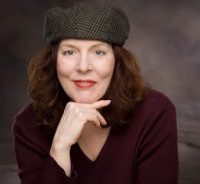
    Jessica Page Morrell

    The inimitable, always-in-demand, Jessica Morrell

    One of the primary contributors to the Chanticleer writing blog, Jessica’s tips and advice are invaluable lessons that benefit all authors. Each year we offer writing craft sessions from the best editors and authors in the publishing industry.

    Don’t Miss Out!

    Jessica will be teaching two classes over the course of three sessions LIVE at CAC22

    Your Brain on Writing: How Neuroscience Research Can Make You a Better Writer (2 Sessions)

    Writing is a complex process and these days information gleaned from cognitive neuroscience can make a powerful difference in how much you accomplish and how your words affect readers. While writing, all regions of your brain are engaged and on the job. That’s why the more you write, the more neural connections you’re growing. The latest science-based information gives insights on how to form connections and develop powerful habits as you train and strengthen your brain. Reading is also a complex act so we’ll delve into what goes on in readers’ minds and how to capture their interest and keep them captivated. Or should we say captive?

    Topics we’ll cover:

     An easy-to-understand overview of brain structures and functions. This includes learning the roles of key neurotransmitters, our billions of neurons, and how to better implement them in writing and life.

    • Neuroplasticity and how you can change your brain’s structure and function by rewiring neural pathways.
    • Understanding the function of the RAS (reticular activating system) and how it helps us achieve goals and leads our future self forward.
    • Put your subconscious and unconscious to work by reprograming generating ideas and breakthroughs.
    • The function of the vagas nerve, the longest cranial nerve running from your brain to your stomach, and how it affects major body functions from breathing to blood pressure to heart rate. Then we’ll discuss simple practices to stimulate it to support overall and emotional health.
    • Practical habits and exercise to put this knowledge into practice.

    AND

    Dangerous Women with Jessica Morrell

    Vampire Juliette and Vampire Hunter Cal — Two Dangerous Women from Netflix’s First Kill

    Dangerous women can occupy so many roles in fiction, film, and television. With their complex moralities and motivations, they defy expectations, and can be strong, fearless, and inspiring. Then there are the ones who scare us. Because one bad woman is worth five bad men, so when women plot and scheme and break bad, the results are often disastrous for whoever she’s got in her crosshairs. Because social norms have taught us that women are the gentler and nurturing sex, when they defy norms, the results are combustible.

    With that in mind, we’ll talk about female anti-heroes in all their fierceness and intriguing capabilities and how to make their stakes personal. We’ll cover unlikable protagonists, villains, and rule breakers who sizzle on the page, reflect the realities of their society or culture, or are deliciously out of sync. We’ll also discuss roles in fiction such as femme fatale, divas, mommy dearest, and power behind the throne. Characters we’ll analyze characters from well-known tales such as Annie Wilkes of Misery, Sula, Nurse Ratchet, Mrs. Danvers, Rebecca DeWinters, and Mrs. Bennet of Pride and Prejudice.

    The workshop will review contemporary women found in TV series and films because in recent years an explosion of strong and norm-defying females are everywhere—including Claire Underwood from House of Cards, Eve Polastari and Villanette from Killing Eve, Cersei Lannister and Daenerys Targaryen from Game of Thrones, Queen Elizabeth in The Crown—disrupters all.

    Other Sessions at In Real Life CAC 22

    • Why Acting Classes Make You a Better Writer – Nicole Evelina – USA Bestselling Author
    • Seven Advanced Techniques for Deeping Characterization – Diane Garland (Continuity Editor) and Jacquie Rogers – multi-award winning author
    • Five Things You Need to Know About POV – Amy Peele, Medical Mystery Author
    • Writing Intimacy Scenes – Betsy Fasbinder, Writing Coach & Author
    • Story Bibles and Continuity – with Diane Garland (World Builder and Continuity Editor)
    • and more!

    Plus, sessions on the business and marketing side of being a writer! 


    Register Today!

    In addition to Morrell’s LIVE Master Class, you can sign up for her other sessions and the full Chanticleer Authors Conference here.

    Reach out to us at info@ChantiReviews.com with any questions!

  • MOOD – the Soundtrack of Fiction Works from Jessica Morrell’s Editor’s Desk – A Chanticleer Writers Toolbox Post

    Just as every dark and stormy night, dinner party, holiday gathering, or bustling office on payday are infused with mood, so are scenes in the best fiction.

    Mood affects, resonates, and reinforces the reader’s emotions, aids in understanding key moments, and enhances his or her immersion into the story events.

    Mood is the feel or atmosphere or ambience of a story or scene.

    ALL writing should evoke a mood.

    A tense mood is in the room as Miranda makes a toast to her soon-to-be cheating husband in Station 11
    Miranda at “that” dinner party that takes place in the STATION ELEVEN series. The tension is palpable.

    Mood is the Soundtrack of Fiction aka Mood as Backdrop

    Mood is omnipresent in the best books much like the soundtracks of notable films. As with movies without a soundtrack, fiction is not complete and captivating without having moods as a backdrop. Mood makes readers worry about heroines stranded in lonely castles and fog-bound moors. It feeds suspense and tension, and is in fact inseparable from them. It is essential to genres like horror, thrillers, and action, but is necessary to every moment in every story where you want a reader to feel a certain way. You can stage your characters in dramatic events but without setting up the proper mood, the characters’ actions will fall short.

    Mood is What Readers Feel While Reading Your Story.

    Mood is what the reader feels while reading a scene or story. It’s not the reader’s emotions, (though mood is designed to influence them) but the atmosphere (the vibe) of a scene or story. It’s the tornado heading for Dorothy Gale’s Kansas farm. In the film, once the viewers spot that towering tunnel and witness winds lashing the countryside, fear sets in. Will Dorothy make it to cellar in time?

    It’s what the reader notices, what gets under his or her skin. Not all readers will experience/perceive the same mood from a scene, although the writer tries to achieve a particular feel common to every reader.

    A quick example from everyday life–candlelight is soothing and soft; overhead fluorescent lights are harsh and even irritating.

    Tip: Mood should change and vary as the story moves forward. Moods in subplots should vary from the main storyline.

    Why Mood?

    • Deepens the reader’s experience.
    • Creates cohesion.
    • Enhances tension and suspense.
    • Evokes emotions, creates emotional connections to the characters and their situations.
    • Works with reader’s nervous system.
    • Underlines themes.
    • Mood helps fiction become more immersive, alive, lifelike and creates a backdrop for drama.

    Mood is Created by a Range of Literary Devices:

    • Setting
    • Conflict
    • Imagery
    • Sensory Details
    • Characters Reacting and Responding in Scenes.

    Diana Gabaldon’s Outlander series is an exemplary example of infusing mood into scenes: joy, fear, longing, betrayal, expectation, disappointment, and so on.

    Evoking mood in fiction – Outlander by Diana Gabaldon

    Use Descriptive Language to Induce Moods

    While setting is most commonly used to induce moods, descriptive language is a potent tool and that decreases or amps up tension. In Dean Koontz’s psychological thriller The Face, a horrific storm lashes Los Angeles a few days before Christmas adding a delicious shiver of danger and tension. The weather is referred to in each scene, causes things to happen and creates an ominous, the ‘world-is-askew’ mood. For example, he writes, “In the witches’ cauldron of the sky, late-morning light brewed into a thick gloom more suitable to winter dusk.”

    • Mood is created on a word-by-word basis by choosing sensory details that stir emotions, but also by orchestrating pacing. Slow down for important moments, places readers need to savor. Pacing naturally speeds up when excitement is high, conflict is intense, action is nonstop. Short sentences and paragraphs communicate excitement, urgency, panic, anger, shock, and violence. Short sentences land a gut punch and demand readers keep zipping through the text.
    • While most stories, especially short stories,  have an overarching atmosphere, the ambience or vibe of a story will change over time and change in intensity.
    • Examples of mood: spooky, light-hearted, gothic, sexy, peaceful, ominous, brooding, funny, suspenseful.
    • Mood is linked to tension and suspense and getting under your reader’s skin.
    • Use mood to foreshadow.

    Remember that a  vague or pallid setting will create vague and pallid emotions/reactions in your readers. – Jessica Morrell

    Example as Mood as Backdrop

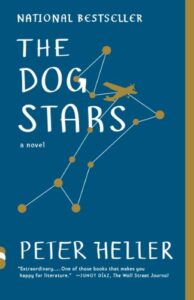
    Peter Heller’s brilliant novel The Dog Stars takes place in a future where the world has been ravaged by a pandemic that’s killed off most of the population. If that wasn’t bad enough, the natural world is dying off too. He wrote it in 2012. I’m a sucker for a post-apocalyptic novel, even when they’re shockingly prescient. I cannot recommend enough this beautiful, compelling, heart-wrenching story that invaded my thoughts for days while reading it. This backdrop to the state of affairs the protagonist Hig exists in, is dropped in on page 6.

    “In the beginning there was Fear. Not so much the flu by then, by then I walked, I talked. Not so much talked, but of sound body—and of mind, you be the judge. Two straight weeks of fever, three days 104 to105, I know it cooked my brains. Encephalitis or something else. Hot. Thoughts that once belonged, that felt at home with each other, were now discomfited, unsure. Depressed, like those shaggy Norwegian ponies that Russian professor moved to the Siberian Arctic I read about before. He was trying to recreate the Ice Age, a lot of grass and fauna and few people. Had he known what was coming he would have pursued another hobby. Half the ponies died, I think from heartbreak for their Scandinavian forests, half hung out at the research station and were fed grain and still died. That’s how my thoughts are sometimes. When I’m stressed. When something’s bothering me and won’t let go. They’re pretty good, I mean they function, but a lot of times they feel out of place, kinda sad, sometimes wondering if maybe they are supposed to be ten thousand miles from here in a place with a million square miles of cold Norwegian spruce. Sometimes I don’t trust my thoughts not to bolt for the brush. Probably not my brain, probably normal for where we’re at.”

    “I don’t want to be confused: we are nine years out. The flu killed almost everybody, then the blood disease killed more. The ones who are left are mostly Not Nice, that is why we live here on the plain, why I patrol every day.”

    Example of Mood Setting  the Stage

    “Stop that you’ll fall.”

    A week’s worth of snow has compressed into ice, each day’s danger hidden beneath a nighttime dusting of powder. Every few yards my boots travel farther than my boots intended, and my stomach pitches, braced for a fall. Our progress is slow, and I wished I’d thought to bring Sophia on a sled instead.

    Reluctantly, she opens her eyes, swivels her head owllike, away from the shops, to hide her face in her sleeve. I squeeze her gloved hand. She hates the birds that hang in the butcher’s window, their neck iridescent feathers cruelly at odds with the lifeless eyes they embellish.

    I hate the birds too.

    Adam says I’ve given the phobia to her, like a cold or a piece of unwanted jewelry.

    “Where did she get it from them?” he said when I protested turning to an invisible crowd, as if the absence of answer proved his point. “Not me.”

    Of course not. Adam doesn’t have weaknesses.

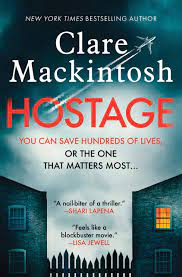
    This is the opening salvo for Hostage written by Clare Mackintosh, a ‘locked room’ thriller. The locked room in this story is a London to Sydney flight. It feels like a thriller doesn’t it? Those creepy dead birds, dangerous snow, and the husband-wife conflict signal something bad is going to happen.


    Keep writing, keep dreaming, have heart. Jessica


    Jessica Page Morrell
    Jessica Page Morrell

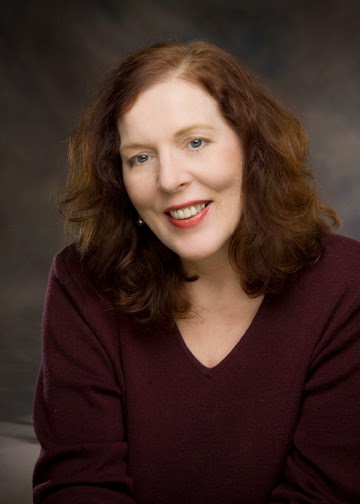
    Jessica Morrell is a top-tier developmental editor and a contributor to Chanticleer Reviews Media and to the Writer’s Digest magazine. She teaches Master Writing Craft Classes along with sessions at the Chanticleer Authors Conference that is held annually along with teaching at Chanticleer writing workshops that are held throughout the year. 


    Jessica Morrell’s Classes and Workshops at CAC22

    June 23 – 26, 2022 at the Hotel Bellwether, Bellingham, Wash.  In Real Life and Virtual!

    • Using Film Techniques for Fiction Writers – Camera angles, method acting for getting into a character’s pov, and creating subtext and tight dialogue
    • Your Brain on Writing
    • Captivating Co-Stars that add depth to your work-in-progress
    • Word Nerd Kaffeeklatsch with Kiffer Brown 
    • And more TBD!

    Don’t Delay! Register Today!

  • AMPLIFY, MAGNIFY, & STIR UP TROUBLE for Your Main Characters – by Jessica Morrell – A Chanticleer Writer’s Toolbox Blog Post

    AMPLIFY, MAGNIFY, & STIR UP TROUBLE for Your Main Characters – by Jessica Morrell – A Chanticleer Writer’s Toolbox Blog Post

    —Readers Want to Spend Time Immersed in Other Permeable Realities

    Add Fuel to Your Characters’ Fires

    Always know the forces that shaped your main characters. And then give them inner demons to overcome, such as intense abandonment fears, or a lie they’ve been telling themselves. While many stories are fueled chiefly by external conflict,  when internal conflicts are staged alongside external conflict mucking up things, the whole story gets more realistic and deeper.

    Top-ranking fictional characters need to be uncomfortable most of the time. Better yet, miserable. Now, of course, your story can’t be a waterfall of tears and teeth-gnashing angst in every scene. That could lead to melodrama. But varying levels of misery should be trickling through causing tension, conflict, and uncertainty. And characters can be rattled, twitchy, discombobulated, awkward, uneasy, troubled and disturbed.

    Tips and Tricks for Shaping Your Protagonists

    One trick to increase tension is to keep track of the number of  your scenes, then track how many feature your protagonist in some kind of discomfort. Aim for high percentages. Make your protagonist worry and fear the worst.  

    Misery can be writ large–he loves me; he loves me not. It can happen in high-stakes battles or life and death circumstances, royal rivalries, ugly divorces, or the murder of a loved one. Your character can be lonely, unloved, and unappreciated. And whenever possible, in over his or her head.

    Years ago I studied psychology and sociology in college because I was planning to go into law and I wanted to understand why people turned out the way they did.  It took a few years to realize that I needed to return to my first love, stories, poetry, and all things writing.  But in one sociology class an instructor mentioned it’s likely that at least one out of three people won’t like you. This insight, true or not, stuck with me.

    Growing up and feeling pretty insecure much of the time, I wanted people to like me and was easily hurt when they didn’t. With age that’s diminished, but of course, it’s not fun if someone dislikes you for no good reason, or a perceived hurt that didn’t happen, or for the many reasons humans just don’t get along.

    In fiction, this is magnified to create conflict, pain, and troubles. ~ Jessica Morrell

    Amplify

    A few more tips.

    Small miseries amplify larger ones. Protagonists cannot always be in top form, primed for the next challenge. Sap their strength, will, confidence, and resources thus creating more uncertainty. Shape obstacles that wear down and weaken characters.

    Create insecurity–immigrants struggling to survive in their new country, business owners striving against impossible odds, a farm family trying to endure during years of drought, an unstable and volatile home life, grinding poverty that seems inescapable. Often these stories will showcase the protagonist’s main personality traits and growth.

    Stir in emotional hardships. These typically come from your character’s connective tissue to his or her past. If your main characters don’t have baggage, they’re flat. Typically, your character’s fears or weaknesses will stem from trauma, failure, or a troubled or difficult past. And whatever the baggage, it must be relatable.

    A few more ideas for your stories:

    Create situational troubles. Coming-of-age stories generally focus on the main character’s emotional growth, typically moving into adulthood. However, growth is never easy, and the character is often forced into challenges beyond his or her maturity levels. And the lessons learned will always be hard, harsh, or scary. The Finch siblings in To Kill a Mockingbird are a good example of this.

    Adult characters can be coping with bitchy, hormonal teenagers going through a bad phase, demanding, uncaring bosses, impossible deadlines, a bad news relative showing up on your protagonist’s doorstep looking for a place to crash—with a grimy, pathetic-looking toddler and an aggressive dog.

    Classic Plot Devices

    Classic plot devices can be the perfect setup for this. An example is a character moving into a new place–the new kid in school {Harry Potter and the Sorcerer’s Stone}, or the newly hired personal assistant {The Devil Wears Prada}, boss, police chief {Robert Parker’s Jesse Stone series} or sheriff.

    Offred (known as June before she was captured trying to escape into Canada) in The Handmaid’s Tale by Margaret Atwood

    Women are to be silent and are not allowed to read or be taught to read or write (only the Aunts are taught but only to keep control over the handmaids.)

    Even the “blue Gilead wives” are not allowed to read or write.

    Same for the ‘fish out of water’ scenario–the device the Back to the Future franchise exploited as Marty McFly moves around in time. So-called ‘fishes’ don’t know the rules or standards or the pecking order in the new environment. And definitely poor Arthur Dent of The Hitchhiker’s Guide to the Galaxy by Douglas Adams.

    Hitchhiker’s Guide to the Galaxy protagonist, the last known Earthling – Arthur Dent

    Your story might center around a Florida native taking a district attorney job in Alaska or a small town girl moving to Paris. Your character will always have a lot to prove and master, so naturally he or she can get off on the wrong foot and things can go downhill from there.

    Which is where antagonists and secondary characters come into the picture to stir up trouble. It’s pretty simple: fictional characters shouldn’t get along. In fact they should clash. Often. The mayor doesn’t trust the new sheriff, the cop who’s been with the force for ten years and wanted the chief of police job is sabotaging the new guy, and the 911 dispatcher just doesn’t care for him because he’s a dead ringer for a best-forgotten ex. Now, of course, protagonists need friends and allies, but if he or she doesn’t have frenemies and backstabbers, lying witnesses, out-for-revenge enemies, and other antagonists you’re overlooking a major source of conflict. The story will flatten and fizzle without these folks.

    Can you imagine Harry Potter without Draco Malfoy? Or Lord (He Who Shall Not be Named) Voldemort

    The Character Draco Malfoy preparing to duel Harry Potter
    Draco Malfoy of the Harry Potter Series – He enjoyed making Harry’s life miserable.

    At the same time don’t overlook piling on smaller, everyday, annoying, makes-life-harder miseries. And never overlook the potency of physical hardships to boost tension: Sleepless nights or a shocking homicide case so there’s no time to sleep. Headaches, hangovers, thirst, hunger, sweltering heat waves, freezing temperatures, aching backs, old injuries acting up. Stir in claustrophobia, fear of heights, and never been comfortable in the dark. Pile it on.

    And  Handy Links on Immersive Writing Craft:

    https://www.chantireviews.com/2021/05/19/crafting-words-and-lassoing-jottings-writing-advice-from-jessica-page-morrell-a-chanticleer-writers-toolbox-post/

    https://www.chantireviews.com/2019/02/02/immersive-fiction-a-different-perspective-by-jessica-morrell-and-kiffer-brown-writing-toolbox/


    Jessica Page Morrell
    Jessica Page Morrell

    Jessica Morrell is a top-tier developmental editor and a contributor to Chanticleer Reviews Media and to the Writer’s Digest magazine. She teaches Master Writing Craft Classes at the Chanticleer Authors Conference that is held annually along with teaching at Chanticleer writing workshops that are held throughout the year.


    Keep writing, keep dreaming, have heart. ~ Jessica


    Chanticleer Editorial Services – when you are ready

    Did you know that Chanticleer offers editorial services? We do and have been doing so since 2011.

    Tools of the Editing Trade

    Our professional editors are top-notch and are experts in the Chicago Manual of Style. They have and are working for the top publishing houses (TOR, McMillian, Thomas Mercer, Penguin Random House, Simon Schuster, etc.).

    If you would like more information, we invite you to email Kiffer or Sharon at KBrown@ChantiReviews.com or SAnderson@ChantiReviews.com for more information, testimonials, and fees.

    We work with a small number of exclusive clients who want to collaborate with our team of top-editors on an on-going basis. Contact us today!

    Chanticleer Editorial Services also offers writing craft sessions and masterclasses. Sign up to find out where, when, and how sessions being held.

    A great way to get started is with our manuscript evaluation service. Here are some handy links about this tried and true service: https://www.chantireviews.com/manuscript-reviews/

    And we do editorial consultations. for $75.  https://www.chantireviews.com/services/Editorial-Services-p85337185

    Writer’s Toolbox

    Thank you for reading this Chanticleer Writer’s Toolbox article.

    Writers Toolbox  a few more Helpful Links: 

    The INCITING INCIDENT: STORY, SETBACKS and SURPRISES for the PROTAGONIST – A Writer’s Toolbox Series from Jessica Morrell’s Editor’s Desk

    ESSENCE of CHARACTERS – Part One – From the Jessica Morrell’s Editor’s Desk – Writer’s Toolbox Series  


  • Jessica Morrell – Author and Presenter at VCAC21

    Jessica Morrell – Author and Presenter at VCAC21

    The inimitable, always-in-demand,  Jessica Morrell will be joining us at the Chanticleer Authors Conference

    Jessica Page Morrell
    Jessica Page Morrell – Editor Extraordinaire!

    We are delighted to welcome Jessica Morrell to VCAC21! One of the primary contributors to the Chanticleer writing blog, Jessica’s tips and advice are invaluable lessons that benefit all authors.

    Each year we offer writing craft sessions from the best editors and authors in the publishing industry. This year we are excited to announce that we have Jessica Page Morrell as a teacher of the Master Writing Class Sessions.

    Master Class: Story People: The Good, the Bad, the Ugly Jessica P. Morrell ©

    It sometimes does take a village to bring a story to life. With that in mind, we’ll discuss the many roles for your story people from protagonist to minor characters, and delineate their impact on the plots and protagonist. However, we’ll also cover the outliers in fiction and the chaos, conflict, zest, and realism they add to your story world. So we’ll be covering anti-heroes, oddballs, wretches, naughty, pain-in-the-butt types, innocents, along with villains and bad and bad ass women.

    We’ll touch on other topics—how to differentiate characters via voice, creating characters based on backstories and main traits, and the importance of secondary characters to make things happen. Because living, breathing characters come from readers experiencing them through a specific emotional lens supplied by viewpoint, voice, and a character’s observations.

    To further expand our discussion we’ll also cover immersive, intimate viewpoint and narrative distance. Please bring your favorite imaginary folks to the workshop.

    If you are not registered for VCAC21, but would like to take Jessica’s Master Writing Class, please click here. 

    Conference Session:  Saturday, April 24, 2021 at 10:15 a.m.

    Power Writing, Word by word, sentence by sentence using language to create tension, emotion, action and resonance.

    Click here for more information about the VCAC 21 Schedule. 

    Jessica understands both sides of the editorial desk–as a highly-sought after developmental editor and author. Her work also appears in multiple anthologies and The Writer and Writer’s Digest magazines.  She is known for explaining the hows and whys of what makes for excellent writing and for sharing very clear examples that examines the technical aspects of writing that emphases layering and subtext. Her books on writing craft are considered “a must have” for any serious writer’s toolkit. Read some of Jessica’s writing here.

    VCAC21 laurel wreath

    Click here for more information about the 2021 Chanticleer Authors Conference and Int’l Book Awards Banquet and Ceremony.