Stop for a moment.
Think about your favorite place to read a good book. It could be a beach with swaying palm trees and the back and forth rhythm of the ocean. Or maybe it’s a silent forest, where every bird’s chirp can be heard from far away.
Now, open the first pages of a new book and relax as you escape into another world.
Are you relaxed? Of course, you are! Study after study has concluded that one of the best activities for your overall wellness is reading a book. Not a screen—a story. Something that allows you to momentarily escape reality and live in another’s shoes—or slippers, sandals, high-heels, loafers, or boots.
August is National Wellness Month, and we at Chanticleer want to honor the far too overlooked, yet massively important, value that reading provides to a person’s overall well-being. Using the mind, body, and spirit model, we’ll explore how the act of reading has positive effects in ways science is only now coming to understand.
The Physical Benefits
Readers May Live Longer
A 2016 study published in Social Science & Medicine found that book reading could be associated with a survival advantage. The study found the following:
A 20% reduction in mortality was observed for those who read books, compared to those who did not read books. Further, our analyses demonstrated that any level of book reading gave a significantly stronger survival advantage than reading periodicals.
Reading Encourages a Focus on Health Information
Understanding and being able to comfortably read sometimes complicated health information is called “health literacy,” and people who exhibit good health literacy are better able to prevent, protect against, and manage health problems, according to the Centers for Disease Control and Prevention (CDC).
Being able to prevent illness in the first place offers the best benefit of reading for self-care. And it’s not only health-related information that helps you become more health literate. Many memoirs tell incredible health journeys, and fiction often relies heavily on scientific information or personal accounts of navigating illness. Don’t be afraid or embarrassed to ask for book recommendations that would empower you when you want to improve your health. Reading is part of the health journey.

The Mind of a Reader
Slow Down Cognitive Decline by Reading
It’s not hard to imagine that brain-stimulating activities help reduce signs of cognitive decline. Putting your thoughts, imagination, and analytical talents to the test keeps those neurons firing. When you read, you’re exercising the mechanics of your brain—pushing your memory further, processing information to analyze it in different ways, strategizing how to use new knowledge.
Reading makes your mind run its obstacle course so it stays in peak condition. Over time, your brain better handles the effects of aging and improves its ability to remember, reason, learn, and pay attention. Studies continue finding evidence that active readers show slower rates of memory loss and less decline in thinking skills. Stretching the brain’s multifaceted abilities creates cognitive reserve that may help offset age-related changes or damage to the brain.
Go team brain!
Reading Boosts Intelligence
You’re probably not shocked by this revelation. It only makes sense that the more you read, the more intelligent you become. Your vocabulary increases, your knowledge base grows, you become more comfortable with complex thoughts and strategy, you become a faster reader, and reading can actually increase your IQ. Throughout life, a reader’s intelligence can continue growing as they absorb more information through reading.
Reading Refreshes the Spirit
Reduces Stress
Give yourself a moment to relax by escaping into your imagination. It’s a healthy way to unplug and escape from everyday stress we all share in life. Fiction carries greater benefits when it comes to emotional health and overall well-being.
Shines Up Your Social Skills
Reading can enhance your social skills by providing examples of social interaction to learn from. Research shows that people who read often have stronger social and behavioral skills compared to non-readers.
Specifically, reading fiction may help people become more empathetic by giving them opportunities to understand what others think and feel. It may also promote self-confidence and assertiveness, essential components of wellness and self-care.
Wellness Reading Recommendations from Chanticleer Authors
Are you ready to get healthy by reading more? Based on the wellness benefits we’ve explored, here are book recommendations from award-winning Chanticleer authors, organized by the type of wellness support you’re seeking:
For Building Resilience and Overcoming Challenges
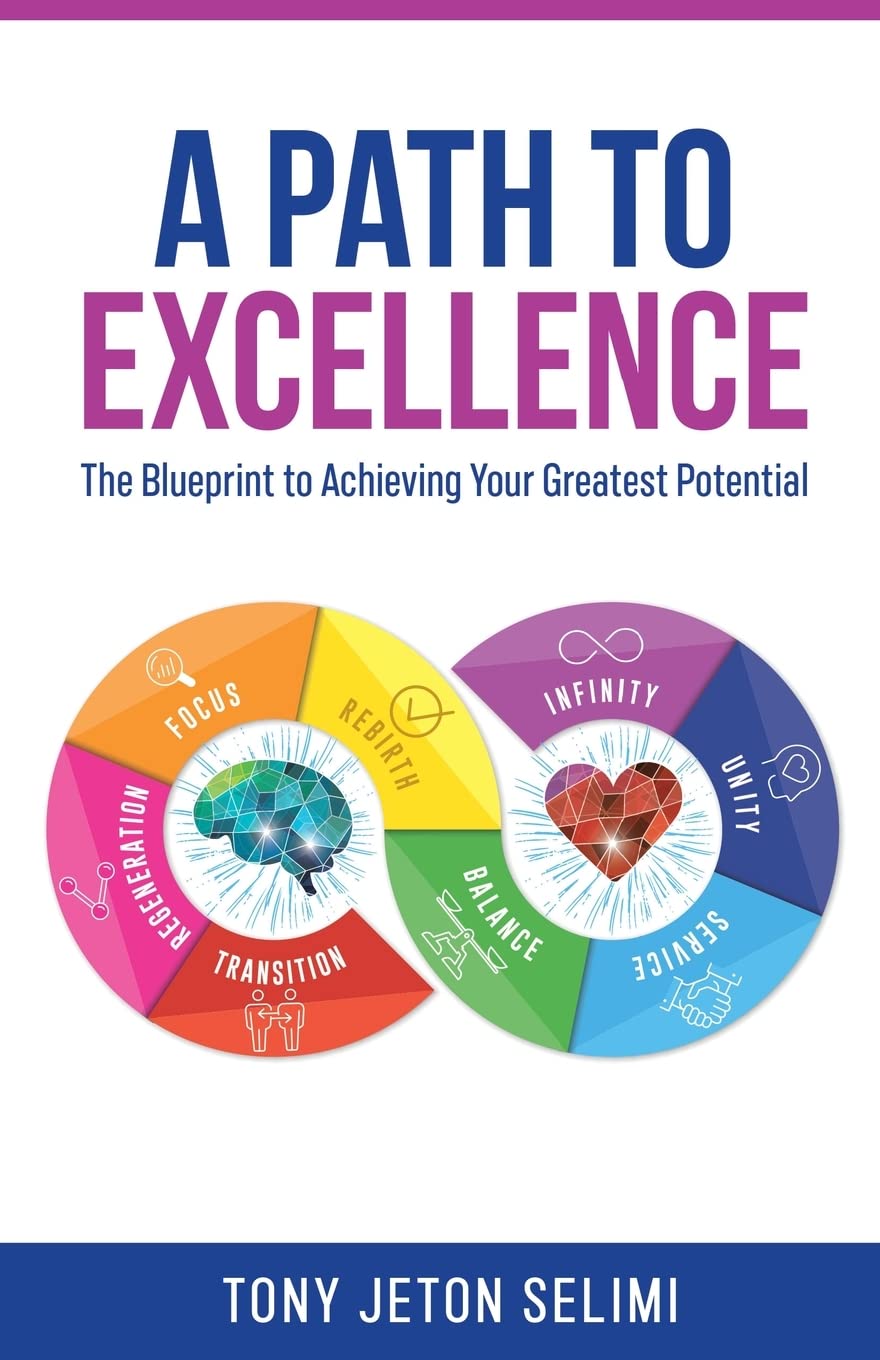
A Path to Excellence
By Tony Jeton Selimi
First Place in the CIBA Journey Awards
On the belief that life isn’t just the random cards one is dealt, A Path to Excellence by Tony Jeton Selimi offers a blueprint—the octagon of excellence—to succeed personally, professionally, and spiritually.
Transcending the pitfalls and spontaneous stumbling blocks along the path of life can open the door to self-actualization and progression. As someone who experienced bullying, sexual abuse, early disability, and homelessness, Selimi sets on to become a beacon of light to the hopeless and marginalized.
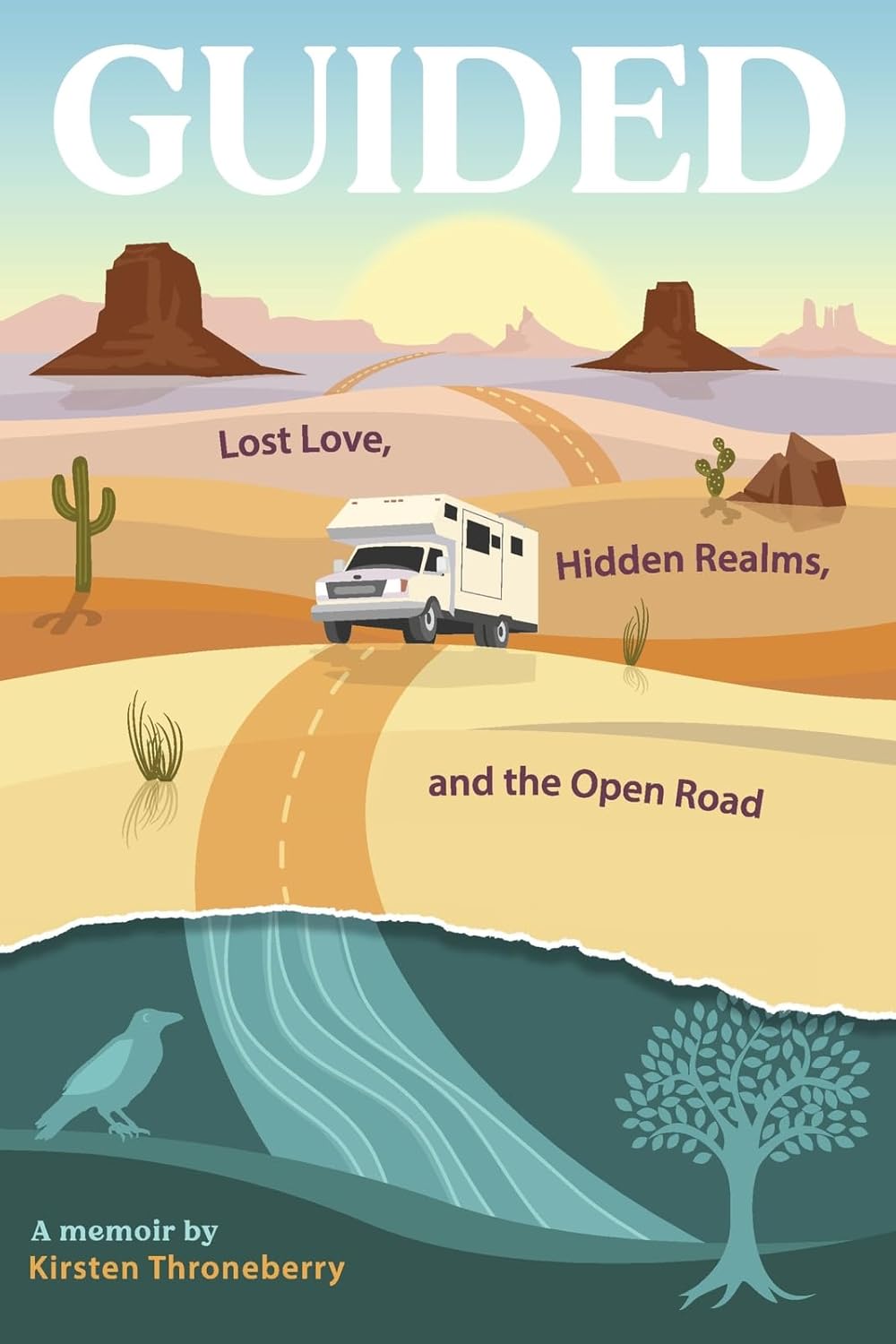
Guided: Lost Love, Hidden Realms, and the Open Road
By Kirsten Throneberry
First Place in the CIBA Journey Awards
In her stunning memoir, Guided: Lost Love, Hidden Realms, and the Open Road, Kirsten Throneberry weaves together the highs and lows of a road trip packed with life wisdom, where she explores grief, spirituality, and rekindled hope.
Throneberry’s achingly vulnerable memoir splits its readers’ hearts and tenderly sews them back together.
In the aftermath of the devastating loss of her husband, Kirsten sells her home and takes her two small sons, two elderly pups, and eccentric mother on a year-long road trip around the United States in their new-to-them Bigfoot RV.
For Spiritual Wellness and Mindfulness
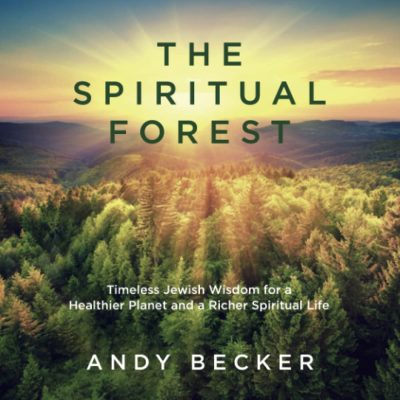
The Spiritual Forest
By Andy Becker
Andy Becker, a small-town lawyer in Washington State, found solace from the demands of his career through the joys of gardening, the forests of the Pacific Northwest, and the spirituality of Judaism. He shares this sensibility in The Spiritual Forest
In this sequel to The Spiritual Gardener, Becker delivers a quiet, meditative offering that showcases the special connection between ancient Biblical values and the modern concepts of environmentalism.
The narrative is both informative and thought-provoking. To show the connection between our spirituality and the sacredness of our planet Becker uses questions for the reader as a guide, provides resources to take action in protecting natural treasures, and encourages us to share this knowledge with future generations. In a nod to Dr. Seuss’ cautionary tale, The Lorax, Becker stresses the importance of teaching youngsters about a love and respect for the Earth.
For Emotional Intelligence and Relationship Health
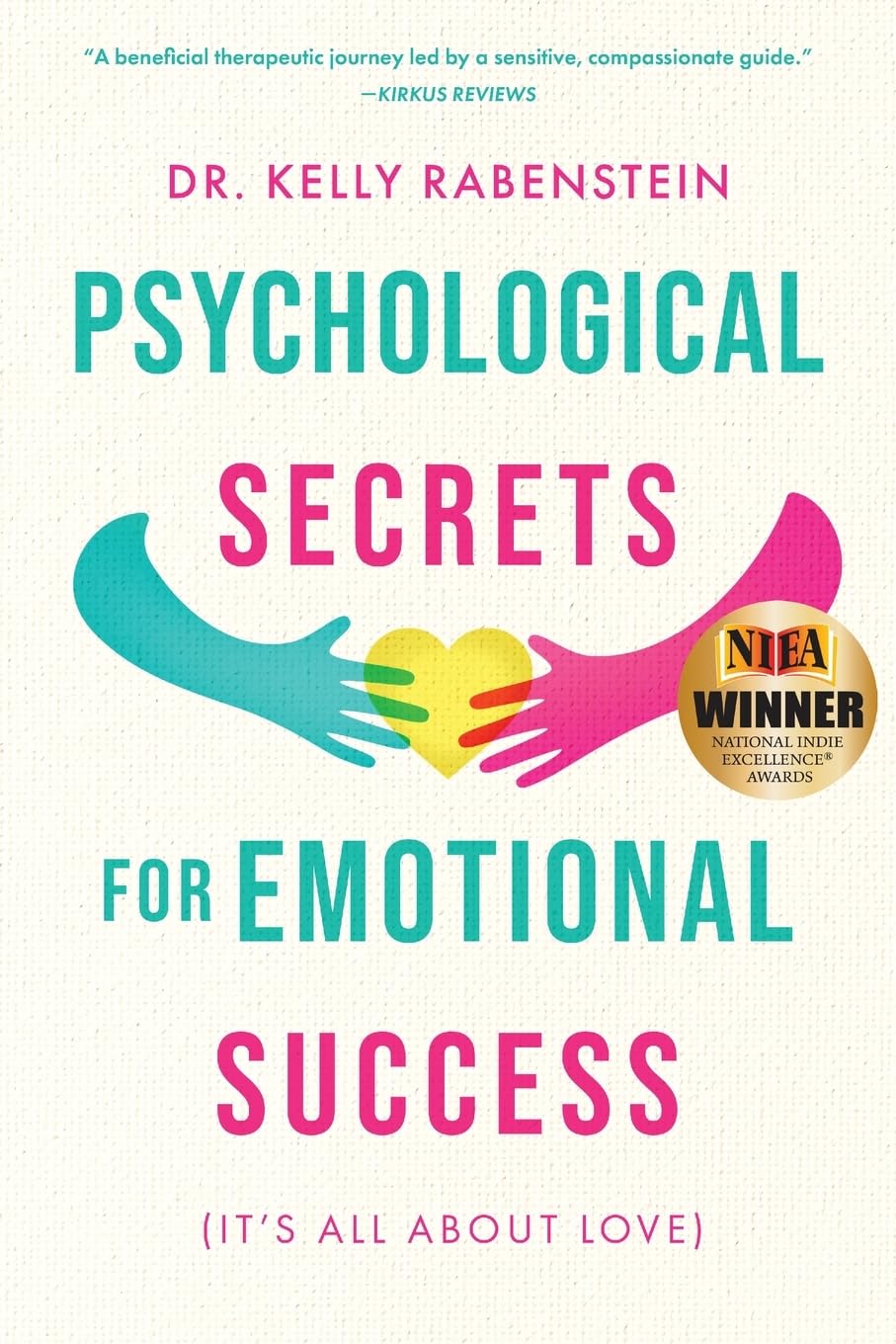
Psychological Secrets for Emotional Success
By Dr. Kelly Rabenstein
First Place in the CIBA Mind & Spirit Awards
Do you often feel that you sabotage your personal and work relationships? In Psychological Secrets for Emotional Success, Dr. Kelly Rabenstein teaches readers exactly what psychological techniques will help them strengthen and maintain their interpersonal connections.
Dr. Rabenstein is a licensed psychologist offering her extensive knowledge of how to make sound, conscious changes in mindset and perspective to help you thrive in relationships across the board. If a person can thrive, then they can be fully authentic to themselves and to those who surround them.
For Creative Expression and Healing

Patience Insanity and Wisdom
By Anna Casamento Arrigo
Patience Insanity and Wisdom, Anna Casamento Arrigo’s poetry collection, dances seamlessly between reflective, philosophical, whimsical, colorful, and especially therapeutic.
In her author bio, Arrigo shares that she turned to poetry as part of her recovery from a stroke. This gives a glimpse into the true depth of these poems, which offer healing to the reader as well. Arrigo deals with issues of love and loss, depression and survival, and life itself. Her poems carry the echo of her struggle, softly alluded to, but not blatantly laid bare.
Celebrate Wellness Writing with Professional Recognition
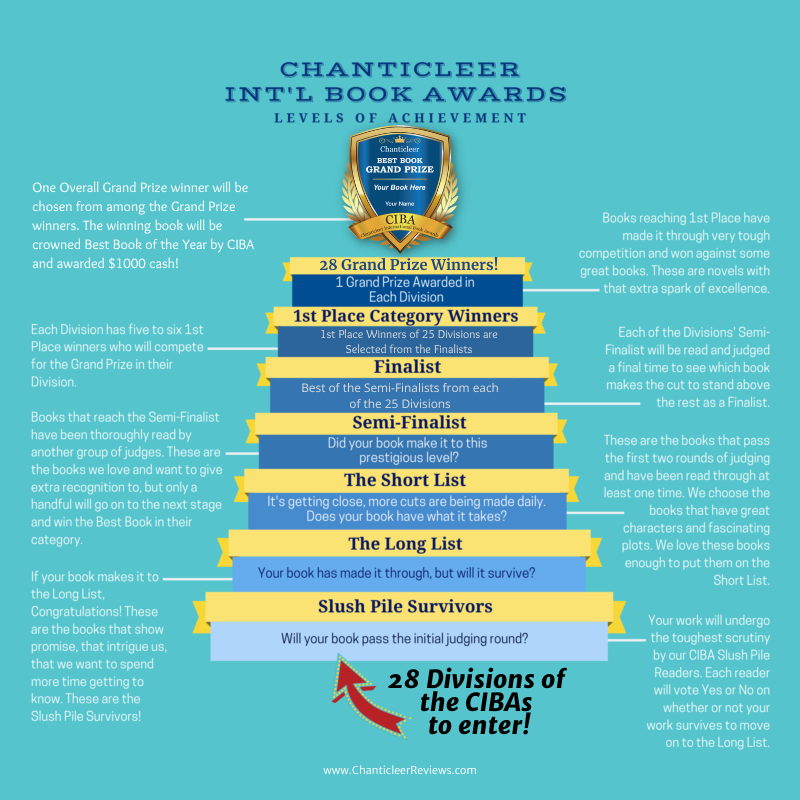
Whether you’re writing a personal story or sharing another person’s incredible journey, professional recognition celebrates the craft behind transformative narratives. Your wellness-focused writing deserves the same recognition as the authors featured above.
Chanticleer International Book Awards recognizes outstanding nonfiction that supports readers’ wellness journeys through specialized divisions:
 Instruction & Insight Awards: Perfect for non-fiction that teaches, guides, and empowers readers with practical wisdom
Mind & Spirit Awards – Ideal for works exploring spirituality, enlightenment, self-help, mindfulness, well-being, meditation, and personal transformation
These awards recognize the skillful writing behind memorable, impactful nonfiction that genuinely helps readers improve their lives.
Wellness writing is about creating emotional connections that resonate long after the final page. Professional recognition validates your contribution to readers’ wellness journeys.
Chanticleer Editorial Book Reviews also provide the professional third-party validation that wellness-focused authors need. Our comprehensive reviews serve as powerful marketing material while demonstrating that industry professionals recognize your work’s value to readers seeking personal growth and healing.
Explore Editorial Review services to add professional credibility to your wellness-focused writing.
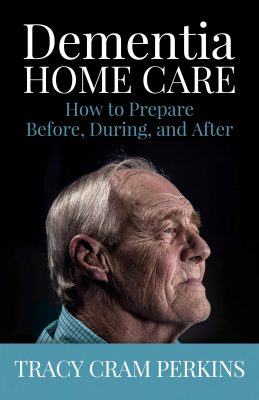
 Dementia
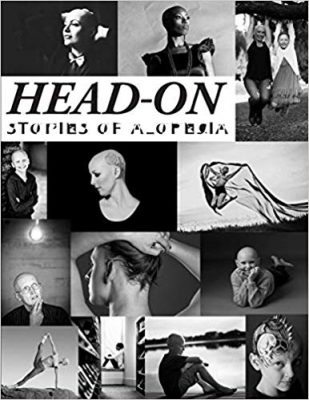
 More than 10 years ago, when Deeann Callis Graham went through a second bout of alopecia areata (AA), the first was when she was seven years old, she wondered where she could find pictures and read stories of people who were also losing their hair. She wanted to embrace positive messages amid a society that equates baldness with cancer and sickness. Yearning to relate to people who looked like her, she started writing her own story and soon she had connected with others with alopecia wanting to tell their stories.