Tag: Horror

  • All the Things that Go BUMP! in the Night — The Varied Word of Horror Sub-Genres

    Zombies, Spectors, Psychos—Oh, My!

    A frightened woman reads a red horror book!

    The horror fiction genre is full of scary and scintillating sub-genres, each offering its own unique flavor of terror and suspense. From the eerie atmosphere of gothic horror to the intense, cerebral tension of psychological horror, there are sub-genres that cater to a wide range of tastes and interests. Like romance, including a little horror can elevate your story and drag the reader kicking and screaming to the next page. 

    The key to effective horror writing lies in choosing the right sub-genre approach for your story’s needs. Each sub-genre offers unique methods for building suspense, developing atmosphere, and connecting with readers who crave that spine-tingling experience.
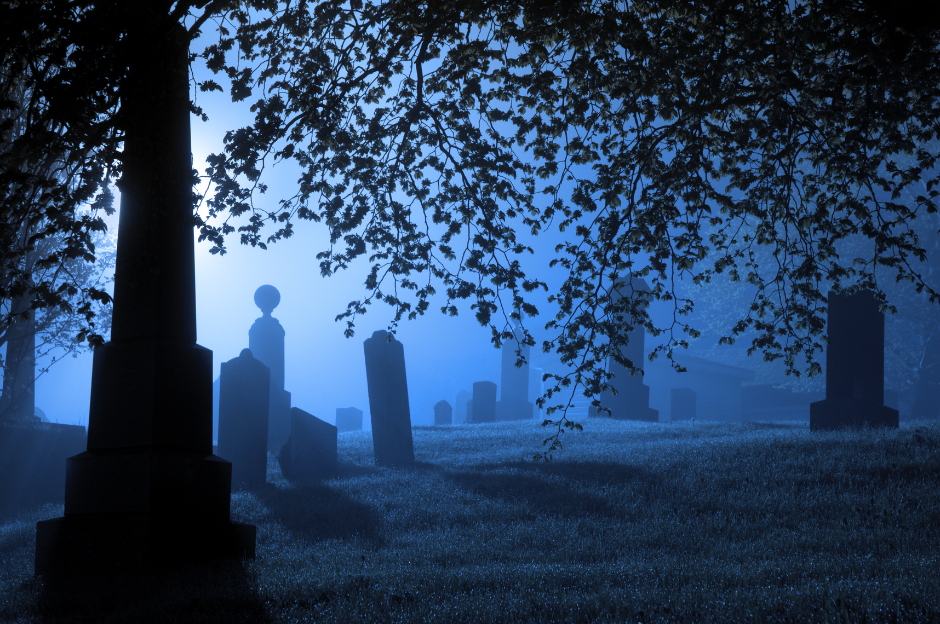
    A graveyard as an example of the gothic horror genre

    Classic Foundations: Where Horror Began

    Gothic Horror

    Gothic horror combines atmospheric dread with romantic elements, creating stories that feel both timeless and deeply emotional. Think Mary Shelley’s Frankenstein and Bram Stoker’s Dracula—these foundational works established horror tropes that continue to captivate readers today. Gothic horror typically features decaying settings, family secrets, and protagonists caught between love and terror. The underlying themes often explore human nature’s darker impulses, making readers question what we’re truly capable of when pushed to our limits.

    Perfect for: Historical fiction writers, romance authors seeking darker themes, or fantasy writers building atmospheric world-building.

    Psychological Horror

    Rather than relying on jump scares or gore, psychological horror gets under your skin by exploiting fundamental human fears: losing control, being manipulated, or questioning reality itself. This sub-genre creates tension that lingers long after readers close the book because the horror is experienced internally. When done subtly—settling into the subconscious without overt horrifying acts—it’s called “quiet horror.”

    Perfect for: Literary fiction, contemporary drama, or any story exploring mental health, family dynamics, or social pressures.

    A red misted window with a dark hand for thriller horror genre

    Action-Driven Horror: High Stakes and High Fear

    Slasher Horror

    When a slasher is on the loose, no one is safe. These antagonists hunt methodically, treating their victims like prey in stories designed to keep readers on edge. The appeal lies in the relentless pursuit and the question of who, if anyone, will survive. A newer variation, “splatter horror,” emphasizes excessive blood and gore as integral story elements—messy, shocking, and viscerally terrifying.

    Perfect for: Thriller writers, action-adventure authors, or anyone crafting high-stakes survival scenarios.

    Survival Horror

    Survival horror places characters in environments where death lurks constantly—whether from supernatural beings, natural disasters, or post-apocalyptic scenarios. The key is creating relatable situations that could theoretically happen to anyone, then amplifying the danger beyond normal human experience. Zombie fiction falls into this category, with its methodical, unstoppable threats that transform familiar environments into deadly landscapes.

    Perfect for: Post-apocalyptic fiction, adventure stories, or science fiction exploring environmental collapse.

    Speculative Horror: Beyond Our World

    Paranormal and Supernatural Horror

    This sub-genre ventures beyond known reality into realms of magic, spirits, and otherworldly phenomena. Characters face threats they can’t fully understand or prepare for—extrasensory perception, ghostly encounters, cryptozoology, and unexplained phenomena that leave everyone tenuously off-balance. While similar to gothic horror, paranormal horror often features contemporary settings and modern characters encountering ancient or otherworldly forces.

    Perfect for: Fantasy writers, urban fantasy, or contemporary fiction with magical elements.

    Science Fiction Horror

    Sci-fi horror blends familiar horror elements with scientific complexity, introducing innovative threats that make readers question what’s possible. H.P. Lovecraft mastered this fusion, creating cosmic horror that made humanity feel insignificant against vast, unknowable forces. Modern sci-fi horror might explore AI gone rogue, genetic manipulation, or extraterrestrial threats that view humans as nothing more than obstacles.

    Perfect for: Science fiction writers, dystopian fiction, or stories exploring technological advancement’s dark side.
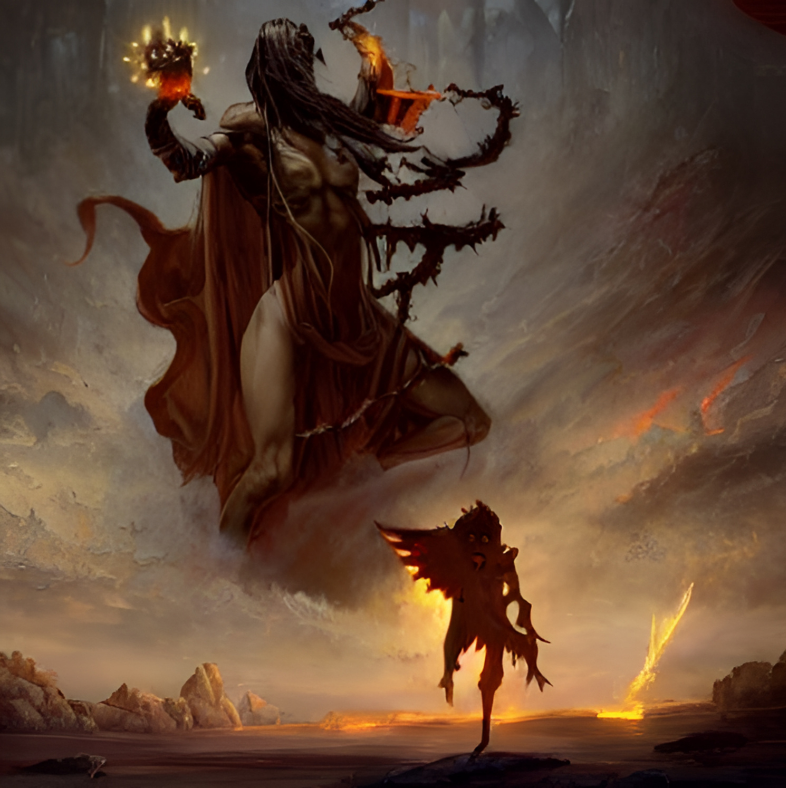
    eldritch beings for fantasy and paranormal horror genres

    Dark Fantasy

    When horror meets fantasy worlds, anything becomes a potential threat. Witches, shapeshifters, dark wizards—these antagonists wield magic that defies conventional solutions. Characters face seemingly insurmountable odds against supernatural powers, creating terror through the unknown capabilities of magical threats. The fantasy setting allows for creative freedom in crafting unique, otherworldly fears.

    Perfect for: Fantasy writers seeking darker themes, fairy tale retellings, or urban fantasy with horror elements.

    Specialized Horror Approaches

    Body Horror

    Body horror exploits our fundamental fear of physical transformation and decay. From Oscar Wilde’s The Portrait of Dorian Gray (accelerated aging) to Franz Kafka’s The Metamorphosis (human-to-insect transformation), this sub-genre makes the human body itself the source of terror. Modern body horror might explore medical experimentation, genetic mutation, or loss of physical control.
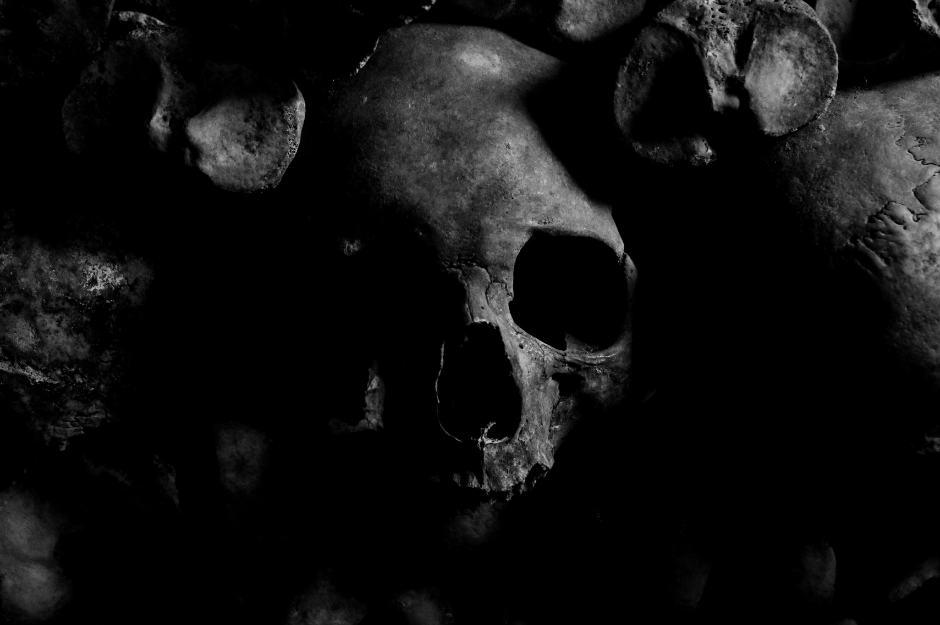
    a dark skull for the body horror genre

    Occult Horror

    Satan, demons, and religious corruption dominate occult horror. Stories like Ira Levin’s Rosemary’s Baby blend supernatural terror with religious themes, creating atmosphere through familiar spiritual concepts turned malevolent. The power of faith—and its potential corruption—provides rich material for exploring good versus evil.

    Eco Horror

    Environmental catastrophes and nature’s revenge characterize eco horror, serving as metaphors for real-world ecological crises. Samanta Schweblin’s Fever Dream exemplifies this sub-genre, combining maternal anxiety with environmental pollution. Common elements include deadly toxins, mutated creatures, animated plants, and killer viruses—all reflecting our complex relationship with the natural world.

    Techno Horror

    When technology becomes the enemy, techno horror explores our dependence on systems we don’t fully understand. AI malfunctions, computer viruses, and rogue robots create scenarios where characters must fight threats beyond their technical capabilities. This sub-genre resonates particularly well in our increasingly digital world.

    Hybrid and Flexible Approaches

    Comedy Horror

    Sometimes writers want chuckles instead of screams. Comedy horror takes terrifying elements and places them in absurd situations, creating three distinct approaches: black comedy, parody, and spoof. Washington Irving’s The Legend of Sleepy Hollow demonstrates how humor can actually enhance horror by making readers lower their guard before delivering genuine scares.
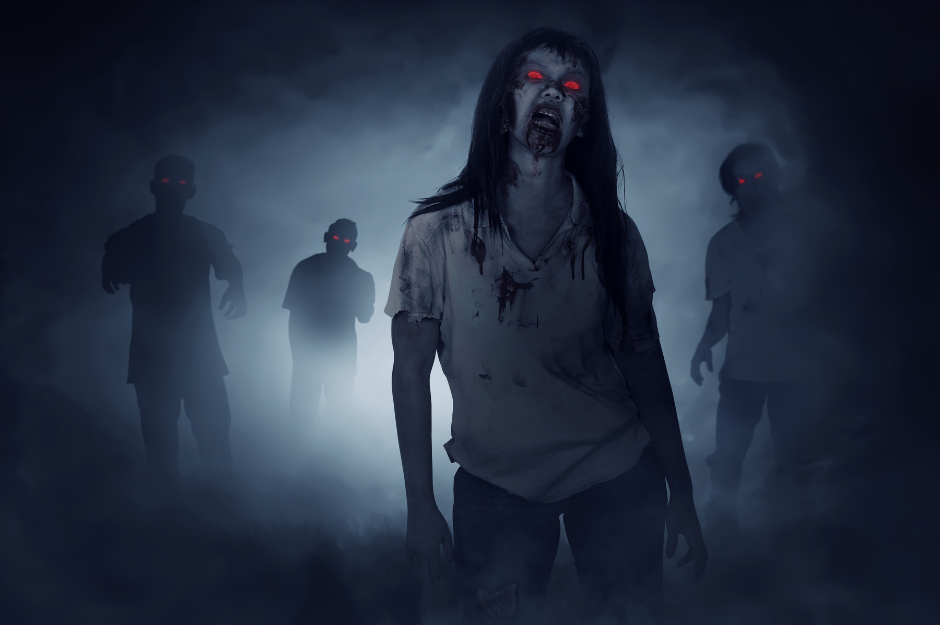
    A frightening zombie that's honestly a little too scary for the horror comedy genre.

    Teen Horror

    Stephen King’s Carrie perfectly exemplifies teen horror, where adolescent experiences—physical changes, social pressures, identity formation—intersect with supernatural or horrific elements. This sub-genre recognizes that teenage years already feel terrifying to many people, then amplifies those fears through genre elements.

    Pulp Horror

    Fast-paced and lurid, pulp horror embraces accessibility and entertainment value. Born in the late 19th century and popularized in the 1950s, pulp horror delivers quick thrills through sex, drugs, violence, and supernatural elements. It’s horror designed for pure entertainment rather than deep psychological exploration.

    Finding Your Horror Approach

    The beauty of horror sub-genres lies in their flexibility. Writers can blend multiple approaches—combining psychological elements with supernatural threats, or mixing sci-fi concepts with body horror. The goal isn’t purity but effectiveness: which horror elements serve your story’s emotional core?

    Consider your primary genre first, then identify which horror sub-genre complements your story’s needs. A romance writer might find gothic horror perfect for historical settings, while a contemporary fiction author could use psychological horror to explore family trauma.
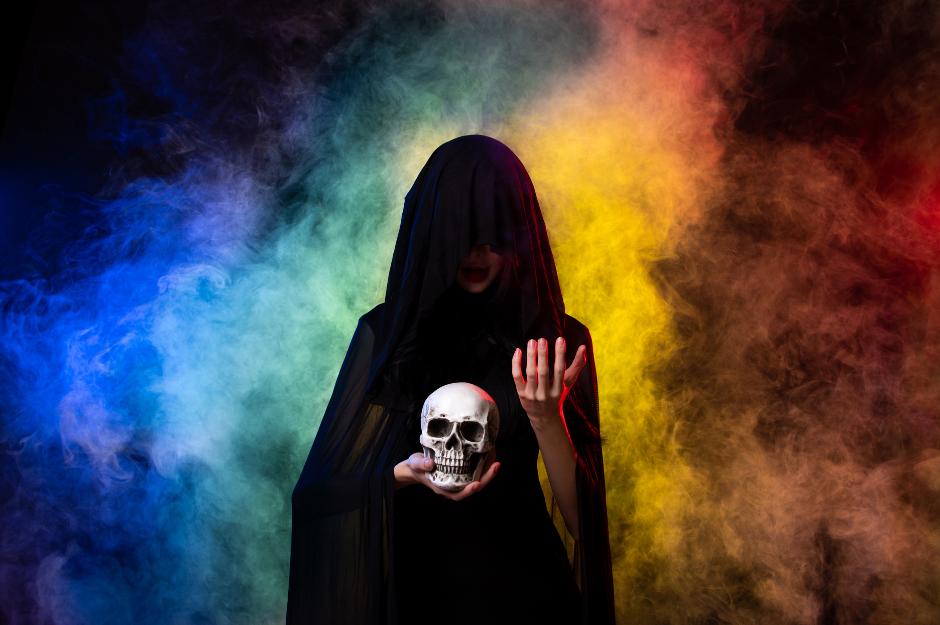
    A spooky necromancer holding a skull with rainbow smoke.

    With all these fun and frightening horror sub-genres, writers can mix and match them or go heavy one specific theme. With a goal to twist their readers into knots with plots that will keep them up at night, these stories will have you questioning every noise you hear and every shadow that passes your way.

    Thanks for reading about these spooky Horror Sub-genres,
    and don’t be scared of that beast under your bed tonight!


    Recognition for Genre-Blending Excellence
    *Gasp!* Don’t miss out on your chance to submit to these fabulous Awards!

    Whether you’re writing pure horror or incorporating horrific elements into other genres, professional recognition celebrates the craft behind effective fear. The Chanticleer International Book Awards recognize outstanding speculative fiction across multiple divisions that welcome horror elements:

    The 2025 deadline is June 30th—less than a week away! These awards recognize the skillful blending of genres that creates memorable, impactful fiction.

    Horror isn’t about shocking readers—it’s about creating emotional experiences that resonate long after the final page. Whatever your primary genre, the right horror elements can transform good stories into unforgettable ones.

    Submit before June 30th and let professional judges recognize your skill in crafting compelling, genre-blending fiction.

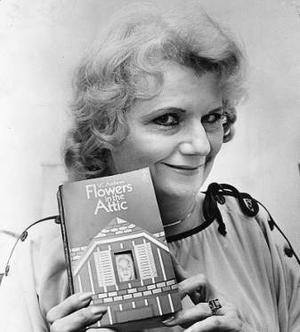
  • V.C. Andrews – The Author that’s Still Publishing Forty Years After Her Passing

    V.C. Andrews was trapped in an attic

    And she created worlds of gothic horror

    The gothic horror and paranormal fiction that V.C. Andrews pioneered continues to captivate readers today—and at Chanticleer, we know exactly what makes these dark, atmospheric stories work. That’s why our Shelley Awards (named for Mary Shelley, the Mother of Horror) celebrate the best in paranormal and horror fiction each year.

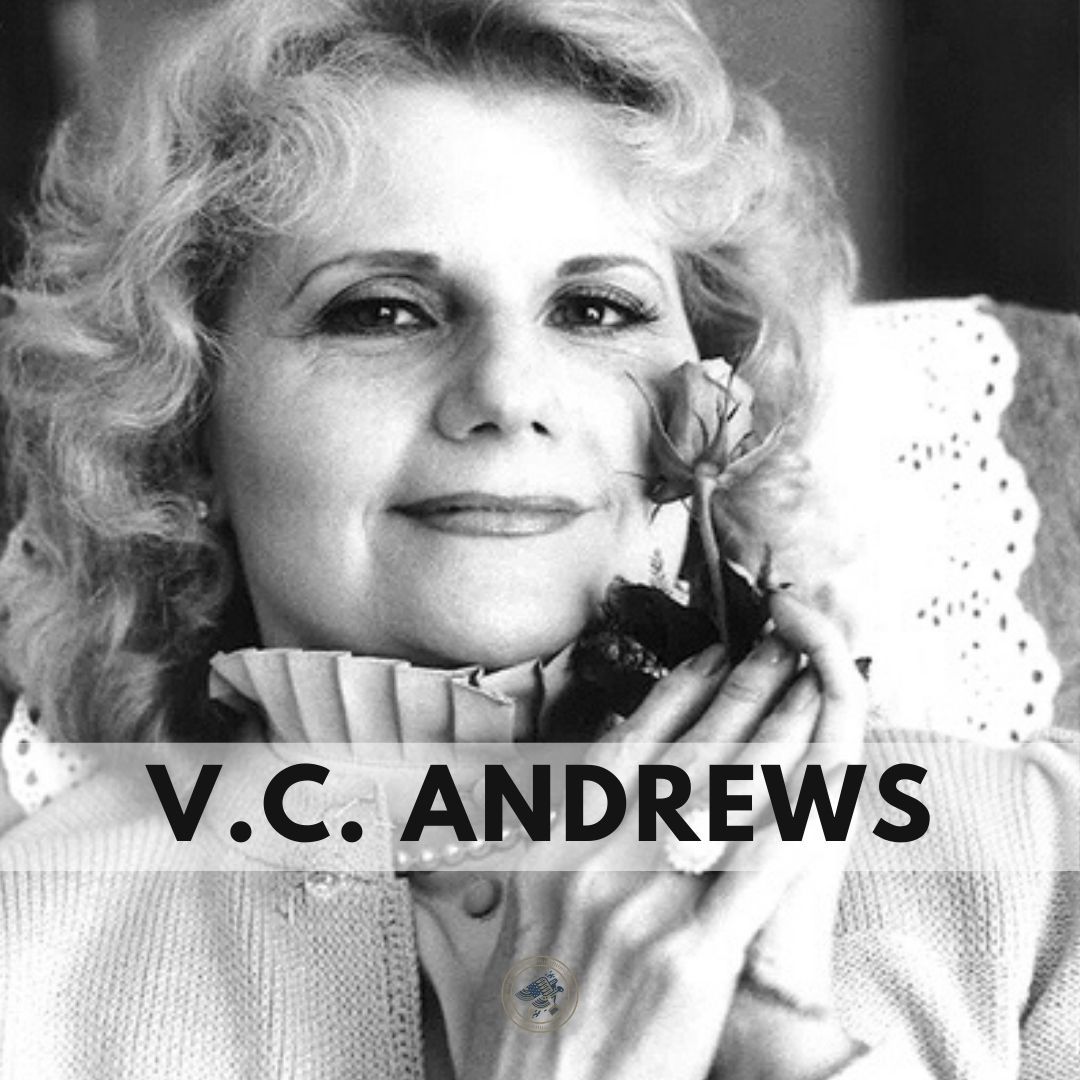
    V.C. Andrews, rose, blonde, woman

    V.C. Andrews, born Cleo Virginia Andrews on June 6, 1923 in Portsmouth, VA, faced a secluded life in her parent’s home, but that didn’t stop her from creating several series with unique characters and plots that will keep you up at night.

    From Personal Struggle to Gothic Masterpiece

    Flowers in the Attic by V.C. Andrews follows the lives of four children whose mother kept them imprisoned in an attic for years in order to collect an inheritance. Released in 1979, it became an instant sensation and led her to write four more books in the Dollanganger Family Series. Its dark themes of family strife and isolation reflected a similar scenario playing out in Andrews’ own life, and she used her experience to speak through the character Cathy Dollanganger, who narrates the story.

    V.C. Andrews, Flowers in the Attic, Books, covers, series

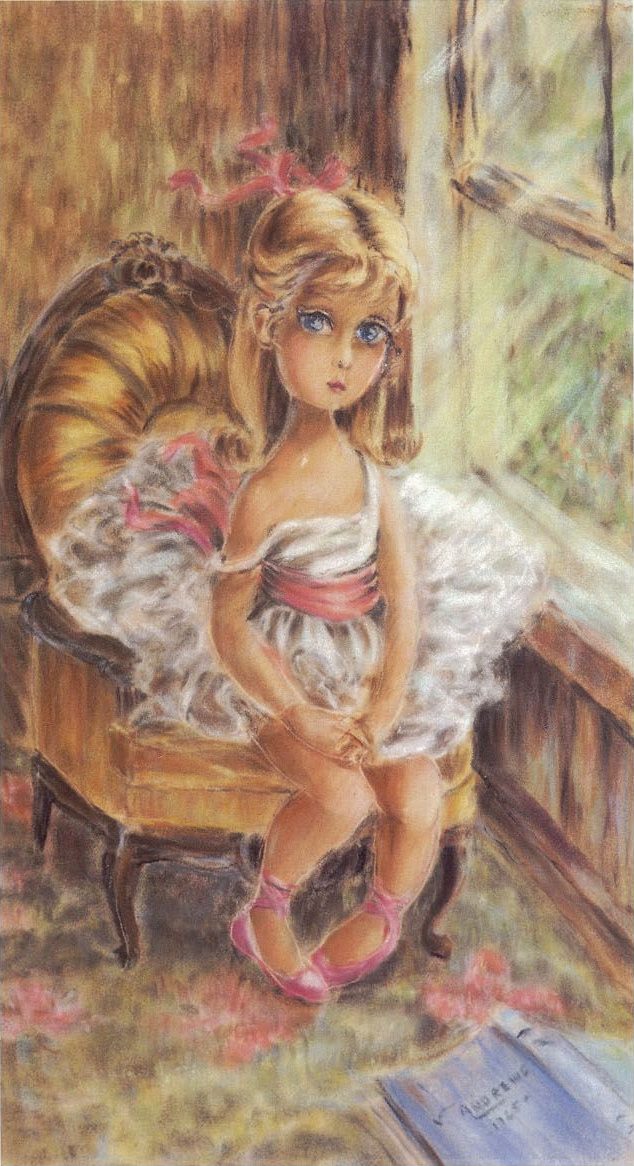
    The dark tale of children kept locked away in an attic somewhat mirrored Andrews’ own life. Born the youngest child and only daughter of three children, she suffered a devastating fall from a stairwell at school as a teen. The accident required several surgeries and resulted in crippling arthritis that left her wheelchair bound and in the care of her mother for much of her life. Just as with many children, that close relationship with her emotionally distant mother, even as she fully supported her daughter’s writing career, proved difficult at times and, when her father passed away in 1957, Andrews used the commissions from her art sales to support her family.

    VC Andrews, painting, art, girl

    The Fast-Paced Formula That Hooked Millions

    Later in life, Andrews turned to writing, beginning with a science fiction novel in 1972 titled Gods of Green Mountain, which was published posthumously in 2004 as an ebook. In 1975, Andrews completed the manuscript for Flowers in the Attic in two weeks, only to have the novel returned with a note to “spice up” and expand the story. Published in 1979, it was an instant success, reaching the top of the bestseller lists in just two weeks. Andrews published a new novel every year after that, earning Andrews larger advances and a growing readership.

    “I think I tell a whopping good story. And I don’t drift away from it a great deal into descriptive material,” she stated in Faces of Fear in 1985. “When I read, if a book doesn’t hold my interest in what’s going to happen next, I put it down and don’t finish it. So, I’m not going to let anybody put one of my books down and not finish it. My stuff is a very fast read.”


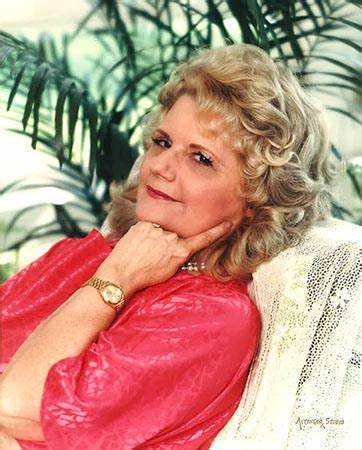
    V.C. Andrews, red, watch, finger, blonde, plant, woman

    A Literary Legacy That Defies Death

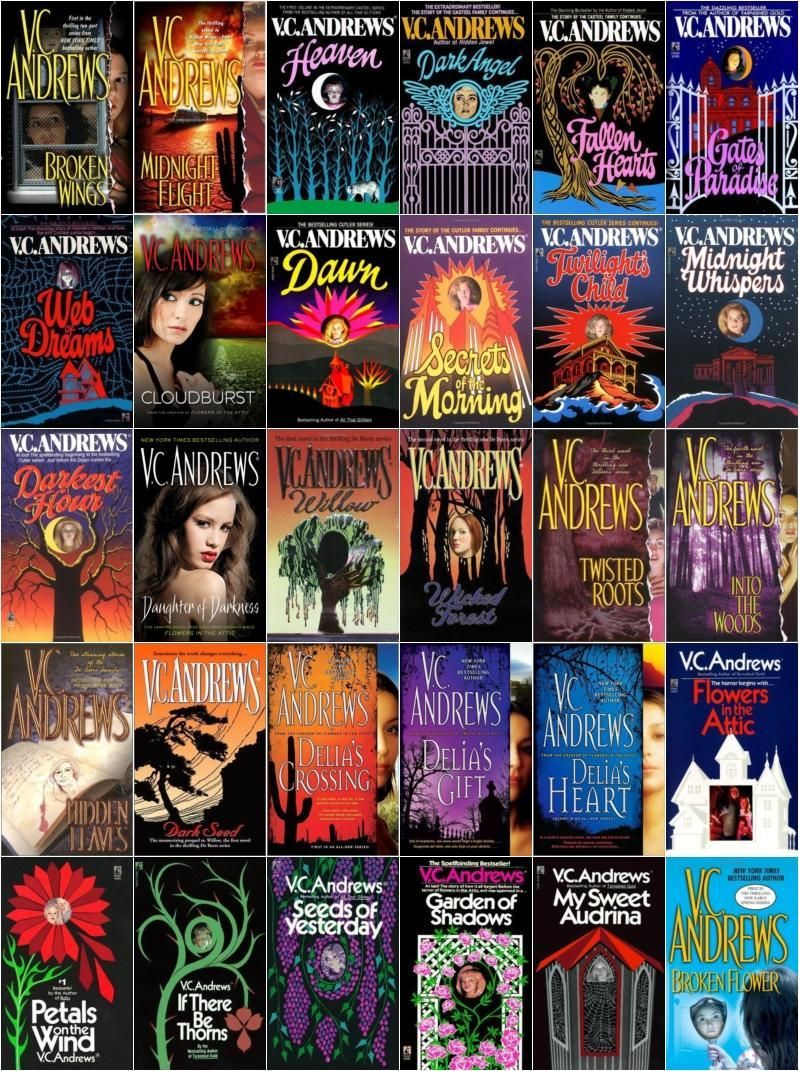
    V.C. Andrews wrote novels that combine Gothic horror and family saga, often revolving around family secrets and forbidden love. Her best-known novel, Flowers in the Attic, was the catalyst to a career that spanned decades, with stories exploring those same themes. Today, her fans have 104 books and 27 series that continue to enthrall readers and inspire Hollywood filmmakers.

    V.C. Andres, books, covers

    After Andrews’s death from breast cancer in 1986, ghostwriter Andrew Neiderman was hired, initially, to complete two unfinished works, Garden of Shadows and Fallen Hearts that were published soon after. It’s these two novels that are considered the last novels to be almost completely written by Andrews herself, but many more books inspired by her writing and written by Neiderman continued to be published. Forty years later, Andrews’ literary legacy continues to grow, inspiring not only the ghostwriter who continues her stories, but also the many readers who have escaped into her world of family drama and isolation—making Andrews one of the most beloved modern horror writers today.

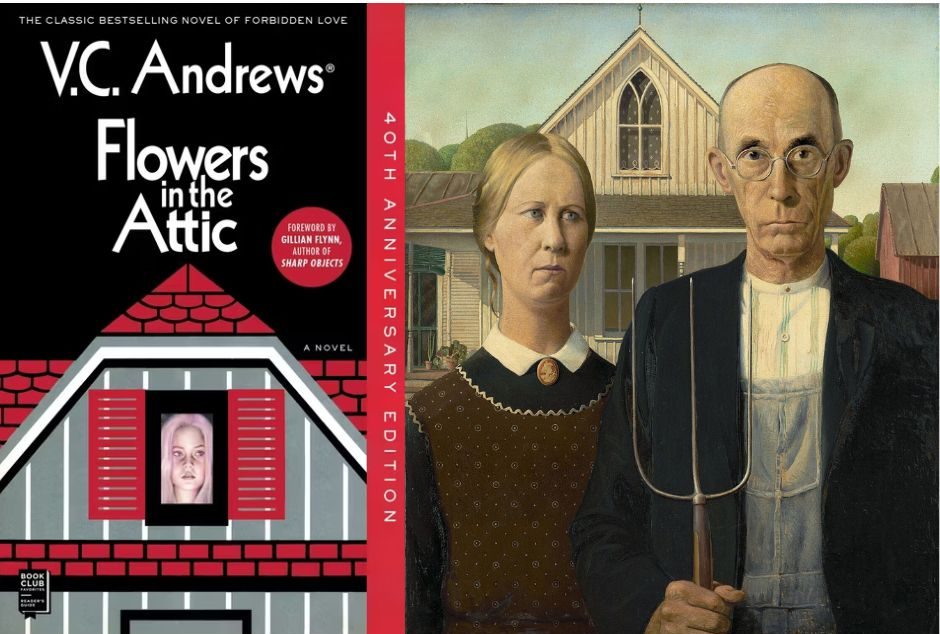
    American gothic, Grant wood, Flowers in the Attic, VC. Andrews

    Gothic Art Meets Family Nightmares

    When I think of Andrews’ novels, particularly Flowers in the Attic, I’m reminded of the famous artwork, American Gothic by Grant Wood—family dynamics painted with a nod to the type of horror that penetrates and unsettles the family dynamic. Surely, Andrews must have pulled from her own conflicted emotions about her family to create a novel that resonates with the love/hate relationships we all grapple with. — Dena Weigel


    V.C. Andrews, book, woman, blonde

    Happy Birthday to V.C. Andrews, an author whose legacy in horror extends beyond her life to entertain and unsettle readers for years to come!


    Does Your Gothic Horror Deserve the Same Recognition?

    The Shelley Awards for Paranormal Fiction features an image of Mary Shelley at her writing desk

    The gothic horror and paranormal fiction that V.C. Andrews pioneered continues to captivate readers today—and at Chanticleer, we know exactly what makes these dark, atmospheric stories work. That’s why our Shelley Awards (named for Mary Shelley, the Mother of Horror) celebrate the best in paranormal and horror fiction each year.

    If your horror novel carries themes of family secrets, supernatural elements, psychological terror, or gothic atmosphere like Andrews’ masterworks, the Chanticleer International Book Awards (CIBA) Shelley Division wants to discover it. Our judges understand the nuances that separate good horror from unforgettable horror—the kind that keeps readers turning pages late into the night.

    You know you want it…

    The 2025 Shelley deadline is June 30th—just weeks away! Whether your work explores paranormal romance, supernatural powers, unexplained phenomena, or psychological horror, professional recognition through the Shelley Awards gives your book the credibility boost that social media alone cannot provide.

    Thriller Suspense Fiction Award

    For suspense and thriller authors, don’t overlook our Clue Awards division, perfect for works that blend mystery with darker elements.

    Submit to the Shelley Awards before the June 30th deadline and join the ranks of professionally recognized horror and paranormal fiction.

    Check back next week as we’ll be featuring several articles about outstanding paranormal fiction and the authors who master this challenging genre!

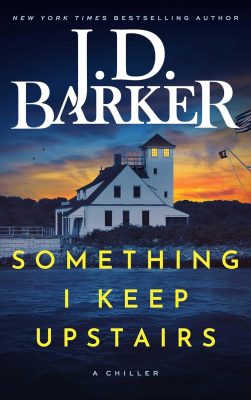
  • SOMETHING I KEEP UPSTAIRS by J.D. Barker – Supernatural Thriller, Mystery, Horror


    An old and hungry thing wakes beneath the house on Wood Island. It calls out to another generation of children. In J.D. Barker’s supernatural mystery, Something I Keep Upstairs, a circle of New Castle teenagers digs up the unholy secrets of those who came before them.

    When the hermit Geraldine Rote dies without clear cause, her grandson Spivey inherits Wood Island and the historic house upon it. He plans to spend the summer as a carefree sixteen-year-old rather than submitting to another round of cancer treatments. With the help of the mysterious estate lawyer Marston, Spivey escapes his parents’ reach.

    At first, the island becomes a perpetual party, drawing an endless stream of kids and alcohol. But only a few learn the truth behind Wood Island’s dark stories.

    Billy Hasler goes along with the strange rituals that self-styled witch Alesia introduces to their friend group. He defends Spivey from their parents trying to wrestle legal control of his inheritance away. But both on Wood Island and among the older generation of New Castle, Billy begins to see a dangerous influence overtake the people he knows best.

    A missing girl, a doorway to the dead, and a demand for sacrifice leave Billy unable to tell who might get—or already have—blood on their hands.

    Billy struggles to protect himself and his friends without being ousted from their ghastly project. Local Police Chief Whaley roots through decades-old evidence to figure out the strange cycles of death surrounding Wood Island. Among those who were already claimed by the thing on that solitary rock, some push the kids away from that same fate while others lure them further in, eager to feed the beast.

    Drawing on the real-world ghost stories of New England, Barker creates a familiar small-town setting before revealing the horrors beneath the surface.

    The cast of teens embody the emotional struggles and reckless passion of adolescence. Spivey becomes swept up in the excitement of his inheritance and the social standing it gives him. He doesn’t consider the danger he’s putting himself and his fellows in—not until it’s too late to back out. Billy, even as he worries his friends might be taking their rituals too far, can’t bring himself to abandon his girlfriend Kira Woodward.

    Everyone wants to belong among their friends and loved ones. The only question is how much they’re willing to sacrifice for it.

    These mundane, relatable character conflicts both contrast and give emotional weight to the growing supernatural terrors. We fear and root for the teens because they feel like people we might know in our own lives—or might have been ourselves.

    This grounding character work makes each mystery impactful as Barker ties the tragedies of the island to those of the cast themselves.

    Something I Keep Upstairs holds a wealth of mystery fitting to its New England inspiration.

    The implausible coincidences around Geraldine’s death lead Whaley to the strangeness of Marston’s family law practice and the particulars of the will, which in turn only reveal further questions about the sinister power within Wood Island itself. The abduction of fifteen-year-old Lily Dwyer hangs over myriad characters as a dreadful implication of what their peers or family might be capable of.

    As the supernatural threats become undeniable, Barker reveals a blood-chilling history that confirms just how much danger the characters have welcomed upon themselves. Small details seeded throughout the early parts of the story take on new, terrible implications.

    By the time Billy learns what sort of beast his friends have awoken, they’re all caught in its jaws.

    Over the course of a Stygian summer storm, Something I Keep Upstairs pits its characters against a roaring, famished death. Uncovering the past might give them the chance to avoid repeating it, but not without a hair-raising fight.

    A tale of adolescence in the shadow of sacrifice, a mystery that relishes the mythic power of the dead, and a relentless supernatural thriller, Something I Keep Upstairs will—like its ancient villain—grasp myriad readers with no intention of letting go.


    5 Stars! Best Book Chanticleer Book Reviews


  • Alexandrea Weis 10 Question Interview with Chanticleer – Mystery, Thriller, Animal Conservation, and New Orleans

    Thriller and Horror Author Alexandrea Weis sat down for a 10-Question Interview with Chanticleer!

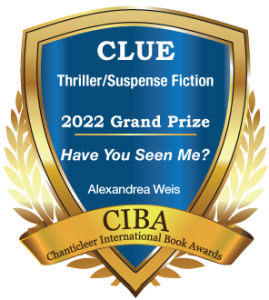
    We had the pleasure of speaking with Alexandrea Weis recently. The author of more than a dozen books, her YA Thriller Have You Seen Me? took home the 2022 Clue Grand Prize for Thriller/Suspense. Weis is an award-winning author, screenwriter, advanced practice register nurse, and historian born and raised in the French Quarter of New Orleans. Here’s what we talked about:

    Chanticleer: Thank you so much for making the time for this interview. To start, when did you realize you that you were an author?

    Weis: Probably after I published my third book. It wasn’t a fluke anymore, and I had readers interested in my stories. I began to believe I could do this professionally. Being an author is really a mindset, but it doesn’t happen overnight. You put your first book on the market and doubt you can do it again. By the third book, you’re looking forward to writing your next story.

    Chanticleer: I love the idea of embracing the author mindset and the way in which you slowly build up confidence. What sort of stories do you write? What genre do you write and what led you there?

    Weis: Thriller/Horror. It was a progression for me to this genre, but I love the challenge of tying all the elements together and keeping the reader guessing about the outcome. It also allows me to utilize my nursing experience by incorporating forensic aspects that are so important when writing thrillers. In addition, I write about the area where I live, Southeast Louisiana, as often as I can. We have such a rich history that lends itself beautifully to this genre.

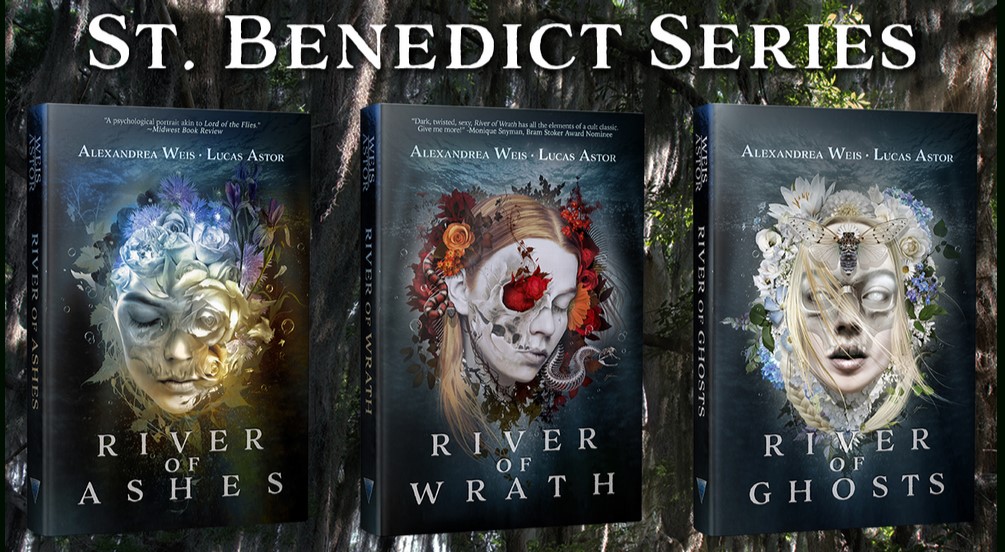
    You can get a visceral sense of Weis’ genre from the books on her site.

    Chanticleer: Thriller and Horror could definitely interact with nursing experience in some fascinating ways. When you’re writing how do you interact with the conventional rules of writing?

    Weis: I believe that when you break the rules, you create an exciting and unpredictable story. That doesn’t mean breaking away from the expectations of specific genres—readers expect certain things—but I try to push those boundaries.

    Chanticleer: We owe so much innovation to people who push boundaries. What about outside of writing? Tell us a little about your life outside of being an author.

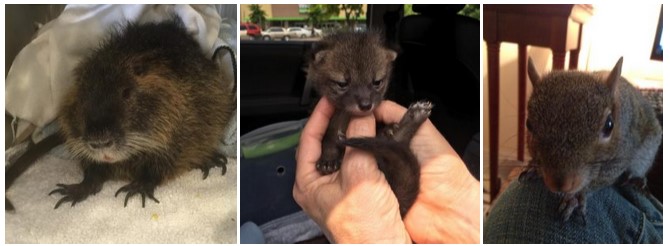
    Weis: I’m a permitted and certified wildlife rehabber with the Louisiana Department of Wildlife and Fisheries, so when I’m not writing, I’m working with orphaned and injured wildlife. With Hurricane Francine passing through our area recently, I’ve been busy with displaced babies after the storm. You haven’t lived until you’re surrounded by hungry baby squirrels. I love working with wildlife and rescuing domestics as well.

    Chanticleer: That sounds both adorable and also quite difficult. The number of hurricanes and “once in a lifetime storms” we experience these days is terrible. Sorry for the tangent. How do you come up with your ideas for a story?

    Weis: I am constantly coming up with ideas. I can drive to the grocery store and have a new idea for a book series. I love working history into my stories and often find ideas when reviewing Louisiana folklore. I was raised in the French Quarter, so the history of the area has always become ingrained. We lived in an old Creole Cottage with a rich past representing the French and Spanish influences on the city. I was also raised around Cajuns and learned a great deal about tales associated with the swamps, including fanciful legends blended with historical facts. It’s a colorful place to live, and everywhere you turn, there is a terrifying account about a haunted stretch of marshland or the ghostly encounters inside a Creole cottage in the French Quarter. It is fodder for the imagination and has always inspired me to weave the magic of where I live into my books.

    Chanticleer: That’s so cool! We just had a post celebrating Anne Rice’s birthday, and I know she grew up in the same area. So, moving from how you come up with your ideas, how structured would you say you are in your writing?

    Weis: I usually have a pretty detailed outline, especially when working on a thriller. So many elements need to be addressed and fed into the ending; you need a well-thought-out progression of the storyline. When writing outside of that genre, such as when I’m tackling a romance or paranormal story, I’m not as strict in sticking with my outline.

    Chanticleer: I love outlines as suggestions for the path rather than hard and fast. What about craft – how do you grow as an author?

    Weis: Take risks. For me that was writing in genres I wasn’t comfortable with. I started romance and had reservations about moving into thrillers, but once I wrote my first one, I found the challenge addictive. I’m always looking to move into an area I’m not familiar with to learn and grow. I’ve also stretched my creative chops into writing screenplays and television shows. It’s a different form of writing, but it also teaches you to put as much into a scene while using the least words possible. It also helps hone dialogue skills.

    Chanticleer: That courage to try new things is an inspiration. What new things are coming up as you continue to grow and challenge yourself?

    Weis: I have two series I’m working on. The St. Benedict Series, with Lucas Astor is set around my hometown of Covington, Louisiana, along the Bogue Falaya River. It’s a thriller/horror series about a powerful family and their fall from grace. I love this series and its characters. I’m also working on The Basin Series. The first book, Cypress Hill, will be out next year. This is a spooky thriller set in the creepy Atchafalaya Basin and filled with local legends. The cast of characters are close to my heart and unforgettable.

    The Bogue Falaya River

    Chanticleer: Those both sound amazing! We’ll definitely keep an eye out for them. As we prepare to wrap up, I’m curious: What is the most important thing a reader can do for an author?

    Weis: Let us know what you think! Either by review, email, posting on social media, or whatever a reader feels comfortable with, but please reach out. Every writer loves to hear from readers, especially if you loved the book. You so often work in a bubble, and to get words of encouragement, or even criticism, from a reader is valuable feedback. Writers always listen to what readers have to say. So don’t be shy.

    Chanticleer: Writing truly happens with a community with reviews and outreach being one of the best ways for readers to participate with writers. Thank you for that advice. Finally, at the end of the day, what excites you most about writing?

    Weis: There’s nothing better than finishing a book, bringing all the elements together, and realizing you’ve created a, hopefully, compelling story. It’s an incredibly satisfying experience. That’s what keeps me going.


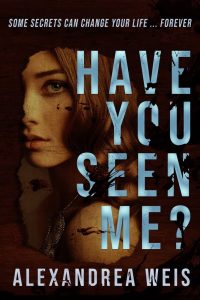
    Have You Seen Me Cover

    Alexandrea Weis won the Clue 2022 Grand Prize for her YA Thriller Have You Seen Me?
    Weis is a member of the International Thriller Writers (ITW) and Horror Writers Association (HWA). She lives with her husband outside of New Orleans where she is a permitted/certified wildlife rehabber with the Louisiana Wildlife & Fisheries and rescues orphaned and injured animals.

    You can connect via her website, Facebook, X, LinkedIn, and Instagram.

  • Illuminating the Shadows of Gothic Fiction: Celebrating Anne Rice’s Legacy on Her Birthday

    Celebrating the Supernatural Legacy of Anne Rice!

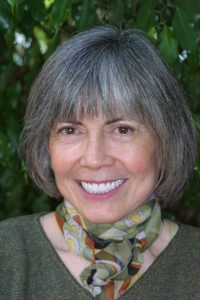
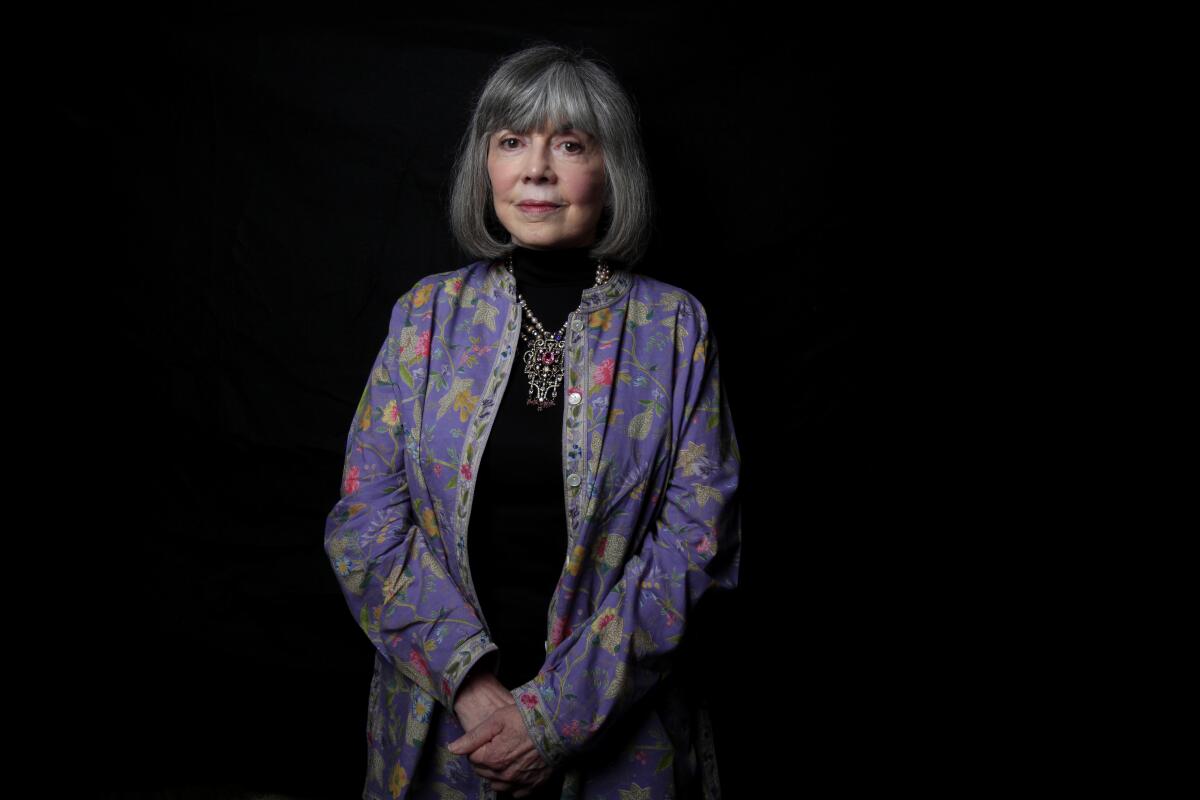
    Anne Rice, woman, scarf, green, shirt, grey, hair, foliageAnne Rice, a name synonymous with the gothic and supernatural, has left an indelible mark on the literary landscape. Her unique storytellinginvites readers to sink their teeth into the richly textured worlds of vampires, witches, and the occult. Best known for her groundbreaking series The Vampire Chronicles, Rice transformed the public’s perfection of vampires from the tuxedoed count Bela Lugosi’s Dracula into creatures that were not only glamourous, but deeply emotional and philosophical. Lestat and Louis are not just beings of the night, but the are immortals grappling with the human condition.
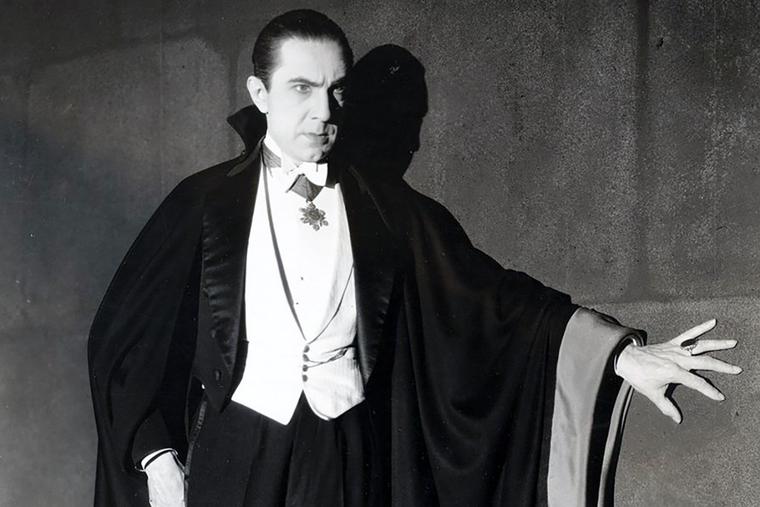
    Bela Lugosi's Dracula
    Bela Lugosi’s Dracula from 1931

    Growing Up in Gothic New Orleans

    Born on Ocotber 4, 1941 in New Orleans, a city famed for its gothic architecture and rich spiritual history, Rice found her most powerful inspiration in its haunted corners. Her early years were shaped by loss with both her mother and grandmother passing away by the time she was sixteen. She sought refuge in literature, immersing herself in the works of Edgar Allan Poe and Mary Shelley. Under their influence, Rice’s imagination bloomed, combining dark imagery and complex emotional landscapes that would define her career.

    While pursuing her master’s degree in English at San Fransisco State University, she married Stan Rice with whom she had two children, Michele and Christopher. Tragically, Michele was diagnosed with leukemia at age six. To cope with the grief, Anne Rice turned to writing, creating her first novel, Interview with a Vampire.

    Years later, Rice recalled a prophetic dream she had months before the death of her daughter. In it, she was told that “somethings wrong with her blood.”

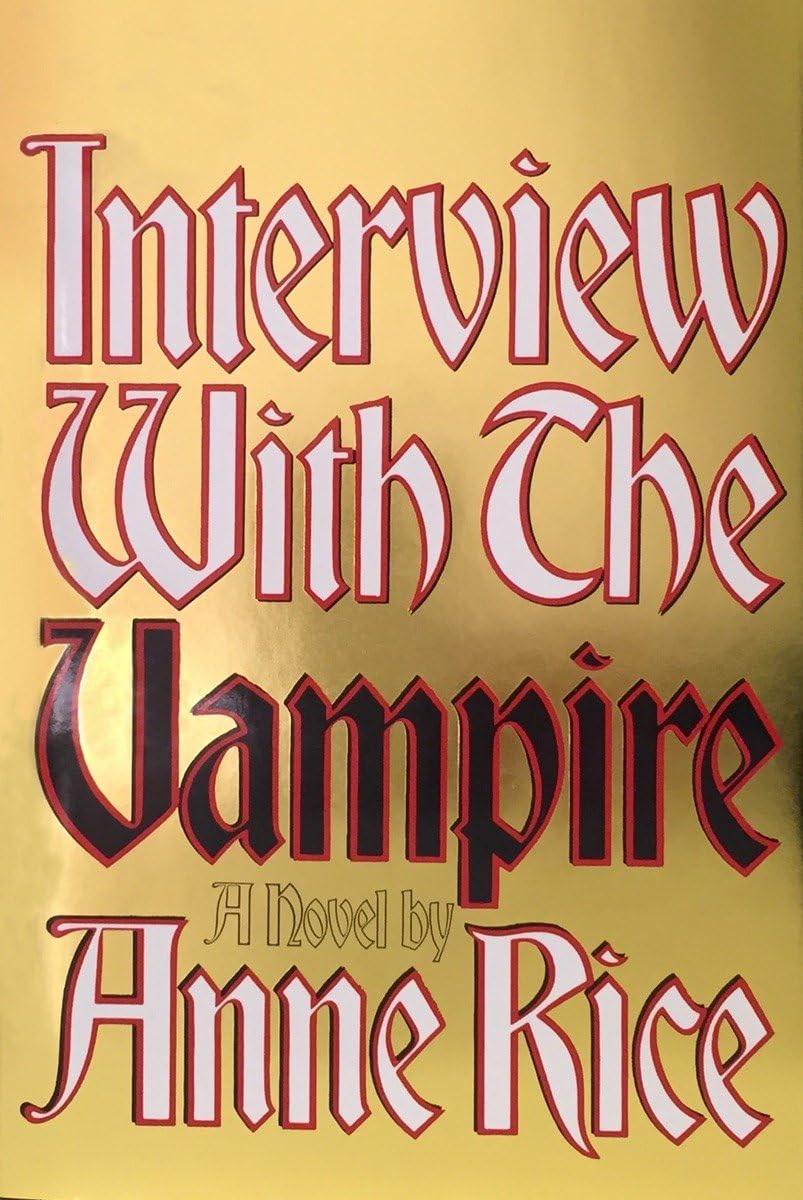
    book cover, gold, red, black, white, shiny, anne rice

    The Beginning of the Vampire Chronicles

    Interview with the Vampire introduced readers to Louis de Pointe du Lac, an immortal vampire recounting his centuries-long tale of suffering, love, and loss to an intrigued reporter. The lush prose called on classic fin de siècle literature descriptions as seen in Bram Stoker’s Dracula, while infusing it with modern depth. Readers were captivated by the exploration of immortality, isolation, and Louis’ inner turmoil, creating a new kind of vampire – one who yearned, not just for blood, but for meaning. The Vampire Chronicles became a beloved series focused mostly on Louis’ maker Lestat de Lioncourt – the iconic golden haired rebel with the face of an angel.

    This created more than a vampire series: It created a cultural movement. Vampires wrestling with questions of morality, religion, and humanity left behind the mold of good versus evil. Lestat came forward as a symbol of charisma, power, and vulnerability. Through him, Rice turned the idea of vampires from monsters of fear into beings of empathy that are capable of love and introspection, drawing readers into their eternal struggle.

    The success of The Vampire Chronicles catapulted Rice into the literary spotlight and paved the way for a resurgence of interest in gothic fiction for future horror authors to create their own interpretations of vampire mythology.

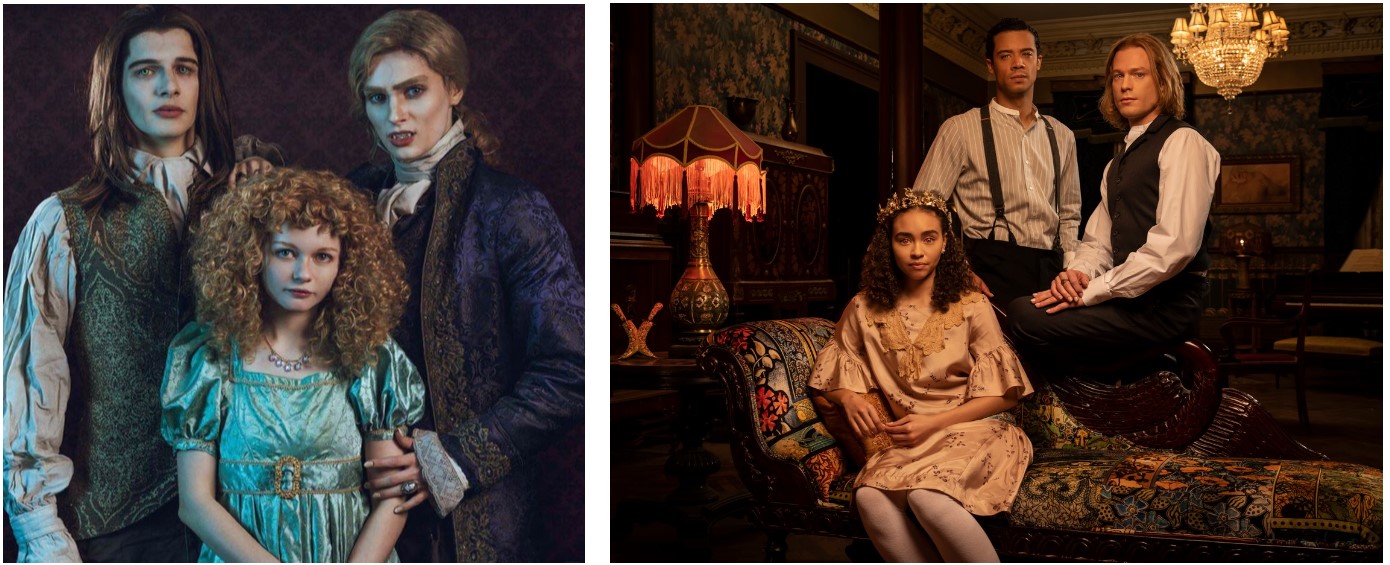
    Then and now. On the left is Brad Pitt, Kirsten Dunst, and Tom Cruise as Louis, Lestat, and Claudia in the original 1994 screen adaptation. The 2022 AMC series on the right is still running as of this posting and features Delainey Hayles, Jacob Anderson, and Sam Reid as Claudia, Louis and Lestat.

    While Rice is primarily known for her vampire novels, she has written witches, werewolves, and even had a period of writing exclusively Christian fiction. Her supernatural writings explored spirituality, sexuality, and mortality, blending philosophical questions most often found in literary fiction into the paranormal and horror genre.

    An Everlasting Legacy

    Anne Rice’s impact on literature and popular culture is undeniable. Her works have inspired countless adaptations, including films, television series, and even musicals.

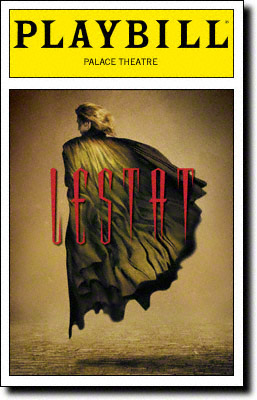
    You can hear the musical score for Lestat, the Musical by none other than Sir Elton John here.

    Through these mediums, Rice has introduced a new generation to her haunting vision of vampirism, and inspired the works of contemporary authors like Stephenie Meyer’s Twilight and Charlaine Harris Sookie Stackhouse series which was adapted to True Blood.

    On the left we have Sookie and Bill from True Blood and on the right is Bella and Edward from Twilight. Both are classic modern vampire stories that wouldn’t be very different without Anne Rice’s Vampire Chronicles

    Rice’s characters often represent a rich interior life coupled with vibrant descriptions of the world and setting that reflects an older style of writing with lyrical prose that explores the human psyche.

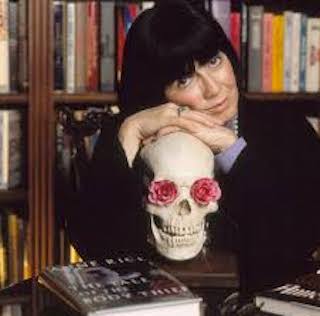
    Black, skull, flowers, books, bookshelf
    Bryce Lankard/Getty Images

    Anne Rice passed away on December 11, 2021, leaving behind a legacy that continues to resonate with readers and writers alike. Her lyrical prose, atmospheric settings, and unforgettable characters remind us that the supernatural is not only a realm of monsters, but a reflection of the human condition. As we celebrate Rice’s birthday, we honor her ability to blend horror with heart and her profound influence on modern supernatural fiction. Like Lestat and Louis, her stories live on –  endlessly captivating, forever haunting.


    If you are a fan of things that go bump in the night, we encourage to take a bite into these Chanticleer authors’ tales of supernatural.


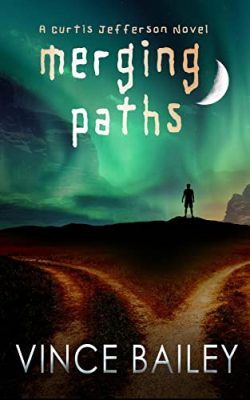
    Merging Paths Cover

    Merging Paths
    CIBA Grand Prize award for a Series

    Having escaped unjust imprisonment at the Fort Grant facility for juveniles, Curtis Jefferson is on the run, in Merging Paths,the third installment of Vince Bailey’s gripping, paranormal, Curtis Jefferson Series.

    With only a small jug of water and the clothes on his back, Curtis has to cross the Sonoran Desert and find a way back to his mother and grandmother in Jacobs Well. But his trip is plagued by more than thirst, hunger, and fear of animals. A racist sheriff’s deputy, Myron Aycock, is hellbent on finding Curtis not only for the acclaim such an arrest will give him but also for vengeance against the beating he received at the hands of the aspiring boxer.

    Trapped and desperate, Curtis is rescued by a mysterious figure and taken to Isabel and Ray Cienfuegos. After hearing Curtis’s unsettling stories about Fort Grant, the two understand that they have all been fighting the same evil forces – under the control of the sadistic Ezra. In a final confrontation, Isabel faces off against the wicked spirit, but just as they believe their problems are over, a new threat arises under the guise of friendship, and Isabel makes a life-changing decision that will mark her forever.

    Read more here!

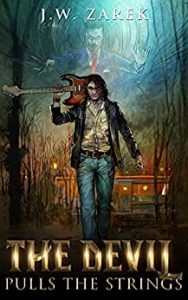
    The Devil Pulls the Strings Book Cover

    The Devil Pulls The Strings
    By J. W. Zarek
    CIBA Grand Prize award in the Shelley Division

    The protagonist and all-around decent guy, Boone Daniels, is in a heap of hurt in JW Zarek’s new Young Adult novel, The Devil Pulls the Strings.

    One would think being plagued by an evil spirit wendigo since age six would be enough inconvenience to last a lifetime, but when Boone jousts with his best bud at a Ren Faire and accidentally deals a mortal blow, the hurt he experiences suddenly lands on a sliding scale of 1 to 1 million. And Boone Daniels becomes a millionaire, so to speak.

    No ordinary guy, Boone makes a living as a handyman and swashbuckling knight at Renaissance Faires around Missouri. He’s also uniquely gifted with a form of eidetic memory coupled with synesthesia. What’s that? Simply put, synesthesia allows people to see colors and taste things when they hear music – and an eidetic memory allows folks to memorize whatever they’ve seen or heard one time. But that’s not all. Boone can time-travel, make friends with almost any feline or shapeshifter, and convince a certain immortal he’s worth more as an ally than a snack. No kidding, Baba Yaya loves human meat.

    Read more here!

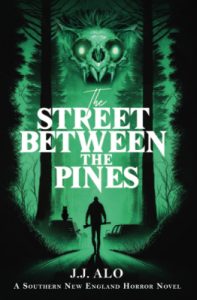
    The Street Between the Pines

    The Street Between the Pines

    Something strange and terrible stirs in Frank Cavanaugh’s basement, in J.J. Alo’s psychological-thriller,The Street Between the Pines.

    The giant hole at the bottom of Frank’s house wasn’t there before. Something so very ugly and dangerous is down there. Something with bright, glowing eyes. Adrenalin pumps through Frank’s aging body as he scrambles for the exit. Behind him, a low gurgling growl.

    In suburban Connecticut, Iraqi war veteran Curtis is still fighting to surviving on multiple fronts. Curtis struggles with severe PTSD, visions of the war that continually overwhelm him. Now, after being released from jail after a manslaughter conviction, having caused a fatal auto accident, he struggles to put his life together. All the while, he navigates a shaky relationship with his wife Amy, and a complex connection to his autistic son Wes.

    Read more here!

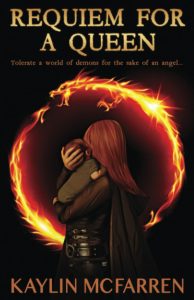
    Requiem for a Queen Cover

    Requiem for a Queen

    To what lengths will a person go when ultimate power is within reach? Requiem For A Queen by Kaylin McFarren explores the depths of greed that propel a daughter to defy her father, the Devil himself.

    Lucinda uses evil means to pursue an equally dark end, the crown of Hell. How can this woman be stopped, and an innocent child she’s stolen away be saved? Is there anyone willing to step forward, and muster the strength to stand up against the destructive battle between the Devil and his daughter?

    Samara, a hybrid between angel and demon, can only save her abducted son by stepping into that battle.

    Read more here!


    Thank you for joining us in celebrating the supernatural horror Anne Rice!

    The Shelley Awards are open now!

    Do you have your own Supernatural or Paranormal novel that’s ready to be discovered? Formerly the Paranormal Awards, the Shelley Awards are open now and ready for the best Supernatural read of 2024!

    Thank you again to the authors who wrote these frightfully fun books, and to Anne Rice, who inspired so many to pick up the pen!

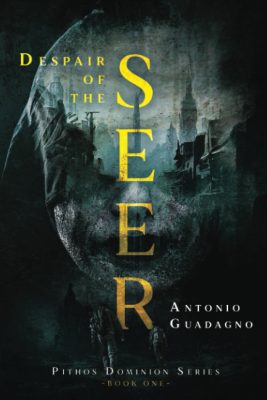
  • DESPAIR Of The SEER: Book One of the Pithios Dominion Series by Antonio Guadagno – Dark Fantasy, Post-Apocalyptic, Suspense Action


    In Despair of the Seer, the first book of Antonio Guadagno’s Pithios Dominion Series, Revenant soldiers mercilessly hound two friends for their vital knowledge as they are pulled away from their everyday lives to a life-or-death fight through a fantastical empire.

    This world is filled with life-threatening dangers and horrors that could shake even the most stoic individuals. What weapon could defy these evils? Is determination enough to propel a young man through the Pithios Dominion, defying the deadly, flesh-ravenous Revenant Army? Seeking to reunite with his father, Paxton Roald must race against the powerful forces he blames for this misery. Will he and his best friend, Terrance, be able to find the strength and forge the unity to face their enemy and fight its power?

    True to its name, the Pithos Dominion dominates its people so that only the foolhardy and the desperate dare stand up to their threats. The reader is gripped wondering if two young friends can survive when their lives in Miami are turned completely upside-down. Terrance is on the brink of proposing to his girlfriend, and Paxton is caring for his mother and granny when the tentative, uneasy stalemate between governing powers begins to crack.

    Laced with endearing humor, Guadagno’s suspenseful and exciting fantasy adventure plunges the reader into a power struggle that threatens to defeat humankind itself.

    The ambitious Controller demands military supremacy from the lead scientist of the Revenant Project, Eugene Roald – Paxton’s father.

    Instead, Eugene flees to avoid putting his hands on the scales of destiny. But Paxton becomes the Controller’s target, in the hopes he’ll lead them to his father. No one knows if the Controller plays with forces beyond his understanding, or has he found a way to tilt the scales in his favor.

    J’Nou, First Brother of the Revenant, is the terror dispatched to pursue Paxton. Torment of the son, or anyone who gets in the way, is simply a means to victory. He shows Paxton the terrible price of power, until Paxton can no longer tolerate this despotism.

    The Despair of the Seer may be prophetic as the land of the Dominion is filled with terrible creatures beyond his imagination.

    With characters seeking ultimate power, fascinating in their ruthlessness, Despair of a Seer captivates like a horror you can’t force yourself to look away from. The luckless heroes evoke an empathy that will have readers cheering them onward. These two sides clash in a stunning plot that makes this story impossible to put down.

    5 Star Best Book Chanticleer Reviews round silver sticker

  • MERGING PATHS by Vince Bailey – Paranormal, Horror, Suspense


    The Series Grand Prize for the Curtis Jefferson Series by Vince BaileyHaving escaped unjust imprisonment at the Fort Grant facility for juveniles, Curtis Jefferson is on the run, in Merging Paths, the third installment of Vince Bailey’s gripping, paranormal, Curtis Jefferson Series.
    With only a small jug of water and the clothes on his back, Curtis has to cross the Sonoran Desert and find a way back to his mother and grandmother in Jacobs Well. But his trip is plagued by more than thirst, hunger, and fear of animals. A racist sheriff’s deputy, Myron Aycock, is hellbent on finding Curtis not only for the acclaim such an arrest will give him but also for vengeance against the beating he received at the hands of the aspiring boxer.

    Trapped and desperate, Curtis is rescued by a mysterious figure and taken to Isabel and Ray Cienfuegos. After hearing Curtis’s unsettling stories about Fort Grant, the two understand that they have all been fighting the same evil forces – under the control of the sadistic Ezra. In a final confrontation, Isabel faces off against the wicked spirit, but just as they believe their problems are over, a new threat arises under the guise of friendship, and Isabel makes a life-changing decision that will mark her forever.

    Intuition plays a huge role throughout the series, becoming vital to the central characters in this final book.

    Throughout his harrowing experiences at Fort Grant, Curtis has relied upon his innate sixth sense to warn him of impending doom. A gift passed from his mother, this awareness has guided him to carefully choose his friends. Through this sense, he trusts Isabel and Ray, even seeming to know parts of their story before they tell it. He accepts Isabel’s questionable actions because his instincts tell him they were her only choice.

    Isabel shares this remarkable perception. In fact, Isabel trusts her intuition so far as to commit acts most would consider insane. While Curtis’s near-clairvoyance is a guide, Isabel’s is a force. This sense helps Isabel to understand the evil of Ezra and tells her how to rid herself of him forever. But her intuition pushes her to one final act of destruction as well – the murder of a former confidante – a choice that will haunt her for the rest of her life.

    Isabel and Curtis aren’t the only characters with an advanced awareness of evil. Father Frank Cullen, a priest to whom Isabel goes for confession, shares the gift. He has always doubted Curtis’s guilt, and when his not-so-chance meeting with Isabel brings him back into Curtis’s life, he uses his sense to help bring Curtis home.

    But he could never have accomplished the deed without the intervention of Natchez Mendoza, a former judge and the son of the man Ezra was in life.

    Natchez is, perhaps, the most “knowing” of the quartet. Natchez first appeared in book one, where he recognized the evil in twelve-year-old Harvey Huish. He also first met Curtis in book one, under extremely unusual circumstances, so when they meet again some eighty years later, Natchez knows Curtis’s story intimately and helps to release him from Fort Grant’s grasp.

    Justice becomes central to the final struggles of these characters.

    Will Farnsworth is a silent, but important example of this need for justice. Having died via decapitation in a car wreck during book one, Will has served as a knight errant since, responsible for the rescue of both Ray and Curtis. As a lawyer for the corrupt Huish family, he hated his job and his clients and longed to be free of both, but it was only in death that he could become the very thing he tried to be in life, the good guy riding in to save the day.

    However, Isabel’s pursuit of justice is more complicated.

    Her quest to rid the world of Ezra’s evil is commendable and noble, but her later conflict with Freddie Hightower approaches the slippery slope of vengeance. Freddie’s betrayal angers Isabel to the point of no return. She deems him unforgivable and takes matters into her own hands, perverting justice. Other characters like Sergeant Joe Garcia, Constable Frankie Quintana, Deputy Myron Aycock, and Sheriff Pete Alvarado represent the legal side of justice, both good and bad. Natchez Mendoza, white cane and all, straddles the line between legal and supernatural, determined to keep Curtis safe for his own contribution to justice for his massacred tribe.

    The Curtis Jefferson Series won Grand Prize in the 2022 CIBA Series Awards for Fiction Series.


    5 Stars! Best Book Chanticleer Book Reviews

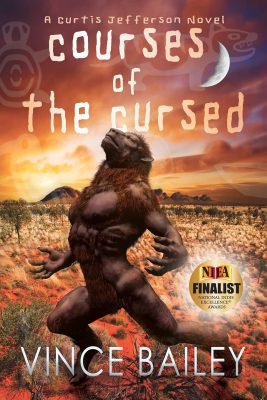
  • COURSES Of The CURSED: A Curtis Jefferson Novel by Vince Bailey – Paranormal, Dark Fantasy, Action & Adventure


    The Series Grand Prize for the Curtis Jefferson Series by Vince BaileyImprisoned in a boys’ institution for a crime he did not commit, Curtis Jefferson must again face his nemesis, Harvey Huish. In Courses of the Cursed, the second installment of Vince Bailey’s paranormal Curtis Jefferson series, the fight comes with much higher stakes.

    Estranged from his constant companion, Randy, Curtis continues his training alone, bewildered as to why Randy believes Harvey to be more than a vicious bully. But as Curtis’s strange visions and dreams increase, he needs Randy more than ever. He begins to question whether Randy has been preparing him for an encounter beyond the violence between boys.

    Unbeknownst to Curtis, he isn’t the only one being tortured by the evil of Fort Grant. A local artist, Ray Cienfuegos, has his own date with destiny. As the last male descendant of his family, Ray’s fate is tied to the massacre that occurred near the fort almost one hundred years ago.

    Two young men, one a savior and one a sacrifice, will be tested by the wicked power of the sacred land. But who will survive the encounter?

    This complex work twists its way through a maze of interconnected storylines and characters who each, in their own way, embody the age-old battle between good and evil.

    Ezra, an old Apache shaman, embodies something horrible and ancient. Whether he is Satan or some malicious pagan entity, he facilitates the cruelty done to the characters in the novel. However, upon closer examination, Ezra’s “evil” becomes much more complicated. While he tortures Ray and sometimes takes the form of an enormous would-be rapist were-coyote, he is also the voice of a long-dead, long-forgotten people, innocents slaughtered in a sick game of commerce.

    Ezra does unforgivable harm, but he does so in the name of justice, begging the question of whether justice can be achieved through bloody vengeance.

    The idea of justice defines many characters, including Lieutenant Roy, the cavalry commander who refused to serve out the original retribution for which Ezra fights. In opposition to Ezra’s malignancy stands Isabel Cienfuegos, Ray’s aunt. She serves as foil to all that Ezra represents and becomes an avenging angel, toting a 12-gauge instead of a fiery sword.

    Numerous other characters strive to do good in the world around them.

    Vince, the narrator, admits that his faith is the very reason he must tell the story. Leon and Georgy, fellow inmates of Curtis, drag him to church to pray for guidance and courage for what lay ahead, leading the reader to question if Curtis’s actions are divine justice, or if he is merely a pawn in Ezra’s plan.

    The symbology of fire frames this story.

    If Ezra is – or is in league with – the devil, the use of fire is a pointed reference to the retribution forced upon those who have done wrong in life. However, when Ray receives his blood money from Ezra, Isabel throws it into a fire to rid them of the thing that led to Ray’s abduction and torture. The fort’s original inhabitants were complacent in the massacre of the tribe, so when it partially burns down, the flames cleanse part of that history. Ray uses fire as a healer, to help him rehabilitate after his disfigurement at Ezra’s hands.

    But fire takes its most questionable form when a beloved character, a “knight” in search of justice, is set ablaze by Ezra. Fire here is only a punishment, wrought on someone who has done nothing to deserve it. The role of fire, just like that of good and evil, is a complicated one with a multitude of interpretations.

    Courses of the Cursed asks what sort of justice can come from vengeance, and what really will bring peace to the past. A thrilling paranormal adventure that we highly recommend!

    The Curtis Jefferson Series won Grand Prize in the 2022 CIBA Series Awards for Fiction Series.


    5 Star Best Book Chanticleer Reviews round silver sticker

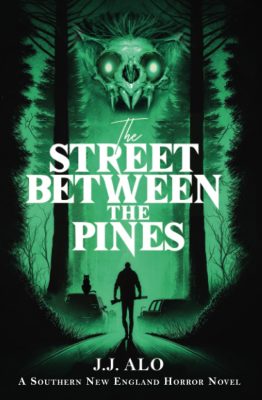
  • THE STREET BETWEEN The PINES by J.J. Alo – Psychological Thriller, Paranormal, Horror


    Something strange and terrible stirs in Frank Cavanaugh’s basement, in J.J. Alo’s psychological-thriller, The Street Between the Pines.

    The giant hole at the bottom of Frank’s house wasn’t there before. Something so very ugly and dangerous is down there. Something with bright, glowing eyes. Adrenalin pumps through Frank’s aging body as he scrambles for the exit. Behind him, a low gurgling growl.

    In suburban Connecticut, Iraqi war veteran Curtis is still fighting to surviving on multiple fronts. Curtis struggles with severe PTSD, visions of the war that continually overwhelm him. Now, after being released from jail after a manslaughter conviction, having caused a fatal auto accident, he struggles to put his life together. All the while, he navigates a shaky relationship with his wife Amy, and a complex connection to his autistic son Wes.

    If that weren’t enough, Curtis’s house will soon be condemned for an unspecified government project being built on a nearby piece of land.

    These elements whip together into a story that is rich in detail even as it delivers punch after horrific punch. We feel Curtis’ remorse for the accident that cost the life of a young woman, and the weight of being an ex-convict who must cling to a job that keeps him away from his family for weeks at a time. He shows the texture of life in his suburban community as it once was, but strange events are eating away at this social fabric. From unexplained deaths to hordes of cats seemingly guided along the streets by a group intelligence, this once safe and secure life is melting away.

    Curtis accidentally finds out more than he should have about the clandestine government laboratory that threatens him and his neighbors with its eminent domain authority. Is it a scientific facility researching how the natural world—animals, insects, fish, even the creation of new species—might provide mankind with groundbreaking medicines and technologies? Or is it a place of terrible experimentation, perhaps even the source of the killings, the unknown thing capable of ripping people to pieces as if they were cellophane?

    Can Curtis even trust his own eyes? His traumatic visions invade his nights and his days, leaving him unable to distinguish between what is or isn’t real.

    Do not expect to solve all the mysteries of this book until the last line of the last page. And no cheating! This novel will scratch readers’ horror itch like the writing of H.P. Lovecraft or modern-day master Stephen King. If you want a non-stop, spine-tingling thriller, the kind that keeps you up late at night jumping at every unknown noise in your home, then The Street Between the Pines will deliver in spades.


    5 Stars! Best Book Chanticleer Book Reviews


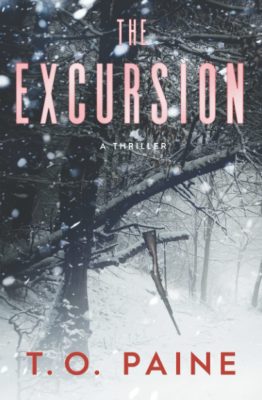
  • THE EXCURSION by T.O. Paine – Horror, Thriller, Suspense Action


    The Excursion by T.O. Paine is a horror thriller with enough twists and turns to satisfy even the most jaded reader.

    Two people tell this story. Charly, a woman in her 30s, faces her emotionally damaged family. Randall, meanwhile, works as an agent of Zaroff Excursions, a hunting club for the uber-wealthy with an interest in an extreme form of hunting where the prey is much more intelligent than a deer or bear.

    On a cold Thanksgiving weekend, Charly and a few other members of her family travel to an isolated cabin in the mountains above Denver. Her car gets stuck in a snowdrift, leaving her stranded, but that’s only the start of her trouble. She finds that the cabin has been rented by Randall’s company for that same weekend, forcing her family to share the lodge with strangers.

    Charly is there for a complicated family reunion.

    Along with her autistic brother Jacob, whom Charly has taken care of all her life, she deals with two cousins: Amanda, who must win everything in her life at any cost, and Cal, who Charly fears might be a psychopath.

    Randall has come for his “excursion,” well paid for his work, and confident that this weekend will prove his superiority to his boss. A self-styled alpha male, a hunter-cum-master-of-the-universe, he is in control of every detail of what happens in this ultimate form of hunting. Joining Randall in the cabin are Barry, the wealthy hunter who has signed on for this excursion, and Barry’s gaggle-headed girlfriend Kennedy.

    But Randall brought one more person. Tyler sits caged in the boathouse near the cabin, kidnapped to serve as the designated prey. Randall didn’t expect his perfectly planned hunt would include Charly and her family, or Barry’s girlfriend, but he sees an opportunity in them. He has delicious, final plans for everyone at the cabin.

    What can go wrong for the hunter who has everything perfectly under control?

    A hidden pleasure here is the literary “Easter eggs” the writer has planted. For example, Charly’s last name is Highsmith, certainly a reference to celebrated mystery writer Patricia Highsmith. And Randall may well be related to Steven King’s protagonist in his best-selling The Stand. Does the unusual spelling of “Charly” have its roots in the science-fiction novel, Flowers for Algernon?

    The Excursion grips you from the first page. Its march through dense snowdrifts and mountains will leave you yearning for waterproof boots, or, better, a blanket to hide under as you dig further into this twisty, unrelenting story. If you’re a fan of satisfying horror novels, this is one not to miss.


    5 Stars! Best Book Chanticleer Book Reviews