Tag: Historical Fiction

  • The SILK and the SWORD by Ron Singerton – an epic journey from Rome to the Great Wall of China

    The SILK and the SWORD by Ron Singerton – an epic journey from Rome to the Great Wall of China

    Tacitus, the rebellious son of Gaius Septimus, learns too late that the temple that his gang has desecrated was his mother’s chosen holy place. Barely able to contain his murderous rage, Gaius issues an ultimatum to his son: Tacitus can spend the rest of his life as a slave, or he can work to redeem himself through military service.

    However, Tacitus has little time to absorb the shock of his punishment and his decision to join the military. Behind closed doors, Caesar’s consul, Marcus Crassus, makes a case for war and creating the need for many of the legionnaires. Tacitus is called to action, answering directly to the leadership of his centurion father, Gaius, who is Julius Caesar’s chosen “First Spear.”

    Cursed by his own arrogance and greed, Marcus Crassus’s military mission crumbles, leaving Gaius, Tacitus and a small band of surviving legionnaires to navigate uncharted foreign lands and savage cultures in their quest to return to Rome. With betrayal and deceit at every turn the soldiers suffer enormous physical and emotional beatings.

    Their survival, much less their success, hinges on the unlikely chance that Tacitus, an unrepentant son, and Gaius, an unforgiving father, will cast aside their differences and work shoulder-to-shoulder to restore order, hope and honor to their men.

    In this well-crafted follow-up to his first historical novel, “The Villa of Deceit,” author Ron Singerton delivers a cast of fresh, flawed, and completely believable characters through which he illuminates the universal strengths and weaknesses in all of us.

    Building upon the life story of his original main character, Gaius, the author invites the reader to investigate the events that have created a chasm between father and son. As Tacitus sheds his underdog status and takes the spotlight, we become invested in his trials and triumphs. And, as his respect for himself and his father grows, he becomes a hero worth rooting for.

    From the battlefields of Carrhae (now modern day Turkey), to the towering mountains and sweeping expanse of ancient Asia’s “Silk Road,” and on to the Great Wall of China, “The Silk and the Sword” is packed with vibrant historical and tactical detail.

    Culled from primary historical references as recorded by Plutarch, Pliny and Julius Caesar, the author illuminates the fascinating, multi-faceted private and public worlds of the Roman legionnaire. Fans of both historical fiction as well as Roman history will find Ron Singerton’s “The Silk and the Sword” to be a highly engaging, satisfying read about one of the most detrimental defeats in Roman military history.


  • BLIND FAITH: THE GAUNTLET RUNNER BOOK VI by S. Thomas Bailey, a powerful historical fiction novel

    BLIND FAITH: THE GAUNTLET RUNNER BOOK VI by S. Thomas Bailey, a powerful historical fiction novel

    Blind Faith: The Gauntlet Runner Book VI by S. Thomas Bailey is the latest in his award-winning series. This historical novel does well in carrying its readers through a part of the French and Indian War in 1759. We gain powerful insights, feeling the emotional swings and hazards faced by the characters. The author, a brilliant historian, weaves characters amidst historical facts, giving readers a view of the war’s colonist trackers and focuses on their leader, Jacob Murray––his tenacious endurance––and his dilemmas.

    The side story of his wife Maggie establishes her as a pioneering heroine. Their deep characterization inspires admiration when we consider the many folks who came before us––to settle North America. The underlying current of love gives us hope as we traverse through the agony of war and the challenges of the wild.

    Reader interest is captured on the first page. After the latest demoralizing battle defeat, Jacob’s compassion and disgust rises when he sees the pathos caused by inept British Officers. Jacob agonizes over his dilemma–stay and fight–or desert his men, including his son, to try to find his beloved wife, presumably lost to the north while searching for their child.

    Commissioned by the British Army, Jacob, and his fellow colonists operate as trackers gathering vital information for the British. He’s not a military man, but a settler who must fight in a British war. He leads his men using wisdom and strength but obeys commanding officers because he must. The secondary characters weave into the story either to support Jacob and Maggie or to be their foes––all characters have their own unique journey.

    The author truly resurrects the history of this war, making it alive and vivid. Readers are gripped within the reality of the fight. We feel the honor, courage, fear, horror, despair, and hope.

    Readers slog with Jacob and his men through the wilderness. Utilizing body language and dialogue, the author shows emotion and moves the story ahead. We feel their fatigue. We witness the unrelenting threat of attacks from the French and native warriors.

    In addition to battling human enemies, the men withstand rugged overgrown terrain and impassable waterways. They must obey officers of doubtful ability and endure the prejudice of the British against the lowly colonists. We see Jacob’s genius when he and his men work feverishly to prepare for the brutality of an advancing Canadian winter.

    Maggie engages readers in her own chapters. She forges through the wilderness amidst hostile Indians, searching for her two-year-old son.  Knowing she must shoot and kill to survive, Maggie pushes forward––on foot and in stolen canoes––against overwhelming odds. When hope waxes thin and she’s a captive of her circumstances, she ignores her suspicions and must trust others.

    We experience her vivid trials (similar to Jacob’s) in the wild tangled forests leading along the St. Lawrence River. She must reach Quebec City. We navigate the trails, get stuck in the waterways, and feel the impact of weather. We sympathize with her exhaustion and isolation. We can hear her smacking the swarms of mosquitoes and black flies.

    Jacob and Maggie can only groan inwardly, wondering about the fate of each other. Readers expect opposing forces during this mid-seventeen hundred French and Indian War. But a unique formidable foe arises––a traitor obsessed with revenge. He morphs within his growing depravity, turning into a deadly enemy spreading havoc and death.

    When we read the last words of the story, we are pointed to the next book in the series; we are left hanging in the midst of a crisis. So close, but not quite done. This reviewer is willing to wait for the next book for the outcome.

    Blind Faith by S. Thomas Bailey is an outstanding historical novel in its accuracy, craft, and ability to resurrect dynamic characters who are struggling to live another day.

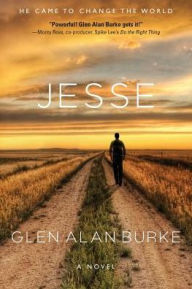
  • JESSE by Glen Alan Burke, an impactful coming-of-age story

    JESSE by Glen Alan Burke, an impactful coming-of-age story

    Readers are transported to the 1960s in the deep South by Jesse, a gripping and engaging read. With a dynamic, inspirational protagonist amidst the struggle of segregation, Jesse is a compelling and gut wrenching fiction for anyone interested in past and present social issues.

    Jesse takes place primarily in Alabama, with some flashbacks to Louisiana. The protagonist Jessup Christopher Savorié faces the challenges of being a black youth growing up in the sixties. Life was not easy for Jesse, and Burke does a fine job bringing this fictitious character to life, while dealing with the pain and hurt of racism in the segregated South.

    As the story unfolds, Jesse’s life doesn’t start off so well. He is frequently called out by a class bully for having black lineage, but Jesse resists no attacks that come his way, either physical or verbal. Jesse initially is the only black student at Jess Rulam School, and he learns to be quiet and keep to himself.

    We get our perspective of Jessie through the eyes of a classmate named Matt. Matt is the narrator of the book and tells us early on,

    “The first time I felt pity was when I saw Jessup Christopher Savorié. Oh, I had felt the sympathy for farm animals that were hurt, birds that tumbled out of the nest and such in my brief six years, but this was different, and I didn’t like it. My young brain couldn’t quite process what I was supposed to do. Helping someone is what the grownups do, so I just sat in my seat and did nothing.”

    The racial abuse Matt witnesses is typical for the era only magnifies itself when the nearby, all black school named Orr closes and the black student population is sent to the white Jess Rulam high school. Things certainly aren’t getting much better, but there is one glimmer of hope for Jesse and his classmates. The book tells the tale of not only Jesse’s coming of age, but of a community struggling to overcome racial divide.

    Jesse can play football and he can play it well. Amidst all the hate and racial angst Jesse, reluctantly, draws the focus away from the social issues of the day and unites an entire community.

    As one character states, “Did you ever notice it’s always the ones with inauspicious starts that do things in the world— you know, the ones that make a difference.”  In one magical game Jesse caused a miracle. A miracle that drew the attention of Coach Bear Bryant of Alabama football lore.

    “That one huge dose of humanity known as Jessup Christopher Savorié had taught the entire school, town, and community what it was like to be a human being— to care for something other than yourself, to trouble yourself for others.”

    Pushing through the dense racism of the South stands a tall and proud character. Burke has crafted Jesse as a character that teaches us all a lesson in how to live harmoniously with our fellow man. Jesse is a fearless figure of equality in a time and place where racism ran rampantly.  

    Burke shines a light on a subject matter not often spoken of beyond hushed whispers amongst like-minded friends. He tackles sensitive social issues that we still face today in the United States. The narrative is vivid in its details and plucks at your heartstrings as you read about children facing adult issues at a young age.  

    A moving, coming of age story set in a hapless time, Jesse demonstrates how the power of love and friendship triumphs over discrimination in a place where all hope seems lost and the odds are against you.

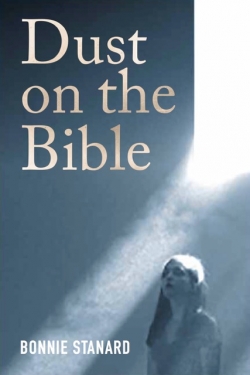
  • DUST ON THE BIBLE by Bonnie Stanard, a moving coming-of-age story

    DUST ON THE BIBLE by Bonnie Stanard, a moving coming-of-age story

    A poignant tale from start to finish, Dust on the Bible by Bonnie Stanard is a vivid and emotionally captivating story about the strife of a family living in rural South Carolina in 1944.

    Lily, a twelve-year-old farm girl, wraps readers around her heart. While struggling to understand the mysteries of death, God, family, and school bullies, she endures poverty and agonizes over her missing father. Lily is hungry for knowledge, but a sixth grade bully turns school attendance into misery. Lily is an easy target; she is quiet, poor, and wears homemade feed sack dresses. This is Lily’s story, one year of her life when she transitions from childhood innocence to the edge of her awakening.

    Readers first see Lily on a cold, October morning, while she warms her backside in front of the cook stove. Stanard does a superb job in crafting imagery that evokes the senses; readers can see the small kitchen and feel the morning chill. The author’s descriptive words and phrases are fresh and easy to relish as readers follow Lily through the seasons, from bitter winter to scorching summer.  

    Lily’s consummate yearning to know what happened to her father moves the plot steadily forward. No one will talk to her about him, but she keeps asking. And every time she does, it causes trouble. Lily is bright, curious, and needs answers. When family members do reply to her questions, they keep comments short and simple; they shirk her questions to try to shield her from something they believe that she doesn’t need to know. But, this creates even more questions and adds fuel to her active imagination. Nonetheless, their answers paint character sketches of each person in the story.

    Grandpa owns the one-thousand-acre cotton farm that he runs without the help of a tractor. He and Grandma have opened their home for four of their five adult children, including Lily’s mother and Lily herself. The overcrowded home is without indoor plumbing, cold on frosty winter mornings, and oppressing with stifling heat in the summer. They all share the endless chores and the long days of hard-scrabble living for a meager living.

    Stanard creates a family with a non-nonsense way of life, but the family also carries a deep abiding love for each other; no matter what. Even when Lily’s youngest uncle, Archie, goes overseas, despite the family’s subdued fear, their love for him shines through in their reaction to the letters he writes to them.

    Stanard has created a strong protagonist in Lily—one  in whom we can feel the relentlessness and restlessness of youth as shown in one of my favorite lines in her work.

    “She daydreamed of sleeping late as she wanted to. Of swimming in Ma George’s pond. Of catching lightening bugs and building forts. Of shooting the .22 rifle.  Most of all she wanted Grandpa to teach her to change gears so she could drive the pickup.”

    A few paragraphs later, Lily’s reality ensues.

    “Don’t matter whether she wants to. Lily’s old enough to know what work means,” said Florence. [fusion_builder_container hundred_percent=”yes” overflow=”visible”][fusion_builder_row][fusion_builder_column type=”1_1″ background_position=”left top” background_color=”” border_size=”” border_color=”” border_style=”solid” spacing=”yes” background_image=”” background_repeat=”no-repeat” padding=”” margin_top=”0px” margin_bottom=”0px” class=”” id=”” animation_type=”” animation_speed=”0.3″ animation_direction=”left” hide_on_mobile=”no” center_content=”no” min_height=”none”][Lily’s mother replied to Grandpa when he told Florence that maybe it was too hot for the twelve-year-old Lily to work in the summer afternoons.]

    Stanard’s writing deftly shapes the narrative and the setting. Her pitch perfect dialogue conveys Lily’s “tween” age while conveying the social strata of her world. Readers are pulled into her thoughts, her reactions, and the family dialogue––walking through her world, seeing it through her eyes, and feeling it through her heart. Lily is a brave individual seeking to find her own place in the world while enduring difficult times on many fronts.

    Dust on the Bible is a moving novel with an honest perspective of what it was like for some who grew up in poverty in the South during the Second World War. The coming-of-age story of Lily is candidly related, drawing on all the senses. Lily’s story and her world will linger with readers long after they’ve finished reading the final pages.

     [/fusion_builder_column][/fusion_builder_row][/fusion_builder_container]

  • What’s the big deal with 1750? Contest Spotlight: June brings us TWO historical writing competitions

    What’s the big deal with 1750? Contest Spotlight: June brings us TWO historical writing competitions

    [fusion_builder_container hundred_percent=”yes” overflow=”visible”][fusion_builder_row][fusion_builder_column type=”1_1″ background_position=”left top” background_color=”” border_size=”” border_color=”” border_style=”solid” spacing=”yes” background_image=”” background_repeat=”no-repeat” padding=”” margin_top=”0px” margin_bottom=”0px” class=”” id=”” animation_type=”” animation_speed=”0.3″ animation_direction=”left” hide_on_mobile=”no” center_content=”no” min_height=”none”][fusion_text]June is the perfect time to tidy up your historical fiction novel and submit it to one of our contests. In previous years all of our Historical Fiction was judged under the Chaucer awards. But we had so many entries in 2015 that we had to divide it into two novel competitions. There are too many different categories of Historical Fiction all deserving of their own contest, creating nearly  impossible decisions for the judges. So, we have divided the Chaucer contest in two by a date some might consider arbitrary—1750, and named the categories the Chaucer Awards (pre-1750) and the Goethe Awards (post 1750).

    What is so special about 1750?

    1750 is considered by many historians to be a pivotal date in the history of humankind–in both Western and Eastern history. There are several movements that shaped this new era. Prior to 1750, monarchy was the prevailing form of government. “Citizenry” (as opposed to being a “subject”) was a radical new concept that was taking root due to the British Colonies in America revolting against the British monarchy. The concept that individuals were not just “subjects” of a monarchy, but humans with inalienable rights spread like wildfire throughout Europe leading, to the French Revolution.  The 1750s brought about a completely new way of thinking about governance. With this came the concept of the right to own private property rather than being “entrusted” with it by royalty and subjected to the whims of the monarch granting the property.

    Frodsham_chronometer_mechanismSecondly, the Secular Revolution with its scientific enlightenment  began to take hold in the mid-1700s as an accepted way to see and understand the Universe and our place within it. For the first time in recorded human history, the cultural concepts of religious dominance and doctrine were being challenged. The 1750s brought us the Age of Enlightenment.

    Migrants-to-AmericaNext, the first phase of the Industrial Revolution (1750 – 1914) was brought about by the harnessing of the energy of coal and steam rather than biomass energy (humans and animal muscle power). This lead to mass migrations of humans escaping famine, poverty, and intolerance to take place for the first time in history. Railroads and trains, and steamships, as well as sailing ships with more dependable navigational tools such as the marine chronometer (1748) that allowed for safer passage across the oceans made the migrations possible.

    And so, our Historical Fiction Genre Writing Competition now features the Chaucer Awards (pre-1750) and the Goethe Awards (1750 until 1954).
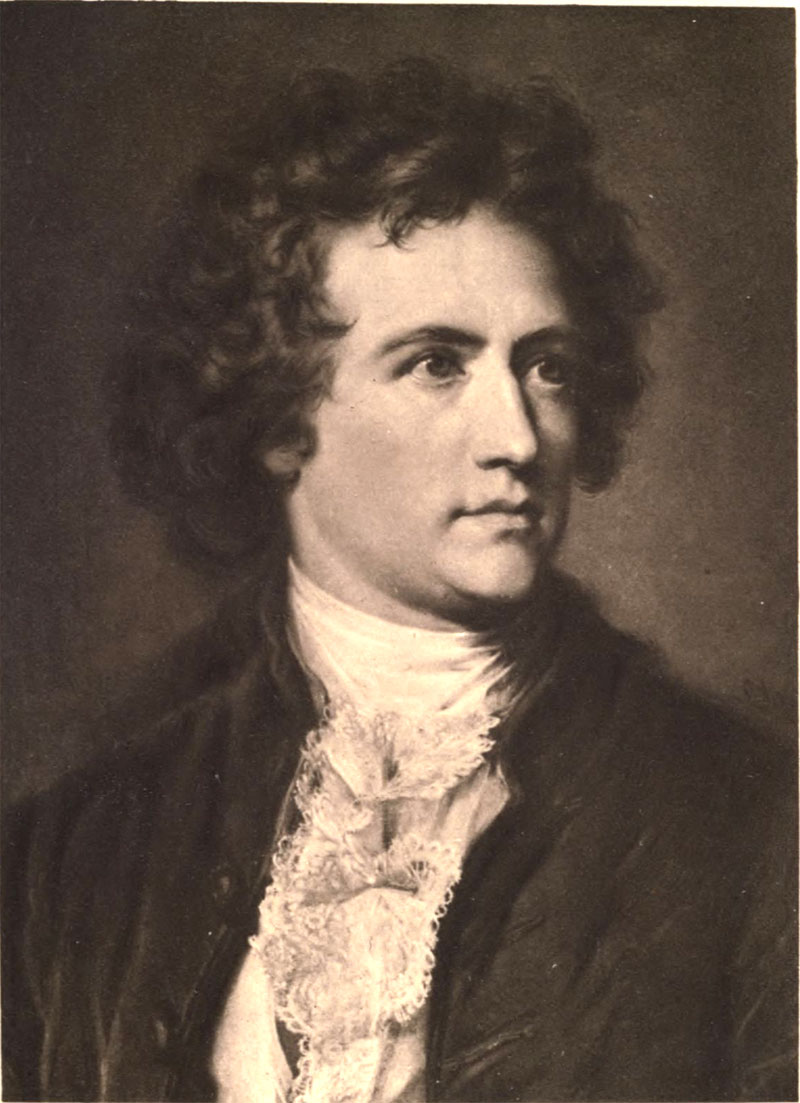
    goethe portrait

    But who is Goethe?

    And why was he selected to represent the post-1750’s historical fiction writing competition? Also, here is a handy link about how to pronounce his name.

    Johann Wolfgang von Goethe was born at the dawn of the new era of enlightenment on August 28, 1749. He is considered to be the last true polymath.

    “Goethe was a contemporary of thinkers—Kant, Herder, Fichte, Schelling, Hegel, Wilhelm and Alexander von Humboldt—who carried out an intellectual revolution that is at the basis of most modern thinking about religion, art, society, and thought itself. He knew most of these people well, furthered the careers of several of them, promoted many of their ideas, and expressed his reaction to them in his literary works.
    The age they helped to make was an age dominated by the idea of freedom, of individual self-determination, whether in the intellectual and moral sphere or in practical politics—the age both of German Idealism and of the American and French revolutions.
    If there is a single theme running through Goethe’s huge and varied literary output, it is his reflection on subjectivity—his showing how in ever-changing ways we make our own selves, the world we inhabit, and the meaning of our lives. Yet he also shows how, without leaving that self-made world, we collide all the time with the reality of things.” Written by Nicholas Boyle for Britannica (2016)

    Geoffrey-Chaucer-9245691-1-402-150x150.jpgThe beloved Chaucer Awards remain, but have metamorphosed into the Pre-1750 Historical Fiction awards. For those authors whose works are on the cusp of 1750 and who need to decide which contest to enter, the Chaucer Awards or the Goethe Awards, we suggest you determine if your work is influenced by the markers of the Industrial Revolution or if it is more to the medieval times and mores to decide which contest to enter–the Chaucer Awards (pre-1750) or the Goethe Awards (post 1750).

    We are excited about our expansion on the Historical Fiction Awards competitions. We eagerly await your submissions into whichever contest suits them best.

    June 30th is the Submission Deadline for the 2016 Goethe and Chaucer Awards!

    Chaucer Awards Hall of Fame

    Valhalla Revealed by Robert A. WrightThe Chaucer awards have a long and proud tradition of winners. Most recently at our Chanticleer Author Conference Awards Banquet (a Gala event held every year in April) we awarded the 2015 Chaucer Grand Prize to Robert A. Wright, author of Valhalla Revealed, a historical thriller set in the post-WWII era weaving intense family drama, survivors guilt, and the mystery of a missing family member into an action packed saga bristling with CIA intrigue and Cold War conspiracies. We were so thrilled to award the author of this astonishing novel a well-deserved grand prize.

    Last year, our Chaucer Grand Prize was awarded to Gregory Erich Phillips for his yet-to-be-published manuscript The Love of Finished Years. This thrilling post-war love story not only won in Chaucer but it went on to win our Overall Grand Prize, and was named Chanticleer’s Best Book of 2014. This was the very first time a manuscript has risen to those height in our contests, and we are very proud to award such a  talented author.

    Watch for The Love of Finished Years coming soon!

    Goethe Awards Hall of Fame

    This is the first year that we have been running our Goethe awards, so we do not have any past winners, but we are looking forward to putting your Late Period Historical Fiction novels into their own contest where they can really shine! Manuscripts and recently Published Books accepted.

    Your book could earn a place in our hall of fame for 2016.

    All you have to do is enter.[/fusion_text][/fusion_builder_column][/fusion_builder_row][/fusion_builder_container][fusion_builder_container backgroundcolor=”” backgroundimage=”” backgroundrepeat=”no-repeat” backgroundposition=”left top” backgroundattachment=”scroll” video_webm=”” video_mp4=”” video_ogv=”” video_preview_image=”” overlay_color=”” overlay_opacity=”0.5″ video_mute=”yes” video_loop=”yes” fade=”no” bordersize=”0px” bordercolor=”” borderstyle=”” paddingtop=”20px” paddingbottom=”20px” paddingleft=”0px” paddingright=”0px” menu_anchor=”” equal_height_columns=”no” hundred_percent=”no” class=”” id=””][fusion_builder_row][fusion_builder_column type=”1_1″ background_position=”left top” background_color=”” border_size=”” border_color=”” border_style=”solid” spacing=”yes” background_image=”” background_repeat=”no-repeat” padding=”” margin_top=”0px” margin_bottom=”0px” class=”” id=”” animation_type=”” animation_speed=”0.3″ animation_direction=”left” hide_on_mobile=”no” center_content=”no” min_height=”none”][fusion_title size=”2″ content_align=”left” style_type=”single solid” sep_color=”transparent” class=”” id=””]Call for Submissions![/fusion_title][/fusion_builder_column][fusion_builder_column type=”3_5″ last=”no” spacing=”yes” background_color=”” background_image=”” background_repeat=”no-repeat” background_position=”left top” border_size=”0px” border_color=”” border_style=”” padding=”” class=”” id=””][fusion_text]Pre 1750 Historical Fiction AwardOur Chaucer Awards are the Chanticleer Reviews search for the best Early Period (pre-1750) Historical Fiction books of 2016!

    We are seeking the best books featuring Pre-1750s Historical Fiction, including pre-history, ancient history, Classical, world history (non-western culture), Dark Ages and Medieval Europe, Renaissance, Elizabethan, Tudor, 1600s, we will put them to the test and choose the best among them.

    Manuscripts and Recently Published Books (books must be published after Jan. 1, 2014) are accepted into these writing competitions.

    Post 1750s Historical Fiction AwardOur Goethe Awards are the Chanticleer Reviews search for the best Late Period (post-1750) Historical Fiction books of 2016!

    We are seeking the best books featuring Late Period Historical Fiction. Regency, Victorian,18th Century, 19th Century, 20th Century, World and other wars, history of non-western cultures, set after the 1750s, we will put them to the test and choose the best among them.[/fusion_text][/fusion_builder_column][fusion_builder_column type=”2_5″ last=”yes” spacing=”yes” background_color=”” background_image=”” background_repeat=”no-repeat” background_position=”left top” border_size=”1px” border_color=”#606060″ border_style=”solid” padding=”10px” class=”” id=””][fusion_text]

    Our Chanticleer Review Writing Contests feature more than $30,000.00 worth of cash and prizes each year! 

    ~$1000 Overall Grand Prize Winner
    ~$2800 in Genre Grand Prizes
    ~$28,980 in reviews, prizes, and promotional opportunities awarded to Category Winners

    [/fusion_text][fusion_button link=”/services#!/Historical-Fiction-Pre-1750s-Writing-Contest-Chanticleer-Book-Reviews/p/21521105/category=5193080″ color=”darkgray” size=”” type=”” shape=”” target=”_blank” title=”” gradient_colors=”|” gradient_hover_colors=”|” accent_color=”” accent_hover_color=”” bevel_color=”” border_width=”1px” shadow=”” icon=”” icon_position=”left” icon_divider=”no” modal=”” animation_type=”0″ animation_direction=”left” animation_speed=”1″ alignment=”center” class=”” id=””]Enter Chaucer[/fusion_button][fusion_separator style_type=”none” top_margin=”” bottom_margin=”” sep_color=”” icon=”” width=”” class=”” id=””/][fusion_button link=”/services#!/Historical-Fiction-Post-1750s-Writing-Contest-Chanticleer-Book-Reviews/p/57936173/category=5193080″ color=”darkgray” size=”” type=”” shape=”” target=”_blank” title=”” gradient_colors=”|” gradient_hover_colors=”|” accent_color=”” accent_hover_color=”” bevel_color=”” border_width=”1px” shadow=”” icon=”” icon_position=”left” icon_divider=”no” modal=”” animation_type=”0″ animation_direction=”left” animation_speed=”1″ alignment=”center” class=”” id=””]Enter Goethe[/fusion_button][/fusion_builder_column][/fusion_builder_row][/fusion_builder_container]

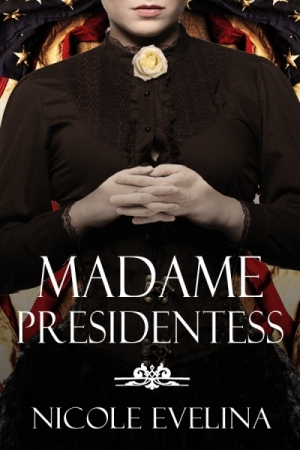
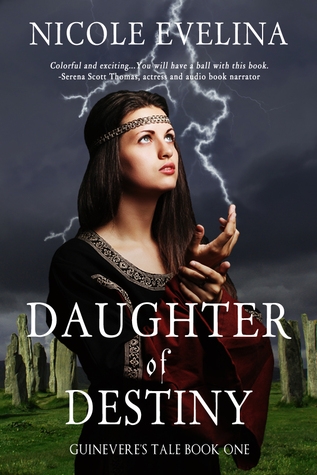
  • DAUGHTER OF DESTINY: BOOK 1 OF GUINEVERE’S TALE by Nicole Evelina, the Grand Prize Best Book

    DAUGHTER OF DESTINY: BOOK 1 OF GUINEVERE’S TALE by Nicole Evelina, the Grand Prize Best Book

    The Series 2021 Grand Prize Badge for The Guinevere's Tale TrilogyGuinevere asks us, the readers, to listen to her words in the prologue of Daughter of Destiny, book one in The Guinevere’s Tale Trilogy. She implores, “I will take back my voice and speak the truth of what happened.” So shall the lies be revealed and Camelot’s former glory restored.”

    Daughter of Destiny is the first of three historical fiction novels narrated by Guinevere in the series of Guinevere’s Tale, by Nicole Evelina. Her tale begins during her young turbulent childhood in fifth-century Britain. It is a time of struggling to come to grips with her special powers. She’s studying to become a priestess, competing against her future lifelong enemy Morgana, and coping with the politics and violence ravaging her homeland in England’s fifth century. The novel follows Guinevere as she is separated from her family in Northgallis, during her early years in Avalon. It follows her training in the magical arts and eventual return to her war-ravaged homeland.

    This is no amateur first attempt at writing a novel—Evelina’s writing is lyrical and powerful. Her natural talent for storytelling is obvious from the first page as she captivates the reader with her tale told from Guinevere’s engaging perspective.

    Even more impressive is the author’s extensive research behind the series. Her knowledge is evident as she constructs a richly-drawn fictional world of fantastical landscapes and sorcery. She immerses the reader in legend, magic, and tragic love, all set against the backdrop of misty Avalon. The author clearly loves her subject and passes on that passion through her telling of Guinevere’s story.

    What makes this series brilliant, however, is that Evelina takes Guinevere’s story far beyond its common historical re-telling. Guinevere is not merely a woman destroyed by her own weaknesses in loving the wrong man, as history would like us to believe. She is also a woman of power, intelligence, and special gifts who, from her early childhood and beyond, strives to use her talents to help her own people.

    Guinevere is an independent woman of strength and fortitude, who finds herself at odds with a world in which her gifts are a liability, and her passions put her and her homeland at great risk. Evelina’s account is a riveting and captivating page-turner. 

    This first offering by Evelina is rich and stunning, easily comparable to novels by other bestselling historical fiction authors. She has done her research and created a world that is compelling, historically accurate, and a realistic portrayal of the times balanced with the mystic and the magical. 

    This reviewer highly recommends Daughter of Destiny to fans of Arthurian and Avalonia tales, historical fiction, political intrigue, and heroic journeys. 

    The Guinevere’s Tale Trilogy won the 2021 Series Grand Prize Award for Best Fiction Book Series. 

    5 Stars! Best Book Chanticleer Book Reviews

  • I’ll TAKE YOU HOME KATHLEEN by J.P. Kenna, a historical fiction novel

    I’ll TAKE YOU HOME KATHLEEN by J.P. Kenna, a historical fiction novel

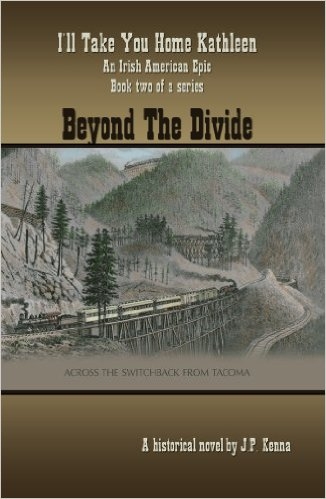
    The 1800s was the age of expansion in the United States, and railroads played a major part in the efforts to move Americans and industry to the Western shores. By the 1860s, this great country, the American experiment as it was called, became engulfed in a brother versus brother bloody Civil War. As the century drew to a close in the late 1880s and early 1890s, America was still reeling from the emotional and economic damage the war had caused. J.P. Kenna uses this struggle as the backdrop for his book I’ll Take You Home Kathleen, the second in his series titled Beyond the Divide.

    Kenna’s novel captures the years 1882 to 1898 with its focal point being the Irish immigrants who were seeking to escape famine, lack of land reform along with desiring religious freedom, came to America seeking a better life and more opportunity. The first wave of immigrants were seeking escape from one of the grimmest periods in Irish history–the Great Famine from 1845 to 1852. Author Kenna follows this hard-working group of immigrants who helped lead America into a post-Civil War, industrial, and economic boom that some have called the Second Industrial Revolution.

    Kenna does a magnificent job rooting this story firmly in the time period in which it takes place. He does so by sprinkling some well-known figures of the time throughout the book. He not only touches upon these real-life historical figures, but they become part of the conversation between the stories’ characters. [fusion_builder_container hundred_percent=”yes” overflow=”visible”][fusion_builder_row][fusion_builder_column type=”1_1″ background_position=”left top” background_color=”” border_size=”” border_color=”” border_style=”solid” spacing=”yes” background_image=”” background_repeat=”no-repeat” padding=”” margin_top=”0px” margin_bottom=”0px” class=”” id=”” animation_type=”” animation_speed=”0.3″ animation_direction=”left” hide_on_mobile=”no” center_content=”no” min_height=”none”][See Editor’s Note below]

    The enthusiasm for growth is palpable in the conversations held within the book’s pages.

    “An empire, Francis! An empire of farms stretching beyond what our small  East Coast vision can imagine. And of towns with schools, churches, stores, maybe mills. And beyond the wheat country is timber…and minerals. An empire stretching clear to the Pacific!”

    For as much excitement there was for expansion, there was just as much trepidation when it came to the relationship between the workers and their bosses. You will come to experience and understand the struggle between fledgling labor unions (aka Brotherhoods) and the railway owners. It is easy to sense how imperative to the rail workers the labor movement was to establish their rights when you encounter characters in the book making statements as such as these:

    “That all our Brotherhood’s will become one big union of all railway men and we shall be able to meet the big bosses, and owners head on, by the Pennsylvania, Central, P & R or the B & O! Or the Lackawanna or the Lehigh Valley or the Vanderbilt or Gould roads – or some monopolizing combine yet unheard of!”

    The book as a whole follows the timeline of the fictional James Fitzpatrick-Mary Dolan, as well as the Kathleen and Francis Scanlon families. What plays heavy in the narrative is how these fictional families interact and partake in sometimes heated discussions regarding the very real labor, economic, and social issues of the day which greatly affected their lives.

    J.P. Kenna in the aftermath of the book states,

    “My goal here has been to enliven the depiction of fictional characters – of ordinary people – using the broad brushstrokes of history, of real people and events. Both inhabit the closing decades of the 19th century – a time period within the living memory of people still alive not so long ago.”

    Kenna’s I’ll Take You Home Kathleen, is a gripping tome of historical fiction that follows two families as they face the social, economic, and political currents of the time that portrays the heartache of families enduring war and economic tough times. The perseverance of the hardworking Irish immigrants of the late 1800s in rebuilding a war-ridden county and then doing the back breaking work required for the westward expansion of the United States is brilliantly portrayed within these pages.

    Editor’s Note: Related historical figures to the novel’s time period:

    James T. Hill, railway mogul and businessman was intent on expanding the railroad to the Pacific and north to Canada; Belva Ann Lockwood, women’s rights activist and one of the first (if not the first) female candidates to run for President of the United States as a National Equal Rights Party in 1884 and 1888; George M. Pullman, the designer of his namesake Pullman sleeping car; and Eugene V. Debs, American union leader and five time candidate of the Socialist Party of America.[/fusion_builder_column][/fusion_builder_row][/fusion_builder_container]
    5 Star Best Book Chanticleer Reviews round silver sticker

  • The Official List of the Chanticleer 2015 Grand Prize Winners of the Blue Ribbon Writing Competitions

    The Official List of the Chanticleer 2015 Grand Prize Winners of the Blue Ribbon Writing Competitions

    Blue-Ribbons-300x2001.jpgWe are excited and honored to have announced the 2015 grand prize award winners at the third annual Chanticleer Authors Conference’s  Awards Banquet held on Saturday, April. 30th, 2016 at the Hotel Bellwether by beautiful Bellingham Bay, Wash.

    We want to thank all of those who entered and participated in the fiercely competitive 2015 Chanticleer International Writing Competitions.

    Our next Awards Banquet will be held on April 1st, 2017, for the 2016 winners. Enter your book or manuscript in a contest today!

    CBR– Discovering Today’s Best Books with the CBR BLUE RIBBON Writing Competitions!  


    The Chanticleer Grand Prize Award 2015 for Overall Best Book:

    Daughter of Destiny - Nicole Evelina

    Nichole Evelina

    Daughter of Destiny by Nicole Evelina was awarded the Chanticleer Overall Grand Prize for the Best Book in the 2015 Chanticleer International Writing Competitions. Congratulations to author Nicole Evelina.  


    The Chanticleer Genre Grand Prize 2015 Winners are as follows:


    great symmetry james wellsThe Cygnus Grand Prize for SciFi and Fantasy Fiction 2015 was awarded to: 

    The Great Symmetry
    by James Wells

    View Cygnus Category 1st Place Winners


    Rhythm for Sale - Grant Harper ReidThe Journey Grand Prize Ribbon for Narrative Non-fiction 2015 was awarded to:
    Rhythm for Sale
    by Grant Harper Reid

    View Journey Category 1st Place Winners


    There's Something About MartyThe M&M Grand Prize Ribbon for Mystery & Mayhem Fiction 2015 was awarded to:

    There’s Something About Marty
    by Wendy Delaney

    View Mystery & Mayhem Category 1st Place Winners


    The Girl and the Clock WOrk Cat - Nikki McCormackThe Dante Rossetti Grand Prize Ribbon for YA Fiction 2015 was awarded to:

    The Girl and the Clockwork Cat
    by Nikki McCormack

    View Dante Rossetti Category 1st Place Winners


    Valhalla Revealed by Robert A. WrightThe Chaucer Grand Prize Ribbon for Historical Fiction 2015 was awarded to:

    Valhalla Revealed    
    by Robert A Wright

    View Chaucer Category 1st Place Winners


    Doctor Kinneys Housekeeper - Sara DahmenThe Laramie Grand Prize Ribbon for Western, Pioneer, Civil War Fiction 2015 was awarded to:

    Doctor Kinney’s Housekeeper
    by Sara Dahmen

    View Laramie Category 1st Place Winners


    Daughter of Destiny - Nicole EvelinaThe Chatelaine Grand Prize Ribbon for Women’s Fiction and Romantic Fiction 2015 was awarded to:

    Daughter of Destiny
    by Nicole Evelina

    View Chatelaine Category 1st Place Winners


    Blood Relations by Lonna EnoxThe CLUE Grand Prize Ribbon for Mystery/Thriller/Suspense Fiction 2015 was awarded to:

    Blood Relations
    by Lonna Enox

    View CLUE Category 1st Place Winners


    The Aurora Affair - Carolyn HaleyThe Paranormal Grand Prize Ribbon for Paranormal/Supernatural Fiction 2015 was awarded to:

    The Aurora Affair
    by Carolyn Haley

    View Paranormal Category 1st Place Winners


    The Alexandrite - Rick LenzThe Somerset Grand Prize Ribbon for Literary, Contemporary, & Mainstream Fiction 2015 was awarded to:

    The Alexandrite
    by Richard Lenz

    View Somerset Category 1st Place Winners


    Now this is something to CROW about!

    Enter Your Book or Manuscript in a contest!

    Please note that the above awards are for submissions that we received in 2015. The award winners were acknowledge at the 2016 annual Chanticleer Authors Conference and Awards Banquet on Saturday, April 30th, 2016.

    The winners of the 2016 Chanticleer Blue Ribbon Writing Competitions (works entered in 2016) will be recognized at the 2017 Chanticleer Authors Conference and Awards Banquet held April 1st, 2017. Reserve your spot now.

    We invite you to read the Chanticleer editorial book reviews of these stellar works. The reviews will be published on our website and in the Chanticleer Reviews online magazine. If they are not currently posted, they will be posted as they are reviewed! Congratulations, again, to these award winning  authors!

    For more information about the Chanticleer International Writing Competitions, please visit our Writing Contests pages.

    We are currently accepting  2016 and 2017 contest entries: CBR International Blue Ribbon Writing Competitions.

    We would like to thank our sponsors who make the Chanticleer Blue Ribbon Writing Competitions and the Chanticleer Authors Conference possible.

    SPB 300x250The WriterMascot_Books_Logo-2014Village Books LogopnwaWWP book logo 2015 small
    Bublish

  • LEARNING TO WALTZ by Kerryn Reid, a stunning and refreshing novel in the Regency genre

    LEARNING TO WALTZ by Kerryn Reid, a stunning and refreshing novel in the Regency genre

    When aristocrat Evan Haverfield meets uncommon commoner Deborah Moore, she is in a panicked rush to find her missing son Julian. Evan finds the little boy just in time, near death from exposure, and takes an active, concerned role in his recovery. His escalating involvement with Julian parallels his fascination, perhaps obsession, with Julian’s mother, a reserved, intelligent woman who reads books and speaks with clarity and decorum despite her lowly station in life.

    Widow of a cold, fumbling small-town vicar, daughter of a brutal, profligate father, Deborah wants only Julian’s well-being. She is content to live alone, expecting only rejection and cruelty from men. She finds it difficult to smile for anyone except her son, yet Evan’s apparent interest in visiting, chatting, and offering small gifts is undeniably exciting.

    Evan insists on paying for the child’s schooling so his obvious mental gifts won’t go to waste; but his fixation remains on the dark-haired Deborah, so different from the wild-eyed, loose-mouthed flirts in his social circle. After she yields, once, to his charms, he impulsively asks her to marry him.  Their relationship changes, but not, as he’d hoped, for the better. Deborah is convinced she is no wife for quality. Evan, in a stew of anger, self-pity, and melancholy, hits the road.

    Kerryn Reid has set her engaging story in a place and time when the rich are often excessive in their habits, with prolonged house-parties often leading to debauchery, while the poor struggle for survival and find solace in alehouses and alleyways. Everyone tries to keep their place, as Deborah and Evan strive to do, against the yearnings of the heart.  It is this social tension that stokes Deborah’s refusal to become Evan’s wife—and in turn, provides the undercurrent that provokes in Evan a fear of how his parents will react to his alliance with a commoner.

    Reid’s focus is on her richly developed characters, not just costumes and carriages, though those are not lacking. She has filled her well-conceived saga with a complex and compelling cast: the arrogant well-born beauty who tries in vain to win Evan’s attention, Evan’s grizzled, philosophical “Man Friday” and his goodhearted sisters, Deborah’s earnest, if bumbling, house-helper, and little Julian, the brainy boy who loves books and horses in equal measure.

    Learning to Waltz reminds us that our forebearers also grappled with “modern” issues of abuse, angst, and aching hearts. This well-researched and beautiful Regency romance will appeal to anyone who has ever loved and (almost) lost. A stunning and refreshing novel in the Regency genre.

  • SHAKESPEARE’S CHANGELING by Syril Levin Kline — the Shakespeare Debate

    SHAKESPEARE’S CHANGELING by Syril Levin Kline — the Shakespeare Debate

    A debate has long existed among Shakespearean scholars about the authenticity of the playwright’s works. Author Syril Levin Kline is well versed in this subject. Kline presents a credible version of what might have happened back in the 1500s to account for the belief that someone other than William Shakespeare wrote his famous plays.

    The novel’s premise arises from a decree of the time that no aristocracy may debase themselves by being involved in commoner pursuits, such as the theater. That doesn’t work for Lord Oxford, a passionate poet and playwright, who is also passionate about Queen Elizabeth. They secretly marry and conceive an heir to the throne, which haunts them beyond their deaths. But because of their liaison in life, Queen Elizabeth allows Oxford to indulge in his art behind the mask of another’s name.

    That person is Oxford’s devoted secretary, William Shaxper—an ambitious nobody enamored with the theater, who weasels into Oxford’s graces and rises from “bucolic obscurity” to Oxford’s business partner and official impostor. The ruse lasts for decades; and even when old Shaxper is dying, he is unable to confess his role because of the constant twists and turns of the times.

    What times they were—war, plague, rebellion, court intrigues, tortures, and hangings for sins and alliances that changed with the wind. In this era, plays, which we know today as just another medium of entertainment, were used as political weapons. So the masquerade risked dangerous consequences.

    The story is told from Shaxper’s viewpoint with occasional switches to other key players. These shifts allow the plot to proceed sequentially and build suspense. The writing is adept, and the narrative is compelling.

    The novel is enriched with extracts from Shakespeare’s works and supported by meticulous research. It takes the reader back centuries to the origin of our literary culture, at the same time amusing us with human strengths and frailties that haven’t changed a whit, and presenting serious societal issues to think about.

    Shakespeare’s Changeling is Elizabethan historical fiction at its finest—intriguing, entertaining, and erudite. Kline makes a strong case for this alternative viewpoint to this lively debate.