Tag: hashtags

  • On the 11th Day of Christmas, Chanticleer Gave to me Social Media Suggestions | 12 Days of Christmas 2024

    Celebrating the 12 Days of Christmas – One Day at a Time

    The 11th Day of Christmas

    On the Eleventh Day of Christmas, Chanticleer brings to me…

    Tips to Master Social Media to Market Your Book in 2025

    On the 11th Day of Christmas, let’s talk about how you can make social media work for you in 2025! Whether you’re a seasoned pro or just getting started, social media is an essential tool for building your author platform, promoting your books, and engaging with your readers. But with so many platforms out there, where should you focus your energy? How do you manage your time? Don’t worry—we’ve got you covered with some expert social media tips that will keep your online presence fresh and engaging.

    1. Find the Right Social Media for You

    Before you dive into the world of social media, ask yourself some key questions. Is this something you’re excited about? Do you have the time to maintain it, or will you burn out trying to keep up? While it’s a powerful marketing tool, not every author needs to be on every platform. Choose platforms that feel natural for you and that you can commit to regularly.

    If you enjoy engaging with readers and sharing updates, platforms like Facebook, Instagram, or Bluesky might be a great fit. But if social media feels like a chore, it’s okay to take a step back and choose just one platform to focus on.

    1. Choose the Right Platform for Your Audience

    Each platform has its strengths, so take the time to figure out where your audience spends their time.

    •  Instagram is great for visual content like book covers, inspirational quotes, or sneak peeks from your work.
    •  Bluesky is the fastest growing platform and is fantastic for quick updates, engaging in writer communities, or sharing thoughts on current trends.
    •  Facebook offers groups and more in-depth discussions, perfect for engaging with fans or promoting events like book launches.
    •  TikTok is a growing platform for authors, especially those in Young Adult and Fantasy genres, where you can create short videos to showcase your personality, writing process, or books.

    Focus on a maximum of two platforms, so you’re not overwhelmed. Think about which platforms fit your personality and your audience, and stick to them consistently.

    1. Keep Your Content Consistent

    Consistency is key when it comes to social media. When creating a social media calendar, aim to post daily on Instagram and Twitter, weekly on Facebook, and monthly for newsletters or blog posts.

    It’s important to post during optimal times to reach your audience when they’re most active. While places like Sprout Social and Buffer offer great insights into when certain platforms tend to be most active, the best thing you can do is look to see when your followers are most active. The best way to determine this is to practice posting at a variety of times and from your analytics decide which times are best for you!

    1. Utilize Hashtags and Themes

    Hashtags are a powerful way to increase the reach of your posts. For authors, #AmWriting, #Bookstagram, and #IndieAuthor are popular, but don’t be afraid to create your own unique hashtag or join community-specific ones like #ChanticleerAuthors or #CAC2025 for events.

    If you’re unsure of which hashtags to use, research what other authors in your genre are using. This will help your posts gain visibility and connect you with your target audience.

    1. Show Your Human Side

    Don’t be mistaken for a robot or a “bot”

    Readers want to connect with the person behind the books. Don’t be afraid to post about your personal life, your hobbies, or even your writing struggles. Whether it’s a picture of your writing space, your favorite coffee mug, or an adorable pet, your followers will appreciate seeing the real you behind the words.

    Remember, social media is all about building community, not just promoting your books. Engage with others, share posts you enjoy, and show genuine interest in your readers’ lives.

    1. Celebrate Your Wins: Use Chanticleer’s Badges and Recognition
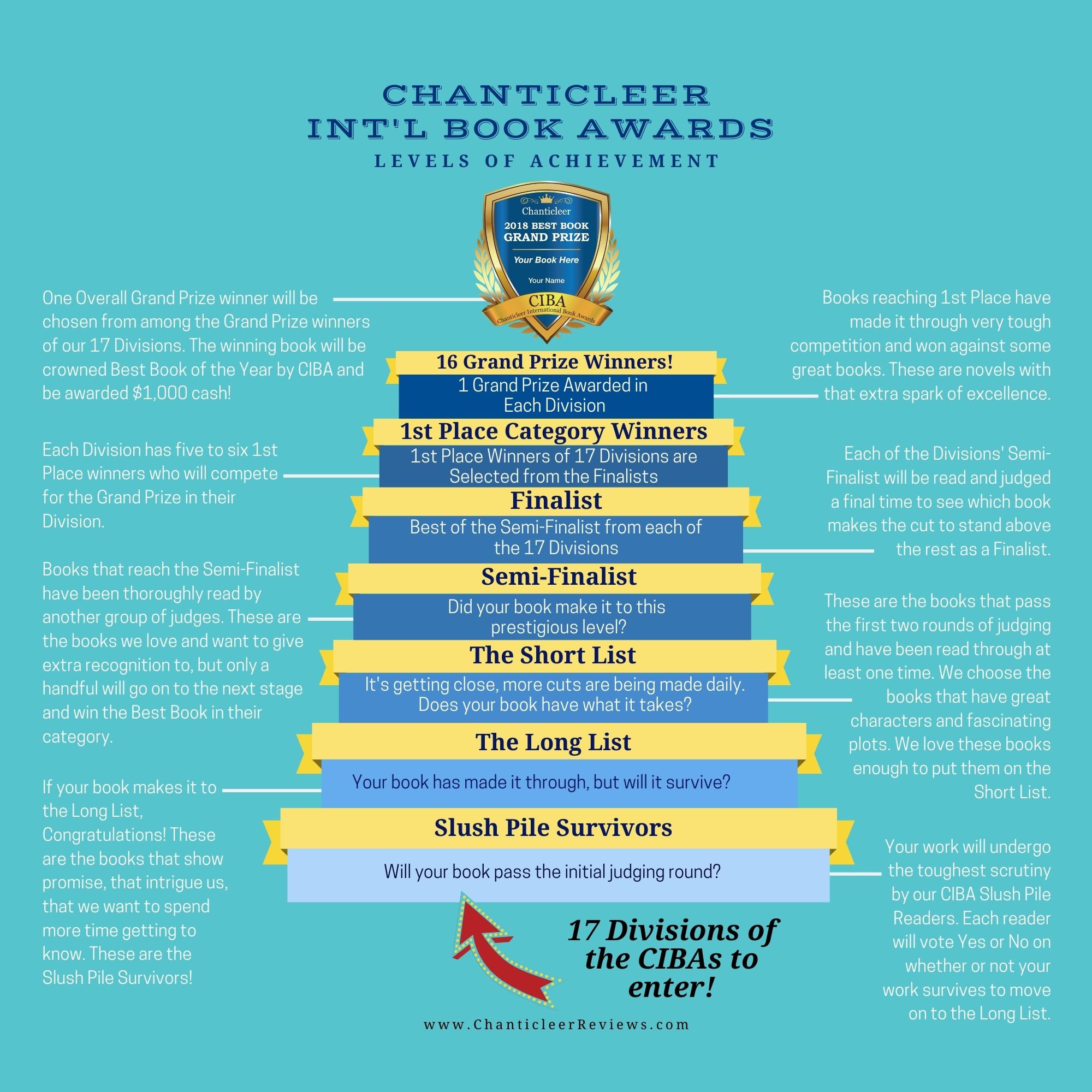
    The Tiers of Achievement for CIBA Winners!

    As you work on building your platform and promoting your books, don’t forget to celebrate your accomplishments! Winning a Chanticleer International Book Award (CIBA) or receiving a positive Editorial Review can provide you with recognition and credibility that you can share on your social media.

    • Share your CIBA badges to show off your achievements.
    • Post quotes from your Editorial Review to highlight positive feedback.
    • Use SEO-optimized blurbs and links from your review to drive traffic to your book page and boost sales.

    With these badges, reviews, and recognition, you’ll not only be showcasing your hard work but also encouraging new readers to check out your book!

    1. Engage and Interact: Build Relationships with Your Audience

    Kiffer out chatting with some of our audience!

    Remember, social media isn’t just about pushing your book. It’s about creating conversations and relationships. Respond to comments, ask questions, and participate in discussions to create a genuine connection with your followers. Community building is key, so get involved with other authors, share their work, and celebrate their successes too.

    Get Ready for a Successful Year of Social Media Marketing in 2025

    By following these tips, you’ll be well on your way to creating a social media presence that works for you. Start slow, stay consistent, and engage with your audience, and you’ll see the results grow over time.

    The Eleven Pipers Piping in the Christmas Carol has been said to represent the eleven disciples (since Judas was out) who went on after the Resurrection of Christ. Thinking about the birds though, could it have originally have been a reference to sand pipers? Also, the eleven pipers piping is symbolic of having a great team!

    These guys are pretty cute, but probably shouldn’t be given as a gift.

    “But Jiminy Crickets, it’s after December 25th! Is it not too late for the 12 Days of Christmas?” you say.

    Not to fear, Chanticleerians! The 12 Days of Christmas begins on December 26th! And it continues to the 6th of January – Three Kings Day. The four weeks leading up to Christmas is known as the Advent.

    So if you haven’t finished wrapping presents, sending out those cards, and baking cookies—don’t worry—you still have time!

    Happy Holidays to You from the Chanticleer Team! 

    On the Eleventh Day of Christmas, my true love sent to me

    Eleven Pipers Piping

    Ten Lord’s a’Leaping

    Nine Ladies Dancing

    Eight Maids a-Milking

    Seven Swans a-Swimming

    Six Geese a-Laying

    Five Golden Rings

    Four Calling Birds

    Three French hens (Chanticleer’s favorite #justsaying)

    Two Turtle Doves

     And a Partridge in a Pear Tree 

    Stay tuned for the 12th Day of Christmas, where we’ll continue to share more tips and cheer as we ring in 2025 with new opportunities and creative projects!

    The Chaicleer Rooster logo wearing a santa hat

    Our favorite part about having the 12 Days of Christmas is that we can have the time we need to celebrate with our loved ones. We have time for wrapping presents, meeting with friends for hot cocoa, and continuing to prepare for the Chanticleer Authors Conference and the 2023 CIBA Banquet and Ceremony.

    Wishing you Happy New Year from Chanticleer! from Kiffer, David, Dena, Scott, Anya, and Argus!
  • Twitter Tips for Authors and What’s Elon Musk Up To? — A Chanticleer Toolbox Article by David Beaumier

    Tweets, Character Limits, & Hashtags, oh my!

    A face covered in white makeup with red hashtags drawn on
    You will not look like this by the end of this artilce…probably

    While everyone has questions about social media, one of the big ones for writers is often Twitter. Founded in March of 2006, Twitter is now one of the go-to places for hot takes, cold takes, pitching agents, and generally trying to go viral on just about anything.

    Plus, what on earth is Elon Musk doing on there, and what’s our number one piece of advice for social media?

    One of the first things agents and publishers will do while researching an author is check to see if they have any sort of social media presence. Author platform comes first in the majority of cases, rather than an author being discovered and then being set up with an incredible platform by people who believe in their book. And a digital presence is work.

    So, how do you establish a following on Twitter?

    Set yourself up for success

    To begin with, you’ll want a profile picture and cover photo that fits with your author brand. Your author brand should be in line with the genre of your books. This means it puts your readers in mind of what you write when they visit your site. If you’re a Non-Fiction author who focuses on social justice and journalism, you want readers interested in social justice to think of you when they think about your genre.

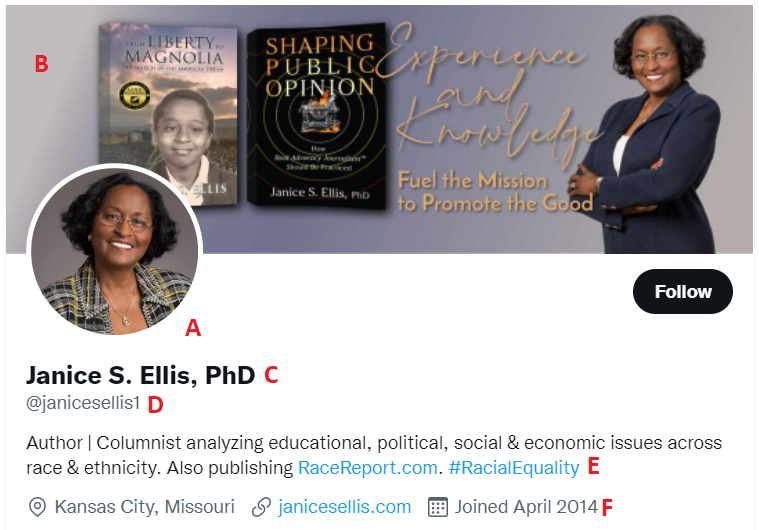
    Of course, we’re thinking of someone specific. Check out the homepage for Dr. Janice Ellis’s Twitter profile.

    Twitter profile of Dr. Janice Ellis

    We’ve added some letters to the image to help us better understand and discuss what she’s doing here.

    A. Ellis is a professional journalist with a PhD, and her picture reflects that level of expertise.

    B. Here we have Dr. Ellis standing next to covers of her book. The background color we can see was drawn in part from the color of her Chanticleer Nellie Bly Grand Prize winner From Liberty to Magnolia. This helps tie the whole image together. She even includes a personal mission statement: “Experience and Knowledge Fuel the Mission to Promote the Good”

    C. You can search everywhere for Janice S. Ellis, PhD, and find that her name is consistent across platforms.

    D. This is her Twitter handle. You can see that it clearly links to her name that appears, which is good because you want to be as easy to find as possible.

    E. Here Dr. Ellis has been clever by including a website where she is frequently published and a hashtag that attaches to what she’s known for. We’ll talk more about hashtags later on.

    F. Here the key is that Dr. Ellis has included her own website. Having your own personal site independent from social media is always an important component of any author platform.

    Sell yourself, not your book

    While this might seem counter-intuitive, it makes sense when you realize people want to follow a human being, not an inanimate object. On Twitter, you can do the following things:

    • Follow: Like many social media platforms, you should follow who you want to follow. Ideally, keep in mind your brand and author platform as you do this.
    • Tweet: Regular posting at least once a day is ideal. Mix it up with pictures, videos, whatever strikes your fancy.
    • Retweet: This reposts someone else’s Tweet to your timeline
    • Quote Tweet: This reposts someone else’s Tweet to your timeline, and you can comment on it. This is a great way to start a conversation or answer a fun question
    • Comment: This is simply commenting and responding to people who have either created their own post, responded to a post, or responded to your post.
    • Direct Message (DM): This one should only be done with explicit permission. You can ask to DM someone, or they may say “DMs open” – otherwise you should always leave a public comment.
    The word options in the middle of a maze
    You have a lot of choices on how to handle Twitter

    The big questions that come up here are how to interact with agents and publishers on Twitter. Follow the ones who you think might be interested in your work, but as mentioned above, don’t DM them unless you have permission to do so. Interact with them like a human being, and keep an eye out for when they’re open to submissions.

    One thing agents and small presses talk about on Twitter is that they appreciate it when someone continues to submit to them. This is confirmed in Jane Friedman’s The Business of Being a Writer:

    “‘Getting rejected by a magazine repeatedly and then, finally, getting work accepted is, actually, fairly normal. It’s a little frustrating for an editor,’ she said, ‘when a writer submits to us five times and then just stops, and we never get a chance to read the writer’s work again.’” (78)

    Persistence pays off in more ways than one.

    So When can I sell my Book?

    Generally posting once a week about your book is plenty. During releases, or if you’re participating in Book Awards like the CIBAs or receiving a Review, then you can post more. Just make sure there’s a reason you’re posting about it beyond “buy my book!”

    Hashtags and Pitch Wars

    One thing to keep in mind anytime you read something (this included) about social media is that what you’re reading is already out of date. For example, while the idea of #PitchWars is still going, #PitMad, the original founding idea, appears to be defunct as of this year. What are these programs?

    You can get a thorough rundown with hashtag suggestions for #PitchWars from The Writing Cooperative here, but the short version is they’re opportunities to promote your work on Twitter directly to agents who are interested in what you have to sell. Usually the rules are you post hashtags appropriate to the pitch day, and then you go and support your friends by Retweeting their posts. Be careful not to Like any posts, because that is an action reserved for Agents, and indicates they are open to being contacted about reviewing their work. If you do Like one of these Tweets by mistake, you’re likely to receive a polite DM asking you to Retweet instead, which isn’t a tragedy, but it can feel a little embarrassing to make a faux pas like that.

    What about more commonly used hashtags outside of special events?

    Well, the following are pretty common:

    • #WritingCommunity
    • #AmWriting
    • #AmQuerying
    • #WritersLift
    A writer floating as she tries to type
    Note: Physical lifting is uncommon in a #WritersLift

    All of those can be used in fairly self-explanatory ways, except for #WritersLift. A #WritersLift comes with an invitation for authors to put links to their work on your post, and then there is the expectation that you will follow them on Twitter, and they will follow you back. Making a #WritersLift post can be a quick and easy way to boost your Twitter following and maybe make new friends!

    Other hashtags that are genre specific can be used fairly easily, such as #Fantasy or #Journalism. If you have a hashtag based on your book such as #TFioS (The Fault in our Stars by John Green, pronounces “tif-ee-oh-s”) those are great to use, but always pair them with more popular hashtags.

    How 'the Fault in Our Stars' Became a Box-Office Phenomenon
    Hazel Grace and Augustus Waters snuggling up in the movie “The Fault in Our Stars”

    Another great time to use Hashtags is anytime your book wins an award or receives a review. Big milestones like that can make a huge difference when it comes to getting noticed, so if your book because a finalist in the CIBAs or receives a Chanticleer Book Review, tell your friends and followers all about it!

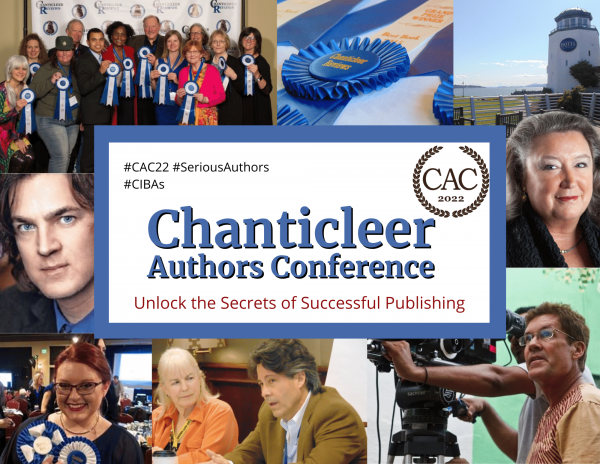
    Note: Conferences and Writing Events often have a specific tag like #CAC and #CIBAs (for Chanticleer Authors Conference and Chanticleer Int’l Book Awards). Using those specific tags can be a great way to have the organization notice you.

    Blocking

    It’s always good to talk about blocking people on any social media platform. On Twitter, blocking someone is often an act of self-love. Rather than getting into a fight with a stranger on the internet, just click that block button and don’t worry about talking to them ever again. Your mental health isn’t worth trying to reach someone who just wants to be mean.

    So what’s Elon Musk got to do with all of this?

    Elon Musk giving a sideways thumbs up
    Billionaire and would-be-Twitter-Owner Elon Musk

    Recently it came out that Musk has invested enough to own 9.2% of Twitter. If you really want to dive into this, you can check out this article from CNET here, but these are the highlights. In addition to owning a substantial share of Twitter, Musk has now offered to buy the company. If Twitter says no, he could divest his stock and drive the price of Twitter down, harming the platform. If they say yes, he’s sure to transform the platform into something quite different from what it is now. Should we be worried?

    Well, probably not.

    There might be a bit of an upset, but it’s more likely things will continue as they have for Twitter, and Musk might just try to make his own social media website. However, this brings us back to the importance of having your own author website. Companies like Twitter and Meta (that’s Facebook and Instagram) are eventually going to go the way of MySpace, and then we’ll all have to collectively jump onto a new social network. If all our eggs are in the basket that ends up losing popularity or shutting down, then we lose our entire author platform at one go. So, keeping your website as a hub that tells people who you are, and directs folks to your social media makes your position much more stable.

    Our best advice for social media?

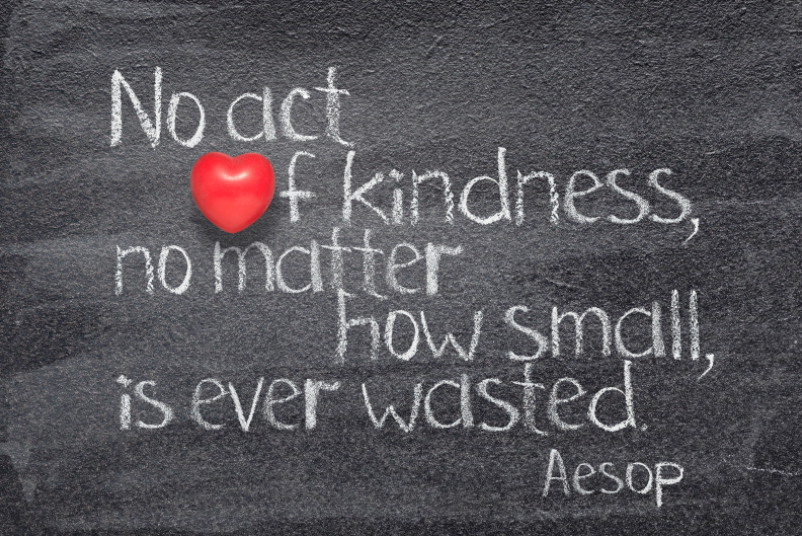
    Chalkboard that reads "No act of kindness, no matter how small, is ever wasted --Aesop

    This might seem obvious, but always be polite. Being rude on social media is a great way to get blocked. As we tell kids, the internet is forever. When a person explodes or swears at someone online, that sort of thing has a way of making it onto Watch Dog sites like Writer Beware, ALLi, or Absolute Write. These spaces can mean the difference between someone deciding to work with an author or not, which can have huge consequences when it comes to sales.

    A few words from Kiffer.

    Be kind. If you don’t have anything nice to say, don’t post anything at all.

    And be sure not to hi-jack someone else’s post. This is just plain rude. IF someone tries to hi-jack your post, you can choose 1) not to respond – at all  2) delete the comment if it is egregious or 3) if someone is trying to sell their book on your social platform — well, that is just plain out tacky! If the person doing this persists (we all make blunders – and I would like to think most of the time unintentionally), then you may have to block that particular person. Facebook and Twitter do NOT notify the person that they have been blocked. You just won’t have to see their comments on your posts anymore. On Twitter, this is called “thread-jacking” — someone interjecting in a discussion in order to divert it in a different direction.

    My advice for social media is Be kind. If you don’t have anything nice to say, don’t post anything at all. 

    What is posted on the internet is there forever and for everyone. – Kiffer

    Post note:  Keep in mind, that the publishing world is a small one.


    Thank you for joining us for this Writer’s Toolbox Article, and good luck out there on the web!

    Writer’s Toolbox

    Writer Toolbox Helpful Links: 

    The Business of Being a Writer website

    Your Guide to Twitter Pitch Events in 2022

    Elon Musk Offers to Buy Twitter: Everything You Need to Know

    The traditional publishing tool that indie authors can use to propel their writing careers to new levels? Read The Seven Must-Haves for Authors – Unlocking the Secrets of Successful Publishing Series by Kiffer Brown

    Looking for more quality time with us?

    VIRTUAL and IN-Person –  June 23 – 26, 2022! Register Today!

    FLEXIBLE REGISTRATIONS ARE AVAILABLE for these challenging times.

    Seating is Limited. The  esteemed WRITER Magazine (founded in 1887)  has repeatedly recognized the Chanticleer Authors Conference as one of the best conferences to attend and participate in for North America.

    Join us for our 10th annual conference and discover why!

    Featuring: International Best Selling Authors: Cathy Ace along with A+ list film producer Scott Steindorff.

  • HOW HASHTAGS can INCREASE ONLINE BOOK SALES – Part 4 by Kiffer Brown

    HOW HASHTAGS can INCREASE ONLINE BOOK SALES – Part 4 by Kiffer Brown

    Tips to Selling More Books Online – Part 4 by Kiffer Brown

    Hashtags
    And that is with just one hashtag…Make your social media posts work harder for you!

    The POWER of the HASHTAG

    Hashtags will make your social media posts work harder for you! They will amplify your posts. Hashtags will help new readers discover your books and help you discover new readers. – Kiffer Brown

    Definition of Hashtag:  A hashtag, introduced by the number sign, or hash symbol, #, is a type of metadata tag used on social networks such as Twitter and other micro-blogging services (i.e. Instagram, Facebook, Pinterest). It lets users apply dynamic, user-generated tagging that helps other users easily find messages with a specific theme or content. In other words: 

    Hashtags enhance your exposure to people who do not follow you. If you are just staring out building your social media platforms, #hashtags will help you increase your Followers — even if you only have one person following you. If you are already participating in social media, hashtags will enlarge your following!

    Hashtags are your hardworking  friends (you know the ones who will help you move or watch your kid in a pinch) in social media.

    • Hashtags help to gather different social media conversations about the same topic.
    • It makes the same topic easier to find and search throughout a social media platform.
    • Imagine being able to type in a word in your post that will allow other people on the platform to search the topic and, thereby, discover your post. Hashtags ( # )  will work for you in your posts on Facebook, Instagram, and Twitter.

    • Hashtags help to boost your social media posts beyond your own followers. It will help you find crossover markets for your books. Do some research to find out the hashtags that resonate with your targeted readers. For example if your work’s protagonist is an adult with autism, you may want to try #adultautism.
      • Or if your work centers around a protagonist who is a birdwatcher (example: Border Songs by Jim Lynch), you may want to have your social media posts use #birdwatchers  or #PNW  or #PNWBirds if the plot is centered in the Pacific Northwest Or if the work is science fiction but will appeal to computer geeks use #cyberpunk and #SciFiCyberpunk.

    • Hashtags need time to percolate. It will take some time to be able to drill down to discover the best niche hashtags to reach out to your audience. You must use the hashtags  over a long time to start percolating throughout the Internet and to allow potential new followers time to find you via #hashtag. Be patient. Be consistent.

    • Promoting on social media is a lot like brushing your teeth. You can’t just do it on Sundays or set aside a couple of days a month to do it. Your social media posts must be consistent and almost daily. You don’t have to spend a lot of time doing it— much like brushing your teeth, but consistency and long-term maintenance are the keys.   Some people I know set a tea timer or kitchen timer to keep themselves from going down the social media rabbit hole. Fifteen minutes twice a day is better than a whole Sunday spent posting.  Also, remember that social media levels the playing field against the big boys. It is mostly free (except for your time) and still a bargain as compared to the old Yellow Page ads or magazine ads.

    • A TWO-WAY STREET –– If you want others interact with you on social media, you must LIKE, COMMENT, and SHARE other peoples’ posts. Nuff said. Social Media is the world’s largest cocktail party—make the most of your networking time! Following a hashtag is just like following a friend. 
      • A friendly reminder:  The same goes with REVIEWS. If you want more consumer reviews, you will need to post more consumer reviews of others’ works. It is well-known by publishers that Editorial Reviews generate more Consumer Reviews (reader reviews).
    • Find Readers by Association with Top Authors in Your Genre by Discovering their hashtags and key words. Determine two or three best-selling authors’ works whose works you would like to have your books shelved next to in a bookstore. Then follow the author on social media (and interact), read and leave consumer reviews wherever you purchase books, and  subscribe to his/her blogs and emails. Again, a long time strategy, but when you are ready to for a “peer review” and/or ask for an author quote, you will have increased your chances. Discover their hashtags to discover new readers. 
    • #Hashtags can help you enlarge your reader base. Meanwhile, you can state that  “If you are a fan of MISS BIG AUTHOR’s works, perhaps take a look at my works while you wait for the next one in the series to come out… ”  A word of caution, make sure that your book is well edited and the best that it can be. Why? Because a few of Miss Big Author’s fans will take you up on your proposition. And if Miss Big Author likes your work, you may just get an endorsement blurb for your cover. Be ready for when Luck meets Opportunity and Preparation.

    Back to #Hashtags

    #Hashtags continue to work for you long after you have posted (percolation). The social media platforms’ crawlers continuously search for them and try to connect the people who use them.

    Here are some hashtags that READERS use:  #amreading

    #amreadingfantasy    or  #amreadingYA  or #amreadingthrillers   #summerreading    #tbr   (to be read)

    Here are some hashtags that writers and authors use:

    #amwriting  (1,045,508 viewers at the time of this article).  #novel (383,783 viewers at the time of this article)  #author  (1,448,021  viewers at the time of this article)

    Hashtags on Instagram

    If you only want to use #hashtags on INSTAGRAM, then use the following format:   #instawritingcommunity  #instawritersofinstagram  #instaamwriting

    On Instagram the hashtag   #books is banned. So, you must drill down instead of using the obvious. But #instafantasybooks is legal.

    One study shows that Instagram posts with a least one hashtag generate on average 12.65 percent more engagement.

    Other Hashtag Categories

    1. Brand Hashtags   #mysteryauthor   #cozycatmysteries   #spaceopera  #shewritespress   #ChantiReviewsBooks  #olreign
    2. Category Hashtags  #animals  #cats   #snickerdoodles  #PNW  #summerreads   #heartwarming #bebold  #sheplayshere    #WWIIhistory
    3. Event Hashtags  #authorsigning  #booksigning   #ComiconWest   #CAC20   #2019WFIFA  #internationalnursesday  #caterday
    4. Campaign Hashtags  #yourbookstitle  #yourseries   #titleofyourlaunchcampaign
    5. Feelings/Moods   #simplepleasures   #kitchenflowers  #rip   #petgrief  #ptsd  #swoon
    6. Activities   #bakingbread  #woodcarving   #daysailing   #yogaclass

    Hashtags NOT to USE

    • #Free
    • #giveaway
    • #deal
    • #offerexpires
    • #Sale

    Do not use ALL CAPS as it is seen as YELLING!

    The Jøssing Affair by Janet Oakley won the Goethe Book Awards Grand Prize. The award-winning novel is about the Nazi occupation of Norway and the Norwegian Resistance Fighters in WWII. There is also love, betrayal, espionage, and bravery.


    You can capitalize a couple of letters – for example:  #JossingAffairBookLaunch  #WWIINorway  #NorwayOccupation #NorwaySuspenseNovels


    Do not use ! or ? or ‘  or any punctuation in your hashtags besides the hashtag (#)

    Banned Hashtags

    Also, if you use a banned hashtag, your posts and account could be flagged and then “shadowbanned” which means that your posts will not percolate throughout Instagram.

    Some banned hashtags are innocent as #happythanksgiving  or #besties (banned because of overuse and spamming) to the egregious posts that you could imagine would go with these hashtags: #milf   #lingerie    #nasty    #xxx   #selfharm.

    Here is a link with the latest of banned hashtags of 2019. (2020’s list is not out yet).

    Hashtag Etiquette

    Where to Place Hashtags

    Hashtags may be used on any social media, and are typically found within a post in an #organic fashion, or at the end of the post like an index word. Twitter is a platform where the hashtag is so endemic that it often becomes like punctuation, performing its function while remaining nearly invisible to readers, as long as it’s not overdone.

    Using a hashtag as part of a sentence is understood and accepted on Twitter, probably due to the character limit. But on Google+ and Facebook the hashtags are used less and can be intrusive in the middle of sentences. When in doubt on Facebook and Google+, add your hashtags to the end of your post, even on a separate ending line.

    If your hashtags sticks out like a sore thumb, it may communicate “this is spam”, especially on some platforms, and that may create a negative reaction to the post.

    Hashtag Advice 

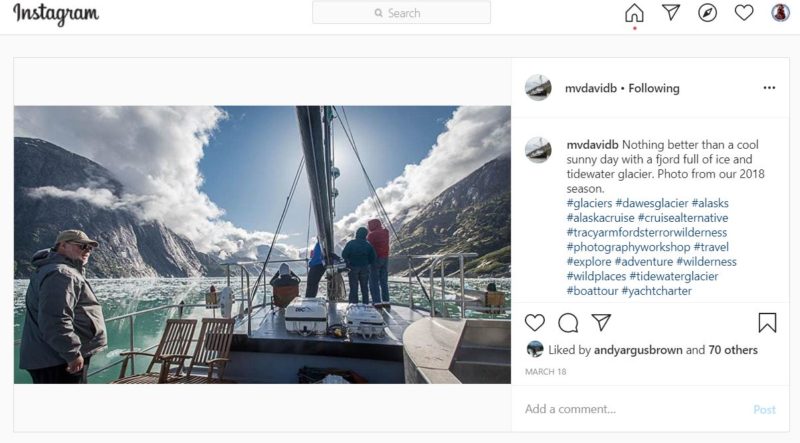
    Use 3 – 6 hashtags. Start with a popular standard then drill down. For example, @ChristineKatSmith used #catnap  #tabbycat   #happyhour  #landotter (a boater’s term for a cat) #friday #shelterinplace   Christine is the co-Captain of the David B, a small ship that offers adventure cruises to Alaska and the award-winning author of More Faster Backwards, Rebuilding David B. 

    In the above Instagram post, she used the following hashtags @ mvdavidb
    #glaciers #dawesglacier #alasks #alaskacruise #cruisealternative #tracyarmfordsterrorwilderness #photographyworkshop #travel #explore #adventure #wilderness #wildplaces #tidewaterglacier #boattour #yachtcharter #alaskayachtcharter #smallshipcruise #mvdavidb

    The post looked like this:


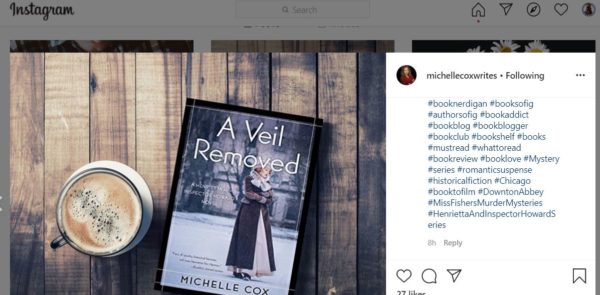
    Now to see how one of our favorite authors uses hashtags – Michelle Cox at @michellecoxwrites   Michelle’s A Promise Given won the Chanticleer Mystery and Mayhem Grand Prize along many other awards.

    Notice how she uses little known hashtags all the way to a broader net with #DowntonAbbey  #Chicago  #MissFisherMurderMysteries  and then associates her brand (#HenriettaAndInspectorHowardSeries) with the other hashtags such as #mustread  #booktofilm and so forth.


    This in an introductory blog post to hashtags. Remember that following a hashtag is like searching for someone or something. Just type your hashtag into the Search text field on the social media platform that you are posting on.

    Give it a try! Try it! You’ll like it! – Kiffer

    Chanticleer Reviews social media handle is @ChantiReviews   The hashtags we commonly use are:  #CIBAs  #ChanticleerFamily   #ChanticleerRReads  and the CIBA Divisions  such as #CYGNUSAwards  @MandMAwards  and so forth.


    HANDY LINKS – Chanticleer Reviews Tool Box Series 

    Click on these links to blog posts on the Chanticleer website for more information on how to increase online book sales: 

    How to Increase Book Sales Online – Part One

    How to Increase Book Sales Online – Part Two

    How to Increase Book Sales Online – Part Three

    BISAC CODES – Not Just Alphabet Soup

    Book Reviews – 4 Types and Why You Need All Four

    Social Media and Creating and Keeping Top of Mind Association with Readers


    Chanticleer Writer’s Toolbox

    Thank you for reading this Chanticleer Writer’s Toolbox post on Marketing and Book Promotion to Increase Online Book Sales.

    Stay tuned for our next post on the How to Increase Online Book Sales series.

    Also, we will continue to post the 2019 CIBA Finalists, so please stay tuned.

    And, we will have new writing craft posts from top editors coming your way to keep you writing and editing during these unprecedented times.


    We encourage you to stay in contact with each other and with us  during this stint of practicing physical distancing to prevent the spread of COVID-19.

    Let us know how you are doing, what is going on where you live, how are you progressing on your writing projects.

    I invite each of you to join us at The Roost – a private online Chanticleer Community for writers and authors and publishing professionals. You are welcome to email me for more info also.

    We are active on Facebook, Twitter, and Instagram. You can find us by using our social media handle @ChantiReviews

    Minimize physical contact! Maximize social connecting!

    Here are our contact emails:  

    General information:  Chanticleer@ChantiReviews.com

    Editorial:  BookEditor@ChantiReviews.com

    Reviews: Sanderson@ChantiReviews.com

    Me:  KBrown@ChantiReviews.com

    Take care, be safe.

    Keep writing and creating magic! 

    Kiffer and Sharon & Entire Team Chanticleer 


  • Chanticleer Author Marketing Primer: Hashtag How-To

    Chanticleer Author Marketing Primer: Hashtag How-To

    Authors marketing their books on social media need know how to use hashtags. Hashtags are a fairly simple concept, an effort to index categories among posts, but for the newcomer to social media they can be intimidating. Even those who know about hashtags may not be aware of the intricate ways to maximize their benefits.

    Hashtag Types:

    • Organic/Topics
    • Promotion (brands, products, people, events, etc.)
    • Discussions/Issues
    • Activities (Day-of-the-Week/Themes)
    • Asides (humor, reflection of emotions, feelings, states of minds related to the post)

    Why do we use hashtags?

    There are many reasons to use hashtags, but keep in mind that our most important reason for using a hashtag is to enhance our exposure among people who don’t follow us. Even if you have one Twitter follower, using #amwriting has the effect of increasing your followers for that one post by showing it to anyone who is searching on that topic.

    If you are using a hashtag that is unique or has very little exposure–which you might do to create a branding effect, or spawn a new social activity (like #YouMightBeAWriterIf)–you would pair it with a hashtag with higher exposure to give your post better support.

    Basic Hashtag etiquette:

    • Don’t go overboard. Use two, maybe three. More than that will communicate “this is spam” to people.
    • Use clear and concise hashtags, generally. Long hashtags are not easy to read. So keep them to a minimum and know that if you do use one some eyes will slip past without comprehension.
    • Use hashtags that are relevant to your post and help people find the posts they want to find. Think of it like creating an index at the back of a cook book. If cream puffs were listed under #shrimp that would confuse and possibly upset a lot of people.

    Where to Place Hashtags

    Hashtags may be used on any social media, and are typically found within a post in an #organic fashion, or at the end of the post like an index word. Twitter is a platform where the hashtag is so endemic that it often becomes like punctuation, performing its function while remaining nearly invisible to readers, as long as it’s not overdone.

    Using a hashtag as part of a sentence is understood and accepted on Twitter, probably due to the character limit. But on Google+ and Facebook the hashtags are used less and can be intrusive in the middle of sentences. When in doubt on Facebook and Google+, add your hashtags to the end of your post, even on a separate ending line.

    If your hashtags sticks out like a sore thumb, it may communicate “this is spam”, especially on some platforms, and that may create a negative reaction to the post.

    How to vet a Hashtag

    Always run a search of the hashtag on Twitter or the platform you will be using, to make sure the other posts using it will be good company for your posts. You don’t want to accidentally use a hashtag that has a lot of inappropriate content under it–or worse, co-op a hashtag meant to promote an important social issue for your own self-promotion.

    Next use https://ritetag.com/hashtag-search to look up your hashtags to see how well they will serve as promotional tools. RiteTag will give ratings to guide you.

    These results will change over time, but here are a few examples of the different ratings that RiteTag uses to vet hashtags:

    #Free shows up as red with a “!” and a message “Don’t use this hashtag or you will get lost in the crowd”. The statistics show that people are tweeting over 5000 times an hour under that hashtag–lost in the crowd is right!

    #Writing shows up as green with a lightning bolt and the message “Use this hashtag to get seen now”. The statistics show it’s being used nearly 300 times an hour, but over 3.5 million people are seeing those posts. But keep in mind whats hot today could be gone tomorrow.

    #Pubtips shows up as blue with an hourglass and the message “use this to be seen over time”. The current stats don’t look very impressive, but the history shows that it has regular and consistent surges in activity.

    #Pubtip (I intentionally used this one to demonstrate how one little letter can make a difference) shows up grey with a crossed circle and the message “don’t use this, very few people are following it”. The stats are almost empty and the history shows very low usage.

    Enjoying these tips? Learn how to market and sell more books at our upcoming Chanticleer Authors Conference. #SeriousAuthors register for #CAC17