Tag: Goethe Awards

  • Happy Birthday to Johann Wolfgang von Goethe – The Inspiration Behind Chanticleer’s Late Historical CIBA Category

    “One ought every day at least, to hear a little song, read a good poem, see a fine picture, and, if it were possible, to speak a few reasonable words.” – Johann Wolfgang von Goethe

    A writer must be bold. To start from a blank screen, transfer your imagination into a story with characters you know and experiences you’ve lived, then send it out into the world for everyone to judge—well, it takes guts.

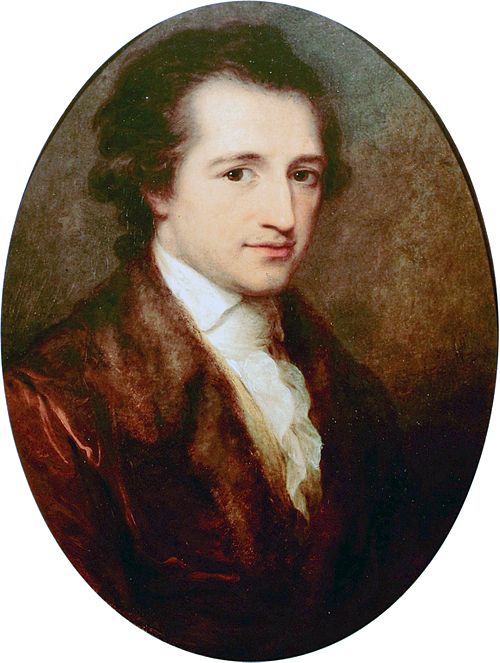
    Portrait of Goethe by Joseph Karl Stieler, 1828, paper, man, bald

    Johann Wolfgang von Goethe (August 28, 1749 – March 22, 1832), the influential German writer and polymath, understood this truth just as much as writers continue to experience it today. It’s the tenacity and courage to pursue our goals regardless of our fears, and it’s something he exhibited in his own life.
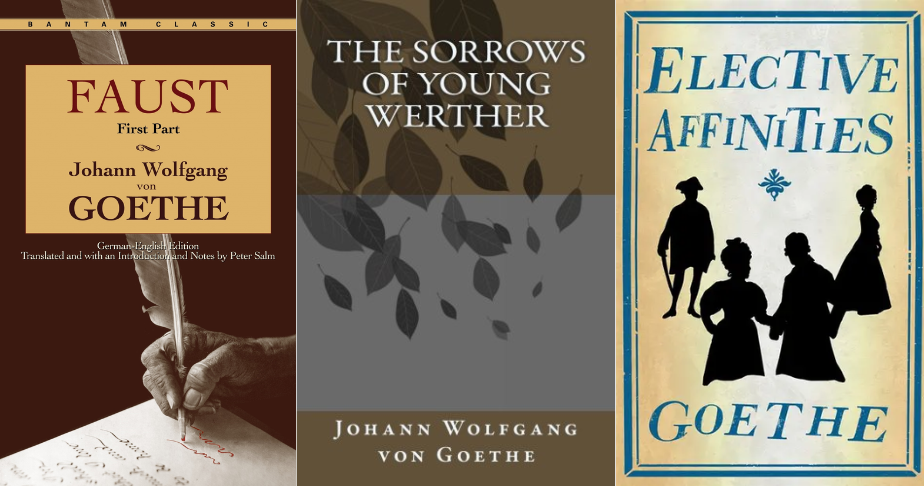
    Johann Wolfgang von Goethe, books, faust, elective affinities, the sorrows of young werther

    Examining the Human Experience

    Born in Frankfurt, Germany, Johann Wolfgang von Goethe is widely regarded as one of the most influential literary figures in Western history. With interests spanning literature, philosophy, and science, he has come to be known as a true Renaissance man, but he was not only known for his artistic talents. His curious mind led him on quests to understand nature in all its forms; physical, intellectual, and emotional.

    Best known for his dramatic masterpiece, Faust, Goethe’s writing examines themes of ambition, desire, knowledge, and redemption. His characters search for meaning beyond material success and find themselves navigating the eternal struggle between good and evil.

    Struggles that remain with us to this day.

    Goethe also influenced the Romantic movement in literature with poetry and prose and influenced the existential and psychological literature to come. The Sorrows of Young Werther, the story of a young man’s extreme response to unrequited love, drew such a response that it led to a wave of emotional identification within the reading public and lit the match of a new literary revolution focus on emotionally impactful narratives.

    Goethe, man, hat, painting, landscape, robe
    Goethe in the Roman Campagna, artist Johann Heinrich Wilhelm Tischbein Kopie, oil

    The Genius of Goethe

    Along with his successful writing career, Goethe was also a scientist, a statesman, an artist, and a philosopher. His interdisciplinary approach, thriving curiosity, and appreciation for the interconnectedness of knowledge is our lesson from Goethe. In our busy, fragmented world these important aspects of being human can often be undervalued. But as writers, we know how important they are when creating a world.

    Living Through History’s Transformation

    Goethe’s long life (1749-1832) placed him at the center of some of history’s most transformative periods—the very eras that today’s late historical fiction brings to life. He witnessed the French Revolution’s upheaval, lived through the Napoleonic Wars that reshaped Europe, and observed the early stirrings of industrialization that would transform society. The social, political, and cultural changes he experienced firsthand are precisely the subjects that modern historical fiction authors spend years researching to recreate authentically on the page.

    As we celebrate his birthday on August 28th, and again at the CIBA Awards during the Chanticleer Authors Conference (CAC26) in April 2026, let’s also honor the enduring power of literature to shape our understanding of the world and ourselves and challenge ourselves to think more deeply, feel more passionately, and live with greater awareness. 
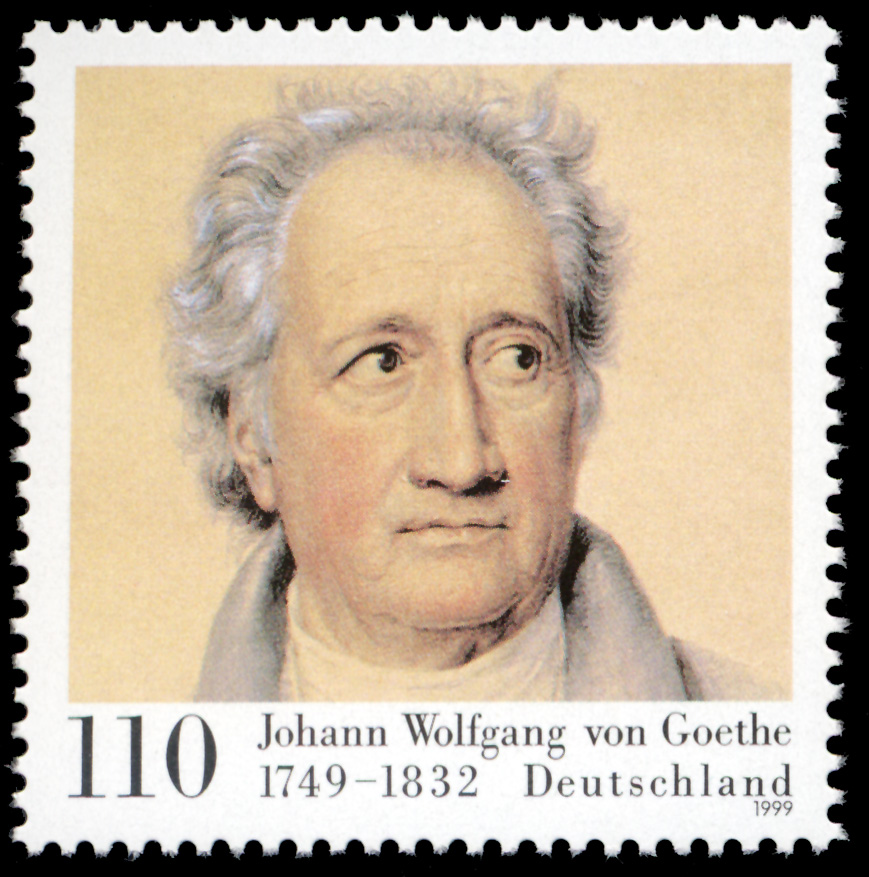
    stamp, man, hair, johann wolfgang von goethe, deutschland, germany, numbers
    Stamp from Deutsche Post AG from 1999, issued for the 250th birthday of Johann Wolfgang von Goethe

    Final Call: Celebrate Your Late Historical Novel!

    Johanne Wolfgang von Goethe

    Time is running out! Enter the Goethe Division of the CIBA Awards and get the recognition your work deserves!

    Submissions close August 31st, just days away!

    We’re excited about all the exceptional historical fiction we receive every year for both the CIBAs and for our Editorial Reviews. The Chanticleer International Book Awards offers an incredible $30,000 in cash, prizes, and promotion across all divisions!

    Don’t wait—bring your historical vision to life before the deadline passes!

    The Goethe Awards recognize the extraordinary research and storytelling skill required to bring recent history to authentic life. Whether you’ve spent years researching Victorian social customs, Georgian political movements, or early 20th-century cultural changes, these awards celebrate both your historical scholarship and narrative artistry.

    Historical fiction helps us understand how we became who we are today. Whether your story explores the drawing rooms of Regency England, the immigrant experience in turn-of-the-century America, or the social transformations of the early 1900s, the Goethe Awards celebrate the authors who make history feel immediate and alive.

    CIBA’s Goethe Division for Late Historical Fiction

    To honor this great literary figure we’ve created the Goethe Division for Late Historical Fiction in the Chanticleer International Book Awards (CIBA). This category is best for books with themes of

    • Regency in 1700s & 1800s
    • Turn of the Century
    • 20th Century
    • World/International History Post 1750s
    • U.S. History
    • 1830s – 1900s Victorian & Edwardian Eras

    And each work submitted will be judged on the following criteria:

    • Is the story compelling?
    • Professionalism of editing and formatting
    • Characterization
    • Continuity of storyline
    • Satisfying ending (not necessarily “happy”)
    • Intriguing opening
    • Uniqueness of story
    • Writing craft
    • World construct
    • Premise
    You know you want it…

    Enter your book into the Goethe Division today!

    Don’t let this opportunity slip away!

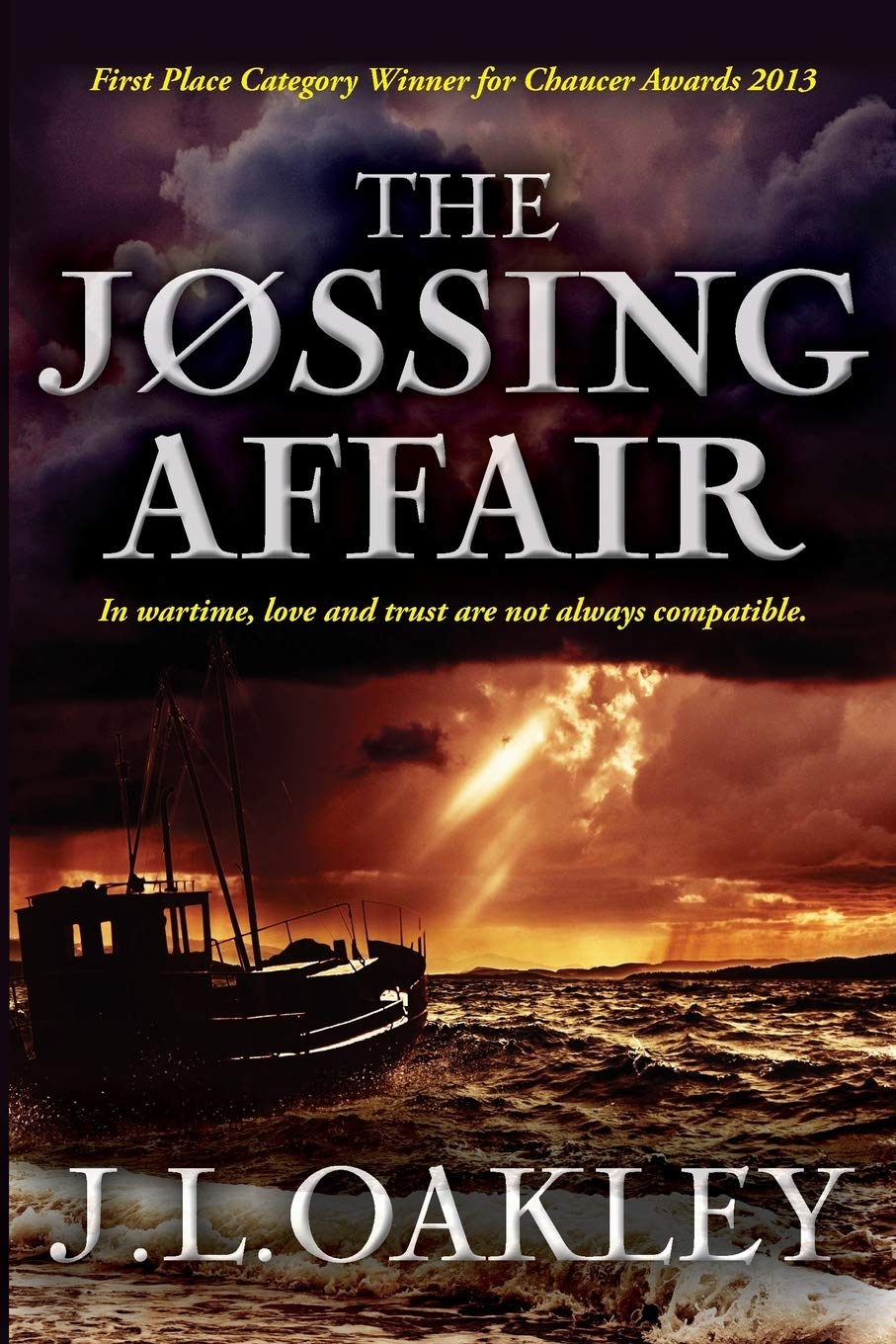
  • THE JØSSING AFFAIR by J.L. Oakley, narrated by Chris Humphreys – Historical Fiction, WWII, Norway


    In The Jøssing Affair, J.L. Oakley shifts the spotlight from the familiar battlefields of World War II to Norway’s brutal occupation, revealing the extraordinary courage of the jøssings—Norwegian resistance fighters who risked everything to oppose Nazi collaboration.

    For every action, there’s an equal and opposite reaction. In The Jøssing Affair by J.L. Oakley, opposition to the Nazi regime and all who collaborated with it is seen in the jøssings, those Norwegians who opposed Nazism and everything it stood for.  Those beleaguered jøssings worked tirelessly in the shadows in whatever way they could, whether by organized resistance, by sabotage, through intelligence operations, providing an escape route for those in immediate danger, or simply, but just as dangerously, by distributing uncensored news from abroad and the contents of rare supply drops from Britain and America.

    A master spy’s double life tests the limits of endurance.

    Tore Haugland lives a precarious double existence as an undercover intelligence agent posing as a deaf fisherman in the coastal village of Fjellstad. As the final desperate year of German occupation unfolds after D-Day, Tore must maintain his cover while building resistance networks. Smuggling arms and protecting his operations from Nazis and Norwegian collaborators – the despised quislings who gave their name to treachery itself.

    Oakley’s tight focus on Tore’s psychological journey creates remarkable intimacy within the vast canvas of war. Years of maintaining deadly secrets have worn down this stalwart operative, and when he finally allows himself to get close to someone in Fjellstad, the consequences threaten everything he’s worked to protect. The author masterfully captures the exhaustion of living perpetually on edge, where a single slip could doom not just Tore but everyone depending on him.

    Chris Humphrey’s exceptional narration brings the Norwegian resistance to life.

    The audiobook version of The Jøssing Affair showcases narrator Chris Humphreys at his absolute finest. Drawing on his Norwegian family heritage and considerable acting experience, Humphreys seamlessly blends his refined British accent with flawless Norwegian pronunciation, creating an authentically immersive listening experience. His nuanced performance captures both Tore’s outward calm as a simple fisherman and his inner turmoil as a resistance operative, while his smooth delivery of Norwegian names and phrases adds remarkable depth to the historical atmosphere.

    Humphreys’ vocal range brings distinct life to each character, from German occupiers to Norwegian collaborators to the brave jøssings themselves. His ability to convey the mounting tension as the German net closes around Tore makes the audiobook version particularly compelling for listeners seeking full immersion in this gripping wartime thriller.

    This vast and absorbing historical saga sets itself apart from other stories of World War II through its unique focus.

    Focused not on Western theater or the British or American home fronts, but on the less explored occupation of Norway, Oakley zeros in on the final year of the brutal German occupation in the desperate months after D-Day when the Allies’ march on Paris gave hope to so many that the war would soon end, even as the German forces in Norway dug in for one last bloody stand.

    By focusing this story on the Norwegian occupation and then tightening the focus to one single man’s experience of that war and the secret work needed to survive and win it, The Jøssing Affair creates an immediacy for the reader that is utterly compelling. WWII is a story that has been told many times over since 1945, and this setting makes all that history feel fresh and alive again.

    This is just the start of an extraordinary story of resistance and bravery.

    For historical fiction enthusiasts seeking fresh perspectives on World War II, The Jøssing Affair delivers compelling characters, meticulous research, and a story that honors the often-overlooked heroes of Norwegian resistance. And for listeners who have the time to invest in the audiobook of this work, the narrator’s flawless pronunciation and smooth inclusion of Norwegian names and simple phrases adds to the deep immersion in an already absorbing story.

    Tore Haugland’s story continues in Oakley’s award-winning series with the prequel, The Brisling Code and the sequel, The Quisling Factor, promising readers more adventures with this unforgettable protagonist.

    The Jøssing Affair by J.L. Oakley won Grand Prize in the 2016 CIBA Goethe Awards for Post-1750s Historical Fiction.


  • Chanticleer 10-Question Author Interview Series with David Calloway – Historical Fiction, African American History, Slavery & the Civil War

    CHANTICLEER 10-QUESTION AUTHOR INTERVIEW SERIES

    with Award-Winning Author, David Calloway

    Hello friends, we have another fabulous interview for you today.

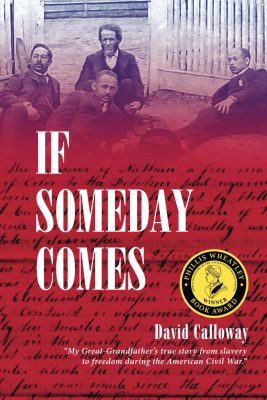
    In 2024, David Calloway took home the 2023 Chanticleer Grand Prize in the Goethe Awards division for his fascinating novel, If Someday Comes. Here, he tells us how he was inspired by his own family’s history to write If Someday Comes and the subsequent heights it is now reaching! Take a minute or two and get familiar with David to learn more about his ancestors’ amazing story. You won’t be sorry!

    Chanti: Your writing is very personal. What drove you to tell your family’s history?

    Calloway: The heart of my wish to write and to tell my family’s story was to record for the coming generations the stories I heard from the old folks as I was growing up. I wanted to preserve the struggles, hardships, and triumphs of my ancestors’ American lives.

    I think I always wanted to write, but put no real effort into it early in my life, as I was filled with self-doubts about my ability. Eventually I would overcome my inertia through the feedback and encouragement of close friends and family. In my professional life, I was in the motion picture and TV business, first as a cinematographer, then as a director, and then a producer. From day one, I read every screenplay – all revisions – and watched the words come to life on the screen.

    Slowly, I learned what worked to tell stories economically, so some story sense came by osmosis, some by study, some by practice. I took story structure classes, studied Robert McGee. I read Bird by Bird by Ann Lamott and On Writing by Stephen King. I talked with working writers about series and story arcs, plotting, character, and foreshadowing. I also attended writer workshops, retreats, and read other successful novelists.

    CIBA award, Grey sweater, David Calloway, black shirt, conference, awards banquet

    Chanti: When did you finally feel you were an author and add that to your extensive resume?

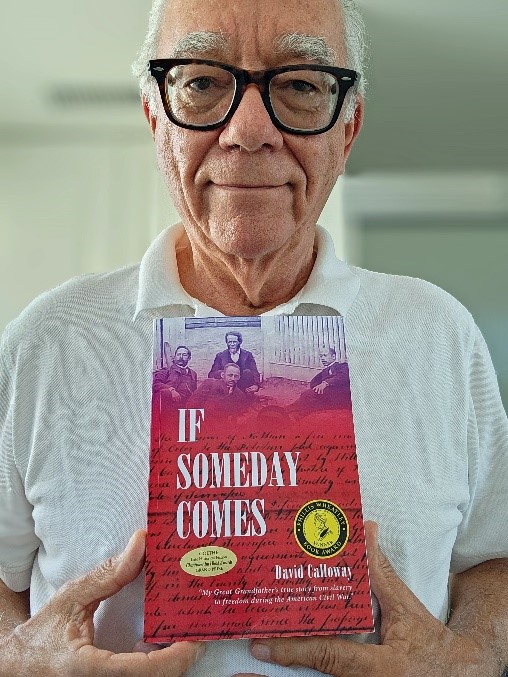
    Calloway: The day I opened the box that brought the proof copy of If Someday Comes! Up to that point, there were many moving parts, the manuscript, the proof reading, the cover art, the endless formatting. Here in my hand was a real book, something anyone might buy. Unbelievably, it had my name as writer on it. It’s been published for many months, and I still find it hard to introduce myself as an author.

    Chanti: Your ancestor’s story is so compelling. What genre best describes your book?

    Calloway: If Someday Comes is historical fiction, closely based on the true story of my great-grandfather’s life during the American Civil War. I grew up knowing where people were during that period, but their exact relationships were lost in time, so I filled out the characters and created the tone of the plot as I went. Comments from the old folks like “he was a nice man” are not enough. It’s hard to avoid retroactively applied values to those times, and I’m sure some of my twenty-first century “I have judgement” slipped in there somewhere, but the goal of getting his story into a book was my true goal.

    Old photograph, African America, slavery, beard
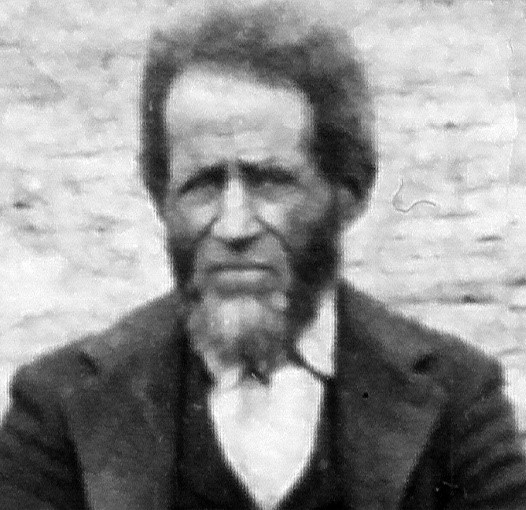
    George Calloway

    Chanti: How did find the information you used to fill in the background of the story?

    Calloway: I read historical accounts of the period and subject, then added in my family’s tales of the past. I also created an outline of events for the story, and I used incidents I read about in books, letters, and newspapers for inspiration. The motivations of people never change for as far back as written history will allow us to see. Well-worn are the old trials of the human condition, and how often do we quote the Romans and Greeks on sex, greed, love, and jealousy. And of course, my own feelings on the same subjects.

    Chanti: That’s a rich way to develop both character and story! How do you approach your writing day? What is your routine?

    Calloway: “Sporadic” is my routine. I’ll write for several days, then none, then return to the page, then realize I need input, then read more history and other people’s work, stare at the blank screen, castigate my own procrastination, remind myself that no one is going to read this if I decide to cut it-so don’t worry. Then I despair that none will read the book anyway, convince myself that I’m hungry and a snack will get me going. I’ll check my email, take my dog for a walk, and then have lunch with old friends whom I’ve convinced my book is going great.

    Ad infinitum.

    David Calloway, If Someday Comes, White shirt, black glasses

    Chanti: What about writer’s block? How do you handle it when the words just won’t come to you?

    Calloway: Staring at an empty page with no ideas popping is tough. I write whatever comes to mind. It may have nothing to do with the book, or it may have a connection later on in the story. Some days are two sentence days, some are two-page days. I concentrate on my rights as an editor and will change or eliminate any thoughts, so I just jump right in.

    If I’m really stuck, taking a walk helps. I leave the phone at home, as I find stepping away from it resets the brain. Sometimes I imagine your main character with walking with me. And the phrase “I’ve got to sleep on it” is a maxim I refer to often, because problems are solved and ideas are generated by whatever part of the brain is working at night. It’s an approach that work for me… sometimes.

    Chanti: Those are great pieces of advice for breaking out of a block. Beyond writing, what sort of marketing tips do you have for authors?

    Calloway: Online ads are the only strategy that has worked for me. Spending lots of money in trade magazines has been a complete bust. I advertise on Amazon and Facebook. Set a budget and see how it works for you. Even so, It’s a struggle. Contacting public libraries, local papers, community clubs (Rotary, Elks, Chamber of Commerce) help – they always need luncheon speakers. I also make a point of being available for online book clubs and chats, and I have a website that has book reviews, awards, and links to other websites. www.IfSomedayComes.com. And I always encourage readers to write reviews online. It really helps others to decide to read the book.

    David Calloway, water, cap, grey, sky, land

    Chanti: What is your next project? Another story about a member of your family?

    Calloway: Yes! I am working on my Grandfather James’ story as historical fiction. He was born a slave in 1860, and grew up to become a surveyor and farmer. James and his brothers – all graduates of Fisk University – worked for and with Booker T. Washington in the building of Tuskegee Institute. James ran the farms and also taught farming. He was Tuskegee’s representative sent to Washington, DC to lobby for land grants to help finance the school. Later, James was hired by the German government and traveled to Togo to teach cotton farming.

    Chanti: Who are the perfect readers for If Someday Comes?

    Calloway: The book is a story of family, both before and during the Civil War. It highlights the close relationships between owner and slave, and as was so often the case, is about one large family separated by race and class.

    The story includes the good stuff, like love, courage, ingenuity, as well as the bad stuff of violence, cruelty, famine. Everyone suffered during the war; but remarkably, George (my Great Grandfather) kept everyone alive on both sides of the color line.

    It will be a book for anyone interested in the Civil War, the experience of slavery in East Tennessee, and the relationship of whites and blacks in the South.


    man, hat, yellow shirt, water, land, sky, David Calloway David Calloway was born in Chicago and grew up in Palo Alto and Berkeley. Calloway holds an MFA from UCLA in Film Production. His first job was as an Editor, progressing to Cinematographer, then a Producer of features and television. He is a member of the Producer’s Guild, the Director’s Guild, and the Academy of Television Arts and Sciences.
    Calloway is a Director on the board of the Angel’s Gate Cultural Center and on the board of the Offshore Racing Outreach Foundation.

    Calloway lives and works in Los Angeles, California. You can find out more about David Calloway’s writing on his website.

    If Someday Comes available on Amazon in print and Kindle, and as an Audible book.

  • IF SOMEDAY COMES: A Slave’s Story of Freedom by David Calloway – Historical Fiction, African American History, Slavery & the Civil War

    blue and gold badge recognizing If Someday Comes by David Calloway for winning the 2023 Goethe Grand PrizeDavid Calloway’s moving historical fiction, If Someday Comes: A Slave’s Story of Freedom, tells the true story of his great-grandfather George Calloway, born into slavery on January 8, 1829. in Cleveland, Tennessee.
    It is a tale of determination, perseverance, and achievement before and during the Civil War. If Someday Comes covers George’s final years in slavery; detailed accounts of the Civil War and its impacts on George and his family, both Black and White.

    It is a family saga of survival and endurance.

    The story begins in Cleveland, Tennessee, March 6th, 1857. We meet George and his family, his wife Elizabeth, their infant daughter Baby Caroline, and the stratified world of slavery in which they live. Thomas Howard Calloway (Marsa Thom), is their White owner who owns the East Tennessee and Georgia Railroad, the South’s only copper mines, and the local bank. He is one of Cleveland’s prominent town leaders.

    Lincoln wins the 1860 election and the White community reacts fearfully. Fort Sumter is attacked, the War begins. The families of East Tennessee are mainly pro union, including Thomas Calloway.  Cleveland is ‘occupied’ by the Confederate Army. The Union men flee to join the US Army or hide out in the nearby hills.

    George and his family begin to help ‘runaway’ slaves escape north, eventually helping White men to escape to the Union Army. The Confederates take all the guns and food from the Union families.

    Times get desperate: Marsa Thom is stripped of all his properties and must go into hiding among the caves in the mountains. George risks his life making repeated trips to the caves to take food and clean clothes to Marsa Thom for the duration of the war. Without the protection of Marsa Thom, George’s family is in constant danger of cruel punishments, violence, and exploitation.

    Union and Reb troops fight over the tiny town and vital rail line, with control passing back and forth between the two sides. Treachery and desperation add to the suffering of both the White Calloways and the Black Calloways.

    George becomes the undeclared head of both the White and Black families. With grit and determination, he provides for all, protecting them throughout the war.

    “I found that to understand America, you must first understand the Civil War. George was then, and remains, a hero of our family.” – David Calloway

    This account honestly and vividly depicts an era in history that should never be forgotten.

    Those that love the history of the Civil War will be fascinated by this retelling.

    David Calloway expresses his hope for the day when America will rise beyond the racist heritage that the founding fathers left behind. This award-winning historical masterpiece, If Someday Comes, combines the author’s relatives’ direct experiences and extensive, meticulous historical research to deliver a story that readers will appreciate through to the very end.

    If Someday Comes: A Slave’s Story of Freedom by David Calloway won Grand Prize in the 2023 CIBA Goethe Awards for Late Historical Fiction.


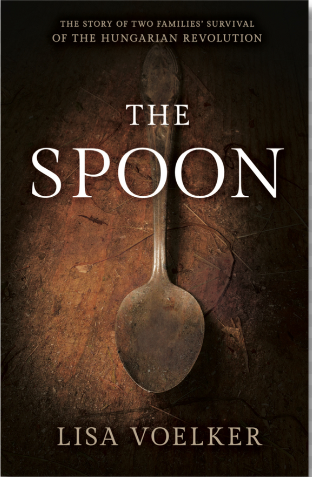
  • THE SPOON: The Story of Two Families’ Survival of the Hungarian Revolution by Lisa Voelker – Historical Fiction, Family Saga, Hungary


    Lisa Voelker’s historical fiction novel, The Spoon, takes us back to the 1950s in Hungary during the daring student uprising, and attempted revolution, in Buda and Pest. The author weaves historical facts with fiction in the form of family lore that has been handed down for generations.
    We follow scores of people whose lives intersected during this uprising of 1956. The revolution was, at its inception, a time of joyous upheaval, but in less than two weeks became one of devastating dissolution. People fled Hungary by the thousands, but not before giving the Soviet Union a taste of their discontent.

    Voelker introduces Rebeka, a member of the Varga family with old ties to the bourgeoisie, who lived a life of privilege on a farm east of Buda and Pest. As well as Peter, a member of the Turea family who attends Budapest Technical University, where students began demonstrating against the Hungarian Government that was under Soviet control.

    Voelker’s cast of characters stems from over a dozen families, some involving four generations, so even as this story focuses on Rebeka and Peter, we get the sense that it is truly the story of a nation. It’s the story of a people who are embroiled in the ramifications of a revolution attempt that was less than two weeks long but reverberated for decades.

    The national pride and courage of the demonstrators stands out.

    Their resilience and continued opposition against the Soviet super-power, pushed forward by the resistance fighters, never wavered. Voelker captures that loyalty and bravery on every page, just as her well-researched novel captures the imagination.

    The ultimate mystery of the book is based on actual family lore, and Voelker keeps us turning the pages to find out what the significance and importance of a particular object is. She gives clues that whet our appetites, and with perfect timing reveals the satisfying conclusion.

    Rebeka and Peter move through the uprising along with friends, family, and people they meet along the way. Voelker’s mastery in developing these interesting individuals keeps us invested in their stories and their successes— and yes, sometimes their failures.

    There are tragedies, as with any war-like situation, and this is an underdog story, much like many international news stories that we see today.

    As philosopher George Santayana wrote: “Those who cannot remember the past, are condemned to repeat it.” This idea has been paraphrased and passed down in many variations, but the truth behind it remains, and we commit this error at our own peril.

    Voelker plays with themes of liberty, freedom, nationality, family bonds, first love, war, and more.

    Her ambitious novel delivers an excellent read while also making connections between the past and the present, and showing us the strength of the family myth— stories that we pass down through generations.

    Lisa Voelker’s The Spoon matches the interest of any history buff, any war novel aficionado, or any reader who loves learning while they enjoy a good book.

    The Spoon by Lisa Voelker won First Place in the 2023 CIBA Goethe Awards for Late Historical Fiction.


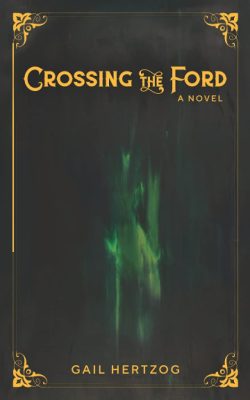
  • CROSSING The FORD by Gail Hertzog – Historical Fiction, Magical Realism, Old West


    Laramie Western Fiction 1st Place Best in Category CIBA Blue and Gold BadgeCrossing the Ford by Gail Hertzog opens in classic Western fashion: a train rolls in, carrying a stranger. Twenty-five-year-old Ruby knows, when she sees “that little lady” get off the train, that life in her rural Nevada town will never be the same.
    Until this moment, Ruby’s children and her no-good husband have claimed most of her time and energy. But she gets to know Kenna, the red-headed stranger — and finds herself irrevocably changed in the process.

    Hertzog weaves a rich tapestry of the post-Civil War West. Her characters inhabit a world that’s lush and bleak by turns, vivid with details of a landscape that shifts with the seasons, from giving to unforgiving. A thread of magical realism creeps in so subtly readers may hardly notice it at first. By the end, though, this book stands as a testament to how mystical and inscrutable the twists and turns of life can be.

    The book is punctuated with vintage-style illustrations and even recipes, which tie in nicely with the plot and help readers immerse themselves in the moment in history.

    Kenna soon introduces Ruby to new ways of looking at the world: ideals of feminine independence, the joy of luxury, and even using magic to bend life to your will.

    Kenna comes from privilege and mystique, with a Scottish Highland heritage steeped in witchcraft – a stark contrast to Ruby’s bleak past. By turns, Ruby finds Kenna intimidating, frustrating, and awe-inspiring. They strike up a close friendship as the seasons turn.

    The novel’s intrigue grows from early on, as Ruby and Kenna hold secrets from each other while holding each other dear. And then there’s Valentine: the local man that Kenna captivates, and Ruby desires from afar (and sometimes, from too close). With the addition of Ruby’s wayward, abusive husband, a tense love square emerges, and it’s not always clear what shape the characters’ lives will end up in. Even Valentine has secrets of his own.

    As Crossing the Ford progresses, everyone’s secrets start to catch up to them, while every event is tinted with Kenna’s magic and mythology.

    The mood sways from joyful to tragic and back again, from sensitive and compelling depictions of the abuse Ruby endures from her husband, to the life she builds in spite of it with Kenna and Valentine’s help.

    This story maintains a confessional quality, as Ruby speaks directly to the mysterious character introduced in the prologue, setting up a satisfying reveal at the end. Over time, Ruby goes from passive observer to active anti-heroine, working to determine her own fate (and sometimes others’ too.) Readers get a deep look at the challenges she’s faced in life, so that when she starts making choices that seem brutal, we can understand her reasons. The action slows for a bit in the middle, but it’s a brief pause, carried by a strong sense of place and Ruby’s compelling voice. You can hear her accent in every word, that of a poorly-educated woman in the rural West, set against the fine and proper language of her best friend Kenna.

    Crossing the Ford makes deft use of moral gray areas, as those areas seem to grow bigger with each page.

    At first, the narrative raises questions about good motherhood and marital loyalty, but later, ponders questions of life and death. Ruby finds herself forced to answer: Is it ever justifiable to kill? Is it ever justifiable to forgive a killer? These issues ring of truth, as Hertzog paints a clear picture of the perils and quandaries faced by folks in the harsh landscape of the post-Civil War West. In the end, it turns out that everyone has something to run from, but not everyone will escape their fate.

    This book is an excellent choice for lovers of historical fiction, complex female characters, and anything with a witchy bent. It shies away from easy answers, instead crafting a portrait of people and places whose outward beauty belies flaws, threats, and hard secrets. The ending is so tragic that it almost feels unsatisfying at first. Hertzog has given us such relatable, compelling characters that readers are left wanting more for them. Yet there’s a deeper truth to this narrative: magic may be real, but it doesn’t always work in one’s favor.

    The characters in Crossing the Ford may not get the ending they want, but they just might get the ending they deserve.

    Crossing the Ford by Gail Hertzog won 1st Place in the 2022 CIBA Goethe Awards for Late Historical Fiction, and 2022 CIBA Laramie Awards for Americana Fiction.


    5 Star Best Book Chanticleer Reviews round silver sticker

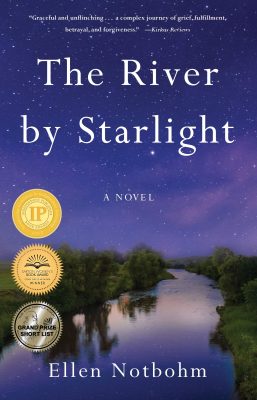
  • THE RIVER By STARLIGHT by Ellen Notbohm – Historical Fiction, Family Fiction, Homestead Era


    Set in the early twentieth century, The River by Starlight by Ellen Notbohm follows Annie (Analiese) Rushton, a woman struggling against her lot in life.

    After a messy divorce leaves her separated from her only child, Annie returns home to her emotionally unavailable and dying mother. A betrayal of Annie’s own mind destroyed her marriage and took away any hope of seeing her daughter again. When she finds a letter from her oldest brother hidden in a drawer by her mother, she decides to join him on his homestead in Montana. Once settled into her new life, she soon forms a whirlwind romance with local business owner Adam Fielding.

    After they marry, Annie wants nothing more than another child, despite the certain risk of her postpartum psychosis returning.

    A string of losses and sickness keeps the passionate couple from their dream of a family until the stress drives them apart. After a jarring separation, Annie gives birth to and loses custody of a little girl she names Nora. Once Annie becomes a member of society again, she works hard to get Nora back from the orphanage and builds a life where they can be together.

    The River by Starlight is historical fiction at its finest. Parenthood and mental health frame this contrast of love and loss.  Throughout the story, Annie is asked how she can just forget the past and move on so easily. The reality is that she does not forget, she must move on to survive. The pain of the past is a character of its own in the story. Its presence and weight are held between Annie, those she loves, and those who love her. Annie struggles to swim her way through troubled waters in a world that believes it would be better off if she drowned. She embodies strength against all odds and the power of love that never dies.

    The River by Starlight by Ellen Notbohm won First Place in the 2018 CIBA Goethe Awards for Post-1750s Historical Fiction.


    5 Stars! Best Book Chanticleer Book Reviews

  • AFTER The RISING And BEFORE The FALL by Orna Ross – Historical Fiction, Irish Civil War, Family Saga


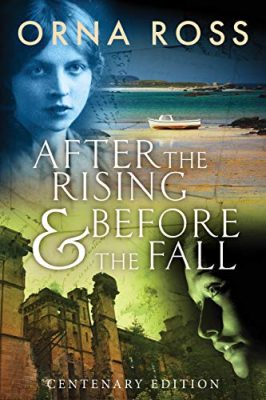
    Goethe 2021 Grand Prize Winner Badge for After the Rising by Orna RossAward-winning Irish author Orna Ross has created a volume comprising the first two novels of The Irish Trilogy, drawing from her Irish birth and upbringing for a special grasp of the country’s history, how its wars and political strivings have affected its people directly, personally, over multiple generations.
    Her two books take on a span of time rooted in the early 1920s and delve deeply into the interlocking fate of the extended family and ancestry of Jo Devereux. Jo, the book’s central narrator, leaves Ireland in her twenties, only returning in her forties in 1995 when she learns that her mother is near death.

    The journey back will draw her into the family’s complex relationships, and reacquaint her with Rory, her former, and perhaps only, true love.

    Reading through old family papers, Jo will find out more about her mother, her grandmother, and some of the men from her past. These family secrets are compelling and often painful, driving Jo to discover more, eventually uncovering a murder with people she knew and cared for possibly at its center.

    Underpinning the drama among her closest and most cherished people is her growing understanding of her home country. Ireland’s war for independence from England has always found most emphasis in its popular lore, but the far-less publicized conflict that followed, the Civil War, may have killed more people than the one that preceded it and lingers even today in bitter memory.

    Jo will have to absorb all of these revelations about her forebears while she copes with the ever-changing modern culture in her new home of San Francisco.

    The insider’s gaze at 1960s gay culture and feminism are significant sidebars in both past and present portions of Ross’s vibrant and varied narrative. The book ends with Jo contemplating her future, with some crucial questions yet unanswered, begging a sequel.

    Ross is a highly practiced wordsmith; this series has already garnered recognition, awards, and the attention of the media.

    She is able to mix, match and contrast evocative elements of romance, warfare, women’s rights, men’s feelings, historical nuance, and human-scale humor (especially highlighting that aspect of the Irish conversational flow), all in their appropriate historical niches, developed deftly to keep her story in full motion. This is a book for dedicated readers of any age or clime and will have them waiting attentively for the final installment.

    After the Rising by Orna Ross won Grand Prize in the 2021 CIBA Goethe Awards for post-1750s Historical Fiction.


    5 Stars! Best Book Chanticleer Book Reviews

  • Pamela Jonas — Author of For Love of Family

    Pamela Jonas — Author of For Love of Family

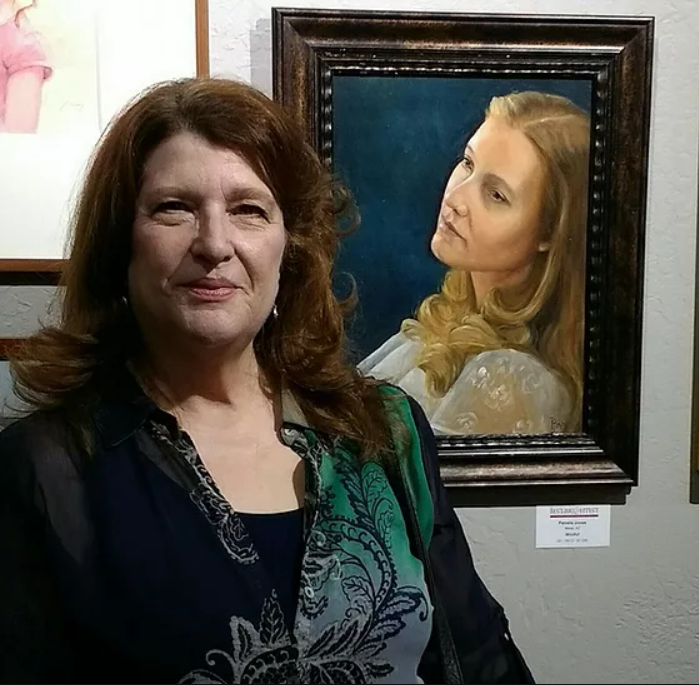
    Pamela JonasI’m so excited to have received First Place for the Goethe Awards for 20th Century Historical Fiction for my novel For Love of Family: A Slovak Immigrant Novel
    Pamela Jonas, author of For Love of Family and Goethe First Place Winner

  • Part Two of The 2020 Chanticleer International Book Awards (#CIBAs) Overall Grand Prize and Division Grand Prize and First Place Category Winners

    Part Two of The 2020 Chanticleer International Book Awards (#CIBAs) Overall Grand Prize and Division Grand Prize and First Place Category Winners

    We are deeply honored and excited to continue to announce the 2020 Winners of the Chanticleer International Book Awards (The CIBAs) with our second of three official postings.

    Click here to visit the First Posting out of Three Official Announcements for the 2020 CIBA Winners.

    Click here to visit the Third Posting out of Three Official Announcements for the 2020 CIBA Winners.


    VCAC21 laurel wreath


    The winners were recognized at a special CIBAs ceremony held on June 5th, 2021 in-person and by ZOOM webinars based at the luxurious Hotel Bellwether, Bellingham, Wash.

    The CIBA announcements were made LIVE with Chanticleerians participating and interacting from around the globe and North America.

    We cheered on the CIBA Premier Finalists with our bubbly of choice from wherever we were Zooming!

    Btw, Kiffer’s favorite Champagne!

    We want to thank all of the CIBA judges who read each and every entry and then comment, rate, and rank within each of the 24 CIBA Divisions. Without your labors of love for books, the Chanticleer International Book Awards would not exist. THANK YOU!


    We want to thank all of the authors and publishers who participated in the 2020 Chanticleer International Book Awards (the CIBAs). Each year, we find the quality of the entries and the competitiveness of the division competitions increasing exponentially. We added a new level to the judging rounds in 2020—the premier Level of FINALIST per each CIBA Division. The CIBA judges wanted to add the Finalist Level of Achievement as a way to recognize and validate the entries that had outstanding merit but were not selected for the very few First Place Award positions within each genre division.

    This post will recognize the First Place and Grand Prize Winners for the Laramie, Chaucer, Goethe, Hemingway, Chatelaine, Mark Twain, and Somerset Awards.

    Coveted Chanticleer Blue Ribbons!

    We are honored to present the

    2020 Chanticleer International Book Awards

    Grand Prize Winners 

    The 2020 CIBA Winners! 


    Western Pioneeer Civil War Fiction Award

    The LARAMIE Book Awards for

    American, Western, Pioneer, Civil War, and First Nation Novels

    The Grand Prize Winner isA blue and gold badge for the 2020 Grand Prize Winner for Laramie Westerns for Trouble the Water, a novel by Rebecca Dwight Bruff

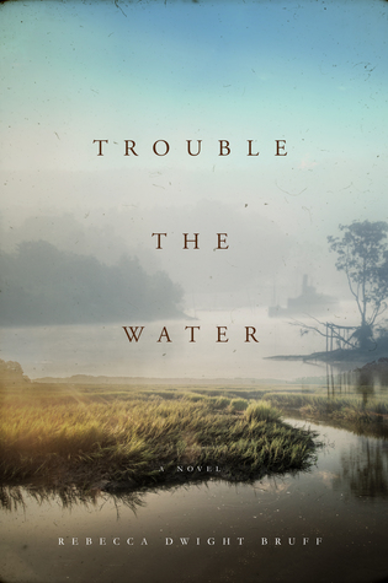
    TROUBLE THE WATER, A NOVEL by Rebecca Dwight Bruff

    Cover of Trouble The Water by Rebecca Dwight Bruff


    • Eileen Charbonneau – Mercies of the Fallen 
    • James Kahn – Matamoros 
    • Daniel Greene – Northern Wolf
    • David Fitz-Gerald – She Sees Ghosts? The Story of a Woman Who Rescues Lost Souls 
    • Gerry Robinson – The Cheyenne Story   
    • J.B. Richard – Jesse  
    • Mike Shellenbergar – Quail Creek Ranch 
    • Mike Shellenbergar –Refuge
    • J. Palma – The Chaffee Sisters   
    • Fred Dickey – Days of Hope, Miles of Misery – Love and Loss on the Oregon Trail 

    The Chaucer Awards for Historical Novels

    The CHAUCER Book Awards for

    Pre-1750s Historical Fiction 

    Grand Prize Winner is

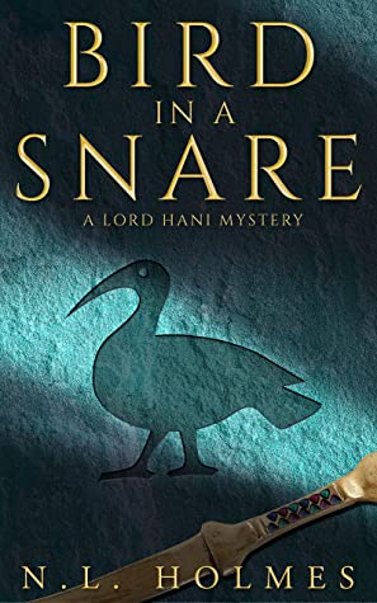
    BIRD IN A SNARE by N.L. Holmes

    Cover of Bird in a Snare by N.L. Holmes

    • B.L. Smith – The Fall of the Axe
    • Helena P. Schrader – The Emperor Strikes Back
    • Denis Olasehinde Akinmolasire – The Mission to End Slavery
    • Thoren Syndergaard – Ripley of Valor
    • Brook Allen – Antonius: Son of Rome
    • Janet Wertman – The Path to Somerset
    • Regan Walker – Summer Warrior    

    Post 1750s Historical Fiction Award

    The GOETHE Book Awards for

    Post-1750’s Historical Fiction 

    Grand Prize Winner is

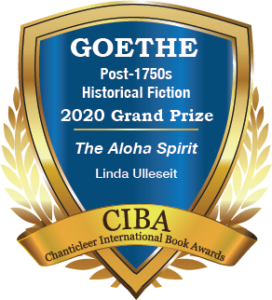
    A blue and gold badge for the 2020 Grand Prize Winner for Goethe Post-1750s The Aloha Spirit by Linda Ulleseit

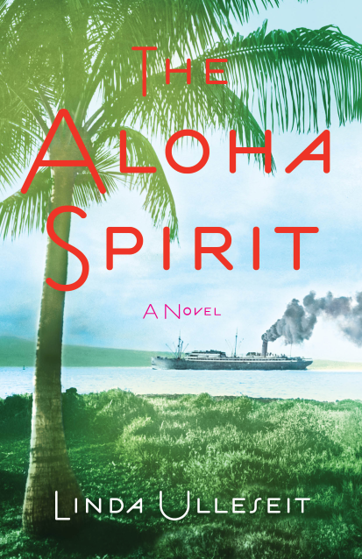
    THE ALOHA SPIRIT by Linda Ulleseit

    Cover of The Aloha Spirit by Linda Ulleseit

    • Wendy Long Stanley – The Power to Deny       
    • Ben Wyckoff Shore – Terribilita      
    • Donna Scott – The London Monster   
    • Michelle Cameron – Beyond the Ghetto Gates    
    • P. L. Jonas – Beneath a Radiant Moon     
    • Dorothea Hubble Bonneau – Once in a Blood Moon  
    • Jule Selbo – Breaking Barriers: A Novel Based on the Life of Laura Bassi

    Ernest Hemingway looking off to the right

    The HEMINGWAY Book Awards for

    20th Century Wartime Fiction

    Grand Prize Winner is

    THE QUISLING FACTOR by J.L. Oakley


    Romance Fiction Award

    The CHATELAINE Book Awards for

    Romantic Fiction and Women’s Fiction

    Grand Prize Winner is

    A blue and gold badge for the 2020 Grand Prize Winner for Chatelaine Romantic Fiction When the Wind Chimes by Mary Ting

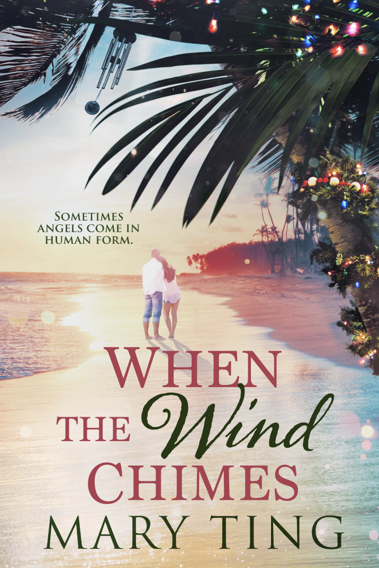
    WHEN THE WIND CHIMES by Mary Ting

    Cover of When the Wind Chimes by Mary Ting

    • Linda Stewart Henley –Estelle: A Novel
    • Lindy Miller –The Magic Ingredient
    • Alexandrea Weis – The Christmas Spirit
    • Linda Lee Graham – A Thimbleful of Honor
    • Gayle Woodson – After Kilimanjaro
    • Eileen Charbonneau –Mercies of the Fallen
    • Carol Van Den Hende – Goodbye, Orchid       
    • Gail Noble-Sanderson – The Lavender Bees of Meuse   
    • Barb Warner Deane – The Whistle Stop Canteen     
    • T.K. Conklin – Promise of Spring    

    Mark Twain Awards

    The MARK TWAIN Book Awards

    for Humor and Satire

    Grand Prize Winner is

    A blue and gold badge for the 2020 Grand Prize Winner for Mark Twain Humor and Satire Arnold Falls by Charles Suisman

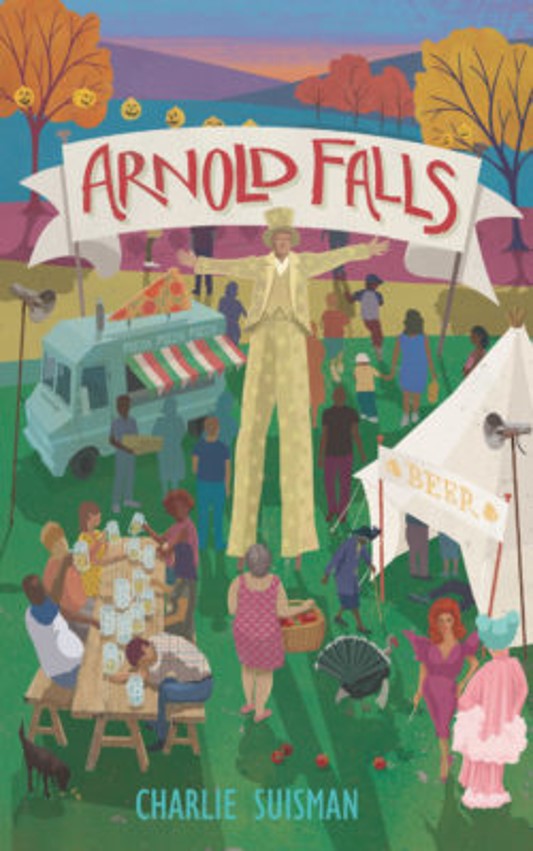
    ARNOLD FALLS by Charlie Suisman

    Cover of Arnold Falls by Charlie Suisman

    Blue and Gold Mark Twain First Place Winner Badge for Best in Category

    • Lenore Rowntree – Cluck
    • Wayne Edmiston – UNfatally Dead: to thaw or not to thaw?
    • Haris Orkin – You Only Live Once
    • Elizabeth Crowens – Dear Bernie, I’m Glad You’re Dead
    • Alex J. Tremari – Dragoncast
    • Matt Tompkins – Odsburg
    • J.P. Kenna – Toward A Terrible Freedom           

    The SOMERSET Book Awards

    for Literary, Contemporary, and Mainstream Fiction

    Grand Prize Winner is

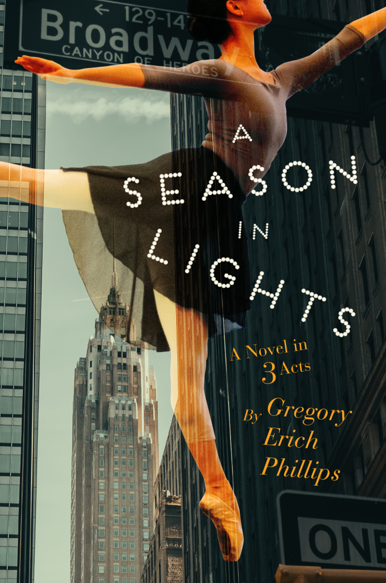
    A blue and gold badge for the 2020 Grand Prize Winner for Somerset Literary and Contemporary Fiction A Season in Lights By Gregory Erich Phillips

    A SEASON IN LIGHTS by Gregory Erich Phillips

    Cover for A Season in Lights by Gregory Erich Phillips

    Blue and Gold Somerset First Place Winner Badge for Best in Category

    • Sara Stamey –Pause
    • Candi Sary –Magdalena
    • Kathleen Reid –Sunrise in Florence
    • T P Graf – As the Daisies Bloom
    • Julie Weary – Knowing Marjorie Thane
    • Barbara Linn Probst – Queen of the Owls
    • Jennifer Gold – Keep Me Afloat
    • Lainey Cameron – The Exit Strategy
    • Susan Wingate – How the Deer Moon Hungers  


    Congratulations to ALL!

    We will email each winner with more information about their prize packages and more information.

    Be sure to FOLLOW and LIKE us Facebook and on Twitter @ChantiReviews

    Please standby for our next post ( that will honor:

    • Journey Book Award Winners
    • Hearten Book Award Winners
    • Harvey Chute Book Award Winners
    • Mind and Spirit Book Award Winners
    • Nellie Bly Book Award Winners
    • Instructional and Insight Book Award Winners
    • Short Story Book Award Winners
    • Book Series Book Award Winners

    And the OVERALL GRAND PRIZE for the 2020 CIBAs!

    Stay Tuned for Part 3 that will announce the Overall Grand Prize Winner!

    We are now accepting entries into the 2021 and 2022 Chanticleer International Book Awards.

    Click here for more information and submission deadlines: https://www.chantireviews.com/contests/

    As always, if you have any questions, concerns, or suggestions, please email us at Chanticleer@ChantiReviews.com   We will try our best to respond within 3 business days.

    Thank you for joining us in celebrating the 2020 CIBA Winners! – The Chanticleer Team