Tag: Fiction writing tips

  • Chanticleer Authors Conference (CAC25) is Almost Sold Out!

    There’s still time to Register for the Chanticleer Authors Conference!

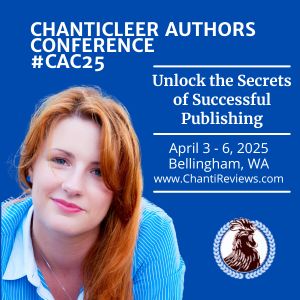
    CAC25 banner for the Chanticleer Authors Conference. 2025 Dates are April 3-6.

    First, we want to take a moment to congratulate all our Finalists again! You can find the full lists of Finalists in each division below!

    These wonderful authors put themselves out there, and we are honored to have been able to promote them throughout the 2024 CIBA year and beyond! Good luck in these final rounds of judging!

    What to Expect at CAC25!

    Publishing as the Hub of Technology

    The world of publishing continues to evolve at an unprecedented pace. Technology has become central to every aspect of the industry, from writing and editing to marketing and distribution. At Chanticleer, we take pride in offering a conference that embraces the latest in publishing technologies. Our event provides a comprehensive look at the best tools and strategies authors can use to build their brands, market their work, and increase sales. We’ll explore everything from AI and metadata management to cutting-edge marketing techniques, ensuring you are well-equipped to thrive in today’s digital landscape.
    A Wreath with the words "CAC 2025" on it to celebrate the Chanticleer Author's Conference or CAC25
    Register today!

    In addition to offering invaluable business and marketing insights, we are also featuring select advanced writing craft classes to help authors take their writing to the next level. Whether you’re looking to improve your storytelling techniques, explore new narrative structures, or refine your manuscript, CAC25 has something for everyone.

    Headliners

    J. D. BARKER- Int’l Bestselling Thriller Author

    J.D. Barker is the New York Times and international best-selling author of numerous novels, including DRACUL and the wildly popular 4MK series. He is currently collaborating with James Patterson. His books have been translated into two dozen languages, sold in more than 150 countries, and optioned for both film and television. Barker resides in coastal New Hampshire with his wife, Dayna, and their daughter, Ember.


    CHRISTINE FAIRCHILD – Author, Book Doctor, and Dialogue Expert

    Christine Fairchild offers 35+ years experience as a writer, editor, and book doctor. She’s conducted celebrity interviews (XFiles, SciFiMall.com), edited for technical giants (Microsoft, Hitachi), and served as a marketing/readability specialist for consumer products (DHL, Cingular, AT&T). She now specializes in Suspense fiction and helps authors take their work, and their career, to the next level through her online workshops, classes at conferences and one-on-one book-doctoring of clients’ novels. She also writes suspense and historical fiction, so she understands the challenges authors face in their craft and the publishing industry.


    Kim Hornsby, a young white woman with blonde hair and glasses wearing a stylish yellow jacket with a blue scarfKIM HORNSBY – USA Today Bestselling Author, Producer, and Screenwriter

    Kim Hornsby is a USA Today Bestselling Author and Produced Screenwriter known for adapting her novels to screenplays. With 16 novels and as many screenplays Kim is also a movie producer, with Braving Rapids, a Family Adventure and Secret Life of My Other Wife, a Lifetime Thriller slated to release early ’25. Comfort & Joy starts filming for a Christmas ’25 release as well as Christmas in Crystal Creek. She teaches her method of adapting from book to film at conferences nationally including Chanticleer, the RWA and PNWA. Her Christmas Romance novels and Suspense Mystery novels have sold over half a million books and she’s thrilled write happy-ending stories for her readers.

    A mother, dog owner, kayaker, painter, and avid adventurer, Kim loves to travel but when home she writes from a desk overlooking her forested acreage on an island off Seattle conjuring up entertainment with gutsy heroines amongst diverse and inclusive characters to represent real life.

    www.KimHornsby.info


    See the full list of faculty here!

    Can’t make it on Friday? Saturday-only passes are available! These passes include lunch, the banquet, and participation in the Saturday Book Fair at the Bellingham Yacht Club, followed by the Village Books Book Fair the next day at their flagship store in Fairhaven!

    Please do not hesitate to contact us with any questions, concerns, or suggestions at info@ChantiReviews.com. We try our best to reply within 3 business days.

    The esteemed WRITER Magazine (founded in 1887) has repeatedly recognized the Chanticleer Authors Conference as one of the best conferences to attend and participate in for North America.
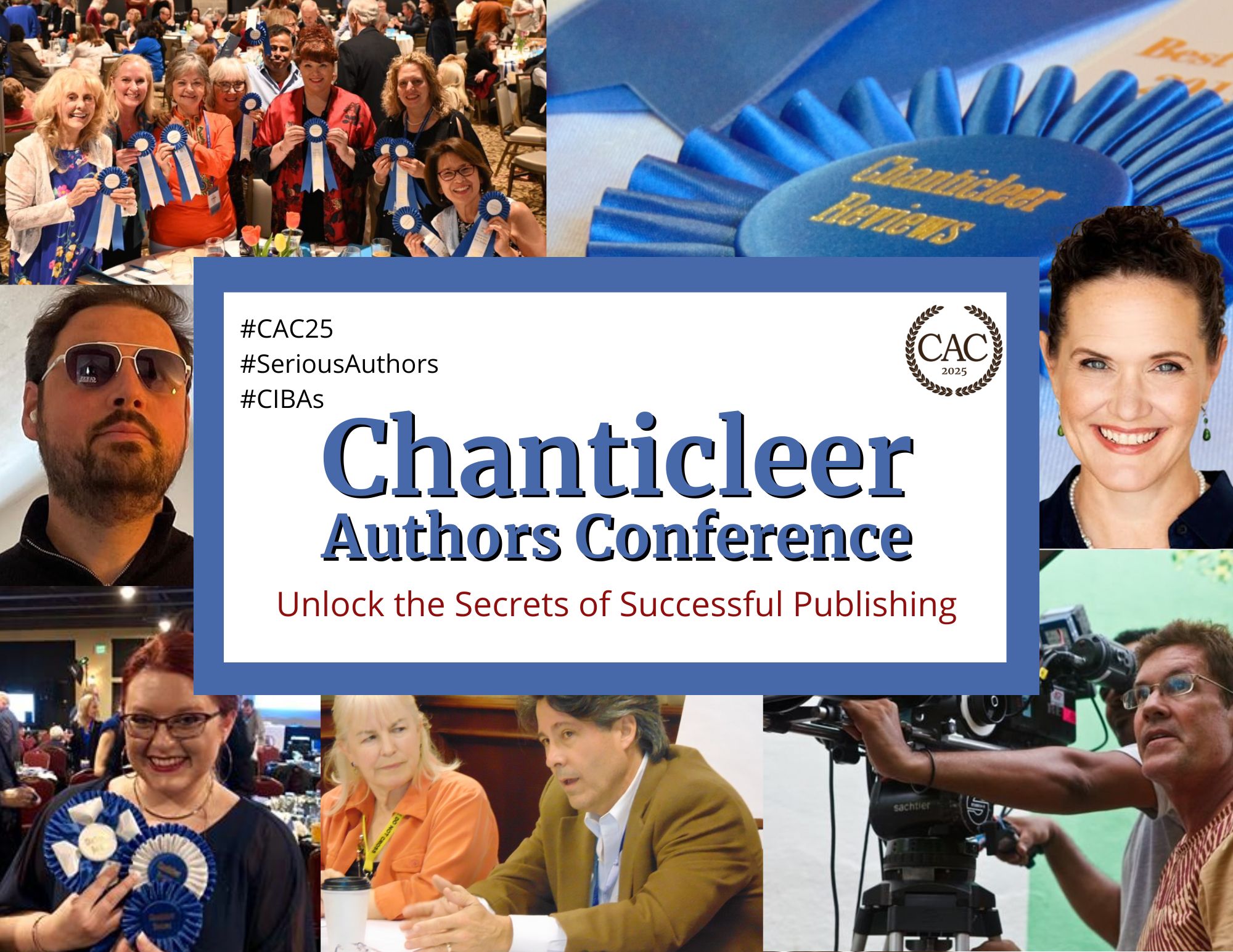
    Chanticleer Authors Conference, people, CAC2025

    Join us for our annual conference as we enter our second decade and discover why!

    Thank you again to everyone who participated in the 2024 CIBAs! We wish you all the best of luck during these final rounds of judging and hope to see you at CAC25, April 3 – 6, 2025!

    Best regards,
    Kiffer Brown, David Beaumier, Dena Weigel, Anya Mueller, Scott Taylor, Argus Brown
    and Team Chanticleer
  • Mastering the Four Styles of Narrative Writing, a Chanticleer Toolbox Article from Dena Weigel and David Beaumier

    Narrative writing is one of the most powerful ways to tell stories.

    chalkboard, message, white, black, wood

    Giving your story a voice that readers connect with creates a world for them to become a part of as the story unfolds. Whether you’re crafting a novel, penning a memoir, or writing a short story, telling it as narrative will bring readers closer to your characters.

    What is Narrative Writing?

    This can be thought of simply as any type of writing that follows a plot and story bounded by time. It may be easiest to think of Narrative writing in terms of what it isn’t, which is prescriptive writing. Prescriptive writing is how-to, sometimes self-help, and cookbooks – anything that tells you how to do something rather than relating a sequence of events. Narrative writing, each with its own unique approach and purpose, are effective tools for crafting an interesting, compelling story. Understanding the purpose of the different types of narrative writing can help you fine-tune your storytelling skills and choose the right type to propel your story’s plot along.

    In this post, we’ll break down four types of narrative writing, explore its key characteristics, and offer tips on how to each type effectively in your writing. Whether you’re a seasoned writer or just starting out, mastering these different approaches will deepen your ability to captivate your readers and communicate your ideas with clarity and impact.

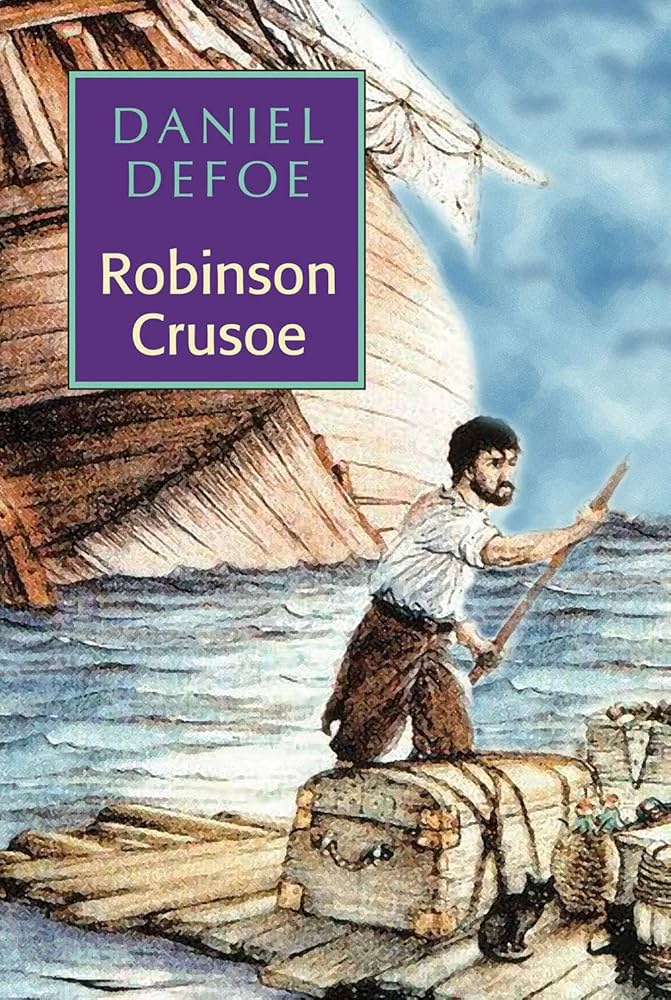
    Robinson Crusoe, book cover

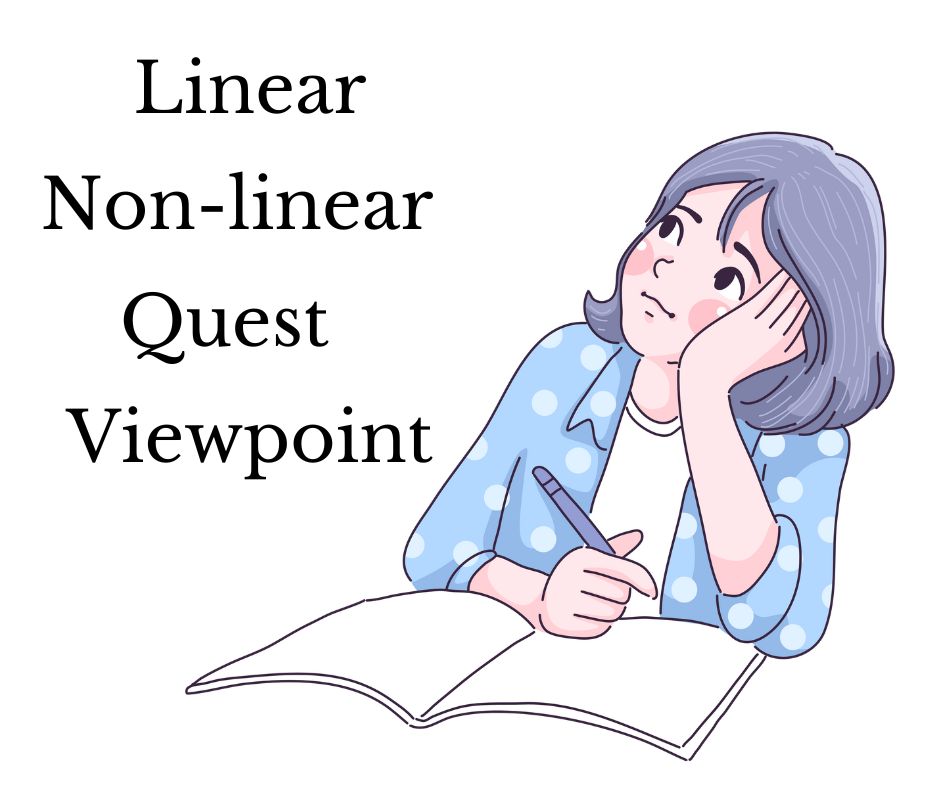
    1. Linear Narrative.

    A linear narrative presents events in the order they happen, taking the reader on a straightforward journey through time. This structure can be found in personal essays, autobiographies, and novels where clarity and progression are paramount. Robinson Crusoe by Daniel Defoe serves as a solid example as readers follow Crusoe’s daily life and struggles chronologically, experiencing his survival and growth in real time.

    Why choose linear storytelling?

    Linear narratives are perfect for stories where clarity and immersion are key. They allow readers to step into the protagonist’s shoes and experience events as they happen, fostering a sense of immediacy and intimacy. For authors, this structure helps maintain a steady pace and ensures that every event naturally builds upon the last, making it easier to keep the narrative focused and cohesive. Linear storytelling is probably the most common type of narrative, which makes it particularly effective for readers.


    2. Non-linear Narrative.

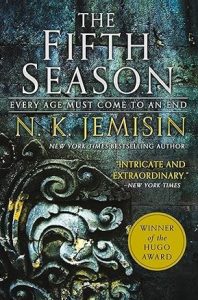
    Non-linear narratives present events out of chronological order, using flashbacks, flash-forwards, and shifts in perspective. This structure allows readers to piece together the story like a puzzle, often uncovering thematic connections and emotional truths along the way. These stories, which we’re about to talk about, are often rife with spoilers. A stunning example of this storytelling style is N.K. Jeminsin’s The Fifth Season, which intertwines timelines and perspectives to reveal more about that world than a linear viewpoint could and culminates in a groundbreaking twist that will drive readers to turn the pages again and again. The fragmented structure mirrors the fractured realities of the story’s characters, creating an emotionally resonant and intellectually stimulating story for readers.

    Why choose Non-Linear Storytelling?

    Authors can be drawn to non-linear narratives for the opportunity to build suspense, deliver surprises, and exploring intricate themes without being hampered by a strict timelines. For readers, this style can draw them in as they actively work to piece together the narrative. It invites them to experience the story on multiple levels, often increasing the joy of not only reading the book, but re-reading it. Other great examples of non-linear narratives in media are the TV show Lost and the movie Pulp Fiction.

    3. Quest Narrative.

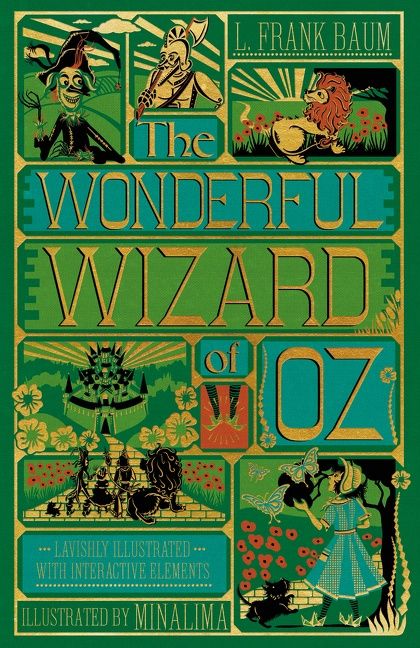
    A quest narrative centers on a protagonist who embarks on a journey to achieve a specific goal. This structure can be see in Frank Baum’s The Wizard of Oz, where Dorothy travels through strange lands, faces challenges, and learns valuagle lessons, all in pursuit of returning home to Kansas. As her journey unfolds, she makes friends, finds mentors, and confronts her fears, all leading to a story of transformation.

    Why choose Quest Storytelling?

    Similar to linear narratives in many ways a quest narrative could be considered our first “subset” of narrative style. However, quest storytelling, like the romance genre, has a few key points that must be touched upon. The protagonist must overcome external obstacles and internal struggles to achieve their goal, and at the end they must have gone through a transformation. Quests fit best for stories where growth is a central theme. Readers connect deeply with quest narratives because of the way they mirror universal experiences of striving, learning, and triumphing against all odds. This timeless framework excels at emotional resonance and a satisfying payoff.

    4. Viewpoint Narrative.

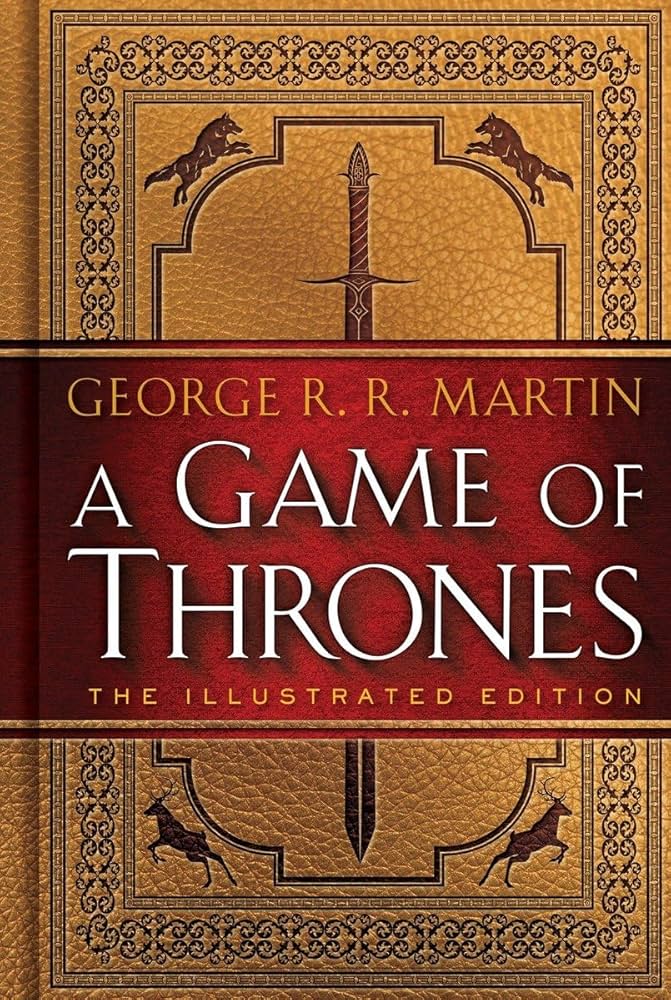
    Viewpoint narratives delve into the lives and perspectives of multiple characters, offering a kaleidoscopic view of the story. George R.R. Martin’s A Game of Thrones shines as an example of this structure, with each chapter revealing events and motives from the point of view of difference characters. This multifaceted approach allows for a deeper view of plot that reveals layers of intrigue as the readers are able to see what happens through a diverse variety of lenses.

    Why choose Viewpoint Storytelling?

    Viewpoint narratives create rich, multifaceted worlds where the reader can explore the depth of multiple characters and storylines. For authors, this structure adds a layer of complexity to their tales as the shifting perspectives can unveil hidden truths, add suspense, and explore contrasting ideologies. Readers are drawn into the intricacy of the narrative, finding their loyalties and perceptions constantly tested, making for an immersive and dynamic storytelling experience.

    Why Narrative Style Matters

    quill, candle, arm

    First off, this is hardly a comprehensive list of narrative styles, just examples of some of the ones most commonly seen today. There’s plenty of overlap as well between these, as you could have a non-linear, quest focused story with multiple viewpoints.

    Each narrative structure—linear, non-linear, quest, or viewpoint—shapes the way readers connect with your story. By experimenting with different styles, you can tailor your storytelling to match the themes and emotions you want to evoke.

    As an exercise, we recommend trying to write the same scene following different styles. Including quest adds a fun element of tone to explore as you go through it! If you don’t have a story, you can try rewriting parts from our own David Beaumier’s short story Medusa, which  you can read here.

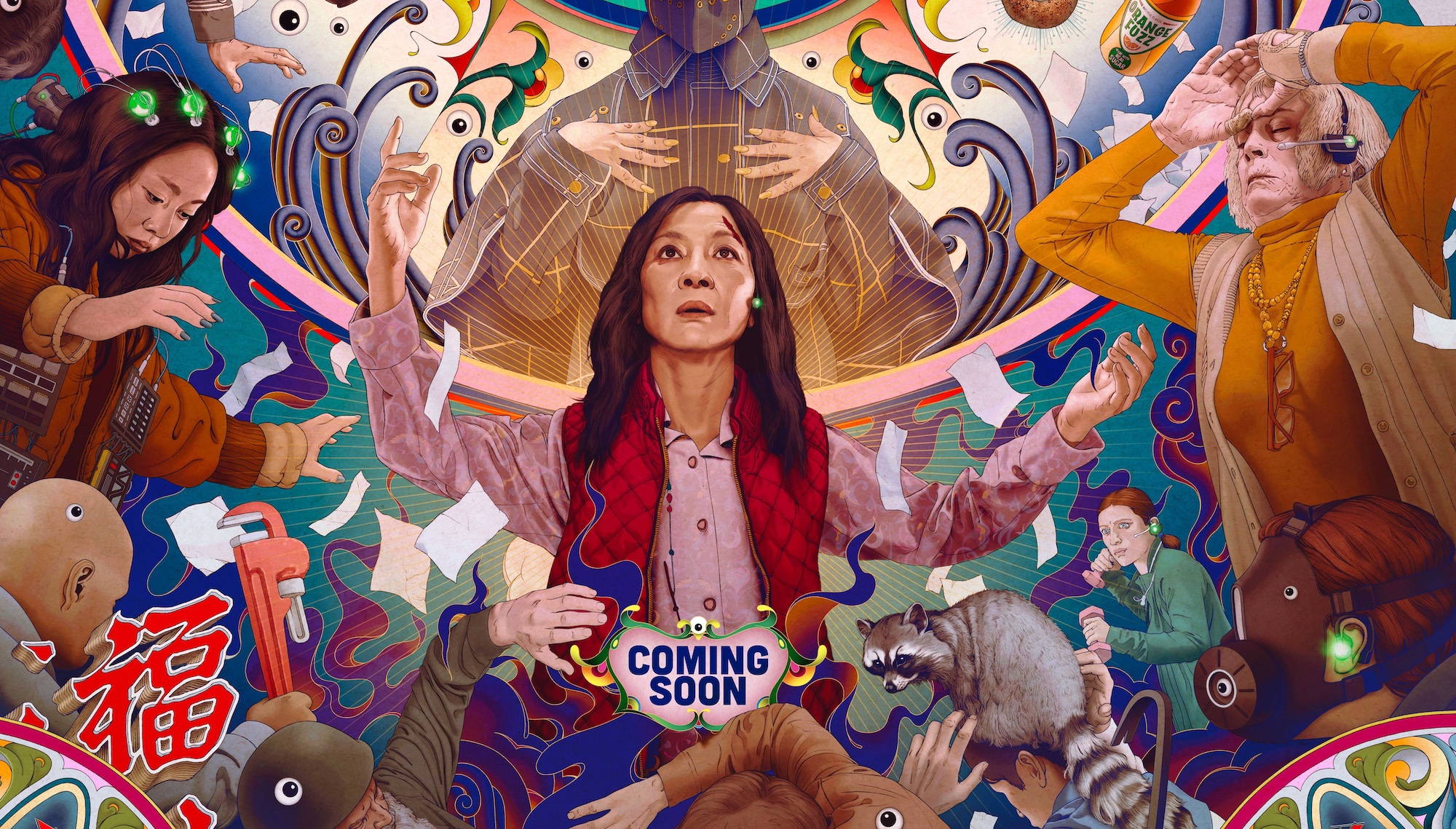
    A promotional image for the incredible Everything Everywhere All At Once movie featuring Michelle Yeoh
    Think of the exercises like balancing the universes in Everything Everywhere All At Once
    • Linear Narrative: Your story may already be like this, but if not, remember to focus in on moving from one point to another, and exploring what it would mean for a non-linear story to come out in order.
    • Non-Linear Narrative: Here the question is what comes first and what comes last? Does it need to overlap in different ways (possibly with multiple perspectives) to make this story work? Thinking of Medusa would we need to see Melody’s interrogation from her perspective first and then have a flashback to the attack with her brother?
    • Quest Narrative: Thinking of a classic story like The Hobbit, what is the call to action for this story? What is the external and internal adversity faced by the main character, and then how do they transform by the end? Medusa would need to be expanded to do that, but Allison could be well on her way to creating a home and safe place for people with strange and unusual powers where they won’t be harmed by the mysterious Visitation.
    • Viewpoint Narrative: What does everyone in the scene think? If way your story is written only has one character is there an object that could have a viewpoint? Is someone listening in? Or is there another scene that can be added from the point of view of the person who the characters are talking about?

    Understanding these narrative techniques will help maximize your creativity and craft stories that captivate, surprise, and stay with your readers long after “The End.”


    Chanticleer Editorial Services – We’re ready when you are ready!

    Did you know that Chanticleer offers editorial services?

    We do and have been doing so since 2011!

    Tools of the Editing Trade

    Our professional editors are top-notch and are experts in the Chicago Manual of Style. They have and are working for the top publishing houses (TOR, McMillian, Thomas Mercer, Penguin Random House, Simon Schuster, etc.).

    For more information, please reach out to us at info@ChantiReviews.com.

    We work with a small number of exclusive clients who want to collaborate with our team of top-editors on an on-going basis. Contact us today!

    Chanticleer Editorial Services also offers writing craft sessions and masterclasses. Sign up to find out where, when, and how sessions being held.

    A great way to get started is with our manuscript evaluation service: https://test.chantireviews.com/manuscript-reviews/