
Tag: Early Historical Fiction

  • Chanticleerians in the News: Lisa Llamrei Takes Her Ancient Egypt Expertise from Page to Passport

    Chaucer Finalist Lisa Llamrei brings her book to life!
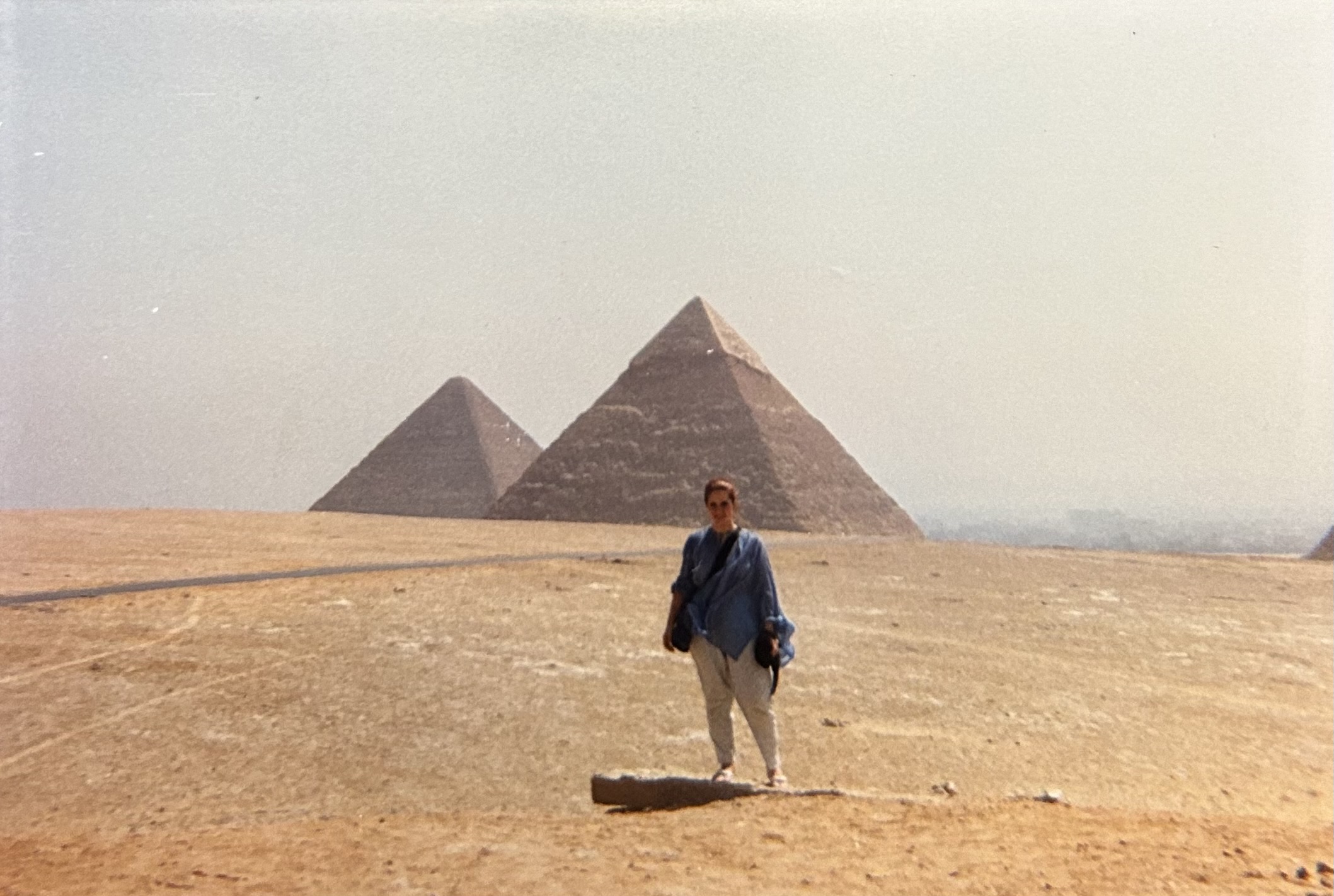
    Readers will follow her characters’ footsteps through Egypt!

    When your mission is to Discover Today’s Best Books, you love to come across good news regarding authors!
    Lisa Llamrei, 2024 Chaucer Award Finalist, is combining her passion for Ancient Egypt with her travel expertise to lead an exclusive literary tour in March 2026!

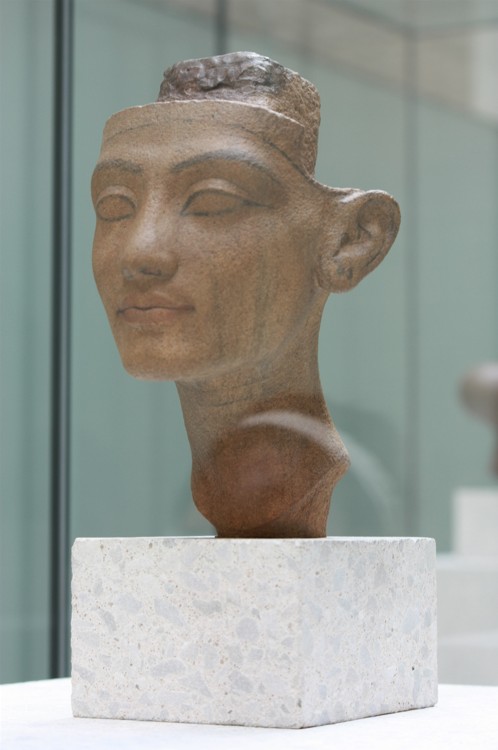
    The author behind Feather of Ma’at and Quest for Ma’at isn’t just writing about Nefertiti and Tutankhamun—she’s taking readers directly to their world. As both a travel agent specializing in Egypt and a novelist whose Ancient Egypt trilogy earned recognition in the Chanticleer International Book Awards, Llamrei has crafted a unique itinerary that brings her fiction to life.
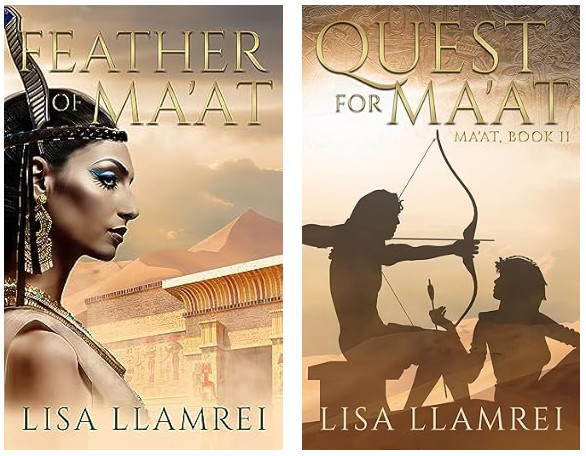
    The Feather of Ma'at and the Quest for Ma'at covers

    “Egypt may be addictive,” warns Llamrei, who first fell in love with the land of pharaohs as a teenager. Her March 5-13, 2026 tour will visit off-the-beaten-path sites like Amarna (ancient Akhetaten, where Nefertiti ruled) and includes exclusive access to King Tut’s tomb—essential stops for readers of her novels.

    This isn’t just any Egypt tour. Llamrei has curated experiences that directly connect to her award-winning historical fiction, allowing travelers to walk in the footsteps of the characters she brings to life on the page. From the temples and tombs featured in her books to the vibrant souks of Islamic Cairo, she’s sharing her decades-long love affair with Egypt.
    With her second novel already released and the trilogy’s conclusion with her publisher, Llamrei is planning additional literary tours based on beloved novels like Shogun and The DaVinci Code.

    You can read the full blogpost she put together describing the trip here!

    Bookings are open, and space is limited!


    Ready to join the ranks of award-winning authors like Lisa?

    You know you want it…

    Don’t miss out! Several Chanticleer International Book Award divisions have deadlines fast approaching. Whether you’re crafting historical fiction like Lisa’s Chaucer Award finalist Feather of Ma’at or working in any of our divisions, there’s still time to get your work recognized. Our awards provide the credibility and visibility that can transform a passion project into a professional platform—just ask Lisa, who’s now leading international tours based on her award-winning novels.

    Blue button that says Enter a Writing Contest

    Submit your manuscript today before deadlines close!

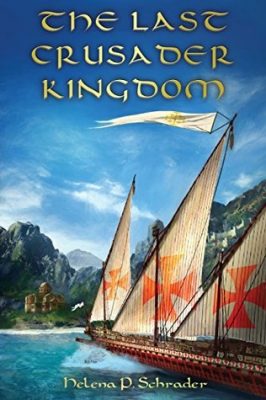
  • The LAST CRUSADER KINGDOM: DAWN of a DYNASTY in TWELFTH-CENTURY CYPRUS by Helena  P. Schrader

    The LAST CRUSADER KINGDOM: DAWN of a DYNASTY in TWELFTH-CENTURY CYPRUS by Helena P. Schrader

    In the Introduction and Acknowledgements section of her fascinating novel, The Last Crusader Kingdom: Dawn of a Dynasty in Twelfth-Century Cyprus, Helena P. Schrader notes that “. . . the historical basis for this novel is very thin,” and that the book serves as “a fictional depiction of events as I believe they could have happened.” Upon finishing the book, one concludes that only the rare reader would disagree with Schrader’s version of the historical events that comprise her narrative. Her comprehensive research and impressive scholarship are evident on every single page. This is a work of historical fiction, admittedly, but Schrader clearly was tireless in exhuming every possible detail to piece together as authentic a history of medieval Cyprus, 1193-1198, as possible.

    The establishment of a Latin Kingdom on the formerly Byzantine island of Cyprus in the late twelfth-century is as engrossing and intricate a chapter in history as possible, one that involved a plethora of cultures, religions, family dynasties, battles, treaties, and, inevitably, human greed and vanity. Schrader addresses both public and private lives and demonstrates how their intertwining shaped history. She considers all classes of society, from barons to beggars. It would be easy to get lost amongst the riveting and numerous details, but the author takes the reader by the hand and offers a guided tour to people, places, and events. The novel includes a Cast of Characters, Genealogical Charts for the Houses of Jerusalem, Lusignan, and Ibelin, as well as historical maps of Cyprus and the Outremer. Her Historical Notes underscore the depth of her research, and she also provides a glossary to orient the reader with historical and regional terms.

    Schrader matches her exhaustive research with a thoroughly captivating narrative. Her prose shimmers with elegant confidence and wit. The story traces how this strategically positioned island, formerly fraught with the greatest animosity between the inept and despised Frankish ruler, Guy de Lusignan, and the Greek Orthodox natives is pacified even after the influx of Latin immigrants.  How all this came about is as exciting and adventurous tale as anyone could imagine. Schrader pays keen attention to how power is grasped, nourished, and maintained, and her tale demonstrates the essential and timeless balance of politics, religion, economy, and public relations. Although the novel takes place in medieval times, much of it could serve as a primer for twenty-first-century global politics and diplomacy.

    One might expect the medieval world to be dominated by men, yet the author fully addresses the lives of women. Obviously siring male heirs was of importance in the twelfth century, but Schrader does not limit episodes involving female characters to pregnancy and birth. She emphasizes their role as astute advisers to their husbands and other male relations. The women understood that marriages were opportunities for strategic alliances and personal power. Queens and wives of public figures were keenly aware of the critical public relations roles they played in binding their subjects to the ruling families.

    The reader also learns a wealth of information on shipbuilding, irrigation, aqueducts, woodcarving, piracy, on and on.  The Last Crusader Kingdom is not just the story of key families ascending to power; it’s also an enlightening overview on the state of technology, the arts, and crime at the close of the twelfth century. The reader trusts Schrader’s depiction of events as accurate in large part because her meticulous research makes every scene vivid and memorable.  Schrader matches her exhaustive historical research with a thoroughly captivating narrative.  Her prose shimmers with elegant confidence and wit.

    Helena P. Schrader is an author who doesn’t just bring history to life but one who reminds us that each passing moment is also history. To understand the events reported on the front pages of today’s newspapers, there’s no greater teacher than the past. The Last Crusader Kingdom is filled with lessons we’d be foolish to neglect.

       5 Star Best Book Chanticleer Reviews round silver sticker