Celebrating the 4th of July – Independence Day in the U.S.A.
In July 1776 the United States declared Independence from England.

The primary freedoms that everyone remembers from the Declaration of Independence is “Life, Liberty, and the pursuit of Happiness.” You can read the full Declaration here via the National Archives. It’s about two pages long and worth taking the time to review it.
Of course, the Declaration of Independence didn’t mean freedom for all…
Since US Independence was declared, the path to voting rights for all has been a long one getting from there to here, and there’s still more work to be done. You can read an abridged history of the journey of voting rights for women and people of color here, with special attention paid to the 19th Amendment.
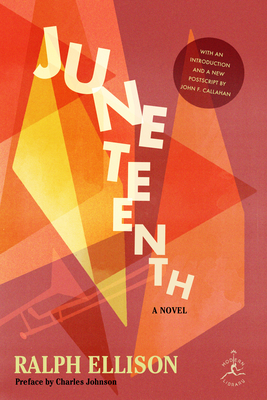
And we now have Juneteenth, a Texas holiday that is now celebrated nationwide. . The holiday celebrates a June 19, 1865 proclamation that freed enslaved peoples in Texas. Texas then, in 1979, became the first state to recognize Juneteenth as an official holiday. You can learn more about Juneteenth here.
Clearly, the US Independence Day has a deep, rich history that still lives on and evolves today. The traditions to celebrate the Fourth of July also continue to change and grow with the world.
Here in Bellingham, Wash., there will be a celebration at Zuanich Point Park and the Squalicum Boathouse. Events begin at 2pm, and, with sunset around 9:16pm, the big event begins at 10:30pm! You can learn more about this and other Whatcom County Events here.

It is also a time to remember those who serve and have served to preserve our nation’s independence and democracy.
We invite you to visit Chanticleer’s most recent Memorial Day post here.

Finally, we want to celebrate the US Independence Day in the most Chanticleer way possible — by recognizing wonderful titles . We hope you enjoy them as much as we did!
Great Reads from Chanticleer Reviews
US Fiction and Early History
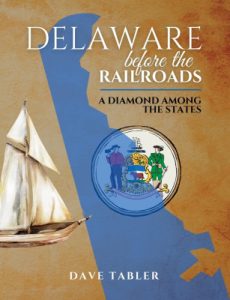
DELAWARE BEFORE The RAILROADS
By Dave Tabler
Delaware Before the Railroads by Dave Tabler presents a captivating visual tale of this tiny state, from 1638 to 1832, ranging between early colonial settlements and the aftermath of America’s Independence.
Delaware’s place in this seminal time of United States history is carefully illustrated through pictures with wonderful captions. Delaware Before the Railroads highlights the significant role played by Delaware in America’s creation, uncovering surprising historical details such as the origin of log houses, a heroic figure who thwarted the British invasion of Canada, and the intriguing connection with Captain Kidd.
The pictures and captions are highlighted by sidebar paragraphs that deliver more knowledge about what life was like for the Swedes and Dutch who settled near Delaware Bay. They found, for instance, a “new world” of seafood they didn’t recognize, such as the crabs they called “sea spiders.”
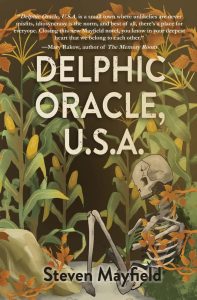
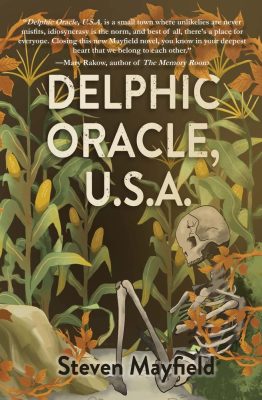
DELPHIC ORACLE, U.S.A.
By Steven Mayfield
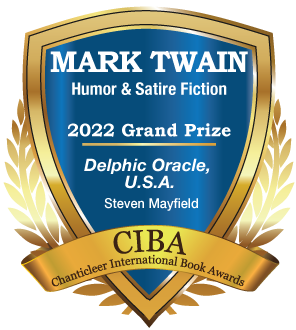
Mark Twain Grand Prize Winner
The Coen Brothers meet Garrison Keillor in Steven Mayfield’s quirky, offbeat, and often hilarious Delphic Oracle, U.S.A.
One June afternoon in 1925, seventeen-year-old Maggie Westinghouse, out walking alone as was her custom, comes upon a stranger in a railroad switch-house asleep on a pile of gunnysacks. Maggie, who has always stood a little apart from the town, has recently begun to experience visions that come upon her “in a leisurely way,” ending in a swoon and a restless sleep filled with exotic talk of which she later has no memory. No one knows what to make of it, but they soon will. After this afternoon’s chance encounter with July Pennybaker, a charming grifter on the lam, her world will never be the same. Neither will the town of Miagrammesto Station.
Eighty-nine years later, in the days leading up to and following the July 4th weekend, domestic dramas are playing out across Delphic Oracle, Nebraska (nee Miagrammesto Station).
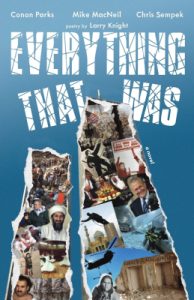
EVERYTHING THAT WAS
By Conon Parks, Chris Sempek, Mike MacNeil, Larry Knight
Somerset Grand Prize Winner
Everything That Was echoes myriad broken emotions born of the world in turmoil after 9/11, intricate and politically bold, and as disturbing in its brutal humanity as it is satisfying with witty jests.
The 9/11 terrorist attack has shattered the psyche of the American people. A volcanic eruption of questions demands the whys and hows of the attack. From this anger, a massive war on terror begins. This historical fiction reflects the chaos of 9/11 and its ensuing global chaos – resulting in a series of violent endeavors and events. Throughout Everything That Was, one can find a swarm of fragmented ideologies, mini memoirs of war veterans, and witness accounts – all screeching reasons for the attack, the ensuing war, and its consequences: political, ideological, and theological.
The book’s very structure expresses the central ideas of its content, making for an affecting read.
Wartime Fiction and Non-Fiction

DEAR BOB: Bob Hope’s Wartime Correspondence with the G.I.s of World War II
By Martha Bolton with Linda Hope
Military and Front Line Grand Prize Winner
During World War II, Bob Hope traveled almost ceaselessly to outposts large and small, entertaining US troops – and inspiring them; Martha Bolton brings the extent of this work to light in Dear Bob.
Writer Martha Bolton worked with and for comedian Bob Hope. Now, with Hope’s daughter Linda, she has gathered and organized the letters written to Bob by the soldiers he helped.
Hope, English born, and born to entertain, once said he could not retire and go fishing because “Fish don’t applaud.” Among his sizzling lines – and there are hundreds recorded here – he told one audience that he’d gotten a wonderful welcome when he arrived at their camp: “I received a 10-gun salute… They told me on the operating table.”
Read more here.
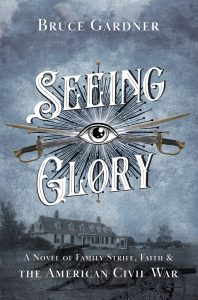
SEEING GLORY: A Novel of Family Strife, Faith & the American Civil War
By Bruce Gardner
Seeing Glory by Bruce Gardner is a sweeping, thought-provoking Christian historical novel of the American Civil War. The novel portrays the critical roles of family ties and religious faith in shaping personal attitudes and actions towards the horrors of slavery and the war itself.
Spanning the era from the famous abolitionist John Brown’s Pottawatomie Massacre in 1856 through the end of the war nine years later, Seeing Glory focuses on the gut-wrenching conflicts over slavery and the southern way of life faced by David, Emma, and Catherine Hodge, fictional siblings, raised on a wealthy plantation in Virginia.
David returns home from a prestigious northern college filled with radical new perspectives. He challenges his father’s and his southern church’s assurances that the Bible says slavery is approved by God. When David calls out the truth as he now sees it, he ignites a firestorm that tears him away from his family at the beginning of the Civil War, sparking huge changes in their individual destinies. Soon after meeting Abel Bowman—an ardent abolitionist and follower of John Brown—David moves north to Ohio and becomes an embedded war reporter with Abel’s Union army regiment. Mutual zeal for the abolitionist cause abounds, but will it help or hinder the two men’s endurance of horrific battlefield violence and scandalous personal accusation?

This Independence Day, we wish you the following:
May your family and loved ones be close and happy. May we share in the benefits of a community that cares for and loves each other.
Happy Fourth of July from Sharon, Kiffer, David, Scott, Anya, Andy, and the whole Chanticleer Team!
And Remember! You can join the Chanticleer Family Anytime!
CAC 23 featured atty Maggie Marr, magazine editor Eric Lucas, author Mark Berridge, podcaster and broadcast journalist Reenita Malhotra Hora, and more!
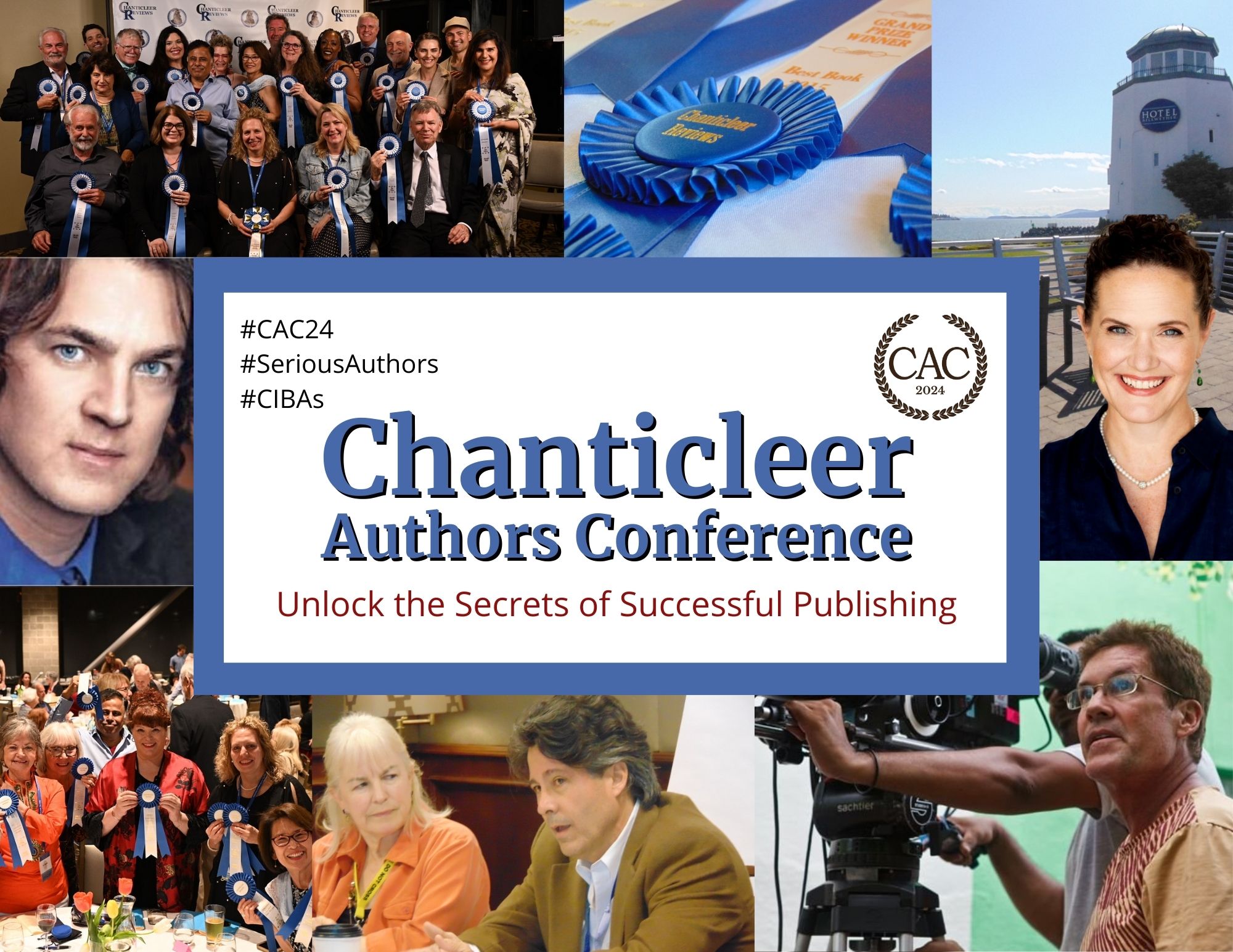
To stay up to date with exciting news about our conference, your next great read, or contest deadlines, sign up for our Newsletter here!
Check out our Editorial Services here and our Manuscript Overviews here, OR, if your work is already polished to a fine shine, it’s time to submit to our Editorial Reviews here and our Chanticleer International Book Awards (CIBAs) here!
Your book deserves to be discovered!
 The Coen Brothers meet Garrison Keillor in Steven Mayfield’s quirky, offbeat, and often hilarious Delphic Oracle, U.S.A.