Learning another language has always been my portal to understanding the nuances of my own language, American English. Currently, I am trying to learn European Portuguese to add to my faltering French and German. It is a very slow process but still appeals to my word nerdiness that I attribute to my Latin classes in high school.
In reviewing books and many other types of media, my most frequent complaint is when the writers are lazy with their word usage. Not punctuation. Not verb agreement. Not even when the writers are being pedantic. What makes me twitch the most is Lazy Word CHOICE!
Not that the words must be sesquipedalian. (Definition at the end of the post.)
For example, the word PERFECT.
Would any of these words below be a better fit than “perfect” for conveying your thoughts with a more exact meaning?
impeccable
without fault
flawless
faultless (slightly different than flawless)
incomparable
sublime
ideal
the best
shiny new
perfection
absolutely
None of the words above are sesquipedalian (ahem), but they do have slightly different connotations to convey your thoughts more exactly, don’t they?
And now, as promised, the definition of sesquipedalia: very long words.
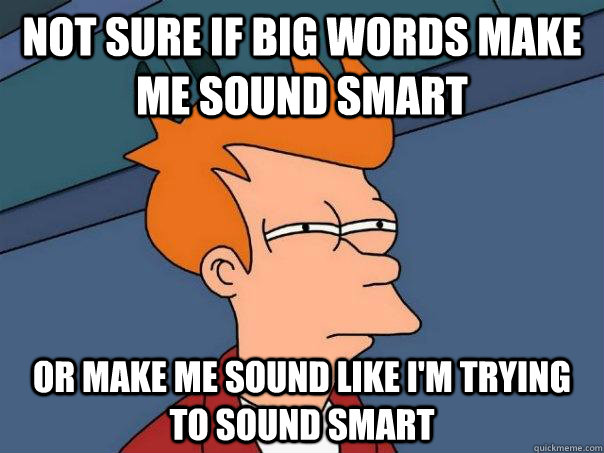
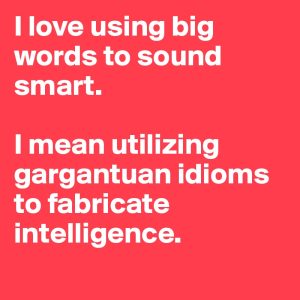
Sesquipedalian: a person who uses big words to sound smart.
Even though Diane Garland and I are lexicomanes, I hope that we do not come across as sesquipedalian. However, no one would accuse me of being pauciloquent.
Lexicomane:lover of dictionaries
Pauciloquent: using few words in speech or conversation
The main point is that as a writer, you do not want to bumfuzzle your readers or listeners.
Bumfuzzle: confuse, perplex, fluster
To bring this diverting (aka fun, I hope) post to a close, I would like to share some words that I read in a business journal that are supposed to make you sound smarter. However, their synonyms might work better in your works. It depends. Right? Right! Or as my friend with whom English is a second language admonishes me to say, “Correct? Correct!” instead of right—especially when giving directions.
articulate (well-spoken)
accolades (kudos)
brevity (concise)
adulation (excessive flattery)
anomaly (odd)
pithy (brief, clever remark)
lucid (clear and intelligible)
bespoke (custom-made)
diatribe (rant)
vitriolic (nasty, scathing comment or action)
aplomb (confidence)
resplendent (shining brilliantly)
Do you have some words that you would love to share or ones that you think should be abolished (scrapped) from the English language? Let me know!
REMINDER to WRITE FAST and EDIT SLOW
And remember to not worry about word choice when you are creating your first or second draft.
Word choice editing comes after you get your story’s first or second draft draft down in words from the “mindfilm” that you experience when you are creating a work.
I do hope that you have enjoyed reading this post at least half as much as I enjoyed writing it. Until next time,
Keep on Writing! Kiffer
Chanticleer Editorial Services – when you are ready
Did you know that Chanticleer offers editorial services?We do and have been doing so since 2011.
Tools of the Editing Trade
Our professional editors are top-notch and are experts in the Chicago Manual of Style. They have and are working for the top publishing houses (TOR, McMillian, Thomas Mercer, Penguin Random House, Simon Schuster, etc.).
If you would like more information, we invite you to email Kiffer at KBrown@ChantiReviews.com for more information, testimonials, and fees.
We work with a small number of exclusive clients who want to collaborate with our team of top editors on an ongoing basis.Contact us today!
Chanticleer Editorial Services also offers writing craft sessions and masterclasses. Sign up to find out where, when, and how sessions are being held.
Let’s discuss using closeup “shots” of your characters in fiction. Filmmakers have a large repertoire of techniques that writers are wise to study and borrow. Closeup camera angles are powerful in film and an important technique fiction writers need to emulate throughout their stories.
When to Use a Wide Angle in Your Scenes
I write many, many notes and suggestions to my editing clients, some within the pages of the manuscript, some included in a long, detailed memo. At times I suggest a wide angle or establishing shot to introduce setting and atmosphere–especially helpful when a character arrives at a new place or when major action is about to go down.
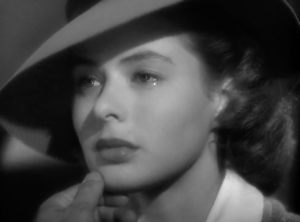
“We’ll always have Paris.” Casablanca Original Book: Everyone Comes to Rick’s by Murray Bennett and Joan Alison in 1940.
When to Use Closeups
However, I’m certain that every story I’ve worked on needed more ‘closeup’ shots of characters, so I suggest when to bring the viewpoint– fiction’s camera lens–closer. In film or television the director and cameraman have lots of choices about how to use distance to achieve drama. There are full shots, medium, long, POV, closeup and extreme closeups. A closeup shot tightly frames the actor’s face and signals significance. They’re typically used to portray deep emotions and create connection between audience and actor. There are also ‘extreme close-ups’ where the camera lingers on a subject, usually the actor. But close-ups can also focus on hands and body parts, props, jewelry, or other objects of interest.
Be Cognizant of What You Are Revealing to Your Readers in Your Closeups
Obviously closeups are intimate because they’re revealing. They showcase significant emotions, realizations, decisions, and important moments or actions. They also reveal when characters have something to hide.
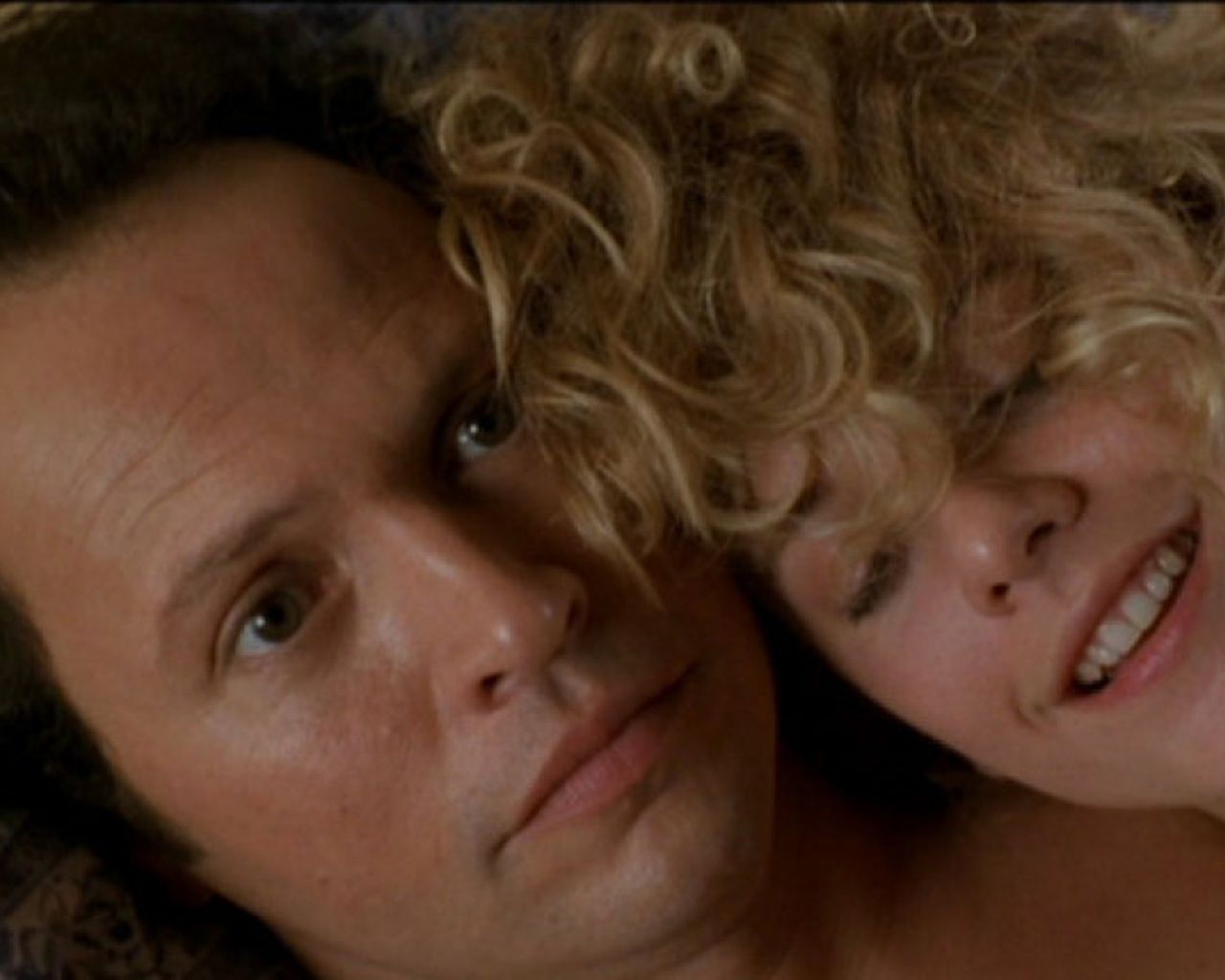
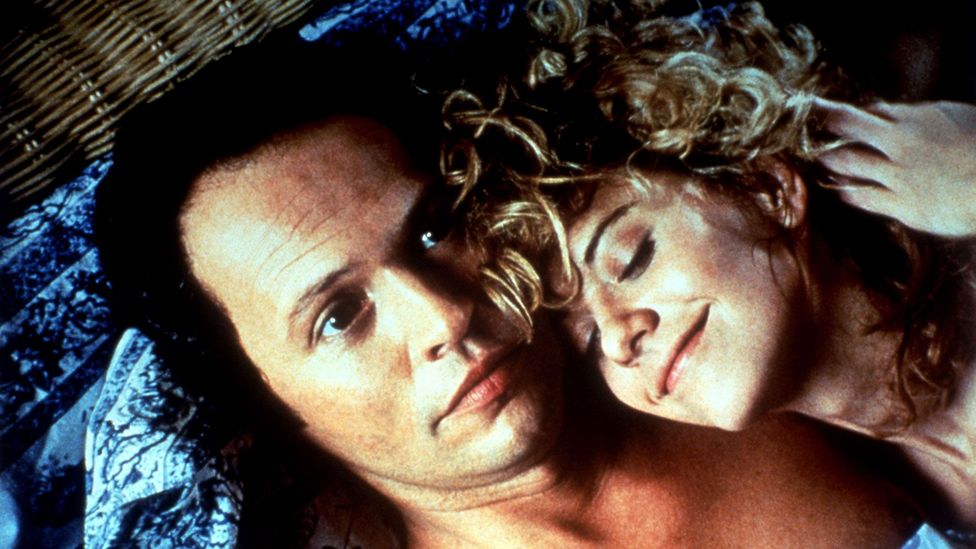
When Harry Met Sally – The SCENE that set the story. By Nora Ephron
Romance films and dramas employ these shots especially when characters are surprised, shocked, filled with dread, or when feelings shift. Closeups, naturally, are often used in horror and suspense films to increase the audience members’ heartbeat. Alfred Hitchcock was fond of using them, such as in the grisly shower scene inPsycho. You know the one.
Convey important moments, reversals, revelations.
Enhance threat and danger.
Enhance evil and malevolence.
Shock value as when a monster or villain is in the frame.
Focus on, reveal a character’s state of mind.
Slow the pacing.
Portray damage, pain, the cost paid by characters.
Allow readers to see the world through the character’s eyes. * See The Eyes Have It post link below.
Reveal closeness, intimacy, estrangement, coldness between characters.
Suggest or define character arc.
Show other ‘sides’ of a character, including subtler traits.
Illustrate a character’s emotional bandwidth, as in how she or he handles the best of times and the worst of times.
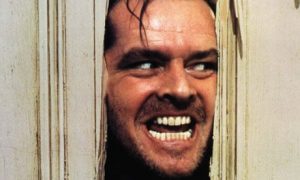
In scenes that contain violence, brutality, or horror, a closeup amplifies the dangers as in the ‘here’s Johnny’ moment inThe Shiningwhen Jack Torrence, played by Jack Nicholson is terrorizing his family. Notice how it’s clear that he’s sunk into madness.
The unforgettable “Here’s Johnny” scene in The Shining.
As you’re revising, make sure that during the most poignant moments in the story, readers are pulled in. Allow your readers to witness emotions flickering across the character’s face. Let them sense what’s churning beneath a character’s exterior.
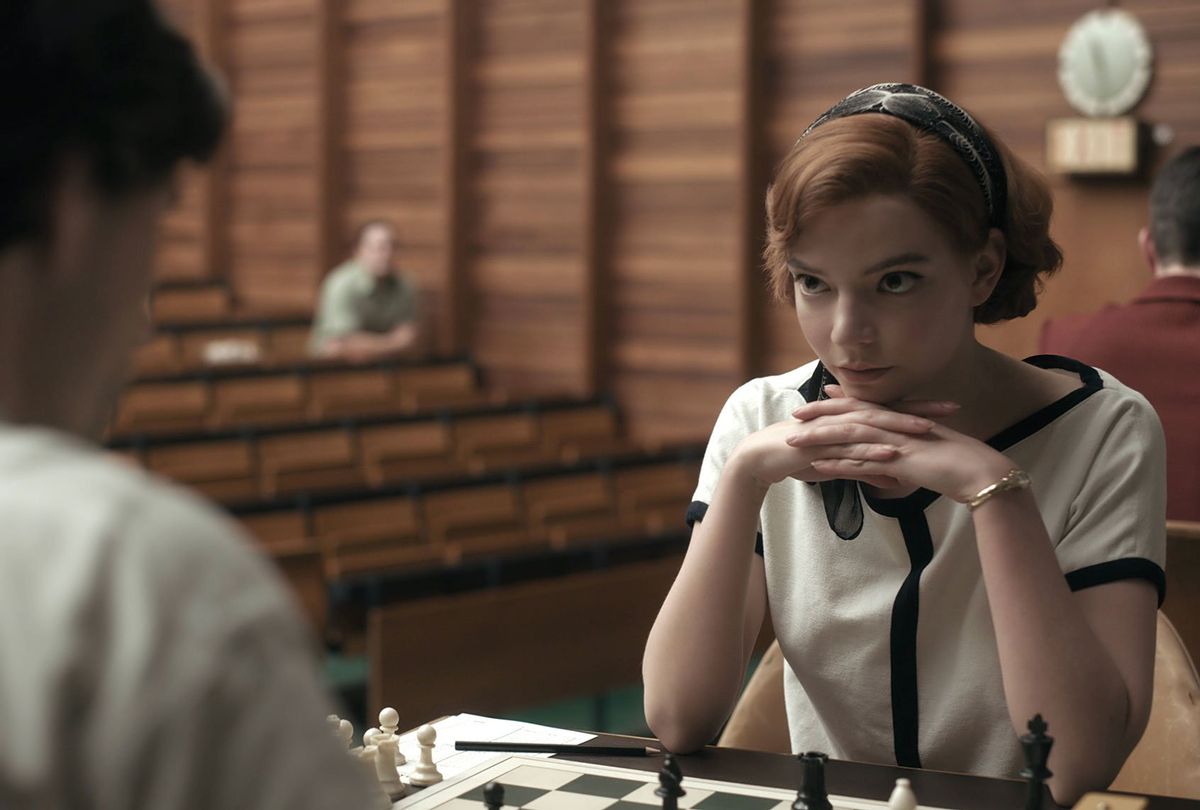
Notice Beth’s hands, her eyes, her posture. The juxtaposition of the watch she wears versus the clock on the wall. Her black and white dress adjacent to the black and white chess board. See how she is capturing the white pawns.
Beth Harmon knows she will win several moves out in this scene of Queen’s Gambit
Jessica Morrell is a top-tier developmental editor and a contributor to Chanticleer Reviews Media and to the Writer’s Digest magazine. She teaches Master Writing Craft Classes along with sessions at the Chanticleer Authors Conference that is held annually along with teaching at Chanticleer writing workshops that are held throughout the year.
Jessica Classes and Workshops at CAC22
Using Film Techniques for Fiction Writers– Camera angles, method acting for getting into a character’s pov, and creating subtext and tight dialogue
Your Brain on Writing
Captivating Co-Starsthat add depth to your work-in-progress
No matter your writing level, your story needs a kickass main character. Now, I don’t mean you need a brawler, a bully, or beast to headline your story–instead, you need someone who readers have never met before. An unforgettable someone who fascinates and captivates. Someone who readers can care about, empathize with.
A story person who can carry the weight of your storyline.
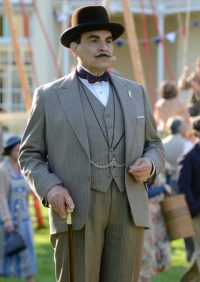
Examples: Katniss of Hunger Games, Kirsten of Station Eleven, Jay Gatsby in the Great Gatsby, Celie in the Color Purple, Poirot in the Hercule Poirot series, Arsene Lupin of the Lupin, Gentleman-Burglar series by Maurice Leblanc, Harry Potter of the Harry Potter series.
You will notice that most of these protagonists can carry the weight of a series. Readers want to spend time with them.
Hercule Poirot of Agatha Christie’s series
Create a worthy protagonist:
A fictional person who is about to face some of themost interesting events and hardest challenges of his or her life. Elizabeth Bennet ofPride and Prejudice is a good example.
A protagonist who hasskin in the game. Elizabeth’s situation–living with her family because she has no means of support–means she is in aninescapable position.
A character you can pile on troubles and miseries and he or shewon’t topple. Well, maybe topple, but then is capable of rising again to face the challenges of the story events. This means your protagonist can stand up to his or her opposition, enemies, and travails, however difficult.
Think about the character Kirsten Raymonde in Station Eleven by Emily St. John Mandel. Kirsten is strong, observant, and skilled in protecting herself. She struggles with the violence of the new world and the fact that she has killed other people to survive. She believes in the power of art to make her new brutal life worth living and longs to better understand the world left behind.
The protagonist, Kirsten Raymonde, of Station Eleven by Emily St. John Mandel
A character withrealistic and possibly relatable flaws. InPride and PrejudiceLizzie Bennet possesses a sharp tongue that matches her quick wit, but she’s also prone to jump to conclusions {prejudice} and might be prouder than might be good for her.
A character who is complicated and complex, which in turn leads to inner conflict.This means protagonist battles his/her circumstances hindered by his or her personality, nature, and circumstances.
Use characters with significant histories{backstory}that cast a shadow onto the present. Typically this means past traumas or troubles that somehow mess with his/her ability to face the story conflict and hardships. InPride and PrejudiceElizabeth Bennet’s family is dysfunctional, in that the father is uninvolved and distant, their mother is an ambitious busybody, and her younger sisters will chase any man in a uniform. Which is going to lead to a scandal that the family might not recover from.
Lizzie’s older sister Jane is typical of a woman of her times–Regency England–who seems to accept society’s norms and has a sweet disposition. Oh, and low expectations. Lizzie, on the other hand, is different from her sisters–a reader, a dreamer and yet a realistic type because she’s aware of her family’s flaws and disapproves of her father. But importantly, she’s a woman who will not marry unless her beloved is a perfect match.
Smiling in spite of being subject to England’s Inheritance Laws during the Regency Era.- which means they will not inherit land or the family home. Husbands will be required.
But the ultimate backdrop for this story comes from England’s inheritance laws. The family’s five daughters unable to inherit their family estate because they’re female, which creates a threat that hangs over the story. This is an excellent example of the Regency English era.
All stories need anoverarching threat. Think worst-case scenario.
Fiction typically, but not always, is told from the protagonist’s viewpoint.The pov character is the reader’s entrée into the story world, the lens we view the story through.The prideful Lizzie provides access into society’s norms and expectations for females. Thus, she serves as a reflection of the story’s themes and premise. {It is a truth universally acknowledged, that a single man in possession of good fortune, must also be in want of a wife.}
If Pride and Prejudice was told from elder sister Jane’s or Lydia’s viewpoint it would be a far different tale.
Less complex and involving, since Jane isn’t exactly a firecracker and 15-year-old Lydia’s agenda is all about romance with a dashing soldier, Mr. Wickham. No matter that his agenda is ungentlemanly at best. Then there’s the matriarch, Mrs. Bennet, who is well aware of the unfairness of inheritance laws and is determined her daughters will be married because that’s all the security they can hope for. While Mrs. Bennet is realistic, it’s doubtful she’d provide an honest perspective.
Early on in your story development, consider thinking about or perhaps outlining what the narrative would look like from your other character’s perspectives. You may gain an interesting slant to your story line. Kiffer
Seating is Limited. The esteemed WRITER Magazine (founded in 1887) has repeatedly recognized the Chanticleer Authors Conference as one of the best conferences to attend and participate in for North America.
“If you’re going to have a character appear in a story long enough to sell a newspaper, he’d better be real enough that you can smell his breath.” ~ Ford Madox Ford
She might has well been talking to three empty chairs…
You see, it’s impossible to write fiction without understanding its underpinnings such as conflict, scene structure, and character development. Without this understanding , you might write two or three or four hundred pages, but you won’t end up with a story; instead you’ll produce a lot of words on a lot of pages or a haphazard pile of scenes loosely clustered around characters who never quite come to life.
The best fiction touches the deep layers in us. A writer achieves this effect by embedding dozens of techniques into his or her story.
Do your characters sound like this?
We hope that you have found these encore posts to be useful reminders and prompts for your work-in-progress!
And in cased you missed it, here is the link to our New Year’s Eve post with the first five articles. Click here.
NOW for Kiffer’s Number One Tip for Writers in 2022!
RULE # 1
WRITE FAST! EDIT SLOW!
Don’t edit your first draft as you write it!
Writing your first draft should be a mad dash to get your story out of your brain. Don’t hinder it by worrying about each little detail. There will be time for that later.
Try to unspool the “mind-film” in your brain before reworking every sentence. Get your story out. Let the characters introduce themselves to you. Create the Atmosphere.
There will be plenty of time to craft and hone sentences later. Meanwhile, fall in love with your story. Experience the rush and the thrill of creativity!
We wish you joy and peace in the New Year from all of us at Chanticleer!
We hope to see you at the 2022 Chanticleer Authors Conference and the 2021 CIBA Banquet and Ceremony
Our 10th Anniversary Chanticleer Authors Conference (CAC22) will be April 7-10, 2022, where our 2021 CIBA winners will be announced. Space is limited and seats are already filling up, so sign up today! CAC22 and the CIBA Ceremonies will be hosted at the Hotel Bellwether in Beautiful Bellingham, Wash. Sign up and see the latest updates here!
Understanding What Makes Good Character Development
Character Development is a tricky matter. In this article we’ll go through the basics of setting up what your character does and how you describe them, coupled with the idea of beats in dialogue.
Artists all over use character models!
Consider the following excerpt from a recent work in progress from a friend of Chanticleer:
In the guest room we have spider plants that have often refused to die in the past. They grow everywhere and propagate like mad, their white and green spear-like leaves overflowing any pot we put them into. We keep them trimmed back carefully, letting them give us plenty of fresh oxygen while at the same time making sure our space isn’t entirely overrun.
This description comes in the middle of getting something for another character, and there are 4 paragraphs of plant and room descriptions. Four! That’s too much narrative description that adds little to the story and does nothing to build tension. Now look at the revision of all those paragraphs:
I head out to the kitchen. I don’t see Mom, but this is the week we’re supposed to water the plants, so I fill up our yellow watering pail with a comically long spout that aids in watering closer to the base on the plants. The red and green leafed crotons in the kitchen next to the sink are first, then the fishtail palm in the bathroom that always wants more water despite the wetness of its location, the spider plants in the office, my kalanchoe was watered last week, and then I finish with the lemon tree. The lemon trees petals are almost all gone, which means we’ll have meyer lemons soon, but any sweet smell it had recently is gone.
Now, in addition to understanding that the character is looking for their mother. The plants appear in a flash, coupled with the action of being watered, and we end on the lemon tree, which promises something good, but right now seems rather lackluster, which mirrors the mood of the overall scene. This quick summary helps the story move from prolonged description that will make the reader’s eyes glaze over, and instead moves us from one point to the next.
Interested more in secondary characters? Learn more about them from the one and only Jessica Morrell here. For more that focuses on general background characters, try this article from Skip Ferderber here.
So when do we put in a little summary for the character?
Renni Browne and Dave King say the following in their book Self-Editing for Fiction Writers:
If your characters actually act the way your summaries say they will, the summaries aren’t needed. If they don’t, the summaries are misleading. Either way, your fiction is likely to be more much effective without the character summary
In terms of time progression in a story summary is a way of storytelling where a little is described to cover a large period of time. It helps to have it balanced with scenes where action and time are equivalent, or moments of interiority where a lot happens in almost always a slow point in the narrative. However you choose to do it, make sure there’s a good balance in terms of time in your work, and that scene is often the driving force.
Looking for tips to streamline your dialogue? Make it more potent with tips from Jessica Morrell here.
Unobtrusive ways to develop Character
Learn their history so that when you write them it will come out intuitively
Show how other characters react to them directly.
Show how the world interacts with them as they move through it.
That’s well and good, but how do you measure your character development? Well, we’re glad you asked:
How much time do you spend describing characters?
Are you telling us characteristics that will show up later in dialogue and action?
How much of the character’s history have you explored with the reader? Does the reader need all of that information, or does the story read well without it? If so, when do they need to know it
Dialogue Mechanics
A famous author once called dialogue the purest form of scene.
Obviously there are moments where this is wrong, such as when the dialogue is done as a form of telling.
“Hi Joe, I haven’t seen you since the divorce with June after you came back from the war!”
You may remember plays where it starts out with someone answering the phone and setting up the plot by responding to the person on the other end.
However, the idea of telling that sneaks its way most prominently into dialogue mechanics is the dialogue tag, often accompanied by an adverb. Consider Newgate Callander of The New York Times Book Review take on the wildly successful Bourne Ultimatum series:
Mr. Ludlum has other peculiarities. For example, he hates the “he said” locution and avoids it as much as possible. Characters in “The Bourne Ultimatum” seldom “say” anything. Instead, they cry, interject, interrupt, muse, state, counter, conclude, mumble, whisper (Mr. Ludlum is great on whispers), intone, roar, exclaim, fume, explode, mutter. There is one especially unforgettable tautology “‘I repeat,’ repeated Alex.’
The book may sell in the millions, but it’s still junk.
Let’s take it further and look at even more examples of redundant or overemphasized dialogue tags:
“I’ll kill your whole family,” he hissed maliciously.
“You can’t be serious,” she said in astonishment.
“Give it to me,” she demanded
“Here it is,” he offered.
“Is it loaded?” she inquired?
These all share one thing—they fear the use of “said.” Sure, sometimes a word other than “said” will help break things up for variety’s sake, but “said” is almost always proper and good to use.
“Said” is essentially a punctuation mark for readers. It serves the purpose of helping them track who said what in a dialogue.
See what Peter Greene says about realistic dialogue in his interview here.
Adverbs: Friend or Foe
To be or not to be
Adverbs are the enemy much of the time in dialogue. There is almost always a better word to use. Putting in a prop like the dreaded -ly will make your dialogue seem weak, even if it isn’t.
The only real exception to the rule is with the dialogue tag “said” because it’s so ubiquitous that it can allow for some extra description on occasion. Remember, the dialogue will often do the work of setting the tone for you.
Gabriel García Márquez would eliminate all adverbs from his writing, choosing instead to use the word in another form.
For example, instead of “he said softly” I would write “he said, his voice soft”
A few general tips:
Pronoun substitutions are fine
Renaming the character can be wonky. Dave, Mr. Winchester, The Sheriff, the officer, the lawman, CHOOSE!
New speaker/new action means a new paragraph!
Ending with a dialogue tag uses a comma. Ending with an action uses a period. Ex: “Hey there,” he said. vs “Hey there.” He scratched his chin.
This indicates interruption: “Now wait just—”
This indicates trailing off: “Now wait just a second…”
Again, consider how you measure these things.
Check your dialogue for explanations. Consider bringing a highlighter for this job.
Cut the explanations and reread your dialogue. If it reads worse, you may need to rewrite your dialogue.
Mark every adverb related to dialogue. How many of them are based on adjectives describing emotion? Which ones can you cut?
Beats in Character Development
Let’s pause here to talk a little bit about beats and figure out how to us them to balance out dialogue. Again, using an example from Self-Editing:
“But didn’t you promise…” Jessie said.
“I did nothing of the sort,’ Tyrone said.
“Now, look, you two—” Dudley said.
You stay out of this,” Tryon said.
VS.
“But didn’t you promise…” Jessie said.
“I did nothing of the sort,’ Tyrone said.
Dudley stepped between them and held up his hands. “Now, look, you two—”
Tyrone spun on him. “You stay out of this.”
Just like the saids, there can be too many beats, so be careful how you balance it.
Think about white space in a sketch for a painting. All the lines that make up the body of the work are the dialogue of your piece–it gives the plot, characters, and conflict a structure to work within. The beats are the color the fill it in, showing the reader a complete picture of what’s taking place. As you write, ask yourself if you’re better at overwriting and then trimming back or underwriting and fleshing out. Play to your strengths for your first draft, and then come back ready to adjust for any areas you know you’ll be weak.
The beats tie your dialogue together. Map them by marking the descriptions you have interspersed within your dialogue.
Make your beats sing by seeing what Margie Lawson has to say about rhythm and cadence here.
Chanticleer Editorial Services – when you are ready
Did you know that Chanticleer offers editorial services?We do and have been doing so since 2011.
Tools of the Editing Trade
Our professional editors are top-notch and are experts in the Chicago Manual of Style. They have and are working for the top publishing houses (TOR, McMillian, Thomas Mercer, Penguin Random House, Simon Schuster, etc.).
If you would like more information, we invite you to email Kiffer or Sharon at KBrown@ChantiReviews.com or SAnderson@ChantiReviews.com for more information, testimonials, and fees.
We work with a small number of exclusive clients who want to collaborate with our team of top-editors on an on-going basis.Contact us today!
Chanticleer Editorial Services also offers writing craft sessions and masterclasses. Sign up to find out where, when, and how sessions being held.
Into every writer’s life problems rear their snaggley heads.
At times we lapse into dullness, we lean on crutch words, we make typos and gaffs. We write with clichés.
Punch Almanack 1885
Our plots wander, our characters confuse, and our endings fall flat.
Because writing is hard. Yep.
And writers are at a natural disadvantage because we use computers and the familiarity of our words on the screen breeds a kind of blindness. Sometimes the more often you read your own words, the less you’re able to identify their strengths and weaknesses.
With that in mind, I want to call your attention to a simple technique in writing fiction:
Using characters’ eyes to reveal emotion and meaning.
This is a reminder to pay more attention to how your characters look, stare, and express emotions.If eyes are the windows to the soul, then match your characters’ expressions to the exact emotion or reaction needed. – Jessica Morrell
Here are some suggestions for getting your characters’ eyes to reveal emotion and meaning:
Figure out your crutch phrases and go-to moves. A few that appear too often are eyes widening, teary eyed, blank stares, blurred vision, stared straight ahead, watched like a hawk, she looked him straight in the eye, eyes darting, piercing stares, blinking back tears, eyes narrowing, smoldering looks, deep-set eyes, and steely-eyed. Avoid also cliched colors like baby blue, emerald, and chocolate.
Make certain that the character’s eyes are appropriate to the scene. Too often characters gaze down at the floor or at their hands. Now, these gestures typically indicate discomfort or avoidance, but sometimes writers just sow them into a scene when that’s not the intended effect.
Don’t. Feature. All. Your. Characters. Reacting. The. Same. Way.
Avoid strangeness and viewpoint slips such as His eyes smiled at me or Her face fought against tears. Three words to keep in mind – POINT OF VIEW.
Ditch the hobbit staring.Hobbit staring is a term I learned from a movie buff friend. He coined it from theLord of the Ringsfilms when the camera lingers too long on stares between two characters as if that demonstrates some deep meaning or message. Because often it does not. We’ve all seen this in films. Imagine how this will have your readers skimming the pages.
Because they’re seated a few feet across from each other in earnest and sometimes excruciating combat. Because they’re often trying to psych each other out. And the onlookers are staring intently at the board trying to guess the next moves of the two players.
Question every tear. I sometimes ask writers to count every scene where a character ends up weeping, wet-eyed, or with tears leaking down wet cheeks. This request comes from noticing how weeping and sobbing are overused resulting in melodrama, excess sentimentality, or depicting a character as too emotional for her own good. And the good of the story. Too much weeping and the story gets soggy and dull. And please, just forget single tears. Please.
Mix it up. Often a writer’s most used crutch words are look and see. However, in real life people gape, squint, spot, gander, gawk, ogle, stare, gaze, study, inspect, scan, scout, spy, study, inspect, notice, note, peek, peep, peer, and rubberneck.
Expand your repertoire of descriptions: haunting, beckoning, steady, stormy, mocking, mournful, lifeless, sultry, goopy, teasing, pitiless, glassy.
Stir in a little weirdness. Many people have mismatched eyes. Then there are droopy eyes, people with different colored eyes, bloodshot eyes, Rasputin eyes, lazy eyes, buggy eyes, one working eye, wandering eyes, piggy and close-set eyes.
Study how and when successful authors use close-ups. If you never focus the camera lens on a character’s face during an emotionally-charged scene, then readers cannot enter the moment and feel what the characters are feeling.
Study actors. Notice how their eyelids raise a bit to show interest or droop to indicate the lack of interest. Note how they leer, seduce, flash anger, hide their true feelings.
Beth Harmon knows she will win several moves out in this scene of Queen’s Gambit
If you’re serious about writing, you must notice subtext and how to convey it. And that often begins with the eyes.
Keep writing, keep dreaming, have heart. Jessica
Jessica Page Morrell
Jessica Morrell is a top-tier developmental editor and a contributor to Chanticleer Reviews Media and to the Writer’s Digest magazine. She teaches Master Writing Craft Classes along with sessions at the Chanticleer Authors Conference that is held annually along with teaching at Chanticleer writing workshops that are held throughout the year.
This year the CAC21 will be held virtually. Registration will include access to video recordings of the conference.
April 21- 25, 2021. Multichannel Marketing for Authors and Intermediate and Advanced Writing Craft
Chanticleer Editorial Services – when you are ready
Did you know that Chanticleer offers editorial services?We do and have been doing so since 2011.
Tools of the Editing Trade
Our professional editors are top-notch and are experts in the Chicago Manual of Style. They have and are working for the top publishing houses (TOR, McMillian, Thomas Mercer, Penguin Random House, Simon Schuster, etc.).
If you would like more information, we invite you to email Kiffer or Sharon at KBrown@ChantiReviews.com or SAnderson@ChantiReviews.com for more information, testimonials, and fees.
We work with a small number of exclusive clients who want to collaborate with our team of top-editors on an on-going basis.Contact us today!
Chanticleer Editorial Services also offers writing craft sessions and masterclasses. Sign up to find out where, when, and how sessions being held.
Character, not plot, is what chiefly interests the reader because he translates and feels the character’s actions, desires, and passions from his own data bank of experiences and emotions. – Jessica Morrell
Long after the intricacies of a fictional plot fade from a reader’s memory, the characters lingerwith an almost physical presence, a twinkle of personality, unforgettable actions, and their happy or sad fates. Fictional characters whisper their secrets, allow us to witness their most intimate moments and sorrows, and trust us with their messy emotions, bad decisions, and longings. They penetrate our aloneness, populate our imagination by starring in our inner cinema, and slip their hands in ours and transport us to another place, another time. And while all this is going on, often they teach us what it means to be human complete with all the troubles, heartaches, and mysteries.
Benny, the unforgettable secondary character in “The Queen’s Gambit” by Walter Tevis
Characters that leave a lasting footprint in our memory range the gamut from stuck-on-themselves divas and difficult drama queens, to aging Italian billionaires and lonely singletons, along with knights and spies and waifs and dwarfs. It’s simple really: Character, not plot, is what chiefly interests the reader because he translates and feels the character’s actions, desires, and passions from his own data bank of experiences and emotions.
However, the book isn’t only about ‘bad guys’. It covers character roles and types including protagonists, heroes, unlikable protagonists, unreliable narrators, and a slew of information to add to your understanding.
I’ve been thinking about my book and all I’ve learned since I wrote it, because I’m creating a presentation on secondary characters for a virtual workshop I’m teaching at the Chanticleer Author’s Conference. Before I delve into techniques for creating secondary characters, I’m explaining the roles, hierarchy, development, and purposes of fictional players. Because the more you know about the many uses for characters –the enormous scope and weight they can bring to a story–the more tools you wield when playing God.
When I wrote my Bullies book as I sometimes call it, my main objective was to urge writers to take risks with their characters. To use shills and scapegoats and flamboyant loudmouths. Demon lovers, homicidal stalkers, criminal politicians. Stir in trolls, punks, bad asses, weirder-than-weird nerds, smarter-than-smart geeks, callous grifters, hard-to-believe they’re so foul-mouthed not-so-sweet old ladies.
A not-so-sweet old lady – Chrisjen Avasarla, UN Secretary – General of The EXPANSE SciFi series. She is always full of surprises.
Bring it on.
The same is true for your supporting cast. Sure you’ll add bit players, stock players, and archetypal players. Royals, innocents, mentors, warriors, and confidants. Burned-out cops, cranks, frenemies, crappy stepparents, and obnoxious neighbors. Familiar types with many valid, solid uses in storytelling.
And who could forget SPIKE from Notting Hill (1999)
It is said that the screenplay by Richard Curtis is funnier than the movie and more charming — if that is possible. -kb
Creating co-stars can be one of the great joys of storytelling. They can be outrageous, hilarious, freaky, maddening, sex-driven, drug-addled, and vapid. They can lie, steal, betray, enchant, and embolden. They sometimes get the best lines, spout the best snark. Give the best shade. They can drive their co-stars crazy and they can also drive the plot. They can star in their own subplots and often support the protagonist’s goals. Or thwart the protagonist’s goals. Or lie about supporting the protagonist while actually backstabbing the poor sod.
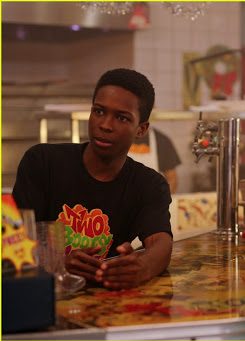
Boomer of “Dash and Lily’s Book Dares” – as acted by Dante Brown in the Christmas Mini-Series DASH and LILY BOOK of DARES
But like protagonists and antagonists, they can never be dull or commonplace. Never a pale footnote. Never thinly sketched unless the character has a walk-on part. But even bit players can possess physical characteristics. A lisp. A limp. An arresting voice. Inappropriate wardrobe choices and whisky breath.
I’m having a lot of fun thinking about this topic. Does it show?
Keep writing, keep dreaming, have heart. Jessica
Jessica Page Morrell
Jessica Morrell is a top-tier developmental editor and a contributor to Chanticleer Reviews Media and to the Writer’s Digest magazine. She teaches Master Writing Craft Classes at the Chanticleer Authors Conference that is held annually along with teaching at Chanticleer writing workshops that are held throughout the year.
Chanticleer Editorial Services – when you are ready
Did you know that Chanticleer offers editorial services?We do and have been doing so since 2011.
Tools of the Editing Trade
Our professional editors are top-notch and are experts in the Chicago Manual of Style. They have and are working for the top publishing houses (TOR, McMillian, Thomas Mercer, Penguin Random House, Simon Schuster, etc.).
If you would like more information, we invite you to email Kiffer or Sharon at KBrown@ChantiReviews.com or SAnderson@ChantiReviews.com for more information, testimonials, and fees.
We work with a small number of exclusive clients who want to collaborate with our team of top-editors on an on-going basis.Contact us today!
Chanticleer Editorial Services also offers writing craft sessions and masterclasses. Sign up to find out where, when, and how sessions being held.
Thankfully, Zoom is an intuitive program for most people, at least if you’ve had your morning coffee. These tips will cover more advice for people who are ready to take their Zoom meetings to the next level and even start hosting meetings!
Author Events, Book Club Meetings, Book Launches, Socials – Just to Stay in Touch, Presentations, and More are just a few of the Interactive Activities that Authors and Publishers can facilitate using ZOOM!
1. Framing
Some people have discussed a rather strange problem with all these virtual conversations we have now. When talking put their face right next to the camera, filling up the entire camera and giving them an impressive head size. Then, when they see each other in person for some safe social distancing, their heads look extraordinarily tiny.
Do you remember Big Head Todd and the Monsters?
Big Head Todd and the Monsters – I’ve met him in person. He does have a big head. Nice guy! – Kiffer
To fight big-head-syndrome you can work on framing yourself. With friends, there’s of course plenty of wiggle room here, but in more professional settings, it seems that from the shoulders up is the recommendation.
A proper ratio and perspective of David!
Even better is if you move your hands up into the frame when you talk. This provides a helpful hint to watchers of who is currently talking, and it helps give us a better understanding of the body language you’re trying to convey than if your hands are hidden somewhere beneath the frame.
2. Manage Your View
If there are fewer than 10 people in your meeting, you can probably stay in “Gallery View.” However, if you often find your mind wandering during the meeting, try to set up “Speaker View,” which will have the screen focus on whoever is the last person to have spoken (though it well never focus on you). The options for these can often be found on the top right of your screen on desktop.
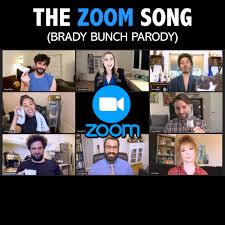
The Brady Bunch
Or sometimes you can have more people on the Gallery View—also know as the “Brady Bunch” view like we do when we have Happy Hours at the Roost! We try to make room for everyone.
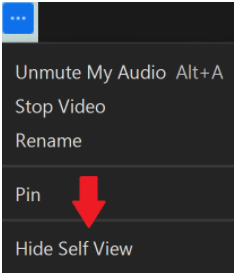
The next thing that will help anyone who has trouble looking away from her or his reflection is to “Hide My Self View.” Make sure to do this after you set up your framing, and remember that others can still see you! You can usually hide your self view by clicking on the three little dots in the top right of your image box, and then to show it a new button will appear in the top right of your screen to start showing your self view again. See the three little dots in the blue box below. Yeah, it is sort of like a secret code…
Remember, you never need to appear in a Zoom meeting if you don’t want to, but with these tips and tricks, you’ll be able to look professional while still staying comfortable.
The Following Tips Will Help You HOST your OWN ZOOM MEETINGS for Book Launches, Book Clubs, Author Events, and Outreach to Your Readers and Potential Readers
3. Set up a Meeting (for PC)
While these are fairly similar processes, if the instructions for a PC doesn’t work for your Mac, read the instructions here about hosting from an Apple or Mac computer (from the Zoom website).
For PCs, you’ll want to look in the top right of your screen once you log into your Zoom.us account. In the top right corner you’ll see the following three options:
The option for “Join a Meeting” of course allows you to join a meeting. You might think that “Host a Meeting” is the next natural option, but really that only allows you to host a meeting immediately instead of later. What will allow you to plan and schedule a meeting for your book release or the next meeting with your publisher is when you click on the “My Account” link.
Remember, Zoom only offers unlimited meeting times to people who pay for an official account, but anyone can have a meeting with a free account. If your 40 minute free meeting runs out of time, people can rejoin the meeting using the same link that they used to get into the meeting in the first place.
Once you click on “My Account” you will see a list of options on the left side of the screen.
As highlighted in the image above, you’ll want to click on “Meetings”
Once “Meetings” are selected, you’ll see all the meetings that you’ve set up in the past, and there will be a button on the far right that says “Schedule a Meeting”
From this screen there are a few sections to focus on.
Topic — This is the title of your meeting. It’s more important to have this labeled if you are using it for a big marketing event like a book release event. Less important for an individual meeting with somebody.
When — While technically you can join a Zoom meeting at anytime provided the host hasn’t closed the meeting, setting the time is a great way for people who try to join at the wrong time to double check when you’re actually supposed to be there.
Registration — This can be a handy way to ensure people sign up with their email and makes it so they’ll receive a reminder email for your event. This works better for more formal meetings.
Security
Passcode: We always recommend using a password. You can set your own or use the one randomly generated by Zoom.
Waiting Room: Waiting Rooms are great if you want to screen who comes into your meeting, but make sure you keep an eye on your participant’s tab. Keep reading to learn more about the participant’s tab.
Meeting Options
Allow participants to join anytime: Yes, check this box.
Mute participants upon entry: Yes, check this box.
Save! At the very bottom is the “Save” button. Always click Save once you’ve finished making a meeting so as to not lose it!
4. Always include a link to the meeting with the date and time.
Something about digital information lets information slip out of everyone’s head. Instead of sending out an email that says “See you at the next meeting, here’s the link!” If you include the date and time of each meeting you have, that will save you several replies (maybe even a feared “Reply All”) that will make your meeting run a little smoother.
5. Always include the password if there is one.
This one is simple. Like the date and time, always including this will help streamline people’s ability to join your meeting.
If you’re the host, you can find information about the Meeting ID and password by clicking on the ⓘ symbol on the top left of your screen to see this information.
6.The Waiting Room
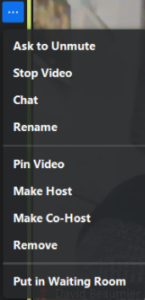
If you decide to use a “Waiting Room” make sure you have the “Participants” tab open at all times to let people in. If you need help managing the “Participants” tab, feel free to assign a responsible party in your meeting the “Co-Host,” and they will have the power to admit people, too.
7. Post the instructions on how to join the meeting by phone.
Audio conferencing participant will need to call: (415) 762-9988 or (646) 568-7788. AND follow the verbal instructions.
Enter the meeting ID, 11 digits long followed by the # key.
You will be asked to enter your participant ID. If you do not know your participant ID, simply press the # key.
As the person logs in to the Zoom call using their phone, they will be given instructions on how to mute and unmute themselves.
8. Manage the Mute
If someone wants to make a comment every now and then, that’s fine, but if their spouse is watching the big game and yelling behind them, it may be worth it to just click that “Mute” button. No need to call attention to it, most people will think the person realized that their sound was a distraction and muted themselves. There’s no shame in being muted.
As a related note, occasionally it might be good to turn off someone’s video, but this is usually not necessary. I did attend one writer social where an author who worked an early morning shift fell asleep partway through. Not a huge issue, but probably something the host could have hidden to keep the energy level up instead of letting everyone really consider whether they, too, wanted a nap.
SOMETHING FUN for YOU to WATCH! The Official ZOOM Song (an anthem for quarantine ZOOM meetings) song to the theme of The Brady Bunch
ENJOY! And please leave your comments below (or your fav YouTube videos).
Strangely, there is a raw emotion that comes from writing something so fast you don’t have time to noodle it to death.
How excited are you when you first start fleshing out a story? How amazing does it feel to start naming your characters and setting up their scenes in your mind? Fan-freaking-tastic!
This is because you are in the beginning of abook affair.
Writing a book is like having a relationship. In the beginning, it’s like a honeymoon! You feel all the emotions. Love and pain and excitement and lust. Well, okay. Maybe not lust. Paper cuts hurt, so let’s not go there.
“Writing a book is like starting a new relationship.” Michelle Rene
The point is the first draft should be all elation and honeymoon.
Leave the nitty-gritty for your fifteenth edited draft. You don’t want to be sitting in a rocking chair with your first draft complaining about how much he snores before you even get to edit.
The Thrill is Gone… Do not let this happen to your story!
Taking years to write that first draft can land you in complacency town before you cross the finish line. Pour your heart and soul into the rough draft with reckless abandon.
“Pour your heart and soul into the rough draft with reckless abandon.”– Michelle Rene
“But nothing good can come from my sloppy first draft if I write it in a few weeks,” says the nebulous reader voice in my head that’s starting to sound whiny.
The PROOF
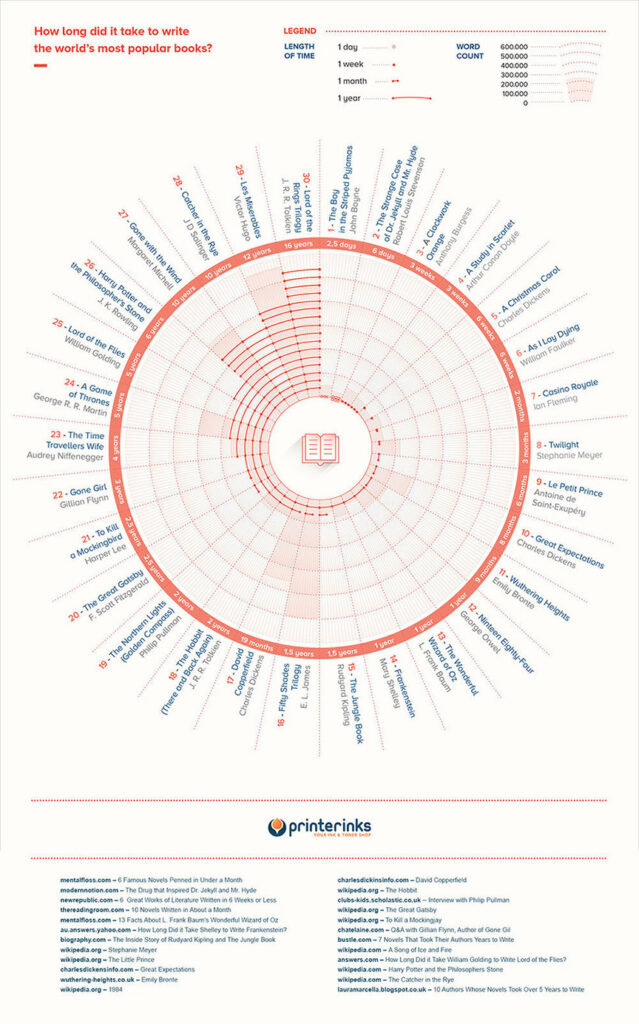
Please refer to the infographic below. It lists some of the most popular books and how long it took the writer to finish them. WhileLord of The Ringstook a whopping sixteen years to complete (no shocker there), I’d like to direct your attention to roughly a quarter of the chart that indicates books written under three months. If theBoy in the Striped Pajamaswas written in two and a half days, you can write something of quality in four weeks.
Editor’s Note: This is an awesome chart. I’d say awesome enough to print it and display it in your writer’s lair to spur you on. Michelle’s post continues after the graphic below.
Why Write This Fast?
Nothing kills a book faster than never finishing that initial draft. A malaise sets in, often slowing a writer down to a crawl while they chip away over a long time and often give up entirely.
“Will I ever finish this book?” the writer asks, (fists raised to the sky for dramatic effect).
Maybe. Maybe not. That first draft is possible if you pick yourself up by your metaphorical bootstraps and do the work every day, but a large percentage of writers never cross the finish line. What a shame that is!
To reiterate: Strangely, there is a raw emotion that comes from writing something so fast you don’t have time to noodle it to death.
How Do I Start?
Let’s begin with talking about the snarky, three-hundred-pound elephant in the back of your mind.
Your inner editor.
We are going to bind and gag that jerk, and it may take fifty shades worth of rope because it’s three-hundred pounds and takes up a lot of headspace.
Sarah Bale, an extremely prolific romance writer, has similar advice for your would-be-elephant editor.
“I think the biggest mistake an author makes when writing a rough draft is stopping and rereading/editing their work. The key is to keep moving forward and get the whole story out. Know the beginning and the ending. If you have those elements, the rest is easy.”
Sarah Bale
“The key is to keep moving forward and get the whole story out.” Sarah Bale
The passionate ideas come when the critic in our mind is silenced. Allow yourself to fall head over heels in love with your story.
Fall Head Over Heels in Love with YOUR STORY!
Build your characters. Plot the story fast and loose. Fall in love with your story. Get down and dirty in that honeymoon phase…but not literally because remember the paper cuts. We talked about that. If not, we will.
And finally, outline!
For the love of all that is holy, outline your story! Do not do this flying by the seat of your pants. That is a sure-fire way to crash and burn. It doesn’t need to be an in-depth outline. On the contrary, keep that pretty loosey-goosey, too.
My outlines are often little more than a few sentences for each chapter.
The Middle Stick
It’s right around the 30,000-word mark that this happens. The Middle Stick is what I call the point where your initial enthusiasm begins to wane, and your progress gets sluggish. What began as “yay, I’m writing a book” turns into “I don’t know if I can do this.” It happens to everyone.
This is where participating in programs like NaNoWriMo can be helpful. Having other writers in the same place can be encouraging, and they can hold you accountable. If you aren’t doing NaNoWriMo, I suggest getting a group of like-minded author friends to do this together. This is also where writing ahead of your minimum word count helps because The Middle Stick will almost certainly slow you down.
Here are two helpful tips for when you are in the “saggy middle”
Go out of your comfort zone and experience something related to your book. For example, if you are writing a western, go see a rodeo. Get away from your computer. (Or in Covid days, watch YouTube videos specific to your story or go for a walk or take a hike or try a new recipe that your protagonist would enjoy. – Kiffer)
Multi-award winning author, Janet Shawgo, has this to say about immersing yourself in your research outside the page when she was researching her book,Look For Me, set in the Civil War. “What helped me was putting feet on the ground at Gettysburg to get a feel of the area, what my characters saw, what they heard. To try on costumes true to that era. I walked some of the roads soldiers did in Virginia. If at all possible, put yourself there.”
Switch up your chapters. This is where outlining really helps you. If you are hitting a wall writing chapter thirteen, jump forward and write chapter twenty. Sure, you’ll have to go back to that chapter eventually, but this helps you jump over that block and continue to get your word count in.
I wroteTattooentirely this way. It’s made of seven parts of a story told chronologically backward. I didn’t write any of those parts in order. Not one. Yet, I still managed to piece them together in the end.
Just keep moving. The momentum will pick back up. You can do this.
PICTURE SELF in the FUTURE with a Completed First Draft!
Hurray! You Did It!
Go celebrate. Treat yourself to a fancy dinner. Toast your deed with some friends. Eat a whole chocolate cake. I don’t care. Party it up because you managed to do what the vast majority of humans on this planet cannot do. Most people never dream about writing a book. Fewer attempt it. Only a small fraction actually finish a draft.
You are spectacular.
WHAT NEXT?
Now, put the book aside for at least a month (more like two). You will eventually go back and edit. You will fill in those empty brackets.
You will allow that annoying three-hundred-pound editor elephant back into your life. But not right now. That’s for another day.
STAY TUNED for Michelle’s Next Chanticleer Writer’s Toolbox blog post on:
Time Management
From Snail to Sprint
90 second exercise to keep you on track
How to Not Fall into the Black Hole of the Internet While Writing Your First Draft
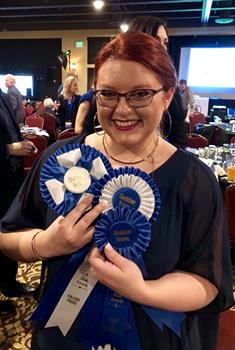
Michelle Rene and her Chanticleer Grand Prize Ribbons
Michelle Rene, the author of this blog post, is a creative advocate and the author of a number of published works of science fiction, historical fiction, humor, and everything in-between.
She has won indie awards for her historical fiction novel,I Once Knew Vincent. Her latest historical novel,Hour Glass, won the Chanticleer International Book Awards Grand Prize for Best Book. It was released on February 20th to rave reviews from Chanticleer, Kirkus and Publishers Weekly. Her experimental novella,Tattoo, was released on March 7th.
When not writing, she is a professional artist and self-described an all-around odd person. She lives as the only female, writing in her little closet, with her husband, son, and ungrateful cat in Dallas, Texas.
A special thanks go out to the authorsSarah BaleandJanet Shawgofor contributing their writing expertise to help others.
Chanticleer Editorial Services – when you are ready
Did you know that Chanticleer offers editorial services?We do and have been doing so since 2011.
Tools of the Editing Trade
Our professional editors are top-notch and are experts in the Chicago Manual of Style. They have and are working for the top publishing houses (TOR, McMillian, Thomas Mercer, Penguin Random House, Simon Schuster, etc.).
If you would like more information, we invite you to email Kiffer or Sharon at KBrown@ChantiReviews.com or SAnderson@ChantiReviews.com for more information, testimonials, and fees.
We work with a small number of exclusive clients who want to collaborate with our team of top-editors on an on-going basis.Contact us today!
Chanticleer Editorial Services also offers writing craft sessions and masterclasses. Sign up to find out where, when, and how sessions being held.
(From top editor Jessica Morrell and Chanticleer’s own Kiffer Brown along with advice from Stephen King, Chelsea Cain, Ernest Hemingway, Robert Dugoni, J.D. Barker, and many more bestselling authors).
Don’t edit your first draft as you write it!
Writing your first draft should be a mad dash to get your story out of your brain. Jessica calls it “unspooling your story thread.”
Don’t hinder it by worrying about each little detail. There will be time for that later. NaNoWriMo or not.
Not taking our word for that piece of advice?
Chelsea Cain, a bestselling thriller author (with a TV series to her credit), gives this piece of advice:
Write the bare-bones version of the scene first using mostly dialogue, and then move on and in the second draft flesh out the scenes with description and action.
Action is dialogue. Dialogue is action. –Robert Dugoni, Amazon Bestselling Author
What is YOUR STORY?
Story is essentially a problem that needs solving for the protagonist. –Jessica Morrell
What is yourprotagonist’sproblem that must be solved—or else?
What is the worst thing that can happennextto your protagonist?
Remember that it is not your problem. It is your protagonist’s problem, obstacle, impossible dream.
Start at least one subplot. This subplot(s) should also complicate the protagonist’s goals.
No matter when the problem begins (it’s always in Act One) the problem is weighty and vexing, perhaps insurmountable. If the problem is not immediately personal, it should become so that it will create a bond (connection) between the protagonist and antagonist. (A classic example is the connection between Sherlock Holmes and Jim Moriarty).
Sherlock Holmes and James Moriarty
What is the inciting event or threat?
The inciting incident might lead to the problem. This event will disrupt the status quo, demand response, and set actions in motion. It’s a threat that unbalances the story world and creates dilemmas that must be dealt with.
Remember you want to send your protagonist into new emotional territory with new challenges and pressures.
And at the same time, she will need to deal with new physical territories such as a new school (Footloose) or a different culture (Dances with Wolves) or a different legal society with different norms (Handmaid’s Tale)or a new environment (Deadwood) or a different time (Outlander)or galaxy (Farscape).
Don’t be afraid to stage danger in benign or lovely settings or conversely gentle scenes in dangerous and gruesome settings.
Atmosphere
Allow the overall atmosphere and mood to imbue your writing from the get-go.
The atmosphere lends itself to the overall tone and mood of a work. Allow it to permeate your work as you write.
Why use atmosphere in your first draft? (or during NaNoWriMo)?
Because it will affect your mood and approach to your story.
It will make you focus on creating unease–a necessary ingredient not always considered in early drafts.
Unease contributes to writing a page-turner.
Atmosphere underlines themes–even if you don’t have your themes nailed down yet.
Here is the link to our Writer’s Toolbox article onAtmosphere
Emotional Baggage
Know your protagonist’s main emotional wound, sometimes called baggage in real life. How is it going to affect his or her ability to solve the story problem? (See the questions below to jumpstart creativity.)
Remember that Writers (that is you) should carry a notebook everywhere you go. You never know when a brilliant solution is going to appear.Jessica Morrell
If I could offer a single piece of advice about creating characters it would be this (Jessica Morrell):
Take risks with your main characters.
Make them stand out from the myriads of fiction published each year.
And don’t be afraid to allow eccentricities, quirks, and oddball ways of seeing reality.
More questions for your protagonist from Jessica Morrell—these are guaranteed to get your creative wheels turning:
First, ask yourself these questions and then “ask” your protagonist. Have your protagonist go into depth. Find out what your protagonist’s iceberg under the waterline is all about.
Photo taken in Greenland’s waters.
Kiffer suggests that you take a walk when you are considering these questions. Be sure to either take notes or record your thoughts on your smartphone while you explore your protagonist’s emotional baggage.Walk a mile in your protagonist’s shoes.
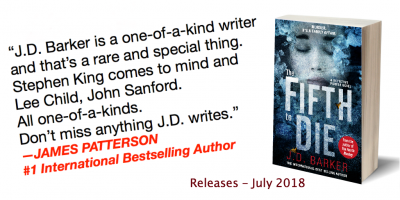
J.D. Barker stated at the Chanticleer Authors Conference 2019 that he knows which rides his main characters would go on at Disney Land, the type of beer that he/she would order, and favorite toys that he/she played with as a child. He may not use this info in his manuscript but knowing this information gives his characters subtext and undercurrents that make his novels international bestsellers.
Jessica Morrell suggests that you ask your protagonist these questions?
What’s the most embarrassing thing that has ever happened to you?
What is your biggest regret?
What is your superpower?
Who do you cherish most in the world?
If you could change one thing about your world, what would it be?
What is your average day or schedule?
What 5-6 words sum up your values?
What do you do after a really bad day?
How do you celebrate?
The secret you’d never tell your significant other? Your mother? Your sibling?
What reminds you of home?
What item must you always take along when traveling?
Favorite drink?
Secret vice?
Pizza or tacos? Cookies or tequila?
Favorite climate?
Reading or television to unwind?
Breakfast or coffee only?
We hope that we helping you, Dear Writer, to arm and prep yourself to get down to the writing of your next work—the reckoning.
Ernest Hemingway: There is nothing to writing. All you do is sit down at a typewriter and bleed.
Chanticleer Editorial Services – when you are ready
Did you know that Chanticleer offers editorial services?We do and have been doing so since 2011.
Tools of the Editing Trade
Our professional editors are top-notch and are experts in the Chicago Manual of Style. They have and are working for the top publishing houses (TOR, McMillian, Thomas Mercer, Penguin Random House, Simon Schuster, etc.).
If you would like more information, we invite you to email Kiffer or Sharon at KBrown@ChantiReviews.com or SAnderson@ChantiReviews.com for more information, testimonials, and fees.
We work with a small number of exclusive clients who want to collaborate with our team of top-editors on an on-going basis.Contact us today!
Chanticleer Editorial Services also offers writing craft sessions and masterclasses. Sign up to find out where, when, and how sessions being held.
Jessica Morrell is a top-tier developmental editor and a contributor to Chanticleer Reviews Media and to the Writer’s Digest magazine. She teaches Master Writing Craft Classes at the Chanticleer Authors Conference that is held annually along with teaching at Chanticleer writing workshops that are held throughout the year.
Keep creating magic! Kiffer
Kathryn (Kiffer) Brown is CEO and co-founder of Chanticleer Reviews and Chanticleer Int’l Book Awards (The CIBAs) thatDiscover Today’s Best Books. She founded Chanticleer Reviews in 2010 to help authors to unlock the secrets of successful publishing and to enhance book discoverability. She is also a scout for select literary agencies, publishing houses, and entertainment producers.