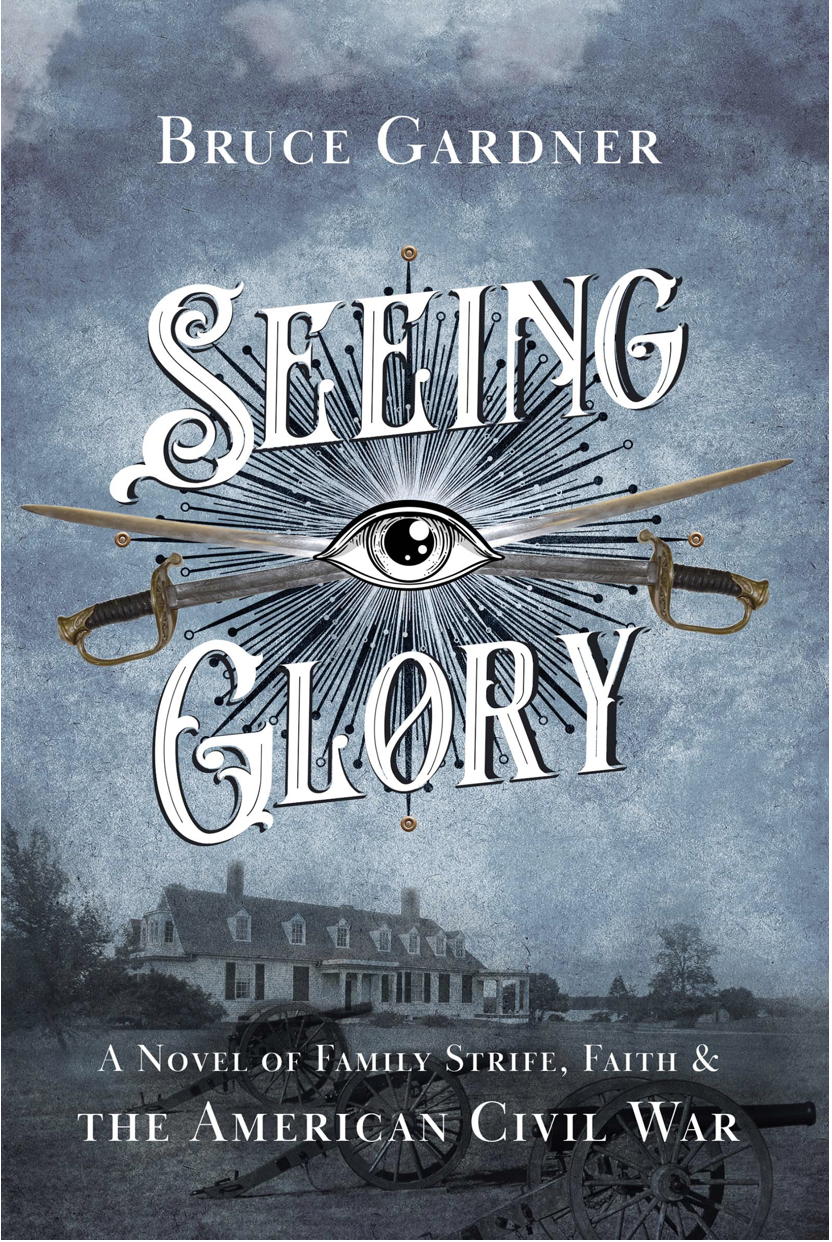
The Rocket Man’s Daughter: A Novel of Family, Faith and Resistance in Nazi Germany by Bruce Gardner tells a harrowing story of German life under the Nazi Regime from 1934 to 1945.
Through the experiences of a young woman whose family is torn by competing loyalties, this riveting tale shines a rarely seen spotlight on some of the most heartwrenching moral dilemmas faced by German civilians and soldiers caught up in the crucible of fascist tyranny and war.
Klara Neumann is the Rocket Man’s Daughter. She’s only fourteen in 1934 when the Führer, Adolf Hitler, finally eliminates all rivals and consolidates his control of Germany under the Nazi Party.
Klara’s family represents a microcosm of the country’s middle socio-economic class, working in government-sponsored roles that demand slavish obedience to the Führer and his decrees. Her father, Erich, is the quintessential ‘rocket man’, a university professor dragged into the Nazi war machine to help his friend and colleague Dr. Wernher von Braun develop the deadly new V-2 rockets intended to terrorize Germany’s future enemies. Her mother, meanwhile, strives to be a dutiful Nazi wife, her brother an honorable Wehrmacht army officer, and her elder sister Elke the devoted leader of a female Hitler Youth section.
Klara—an aspiring nurse—is the philosophical polar opposite of her sister, as Elke is a literal poster girl for the Nazi Party, while Klara does her best to protect her secret Jewish friends from the ever-increasing Nazi persecutions.
As Germany sinks ever deeper into the morass of world war after 1938, the Neumann family members travel further down their divergent paths. Gardner describes with chilling, historically accurate detail the horrific Nazi medical experiments that eventually drive Klara to augment her nursing job by secretly joining a Berlin resistance cell led by relatives of Dietrich Bonhoeffer, the charismatic, anti-fascist Lutheran pastor. Brutally intense, emotionally draining scenes of danger and betrayal follow as Klara and her resistance partners struggle to avoid discovery by a powerful, cunning SS police superintendent who has drawn Klara’s father and sister into his dark web of control and manipulation. Through the ordeal, Klara gradually learns to view her personal sacrifices for the resistance effort as an expected cost of true Christian discipleship, as Bonhoeffer had taught her.
The story moves relentlessly toward its gripping, unforgettable climax in 1945 when Hitler’s V-2 rocket campaign fails to stem the Allied tide and the Soviet Army invades Berlin.
The reader feels the stark terror along with Klara and her fellow citizens as Russian soldiers invade their hiding places and attempt to satiate their pent-up taste for revenge. At war’s end, tensions reach their peak as Klara’s father is hunted down by competing Soviet and American intelligence teams attempting to capture and exploit the expertise of Nazi rocket scientists for their own national purposes in the Space Race to come. Will Klara overcome the seemingly insurmountable odds against rescuing her father from a horrible fate? And can she ever forgive her father’s disreputable wartime decisions and actions?
The defining moral issue, which hangs over everyone involved, is that of responsibility for the terrible crimes of the Nazi regime. On what basis should Nazi-supporting civilians and soldiers be considered war criminals? Were they merely protecting themselves and their families? Were they just following orders? Does that justify their actions?
The Rocket Man’s Daughter expertly depicts the fractures within the fictitious Neumann family to offer the reader some possible answers to these perplexing questions. It’s left to the reader to finally decide.
Despite its expected longer length due to the extended time period and epic nature of the story, The Rocket Man’s Daughter by Bruce Gardner absolutely flies along with suspenseful situations and compelling dialogue the entire way. It’s diverse and vibrant characters raise for the reader many thought-provoking questions about family loyalty, faith, and moral obligation to society under extreme circumstances. In doing so, it proves itself a worthy successor to the author’s previous award-winning novels. The story of Klara Neumann and her family provides yet another example of Gardner’s ability to weave fictional and historical characters into a marvelous portrait of a time and place—one that’s guaranteed to keep readers of wartime historical fiction glued to the page from beginning to end.
Highly recommended!