Tag: Book Promotion

  • 10 QUESTIONS with AWARD-WINNING AUTHOR SUSAN FAW – Book Marketing, Increasing Book Sales, Author Interviews

    10 QUESTIONS with AWARD-WINNING AUTHOR SUSAN FAW – Book Marketing, Increasing Book Sales, Author Interviews

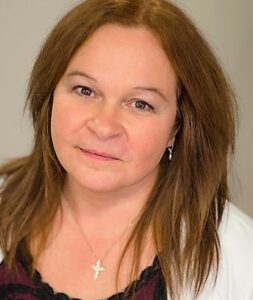
    Author Susan Faw is the perfect example of what I mean by #SeriousAuthor. She not only writes amazing YA Fantasy, she also approaches her writing as an occupation.

    She’s serious. She plans. She kills it. Every time.

    Please read, respond, and share this 10 Questions Interview with author, Susan Faw.

    Chanticleer: Tell us a little about yourself: How did you start writing?

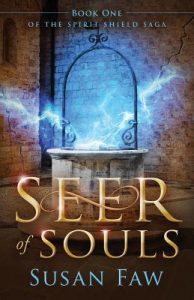
    Faw: Back in 2014, the company that I had been working for since 1994 announced that it was merging with another company from the U.S.  I knew that it was the death knell for my position within the company and that it wouldn’t be a matter of ‘if’ but ‘when.’  I grabbed a bottle of wine, went out to my deck, cried for a couple of hours while I polished it off, then went inside and sat down at my computer and started to write Seer of Souls. My prediction came true on May 1st of 2017 when I was let go due to a “work slowdown.”  It was a nice way of saying I was over 50 and no longer wanted within the organization.
    Chanticleer: That’s fascinating. I often wonder about how stress has the power to alter our perception of the world around us – even how we define ourselves. And sometimes what it draws out of us in that altered state. When did you realize that you were an author?

    Faw: I think it started to feel real when Seer of Souls was picked up by Booktrope (now defunct). They gave me my start and dragged this new author through the process of taking a raw manuscript to finished, published product. Unfortunately, they closed their doors three months after my first book went live, and so I had to start all over again, learning the Indie way of doing things.

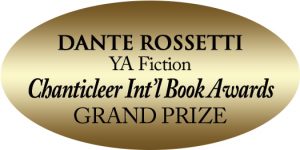
    Chanitcleer: Seer of Souls did well in our 2016 Dante Rossetti Awards. Talk about genre. What genre best describes your work?
    Faw: I am a fantasy author, first and foremost. I cut my teeth on the great fantasy authors of the century and have always loved to be transported to unique worlds.  I think the subgenre of dystopian fiction, which I see to be a hybrid of science fiction and fantasy, was birthed due to this need to know the answers to what if the worst case scenario happens.

    Chanticleer: What led you to write in this genre?

    Faw: I adore it. Despite what most people think, fantasy is about people, more so than even the romance genre. Fantasy explores the human condition through a portal of strange new worlds and if well written, challenges our beliefs about structures or ‘norms’ that we must accept in modern society. It allows us to talk about taboo subjects in a safe environment, because of it is “just fantasy.” I read a lot of fantasy and science fiction. When you immerse yourself in a genre, you learn the tropes, the norms, what works within the genre and what has been already done. By reading you absorb a culture that you can then build on. I couldn’t write romance. I don’t understand the genre.

    Chanticleer: Good insights. Are you a rule-follower or do you like to make up your own rules?

    Faw: I follow the rules for the most part, but I find that when I try to be formulaic about the rules, it shuts down my creativity. I become bored with the project, so a certain level of spontaneity is important for me.

    Chanticleer: Yeah, sometimes the best way to silence the muse is to unleash the editor in the middle of the creative process. Something, I’m sure, we all do from time to time. How do you come up with your ideas for a story?
    Faw: I like to do a day or two of random reading online. I check out the weird and the wonderful posts that litter the Internet and start taking notes of strange occurrences or weird events. Ghost stories or reports are a great source of inspiration. Paranormal activity can lead to all kinds of magical concepts.

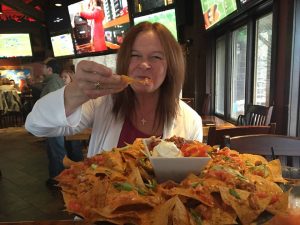
    Chanticleer: Those nachos look good… How structured are you in your writing work? How do you approach your writing day?

    Faw: Now that is a work in progress. I recently moved and am still settling into my writing routine here. In the past I would write whenever I could squeeze the time in, but now that I am writing full time I have found my discipline to have weakened. Ideally, I like to treat my writing day like a work day, work 8-5 at my computer. I find that keeping a routine is the most productive. Beyond that, I like to write in the mornings and do the business side of things in the afternoon, such as marketing or production activities.

    Chanticleer: I believe you will settle into your routine in no time. Can you give us a few of your favorite authors and describe how they influence your work?

    Faw: JK Rowling, Robert Jordan, Erika Johnannsen, Terry Goodkind, Brent Weeks – all are fantasy authors and I love rereading their works because of the depth of their writing. The world building is amazing and the character development is so real, you would swear their characters breathed.

    Chanticleer: I love authors who can create worlds and characters like that. Do you use craft and/or business books? Which ones have helped you the most? 

    Faw: When it comes to editing, I put every book I write through this preliminary edit, to sift it for the chaff – The Word-Loss Diet by Rayne Hall. It is a small book stuffed with the most common, juvenile writing mistakes. I also reference The First Five Pages by Noah Lukeman and Writing The Breakout Novel by Donald Maass. I need to give a shout out to indie author Chris Fox and his advice in Six-Figure Author – Using Data to Sell Books and Write To Market – Deliver A Book That Sells. That last book is not what you think but involves understanding your audience and discovering subjects within your niche that will resonate with your audience, within your genre.

    Chanticleer: That’s an awesome list. Thanks! Give us your best marketing tips, what’s worked to sell more books, gain notoriety, and expand your literary footprint.

    Faw: Marketing is every author’s Achilles heel. Whether you publish the traditional route or are self -published author, like me, we all need to market. The reasons for this are varied, but in the end, it all boils down to the same two facts:

    No one will take as much interest in your career as you will.
    You are your own best advocate.

    Over the last three to four years, I have worked hard to learn the best practices when it comes to advancing and expanding your author footprint. No one answer works for everyone but there are some essentials that you must have in place.

    • Firstly, you MUST have a kick-ass(ets) cover. Everyone judges by appearance, if they have eyes to see. A poor cover is a stumbling block. When someone is browsing for a book to buy, your cover needs to stop them dead. It should compel them to read your blurb, to check out the ‘look inside’.  If you cover cannot grab their eyes, then you book will not grab their wallet. Spend the money on this, if you are an indie. If you are a traditional author, make this a serious discussion with your publisher.

    • Secondly, take the time to LEARN about Facebook ads, and Amazon (AMS) ads and how they work. As a traditional author, you might not be able to run Amazon ads, but you certainly can with Facebook ads. A small, effective and can make a huge difference in daily sales.

    • Thirdly, work hard to build a mailing list dedicated to your author brand. There is no better way to market than to a dedicated list of fans waiting to snap up every book you write. There are ways to introduce your work to new people, usually in the form of some sort of giveaway. It can be a short story related to your series or some deleted chapters, or original sketches/artwork that you have drawn. Work on building that audience who is hungry for your next book. The other reason why this is important is that it is a marketing activity that is totally within your control. Regardless of what happens with other advertising platforms, your list is yours. That direct contact with your customer is essential. An excellent coach for in this area is Bryan Cohen of the “Sell More Books Show” podcast.

    • Lastly, take the time to get to know other authors in the book industry. The collective wisdom of these smart people can help you avoid some costly mistakes and alert you to new possibilities as they crop up.  Whether traditional or indie, be humble enough to learn from others who may be farther along the path than you, or doing something smart.

    Chanticleer: Susan, thank you for spending time with us today. You are a powerful and positive force in the universe and we absolutely adore you! 

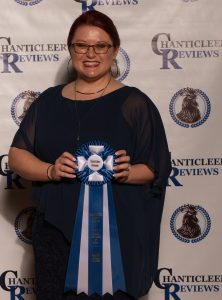
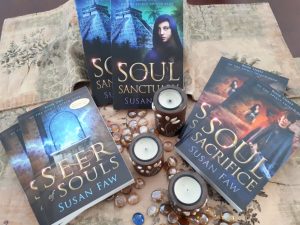
    Susan’s second novel, Soul Sanctuary, took home the 1st Place in the 2017 Dante Rossetti Awards! Check out her website and her other books, social media accounts. As you can see, she’s got it going on!
     

     Facebook  Twitter  Amazon   Website

    If you enjoyed 10 Questions with Susan Faw, please comment and share. Sharing is caring, baby!

  • ADVENTURES in SELF-PUBLISHING, #1: VANQUISHING the FEAR by Gail Noble-Sanderson – Self Publishing, Marketing, Moving Beyond Fear

    ADVENTURES in SELF-PUBLISHING, #1: VANQUISHING the FEAR by Gail Noble-Sanderson – Self Publishing, Marketing, Moving Beyond Fear

    We can do nothing, including taking risks, if fear is our overriding emotion. Fear is paralyzing and certainly, there are many of us who write that feel fear around the edges of our egos and emotions as we put pen to paper, share our work with others, send a letter to an agent, speak with a publisher or, even vaguely consider self-publishing our own work.

    You’ve GOT THIS!

    Moving through our fears is the only way to the other side where we can step fully forward making choices true to who we are.

    Many years ago, on Sunday afternoons when living in Maryland, I would pack up my two young daughters and, along with my guitar, we would visit with the very elderly in a nearby long-term care facility.  Although these senior folks could no longer carry on conversations regarding the present, they could remember the words to the old hymns, singing along as I strummed my guitar and my small girls dispensed hugs all around.

    I continued these weekly visits over several years becoming familiar with the relatives of these precious people and much about the lives they had lived.  I became especially close to a woman of 80 years named Calle.  Fragile of body, but sharp of mind, displaying a caustic wit and a no-nonsense approach to all of life, she was the last person whom we visited on those Sundays.  Calle was not especially social and did not attend the hymn singing as she was still living in the present and very conversive. All her friends had passed on and her two sons lived quite a distance away, seldom visiting their mother. We became fast friends.

    Calle was a woman ahead of her time.  She went to university and studied nursing and radiology. Radiology technology in the early 1900’s was a field in which she worked for over forty years.  She would tell me of the challenges of working in a profession primarily occupied by men and how her fiercely competitive nature and desire to constantly learn, often got her “into trouble.”

    She was never afraid to pursue excellence, never afraid to take risks.

    Calle thought me a fine young woman but extremely meek.  She persisted in challenging me to think about my own future.  What were my dreams and aspirations in addition to being a mother? I told her I loved playing music, writing songs, poetry, and stories.  And that because I stuttered, I wanted to someday go to college and become a Speech-Language Pathologist. She told me that “someday was here” and I was to plot a plan for how my future dreams were to be accomplished.  I told her I was afraid.  Afraid my husband would object to my going to university, afraid I would be seen as a negligent mother, afraid I wasn’t intelligent enough, afraid my music and writing would be found wanting by everyone – especially me.  With a great sigh, Calle asked me what I was NOT afraid of and I should start there.

    • Can you identify your fears related to your writing?
    • Where, as a writer, does your confidence lie?
    • Do you aspire to self-publish your stories, poems, novel, memoir, non-fiction – whatever you are wanting to publish?

    It is important first to recognize all your strengths and make them work for you.

    Gail Noble-Sanderson

    If you have entertained the thought that you might want to self-publish, I am here to tell you it is not rocket science (although I’m sure you could do that as well).  If you have done all the hard work of research, writing, and editing and are ready to send your work out into the world, then you can certainly self-publish.  Especially if you have attempted over some time to find an agent and/or publisher and there has been no forward movement. Or if you have spoken with other self-published writers, some of whom were published with a publishing house and later decided to self-publish, or if you feel strongly that you want to retain control of and manage your work from the beginning and thinking self-publishing is best for your vision.

    A few days before we moved to Washington state, I said my good-byes to Calle. I asked her if she had to live her life over what would she do differently.  She fiercely took hold of my hands and said, “I would have vanquished fear and taken more risks.”

    So, if you are considering the option of self-publishing your work, walk through the fear because, truly, it is not the difficult, frightening process some would lead writers to believe.  The next article in this series will look at where to begin and how to proceed when you decide to publish your own work.  Remember, “keep falling in love with the potential of what you are doing” and move you and your work forward without fear.

    Read the follow up to this article here.


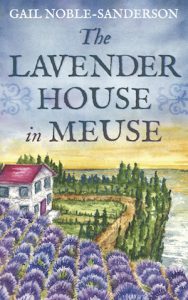
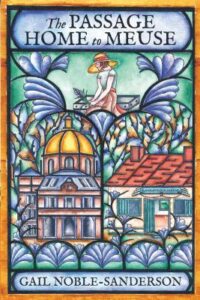
    Gail Noble-Sanderson is the author of two works of historical fiction, both of which are self-published under her own Noble Press.  The Lavender House in Meuse is an emotional, intriguing, and sensitive account of the crises of World War I and one woman’s journey towards recovery and growth. Her second novel, The Passage Home to Meuse 

    won 1st Place in the 2017 Chatelaine Awards, the Chanticleer International Writing Competition for romantic fiction.

    Both books are available through Amazon and Village Books.

    Visit Gail’s homepage at http://gailnoblesanderson.com/ and follow her on social media.

  • Grand Prize Winners and First Place Winners for the Chanticleer International Book Awards 2017

    Grand Prize Winners and First Place Winners for the Chanticleer International Book Awards 2017

    We are excited and honored to announce the 2017 Winners of the Chanticleer International Book Awards. The winners were recognized at the fifth annual Chanticleer Authors Conference and Awards Banquet Ceremony on Saturday, April 21, 2018, at the Hotel Bellwether, Bellingham, Wash.

    We want to thank all of the authors who participated in the 2017 Chanticleer Book Awards. Each year, we find the quality of the entries and the competitiveness of the division competitions increasing exponentially, which is why the contest judges wanted to add Shortlisters as a way to recognize and validate the entries that were not selected for the very few First Place Award positions within each genre division.

    Congratulations to the Chanticleer Overall Grand Prize Book Award Winner for 2017


    CIBA Overall Grand Prize Winner

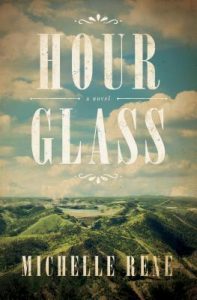
    Hour Glass by Michelle Rene


    Hour Glass by Michelle Rene received top scores in three divisions:  Laramie Book Awards, Somerset Book Awards, and Goethe Book Awards. It was also the Laramie Grand Prize Winner. 


    The Chanticleer International Book Awards Genre Divisions Grand Prize Winners for 2017 are:


    The GLOBAL THRILLER Book Awards for International Thrillers & Suspense Novels is awarded to:
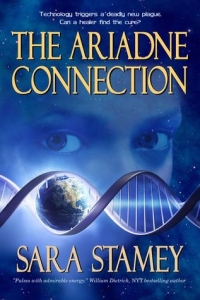
    The ARIADNE CONNECTION

    by Sara Stamey


    View the 2017 GLOBAL THRILLERS  Book Awards First Place Winners

    View the 2017 GLOBAL THRILLER Book Awards Shortlisters 


    Cygnus Award for Science Fiction

    The CYGNUS Book Awards for Science Fiction Grand Prize is awarded to:

    The Future’s Dark Past by John Yarrow

    View the 2017 CYGNUS Book Awards First Place Winners

    View the 2017 CYGNUS Book Awards Shortlisters 


    Cozy Mystery Fiction Award

    The M & M Book Awards for Mystery & Mayhem Novels Grand Prize is awarded to:

     Coronado’s Trail: An Arizona Borderland’s Mystery by Carl and Jane Bock 

    View the 2017 M & M Book Awards First Place Winners

    View the 2017 M & M Book Awards Shortlisters 


    The JOURNEY Book Awards for Narrative Non-fiction Grand Prize is awarded to:

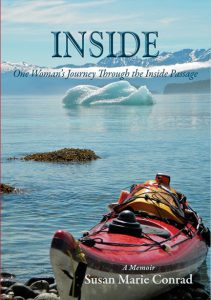
     Inside: One Woman’s Journey Through the Inside Passage

    by Susan Marie Conrad

    View the 2017 Journey Book Awards First Place Winners

    View the 2017 Journey Book Awards Shortlisters


    Gertrude Warner Children's Chapter Books

    The GERTRUDE WARNER Book Awards for Middle-Grade Readers Grand Prize  is awarded to:

    Brainwashed: Crime Travelers Spy School Series

    by Paul Aertker

    View the 2017 Gertrude Warner Book Awards First Place Winners

    View the 2017 Gertrude Warner Book Awards Shortlisters


    Dante Rossetti Awards for YA Fiction

    The DANTE ROSSETTI Book Awards for Young Adult Fiction Grand Prize is awarded to:

    Slave to Fortune by D. J. Munro

    View the Dante Rossetti Book Awards First Place Winners

    View the Dante Rossetti Book Awards Shortlisters


    Pre 1750 Historical Fiction Award

    The CHAUCER Book Awards for pre-1750s Historical Fiction Grand Prize is awarded to:

     The Traitor’s Noose: Lions and Lilies Book 4

    by Catherine A. Wilson and Catherine T. Wilson

    View the Chaucer Book Awards First Place Winners

    View the Chaucer Book Awards Shortlisters


    Post 1750s Historical Fiction Award

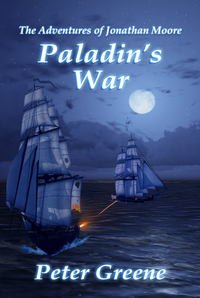
    The GOETHE Book Awards for post-1750s Historical Fiction Grand Prize is awarded to:


    Paladin’s War: The Adventures of Jonathan Moore

    by Peter Greene

    View the GOETHE Book Awards First Place Winners

    View the GOETHE Book Awards Shortlisters


    Western Pioneeer Civil War Fiction AwardThe LARAMIE Book Awards for Western Fiction Grand Prize is awarded to:


     Hour Glass

    by Michelle Rene

    View the Laramie Book Awards First Place Winners

    View the Laramie  Book Awards Shortlisters


    Romance Fiction Award

    The CHATELAINE Book Awards Grand Prize for Romantic Fiction and Women’s Fiction Grand Prize is awarded to:

    MASK of DREAMS ( a manuscript at the time of submission)

    by Leigh Grant

    View the Chatelaine Book Awards First Place Winners

    View the Chatelaine Book Awards Shortlisters


    Thriller Suspense Fiction Award

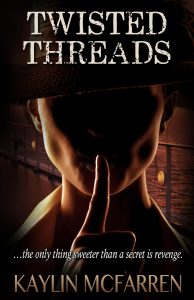
    The CLUE Book Awards Grand Prize for Thriller / Suspense Novels is awarded to:
    TWISTED THREADS by Kaylin McFarren

    View the CLUE Book Awards First Place Winners

    View the CLUE Book Awards Shortlisters


    Early Readers and Picture books

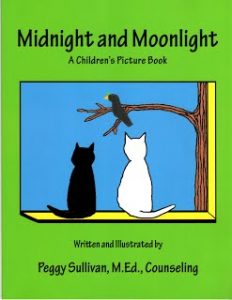
    The LITTLE PEEPS Book Awards Grand Prize for Early Readers is awarded to:

     Lessons from a Cat: The Moon and Star; Midnight and Moonlight

    by Peggy Sullivan, M. Ed.

    View the Little Peeps Book Awards First Place Winners

    View the Little Peeps Book Awards Shortlisters


    Ozma Awards for Fantasy Fiction

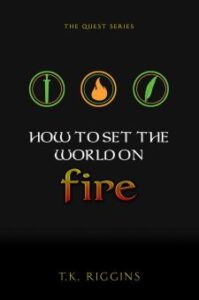
    The OZMA Book Awards Grand Prize for Fantasy Novels is awarded to:
     How to Set the World on Fire

    by T.K. Riggins

    View the OZMA Book Awards First Place Winners

    View the OZMA Book Awards Shortlisters 


    Paranormal Fiction Awards

    The PARANORMAL Book Awards Grand Prize for Supernatural Fiction is awarded to:

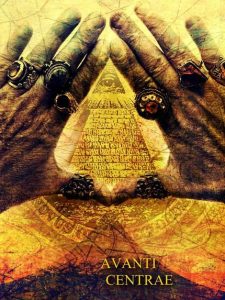
    VanOps – The Lost Power

    by Avanti Centrae

    View the PARANORMAL Book Awards First Place Winners

    View the PARANORMAL Book Awards Shortlisters 


    Mainstream Contemporary Fiction Awards

    The Somerset Book Awards Grand Prize for Literary and Contemporary Fiction is awarded to:

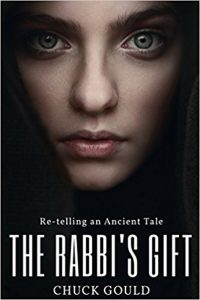
     The Rabbi’s Gift

    by Chuck Gould

    View the SOMERSET Book Awards First Place Winners

    View the SOMERSET Book Awards Shortlisters 


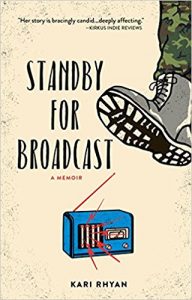
    The I & I Book Awards Grand Prize for Instructional and Insightful Non-fiction is awarded to:

     Standby for Broadcast

    by Kari Rhyan

    View the Instructional & Insightful Non-Fiction Book Awards First Place Winners

    View the Instructional & Insightful  Book Awards Shortlisters 


    The 2019 Chanticleer Authors Conference will be held on April 19, 20, & 21, 2019.

    Please click here for more information about entering the 2018 Chanticleer International Book Awards with 16 divisions.

    • Two Non-Fiction Divisions
    • Historical Fiction Divisions
    • Early Readers, Middle-Grade, and Young Adult Divisions
    • Mystery, Suspense/Thriller, & Global Thriller Divisions
    • Science Fiction Division
    • Fantasy Fiction Division
    • Paranormal & Supernatural Division
    • Western Fiction Division (includes classic and contemporary)
    • Romantic Fiction
    • Literary & Contemporary Divisions

    Chanticleer Reviews: Discovering Today’s Best Books with Reviews and International Book Awards

  • Synopsis Writing Tools Checklist by Jessica Page Morrell

    Synopsis Writing Tools Checklist by Jessica Page Morrell

    Jessica Page Morrell
    Jessica Page Morrell

    SYNOPSIS Tools Checklist by Jessica Page Morrell  Part 2 of a Two-Part Blog Post

    Jessica is a top-tier developmental editor. Jessica is teaching the Master Writing Classes at the Chanticleer Authors Conference on Sunday, April 22, 2018. 

    Here is the second half of a two-part series on How to Write a Synopsis. The first Synopsispart deals with synopsis development and the second part will discuss the mechanics of a synopsis.

    Here is the link to Part 1:

    Part 1 of Jessica Page Morrell’s Writer’s  Toolkit series on How to Write a Synopsis

    A quick recap of Part One: 

    A Synopsis Is:

    • Part Bare Bones  Story Recap (but not too bare)
    • Part Pitch
    • Part Illustration of Your Writing Style

    Every sentence matters and pushes your story forward. 

    Typically a synopsis completes a sales package that includes your first three chapters and sometimes a letter of introduction. Since at times editors read the synopsis first, it must be comprehensive, comprehensible, and compelling, forcing them to then peruse your chapters. Hopefully, your synopsis will be read not only by an agent and editor but if it passes muster, the marketing and art department will read it too. A synopsis will also be used in the publishing house meetings where decisions are made about what titles will be published in an upcoming season.

    SYNOPSIS CHECKLIST 

    A synopsis is written in the same order as the novel and is written in the style and tone of the manuscript—a witty, fast-paced novel requires a witty, fast-paced synopsis. If the story is literary, your synopsis will be more serious, but keep in mind that your dazzling prose goes into the manuscript, not the synopsis. Don’t leave major questions unanswered such as who killed the victim, as well as how Malcolm solves his internal conflict, and how the subplot was resolved after he lost his job when he was arrested. A synopsis keeps the reader’s interest, but it’s not a tease and is not written with cliffhangers and such devices. It’s particularly important to demonstrate that your ending provides a satisfying conclusion to the plot and ties up loose ends.

    A synopsis demonstrates that your characters are in jeopardy and what is at stake and why this matters. It introduces your main characters and their conflicts and agendas. It is not a list of characters or character sketches, and it usually does not describe physical attributes of characters, although the main characters are given some sort of tag. For example, you might want to refer to a character as the leading citizen in a small Southern town, or a respected doctor or frustrated novelist. Antagonists are always introduced, but secondary characters are mentioned only if they are involved with the protagonist’s inner or outer conflict.  A synopsis is also written with a careful attention to flow—ideas follow each other logically and one paragraph leads to the next. This means that transitions will be important in connecting the dots.

    Is or Does Your Synopsis Questions:

    • Is it reflective of a thoughtful writer at work?
    • Is it reflective of the mood and tone of the manuscript submitted?
    • Does it portray an enthralling story?
    • Does it highlight a gripping main conflict?
    • Does it highlight the intriguing motivations of the main players?
    • Does it lead the reader logically from inciting incident to end with:
      • major plot points along the way?
      • turning points along the way?
    • Does it provide a satisfying conclusion to the plot and ties up loose ends?
    • Does it connect the dots and progress logically?

    Mechanics

    • Write the synopsis in the present tense
    • The first time you introduce a character, type his or her name in ALL CAPS
    • The synopsis should be written in the same order as the novel
    • The synopsis should be written in the same style, tone, and pace of the manuscript

    HEADER  PAGE should be single-line spaced

    • On the first page in the upper-right hand corner write Synopsis
    • The next line should state the type of Genre
    • The next line should state the Word Count
    • The left-hand margin first line should state your name followed by your contact information (digital, voice, and delivery address)
    • Do not number your first page

    TITLE PAGE 

    Don’t number your first page, but scroll down to about one-third of the page and center your title in ALL CAPS. Then leave four lines after the title and begin with your hook. 

    BODY of MANUSCRIPT FORMATTING

    • Use 1-inch margins
    • Do not justify the right margin
    • After the first page use a header (or slug line) on the upper left-hand corner that looks like this: MORRELL/DOOMED FOR DEATH/Synopsis
    • The page number goes on the same line as the header
    • Do not use fancy fonts
    • Remember that you are summarizing, not copying
    • Begin a new paragraph if you are introducing a new scene or plot twist
    • You may want to note one or two short dialogue exchanges to illustrate a point
    • Rule of thumb for spacing: over two-pages, double-spaced is preferred; if it’s one or two pages, single space

    LENGTH 

    Since most agents and editors are notoriously pressed for time and read so much for their jobs, the five-page synopsis is appreciated by most. However, in the past, the wisdom about length went like this: one double-spaced page of synopsis for each 10,000 manuscript words. If you wrote an 80,000-word manuscript you’d write an 8-page synopsis.


    Finally, here’s a checklist that you might want to use to verify that you’ve covered all these points:


    • Have you printed it out and then edited it for spelling, grammar and punctuation mistakes?
    • Does the opening paragraph contain a hook that raises a question and forces the reader to keep reading?
    • Does the synopsis prove that the story is based around a single, dramatic question?
    • Have you shown the protagonist taking charge of events, making choices and decisions, but also stumbling and dealing with internal conflict?
    • Have you introduced your main characters and defined their conflicts, desires, and motivations? Are the protagonist’s dominant traits demonstrated?
    • Have you covered the major scenes and plot points?
    • Are reversals, twists, and surprises depicted?
    • Is the setting and timeframe of the story clear?
    • Does the synopsis include the places in the story where the protagonist changes? If your characters are changing, are you briefly explaining why?
    • Have you shown the protagonist’s darkest moment that comes near the end of the story? Does he or she hit bottom or is there a moment of truth? Are emotional or internal changes evident during this dark moment?
    • Is the ending revealed and does it clarify how the main conflicts are resolved? Have you briefly explain what the protagonist has won or lost?

    Resources:   Jack and Glenda Neff and Don Prues, authors of Formatting & Submitting Your Manuscript, suggest double spacing. 

    LINKS and other INFO

    Instructional and Insightful Books by Jessica Page Morrell to add to your Writer’s Toolkit. Click here. 

    Click here if you would like more information about Jessica Morrell’s Master Writing Classes that will be held on Sunday, April 22, 2018, Bellingham, Wash.

    Click here for information about the 2018 Chanticleer Authors Conference. 

    Click here for Jessica Page Morrell’s website.

  • Synopsis Writing Tools – a Two Part blog post by Jessica Page Morrell

    Synopsis Writing Tools – a Two Part blog post by Jessica Page Morrell

    Jessica Page Morrell
    Jessica Page Morrell

    SYNOPSIS Development by Jessica Page Morrell

    Jessica is a top-tier developmental editor. Jessica is teaching the Master Writing Classes at the Chanticleer Authors Conference on Sunday, April 22, 2018. 

    Here is the first half of a two-part series on How to Write a Synopsis. The first part deals with synopsis development and the second part will discuss the mechanics of a synopsis.

     

    Part 1 of Jessica Page Morrell’s Writer’s  Toolkit series on How to Write a Synopsis

    I’ve got a book in progress now, but I’m planning to write several nonfiction projects, so I’ll be crafting proposals to sell these projects. Now, I’d rather yank out my fingernails one by one or undergo a series of root canals than write a proposal—there’s just something about them that fills me with dread and the worst case of procrastination this side of the Rockies. I know proposals are a top-drawer tool in my toolbox of writing skills, but I still loathe writing them. And I’ve heard this same sort of dread about writing a synopsis from fiction writers, so if you’re fortunate enough to be finishing a novel, here are some ideas for this next crucial step.

    First, if you’re not fond of writing a synopsis, this doesn’t strike me as abnormal. After all, you’re summarizing about 400 pages into the briefest possible form while introducing the major players and situation and somehow leaving no questions unanswered, while not disclosing everything that happens in the story. A synopsis is part bare bones of your story (however, not too bare), part pitch, and part illustration of your writing style. And every sentence matters and must push the story forward.

    Typically a synopsis completes a sales package that includes your first three chapters and sometimes a letter of introduction. Since at times editors read the synopsis first, it must be comprehensive, comprehensible, and compelling, forcing them to then peruse your chapters. Hopefully, your synopsis will be read not only by an agent and editor but if it passes muster, the marketing and art department will read it too. A synopsis will also be used in the publishing house meetings where decisions are made about what titles will be published in an upcoming season. In your synopsis, these professionals want to see a thoughtful writer at work—one who has crafted an enthralling story, with a gripping main conflict and intriguing motivations in the main players. They also want to understand how the story moves logically from the inciting incident in the opening chapters to the end, with major plot points and turning points along the way.

    These days there seems to me no grand consensus on the ideal length of a synopsis. If you’ve written a saga, chances are you might weigh in at 10 pages or more and if you’ve written a fairly simple tale, you might get away with a one-page shortie. Since most agents and editors are notoriously pressed for time and read so much for their jobs, the five-page synopsis is appreciated by most. However, in the past, the wisdom about length went like this: one double-spaced page of synopsis for each 10,000 manuscript words. If you wrote an 80,000-word manuscript you’d write an 8-page synopsis.

    Synopsis

    If you’re new to the task of synopsis writing you might want to read the back cover copy of your favorite paperback novels and the inside jacket of hardcover novels. Notice how enticing the copy is and how the story question is revealed. Notice also the verbs and the level of specific detail. Then make a list of all the major characters and events that you need to include in your synopsis.

    Start your synopsis with a hook—such as in:

    When JAMES MALCOLM, an insurance adjustor, awoke in a strange basement wearing women’s clothing, he knows it won’t be an ordinary day, but could scarcely have imagined that the clothes he wore belonged to MELINDA DAVIS who had been recently murdered. Wrongly suspected of her murder, Malcolm is forced to discover who murdered Davis and why and why he was fingered for the crime.

    Write in the present tense and the first time you introduce a character, type his or her name in all caps. A synopsis is written in the same order as the novel and is written in the style and tone of the manuscript—a witty, fast-paced novel requires a witty, fast-paced synopsis. If the story is literary, your synopsis will be more serious, but keep in mind that your dazzling prose goes into the manuscript, not the synopsis.

    Don’t leave major questions unanswered such as who killed the victim, as well as how Malcolm solves his internal conflict, and how the subplot was resolved after he lost his job when he was arrested. A synopsis keeps the reader’s interest, but it’s not a tease and is not written with cliffhangers and such devices. It’s particularly important to demonstrate that your ending provides a satisfying conclusion to the plot and ties up loose ends.

    A synopsis demonstrates that your characters are in jeopardy and what is at stake and why this matters. It introduces your main characters and their conflicts and agendas. It is not a list of characters or character sketches, and it usually does not describe physical attributes of characters, although the main characters are given some sort of tag. For example, you might want to refer to a character as the leading citizen in a small Southern town, or a respected doctor or frustrated novelist. Antagonists are always introduced, but secondary characters are mentioned only if they are involved with the protagonist’s inner or outer conflict. A synopsis is also written with a careful attention to flow—ideas follow each other logically and one paragraph leads to the next. This means that transitions will be important in connecting the dots.

    The Part 2 will discuss the mechanics and formatting of a synopsis and her handy checklist (by Jessica Page Morrell).

    LINKS

    Instructional and Insightful Books by Jessica Page Morrell to add to your Writer’s Toolkit. Click here. 

    Click here if you would like more information about Jessica Morrell’s Master Writing Classes that will be held on Sunday, April 22, 2018, Bellingham, Wash.

    Click here for information about the 2018 Chanticleer Authors Conference. 

    Click here for Jessica Page Morrell’s website.


  • Five Essential Book Cover Elements by Kiffer Brown

    Five Essential Book Cover Elements by Kiffer Brown

    Or Effective Book Covers Deconstructed

    A  few weeks ago, a wonderful and talented author named Debu Mujumdar contacted me about how to begin creating an effective book cover. Effective cover meaning one that will sell itself to readers, bookstores, agents, distributors, librarians…He knows that his current cover is not serving his novel well, but where to start. “What are the first steps to create an effective book cover? Where do I begin?” he asked.

    You see, Debu’s novel, Sacred River: A Himalayan Journey, has won multiple prestigious awards. You can read the Chanticleer review by clicking this link.  He published it in 2016. However, from what I could surmise from his email, he isn’t pleased with its sales or readership reach.  The story is unique and exceptionally well written and has a suspenseful climax. It is filled with tense sub-plots that are engrossing and the stakes are high!

    But the cover he now has reflects very little about the story within. We discussed his cover at last year’s Chanticleer Authors Conference session on book covers. I think I will call the session this year THE GREAT CHANTICLEER COVER “Bake-Off” (with a nod and a hat tip to The Great British Bake-Off TV show). At these sessions in the past, brave authors (self-published) have lain their books on the Cover Altar to be scrutinized—and not just by me, which would be tough enough, but by their peers.  Debu was one of the brave authors who laid his book on the Cover Altar for judgment.

    I then would hold up the targeted book for about 3 to 5 seconds to the group and ask the following question: “What is the genre of this book?”

    Notice, that I did not ask, “Do you like this cover?”  An effective book cover is not necessarily “pleasing.”

    An effective book cover communicates information. And not just the basics—that is a given.

    Most of the time (99% I’d say), not one person in the group could tell the genre of the (self-published) books laid on the Cover Altar —much to the chagrin of the books’ authors.

    Village Books Bellingham, Wa

    Why 3 – 5 seconds? That is the time that the cover has to attract a potential readers’ attention.

    Potential Readers being booksellers at tradeshows, librarians at the ALA shows, shoppers on Amazon, shoppers at your local bookstore, shoppers at WalMart or Barnes & Nobles or at the airport … Well, you get the picture.

    In this 3 to 5 seconds, your cover must communicate quickly and effectively the following 5 Elements:

    1. The Genre (Historic? Thriller? SciFi? Romance? Cozy Mystery? Literary? etc.)
    2. The Primary Targeted Age Group (Adult for the Trade? Guys? (think Tom Clancy) or Gals? (think Rebecca Wells), General Audience? Young Adult? Middle-Grade? Clean reads market? (think Jan Karon) etc.)
    3. Mood (Humorous? Suspenseful? Adventurous? Dark? Light-hearted? Romantic? Horror? Spiritual? etc.)
    4. Timeframe (Current? Futuristic? Regency? WWI? Western? Classic Roman? etc.)
    5. Place or Cultural Reference (India? New York? Africa? Outer Space? California? Paris? Russia? Japan? etc.)

    An effective book cover will convey all of this information (or enough of it) to capture a potential reader’s attention in less than 5 seconds—three seconds really. It will garner enough interest to have the potential reader to pick it up or click on the link to find out more. If it does not, your book is invisible to potential readers. And yes, that is a publishing industry’s insider’s term.

    Invisible books rarely sell.

    Effective covers sell the first book. The content between the covers sells the second book. And you can quote me on that.

    Here are some examples of before and after covers that have been lain upon the Book Cover Altar:

    Example No. 1

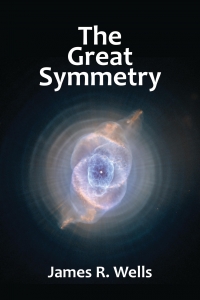
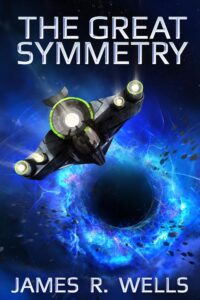
    James R. Wells Awarded the Cygnus Grand Prize for THE GREAT SYMMETRY


    James Wells’ The Great Symmetry, a Cygnus Grand Prize Book Award for Science Fiction:

    BEFORE                                                        AFTER

    The Great Symmetry from James R Wells


    The comments regarding the original cover were:

    • Is it a biology book? Is it a math biology book? I dunno? Is it a non-fiction book?

    Point made.

    Bookbub picked up The Great Symmetry with its new cover. ‘Nuff said.

    Does the new cover  communicate quickly the 5 Elements above:

    1. Genre – yes. Clearly Science Fiction
    2. Primary Age Target Group – yes. General Audience for the Trade (i.e. commercially viable, a plus!)
    3. Mood – yes. Suspenseful with Action — Is that a black hole? Looks scary!
    4. Timeframe – yes. Futuristic with high technology
    5. Place or Cultural Reference – yes. OuterSpace — possibly intergalactic.

    Example Number 2

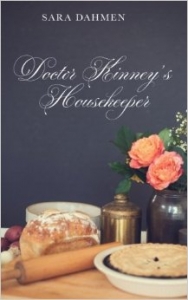
    Sara Dahmen’s Doctor Kinney’s Housekeeper, Laramie Grand Prize Winner for Western Fiction

    Sara Dahmen awarded Laramie Grand Prize for DR. KINNEY’S HOUSEKEEPER


    BEFORE                                         AFTER


    The comments made during the Great Cover Bake-Off regarding the original cover were:

    • Is it a cookbook for baking? Is it a book about a baker? Again: I dunno? Is it a non-fiction book?

    Point made.

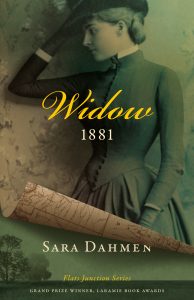
    Dr. Kinney’s Housekeeper was picked up by a publisher because it had an interesting storyline and commercial potential (read, TV series). After some rewriting to pose the book as a series, a new cover was created that reflected the storyline along with a new title Widow 1881: Flats Junction Series

    Does the new cover communicate quickly the 5 Elements above:

    1. Genre – yes. Clearly Historical Fiction, the late 1800s
    2. Primary Age Target Group – yes. General Audience for the Trade – female-focused
    3. Mood – yes. Change is coming. The fancy wallpaper from city life Back East to the map of the territory clearly shows this. The cultured young woman standing in front of fancy wallpaper is wearing clothes that do not allow for much movement or made for working.  Note the tiny waist from wearing a corset, her fine gloves, the fine wool flannel, and her hair arrangement, her hat. This young woman is heading out alone to a place where there will be little refinements that she has become accustomed to. Will she survive? What awaits her?
    4. Timeframe – yes. 1881 (And what was it like being a young widow in 1881 going out to unknown territory alone)
    5. Place or Cultural Reference – yes. North America West against Back East culture in the late 1800’s

    Sara is happy to report that book sales are brisk and the novel (first in the Flat Junction series) is under consideration for film options.

    Example No. 3

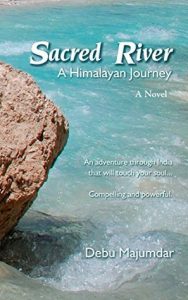
    Now let’s go back to Debu‘s award-winning novel, Sacred River:   A Himalayan Journey

    Click on the link above if you want to visit Debu’s website.

    The tags for the book are Literary Fiction, Multiculturalism Issues, Mystery, Thriller/Suspense, India.

    Here is the novel’s cover:

    Now let’s apply the 5 Elements. What does the cover tell you in less than 5 seconds?

    1. The Genre:  Travel? Non-fiction?
    2. The Primary Targeted Age Group:  General Audience? Probably. Literary audience? Probably not. Suspense/Thriller audience? No way.
    3. Mood: Don’t know.
    4. Timeframe: No idea.
    5. Place or Cultural Reference: No idea?

    Does the cover convey any of the following (blurbs from the Chanticleer Review of it)?

    “A tour de force of India’s history, religion, culture, philosophy, anthropology, sociology, and politics are neatly packaged as a mystery…”

    “…As speculation of a golden hoard hidden in the sacred temples arises, Chetti and his associate scheme to locate and plunder treasure for a noble cause…”

    “An engrossing and tense subplot unfurls, one that will ensnare a temple swami along with some of the pilgrims to the Ganges. This adventure, which culminates in an enormously suspenseful climax…”

    “Readers will feel they are in a marketplace, on the side of the mountain, in a temple, and bathed in light and water. Especially lovely are the passages noting religious rituals and the spiritual significance of the Ganges. The author weaves in Indian legends and morality stories, artfully juxtaposing parallels between ancient tales and his characters’ modern lives.”

    Nope.

    How to Increase Book Sales
    Make your book stand out in a sea of books!

    Debu’s award-winning novel deserves a cover worthy of the time and writing craft that he invested into it. His cover has to intrigue potential readers and booksellers to pick it up wherever it is displayed. The cover must convince the web surfer to click on the image.

    But how?

    My advice to Debu is to begin collecting visual elements of people, objects,  paintings, locations, symbols, ideas, etc. that reflect the content of the work. Take several weeks to do this. Enlist friends, family, and readers to help with this. Gathering visual elements would make a great social media campaign. Ask readers to post photos or graphics of images that remind them of the novel.

    Dig deep. Come up with at least 30 elements, if not more.

    Lay the visual printouts where you can see the elements from far away, close up, upside down. Such as writing the novel, exploring the cover concepts will take time. Deciding on the cover concept will take more time and feedback.

    In a few weeks of letting ideas percolate, particular visual elements will begin to resonate. Then you will have something to explore.

    Update! Debu has re-released his book with this cover

    Don’t let your book become invisible to its potential readers!

    Effective covers sell the first book. The content between the covers sells the second book. And you can quote me on that. (And yes, I am repeating myself. )

    I will continue with another blog post that discusses what comes next—How to Put the Elements Together for an Effective Book Cover.

    Here is a link to Canva. It is a FREE graphic-design tool website that is easy to use. It is a great way to explore cover ideas and to play with visual elements to discover what will resonate cover-wise with your readers.

    Meanwhile, keep on writing! ~ Kiffer

    Click here if you would like information about the Chanticleer Authors Conference

    Or here for more information about the Chanticleer International Book Awards. 


  • SOMERSET Book Awards 2017 Shortlist for Literary and Contemporary Fiction

    SOMERSET Book Awards 2017 Shortlist for Literary and Contemporary Fiction

    Mainstream Contemporary Fiction AwardsThe SOMERSET Book Awards recognizes emerging new talent and outstanding works in the genre of  Literary, Contemporary, and Mainstream Fiction. The Somerset Book Awards is a division of Chanticleer International Novel Writing Competitions.

    More than $30,000.00 dollars worth of cash and prizes will be awarded to Chanticleer Book Reviews 2017 writing competition winners at the Chanticleer Authors Conference April 21st, 2018!

    This is the Official Semi-Finalists List of the Authors and Titles of Works that have been SHORT-LISTED for the Somerset 2017 Book Awards. These titles will now compete for the First In Category positions.

    • Stephanie C. Lyons-Keeley & Wayne J. Keeley – Going All In
    • Julie Carrick Dalton – Four Degrees 
    • Lou Dischler – Too Pretty for a Hit Man
    • John Herman – The Counting of Coup
    • J.P. Kenna – Joel Emmanuel
    • Gregory Erich Phillips – The Exile
    • Gayle Hanratty – Gray Hampton
    • Toni Wilbarger – Words Will Never Hurt Me
    • Lou Dischler – The Benzene Carnival 
    • Blaine Beveridge – A Bit of Candy in Hard Times
    • Samuel Winburn – Ten Directions
    • Justine Avery – The One Apart: A Novel
    • Judith Kirscht – The Camera’s Eye
    • Kaylin McFarren – Twisted Threads
    • David B. Seaburn – Parrot Talk
    • C.L. Ogilvie – Skipping Out on Henry
    • Elizabeth Crowens – Dear Mr. Hitchcock
    • Chuck Gould – The Rabbi’s Gift
    • James Gregory Kingston – The City Island Messenger
    • Malcolm Ivey – On the Shoulders of Giants
    • Michelle Rene – Hour Glass 
    • Yorker Keith – The Other La Boheme
    • J.L. Skirvin – Rollins of Stone House 
    • Jessica Dainty – The Shape of the Atmosphere 
    • Richard Barager – The Atheist and the Parrotfish
    • J. Argo – The Blackest Crow
    • Carol June Stover – Kenmore Square/ A Novel
    • Sarah Houssayni – Fireworks
    • Beth Wareham and Jason Davis – Hair Club Burning
    • Conon E Parks – Empty Bottle of Smoke
    • Kathleen M. Rodgers – Seven Wings to Glory

    Good Luck to all of the 2017  SOMERSET Short-Listers as they compete for the First Place Category positions.

    First In Category announcements will be made at the Awards Ceremony. The SOMERSET Grand Prize Winner and First Place Category Winners will be announced at the April 21st,  2018 Chanticleer Writing Contests Annual Awards Gala, at the Chanticleer Authors Conference that will be held in Bellingham, Wash. 

    We are now accepting submissions into the 2018 SOMERSET Book Awards for Literary, Contemporary, and Mainstream Fiction. Please click here for more information.


  • HOW to POST an EDITORIAL REVIEW on AMAZON.COM by Sharon Anderson – Book Marketing, Reviews, Instructional

    HOW to POST an EDITORIAL REVIEW on AMAZON.COM by Sharon Anderson – Book Marketing, Reviews, Instructional

    It’s not as hard as you think…

    Chanticleer Editorial Book Reviews for #SeriousAuthors

    Why do you want to post reviews on your book’s Amazon page in the Editorial Reviews section?

    Kiffer Brown chimes in here:

    1. It is well-known and believed that part of Amazon’s secret sauce search algorithm crawls the Editorial section of each book’s Amazon page. It is believed that the more individual blurbs attributed from different sources, the better.  Be sure to leave a blank line between review blurbs along with giving attribution to the reviewer will attract the notice of the “crawler” program.
    2.  And having review blurbs in the Editorial Reviews section gives your title a certain cachet and panache that will separate it from the other books (read millions) that do not have them.
    3. Editorial reviews help to garner more “consumer reviews” (reader reviews). They do this because they give readers the language to discuss your book and reaffirms the readers’ opinion. This is why traditional publishers spend a lot of time, effort, and money on getting reviews for pre-released books.

    It’s a numbers game.

    To get on Amazon’s radar, even more, your title will need at least 100 consumer reviews. Notice I didn’t say one hundred 5-starred reviews. It is the quantity that counts here. And the more mixed the better.

    Why do you want your title to get on Amazon’s “good books radar?” 

    When a reader does a search on Amazon for a particular genre to read, Amazon “ranks” which books will be shown to the searcher (reader) as a potential selection that he or she might want to purchase. And Amazon is in the business of selling things (consumer goods). Books for “the Trade” (genre fiction) are consumer goods.

    Now back to Sharon Anderson…

    Most authors sell their books on Amazon.com because that’s where a fair share of the reading public goes to purchase their books. If an author has worked hard at conditioning their audience – or if enough people have read an author’s work, soon reviews will be added. Good or bad.

    Sidenote: We all like good reviews, right? I mean, who doesn’t? But bad reviews can be just as helpful. Believe it or not, bad reviews (1-2 stars) are instructive. They will tell you about formatting issues, grammar issues, plot failures and more. Pay attention to them! Besides, if all you have are 5-star reviews – well, that’s a little unbelievable.  

    Back to our topic…

    That’s all well and good, however, what do you do with your Chanticleer Editorial Review?

    Update 3/20/2020: We just noted that we have not updated this paragraph. Our apologies. Kiffer:  We are no longer allowed to post our reviews on Amazon since summer 2018 or so. It is Amazon’s policy not ours –even though Amazon ranked us highly and gave us special recognition. <<We will post the entire review on your book’s Amazon page Consumer Reviews>>

    But there IS something that only you can do and that is to post a blurb of it in the Editorial Reviews section.

    Posting Your Chanticleer Book Review to the Editorial Review Section

    You cannot do this from Amazon.com. You first have to log in to your Author Central account.

    You do have a fully functional Amazon Author Central account—don’t you. 

    If not, start here: 

    https://authorcentral.amazon.com/gp/help?topicID=200620850

    Back to posting a review blurb in the Editorial section on your title’s Amazon page…

    The welcoming page should look like this:


    Click on Books:

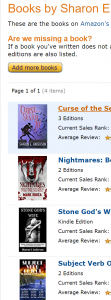
    Your books will pop up and the screen should look something like this:

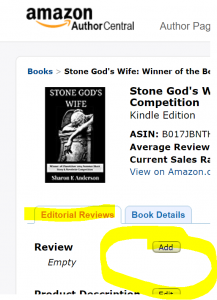
    Click on the book you wish to add a Chanticleer Review to:

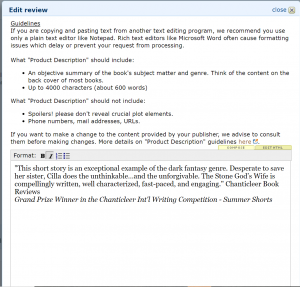
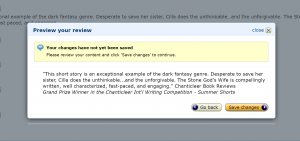
    Hit the “add” button and place the Chanticleer quote you wish to use. Preview it, and if it looks good, click on “save changes.”


    In a few days, you will see the Chanticleer quote appear under the Editorial Reviews section on your book’s Amazon.com page.


    Another chime in from Kiffer:

    For a professional look, do not post the entire review. A well-selected blurb will do nicely. Be sure to use ellipses if you are taking a section out. And always give attribution!

    Example:

    …Readers who are new to Larew’s series are in for a fabulously thrilling, nail-biting, page-turning, edge-of-their seats ride. Marilynn Larew’s writing style is smooth, engaging, and well-paced. Her ability to craft vibrant settings against the backdrop of exotic and gritty Hong Kong is exceptionally well-delivered. To sum it all up, Hong Kong Central is an absolute win. —Chanticleer Book Reviews

  • Marketing & Sales Workshops and Sessions for CAC18 feature bestselling author Ann Charles

    Marketing & Sales Workshops and Sessions for CAC18 feature bestselling author Ann Charles

    Ann Charles

    We are super excited to announce that Ann Charles, the award-winning author of the USA Today Best-Selling Deadwood Mystery Series, to keynote at CAC18 and to present sessions and workshops!

    Ann writes multiple award-winning mystery series that are splashed with humor, spice, suspense, action-adventure, and whatever else sounds fun.

    Her books garner thousands of Amazon reviews and are the Top-Rated #1 Kindle Bestseller Women Sleuth Mysteries.

    Ann will share her proven and tried marketing secrets to creating, building, maintaining, and growing an enthusiastic fanbase.  www.AnnCharles.com

     CAC18 Workshops and Presentations by Ann Charles:

    CREATING DIE-HARD FANS THROUGH RELATIONSHIP MARKETING – (2-hour workshop presented by Ann Charles)

    There are many ways to find and entice readers, but keeping them as part of your long-term readership base is tricky. Years ago, Ann made the choice to focus much of her non-writing energy on Relationship Marketing, fostering reader loyalty rather than taking the one-time-sale mentality. In this workshop, she’ll explain 5 W’s of Relationship Marketing: WHAT it is, WHY it’s important, WHERE you can develop career-beneficial contacts, WHO benefits from this style of marketing, and WHY this marketing method can be effective.

    GROWING YOUR AUDIENCE—For Published or Unpublished Authors – (2-hour workshop presented by Ann Charles and Jacquie Rogers)

    The publishing industry is morphing every day, and the internet brings a new dimension to the concept of audience. Together, these changes merge into a vastly different and exciting concept of marketing. The shotgun approach to finding your audience worked for decades, but this technique becomes more expensive and less viable with each passing month. The bad news: no one will find your readers for you. The good news: you have more options than ever in history to build your own fan base. In this interactive class, we’ll explore these options and send you on your way to building your own tribe of diehard fans. This class will help you pinpoint your audience—find the readers who want to buy your book—so you can tailor your marketing and promotion techniques to them and stop wasting time and money.

    BUILDING A WORLD ONE BOOK AT A TIME – (Session presented by Ann Charles & Diane Garland)

    Many readers love crossover books and characters. Creating one world that encompasses multiple series offers a familiarity even though the setting, style, and series are different. For authors, it not only helps to sell backlist books but can also create die-hard fans for life. In this presentation, Ann will explain some of the ways she has used to create crossover elements within her three on-going series. Diane Garland will join Ann and discuss the various ways her role as a World Keeper plays with Ann’s series building.

    WORKING WITH A WORLD BUILDING EDITOR or How to make your writing time more efficient and productive  – (Session presented by Ann Charles & Diane Garland)

    Building a world takes a lot of planning. Readers are smart, so you need all the help you can get making sure your world follows the rules you create along the way. For authors, previous threads and rules can become hazy by book 3 or 4 in a series. In this workshop, Ann and Diane will talk about ways they work as a team to make sure each book in an ongoing series stays true to the world the readers know and love.

    LIVING VICARIOUSLY THROUGH FICTION –  (Session presented by Ann Charles and  Jacquie Rogers)  The Writer’s Life tract

    Have you ever wondered where authors find the information needed to write stories about historical setting, character careers, or true events from the past, and how they incorporate it all into a single story or series? In this presentation, Ann and Jacquie will discuss how difficult it can be to live vicariously through fiction, and how important it is to be as accurate as possible.


    CAC18   STORY. PRODUCTION. BEYOND.

    Stay tuned for the latest info about Chanticleer Authors Conference presenters & sessions!
     

  • WHAT IS Pulpwood Queens GIRLFRIEND WEEKEND ALL ABOUT? by Sara Dahmen

    WHAT IS Pulpwood Queens GIRLFRIEND WEEKEND ALL ABOUT? by Sara Dahmen

    This is the second year I’ll be attending the Pulpwood Queens Girlfriend Weekend in Nacogdoches, Texas with Kathy Murphy, the ultimate book queen of the world and founder of the PQs.

    In case you’re like me, and live north of the Mason-Dixon line where this club and the Girlfriend Weekend event is not well-known (yet!), the Pulpwood Queens and Timber Guys is the biggest book club in the world, citing over 725 chapters internationally, and thousands of members. Going to my first Girlfriend Weekend was eye-opening and exhilarating, and definitely required extra doses of Vitamin B.

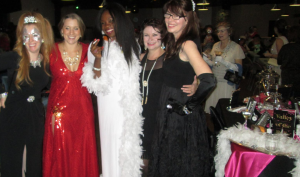
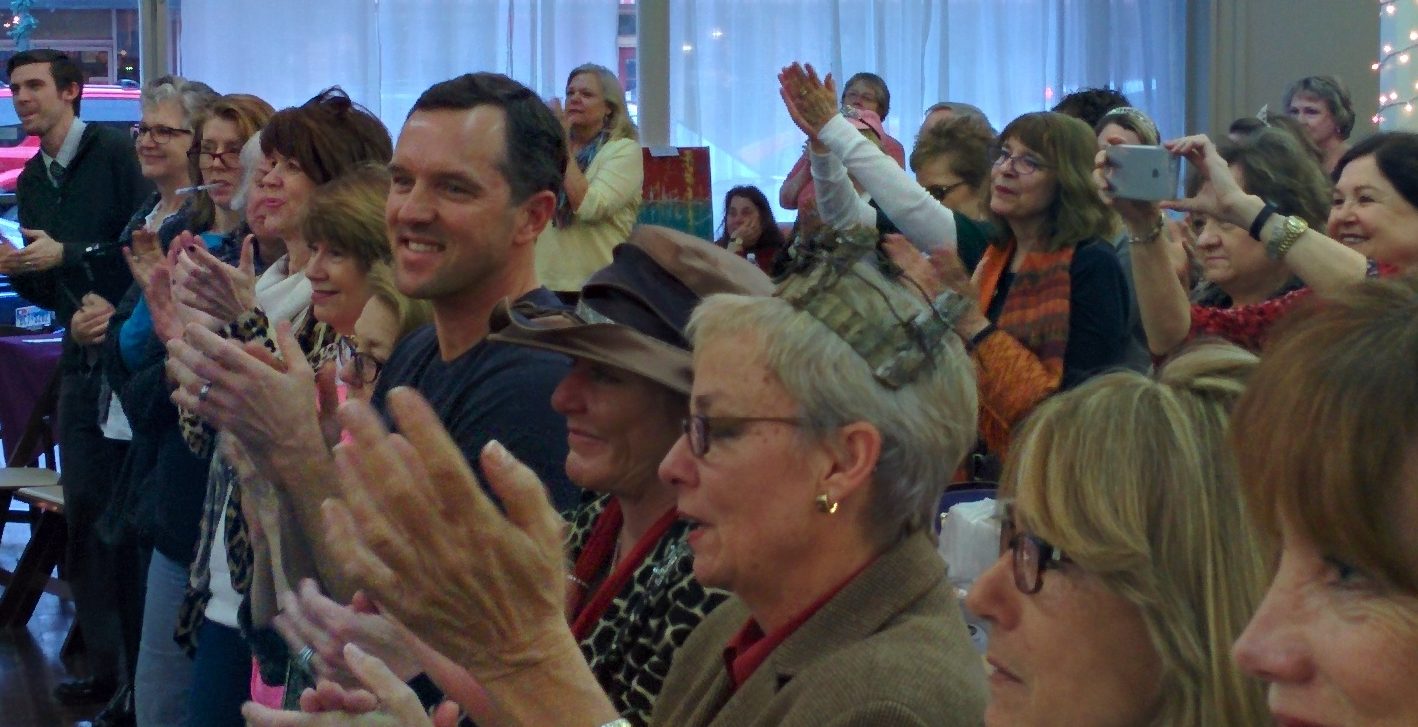
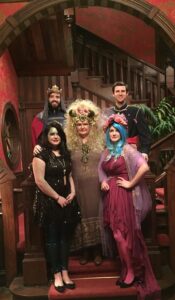
    As an author, attending the Pulpwood Queens Girlfriend Weekend was a bit of an (awesome) shock. Hundreds of readers were piled into an auditorium, and every evening was an occasion to dress up according to a planned theme. Dragging a wardrobe from Wisconsin that included everything from an Elvis-era crinoline to a red-sequined “Diamonds Are a Girl’s Best Friend” gown I handmade for the Great Big Ball of Hair Ball at the end of the weekend. Authors from around the nation and the globe attended, spending time with one another and readers alike, with fantastic keynote speakers from bestselling and local, small or first-time authors (like myself!).


    Tim Monzingo/The Daily Sentinel
    Dressed as a surly band of miners, Pulpwood Queens members bellied up to the bar for candy cigarettes and wine during the Great Big Ball of Hair Ball at Austin Hall Saturday night. The event closed out a weekend-long celebration and convention of new and established authors.

    It was a phenomenal experience to speak to so many people about my background and my novels, to interact with dedicated readers and book club members and make new life-long friends who ended up on my Christmas card list.

    The cherry on top turned out to be the personal relationships I made with fellow authors. I personally was in awe of most of them, and they were so welcoming, warm, and kind both during and after the event. I’m so excited to see many of them again in person in a few short days, and cannot wait to celebrate their ongoing successes as they continue their trajectory towards author greatness. Me? I’ll be speaking about my upcoming releases, Widow 1881 and Smith 1865 (published by Sillan Pace Brown Group), slated for release this year, and with fingers crossed to have a smidgeon of the success of so many authors at this event.

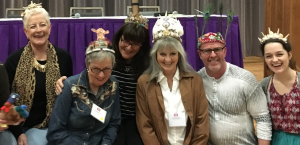
    Did I mention that tiaras are mandatory?

    And all of it is thanks to Girlfriend Weekend, which starts on January 11th. I’ve already been doubling up my Vitamin B in preparation for several days of absolute fun.

    And, yes, those are candy cigarettes…

    If you want to read more about Kathy Murphy and the Pulpwood Queens Book Club, here are three  links:  one is an interview with Kathy Murphy from the Chanticleer Reviews magazine, the second one is titled “Three Questions with the Founder of the World’s Largest Book Club,”,  and the third (and most recent) one is a feature article from the November 29, 2017, issue of Parade Magazine.

    https://issuu.com/chanticleer-reviews/docs/fall-2016


    This year’s theme is Bohemian Rhapsody and I can hardly wait to see the costumes!

    Want to attend Girlfriend Weekend yet this year? Sign up here http://www.thepulpwoodqueens.com/2018-girlfriend-weekend-day-packages/