Tag: book launch

  • Zooming Your Way to a Great Book Launch: A Step-by-Step Guide to Virtual Book Launch Events

    We are Deep in the Digital Age

    Man, desk, computer, plant, clapping, conference call, zoom, virtual meeting

    Is your virtual book launch ready?

    In the digital age, a virtual book launch can be a highly effective way to celebrate and promote your new book. It offers an opportunity to reach a global audience, engage with readers in real-time, and create a buzz around your work–all from your own desk.

    Planning to host a virtual book launch but not sure where to start?

    A white man surrounded by books looking frustrated
    So much to learn, so little time!

    Let us walk you through the first steps to ensure a successful and memorable event.

    1. Define Your Goals and Objectives

    Before diving into the details, clarify what you want to achieve with your virtual book launch. Your goals might include:

    • Increasing Book Sales: Drive pre-orders and sales through special promotions.
    • Building Your Author Brand: Enhance your visibility and establish your presence as an author.
    • Engaging with Your Audience: Connect with readers, fans, and influencers in your genre.
    • Generating Media Coverage: Attract attention from bloggers, journalists, and book reviewers.

    Authors should try to zero in on what their potential readers could look like and which outlets are the best for reaching those targets. Sometimes (more often than not), going in deep (some say guerilla marketing) towards a specific target audience for podcasts, blogging, and events (publicity) and then expanding the spheres if a strategy that works (marketing). Read more on this from Kiffer Brown here!

    2. Choose the Right Platform

    Selecting the appropriate platform is crucial for hosting your virtual book launch. Consider the following options:

    • Zoom: Ideal for interactive events with features like breakout rooms and live Q&A sessions.
    • Facebook Live: Great for reaching your social media audience and facilitating real-time engagement.
    • YouTube Live: Offers high video quality and can be integrated with your book’s promotional content.
    • Twitch: Suitable for a more informal, interactive experience, particularly with younger audiences.

    Choose a platform that aligns with your goals and technical comfort level.
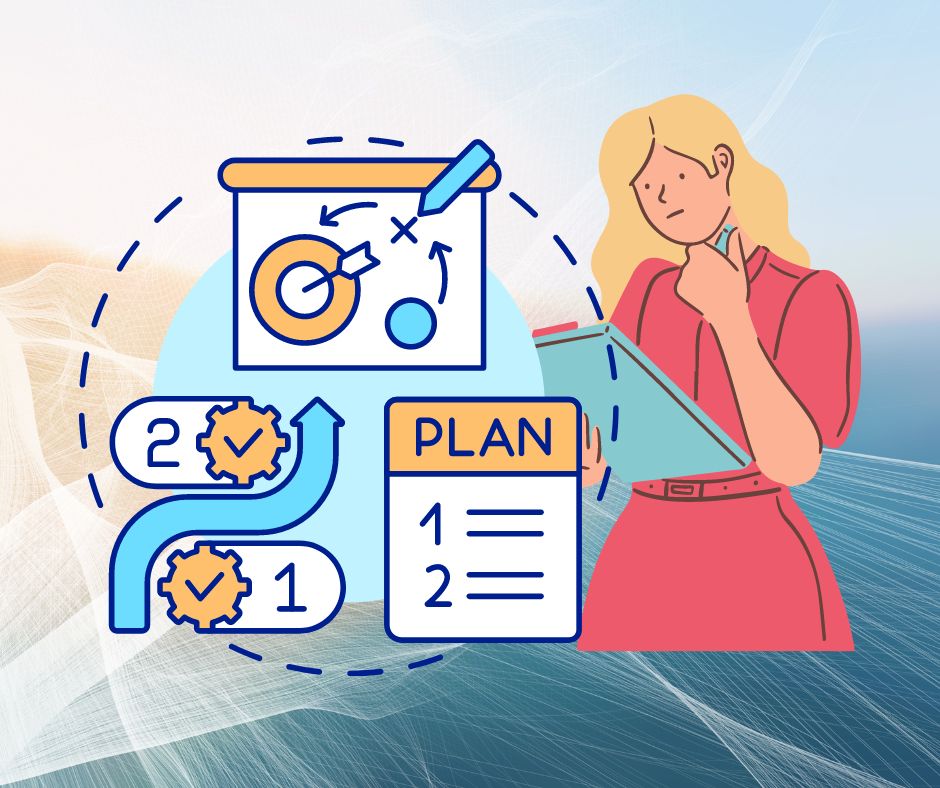
    Woman, planning, pink, blue, orange

    3. Plan Your Event Format

    Decide on the format and structure of your virtual launch. Some popular formats include:

    • Live Reading and Q&A: Read excerpts from your book and answer questions from attendees.
    • Author Interview: Conduct an interview with another author, a moderator, or a celebrity guest.
    • Panel Discussion: Gather experts or fellow authors to discuss themes related to your book.
    • Virtual Book Tour: Share behind-the-scenes content or host virtual visits to locations featured in your book.

    Calendar, red, black

    4. Set a Date and Time

    Choose a date and time that will maximize attendance. Consider the time zones of your target audience and avoid scheduling conflicts with major events or holidays. Weekdays or weekends can work depending on your audience’s availability.

    The experts who can market your book make up what we call Slant in the book industry. Our own Chanticleerian author Carol Cram wrote an article all about the best ways to connect and work with experts, which you can read here.

    5. Promote Your Event

    Effective promotion is key to a successful virtual book launch. Use a combination of strategies:

    • Social Media: Create event pages and share regular updates on platforms like Facebook, Instagram, and Twitter.
    • Email Newsletters: Send invitations and reminders to your mailing list.
    • Book Communities: Engage with book clubs, forums, and online reading groups.
    • Collaborations: Partner with influencers, bloggers, and other authors to broaden your reach.

    Design eye-catching promotional materials such as graphics, videos, and teaser content to generate excitement.
    Home office, Welcome to my book Launch, stick figure, green, beige, modern, bookshelf, desk, chair, computer

    6. Prepare Your Content and Rehearse

    Prepare and rehearse the content of your event to ensure smooth execution:

    • Script: Outline key points, introductions, and transitions.
    • Visuals: Create slides, book trailers, or other visual aids.
    • Tech Check: Test your internet connection, microphone, camera, and platform features ahead of time.
    • Rehearsal: Practice your presentation and timing to avoid any hiccups during the live event.

    7. Engage with Your Readers

    During the event, foster engagement and interaction:

    • Welcome Attendees: Greet participants and provide an overview of the event.
    • Interactive Elements: Use polls, chat features, and live Q&A to involve your audience.
    • Personal Touch: Share personal anecdotes or behind-the-scenes stories related to your book.
    • Encourage Sharing: Ask attendees to share their thoughts on social media using a specific hashtag.
    Computer, thank you, email, envelope, blue screen, keyboard

    8. Follow Up After the Event

    Post-event follow-up is essential for maintaining momentum and maximizing the impact of your launch:

    • Thank You Notes: Send gratitude messages to attendees, guests, and collaborators.
    • Event Recap: Share highlights, recordings, or photos from the event on your website and social media.
    • Feedback: Collect feedback from attendees to learn what worked well and what could be improved for future events.
    • Continued Engagement: Keep the conversation going by engaging with your audience and providing updates on book sales or upcoming events.

    Woman, online, computer, brick, papers, notebook, yellow shirt, pencil

    9. Analyze and Reflect

    Evaluate the success of your virtual book launch by analyzing key metrics:

    • Attendance Numbers: Assess how many people attended and engaged with the event.
    • Sales Data: Review book sales figures before, during, and after the launch.
    • Audience Feedback: Analyze comments, questions, and feedback to gauge audience reaction and satisfaction.

    Reflect on what went well and areas for improvement to enhance your future virtual events.
    Rocket, take off, lift off, 3, 2, 1, clouds, sky, fire, boosters

    A well-executed virtual book launch can create a powerful platform for celebrating your book and connecting with readers. By following these steps, you can craft an fun, engaging event that not only promotes your book but also builds lasting relationships with your new fans!

    Happy launching!


    Thank you for joining us for this Writer Toolbox Article

    A red toolbox with the words "What's in your toolbox

    There is so much to learn and do with Chanticleer!

    From our Book Award Program that has Discovered the Best Books since the early 2010s to our Editorial Book Reviews recognizing and promoting indie and traditional authors, Chanticleer knows your books are worth the effort to market professionally!

    Helpful Toolbox Articles:

    When you’re ready,did you know that Chanticleer offers editorial services?We do and have been doing so since 2011.

    Our professional editors are top-notch and are experts in the Chicago Manual of Style. They have and are working for the top publishing houses (TOR, McMillian, Thomas Mercer, Penguin Random House, Simon Schuster, etc.).

    If you would like more information, we invite you to email us at info@ChantiReviews.com for more information, testimonials, and fees.

    We work with a small number of exclusive clients who want to collaborate with our team of top-editors on an on-going basis. Contact us today!

    Chanticleer Editorial Services also offers writing craft sessions and masterclasses. Sign up to find out where, when, and how sessions being held.

    A great way to get started is with our manuscript evaluation service, with more information available here.

    And we do editorial consultations for $75. Learn more here.


  • How to Market Your Works Like a Book Publicist – a Primer by Kiffer Brown

    First, let’s address the question of

    “How is Book Publicity Different than Book Marketing?”

    Generally speaking, marketing involves spending dollars for ads, promotions, events, swag, etc. where publicity is trying to connect people with the author.

    If something organic works publicity-wise, then perhaps consider spending marketing dollars (and time) to amplify the results.

    MARKETING is about CONVERSIONS.

    PUBLICITY is about EXPOSURE and BUILDING CREDIBILITY.

    Another way to think of the difference is that publicity is more like hashtags in social media while marketing would be more like purchasing ad directed toward people/platforms that using those hashtags.

    Publicity helps marketing direct campaign dollars. Publicity should help you target your marketing dollars.

    Authors should try to zero in on what their potential readers could look like and which outlets are the best for reaching those targets. Sometimes (more often than not), going in deep (some say guerilla marketing) towards a specific target audience for podcasts, blogging, and events (publicity) and then expanding the spheres if a strategy that works (marketing).

    Marketing campaigns can happen at any time for almost any product (books are products).

    However, publicity campaigns cannot. Publicity campaigns need to be news worthy! And your book’s most newsworthy event is its launch.

    Create a solid PLATFORM from which to LAUNCH

    1. A Website that echoes your branding along with how to connect and contact you.
    2. Branding – your author brand for the genre that you are writing in
    3. Social Media – again, posts and backgrounds should echo your author brand and book storyline. Give social media posts time to percolate. It takes time to build transaction. Keep at it! Be sure to use hashtags and tagging for cross-promotion.
    4. Pre-launch book reviews (the cornerstone of your marketing & publicity strategies
    5. Pre-launch book blurbs from peer authors and authors up the “food chain” from you.
    6. Business cards – that projects your brand along with website address, social media handles, email address, and any other means of connecting with you.

      NOTE: Make sure that you reserve a different email address for your one-to-one business correspondence that you can make known after initial contacts to avoid SPAM. For business cards, perhaps: Author@BestBookEver.com instead of LastName@BestBookEver.com

    7. Press & Media kits – for those entities that want to promote your book! A media kit is a collection of materials that you can send to journalists, bloggers, and other media outlets, and even other author’s newsletters. It should include your book’s cover, blurb, author bio, and any other relevant information.
    8. Determine the best SEO, Meta-Data, Targeting, ISBNs, etc. for your book to be discovered digitally and on the global market. * See Item 4 Book Reviews.

    Launching – Probably the Most Useful Tactic to Create Book Buzz

    Are Launch Dates Important?  A resounding YES! 

    Launch dates hold immense potential in creating a buzz around your book. Here’s how to make  your book’s  launch effective:

    • Designate a launch date at least six months before publication. It takes time to coordinate:
      • Launch parties (and, yes, you may have more than one). Consider having launch parties in bookstores, local book clubs, private parties, events that your potential readers might attend, clubs, and organizations. Consider your sphere on influence.
      • Also, launch digital, print, audio, omnibuses, and foreign releases separately. However, the first launch party is main event.
      • Signings, targeted events, refining your website, develop branding, obtain advanced reviews with ARCs, build excitement via podcasts, blogs, virtual events, etc.
      • Enter your work into award programs
      • Send out invitations to all the events, create social media events, ZOOM events, In Real Life Events.
    • There are certain promotions, that can only happen before a book is published. New books and book launches are newsworthy only if promoted before publication date.  There is only so much even a professional book publicist can do after the book has been published.
    • Be selective with your launch date(s). Make sure that they don’t conflict with major holidays or busy seasons. Is your work a beach read? Or a cozy fall mystery? A chilling Nordic thriller? Or a romance? Or historical fiction (release on an important date related perhaps). New Year reads for Self-Improvement? My rule of thumb is try not to release/debut books from November 1 until December 31st. Even if you book is only six weeks old, it will be considered a year-old in the upcoming new year by most of the publishing and book industries.

    Food for Thought: Think how you would react to a “wedding invitation” versus a “wedding announcement.” One is inviting you to share in the celebration itself. Sometimes with a “Save the Date” announcement to build excitement and to help people with scheduling time to take part. Think about how special the invitation and the “Save the Date” announcements make you feel. Remember, the last time one of your author friends invite you at the last minute – day of or the day before – to join them at a book event, but you already had made plans. A wedding announcement (akin to you telling people about your book being published) is a “has been” event.

    Collaboration takes time.

    Just because your work is ready to publish, doesn’t mean that you should. My advice (and that of book publicists and traditional publishers) is to wait until you have your launch date and preparations underway.

    Snowflakes and Books

    • Book publicity campaigns are like snowflakes. No two are ever alike.
    • Promoting a children’s book is different than promoting a young adult book, or a How-To or Self-Help Guide, or a cozy mystery, or science fiction.
    • This circles back around to identify and then knowing and understanding your targeted readers for your book. And, no, it isn’t “everybody” will want to read my book.
    • Collaborate and Follow Other Authors in Your Book’s Genre. Discover what they are doing to promote their books.

    READERS

    Identify Who your readers are, which can be different than Who makes the purchase. For an example: Children’s books are not purchased by children. Or would your books make a great gift? Or those who are rabid fans of a genre (Sci-Fi, Fantasy, etc.) looking for the next series.

    Then discover Where They Hang Out (Facebook? TikTok? Instagram?  Podcasts?  YouTube? Magazines? Hobby Hangouts? etc.)

    When are the times when purchases are made for your books? Is it a summer read? A hunker down Fall & Winter read? A holiday read? Gail Noble-Sanderson’s Lavender Series (historical fiction) books sell exceedingly well during lavender season. I read Michelle Cox’s “A Spying Eye” novel based in Strasbourg in the Henrietta and Inspector Clive series while on vacation in Strasbourg. How fun was that!

    INFLUENCERS

    • Who are the influencers of your genre?
    • Who are the top ten authors in your genre?
    • Who are the non-book influencers of your genre? (Book clubs? Bloggers? Reviewers? Book-Tok?)
    • Who are you considering to request book blurbs and peer reviews from?

    CORNERSTONES – A Review

    • Author Branding across all media (website, social media, in-person events, podcasts, Zoom calls, book clubs)
    • Reviews:
    • Compelling Website – that is dedicated to your author brand/books. Remember all digital roads (social media campaigns, blogs, podcasts, etc.) should lead back to YOUR website – not Amazon.
      • Collect emails so you can stay in contact with your potential readers and fans.
      • Links to selling platforms?
      • Newsletter, blog, information sharing (where people can connect with you – at conferences, conventions, author signings, wine tastings, presentations, etc.) Where you have been and where are you going.
    • ENGAGE!  Blogging? Newsletters? Book Clubs? Author Events? How are you going to interact with potential readers?
    • How is a best-seller in your genre marketed? Not that you need to copy, but to become more aware of different strategies.

    Tips and Reminders for Generating Publicity for Your Book

    If you’re an author, you know that getting your book noticed can be tough. But there are a few things you can do to increase your chances of success. One of the most effective ways to generate publicity for your book is to use a simple, direct, and conversational writing style.

    Here are a few tips for using this writing style to generate publicity for your book:

    • Start early. The best time to start generating publicity for your book is as soon as you finish writing it. This will give you plenty of time to build excitement and anticipation for your book’s release.
    • Create a media kit. A media kit is a collection of materials that you can send to journalists, bloggers, and other media outlets. It should include your book’s cover, blurb, author bio, headshot and photo reflecting your author brand, along with any other relevant information, affiliations, and events.
    • Reach out to influencers. Influencers are people who have a large following on social media or in their industry. They can be a great way to get the word out about your book.
    • Host events. Hosting events, such as book signings or launch parties, is a great way to connect with potential readers in person.
    • Use social media. Social media is a powerful tool that you can use to promote your book. Make sure to post regularly about your book, and interact with your followers.
    • Enter Book Awards for accolades along with  third-party validation and promotional opportunities that you can cross-promote.
    • Be patient. It takes time to generate publicity for your book. Don’t get discouraged if you don’t see results immediately. Keep at it, and eventually you’ll start to see your book gain traction.

    Every reader counts. Each and every review counts. You only get one launch per book. Make it count! 

    As a company frequently used by book publicists, Chanticleer has an insider’s view of the industry to discover expert tips that will help set your book up for success!

    More that 2,000 new titles are published in the English language each and every day. However, most authors will not make the time or effort to effectively publicize and market their works. Make your work standout in a crowded field. It can be done!

    Keep on writing. Kiffer 


  • Creative Tools for Gaining Media Attention by Allison Vborva, Publicist

    Creative Tools for Gaining Media Attention by Allison Vborva, Publicist

    Pitching Your Book Release to the Press: Creative Tools for Gaining Media Attention

    “Is it even worth my time to send out a press release for my book launch?”

    This question came up during a kaffeeklatsch at last year’s Chanticleer Authors Conference and judging by the lively discussion at the table, it was a dilemma on the minds of many participants that weekend. In today’s flooded media landscape, is it still possible for small press and indie authors to get press for their book releases? And if so, how?

    My answer that day? Yes, but…

    As an indie or small press author, you can still gain earned media attention (print and digital) for your book launch. But if you think you’re going to get there with a run-of-the-mill press release, think again.

    In preparation for this year’s conference, I want to expand on the answer I gave that day, along with a few new pieces of advice to help authors gain earned media attention with a little luck and a whole lot of creativity.

    There are four to seven thousand new titles released daily. Your book release is not the headline.

    Your Book Release Is Not the Headline

    When I sit down to work with an author on a press release or an earned media package, here is the first thing I tell them: your book release is not the headline. To get the attention of the press, we need to hand them news that goes beyond “Author Releases New Book.”

    Think about it: editors and bloggers get sent dozens of press releases every day. Unless you’ve just written the sequel to a New York Times bestseller, you need to give them a reason to care about you and your book above all the others. In other words, you need to present them with an angle that will help them place your book release as part of a larger story. What makes you stand out and why will their readers care?

    Brainstorming Your Media Angle

    It can be difficult to step back from your book and look at the bigger picture. But that’s what you have to do if you want to create a human interest story around your book release.

    Here are a few questions to get you brainstorming:

    • What compelled you to write this book?
    • How is it different from other books in your genre?
    • Was your process for writing or researching the book unusual? If so, how?
    • Is the subject of your story particularly relevant to current events?
    • Is the subject or setting of your book particularly relevant to a niche group of people?
    • Is there anything about your personal story that would interest readers? For example are there obstacles you’ve overcome, or an unusual current or former profession?

    Targeting Your Message to Your Audience or Come Up  “Crickets”

    Once you’ve brainstormed all of the things that make your book release unique, it’s time to dial down and refine your message.

     Remember though: when it comes to media pitches, one size doesn’t fit all. The surest way to guarantee zero response for your news is to send a blanket email to the media that contains a formulaic press release. I can promise, you’ll hear crickets in return. 


    Your media pitch should change depending on the outlet and the intended audience. For example, a regional print magazine featuring notable women might be interested in how your memoir ties to current events or why your novel is set in a particular location. A book blogger, on the other hand, will probably care more about the background story of how you became an author or the quirky methods you use when you research historical fiction.

     I usually recommend writing two or three different press releases — one for industry-specific press like book blogs; one for local and one for regional presses; and if it applies, one for a niche audience. The more targeted you get — both in your press release and in the personalized emails you send to the media — the better your chances of getting your news featured.

      Don’t come up “crickets”  in your press releases and book launch strategy.

    More Tips On Getting Media Attention – Session at Chanticleer Authors Conference

    If you plan to attend the 2019 Chanticleer Authors Conference, I will have even more tips and plenty of time for questions during my session, “Getting Media Attention as a Small Press or Indie Author.” You’ll walk away with concrete tools for writing press releases, pitching to the media, and preparing for press interviews.

    Allison Vrbova, Two Willows PR & Marketing


    Publicity and marketing consultant Allison Vrbova has helped countless small press authors, independent artists, and entrepreneurs beat the odds to gain media attention in regional and national publications. You can learn more about her consulting work at www.twowillowseditorial.com