SEO – Search Engine Optimization: Cast a Wider Net for Your Readers
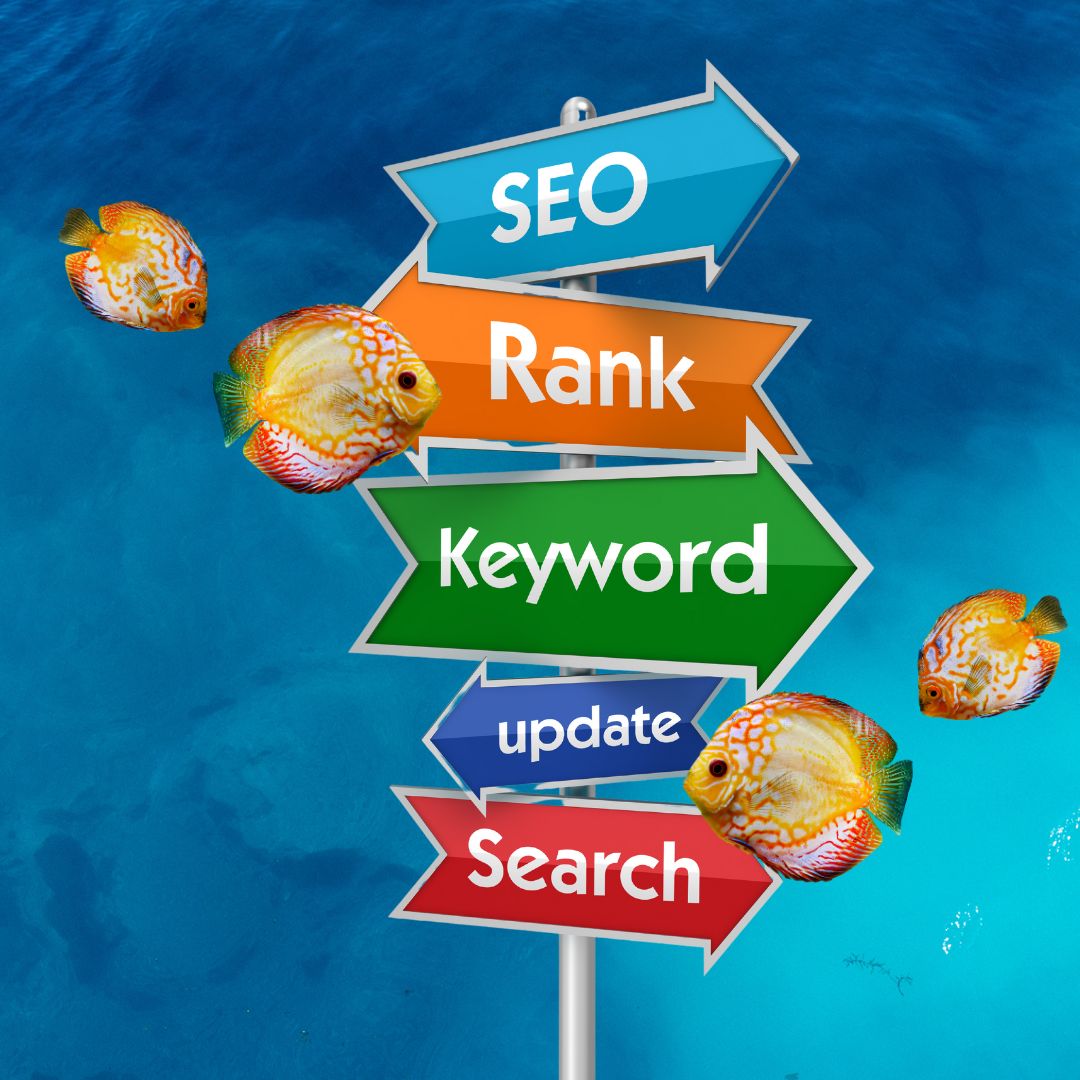
The cyber world is a vast and active ocean of readers, and it’s not always easy to catch your target audience when casting out your book marketing net online.
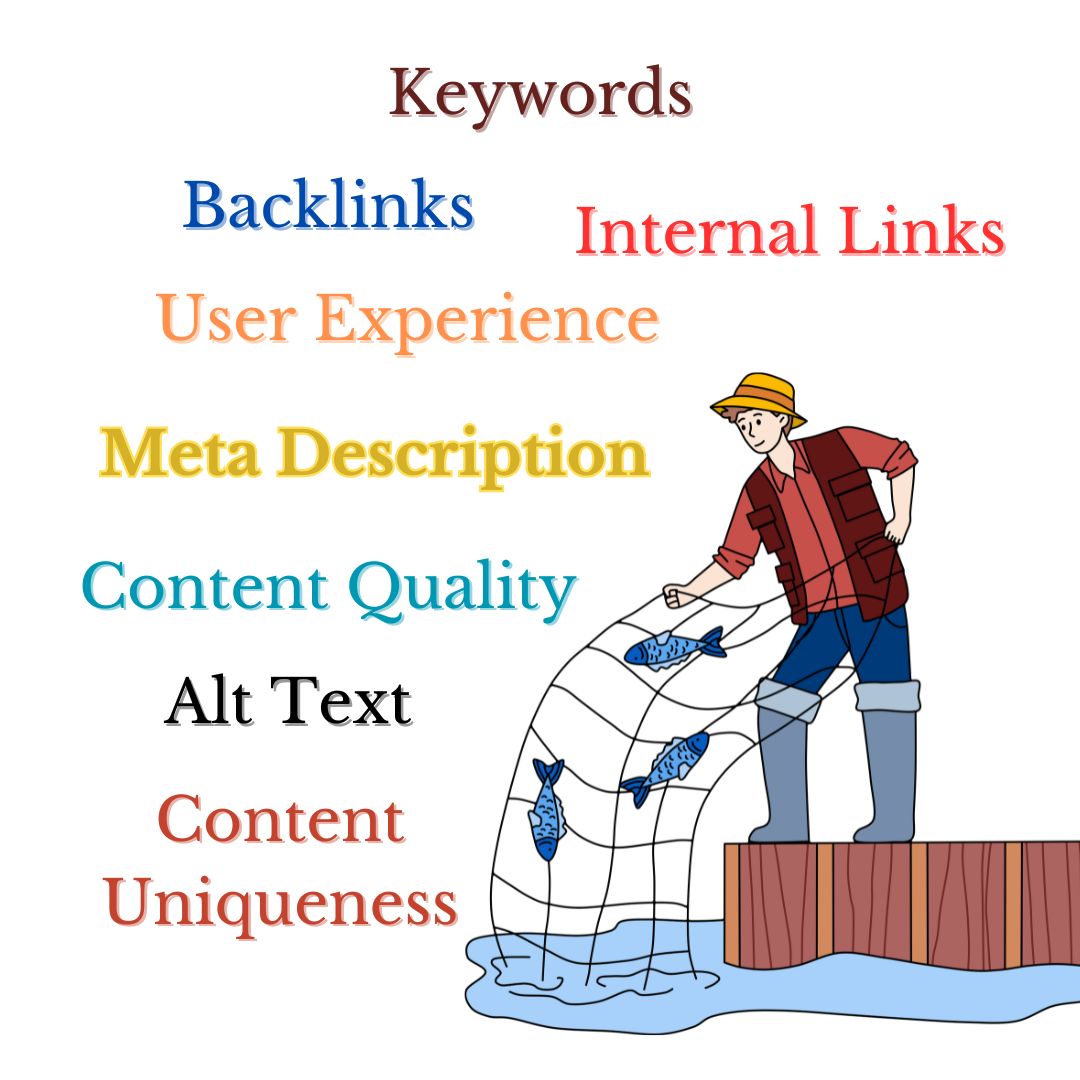
Your content is great, but it’s struggling to reach an audience. By reinforcing the effectiveness of your efforts with strong search engine optimization (SEO), you’ll create a virtual fishing net that will catch readers who love your genre and widen your pool to an even larger audience of “fish in the sea!”

Having a strong online presence is crucial for any author. Whether you are traditionally or self-published, your success often hinges on visibility—how easily potential readers can find your work.
What is SEO and Why Does It Matter for Authors?
SEO is the practice of optimizing your online content, so it becomes more visible and understandable to search engines like Google, Bing, and others. These search engines use sophisticated algorithms and digital ‘crawlers’ that scan websites to understand their content and relevance. By strategically using keywords, creating quality content, and improving your site’s technical aspects, you help these digital gatekeepers better understand what your content is about and who might find it valuable.
Imagine a reader searching for “thriller novels about art heists” or “greatest baseball games.” If your books are optimized with keywords related to your story, they are more likely to show up in search results and get in front of new readers who may not have found you otherwise.

Why SEO is Crucial for Authors
Shining a Spotlight on Your Work and Yourself
One of the primary reasons SEO is important for authors is visibility. With millions of books available online, offering a great story just isn’t enough. By using SEO techniques on your author website, book descriptions, and blog posts, you increase your chances of those marketing tools appearing in search results when potential readers are looking for books in your genre.
Employing effective SEO isn’t only about increased visibility for your book. It’s also about building your author brand. A strong SEO strategy allows readers to learn more about you, your writing process, and your publications. By regularly posting SEO-optimized content, such as blog posts, articles, social media posts, and interviews, you are giving readers insight into your writing and establishing yourself as a trusted voice in the literary world.
Spreading the Net Wide with Organic Traffic
Organic traffic refers to visitors who come to your website through unpaid search results. SEO helps you attract that organic traffic by offering the keywords you’ve put into your online text as if it were a little worm on the hook. This means more readers will discover your work without the need for expensive ads. With the right keywords, you’ll find your author website or blog is a well-optimized, powerful tool you can use to build a sustainable online presence that continually attracts your target audience.

Better Book Sales
By making your books more visible on platforms like Amazon, Goodreads, or your own author website, you’ll be gaining more power in the online bookstores where authors compete to find readers. By optimizing your books’ descriptions with relevant keywords, such as genre-specific or popular theme words, you will improve the chances of attracting new readers who purchase or research books online.
Connecting with Your Audience
SEO also gives you a boost in attracting the right audience. By strategically using keywords related to your book’s genre, style, or themes, you have a better chance of reaching the readers most likely to be interested in your books. For example, a romance writer could target keywords like “new in town love stories,” while a science fiction author might optimize for terms like “space operas” or “first contact adventures.” Understanding your audience’s reading preferences helps you tailor your SEO strategy to catch just the right readers.
Enhance Discoverability with Chanticleer Editorial Reviews and Book Awards
Beyond basic SEO strategies, authors can significantly boost their discoverability through Chanticleer’s Editorial Book Reviews and Book Awards. These professional validations don’t just enhance your book’s credibility—they create additional pathways for readers to find your work.
The Editorial Book Review
Chanticleer Editorial Book Reviews are specifically crafted with SEO in mind. Our reviewers are trained to optimize everything from title keywords to sentence length, ensuring that when your review is published, it’s designed to catch the attention of both search engines and human readers. These reviews create quality content that search engines value, especially when featured on your website or in your book’s metadata. The strategic keyword placement in our reviews helps your book appear in searches relevant to your genre and themes. We even wrote an article explaining the ins and outs of how we do that, so you can too!
The Book Award Program
Similarly, Chanticleer Int’l Book Awards – CIBAs – create multiple touchpoints for discovery. When your book receives an award or makes a shortlist, it generates announcements, listings, and social media mentions—all containing relevant keywords that improve your SEO footprint. Our award posts are specifically designed to catch just the right readers for each genre division. We frequently hear from readers that they purchase every book on our Finalist lists just to enjoy a variety of new authors in their favorite genres. This creates an immediate audience expansion for authors who make these prestigious lists. You can see the culmination of this with our celebration of the 2024 Grand Prize Winners that went our recently here.
These professional validations work in tandem with your SEO efforts, creating a stronger, more expansive net to catch interested readers. At industry events like Women in Publishing, Author Nation, and the San Francisco Writers Conference, authors regularly approach our team to share how Chanticleer’s posts and promotions have significantly improved their marketing efforts, given them a sales bump, and expanded their readership.
Key SEO Strategies for Authors
So, where do you begin? It may sound complicated, but empowering your SEO isn’t magic. Taking a few simple steps—both now and each time you update your website—will get you in the right position to pull in those readers.
1. Optimize Your Author Website
Your author website is your digital home base. Make sure it’s well-optimized to increase visibility. Use relevant keywords in the title tags, meta descriptions, and headers. For instance, if you’re a mystery novelist, use keywords like “mysteries,” “detectives in literature,” or “suspense plots.” When someone inputs these terms into a search engine, they are more likely to see your website as a result.
Don’t forget the technical aspects of SEO that affect how readers experience your site. Ensure your website loads quickly, works well on mobile devices, and has a clear navigation structure. Search engines prioritize sites that offer a good user experience for your audience.
2. Use Keywords in Book Descriptions
On platforms like Amazon, your book description is a vital part of how your book will rank in search results. Use targeted keywords your readers will likely use when searching for a new book. It must accurately describe your book, since it won’t benefit you to mislead the reader. For instance, a reader looking for a book about a historical figure might include terms like “biographical fiction” or “historical biography” in their search, so those are great keywords to use in your descriptions.

3. Start a Blog
Blogging is a powerful tool for authors to connect with their audience while boosting their SEO efforts. Regularly posting articles that engage your target audience helps establish your authority and increases your site’s traffic. You could write about topics like writing tips, industry trends, book recommendations, or personal stories about your writing journey. Understanding your audience’s interests helps you create content that not only ranks well but genuinely connects with potential readers.
4. Claim and Optimize Your Author Profile on Amazon and Goodreads
Amazon and Goodreads are the go-to platforms for book discovery, and ensuring your author profile is fully optimized can help you get more visibility. Use relevant keywords in your author bio, list all your books clearly, and encourage readers to leave reviews. The more activity you have on these platforms, the more likely it is that your books will appear in searches and reach new readers interested in your genre.

5. Leverage Social Media and External Content
SEO isn’t just about what happens on your website. Google also takes social media activity into account when ranking websites. Share your blog posts, articles, and updates on your social media channels (Bluesky, Instagram, Facebook, etc.) with appropriate hashtags and links to your website. Effective book marketing extends beyond your website to social platforms where your readers are already active. The more you share and the more engagement your posts receive, the more likely it is that search engines will take notice.
6. Focus on Local SEO
If you’re an author attending book events, readings, or speaking engagements in your area, local SEO is vital. Optimizing your website and author profile for local searches will help you connect with fans in your region. Include your city and relevant location-based keywords in your website’s content, like “author in [city]” or “book events near [city].” This helps readers find not just your books but opportunities to meet you in person, creating a stronger connection with your audience.

Track Your SEO Success
Implementing SEO strategies is only half the battle—you also need to know if they’re working. Use tools like Google Analytics to track your website traffic, see which pages are performing well, and understand where your audience is coming from. This data helps you refine your approach and focus on the book marketing tactics that bring the most readers to your work.
Look for patterns in how readers find and interact with your content. Are certain blog topics attracting more visitors? Do specific keywords drive more traffic? Understanding these patterns helps you tailor your content to better meet your audience’s interests and search habits.
You’re ready to set your SEO Net for More Readers
In an increasingly competitive digital landscape, authors need the very best lures they can get to stand out online. SEO offers an accessible and cost-effective way to increase visibility, connect with readers, and ultimately boost book sales. Using these strategic SEO approaches on your author website, in book descriptions, and in your online content can ensure your books reach the right audience.
Remember, SEO is an ongoing process, not a one-time fix. It requires consistency, strategy, and a deep understanding of what your readers are searching for. By optimizing your online presence, you increase your chances of building a long-term, sustainable writing career—one where your books are not just published, but discovered and celebrated by the readers who want them most.
With a little SEO know-how, you’ll be well on your way to netting more readers, building your brand, and boosting your success as an author! The digital ocean is full of potential readers waiting to discover their next favorite book—yours.
Now go out and catch the Big Fish!

Thank you for joining us for this Writer Toolbox Article

There is so much to learn and do with Chanticleer!
From our Book Award Program that has Discovered the Best Books since the early 2010s to our Editorial Book Reviews recognizing and promoting indie and traditional authors, Chanticleer knows your books are worth the effort to market professionally!
Helpful Toolbox Articles:
- AIOSEO – Getting the MOST out of your Website
- How to Market Your Works Like a Book Publicist
- TAPPING the EXPERTS – Researching for Your Works in Progress
Ready to Strengthen Your Book Marketing Net?
If you’re ready to enhance your book’s visibility and reach more readers, Chanticleer offers professional services designed specifically for authors who are serious about their writing careers:
Chanticleer Editorial Book Reviews: Our professionally crafted, SEO-optimized reviews give your book the visibility boost it deserves. Each review is strategically written to improve your book’s discoverability while providing the credibility that comes from a respected third-party assessment. Learn more about our Editorial Review service here.
Chanticleer International Book Awards (CIBAs): Join the ranks of authors who’ve seen significant visibility boosts after participating in our prestigious book awards. The CIBAs create multiple opportunities for your book to be discovered by new readers who trust our curated selections. When you submit your book, you’re not just entering a contest—you’re joining a community of authors committed to excellence. Submit your book to the CIBAs today!