Only 10 days left to submit your books to these prestigious CIBA Divisions and embark on an extraordinary journey to success. With over $30,000 in prizes awarded annually, now is the time to make your mark!
The Journey, Hearten, Military and Front Line and The Nellie Bly Awards are still open!
Congratulations to the 2024 Winners of the Journey Awards for Overcoming Adversity!
Kirsten Throneberry –Guided: Lost Love, Hidden Realms, and the Open Road
Jennifer Gasner –My Unexpected Life: Finding Balance Beyond My Diagnosis
Anne Gately –Sunburnt: A Memoir of Sun, Surf and Skin Cancer
Rachael Siddoway and Sonja Wasden –An Impossible Life: A True Story of Hope and Mental Illness
Lindsey Henke –When Skies Are Gray
Claudia Marseille –But You Look So Normal: Lost and Found in a Hearing World
And a huge round of applause to our 2024 Journey Grand Prize Winner:
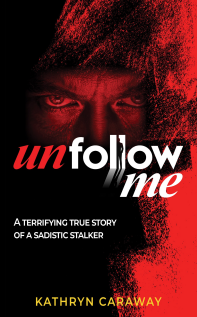
Unfollow Me
By Kathryn Caraway
Congratulations to the 2024 Winners of the Hearten Award for Uplifting Non-Fiction!
Genét Simone –Teaching in the Dark
David Hutton –Drums of a Distant Tribe
Etsuko Diamond Miyagi –Diamond: The Memoir of a Lost Daughter of Japan
Rachael Siddoway and Sonja Wasden –An Impossible Life: A True Story of Hope and Mental Illness
Susan Cole –Holding Fast: A Memoir of Sailing, Love, and Loss
Tony Jeton Selimi –The Unfakeable Code®
And a huge round of applause for our 2024 Hearten Grand Prize Winner:
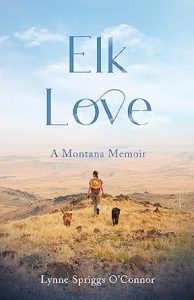
Elk Love: A Montana Memoir
By Lynne Spriggs O’Connor
Congratulations to the 2024 Winners of the Nellie Bly Award for Long Form Journalism!
Carla Conti – Chained Birds: A True Crime Memoir
Kori Reed – Men-in-the-Middle Conversations to Gain Momentum with Gender Equity’s Silent Majority
Bonnie Bley – Stolen Voices: Missing and Murdered in Big Horn County
Sarah Towle – Crossing the Line: Finding America in the Borderlands
And a huge round of applause to our 2024 Nellie Bly Grand Prize Winner:
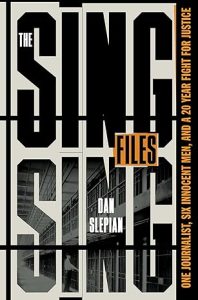
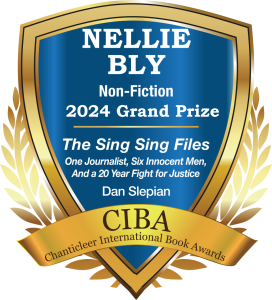
The Sing Sing Files:
One Journalist, Six Innocent Men, and a Twenty-Year Fight for Justice
By Dan Slepian
Congratulations to our 2024 Winners of the Military and Front Line Award for Service to Others!
Roderick S. Haynes – Unauthorized Disclosures a Navy Memoir of the 1980s
David Huntley – The B-17 Tomahawk Warrior: a WWII Final Honor
Patrick Hogan – Coincidence, You Say?
Shari Biery – It’s Your Turn How To Rediscover Yourself Prioritize Your Well-Being Thrive with Purpose
Max Lauker & Antonio Garcia – Number 788: My Experiences in Swedish Special Operations – Preparing for NATO and the War on Terror
Bibi LeBlanc – Wings of Freedom – The Story of the Berlin Airlift | Flugel der Freiheit – Die Geschichte der Berliner Luftbrucke
And a huge round of applause to the 2024 Military and Front Line Grand Prize Winner!
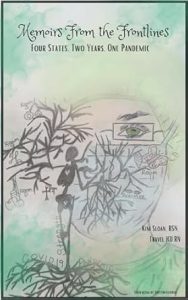
Memoirs From The Front Lines:
Four states, Two years, One pandemic
By Kim Sloan
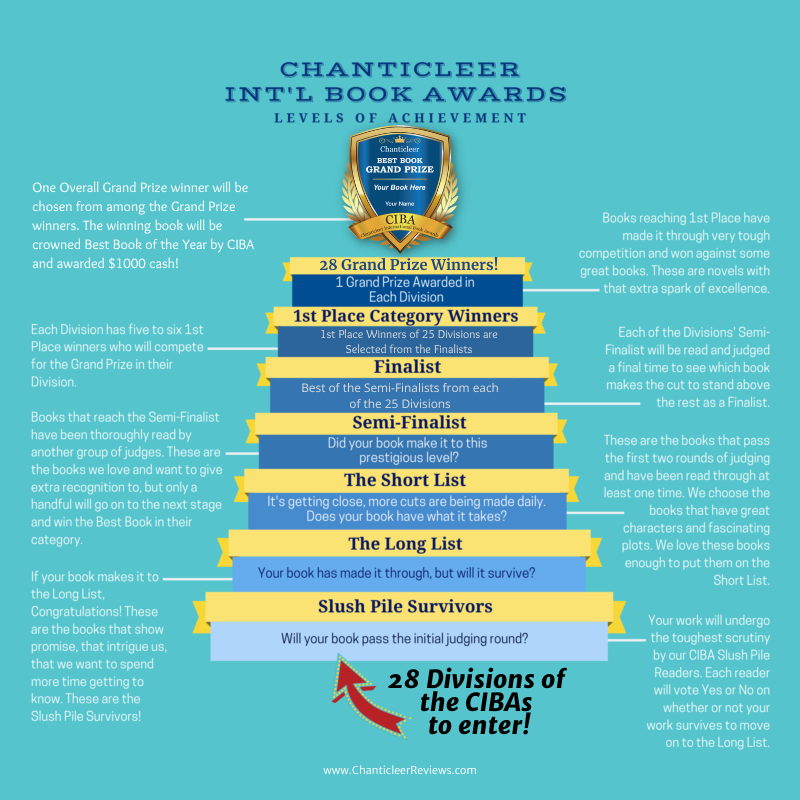
The CIBAs offer more than just recognition — they provide a ladder to success with a range of achievement tiers and expert long tail marketing strategies. From the highly anticipated Long List to the prestigious Overall Grand Prize Winner, the CIBA lists energize both authors and readers, maximizing your digital footprint and expanding your fan base.
We are always eager to support the Best Books through the CIBAs. Join the ranks of celebrated authors who have already taken this critical step in their publishing.
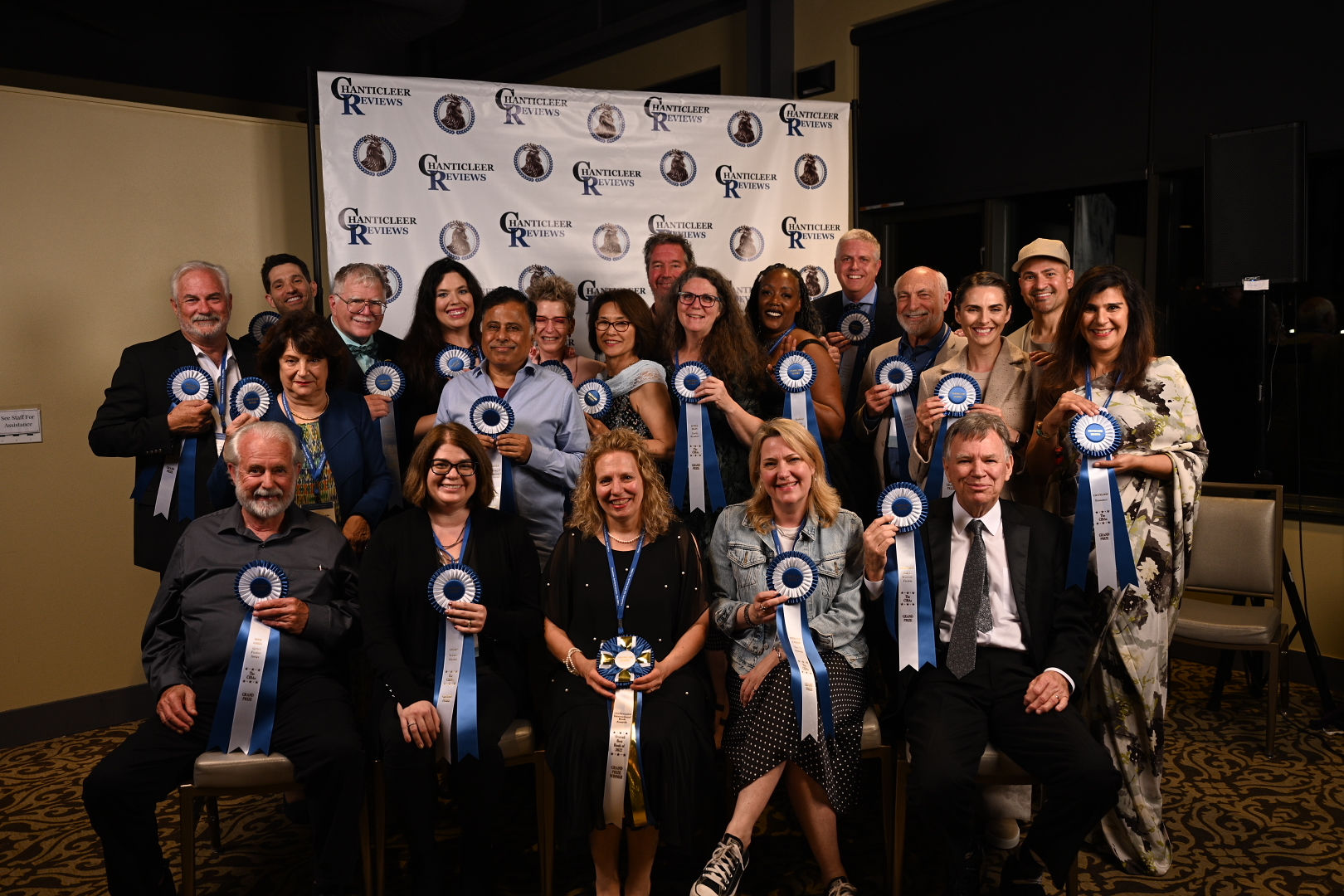
Your book deserves to be discovered, celebrated, and shared with the world. Don’t miss the chance to showcase your talent and gain valuable exposure at the Chanticleer Authors Conference (April 3-6, 2025) where Winners from all 25 Book Award Divisions will be announced and honored.
In a world hungry for good books, your story deserves to be heard. Submit now and leave a lasting impression.
You have until August 31st to submit to the 2025 CIBAs!
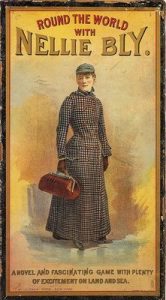
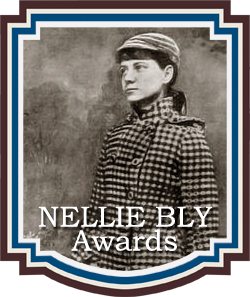
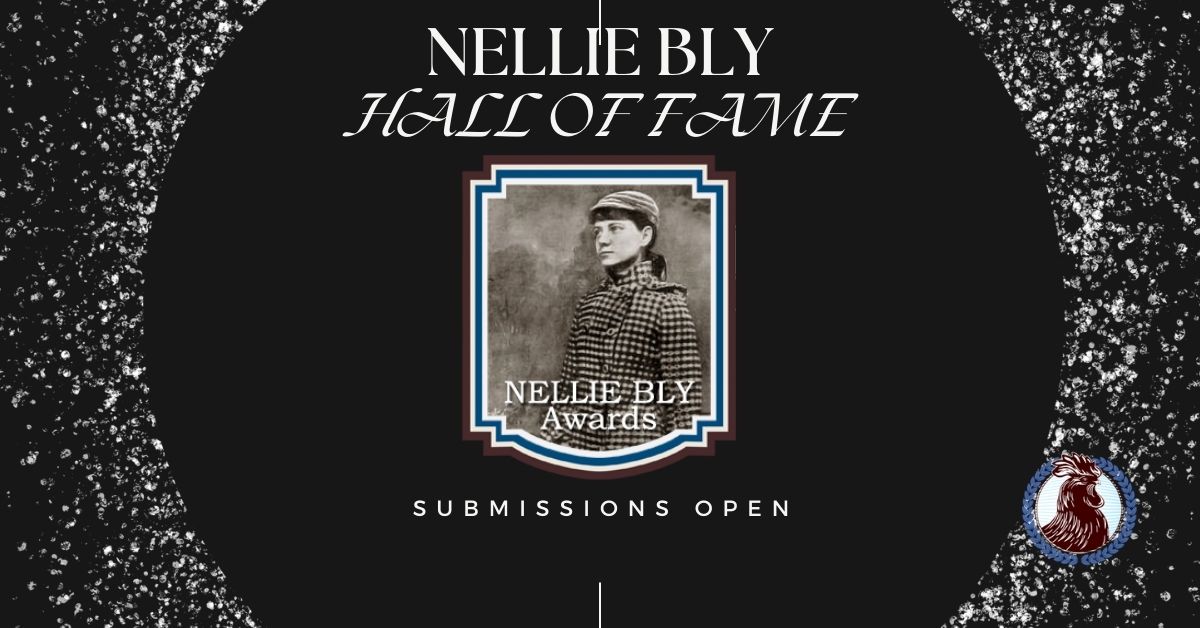
Elizabeth Cochran Seaman (Better known by her Pen Name, Nellie Bly) created a new brand of Investigative Journalism. Best known for beating Jules Verne’s Around The World in 80 Days in 72 days, and even more amazingly, Going undercover to get herself put into a New York Mental Hospital to then publish an exposé on the unlivable conditions and mistreatment of marginalized women. Journalist, Novelist, Inventor and overall amazing Woman. So its only fitting that our Division for Investigative Journalism be named for the woman who made the genre.
We’re excited to celebrate the excellent caliber of work that we have had the honor of promoting in the CIBAs for Longform Journalism.
The Nellie Bly Awards are one of a kind. Check out the following books to find out why!
The Sing Sing Files: One Journalist, Six Innocent Men, And a 20 Year Fight for Justice
By Dan Slepian
In 2002, Dan Slepian, a veteran producer for NBC’s Dateline, received a tip from a Bronx homicide detective that two men were serving twenty-five years to life in prison for a 1990 murder they did not commit.
Haunted by what the detective had told him, Slepian began an investigation of the case that eventually resulted in freedom for the two men and launched Slepian on a two-decade personal and professional journey into a deeply flawed justice system fiercely resistant to rectifying—or even acknowledging—its mistakes and their consequences.
The Sing Sing Files: One Journalist, Six Innocent Men, and a Twenty-Year Fight for Justiceis Slepian’s account of challenging that system. The story follows Slepian on years of prison visits, court hearings, and street reporting that led to a series of powerful Dateline episodes and eventually to freedom for four other men and to an especially deep and lasting friendship with one of them, Jon-Adrian “JJ” Velazquez. From his cell in Sing Sing, JJ aided Slepian in his investigations until his own release in 2021 after decades in prison.
Like Bryan Stevenson’s Just Mercy, The Sing Sing Files is a deeply personal account of wrongful imprisonment and the flaws in our justice system, and a powerful argument for reckoning and accountability. Slepian’s extraordinary book, at once painful and full of hope, shines a light on an injustice whose impact the nation has only begun to confront.
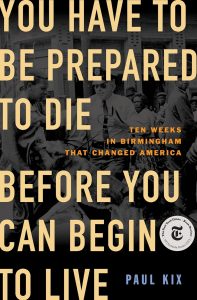
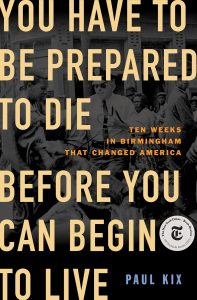
You Have to Be Prepared to Die Before You Can Begin to Live: Ten Weeks in Birmingham That Changed America By Paul Kix
Paul Kix shows readers the bloody front lines of the civil rights movement in his novelYou Have to Be Prepared to Die Before You Can Begin to Live: Ten Weeks in Birmingham That Changed America.
This historical nonfiction novel explores in-depth the Birmingham, Alabama campaign known as Project C. Kix dives deep into the minds of dozens of key historical figures who helped orchestrate the campaign, such as Martin Luther King Jr., James Bevel, and Fred Shuttlesworth. Despite an overwhelming fear of failure, Project C needed to catch the attention of the nation.
When the brutal murder of George Floyd sparked the Black Lives Matter movement, Kix and his wife were faced with the difficult task of explaining racism to their children. Kix, who is white, and his wife, who is Black, chose not to shield them from news coverage of the deaths and the protests that followed.
The jarring footage of Floyd’s death paralleled another startling image: that of a 15-year-old boy being attacked by a German shepherd handled by the Birmingham police.
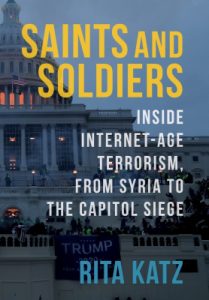
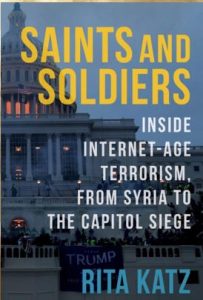
To many, atrocities such as mass shootings and violent counter-protests seem to appear out of thin air, undertaken by independent actors. But Rita Katz, in her groundbreaking exploration of internet-age terrorism Saints and Soldiers, reveals a sinister ecosystem of violence multiplying worldwide, visible yet largely ignored.
Katz – executive director of the counterterrorist organization SITE Intelligence Group– uses a strategic blend of primary media sources, personal narrative, and research analysis to unearth the haunting truths of internet-age terrorism. Although SITE once focused mainly on monitoring the actions of Islamist terrorist groups, Katz describes how it began applying the same tracking methods to white supremacists and neo-Nazis over a decade ago. As Katz writes, “the internet is more than just an asset for today’s new breed of terrorists. It is a necessity.”
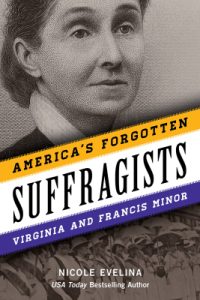
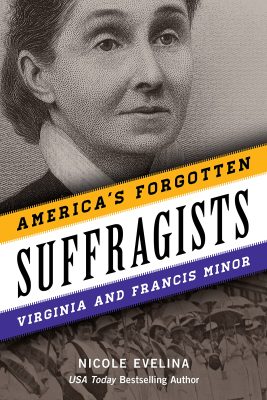
America’s Forgotten Suffragists: Virginia and Francis Minor By Nicole Evalina
Comprehensive in its own right, America’s Forgotten Suffragists by Nicole Evelina is an essential addition to the canon of women’s suffrage and first-wave feminism.
Equal parts local history of women’s right to vote in the nineteenth century and biography of Virginia and Francis Minor, America’s Forgotten Suffragists illuminates the story of a wife-and-husband feminist duo who were the first to fight for women’s suffrage at the Supreme Court level.
We learn about the lives of Virginia and Francis Minor by way of historical records, intersecting timelines with other suffragists, and news articles and letters. Virginia Minor was raised on the new and intellectually stimulating University of Virginia campus, where her father worked. Born into a colonial settler and slave-owning family, Virginia came into her own as she grew older, forming abolitionist and feminist beliefs.
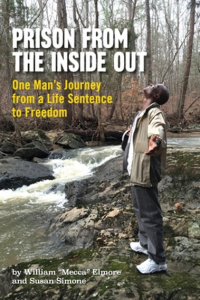
Prison From The Inside Out By William “Mecca” Elmore and Susan Simone
Prison from Inside Out: One Man’s Journey from a Life Sentence to Freedom is an illuminating chronicle that tells the story of a man who not only survived the stoniest soil but used his experiences to thrive as a human being.
This arresting memoir is essentially a road trip of William ‘Mecca’ Elmore, a man with a tumultuous childhood, growing up in a neighborhood chock full of social problems. It is in this environment that Elmore is involved in a crime that consequently leads to his arrest and trial. The story builds upon his incarceration in various correctional facilities, his experiences, his release through a Mutual Agreement Parole Program, and his eventual redemption.
In 1887, a young reporter named Nellie Bly feigned mental illness to expose the horrific conditions at the Women’s Lunatic Asylum on Blackwell’s Island, forever changing how society treated the mentally ill. Her courage to go undercover, endure personal risk, and challenge powerful institutions established a tradition of investigative journalism that continues to hold the powerful accountable and give voice to the voiceless.
The Nellie Bly Awards honor this fearless tradition, celebrating the journalists, researchers, and truth-tellers who dedicate years – sometimes decades – to exposing corruption, fighting injustice, and demanding accountability from systems that would prefer to operate in shadows. These are the stories that don’t just inform readers; they change laws, free the innocent, and restore faith in the power of persistent, ethical journalism.
The Vital Role of Investigative Journalism
In an era of instant news, social media speculation, and AI hallucinations, deep investigative work has never been more crucial. The authors recognized by the Nellie Bly Awards understand that real accountability journalism requires time, resources, and extraordinary persistence. They dig deeper than daily news cycles allow, following leads that others abandon, and asking questions that make uncomfortable people uncomfortable.
The best investigative non-fiction sparks conversations, policy changes, and sometimes legal action that creates lasting positive change. These authors transform individual investigations into broader understanding of systemic issues that affect us all.
Celebrating Our 2024 Grand Prize Winner!
We’re deeply honored to recognize Dan Slepian, whose extraordinary work The Sing Sing Files: One Journalist, Six Innocent Men, and a Twenty-Year Fight for Justice claimed the 2024 Nellie Bly Grand Prize with an investigation that exemplifies the very best of accountability journalism. What began as a single tip from a Bronx homicide detective in 2002 became a twenty-year personal and professional journey that ultimately freed six innocent men from prison.
Slepian’s story demonstrates the persistence that defines great investigative journalism—years of prison visits, court hearings, and street reporting that challenged a justice system “fiercely resistant to rectifying—or even acknowledging—its mistakes.” His work resulted not only in powerful Dateline episodes but in actual freedom for wrongfully convicted men, including his deep friendship with Jon-Adrian “JJ” Velazquez, who aided Slepian’s investigations from his Sing Sing cell until his own release in 2021.
The Sing Sing Files represents investigative journalism at its most vital, exposing systemic flaws while honoring individual human stories, requiring both professional skill and personal courage, and ultimately creating change that extends far beyond the pages of the book. In addition to ongoing promotional features, The Sing Sing Files will be regularly promoted throughout the year and for the next five years in our upcoming Hall of Fame posts. Dan Slepian will also be invited to participate in a Chanticleer 10-Question Interview, and The Sing Sing Files will receive a coveted Chanticleer Editorial Review.
Categories That Cover Every Beat
The Nellie Bly Awards welcome investigative work across every section of the metaphorical newspaper, recognizing that corruption and injustice can emerge anywhere:
Social Science – Research-driven investigations into societal patterns and behaviors
Data Driven Reporting – Stories powered by statistical analysis and empirical evidence
Equality and Justice – Exposés of discrimination and fights for civil rights
Ethics – Investigations into moral failures in institutions and leadership
Human Rights – Documentation of abuses and advocacy for fundamental freedoms
Refugees, Immigrants, Migrants – Stories of displacement and the policies that affect vulnerable populations
Activist Groups – Investigations into movements, both positive and problematic
Crimes and Corruption – Classic investigative journalism exposing criminal behavior and institutional corruption
Environmental – Reporting on ecological crimes and environmental justice
Whistle Blowers – Stories of those brave enough to expose wrongdoing from within
Politics Regional, National, International – Government accountability at every level
Wartime/Military – Investigations into conflicts and military institutions
\Health and Medicine – Medical investigations and healthcare system accountability and interest stories
Nature and the Environment – Environmental science and conservation investigations and interest stories
Pop Culture, Social Issues, Current Events – Contemporary cultural criticism and social analysis
Home & Garden – Largely interest stories focused on how-to home changes and possible investigations that can result
Like the sections of a great newspaper, these categories ensure that no corner of society escapes the scrutiny that democracy requires.
Other August Non-Fiction Opportunities
The Nellie Bly Awards are part of Chanticleer’s comprehensive celebration of narrative non-fiction, all closing at the end of August:
Journey Awards: Courageous stories of overcoming adversity and transforming trauma into purpose
Hearten Awards: Uplifting non-fiction that inspires hope and positive transformation
Check out some of these powerful investigative works we’ve celebrated recently!
You Have to Be Prepared to Die Before You Can Begin to Live
By Paul Kix
Paul Kix shows readers the bloody front lines of the civil rights movement in his novelYou Have to Be Prepared to Die Before You Can Begin to Live: Ten Weeks in Birmingham That Changed America.
This historical nonfiction novel explores in-depth the Birmingham, Alabama campaign known as Project C. Kix dives deep into the minds of dozens of key historical figures who helped orchestrate the campaign, such as Martin Luther King Jr., James Bevel, and Fred Shuttlesworth. Despite an overwhelming fear of failure, Project C needed to catch the attention of the nation.
When the brutal murder of George Floyd sparked the Black Lives Matter movement, Kix and his wife were faced with the difficult task of explaining racism to their children. Kix, who is white, and his wife, who is Black, chose not to shield them from news coverage of the deaths and the protests that followed.
The jarring footage of Floyd’s death paralleled another startling image: that of a 15-year-old boy being attacked by a German shepherd handled by the Birmingham police.
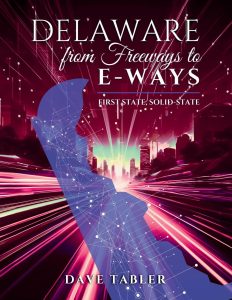
Dave Tabler’sDelaware from Freeways to E-Wayspresents a nonlinear kaleidoscope view of Delaware’s twentieth-century history, braiding together snapshots of the state through a variety of lenses.
By dissecting the history of the state’s education system, economy, politics, war, technology, social dynamics, religion, agriculture, and conservation of the natural world, this book becomes a patchwork quilt of Delaware’s contributions to recent American history.
Tabler strategically places historical images throughout the first half of the book to help paint a vivid picture of what Delaware life has been like across the years. The second half of the book then expounds on every snapshot, allowing the reader to pursue the parts that most interest them. Tabler concludes each of these deeper dives by describing the impacts on present-day Delaware and America. These threads of connection to current events help the reader find meaning within the overall arc of history.
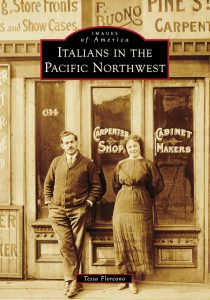
Italians in the Pacific Northwest
By Tessa Floreano
Tessa Floreano’sItalians in the Pacific Northwest is an inviting pictorial narrative featuring both ordinary and extraordinary individuals of Italian heritage who helped to create and develop Washington, Oregon, and Idaho.
Concentrating on the decades from 1880 to 1950, Floreano begins by referencing the earliest Italian explorers of the Pacific Northwest Territory, then quickly moves to the efforts of those who sought a better life through hard work and new opportunities on American shores.
Floreano’s research shows through the fascinating details of this book.
She includes stories, photographs, and memorabilia to highlight both the struggles and triumphs of these pioneering Italian Americans. From the backbreaking labor of building the road and rail infrastructure that connected this new land, to working in the coal mines, logging and milling the giant cedars, farming the soil, fishing the waters, and becoming savvy entrepreneurs, these people proved a hearty, steadfast bunch.
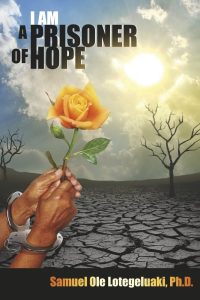
I Am a Prisoner of Hope
By Samuel Ole Lotegeluaki, Ph.D.
Author Samuel Ole Lotegeluaki, PhD, states in the very title of this book, I Am a Prisoner of Hope. He goes on to explain why this is the case and why hope is central to our beingness.
A Maasai originally from Tanzania and one of three boys in a family with eight children, Lotegeluaki has been living in the United States for many years and has seen much good and much bad, in the country and around the world. In defiance of social inequality and bigotry, Lotegelauki maintains a strong belief in human unity, “Day and night I am reminded of the fact that we as human beings, regardless of culture, language, religion, gender, skin color or social economic status, are all under God’s huge canopy, and we are convincingly related.” He reminds us, “You may not look exactly like me, but rest assured, we are not just related, but more importantly, we are siblings.”
Lotegeluaki tells the reader his experiences, the histories of places he has lived and the people he has met, and observes what each has to teach and offer humanity. He remains dedicated to the pursuit of togetherness within diversity, no matter our differences. In Chapter Four, “Grandmother’s Quilt,” he uses the metaphor of a handmade quilt with emotional overtones and ties to explain human nature and all that it entails.
To many, atrocities such as mass shootings and violent counter-protests seem to appear out of thin air, undertaken by independent actors. But Rita Katz, in her groundbreaking exploration of internet-age terrorismSaints and Soldiers, reveals a sinister ecosystem of violence multiplying worldwide, visible yet largely ignored.
Katz– executive director of the counterterrorist organization SITE Intelligence Group– uses a strategic blend of primary media sources, personal narrative, and research analysis to unearth the haunting truths of internet-age terrorism. Although SITE once focused mainly on monitoring the actions of Islamist terrorist groups, Katz describes how it began applying the same tracking methods to white supremacists and neo-Nazis over a decade ago. As Katz writes, “the internet is more than just an asset for today’s new breed of terrorists. It is a necessity.”
ThroughoutSaints and Soldiers, Katz uses her decades of intensive experience to describe how a new generation of internet-born white supremacist movements followed the same trajectory as ISIS. She exposes the network of threads that link white supremacist violence such as the Christchurch massacre of 2019 to their origins on messaging platforms such as 8chan, Discord, Stormfront, and Telegram. Indoctrinating vulnerable minds with extremist neo-Nazi ideology, these violent groups use a “screw your optics” mantra that celebrates gruesome violence and the “saints” and “martyrs” that drive their hateful cause.
These works demonstrate how great investigative journalism combines rigorous research with compelling storytelling to create accountability and change.
See the Chanticleer Difference for Yourself!
The CIBAs offer multiple levels of recognition designed to augment your digital footprint and provide long-tail marketing that makes you easier for readers to find. Each reward builds on the previous and continues promotion:
Long List: Recognition across our website, newsletter, and social media
Short List/Semi-Finalist: Digital badges and promotional stickers
Finalists: Conference discounts, review discounts, certificates, and genre-specific badges
First Place Winners: Coveted Chanticleer Blue Ribbon, premium review discounts, lifetime Roost membership discount, and year-round promotion
Grand Prize Winners: Awarded Editorial Book Review and Author Interview, featured on Awards page all year, promoted in Hall of Fame articles for five years
Overall Grand Prize Winner: $1000 cash prize
The Nellie Bly Awards provide recognition for work that often takes years to complete and may challenge powerful interests who would prefer these stories remain untold. Whether you’re a professional journalist, academic researcher, or citizen investigator, these awards celebrate the courage and persistence required to hold the powerful accountable and give voice to those who need advocates.
Carry Forward the Legacy
In Nellie Bly’s tradition, the best investigative journalism requires both courage and compassion—the bravery to challenge systems and the empathy to understand how those systems affect real people. Your investigation, your exposé, your carefully researched account of injustice or corruption could be the story that creates change, demands accountability, or gives voice to those who have been silenced.
On August 18, 1920, the Nineteenth Amendment to the United States of America Constitution was ratified and signed into law on the 26th that same month.
Celebrating the 103rd Anniversary of the 19th Amendment: A Triumph of Perseverance and Equality
In the tapestry of history, some threads are woven with courage, resilience, and indomitable will. This year, as we commemorate the 103rd anniversary of the 19th Amendment to the United States Constitution, we honor the relentless dedication of those who paved the path to gender equality and universal suffrage.
Join us in celebrating this significant milestone, reflecting on the arduous journey that spanned over seven decades. The suffrage movement wasn’t a mere campaign; it was a movement that transformed society and opened doors to empowerment.
This commemoration takes us back to the historic victory that marked the amendment’s ratification on August 18, 1920, forever engraving the right for women to vote into the framework of American democracy. The amendment stood as a testament to unity, courage, and the conviction that change is attainable.
The Nineteenth Amendment was the capstone of that fight, but it took over seventy years to achieve it.
We are celebrating the 103rd anniversary of the Nineteenth Amendment’s adoption into the U.S. Constitution: the amendment that guarantees citizens the right to vote regardless of their gender, and the victory of the American Suffrage Movement. It took more than seventy years of protesting, picketing, and struggles for women to gain the civil right to vote in US elections. And many more decades passed before other disenfranchised groups were systematically denied the right to vote.
And still, the vote was not granted to Black women and men. That right came about much later than most people realize, June 6, 1965, whenPresident Lyndon Johnson signed the Voting Rights Act, which outlawed the discriminatory voting practices that some Southern states adopted after the Civil War.
Women’s suffrage was not just a long fight, but one taken on by many pivotal figures. But the story of the suffrage movement is best told by remembering many of its impactful suffragists, such as Alice Stone Blackwell, Elizabeth Cady Stanton, Matilda Joslyn Gage, Ida B. Wells, Mary Church Terrel, Josephine St. Pierre Ruffin, and Harriet Tubman whose unwavering dedication rallied people to challenge oppressive norms. Their legacy echoes through the ages, inspiring us to continue championing justice and equality.
Suffragists were physically attacked by mobs of angry men and boys while police looked the other way. They’d been roughly arrested; been held in fetid, cold, vermin-infested cells; been shackled to the wall; and endured abuse and even torture in jail. When they went on hunger strikes, they were force-fed, tubes rammed up their noses. The Christian Science Monitor.
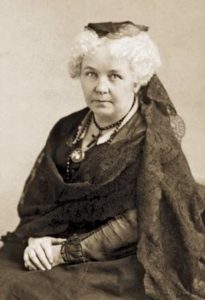
Elizabeth Cady Stanton, c. 1880
Elizabeth Cady Stanton was one of the women who first crystallized the Suffrage Movement, having helped organize the Seneca Falls Convention. Her unique background was pivotal in formulating the first demand for women’s suffrage in 1848.
As the movement grew and drew public attention, Stanton proved herself to be a skilled orator and writer, working closely with Susan B. Anthony throughout the years; Stanton actually wrote some of the speeches that Anthony delivered, and– along with Anthony– was one of the founders of the National Woman Suffrage Association. Stanton wrote for a more equitable future in more than voting; in addition to the question of suffrage, she championed a broader view of women’s freedoms, supporting labor rights, property rights, and the right to divorce. She saw that women should have the chance to lead their own lives, taking part in all aspects of society equally to men.
Movements don’t just happen, they come alive when a group of people decides to take action against injustice, and even small beginnings can lead to sweeping change.
Elizabeth Cady Stanton came from a privileged background and used her position and means to propel her views. Her father was a prominent attorney, Congressman, and a judge. He also was a slave owner. Elizabeth was exposed to the study of law and the government mechanisms that govern by her father. She was particularly against how religion was used to justify the oppression of women. She pennedThe Woman’s Bible to tackle misogynistic traditions rooted in religious dogma after being sent to a seminary at the age of sixteen.
She became an adamant abolitionist to end the practice of slavery in the United States in 1839 at the age of 24. Many historians believe that the Abolitionist Movement to End Slavery experiences and lessons were essential to pave the way for the Women’s Suffrage Movement.
Stanton wasn’t the only suffragist who saw the reality of sexist injustice throughout her society, and one of her contemporaries joined her in drawing attention to these wrongs. Matilda Joslyn Gage was considered a radical in her time, having fought against traditionalist views as Stanton had. Matilda was on the revising and editing committee for Elizabeth’s highly controversialThe Woman’s Bible.
Matilda Electa Joslyn March 24, 1826
This right to vote was a battle, fought and won 103 years ago by women we will never know, but by what they have written, what others have written about them, and what they have done for all of us.
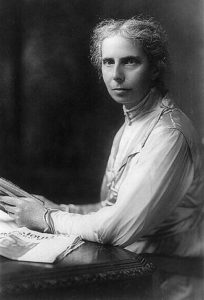
Alice Stone Blackwell
One of the women who played a significant role in uniting these two groups was Alice Stone Blackwell.
She was in a position to do so because of her connection to the AWSA: her mother was Lucy Stone. Along with Alice’s father, Henry Browne Blackwell, they were some of the primary organizers of the group. As Alice Stone Blackwell grew up, she worked with her parents on their paper, theWoman’s Journal, and eventually ran the paper. Once the AWSA and NWSA had merged, Blackwell served as the NAWSA’s recording secretary.
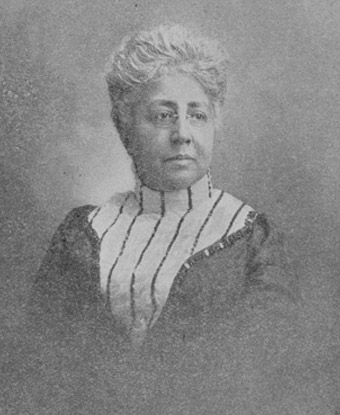
Publisher and founder of the Woman’s Era Club (which laid the foundation for NAACP), Josephine St. Pierre Ruffin, an activist at heart, a community leader, and a national organizer, grew up surrounded by the abolitionist ideals of justice, equality, and political representation. Her earliest public service dates to the Civil War, during which Ruffin recruited African American men for the 54th and 55th Massachusetts infantry regiments. After the war, Ruffin served on several charities that helped Southern Blacks. Ruffin dedicated her life to bettering the lives of women and Black Americans both locally and nationally. NPS.Gov/People/Josephine-St-Pierre-Ruffin.
Josephine St. Pierre Ruffin
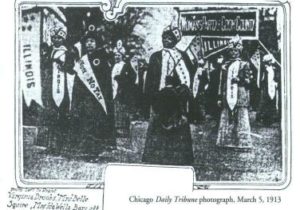
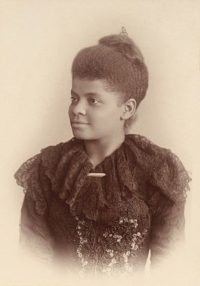
While the centennial celebrates the federal adoption of women’s suffrage, we shouldn’t forget the smaller victories and works that punctuated the movement’s length, those who spoke out against injustice in many forms, while seeking the vote. One such woman was Ida B. Wells, who played an active role in the suffrage movement of Chicago. The city had given partial suffrage to women. Wells, along with a fellow suffragist Belle Squire, started the Alpha Suffrage Club to advance women’s suffrage further and educate women on civic involvement.
Ida Wells & Belle Squire marching in 1913
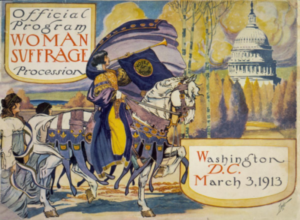
The club especially supported African American candidates for the city’s elections, working to break down multiple unjust barriers in politics. Wells participated in one of the NAWSA’s best-remembered marches, set in Washington D.C. the day before the inauguration of President Woodrow Wilson. At the beginning of the rally, she was told to walk at the back, but she refused. Ida B. Wells marched with her sister suffragists from Illinois at the front. The power of social change comes from unified work between many people, and Wells refused the idea that she, as a suffragist, could be divided from anyone else.
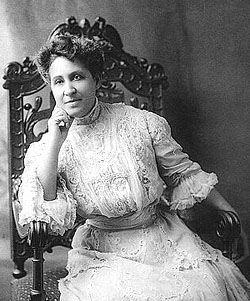
Along with women like Wells and Ruffin, Mary Church Terrel was an advocate for racial equality. She was entwined with gender equality, which shows throughout her work with the NAWSA, where she frequently met with Susan B. Anthony and Elizabeth Cady Stanton. She insisted that the movement fight for the rights of black women alongside those of white women, and spoke highly of the suffragists who fought for everyone oppressed by the political and social systems of the time. She spoke at NAWSA meetings, delivered speeches, and called for the suffragists to remember all of the women whose vote they worked so hard to gain.
Ida Wells
Let’s not allow their work to be forgotten – and let us never give up our full Rights as U.S. Citizens to carry out this all-too-important privilege.
Despite the NAWSA’s issues with racism, some black women did act within that organization, such as Mary Church Terrel, who was an advocate for racial equality entwined with gender equality, which shows throughout her work with the NAWSA, where she frequently met with Susan B. Anthony and Elizabeth Cady Stanton. Mary insisted that the movement fight for the rights of black women alongside those of white women, and spoke highly of the suffragists who fought for everyone oppressed by the political and social systems of the time. She spoke at NAWSA meetings, delivered speeches, and called for the suffragists to remember all of the women whose vote they worked so hard to gain.
Mary Church Terrel Sept 23, 1863
Women’s suffrage had a complex relationship with black civil rights in large part thanks to the period of history in which the suffrage movement began: the Seneca Falls Convention took place in 1848, seventeen years prior to the abolition of slavery. This meant that the women’s rights movement was progressing and focusing at the same time that black people across were achieving freedom and directing themselves in a country that, while changing dramatically, still marginalized them.
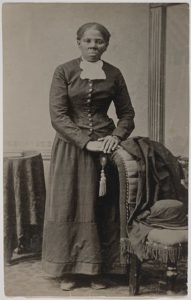
Harriet Tubman’s work is an example of how black women fought on both fronts; she’s a figure best remembered for her work as a liberator, freeing slaves prior to and during the civil war, but she took part in the suffrage movement as well. During the time of the NAWSA, she traveled to meetings and demonstrations to give speeches, telling of her experiences fighting for freedom and facing down oppressive and dangerous power structures during the time of slavery, and how important the struggle for freedom is. She bridged her advocacy for equality into the fight for the vote, and during this time, Ruffin’sThe Woman’s Erawrote a profile on Tubman, as the country’s attention was once again drawn to her fight.
Harriet Tubman after the Civil War
All of these histories show that the suffrage movement’s victory– the adoption of the nineteenth amendment– was the result of disparate people, dedicated and idealistic people coming together and fighting hard for their rights. They gave time, energy, and passion to a movement that would, eventually, provide them with the right to participate in the democracy of their country. The fact that the suffrage movement stayed strong for 70 years united its two significant organizations, tackled legislation at both the national and local levels, is a testament to the people who refused to give up, and whose worked– together– to win the fight.
It’s been a century since women won the right to vote, and more than 170 years since the American suffrage movement started in earnest. This movement has a lot it can teach us: the value of working together, across the country, to bring about change; the importance of remembering that there is always more than one fight for progress and rights, that we should listen to the voices of everybody who’s been pushed down and denied their rights and opportunities; and, of course, that even in the face of a power structure that calls rebellion and the fight for equal freedoms’ radical’, that fight is a good one, and worth taking on.
At the Seneca Falls Convention, the call for women’s suffrage rang out in America, whereas before it had been considered a fringe idea, or even impossible. The fight was long, but after seventy-two years, the suffragists made what was ‘radical’ a reality.
So, in the spirit that the right to vote is something that all people deserve, and should never have been restricted to any one group over another, let’s celebrate the centennial of a victory that brought America one step closer to the ideals of equality, freedom, and the rights of all. The power of the vote has shaped America’s history. We must all understand the importance of voting, and today we recognize those who fought for our rights. We are thankful for those brave suffragettes, for it is their struggle that has given us the right to participate in our democracy regardless of gender.
It required three generations of fearless activists over a span of more than seven decades working in more than 900 state, local, and national campaigns to finally win the vote for American women. And that active verb – win – is important: Women were not given the vote; they were not granted the vote. As one commentator so aptly describes it: “They took it.” Christian Science Monitor
This year holds a special place in our hearts as we also celebrate the exceptional work of Nicole Evelina, whose groundbreaking book, ‘America’s Forgotten Suffragists: Virginia and Francis Minor,’ sheds light on the indelible contributions of lesser-known suffragists. Evelina’s meticulously researched biography illuminates the lives of Virginia and Francis Minor, who, alongside their better-known contemporaries, shaped the course of women’s rights and equality. Their story, like many others, exemplifies the unyielding spirit that fueled the suffrage movement.
As we honor the remarkable journey that brought us to this juncture, we are reminded that progress is a collective endeavor. The road to universal suffrage was marked by sacrifices, courage, and a shared vision of a more just world. The fight for equality continues to resonate, urging us to safeguard the rights that were hard-fought and won.
Join us in commemorating the 103rd anniversary of the 19th Amendment, a testament to the power of determination, unity, and the enduring spirit of change. Let us remember the past, honor those who blazed the trail, and carry forward their legacy as we champion equality and justice for all.
Comprehensive in its own right, America’s Forgotten Suffragists by Nicole Evelina is an essential addition to the canon of women’s suffrage and first-wave feminism.
Equal parts local history of women’s right to vote in the nineteenth century and biography of Virginia and Francis Minor, America’s Forgotten Suffragists illuminates the story of a wife-and-husband feminist duo who were the first to fight for women’s suffrage at the Supreme Court level.
We learn about the lives of Virginia and Francis Minor by way of historical records, intersecting timelines with other suffragists, and news articles and letters. Virginia Minor was raised on the new and intellectually stimulating University of Virginia campus, where her father worked. Born into a colonial settler and slave-owning family, Virginia came into her own as she grew older, forming abolitionist and feminist beliefs.
In 1869, Virginia realizes that, through implication, the Constitution could grant women the right to vote by way of the Fourteenth Amendment, which acknowledged the freedom, citizenship, and human rights of Black men freed from enslavement. She shares her thoughts with Francis — a practicing lawyer and constant ally for women’s financial independence. And when Virginia is denied from registering to vote in 1872, she sues and goes to court with Francis as her attorney, to introduce her interpretation of the law.
As history reveals, the Minors lost their case. However, they ignited conversations about women’s suffrage nationwide, pushing others to take up the charge.
Virginia became good friends with Susan B. Anthony, collaborating on suffrage campaigns in the Midwest, and giving speeches in territories that were becoming states. Francis Minor continued his advocacy for the feminist cause by publishing his writing on women’s rights. To preserve their words, biographer Evelina includes many of the Minor’s speeches and articles, as well as Virginia and Francis’s petition in full calling for the Supreme Court to acknowledge women’s right to vote based on the Fourteenth Amendment.
What truly shines about this book — along with its gentle prose and historical scene-setting — is what it teaches about the origins of first-wave feminism and why the American voting system continues to disenfranchise Black citizens.
Nicole Evelina takes great care to analyze Virginia’s 1875 Supreme Court case, Minor v. Happersett, from all angles.
Minor v. Happersett has been (mis)used over seven times since the trial to reinforce voter suppression tactics. Evelina demonstrates through this extensive biography of Virginia and Francis Minor that the issues we face today — election tampering, gerrymandering, expunged registration records, and restrictions on accessible voting methods for the working class — can, in part, be traced back to this case.
This biography documents one woman’s bold path to securing women’s rights, a beacon of hope for a world where no person is lesser than another.
You have until August 31st to submit to the 2023 CIBAs!
Elizabeth Cochran Seaman (Better known by her Pen Name, Nellie Bly) created a new brand of Investigative Journalism. Best known for beating Jules Verne’s Around The World in 80 Days in 72 days, and even more amazingly, Going undercover to get herself put into a New York Mental Hospital to then publish an exposé on the unlivable conditions and mistreatment of marginalized women. Journalist, Novelist, Inventor and overall amazing Woman. So its only fitting that our Division for Investigative Journalism be named for the woman who made the genre.
We’re excited to celebrate the excellent caliber of work that we have had the honor of promoting in the CIBAs for Longform Journalism.
The Nellie Bly Awards are one of a kind. Check out the following books to find out why!
Prison From The Inside Out By William “Mecca” Elmore and Susan Simone
Prison from Inside Out: One Man’s Journey from a Life Sentence to Freedom is an illuminating chronicle that tells the story of a man who not only survived the stoniest soil but used his experiences to thrive as a human being.
This arresting memoir is essentially a road trip of William ‘Mecca’ Elmore, a man with a tumultuous childhood, growing up in a neighborhood chock full of social problems. It is in this environment that Elmore is involved in a crime that consequently leads to his arrest and trial. The story builds upon his incarceration in various correctional facilities, his experiences, his release through a Mutual Agreement Parole Program, and his eventual redemption.
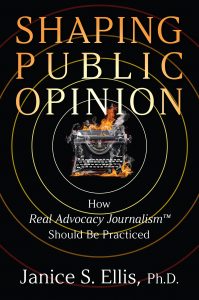
Janice S. Ellis, Ph.D., introduces the journalistic theories of Walter Lippmann in her new non-fiction work, Shaping Public Opinion: How Real Advocacy Journalism™ Should be Practiced.
Walter Lippmann, considered one of the foremost journalists in the field over the last 100 years, was a mentor in absentia of Dr. Ellis in the art of advocacy journalism. During Lippmann’s 40+ year career, his columns were syndicated in over 250 newspapers nationwide and over 25 other international news and information outlets. Lippman focused on the ethical dissemination of information, especially about communities, society, and the world. A theory, which Dr. Ellis calls Real Advocacy Journalism™.
Reviews are forthcoming for recent winners, and you can see the full list of 2021 winners here and 2022 winners here. Huge congratulations again to all our Winners!
The Grand Prize Winner for the CIBA 2021 NELLIE BLYAwards is:
America’s Forgotten Suffragists: Virginia and Francis Minor
by Nicole Evelina
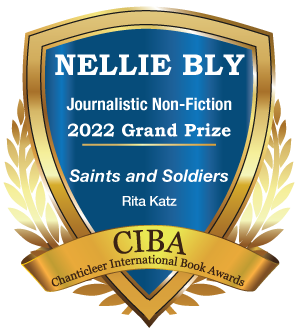
The Grand Prize Winner for the CIBA 2022 NELLIE BLYAwards is:
Saints & Soldiers
by Rita Katz
Now that you’re set on your next reads, what are you waiting for? The only way to join this amazing list of Nellie Bly Winners is to submit today!
Those who submit and advance will have the chance to win the Overall Grand Prize of the CIBAs and $1000!
Be Part of the Legacy: Join the Illustrious Roster of Winners
As the deadline for the 2023 Nellie Bly Awards creeps closer, we extend our heartfelt congratulations to all the exceptional achievers.