Category: Reviews

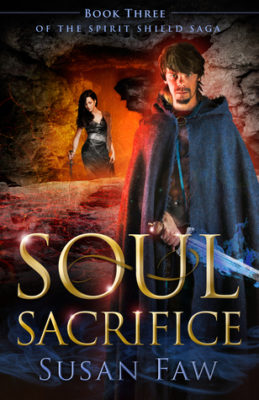
  • SOUL SACRIFICE: Book Three of Spirit Shield Saga by Susan Faw – Teen & YA Greek & Roman Myths and Legends, YA Epic Fantasy Novels, YA Wizards & Witches Novels

    SOUL SACRIFICE: Book Three of Spirit Shield Saga by Susan Faw – Teen & YA Greek & Roman Myths and Legends, YA Epic Fantasy Novels, YA Wizards & Witches Novels

    Evil has taken hold of Cathair and the surrounding lands, and only the Spirit Shields can save both the living and the dead. Cayden and Avery, human twins housing the spirits of the godling children of Morpheus, have been tasked with stopping their sister Helga. She is hellbent on wiping out humanity and controlling the spirits of both man and beast.

    Separated by missions unique to their abilities, Avery and Cayden are frantically searching for a way to defeat Helga. Cayden, the keeper of the Well of Souls, is connected to all spirit life. He can feel the life literally draining from the land but is nearly powerless to stop it because he is Soul Fetched, his mind imprisoned by Helga. He knows he must fight her insidious commands but is weakening mentally and physically. Avery must find a way to commune with their father and beg his help in defeating Helga since only a god’s power can destroy her minion army of Charun, souls of former warriors returned to ethereal bodies. She is also fighting against the Daimon, creatures born of hatred and fire who consume the souls of men before they can return to the river of souls awaiting reincarnation.

    Their sister, Artio, recently reborn as a half-bear, half-human woman, joins Avery in her quest. Her motives, though, are personal because Helga stole the body and soul of Artio’s lover in a past life. The three siblings must find a way to unite the clans, defeat Helga, and save the souls of man.

    Duty is more than a job. It is a soulful need to fulfill a purpose, either sworn to another or intrinsic.  Many characters within this novel are driven by that intense, all-consuming duty. Both the major and minor characters are consumed by it to the point they are willing to make the ultimate sacrifice to it. Ryder, commander of the Kingsmen and close friend of Cayden, is a prime example. A fixture in the Saga, Ryder and his men have previously been tasked with defending the Well of Souls. Having been taken captive by Helga, he refuses to swear allegiance to her. Even when his own loyalty is used to imprison him, Ryder cannot give up his oath to protect his king, still feeling the swell of pride at knowing his friend has ascended to his rightful place in Cathair. He is willing to befriend a Charun formerly known as Captain Brennan and even endure Helga’s unwanted physical attention to find a way to defeat her and help Cayden from the Underworld.

    As a commander of the Kingsmen in his former service, Captain Brennan cannot deny his duty, though refusing at first to give in. Perhaps the ultimate example of his oath is Cayden’s need to protect the Well of Souls.

    Connected to the well by a mental bond that becomes physical, Cayden must guard the souls awaiting new bodies. As the river that flows into the well diminishes, so does Cayden. His soul drains as surely and swiftly as the river. He knows his human life is the only thing that can heal the rift. If he fails in his duty, all of humanity will suffer for eternity. His birthright is to remain faithful in his charge even though he knows he will have to make the ultimate sacrifice.

    Another theme of the novel is that of sacrifice. Nearly every character is forced to sacrifice some part of themselves. Morpheus begins the cycle when, centuries earlier, he was forced to give up his family or leave them to the other gods’ fury. The sacrifices continue for his children, all of whom sacrifice, whether willingly or not. Artio surrenders her lover to a fate worse than death while Avery and Cayden, the twins, must offer their closeness, their twin bond, nearly severed by distance and strife. Even Helga, in all her evil glory, has made sacrifices, being forced long ago to the darkness of the Underworld. Those connected to the siblings endure hardships as well. Ziona, sworn protector of Cayden and his truelove, must give him up. She is also willing to do whatever it takes to protect the Well of Souls, even if that means taking his life. Denzik, Nelson, and Fabian, Kingsmen, try to protect Cayden, and all make sacrifices to bring their men back to Cathair. Lovers of the series will experience a shocking, jaw-dropping twist that only a master-storyteller like Susan Faw could pull off. And we are so ever delighted she did!

    Soul Sacrifice won First Place in the CIBA 2018 Dante Rossetti Awards for Young Adult fiction.  Click on the links to read our reviews of books one, Seer of Souls, and two, Soul Sanctuary.
  • MARTHA by Maggie St. Claire – Small Town Crimes, Contemporary Social Issues, Literary

    MARTHA by Maggie St. Claire – Small Town Crimes, Contemporary Social Issues, Literary

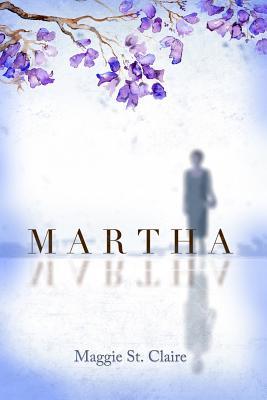
    In the unique and compelling voice of an aging woman teetering on the edge of financial ruin, Maggie St. Claire’s debut novel, Martha, takes the reader from affluent residential areas of Los Angeles to its urban streets of despair, shadowing a 71-year-old, retired bank teller as she comes to grips with the challenges and adversities that threaten her existence.
    This is the story of Martha Moore, many years divorced, estranged from her only child, and living a lie, as she enters her golden years. The most important things in her life, outside her pride in her desirable Hancock Park bungalow, are her book club friends. She attends their meetings dressed in her finest, projecting what she hopes is the image of a well-educated, well-to-do, Los Angeles dowager. The three wealthy women who comprise the remainder of the group are her best, perhaps only friends, and sometimes that’s a stretch.

    In reality, anxiety and fear permeate her psyche as Martha struggles with uncertainty, failing health, food insecurity, and dwindling finances. Impoverished and alone, she is learning to live by her wits, filching food from many sources and raising money in unorthodox ways.

    Martha’s handbag is filled with things from the kitchen that will never be missed when she leaves book club meetings and after times she volunteers at her church—she helps with the food bank and clothing donations, earning stars in her crown. She’s the sweet little old lady schmoozing her way to the buffet at local weddings and/or funerals, or the seasoned businesswoman whose nametag has been misplaced at conventions and rallies—a chameleon in sheep’s clothing, one might say.

    Such events are her food sources. Of course, they don’t pay the overdue bills or the taxes. She worries how long it will be before she loses her home.

    Then, seemingly, the planets align.

    After finding her friend’s large emerald and diamond ring on the bathroom counter at a book club meeting, Martha sticks it in her pocket, intending to return it. Later, at home, she finds it still in her pocket. She had intended to return it—hadn’t she? Conflicted, she vacillates between fears of losing face or being thought of as a thief, and the urge to keep the ring until she can sell it and raise some badly needed cash. When she decides, the die is cast. She’ll sell the ring somewhere in one of the many jewelry venues abounding in the city.

    Because she doesn’t dare, doesn’t know-how, and fears being found out, it was a fruitless decision until an indigent, young woman with her own problems enters Martha’s life. Then, everything changes …

    Throughout the story, the direction of Martha’s life has been dictated by both changing circumstances and the choices they engendered. Ultimately, she must make a choice that will permanently change the rest of her life.

    While the reader may “bump” out of the story by grammatical and formatting errors, they are drawn back in by the author’s complex characters, vivid imagery, and authentic dialogue and setting. In Martha, Maggie St. Claire has deftly chronicled troubling social issues that often go unnoticed in today’s world, within the context of one woman’s life.

    More than just a good read, Martha is a relevant, provocative, and memorable story that lingers long after the book is closed.

     Martha won First in Category in the CIBA 2019 Somerset Awards for Literary fiction.


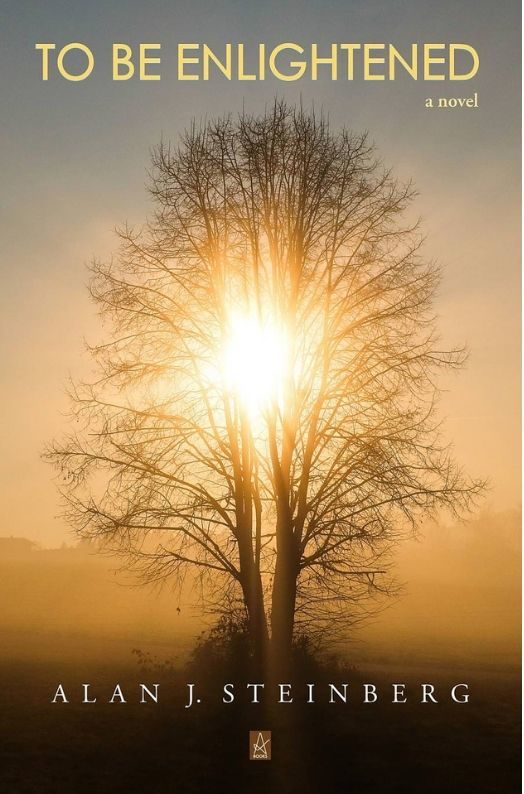
  • TO BE ENLIGHTENED by Alan J. Steinberg, MD – Metaphysical Science Fiction, Magic Realism, Metaphysical and Visionary

    TO BE ENLIGHTENED by Alan J. Steinberg, MD – Metaphysical Science Fiction, Magic Realism, Metaphysical and Visionary

    If you have never read a work of philosophical fiction, be prepared—it’s not fluff.

    Dr. Alan J. Steinberg’s latest work in some ways echoes other works with similar themes, e.g., Nietzsche’s Thus Spoke Zarathustra, or Siddhartha by Herman Hesse. But To Be Enlightened provides a distinctive, twenty-first-century take on setting and characters, giving it a uniquely California flavor.

    In a tale of ambivalence and obsession that would captivate a Freudian psychologist, Steinberg uses the main character, Abe Levy, a conflicted philosophy professor at a Southern California college, as a vehicle to recount the philosophical underpinnings of Transcendental Meditation, relating the tenets of Indian Vedic philosophical beliefs to those of Western and Middle Eastern civilizations over the ages.

    Abe’s conflict is both spiritual and mundane, affecting every aspect of his life.

    When he was fifteen, Abe experienced an inexplicable, life-altering event. At that time, two strangers transported him to another plane of existence—heaven, if you will—on another planet. There he lived a joyful, perfect life without the complications of sex, avarice, or any of the seven deadly sins, with a soul mate whom he had known forever. One day, when he was very old, the same two strangers returned him to his previous adolescent existence on earth.

    From that time, Abe’s obsession has been to return.

    Stuck in 21st century California, he is ambivalent toward his wife, Sarah, whose anxiety and panic attacks, along with her healthy libido, both distract from and interfere with the meditations that will transport him back. Abe is happiest when teaching The Insider’s Guide to Our Self, which allows him to escape his worldly concerns and responsibilities and focus on enlightenment. When Sarah masters the technique and joins him in advanced night meditations, Abe is delighted. However, he doesn’t anticipate what comes next.

    A well-crafted book, To Be Enlightened is weighted with philosophical thought from multiple sources, documented with citations and footnotes worthy of a doctoral dissertation. Most of this, presented in classroom scenes, slows the pace—only the repartee between/among the students and professor save it from a complete stall. However, quirky characters and unexpected events, while stretching credulity, keep it alive.

    Worthy of finishing—the reader should be prepared to set aside the time and patience it demands. To Be Enlightened is sure to illuminate the unenlightened readers, expanding their understanding of eastern philosophy and religion.


  • VICTORIAN TOWN by Nancy Thorne – Y/A Time Travel, Y/A Historical Fiction, Y/A Historical Romance

    VICTORIAN TOWN by Nancy Thorne – Y/A Time Travel, Y/A Historical Fiction, Y/A Historical Romance

    There isn’t much to do in Little Current, Abby Parker’s hometown. Desperate to escape her alcoholic mother and absentee father’s drama, Abby Parker takes her dog Riley for a walk near the local tourist attraction, Victorian Town, a restored settlement from the 1800s. When Riley unearths a silver filigree ring engraved with the initials “BB,” Abby doesn’t hesitate to slip the ring onto her finger. In a haze of white, Abby is transported back to 1876.

    Abby’s strange clothes and unfamiliar words quickly warrant a visit to the town doctor, Albert Edgecombe, where she meets Martha, his teenage daughter. With Martha’s kindness and easy nature, the girls form a fast friendship despite Abby’s confusion and constant questions. Soon she realizes when the ring is removed from her finger, she returns to her own time. Though warned repeatedly by her modern friend Jess, Abby cannot resist returning to 1876 and Martha’s family. Martha’s older sister, Elizabeth, seemingly left town though no one can confirm her leaving. The mystery of the missing Edgecombe sibling and a connection to the local blacksmith, Ben Dunstone, piques Abby’s interest until she can’t resist defying the laws of nature and returning frequently. However, the ring’s power is draining, and Abby will soon have to choose between the twenty-first century and the new family she has found.

    The place of women in 1876 creates an issue for Abby and a theme within the novel. Abby is clearly a modern girl, independent and opinionated. In typical late-teen fashion, she arrives unabashed and uncensored in the quiet Victorian town. Even after she finally understands her “transport,” she refuses complete conformity, continuing instead to both shock and scandalize Martha Edgecombe. Her struggles exemplify most women’s lives and are symbolized in many ways by the simple task of dressing to fit in. In a time of corset, pantalettes, and bustles, Abby is a “shorty-short” girl. Just as she fights her garments in what should be an easy task–dressing for the day–she fights the notion that women should settle, not in their attire and certainly not in their life choices. When Martha mentions women’s roles, those of mother and wife, Abby scoffs and is even disgusted by the suggestion that that should be a good life for a woman. Repeated references to the fairytale Cinderella and Abby’s refusal to want the rescue of a handsome prince highlights her feelings and her appreciation of the place of modern women.

    Friendship is another important notion within the novel. Jess, Abby’s modern bestie, is a significant part of Abby’s life. Abby has little to no family support; her mother is an alcoholic, while her father stays gone most of the time. Even Abby’s brothers, who are adults, are absent from Abby’s life. Other than her sheltie, Riley, Abby is alone. Jess is her only real human connection until she develops a close bond with Martha. Both friendships mean more to Abby than anything. She turns to Jess for advice in her time travels. Martha becomes a sister to her when the Edgecombe family welcomes Abby into their family after her abrupt arrival in 1876.

    Abby’s closeness to Martha keeps her returning to the past, though her chances of being stuck there increase with each trip. Moreover, she is hurting Jess by venturing into the past. This pull keeps bringing Abby back to the present even when she begins to feel drawn to the past. Though she must eventually choose between Jess and Martha, both girls have a firm claim on Abby’s heartstrings and give her the family she chooses instead of the one into which she was born.

    Abby’s sense of purpose is an admirable trait that gives her character a strong, heroic feel. Abby cannot let go of Elizabeth’s disappearance. She refuses to stay safely tucked into her own time when a possible murderer is wandering around in the distant past. Nearly from the first trip, Abby feels she was “chosen” for a reason and beyond determined to discover what that might be even at significant physical and mental risk to herself. What begins as a mystery becomes a rescue mission when Abby finds her friends’ fate through historical documents. Abby cannot leave the fate of Martha and Ben to chance.

    Victorian Town won First in Category in the CIBA 2019 Dante Rossetti Awards for Young Adult fiction novels.


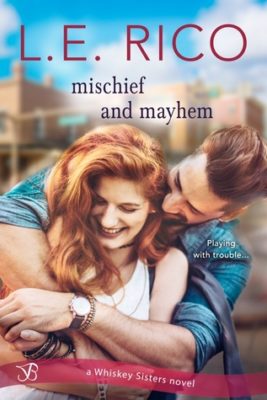
  • MISCHIEF and MAYHEM (Whiskey Sisters, Book 2) by L.E. Rico – Clean and Wholesome Romance, Small Town and Rural Romantic Fiction, Romantic Comedy

    MISCHIEF and MAYHEM (Whiskey Sisters, Book 2) by L.E. Rico – Clean and Wholesome Romance, Small Town and Rural Romantic Fiction, Romantic Comedy

    Jameson O’Halloran never asked for her life to be so complicated and unpredictable. She never asked for a cheating husband, never asked to be in charge of her father-in-law’s life, and indeed never asked for her brother-in-law to show up looking so irresistible. Since her recent divorce, Jameson has focused on rebuilding her life without the dream family she always wanted. Her toddler, Jackson, takes up most of her time, and when she isn’t caring for him, she is helping her sisters run the family pub in Mayhem, Minnesota, after the death of their father. Jameson is NOT looking for love, not now, maybe not ever again. Still, when her ex-father-in-law suffers a stroke, she is forced into the very delicate position of health proxy for the seriously ill man she still considers family. However, she isn’t alone. Big Win Clarke named a co-proxy, his estranged second son, Scott. Scott, a Project Peace employee, has spent the last ten years abroad, running from his father and from himself, but when he is called to his unconscious father’s bedside, he knows those years spent abroad were a mistake, one he may never get to correct if his father doesn’t recover. When he lays eyes on his beautiful ex-sister-in-law, he can’t deny the attraction drawing him to her. Together they must uncover the truth behind the mystery that sent him running years earlier and hopefully find themselves along the way.
    The family bond is a strong theme within this novel. The contrast between the close-knit O’Hallaron sisters and the volatile Clarke brothers is significant to every part of the plot. The “Whiskey sisters,” Hennessy, Jameson, Walker, and Bailey, function as a solid unit. Named by their pub-owning father, these girls share more than their unique names; they have solidarity, which is touching and profound. Even when they argue, they know the immense love they have for each other will never fade. Pulling together to run the family business after their father’s death, these women willingly sacrifice for the legacy left them by their parents. Having lost their mother, the girls have been both mother and sister to each other. They celebrate triumphs and mourn their loss as one, filling in the gaps in their lives with sibling unity. Jameson can’t fathom going days without seeing her sisters, holding them, confiding in them, let alone years.

    On the other hand, Scott and Win Clarke (junior) have never had and likely never will have that bond. The brothers have spent their lives at odds with one another, keeping secrets and driving a wedge in what could be the most enduring relationship of their lives. For Win, jealousy pushes him to exploit Scott’s weaknesses, and Scott’s need to escape keeps him from discovering the truth behind his family history and from forging a bond with his ill father. Just like the Whiskey sisters, the Clarke brothers have also lost their mother, but where that draws the women closer, it only serves as the catalyst for pushing the men apart. It isn’t until Scott begins to lean on Jameson that he finally sees what family should be. The Whiskey sisters show Scott the strength behind sibling loyalty and help him face the revelation that changes his life.

    Like most novels of this genre, this second installment of this series is chocked-full of romance but with a refreshing burst of humor that will leave the reader LOLing! Scott Clarke is sigh-worthy on every level, and like most male protagonists in a romance novel, he struggles with the notion of settling down and committing to any woman. He’s unsure he can give up his nomadic life while feeling drawn to the idea of a home of his own, a family to come home to every night. Jameson has been hurt in a way only adultery can hurt. She feels unworthy of love and bitter that her picket-fence dream has been shattered by the only man she’s ever loved. In many respects, the plot is traditional for the genre, but the light-hearted nature of Scott and Jameson’s budding relationship is the real gem. In scene after scene, these two–and many of the other characters as well–will leave the reader in stitches. One of the novel’s best parts is Scott’s interaction with Siri, a novelty he has just discovered since his return to civilization after years in remote locations with Project Peace. Numerous chapters end with Scott’s philosophical discussions with his voice-activated assistant, and his first experience with Facetime is priceless! With scenes that will leave you swooning mixed in, the reader will not be disappointed with this clean, wholesome romance.

    Character building, not just for the protagonist but with the entire cast of Mayhem, is a strength of the whole Whiskey Sisters series. From psychic baker to gossipy priest to celebrity cat sweater maker, the characters shine. Each of the O’Hallaron women has her own distinct personality, offering a promising glimpse of what is to come in the series. The reader will love her visit to this picturesque town and long for the cozy comfort of O’Halloran’s pub. The entire town is a unique tapestry with love woven into every scene. [Read our review of Blame it on the Bet the first book in the Whiskey Sisters’ series.]

    Mischief and Mayhem won First Place in the CIBAs 2019 Chatelaine Awards for romantic fiction.


  • WHERE EAGLES NEVER FLEW by Helena P. Schrader – Military Aviation History, Historical WWII Fiction, WWII Fiction

    WHERE EAGLES NEVER FLEW by Helena P. Schrader – Military Aviation History, Historical WWII Fiction, WWII Fiction

    The Royal Air Force struggles for control of the British sky, facing down the daunting numbers of Luftwaffe aircraft across the English Channel. At the forefront of these battles, the Royal Air Force’s young pilots fight to survive under mounting pressure and deadly German Messerschmitts.
    Where Eagles Never Flew follows the Battle of Britain as squadrons of the RAF must make do with undertrained pilots and little sleep if they want any chance at repelling the Luftwaffe bombing raids that become more and more frequent as the battle rages on. Operations rooms plot and direct the paths of aircraft, with members of the WAAF—Women’s Auxiliary Air Force—fielding waves of communications to and from the skies. Robert “Robin” Priestman flies on the front lines, dedicated to the fight despite weeks of unending tension and the great challenge of keeping his squadron awake and alive despite sortie after sortie.

    Helena P. Schrader brings a wealth of knowledge to her story to make this one of the most authentic and well-told stories of the Battle of Britain we have ever read. The planes practically come alive in detail and clarity, both on their own and through their pilots’ maneuvers. Hurricanes, Spitfires, Messerschmitts, and more play out the breath-taking dogfights and bombing runs. Schrader takes time to show the small, vital differences between them all.

    This realism extends to the characters themselves. The pilots, Ginger and Banks, worry what their squadron thinks of them and whether they will ever belong with the more experienced pilots who go into battle beside them. Emily Pryce, a volunteer at the Salvation Army, struggles with her pacifist ideals even as she falls for Robin, who risks his life every time he climbs into the air. The characters come to us as individuals who are authentic, relatable, and unique.

    Schrader balances tension expertly between thrilling dogfight scenes and the more peaceful moments. Numerous perspectives tell this story, showing varied and sometimes deeply contrasting views on the Battle of Britain. From RAF pilots’ eyes to the Luftwaffe airmen, Schrader fleshes out her story with style. At the same time, she uses scenes of aerial battles and daily life as an opportunity to build a sense of impending danger, which becomes an all-encompassing nail-biter as the pilots of the RAF fight for victory.

    Where Eagles Never Flew doesn’t shy away from either love nor loss and, in fact, takes the opportunity to sit with the characters in their pain, their grief, and their frustration. The morale of individuals and squadrons – even the whole RAF is palpable on the page. What ties this story together is the incredible resilience and camaraderie of the pilots, airmen, and WAAFs, despite the danger and death looming over them.

    Schrader delivers a winning WWII account of the Battle of Britain that resonates with authenticity and will quickly find a place of honor on the shelf. In short, here’s a historical fiction novel that readers will find hard to put down. Highly recommended.


  • The NATIONS by Ken Farmer and Buck Stienke – African American Historical Fiction, Old West History in the USA, Western Fiction

    The NATIONS by Ken Farmer and Buck Stienke – African American Historical Fiction, Old West History in the USA, Western Fiction

    “Return now to those thrilling days of yesteryear,” may sound familiar. It’s the opening for the radio version of The Lone Ranger.
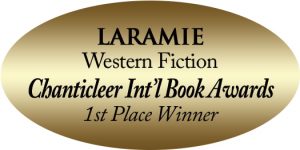
    It’s also an appropriate introduction to The Nations by Ken Farmer and Buck Steinke and not just because the dialog will ring in the reader’s ear as very reminiscent of plenty of classic TV and movie Westerns. But also, because the hero of The Nations, Deputy U.S. Marshal Bass Reeves, may have been the inspiration for the Lone Ranger himself.

    Reeves, born in slavery, was the first black Deputy U.S. Marshal west of the Mississippi. He was also one of the most successful Deputy Marshals of his own or any subsequent era, arresting over 3,000 felons during his long career, but was never wounded by any of the desperate criminals he brought to justice.

    But this story, the first in a 10-book series – at least so far – fictionalizes Reeves’ exploits into something that will be savored by readers looking for the kind of story that Louis L’Amour, Zane Grey and Elmer Kelton used to write – and that William Johnstone still does.

    This adventure pits Reeves and his partner, Deputy U.S. Marshal Jack McGann, against a gang of outlaws known as the Larson Brothers’ gang after its leaders Wesley and Ben Larson. The brothers typify different stereotypes of outlaws, with Wesley as the leader and voice of reason who is in it for the money, while his younger brother Ben is a killer because that seems to be how he gets his kicks.

    The story begins with Wesley and the gang rescuing Ben from the clutches of the law after Ben gets himself captured – yet again – by being overconfident and disobeying his brother’s orders.

    That escape begins a cat and mouse game between Reeves and McGann and the Larson gang, as Ben is captured again, his brother helps him escape, and the lawmen become even more determined to bring them in.

    The Nations reads like a classic western tale of the school of Louis L’Amour and Zane Grey. The lawmen are always on the side of angels, and the outlaws are forever threatening the towns, laws, and lawmen. There’s no question about which side represents the “good guys.”

    And there’s no question that compassionate, professional Reeves is the star of this story. What makes this story shine – is Reeves truly was as good a lawman as the story makes him out to be, a good tracker, an excellent marksman, good at disguises, kind but fair to those he captured – and always riding a white stallion. If any of the above sounds familiar, it’s all part of the reason that some believe Reeves was the inspiration for The Lone Ranger.

    The Nations, and the entire series that follows it, will be loved by readers of those classic westerns and is recommended for that audience.

    Simultaneously, there are welcome differences from the typical stories of those “thrilling days of yesteryear.” Bass Reeves is the hero of this otherwise classic western who hands out evenhanded treatment of all the characters despite the color of their skin.

    Even the female characters are a bit more well-rounded than is usual for the genre, again on both sides of the law. But this story still centers on the male characters – who spend more time with their horses than they do with the women in their lives.

    This story’s grounding is in real history, not just in the characters of Reeves and McGann, but also in the background character of “Hanging Judge” Isaac Parker, who sent the Marshals out to retrieve criminals to be tried and frequently executed. That portrait of life in the American West in its heyday will appeal to readers who are fascinated with that period – and they are legion.

    The Nations won First Place in the CIBA 2014 Laramie Awards for American Western Fiction.


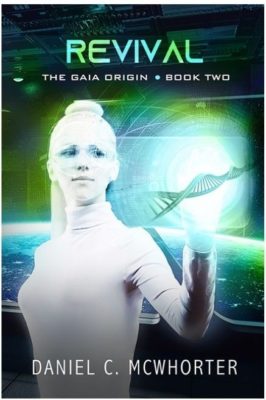
  • REVIVAL (Gaia Origin, Book 2) by Dan McWhorter – Colonization Sci-fi, Genetic Engineering Sci-fi, Artificial Intelligence Sci-fi

    REVIVAL (Gaia Origin, Book 2) by Dan McWhorter – Colonization Sci-fi, Genetic Engineering Sci-fi, Artificial Intelligence Sci-fi

    Artificial intelligence (AI) is an increasingly crucial technological development in human affairs, both for its enabling and disruptive powers. Revival, the second volume in the Gaia Origin series, gives us an astonishing glimpse of what role AI could play in the future of the human race. It’s both scary and exhilarating.

    A small group of people have escaped a near-dead Earth and traveled lightyears to reach a new Earth-like planet named Gaia by its human visitors. Chief among them is Evan Feldman, his wife, daughter, granddaughter, and a few Feldman extended family members. All of them were the masters of an Earth-bound corporation called Tel­­ogene, a multi-billion-dollar megacorporation dedicated to extending the possibilities of human life with revolutionary medical science and technology. Their transportation across the universe on board the Kutanga. The spaceship is large enough to contain some four thousand humans in suspended animation awaiting the day when the human race can establish a new home now that the home planet was all but destroyed by a disastrous and deadly plague.

    But here’s where the book takes an unexpected, radical turn. It seems that the passengers, as we would generally think of them, are all dead – that is, their biological, physical bodies are all gone. Instead, an AI super-intelligent computer named Aneni cares for and keeps the essence of these humans alive. Instead of natural bodies, they have become androids in humanoid form. Virtually all human functions have been duplicated except for the need to eat. The most remarkable is their brain functions, all of which have been “recorded” to function in their new bodies. Who they were as humans, their ability to think, feel, remember, love, hate all remain intact. Every function, including their thoughts, is monitored and potentially controlled by Aneni. Including the ability to modify their thoughts and feelings if the computer believes it would contribute to their well-being. If they become too troubled, they can be digitally “rolled back” and the troubled portion of their lives eliminated.

    So, are they still human? And what happens when they realize the computer Aneni is more akin to them than human beings? And who can tell when even their memories are not reliable, and, instead, a composite of other people’s memories kludged together to reconstruct a human being whose brain was too damaged when their earthly body died? What happens when they realize their essence is as editable as any other digital data: able – like any other data – of being backed up, or erased altogether?

    Before the story ends, readers will experience a fully imagined, detailed alternate world. Eyes will be opened up to an exploration of DNA and brain science, and even the theories of relatively obscure writers such as Zecharian Sitchin and Erich von Daniken, both of whom hypothesized that we, the homo sapiens of Earth were created or planted there by alien astronauts.

    Some sci-fans may see echoes of the book Altered Carbon by Richard K. Morgan, a novel that allowed a human’s essence to move from body to body. The recording and manipulation of that same essence in Gaia: Revival takes that manipulation a significant step further in its creation not only of digital humanity but in a benevolent AI responsible for protecting that humanity at a cost measured by the very concept of what is a human being.

    Don’t expect this book to deliver a collection of sci-fi shootouts. Only a few characters stand out, notably Evan, the founder of Telogene, who yearns for decades to see his long-dead wife brought to life, and their daughter Lily. She best expresses the anguish of trying to come to terms with this extreme version of being human. If you enjoy a thinking person’s science fiction, more in the tradition of Isaac Asimov than Robert Heinlein, this is a book for you.

    McWhorter has pulled off something original and rare. This is science fiction at its speculative best. The issues it raises will remain with you long after you’ve finished reading the book. Highly recommended.

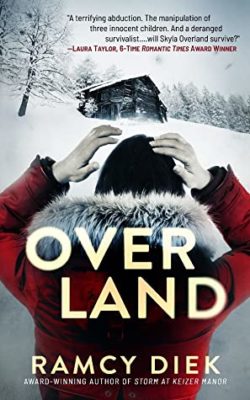
  • OVERLAND by Ramcy Diek – Women Sleuths, Romantic Suspense, Kidnapping Thrillers

    OVERLAND by Ramcy Diek – Women Sleuths, Romantic Suspense, Kidnapping Thrillers

    Overland by Ramcy Diek mashes genres with a deft hand, combining romance with mystery/suspense/thriller successfully and with surprising results. As the story begins, we meet Skyla, a tough, independent woman. She learns very quickly that she is not immune to harm. In the span of a few seconds, Skyla finds herself in mortal danger.

    It only took one kiss to distract Skyla. Troy, who is not her boyfriend, is equally distracted by the kiss he initiated. Neither notices the man stalking her – until it’s too late. Troy blames himself for Skyla’s abduction and works overtime to help find the woman he loves, even if she is dating another man.

    Author, Ramcy Diek, sets her novel in the Portland, Oregon area, crossing into Washington state to add another twist for us to mull over as we try to solve the crime that puts our protagonist, Skyla, in a remote place with little chance of escape.

    The villain, Bjorn Rikkerson, is a brutal man, abducting and imprisoning our heroine – and much worse. Add three innocent children to the mix, and the complexity of the plot increases in tension and sympathy. Will Skyla survive? Will Troy find her in time?

    Meanwhile, Skyla’s parents and Troy work with the police, contact local papers and TV stations, and worry about Skyla. Everyone is desperate for clues. When Edmond, the real boyfriend, arrives on the scene, readers will measure him against Troy to ascertain the better man.

    Skyla’s father, Harold, hires Kim Lowe, a private detective, to put another set of eyes on the evidence and to have someone reporting to him about the case. Kim Lowe tries to work with Police Captain MacMillan, who is assigned to the case. Together they wrestle for authority and race to find Skyla as they follow clues that lead to dead ends, and some that don’t lead anywhere. Their rivalry provides tension and twists as they search for Skyla.

    Diek does an excellent job of developing Rikkerson’s children as real kids, not just props in the story. They cry they rebel; they argue, sulk, and talk back. They get sick, beaten, go hungry, and grow to love Skyla, who treats them like the mother they lost. All the while, Skyla wracks her brain, trying to figure out who Rikkerson is and why he wants her.

    The author provides a caveat to fans of her previous books that this one has graphic violence and is a step removed from her usual romance themes. Readers should take that to heart, but they shouldn’t be put off by it. This book is a page-turner that will keep fans on the edge of their seats, wondering if Skyla will survive her ordeal or live the rest of her life in a little cabin in the woods.

    With its nail-biting tension and satisfying denouement, the grand finale will thrill fans old and new alike. Ramcy Diek brings us home in a jagged, emotional mess that sorts itself out as best it can in an imperfect world.

    An excellent read and one we highly recommend.


  • MY SISTER’S SUPER SKILLS by Lauren Mosback, MA, LPC, NCC – Family Health, Child Psychology, Children with Disabilities

    MY SISTER’S SUPER SKILLS by Lauren Mosback, MA, LPC, NCC – Family Health, Child Psychology, Children with Disabilities

    During these uncertain times, recent news reports have indicated that children as young as three years old can experience symptoms of anxiety and depression. Clearly, emotional upheaval is at an all-time high. Luckily, child psychologist, Lauren Mosback is here with her new book, My Sister’s Super Skills. A tale that provides a fun and entertaining kid-friendly book that offers up healthy coping tools to help manage stress and promote positive emotional development for even the youngest of sufferers.
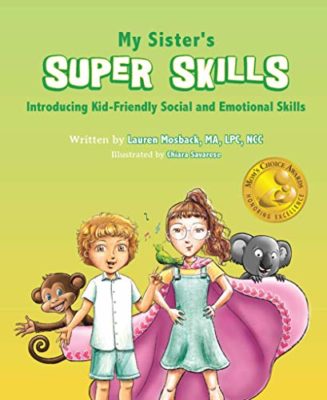
    Here, fearless big sister Lily featured in her raspberry pink cape, serves as the motivational guide for her young brother David as he struggles to understand and deal with his mixed emotions. This smart, adoring, be-spectacled heroine offers simple little tricks to help her sibling feel better. Her advice of “Name your feeling to begin the healing,” sets in motion an offering of interactive remedies that help David navigate his worrisome thoughts and gain a more positive outlook.

    Mosback creatively chooses various animal actions to connect with each newly taught coping skill. Whether doing deep breathing like a horse, repeating self-affirmations with the strength of a lion, playing like a dolphin, or relaxing and cozying up like a Koala, the imaginative suggestions are entertaining and relatable for youngsters. Further sage advice: smiling, singing, painting, and even self-hugs, all positive affirmations that encourage kids to look beyond their uncertainty and incorporate these unique strategies when they are feeling overwhelmed.

    Eye-catching illustrations by Chiara Savarese are a major component of the story and provide the perfect complement to the casual rhyming style of the narrative. Amidst the portrait of a horse with his flapping lips, and images of a bubble-headed Lily in a relaxing bath, riotous laughing chimp faces, and a P.J.-clad monkey/child dancing on a bed, the visuals bring whimsy and humor to the story and enhance a playful tone. Bright, crisp, and bold coloring lends a vibrant air to the pages.

    Initial details of a troubled David evidenced in the sad eyes and the weight of a backpack heavy on his small shoulders showcase the toll of negative emotions. As the tale unfolds, suggested behaviors put into practice ultimately reveal a happier, wide-eyed youngster learning to deal with his problems.

    As a licensed children’s counselor, Mosback has smartly tapped into relevant subject matter reflecting the tumultuous state of our daily lives. In this well-crafted, engaging story, the highlight of a caring sibling relationship, and the clever offering of ways to manage feelings like sadness, frustration, anger, or fear proves an appropriate and timely gesture. While the work is primarily intended to promote emotional health and well-being for children, the core message is clearly relevant for readers of all ages. A charming worthwhile read reminding young and old alike to “think positive thoughts” and that “tomorrow will be a fresh start.”

    My Sister’s Super Skills won First Place in the CIBA 2019 Little Peeps Awards for Children’s literature.