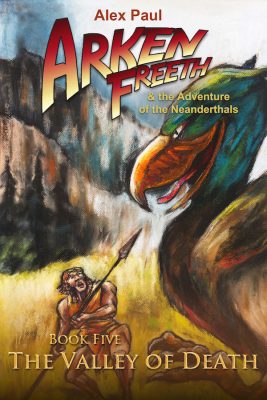
The Valley of Death, Book Five in the Arken Freeth Middle-Grade series, continues the story of a heroic young man in a land before time.
The book is the latest chapter in the swashbuckling saga of Arken Freeth, a hero who will eventually become the central figure of his era, 11,000 years before the Roman era, as powerful and wise as Alexander the Great would be to his time. The many readers of the award-winning series know his adventures as a teenager in the land of the Neanderthals, or Nanders as they are called, along with his royal friend Asher, heir to the throne of Tolaria, and the young woman Talya. They know his Nander blood brother Ord, the evil pirate Yolanta, king of the Tookans, and the vile Gart whose life he saves despite their difficulties.
These familiar figures return in the latest thrilling installment. A war between the leading factions of the time, the Amarrats, the Lanthians, and the Tolarians is on the brink. The central prize that all desire: ownership of the necklace of Tol, which possesses enormous powers such as foretelling the future to those who own it. The quest to own the necklace is such that war is being threatened by the Amarrats against the Lanthians in order to possess it. Arken, who placed the necklace in the hands of the Nanders, is now the one person who can successfully stop the bloodshed by retrieving the necklace.
The dramatic story of freeing Ord, who has been captured and enslaved by Gart’s family, backed by the King of Tolaria, becomes one of Arken’s biggest challenges. He who owns Ord will enable the recovery of the necklace and all of its powers since Ord is related to the Nander family who now possess the necklace. Those who would free Ord, the families, and their extended families, face death for their treasonous actions. It takes all of Arken’s cunning and leadership to forge a plan allowing he and his family, facing death, to free Ord and escape with him, return him back to his people, repossess the necklace and place it in safe hands away from those who would abuse its powers.
We get to know the families of Arken, Asher, and Talya as they explore their individual futures as well as their intertwined fates. A soothsayer tells of Arken’s fate as the savior of their world, even though he is only 14 at the time of this volume. Arken plans to marry Talya when they turn 16, a relationship that began in a previous volume in the series. Asher, a prince, is destined to become a ruler in his world. His sister, Sharmayne, is set to marry another prince to cement their family’s alliance with the power structure but is resisting with all her might.
The discovery by Arken, Asher, and Talya of the major invasion secretly planned by the Amarrats to conquer Lanth is is a huge new development. Can Arken and his friends, fleeing the wrath of the king of Tolaria, warn the people of his country about the attack, plan a sneak attack that will thwart the massive Amarrat forces, and arm friendly Nanders with weapons in order to fight the Amarrat forces? Stay tuned.
The continuing story of Arken and his friends, details that make this book a delight for fans of the series, almost like participating in a members-only club. Hopefully, the colorful exploits of these daunting youthful heroes portrayed in The Valley of Death might just encourage readers experiencing the world of Arken Freeth for the first time to go back and read the whole series.
Alex Paul’s Valley of Death won the Grand Prize in the CIBA 2019 Gertrude Warner Awards for Middle-grade fiction.
Daniela Rose Cavanaugh is the Orphan Dreamer, destined to travel time and space and to protect the world from a demon who’s already set his sights on her. But as a young black girl in the American south, all she wants is a friend who understands her well enough to be called a kindred spirit. J. Nell Brown paints a vivid picture of Daniela’s alienation from her peers; her thoughts are clear as she questions God’s choice of her as the Orphan Dreamer, as Daniela’s depression, guilt, and sense of inferiority clash with her divine mission. Daniela desires to be “normal” and love herself with the help of a friend she hasn’t met yet. Her strong character voice carries the story forward, under the crushing weight of the world and the fate of her best friend on her shoulders. When she loses an arrowhead on a journey to the past, Daniela faces disbelief from those around her. What if others label her as ill and lock her away? Orphan Dreamer and the Missing Arrowhead is an impeccably paced story, full of the complex thoughts of a girl who yearns for connection.
She Laughs Last
Gertrude Smith rides a Greyhound bus to meet her soon-to-be-born granddaughter. She reads about the science of dimensions and muses on the destiny waiting for her granddaughter, Daniela Rose Cavanaugh. The past haunts her ride, as she remembers the murder of her son at the hands of a racist mob in a Greyhound station years ago; grief, love, and fear for her family mingle while she wears a false smile, hiding the turmoil inside her from the other passengers. She Laughs Last explores how false happiness can eat at someone and how much the social obligation to appear good-natured is worth. Can truth and trust be buried by lies and doubt? But surrounded by people—one of whom is the fancy scientist who wrote her book on dimensions—the isolation of being judged presses on Gertrude, adding only more reason to wear a mask. The scenes of Gertrude riding the bus are intimate and filled with emotion, dwelling on her thoughts and memories. Elsewhere, in the cosmos, the demon Nomad plots against the world and the Orphan Dreamer, planning to drown Daniela in depression. Gertrude speaks to her granddaughter, as the story’s themes of truth and faith come together in her words.
Little Peach Lies
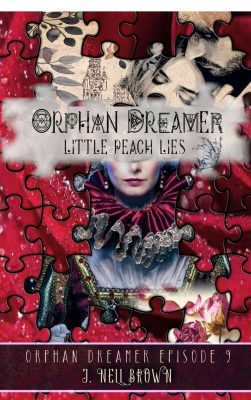
Charlotte Cairstine McDonald’s research intrudes on her dreams. She sees the ghostly story of Mary, Queen of Scots, and feels a strange connection between herself and the long-dead monarch. In her waking life, Charlotte is embroiled in her own royal drama. She intends to marry Charles Darbyshire, grand-nephew of Queen Elizabeth, but the secret of her pregnancy threatens to throw both of them into a devastating scandal. Charlotte rides the highs and lows of joy and fear at the prospect of her new family, while the phantom visions of Mary grow darker. Charlotte is a lively protagonist whose chemistry with the other characters—particularly Charles—makes Little Peach Lies a delight to read. The descriptions are flavorful and quickly set each scene, giving space for the story to explore the pull between freedom and obligation, independence, and family legacy. The past repeats itself, as secrecy leads to danger.
All three stories, connected over space and time, are powerful portraits of three women trying to move into new stages of life—whether that be grandmother, mother, or hero. The past follows them; fear and guilt are clear to see in their internal monologues and hampers their connection to the people around them at every step.
Nell Brown illustrates the divide between how the world sees her protagonists and how they want to be seen. The descriptions show what these characters love about the world, what makes them happy and interests them, while complex emotions swirl in their heads. Orphan Dreamer and the Missing Arrowhead, She Laughs Last, and Little Peach Lies are all united by the central theme of family, trying to connect with and do right by the people one loves, the need to have faith in one’s self before that faith can genuinely extend to others. These characters’ unbearable yearning to find someone who understands them, truth and all, will resonate with all readers. Highly recommended.
As we step toward Valentine’s in quarantine, we might be a little further from our loved ones than normal, but hopefully that doesn’t mean we’re further away from love. Just like we can stay in touch with each other in different ways, we can take a moment to appreciate the different types of love we still have access to.
Love is a gross exaggeration of the difference between one person and everybody else. Like all young men, you greatly exaggerate the difference between one young woman and another…. And the only way to make sure of that is to keep changing the man; for the same man can never keep it up. – George Bernard Shaw
Now we like Shaw for his obscure connection to our Chatelaine Awards, which you can read about here (the long and short of it is that Shaw based Eliza Doolittle’s character from My Fair Lady off of Jane Morris, the woman, Jane Morris, in the Chatelaine portrait by Dante Rossetti).
Anyway, Shaw’s opinion on the ability of men to offer variety aside, did you know the Greeks have seven different names for love? Let’s dive in!
The Greeks Seven Names for LOVE with Recommended Book Titles from Chanticleerian Authors whose works we love.
1) Eros:
Eros is what we normally think of when we first hear the word love, the romantic and the passionate. Here are some great titles we recommend for the Eros readers out there.
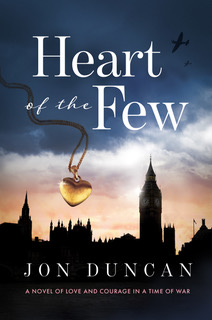
Heart of a Few by Jon Duncan: It isn’t distance that makes the heart grow fonder in this novel, but the thrill of trying to save the world from fascism in WWII. Here the aristocratic Livy Ashford falls for pilot Jamie Wallace. Like the couple’s passion for each other, the reader’s own delight will draw them through this book in a flash!
The Skeptical Physick by Gail Avery Halverson: Fire, plague? Nothing can keep these Simon McKensie and Catherine Abbott apart! Gail Avery Halverson dives deep into the romance and the historical details that inspired the background setting for this whole novel. Winner of the Grand Prize in the Chatelaine Awards
2) Philia:
Philia is more of the love for our intimates and friends, those who we choose to keep close to us. Titles for the friendly readers out there.
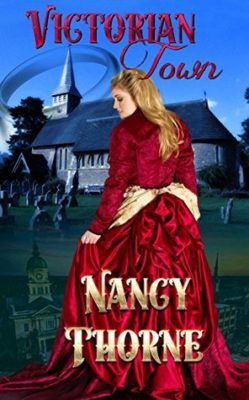
Victorian Town by Nancy Throne: A Time Traveling young woman finds friendship and joy in the past. Abby Parker never quite felt she belonged at home, but a magic ring that transports her back in time gives her a chance to make real connections and stand out in a time where outspoken women are often pushed to the side. First Place Category Winner in the Dante Rossetti Awards
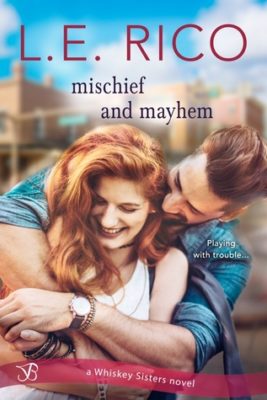
Mischief and Mayhem by L.E. Rico: Jameson O’Halloran might be surrounded by steamy looking men, but don’t be fooled. This story focuses most on the ties of family and the family we choose as we move through this veil of tears to live our best life. First Place Category Winner in the Chatelaine Awards
3) Ludus
Ludus is a close cousin of Eros, the playful, flirtatious love that is a little harder to make work over a Zoom room. For all you sassy flirts, we recommend the following
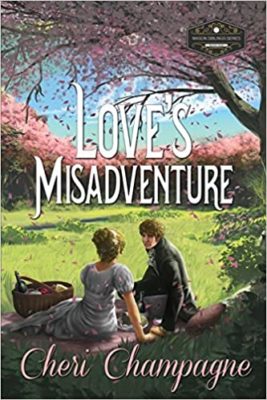
Love’s Misadventures by Cheri Champagne: The title says it all as you jump into Miss Anna Bradley’s hurried search for a husband, being in danger of forever living as a spinster at the ripe old age of 25. Written in the tradition of Jane Austen for the modern reader, this novel features debonair gentlemen who can keep their distance and pack a picnic, while delightful friendships make up a wonderful background cast of characters. First Place Category Winner in the Chatelaine Awards
Secrets Revealed by Kate Vale: Sometimes what’s meant to be fun and easy turns into something more, as happens when Owen Haskins and Faith Russell’s initial tense relationship breaks through to romantic as the casual adversaries turn into casual lovers and then maybe more. First Place Category Winner in the Chatelaine Awards
4) Storge
Storge is the unconditional love that we hope comes from family, chosen or otherwise. These titles are great reads for those who love family connection.
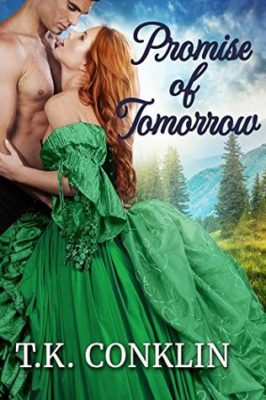
Promise of Tomorrow by T.K. Conklin: When Shyfawn Tucker’s adventure with her friend Mabel leads to disaster, the two need to figure out how to survive on their own. Meanwhile, Shyfawn’s sister Jo isn’t the type to sit around while her family is kidnapped. A story rich in romance, but that explores the ties that bind family together and what it means to find the best in everyone while still being true to yourself.
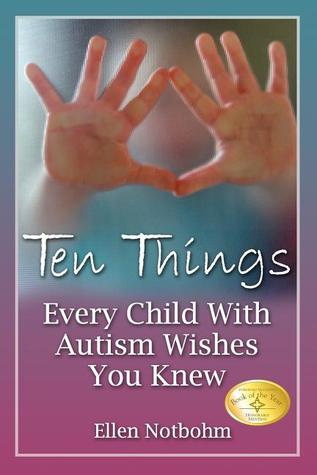
Ten Things Every Child with Autism Wishes you Knew by Ellen Notbohm: A beautiful book for parents who are struggling to better understand their children. Probably the highlight of the list is 10. “Love me unconditionally.” Don’t base approval on an “if” along with an emphasis on people with autism being whole and not promoting a harmful narrative of fixing people. A thoughtful look at the ways we can unconditionally accept people regardless of difference. Winner of the Grand Prize in the Nonfiction Instructional & Insight Awards
5) Philautia
Philautia is probably the most forgotten love we need to try and remember, which is self-love.
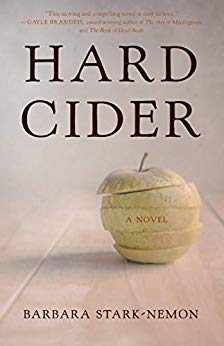
Hard Cider by Barbara Stark-Nemon: After building up a family and life that she can be proud of, Abbie Rose isn’t one to call it quits. She embarks on a totally new career path to keep living life to the fullest and be the truest version of herself that she can be. Winner of the Grand Prize in the Somerset Awards
The Knock by Carolyn Watkins: Sometimes understanding your family’s love means loving yourself when they can’t be there. Carolyn Watkin’s beautiful look at childhood with a deployed parent will tug on your heartstrings. First Place Category Winner in the Little Peeps Awards
6) Pragma
Pragma is another good overlapping love that’s usually connect to other loves. This one encompasses committed, companionate love.
Seize the Flame by Lynda J. Cox: A story of forgiveness and finding a way to love again. Will Drake Adams and Jessie Depre be able to overcome the traumas of their past and their current betrayals to find love together again?
My Sister’s Super Skills by Lauren Mosbeck: Sometimes commitment and love mean helping our family through tough times. Mosbek does an excellent job laying out fun tools to help kids deal with anxiety and depression, especially with the current state of the world. First Place Category Winner in the Little Peeps Awards
7) Agápe
Agápe: The last and biggest love that is empathetic and universal love.
Blossom – The Wild Ambassador of Tewksbury by Anna Carner: The story of how Carner and her husband took a deer into their family and then try to raise awareness to keep her safe. Balanced with reflection of Carner’s own youth, a beautiful reminder that we are all connected with the tone of a nature thriller. First Place Category Winner in the Journey Awards
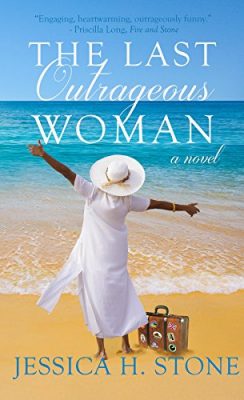
The Last Outrageous Woman by Jessica Stone: Sometimes a past lover’s dream can take you places you never dreamed possible. That’s what happens eighty-six-year-old Mattie decides to embark on a worldwide adventure with her best friend Edna and Edna’s niece. It’s a whirlwind of fun where each woman seeks fulfillment in their own way while jumping into an international stage and connecting with the wider world at large.
Do you have another type of LOVE to add to the list? We do!
BIBLIOPHILIA – The LOVE of BOOKS
Are you a Bibliophile? We are!
Here are some of Kiffer’s favorite earworms (aka lyrics) concerning love.
Because all you need is love. Love is all you need. The Beatles
Love will bring us together. Captain and Tennille
Love lifts us up where we belong. Joe Cocker and Buffy Sainte-Marie
What the world needs now is love, sweet love. Hal David
Happy Valentines Day! From all of us Chanticleer Reviews!
Love comes in many forms and so do our contests! Submit here! Want to tell us about some of the favorite loves you’ve read? Talk to us on Twitter, Facebook, or join us here on The Roost.
The old adage “You can’t go home again” is often very real, but for Vera Eastman, it is a massive understatement. Vera left home eleven years ago after losing her mother to breast cancer, changed her name, and began a very successful career as a porn star. Her seven-figure salary and multimillion-dollar, female-owned porn business might be acceptable in SoCal, but in her hometown of Grenadine, Michigan, she is a pariah. After a breast cancer scare, Vera goes back home to fulfill her mother’s bucket list. With an estranged father, a grandmother she believes is dead, and a sexy ex-boyfriend who haunts her dreams, Vera wants to get in, keep a low profile, and run back to her best friends and fellow porn stars, Jasmine and Payton. But when she discovers her grandmother is still alive and her ex is now an even sexier fireman, Vera knows leaving may be easier said than done.
When Vera wrecks her exotic sports car, she has the perfect excuse to stick around awhile despite the stares and hateful whispering that surround her everywhere she goes in town. But the longer she lingers, the more demons there are to confront – and more questions arise within her whether her financial success is genuinely the kind of success she really wants.
Family isn’t just those connected by blood. Sometimes, the strongest familial bonds are those people create by choice. When Vera left home, she met the women who would become her lifesavers, Jasmine and Payton. These women are beyond important to Vera. They gave her a family when her own had deserted her and forced her away. Without Payton, Vera would never have gotten clean and turned her life around. Though many would argue becoming a porn star isn’t exactly a significant life change, that change, partially facilitated by Payton, created the career for which Vera feels very accomplished. Throughout the novel, the text messages between these three women add more than just humor. It’s that “girl-bond,” with which many women identify. They are her rocks, giving her advice and acceptance.
Another important theme of the novel is a lesson Vera learns throughout her journey through her mother’s bucket list. Home isn’t really a place. It is a feeling. From the moment she sees Jack Reeves, her childhood sweetheart and one true love, memories flood her heart and leave her stunned in their ferocity. The familiarity gives Vera a feeling of true peace, a comfort she hasn’t had since her father told her to go and never come back. Though she had been in relationships since she left Grenadine at eighteen-year-old, she had never really connected with anyone. Jack, as it turns out, feels the exact same way. The two have more than history; they have love, undeniable and complete. She comes to see that he is home, more than any location can ever be, and he accepts her with open arms, just like a home should, and not even a successful career can take the place of that feeling.
Prejudice is another significant part of the novel. Grenadine is a small town with all the drama contained therein. Everyone knows everyone, and news travels faster than social media. Vera immediately feels that prejudice, getting kicked out of her B&B before she even unpacks her suitcase despite her pleas to allow her to stay since that is one item on her mother’s list. Though Vera feels no shame in her porn-star status, she can’t help but be affected by some of the townspeople’s disdain. When she rear-ends the most prominent, loudest busybody in town, her hopes of getting out unscathed in this emotional battleground are shattered.
Despite her kindness and philanthropy, many refuse to see her as more than trash, especially her own father. Without Jack, her feisty Grandma Bea, and her lifelong friend Franky, she would have run away and never looked back–again! But Vera isn’t the only character who daily runs the gauntlet. Franky experiences his own brand of prejudice as a trans man, and Grandma Bea, the owner of an adult novelty store known as Happy Endings, isn’t exempt either. However, Grenadine isn’t a typical small town, and somehow, Vera, Bea, and Franky all find a place in this anomalous cast of characters that will keep the reader smiling.
Fire Trucks, Garter Belts, and My Perfect Ex by Heather Novak won First in Category in the CIBA 2019 Chatelaine Awards for Romance books.
One woman’s encounter with a rescued deer turns into an unanticipated life-changing experience in Blossom — The Wild Ambassador of Tewksbury, the audiobook.
Author Anna Carner lived in a horse-friendly farming area of New Jersey in 1999, when she encountered a newborn fawn, barely breathing, near her home. The animal seemed to be communicating its need to her, and, with some experience of animal and human care, Carner set out to revive the fawn. She took the baby deer into her house and nursed her back to health. When she and her husband, Pino, saw the fawn curled up asleep with the family dog, the couple knew they had a new pet. Her name, Blossom, seemed suited to her sweetness and soft, gentle beauty.
Caring for animals was not uncommon nor unfamiliar to Anna, who, with her husband Pino, housed horses and raised alpacas on their property. But bringing in a fawn was different because some community members considered deer a nuisance and hunting a sport to be enjoyed. As Blossom grew, she would venture farther away from home for more extended periods. Anna and Pino circulated “please, don’t shoot Blossom” posters to bring awareness and compassion for not just the friendly deer but for all deer. While many championed Blossom’s safety, others did not.
Narrator Petrea Burchard breathes life into the audio adaptation of Anna Carner’s captivating and moving memoir. Setting the tone from the get-go, Burchard’s soft, silken voice immediately draws readers in as she deftly prepares the groundwork of bucolic Tewksbury scenes that are mere façades to the danger lurking in its midst. Carner’s memoir functions more like a mystery thriller; its well-balanced mix between the first-person narrative and engaging dialogue and emotional roller-coaster scenes provides Burchard plenty of room to use the full range of her vocal skills.
Carner’s encounter with Blossom pushes her to recall childhood memories she’d rather leave behind. She can’t since the parallels of victim and rescuer between her present and past are too powerful to dismiss. While much of the story centers on the present, Carner appropriately shifts to disturbing but at the same time thought-provoking moments from her dysfunctional youth. The alterations may not be unusual from a reader standpoint but challenging for a narrator since Carner’s memoir includes a full cast of mostly secondary characters—neighbors, hunters, veterinarians, supporters—many of whom play critical roles in the direction of the story.
However, from a listener standpoint, three characters besides Anna take the front-and-center stage to shape the narrative. When Burchard morphs into Caruso, the Carner’s opera-loving and chattering parrot, her comical voice provides a definite mood change that lightens the story’s continual underlying tension focused on Anna’s incessant worry that a hunter will take Blossom down. The story’s tenor shifts again with the introduction of children’s voices, particularly Viola, one of the young burn-unit patients whom Anna befriends while in the hospital. Burchard’s attention to narrative details enhances the innocence and compassion as the girls converse with one another, discussing life issues. Lastly, another voice change, when Anna receives phone calls from a creepy stalker. Burchard’s gravelly tone against the terror in Anna’s voice could easily make one think the story was a Stephen King novel; it’s that spine-chilling.
Audience listening level: Light profanity and sexual references (mainly dealing with animals) make this perfect for middle-graders on up.
Riveting from beginning to end, Blossom—The Wild Ambassador of Tewksbury audiobook is a powerful story of love, determination, and hope for the betterment of wildlife conservation that won First in Category in the CIBA 2019 Journey Awards for Memoirs and Biographies. A highly recommended listen!
On a military base outside Las Vegas, Lieutenant Brent Parker sits in a bunker in a darkened room looking to an outsider to be playing a sophisticated aerial combat video game. But this is no game. People live and die with Parker in control of a lethal drone nicknamed the Reaper flying over forbidden Syrian air space in 2011, striking American enemies on the ground with killer missiles from several miles in the air.
Enemies are one issue, but collateral damage—men, women, children, whole families who die in a missile attack as a side effect of bringing down a terrorist—weighs heavily on Parker’s conscience. It doesn’t help when his ultra-sensitive cameras see the face of a woman who his missile will obliterate as a side effect of bringing down a military-mandated target, a face that haunts him as he leaves the bunker for the clean, and safe, American desert air of Nevada.
Early on, we find out that Parker isn’t as safe as he thinks he is. Forces across the globe are watching as his drone wipes out an apartment building in the Middle East where a renowned Iranian bomb maker is holed up. When a missile controlled by Parker takes out the bomber and decimates the site, an incident widely reported by the international press, sophisticated military men in the enemy camp want the head of the man who murdered their prized weapons maker. They dispatch an assassin to infiltrate the U.S., track down and kill the killer of their esteemed techno genius.
That’s only half of Parker’s problems.
The other concerns another mission where Parker’s eye in the sky over Libya spots the transfer of some suspicious crates looted from a former Libyan dictator Gadaffi stronghold that turns out to be surface-to-air missiles that could wind up in the hands of ISIS. A U.S. crew is parachuted into Libya to stop the hand-off, but the mission becomes complicated when they are detected and are outnumbered by a superior number of ISIS soldiers. To complicate matters, a helicopter used to support the U.S. soldiers is shot down, and the soldiers’ orders are to kill the pilot to avoid him falling into enemy hands. Parker makes a decision to help the trapped soldiers, using a method frowned on by his superiors and puts him in danger of being court-martialed by his own command structure.
This tense action novel gives the readers a close-up, first-person knowledgeable view of the massive, sophisticated technology with which war and the collateral spying that goes with it. It feels hands-on real, both in the descriptions of the various weaponry and the way it is used. Someone lived this life, which makes it all the more readable. It also delivers a satisfying portrayal of the international forces focusing on controversies that Parker kicks up in the performance of his job as the pilot of a remote killer aircraft, and the actions he takes that have international repercussions.
There is more back story including a relationship that Parker develops with a well-paid Las Vegas escort and various battles with bad guys from both America and the Middle East. Some are bloody detailed hand-to-hand struggles, others are vicious mind games played by both sides.
Parker himself is portrayed in terms that would fit well in a graphics novel or a Jason Statham movie. Some of the dialog between him and other characters is less than stellar. But this isn’t a novel you read for Eudora Welty-level characterizations. You read Execute Order for the rush of an action novel with complex plots, a knowledgeable narrative, and a surprising, satisfying conclusion. On that front, Execute Order delivers the goods, and then some.
Execute Order won First Place in the CIBA 2019 Global Thrillers for Military Thrillers.
In the charming and heartfelt Pinto! Based Upon the True Story of the Longest Horseback Ride in History, M.J. Evans brings to life a forgotten piece of American history. Here from a unique perspective, Evans recaptures the legendary journey of the Overland Westerners, a group of four men on horseback who rode over 20,000 miles across the US, over 3 years. Their goal was to visit each of the 48 state capitols, be photographed with the governor, and ultimately reach California for the triumph of the 1915 World’s Fair Panama-Pacific Expo. Of the seventeen horses who joined the trip, whether traded, sold, or lost along the route, only one heroic equine made it the entire way.
Pinto was that beautiful, 6-year-old black & white Morab, i.e., half Morgan/half Arabian horse. Only 15 hands high but sturdy and well-proportioned, he had always dreamed of accomplishing something great. The opportunity comes about when George Beck chooses Pinto to join his ambitious cross-country trek. Clearly, the two develop a special bond rooted in heart and determination.
In a story that blends history, travelogue detail, equine knowledge, and adventure, this book is so special because the narrative is told from Pinto’s point of view. Whether struggling with variations of the terrain, observing human frailties – consider in the aftermath of a stolen saddle, Pinto opines, “I don’t like the evil side of men.”; performing as a show horse, or posing for photo ops; the arduous adventure keeps us invested.
Humor and pathos play hand in hand throughout the chapters. Whether revealed in the act of a pile of manure deposited in response to a dishonest rancher’s nefarious business tactics or the harrowing lesson of a near-drowning due to improperly secured horse packs, this well-crafted storyline moves steadily forward. Throughout their odyssey, the riders sold postcards and calendars to help fund their endeavor, though often they found it difficult to pay bills or feed themselves. While hard times often had them relying on others’ generosity, pep talks and song helped buoy their spirits, and the well-being of the horses was always a priority.
As an avid horsewoman, Evans weaves relative informative tidbits throughout this work. These range from artful descriptions of horses forming small familial bands rather than joining herds, dealing with colic’s precarious nature, and understanding the consequences of a horse’s improperly fitted tack or harness.
Evans retrieved much of her research from the Overland Westerners’ diaries, journals, and photographic materials, housed in the Oklahoma City National Cowboy Museum, as well as historical museums in Washington State. Much of the dialogue is based on the actual writings. Choice conversations and actions serve to showcase individual personalities and the emotional sentiments of trek participants, through the likes of facing belly-high snows on a precarious trail; appreciating the comic relief and antics of a companion dog, Nip; or witnessing the rough and declining character of some who overindulge in alcohol. While certain details were created from Evans’ own imagination, such embellishments heighten the excitement and enhance the drama.
In a nod to the classic Black Beautystory, one of her childhood favorites, Evans felt it necessary for Pinto to tell this tale. Though targeted for a middle-grade audience, history buffs and horse lovers of all ages will enjoy this rare account. The glowing result is informative, entertaining, engaging historical fiction that creatively explores a monumental horseback ride, now destined to be remembered.
Pinto! won the CIBA 2019 First in Category Gertrude Warner Awards for Middle-Grade Fiction.
In a quiet voice filled with emotion and heartfelt detail, Carolyn Watkins’ The Knock… a collection of childhood memories realistically captures what it’s like for a child when a parent in the military is deployed at a great distance for active duty.
From her own personal recollections as an 8-year-old girl, each vignette weaves an honest perspective of life growing up in a military family. Tapping into the tender parent/child bonds and the feelings of loneliness and anxiety that arise in being separated from loved ones, Watkins’ intentions are to help other youngsters in similar situations, and to let them know that they have a supportive network. Here she explores the importance of family coping skills to include the strengths of a parent on the homefront, the help of relatives, and the care and concern needed for a wounded parent returning from war.
When dealing with her father’s absence, Watkins easily voices notable questions like “Would he remember me?” and “Would he be hurt?” She also recalls how her mom often hid her own emotions to remain stoic and supportive for her children. While the brave front is comforting, Watkins realized how it contributed to more concerns.
Wisely, Watkins sheds important light on the need to be open and express emotions during trying times. The ultimate realization is that shared feelings can make the experience of handling tough situations a bit easier. Watkins also reflects on the adolescent insecurities she felt and how they seemed heightened by constant relocations. Flexibility and adjustment as part of a military family proved key.
While this particular true-life memoir focuses on the ’60s and the war in Vietnam, the story is truly relatable to the conflict of any era. With Dad off to serve in the jungles of a foreign terrain, and Mom at home serving a dual parenting role, a visit from German Grandmother “Oma” helps solidify the cross-generational sentiments of wartime experiences. Stark recollections of visits to a hospital where Watkins saw firsthand the harsh realities of war seem a necessary component. Clearly, a time that helped Watkins gain strength in learning to accept “The Knock” at the door that symbolizes an unsettling fear of the unknown. Such moments undoubtedly helped the family come to understand the heroic efforts of those who put themselves in harm’s way in the fight for our freedom.
Lyndsey Erickson’s soft pastel illustrations easily complement the moving words of this narrative. Whether visualized in the glory of the star-spangled flag flying against a blue-clouded sky; a family gathered around the dinner table featuring an empty chair, that speaks to both togetherness and the solemnity of dad’s absence, or an army helicopter falling from the sky, all depict indelible moments. The importance of letter exchanges, especially during a time before computers and internet communication is sweetly rendered through images of red & blue-bordered airmail envelopes. A small, yet charming note of nostalgia.
The book’s final words include a great springboard of ideas to open up further discussion about family dynamics, challenges, and feelings of universal concern. Though intended for the 8-13-year age group, this gentle, informative memoir shares a powerful message that should be appreciated by readers both young and old.
The Knock won First in Category in the CIBA 2019 Little Peeps Awards for Children’s Literature.
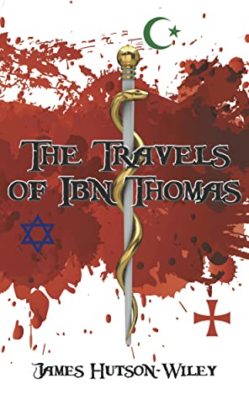
In an ancient world split in three by religion, a conflicted young man seeks the truth about his past and builds his future in this colorful panorama created by author James Hutson-Wiley.
Ibn Thomas, the book’s narrator, taken from his boyhood home In Aegyptus after his father and mother disappeared, lives in a monastery where he is mocked for his name and his knowledge of Arabic. At age 12, the monks send him from England to Salerno, Italy, where he will study medicine, supported, he learns, by considerable wealth to which he is heir from the commercial activities of his father, a trader in Al-Sukkar, or sugar, considered a precious commodity at the time.
After successfully completing his studies, he is sent to Sicily, where he will be appointed chief physician by the queen after saving her son Ruggerio’s life. But the monks have given him a secret assignment, a role that his father also undertook – to spy on certain members of the Sicilian leadership. He will also ally with the Islamic and Jewish family members, cordially doing business with his loving Uncle Assad, a Muslim, and with Jusuf, a Jew who considers himself the boy’s uncle. All of them hope to discover their friend and relative, the missing sugar merchant, alive.
As Ibn Thomas travels through the Mediterranean region beset by pirates, massacres, plagues, and intrigues, he has a personal goal: to reach the Holy Land, where the great religions that seem so far apart as to cause war and hatred, and that live so strongly within him, have their roots.
Author Hutson-Wiley has fashioned his sequel to The Sugar Merchant with an eye to the smallest detail. In this vibrant tale, the inner workings of the early Roman Catholic Church can be seen as it quells rebellion within its own ranks and battles fiercely with Islamic forces. The mysterious, almost magical realm of medicine, combining science and spiritualism, has been clearly researched to the last detail, in a way that modern readers, now used to herbal remedies as an alternative to scientific pharmacology, will find fascinating.
In an amusing episode, Thomas and a school friend decide to experiment with the drugs they give their patients, one of them being a weed called “kanab.” Not surprisingly, they wind up thoroughly stoned. Importantly, the author deftly puts us solidly inside the mind of his protagonist, a man who knows his profession, tries to reconcile his intermingled religious beliefs, and often berates himself for his pride even as his perspicacity allows him to save many lives. Hutson-Wiley has traveled the regions he so vividly depicts in his career in international trade and, through the engaging perspective of Ibn Thomas, gives readers a fresh look at how some of the paradigms of our current geopolitical landscape came into being.
In Fast Backward, David Patneaude’s most recent YA novel, fifteen-year-old Bobby sets out on his morning newspaper route, but what happens next blows his shorts off, literally. First, he witnesses a blinding light that grows into a mushroom cloud, but no one on the military base where he delivers papers will talk about it. Then, on his ride home, a dot in the distance takes on the shape of a girl, a naked girl in the middle of the desert at the side of the road. Thus begins Patneaude’s novel that brings WWII to life through the eyes of a young man torn by his father’s anti-war sentiments, and his uncle’s military patriotism.
Bobby realizes that this girl, Cocoa, is somehow tied to the blinding explosion. What does Bobby do? He offers the girl his carrier bag, his shorts, and a ride home. After some preliminary conversation, Cocoa realizes where she is, and what she must do.
She has knowledge she must deliver a message to those in charge in the hope of stopping nuclear bombs that decimated her world.
Are we concerned yet? Bobby is. He can hardly believe Cocoa’s crazy story, but Cocoa’s knowledge of dates, towns, and ship names make him a believer. They convince his parents and, with some effort, Bobby’s Uncle Pete. Cocoa has enough knowledge to capture the attention of some high-ranking military officials, but she also receives serious skepticism. When a bombing that she’d predicted actually happens, the Generals start listening.
Cocoa’s premonitions are a torment to her, and when she remembers something that involves Robert’s dad, a journalist and pacifist and conscientious objector, Robert’s world is turned upside down. His ideas of the world are forever changed by Cocoa, Future Girl, the girl who will save the world.
Award-winning YA author, David Patneaude effectively suspends our disbelief as he deftly crafts a world where nuclear bombs, Nazi submarines, the bombing of US cities, with two kids coming of age stuck in the middle, becomes a reality. Patneaude’s world explodes on the page in this post-apocalyptic war story that is plausible, terrifying, and quite satisfying to the spectacular end.
Fast Backward is highly recommended for young and old alike – and won First in Category in the CIBA 2019 Dante Rossetti Awards for Young Adult fiction.








 Heart of a Few by Jon Duncan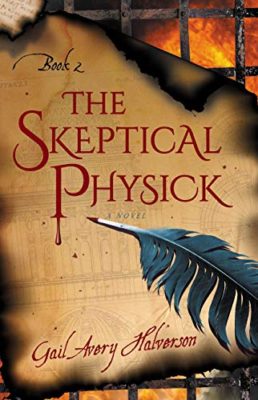








 The old adage “You can’t go home again” is often very real, but for Vera Eastman, it is a massive understatement. Vera left home eleven years ago after losing her mother to breast cancer, changed her name, and began a very successful career as a porn star. Her seven-figure salary and multimillion-dollar, female-owned porn business might be acceptable in SoCal, but in her hometown of Grenadine, Michigan, she is a pariah. After a breast cancer scare, Vera goes back home to fulfill her mother’s bucket list. With an estranged father, a grandmother she believes is dead, and a sexy ex-boyfriend who haunts her dreams, Vera wants to get in, keep a low profile, and run back to her best friends and fellow porn stars, Jasmine and Payton. But when she discovers her grandmother is still alive and her ex is now an even sexier fireman, Vera knows leaving may be easier said than done.
 One woman’s encounter with a rescued deer turns into an unanticipated life-changing experience in Blossom — The Wild Ambassador of Tewksbury, the audiobook.
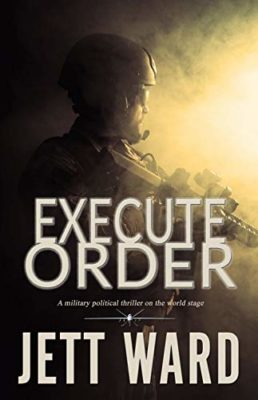
 On a military base outside Las Vegas, Lieutenant Brent Parker sits in a bunker in a darkened room looking to an outsider to be playing a sophisticated aerial combat video game. But this is no game. People live and die with Parker in control of a lethal drone nicknamed the Reaper flying over forbidden Syrian air space in 2011, striking American enemies on the ground with killer missiles from several miles in the air.
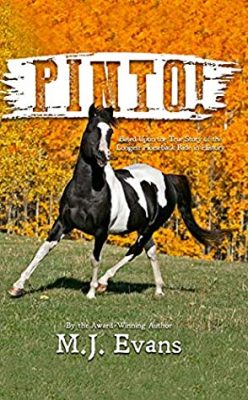
 In the charming and heartfelt Pinto! Based Upon the True Story of the Longest Horseback Ride in History, M.J. Evans brings to life a forgotten piece of American history. Here from a unique perspective, Evans recaptures the legendary journey of the Overland Westerners, a group of four men on horseback who rode over 20,000 miles across the US, over 3 years. Their goal was to visit each of the 48 state capitols, be photographed with the governor, and ultimately reach California for the triumph of the 1915 World’s Fair Panama-Pacific Expo. Of the seventeen horses who joined the trip, whether traded, sold, or lost along the route, only one heroic equine made it the entire way.
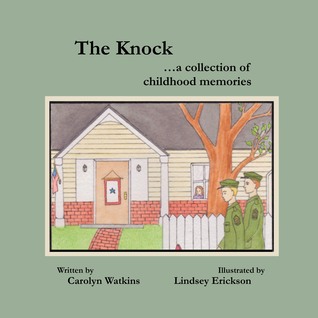
 In a quiet voice filled with emotion and heartfelt detail, Carolyn Watkins’ The Knock… a collection of childhood memories realistically captures what it’s like for a child when a parent in the military is deployed at a great distance for active duty.
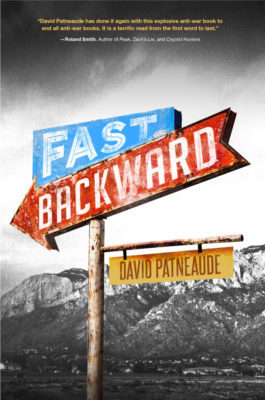
 In Fast Backward, David Patneaude’s most recent YA novel, fifteen-year-old Bobby sets out on his morning newspaper route, but what happens next blows his shorts off, literally. First, he witnesses a blinding light that grows into a mushroom cloud, but no one on the military base where he delivers papers will talk about it. Then, on his ride home, a dot in the distance takes on the shape of a girl, a naked girl in the middle of the desert at the side of the road. Thus begins Patneaude’s novel that brings WWII to life through the eyes of a young man torn by his father’s anti-war sentiments, and his uncle’s military patriotism.