Category: Reviews

  • VOICES of NAVAJO MOTHERS and DAUGHTERS: Portraits of Beauty by Kathy Eckles Hooker with photos by David Young-Wolff – Navajo History, Memoirs, Indigenous Culture

    VOICES of NAVAJO MOTHERS and DAUGHTERS: Portraits of Beauty by Kathy Eckles Hooker with photos by David Young-Wolff – Navajo History, Memoirs, Indigenous Culture


    Voices of Navajo Mothers and Daughters: Portraits of Beauty by Kathy Eckles Hooker is a heartwarming work exploring the relationships between Navajo mothers and daughters, their connections with each other and their families, and their hopes and dreams for their children as they encounter a world far removed from their traditional lives.

    In these insightful interviews with Navajo women—grandmothers, mothers, and daughters—the twenty-one families that the author spoke to talked about their backgrounds and histories. They contrasted how the elder women grew up compared to their daughters and granddaughters (such as the lack of amenities like electricity, running water, or internal combustion vehicles). And they explored the many ways that traditional matriarchal Navajo culture continues to enrich their lives today.

    David Young-Wolff’s memorable, warm photographs of the interview subjects let us see the faces behind the stories. The charming presentations of the women, often with the backdrop of the land they grew up in and even of the family hogan, the traditional Navajo home, give the reader insight into the closeness between the generations and the natural and human environments that have shaped their lives.

    The thoughtful tales these women tell are interspersed with painful reminiscences about points in American history that changed their culture’s ways of life. Events such as the Long Walk, in which more than 10,000 Navajo were forcibly marched by the US military to a reservation in what is now New Mexico, and the Navajo-Hopi Land Dispute, the judicial results from which echo even now.

    In an outer society so dependent on cars, the elder women note how they were dependent on horse and buggy in their younger years. One woman recalls a memory of wonder when she saw a car for the first time. For some, water was only available by walking a certain distance to a well, and during times of drought, only used for feeding livestock or drinking.

    In addition, they tell stories about life in traditional homes. Sometimes these women remember their homes warmly and sometimes not. One family speaks of the heartbreak of having a home destroyed and the pets and livestock killed by persons unknown, despite being on good terms with their neighbors.

    The interviews in each case mention how the elders emphasized the need for education. But sometimes that “education” came in the form of abusive boarding schools that tried to erase native culture from the children they taught.

    Language is an especially important issue discussed by the women, both young and old.

    Only one of the families interviewed had a daughter who went to a boarding school that taught both Navajo and English. In the majority of cases, speaking Navajo was actively discouraged at the boarding schools. The disconnect of having to learn English to participate in the dominant American culture reflects on their lives and families even now.

    Then there are stories about traditional ceremonies, specifically about the kinaaldá, a four-day ceremony celebrating the girl’s first menses. The women tell warm and humorous tales about what’s involved (including running every day for four days, each day longer, to make sure the young woman is strong enough to withstand what her life will entail), and they describe the trials and tribulations of baking a cake that family and friends will enjoy… but the girl herself cannot.

    This book reveals how traditional culture has informed and continues to infuse the daily lives of Navajo women. Stories about arranged marriages, some expected and some a surprise (in one case only finding out the young woman is getting married the next day!), are eye-openers and provide food for thought.

    One of the recurrent themes that shape these women’s stories is the question of how to support their children and how the next generations would be educated and grow to support themselves. The traditional art of weaving was a major or even sole source of income for a significant number of women in the book. Some of the elder women recount how they discouraged learning the art so that their daughters could do better than they did. In turn, some of the daughters mourned that they never learned the traditional art, feeling bereft of a connection to their ancestors.

    Questions about what wisdom and skills we choose to pass along to our children are of course not unique to Navajo women; however, readers will enjoy Hooker’s way of illuminating this particular window into Navajo culture from the women who so graciously shared their journeys.

    Voices of Navajo Mothers and Daughters: Portraits of Beauty by Kathy Eckles Hooker, is a deeply moving, must-read for mothers and daughters everywhere, and one book we highly recommended!


    5 Stars! Best Book Chanticleer Book Reviews

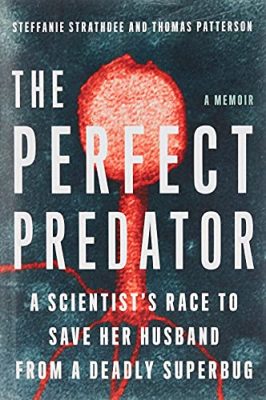
  • The PERFECT PREDATOR: A Memoir by Steffanie Strathdee and Thomas Patterson – Memoirs, Medical, Microbiology

    The PERFECT PREDATOR: A Memoir by Steffanie Strathdee and Thomas Patterson – Memoirs, Medical, Microbiology

    The Perfect Predator is just the kind of edge-of-the-seat scientific/medical thriller that Robin Cook and Michael Crichton used to write, that nail-biting search to find the right treatment in the nick of time to prevent a pandemic from sweeping the world.

    The difference here is that The Perfect Predator is a true story, and the pandemic that epidemiologist Steffanie Strathdee fights on behalf of her husband is one that scientists have been warning about for decades. Her husband wasn’t even the first to be struck down by it – but he was the first to receive a cure that could save many others. If only the world heeds the warning made so clear in this spellbinding book.

    On vacation in Egypt in late 2015, Strathdee’s husband contracted a stomach bug. Nothing he hadn’t had before and shrugged off, but this time was different. Somewhere along the way from the pyramids to the clinic to the first of several medevac flights, Thomas Patterson came into contact with one of the deadly, antibiotic resistant virus strains known as “superbugs” – and it decided he’d make an excellent host. At least until it killed him.

    And it tried. Over and over again. From Egypt to Frankfurt Germany to the world-class medical center at UC San Diego, where the couple both worked. Where they had contacts in just the fields that they’d need in order for Steffanie to cobble together the ultimate “Hail Mary” pass. That it would be possible to send a killer, a virus killer, into Tom’s body to eliminate the deadly virus that would otherwise eradicate Tom Patterson’s life.

    If it worked, it would be a miracle. But also a clarion call to whoever reads this book that a century of use and overuse of antibiotics has created these superbugs that can no longer be vanquished by what was once a miracle drug. And that if the research and medical establishments don’t get a handle on the problem and find methods of treatment that do not rely on antibiotics, the 1.2 million people who died from antibiotic resistant bugs in 2019 is only going to be the tip of a very large and deadly iceberg.

    The Perfect Predator is a compelling story of scientific research that has a very human-centric story at its beating heart.

    Steffanie’s memoir of what happened, to her husband, to her family, to her colleagues and to herself is beautifully written. It is also a story that is absolutely chock-full of the science behind everything she does. Not to worry! Steffanie’s writing style thoroughly explains the science without ever getting bogged down – and while making it accessible to any non-scientist reading this account.

    And she never loses sight of the human face on all those details, not just what she is going through personally. While she needs to separate “Wife Steffanie” from “Scientist Steffanie” in order to get things done. It is very clear how difficult that is. She is also painstaking in giving credit and kudos to all those who made this journey possible.

    The Perfect Predator is the story of one woman’s successful quest for a medical miracle. Any reader who enjoys medical and/or scientific thrillers will be right on the edge of their seat every step of the way. But it’s the warning at the center of the story that will chill those same readers to their bones.

    The Perfect Predator by Steffanie Strathdee and Thomas Patterson won 1st Place in the 2019 CIBA Journey Awards for Narrative Non-Fiction and Memoirs.


  • A SPLINTERED STEP: A Sarah McKinney Mystery by Marian Exall – Mystery, International Crime, Suspense

    A SPLINTERED STEP: A Sarah McKinney Mystery by Marian Exall – Mystery, International Crime, Suspense

    Blue and Gold Clue 1st place badgeHow does one avoid family at all cost? A change to name and identity? Participate in AA? Use of a drug or alcohol as a coping habit? Live in a trailer home?
    Check out Marian Exall’s third book, A Splintered Step, in the Sarah McKinney series to find out what happens with her in Wales!

    In the second book, Sarah lands an offer to help her mentor locate his distant daughter, and this adventure takes her to rural Dordogne, France. She also must confront her own inner challenges and dangers. Now, McKinney faces her family fears and the origins of her demons in a heart-stopping and heart-breaking story!

    We learn more about a special someone in Sarah’s life who asks her to visit during the time between Christmas and New Year’s Day. She reconnects one evening with a musician named Deke. He ends up being her long-lost brother Shane who is in hiding from their abusive parents and plays covers of Rolling Stones songs. Exall describes all her characters effortlessly, making them lifelike, vivid and dynamic.

    Even though the conflict of McKinney’s family is troubling and for some hard to read, her supportive journalist beau Dykstra leads her on a fact-finding mission that is impossible to ignore.

    The pair reconnect over a cozy meal, where he surprises her with a lovely and sentimental family heirloom as a gift. They decide haphazardly to travel after attending the funeral of Dykstra’s beloved mentor, whose death came suddenly. While on their travels, they spend the first part of their trek getting to know Sarah’s musician brother, Deke. The two continue and after hours of driving into the white and cold dark winter, the snowbanks pile up and force them to reconsider their choice. As luck would have it, they end up at a bed and breakfast and spend the night, which is the scene for a plot twist!

    Sarah’s story and family origins make for good imagery and believable characters with great dialogue. Some transitions didn’t flow effortlessly and seemed out of place such as the bird sanctuary at the B&B, but overall, the story is well crafted and is hard to put down. The chemistry between Dykstra and McKinney uses their professions to their advantage to solve the case: Dykstra is a journalist; McKinney is an international advocate. Dykstra is no fuss and only out to get the next big story, but McKinney loves a good adventure which helps the two balance each other out.

    Although the descriptions of Wales as a location are sparse, the dialogue between a local host and his uncle (Uncle Georgie & Michael) give us a clearer understanding of the rural setting.

    The love and tenderness that Sarah shows her brother is also a bright light in their dark and abusive family’s past. Plus, the plot-lines pulling on Dykstra and McKinney compel readers to devour this whodunnit page turner.

    Readers will enjoy the story with or without the first two books in the Sarah McKinney series. A Splintered Step is a tale not for the faint of heart as there are some violent scenes, but it is worth continuing to see if the two can solve the case. The best audience for this book is someone who likes a good mystery, likes to travel in Europe and enjoys the Rolling Stones.

    A Splintered Step by Marian Exall won 1st Place in the 2019 CIBA Clue Awards for Suspense & Thriller Mysteries.


    5 Stars! Best Book Chanticleer Book Reviews

    Clue CIBA First Place Winners gold foil sticker image

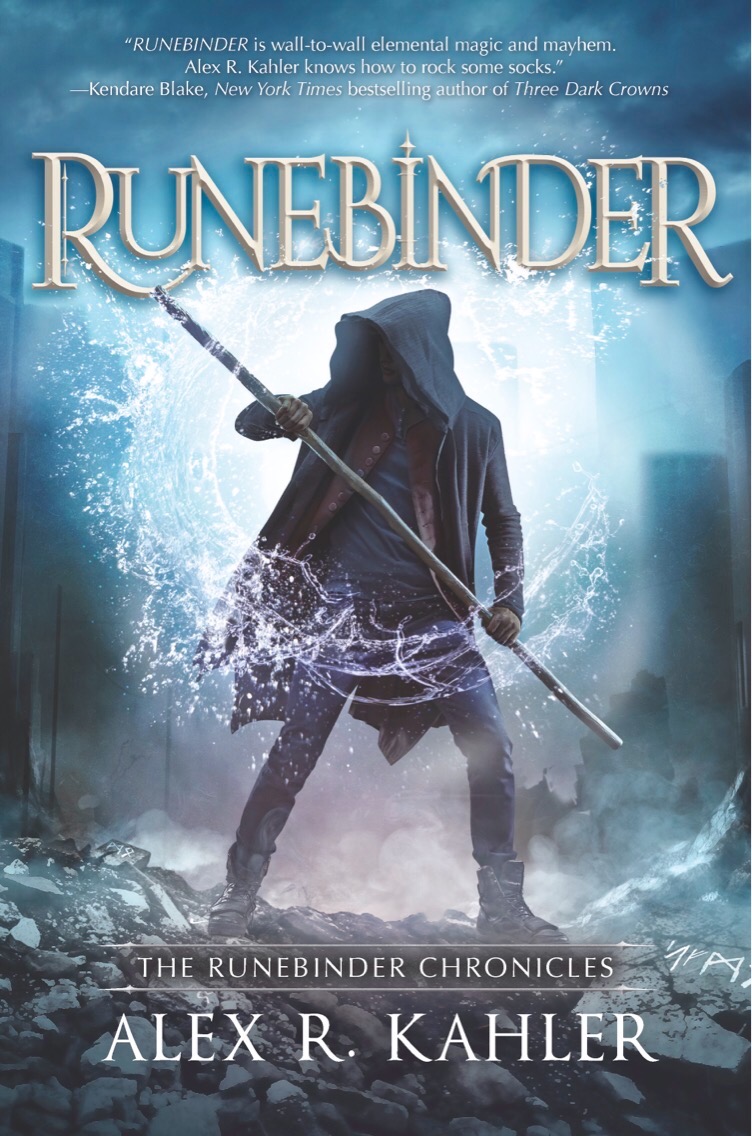
  • RUNEBINDER By Alex R. Kahler – YA Post-Apocalyptic Thriller

    RUNEBINDER By Alex R. Kahler – YA Post-Apocalyptic Thriller

    Runebinder is a dark post-apocalyptic young adult thriller that follows eighteen-year-old water and earth user Tenn, as he is torn between two opposition sides of a deadly fight for survival.

    The discovery of magic caused the old world to disappear forever, leaving a reality where to live is a daily struggle of simply surviving another day. Monsters named Howls roam the world searching for survivors to feast on, but they are nothing compared to the powerful Kin that are waging a violent war against what remains of humanity.

    During a food scouting mission, Tenn and his companions become surrounded by Howls. Under orders to not use magic to keep the location of their army secret from the approaching army of necromancers, Tenn’s Water sphere unexpectedly unleashes an unprecedented amount of power, destroying every Howl in the surrounded area instantly. Tenn is confused by how his magic could act on his own, and Tenn is soon sought by the opposing sides in the endless war for survival who both believe Tenn is the key to their success.

    The opening installment to The Runebinder Chronicles, Runebinder is a fast-paced action-packed novel that will keep readers wanting to know what happens next.

    The world-building descriptions are reminiscent of the quick and drastically changed world of a zombie apocalypse. It has only been a few years since magic reached the point of no return after the creation of the Howls. The decay seems too advanced for the few short years since everything changed, but is believable when considering the power magic has.

    Runebinder makes use of the “Chosen One” literary trope, which is arguably an overused plot structure, especially in young adult literature. Perhaps, as the series progresses, Kahler will create a unique take on the “Chosen One” storyline, but in Runebinder alone, it is not. The characters are developed well and quite complex once far enough into the story. The style and tone flow easily, which makes for a quick page-turning experience.

    It’s hard not to view Runebinder, which was first published in 2018, differently after living through a global pandemic, but reading it now makes it more accessible and engrossing.

    Tenn’s world changed forever in an instant. Magic emerged and grew slowly, but the world Tenn knew died suddenly once it reached a critical point. There’s a theme in Runebinder of the feeling of never feeling safe after losing normalcy. How does one keep going when everything seems hopeless and there is nothing left to fight for? Yet, Tenn keeps fighting to survive and life another day in the smallest hope that a better world will one day be possible.

    Runebinder by Alex R. Kahler is a post-apocalyptic young adult story about the power of hope in a world where no hope should exist, yet does despite all odds.

  • The SATISFIED INTROVERT by Benjamin Plumb – Memoirs, Vocational Guidance, Family & Relationship Advice

    The SATISFIED INTROVERT by Benjamin Plumb – Memoirs, Vocational Guidance, Family & Relationship Advice

    From his earliest days, author Benjamin Plumb understood he was an introvert, someone who, described in a classic definition, feels more comfortable with their inner thoughts and ideas rather than what is happening externally.

    In his well-written memoir, The Satisfied Introvert, he tells us his life story through the lens of his introversion. He explains how he coped, often poorly, with his solitary nature in both his personal and business life, applying a variety of processing mechanisms that he describes as “recipes.” He explains that those processes didn’t apply to every life situation and sometimes kept him from seeing the possibility of making better decisions that would have made much of his life more gratifying.

    The purpose of his book, he explains, is to help fellow introverts find safety in an extroverted world and gain more satisfaction in life. “The recipe,” he explains, “is a coping mechanism that works in some situations, but you can’t stay dependent on it. To feel truly safe, you must move beyond your winning recipe and take off on your own.”

    The book takes the reader on his journey, from being the introvert in a show business family through his early romances, his education at Stanford and Harvard Business School and various entrepreneurial attempts around the world.

    He describes in detail how he found both success and failure in the business world, due, in his view, to applying and mistakenly depending on the defensive processes he acquired to protect himself as an introvert in an extroverted world.

    How he finally found peace and the success he hoped for in his professional and personal life is one of the achievements of this detailed personal memoir.

    People who identify as introverts will find this an excellent read because the writer is unafraid to expose the details of his life focusing on how he coped with his introverted nature.

    It is more of a cautionary tale, not a how-to manual. Whether it’s setting up businesses in South American jungles or revealing the dynamics of a marriage gone sour, The Satisfied Introvert is a series of life lessons learned along the way.

    For non-introverts, it’s a cogent description of a personality bent that may be misinterpreted or misunderstood in friends, colleagues or even family members. It may help you to see someone in a different light you may have thought to be stand-offish. unlikeable. Rather than a tell-all confession, it’s written by someone who hopes the sharing of his life will be of help to others.

    Overall, it offers a clear insight to a personality trait that is often misunderstood and little discussed. A read we are happy to recommend.


    5 Stars! Best Book Chanticleer Book Reviews

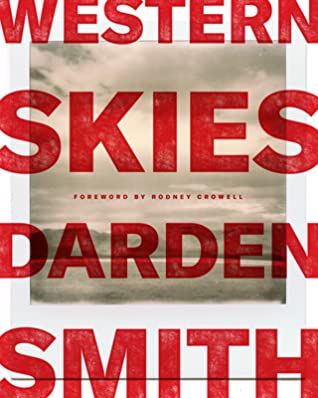
  • WESTERN SKIES By Darden Smith – Song Writing, Photography, Natural Beauty, Texas

    WESTERN SKIES By Darden Smith – Song Writing, Photography, Natural Beauty, Texas


    Sometimes, when the world feels like it’s closing in and life doesn’t make sense, the best thing to do is take a road trip.

    Just get in the car and drive, letting the scenery pass by, allowing thoughts, memories and reflections to flow freely. In Western Skies by singer and writer Darden Smith, he invites us on just such a trip through his home state of Texas, and treats us to a glimpse of his time on the road in prose. Western Skies is a companion book for Smith’s album of the same name and features Polaroids (taken with an old Polaroid from Smith’s garage and tossed in a box on the front seat of his car while driving), along with his original prose and lyrics from that album.

    The pictures seem like glimpses of a time past, captured in sepia tones, and are haunting, dusty, and sometimes blurry-like the view out the window of a car. Collectively, they show us a different side of Texas: the wide-open skies, stands of oaks and yuccas, and long stretches of road dotted by radio towers, stucco houses, abandoned Quonset huts and diesel fuel pumps. They complement the descriptions, from the vast expanses of Texas highways: “The road rises steady from the Pecos Past the truck stop visions of Fort Stockton, The northern reaches of the Davis Mountains And the gatherings of Van Horn” (Sierra Blanca), to the uniqueness of its cities: “Juárez is the girl your instinct tells you to walk, no, run from But whose memory wakes you in the night” (Juarez) and the challenges of its climate. Anyone who has ever been in a monsoon will understand the warning in “Rain” when he starts out with “The smell of cloud catches the heart of the most jaded. For even they know the promise of what may follow” and contains the warning that “Torrents are longed for and dreaded in equal measure. Their quantity dreamed of, Speed and destruction often remembered too late as the flood runs wild over road and arroyo.”

    Western Skies is an intimate and personal book.

    Listening to Darden Smith’s album while reading it, one might wonder who caused the heartbreak and hope in his lyrics (and possibly sent him on his road trip) when he says, “Well I keep holding on even though it’s wrong ’Cause your memory makes me smile”(Perfect for a Little While) and “No matter how far you run, how fast you’ve sinned I’d forgive what you done, where you’ve been” (The High Road).

    For those just finding Darden Smith, Western Skies is the opportunity to get to know this artist on a much deeper level than through only his songs. For fans who already have found Darden Smith, this companion book will be a joy to share his vision of Texas and get a more personal glimpse of this talented singer-songwriter/photographer and writer.

    We definitely recommend listening to the accompanying music for this story. You can find that on Darden’s bandcamp here.


    5 Stars! Best Book Chanticleer Book Reviews

  • BUTTERFLY AWAKENS: A Memoir of Transformation Through Grief by Meg Nocero – Non-Fiction, Mother Daughter Relationship, Death of a Parent, Healing

    BUTTERFLY AWAKENS: A Memoir of Transformation Through Grief by Meg Nocero – Non-Fiction, Mother Daughter Relationship, Death of a Parent, Healing

    In this beautiful and transforming memoir, a loving daughter navigates a journey to move beyond the heart-wrenching boundaries of grief to ultimately discover her own sense of purpose. Here the quest brings about a miraculous metamorphosis as she uncovers life’s true joys.

    In the opening segment of her three-part journey in Butterfly Awakens, wife, mother, and federal immigration lawyer Meg Nocero, quietly draws readers into the close relationship she had with her mother. Soon she intimately shares her mother’s unexpected breast cancer diagnosis. Here she meets the challenges of both traditional and alternative treatments, but ultimately her mother succumbs to the disease.

    After losing a parent who was also her best friend, part two explores the downward spiral of Nocero’s mental health. Plagued by dreams and nightmares, and dealing with severe bouts of depression, anxiety, and the stress of a law career stifled by superiors, Nocero seeks help in the form of therapeutic and spiritual outlets. Here the core suggestions all pointed Nocero in the direction of being her own guide and learning to follow her own bliss.

    Before long, a life-changing decision sets her on a path to publish an inspiring work entitled The Magical Guide to Bliss, which allows her to forge ahead and share her message with others. Whether hunkered down in her closet during the tears of depression, attempting to expand her creative soul by following the course from The Artist’s Way, battling the severity of stress-induced tinnitus, or experiencing joyous meetings with the likes of the iconic Oprah Winfrey and well-known author Liz Gilbert of Eat, Pray, Love fame, Nocero displays a roller coaster of emotions. Slowly she steps outside her comfort zone to reap the rewards that life has to offer.

    Nocero’s story ultimately culminates with a trek along the renowned El Camino de Santiago in northern Spain.

    Though seemingly ill-prepared for such an arduous venture, Nocero gloriously proves she not only talks the talk, but she can literally walk the walk. The spiritual pilgrimage serves as a tribute to both her mom, and the victims of the Parkland shootings in her home state of Florida. Stops in fairytale-like hamlets and visits to churches and monasteries along a route that culminates at a Finisterre lighthouse envisioned when her mother passed, Nocero makes peace with her inner pain and realizes she is free to choose a future of happiness.

    Nocero’s Italian heritage dictates that when a family member passes on, their spirit morphs into a butterfly. The use of such symbolism throughout the book, whether in the form of a keychain, the design on a child’s shirt, or the gossamer winged creature itself helps emphasize the theme of change. Each chapter also opens with an inspirational quote that helps set the tone for the next direction on Nocero’s path. A complimentary photo journal at the book’s end also provides visual highlights throughout Nocero’s personal journey.

    The popular adage that dictates “without change there would be no butterflies” is undoubtedly brought to light in Nocero’s memoir.

    Her message of hope and transformation is a positive beacon to help others get through difficult times and recognize their own self-worth. Exploring the power of family, friends, love, faith, and synchronicity, Nocero teaches that we are not defined by our grief, drama, tensions, or emotionally draining careers, but that we can rise above these situations and soar to new heights.

    Butterfly Awakens is an inspiring revelation of self-discovery and openly serves as a tribute to a beloved mother. Through Nocero’s absorbing and authentic voice her story addresses a personal experience, it is also intended to help readers searching for light at the end of their own darkened tunnels. A thought-provoking odyssey for those on a similar whirlwind path, this life-affirming, triumphant book proves a well-crafted empowering guide for personal change and growth.

    5 Stars! Best Book Chanticleer Book Reviews

  • The DEVIL’S BOOKKEEPERS: The Noose Closes, Book 3 by Mark H. Newhouse – Jewish Historical Fiction, WWII Historical Fiction, Jewish Literary Fiction

    The DEVIL’S BOOKKEEPERS: The Noose Closes, Book 3 by Mark H. Newhouse – Jewish Historical Fiction, WWII Historical Fiction, Jewish Literary Fiction

     Blue and Gold Badge for the 2020 Series Grand Prize for Genre Fiction The Devil's Bookkeepers by Mark Newhouse

    In The Noose Closes, book three of the award-winning series, The Devil’s Bookkeepers, author Mark H. Newhouse continues the story of his compelling characters and their difficult predicaments in the closing months of World War II in occupied Lodz, Poland.

    Newhouse is a gifted writer and educator, born in Germany to Holocaust survivors. His series is a fictionalized account of what happened in the Lodz ghetto, a barbed-wire enclosed slum in Poland during the Nazi occupation. As he deftly utilizes the first-hand accounts of those who were there, we witness the ribbon of humanity and compassion woven through each book. This raises the series to premiere status – an exceptional if sobering examination of the immutable human spirit. His series should encourage all who read it that hope is a gift and kindness is the answer.

    Jewish engineer Bernard Ostrowski records the daily events for the ghetto chairperson, whom many call the Devil. Bennie and his small team find the information more terrifying with each passing hour. They compose their reports in a manner that will mollify the infamous ghetto boss, Chairman Rumkowski. Rumkowski and his embattled assistant, Neftalin, must please their Nazi handlers. Rumkowski oversees every aspect of the city and forces its residents into BECOMING factory workers for the German military. He hopes to keep the Nazis from taking control of Lodz by doing so.

    Even Ostrowski and his educated co-workers struggle to comprehend the desperation and death in the place they once called home. The sight of bony children fighting in garbage heaps for anything edible is unfathomable. How can this be happening in their city? Surely Rumkowski will help them.

    Ostrowski doesn’t quite know what to make of the masses of used shoes and other clothing that arrive via trucks, while Lodz Jews are shipped out of the ghetto almost daily. Are the Germans shepherding the Jews out of Lodz to safety from the war, as they and Rumkowski say?

    Rumors begin to slip in. The Jews are being taken to camps where only death awaits.

    The novel continues to weave in the story of Ostrowski’s love for his wife. Nearly defeated by the shocking events in book 2, Ostrowski longs for any news about his wife Miriam and his daughter Regina. The couple had become estranged when Bennie suspected Miriam of having an affair with the young and reckless Singer before the man disappeared.

    When Singer returns, now a resistance fighter, he attempts to enlist Ostrowski into an underground Jewish resistance movement. What follows are acts of bravery and sacrifice readers will remember long after the book is put down.

    Newhouse’s parents were among the 5,000 Jews of more than 200,000 trapped in the Lodz ghetto who survived the Nazi occupation. Will any of the novel’s characters survive as The Noose Closes around them?

    Newhouse utilizes the shocking events described in The Chronicle of The Lodz Ghetto (Yale University Press, 1984), placing sobering quotes from the historical account at the beginning of each chapter. Readers will feel as if they are on the streets of Lodz due to the vividly depicted sights, sounds, and smells during this bleak and desolate time. The Nazis’ wanted to annihilate an entire race of human beings. The incontestable proof became all too clear only as WWII came to a close.

    In The Noose Closes and the other books in The Devil’s Bookkeepers series, Newhouse interjects the ironic humor that brings the epic tale to life, gallows humor, if you like. These people are real – and readers feel it. Newhouse skillfully weaves into the story the profound depth of faith and belief that enabled desperate people to cling to hope, despite their dire circumstances.

    In fact, this bold human spirit enables the residents to find courage in the face of danger that rests at the heart of the series. His characters believe that relying on faith overcomes fear, and above all else, love will always be triumphant. This powerful series reminds us that the more we learn about the Holocaust, the more we remember this time of terror, the more likely it is that we can genuinely say, “Never again – to anyone!”

    The Devil’s Bookkeepers series won Grand Prize in the 2020 CIBA Fiction Series Awards and is a series that is not only timely, but one we highly recommend.

    Please read our reviews of the first two books in The Devil’s Bookkeepers by clicking on their titles, The Noose and The Noose Tightens.


    5 Stars! Best Book Chanticleer Book Reviews


  • WISHES, SINS, and the WISSAHICKON CREEK by PJ Devlin – Contemporary Fiction, Americana, Short Stories

    WISHES, SINS, and the WISSAHICKON CREEK by PJ Devlin – Contemporary Fiction, Americana, Short Stories

    Blue and Gold Somerset First Place Winner Badge for Best in Category

    Wishes, Sins, and the Wissahickon Creek by PJ Devlin emulates the lives of fictional characters brimming with hope and promise yet living a truthful life of existence in the gorgeous setting of Pennsylvania’s Wissahickon Creek.

    The book encompasses ten short stories making it a complete work of fiction. Devlin creates characters which are rich in both experience and struggle. Not only do they live in a real world created by Devlin, but her characters, a mix of children and adults, both struggle with daily, real-world issues most Americans deal with. The stories are all relatable in this sense, which makes the text come alive, page after page.

    The first story, I Wish It Every Day, exists in the premise of a lasting, pseudo friendship between two women, Mary and Julia. The two past high school friends reminisce at a coffee shop one fine day, yet the meeting exists only because of a chance. The reader learns of the ladies’ lack of real friendship since the time regrettably passes without daily correspondence. Piece Man, the second in the group of short stories, creates a picture from an art piece in an art gallery. A child and an adult realize the importance of time and the fleeting speed of life. Devlin’s third story, Original Sin, captures the lives of a family devastated by death and the sins of a priest. The irony of this story exists in the mother’s wish for her son.

    Wishes, Sins, and the Wissahickon Creek continues with beautiful settings and attention to detail in the depiction of every scene.

    Devlin’s attention to detail and superb storytelling acumen invites readers to live in these ten short stories, as if they are truly part of the text. Each story represents new characters and new dilemmas. The unique tie to the ten stories is the setting of Pennsylvania and the eastern United States. The strong and determined people of Wissahickon may suffer, yet they pick themselves up and move on, much like the determination and perseverance of middle-class Americans. Devlin skillfully captures the true spirit of twenty-first century middle Americana.

    Readers whose interests lie in middle America or Americana contemporary literature will enjoy this award-winning collection of short stories. Understanding the human dilemma as told by one who lives in the Wissahickon Creek area brings authenticity that readers will surely appreciate.

    Wishes, Sins, and the Wissahickon River by PJ Devlin won 1st Place in the 2018 CIBA Somerset Book Awards for Contemporary, Literary, and Satire Fiction.


    Somerset Literary and Contemporary Chanticleer International Book Awards 1st Place Winner oval Gold Foil sticker

    5 Stars! Best Book Chanticleer Book Reviews


  • The BEST WEEK THAT NEVER HAPPENED by Dallas Woodburn – Teen and YA Coming of Age Fantasy, Teen and Y/A Magical Realism Fiction, Y/A Contemporary Fantasy Fiction

    The BEST WEEK THAT NEVER HAPPENED by Dallas Woodburn – Teen and YA Coming of Age Fantasy, Teen and Y/A Magical Realism Fiction, Y/A Contemporary Fantasy Fiction


    Blue and Gold Grand Prize 2020 Winner Badge for the Dante Rossetti Awards for The best week that never happened by Dallas Woodburn

    Dallas Woodburn’s debut novel The Best Week that Never Happened is a roller-coaster ride through Hawaii and the mysterious depths of its briny deep, sparkling with unreal magic, a poignant romance, and incessant hope.

    Tegan Rossi, a freshly graduated eighteen-year-old, awakens in the secretive hideout she discovered with Kai Kapule as two eight-year-old children on her first trip to Hawaii Island. She needs to make amends with Kai as they had a major squabble over something very important that she now oddly forgets. When Tegan catches up with Kai in Hawaii, she enters her best week yet – the Best Week That Never Happened.

    The first-person narrative is a fusion of Tegan’s past three years ago and ten years ago, as well as a mystified chronicling of her present with Kai on the Big Island of Hawaii.

    Tegan and Kai run into each other for the second time in Hawaii ten years later. At Kai’s earnest request, they both meet at their childhood hideout The Lava Tubes. Reliving the nostalgia, they re-emerge as inseparable friends, sharing their lives over the phone 4,880 miles apart. Tegan’s reluctance to meet up with Kai’s graduation wish (a visit from Tegan) turns up in the two-months past narrative. With the present time leapfrog, Tegan arrives in Hawaii, fretting over her inability to remember how she turned up there.

    In the medical center of Kai’s aunt, Tegan discovers an hourglass tattoo on her body she never had.

    A series of incredible happenings follow. Tegan’s suitcase shows up out of nowhere with all she could ever wish for, her mom doesn’t seem to exist, at least she’s not answering her calls. Oh, yes, and the hourglass tattoo is losing sand. Most curious, Tegan discovers her Instagram photo in front of a train with a caption about her departure from Philadelphia to Washington DC. But the train crashed, killing 67 passengers.

    In her quest for an explanation, Tegan receives a message, “to trust enough to take the leap.” It is Tegan’s conforming to the message which will eventuate her best week, the week of confessing love, dealing with insecurities, and reliving the déjà-vu moments from the past with Kai into a reality.

    The Best Week That Never Happened ushers readers through alternating states of reflection and pessimism, until finally riding the waves of optimism and hope.

    Dallas Woodburn explores the complexity of a teenage psyche. Through Kai and Tegan, she reflects on our innate insecurities and the tendency to not embrace new ideas and opportunities out of fear. With the development of the two characters, the narrative tone gradually shifts from a tragic to an optimistic perspective, referencing their development as adults. This subtle shift brings about a symbiotic relationship between pessimism and optimism in which we all live.

    The aversion to change and embracing a better future is a predominant theme throughout the book.

    This underlying struggle is reflected in Tegan and Ross. Tegan struggles with the decision to confess her feelings for Kai, adamant to keep the relationship unchanged. By not confessing to her feelings, she risks making the best week of her life with Kai only an illusion of reality.  Kai dreams of becoming an artist and gets shortlisted to the prestigious CalArts College in Los Angeles. He adores his usual marine life with his family in Hawaii, his paradise, away from the suffocating fear of being stuck “at the bottom of the barrel” outside of Hawaii. Overcoming their fears and insecurities is what makes the debut novel, The Best Week That Never Happened, so very relatable.

    With a twist of magical realism and captivating storytelling, The Best Week That Never Happened revolves around the contemporary concerns of teenagers and adults alike. It’s an exciting read with a powerful message borrowed from Martin Luther King, Jr., “Take the first step in faith. You don’t need to see everything on the staircase, just the first step.”

    The Best Week That Never Happened by Dallas Woodburn won the CIBA 2020 Grand Prize in the Dante Rossetti Book Awards for Young Adult novels and is one book we highly recommend.


    Dante Rossetti Gold Foil Grand Prize Book Sticker

    5 Stars! Best Book Chanticleer Book Reviews