
Category: Marketing

  • Don’t Be a Writing Grinch During the Holiday Season! Use these tips to stay focused when life gets chaotic

    Can’t find the time to write during the holidays? Don’t let the season of “Ho! Ho! Ho!” turn into a season of “Slo, Slo, Slo!” 

    Twinkling lights sparkling on a snowdrift.
    Cherished Christmas carols playing on the radio.
    The warm glow of a fireplace, and your loved ones planning holiday celebrations.

    It’s a beautiful time of year and even busy authors deserve time to enjoy it!


    The holiday season is a time for celebration, connection, and sometimes, a little chaos. For writers, it can also be a period of distraction. Between shopping, party planning, hosting, and travel plans; staying focused on your writing can feel like a major challenge.

    It doesn’t have to be. With a little extra dedication and a bit of planning, you can keep pace with your writing goals by tapping into the extra energy and inspiration the holiday season always brings with it.

    Lights, colors, writing

    Whether you’re working on a novel or other writing projects, these tips will help you stay focused and motivated so you can make meaningful progress, even when the holiday hustle is in full swing.

    Begin With Realistic Goal Setting

    There’s no denying the holiday season is the busiest time of year and putting pressure on yourself with unrealistic expectations can easily lead to burnout. Instead, dial back your writing goals to a more reasonable level by setting achievable targets that fit within your holiday event schedule.

    • Begin with word count. If you usually write 1,000 words a day, aim for 500 or even just 300 words during the holidays. Just keep writing.
    • Focus on one topic or scene at a time. Sometimes it’s less overwhelming if the project is broken up into sections, like finishing a single chapter instead of a three chapter scene.
    • Stay consistent. The goal for the next few weeks is to keep the writing habit alive, even if that means staying awake to greet Santa as he comes down the chimney. Sometimes the only productive time you’ll found is when the house is still asleep.
    • Don’t over-commit. Your writing and your well-being are as important as your holiday party planning. Pay attention to your schedule as you load it up with holiday events. Writing should feel like a way to unwind, not an added stress.

    Holiday party, santa hat, people, toasting

    Glean Festive Inspiration to Fuel Your Creativity

    The holidays bring back so many memories and promises of the future. Perfect moments to spark inspiration! That time you took a sleigh ride across a snowy landscape, or maybe the holiday album your grandfather always played during your Thanksgiving dinner—these are all great prompts for a new scene. Let the season enhance your creativity!

    • Put your five senses to work. Do you remember the smell of the Thanksgiving turkey coming out of the oven? Can you hear the jingle bells on your front door? Try to recall the excitement you felt when you caught your first glimpse the mall Santa? There are thousands of sensory moments you can look to for writing prompts.
    • Observe family dynamics. You know you have the funniest, weirdest, most annoying family members, right? Gather inspiration for your writing from the real conversations you hear around the holiday table. Play off the emotions of the moment to create dialog that pops with the energy of the season!

    Prioritize Short Writing Sessions

    Sometimes a time crunch is unavoidable. When your schedule is packed and sitting down for long hours isn’t an option it’s best to prioritize short, focused writing sessions. This is the approach I take:

    • 15 to 20 minute writing blocks. Put all your focus into the writing for a short period of time and see how many words you can get down.
    • 5-minute breaks. Taking 5 minute breaks from writing will keep you feeling like you aren’t falling too far behind in your holiday task, and you may be surprised how many of those little things you can get done in 5 minutes or less!

    Gingerbread, running, calendar

    Plan Writing Breaks to Balance Rest and Productivity

    Writing is mentally, and sometimes emotionally, hard work and many writers suffer burnout. You may feel that taking breaks is a luxury this time of year, but it’s essential during such a busy season. Here’s how to balance rest with productivity:

    • Plan your time off. Set aside specific days off from writing. Prepare by blocking out that day on your calendar and stocking up on whatever it is that helps you relax, whether it’s scheduling a hike or buying canvas for a painting session.
    • Use breaks wisely. If you are experiencing burnout, the best remedy is to get up and do something completely different. If you just need a day to relax before diving into your project again, do something that can refresh and inspire you, like reading, watching a movie, or going for a bike ride. This will help keep your creativity fresh.

    Organize a Mini Writing Retreat

    In between your holiday visits with friends and family, gather your writing friends together for a mini writing retreat! This can be done at home, at a nearby café or library, or even online! Here’s how to structure it:

    • Set clear intentions. Decide what you want to accomplish, whether it’s drafting a chapter or brainstorming ideas.
    • Gather supplies. Bring notebooks, pens, or any reference materials.
    • Plan mini-breaks. Schedule intervals for conversation with the other writers over coffee to keep your energy up.

    Lean on Accountability with a Writing Partner

    The holiday season is ideal for connecting with fellow writers. Reach out to a friend or join an online group for accountability. Here’s why it works:

    • Shared goals. Each week, set one or two achievable writing targets that will keep each other motivated.
    • Check-in regularly: Text or a chat during a brief call to discuss each other’s progress and offer support.

    Man, writer, lights, stars, desk

    Staying focused during the holidays is all about balance. Embrace the joy of the season while carving out space for your writing by setting realistic goals, creating a flexible routine, and finding ways to tap into the unique energy of the holidays. You’ll find you can continue to make progress on your work without feeling overwhelmed, and remember, writing doesn’t always have to be about long, uninterrupted hours; even small, consistent efforts can keep your momentum going.

    Holiday, writing, christmas tree, lights, candles

    With a little planning and a mindful approach, you can enjoy the holiday festivities without sacrificing your writing. After all, the holiday season is full of inspiration—so let it fuel your writing and help you finish the year strong!


    Chanticleer Editorial Services – when you are ready!

    Did you know that Chanticleer offers editorial services? We do and have been doing so since 2011.

    Tools of the Editing Trade

    Our professional editors are top-notch and are experts in the Chicago Manual of Style. They have and are working for the top publishing houses (TOR, McMillian, Thomas Mercer, Penguin Random House, Simon Schuster, etc.).

    If you would like more information, we invite you to email Kiffer or David at KBrown@ChantiReviews.com or DBeaumier@ChantiReviews.com for more information, testimonials, and fees.

    We work with a small number of exclusive clients who want to collaborate with our team of top-editors on an on-going basis. Contact us today!

    Chanticleer Editorial Services also offers writing craft sessions and masterclasses. Sign up to find out where, when, and how sessions being held.

    A great way to get started is with our manuscript evaluation service. Here are some handy links about this tried and true service: https://test.chantireviews.com/manuscript-reviews/

    And we do editorial consultations. for $75.  https://test.chantireviews.com/services/Editorial-Services-p85337185

    Writer’s Toolbox

    Thank you for reading this Chanticleer Writer’s Toolbox article.

    Writers Toolbox  a few more Helpful Links: 

    The INCITING INCIDENT: STORY, SETBACKS and SURPRISES for the PROTAGONIST – A Writer’s Toolbox Series from Jessica Morrell’s Editor’s Desk
    ESSENCE of CHARACTERS – Part One – From the Jessica Morrell’s Editor’s Desk – Writer’s Toolbox Series

  • Mastering the Four Styles of Narrative Writing, a Chanticleer Toolbox Article from Dena Weigel and David Beaumier

    Narrative writing is one of the most powerful ways to tell stories.

    chalkboard, message, white, black, wood

    Giving your story a voice that readers connect with creates a world for them to become a part of as the story unfolds. Whether you’re crafting a novel, penning a memoir, or writing a short story, telling it as narrative will bring readers closer to your characters.

    What is Narrative Writing?

    This can be thought of simply as any type of writing that follows a plot and story bounded by time. It may be easiest to think of Narrative writing in terms of what it isn’t, which is prescriptive writing. Prescriptive writing is how-to, sometimes self-help, and cookbooks – anything that tells you how to do something rather than relating a sequence of events. Narrative writing, each with its own unique approach and purpose, are effective tools for crafting an interesting, compelling story. Understanding the purpose of the different types of narrative writing can help you fine-tune your storytelling skills and choose the right type to propel your story’s plot along.

    In this post, we’ll break down four types of narrative writing, explore its key characteristics, and offer tips on how to each type effectively in your writing. Whether you’re a seasoned writer or just starting out, mastering these different approaches will deepen your ability to captivate your readers and communicate your ideas with clarity and impact.

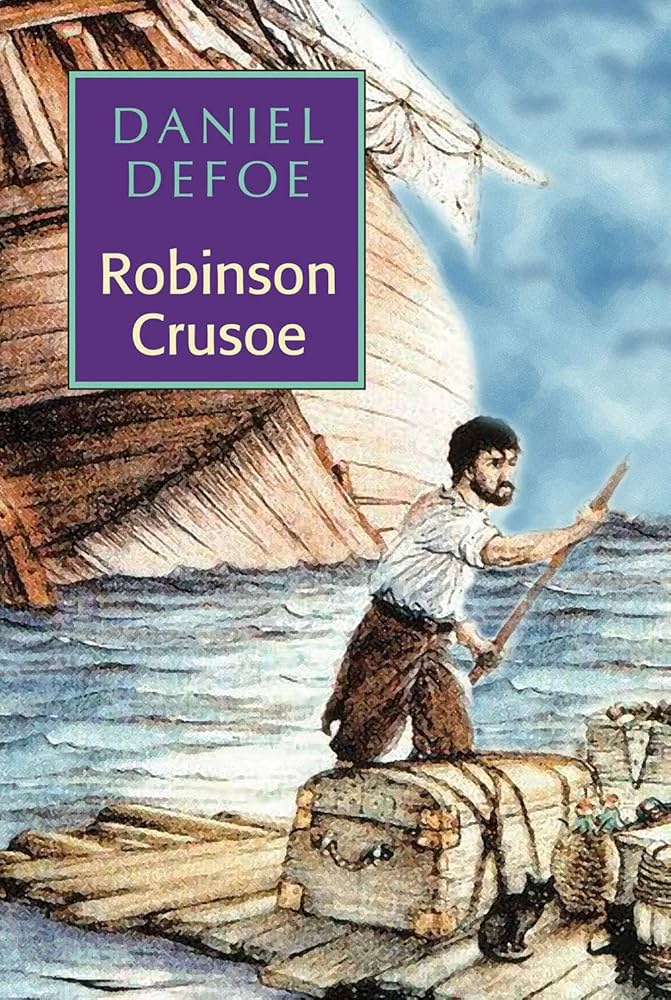
    Robinson Crusoe, book cover

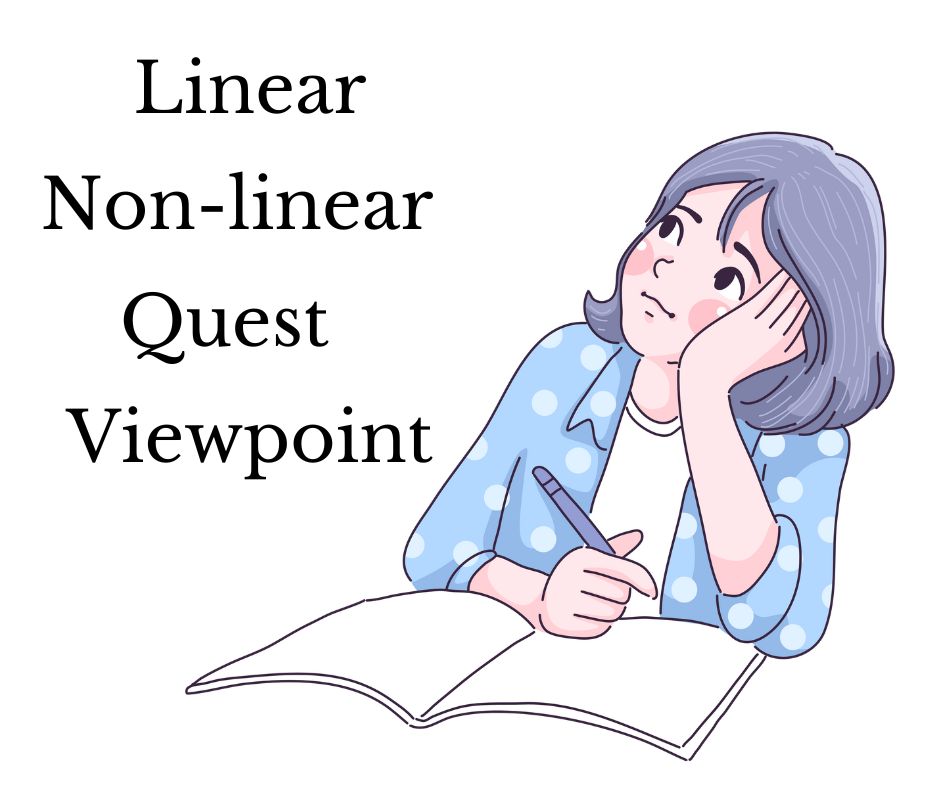
    1. Linear Narrative.

    A linear narrative presents events in the order they happen, taking the reader on a straightforward journey through time. This structure can be found in personal essays, autobiographies, and novels where clarity and progression are paramount. Robinson Crusoe by Daniel Defoe serves as a solid example as readers follow Crusoe’s daily life and struggles chronologically, experiencing his survival and growth in real time.

    Why choose linear storytelling?

    Linear narratives are perfect for stories where clarity and immersion are key. They allow readers to step into the protagonist’s shoes and experience events as they happen, fostering a sense of immediacy and intimacy. For authors, this structure helps maintain a steady pace and ensures that every event naturally builds upon the last, making it easier to keep the narrative focused and cohesive. Linear storytelling is probably the most common type of narrative, which makes it particularly effective for readers.


    2. Non-linear Narrative.

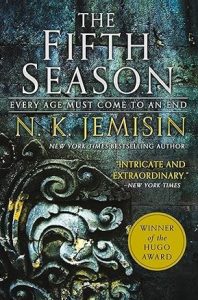
    Non-linear narratives present events out of chronological order, using flashbacks, flash-forwards, and shifts in perspective. This structure allows readers to piece together the story like a puzzle, often uncovering thematic connections and emotional truths along the way. These stories, which we’re about to talk about, are often rife with spoilers. A stunning example of this storytelling style is N.K. Jeminsin’s The Fifth Season, which intertwines timelines and perspectives to reveal more about that world than a linear viewpoint could and culminates in a groundbreaking twist that will drive readers to turn the pages again and again. The fragmented structure mirrors the fractured realities of the story’s characters, creating an emotionally resonant and intellectually stimulating story for readers.

    Why choose Non-Linear Storytelling?

    Authors can be drawn to non-linear narratives for the opportunity to build suspense, deliver surprises, and exploring intricate themes without being hampered by a strict timelines. For readers, this style can draw them in as they actively work to piece together the narrative. It invites them to experience the story on multiple levels, often increasing the joy of not only reading the book, but re-reading it. Other great examples of non-linear narratives in media are the TV show Lost and the movie Pulp Fiction.

    3. Quest Narrative.

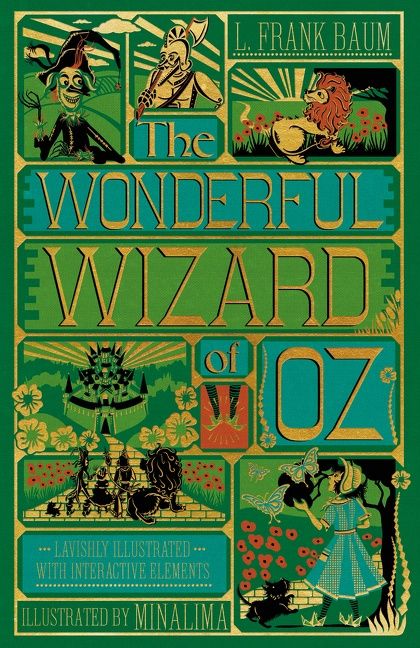
    A quest narrative centers on a protagonist who embarks on a journey to achieve a specific goal. This structure can be see in Frank Baum’s The Wizard of Oz, where Dorothy travels through strange lands, faces challenges, and learns valuagle lessons, all in pursuit of returning home to Kansas. As her journey unfolds, she makes friends, finds mentors, and confronts her fears, all leading to a story of transformation.

    Why choose Quest Storytelling?

    Similar to linear narratives in many ways a quest narrative could be considered our first “subset” of narrative style. However, quest storytelling, like the romance genre, has a few key points that must be touched upon. The protagonist must overcome external obstacles and internal struggles to achieve their goal, and at the end they must have gone through a transformation. Quests fit best for stories where growth is a central theme. Readers connect deeply with quest narratives because of the way they mirror universal experiences of striving, learning, and triumphing against all odds. This timeless framework excels at emotional resonance and a satisfying payoff.

    4. Viewpoint Narrative.

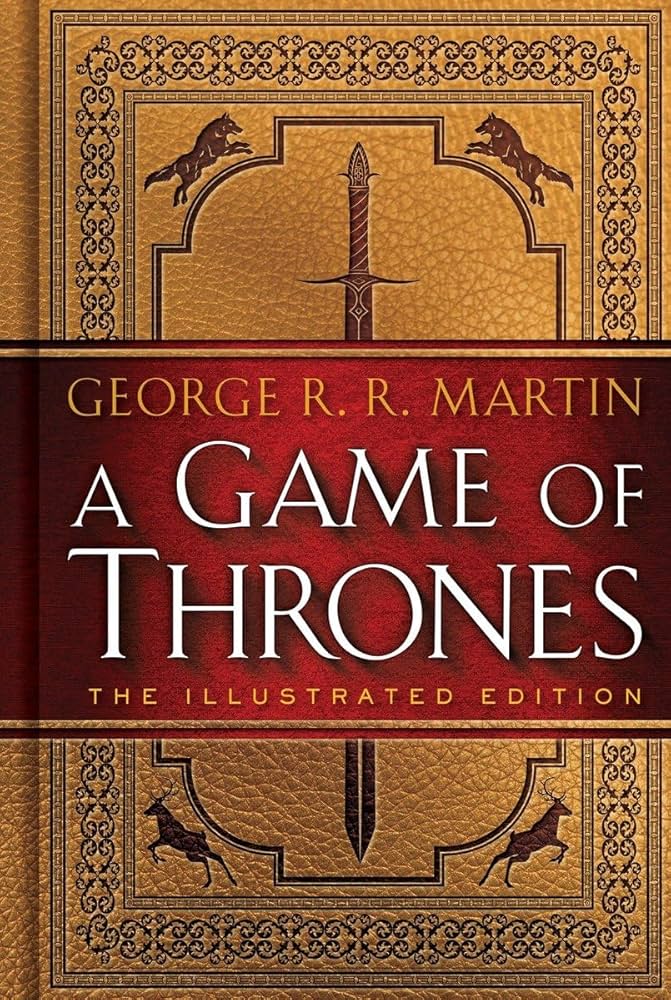
    Viewpoint narratives delve into the lives and perspectives of multiple characters, offering a kaleidoscopic view of the story. George R.R. Martin’s A Game of Thrones shines as an example of this structure, with each chapter revealing events and motives from the point of view of difference characters. This multifaceted approach allows for a deeper view of plot that reveals layers of intrigue as the readers are able to see what happens through a diverse variety of lenses.

    Why choose Viewpoint Storytelling?

    Viewpoint narratives create rich, multifaceted worlds where the reader can explore the depth of multiple characters and storylines. For authors, this structure adds a layer of complexity to their tales as the shifting perspectives can unveil hidden truths, add suspense, and explore contrasting ideologies. Readers are drawn into the intricacy of the narrative, finding their loyalties and perceptions constantly tested, making for an immersive and dynamic storytelling experience.

    Why Narrative Style Matters

    quill, candle, arm

    First off, this is hardly a comprehensive list of narrative styles, just examples of some of the ones most commonly seen today. There’s plenty of overlap as well between these, as you could have a non-linear, quest focused story with multiple viewpoints.

    Each narrative structure—linear, non-linear, quest, or viewpoint—shapes the way readers connect with your story. By experimenting with different styles, you can tailor your storytelling to match the themes and emotions you want to evoke.

    As an exercise, we recommend trying to write the same scene following different styles. Including quest adds a fun element of tone to explore as you go through it! If you don’t have a story, you can try rewriting parts from our own David Beaumier’s short story Medusa, which  you can read here.

    A promotional image for the incredible Everything Everywhere All At Once movie featuring Michelle Yeoh
    Think of the exercises like balancing the universes in Everything Everywhere All At Once
    • Linear Narrative: Your story may already be like this, but if not, remember to focus in on moving from one point to another, and exploring what it would mean for a non-linear story to come out in order.
    • Non-Linear Narrative: Here the question is what comes first and what comes last? Does it need to overlap in different ways (possibly with multiple perspectives) to make this story work? Thinking of Medusa would we need to see Melody’s interrogation from her perspective first and then have a flashback to the attack with her brother?
    • Quest Narrative: Thinking of a classic story like The Hobbit, what is the call to action for this story? What is the external and internal adversity faced by the main character, and then how do they transform by the end? Medusa would need to be expanded to do that, but Allison could be well on her way to creating a home and safe place for people with strange and unusual powers where they won’t be harmed by the mysterious Visitation.
    • Viewpoint Narrative: What does everyone in the scene think? If way your story is written only has one character is there an object that could have a viewpoint? Is someone listening in? Or is there another scene that can be added from the point of view of the person who the characters are talking about?

    Understanding these narrative techniques will help maximize your creativity and craft stories that captivate, surprise, and stay with your readers long after “The End.”


    Chanticleer Editorial Services – We’re ready when you are ready!

    Did you know that Chanticleer offers editorial services?

    We do and have been doing so since 2011!

    Tools of the Editing Trade

    Our professional editors are top-notch and are experts in the Chicago Manual of Style. They have and are working for the top publishing houses (TOR, McMillian, Thomas Mercer, Penguin Random House, Simon Schuster, etc.).

    For more information, please reach out to us at info@ChantiReviews.com.

    We work with a small number of exclusive clients who want to collaborate with our team of top-editors on an on-going basis. Contact us today!

    Chanticleer Editorial Services also offers writing craft sessions and masterclasses. Sign up to find out where, when, and how sessions being held.

    A great way to get started is with our manuscript evaluation service: https://test.chantireviews.com/manuscript-reviews/

  • Chanticleer’s Once-A-Year CYBER Sale: Conference Discounts and more!

    Rooster Approved Discounts?

    You Betcha! 

    A beautiful auburn rooster with a red comb
    “I give it two talons up!”

    Yes Please!

    Chanticleer’s ONLY cyber sale of the year is here!

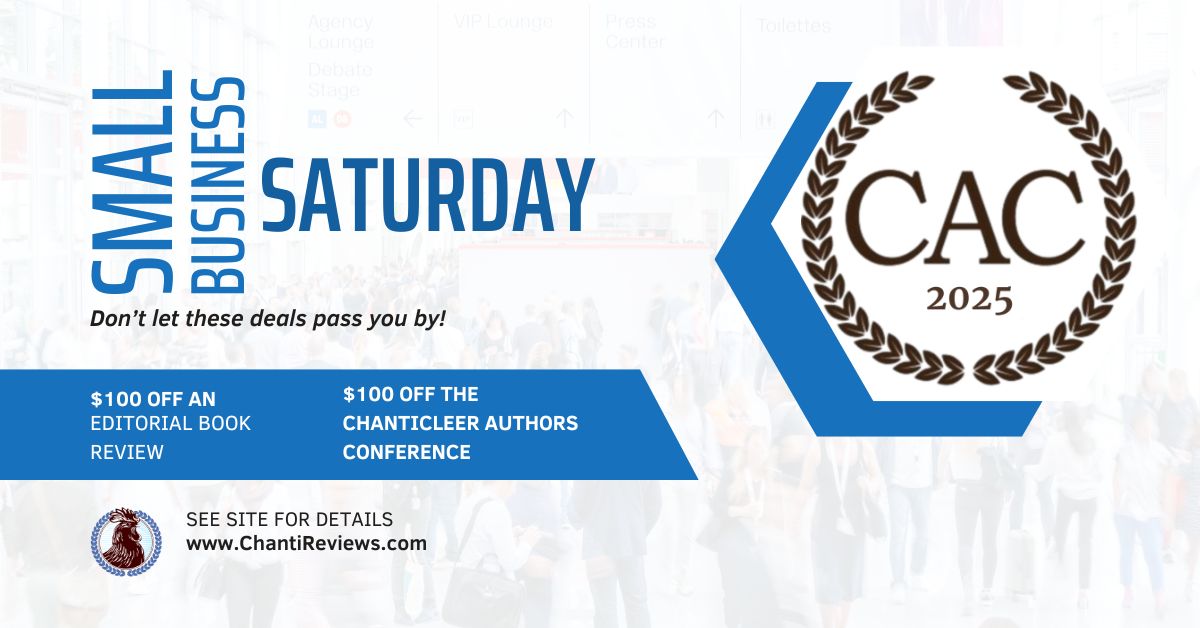
    With discounts on the Chanticleer Authors Conference and all of our Editorial Book Reviews, the time has never been better to launch your marketing journey for 2025!

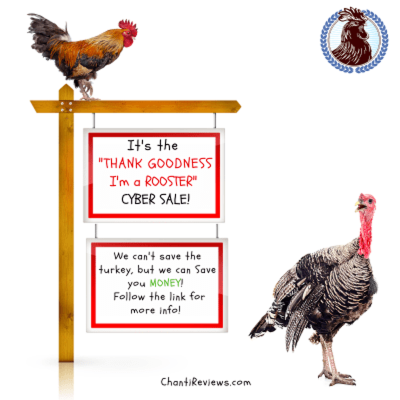
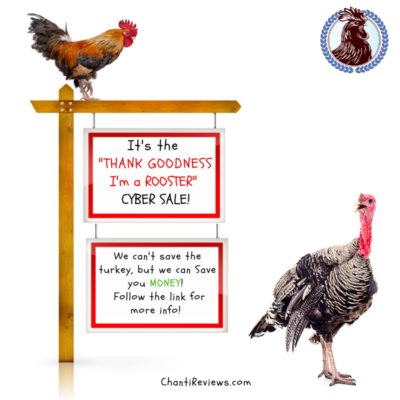
    We can’t save the turkey, but we can save you $$$ on our Authors Conference and more!

    This is your chance to unlock incredible savings and set your author journey on the path to success! Our annual CYBER Sale is the biggest discount event of the year! It’s live NOW through Cyber Monday (December 2nd). Let’s dive in!

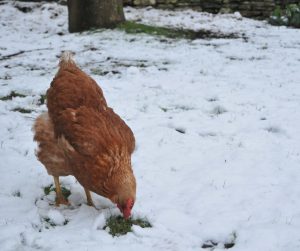
    Auburn rooster with a red comb pecking at the ground
    “This looks like a good place to start!”

    Here’s what you can save on:

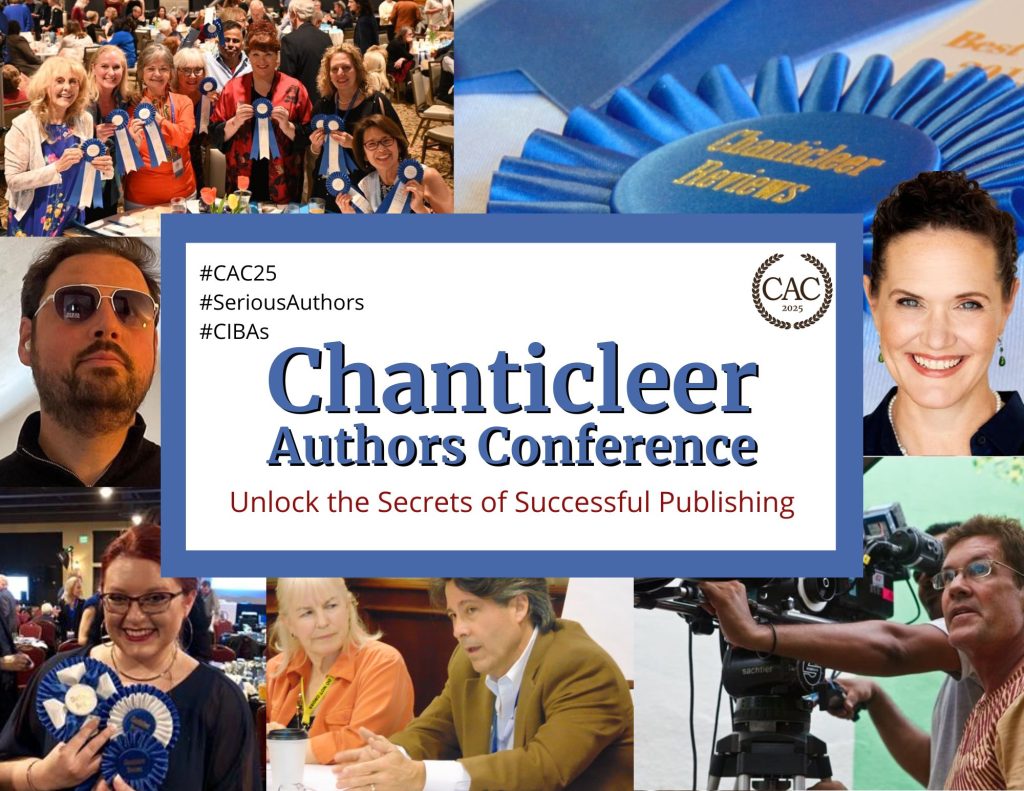
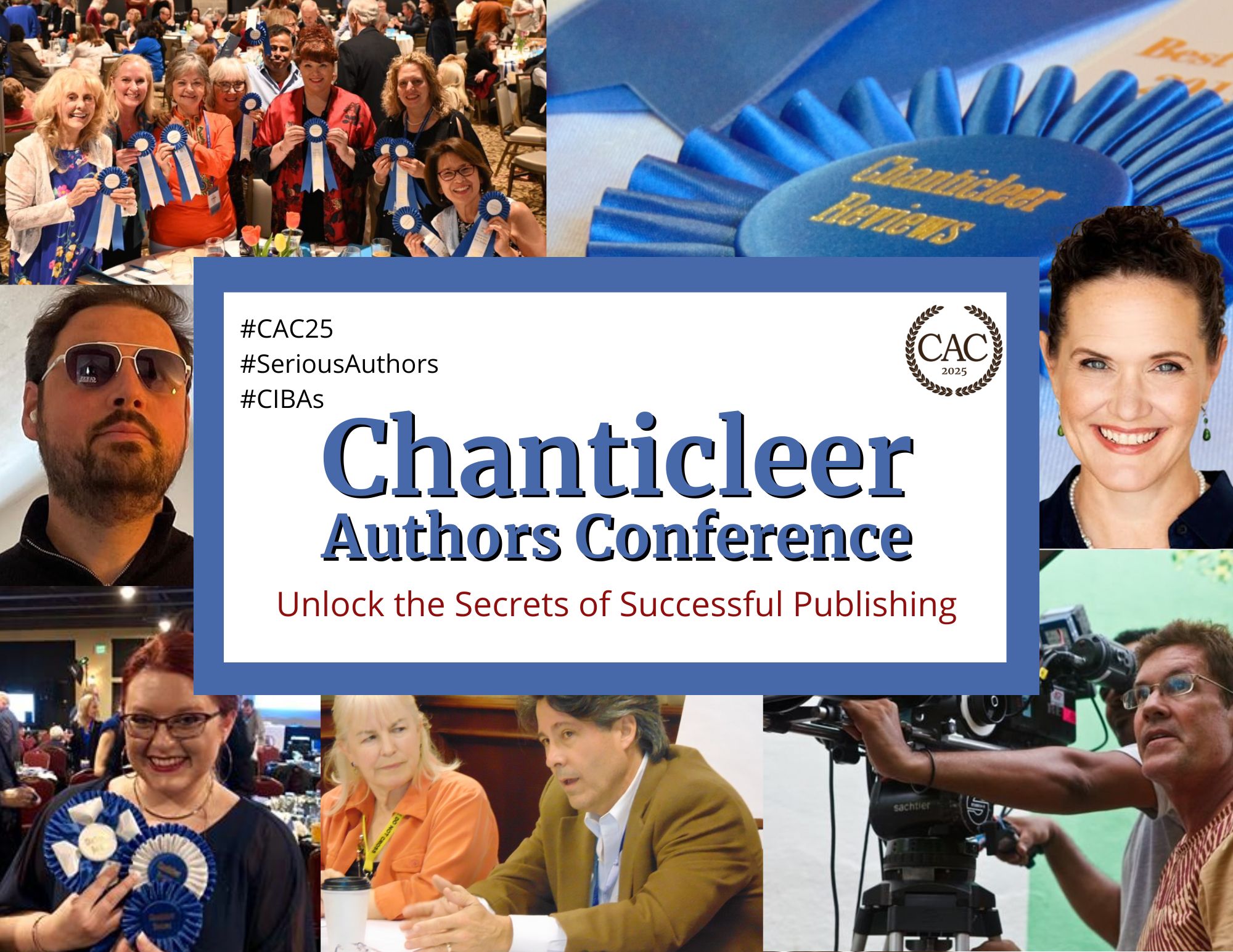
    The Chanticleer Authors Conference (CAC25)

    Save $100 off CAC25 Registration with the code: CAC25TRZRFH4X

    Banner for CAC25, the Chanticleer Authors Conference

    Join us April 3-6, 2025, at the beautiful Bellingham Yacht Club! Conference seating is limited, so don’t wait!

    You’ll learn from industry professionals across sessions on:

    • Expanding Readership
    • Audiobook Creation
    • Advanced Writing Craft
    • Social Media and Content Creation
    • SEO & Metadata Strategies
    • And much more!

    Seats are filling up fast – secure your spot today!

    A Gold Ribbon dividing this section from the next

    Editorial Book Reviews

    A $100 discount with code WEDTAKZV6XUZ

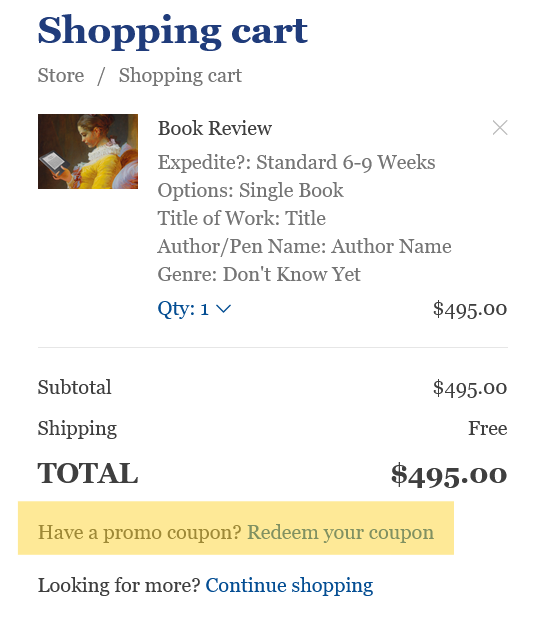
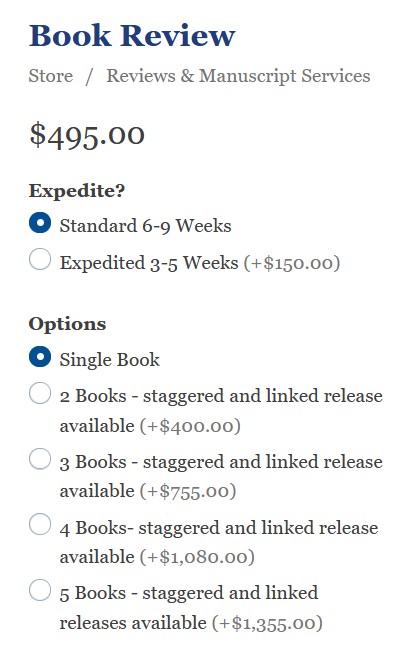
    Regularly $495 – Now Only $395!

    Your book deserves the best

    • SEO
    • Metadata
    • Tagging
    • Long Tail Promotion

    Purchase now and redeem at any time!

    A Gold Ribbon dividing this section from the next

    Editorial Audiobook Reviews

    We are in an Audiobook Renaissance going far beyond the reach of Audible to encompass the incredible Libby App and Libro.fm.

    Take $100 off using the same code for Editorial Book Reviews: WEDTAKZV6XUZ

    Your audiobook deserves the same high-quality attention that the physical copy receives!

    Blue button with a speaker that says Chanticleer Reviews Audiobooks
    Chanticleer Reviews Audiobooks

    A Gold Ribbon dividing this section from the next

    Children’s Picture Book and Early Reader Reviews

    DISCOUNTED FOR THE FIRST TIME EVER!

    We’ve never offered a discount on Children’s Book Reviews before!

    Save $50 with the code PZ44KAAPAG9H

    Regularly $325 – Now Only $275!

    Whether you’re an author of heartwarming stories for kids or early readers, this is an unbeatable deal!

    Get started today!

    But wait, there’s more!

    These Discount Codes for the Conference and all our Editorial Book Reviews are Valid from now through the end of Monday, December 2nd, 2024!

    You don’t want to miss out on these one-time-only discounts! Whether you’re an established author or just starting, Chanticleer’s service help elevate and vet your work for outside audiences. From the Editorial Reviews to the life-changing Conference experience, you don’t want to miss out!

    Need assistance?

    We’re here to help! If you have any questions, please connect with us at info@ChantiReviews.com. Our team is standing by and ready to assist you.


    From all of us here at Chanticleer, we wish you and yours a wonderful and safe Thanksgiving! We’re thankful for you, our amazing Chanticleer family. Keep writing, and we’ll see you soon!

    Kiffer, David, Anya, Scott, Dena, Argus, and the entire Chanticleer Team!

  • 2024 CYBER Sale- Thank Goodness I’m A Rooster Sale Starts Today

    Don’t Miss Out on these Once-A-Year CYBER Chanticleer Deals!

    Chanticleer's Thank Goodness I'm a Rooster CYBER SALE

    It’s our ONLY CYBER SALE of the YEAR 

    CHANTICLEER says

    “THANK GOODNESS, I am a ROOSTER!” 

    Our once a year CYBER SALE!

    We can’t save the turkey,

    but we can save you $$$

    Check out these T.G.I.A.N.A.T. SPECIALS

    (Thank Goodness I am Not a Turkey)

    DISCOUNT CODES ARE VALID:

    Monday, November 20th until 11:59 p.m. Midnight, Dec 2nd, 2024 – CYBER MONDAY

    CYBER SALE – LIMITED TIMECheck out these awesome deals!

    Chanticleer Editorial Book Review Package for $395 with Discount Code

    Purchase the book review package now and you can redeem it anytime in the future.

    Use this code upon checkout to receive the once a year CYBER discount of $100: WEDTAKZV6XUZ

    Discount Valid for Book Reviews and Audio Book Reviews 

    Click here to purchase a Chanticleer Book Review Package for only $395.

    Blue button with a speaker that says Chanticleer Reviews Audiobooks

    Audio Book Reviews are also eligible for Chanticleer’s only CYBER SALE of the YEAR!

    Our Book Review Package (Regularly $495) includes SEO, Meta-Data, Tagging,  and Long Tail Social Media Promotion.

    Don’t delay! Be one of the lucky few to get in on this incredible rate.

    Use this code on checkout for a $50 discount on

    Children’s Picture Book and Early Readers Reviews: PZ44KAAPAG9H

    Click here to purchase a Chanticleer Book Review Package for only $275 with discount code above

    A Wreath with the words "CAC 2025" on it to celebrate the Chanticleer Author's Conference!

    Receive a $100 discount off CAC25 registration,

    The Chanticleer Authors Conference will take place in beautiful Bellingham, Wash at the Bellingham Yacht Club (April 3-6, 2025)

    USE THIS CODE: CAC25TRZRFH4X

     You do not want to miss out! Seating is limited. Register Today!

    Learn from the Best at CAC25

    Past Presenters have included , with more to come! Past presenters include Maggie Marr, Robert Dugoni, Scott Steindorff, Cathy Ace, D.D. Black, Christine Fairchild, Chris Humphreys, Mark Berridge, and other insightful and exciting presenters. The current line up will be updated regularly here!

    Sessions on Fundraising for Authors, Audio Book Creation, Multi-Selling Platforms, Digital Marketing, Expanding Readership, Advanced Writing Craft and Content Creation, Social Media Efficacy, Increasing Sales on Amazon, SEO, Ad words and Facebook Ads, Why Authors need Alphabet SOUP, BISAC Codes, and much more.

    Publishing is the Hub of Technology

    Join the New Era of Content Creation in All Its Forms

    Take Your Writing Craft and Multichannel Marketing

    to the Next Level  at #CAC25

    Use this code upon checkout to receive this $100 discount – our deepest discount for the conference. CAC25TRZRFH4X

    A Wreath with the words "CAC 2025" on it to celebrate the Chanticleer Author's Conference!
    Register for the Conference Today!

    Don’t Delay! Take advantage of this Once A Year CYBER SALE!


    DISCOUNT CODES ARE VALID:

    Monday, November 20th until  CYBER Monday, Dec 2nd, 2024

    CYBER SALE – LIMITED TIME

    As always, please contact us at info@ChantiReviews.com for any questions, concerns, or suggestions.

    We wish you and yours a happy and safe Thanksgiving!

    We are thankful for you, Dear Chanticleerians! 

    Be well. Stay safe. Keep on Writing Because We Need Good Books More Than Ever! 

    Kiffer, David, Argus, Scott, Anya, Dena, and the Entire Chanticleer Team! 

  • Demystifying SEO: Your Pathway to Potential Readers in the Digital Age

    An author’s role has grown exponentially over the years.

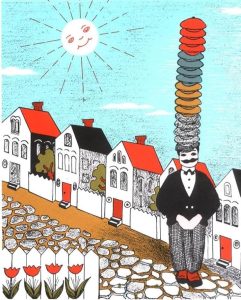
    The classic image of the man in Caps for Salenby Esphyr Slobodkina takes on a whole new meaning!

    Now, when we say “I’m an author” we should be adding, “and a financial expert, a promoter, a marketer, and a search engine optimization (SEO) expert.”

    This last designation might sound bewildering to some in our writing community, but it is an essential component needed to reach your books’ sales goals.

    SEO, Man, computer, gear, magnifying glass, target, arrow

    Don’t be frightened by SEO! 

    In today’s crowded digital landscape, authors face the unique challenge of not only crafting compelling stories but also ensuring those stories reach their intended audience. SEO plays a crucial role in this process. From optimizing website content to utilizing social media effectively, a strong SEO foundation can transform how authors engage with their audience and grow their readership. Whether you’re a seasoned novelist, a traditionally published author, or a first-time self-publisher, embracing a strong SEO foundation is essential for navigating the complexities of the digital age and growing your readership.

    Read on for a closer look into how authors leverage SEO.

    book, flying, squatting, man

    Understanding SEO Basics

    At its core, SEO is all about increasing traffic to your website through organic search engine results. A potential reader inputs their selected keywords into the search engine, perhaps a character type or specific genre, and the search engine presents its results. Authors who effectively employ SEO practices into their online marketing improve their website’s chance at being placed high up in the results, increasing the author’s visibility and expanding their reach to new readers.maginfying glass, man, graph, megaphoneHow to Increase Your SEO Rankings Using Effective Keywords

    Reaching the highest SEO goals means creating quality content and optimizing their online platforms to attract organic traffic—and it all begins with effective keywords. The keywords you insert into your content is the pavement on the road that connects your website with potential readers. In order for them to be effective, you need to understand what people are searching for online in relation to your work—what words they’re using to find you and what type of content they want to read. Knowing this will provide you with information regarding which topics to write about because you now you know what the targeted audience is looking for. 

    But how do you know what keywords are most effective?

    Authors should identify key terms and phrases that potential readers are likely to use when searching for books in their genre. Looking at what other authors are doing is a great first step to better understanding effective keywords. Looking at how other websites think about writing, like Amazon’s BISAC codes or Thema can help give you some guidance of where to start. Incorporating these keywords into book descriptions, blog posts, and website content can significantly improve search engine rankings.

    SEO, blue, red, white, Website, link, traffic, Keyword

    Optimizing Your SEO

    Creating high-quality content is key to SEO success. Blog posts that explore topics related to their books, sharing writing tips, giving peeks into their daily lives, or discussing industry trends are all topics that can contain the keywords you’ve decided work best for your work. Authors will not only be positioning themselves as thought leaders; you’ll also be connecting with readers and encouraging them to engage with you. For your keywords, you want to be sure to use the most specific options available. For The Hobbit, you might think High Fantasy, and Action and Adventure is enough, but fixating down on the nitty gritty helps you stand out from the crowd with keywords like Hobbits, Dwarves, Epic Quest, Children’s Fantasy Novel.

    SEO,

    Here are four steps you can take to increase your SEO

          1. Websites

    An author’s website serves as a central hub for their online presence. Focus on optimizing your the meta data and descriptions for your titles as they are the snippets that appear in search results and work best when they contain high-ranking keywords.

    A compelling meta description can entice users to click on a link, thus driving more traffic to your site. Consistently publishing new and updated content also signals to search engines that a site is active, which can further boost rankings—so consider plan on publishing new content on a regular basis.

          2. Building Backlinks

    Backlinks, or links from other websites to an author’s site, play a significant role in SEO. The greater number of reputable sites that link to an author’s content, the more credible they appear to search engines. Authors can cultivate backlinks by guest blogging, collaborating with other authors, or being featured in interviews. This not only improves SEO but also expands their audience reach by building a digital network to other websites.

    Graphs, arrows, blue, green

           3. Understanding Analytics

    Authors should familiarize themselves with tools like Google Analytics to track the performance of their website. Understanding metrics such as page views, bounce rates, and user demographics can help authors refine their strategies and focus on what resonates with their audience. This data-driven approach ensures they are continually improving their online presence, and points them to the right keywords when interest changes.

            4. Leveraging Social Media

    A strong social media presence can have an indirect but greatly positive impact SEO by driving traffic to an author’s website. By sharing blog posts, book launches, and engaging content, authors gain interest in their work and that can encourage their followers to visit their website, effectively increasing their overall visibility. Engaging with readers on social media platforms will create a community that further supports their work and their reputation with readers. You can learn more from us about Social Media here.

    computer, cell phone, cup, shadows, desk, papers

    The Importance of SEO

    Embracing SEO is not just an option; it’s a necessity for authors in the digital era. In a world where readers often turn to search engines to find their next book, effective SEO strategies can mean the difference between being seen, or remaining invisible. Effective use of keywords empowers authors to take control of their marketing efforts, increase their search engine rankings, reach a broader audience, and ultimately drive up book sales.

    Whether you’re just starting out or looking to refine your online strategy, now is the time to invest in good SEO!


    Chanticleer Editorial Services – We’re ready when you are ready!

    Did you know that Chanticleer offers editorial services?

    We do and have been doing so since 2011!

    Tools of the Editing Trade

    Our professional editors are top-notch and are experts in the Chicago Manual of Style. They have and are working for the top publishing houses (TOR, McMillian, Thomas Mercer, Penguin Random House, Simon Schuster, etc.).

    If you would like more information, we invite you to email Kiffer or David at KBrown@ChantiReviews.com or DBeaumier@chantireviews.com for more information, testimonials, and fees.

    We work with a small number of exclusive clients who want to collaborate with our team of top-editors on an on-going basis. Contact us today!

    Chanticleer Editorial Services also offers writing craft sessions and masterclasses. Sign up to find out where, when, and how sessions being held.

    A great way to get started is with our manuscript evaluation service.

    Here are some handy links about this tried and true service: https://test.chantireviews.com/manuscript-reviews/

    Writer’s Toolbox

    Thank you for reading this Chanticleer Writer’s Toolbox article.

    Writer Toolbox Helpful Links: 
    BISAC Headings List

    Thema Subject Categories

    Making Social Media Easier for Authors by David Beaumier

    Ready to dive deeper? Check out Getting the MOST TRAFFIC out of your Website by David Beaumier

  • Chanticleer 10-Question Author Interview Series with David Calloway – Historical Fiction, African American History, Slavery & the Civil War

    CHANTICLEER 10-QUESTION AUTHOR INTERVIEW SERIES

    with Award-Winning Author, David Calloway

    Hello friends, we have another fabulous interview for you today.

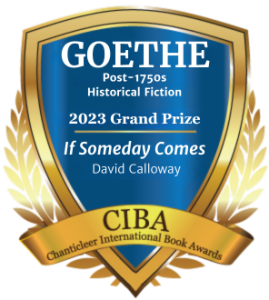
    In 2024, David Calloway took home the 2023 Chanticleer Grand Prize in the Goethe Awards division for his fascinating novel, If Someday Comes. Here, he tells us how he was inspired by his own family’s history to write If Someday Comes and the subsequent heights it is now reaching! Take a minute or two and get familiar with David to learn more about his ancestors’ amazing story. You won’t be sorry!

    Chanti: Your writing is very personal. What drove you to tell your family’s history?

    Calloway: The heart of my wish to write and to tell my family’s story was to record for the coming generations the stories I heard from the old folks as I was growing up. I wanted to preserve the struggles, hardships, and triumphs of my ancestors’ American lives.

    I think I always wanted to write, but put no real effort into it early in my life, as I was filled with self-doubts about my ability. Eventually I would overcome my inertia through the feedback and encouragement of close friends and family. In my professional life, I was in the motion picture and TV business, first as a cinematographer, then as a director, and then a producer. From day one, I read every screenplay – all revisions – and watched the words come to life on the screen.

    Slowly, I learned what worked to tell stories economically, so some story sense came by osmosis, some by study, some by practice. I took story structure classes, studied Robert McGee. I read Bird by Bird by Ann Lamott and On Writing by Stephen King. I talked with working writers about series and story arcs, plotting, character, and foreshadowing. I also attended writer workshops, retreats, and read other successful novelists.

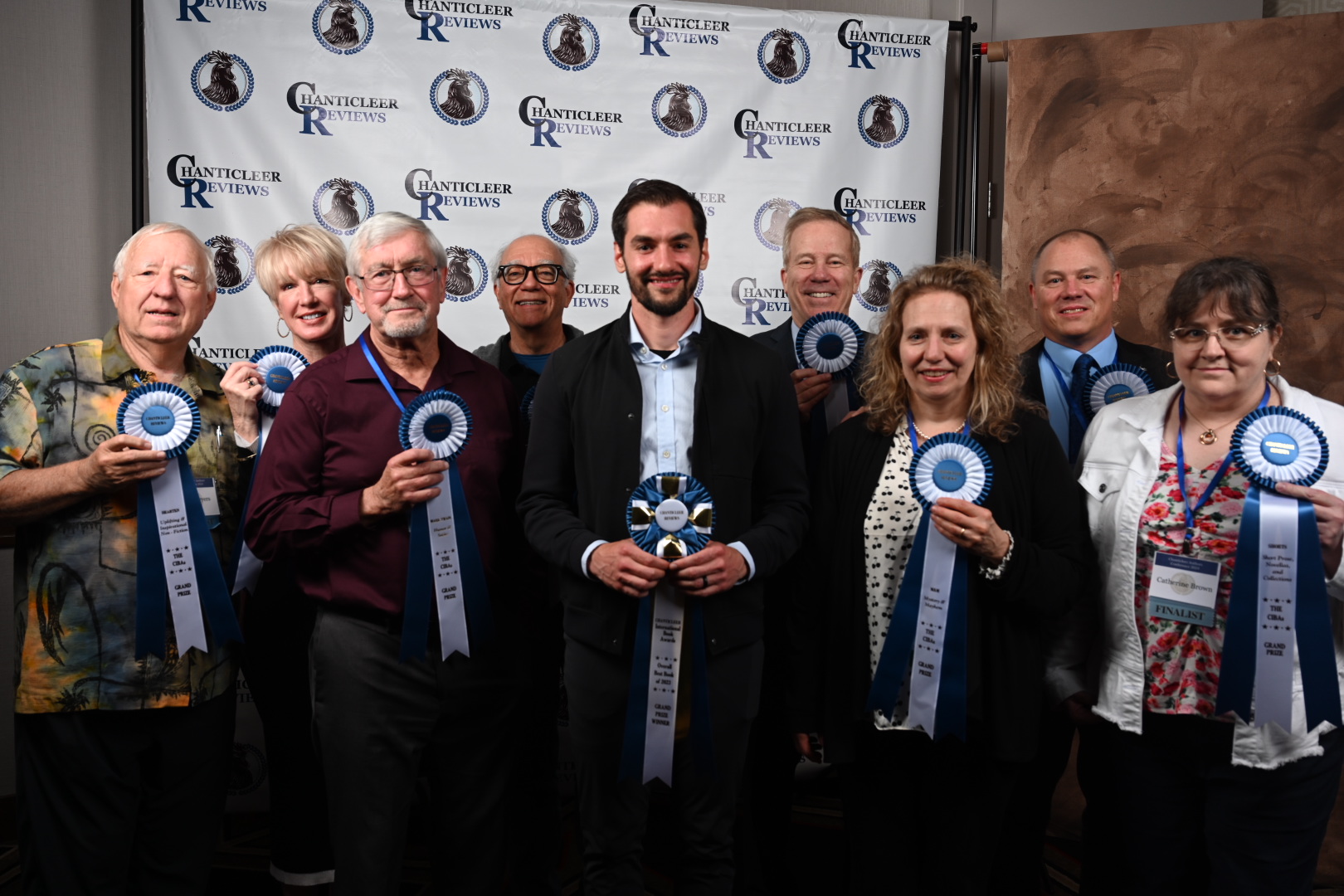
    CIBA award, Grey sweater, David Calloway, black shirt, conference, awards banquet

    Chanti: When did you finally feel you were an author and add that to your extensive resume?

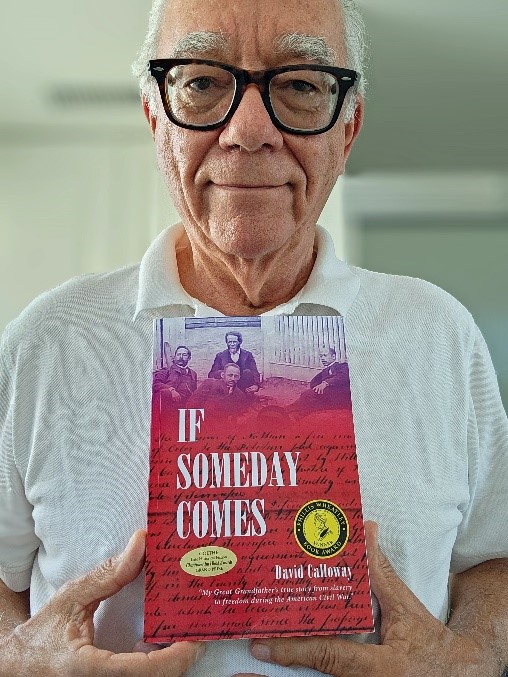
    Calloway: The day I opened the box that brought the proof copy of If Someday Comes! Up to that point, there were many moving parts, the manuscript, the proof reading, the cover art, the endless formatting. Here in my hand was a real book, something anyone might buy. Unbelievably, it had my name as writer on it. It’s been published for many months, and I still find it hard to introduce myself as an author.

    Chanti: Your ancestor’s story is so compelling. What genre best describes your book?

    Calloway: If Someday Comes is historical fiction, closely based on the true story of my great-grandfather’s life during the American Civil War. I grew up knowing where people were during that period, but their exact relationships were lost in time, so I filled out the characters and created the tone of the plot as I went. Comments from the old folks like “he was a nice man” are not enough. It’s hard to avoid retroactively applied values to those times, and I’m sure some of my twenty-first century “I have judgement” slipped in there somewhere, but the goal of getting his story into a book was my true goal.

    Old photograph, African America, slavery, beard
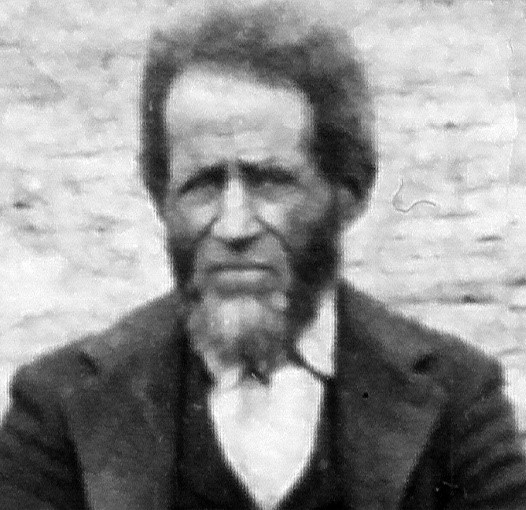
    George Calloway

    Chanti: How did find the information you used to fill in the background of the story?

    Calloway: I read historical accounts of the period and subject, then added in my family’s tales of the past. I also created an outline of events for the story, and I used incidents I read about in books, letters, and newspapers for inspiration. The motivations of people never change for as far back as written history will allow us to see. Well-worn are the old trials of the human condition, and how often do we quote the Romans and Greeks on sex, greed, love, and jealousy. And of course, my own feelings on the same subjects.

    Chanti: That’s a rich way to develop both character and story! How do you approach your writing day? What is your routine?

    Calloway: “Sporadic” is my routine. I’ll write for several days, then none, then return to the page, then realize I need input, then read more history and other people’s work, stare at the blank screen, castigate my own procrastination, remind myself that no one is going to read this if I decide to cut it-so don’t worry. Then I despair that none will read the book anyway, convince myself that I’m hungry and a snack will get me going. I’ll check my email, take my dog for a walk, and then have lunch with old friends whom I’ve convinced my book is going great.

    Ad infinitum.

    David Calloway, If Someday Comes, White shirt, black glasses

    Chanti: What about writer’s block? How do you handle it when the words just won’t come to you?

    Calloway: Staring at an empty page with no ideas popping is tough. I write whatever comes to mind. It may have nothing to do with the book, or it may have a connection later on in the story. Some days are two sentence days, some are two-page days. I concentrate on my rights as an editor and will change or eliminate any thoughts, so I just jump right in.

    If I’m really stuck, taking a walk helps. I leave the phone at home, as I find stepping away from it resets the brain. Sometimes I imagine your main character with walking with me. And the phrase “I’ve got to sleep on it” is a maxim I refer to often, because problems are solved and ideas are generated by whatever part of the brain is working at night. It’s an approach that work for me… sometimes.

    Chanti: Those are great pieces of advice for breaking out of a block. Beyond writing, what sort of marketing tips do you have for authors?

    Calloway: Online ads are the only strategy that has worked for me. Spending lots of money in trade magazines has been a complete bust. I advertise on Amazon and Facebook. Set a budget and see how it works for you. Even so, It’s a struggle. Contacting public libraries, local papers, community clubs (Rotary, Elks, Chamber of Commerce) help – they always need luncheon speakers. I also make a point of being available for online book clubs and chats, and I have a website that has book reviews, awards, and links to other websites. www.IfSomedayComes.com. And I always encourage readers to write reviews online. It really helps others to decide to read the book.

    David Calloway, water, cap, grey, sky, land

    Chanti: What is your next project? Another story about a member of your family?

    Calloway: Yes! I am working on my Grandfather James’ story as historical fiction. He was born a slave in 1860, and grew up to become a surveyor and farmer. James and his brothers – all graduates of Fisk University – worked for and with Booker T. Washington in the building of Tuskegee Institute. James ran the farms and also taught farming. He was Tuskegee’s representative sent to Washington, DC to lobby for land grants to help finance the school. Later, James was hired by the German government and traveled to Togo to teach cotton farming.

    Chanti: Who are the perfect readers for If Someday Comes?

    Calloway: The book is a story of family, both before and during the Civil War. It highlights the close relationships between owner and slave, and as was so often the case, is about one large family separated by race and class.

    The story includes the good stuff, like love, courage, ingenuity, as well as the bad stuff of violence, cruelty, famine. Everyone suffered during the war; but remarkably, George (my Great Grandfather) kept everyone alive on both sides of the color line.

    It will be a book for anyone interested in the Civil War, the experience of slavery in East Tennessee, and the relationship of whites and blacks in the South.


    man, hat, yellow shirt, water, land, sky, David Calloway David Calloway was born in Chicago and grew up in Palo Alto and Berkeley. Calloway holds an MFA from UCLA in Film Production. His first job was as an Editor, progressing to Cinematographer, then a Producer of features and television. He is a member of the Producer’s Guild, the Director’s Guild, and the Academy of Television Arts and Sciences.

    Calloway is a Director on the board of the Angel’s Gate Cultural Center and on the board of the Offshore Racing Outreach Foundation.

    Calloway lives and works in Los Angeles, California. You can find out more about David Calloway’s writing on his website.

    If Someday Comes available on Amazon in print and Kindle, and as an Audible book.