
Category: Marketing

  • Synopsis Writing Tools – a Two Part blog post by Jessica Page Morrell

    Synopsis Writing Tools – a Two Part blog post by Jessica Page Morrell

    Jessica Page Morrell
    Jessica Page Morrell

    SYNOPSIS Development by Jessica Page Morrell

    Jessica is a top-tier developmental editor. Jessica is teaching the Master Writing Classes at the Chanticleer Authors Conference on Sunday, April 22, 2018. 

    Here is the first half of a two-part series on How to Write a Synopsis. The first part deals with synopsis development and the second part will discuss the mechanics of a synopsis.


    Part 1 of Jessica Page Morrell’s Writer’s  Toolkit series on How to Write a Synopsis

    I’ve got a book in progress now, but I’m planning to write several nonfiction projects, so I’ll be crafting proposals to sell these projects. Now, I’d rather yank out my fingernails one by one or undergo a series of root canals than write a proposal—there’s just something about them that fills me with dread and the worst case of procrastination this side of the Rockies. I know proposals are a top-drawer tool in my toolbox of writing skills, but I still loathe writing them. And I’ve heard this same sort of dread about writing a synopsis from fiction writers, so if you’re fortunate enough to be finishing a novel, here are some ideas for this next crucial step.

    First, if you’re not fond of writing a synopsis, this doesn’t strike me as abnormal. After all, you’re summarizing about 400 pages into the briefest possible form while introducing the major players and situation and somehow leaving no questions unanswered, while not disclosing everything that happens in the story. A synopsis is part bare bones of your story (however, not too bare), part pitch, and part illustration of your writing style. And every sentence matters and must push the story forward.

    Typically a synopsis completes a sales package that includes your first three chapters and sometimes a letter of introduction. Since at times editors read the synopsis first, it must be comprehensive, comprehensible, and compelling, forcing them to then peruse your chapters. Hopefully, your synopsis will be read not only by an agent and editor but if it passes muster, the marketing and art department will read it too. A synopsis will also be used in the publishing house meetings where decisions are made about what titles will be published in an upcoming season. In your synopsis, these professionals want to see a thoughtful writer at work—one who has crafted an enthralling story, with a gripping main conflict and intriguing motivations in the main players. They also want to understand how the story moves logically from the inciting incident in the opening chapters to the end, with major plot points and turning points along the way.

    These days there seems to me no grand consensus on the ideal length of a synopsis. If you’ve written a saga, chances are you might weigh in at 10 pages or more and if you’ve written a fairly simple tale, you might get away with a one-page shortie. Since most agents and editors are notoriously pressed for time and read so much for their jobs, the five-page synopsis is appreciated by most. However, in the past, the wisdom about length went like this: one double-spaced page of synopsis for each 10,000 manuscript words. If you wrote an 80,000-word manuscript you’d write an 8-page synopsis.

    Synopsis

    If you’re new to the task of synopsis writing you might want to read the back cover copy of your favorite paperback novels and the inside jacket of hardcover novels. Notice how enticing the copy is and how the story question is revealed. Notice also the verbs and the level of specific detail. Then make a list of all the major characters and events that you need to include in your synopsis.

    Start your synopsis with a hook—such as in:

    When JAMES MALCOLM, an insurance adjustor, awoke in a strange basement wearing women’s clothing, he knows it won’t be an ordinary day, but could scarcely have imagined that the clothes he wore belonged to MELINDA DAVIS who had been recently murdered. Wrongly suspected of her murder, Malcolm is forced to discover who murdered Davis and why and why he was fingered for the crime.

    Write in the present tense and the first time you introduce a character, type his or her name in all caps. A synopsis is written in the same order as the novel and is written in the style and tone of the manuscript—a witty, fast-paced novel requires a witty, fast-paced synopsis. If the story is literary, your synopsis will be more serious, but keep in mind that your dazzling prose goes into the manuscript, not the synopsis.

    Don’t leave major questions unanswered such as who killed the victim, as well as how Malcolm solves his internal conflict, and how the subplot was resolved after he lost his job when he was arrested. A synopsis keeps the reader’s interest, but it’s not a tease and is not written with cliffhangers and such devices. It’s particularly important to demonstrate that your ending provides a satisfying conclusion to the plot and ties up loose ends.

    A synopsis demonstrates that your characters are in jeopardy and what is at stake and why this matters. It introduces your main characters and their conflicts and agendas. It is not a list of characters or character sketches, and it usually does not describe physical attributes of characters, although the main characters are given some sort of tag. For example, you might want to refer to a character as the leading citizen in a small Southern town, or a respected doctor or frustrated novelist. Antagonists are always introduced, but secondary characters are mentioned only if they are involved with the protagonist’s inner or outer conflict. A synopsis is also written with a careful attention to flow—ideas follow each other logically and one paragraph leads to the next. This means that transitions will be important in connecting the dots.

    The Part 2 will discuss the mechanics and formatting of a synopsis and her handy checklist (by Jessica Page Morrell).

    LINKS

    Instructional and Insightful Books by Jessica Page Morrell to add to your Writer’s Toolkit. Click here. 

    Click here if you would like more information about Jessica Morrell’s Master Writing Classes that will be held on Sunday, April 22, 2018, Bellingham, Wash.

    Click here for information about the 2018 Chanticleer Authors Conference. 

    Click here for Jessica Page Morrell’s website.
     

  • Scott Steindorff, A-List Executive Film Producer at the Chanticleer Authors Conference

    Scott Steindorff, A-List Executive Film Producer at the Chanticleer Authors Conference

    THIS JUST IN!

    Scott Steindorff has agreed to come back for CAC 19 – for two full days!

    We are beyond excited to announce that Scott Steindorff, A-List Executive Film Producer will be joining us again at #CAC19

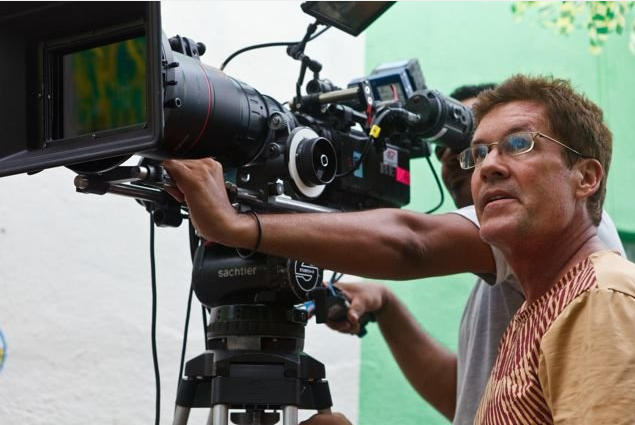
    Robert Scott Steindorff is an American film and television producer who is known for adapting literary works into film works. He works with some of the top people in the entertainment industry such as Natalie Portman, Nicole Kidman, Matthew McConaughey, Ewan McGregor, Robert Downey Jr., Scarlett Johansson, Jon Favreau, John Leguizamo, Will Farrell, Jack Black, and others.

    Scott has produced Chef, Jane Got A Gun, Las Vegas, The Lincoln Lawyer, Penelope, Empire Falls (TV Series), The Human Stain, Love in the Time of Cholera, and other works.

    Michele Miron, Editor for Press Publications wrote that When producer Scott Steindorff buys rights to a book, there’s a good chance that story will show up on the big screen.” She continues to report that “he makes two to three movies each year.” 

    Known as Hollywood’s bookman – Scott has chosen the books from these authors to adapt into movies include Philip Roth, Richard Russo, Gabriel Garcia Marquez, T.C. Boyle, Nicholas Sparks, as well as Michael Connelly’s “Lincoln Lawyer” and Mikhail Bulgakov’s “Master and Margarita”.

    And yes, I am going to say it again!

    SCOTT STEINDORFF is COMING BACK to the Chanticleer Authors Conference!!! He will be here for two days at CAC19 to discuss books and the entertainment industry.


     Special Topics – Scott Steindorff

    • The Art of Developing Books to Film
    • Deconstructing a Novel into Three Acts
    • The Dangerous Task of Turning Beloved Bestsellers into Film or TV
    • The Hook in a Book

    On Word 

    Join Scott in an Actor’s Studio-style Interview with Diane Sillan for the Chanticleer Reviews video series, On Word.

    Scott’s upcoming projects are mostly “based on a novel” as he continues to develop and produce commercially successful and award-winning television series and films. “…books that are so well developed with their stories and characters that they attract top writers, actors, and directors for film and TV.”

    Click here for more information about the 2018 Chanticleer Authors Conference and Int’l Book Awards Banquet and Ceremony.


  • Five Essential Book Cover Elements by Kiffer Brown

    Five Essential Book Cover Elements by Kiffer Brown

    Or Effective Book Covers Deconstructed

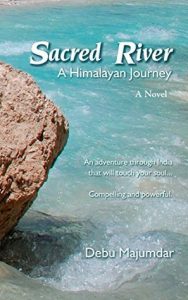
    A  few weeks ago, a wonderful and talented author named Debu Mujumdar contacted me about how to begin creating an effective book cover. Effective cover meaning one that will sell itself to readers, bookstores, agents, distributors, librarians…He knows that his current cover is not serving his novel well, but where to start. “What are the first steps to create an effective book cover? Where do I begin?” he asked.

    You see, Debu’s novel, Sacred River: A Himalayan Journey, has won multiple prestigious awards. You can read the Chanticleer review by clicking this link.  He published it in 2016. However, from what I could surmise from his email, he isn’t pleased with its sales or readership reach.  The story is unique and exceptionally well written and has a suspenseful climax. It is filled with tense sub-plots that are engrossing and the stakes are high!

    But the cover he now has reflects very little about the story within. We discussed his cover at last year’s Chanticleer Authors Conference session on book covers. I think I will call the session this year THE GREAT CHANTICLEER COVER “Bake-Off” (with a nod and a hat tip to The Great British Bake-Off TV show). At these sessions in the past, brave authors (self-published) have lain their books on the Cover Altar to be scrutinized—and not just by me, which would be tough enough, but by their peers.  Debu was one of the brave authors who laid his book on the Cover Altar for judgment.

    I then would hold up the targeted book for about 3 to 5 seconds to the group and ask the following question: “What is the genre of this book?”

    Notice, that I did not ask, “Do you like this cover?”  An effective book cover is not necessarily “pleasing.”

    An effective book cover communicates information. And not just the basics—that is a given.

    Most of the time (99% I’d say), not one person in the group could tell the genre of the (self-published) books laid on the Cover Altar —much to the chagrin of the books’ authors.

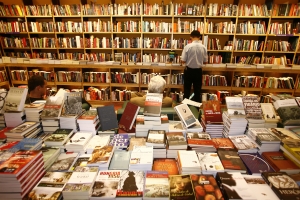
    Village Books Bellingham, Wa

    Why 3 – 5 seconds? That is the time that the cover has to attract a potential readers’ attention.

    Potential Readers being booksellers at tradeshows, librarians at the ALA shows, shoppers on Amazon, shoppers at your local bookstore, shoppers at WalMart or Barnes & Nobles or at the airport … Well, you get the picture.

    In this 3 to 5 seconds, your cover must communicate quickly and effectively the following 5 Elements:

    1. The Genre (Historic? Thriller? SciFi? Romance? Cozy Mystery? Literary? etc.)
    2. The Primary Targeted Age Group (Adult for the Trade? Guys? (think Tom Clancy) or Gals? (think Rebecca Wells), General Audience? Young Adult? Middle-Grade? Clean reads market? (think Jan Karon) etc.)
    3. Mood (Humorous? Suspenseful? Adventurous? Dark? Light-hearted? Romantic? Horror? Spiritual? etc.)
    4. Timeframe (Current? Futuristic? Regency? WWI? Western? Classic Roman? etc.)
    5. Place or Cultural Reference (India? New York? Africa? Outer Space? California? Paris? Russia? Japan? etc.)

    An effective book cover will convey all of this information (or enough of it) to capture a potential reader’s attention in less than 5 seconds—three seconds really. It will garner enough interest to have the potential reader to pick it up or click on the link to find out more. If it does not, your book is invisible to potential readers. And yes, that is a publishing industry’s insider’s term.

    Invisible books rarely sell.

    Effective covers sell the first book. The content between the covers sells the second book. And you can quote me on that.

    Here are some examples of before and after covers that have been lain upon the Book Cover Altar:

    Example No. 1

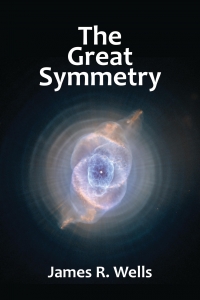
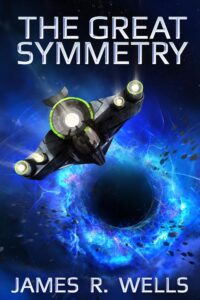
    James R. Wells Awarded the Cygnus Grand Prize for THE GREAT SYMMETRY


    James Wells’ The Great Symmetry, a Cygnus Grand Prize Book Award for Science Fiction:

    BEFORE                                                        AFTER

    The Great Symmetry from James R Wells


    The comments regarding the original cover were:

    • Is it a biology book? Is it a math biology book? I dunno? Is it a non-fiction book?

    Point made.

    Bookbub picked up The Great Symmetry with its new cover. ‘Nuff said.

    Does the new cover  communicate quickly the 5 Elements above:

    1. Genre – yes. Clearly Science Fiction
    2. Primary Age Target Group – yes. General Audience for the Trade (i.e. commercially viable, a plus!)
    3. Mood – yes. Suspenseful with Action — Is that a black hole? Looks scary!
    4. Timeframe – yes. Futuristic with high technology
    5. Place or Cultural Reference – yes. OuterSpace — possibly intergalactic.

    Example Number 2

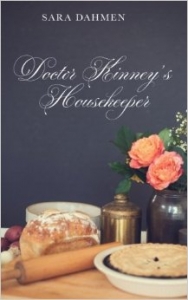
    Sara Dahmen’s Doctor Kinney’s Housekeeper, Laramie Grand Prize Winner for Western Fiction

    Sara Dahmen awarded Laramie Grand Prize for DR. KINNEY’S HOUSEKEEPER


    BEFORE                                         AFTER


    The comments made during the Great Cover Bake-Off regarding the original cover were:

    • Is it a cookbook for baking? Is it a book about a baker? Again: I dunno? Is it a non-fiction book?

    Point made.

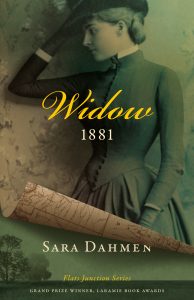
    Dr. Kinney’s Housekeeper was picked up by a publisher because it had an interesting storyline and commercial potential (read, TV series). After some rewriting to pose the book as a series, a new cover was created that reflected the storyline along with a new title Widow 1881: Flats Junction Series

    Does the new cover communicate quickly the 5 Elements above:

    1. Genre – yes. Clearly Historical Fiction, the late 1800s
    2. Primary Age Target Group – yes. General Audience for the Trade – female-focused
    3. Mood – yes. Change is coming. The fancy wallpaper from city life Back East to the map of the territory clearly shows this. The cultured young woman standing in front of fancy wallpaper is wearing clothes that do not allow for much movement or made for working.  Note the tiny waist from wearing a corset, her fine gloves, the fine wool flannel, and her hair arrangement, her hat. This young woman is heading out alone to a place where there will be little refinements that she has become accustomed to. Will she survive? What awaits her?
    4. Timeframe – yes. 1881 (And what was it like being a young widow in 1881 going out to unknown territory alone)
    5. Place or Cultural Reference – yes. North America West against Back East culture in the late 1800’s

    Sara is happy to report that book sales are brisk and the novel (first in the Flat Junction series) is under consideration for film options.

    Example No. 3

    Now let’s go back to Debu‘s award-winning novel, Sacred River:   A Himalayan Journey

    Click on the link above if you want to visit Debu’s website.

    The tags for the book are Literary Fiction, Multiculturalism Issues, Mystery, Thriller/Suspense, India.

    Here is the novel’s cover:

    Now let’s apply the 5 Elements. What does the cover tell you in less than 5 seconds?

    1. The Genre:  Travel? Non-fiction?
    2. The Primary Targeted Age Group:  General Audience? Probably. Literary audience? Probably not. Suspense/Thriller audience? No way.
    3. Mood: Don’t know.
    4. Timeframe: No idea.
    5. Place or Cultural Reference: No idea?

    Does the cover convey any of the following (blurbs from the Chanticleer Review of it)?

    “A tour de force of India’s history, religion, culture, philosophy, anthropology, sociology, and politics are neatly packaged as a mystery…”

    “…As speculation of a golden hoard hidden in the sacred temples arises, Chetti and his associate scheme to locate and plunder treasure for a noble cause…”

    “An engrossing and tense subplot unfurls, one that will ensnare a temple swami along with some of the pilgrims to the Ganges. This adventure, which culminates in an enormously suspenseful climax…”

    “Readers will feel they are in a marketplace, on the side of the mountain, in a temple, and bathed in light and water. Especially lovely are the passages noting religious rituals and the spiritual significance of the Ganges. The author weaves in Indian legends and morality stories, artfully juxtaposing parallels between ancient tales and his characters’ modern lives.”

    Nope.

    How to Increase Book Sales
    Make your book stand out in a sea of books!

    Debu’s award-winning novel deserves a cover worthy of the time and writing craft that he invested into it. His cover has to intrigue potential readers and booksellers to pick it up wherever it is displayed. The cover must convince the web surfer to click on the image.

    But how?

    My advice to Debu is to begin collecting visual elements of people, objects,  paintings, locations, symbols, ideas, etc. that reflect the content of the work. Take several weeks to do this. Enlist friends, family, and readers to help with this. Gathering visual elements would make a great social media campaign. Ask readers to post photos or graphics of images that remind them of the novel.

    Dig deep. Come up with at least 30 elements, if not more.

    Lay the visual printouts where you can see the elements from far away, close up, upside down. Such as writing the novel, exploring the cover concepts will take time. Deciding on the cover concept will take more time and feedback.

    In a few weeks of letting ideas percolate, particular visual elements will begin to resonate. Then you will have something to explore.

    Update! Debu has re-released his book with this cover

    Don’t let your book become invisible to its potential readers!

    Effective covers sell the first book. The content between the covers sells the second book. And you can quote me on that. (And yes, I am repeating myself. )

    I will continue with another blog post that discusses what comes next—How to Put the Elements Together for an Effective Book Cover.

    Here is a link to Canva. It is a FREE graphic-design tool website that is easy to use. It is a great way to explore cover ideas and to play with visual elements to discover what will resonate cover-wise with your readers.

    Meanwhile, keep on writing! ~ Kiffer

    Click here if you would like information about the Chanticleer Authors Conference

    Or here for more information about the Chanticleer International Book Awards. 


  • What Acquisition Editors and Agents Notice When Evaluating a Manuscript – A Handy Checklist by Jessica Page Morrell

    Jessica Page Morrell
    Jessica Page Morrell, Developmental Editor for Books and Screenplays

    Jessica Page Morrell is a top-tier developmental editor for books and screenplays. Her articles have appeared in Writer’s Digest and The Writer magazines. She is known for explaining the hows and whys of what makes for excellent writing and for sharing very clear examples that examine the technical aspects of writing that emphases layering and subtext. Her books on writing craft are considered “a must have” for any serious writer’s toolkit.

    Jessica will teach the Master Craft Writing Classes at the Chanticleer Authors Conference on Sunday, April 21st, and will present sessions during the conference.

    She is sharing her handy Writing Craft Checklist with us because we all can use reminders. We advise that you make sure that your manuscripts do not have any of the following issues prior to submitting them to agents and acquisition editors.  If you are too close to a work to evaluate it, you may want to consider having an objective and unbiased manuscript overview to catch these issues.

    Editors and agents are word people, most were English majors in college and have a great love and respect for the written word. They will notice your level of craft within the first sentences, so your efforts must be polished, vivid and exceptional.


    Jessica Page Morrell’s Handy Writing Craft Reminders Checklist


    • Your manuscript lives or dies on your opening sentences and each word must be perfect, precise, and weighted with meaning.
    • Editors notice and are turned off by passive voice and wimpy verbs.
    • Editors notice when the viewpoint jumps or shifts within a scene.
    • Editors notice too much telling (reporting or summary) and not enough showing in all types of writing including essays and memoir.
    • Editors notice when emotions are announced instead of dramatized.
    • Editors notice frequent use of names in dialogue. Generally, leave out names.
    • An editor notices sloppy punctuation such as the excess use of exclamation points, quote marks around inner thoughts, improper use of semicolons and ellipsis.
    • Editors notice protagonists who are not proactive, heroic in some way, and bigger than life.
    • Editors notice characters with a limited emotional range and expression.
    • Editors notice large and small inaccuracies and inconsistencies—when the character has blue eyes on page 23 and green eyes on page 57; when a character drives an old, beat-up, pick-up truck that is inexplicably equipped with airbags; when an animal, plant, or species of any sort is misnamed or shows up in the wrong region of the country.
    • Editors notice when technical details don’t ring true—such as in a mystery when police don’t follow standard arrest procedure; when a yacht sinks from a single bullet hole; or explosive materials are used haphazardly.
    • Editors notice vague descriptions (plant instead of ivy, tree instead of oak) and generalities instead of details that bring the reader into a specific time and place.
    • Editors notice when writers don’t write for all the senses, especially leaving out smells.
    • Editors notice small confusions such as misusing it’s and its, that and which, affect and effect, compliment and complement, lay and lie.
    • Editors notice overly long paragraphs and a general lack of white space. Generally, paragraphs are five or six sentences long and as taught in grade school introduce a topic, develop a topic, then conclude or lead on to the next paragraph.
    • Editors notice a lack of transitions—the words and phrases that announce a change in mood or emotion, time, and place so the reader can easily follow. They also know excess transitions as when you follow your characters across every room and along every sidewalk.
    • Editors notice excess modifiers, purple prose, and too much description. The best writing is lean and economical and every word in every sentence has a job to do.
    • Editors notice a voice that is flat, inappropriate, or boring. Voice, whether it is the writer’s voice in an essay or the viewpoint character or narrator in fiction, must breathe life into the piece and hint at the person behind the words.

    CAC18 Writing Craft Sessions and Workshops presented by Jessica Page Morrell to take your writing craft to the next level. #SeriousAuthors

    Click here to read more in-depth descriptions of the sessions.

    • Learning from the Greats – Sunday Master Morning Writing Craft  Class – Intermediate to Advanced Levels
    • The Anchor Scenes of Fiction – Sunday Afternoon Master Writing Class – Fiction, Film
    • How High Concept Really Works – Regular Session – Friday Regular Session – Fiction, Film
    • Subtext: The Quiet River Beneath the Story – 1.5 hours Regular Session on Saturday – Writing Craft
    • KaffeeKlatch Session – What’s in a Title? – Book Promotion Tools & Tips
  • HOW to POST an EDITORIAL REVIEW on AMAZON.COM by Sharon Anderson – Book Marketing, Reviews, Instructional

    HOW to POST an EDITORIAL REVIEW on AMAZON.COM by Sharon Anderson – Book Marketing, Reviews, Instructional

    It’s not as hard as you think…

    Chanticleer Editorial Book Reviews for #SeriousAuthors

    Why do you want to post reviews on your book’s Amazon page in the Editorial Reviews section?

    Kiffer Brown chimes in here:

    1. It is well-known and believed that part of Amazon’s secret sauce search algorithm crawls the Editorial section of each book’s Amazon page. It is believed that the more individual blurbs attributed from different sources, the better.  Be sure to leave a blank line between review blurbs along with giving attribution to the reviewer will attract the notice of the “crawler” program.
    2.  And having review blurbs in the Editorial Reviews section gives your title a certain cachet and panache that will separate it from the other books (read millions) that do not have them.
    3. Editorial reviews help to garner more “consumer reviews” (reader reviews). They do this because they give readers the language to discuss your book and reaffirms the readers’ opinion. This is why traditional publishers spend a lot of time, effort, and money on getting reviews for pre-released books.

    It’s a numbers game.

    To get on Amazon’s radar, even more, your title will need at least 100 consumer reviews. Notice I didn’t say one hundred 5-starred reviews. It is the quantity that counts here. And the more mixed the better.

    Why do you want your title to get on Amazon’s “good books radar?” 

    When a reader does a search on Amazon for a particular genre to read, Amazon “ranks” which books will be shown to the searcher (reader) as a potential selection that he or she might want to purchase. And Amazon is in the business of selling things (consumer goods). Books for “the Trade” (genre fiction) are consumer goods.

    Now back to Sharon Anderson…

    Most authors sell their books on Amazon.com because that’s where a fair share of the reading public goes to purchase their books. If an author has worked hard at conditioning their audience – or if enough people have read an author’s work, soon reviews will be added. Good or bad.

    Sidenote: We all like good reviews, right? I mean, who doesn’t? But bad reviews can be just as helpful. Believe it or not, bad reviews (1-2 stars) are instructive. They will tell you about formatting issues, grammar issues, plot failures and more. Pay attention to them! Besides, if all you have are 5-star reviews – well, that’s a little unbelievable.  

    Back to our topic…

    That’s all well and good, however, what do you do with your Chanticleer Editorial Review?

    Update 3/20/2020: We just noted that we have not updated this paragraph. Our apologies. Kiffer:  We are no longer allowed to post our reviews on Amazon since summer 2018 or so. It is Amazon’s policy not ours –even though Amazon ranked us highly and gave us special recognition. <<We will post the entire review on your book’s Amazon page Consumer Reviews>>

    But there IS something that only you can do and that is to post a blurb of it in the Editorial Reviews section.

    Posting Your Chanticleer Book Review to the Editorial Review Section

    You cannot do this from Amazon.com. You first have to log in to your Author Central account.

    You do have a fully functional Amazon Author Central account—don’t you. 

    If not, start here: 

    https://authorcentral.amazon.com/gp/help?topicID=200620850

    Back to posting a review blurb in the Editorial section on your title’s Amazon page…

    The welcoming page should look like this:


    Click on Books:

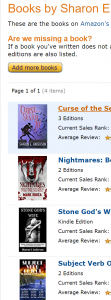
    Your books will pop up and the screen should look something like this:

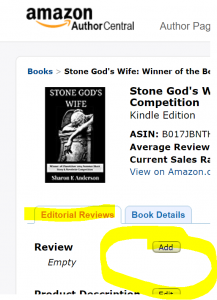
    Click on the book you wish to add a Chanticleer Review to:

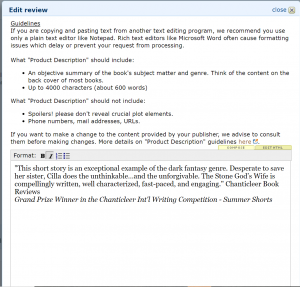
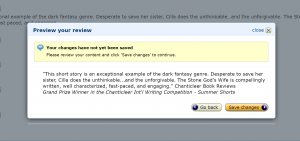
    Hit the “add” button and place the Chanticleer quote you wish to use. Preview it, and if it looks good, click on “save changes.”


    In a few days, you will see the Chanticleer quote appear under the Editorial Reviews section on your book’s Amazon.com page.


    Another chime in from Kiffer:

    For a professional look, do not post the entire review. A well-selected blurb will do nicely. Be sure to use ellipses if you are taking a section out. And always give attribution!

    Example:

    …Readers who are new to Larew’s series are in for a fabulously thrilling, nail-biting, page-turning, edge-of-their seats ride. Marilynn Larew’s writing style is smooth, engaging, and well-paced. Her ability to craft vibrant settings against the backdrop of exotic and gritty Hong Kong is exceptionally well-delivered. To sum it all up, Hong Kong Central is an absolute win. —Chanticleer Book Reviews

  • Writers’ Chinese New Year Horoscopes for 2018

    Writers’ Chinese New Year Horoscopes for 2018

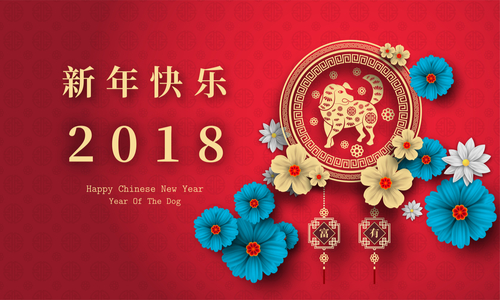
    Fun and Inspirational Good-Fortune Horoscopes for Writers for the Chinese New Year – the Year of the Dog!  by 殿堂级 Diàntáng Jí (Chanticleer’s cousin)


    Chinese Zodiac Year of the Dog


    February 18th, 2018 heralds the New Year according to the Traditional Chinese  Calendar. 

    This year of the Earth Dog comes after the year of the Fire Rooster (2017) and before the year of the Earth Pig (2019).  The Pig comes in as the last of the 12-year cycle of the Chinese zodiac, making the year of the Dog the eleventh sign of the cycle. 

    Chinese Horoscope astrologers forecast that 2018 will be a good year as opposed to the tumultuous last year of the Fire Rooster. The focus will be on home and hearth. The astrologers advise that 2018 is the year for all to start healthy habits and cut back on bad health habits.

    Below are Chinese Horoscope forecasts for those who live the Writing Life

    Note from Kiffer Brown:  Chanticleer believes that we each make our own destiny by being optimistic and positive, being kind and loving, by dreaming and inspiring, being bold and doing, by appreciating and being grateful, and by expanding our awareness of the Universe.

    Enjoy and have fun!

    If your sign is a Dog (honest, loyal, and hardworking):


    This is your lucky year—if you thrive on hard work and discipline. Be sure to nourish and champion other writers in your life who are supportive of you as they will reward you later. Build good relationships with your editors to alleviate worry about your work in progress. It is forecasted that being a team player will be fortuitous for you. You will have the mental clarity to keep your writing flowing. Try not to control the flow or overthink the writing process. Trust in yourself.


    If your sign is a Pig (kind, friendly, and curious):

    Researching your family history may lead to new storylines and surprising new characters. If you can travel to your ancestors’ homelands, you will be inspired. Being inquisitive will pay off. If you are fortunate enough to be in the position to help other writers, you should do so. Do not become complacent, but be diligent about making good efforts in your work-in-progress. Don’t listen to nay-sayers. Explore new ways of connecting with readers.

    If your sign is a Rat (amiable and creative):

    Explore new areas, take up a new hobby or interest to supercharge your creativity. Have you been interested in writing in a second genre? If so, this may be your year to try it. Perhaps you should consider adding a dash more romance to your works…This year, celebrate the many good things in your life. This is the year to break out of your writing ruts. Your perfectionist tendencies can cause you to worry unnecessarily and to doubt yourself when you have no need to.

    If your sign is an Ox (leaders and loyal friends)

    Your attention to detail and being actively involved will serve you well this year! The year of the Earth Dog has the propensity to make prosperous in your endeavors. This is a good year to take on new projects and to expand your horizons. However, if you stick with bad routines and unsatisfactory projects, luck may turn its back on you. Have confidence in your self and your projects, but be moderate where spending money is concerned.

    If your sign is a Tiger (passionate and have courage)

    This is a particularly promising year for you. Your writerly connections will increase bringing you new opportunities. Forge ahead with your work-in-progress, but be sure to listen to advice given by your editors. Your writing is daring and powerful. You like to cross boundaries and break writing conventions, which is good. However, collaboration with those whom you respect will bring you success. Be sure to share your knowledge with other authors.

    If your sign is a Rabbit (friendly and possessing great common sense):

    This is the year to contemplate balancing your lifestyle. Are you spending too much time sitting in front of the computer? Are you drinking too much coffee or soda while writing? Be sure to take breaks for walks in nature to invigorate your creative juices. Speaking of juices, try more healthy drinks such as green or white tea instead of coffee this year. As for your writing projects, follow your instincts and try not to second guess yourself. Be sure to read some new books by authors whose works you have not read before.

    If your sign is a Dragon (passionate and quickwitted)

    This is the year to upgrade your computer/application skills. These new skills will take your writer’s career to a new level. Are there new technologies out there that will benefit your writing career? Be sure to investigate! Concentrate on your pursuits and keep your nose to the grindstone. Try to appear outwardly more moderate in your opinions during the year of the Dog. If you can’t leave a positive review, don’t leave one at all during the year of the Dog.

    If your sign is a Snake (wise and almost mystical):

    This is the year where you will discover new interests and new techniques to propel your writing career. You are able to hone in on trends before they become popular. Be sure to have your works evaluated and proofed before publishing this year. Don’t be hasty when it comes to publishing. Consider adding romantic elements to your work-in-progress. Be sure to read extensively during the year of the Dog. Be sure to promote and market your backlist in new ways. Your forecast says you will be well rewarded for your efforts.

    If your sign is a Horse (independent and high-spirited):

    This is your year to explore new cultures and geographies. This exploration will provide new inspiration for your future works and will supply the finishing touches for your work in progress. Be on the lookout for new platforms and methods to promote your works. Are you ready to take up a new challenge? Perhaps begin a new work? The astrologers forecast that conditions will be favorable—if you step up. Don’t doubt yourself. You have what it takes to take on that new writing project.

    If your sign is a Sheep (artistic and compassionate):

    Attitude is everything this year. Take a chance and try to connect with your favorite author who writes in your genre. The connection you cultivate may bring you new opportunities for your writing career. This year your writing talent will be extra magical. Be sure to line up author events, attend conferences/conventions, and try to reach out to new avenues to promote your works (perhaps at wine tastings, grocery stores, etc.). Try enlisting a few fellow authors in promotional events for the best results.

    If your sign is a Monkey (confident and innovative) :

    This is the year that you must be organized and prepared. If you are, then you will find brilliant solutions to your writer’s block or plotholes. These ups and downs will allow you to make significant progress—if you make the effort to organize your writing endeavors. Be sure to treat other writers with respect especially this year. If you want reviews from other authors, you must review their works first. An extra dose of friendliness and respect will go far.


    If your sign is a Rooster (progressive thinkers and doers and unafraid to be different):

    Be sure to take the time to step away from your computer/writing desk this year and exercise. This is the year to finally manage your weight.  Put your OCD tendencies to improve your health! Your tendency to work tirelessly at your work-in-progress should be balanced with exercise and good diet practices especially during the year of the Dog. Roosters are natural storytellers and love to do background research to add details to their works. Their drive, resourcefulness, and attention to writing craft will pave the way to their success as authors.  Most of all, try to have a fun and enjoyable year!

    Wondering How to Determine Your Chinese Zodiac Sign?

    Use the handy table below to find your birth year.

    We hope that you enjoyed this fun blog post that is meant as a way of thinking about new perspectives. 

    Chanticleer believes that we each make our own destiny by being optimistic and positive, being kind and loving, by dreaming and inspiring, being bold and doing, by appreciating and being grateful, and by expanding our awareness of the Universe.

    We wish you an AWESOME New Year of Good Fortune, Good Health, and Many Book Sales!

    The Chanticleer Reviews Team  

  • HAPPY VALENTINE’S DAY from Chanticleer to You

    HAPPY VALENTINE’S DAY from Chanticleer to You

    Happy Valentine’s Day to You and Yours! 

    Valentine’s Day means a lot of things to a lot of people. Mostly, in the United States, it means chocolate and flowers (or just chocolate and chocolate…and more chocolate…), but the exact origins of the day are a little harder to nail down.

    Some sources point to three, count ’em, three men who at different times and in different ways lost their lives for their strong belief in love. A very long time ago, Claudius the II (you can call him Claudius the Cruel, or Claudius the Really, Really Mean, or Claudius the Heart of Darkness… #nicknames #if_the_shoe_fits sort of thing) banned soldiers marrying because he thought that wives and children would make his army weak (http://www.history.com). Valentine, our hero, opposed Claudius the…whatever and married soldiers anyway.

    Anyway, that Valentine was thrown in the slammer. The last he did was write a little note to a girl he had fallen in love with. It read something like, “From your Valentine.” (Except, probably in Latin… or some other language. Definitely not English.)

    On February 14th in 270 A.D, Valentine became a saint when Claudius the (fill in the blank) cut off his head.

    So, what does that have to do with Chanticleer Book Reviews? Glad you asked!

    We at Chanticleer Book Reviews and Int’l Book Awards LOVE authors. Moreover, we believe in them. We get excited about books the same way children get excited over candy!

    Here is our Valentine to all of you authors out there, “We love you!”

    If you’re wondering what you can do for an author you love, here are a couple of suggestions:

    • Buy their books
    • Ask your local bookstore to carry their books or ask them to order a copy for you
    • Follow them on social media — Sharing is Caring!
    • Write a review on Goodreads, Amazon, etc.
    • Send them a thank you note for being fabulous!
    • Send them chocolate, caffeine, champagne …

    Our Valentine to You—Quotes about Love
    from a few of our Favorite Authors

    “Love loves to love love.” —James Joyce

    “Whatever our souls are made of, his and mine are the same.” 
    Emily Brontë

     “To get the full value of a joy you must have somebody to divide it with.” —Mark Twain

     “You don’t love because: you love despite; not for the virtues, but despite the faults.”— William Faulkner

    “Each time you happen to me all over again.” — Edith Wharton

    “I would rather spend one lifetime with you, than face all the ages of this world alone.” — Lord of The Rings, J. R. R. Tolkien

    “Being deeply loved by someone gives you strength, while loving someone deeply gives you courage.” — Lao-Tzu

    “There is no charm equal to tenderness of heart.” —Jane Austen

    What are your favorite quotes about love? Leave them in the comment section below or with social media post. #SharingisCaring

    Happy Valentine’s Day Everyone!

  • Marketing & Sales Workshops and Sessions for CAC18 feature bestselling author Ann Charles

    Marketing & Sales Workshops and Sessions for CAC18 feature bestselling author Ann Charles

    Ann Charles

    We are super excited to announce that Ann Charles, the award-winning author of the USA Today Best-Selling Deadwood Mystery Series, to keynote at CAC18 and to present sessions and workshops!

    Ann writes multiple award-winning mystery series that are splashed with humor, spice, suspense, action-adventure, and whatever else sounds fun.

    Her books garner thousands of Amazon reviews and are the Top-Rated #1 Kindle Bestseller Women Sleuth Mysteries.

    Ann will share her proven and tried marketing secrets to creating, building, maintaining, and growing an enthusiastic fanbase.  www.AnnCharles.com

     CAC18 Workshops and Presentations by Ann Charles:

    CREATING DIE-HARD FANS THROUGH RELATIONSHIP MARKETING – (2-hour workshop presented by Ann Charles)

    There are many ways to find and entice readers, but keeping them as part of your long-term readership base is tricky. Years ago, Ann made the choice to focus much of her non-writing energy on Relationship Marketing, fostering reader loyalty rather than taking the one-time-sale mentality. In this workshop, she’ll explain 5 W’s of Relationship Marketing: WHAT it is, WHY it’s important, WHERE you can develop career-beneficial contacts, WHO benefits from this style of marketing, and WHY this marketing method can be effective.

    GROWING YOUR AUDIENCE—For Published or Unpublished Authors – (2-hour workshop presented by Ann Charles and Jacquie Rogers)

    The publishing industry is morphing every day, and the internet brings a new dimension to the concept of audience. Together, these changes merge into a vastly different and exciting concept of marketing. The shotgun approach to finding your audience worked for decades, but this technique becomes more expensive and less viable with each passing month. The bad news: no one will find your readers for you. The good news: you have more options than ever in history to build your own fan base. In this interactive class, we’ll explore these options and send you on your way to building your own tribe of diehard fans. This class will help you pinpoint your audience—find the readers who want to buy your book—so you can tailor your marketing and promotion techniques to them and stop wasting time and money.

    BUILDING A WORLD ONE BOOK AT A TIME – (Session presented by Ann Charles & Diane Garland)

    Many readers love crossover books and characters. Creating one world that encompasses multiple series offers a familiarity even though the setting, style, and series are different. For authors, it not only helps to sell backlist books but can also create die-hard fans for life. In this presentation, Ann will explain some of the ways she has used to create crossover elements within her three on-going series. Diane Garland will join Ann and discuss the various ways her role as a World Keeper plays with Ann’s series building.

    WORKING WITH A WORLD BUILDING EDITOR or How to make your writing time more efficient and productive  – (Session presented by Ann Charles & Diane Garland)

    Building a world takes a lot of planning. Readers are smart, so you need all the help you can get making sure your world follows the rules you create along the way. For authors, previous threads and rules can become hazy by book 3 or 4 in a series. In this workshop, Ann and Diane will talk about ways they work as a team to make sure each book in an ongoing series stays true to the world the readers know and love.

    LIVING VICARIOUSLY THROUGH FICTION –  (Session presented by Ann Charles and  Jacquie Rogers)  The Writer’s Life tract

    Have you ever wondered where authors find the information needed to write stories about historical setting, character careers, or true events from the past, and how they incorporate it all into a single story or series? In this presentation, Ann and Jacquie will discuss how difficult it can be to live vicariously through fiction, and how important it is to be as accurate as possible.


    CAC18   STORY. PRODUCTION. BEYOND.

    Stay tuned for the latest info about Chanticleer Authors Conference presenters & sessions!

     

  • WHAT IS Pulpwood Queens GIRLFRIEND WEEKEND ALL ABOUT? by Sara Dahmen

    WHAT IS Pulpwood Queens GIRLFRIEND WEEKEND ALL ABOUT? by Sara Dahmen

    This is the second year I’ll be attending the Pulpwood Queens Girlfriend Weekend in Nacogdoches, Texas with Kathy Murphy, the ultimate book queen of the world and founder of the PQs.

    In case you’re like me, and live north of the Mason-Dixon line where this club and the Girlfriend Weekend event is not well-known (yet!), the Pulpwood Queens and Timber Guys is the biggest book club in the world, citing over 725 chapters internationally, and thousands of members. Going to my first Girlfriend Weekend was eye-opening and exhilarating, and definitely required extra doses of Vitamin B.

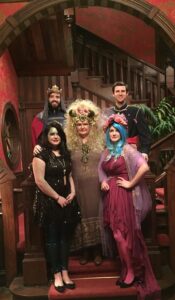
    As an author, attending the Pulpwood Queens Girlfriend Weekend was a bit of an (awesome) shock. Hundreds of readers were piled into an auditorium, and every evening was an occasion to dress up according to a planned theme. Dragging a wardrobe from Wisconsin that included everything from an Elvis-era crinoline to a red-sequined “Diamonds Are a Girl’s Best Friend” gown I handmade for the Great Big Ball of Hair Ball at the end of the weekend. Authors from around the nation and the globe attended, spending time with one another and readers alike, with fantastic keynote speakers from bestselling and local, small or first-time authors (like myself!).


    Tim Monzingo/The Daily Sentinel
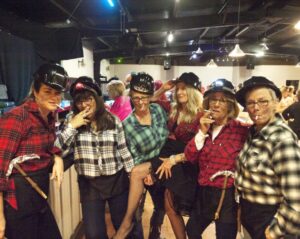
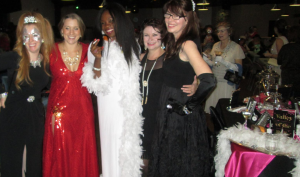
    Dressed as a surly band of miners, Pulpwood Queens members bellied up to the bar for candy cigarettes and wine during the Great Big Ball of Hair Ball at Austin Hall Saturday night. The event closed out a weekend-long celebration and convention of new and established authors.

    It was a phenomenal experience to speak to so many people about my background and my novels, to interact with dedicated readers and book club members and make new life-long friends who ended up on my Christmas card list.

    The cherry on top turned out to be the personal relationships I made with fellow authors. I personally was in awe of most of them, and they were so welcoming, warm, and kind both during and after the event. I’m so excited to see many of them again in person in a few short days, and cannot wait to celebrate their ongoing successes as they continue their trajectory towards author greatness. Me? I’ll be speaking about my upcoming releases, Widow 1881 and Smith 1865 (published by Sillan Pace Brown Group), slated for release this year, and with fingers crossed to have a smidgeon of the success of so many authors at this event.

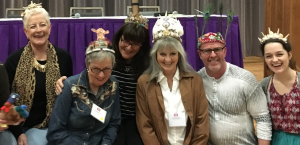
    Did I mention that tiaras are mandatory?

    And all of it is thanks to Girlfriend Weekend, which starts on January 11th. I’ve already been doubling up my Vitamin B in preparation for several days of absolute fun.

    And, yes, those are candy cigarettes…

    If you want to read more about Kathy Murphy and the Pulpwood Queens Book Club, here are three  links:  one is an interview with Kathy Murphy from the Chanticleer Reviews magazine, the second one is titled “Three Questions with the Founder of the World’s Largest Book Club,”,  and the third (and most recent) one is a feature article from the November 29, 2017, issue of Parade Magazine.

    https://issuu.com/chanticleer-reviews/docs/fall-2016


    This year’s theme is Bohemian Rhapsody and I can hardly wait to see the costumes!

    Want to attend Girlfriend Weekend yet this year? Sign up here http://www.thepulpwoodqueens.com/2018-girlfriend-weekend-day-packages/

  • CONTRACTS, COPYRIGHTS & TAXES – OH MY! by David Paul Williams, Attorney

    CONTRACTS, COPYRIGHTS & TAXES – OH MY! by David Paul Williams, Attorney

    You queried an editor or agent and she asked to see your fiction manuscript, book proposal or feature article. The magical day comes with an email attachment that is a pages-long contract.

    Successful writers have split personalities. The creative side crafts great works. The logical side takes care of business. Here are the basics every writer needs to know:

    While your contract for agent representation will differ, and magazine article contracts will be much less extensive than book contracts, all publishing contracts should include several important provisions:

    • Who is going to write the piece (you!)
    • Who is buying the piece (the name of the publisher, not the editor or agent)
    • What is the contracted piece (feature article, non-fiction book, essay, novel, memoir, quiz, photo essay, sidebar, round-up, interview, etc)
    • Due date (first draft and post-editing revision dates for book-length works)
    • In what format (hard copy, electronic, emailed, or Dropbox)
    • What rights are being acquired
    • What is the offered pay

    For magazine and web articles, any missing provisions may be determined by consulting the writer’s guidelines, otherwise, immediately contact the editor for clarification. Book contracts can be negotiated to include specifics in order to avoid misunderstandings when it comes to delivering the contracted materials.

    Copyrights

    Copyright protection begins under federal law when the creative work is first reduced to a fixed and tangible medium. That means as soon as you create it, you own the copyright. Registration of the work is not required for the copyright to attach, though registration does provide benefits if the author ever needs to sue for copyright infringement. Under the current law, the copyright lasts for the life of the author plus 70 years.

    Rights Sold Under the Contract

    The writer owns all the rights to their work and grants a license to publish the work to the publisher. Generally, the more rights that are licensed, the more money the writer receives. Here are three common copyrights:

    First North American Serial Rights: The writer grants a license to a magazine or newspaper to publish the work in North America for the first time in a periodical.

    Electronic Rights: This ever-changing area includes online magazines, computer software, video games, electronic anthologies, audiobooks, and more.

    Subsidiary Rights: The right to produce or publish the original work in different formats, such as a movie based on a book.

    The federal Fair Use Doctrine four statutory factors allow use of copyrighted material without liability for infringement.

    (1) the purpose and character of the use, including whether of a commercial nature or for nonprofit educational use;

    (2) the nature of the copyrighted work;

    (3) the portion used in relation to the copyrighted work as a whole;

    (4) the effect of the use upon the potential market for or value of the copyrighted work.

    Application of those factors is what lawyers call ‘fact-specific,’ meaning that each case is different with few hard and fast rules. Here are a few: book, song, movie and poem titles cannot be copyrighted, but song lyrics can. A common misconception is that citing the source and giving attribution negates the need to acquire permission or pay the copyright holder for use. It doesn’t.

    Federal Taxes

    The Internal Revenue Code treats writers in one of two ways: as a hobbyist or as a business. It is usually better to be a business, as the Code allows business deductions against income. Under the Code, a business is an activity regularly engaged in with a profit motive. The activity qualifies a business for the IRS if the writer has earned a profit in three of the last five years. If the profit test is not met, the IRS evaluates the intent of the taxpayer by weighing nine relevant factors:

    (1) does the writer act like a business

    (2) the expertise of the writer

    (3) time and effort expended in writing

    (4) potential appreciation of business assets

    (5) track record of profitability in other businesses

    (6) history of profit or loss in this activity

    (7) relationship of profits and losses

    (8) does the writer depend on the income

    (9) elements of personal pleasure or recreation

    Writing, then selling your words—making money from work you created is exciting and rewarding.  Agents, editors, and publishers want to work with professionals. Having a basic understanding of agent and publishing contracts, copyrights and taxes helps you to exploit your work, makes your writing life easier and marks you as a professional. Knowledge is power. Power to the Writers!

    ~~~

    Note from the editor: As always, seek professional legal advice before entering any contract or agreement or making legal decisions. We thank Attorney Williams for sharing his legal knowledge with the Chanticleer Community!
    Copyright and Intellectual Properties sessions and workshops will be available at the 2018 Chanticleer Authors Conference. They will be presented by Lake Perriquey, Atty of Law.  Visit the Chanticleer Authors Conference webpages for more information.

    ~~~

    David Paul Williams, attorney of law:

    Following the adage “write what you know,” David Paul Williams first wrote feature articles for fly fishing magazines, then added business-to-business articles spawned from those college degrees (accounting and law) and three decades of lawyering. The itch to write “what he wanted to know” proved too hard to ignore and that lead to writing a book, Fly Fishing for Western Smallmouth. He’s now working on another book—a Washington and Oregon fishing guide. Unwilling to be bound by the non-fiction “just the facts, ma’am” shackles, he entered and won the SCN Novel Pitch and First Five Pages Contest. Now half-written, that project barely bubbles on the back burner as he mostly just thinks about the plot and character development until the river guide is finished. David is Editor-In-Chief of Flyfisher, Department Editor of Flyfishing & Tying Journal, In The Field Editor of Washington-Oregon Game & Fish and former Business Topics Editor for ArrowTrade.

    A firm believer that writing conferences educate and energize attendees and presenters, David willingly shares his knowledge by teaching at numerous conferences. He also learns about the craft and business of writing from other presenters and attendees.

    Williams is a practicing lawyer and real estate broker in Bellevue, Washington. He lives with the love of his life, a novelist and short story writer who inspired him to write.

    David Paul Williams
    PO Box 1436
    Bellevue WA 98009
    david@thewriterealtor.com