Category: Marketing

  • AMP UP TENSION WORD by WORD – with a Handy List by Jessica P. Morrell

    AMP UP TENSION WORD by WORD – with a Handy List by Jessica P. Morrell

    Tension is part curiosity, part unease, part dread or anticipation. It’s linked to every aspect of stories, found on every page, and creates a vivid fictional world that seethes with trouble and obstacles to overcome. Tension prickles readers’ nerves and makes them fret and worry.

    Tension, along with suspense, jabs at the reader’s senses with haunting questions and shifting circumstances that must be unraveled.

    “Tension is a crucial ingredient that compels readers to keep turning the pages.” – Jessica P. Morrell

    Tension is a force field in fiction, or any type of storytelling, that is created on a word-by-word basis that is underlying the story in every scene. Tension is also used to create mood and tone. Mood and tone are important aspects of storytelling often not given their due.

    You see, great fiction is designed to cause a reader’s emotions to jangle and his mood to go up and down with every turn of the page. Unlike real life where people usually avoid conflict and misery, in fiction, the best parts of the stories are where the characters are in the worst trouble. Readers love to suffer along with characters, because they’re removed from these miseries, perhaps because they’re escaping their own miseries while comfortable in their homes or airplane seats as characters battle doubts and demons in a fictional world. Tension sometimes  helps readers (and listeners) to experience catharsis.

    Jessica advises writers to pay particular attention to the words they use to increase tension and impact. These are her tips on how and what to look for when you are wanting to write a page-turner and who would not want to do this?

    • Recognize that you’re constantly making choices when you write. Know when you want your words to emphasize an aspect, resonate, slow down, or speed up your story.
    Vary your word choices and respect ‘word territory’—that is, don’t repeat words and phrases, especially those in close proximity, especially with unusual words.
    Vary sentence lengths because they can be numbing when repeated.
    Write tight. Short sentences generally increase tension. Every word in every sentence needs a job. If it doesn’t have a job, fire it.
    Use hard consonant sounds to increase tension. Examples are cowgirl, geek, gimme, trigger, castrate, succor, cackle.
    Use sibilance or a hissing sound to disturb readers and suggest unpleasantness. Examples are: sinister, shyster, sizzle, simper, slice, buzz.
    Insert punchy, muscular verbs whenever they serve your purpose: roil, blurt, thunder, sting, crash, grovel, conjure, hobble, jacked, leer, muzzle.

    Most of the time dialogue should be zingy, taut, and to the point.

    • Place the most emphatic words at the end of a sentence or paragraph: The door closed with a resounding click, confirming that I was trapped.

    “All stories begin with word choice; and word choices will either doom
    it or set your story apart.” – Jessica P. Morrell

    Jessica’s  HANDY LIST OF 1,130 words to print out and use for your writing toolbox. 

    Click here for Jessica’s List of 1,130 words that could add more tension to your story and boost your writing vocabulary.

    Jessica Page Morrell
    Jessica Page Morrell

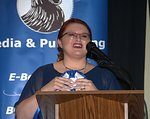
    Jessica Page Morrell is a top-tier developmental editor and a contributor to Writer’s Digest magazine, and she teaches Master Writing Craft Classes at the Chanticleer Authors Conference that is held annually along with teaching at Chanticleer writing workshops.

    Jessica understands both sides of the editorial desk–as a highly-sought after content development editor and an author. Her work also appears in multiple anthologies and The Writer and Writer’s Digest magazines. She is known for explaining the hows and whys of what makes for excellent writing and for sharing very clear examples that examines the technical aspects of writing that emphases layering and subtext. Her books on writing craft are considered “a must have” for any serious writer’s toolkit. For links for her writing craft books, please click on her name above.

    Chanticleer Reviews and OnWord Talks will interview Jessica for more of her writing tips and advice. Stay tuned! ~ Chanticleer


  • Quick Tips to Make Your Email Marketing Campaigns More Effective by Kiffer Brown

    Quick Tips to Make Your Email Marketing Campaigns More Effective by Kiffer Brown

    EMAILS – How to improve your “Open Rate” of Your Email Campaigns and E-newsletters that use MailChimp, Constant Contact, or Customer Relations Management software systems (CRM).

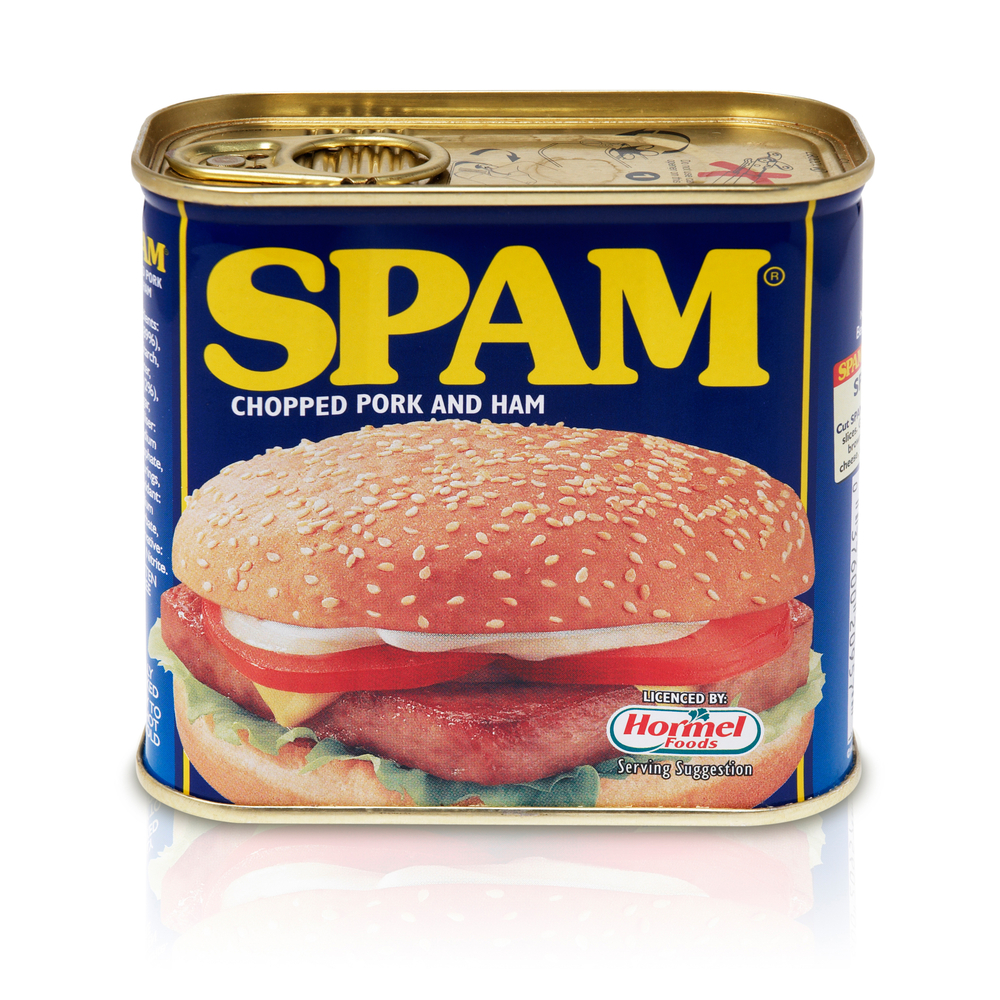
    Don’t let your emails to your subscribers end up in the dreaded SPAM folder!

    Make sure that you DO NOT use the following words in your emails’ subject lines or in the first line of your emails.

    These WORDS have been shown to decrease your “open rates” when used in the Subject Line and may have the ability to direct your email campaign into the SPAM folder/Junk Mail folder of your recipients’ inbox. How does this happen — the web crawlers try to determine what is “Spam” and what isn’t.

    • Hurry
    • Look inside
    • Free (but Freebie works!)
    • SALE or Sale
    • DEAL or Deal
    • Incredible Deal
    • This won’t last
    • Offer expires
    • Limited Time
    • Last Chance
    • Don’t use a  ? and ! in the subject line — this combo is known to redirect emails into the dreaded SPAM folder.
    • Don’t use ALL CAPS in the subject line because that is equivalent to YELLING at your recipient. However, do capitalize one or two words.

    Basically, make sure that your emails subject lines do not read like a sales pitch.

    The Dreaded SPAM Folder

    How to organize emails campaigns?

    1.  TARGET. Make sure that your list is targeted to correct recipients. I know this sounds like it should be common sense, but it is often the first obstacle.
      1. You can ensure that you have a targeted list by having a “subscribe” button on your website. Never buy email lists and we advise never selling your subscribers’ emails.
      2. BLUE Subscribe buttons have been found to be clicked more than any other color.
      3. All of your social media and marketing collateral should be targeted to drive potential readers and fans to your website (not your Amazon page or a book sales page). You want to engage your readers and potential readers to interact with you and your stories (your brand). To do this you must have a website that resonants with your targeted audience. (This will need to be a separate topic).
    2. FREQUENCY and TIMING. I would caution you to send out three or fewer email campaigns per week. Make sure that your email campaign is not getting lost in “Holiday” traffic. I have found that emails campaigns that land in our subscribers’ email boxes on holidays have a reduced open rate.
    3. UNLESS. If your campaign is  21 Days to a Better _____ campaign, then deliver what you promise!
    4. VALUABLE CONTENT. Only send out an email campaign when you have something of value to present to your targeted audience.
    5. SHORT and SWEET.  Remember to keep your message concise and interesting. Make sure that your email stands out from the rest of the emails in the recipient’s inbox.
    6. WORDSMITHING. Make your language entertaining (do this always because you are supposed to be a master word-crafter! )
    7. CONVERSATION. Make it a  two-way conversation by encouraging the recipients to ask questions, give feedback, or join the discussion about characters, events, or enter a contest specifically created to resonate with your readers. Here is a link to how (Ann Charles is a USA Today Bestselling author who writes award-winning sassy mysteries) Ann Charles offers contests on her website.  Notice that she doesn’t scream CONTEST. But it is there for her beloved fans. http://anncharles.com/2018-traveling-with-ann-calendar-contest/
    8. SUBJECT LINE. Spend some time crafting the subject line of your email. It will determine the “open rate” of your email campaign more than anything else that you could do. Subject lines are to email campaigns like covers are to books.
      1. Pique your readers’ interest
      2. Avoid ALL CAPS and exclamation points in the Subject line along with the dreaded sales words.
      3. Capitalize at least one word.
      4. Do keep it SHORT. Most people are reading emails on their mobile devices.
      5. Really think about what will intrigue your recipient to continue reading and to OPEN your campaign email.
      6. Make sure that the subject line matches the content of your email. Don’t “bait and switch’ because that leads to unsubscribes.
      7. What do you want your recipient to do? Keep the email focused on that. Is it engagement? Attend an event? Know that you have a new book in the works?
      8. What is the purpose of your email?
    9. TEST and REPEAT.  Keep track of what works and what doesn’t.

    What is a GOOD OPEN RATE for email campaigns?

    Open rates vary from industry to industry and purpose to purpose.  This is what MailChimp has to say about open rates. Click here to learn more. 

    Words that do work in the SUBJECT LINE and increase your email campaigns’ open rate are along the following veins: 

    • Announcements
    • Invitations
    • Thank you
    • Personalizing Subjects (are you emailing  “Quick Tips” or “How to” or “Announcing” )
    • Direct and to the point messages — >  The ONLY WITNESS to a tragic crime is Neema, (THEN this could go into the “preview text”>  Neema is a gorilla who can communicate  (Will this get your readers attention?) – Then the preview  continues…the latest eco-mystery by award-winning author Pam Beason.  (Notice how the power words are front-loaded in the Subject Line). Beason can then go on in the email body to say that her works on now on sale or where they are available or when she is doing an author event or that there is a new book in the series.
    • Make your recipients feel special.
      • For my readers and fans of Neema (subscribers would know about Neema, the communicating gorilla in a research project).
      • My gift to you
      • You’re invited
      • An exclusive offer only for my dear (insert name) subscribers
      • Did you know that Neema had a baby? (Subscribers, again, would know about Neema and her companion and that this email is just for them.)
    • Most email recipients do appreciate a good pun or a clever or quirky use of words.
    • IMAGES – studies have shown that having an image for every two-to-five hundred words of text makes for a more positive interaction with the email recipient.

    In conclusion, study what works with your target market, continue to evolve your email templates and campaigns, keep testing and analyzing your open rates and click rates. Discover what resonates with your readers.

    Freddie of MailChimp

    Crafting email campaigns is quite the art. Generators of  email campaigns must consistently try to improve “their game.” Fortunately, MailChimp has easy methods to test your email campaign effectiveness through A/B testing, analytics, and feedback.

    A word about A/B testing> Only test one A/B variable at a time. As I always say, “Today’s digital marketing is all about the long game.”

    I have read and researched many articles and posts on how to increase the effectiveness of Chanticleer Reviews email campaigns. To include all of the links would make this article cumbersome and longer than it already is. I hope that you don’t mind that I put the information in a more digestible format. For more information about how to make your email campaigns more effective, just “google it” and click on the links in this post.  Meanwhile, I hope that you have found some of the tidbits that I’ve shared with you interesting and valuable in promoting your brand and books.

    Remember to never forget that social media posts and comments, emails, and websites are you represented in the Internet of Things is akin to being in attendance of the Earth’s biggest cocktail party. Be the guest that always gets invited and not the one to be avoided at all costs.

    And now for inserting those images! One thousand words equal two-to-five images. Let me know what you think! Kiffer Brown, Chanticleer Reviews Team

    Chanticleer Book Reviews
  • ADVENTURES in SELF-PUBLISHING, #2: A PRIMER by Gail Noble-Sanderson – Marketing, Book Promotion, Self-Publishing

    ADVENTURES in SELF-PUBLISHING, #2: A PRIMER by Gail Noble-Sanderson – Marketing, Book Promotion, Self-Publishing

    Once you decide to embark on the adventure of self-publishing, take some time to clearly articulate your purpose and vision.  Is your writing a hobby or are you wanting to commit to something broader? Remember, this is your experience and you can craft it in any way that feels just right for you.

    If you decide to pursue going the distance, it is important that you accept the fact that there is a learning curve to self-publishing and to give yourself permission to feel occasionally overwhelmed and sometimes scrambled. Below are action steps and informational links to help us ink up our hands, Self-Publishers, and take on the task.

    Establish a Budget: 

    Some authors publish their work on a shoe-string budget doing their own editing, acquiring public domain images or designing their own cover designs, setting up their own files for printing, etc.  Others choose to spend more and hire a content and/or copy editor, professional cover artist, typesetting, etc. Depending on your piggy bank and your vision, you may spend anywhere from a few hundred to thousands of dollars.

    Acquire Your ISBN(s) – INTERNATIONAL STANDARD BOOK NUMBER(s):

    An ISBN is the most important identifier you can possibly give your book – that will assist book buyers worldwide to search and find your novel. The number (along with its barcode) will link to essential information, sales tracking, catalogs for bookstores, libraries, and online sellers. Each version of your book will need its own ISBN – in addition, if you are involved in a major rewrite, or you’ve just gotten your rights back from your publisher, you will need to acquire a new ISBN for your book. Take a deep breath, it’s not that difficult.

    Unless you are absolutely sure this will be your only book and you will never, ever revise it, I suggest buying multiple numbers. It is both convenient and economical to purchase ISBNs ( as a bundle (www.bowker.com ). There are providers out there who will offer to sell you ISBN numbers, but Bowker is the official source for the United States and worldwide, and well, why wouldn’t you go to the source?

    Work with a Skilled Editor:

    Some self-publishing authors choose to work with friends, family or other authors who serve as their editor. People often assume that editing is only about correct punctuation and spelling. That is a myth sometimes used to rationalize why we don’t need to spend money on a “professional” editor.  If you can jiggle some more coins from your publishing piggy bank, I believe it is of utmost importance to place your manuscript in well-seasoned, competent editorial hands. Nothing says “poor quality” and “I don’t believe my work is relevant” louder than a poorly edited book. Network with other authors who have established successful relationships with their editors and secure recommendations.

    Chanticleer Aside: Do you know that Chanticleer Reviews has a host of Industry-tested, skilled editors just ready and willing to work with you? Well, we do! We cover all aspects of editing from Manuscript Overviews, Proofreading, LineEditing, and Copyediting. Simply contact us for details, at: Editor@ChantiReviews.com

    Cover Art:

    What captures our attention when we are buying books? The cover! Good covers are the first point of a sale.  How many times have we read a book and as the story unfolds we go back, again and again, to look at the cover? Good cover art reflects the story. Again, network with your author friends and contacts to explore options. My sister, artist Kathleen Noble, (www.watercolorwonderpaintings.com) does the cover art for my books. Unless the artist is your sister or a talented, generous friend, working with a cover artist can cost more or less $300 – $600 to purchasing licenses for photography and artwork that can range in the thousands of dollars.

    Kiffer Brown says (along with many queried independent booksellers) that your book’s cover is the number one tool to selling your book. The content between the cover will sell your next book.

    Here is a helpful link titled FIVE ESSENTIAL BOOK COVER ELEMENTS or Effective Book Covers Deconstructed. 

    Here are some helpful links to explore for book covers:

    • SelfPubBookCovers This site walks you through their predesigned templates. You choose your picture array, your font, any quote you want on the cover. Once you settle on a design, the site promises the uploaded images that make up your design are yours and yours alone.
    • 99Designs Simply put, upload what you are looking for (your genre, character, setting) and in a few days, you will be able to choose from 99 designs for your cover. This site allows voting, so that is an interesting way to find out which cover resonates best with your potential readers.
    • Fiverr On the go since 2010, Fiverr is a site that offers competitive designs from an array of artists for a reasonable price.

    Choose Your Typesetter, Printer, & Distributor: 

    There are many venues to choose from in getting these steps accomplished. I suggest working with a  book production professional to layout your book. Most of us do not have the skills to do the nitty-gritty needed to execute a book’s final exterior, interior design, cover layout, typesetting, and formatting.  Once you have the final files then you can then upload them to book-selling platforms. If you want Indie Booksellers to sell your books in their brick-and-mortar stores, then you should consider uploading your books to IngramSpark (www.ingramspark.com) for print-on-demand and e-book publishing. Distribution is through Lightning Source, www.ingramcontent.com. CreateSpace is another on-demand publishing service that is owned by Amazon (www.createspace.com).  There are many options which you can view on the web. *You may wish t0 utilize artists and designers on 99 Designs and Fiverr to accomplish the typesetting for print and ebook. 

    Copyright, Library of Congress:

    A very informative site is www.loc.gov.  Don’t let the amount of information overwhelm you.  Just take your time and peruse as you learn.  You can call their helpline and very kind people will assist you.

    Protect your work by registering your work at the Writers Guild of America (WGA) Here is why you should:  “…The registration process places preventative measures against plagiarism or unauthorized use of an author’s material. While someone else may have the same storyline or idea in his or her material, your evidence lies in your presentation of your work. Registering your work does not disallow others from having a similar storyline or theme. Rather, registering your work would potentially discourage others from using your work without your permission.”

    Business License & Dept. of Revenue:

    I formed an LLC (Limited Liability Company), Noble Press, and submit quarterly tax reports. I have yet to pay a penny.  Guess you know what that means!  But now that my books have been out there a few years and selling, I am beginning to make money after expenses.  Not much and I certainly won’t quit my day job, but enough to say “Yahoo!”  These are a few helpful links: www.sba.gov, and www.irs.gov.  There are many sites online offering to take your money to set up your business.  I strongly urge you to do this yourself as it is important as a self-publisher and business owner to be educated on every aspect of setting-up, running and maintaining your self-publishing business. Remember, the business is a separate entity from your writing.  I find writing much more enjoyable but the business aspect is a necessity for meeting my goals and is proving rewarding in itself. Be patient with yourself as you learn, asking many questions.

    Final Thoughts: 

    In conjunction with finishing your final edits, allow four to six months to complete all the business pieces. I say, again, that it is important to be organized and to track where you are in each step of every process. In addition to my online and hard files, I keep a writing and publishing journal and make dated notes all along the journey.  It has helped me time and time again to look back and see when what occurred as well as my thoughts.
    Make a weekly and monthly schedule. For instance, two mornings a week tend to the business aspects, and three days a week focus on your editing and writing. You will change it up along the way as you figure out what works best for you but, if you can begin in an organized, systematic fashion, you will feel productive and not stymied by too much to do and losing your way. Well, you may still lose your way from time to time but you will never be lost! You will have a vision, a well thought out plan, and be ready to go! Next month we will discuss marketing and promotion.

    Remember, “Keep falling in love with the potential of what you are doing!

    • Gail Noble-Sanderson

    Read the conclusion to this article series here.


    Gail Noble-Sanderson is the author of two works of historical fiction, both of which are self-published under her own Noble Press.  The Lavender House in Meuse is an emotional, intriguing, and sensitive account of the crises of World War I and one woman’s journey towards recovery and growth. 
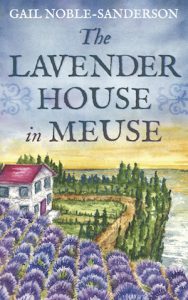
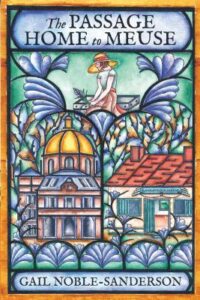
    Her second novel, The Passage Home to Meuse won 1st Place in the 2017 Chatelaine Awards, the Chanticleer International Book Awards (CIBA) for romantic fiction.

    Both books are available through Amazon and Village Books.


    She invites you to visit her website  http://gailnoblesanderson.com/ and to follow her on social media.

     

  • CHRISTMAS in JULY – What Authors Can do NOW to Increase Holiday Sales by Sharon Anderson – Marketing, Book Sales, Planning

    CHRISTMAS in JULY – What Authors Can do NOW to Increase Holiday Sales by Sharon Anderson – Marketing, Book Sales, Planning

    I don’t know how you feel about it, but the entire holiday season makes me itchy. I love the lights, I hate the stress. I love the extra time with family and friends, but I really hate the hustle, bustle, crowds. During this time, I need my quiet place more often – which is hard to find, because, you know, it’s the holiday season.

    So, I’m walking through the mall the other day and see this sign. You know which sign I’m talking about…

    Christmas in July!

    Besides the fact that it takes a great deal for me to even think about shopping — at all — having to think about Christmas shopping any earlier than, I don’t know, a week before the actual date requires an extra dose of anti-anxiety medication.

    While this is unnerving, to say the least, I began thinking about it in another way. What can we, as authors, do to increase our sales around the holidays?

    Several of you are very clever and write stories based at or around the holidays. Very smart. Others, just as smart, write novellas or short stories and join forces with a merry band of like-minded authors, create an anthology, put on a snappy cover and #HelloSanta!

    Still, others participate in holiday book fairs and craft shows where books are expected. This all takes work – the organizational kind of work – and a clear plan of attack.

    What do I mean? Let’s take a look:

    As you’re participating in your author community – either online or in person – simply ask authors you admire if they ever thought of participating in a holiday book event. If they haven’t, but would like to, you may have just tapped the beginnings of a powerful planning team.

    It takes three things to pull off an event: Energy – Everyone is busy. Consider carefully if you have the energy to plan and execute one more thing. Enthusiasm – Positive people pull off the most remarkable things, don’t you think? Enthusiasm deals with zeal, and zeal deals with passion, and passion gives us the energy we need to complete any task. Participation – You cannot do this alone! The importance of finding like-minded people cannot be overstated.

    Now is the time to contact your brick and mortar stores, your libraries, your community and begin reversing dates and times to present writing workshops, readings, and book signing events. Start with a piece of paper and write out locations you think would be good: hotels, grocery stores, tack shops, festivals, libraries, you get the idea.

    Prioritize that list:

    1. Where are you most likely going to find your readers?
    2. What locations are easy for you to get to?
    3. Is there a fee involved in reserving the space?
    4. Are wine, beers, whiskey, or other drinks and refreshments allowed to be served at these venues?

    Try to think of 3-4 places that you can book now. Spread them out throughout the holiday season, be strategic in your plan. If your book is a middle-grade novel about a young ballerina – I would try to book an event wherever The Nutcracker is performed. Perhaps contact the event planner of the ballet and let them know you would like to consign your book in their store – or on their website. Think outside the box!

    Now that you have 3-4 places booked, it’s time for your social media campaign to gear up. Talk about it online. Design a flyer for the event. Create a separate Facebook page. Contact your newspapers and television stations and let them know what you will be doing and when. Whether it be a book signing or reading, let your community in on the party.

    A book promoter friend of mine advised to never go it alone! Always try to invite other authors – perhaps better-known authors to participate in your event.

    Book a cool place, like 3rd Place Books, Village Books, or Elliot Bay Books (or your favorite independent bookstore) and go for it.

    Think about what you’re going to give those people who show up to your event. Hors-d’oeuvres are good, alcohol is even better. Just ask Kate Lebo and Samuel Ligon, who found this to be true when promoting their anthology, Pie & Whiskey: Writers Under the Influence of Butter & Booze. Check out their book page – their events are fun and delicious!

    I suppose what I’m trying to get across is this: If you want holiday sales to spike in an upward direction, plan for it. Track it and put some effort into it. The payoff can leave you laughing with a “Ho, ho, ho!” instead of lamenting with a “No, no, no!”

    What are you going to do today to boost your book sales in the months to come? Comment and share!

  • A QUICK GUIDE TO BOOK REVIEWS AND HOW TO USE THEM by Chanticleer – Book Reviews, Marketing, Discount Offer

    A QUICK GUIDE TO BOOK REVIEWS AND HOW TO USE THEM by Chanticleer – Book Reviews, Marketing, Discount Offer

    Book Reviews are tools every author can use – wisely!

    TYPES OF REVIEWS

    Generally speaking, there are four types of reviews you will encounter. Here they are:

    1. Trade/Editorial Reviews – These reviews are written by professionals in the publishing industry – quality matters here.
    2. Peer Reviews – Done by other authors or professional peers
    3. Manuscript Overviews – The professional writer’s first step in the editing process.
    4. Consumer Reviews – These are written by readers – quantity is what counts here search engine operations and algorithms.


    Editorial Book Reviews

    Each type of review serves a specific purpose, and each type resonates with different kinds of book buyers and serves different purposes.

    Editorial Reviews

    Editorial Reviews aka Professional Trade Reviews provide useful information for publishing professionals for preparing for book launches.

    Post Launch: Traditional Publishers and Book Publicists also know that editorial reviews set the tone for consumer reviews.

    Publishing Professionals know that editorial reviews give readers (and consumers) the language and terms to discuss books, thereby, making it easier for readers and fans to write reviews. Because more reviews generate more book buzz and trust me, book buzz is what you want, you will want to make it extremely easy for readers (aka book consumers) to leave a review.

    Make sure that blurbs of your book’s editorial reviews are listed in the Editorial Reviews section of your book’s Amazon page. Blurbs from Editorial Reviews are also handy to have when uploading your book’s information in the ISBN forms and in the information upload page of your book on digital platforms. Review blurbs also help Indie bookstores to determine if your book would sell in their stores.

    PEER REVIEWS 

    Peer reviews have run into some problems lately. While it’s tempting to trade review for review with your author friends, be careful where you post them. Some large retailers have caught onto the review-for-review and have subsequently pulled reviews they suspect come from other authors. I’m not saying you shouldn’t review your friends’ books – you should! In fact, you need to be fostering those relationships with other authors. But don’t be surprised if your reviews are pulled from the giant’s webpage. So, when you seek reviews, don’t just seek peer reviews only. Go for a mix!

    And remember to get peer reviews, you must give peer reviews. Make it part of your marketing checklist to read your peer writers’ books and then review them.  Remember the reviews do not have to be long — 25 -to- 50 words for a consumer review will work and will be just as effective as a 250 -to- 500-word review.  Quantity is what counts here.

    One hundred consumer reviews are what we hear it takes to get on Amazon’s radar for SEO and algorithms.

    A final word of advice regarding consumer reviews: If you do receive an unfavorable review or even a scathing review (it happens to even the most successful authors), do not react or respond especially if they fall into the “troll” category. Never interact with a “troll” — just don’t. No good will come from it. As hard as it may be to do, focus on the positive reviews. If writing craft issues (changing POV, grammatical errors, typos, etc..) are mentioned in the review, address the issues and correct them. In today’s digital world, there is no reason not to.

    MANUSCRIPT OVERVIEWS 

    Manuscript Overviews is dollar for dollar, one of the best writing tools you can utilize. Traditionally published authors receive great editing and feedback from agents and senior editors on early drafts,  a benefit that most self-publishing authors never receive. When feedback comes early in a work’s progress it allows the author to not only create a more polished final product but also publish more works and build their backlist.

    When working with an agent or publishers, the author works on a rough draft – the early drafts of a novel. He creates the theme, the characters, the setting, the tone, the story, the plot lines, the dialog style, and selects the genre and has an audience in mind (YA or mystery fans, fantasy or Science Fiction readers, etc.). After the author creates the story with a beginning, middle, and end, she then sends this early unedited draft of the story to his editor or agent to read and to get feedback.


    Editing a Manuscript

    This is exactly what a Chanticleer Manuscript Overview is: An objective evaluation of a story idea that is fully formed with a beginning, middle, and end, but still in an early draft stage. The Manuscript Overview comes before LINE EDITING and COPY EDITING.


    CONSUMER REVIEWS

    Consumer Reviews are awesome. Don’t we all like to hear what total strangers think of our work? I mean, cringe-worthy as these types of reviews can be, they are important. How do you get them? That’s an interesting question. My statistics show that for every 100 queries you send out to review your book, you may get 8-10 actual reviews in return. I’m talking about sending your books out to bloggers, reviewers and the like. But those reviews do drive the Average-Joe reviews. The more you get of one, the likely you will increase the other. This is where your mailing list comes in handy – a topic for another blog… sorry.

    Now that we’ve got the four types of reviews covered, what do you do with
    a review once you have it? 

    After getting your reviews, make sure you are using them effectively. By that, I mean, use them everywhere! Post them on your websites and your book covers. Splatter them all over your social media! Share them with your friends – use snippets of them in your marketing collateral. Use them as a way to introduce your book to your local libraries and brick and mortar stores.

    Let’s break it down.

    Online retailers (Amazon, Kobo, Apple) have specific places for you to insert editorial review blurbs. Many brick-and-mortar stores will place shelf-talkers with trade review excerpts near your displayed books.

    Click this  link to inform you on How To Post Reviews in the EDITORIAL SECTION on AMAZON

    Have a REVIEWS page on your website where you place quotes – or entire reviews. Insert links to the original reviews and always give attribution!

    The book cover is the place for trade/editorial and peer review blurbs. (It’s a cover – don’t cram an entire review on there!) Choose the top or bottom of your front cover to place awards, book stickers – some piece of information that draws the book reader to your book. Put the review blurbs on the back cover or if you have a lot of meaningful blurbs, you can use the first couple of pages of your book to place these. Again, don’t overwhelm the reader with the entire review. Be selective. It will pay off.

    What’s so different about a Chanticleer Editorial Review? 

    You may have known I was going to talk about Chanticleer Reviews, right? I mean, that’s what we do…

    Here’s the deal, a Chanticleer Editorial Review is professional, unbiased, and fair. We don’t compare cozies to thrillers. We compare the work, put it to the test, and write the review. We always send our authors a “Not for Publication – Awaiting Comments from Author/Publisher” copy. This way the author and publisher can read the review and approve it or kindly ask us to not publish. It’s your choice. Simply put, we are not in the business to embarrass anyone – only help. We love to help authors. It’s what we do.

    And one more thing… if you’re in need of a review and you would like to order a Chanticleer Review, here is our special offer for July. I repeat this offer is good until July 31, 2018 – midnight. Here’s what to do:

    1. Share this article THREE TIMES on three different social media sites
    2. Take a screenshot of your shares and post those in the comment section of this article with the phrase “I would like a $50 discount on my next Chanticleer Editorial Review!”
    3. OR tag us using @ChantiReviews  on Twitter and Facebook or Instagram!

    We will message you with your discount coupon code.

    Happy writing!

    Sharon Anderson  and the  Chanticleer Team


  • Top Eleven Reasons Why a Manuscript is Rejected by Jessica Page Morrell

    Or  “Why your manuscript did not make it past the “SLUSH PILE” [Chanticleer’s Editor’s Note]

    © Jessica P. Morrell

    1. The writing style is flowery, cluttered with modifiers, or sloppy.  Overuse of modifiers is one of the most obvious indicators of an unsophisticated or sloppy writer at work. The simple solution is to limit your use of modifiers and use them only when they contain information that a noun or verb cannot.

    2.  Mechanical errors such as spelling mistakes, grammar slip-ups, poorly constructed sentences, or punctuation problems.  In an increasingly competitive marketplace, these errors will knock you out of the running. Editors and agents are only interested in professional, polished and error-free writing.

    3. The conflict is weak or boring. Conflict ignites and powers a story. Your protagonist must be up against powerful opposition at every turn and must fight these forces with an all-out offensive.

    4. The opening does not contain a hook. The opening of a story is a gathering of forces to be unleashed. Stories always open with a change in the protagonist’s circumstances and this change is usually threatening. Openings also introduce a question that needs answering.

    5. The story and the individual scenes do not have a sense of tension building and suspense. Readers need a reason to keep turning the page and all stories need growing intensity until the climax or resolution. A story where the tension does not rise, without unanswered questions and a series of surprises and reversals, won’t captivate readers.

    6. The manuscript is plagued with dialogue disasters: overly long exchanges; characters giving speeches; or, the dialogue contains no tension or conflict. Other problems: each character does not sound distinct, characters talk about mundane topics not relevant to the story, or speech tags are distracting and filled with adverbs. Properly utilized dialogue defines characters, provides information and pushes the plot forward.

    7. There is too much telling, not enough dramatization. Whenever appropriate bring the story to your readers in scenes, where they can witness it unfold in real time. “Show, don’t tell” is a useful guideline for writers, but fiction is actually ‘told’ and ‘shown.’ A combination of both techniques creates the most effective fiction. Scenes are most effective when you’re revealing characters or complicated interactions between characters. Exposition is most effective when you’re filling in background information or moving quickly between two scenes. Too much showing or too many scenes makes the story too drawn out just as too much exposition makes it static. The best stories usually move back and forth between scene and description.

    8. Characters are underdeveloped. In the best fiction the reader has a sense that the characters have existed before the story began and will carry on after it ends. Memorable fictional characters are richly drawn, consistent, with dominant traits throughout.

    9. The ending doesn’t deliver or satisfy. The best endings are not contrived or convenient. They are the logical and highly dramatic culmination of the proceeding events. The climax is the highest emotional pitch of your story, a decision, a collision of forces, and settling of scores.

    10. The point of view is muddled or inconsistent. The point of view is the filter or lens which we see the story through. It is crucial that you understand who is telling the story and why. Viewpoint characters are generally those who will be most affected by the events of the story. If you’re using a multiple point of view, strive for a logical and consistent pattern.

    Another note from Kiffer Brown,

    One way to make sure that your work is the best that it can be before LINE EDITING and COPY EDITING, is to have a professional manuscript evaluation or manuscript overview assessment of your work-in-progress. This assessment will alert you to any of the above issues before you have your work edited.

    Click on this link or the one above for more information about manuscript overviews. 

    and finally, Number 11 – FORMATTING ERRORS and Erroneous Submissions

    11. The manuscript format is inappropriate or contains errors. There are no exceptions to the guidelines for manuscript submission. Margins, line spacing, fonts, and formats must be adhered to or your manuscript will be ignored.

    11a. The manuscript has been sent to the wrong person or house. For example, you send a category romance to a publisher that only publishes mainstream. Submissions require meticulous research and care. Whenever possible, make contacts in the industry and in general, send brief inquiries before sending any manuscript pages.


    Jessica Page Morrell

    Jessica Page Morrell is a top-tier developmental editor and a contributor to Writer’s Digest magazine,  and she teaches Master Writing Craft Classes at the Chanticleer Authors Conference that is held annually.

    Jessica understands both sides of the editorial desk–as a highly-sought after content development editor and an author. Her work also appears in multiple anthologies and The Writer and Writer’s Digest magazines.  She is known for explaining the hows and whys of what makes for excellent writing and for sharing very clear examples that examines the technical aspects of writing that emphases layering and subtext. Her books on writing craft are considered “a must have” for any serious writer’s toolkit.

    Chanticleer Reviews and OnWord Talks will interview Jessica for more of her writing tips and advice. Stay tuned! ~ Chanticleer

    We are planning a writing craft workshop soon that will be taught by Jessica.

  • EU GDPR? What does it mean? Are you ready? Get handy links and the 411 here.

    EU GDPR? What does it mean? Are you ready? Get handy links and the 411 here.

    Why are all these GDPR emails landing in your email inbox?

    And why all of a sudden are these Privacy Policy Updates appearing all over the Internet?

    Why have the regular websites that you routinely visit (like Chanticleer Reviews) appearing with requests such as ours:

    “We use cookies to offer you a better browsing experience, analyze site traffic, … Read about how we use cookies and how… If you continue to use this site, you consent to our use of cookies.”  

    Why? Because of the European Union General Data Protection Act goes into effect on May 25, 2018.

    “The EU General Data Protection Regulation (GDPR) is the most important change in data privacy regulation in 20 years.”  – www.eugdpr.org 

    The EU GDPR is a law covering any organization of anywhere in the world that handles the personal data of EU residents (emails, credit card info, addresses, phone numbers, comments, etc.).


    And we at Chanticleer Reviews believe it is a good thing–protecting your data privacy. It is a duty that we take most seriously. We respect your privacy. Chanticleer Reviews has embraced and complied with the GDPR.

    What about YOUR websites, dear Chanticleerians? 

    Even though, you may not live in the European Union (Oh! to have a second house in the Algarve! Or a cozy hut in the Alps!), but if you interact on your website with people who do live in the EU and the U.K., you may want to make sure that your website is compliant with the GDPR.

    And what about your United Kingdom website subscribers? 

    Well, now that you have asked, this is what the Queen has to say:

    The Queen’s Speech has confirmed that the General Data Protection Regulation will form part of UK law following the country’s withdrawal from the European Union. … Once the UK has left the European Union, the legislature will be able to make changes to the GDPR framework as it sees fit. June 22, 2017


    http://www.blplaw.com/expert-legal-insights/articles/gdpr-and-brexit-uk-government-unveils-data-protection-plans

    Here are a few links if you wish to learn more about the EU GDPR and what it means to you, your website, and your digital information:

    SPECTRUM IEEE  (the professional electrical and electronics engineer’s organization and magazine) article titled:  “What Developers Need to Know About Europe’s Data Privacy Rules”

    https://spectrum.ieee.org/at-work/tech-careers/what-developers-need-to-know-about-europes-data-privacy-rules

    A Summary of the EU General Data Protection Regulation

    Updated to consider the ePrivacy Directive review and how this will align with the General Data Protection Regulation, refresh your understanding of GDPR and what it means for your business with our handy summary – the most-read item on the site.

    https://www.dataiq.co.uk/blog/summary-eu-general-data-protection-regulation

    And what would an author’s site be if it didn’t have use of MailChimp? 

    Here is a link provided by MailChimp >

    New GDRP Tools From MailChimp

    https://blog.mailchimp.com/gdpr-tools-from-mailchimp/

    And finally, a recommended site for small business owners (and, ahem, authors) about information security is the Electronic Frontier Foundation. 


    So without further ado,

    Dear Chanticleerians,

    As you are probably aware, the General Data Protection Regulation (GDPR), which comes into effect on the 25th of May, will soon have a major impact on European privacy law.

    We have now updated our online Terms & Conditions and Cookies & Privacy policies that align with our commitment to the GDPR.

    You can find our updated documents in the links below, which may also be found on the homepage of the Chanticleer Reviews website:

    · Cookies and Privacy Policy

    These updates will come into effect immediately for all existing and new customers. For those of you who have not heard of GDPR, please do not worry, the key message you can take from this email is that the changes we have made are all positive as they offer increased protection to your personal data. The changes will not prevent you from entering the book awards, obtaining manuscript overviews and editorial services, or purchasing shiny new stickers from us!

    If you are a subscriber to the Chanticleer Reviews e-Newsletters and you would like to opt out of emails you can do this by clicking UnSubscribe or Change your preferences.  Just remember that if we can’t email you we won’t be able to send you our informative tips to help you achieve your publishing goals or the latest book reviews or OnWord videoblogs or discounts…
    We also want to take this opportunity to remind you that your data is kept securely and that you can unsubscribe from our emails at any time.

    Many thanks,

    Chanticleer Book Reviews


    Team Chanticleer

    We do hope that this blog post, with its handy links, has been helpful and informative. Afterall, protection of data is a good thing to have!*

    *As usual, we are not attorneys nor do we pretend to be attorneys or specialists in this area. Please seek professional counsel and advice.


  • Grand Prize Winners and First Place Winners for the Chanticleer International Book Awards 2017

    Grand Prize Winners and First Place Winners for the Chanticleer International Book Awards 2017

    We are excited and honored to announce the 2017 Winners of the Chanticleer International Book Awards. The winners were recognized at the fifth annual Chanticleer Authors Conference and Awards Banquet Ceremony on Saturday, April 21, 2018, at the Hotel Bellwether, Bellingham, Wash.

    We want to thank all of the authors who participated in the 2017 Chanticleer Book Awards. Each year, we find the quality of the entries and the competitiveness of the division competitions increasing exponentially, which is why the contest judges wanted to add Shortlisters as a way to recognize and validate the entries that were not selected for the very few First Place Award positions within each genre division.

    Congratulations to the Chanticleer Overall Grand Prize Book Award Winner for 2017


    CIBA Overall Grand Prize Winner

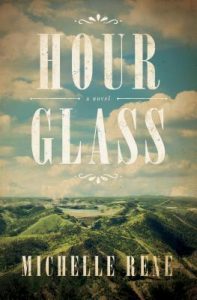
    Hour Glass by Michelle Rene


    Hour Glass by Michelle Rene received top scores in three divisions:  Laramie Book Awards, Somerset Book Awards, and Goethe Book Awards. It was also the Laramie Grand Prize Winner. 


    The Chanticleer International Book Awards Genre Divisions Grand Prize Winners for 2017 are:


    The GLOBAL THRILLER Book Awards for International Thrillers & Suspense Novels is awarded to:
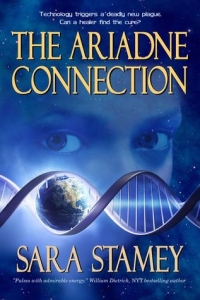
    The ARIADNE CONNECTION

    by Sara Stamey


    View the 2017 GLOBAL THRILLERS  Book Awards First Place Winners

    View the 2017 GLOBAL THRILLER Book Awards Shortlisters 


    Cygnus Award for Science Fiction

    The CYGNUS Book Awards for Science Fiction Grand Prize is awarded to:

    The Future’s Dark Past by John Yarrow

    View the 2017 CYGNUS Book Awards First Place Winners

    View the 2017 CYGNUS Book Awards Shortlisters 


    Cozy Mystery Fiction Award

    The M & M Book Awards for Mystery & Mayhem Novels Grand Prize is awarded to:

     Coronado’s Trail: An Arizona Borderland’s Mystery by Carl and Jane Bock 

    View the 2017 M & M Book Awards First Place Winners

    View the 2017 M & M Book Awards Shortlisters 


    The JOURNEY Book Awards for Narrative Non-fiction Grand Prize is awarded to:

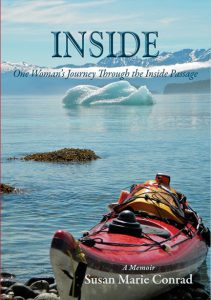
     Inside: One Woman’s Journey Through the Inside Passage

    by Susan Marie Conrad

    View the 2017 Journey Book Awards First Place Winners

    View the 2017 Journey Book Awards Shortlisters


    Gertrude Warner Children's Chapter Books

    The GERTRUDE WARNER Book Awards for Middle-Grade Readers Grand Prize  is awarded to:

    Brainwashed: Crime Travelers Spy School Series

    by Paul Aertker

    View the 2017 Gertrude Warner Book Awards First Place Winners

    View the 2017 Gertrude Warner Book Awards Shortlisters


    Dante Rossetti Awards for YA Fiction

    The DANTE ROSSETTI Book Awards for Young Adult Fiction Grand Prize is awarded to:

    Slave to Fortune by D. J. Munro

    View the Dante Rossetti Book Awards First Place Winners

    View the Dante Rossetti Book Awards Shortlisters


    Pre 1750 Historical Fiction Award

    The CHAUCER Book Awards for pre-1750s Historical Fiction Grand Prize is awarded to:

     The Traitor’s Noose: Lions and Lilies Book 4

    by Catherine A. Wilson and Catherine T. Wilson

    View the Chaucer Book Awards First Place Winners

    View the Chaucer Book Awards Shortlisters


    Post 1750s Historical Fiction Award

    The GOETHE Book Awards for post-1750s Historical Fiction Grand Prize is awarded to:


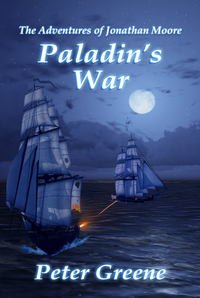
    Paladin’s War: The Adventures of Jonathan Moore

    by Peter Greene

    View the GOETHE Book Awards First Place Winners

    View the GOETHE Book Awards Shortlisters


    Western Pioneeer Civil War Fiction AwardThe LARAMIE Book Awards for Western Fiction Grand Prize is awarded to:


     Hour Glass

    by Michelle Rene

    View the Laramie Book Awards First Place Winners

    View the Laramie  Book Awards Shortlisters


    Romance Fiction Award

    The CHATELAINE Book Awards Grand Prize for Romantic Fiction and Women’s Fiction Grand Prize is awarded to:

    MASK of DREAMS ( a manuscript at the time of submission)

    by Leigh Grant

    View the Chatelaine Book Awards First Place Winners

    View the Chatelaine Book Awards Shortlisters


    Thriller Suspense Fiction Award

    The CLUE Book Awards Grand Prize for Thriller / Suspense Novels is awarded to:
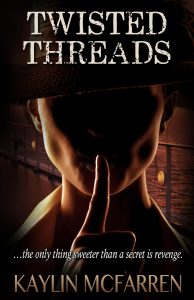
    TWISTED THREADS by Kaylin McFarren

    View the CLUE Book Awards First Place Winners

    View the CLUE Book Awards Shortlisters


    Early Readers and Picture books

    The LITTLE PEEPS Book Awards Grand Prize for Early Readers is awarded to:

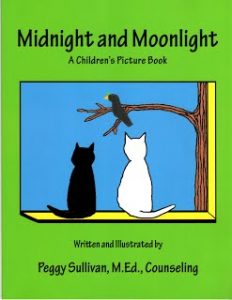
     Lessons from a Cat: The Moon and Star; Midnight and Moonlight

    by Peggy Sullivan, M. Ed.

    View the Little Peeps Book Awards First Place Winners

    View the Little Peeps Book Awards Shortlisters


    Ozma Awards for Fantasy Fiction

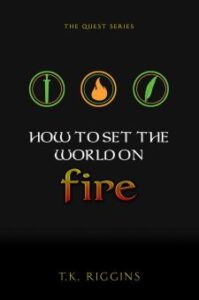
    The OZMA Book Awards Grand Prize for Fantasy Novels is awarded to:

     How to Set the World on Fire

    by T.K. Riggins

    View the OZMA Book Awards First Place Winners

    View the OZMA Book Awards Shortlisters 


    Paranormal Fiction Awards

    The PARANORMAL Book Awards Grand Prize for Supernatural Fiction is awarded to:

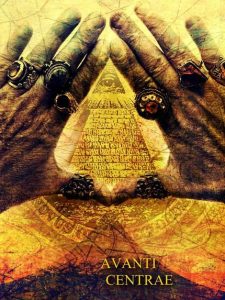
    VanOps – The Lost Power

    by Avanti Centrae

    View the PARANORMAL Book Awards First Place Winners

    View the PARANORMAL Book Awards Shortlisters 


    Mainstream Contemporary Fiction Awards

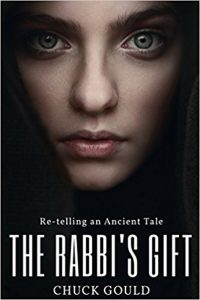
    The Somerset Book Awards Grand Prize for Literary and Contemporary Fiction is awarded to:

     The Rabbi’s Gift

    by Chuck Gould

    View the SOMERSET Book Awards First Place Winners

    View the SOMERSET Book Awards Shortlisters 


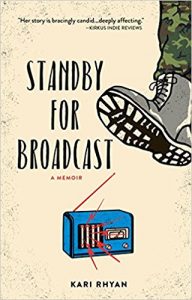
    The I & I Book Awards Grand Prize for Instructional and Insightful Non-fiction is awarded to:

     Standby for Broadcast

    by Kari Rhyan

    View the Instructional & Insightful Non-Fiction Book Awards First Place Winners

    View the Instructional & Insightful  Book Awards Shortlisters 


    The 2019 Chanticleer Authors Conference will be held on April 19, 20, & 21, 2019.

    Please click here for more information about entering the 2018 Chanticleer International Book Awards with 16 divisions.

    • Two Non-Fiction Divisions
    • Historical Fiction Divisions
    • Early Readers, Middle-Grade, and Young Adult Divisions
    • Mystery, Suspense/Thriller, & Global Thriller Divisions
    • Science Fiction Division
    • Fantasy Fiction Division
    • Paranormal & Supernatural Division
    • Western Fiction Division (includes classic and contemporary)
    • Romantic Fiction
    • Literary & Contemporary Divisions

    Chanticleer Reviews: Discovering Today’s Best Books with Reviews and International Book Awards

  • LEARNING FROM THE GREATS with #CAC18 Speaker, JESSICA MORRELL – CAC18, Writing Workshops, Author Development

    LEARNING FROM THE GREATS with #CAC18 Speaker, JESSICA MORRELL – CAC18, Writing Workshops, Author Development

    Jessica Page Morrell
    Jessica Page Morrell
    Chanticleer: Give me a little bit about your background – Who is Jessica Morrell? 
    Jessica Morrell:  I’m the author of six traditionally-published books, five which teach authors how to write. I’ve written hundreds of columns, articles, blog posts, and my work appears in 8 anthologies about writing. I’ve been teaching writers for more than 25 years and work as a developmental editor. This means a writer or author sends me a manuscript and I dissect it and then help him or her put it back together so it’s publishable. I bring a discriminating, ruthless eye to manuscripts, and fix plot holes and wayward dialogue and everything in between. I learn each time I work on a manuscript and some days my brain feels close to bursting. I love what I do.
    Chanticleer: Tell me a little bit about the Master Class you will be offering next Sunday during #CAC18, Learning from the Greats. Who would benefit most from taking this class?
    Jessica Morrell: Any fiction writer can benefit from this workshop.  Writers have 2 main tasks: writing whenever possible and reading often. But reading as a writer requires a special focus and analysis. You need to understand why authors make choices and decisions along the way; why their details are important, how the ending resonates or doesn’t quite satisfy. Close reading teaches us narrative and scene structure, how to create authentic dialogue, how to insert tension and subtext, and how themes underscore drama.
    Chanticleer: This is going to be an important class for all authors. Tell me, what’s the best way to prepare for this class?
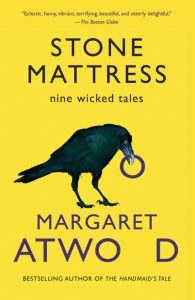
    Jessica Morrell: The workshop will open by outlining the many techniques that writers have at their disposable. From there we’ll be discussing Harper Lee’s To Kill a Mockingbird and 3 contemporary short stories (Silver Water, Amy Bloom,  For Something to Do, Elmore Leonard, and Stone Mattress, Margaret Atwood.)
    Chanticleer: At the end of this article, Jessica has provided us with titles and links to these stories. It would be wise to familiarize yourself with these works before class next Sunday. So, Jessica, why these authors? Why these books? 
    Jessica Morrell: Mockingbird, also a film, has remained a beloved American classic over the decades. We’re going to dissect why it’s so esteemed and memorable. The other authors Elmore Leonard, Amy Bloom, and Margaret Atwood are simply fabulous writers with techniques we can all emulate. Or at least try to.
    Chanticleer: Jessica, our attendees will learn so much from your workshops. Your classes are unlike any other I’ve seen. You really do put authors to work – and the payoff is exponential!

    Jessica Morrell:  To paraphrase Stephen King, reading is your job. Or a big part of your job. If you breeze through stories without thought or analysis, you’re missing both the joys of insider knowledge and the lessons you’ll always need. Reading inspires and is a cheap, private pleasure. And because writers never stop learning.

    Learning from the Greats 

    A Master Writing Craft Class taught by Jessica Morrell

    To succeed as a writer you need to write a lot and read from a writer’s perspective. Without this level of analysis writers simply don’t have all the tools at their disposal. In this workshop, we’ll work together to uncover the secrets of great authors, reveal the intricacies of craft, and trace authors’ influences and habits. We’ll further analyze how great authors reflect their time period and find fresh ways to manipulate language.

    Texts to be discussed: 

    Silver Water, Amy Bloom  http://producer.csi.edu/cdraney/2011/175/etexts/Bloom_Silver-Water.pdf

    Amy Bloom has been a fresh, urgent voice in American fiction since her first collection of short stories;   Come to Me was published in 1998.  Bloom is also a novelist, but her short stories are particularly insightful in their brevity and often track marginalized people and uncomfortable issues like sexual identity and mental illness. A former psychotherapist, she brings keen insights into her characters, imbuing them with tiny, yet penetrating brushstrokes that nail their struggles and psyches. Writers can learn her art of compression, her authentic character voices, featuring flawed but fascinating characters.


    To Kill a Mockingbird, Harper Lee

    https://cleveracademy.vn/wp-content/uploads/2016/10/To-Kill-a-Mockingbird.pdf

    An American classic, To Kill a Mockingbird is the story of a Southern family and small-town embroiled in a racially-charged scandal and trial.  Readers can learn so much from the story—a searing history lesson, how to teach your kids valuable life lessons, how outsiders and kids see society. Through analysis, writers can learn how to capture a child’s sensibility, how to teach morality without being preachy or gooey, and how to stage a surprise ending. Other techniques we’ll study: the role of the narrator POV, writing a compelling static character, and how coming-of-age meets character arc with young characters.


    For Something to Do, Elmore Leonard

    https://harpers.org/archive/2015/05/for-something-to-do/

    Elmore Leonard was a wildly popular writer who wrote more than 40 novels,  dozens of short stories, movie adaptations, and a popular TV series including, Justified. Stephen King called him, “The great American writer,” and The New York Times called him, “The greatest crime writer of his time, perhaps ever.”  He’s known for tightrope tension, crackling, realistic dialogue, and memorable, bad ass characters up to their ears in serious trouble. But a closer look reveals other techniques worthy of emulating: how to depict pathos in a character, how honor and morality can found in unexpected places, how subtext works in a dialogue scene, how to stage twists, and how conflict is layered and always simmering.


    Stone Mattress, Margaret Atwood

    https://www.newyorker.com/magazine/2011/12/19/stone-mattress

    Besides her many novels, some now turned into televisions series, Atwood is a prolific short story writer. In this story, a woman meets an old friend 50 years after their high school days, she plots his murder. Or will she go through with it?  We’re going to analyze this story for its delicious use of details, suspense, and subtext, along with her deft inclusion of backstory, and an overall tone of disquiet. We’ll discuss how Atwood pulls us in from the first sentence: “From the onset, Verna never intended to murder anyone. What she had in mind was a vacation, pure and simple.”

    More links to blog posts by Jessica Morrell
  • Synopsis Writing Tools Checklist by Jessica Page Morrell

    Synopsis Writing Tools Checklist by Jessica Page Morrell

    Jessica Page Morrell
    Jessica Page Morrell

    SYNOPSIS Tools Checklist by Jessica Page Morrell  Part 2 of a Two-Part Blog Post

    Jessica is a top-tier developmental editor. Jessica is teaching the Master Writing Classes at the Chanticleer Authors Conference on Sunday, April 22, 2018. 

    Here is the second half of a two-part series on How to Write a Synopsis. The first Synopsispart deals with synopsis development and the second part will discuss the mechanics of a synopsis.

    Here is the link to Part 1:

    Part 1 of Jessica Page Morrell’s Writer’s  Toolkit series on How to Write a Synopsis

    A quick recap of Part One: 

    A Synopsis Is:

    • Part Bare Bones  Story Recap (but not too bare)
    • Part Pitch
    • Part Illustration of Your Writing Style

    Every sentence matters and pushes your story forward. 

    Typically a synopsis completes a sales package that includes your first three chapters and sometimes a letter of introduction. Since at times editors read the synopsis first, it must be comprehensive, comprehensible, and compelling, forcing them to then peruse your chapters. Hopefully, your synopsis will be read not only by an agent and editor but if it passes muster, the marketing and art department will read it too. A synopsis will also be used in the publishing house meetings where decisions are made about what titles will be published in an upcoming season.

    SYNOPSIS CHECKLIST 

    A synopsis is written in the same order as the novel and is written in the style and tone of the manuscript—a witty, fast-paced novel requires a witty, fast-paced synopsis. If the story is literary, your synopsis will be more serious, but keep in mind that your dazzling prose goes into the manuscript, not the synopsis. Don’t leave major questions unanswered such as who killed the victim, as well as how Malcolm solves his internal conflict, and how the subplot was resolved after he lost his job when he was arrested. A synopsis keeps the reader’s interest, but it’s not a tease and is not written with cliffhangers and such devices. It’s particularly important to demonstrate that your ending provides a satisfying conclusion to the plot and ties up loose ends.

    A synopsis demonstrates that your characters are in jeopardy and what is at stake and why this matters. It introduces your main characters and their conflicts and agendas. It is not a list of characters or character sketches, and it usually does not describe physical attributes of characters, although the main characters are given some sort of tag. For example, you might want to refer to a character as the leading citizen in a small Southern town, or a respected doctor or frustrated novelist. Antagonists are always introduced, but secondary characters are mentioned only if they are involved with the protagonist’s inner or outer conflict.  A synopsis is also written with a careful attention to flow—ideas follow each other logically and one paragraph leads to the next. This means that transitions will be important in connecting the dots.

    Is or Does Your Synopsis Questions:

    • Is it reflective of a thoughtful writer at work?
    • Is it reflective of the mood and tone of the manuscript submitted?
    • Does it portray an enthralling story?
    • Does it highlight a gripping main conflict?
    • Does it highlight the intriguing motivations of the main players?
    • Does it lead the reader logically from inciting incident to end with:
      • major plot points along the way?
      • turning points along the way?
    • Does it provide a satisfying conclusion to the plot and ties up loose ends?
    • Does it connect the dots and progress logically?

    Mechanics

    • Write the synopsis in the present tense
    • The first time you introduce a character, type his or her name in ALL CAPS
    • The synopsis should be written in the same order as the novel
    • The synopsis should be written in the same style, tone, and pace of the manuscript

    HEADER  PAGE should be single-line spaced

    • On the first page in the upper-right hand corner write Synopsis
    • The next line should state the type of Genre
    • The next line should state the Word Count
    • The left-hand margin first line should state your name followed by your contact information (digital, voice, and delivery address)
    • Do not number your first page

    TITLE PAGE 

    Don’t number your first page, but scroll down to about one-third of the page and center your title in ALL CAPS. Then leave four lines after the title and begin with your hook. 

    BODY of MANUSCRIPT FORMATTING

    • Use 1-inch margins
    • Do not justify the right margin
    • After the first page use a header (or slug line) on the upper left-hand corner that looks like this: MORRELL/DOOMED FOR DEATH/Synopsis
    • The page number goes on the same line as the header
    • Do not use fancy fonts
    • Remember that you are summarizing, not copying
    • Begin a new paragraph if you are introducing a new scene or plot twist
    • You may want to note one or two short dialogue exchanges to illustrate a point
    • Rule of thumb for spacing: over two-pages, double-spaced is preferred; if it’s one or two pages, single space

    LENGTH 

    Since most agents and editors are notoriously pressed for time and read so much for their jobs, the five-page synopsis is appreciated by most. However, in the past, the wisdom about length went like this: one double-spaced page of synopsis for each 10,000 manuscript words. If you wrote an 80,000-word manuscript you’d write an 8-page synopsis.


    Finally, here’s a checklist that you might want to use to verify that you’ve covered all these points:


    • Have you printed it out and then edited it for spelling, grammar and punctuation mistakes?
    • Does the opening paragraph contain a hook that raises a question and forces the reader to keep reading?
    • Does the synopsis prove that the story is based around a single, dramatic question?
    • Have you shown the protagonist taking charge of events, making choices and decisions, but also stumbling and dealing with internal conflict?
    • Have you introduced your main characters and defined their conflicts, desires, and motivations? Are the protagonist’s dominant traits demonstrated?
    • Have you covered the major scenes and plot points?
    • Are reversals, twists, and surprises depicted?
    • Is the setting and timeframe of the story clear?
    • Does the synopsis include the places in the story where the protagonist changes? If your characters are changing, are you briefly explaining why?
    • Have you shown the protagonist’s darkest moment that comes near the end of the story? Does he or she hit bottom or is there a moment of truth? Are emotional or internal changes evident during this dark moment?
    • Is the ending revealed and does it clarify how the main conflicts are resolved? Have you briefly explain what the protagonist has won or lost?

    Resources:   Jack and Glenda Neff and Don Prues, authors of Formatting & Submitting Your Manuscript, suggest double spacing. 

    LINKS and other INFO

    Instructional and Insightful Books by Jessica Page Morrell to add to your Writer’s Toolkit. Click here. 

    Click here if you would like more information about Jessica Morrell’s Master Writing Classes that will be held on Sunday, April 22, 2018, Bellingham, Wash.

    Click here for information about the 2018 Chanticleer Authors Conference. 

    Click here for Jessica Page Morrell’s website.