The 2019 Chanticleer Authors Conference (CAC) and the Chanticleer International Book Awards (CIBAs) for 2018 wrapped up on Sunday, April 28th at five o’clock in the afternoon. Attendees and presenters began arriving on Wednesday, April 24th to participate in the Master Writing Craft workshops presented by the internationally bestselling author—Master of Suspense J.D. Barker and Top Senior Editor, Jessica Page Morrell.
This unique and progressive conference was jammed packed with sessions serious authors featured sessions and workshops on the business, marketing, and technologies of publishing and of being an author. CAC19 attendees were also offered advance writing craft sessions and workshops. Hollywood was also represented at #CAC19 with Scott Steindorff, the ‘Hollywood Bookman’ and Major A-list Film Producer – and president of Stone Village Productions shared with us in his sessions and interviews his knowledge about “What Hollywood Wants,” “How to Construct Big Ideas,” “How Storytelling is Changing,” and more.
2018 Chanticleer International Book Awards
The 2018 Chanticleer International Book Awards winners for sixteen divisions were announced on Saturday evening at the CIBA banquet and awards ceremony along with the 2018 Overall CIBA Grand Prize in conjunction with the annual Chanticleer Authors Conference. The ceremony was held at the ballroom of the luxurious Hotel Bellwether on the waterfront of Bellingham, Wash.
The CIBA celebration began at six o’clock in the evening with a cocktail party. Hindenburg Systems out of Denmark had a drawing for three excellent prizes that included a 2-year subscription to their state-of-the-art audiobook and podcast software systems, a one-year subscription, and a really cool Hindenburg computer/commuter bag during the cocktail party.
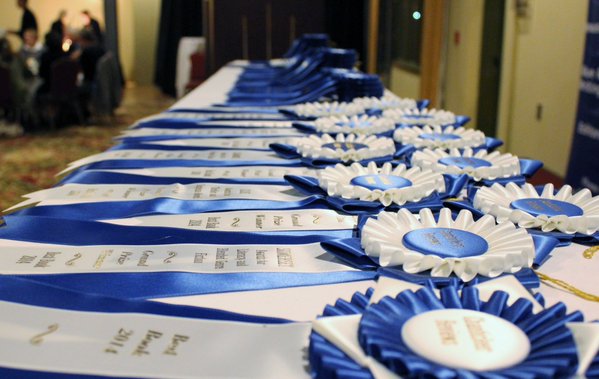
A coveted Chanticleer Blue Ribbon—You know you want one!
The Chanticleer International Book Awards Ceremony
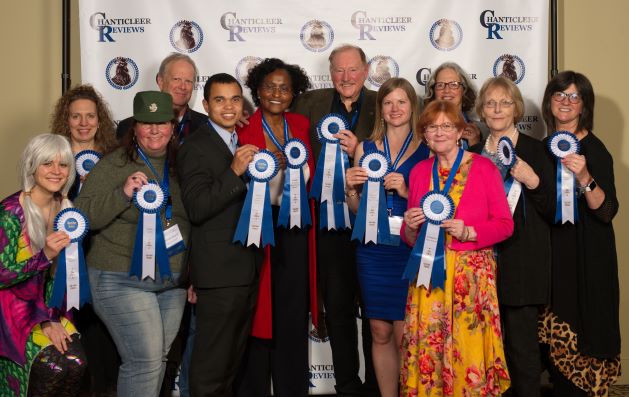
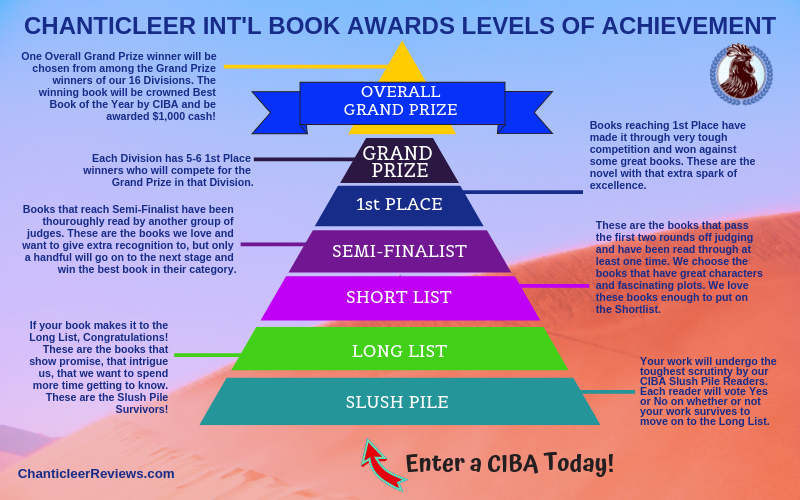
The CIBA Banquet and Ceremony began at seven-thirty in the evening with the banquet catered by the Hotel Bellwether and the Executive Chef Peter Birk. We began the CIBA announcements at eight o’clock with an explanation of the judging rounds and process. There were sixteen presenters who individually recognized all of the CIBA Semi-Finalists who were in attendance before announcing his or her division’s First Place Category winners for each of the sixteen divisions. PublishDrive and Hindenburg Systems presented each CIBA Blue Ribbon Award Winner with a prize certificate. After a short intermission, the awards presenters announced and recognized each divisions’ grand prize winners. Each one of the CIBA Grand Prize Award Winners was presented with a grand prize package from PublishDrive and Hindenburg Systems along with the coveted grand prize ribbons. The 2018 Chanticleer International Book Awards ceremony concluded with the announcement of the 2018 Overall Chanticleer Book Awards Grand Prize winner.
Professional photographer Dwayne Rogge of Bellingham based Photo Treehouse was available during the cocktail hour to take headshots and souvenir photos. He and his assistant also took photographs to record the award winners and division grand prize winners. These photos will be for digital download available by May 20, 2019. The link to the website for the complimentary digital photos will be emailed to all of the conference attendees. Printed photos will also be available for purchase on the website.
The CIBA winners will be revealed—please standby…
2018 CIBA Award Winners Announcements
We will begin creating the website posting that recognizes the First Place Award Winners and the Grand Prize Winners of the sixteen divisions of the 2018 Chanticleer International Book Awards starting today, April 29, 2019. We appreciate your patience with us as it takes time to double-check, create the links, recognize the winners and create the website posts. The CIBA website postings announcements will be in the order of the sixteen divisions’ submission deadlines starting with the Cygnus Book Awards for Science Fiction moving on to the last submission date for the Instruction & Insight Book Awards. We appreciate your patience as we move through the list.
Each of the 2018 CIBA divisions winners will be posted on the homepage of the Chanticleer website under WRITING CONTEST NEWS.
Please visit the Chanticleer Reviews’ website for more of our exciting updates and CIBA announcements! We will also post to our social media platforms:
SAVE the DATE: The next Chanticleer Authors Conference is scheduled for April 17 – 19, 2020 with Master Classes held on Thursday, April 16, 2020. We will announce the 2019 Chanticleer International Book Award Winners on April 18, 2020.
We all, probably, know these writing tips, but if you are like me, I can always use a reminder to rid my writing of “spiderwebs,” “dust bunnies,” and the “clutter” that can gradually accumulate in my writing.
It is time to Spring Clean our writing habits with precise, fresh language. Jessica Morrell suggests searching for these culprits that can easily sneak into our writing.
Add this checklist to your Writer’s Toolbox.
Said exclamations:Today’s readers are sophisticated and understand when characters are talking and that at times the character’s voices and emotions change. The notion is the ‘he said, she said’ parts of fiction appear invisible. Readers understand that a character might sound shrillby the circumstances and dialogue spokenso you don’t need to proclaim,Mary Ellen shrieked shrilly. Never write Jason emoted, pleaded, bantered, snarked, smirked, blasted, bleated, peeped, groused. Now occasionally in the midst of a horror story, you might want to underline how terrified a character is, but consider dabbing these attributions in only for the most terrifying or surprising moments.
Clichés. Oh how, I hate thee. Eliminate all yourI took a deep breath. Ditto foreyes widened, out of the corner of my eye, jaw dropped, raven locks, and steely blue eyes. Then there is: Each and every, knife to my heart, piece of cake, fire in the belly, he/she took my breath away.And before you write about your characters staring into each other’s eyes, think about how often it happens in real life and how often it happens in your stories.
Mind matters, especially in the first person. You don’t need to report on how the character is reviewing things in his/her mind because this distances the reader and reminds her there is a narrator instead of the reader living amid the story world. So eliminate ‘mind raced‘ ‘thoughts raced‘ ‘mind’s eye‘ (a truly lame term), and ‘searching her mind.‘
I saw. If you’re writing in close first person you don’t need theI saworI looked part of the sentence. Example: I saw ahead of me three leprechauns frolicking merrily in the grass. Instead:Ahead three leprechauns frolicked merrily in the grass. Why? The reader wants to pretend that he or she is spotting the leprechauns along with the character. Also describing the leprechauns implies the narrator or character is seeing or observing. No need to state it.
Prepositional phrases. Prepositions are the carbohydrates of language. Of course, we need them for clarity but use with care. Instead of a book of poetry, use poetry book. Instead of a tower of flames, use towering flames.
So here’s the trick: Don’t always use the first word or phrase that pops into your head because you might be using rusty, old clichés. Or fix these dullards when you edit. Likestock still, fast asleep, choking back tears, stirred up a hornet’s nest, did a double take, under the radar, and never in her wildest dreams.
Keep writing, keep dreaming, have heart. Jessica Morrell
Jessica Page Morrell
Jessica Morrell is a top-tier developmental editor and a contributor to Writer’s Digest magazine, and she teaches Master Writing Craft Classes at the Chanticleer Authors Conference that is held annually along with teaching at Chanticleer writing workshops.
Once you’ve finished a draft of your novel it’s time to buckle down. Because writers need to learn how to revise and edit themselves. Period. Revision skills are what separate amateur writers from polished and publishable writers.
It’s not easy, and yes it can seem daunting. But then, it’s a learned skill like many others, so we’re going to dig in with a four-step program. Why four steps you ask? You cannot work effectively at all levels of a novel or memoir at the same time. You need to work first with the structure and straighten out the big problems, then move down to the next level. It’s pointless to become preoccupied with single paragraphs or sentences if the whole structure is shaky. After all, some of those paragraphs you’re obsessing over might not make it to the final draft. In fiction, you’re assuring that each of the three acts—intro or set up, adding complications, resolving the conflict, all exist in the right proportion and contain the appropriate twists and reversals. In the same way, you need to tackle each chapter, section, subsection, paragraph, and sentences.
This workshop is designed for fiction writers and memoirists to refine your first draft in thoughtful, organized steps.
Workshops and Sessions Jessica will teach at the 2019 Chanticleer Authors Conference:
During the Conference:
Immersive Fiction in 3 Sessions:
Writing Fiction so Readers Land Amid Your Story and Don’t Want to Leave. Ever.
We live in a clattering, distracting world that pulls at readers’ attention and senses. To compete your fiction needs be immersive, as in an alternate reality that your reader can enter into. Thus your readers are experiencing it, not simply reading it. An immersive story is an intimate, sensory story. It takes place in a world that a reader can see, smell, feel, and hear and it’s based on characters readers come to know and care deeply about. With the opening pages, readers are swept into a world that is so resoundingly real and intricately constructed that they leave their ordinary lives to venture forth and live daily along with the characters.
Immersive Fiction Part 1: Atmospherics
Readers want to feel as if they’re part of a story world interacting with viewpoint characters. Fictional worlds that are immersive are nuanced, intricate, and alive with significant details. We’ll sort through what makes details significant and necessary. Plan to delve into atmosphere and tone, often under-appreciated techniques in a writer’s toolbox, yet they can be so effective to heighten suspense, create reality, and underline emotions and key moments. We’ll highlight how to use weather, lighting, interiors, unsafe places, and what I call “surround sound.” Finally, we’ll also discuss the key elements needed of world build in realistic genre fiction such as historical, sci-fi, and fantasy, and to make your stories memorable and immersive.
Immersive Fiction Part 2: Your Sometimes Heart-breaking, Sometimes Messed-up, Sometimes Heroic Fictional Cast
For many writers, the most fun of creating a story is fleshing out characters who battle, grow, and plop into heaps of trouble. Because readers need relatable, yet irksome, yet potent story people to follow and fret over. Their flaws and mistakes drive us crazy, their choices and moral dilemmas worry us sick, their triumphs feel as sweet as our own.
Characters first need to be intriguing and readers need to meet them at a pivotal, irreversible moment. From there they’ll tread where we dare not, fall in love with losers and sometimes winners, and take on monsters when we’d be cowering. But still characters, including secondary characters, need a vivid essence and need to be bigger than life. And by story’s end they need to grow, also called an arc. This workshop will delve into the more intricate aspects of character building and creating arcs, the art of creating characters who will live in the reader’s heart and memory.
Immersive Fiction Part 3: Stakes and Motivations
One major reason that people ‘buy into’ storytelling of all types is that there are serious stakes involved. Readers need to feel as if they also have a stake in the story. Stakes create tension, but most of all dread in a story because a character’s happiness, perhaps even his life, depends on them. The stakes might mean saving a vulnerable child snatched by a creepy predator, or saving the galaxy, or defeating Voldemort and his Deatheater.
Motivations are the reason characters attempt any action in a story. You’ll learn that motivations are deeply felt, drive a story, and will require a character’s chief personality traits to fulfill. We’ll discuss how motivations reveal backstory and a character’s inner world, create goals, and will exact a cost as the story progresses. We’ll discuss a variety of stakes, motivations, and goals so that you’ll learn clear examples of how all are entwined with plot and character.
Pitching Your Book Release to the Press: Creative Tools for Gaining Media Attention
“Is it even worth my time to send out a press release for my book launch?”
This question came up during a kaffeeklatsch at last year’s Chanticleer Authors Conference and judging by the lively discussion at the table, it was a dilemma on the minds of many participants that weekend. In today’s flooded media landscape, is it still possible for small press and indie authors to get press for their book releases? And if so, how?
My answer that day? Yes, but…
As an indie or small press author, you can still gain earned media attention (print and digital) for your book launch. But if you think you’re going to get there with a run-of-the-mill press release, think again.
In preparation for this year’s conference, I want to expand on the answer I gave that day, along with a few new pieces of advice to help authors gain earned media attention with a little luck and a whole lot of creativity.
There are four to seven thousand new titles released daily. Your book release is not the headline.
Your Book Release Is Not the Headline
When I sit down to work with an author on a press release or an earned media package, here is the first thing I tell them: your book release is not the headline. To get the attention of the press, we need to hand them news that goes beyond “Author Releases New Book.”
Think about it: editors and bloggers get sent dozens of press releases every day. Unless you’ve just written the sequel to a New York Times bestseller, you need to give them a reason to care about you and your book above all the others. In other words, you need to present them with an angle that will help them place your book release as part of a larger story. What makes you stand out and why will their readers care?
Brainstorming Your Media Angle
It can be difficult to step back from your book and look at the bigger picture. But that’s what you have to do if you want to create a human interest story around your book release.
Here are a few questions to get you brainstorming:
What compelled you to write this book?
How is it different from other books in your genre?
Was your process for writing or researching the book unusual? If so, how?
Is the subject of your story particularly relevant to current events?
Is the subject or setting of your book particularly relevant to a niche group of people?
Is there anything about your personal story that would interest readers? For example are there obstacles you’ve overcome, or an unusual current or former profession?
Targeting Your Message to Your Audience or Come Up “Crickets”
Once you’ve brainstormed all of the things that make your book release unique, it’s time to dial down and refine your message.
Remember though: when it comes to media pitches, one size doesn’t fit all. The surest way to guarantee zero response for your news is to send a blanket email to the media that contains a formulaic press release. I can promise, you’ll hear crickets in return.
Your media pitch should change depending on the outlet and the intended audience. For example, a regional print magazine featuring notable women might be interested in how your memoir ties to current events or why your novel is set in a particular location. A book blogger, on the other hand, will probably care more about the background story of how you became an author or the quirky methods you use when you research historical fiction.
I usually recommend writing two or three different press releases — one for industry-specific press like book blogs; one for local and one for regional presses; and if it applies, one for a niche audience. The more targeted you get — both in your press release and in the personalized emails you send to the media — the better your chances of getting your news featured.
Don’t come up “crickets” in your press releases and book launch strategy.
More Tips On Getting Media Attention – Session at Chanticleer Authors Conference
If you plan to attend the 2019 Chanticleer Authors Conference, I will have even more tips and plenty of time for questions during my session, “Getting Media Attention as a Small Press or Indie Author.” You’ll walk away with concrete tools for writing press releases, pitching to the media, and preparing for press interviews.
Allison Vrbova, Two Willows PR & Marketing
Publicity and marketing consultant Allison Vrbova has helped countless small press authors, independent artists, and entrepreneurs beat the odds to gain media attention in regional and national publications. You can learn more about her consulting work at www.twowillowseditorial.com
Guidelines for Connecting with Sources and Experts While Researching Novels
Editor’s Note: Whether or not you write Thrillers, Science Fiction, Mysteries, Contemporary Social Themes, YA, Historical, or any genre, these guidelines for connecting with sources and tapping experts will come in handy.
One of the questions I get asked frequently when people discover I like to write historical novels is “How do you do your research?” I don’t have a pat answer (I wish I did!). The reality is that I “do my research” as I’m writing a novel and that, for me, it’s my least favorite part of the process. There, I said it!
I know many historical novelists who adore research, who like it even more than writing, but I’m not one of them. I like research. I enjoy prowling through dusty libraries and doing endless Internet searches and reading stacks of books, but most of the time I’d rather be writing my story.
That said, I have picked up some techniques over the past few years that I’ll share in this blog to help you find your feet when you’re researching and writing a novel set in the past. Getting the facts right is very important. You discover that the first time a reader finds a mistake (and tells you about it).
In my novel set in early 19th Century London, I had a character refer to the third season of the year as “Fall.” A British reader set me straight, in no uncertain terms. Thank goodness she was a Beta reader and I was able to catch the error before the novel was published!
Books are great, the Internet can’t be beaten for looking up and verifying facts quickly, and libraries are awesome. But even better are the academics who write all those books and articles. In other words, the experts. Many experts are happy and eager to share what they know with you. And many go well beyond just answering questions.
Following are some tips and advice for reaching out and working with subject matter experts.
Do your homework before contacting a subject matter expert. You don’t want to waste an expert’s time asking questions that you could easily answer yourself with a bit of reading. Consult books and articles to become as conversant as you can with the subject and then prepare a list of specific questions to focus the discussion. Experts who see that you’ve made an effort to understand their field are usually very generous with their time and interested to hear about your Work in Progress.
Keep the number of questions reasonable. A half-hour interview is about right, although if your expert wants to go on longer, sit back and enjoy! You never know what great information you’ll get—often on a subject you weren’t looking for but that will fit beautifully into some part of your story. Experts are often fascinated by the creative process and may suggest plot ideas based on their more in-depth understanding of the period. When an expert says something like “What if you have your character do such and such…”, listen up!
Experts care a great deal about their fields of expertise and as a result, most welcome the opportunity to work with a novelist to bring their knowledge to a wider audience. An academic I consulted for The Muse of Fire told me how thrilled he was that someone apart from his students was interested in early 19th Century British theater.
Make sure you end an interview with a request for additional book and research recommendations. Most experts are happy to provide you with more references than you’ll probably have time to read.
Find experts by looking up faculty lists at universities, consulting bibliographies, conducting searches for specialist groups, and asking for recommendations. You can click the Ask a Librarian link on any Library website to get all sorts of academic questions answered. Before contacting experts—generally by email—familiarize yourself with their credentials and read at least some of their articles and books. When you take the time to read their writing, you’re more likely to ask intelligent questions.
Photo Credit: Myrabella / Wikimedia Commons Soldiers in front of the wood of Hougoumont during the reenactment of the battle of Waterloo (1815)
Another place to find experts, particularly in specific historical eras, is to seek out re-enactment groups and themed events such as Renaissance Fairs. Here you’ll find experts who have really steeped themselves in your period and are eager to share what they know.
Approach experts with a polite email that includes a short description of your Work in Progress and a few sample chapters. In my experience, experts are most eager to help when I give them an opportunity to first read my work. Many want to be sure they are associating their names with writing that they personally like.
For all three of my novels, I’ve been fortunate to have experts give me advice during the writing process and then to read drafts of my novel to catch stray errors. Several of them became almost as invested in the accuracy of my novel as I was and are now fans!
In your introductory email to an expert, make sure you include your own web address in your signature line and a short summary of your own background and credentials. I know that several of the experts I’ve reached out to told me they checked out my website before replying to my request. They understandably wanted to verify my background and learn about my books before connecting with me.
Thank experts in your acknowledgments. I always include historical notes at the end of my novels to cite books I consulted while writing. I also personally thank experts with whom I’ve connected personally. Everyone appreciates being thanked.
Send complimentary copies of your novels to experts who have provided you with significant help. I think it’s money well spent to let the people who have helped me know how much I appreciate them.
We are incredibly fortunate as novelists to be able to easily connect worldwide with experts in a dizzying array of subjects. I’ve visited with the curator of the Narrenturm—an anatomical museum housed in Europe’s first insane asylum in Vienna; taken tea in London with an expert on 19th Century women composers; become good friends with a professor of medieval art history, and connected with several wonderful specialists in early 19th Century British theater. Each of them did much more than just answer my questions. They actively contributed ideas about plot and character motivation appropriate to the era I was writing in and inspired me to explore all sorts of new ideas.
You never know what might come from your interactions with experts once you get the nerve to approach them – respectfully and after having done your homework.
And then all you need to do is weave what you’ve learned into a compelling novel that people will not want to put down. Easy, right?
Carol M. Cram, CIBA Award-Winning Author (both Goethe and Chaucer Historical Book Awards) for these outstanding novels:
Carol M. Cram will announce the new CHAUCER Book Awards winners on Saturday, April 27, 2019, at the Chanticleer International Book Awards ceremony. She is also presenting at the sixth annual Chanticleer Authors Conference. Her award-winning historical fiction books will be available in the CAC19 Books By the Bay Book Fair hosted by Village Books on April 27 & 28, 2019.
The best fiction touches the deep layers in us. A writer achieves this effect by embedding dozens of techniques into his or her story. – Jessica Page Morrell
Dramatic Question
Compelling fiction is based on a single, powerful question that must be answered by the story climax. This question will be dramatized chiefly via action in a series of events or scenes. If you are writing a romance, the question always involves whether the couple will resolve their differences and declare their love. In a mystery the dramatic question might be will Detective Smith find the serial killer in time to prevent another senseless death? InThe Old Man and Sea, the dramatic question is will Santiago catch the big fish and thus restore his pride and reputation?
An Intimate, Simmering World
An intimate world isn’t created by merely piling on details. It means your story world has the resonance of childhood memories, the vividness of a dream, and the power of a movie. It’s filled in with shadows and corners and dogs and ice cubes and the sounds and smells of a dryer humming on wash day and a car blaring past, rap music shaking the windows. These details lend it authority, potency, and a palpable physical existence.
An intimate story takes us to a specific place and coaxes us to remain there. An intimate story is lifelike and feels as real and complicated as the world the reader inhabits. When he finishes the final pages and leaves the story world, he should feel the satisfaction of the ending, but also a huge sense of loss. Like a friend has moved to another town just when the friendship had reached a level of closeness and trust.
Characters Built from Dominant Traits
Create main characters with dominant and unforgettable traits as a foundation of personality. These traits will be showcased in the story events, will help him achieve or fail at goals, and will make the story person consistent. For example, Sherlock Holmes’ dominant traits are that he is analytical, Bohemian, opinionated and intelligent. These traits are showcased in every story he appears in along with secondary and contrasting traits. When the character first appears in the first scene, he arrives in the story with his dominant traits intact.
Emotional Needs
Protagonists and the main characters are people with baggage and emotional needs stemming from their pasts. These needs, coupled with motivation cause characters to act as they do. For example, inSilence of the LambsClarisse Starling is propelled by childhood traumas to both succeed and heal the wounds caused by the death of her father.
Significance
The storyline focuses on the most significant events in the protagonist’s life.
Motivation Entwined with Backstory
Motivation, the why?of fiction, is at the heart of every scene, fueling your character’s desires and driving him to accomplish goals. It provides a solid foundation for the often complicated reasons for your character’s behaviors choices, actions, and blunders. Motivating factors provide trajectories for character development, as a character’s past inevitably intersects with his present. Your character’s motivations must be in sync with his core personality traits and realistically linked to goals so that readers can take on these goals as their own.
Desire
Desire is the lifeblood of fictional characters. Not only do your characters want something, but they also want something badly. Santiago, inThe Old Man and the Sea desperately wants to restore his reputation and also wants his friendship and partnership with the boy to resume. And in the lonely hours when he is far out at sea, desperately struggling to hang on to the fish and fighting off sharks, we see his fierce desire acted out and the price he pays for it.
You can bestow on your character flaming red hair, an endearing, crooked grin and a penchant for chocolate and noir movies, but if she doesn’t want something badly, she’s merely a prop in your story, not a driving force. But if she wants to win the Miss Florida contest, take over her boss’ job, or become the first female shortstop for the Atlanta Braves, then you’ve got a character who will make things happen and a story that will be propelled by desire.
Threat
Fiction is based on a series of threatening changes inflicted on the protagonist. In many stories, these threats force him or her to change or act in ways he or she needs to change or act. Often too, what the protagonist fears most is what is showcased in a novel or short story. It can be fear of losing his family, job, or health with this dreaded outcome providing interest, action, and conflict.
Causality
Events in fiction are never random or unconnected. They are always linked by causality with one event causing more events later in the story, which in turn causes complications, which cause more events, which cause bad decisions, etc.
Inner Conflict
A fictional character doesn’t arrive at easy decisions or choices. Instead, he is burdened by difficult or impossible choices, particularly moral choices, that often make him doubt himself and question his actions. Inner conflict works in tandem with outer conflict—an physical obstacle, villain or antagonist–to make the story more involving, dramatic, and events more meaningful.
Complications A story builds and deepens by adding complications, twists, reversals, and surprises that add tension and forward motion. Plots don’t follow a straight path, instead, there are zigzags, dead ends, and sidetracks. Complications create obstacles and conflict, cause decisions to be made, paths to be chosen.
Midpoint Reversal
The middle of a novel comprises more than half its length. At about the midpoint of most novels, a dramatic reversal occurs. The hunter becomes the hunted; a second murder occurs proving the detective has been wrong in his suspicions; a former lover arrives in town to complicate a budding romance. This reversal keeps the middle from bogging down and becoming predictable and also breathes new life and often a new direction into the story.
Satisfying Ending
every story needs an ending that satisfies the reader while concluding the plot. The final scenes, when the tensions are red hot and the character has reached a point of no return, must deliver drama, emotion, yet a logical conclusion. This is not to suggest that every plot ends with a shoot-out or physical confrontation because some endings are quieter, more thoughtful. Some endings are ambivalent, some a dramatic or a violent clash of wills. But there is always a sense that all the forces that have been operating in your story world have finally come to a head and the protagonist’s world is forever changed.
The end is just the beginning…
A Note from the Editor: A satisfying ending is one of the top, if not the top, reasons why books go viral and what will make your reader want to read your next work. Make sure that the you put as much effort in to a satisfying ending as you do into your opening hook—if not more. Kiffer Brown
Jessica Morrell is a top-tier developmental editor and a contributor to Writer’s Digest magazine, and she teaches Master Writing Craft Classes at the Chanticleer Authors Conference that is held annually along with teaching at Chanticleer writing workshops.
Workshops and Sessions Jessica will teach at the 2019 Chanticleer Authors Conference:
Immersive Fiction: Writing Fiction so Readers Land Amid Your Story and Don’t Want to Leave. Ever.
We live in a clattering, distracting world that pulls at readers’ attention and senses. To compete your fiction needs be immersive, as in an alternate reality that your reader can enter into. Thus your readers are experiencing it, not simply reading it. An immersive story is an intimate, sensory story. It takes place in a world that a reader can see, smell, feel, and hear and it’s based on characters readers come to know and care deeply about. With the opening pages, readers are swept into a world that is so resoundingly real and intricately constructed that they leave their ordinary lives to venture forth and live daily along with the characters.
Immersive Fiction Part 1: Atmospherics
Readers want to feel as if they’re part of a story world interacting with viewpoint characters. Fictional worlds that are immersive are nuanced, intricate, and alive with significant details. We’ll sort through what makes details significant and necessary. Plan to delve into atmosphere and tone, often under-appreciated techniques in a writer’s toolbox, yet they can be so effective to heighten suspense, create reality, and underline emotions and key moments. We’ll highlight how to use weather, lighting, interiors, unsafe places, and what I call “surround sound.” Finally, we’ll also discuss the key elements needed of world build in realistic genre fiction such as historical, sci-fi, and fantasy, and to make your stories memorable and immersive.
Immersive Fiction Part 2: Your Sometimes Heart-breaking, Sometimes Messed-up, Sometimes Heroic Fictional Cast
For many writers, the most fun of creating a story is fleshing out characters who battle, grow, and plop into heaps of trouble. Because readers need relatable, yet irksome, yet potent story people to follow and fret over. Their flaws and mistakes drive us crazy, their choices and moral dilemmas worry us sick, their triumphs feel as sweet as our own.
Characters first need to be intriguing and readers need to meet them at a pivotal, irreversible moment. From there they’ll tread where we dare not, fall in love with losers and sometimes winners, and take on monsters when we’d be cowering. But still characters, including secondary characters, need a vivid essence and need to be bigger than life. And by story’s end they need to grow, also called an arc. This workshop will delve into the more intricate aspects of character building and creating arcs, the art of creating characters who will live in the reader’s heart and memory.
Immersive Fiction Part 3: Stakes and Motivations
One major reason that people ‘buy into’ storytelling of all types is that there are serious stakes involved. Readers need to feel as if they also have a stake in the story. Stakes create tension, but most of all dread in a story because a character’s happiness, perhaps even his life, depends on them. The stakes might mean saving a vulnerable child snatched by a creepy predator, or saving the galaxy, or defeating Voldemort and his Deatheater.
Motivations are the reason characters attempt any action in a story. You’ll learn that motivations are deeply felt, drive a story, and will require a character’s chief personality traits to fulfill. We’ll discuss how motivations reveal backstory and a character’s inner world, create goals, and will exact a cost as the story progresses. We’ll discuss a variety of stakes, motivations, and goals so that you’ll learn clear examples of how all are entwined with plot and character.
STATUS of the Judging Rounds for all Sixteen Divisions of the 2018 Chanticleer International Book Awards – the 2018 CIBAs – Official Notification to the CIBA 2018 Semi-Finalists
We have just completed the final sweep of all of the 2018 Chanticleer Int’l Book Awards submissions. All of the divisions have announced the authors and titles that have moved forward to the SEMI-FINALIST positions.
We always check for stragglers, the inevitable stray, and late ratings coming in from judges (they do this as a labor of love for books and authors), and other anomalies that are just the nature of tracking the thousands of entries that we receive despite our state of the art integrated software program for tracking, DRM, and interaction with the judges.
The works that made it to the 2018 SEMI-FINALIST are currently in the final rounds of judging to discover which ones will move forward to the limited First Place Categories and the coveted grand prize position for each division. The Overall Grand Prize for Best Book will be determined from the 16 divisions’ grand prize winners.
Here are the links to the 2018 Chanticleer International Book Awards SEMI-FINALISTS for All 16 Divisions. The CIBA ceremony and banquet will take place on Saturday evening of the 2019 Chanticleer Authors Conference that will take place April 25 – 28, 2019 in Bellingham, Wash.
These are the OFFICIAL and FINAL LISTINGS for the 2018 CIBAs SEMI-FINALISTS. The next notification will announce the First Place Category Winners and the Grand Prize Winners and will go out on April 30, 2019.
Each of the Semi-Finalists has been notified individual by email from the president of Chanticleer Reviews, Kathryn “Kiffer” Brown at KBrown@ChantiReviews.com We will send the second and final round of email notifications to the 2018 Semi-Finalists starting on Monday, March 25, 2019.
The email includes links to Semi-Finalists Digital Badges, Semi-Finalists Book Stickers, a discount code for CAC19, and other information along with a significant discount code for CAC19 registration packets.
The Master Classes taught by J.D. Barker and Jessica Morrell will take place on Thursday, April 25, 2019. Registration is required.
The Books By the Bay Book Room will be managed by Village Books and will be open to the general public on Saturday and Sunday. Sunday will be the Book Fair day with author signings.
The 2018 CIBA Banquet and Ceremony will take place on the evening of April 27, 2019. For more information, please visit the latest web post for the latest information, status, and updates about timing, photo opportunities, etc. Registration is required to attend the CAC19 and the CIBA Banquet and Awards Ceremony* and tickets are required for admittance.
Good luck to all of the 2018 CIBA Semi-Finalists as their works compete in the final rounds of judging.
Each of the authors whose works made it into the CIBA Semi-Finalists should be very proud! Congratulations! You definitely have something to crow about!
*And, finally, you do not have to be present at the conference or the awards ceremony to win, but it sure is a lot more fun!
Btw, the Submissions Deadline for the 2019 CYGNUS, JOURNEY, and M&M Book Awards is April 30, 2019! Don’t delay. Enter today!
The London Book Fair is the global marketplace for rights negotiation and the sale and distribution of content across print, audio, TV, film, and digital channels.
Authors, talent scouts, editors, designers, and digital gurus all walk the floor – meeting, talking, observing, discovering. The Fair welcomes over 25,000 professional visitors from more than 118 countries.
And it was a hubbub of activity and buzz as promised! I have attended several Book Expo of America shows, but have never experienced the palpable excitement that was in the air at LBF (more on that below).
Orna Ross, the CEO of The Alliance of Independent Authors (ALLi) that is based out of London, Great Britain, invited Chanticleer Reviews to join them at their booth at LBF 2019 when we were both exhibiting at the Digital Book World conference last October 2018. Chanticleer Reviews is proud and honored to be a vetted Partner Member of ALLi.
Since the Chanticleer International Book Awards receive many submissions from the United Kingdom and Australia, I thought that this would make a grand opportunity to meet some far away (from Bellingham) Chanticleerians in person and to make new Chanticleer friends. So Andy (my husband and CTO of Chanticleer) and I packed up a smidgen of our usual booth and headed to London on the 9 hours and 50 minutes non-stop flight from Seattle, Wash. London Book Fair here we come!
My biggest takeaway from LBF
IS that it seems to be much friendlier and supportive of Indie authors and especially so of small-to-middle presses and publishing houses. Yes, the BIG 5 were there along with all of the major players, but they did not completely overshadow the Indies. ALLi’s exhibit space was located in an area called “Writers Block” that was a subset of the Authors’ Headquarters. The area received a lot of foot traffic that was consistent and non-stop. It was established in 2016 is growing stronger with each year.
And, yes, I was surprised to discover this even after Orna’s reassurances. But, there it is.
LBF’s experience was very unlike how my experiences were at Book Expo of America (NYC and Chicago) where I swear, the Indie presenter sessions were held under a staircase (Chicago). And at the NYC Book Expo of America, Indie’s are basically invisible or “sidelined” as IBPA stated in its Open Letter to IBPA Members (Sept. 25, 2017). I was there at the 2017 BEA and agree with IBPA’s decision. BEA granted me press passes to cover the event, and I was offered one, once again, for 2018 but did not attend. And while attending LBF, I was contacted about securing a BEA press pass for 2019. I will have to think long and hard about whether or not to go…
Now for the rest of the Take-Aways and Trends from 2019 London Book Fair
“Publishing is at the epicenter of digital disruption.” Paul Michelman, MIT & MIT Sloan.
This explains why authors and publishers feel the shocks of technology almost immediately, making publishing content the bellwether for the Internet of Things and the Digital Age. -kb
The number one driver of book sales is still “word of mouth.”
An author/publisher should do everything possible to create “word of mouth” traction – that includes book reviews, awards, social media, book signings, book festivals, cross-promotion with other authors, creative marketing with a unique slant, publishing non-fiction (digitally and print) small pieces, along with finding niches that you and your works will standout. – kb
Indie Booksellers continue to experience healthy growth at a rate of 5-7 percent for the past several years and this trend is expected to continue.
“People no longer want to just read a book, they want to immersive themselves in it.”
Adipat Virdi, Adipat is a writer/producer. He has worked on various films, TV series and plays, and designed and run the BBC Future of Content think tank across 50 BBC teams.
LBF Trends according to Publisher’s Weekly London Book Fair Daily
True Crime novel sales are up
Non-fiction sales are busier than ever (keep in mind Michelle Obama’s Becoming and all of the politically related books such as Fire and Fury)
Penguin Random House (PRH) dominated U.S. Bestseller Lists selling 38% of the Adult Trade Novels and a major portion of children’s picture books
Scholastic sales accounted for the lion’s share of Children’s Fiction
HarperCollins sales accounted for 17% of Adult Trade Fiction making it PRH closest competitor
“Worldwide English language fiction consumption has never been higher.” Amanda Ridout, publisher Boldwood Books (formerly with HarperCollins, and Phaidon).
The best selling book for 2018 was the runaway top seller Michelle Obama’s Becoming (PRH) with 3.4 million in sales in 2018 despite its late November release date.
There is currently a “…healthy coexistence between print and digital books…” – PRH CEO Markus Dohle
Hollywood / Tinseltown News
Rights and Licenses across all formats, including print, digital, audio, film, and television are up because of the impact of streaming services (think Netflix, Amazon, etc.) on Hollywood’s appetite for literary materials.
A film consultant for literary agents, Georgina Capel Associates’ Simon Shaps, a panelist on Television and Film Adaptations from books suggested that authors should boil their books down to a simple slug or logline, and then produce a one-page that helps frame the story in a way that a potential filmmaker can visualize it. [London Show Daily – Publishers Weekly Wed. 13 March 2019] – We’ve been advising this approach since our first Chanticleer Authors Conference – kb
Expect another year of double-digit growth in audiobooks.
“Audio has gone from being a sub-rights format to being thought of very much as a primary publications format.”
“Given the continued adaptation of smart speakers (Alexa, Okay Google, Siri, etc.)…and seeing our early sales so far this year, I feel optimistic apbout another year of double-digit growth.”
Amanda D’Acierno, president of Audio Group Penguin Random House
The Association of American Publishers (AAP) reports that audiobook sales are up a “robust 37.1 percent.”
The bottom line of our scoping-out trip to check out the 2019 London Book Fair was definitely worth the time and money. (London is NOT inexpensive even with the Brexit situation.) We are planning on returning for the 2020 LBF. And, I personally, hope that the Book Expo of America will become more supportive of Indie Authors and Indie publishers. It is interesting to note that both fairs are organized by Reed Exhibitions, so maybe there is hope. Stay tuned…
Thanks for reading or listening! – Kiffer
Look for our next articles on:
Creating an Audiobook – Best Practices
When do book buyers choose digital over print and when do they choose audiobooks instead of print or e-books? Nielsen Book Research Deep Dive
Finally, a tool that will amplify your marketing efforts on Amazon!
Amazon’s Sponsored Products ads are among the most powerful marketing strategies for authors who sell ebooks on Amazon.
However, the learning curve of how to use Amazon Sponsored Ads prevents many authors from ever taking advantage of this robust and proven advertising strategy.
What are Amazon Sponsored Product Ads and Why are They Important to Authors?
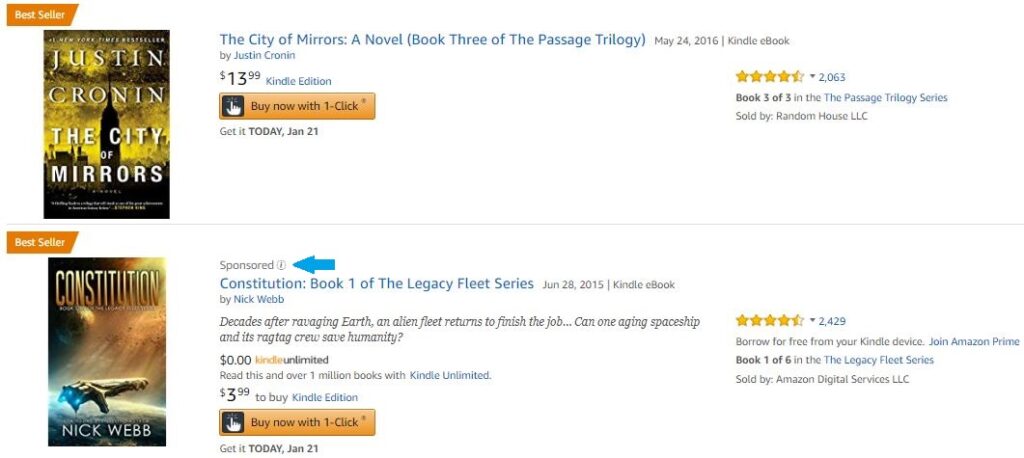
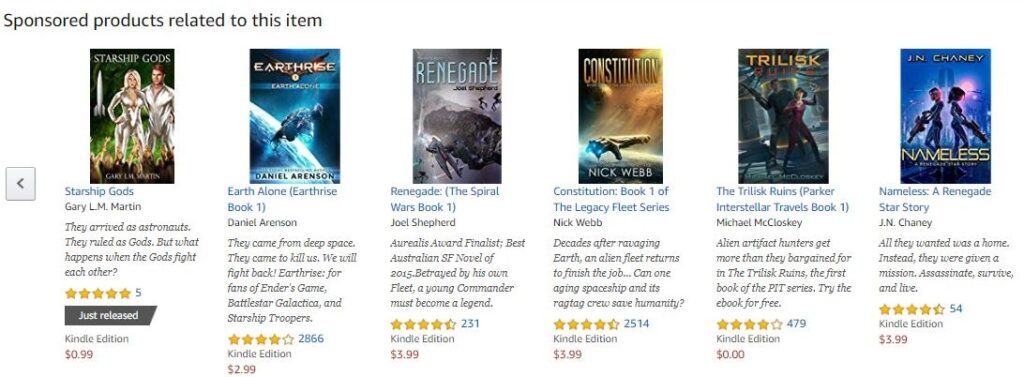
Amazon’s Sponsored Products are cost-per-click ads for individual product listings that appear on product pages and search results throughout Amazon’s website. If you’ve ever been browsing for a new book on Amazon, then you’ve seen Sponsored Products. They look like regular book product listings, but they have a little tag that says “Sponsored.”
Can you see “Sponsored” in the copy and paste below? It is to the left of the blue arrow on the second book listing. In reality on Amazon, there is no blue arrow—just an unassuming Sponsored tag.
The great thing about Amazon Sponsored Products is that they directly target readers:
who are already fans of the genre that you are promoting
and who are actively looking for their next reads
OR Let’s Say…
Someone is browsing for a new sci-fi book, so they type, “scifi space opera” into Amazon’s search bar. Along with the search results, sponsored ebook listings (ads) will appear based on those search terms and related products.
Product Targeting
Instead of targeting keywords, you can also target specific products, such as best-selling and/or competing books in your genre. For example, if there’s a great book out there that’s similar to yours in terms of style and content, you can target your competitor’s book in hopes of attracting their readers. Additional functions with this option include targeting specific categories and excluding certain products with negative product targeting.
With PublishDrive’s Advance Targeting Tool, authors now have more options and greater control over their campaigns. So do keep on reading and stay with me…
Another nifty point about Amazon Sponsored Products Ads is that the tool can be easy on your marketing budget. You only pay for clicks. You can budget how much you want to pay per click—so no surprises, and you can measure the results of your campaign along with insights on how to optimize performance by adjusting the AdWords that you select.
The bottom line:
You are only charged when your ad receives a click. This amount is deducted from your Amazon seller account.
How much are Amazon AdWords?
Now that is the question, isn’tit?
Amazon Sponsored Products operate on a cost-per-click, auction-based pricing model. You bid the maximum amount that you are willing to pay when a shopper clicks an ad for your product. The more competitive your bid is, the higher the chances that your ad will be displayed when it matches an Amazon shopper’s search.
Adwords are determined by selecting keywords for the book that you want to promote on Amazon. Keywords are similar to Metadata. The more popular the keywords are the more expensive your AdWords will be and the more that you must bid to have them associated with your Sponsored Product ad.
And this is where PublishDrive’s new tool will come in to play.
The PublishDrive team invested months of research into finding the best ways to simplify this tool for authors, and we are beyond excited to tell you that PublishDrive is the first self-publishing platform to integrate Amazon advertising for ebooks. Now authors can manage global ebook distribution and powerful advertising in a single platform.
SPECIAL OFFER:
LIMITED TIME ONLY – Try it out during the BETA TESTING of the TOOL – Visit PublishDrive
Until the end of March 2019, beta-testing of this feature is available to all PublishDrive users who sell ebooks on Amazon. This means you can use the tool even if you distribute directly to Amazon rather than going through PublishDrive.
Publish Drive’s revolutionary tool will help you to:
Refine your Amazon ad campaigns
Reduce costs associated with irrelevant ad clicks
Improve overall ad campaign performance
PublishDrive offers one of the most robust and flexible distribution networks in the publishing industry that includes Amazon, DangDang (China’s Amazon), GooglePlay, Scribd, Tolino (Germany), Odilo (Spain), Bibliotheca (U.S. Libraries), Apple Books, and dozens more. PublishDrive’s list continues to expand.
If you haven’t heard of the award-winning international PublishDrive, you will.
PublishDrive will present sessions on their innovative and easy to use digital platform that distributes ebooks on a global reach by using the latest in technology at the 2019 Chanticleer Authors Conference.
Next Chanticleer articles: Read about SAVANT, PublishDrive’s proprietary artificial intelligence program that helps identify the most relevant keywords and target their associated bestselling books for optimal Amazon Sponsored Products Ads to help authors boost their book sales and optimize their AdWords campaigns.
Also, there will be a third article about the nitty-gritty of AdWords — like how much should you bid, what are the time projections for Amazon AdWords campaigns, and how does an author/publisher bring it all together to optimize book sales.
At the Chanticleer Authors Conference, we will delve more into detail about promoting on Amazon and other digital book platforms. Have you registered? Hurry! Seats are limited!
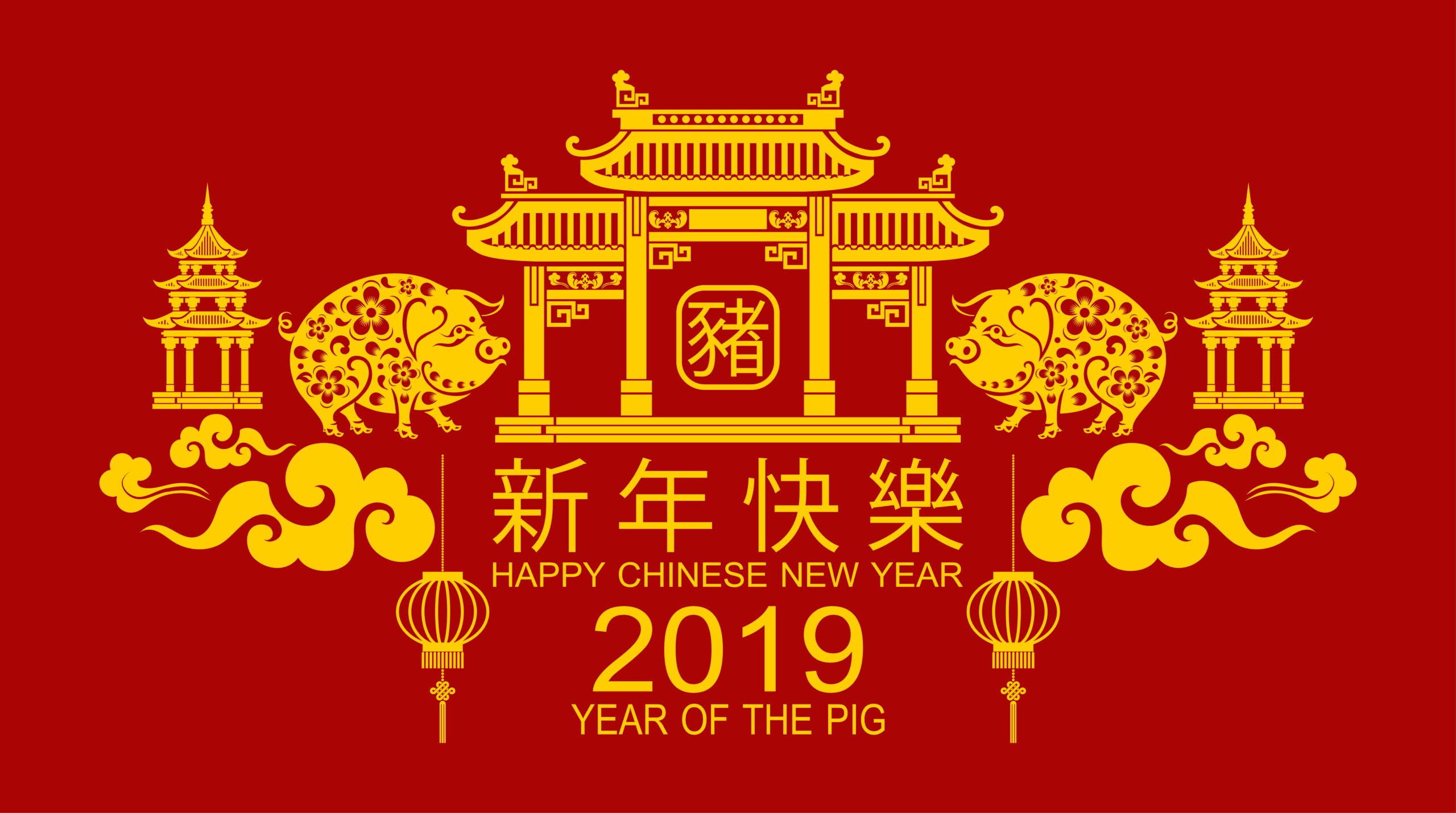
Tuesday, February 5, 2019, is the Lunar New Year that
Celebrates the Year of the Pig!
The Year of the Pig is believed to be a time of simple pleasures and new friendships while older friendships will flourish. The Year of the Pig is a good year for contemplation and introspection and then to use these experiences to discover and explore new areas of our lives.
The Chinese New Year Festival is celebrated from February 5th (New Moon) for 15 days until February 19, 2019 (Full Moon).
Lucky Colors for the Year of the Pig are Red, Orange, Pink, along with White and Gold.
Below are Chinese Horoscope forecasts for those who live the Writing Life
Note from Kiffer Brown: Chanticleer believes that we each make our own destiny by being optimistic and positive, being kind and loving, by dreaming and inspiring, being bold and doing, by appreciating and being grateful, and by expanding our awareness of the Universe. Enjoy and have fun!
If your sign is a Pig (kind, friendly, and curious):
Focus on the networking aspect of your writing career. Working with experts will benefit your writing career. Surround yourself with authors from whom you can learn. Be physically active to spark creativity. Try writing in sunny places. To earn income, you must work hard, but your hard work will pay off with dividends and bonuses. You will find new plots and twists to add to your works. Be sure to participate in social gatherings that are associated with the publishing world and use these times to network.
If your sign is a Rat (amiable and creative):
Now is the time to make connections with top authors who may benefit your writing career in the future. Begin this with interacting with them in social media. Support and strengthen relationships with these potential allies. Work well with them, appreciate them. Do not consider them competition. Attend social events, renew your interest in local writing clubs and organizations. Connecting with nature by taking daily walks will be advantageous. Be sure to stay hydrated while you work.
If your sign is an Ox (leaders and loyal friends)
This will be a time of renewal and strength for you. Do you have a work that you would like to resurrect and continue to work on? This will be the year to do it. Try new opportunities and places to sell your books. Are there selling platforms that you have been interested in trying? This is the year to do it! There are other places to sell your work other than bookstores. While finding new venues to promote your works may be difficult, they will be rewarding. You may not be interested in joining social scenes and going to others book signings and events, but you should!
If your sign is a Tiger (passionate and have courage)
Choosing the right people for your writing groups, critique groups, and promotions will be integral to the success of your writing career this year. This is a year not to neglect family and your significant other so you can write. Try to avoid sitting for too long this year. Get out outside (with those family members or your significant other) whether it walking, bird watching, gardening, or hiking. You will find advice and support when you need it.
If your sign is a Rabbit (friendly and possessing great common sense):
Try not to make everything perfect—how many times have you re-edited that sentence? Ask for advice from more experienced authors. Don’t be too stubborn to ask for help. Being alert and willing to move forward on your work-in-progress will increase your opportunities to be successful as a writer. This will be a great year to make new friends. Try to find creative outlets (outside of writing) to relieve stress and tension in your life—perhaps painting, woodworking, music?
If your sign is a Dragon (passionate and quickwitted)
Increasing pressure and deadlines will help you have a productive year and stay on target for your goals. Don’t lose sight of them. It will be a busy year so be sure to pace yourself. Be practical and rational in your planning and decision making this year. Try to keep an even keel and try not to become easily upset or agitated. Find a hobby that you find calming and pursue it—perhaps yoga or Tai Chi? Also, good deeds and charitable actions will ensure that good fortune continues. Don’t forget to reciprocate your fellow authors with reviews and positive promotion of their works.
If your sign is a Snake (wise and almost mystical):
There will be many opportunities for you to progress in your writing career this year, but not without challenges. You may want to consider reorganizing your work area and methods. Stay on track with your work-in-progress. You may find yourself being sensitive to the remarks of your writing/ critique partners. However, you can get through conflicts with openness, honesty, and charm. Don’t let small edits or critiques frustrate you. Make sure that you get enough sleep. Be sure to take breaks throughout the day especially if you feeling exhausted.
If your sign is a Horse (independent and high-spirited):
You will work hard this year, but your efforts will not go unrewarded or unnoticed. Do not hesitate to ask for help or advice from your fellow writers, readers, and mentors. Organization and timing will create opportunities for success. Satisfaction from a job well done is what motivates you—not wealth and fame. Writer’s block can be subdued by changing the locations of where you write. You are capable of working on several works-in-progress at a time. If you remain passionate and dedicated, you are sure to achieve your writing goals. Be aware of distractions from writing partners, but remember that they are there for support, but you must not lose focus.
If your sign is a Goat (artistic and compassionate):
You are naturally hardworking and steadfast. This is the year to see your work-in-progress through—perhaps consider serializing it? But make sure that your heart is in the story. Make no mistake, you will be putting a lot of time and effort into your work, but you will be appropriately rewarded. You are known for being a quiet observer of human nature which shows in your writing. However you may find it difficult to write conflict scenes, but you can do it. You just have to raise the stakes. You tend to be hard on yourself. Try to be kind to yourself as you are to others.
If your sign is a Monkey (confident and innovative) :
This year you must be proactive in your writing. Do not wait for the muse to come to you. You must write and focus on writing whether or not you are in the mood. Your diligence will be rewarded. Just be patient and do not procrastinate and your writing career will benefit this year. You tend to be competitive in just about anything that you do. However, you view everyone as a teacher and can always learn from your mistakes and the mistakes of others. Be sure to stretch frequently as you write and make sure that schedule allows for enough sleep (because of your social demands, which you thrive on.)
If your sign is a Rooster (progressive thinkers and doers and unafraid to be different):
You are serious about your work and straightforward in your actions. It probably is unnecessary to advise focusing on your writing goals and projects or to tell you to diligently plan for your goals because you already are. However, remind yourself to be optimistic along with seeing and expecting the best of yourself and others will attract positive energy to you. Projects that allow you to express yourself creatively will bring about the most success for you emotionally and financially even though you are considered to be a logical and rational thinker. You are a perfectionist, but no matter how difficult something is, you will not give up. That being said, you would benefit from yoga and other stress reducers. Try to replace bad habits with good habits as far as diet and exercise go.
If your sign is a Dog (honest, loyal, and hardworking):
This year you will find to be cheerful and of good fortune more so than last year. It is a good time to learn or research a new topic that you want to write about. Also, a good time to pick up new skills for promoting your writing career. It is a time for fresh starts. Try to be a bit more carefree and not to worry so much. Try to have balance in your writing life and other areas. Take time to pamper yourself. You will see many opportunities coming your way. Creativity will be at a high point. You will need passion, drive, and confidence. Don’t be worried and anxious. Your past support of other writers will serve you well in your future endeavors.
Are You Wondering How to Determine Your Chinese Zodiac Sign?
Use the handy table below to find your birth year.
We hope that you enjoyed this fun blog post that is meant as a way of thinking about new perspectives.
Chanticleer believes that we each make our own destiny by being optimistic and positive, being kind and loving, by dreaming and inspiring, being bold and doing, by appreciating and being grateful, and by expanding our awareness of the Universe.
One day when Jessica was driving during the holidays she heard a show on NPR discussing how Americans play virtual reality games. It was reported that almost 70% of our fellow citizens play every day.
We were both shocked by the number.
United States Census Bureau (great source of information) states that as of July 1, 2018 the population estimate is 327,167,434 people. So according to the NPR report, the amount of the US population that play “video games” daily would be approximately 229 million people (who are gaming and not reading, by the way).
Now back to Jessica…
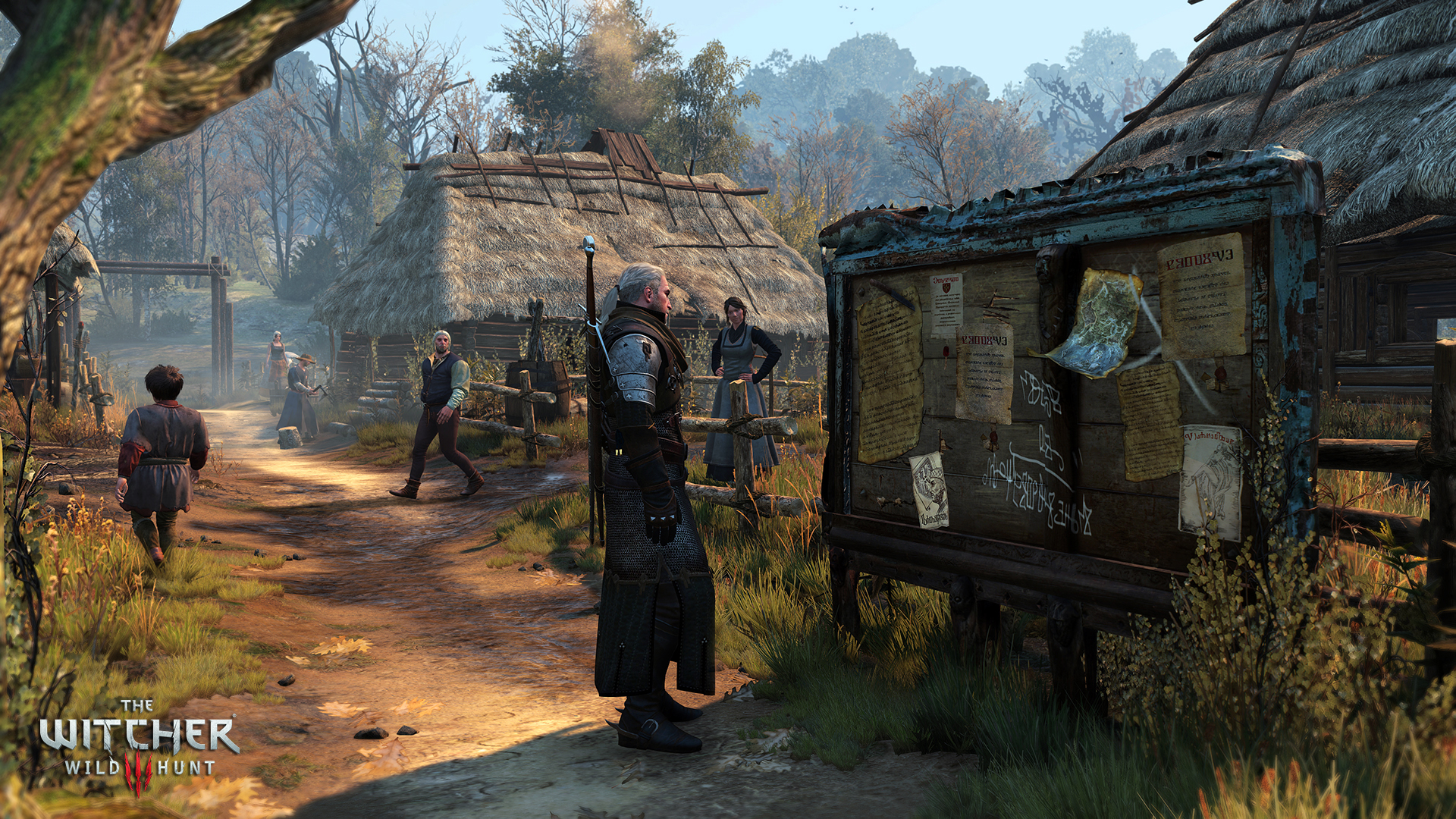
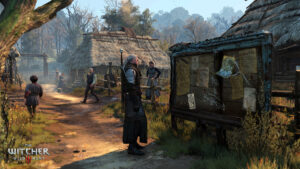
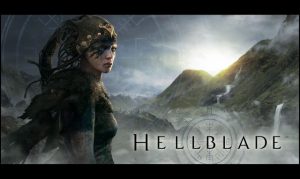
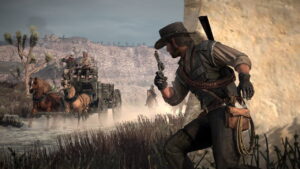
The people calling into the show to join the discussion were game developers, writers, and gamers. And the term ‘immersive’ kept coming up in the conversation, as in players felt like they were living amid the game universe that they were gaming in. One could experience Mars (Doom), The Old West (Red Dead Redemption). A World War II battlefield (Call of Duty), Sword & Sorcery (Witcher), automobile racing (Forza Horizon), Ancient Nordic/ Norse Times (Hellblade: Senua’s Sacrifice), and other imaginary worlds.
Witcher
In a distracting world, your stories need to feel similarly immersive. Your story settings must be nuanced, intricate, and alive with significant details, intriguing characters, and most of all, trouble. Bad trouble. Soul-sucking problems that need solving. In fact, a large portion of games is about survival, the rawer and scarier the better.
Think about it: millions of people are spending millions of hours in other permeable realities.
Readers also want to feel as if they’re part of a world as if they’re navigating layers of complexity as they interact via viewpoint characters.
So we thought it would advantageous to do a little research about how game developers create the “immersive experience.” This article, of course, just scratches the surface, but it is a starting point.
Point of View Guidelines Apply to Video Games Also and Help to Create What is Known as “Gameplay.”
According to Altug Isigan’s classic article Three Types of Point-of-View in Video Games, there are: (Isigan goes into more detail in his post. We will have a link to it at the end of these excerpts.)
Perceptual Point of View (what our mind’s eye sees, thinks, hears, and desires equates to feeling) = First Person
“The efforts of the designer and artist (think – you the writer) in the visual constrution of this rendering must achieve that we think of this image as if it were the moment-to-moment perceptions of a perceiver. This is in particular important if the designers and artists (writers) want us to assume this perceptual construct as our own view.”
Ideological Point of View (World or Ideological View)
“The second definition of POV takes seeing rather in the metaphorical sense and implies not only a view, but a worldview.Hence the term ideological. Here, a second lense is applied to the lense that sees: thoughts, beliefs, and feelings. What we call point-of-view has gained another dimension and is no longer only the perceived sense-data… Not only are we presented a view of, but also a view on the event that is presented. It’s not only perception anymore, but also cognition; not mere sight, but vision.”
Point-of-View of Interest (when our actual interests conflict with what we believe our interests are or should be).
“In other words, we may not be aware of our actual interests, or blinded by our beliefs to a degree at which we can’t perceive them thorougly. Interest, is therefore not about perception or ideology, but rather about an awareness in regard to the consequences of events.”
“This can create interesting situations. For example a character may be aware of the negative consequences of a particular choice, but he may still chose to face that consequence due to his beliefs (ideology) as is the case in situations that involve sacrifice. Or sometimes a character may find himself in a dilemma: He may not be able to decide whether to follow his belief or his interests.”
His conclusion states, “…An interesting point to consider here is that what we usually call “the gameplay” has a lot to do with these intertwinings of different POV-types. It could be a good idea to make use of these concepts in order to refine our notion of gameplay, and also realize how close it is related to storytelling methods. I believe that an awareness of the existence of various POV-types can only improve a narrative designer’s ability to create compelling and immersive gameplay experiences.” (Altug Isigan)
The Wall – Game of Thrones from George RR Martin’s A Song of Ice and Fire
So how do you coax readers to have similar experiences?
By placing theminthe action,with a stake in shaping outcomes. By creating circumstances that require decision-making and problem-solving as characters tackle moral dilemmas and a stacked deck. By setting up difficult-to-obtain outcomes. By tossing in bad luck, screw-ups, and sometimes poor judgment. By making the outcome really matter to characters we come to understand and care about.
Hellblade: Senua’s Sacrifice
This means writers build a fictional world detail by detail, from a complex social matrix to a government and history. Harry Potter’s wizarding world is a good example as is George R. R. Martin’s The Known World from his A Song of Ice and Fire series.
Red Dead Redemption
Maybe your story world is a ravaged, lawless hellhole. Intriguing concept, but readers need to understand how the lawlessness came about. This means you’ll be establishing the ‘rules’ for your universe. And keep the pressure coming by creating a breathing, weather-plagued, climate-influenced place. Well, I guess that weather could be balmy and calm, but what’s the fun in that?
Keep writing, keep dreaming, have heart. – Jessica
Chanticleer Editorial Services Writer’s Toolbox Series
Jessica is focusing on immersive writing throughout this year, so keep checking back here for more information and writing tips and tools for your writer’s toolbox and consider registering for her Master Class at CAC19 and Summer Workshops with Chanticleer.
Jessica Morrellis a top-tier developmental editor and a contributor to Writer’s Digest magazine, and she teaches Master Writing Craft Classes at the Chanticleer Authors Conference that is held annually along with teaching at Chanticleer writing workshops.
Jessica understands both sides of the editorial desk–as a highly-sought after content development editor and an author. Her work also appears in multiple anthologies and The Writer and Writer’s Digest magazines. She is known for explaining the hows and whys of what makes for excellent writing and for sharing very clear examples that examines the technical aspects of writing that emphases layering and subtext. Her books on writing craft are considered “a must have” for any serious writer’s toolkit. For links for her writing craft books, please click on here.
Chanticleer Reviews andOnWord Talkswill interview Jessica for more of her writing tips and advice. Stay tuned! ~ Chanticleer (who hails from Chaucer’sCanterbury Tales).
Please contact Sharon or Kiffer if you would like more information about Chanticleer’s Editorial Services at KBrown@ChantiReviews.com or SAnderson@ChantiReviews.com.




 Add this checklist to your Writer’s Toolbox.

















 STATUS of the Judging Rounds for all Sixteen Divisions of the 2018 Chanticleer International Book Awards – the 2018 CIBAs – Official Notification to the CIBA 2018 Semi-Finalists

















 If your sign is a Rat (amiable and creative):
 If your sign is an Ox (leaders and loyal friends)
 If your sign is a Rabbit (friendly and possessing great common sense):
 If your sign is a Dragon (passionate and quickwitted)
 If your sign is a Snake (wise and almost mystical):
 If your sign is a Horse (independent and high-spirited):
 If your sign is a Goat (artistic and compassionate):
 If your sign is a Monkey (confident and innovative) :
 If your sign is a Rooster (progressive thinkers and doers and unafraid to be different):


 Chanticleer Editorial Services Writer’s Toolbox Series