Category: Marketing

  • The Importance of Reading During National Wellness Month

    Stop for a moment.

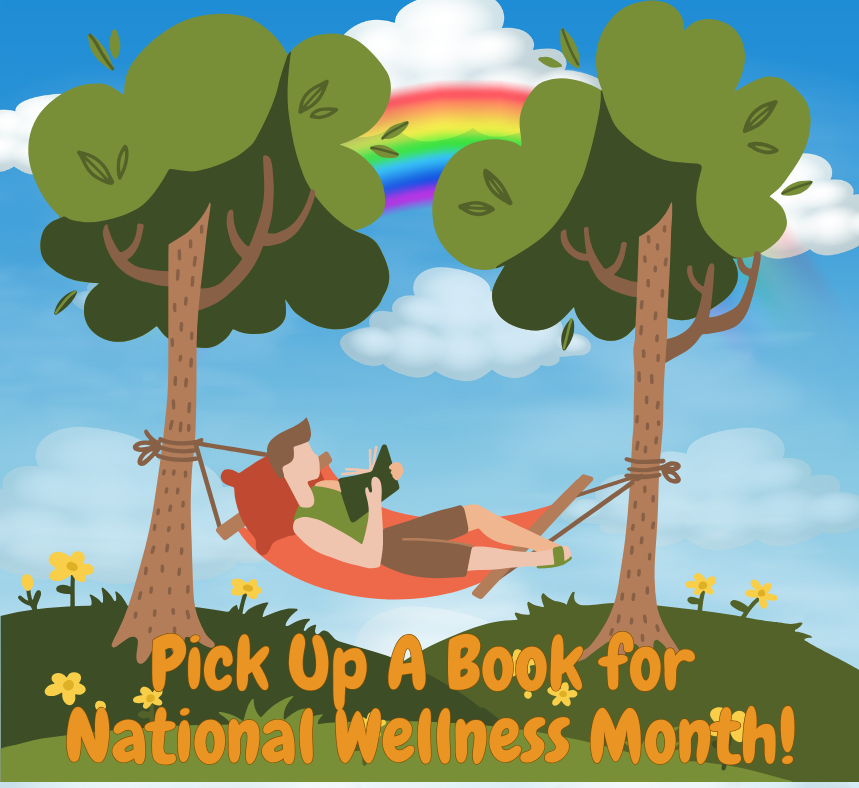
    Think about your favorite place to read a good book. It could be a beach with swaying palm trees and the back and forth rhythm of the ocean. Or maybe it’s a silent forest, where every bird’s chirp can be heard from far away.

    Now, open the first pages of a new book and relax as you escape into another world. 

    Wellness Month, blue, green, person, heart

    Are you relaxed? Of course, you are! Study after study has concluded that one of the best activities for your overall wellness is reading a book. Not a screen—a story. Something that allows you to momentarily escape reality and live in another’s shoes—or slippers, sandals, high-heels, loafers, or boots.

    August is National Wellness Month, and we at Chanticleer want to honor the far too overlooked, yet massively important, value that reading provides to a person’s overall well-being. Using the mind, body, and spirit model, we’ll explore how the act of reading has positive effects in ways science is only now coming to understand.
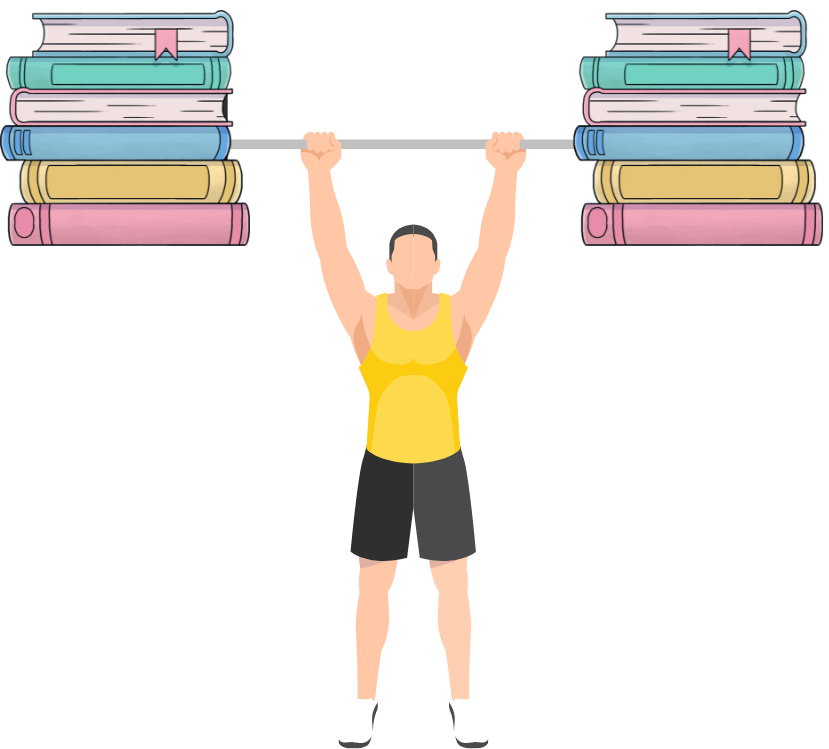
    Books, lifting, man, dead lift

    The Physical Benefits

    Readers May Live Longer

    A 2016 study published in Social Science & Medicine found that book reading could be associated with a survival advantage. The study found the following:

    A 20% reduction in mortality was observed for those who read books, compared to those who did not read books. Further, our analyses demonstrated that any level of book reading gave a significantly stronger survival advantage than reading periodicals.

    Reading Encourages a Focus on Health Information

    Understanding and being able to comfortably read sometimes complicated health information is called “health literacy,” and people who exhibit good health literacy are better able to prevent, protect against, and manage health problems, according to the Centers for Disease Control and Prevention (CDC).

    Being able to prevent illness in the first place offers the best benefit of reading for self-care. And it’s not only health-related information that helps you become more health literate. Many memoirs tell incredible health journeys, and fiction often relies heavily on scientific information or personal accounts of navigating illness. Don’t be afraid or embarrassed to ask for book recommendations that would empower you when you want to improve your health. Reading is part of the health journey.

    Head, woman, man, ladder, books, mental health, reading

    The Mind of a Reader

    Slow Down Cognitive Decline by Reading

    It’s not hard to imagine that brain-stimulating activities help reduce signs of cognitive decline. Putting your thoughts, imagination, and analytical talents to the test keeps those neurons firing. When you read, you’re exercising the mechanics of your brain—pushing your memory further, processing information to analyze it in different ways, strategizing how to use new knowledge.

    Reading makes your mind run its obstacle course so it stays in peak condition. Over time, your brain better handles the effects of aging and improves its ability to remember, reason, learn, and pay attention. Studies continue finding evidence that active readers show slower rates of memory loss and less decline in thinking skills. Stretching the brain’s multifaceted abilities creates cognitive reserve that may help offset age-related changes or damage to the brain.

    Go team brain!

    Reading Boosts Intelligence

    You’re probably not shocked by this revelation. It only makes sense that the more you read, the more intelligent you become. Your vocabulary increases, your knowledge base grows, you become more comfortable with complex thoughts and strategy, you become a faster reader, and reading can actually increase your IQ. Throughout life, a reader’s intelligence can continue growing as they absorb more information through reading.

    Happy, man, books, running

    Reading Refreshes the Spirit

    Reduces Stress

    Give yourself a moment to relax by escaping into your imagination. It’s a healthy way to unplug and escape from everyday stress we all share in life. Fiction carries greater benefits when it comes to emotional health and overall well-being.

    Shines Up Your Social Skills 

    Reading can enhance your social skills by providing examples of social interaction to learn from. Research shows that people who read often have stronger social and behavioral skills compared to non-readers.

    Specifically, reading fiction may help people become more empathetic by giving them opportunities to understand what others think and feel. It may also promote self-confidence and assertiveness, essential components of wellness and self-care.


    Wellness Reading Recommendations from Chanticleer Authors

    Are you ready to get healthy by reading more? Based on the wellness benefits we’ve explored, here are book recommendations from award-winning Chanticleer authors, organized by the type of wellness support you’re seeking:

    For Building Resilience and Overcoming Challenges
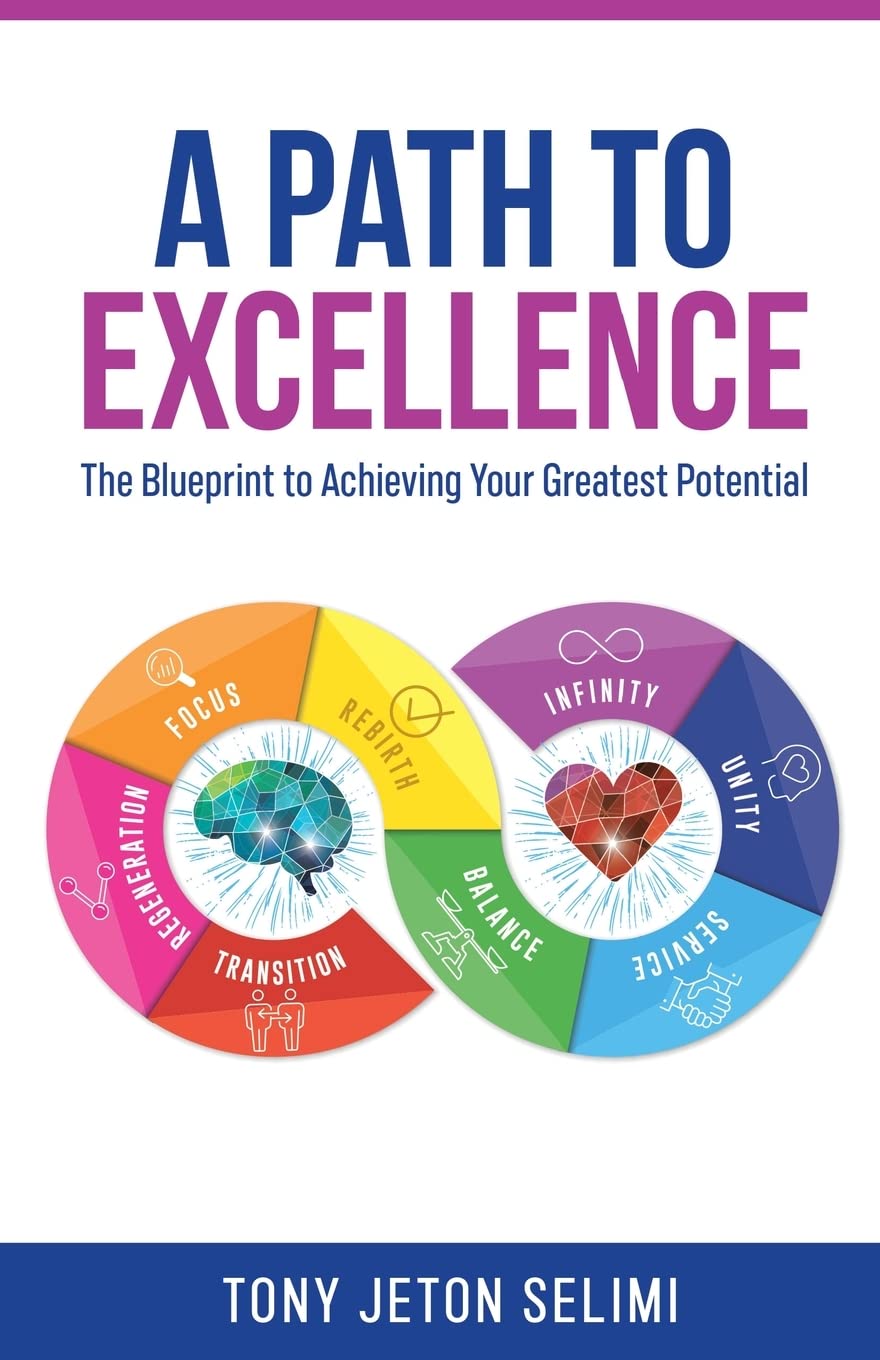
    A Path to Excellence
    First Place in the CIBA Journey Awards

    On the belief that life isn’t just the random cards one is dealt, A Path to Excellence by Tony Jeton Selimi offers a blueprint—the octagon of excellence—to succeed personally, professionally, and spiritually.

    Transcending the pitfalls and spontaneous stumbling blocks along the path of life can open the door to self-actualization and progression. As someone who experienced bullying, sexual abuse, early disability, and homelessness, Selimi sets on to become a beacon of light to the hopeless and marginalized.
    Read more here…

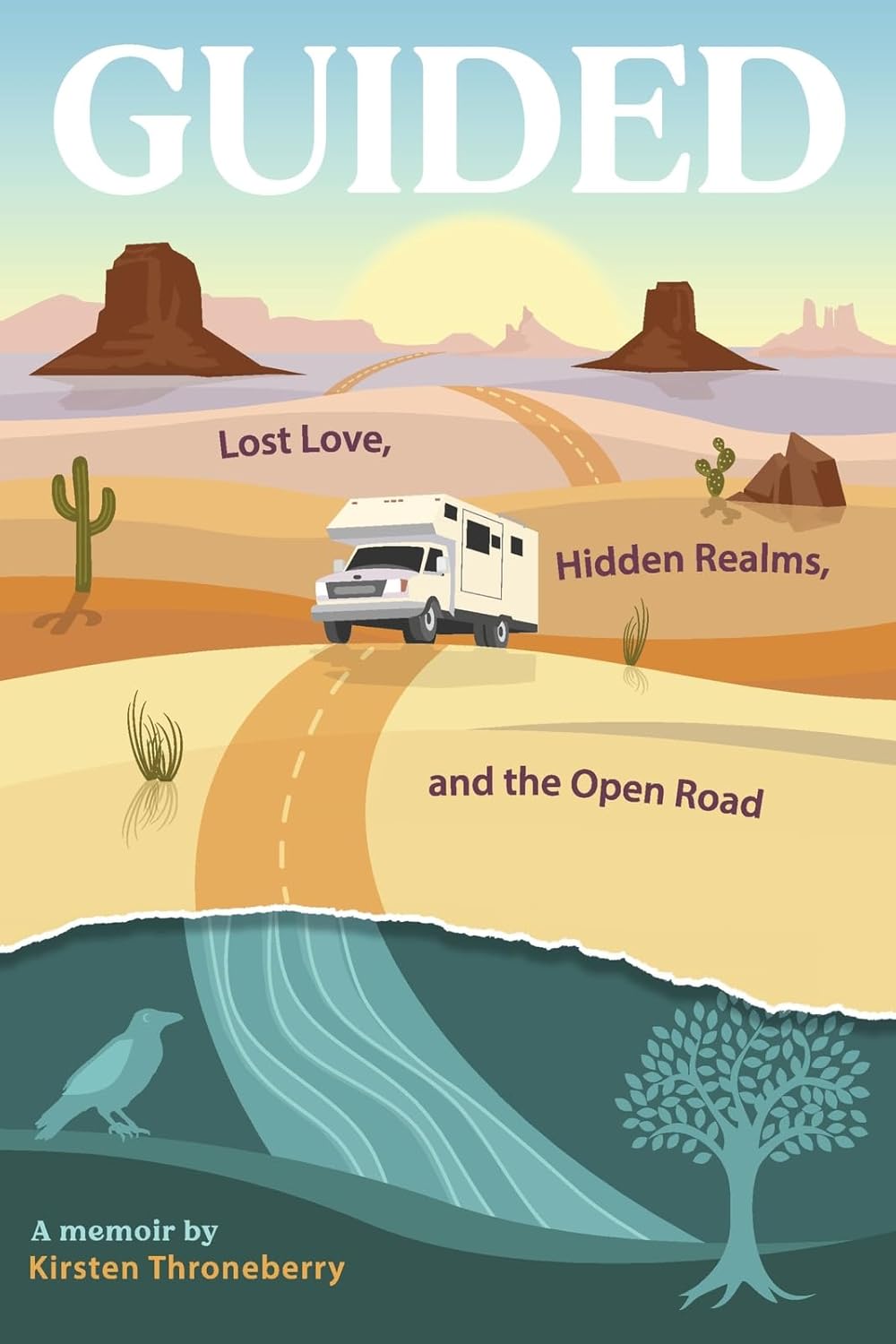
    Guided, book cover, rv, cactus, monument valley

    Guided: Lost Love, Hidden Realms, and the Open Road

    In her stunning memoir, Guided: Lost Love, Hidden Realms, and the Open Road, Kirsten Throneberry weaves together the highs and lows of a road trip packed with life wisdom, where she explores grief, spirituality, and rekindled hope.

    Throneberry’s achingly vulnerable memoir splits its readers’ hearts and tenderly sews them back together.

    In the aftermath of the devastating loss of her husband, Kirsten sells her home and takes her two small sons, two elderly pups, and eccentric mother on a year-long road trip around the United States in their new-to-them Bigfoot RV.

    Read more here…

    For Spiritual Wellness and Mindfulness
    The Spiritual Forest Cover

    The Spiritual Forest
    By

    Andy Becker, a small-town lawyer in Washington State, found solace from the demands of his career through the joys of gardening, the forests of the Pacific Northwest, and the spirituality of Judaism. He shares this sensibility in The Spiritual Forest

    In this sequel to The Spiritual Gardener, Becker delivers a quiet, meditative offering that showcases the special connection between ancient Biblical values and the modern concepts of environmentalism.

    The narrative is both informative and thought-provoking. To show the connection between our spirituality and the sacredness of our planet Becker uses questions for the reader as a guide, provides resources to take action in protecting natural treasures, and encourages us to share this knowledge with future generations. In a nod to Dr. Seuss’ cautionary tale, The Lorax, Becker stresses the importance of teaching youngsters about a love and respect for the Earth.

    Read more here…

    For Emotional Intelligence and Relationship Health
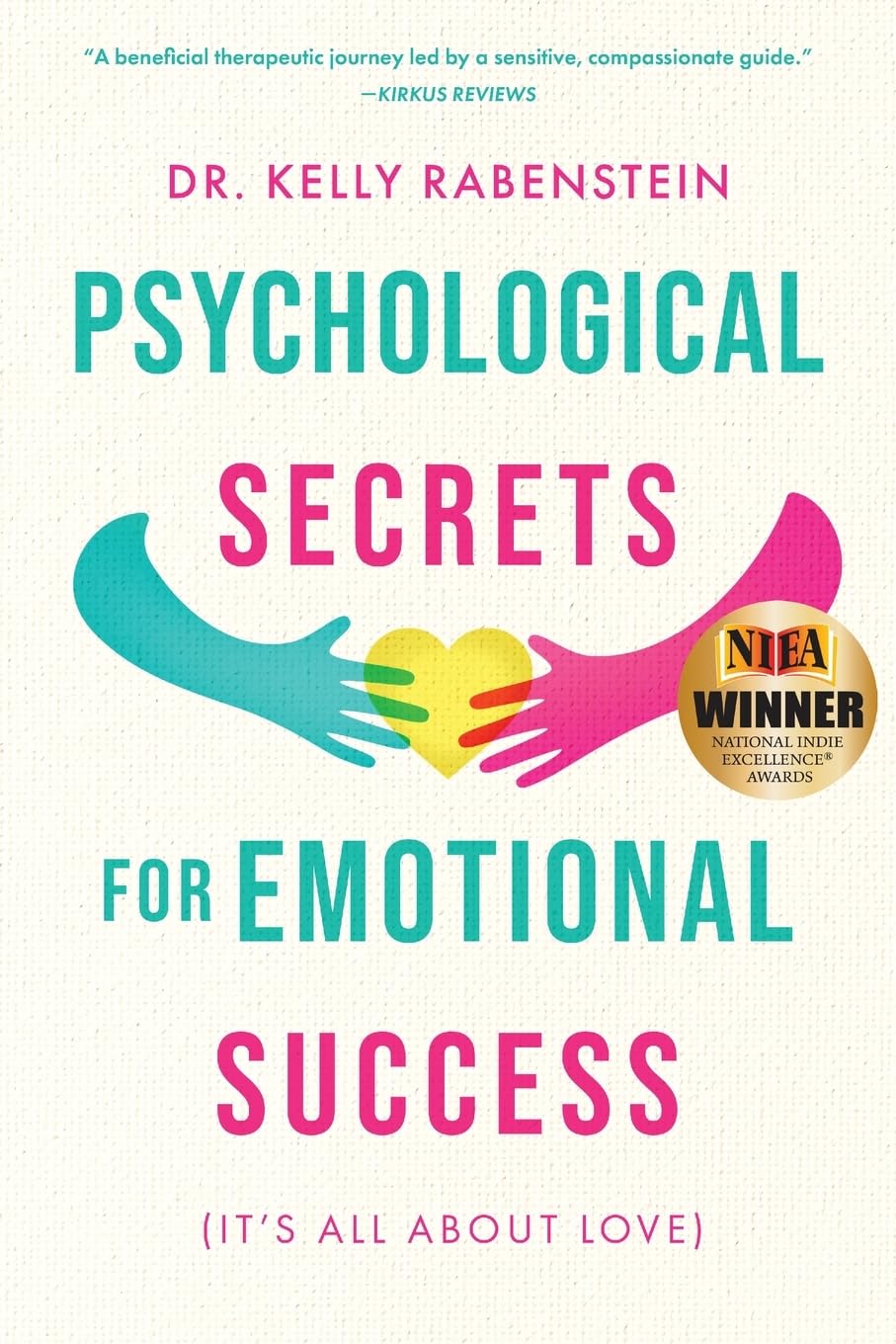
     

    Psychological Secrets for Emotional Success

    Do you often feel that you sabotage your personal and work relationships? In Psychological Secrets for Emotional Success, Dr. Kelly Rabenstein teaches readers exactly what psychological techniques will help them strengthen and maintain their interpersonal connections.

    Dr. Rabenstein is a licensed psychologist offering her extensive knowledge of how to make sound, conscious changes in mindset and perspective to help you thrive in relationships across the board. If a person can thrive, then they can be fully authentic to themselves and to those who surround them.

    Read more here…

    For Creative Expression and Healing

    Patience Insanity and Wisdom Cover

    Patience Insanity and Wisdom
    By 

    Patience Insanity and Wisdom, Anna Casamento Arrigo’s poetry collection, dances seamlessly between reflective, philosophical, whimsical, colorful, and especially therapeutic.

    In her author bio, Arrigo shares that she turned to poetry as part of her recovery from a stroke. This gives a glimpse into the true depth of these poems, which offer healing to the reader as well. Arrigo deals with issues of love and loss, depression and survival, and life itself. Her poems carry the echo of her struggle, softly alluded to, but not blatantly laid bare.

    Read more here…


    Celebrate Wellness Writing with Professional Recognition
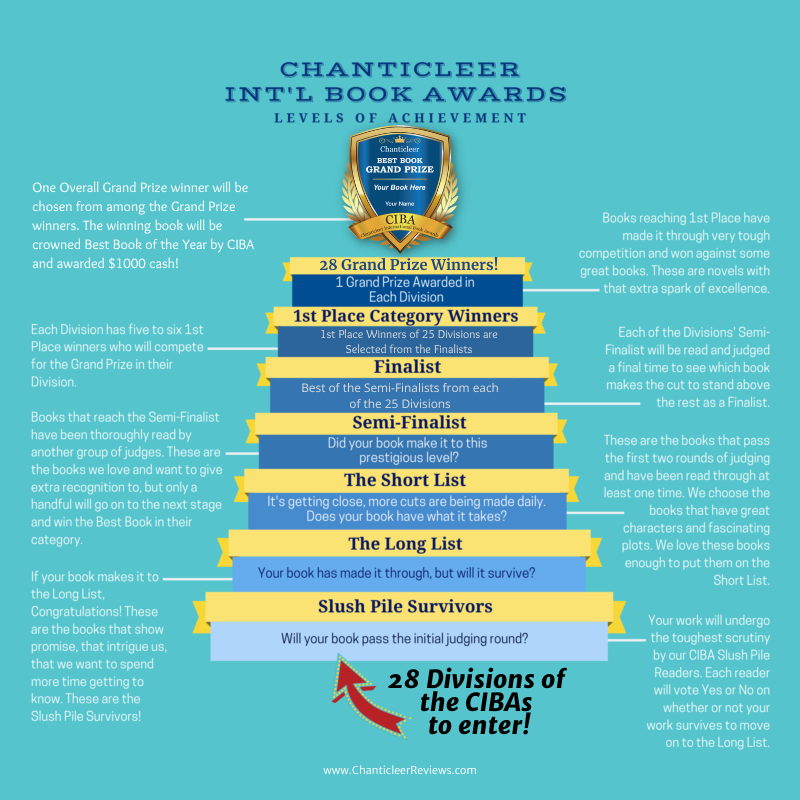
    Whether you’re writing a personal story or sharing another person’s incredible journey, professional recognition celebrates the craft behind transformative narratives. Your wellness-focused writing deserves the same recognition as the authors featured above.

    Chanticleer International Book Awards recognizes outstanding nonfiction that supports readers’ wellness journeys through specialized divisions:
    Instruction & Insight Awards: Perfect for non-fiction that teaches, guides, and empowers readers with practical wisdom

    Mind & Spirit Awards – Ideal for works exploring spirituality, enlightenment, self-help, mindfulness, well-being, meditation, and personal transformation

    These awards recognize the skillful writing behind memorable, impactful nonfiction that genuinely helps readers improve their lives.

    Wellness writing is about creating emotional connections that resonate long after the final page. Professional recognition validates your contribution to readers’ wellness journeys.

    Chanticleer Editorial Book Reviews also provide the professional third-party validation that wellness-focused authors need. Our comprehensive reviews serve as powerful marketing material while demonstrating that industry professionals recognize your work’s value to readers seeking personal growth and healing.
    A typewriter with Chanticleer Reviews advertising Editorial Book Reviews

    Explore Editorial Review services to add professional credibility to your wellness-focused writing.
  • From Dream to Shelf: Your Guide to Courting Independent Bookstores

    Few sights are more thrilling than seeing your book lined up on an independent bookstore shelf—your name on the spine, your story ready to find its perfect reader.

    Getting there takes more than luck. It requires strategy, relationship-building, and understanding how bookstores actually operate.

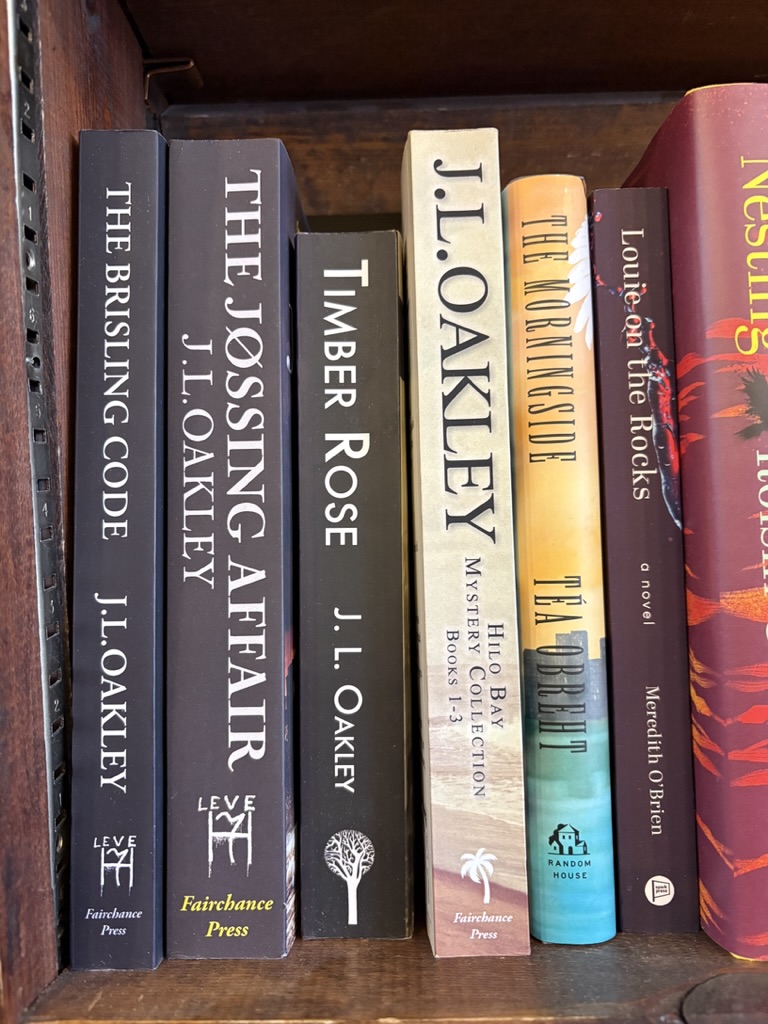
    J.L. Oakly, books, covers

    After speaking with event coordinators, consignment managers, buyers, and successful authors, we’ve gathered the most practical advice for getting your book into independent bookstores. The good news? There are three distinct pathways to explore, and each offers unique opportunities for building lasting relationships with booksellers.

    The Three Pathways to Bookstore Success

    Understanding your options helps you choose the right approach for your situation and goals:

    Events – Host readings, signings, or launch parties
    Consignment – Place books directly with individual stores
    Wholesale Orders – Get picked up through distributors like Ingram

    Each pathway requires different preparation, but all share one crucial element: treating booksellers with genuine respect and professionalism.

    The Golden Rule of Bookstore Relationships

    Before diving into strategies, remember this fundamental truth: day-to-day booksellers are often the people who will hand-sell your book to customers. Making a positive impression isn’t just good manners—it directly impacts your sales potential. Consciously or unconsciously, people are less inclined to recommend books by authors who’ve treated them poorly.

    The publishing world is surprisingly small, and bookstore networks are even smaller. Always maintain your professionalism, even during challenging interactions. Your reputation travels faster than you might expect.

    Pathway #1: Starting with Events

    Our own David Beaumier at an author event

    Most authors connect with bookstores through events first. This approach builds relationships while giving you immediate face-to-face time with both booksellers and potential readers.

    Research Before You Reach Out

    Visit the bookstore’s website and thoroughly explore their events section. Understanding their process, requirements, and calendar helps you ask informed questions rather than basic ones that signal you haven’t done your homework.

    Respect Their Time and Schedule

    Bookstore staff often wear multiple hats, so timing matters enormously. If an events coordinator prefers meeting in person, work within their schedule. Showing up unannounced or at inconvenient times can create resentment rather than opportunity.

    Take Ownership of Your Promotion

    Calendar, red, black

    Think of bookstore events like editorial reviews or book awards—the venue provides some promotion, but their audience is broader than yours. Not everyone who follows their social media will be interested in your specific book.

    Your promotional responsibilities include:

    • Using any media kit templates the bookstore provides
    • Reaching out to local publications and media
    • Connecting with regional bookseller associations (like the Pacific Northwest Booksellers Association)
    • Leveraging your own social media and newsletter

    The most successful events happen when you leverage multiple forms of promotion simultaneously.

    excited, books, woman, glasses

    Pathway #2: Consignment Programs

    Rather than jumping straight to wholesale orders, research whether bookstores offer consignment programs. In consignment arrangements, you act as your own distributor—delivering books directly and managing inventory.

    The Consignment Advantage

    • Better profit margins: You can receive as much as 70% of sales revenue
    • Direct relationships: Regular contact builds stronger connections with staff
    • Flexibility: Easier to adjust inventory based on what’s actually selling

    Smart Consignment Management

    Ruth Amanda, the 2024 CIBA Little Peeps Grand Prize Winner, offers brilliant practical advice: keep a master list of every consignment location with contact names and phone numbers. Once quarterly, make your rounds in one efficient sweep, calling ahead to check inventory levels.

    Pro tip: When visiting to restock, give advance notice of your arrival time. This courtesy allows bookstore staff to plan their day and potentially spend time discussing how your book is performing or ways to improve its placement.

    book, money

    Pathway #3: Getting Picked Up by Buyers

    The ultimate goal for many authors is having bookstores order directly through distributors like Ingram. This creates ongoing sales without requiring you to manage individual store relationships.

    Understanding “At Terms”

    Bookstores look for books available “at terms,” which means:

    • Returnable: You accept returns of unsold inventory
    • Regular discount: Typically 45% off retail price for bookstores

    The Returns Reality

    Don’t return the toys!

    Returns can feel scary because it means you pay shipping both ways, and money you thought you’d earned gets clawed back. For paperbacks, you can opt for “destroy returns” where bookstores remove the cover and recycle the rest rather than shipping books back.

    However, non-returnable books face significant disadvantages. With bookstores operating on thin margins and limited shelf space, they’re less likely to risk inventory space on non-returnable titles when proven authors offer returnable options.

    The Magic of “REG” Status

    When you set your wholesale discount at 45%, a special code appears on Ingram’s ordering system: “REG” (regular discount). This green flag signals to bookstore buyers that your book meets industry standards for wholesale ordering.

    Most bookstores will work with discounts as low as 35%, but that 45% threshold creates preferential treatment in ordering systems.

    Getting on Ingram

    Ingram dominates English-language book distribution worldwide. For independent authors, they’re the primary distributor that bookstores trust and use regularly. The good news? Getting your books into their system is straightforward through services like IngramSpark.

    Building Champion Relationships

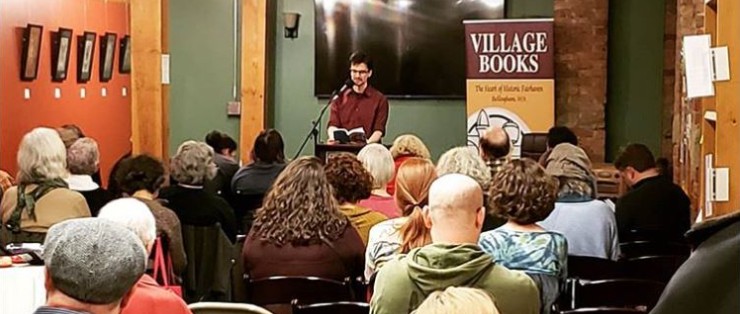
    Village Books is an incredible champion for authors everywhere!


    The most successful authors understand that bookstore relationships often extend beyond business transactions. Ruth Amanda’s experience illustrates this perfectly: a gift shop owner whose grandson loves Ruth’s writing became a champion who helped her get into five additional gift shops, plus museums that now carry her books.

    When someone champions your book:

    • Express genuine gratitude
    • Keep them updated on new releases
    • Offer them first copies or special editions
    • Remember that these relationships can open unexpected doors

    Champions can emerge from the most unlikely places—gift shop owners, bookstore customers, even other authors. Stay open to possibilities and nurture relationships that feel authentic.

    Professional Presentation Materials

    When approaching bookstores, treat your materials like a gift that shows respect for their time and consideration.

    Essential Media Kit Components

    • Your book (obviously)
    • Professional sell sheet with key details and selling points
    • Promotional materials like bookmarks, pins, or branded items
    • Personal touch like tissue paper, color coordination, or small treats

    The presentation signals that you take your work and their consideration seriously.

    In-Store Promotional Opportunities

    Once you’ve established a relationship, ask about additional promotional support:

    • Shelf talkers highlighting your book
    • Bookmarks for customers
    • Window display opportunities
    • Cross-promotion with related events
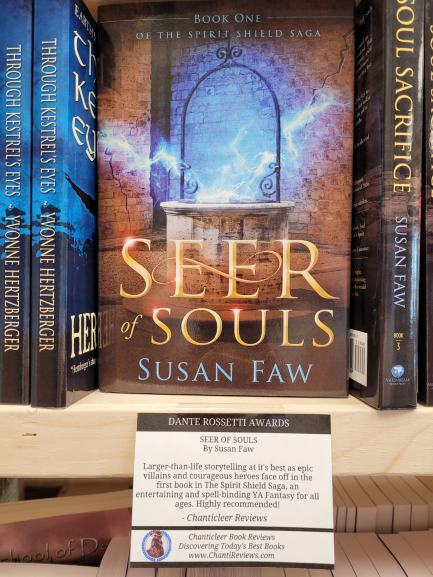
    A Chanticleer Shelf-talker for Susan Faw's book Seer of Souls
    A shelf talker for Chanticleer Author Susan Faw’s Award Winning book, Seer of Souls

    Don’t assume these opportunities exist, but don’t hesitate to ask. The worst they can say is no, and many bookstores appreciate authors who think proactively about sales support.

    Timing Your Approach

    • Best timing for initial contact: When you have a finished cover and confirmed publication date
    • Follow-up protocol: Reach out twice over two weeks, then call to ask about preferred contact timing if you haven’t heard back
    • Relationship maintenance: Quarterly check-ins for consignment, annual updates for wholesale accounts

    Setting Realistic Expectations

    Courting bookstores requires persistence, patience, and thick skin. Not every store will be interested, and that’s normal rather than personal rejection. Focus on building genuine relationships with stores that align with your book’s audience and your values as an author.

    Success often builds slowly. One store can lead to referrals, one event creates ongoing relationships, one champion opens multiple doors you never expected.

    Your Next Steps

    Getting a self-published book into bookstores is essentially a job in itself. But independent authors have already proven they possess the essential qualities: persistence, patience, and unwavering belief that their book deserves shelf space.

    Start with research, approach with professionalism, and remember that every successful author-bookstore relationship began with that first respectful conversation.

    Bookstore, books, coffee cup


    Professional Support for Bookstore-Ready Books

    When approaching bookstores, presentation quality matters enormously. Booksellers can immediately spot the difference between professionally prepared books and amateur efforts.

    A typewriter with Chanticleer Reviews advertising Editorial Book Reviews

    Chanticleer Editorial Book Reviews provide the professional third-party validation that bookstores respect. Our comprehensive reviews serve as powerful marketing material while offering robust SEO optimization that maintains long-term value. When bookstore buyers see professional review credentials, it signals serious authorship.

    You know you want it…

    Chanticleer International Book Awards (CIBAs) recognition creates the “award-winning author” credentials that help books stand out in competitive markets. Our 28 divisions across fiction and non-fiction categories provide multiple opportunities for recognition that bookstores and customers value.

    Both services generate the professional credibility that serious bookstore relationships require—exactly the kind of validation that transforms good books into shelf-worthy titles.

    Discover how professional recognition enhances your bookstore prospects

  • Chanticleer 10 Question Author Interview Series with Rae Knightly – Grand Prize Award-winning Author of Exostar

    CHANTICLEER 10 QUESTION AUTHOR INTERVIEW SERIES
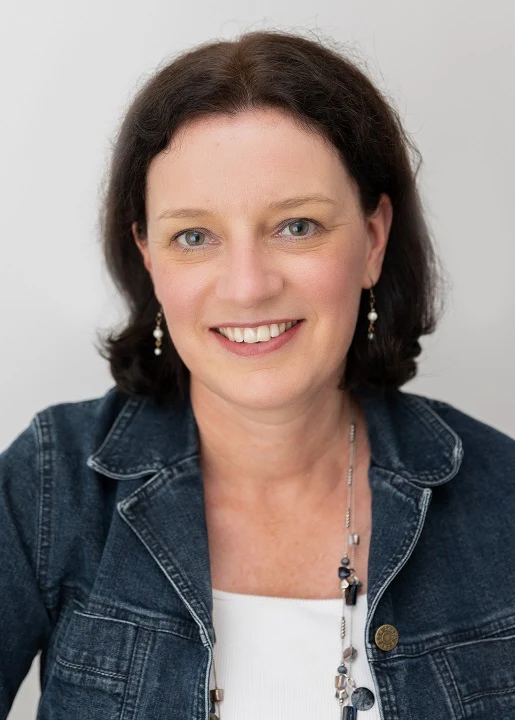
    with Award-Winning Author, Rae Knightly

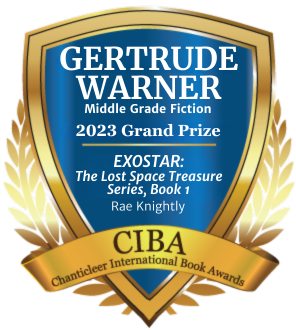
    Gertrude Warner 2023 GP Winner Exostar Rae Knightly

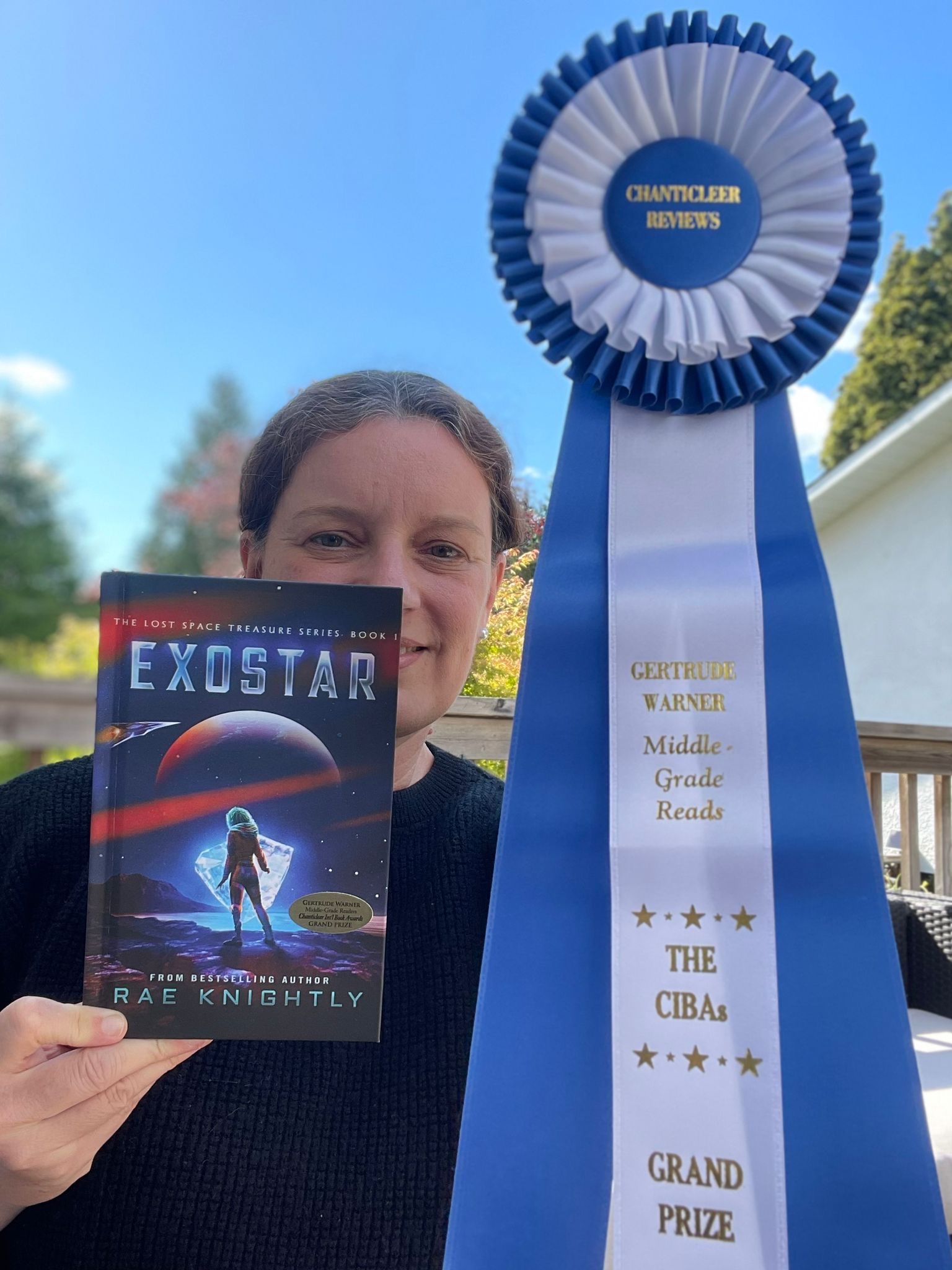
    Hello friends! We have another fabulous interview for you today, with author Rae Knightly! Her book Exostar took home the Chanticleer 2024 CIBA Grand Prize Award in the Gertrude Warner Division for Middle Grade Fiction, and we are excited to share with you the globe-trotting, star-gazing journey she took to becoming an author and what she’s planning next. Take a minute or two and get familiar with Rae and her incredible journey to becoming award-winning author!


    Chanti: Like all great heroes, we’d love to start with your origin story. Have you always considered yourself a writer, or was that an identity that developed over time?

    Rae Knightly, book, scarfKnightly: I was a reader before I became a writer. As a single child, I would devour books up until my teenage years. Fictional characters were my friends. I would go to my local library on Fridays after school, pick out three books (the maximum allowed) and read those until it was Friday again. The problem was that, after a while, I felt like I had gone through the middle-grade section. It was time for me to head downstairs to the adult section. Unfortunately, the switch proved too big of a step. I couldn’t find anything to my liking among the big boring-looking adult books. Where was the fantasy, science fiction and adventure section for my age? I guess “young adult” books weren’t a thing back then. So, instead, I turned to my imagination and carried on the stories I liked or created new ones in my mind.
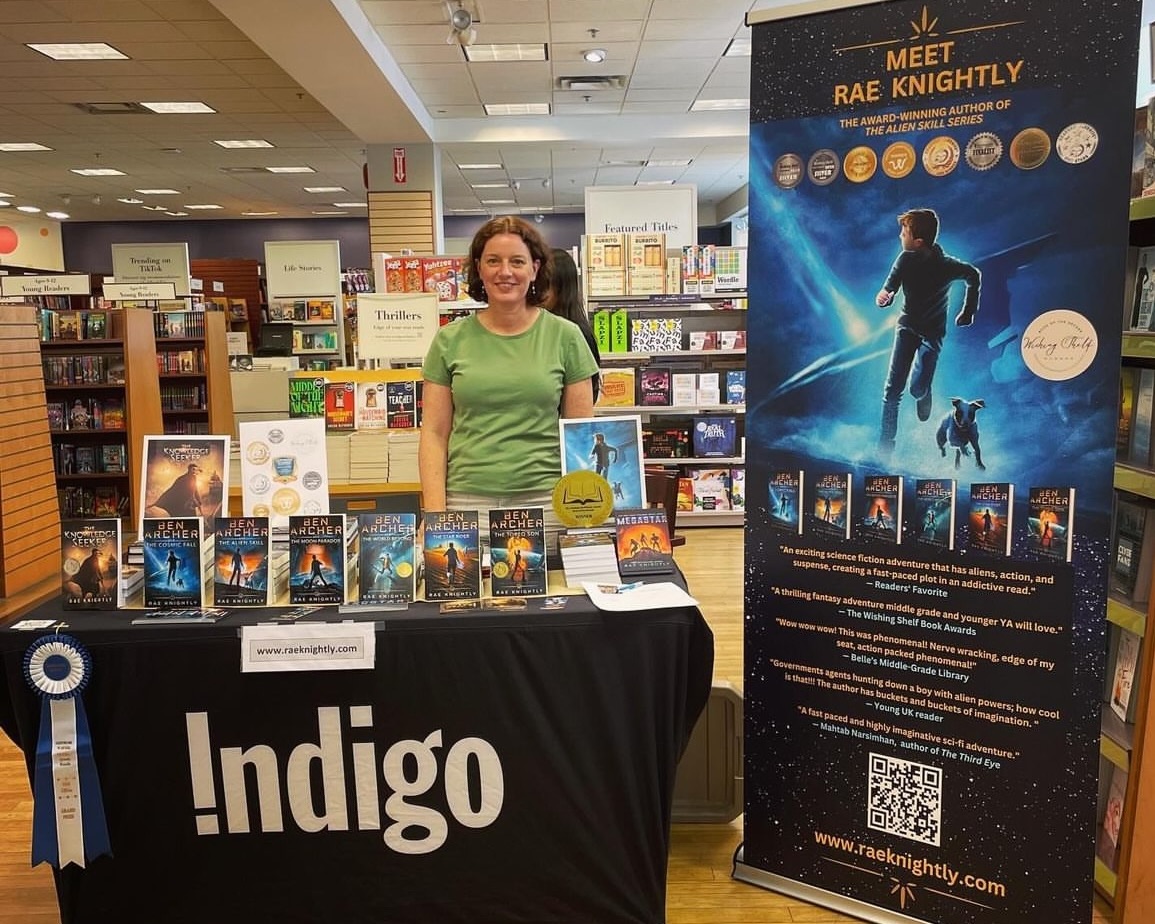
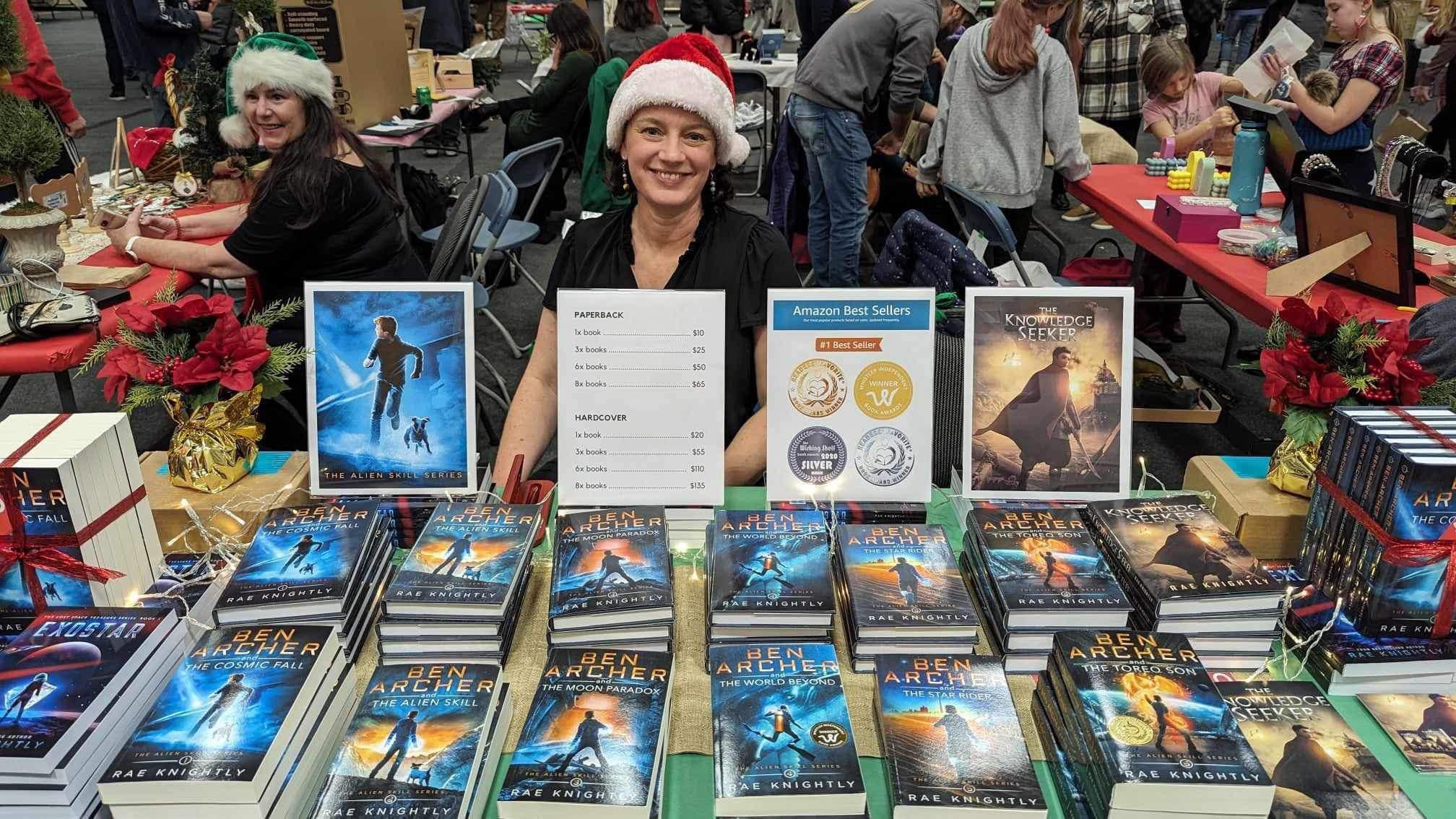
    It would be another thirty years before I got the chance to write these stories down. Once I had penned my first book, Ben Archer and the Cosmic Fall, I felt like a fish in water and knew that this was what I was born to do. You could say the books I am writing today strive to recreate the sense of wonder that I experienced as a middle-grade reader.

    Rae Knightly, bookstore, books, poster

    Chanti: What a beautiful way to describe it—recreating that sense of wonder! That really is the “write what you love” philosophy in action. What specifically inspires your science fiction storytelling?

    Knightly: I grew up in Africa where I became fascinated with the night sky. It made me ask profound questions: What is out there? Who are we? Why are we here? Are we alone in the Universe? Is there something beyond the Universe?

    Science fiction can be just as magical as fantasy and—in my mind—is even more so because this type of ‘magic’ might be real. Aliens might exist, we might settle on Mars one day, interstellar travel might be invented in the future, a young reader might invent clean energy when he/she grows up… I think it is vital in this day and age to inspire young people through science fiction because this could lead them to become compassionate scientists, inventors and politicians who will find answers to today’s challenges.

    I understand, though, that topics such as aliens, destructive inventions and climate change can be scary to young readers, so I strive to incorporate them in page-turning, thrilling adventures that are easier to absorb and understand. In this way, I hope to awaken a fascination for the marvels of our world and beyond—just as I was fascinated and inspired by the night skies as a child.

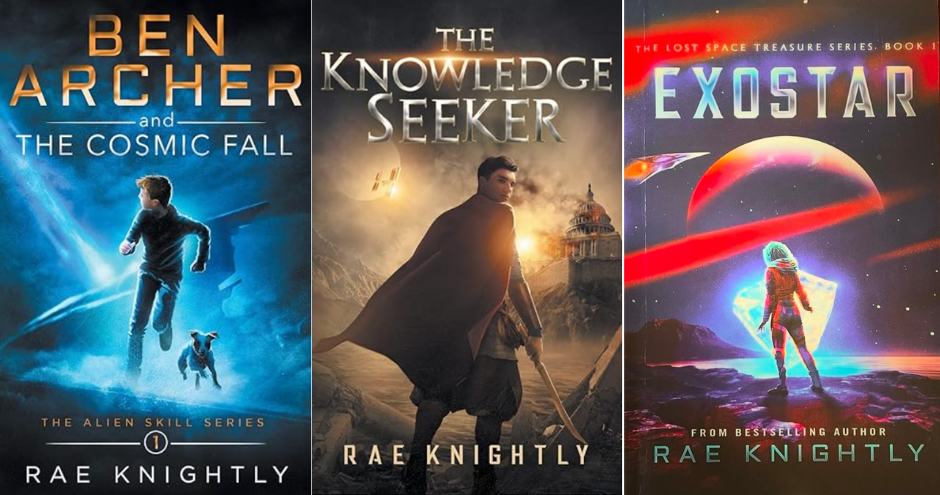
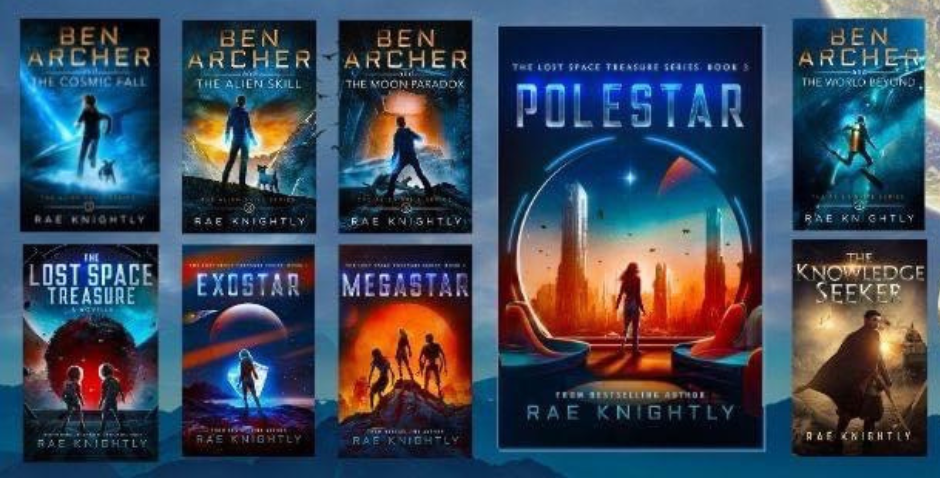
    I’m best known for the Ben Archer Series, which includes aliens, UFOs, superpowers and messages about how we treat our environment. My other series, The Lost Space Treasure, is a fun space opera in its purest form and appeals to fans of Star Wars. Exostar is book 1 in this series.

    Rae Knightly, books, awards, badges

    Chanti: That mission to inspire future scientists through storytelling is incredible! Do you find yourself following conventional writing rules, or do you prefer to chart your own course?

    Knightly: I highly doubt that I follow the rules. Middle-grade science fiction is not a common genre and I knew I was taking a big risk by writing it. But this was the genre I enjoyed above all as a child and I was disappointed when I couldn’t find more options to read. I also write from multiple points-of-view, which is not typical for middle-grade, and my main characters are loners. They don’t have a Hermione Granger or Ron Weasley tagging along.

    Adults play a huge role in my stories. This goes against the norm where middle-grade characters find themselves battling evil on their own, without adults around to help. Note that most middle-grade characters are orphans. Ben Archer is not one of them. In fact, the dad-figure in his adventures is a pretty big deal! As for Trin Moonrise in Exostar, she is a unique hero. Not only does she travel from one planet to another and encounter all kinds of alien civilizations, but she faces a hundred challenges while wearing a prosthetic leg.

    Rae KNightly, santa hat, books, people

    Chanti: Including adults and having more solo characters definitely pushes back against what we often seen in middle grade. When you’re not creating these amazing worlds and characters, how do you spend your time? What do you do to recharge and find inspiration?

    Knightly: I used to love exploring and got a lot of inspiration from visiting different places—especially ancient ones. I love reading about archeological and astronomical discoveries. The history of humankind fascinates me and I believe we still have a lot to discover when it comes to what our ancestors were capable of.

    I also love walking in nature and stopping every two minutes to take a picture of a leaf, a sunset, a landscape… I never make it very far because beautiful details are everywhere if you learn how to look. However, my walking and exploring days have been drastically reduced after I was diagnosed with a chronic illness called moderate ME/CFS. This mysterious illness has made it difficult for me to leave the house and I am currently spending most of my time learning how to manage symptoms.

    Fortunately, writing about superheroes has taught me what it means to be brave: it means that you have to stay true to yourself in the face of adversity. You can’t let the bad things that happen to you define you. I can still write and enjoy the company of my family. Also, my imagination allows me to travel way beyond the boundaries of Earth and I have explored many distant planets from the comforts of my sofa as I wait to get better.

    book covers, science fiction, rae knightly, blue, gold, red, black

    Chanti: The kind of resilience definitely shows up in your book and storytelling. When it comes to creative process, where do you say your ideas for those stories come from?

    Knightly: I get most of my ideas from small newspaper articles. Ben Archer and the World Beyond pulled inspiration from different newspaper articles related to our oceans. Some years ago, Keith Davis—a marine biologist—mysteriously disappeared while out at sea. He was researching factory ships that empty the oceans of fish (tuna, in this case). Another article revealed that, in 2019, Russia released hundreds of beluga whales and orcas from an illegal whale jail located in Srednyaya Bay, where they were being trained or sold. Unfortunately, this type of news does not hit the headlines much.

    The Knowledge Seeker was inspired by a short newspaper article reporting that several countries had restricted access to the internet. It made me wonder how a small group of people could take away access to knowledge to millions of citizens. The plot of The Knowledge Seeker—which takes place in the distant future—took form based on these questions: should everyone have access to all information everywhere and all the time? And, if not, who should have the right to decide what should/shouldn’t be made available? The main character, Eodain, fights to return knowledge to the people, while his arch-nemesis wants to keep knowledge for himself because knowledge is power. But even Eodain struggles with the meaning of free knowledge when he is forced to provide instructions on how to build a deadly weapon.

    And, lastly, Exostar and its sequels dive into the wonders of science and the Universe. Could we travel between the stars using quantum mechanics? What color is the sky on other planets? What do aliens on other planets look like according to their environment, gravity, evolution, etc.? Do exploding stars (supernovas) provide the necessary elements to create life? When you have civilizations where robots, androids, ancient aliens, and mortal beings interact, what does it mean to be human?

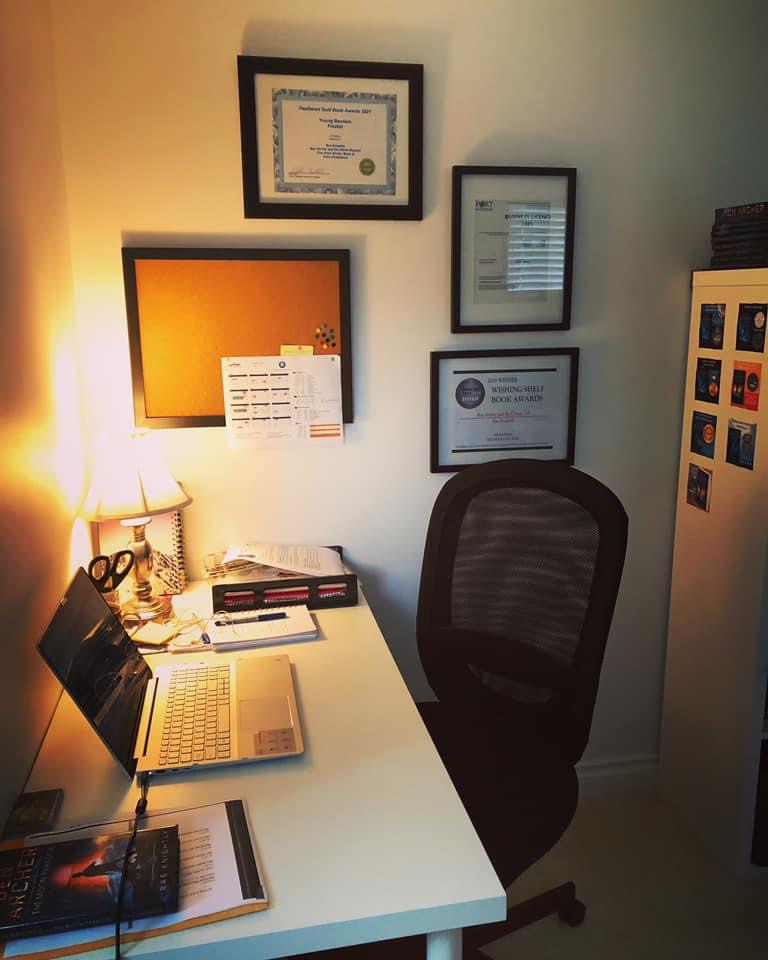
    office, chair, pictures, computer

    Chanti: Fascinating how you transform real-world issues into compelling science fiction! When it comes to your actual writing process, how organized are you? Do you plan everything out, or do you discover the story as you write?

    Knightly: By the time I sit down to write a new book, I have the full story well laid out in my head. It is very important to me to know the ending of a story and I will rarely start writing until I have figured that out. In fact, I often come up with the ending of a story first and then work my way backwards! This was crucial when I wrote The Knowledge Seeker, as the plot twist at the end had to blow the reader’s mind. The final sequel in the Exostar series will also have a mind-boggling ending.

    Since I have the plot all laid out, I am able to write a first draft in a short amount of time. I can write a 50,000 word book in five weeks. However, that’s when the hard work starts. This is when I go over the manuscript multiple times, one sentence at a time, one paragraph at a time, and back-and-forth and back-and-forth with the help of my editor, Cristy Watson. I also seek advice from beta readers who follow my work, know the characters and can point out errors in the manuscript. I will do seven or eight complete edits of the story before I’m satisfied, and this can take several months.

    book covers, science fiction

    Chanti: Working backwards from the ending makes a lot of sense! Can you talk a little bit about some of your literary influences, and how have they shaped your work?

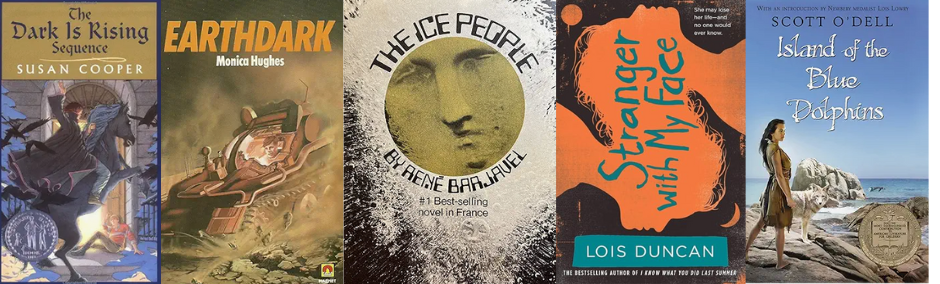
    Knightly: The Dark is Rising Trilogy by Susan Cooper opened my eyes to the power of imagination. Why? Because this Arthurian fantasy story took place in the real world and made me want to find ‘magic’ everywhere. It made me wonder if ‘magic’ was just around the corner, or hiding in the mist, or lost deep under the ocean. I love fantasy and science fiction stories that take place in the real world because they make the reader wonder, “What of this were true?” I sought to recreate this sense of ‘magic in the real world’ in my Ben Archer books.

    Monica Hughes was my go-to author while growing up. She wrote thrilling middle-grade science fiction like Earthdark, Space Trap or Ring-Rise, Ring-Set. The stories are exciting and ask interesting questions. They inspired me to write Exostar.

    The Ice People by French author Rene Barjavel is one of those books that stays with you long after you’ve finished it. It leaves you with the question: if humans have been around for tens of thousands of years, would it be possible that they developed advanced civilizations that are now lost and buried under the Arctic ice, under the dunes of the Sahara desert or in the deep trenches of the ocean? This fascinating question also lingers in the back of the Ben Archer and Lost Space Treasure Series.

    Lois Duncan’s Stranger with my Face is another of those stories that takes place in the real world but has elements of mystery in it. The characters in the author’s books face haunting topics such as telepathy, astral projection, spirit channeling, eternal life, etc. These themes make you wonder about the limits of the human mind and elements of this have seeped into Exostar and its sequels.

    Island of the Blue Dolphins by Scott O’Dell was a heart-shattering story that stayed with me for years. However hard the story, I believe that tough subjects in middle-grade books can teach young readers to better face real-life hardships as adults. For example, learning to deal with a fictional death might prepare readers to deal with it a little better in the real world. I channeled some of those raw, heart aching feelings in Ben Archer and the Alien Skill.

    Chanti: That is a rich tapestry of influences! With such a creative imagination constantly at work, do you ever hit those dreaded writer’s block moments?

    Knightly: Yes, I experience writer’s block. I guess it’s the bane of every author’s existence.

    However, I no longer shy from this debilitating fear of the blank page. I find that if I am unable to write, it usually means that my brain is saturated and I need to take a break. This break can last from a couple of days to several months, but I have learned to trust the process. Once an author, always an author, is my motto! Imagination never really leaves you. Creativity can come and go, like the ebb and flow of waves crashing on a beach, and if my characters are not talking to me, then perhaps it’s time to do something else for a while.

    Rae Knightly, CIBA winner, ribbon, exostar, book

    Chanti: That’s such a healthy perspective on the creative process! You’ve achieved remarkable success with your award-winning books. What marketing advice can you share with other authors?

    Knightly: The things that have helped sell over 120,000 books:

    • Paying for great, on-target book covers
    • Knowing who my readers are (10 to 14 year olds)
    • Always delivering as promised in a regular, timely manner
    • Learning to run Amazon ads
    • Creating clean, fun adventure stories that captivate readers
    • Joining joint book promotions and doing newsletter swaps
    • Creating excitement for the next book on social media
    • Putting up the next book for pre-order and adding links in the back-matter

    rae knightly, books, cover, science fiction

    Chanti: All fantastic, practical advice! As we wrap up, what exciting projects are you working on now? What can your devoted readers look forward to next?

    Knightly: The Lost Space Treasure Series continues. After writing book 1, Exostar, I published books 2 and 3: Megastar and Polestar. I am currently editing book 4: Grimstar.

    Trin Moonrise travels the stars in search of her identity which might be hidden on a legendary spaceship thought to hold the greatest treasure in the known galaxy. However, her arch-nemesis, the evil Remnant Supreme Leader, is always one step behind.

    Next, I plan on delving deeper into my young adult dystopian series, The Knowledge Seeker, and my readers have let me know that they would love to read more Ben Archer books.

    Even though middle-grade science fiction is less popular, I hope to continue exploring the genre for many years to come.

    Thank you, Rae Knightly, for sharing your writing journey with us and for bringing great young adult sci-fi to readers around the world! 


    Rae Knightly, water, woman, mountains

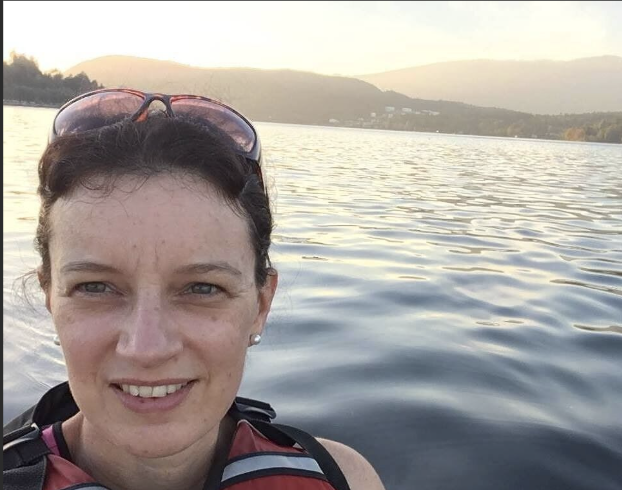
    Rae Knightly is an award-winning and Amazon bestselling author specializing in middle-grade and young adult fiction, with over 160,000 books distributed. She is the author of The Alien Skill SeriesThe Lost Space Treasure Series, and The Knowledge Seeker. Knightly was raised in various locations on Earth, during which time she picked up four languages and came to appreciate this blue pebble floating in the confines of space. Her current human mission is to keep the stars shining in her two children’s eyes, while hopefully igniting new ones within others across the globe. Rae spends her time spirit travelling to distant galaxies or exploring the breathtaking landscapes of British Columbia, Canada, before returning with more adventures for her Alien Skill Series.

  • The Research Puzzle—How to Conduct Great Research Without Becoming Overwhelmed

    Research adds so much to a story, but with so much great information available to us today finding the right information can sometimes become overwhelming. 

    Don’t let your research overtake your writing project! Create a clear and effective process to find the perfect tidbits to add validity and relatability to your story. 

    Good research serves three essential purposes:

    Builds trust with your readers
    Fills in gaps in your own knowledge
    Provides concrete examples to inspire or reinforce your narrative

    Begin Your Research with Trusted Resources

    The best start to any research project is to find the right resources. Make sure they are reliable, relevant, and relatable in some way to your story. If you’re writing a romantic scene with references to a specific type of cuisine don’t just rely on the last best meal you had. Find recipes or meal plans that give you the right words to describe the meal. If you are writing a western, look for reliable resources that will tell you the specifics about how to shoe a horse. Here are some good places to start when thinking about where you want to conduct your research—

    Familiar Resources

    • Your own bookshelf
    • Podcasts on your particular subject
    • Articles you’ve saved
    • Experts you already know

    Outside Resources

    • Your local library system
    • Professional associations for expert opinions
    • University research departments
    • Industry journals
    • News archives
    • YouTube videos
    • Online websites, such as the online encyclopedia Wikipedia
    • Search engines (But be careful—this is where most of my available time gets stuck as I start chasing research tidbits)

    Research Tips   

    Check an author’s other work if you like their approach
    Makes sure there are citations and references listed
    Check the publication date to determine if the information is current
    Take a look at the bibliographies of the books you read to find more sources
    Avoid information that is part of an advertising pitch or contains extreme or vague information
    Save everything that looks useful – you can sort it out later


    book, bookmark, magnifying glass

    Types of Data

    One of the best things I found in my research about research is there are only three types of data:

    Statistics and data offer an author straight-up facts and findings, and each one should come with a citation to its sourced material
    Quotes from experts or people “in the know” require the exact wording and a citation
    Anecdotes require a brief summary and the appropriate sourcing

    Your Research Project in Action

    Now that you have your reliable resources, it’s time to get busy! If you’re like me and can get caught up in finding out more juicy details to add to your story it may be a great time to implement the “5, 10, 10, 5” rule, and it goes a little something like this:

    1. Pick one key point to research for 5 minutes
      • Research one specific item and stay focused on that one item
      • Write down three questions that you want to find answers to
      • Note the type of evidence you are looking for, such as statistics, examples, or expert quotes. This is particularly helpful to me because it sets me on a direct path to the information I need, rather than through a divergent path of anecdotes, say, when I actually need statistics.
    2. Scan the information for relevant references for 10 minutes
      • Only work from 2-3 reliable sources to simplify and focus your research project
      • Save links, bookmark, or take photos of the information you need
      • Highlight key passages
    3. Record the information you need most for 10 minutes
      • Create a simple system to record your research; include space to write down where it came from, when the information was collected, who collected it, and a link to the resourced information if available
      • Save your best findings and note how you’ll use them in the story
    4. Quality check for 5 minutes
      • Read your original point
      • Add your research
      • Make sure it flows naturally

    toolbelt, books, book cart, wrench, screwdriver, pliers

    Research Tools

    Having effective tools in your research toolbelt can really take your effectiveness to the next level, but don’t get carried away! Only use the tools you need to avoid your research project from becoming chaotic. Here are some of our favorite tools—

    • Microsoft Word and Excel, and Google Docs are helpful to create simple research documents you can easily search, share, and back up
    • Web Browsers’ “Bookmark” features allow you to create folders for different topics or sources
    • Microsoft’s Notebook can turn you into a record keeping superstar!
    • Evernote: Clip web articles and organize by chapter
    • Apple Notes/Google Keep: Quick capture of ideas and sources on your phone
    • Kindle/eBooks: The search feature combined with its ability to highlight specific passages is the solution to foregoing typing out quotes, and their search function helps you skim through the content to find the information you need most
    • ReadWise saves and organizes the highlights and quotes you’ve found through your Kindle app
    • Zotero is a great free resource often used by Academics to track biographies and create folders to track their research. Powerful for anything that might require an annotated bibliography
    • Index cards and journals lets you see your research without logging into your computer, and using index cards allows you to move your thoughts around as you plot your story
    • Sticky flags will take you right to the information when researching physical books
    • File folders will help you organize physical information by topic, chapter, or source
    • Highlighters let you color-code different types of research
    • Voice memos and photos of book pages for quick grabs

    book, smoke

    Beware of research pitfalls! 

    Finding Research Mistakes:

    • Looking at only the first page of Google results—some of the most important information I’ve found has come from page 2 or 3 of a Google search
    • Using only one type of source and not verifying the information with other sources
    • Believing what you see on social media—never give your blind trust to what you find on social media
    • Not checking dates of your sourced material

    Organization Research Mistakes:

    • Saving everything “just in case” (I’m raising my hand in guilt here)
    • Not noting where you found something
    • Keeping research scattered across multiple places; good organization will alleviate a lot of stress
    • Forgetting to back up digital notes
    • Trying to use too many research organizational systems at once

    Writing Mistakes:

    • Letting research overwhelm your own voice
    • Including facts just because they’re interesting, not relevant
    • Dumping research without context; don’t make your story a lesson for your readers, make it an adventure in storytelling!
    • Not fact-checking quotes and forgetting who said what

    And always remember

    Research should support your message, not become the message!

    people, reading, readers, books, pans, men, women


    A red toolbox with the words "What's in your toolboxThank you for joining us for this Writer Toolbox Article

    There is so much to learn and do with Chanticleer!

    From our Book Award Program that has Discovered the Best Books since the early 2010s to our Editorial Book Reviews recognizing and promoting indie and traditional authors, Chanticleer knows your books are worth the effort to market professionally!

    Hungry for more? These articles can help you go even further with your research:

    Ready to put your research to work?

    After investing time in thorough research, you want to make sure it enhances rather than overwhelms your story. That’s where professional editorial guidance becomes invaluable.

    Chanticleer’s Manuscript Overview helps you see if your research is working effectively within your narrative. Our evaluators will assess whether your carefully gathered facts feel naturally integrated or if they’re disrupting your story’s flow. We’ll identify where research strengthens your work and where it might need better balance with your storytelling voice.

    Research should support your message, not become the message—and our manuscript evaluators help ensure you’ve struck that crucial balance.

    Learn more about Manuscript Overview services here and Editorial Services here!

    Take your well-researched book to the next level with professional editorial guidance!

    Take your book to the next level!

    With Chanticleer’s professional editing services and you’ll be confident your novel is ready for your next biggest fan!

  • Chanticleer 10 Question Author Interview Series with Steven Mayfield – Grand Prize Award-winning Author of Delphic Oracle

    CHANTICLEER 10 QUESTION AUTHOR INTERVIEW SERIES
    with Award-Winning Author, Steven Mayfield

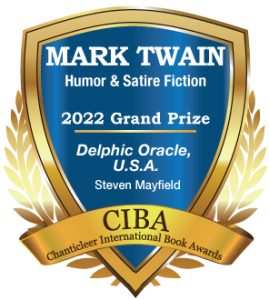
    Happy Summer Chanticleerians! We’re thrilled to bring you another fantastic interview with Humor & Satire Grand Prize Winner Steven Mayfield!

    From writing “bad poetry” at age nine to authoring award-winning novels, Steven Mayfield has taken quite the journey—including a two-decade detour through medical school and scientific writing. Here, he shares how that medical training actually made his fiction stronger, where he finds his story ideas (hint: be careful what you say around him!), and why he believes readers should give stories more than just one page to capture their attention.

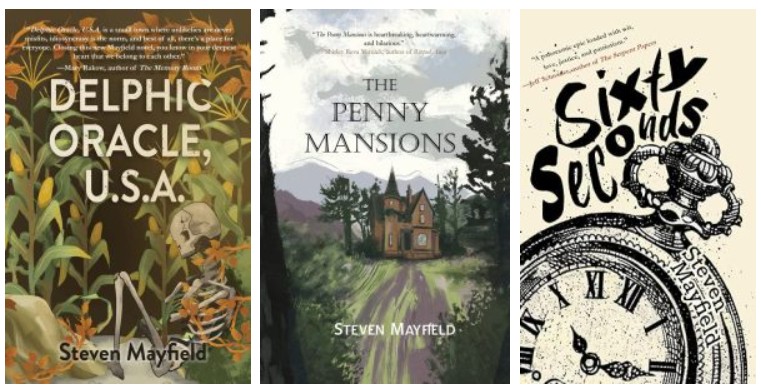
    While Mayfield won the Humor & Satire Grand Prize for his book Delphic Oracle, he also received Chanticleer recognition for his book The Penny Mansions, and his new book Sixty Seconds is available now!

    Chanti: Steven, let’s start at the very beginning. Can you tell us a little about yourself and how your writing journey first began?

    Mayfield: I began writing bad poetry when I was nine years old and started a novel at twelve. I drew from that history to create the protagonist of my next book. He also starts a novel at a tender age, which he describes it as “plagiarism by paraphrase.” That pretty much nails my early efforts, as well. In college and for a couple of years afterward, I wrote more poetry and short stories, began another novel, and wrote sketch comedy. I then gave up creative writing and went to medical school. Over the next two decades I authored or co-authored a number of medical and scientific pieces, and as a result, when I resumed writing fiction in the early ’90s, my work was tighter and more disciplined. I’ve been solely a writer for the last twenty years.

    Chanti: That’s such an interesting path from medicine back to creative writing! There’s often a moment when writers truly believe they can do this professionally. When did that realization hit for you—when did you truly believe you were an author?

    Mayfield: For me, the question is “When did I believe I could write?” After completing a sophomore college assignment to write a book review, the professor asked me if I’d ever thought about writing as a profession. I had but didn’t think it realistic until that moment. A year later, one of my short stories won the Mari Sandoz competition. After that, I always thought of myself as a writer, regardless of what I did to make a living.

    Chanti: The support from our educators can truly be all it takes to have that pivotal moment. Your background in medical writing is fascinating. Do you find that scientific training makes you more of a rule-follower, or do you like to break the conventional writing rules?

    Mayfield: Writing for the scientific and medical literature forced me to strictly adhere to rules of grammar and syntax. As a result I think it’s important to know those rules so that when you break them, it’s for a reason; e.g. using sentence fragments for emphasis or rhythm.

    red, pen, paper

    Chanti: That’s such a smart approach—knowing the rules so you can break them intentionally. I’m curious about your creative process. Where do your story ideas come from? How do you find those sparks of inspiration?

    Mayfield: I shamelessly exploit things people say or do. I’m being flippant but not entirely inaccurate. I wrote Treasure of the Blue Whale (Regal House 2020) after some friends told me an apochryphal story over dinner about the alleged discovery of whale ambergris on a beach in Northern California back in the 1920s; The Penny Mansions (Regal House 2023) was inspired by the Italian towns that are trying to stabilize their populations by offering one Euro houses for renovation; and Sixty Seconds (Regal House, July 2025) was prompted after I saw the movie, A Royal Night Out. My current work-in-progress, “The Bank House, was born from a conversation with a neighbor in my old Portland neighborhood who grew up in an Irish village where the bank was part of a residence provided to the bank manager. So…people should be careful about what they say when I’m within earshot. They might end up in a book.

    Chanti: I love that you’re constantly mining conversations and experiences for material! When it comes to the actual writing process, how structured are you? Do you have a daily routine or specific approach?

    Mayfield: I think I’m fairly structured. When I begin a book, I set up a log to track my daily word counts. I aim for a minimum of 250 words/day, a modest goal, but one that keeps me going on days when I don’t feel inspired. I then try to write every day, beginning by revising what I wrote the previous day and then adding new material. As the story builds, the daily word count builds with it, and once the first draft is done, I have typically averaged about 750 useable words/day.

    Chanti: That’s a strong and sustainable approach. Every writer has their literary heroes. Can you share five authors who have really shaped your work and tell us how they’ve influenced your writing?

    Mayfield: Muriel Spark: Does more with the simple declarative sentence than anyone I’ve read.

    Sinclair Lewis: Unmasks puffery, hypocrisy, and injustice.

    Kurt Vonnegut: Gives other writers permission to stray off-point as long as the reader is kept beside you and you don’t waste their time.

    Jean Shepherd: Like me, a yarn-spinner.

    From left to right we have Muriel Spark, Sinclair Lewis, Kurt Vonnegut, and Jean Shepherd

    A cumulative fifth choice comprised of several writers who share my publisher, Regal House: 1. Barbara Quick, whose elegant prose blends history and fiction, 2. Michael Strelow, whose command of language awes me, 3. Richard Martin, whose prose is inimitable, wise, and hilarious, 4. Michael Bourne, who has the ability to make unlikeable protagonists likeable, 5. Mimi Herman who is funny and understands how to mine small towns for literary gold.

    Chanti: What a diverse and thoughtful group of influences! I love the shoutout to your follow authors! Writing is definitely a craft that requires constant development. Beyond reading great authors, what do you do to keep growing and sharpening your skills?

    Mayfield: I listen when someone gives me feedback. If a reader is lost or bored, it’s my job to fix my work, not their job to guess what I was thinking when I wrote it. It’s also important to read work by other people and to workshop material in progress. I’ve been in the same workshop group for thirty-one years and their input is invaluable.

    Chanti: Thirty-one years with the same workshop group is incredible dedication! What exciting projects are you working on now? What can your readers look forward to seeing from you next?

    Mayfield: I’ve been engaged in final editing and pre-release marketing for Sixty Seconds (Regal House, July 2025) and I’ve just finished a sixth draft of a new novel, The Bank House. It follows a few months in the life of a thirteen-year-old boy who moves to a new town where his family will live in a former mansion that now has a bank in its living room. It’s a coming-of-age novel with my usual brand: heart, humor, and a dash of crime. I’m hoping for a spring/summer 2027 release.

    Chanti: The Bank House sounds absolutely intriguing, and I’m looking forward to reading Sixty Seconds now that it’s come out. You mentioned earlier that it’s the writer’s job to make things clear to the reader, but what is the most important thing a reader can do to support a writer they enjoy?

    Mayfield: Give us a chance. Agents would have us believe that a reader must be captured in the first page, but that’s marketing advice and doesn’t necessarily relate to good story-telling. It took me 100 pages to get into A Soldier in the Great War by Mark Helprin, one of my favorite books.

    Chanti: That’s such wise advice about patience with storytelling! Finally, on a more personal note—what excites you most about the actual process of writing?

    Mayfield: I can create a world where everyone does exactly what I want. Such power has always been restorative, but in our present climate of political chaos and heartlessness, it’s better and far cheaper than psychotherapy.


    Steven Mayfield is a past recipient of the Mari Sandoz Prize for Fiction and the author of over fifty scientific and literary publications. After a short stint as a sketch writer in Los Angeles, he attended medical school at the University of Nebraska followed by post-doctoral training and teaching/research appointments at the University of Iowa, Brown University Program in Medicine, and the University of Texas Southwestern in Dallas. After a hiatus away from creative writing that lasted almost twenty years—during which he published forty-two scientific articles, abstracts, chapters, and reviews—Steven began to again write fiction in 1993 with short stories appearing in literary journals and anthologies since 1994. He retired from medicine in 2004 and spent several years working as a free-lance editor before publishing Howling at the Moon in 2010 (Mount Parnassus Press). Regal House has been his publishing home since 2020 for three novels: Treasure of the Blue Whale (2020), Delphic Oracle, U.S.A. (2022), and The Penny Mansions (2023). A fourth novel, Sixty Seconds, is out now from Regal House!.
    Steven’s books have been honored with numerous awards, including an IBPA Benjamin Franklin Silver Medal, a CIBA Mark Twain Book Awards Grand Prize ribbon, and an Independent Publishers Group Gold Medal. His last three novels were all Foreword Indies Finalists.

    Steven currently resides in Oregon with his wife, Pam. He can order beer in four languages. His wife can say, “Pay no attention to this man” in five.

  • Happy Fourth of July! Celebrating Independence with Indie Authors and a Review Sale!

    Happy Fourth of July!

    Celebrating the Independent Author’s Marketing Revolution

    American flag, stars, red, white, blue

    You’ve claimed your independence to drive your own publishing future, create exactly what you want to create, and present your work to the world on your own terms. That same revolutionary spirit that led you to believe your stories deserve their chance with readers is what’s reshaping the entire publishing landscape.

    This Fourth of July, let’s celebrate what independence means for authors—and how smart independents are turning their freedom into a competitive advantag

    The Freedom to Move Fast (And the Responsibility That Comes With It)

    Faster Publication Timelines Self-publishing can shave months—even years—off the traditional publishing process. You control the timeline, the decision-making, and when your book is ready for readers. No waiting for publishing house committees or seasonal catalogs.

    Higher Revenue Potential While traditionally published authors typically earn 10-15% royalties, self-published authors can keep 35-70% of their book’s revenue. That’s a significant difference when you’re building a sustainable author career.

    woman, books, box, house, reading

    Complete Creative Control” From cover design to pricing strategy, distribution channels to promotional campaigns—it’s all in your hands. No publisher override on your vision.

    Longer Shelf Life: Traditionally published authors may see their book front and center on the bookstore shelf for several months but be unceremoniously replaced by a publisher’s newest release. Self-published authors can keep their book visible for a lifetime when they put in the time and effort to promote it. This gives self-published authors a HUGE advantage!

    The Independence Challenge: Standing Out in a Crowded Marketplace

    But here’s where independence gets interesting (and where many authors stumble): with great freedom comes great responsibility—especially when it comes to marketing and discoverability.

    Traditional publishers provide built-in credibility through their established reputation and industry connections. Independent authors need to build that credibility themselves, which is where professional validation becomes crucial.

    The Credibility Gap Readers, reviewers, and industry professionals often make quick judgments about book quality based on professional markers. Independent authors who invest in professional services signal that they’re serious about their craft and committed to quality—just like their traditionally published counterparts.

    Marketing Amplification Your independence means you’re also your own marketing department. Professional tools like editorial reviews don’t just validate your work—they provide marketing ammunition you can use across multiple platforms and for years to come.

    Celebrating Smart Independence: The Professional Author’s Approach

    The most successful independent authors aren’t just celebrating their freedom—they’re strategically leveraging it. They understand that true independence means having the resources and credibility to compete at the highest level.

    Professional editorial reviews serve as both validation and marketing fuel. When Chanticleer Book Reviews provides a thorough, honest assessment of your work, you’re not just getting feedback—you’re getting a powerful marketing tool that includes:

    • A comprehensive 450-word review you can use across all promotional materials
    • Professional SEO optimization that keeps your book discoverable long-term
    • Social media promotion to extend your reach
    • Integration with our promotional magazine for additional visibility

    This Fourth of July: Declare Your Marketing Independence

    This year, we’re celebrating the spirit of independence with authors who are ready to take their marketing to the next level. Because true independence isn’t just about having the freedom to publish—it’s about having the tools and credibility to succeed.

    Ready to amplify your independent author advantage?

    Submit your book for a Chanticleer Editorial Review and discover what professional validation can do for your marketing strategy.

    Our Editorial Review packages are specifically designed to maximize your digital footprint and provide the marketing ammunition independent authors need to compete effectively. Find out why serious independent authors consider professional reviews essential infrastructure for their publishing business.

    Do you have a book that deserves to be discovered?

    Use the code CBRHUR7KQK3H for $75 off an Editorial Review

    And use this code TNBXBZ6QYSM2 for $25 off a Children’s Book Review! 

    Submit your book for an Editorial Review with Chanticleer!

    Chanticleer Editorial Review Packages are optimized to maximize your digital footprint. Reviews are one of the most powerful tools available to authors to help sell and market their books. Find out what all the buzz is about here.

  • All the Things that Go BUMP! in the Night — The Varied Word of Horror Sub-Genres

    Zombies, Spectors, Psychos—Oh, My!

    A frightened woman reads a red horror book!

    The horror fiction genre is full of scary and scintillating sub-genres, each offering its own unique flavor of terror and suspense. From the eerie atmosphere of gothic horror to the intense, cerebral tension of psychological horror, there are sub-genres that cater to a wide range of tastes and interests. Like romance, including a little horror can elevate your story and drag the reader kicking and screaming to the next page. 

    The key to effective horror writing lies in choosing the right sub-genre approach for your story’s needs. Each sub-genre offers unique methods for building suspense, developing atmosphere, and connecting with readers who crave that spine-tingling experience.

    A graveyard as an example of the gothic horror genre

    Classic Foundations: Where Horror Began

    Gothic Horror

    Gothic horror combines atmospheric dread with romantic elements, creating stories that feel both timeless and deeply emotional. Think Mary Shelley’s Frankenstein and Bram Stoker’s Dracula—these foundational works established horror tropes that continue to captivate readers today. Gothic horror typically features decaying settings, family secrets, and protagonists caught between love and terror. The underlying themes often explore human nature’s darker impulses, making readers question what we’re truly capable of when pushed to our limits.

    Perfect for: Historical fiction writers, romance authors seeking darker themes, or fantasy writers building atmospheric world-building.

    Psychological Horror

    Rather than relying on jump scares or gore, psychological horror gets under your skin by exploiting fundamental human fears: losing control, being manipulated, or questioning reality itself. This sub-genre creates tension that lingers long after readers close the book because the horror is experienced internally. When done subtly—settling into the subconscious without overt horrifying acts—it’s called “quiet horror.”

    Perfect for: Literary fiction, contemporary drama, or any story exploring mental health, family dynamics, or social pressures.

    A red misted window with a dark hand for thriller horror genre

    Action-Driven Horror: High Stakes and High Fear

    Slasher Horror

    When a slasher is on the loose, no one is safe. These antagonists hunt methodically, treating their victims like prey in stories designed to keep readers on edge. The appeal lies in the relentless pursuit and the question of who, if anyone, will survive. A newer variation, “splatter horror,” emphasizes excessive blood and gore as integral story elements—messy, shocking, and viscerally terrifying.

    Perfect for: Thriller writers, action-adventure authors, or anyone crafting high-stakes survival scenarios.

    Survival Horror

    Survival horror places characters in environments where death lurks constantly—whether from supernatural beings, natural disasters, or post-apocalyptic scenarios. The key is creating relatable situations that could theoretically happen to anyone, then amplifying the danger beyond normal human experience. Zombie fiction falls into this category, with its methodical, unstoppable threats that transform familiar environments into deadly landscapes.

    Perfect for: Post-apocalyptic fiction, adventure stories, or science fiction exploring environmental collapse.

    Speculative Horror: Beyond Our World

    Paranormal and Supernatural Horror

    This sub-genre ventures beyond known reality into realms of magic, spirits, and otherworldly phenomena. Characters face threats they can’t fully understand or prepare for—extrasensory perception, ghostly encounters, cryptozoology, and unexplained phenomena that leave everyone tenuously off-balance. While similar to gothic horror, paranormal horror often features contemporary settings and modern characters encountering ancient or otherworldly forces.

    Perfect for: Fantasy writers, urban fantasy, or contemporary fiction with magical elements.

    Science Fiction Horror

    Sci-fi horror blends familiar horror elements with scientific complexity, introducing innovative threats that make readers question what’s possible. H.P. Lovecraft mastered this fusion, creating cosmic horror that made humanity feel insignificant against vast, unknowable forces. Modern sci-fi horror might explore AI gone rogue, genetic manipulation, or extraterrestrial threats that view humans as nothing more than obstacles.

    Perfect for: Science fiction writers, dystopian fiction, or stories exploring technological advancement’s dark side.

    eldritch beings for fantasy and paranormal horror genres

    Dark Fantasy

    When horror meets fantasy worlds, anything becomes a potential threat. Witches, shapeshifters, dark wizards—these antagonists wield magic that defies conventional solutions. Characters face seemingly insurmountable odds against supernatural powers, creating terror through the unknown capabilities of magical threats. The fantasy setting allows for creative freedom in crafting unique, otherworldly fears.

    Perfect for: Fantasy writers seeking darker themes, fairy tale retellings, or urban fantasy with horror elements.

    Specialized Horror Approaches

    Body Horror

    Body horror exploits our fundamental fear of physical transformation and decay. From Oscar Wilde’s The Portrait of Dorian Gray (accelerated aging) to Franz Kafka’s The Metamorphosis (human-to-insect transformation), this sub-genre makes the human body itself the source of terror. Modern body horror might explore medical experimentation, genetic mutation, or loss of physical control.

    a dark skull for the body horror genre

    Occult Horror

    Satan, demons, and religious corruption dominate occult horror. Stories like Ira Levin’s Rosemary’s Baby blend supernatural terror with religious themes, creating atmosphere through familiar spiritual concepts turned malevolent. The power of faith—and its potential corruption—provides rich material for exploring good versus evil.

    Eco Horror

    Environmental catastrophes and nature’s revenge characterize eco horror, serving as metaphors for real-world ecological crises. Samanta Schweblin’s Fever Dream exemplifies this sub-genre, combining maternal anxiety with environmental pollution. Common elements include deadly toxins, mutated creatures, animated plants, and killer viruses—all reflecting our complex relationship with the natural world.

    Techno Horror

    When technology becomes the enemy, techno horror explores our dependence on systems we don’t fully understand. AI malfunctions, computer viruses, and rogue robots create scenarios where characters must fight threats beyond their technical capabilities. This sub-genre resonates particularly well in our increasingly digital world.

    Hybrid and Flexible Approaches

    Comedy Horror

    Sometimes writers want chuckles instead of screams. Comedy horror takes terrifying elements and places them in absurd situations, creating three distinct approaches: black comedy, parody, and spoof. Washington Irving’s The Legend of Sleepy Hollow demonstrates how humor can actually enhance horror by making readers lower their guard before delivering genuine scares.

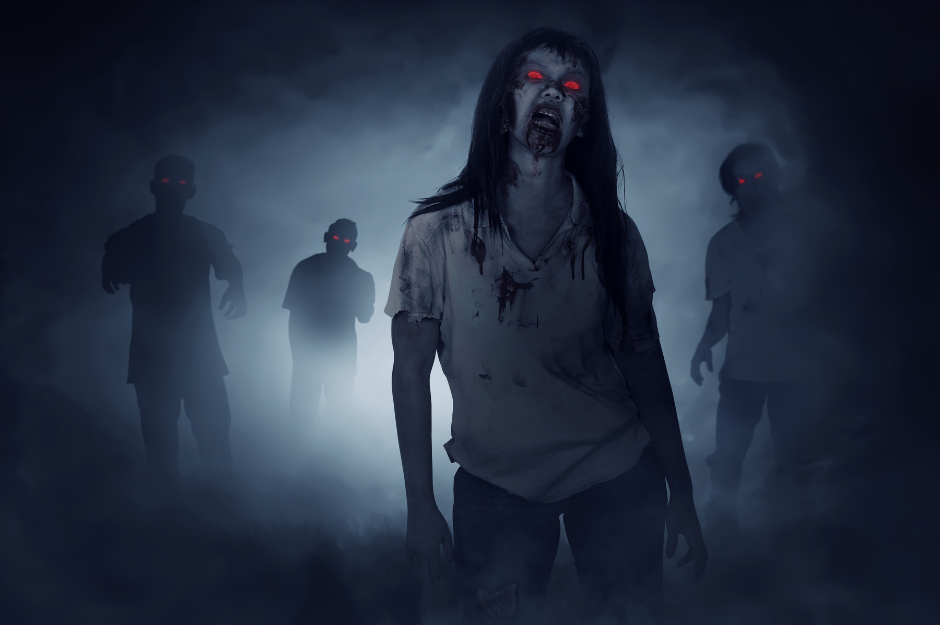
    A frightening zombie that's honestly a little too scary for the horror comedy genre.

    Teen Horror

    Stephen King’s Carrie perfectly exemplifies teen horror, where adolescent experiences—physical changes, social pressures, identity formation—intersect with supernatural or horrific elements. This sub-genre recognizes that teenage years already feel terrifying to many people, then amplifies those fears through genre elements.

    Pulp Horror

    Fast-paced and lurid, pulp horror embraces accessibility and entertainment value. Born in the late 19th century and popularized in the 1950s, pulp horror delivers quick thrills through sex, drugs, violence, and supernatural elements. It’s horror designed for pure entertainment rather than deep psychological exploration.

    Finding Your Horror Approach

    The beauty of horror sub-genres lies in their flexibility. Writers can blend multiple approaches—combining psychological elements with supernatural threats, or mixing sci-fi concepts with body horror. The goal isn’t purity but effectiveness: which horror elements serve your story’s emotional core?

    Consider your primary genre first, then identify which horror sub-genre complements your story’s needs. A romance writer might find gothic horror perfect for historical settings, while a contemporary fiction author could use psychological horror to explore family trauma.

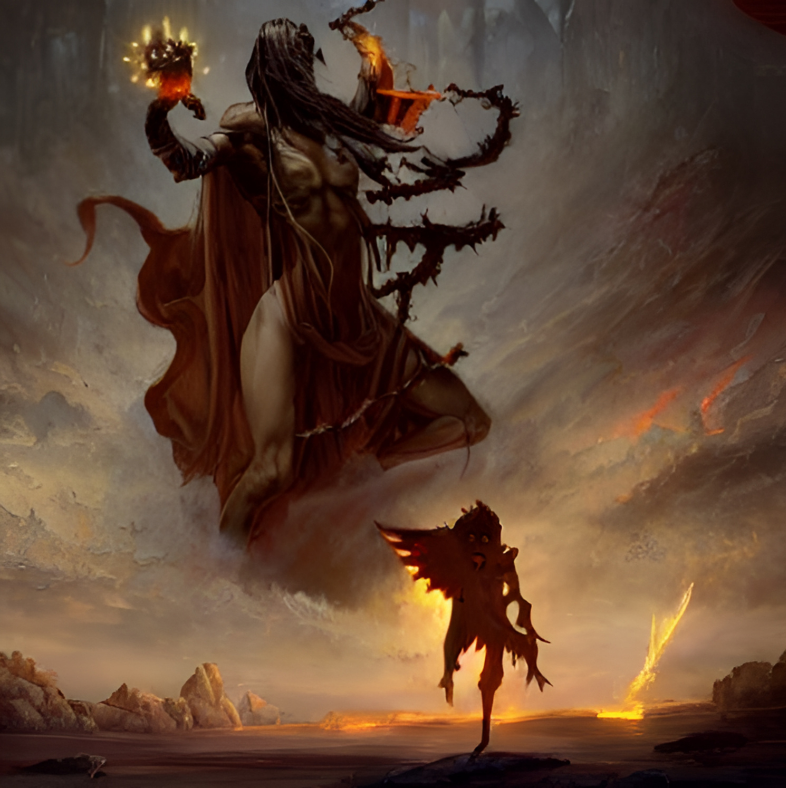
    A spooky necromancer holding a skull with rainbow smoke.

    With all these fun and frightening horror sub-genres, writers can mix and match them or go heavy one specific theme. With a goal to twist their readers into knots with plots that will keep them up at night, these stories will have you questioning every noise you hear and every shadow that passes your way.

    Thanks for reading about these spooky Horror Sub-genres,
    and don’t be scared of that beast under your bed tonight!


    Recognition for Genre-Blending Excellence

    *Gasp!* Don’t miss out on your chance to submit to these fabulous Awards!

    Whether you’re writing pure horror or incorporating horrific elements into other genres, professional recognition celebrates the craft behind effective fear. The Chanticleer International Book Awards recognize outstanding speculative fiction across multiple divisions that welcome horror elements:

    The 2025 deadline is June 30th—less than a week away! These awards recognize the skillful blending of genres that creates memorable, impactful fiction.

    Horror isn’t about shocking readers—it’s about creating emotional experiences that resonate long after the final page. Whatever your primary genre, the right horror elements can transform good stories into unforgettable ones.

    Submit before June 30th and let professional judges recognize your skill in crafting compelling, genre-blending fiction.

  • A Chanticleer 10-Question Author Interview with Gail Avery Halverson – Historical Fiction, Colonial America, Slavery

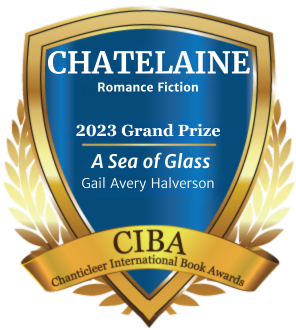
    blue and gold badge recognizing A Sea of Glass by Gail Avery Halverson for winning the 2023 Chatelaine Grand Prize For Historical Fiction RomanceHistorical Fiction Romance Author Gail Avery Halverson sat down for a 10-Question Interview with Chanticleer!

    We had the pleasure of speaking with Gail Avery Halverson recently. The author of the historical fiction romance novel Sea of Glass, Book Three in her Stockbridge Series. Avery Halverson took home the 2023 Chatelaine Grand Prize for Romance for Sea of Glass, and she’s sharing her journey to becoming an award-winning author with us today!

    Here’s what we talked about:


    Chanti: Your romance novel, Sea of Glass, also falls under the category of historical fiction. Can you talk about what drew you to both of these genres?

    Avery Halverson: I began writing in my twenties when I was a flight attendant and had a lot of days off during any given month. At first, I wrote mostly spec scripts for existing half-hour sitcoms to practice the craft of conveying a story through only what can be seen or heard. One of those spec scripts found its way to an agent in LA and after signing with her, I wrote two movie screenplays which were both optioned by Longbow Productions, but not made.

    I took some time away from writing to raise my son, and when he was a sophomore in high school, I began to toy with the idea of writing a novel. When I heard the story of ‘The Plague Village” in England, I knew I had my novel. From there, I had to learn a new style of writing that encompassed all the senses, in addition to creating accurate historical story arcs and believable, very real characters a reader would care about. After writing the first book, I was completely hooked!

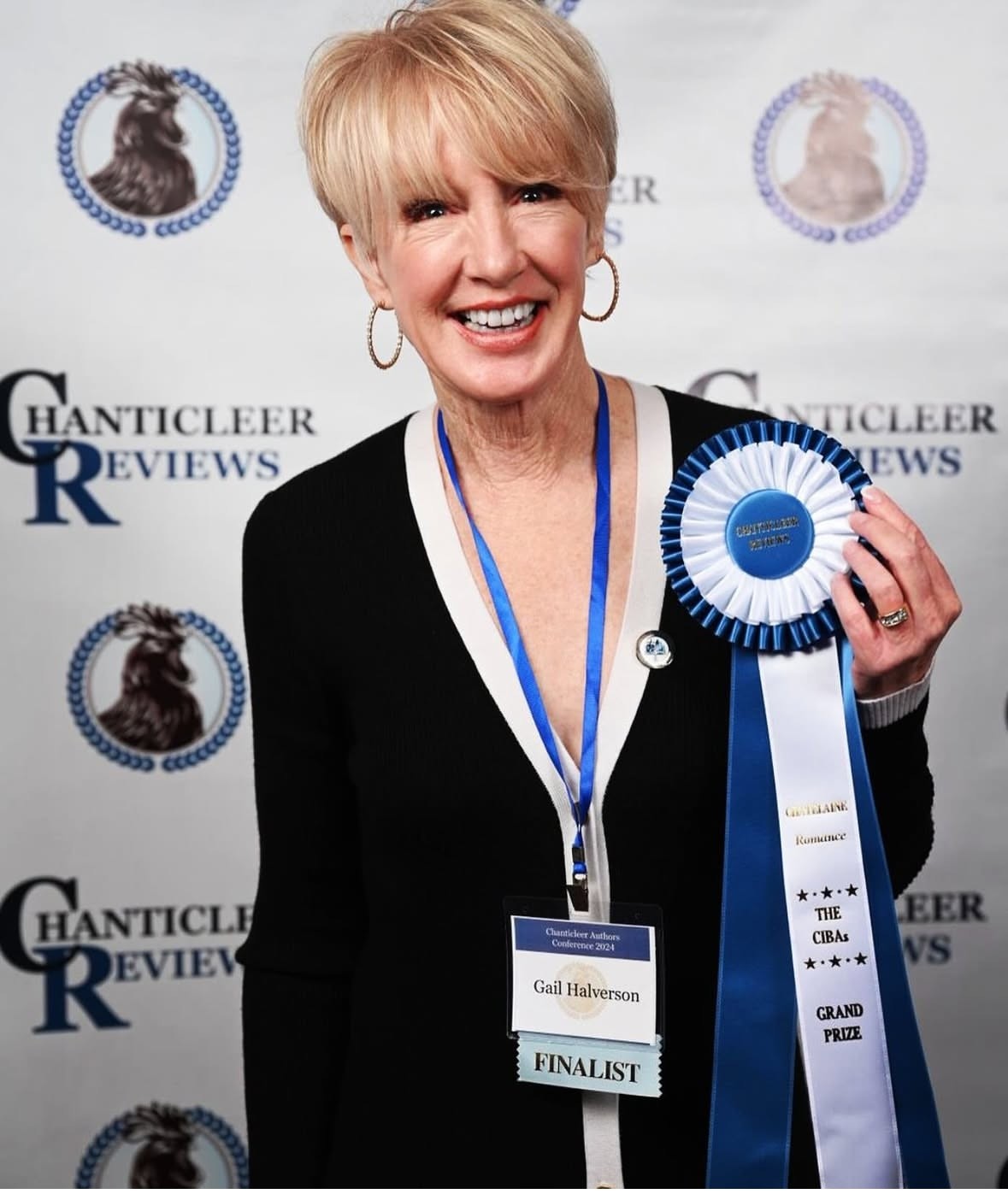
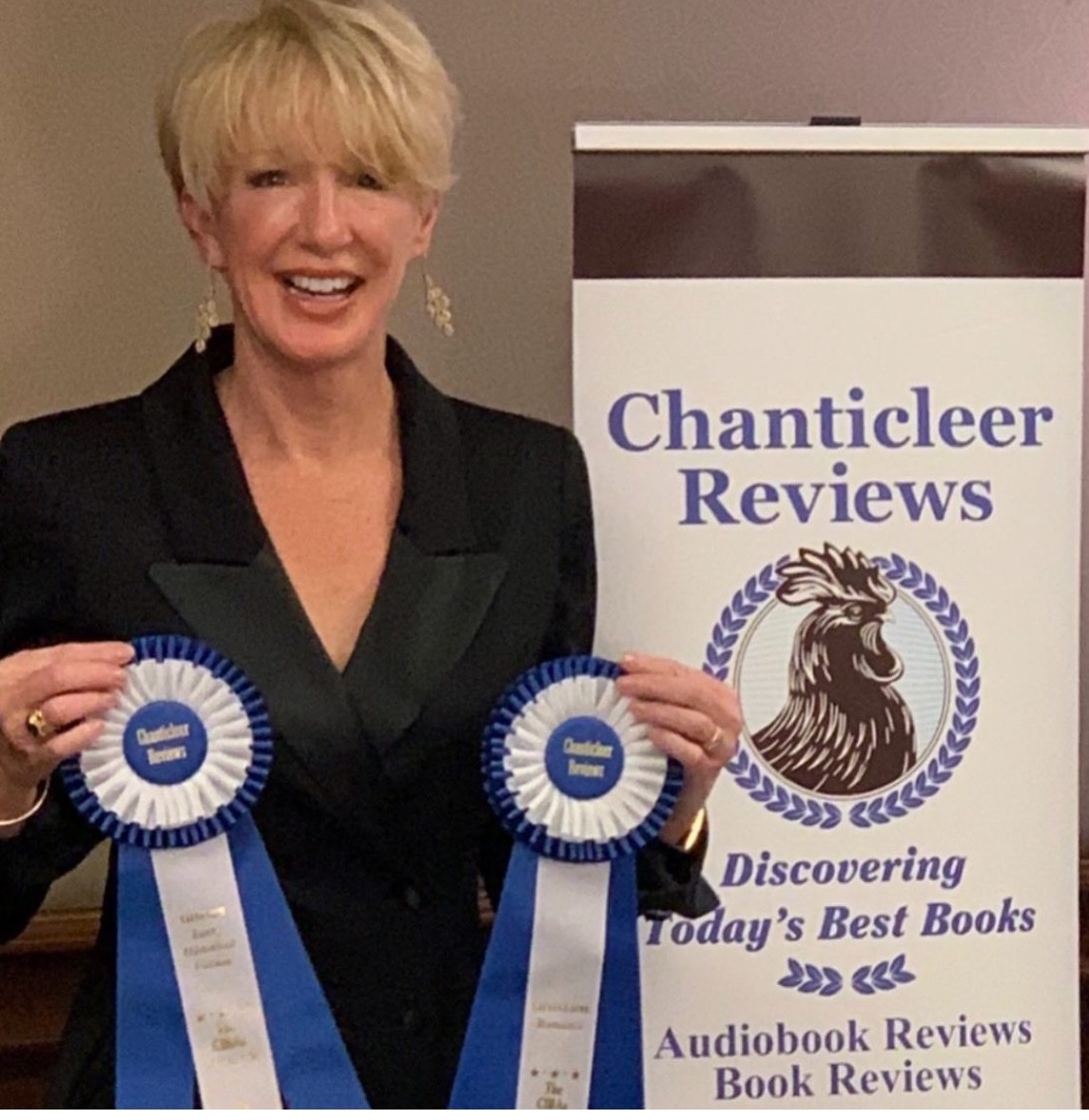
    Chanticleer Book Reviews, CIBAs, woman, blonde, ribbons

    Chanti: Have you always been a writer? When did you realize you could write?

    Avery Halverson: There were several points along the way, and while I can’t say that any one of them were really a defining moment, when I was in third grade, I wrote a story about a little girl that had gone through the 1906 San Francisco earthquake. I knew in my heart the minute I finished the assignment that it was an A+ story. It turned out that the grade was exactly that, and when the teacher handed my story back, she told me that I had a real talent.

    The other defining writing moments were those early screenplay options; when I read the reviews of the first book; when I won the Chanticleer awards for all three books; and when a London agent at the agency representing Julian Fellows said I was very talented (sadly, due to a personal emergency, she was not taking on new writers). Although as all writers know, the most exciting, validating, and I think, thrilling “writer” moment, was the moment when I opened that first box of books with my name on the cover.

    Chanti: I can tell you have a good eye for accurate period details in your books. What draws you to write historical fiction?

    Avery Halverson: As I mentioned, the first fictional story I ever wrote was about a little girl going through the 1906 San Francisco earthquake, and as I think of it, that may be where my love of writing historical fiction began. Funnily enough, I don’t particularly read historical fiction – my tastes run more toward action – Ken Follet, Clive Cussler and the like, but I find I absolutely love the research involved in writing historical fiction. If I were to refine if further, I love using fictional characters to bring to light actual women in history who did not get the recognition they deserved for accomplishing some amazing things.

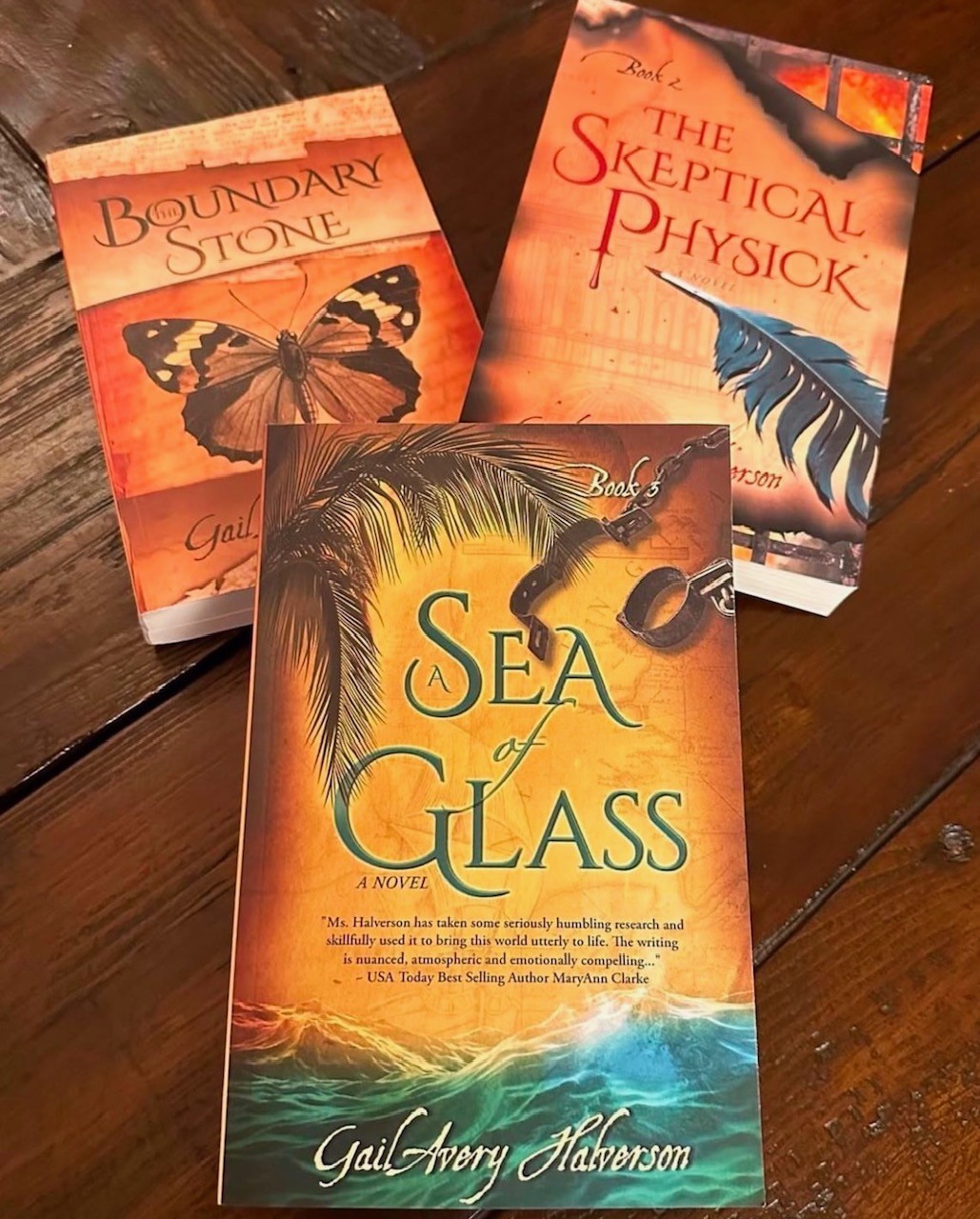
    books, covers, wood, planks

    Chanti: What areas in writing am I most confident about in writing?

    Avery Halverson: I feel very confident in two areas of the writing process. The first is story arc, and the second is dialogue. As to the former, I’ll insert another Chanticleer author question here – which is, which craft book(s) have helped the most. The answer to that question is the book How to Write a Screenplay in 30 Days by Viki King. She wrote the book many years ago, and while it was intended for screenplays, the information also applies beautifully to novels, as well. In the book, Ms. King describes a story arc as a clothesline, with clothespins evenly spaced. The clothespins are plot points, and the corresponding visual reference in her book made perfect sense to me, in that each book has a story arc, each chapter has a story arc, and each character has a story arc. In the case of my Stockbridge trilogy, I had to create an all-encompassing, three book story arc, as well, and I find the construction of all that fascinating. As to dialogue, I can only credit being a bit of a natural mimic – and many, many years of flying, listening carefully to not only a multitude of accents, but the vocabulary and word choices, the cadence, tone and even underlying sub-text of the conversations I heard from passengers.

    With respect to my books, I did a tremendous amount of research into the letters and formal writings of people in the 1600’s, not only in England but in early America as well and had to interpret that formality so that it captured the essence of what was being said, but did not sound as stilted as it did while reading the material. I also had to consider which social class a character belonged to and the way each group spoke, as well as in the case of Book Three, A Sea of Glass, the way a young, African American woman born in America, might have spoken. So, in terms of advice to a new writer, I would say eavesdrop all you can, then read your dialogue out loud after you’ve written it. Every single person on this planet has a different way of speaking – young vs. old, male vs. female, etc., and I’m always amazed when dialogue sounds stilted. People rarely, if ever, speak in grammatically correct sentences. Also, to a new writer, use the “find” button on your computer and try your very best to eliminate every single “ly’ adverb. Create a new way to say it – your writing will be clearer and far more concise.

    Chanti: Those are wonderful tips for writers getting started, and great advice for editing. Can you talk about what happens when you stall (if you do), with writer’s block?

    Avery Halverson: On occasion, I’ll run up against a brick wall where nothing comes to mind. When that happens, I usually dig deeper into history – nothing made up could ever top some of the things that actually happened. At one point in The Skeptical Physick, I needed a side character with a talent, which could then be something my heroine could learn. At that time, the Great Fire had just decimated nearly all of London, and my heroine had natural artistic talent, so I searched the history books and found Lady Elizabeth Wilbraham, a real-life 17th Century architect. Perfect. Lady Wilbraham and her story became that side character. I also try to read a few chapters leading up to wherever I am to get in the flow and that will usually get me started again. I also find that doing something else away from the computer – laundry, gardening, errands, or even soaking in the bath – allows my mind to wander and the creativity or solution to the current writing puzzle usually comes.

    Garden, flowers, house, blue door, terra cotta, pink, white, red

    Chanti: Taking time away from the screen can be one of the most valuable tools for moving forward. Would you talk a little bit about your writing “comfort zone?” Are you a structured writer, or do you write when the moment feels right?

    Avery Halverson: When I started writing my novels, I was very disciplined. At first, I tried every desk and office area in my house, but finally ended up sitting on the couch, feet up on the coffee table in front of the fire. I would start at 9am sharp and write until noon. If I hadn’t written 1500 words, I’d began again at 3:00pm, then continue until I hit that number. With that structure, I finished my first book, The Boundary Stone in six months.

    I confess that I relaxed a bit on the next two books in the trilogy. I still tried to meet that 1500 word a day goal, but if a natural break point came and I’d only written 750 words, I would not panic, but I would spend the other hours editing or researching. I had a lot more fun that way, rather than forcing myself to reach a hard goal. Interestingly, I found that on most days, I would still exceed that 1500-word goal.

    Chanti: 1500 words a day is impressive! What excites you most about writing to keep that drive?

    Avery Halverson: What excites me most about writing are those two magical words, “The End.” I absolutely love accomplishing a goal I’ve set for myself, and I don’t think there’s a more exciting moment than finishing a novel. I also love those writing days when the words just seem to flow out, and the days when I don’t even look at the word count until I close the computer for the night and find I’ve written far more than I thought I had. I love writing a great scene, or even a great sentence, and I especially love the research into and writing about the extraordinary accomplishments of ordinary people long forgotten by history – especially women.

    two women, studio, book, cover design, blonde, brunette, blazer, white jacket

    Chanti: Your love of extraordinary people is clear in your intriguing cast of characters, absolutely! Who is the perfect reader for those forgotten stories of brilliant women?

    Avery Halverson: I think anyone who likes historical fiction with strong, intelligent characters and a touch of elegant romance. I’m not one for stories where someone deliberately makes a bad decision and ruins the lives of everyone else around them. I much prefer to write the stories of good people who are thrust into circumstances beyond their control and how they use their intelligence, their wits and their integrity to survive. It’s funny, I thought the trilogy would appeal to mostly women, but some of the best reviews I’ve had have been from men, so I hesitate to limit the category of readers.

    Chanti: I believe there are a lot of men who love romantic adventures! How do you come up with ideas?

    Avery Halverson: I read everything! I’ll read everything from the National Enquirer to Neuroscience News and anything in between, but my favorite thing to do is to go down Google rabbit holes. I’ll start with Wikipedia for a general introduction to historical figure or event, then start to dig from there, and in that digging I very often find the story.

    Gail AVery Halverson, bookstore, bench, coat, purse

    Chanti: Reading deeply is definitely crucial! What about for readers? What is the most important thing they can do to support an author who they want to read more of?

    Avery Halverson: I’ve found that the most important things a reader can do to help an author is to post reviews on Amazon, Goodreads and other reader sites, to create social media posts about the books, and to generate interest via word of mouth and any other promotional ideas they can think of, and an especially helpful thing is to invite an author to their book clubs. All authors are tremendously grateful to any reader offering to help promote their books!


    blonde, woman, teeth, window, headshot, block, make up

    Award-winning writer, Gail Avery Halverson, is the author of The Boundary Stone, and its sequel, The Skeptical Physick, a historical romance novel set in 1666 England at the time of the Great Fire and the Scientific Revolution. The Boundary Stone is a Chaucer Award First Place winner (historical fiction) and The Skeptical Physick won First Place in the Chaucer Awards and 2019 Grand Prize in the Chatelaine Award. Sea of Glass was awarded Grand Prize in the Chatelaine Award in 2023. 

    Ms. Halverson is also the writer/producer for “Take it From The Top,” (sitcom pilot, Twin One Productions, Inc.), as well as the playwright and composer of musical plays that have been performed for nearly 300,000 children since 2004. Writing for both theater and television, she holds a B.A. in English Literature/Communications from the University of California, Davis, and is currently at work on the third novel in the Stockbridge Series. She lives in Northern California with her husband and son.

  • Chanticleerians in the News: Go from Page to Screen with Kim Hornsby

    Masterclass Instructor, USA Today Bestselling Author, and Chanticleer Keynote Kim Hornsby invites you to join her on the next adventure! 

    Kim Hornsby, a young white woman with blonde hair and glasses wearing a stylish yellow jacket with a blue scarf

    Realize your book-to-screen dreams in Greece this fall!

    When your mission is to Discover Today’s Best Books, you come across good news regarding authors!

    Kim Hornsby came to Chanticleer as a First Place Winner for the Paranormal Awards (now Shelley Awards) almost a decade ago for her book Dream Jumper, which has been optioned for film. She gave the Friday keynote at the last Chanticleer Authors Conference where she shared insights from her journey from bestselling novelist to produced screenwriter—and she’s ready to show authors how to follow in her footsteps.

    Braving Rapids is streaming now!

    Hornsby’s family adventure film Braving Rapids launched May 15th across streaming platforms, bringing her rafting screenplay to life with what she describes as “a darling puppy” and a heartwarming story about a grieving family’s healing journey. And the good news keeps coming as her Lifetime Thriller, Secret Life of My Other Wife recently premiered on LMN!

    This Amazon #1 and USA Today bestselling author wants to share her book-to-screen expertise. Hornsby is heading to the Greek Isle of Patmos this September 20-25, 2025 to mentor writers at an exclusive retreat focused on transforming novels into screenplays.

    Beautiful Patmos, Greece

    Authors can learn to write a screenplay while staring at the cerulean Aegean Sea, and already one Chanticleer author has signed up for the adventure. For authors dreaming of seeing their stories on screen, this is a rare opportunity to learn from someone who’s actually done it. From her island home off Seattle, Hornsby has transformed her Chanticleer-recognized paranormal fiction into a multimedia success spanning streaming platforms, cable networks, and film options.

    Registration is open now, and spots are limited!


    Ready to turn your own stories into award-winning successes?

    You know you want it…

    Don’t miss out! Several Chanticleer International Book Award divisions have deadlines fast approaching. Kim’s journey from Shelley Award winner to produced screenwriter shows exactly what recognition can launch. Whether you’re crafting paranormal fiction for our Shelley Awards or working in any of our genre divisions, professional recognition opens doors to opportunities you might never have imagined.

    Submit your manuscript today before deadlines close!