Category: Marketing

  • Veteran’s Day – Remembering Aunt Ellen and Her Work with Women’s Army Corp in WWII – Plus Important Veteran’s Statistics

    Honoring All Who Served this Veterans Day

    Ellen Jordan, who served in the WACs during World War II, was born on October 25, 1922.

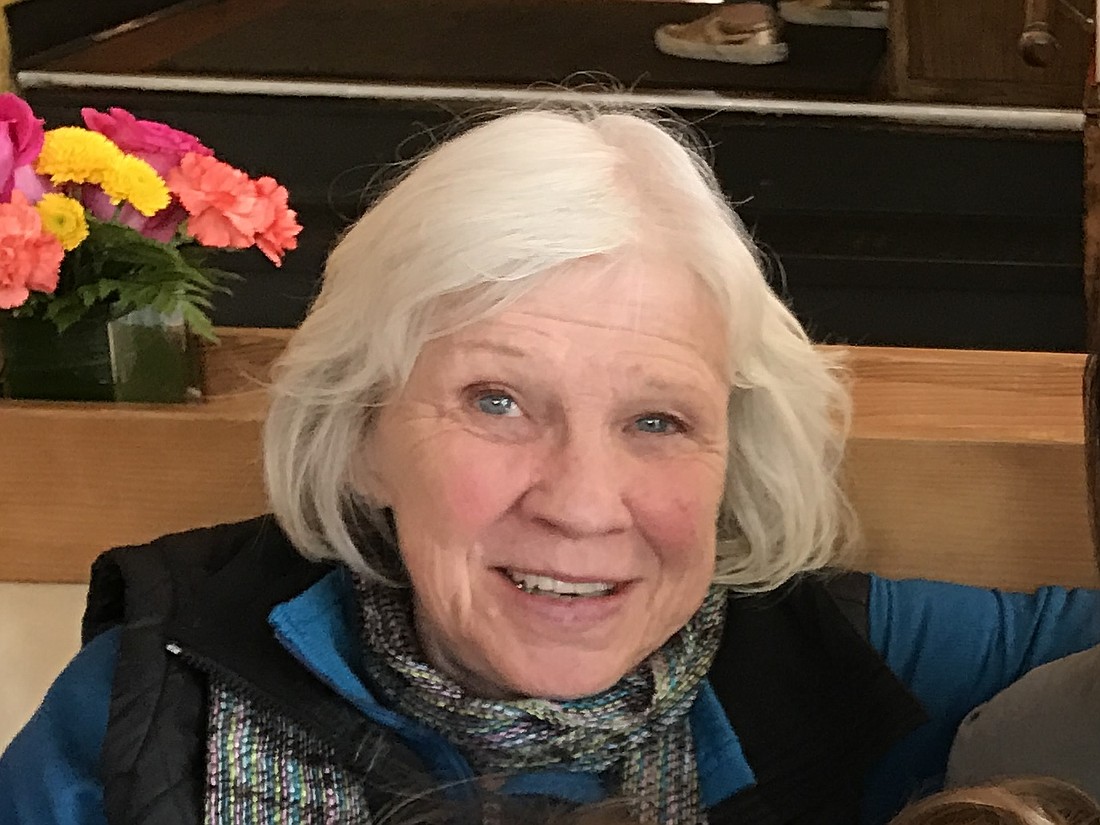
    Beloved Aunt Ellen Jordan

    Ellen Jordan was my aunt. She never had children of her own, but looked after her nieces and nephews as if they were her own. I still have a doll that was handmade by her for a Christmas gift. As a little girl and then later as a teen-age girl, she helped me, many a time, to sew dresses, along with showing me how to crochet and knit.

    She was also instrumental in helping to raise her nephew, Billie Wayne Flynn, who graduated from West Point Academy and was killed in Viet Nam January 23, 1967.

    Ellen took care of four of her younger siblings until she enlisted at the age of 22. My mother and her twin sister were fourteen-years-old (the youngest of the siblings) when Ellen enlisted.

    Ellen Jordan enlisted in the Army in 1944 at the local U.S. Post Office where the local Army recruiting office was located. She attended basic training at Fort Oglethorpe  and served in the Medical Corp while stationed at Camp Wolter, Texas in the Hospital Unit. She had on-the-job training on how to run the ICU unit, assist with operations and take care of the wounded soldiers. Since there was a shortage of medical supplies, the staff had to improvise on how to care for the patients, including constructing oxygen tents and setting up a patient ward on enclosed porches. After the war, she remained in Texas and continued to take care of the wounded at the clinic.
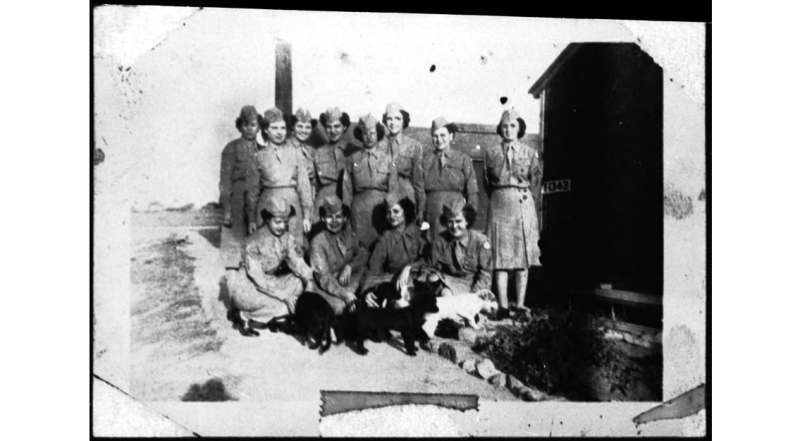
    She eventually moved back to Greensboro, NC, to take care of her parents.

    By sheer accident, I recently came across an interview on the internet 2022 with her for the Women Veterans Historical Project Oral History: The Ellen Jordan Collection  

    To listen to this oral history segment, please click on the link above. Hearing her voice in the interview opened a floodgate of memories about her. Ellen was truly an adventuresome soul.

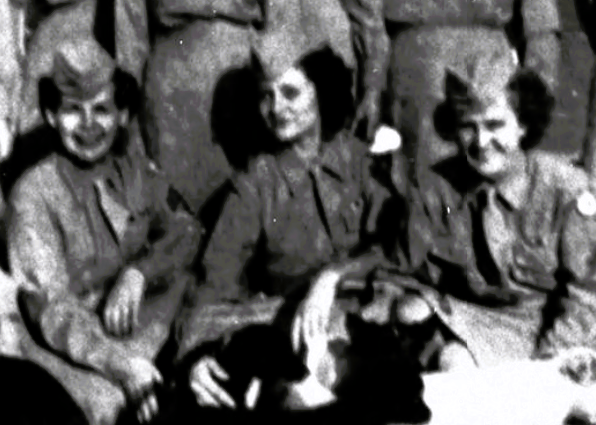
    Ellen Jordan (1st row, 3rd from left) and other WACs pose beside a structure at Camp Wolters, Texas, circa 1944. In front of the women are five puppies. The women were allowed to keep pets at this base.More than 150,000 WACs (Women’s Army Corp) served during WWII. The WAC was founded due to Representative Edith Nourse Rogers (MA). Rogers had witnessed first-hand the contributions women made in WWI. The WACs was formed in 1943 transitioning from an auxiliary branch of the Army (no life insurance, overseas pay, or death benefits) the WAACs to the WACs. WACs now receive equal rank, pay, and benefits equal to their male counterparts.

    Ellen Jordan Collection | Gateway Digital History Collections

    Ellen passed away in Greensboro, North Carolina at the age of 95. Two days before her “little sister,” my mother, Antha Mae Pace, who was 87-years-old when she passed away on May 26, 2017 in Bellingham, Wash.

    My first cousin, Billy Wayne Flynn, at West Point Academy. He was killed in Vietnam January 23, 1967.

    Veterans Day: A celebration to honor America’s veterans for their patriotism, love of country, and willingness to serve and sacrifice for the common good, and to protect our democracy. 

    As an annual tradition here at Chanticleer Reviews on Veterans Day, we are suggesting these titles from among our reviews of authors who are Veterans.

    But before we recognize these outstanding works, let us take a minute to review these statistics about those who have served our country.

    • There are 19 million Veterans as of this year (Pew Research Center)
    • There was an average of 17.2 Veteran suicides a day in 2019 (VA Mental Health)
    • Firearms were used in 70% of veteran suicide in 2019 (Stars and Stripes)
    • Suicide Risk of veterans is almost double what it is for the general population (VA Public Health)
    • The greatest difference in suicide rates between veterans and nonveterans is among those ages 18–34 (Rand Corporation)
    • The largest number of veterans who die by suicide are between 55 and 74 years old.
    • (Rand Corporation)
    • 25% of all veterans have a service connected disability (Military.com)
    • 41% of all post 9/11 veterans have a service connected disability (Military.com)

    HELPFUL LINKS for ASSISTANCE  

    Writing is known to be a “transformative therapy’ for veterans haunted by their experiences. “The Red Badge Project encourages Wounded Warriors to rediscover their personal voice and realize the value of their experiences and emotions.”

    “RBP partners with Vet Centers and allows Veterans of all ages to take advantage of the Red Badge Project’s program while providing a link between veterans of multiple generations.” Here is a link to a Seattle Times article by Nicole Brodeur that was published on November 11, 2019, that is about the Red Badge Project.

    Using the creative process of storytelling, Wounded Warriors begin to rebuild their individual sense of purpose and unique individuality.
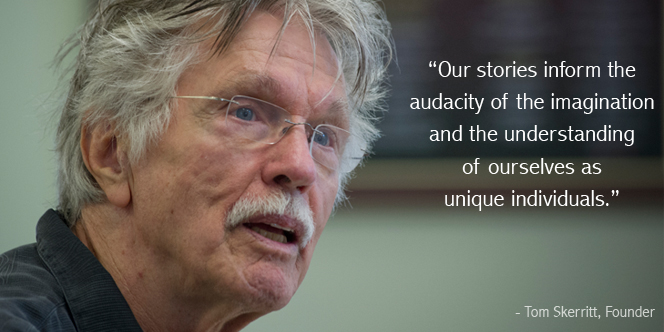
    For Wounded Warriors struggling to heal the invisible wounds of PTSD, Anxiety, and Depression, believing in the value of their story and finding the means to communicate it to family, friends, and community is a struggle of heroic proportions. Tom Skerritt is a founder and is part of the Red Badge Project faculty.

    We here at Chanticleer Reviews have had the honor of reviewing top novels and narrative non-fiction written by outstanding authors whose stories enlighten, remind,  empathize, and creates a better understanding with those who have served in the armed forces.

    Read on to see excerpts from our reviews:

    NO TOUGHER DUTY, NO GREATER HONOR
    By GySgt L. Christian Bussler
    First Place in Journey Awards
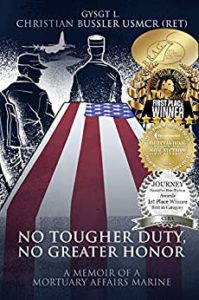
    From a family with a long history of military service dating back to the civil war, GySgt L. Christian Bussler brings to life his experience as a Mortuary Affairs marine and sheds light on a duty that few ever talk about. He is called to duty for his first of three tours in Iraq in February of 2003 after spending many years training as a reservist.

    This fear becomes reality when he narrowly escapes an IED blast with his life. Afterward, Bussler wrestles with the guilt of going back home injured, leaving his team behind to fight without him. The final and longest section of No Tougher Duty, No Greater Honor mirrors the length of the final and longest tour from 2005-2006. This tour especially proves to be the most challenging for not just Bussler, but his whole team, and it leaves them all forever changed.

    Continue Reading Here…

    HILLBILLIES to HEROES
    The Memoir of James Quinton Kelley
    By S.L. Kelley
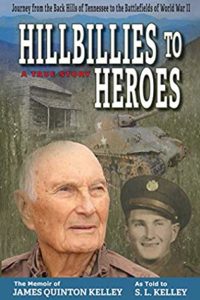
    World War II veteran Quinton Kelley recounted his life story to an avid biographer – his daughter, S. L. Kelley, a documentarian and award-winning video producer.

    Kelley’s tale begins in Coker Creek, Tennessee, where he was raised on an 80-acre farm, in a log cabin that he described as rough, but “brightened” with flowers. Taught to be honest and hardworking by his parents, he grew up with kerosene lamps for light, a fireplace for warmth and a wood stove for cooking. His recollections are colorful, with language that recalls his roots.

    Continue Reading Here…

    WOUNDED WARRIOR, WOUNDED WIFE
    By Barbara McNally
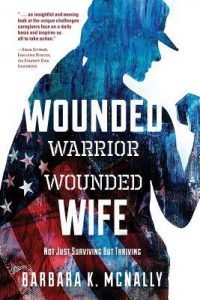
    The critical issues surrounding post-traumatic stress among America’s wounded warriors is expanded here to include the challenges and concerns of military wives and families.

    Barbara McNally was working as a physical therapist when she watched helplessly as a man jumped off a bridge to his death. Feeling involved in his tragedy, she learned he was a wounded veteran. The experience spurred her to find out more about PTS and its effects on those who have participated in war.

    Continue Reading Here…

    A CROWDED HEART
    By Andrea McKenzie Raine
    Note: This is a work of Fiction
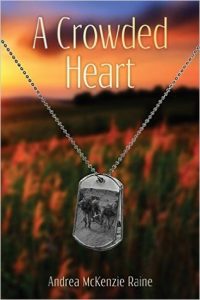
    Willis Hancocks survives fighting in Western Europe during World War II but faces continuing battles of the mind at war’s end in Andrea McKenzie Raine’s poignant study of the plight of the former soldier in her historical novel, A Crowded Heart.

    Willis decides to remain in London rather than return to his native Canada where his parents and sister live near Vancouver. Eager to put the war behind him, he marries Ellie, an intelligent young woman who has studied art at Cambridge University. Her affluent parents approve of Willis, and her father offers to finance his new son-in-law’s study of law at Cambridge. The newlyweds’ future could not look rosier.

    Continue Reading Here…

    MERRY CHRISTMAS AND A HAPPY PTSD
    By Christopher Oelerich

    Merry Christmas and a Happy PTSD by Christopher Oelerich

    “I went away to war one person and came back another, and in my wildest dreams would never have chosen to be the one who came back.” – Christopher Oelerich

    Thus begins this heartfelt discussion of Post Traumatic Stress Disorder by a military veteran who has spent his life helping others deal with the debilitating symptoms associated with the disorder. Christopher Oelerich relates his own personal history, beginning from when he was drafted into the military during the Vietnam War, and continuing through his return to civilian life and his own rocky road to recovery.

    Oelerich eschews political correctness in favor of blunt talk mixed with detailed, empowering strategies that have worked for him, as well as for the military veterans and homeless he has helped over the years.
    Continue Reading Here…

  • Honoring Rena Priest, Laurel Leigh, and Joan Airoldi | Recipients of the Village Books Literary Citizenship Award 2023 – Kiffer Brown

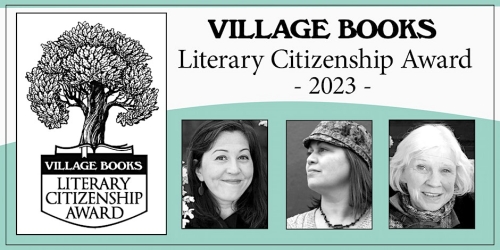
    The Village Books Literary Citizenship Award with pictures of Rena Priest, Laurel Leigh, and Joan Airoldi

    Village Books is announcing the debut of the annual Literary Citizenship Award  with the first recipients being recognized on Wednesday, Oct 18, 2023 at Village Books, Fairhaven Village, Bellingham, Wash.

    Recipients of this award are of diverse backgrounds and professions, but each have demonstrated a commitment to engage with the literary community with the intent of giving as much, if not more so, than they receive. This can take many different forms such as giving back to the literary community in a meaningful way, making yourself available to other writers as time allows to provide your knowledge and expertise, championing other people’s successes, and involving yourself in the local literary landscape of independent bookstores, libraries, and writing organizations.

    Village Books, our local independent bookstore (and Chanticleer Authors Conference Book Room Manager) was founded in June 1980 and is a pillar of the pacific northwest writing community.

    VB Literary Citizenship Award Ceremony

    will take place on

    Wednesday, Oct. 18, 2023 at six o’clock in the evening

    at Village Books, Bellingham

    All are Invited

    “Our literary world is a social ecosystem that relies on others: readers, writers, editors, reviewers, publishers, booksellers, and so on. The writing and publishing world is one made of relationships. Writing itself may be a somewhat solitary activity, but once the story or poem is ‘done’ we rely on others to read, share, and publish our work. Yet there are so many levels of participation from others in this community.” ~ Lori May, author of The Write Crowd: Literary Citizenship & The Writing Life

    We invite you to join us to honor this year’s Literary Citizenship Award Ceremony recognizing the following three recipients.

    Joan Airoldi, recipient of the Literary Citizenship Award
    Joan Airoldi (1946-2022)

     Joan served as Executive Director of the Whatcom County Library System (WCLS) from 2002-2013.

    In 2004, she took on the FBI by refusing to provide information to an agent regarding a Deming Library patron’s use of a book on Osama bin Laden. A grand jury subpoena was issued to get the records, but when it became clear Airoldi and the WCLS board were prepared to challenge the subpoena in court, it was withdrawn. She will be remembered as a Library Champion on a multitude of counts: establishing the Whatcom READS program in collaboration with partners at Whatcom Community College, advocating for new libraries in Ferndale, North Fork, South Whatcom, Island and Point Roberts and encouraging all of us to “Be Curious” and to “Listen, Learn & Lead.” Joan’s courage in defending patrons’ rights to privacy earned her national recognition with a PEN/Newman Award. She generously donated the prize money to start the Whatcom County Library Foundation.

    “Be Curious”  “Listen, Learn & Lead”

    “Libraries are a haven where people should be able to seek whatever information they want to pursue without any threat of government intervention.”  ~ Joan Airoldi

    Laurel Leigh, recipient of the Literary Citizenship Award
    Laurel Leigh Erdoiza (1963-2023)

    Professionally, Laurel was known as a writer, teacher, and editor whose 20 years of freelancing extends internationally. She was a script doctor, structural editor, and managed many publishing projects for Chronicle Books.

    She taught creative writing and memoir classes through the Chuckanut Writers Program, helped found the Chuckanut Writers Conference in 2004, and received the Bellingham Mayors Arts Award, and was published widely including the Pushcart-nominated essay “Nursey” (published in Clover, A Literary Rag in 2015). Those who knew Laurel personally have experienced firsthand both her talent and generosity of spirit. She walked hand-in-hand with collaboration and mentorship, helping countless writers hone their skills, find their voice, and bring their works out into the world. This included her hosting Village Books’ Open Mic for more than a decade, establishing and fostering the spirit of welcoming support that continues to this day. “It’s a good day to write.” ~ Laurel Leigh Erdoiza

    “It’s a good day to write.” ~ Laurel Leigh Erdoiza

    Rena Priest, recipient of the Literary Citizenship Award
    Rena Priest  – Washington State Poet Laureate

    Rena is an enrolled member of the Lhaq’temish (Lummi) Nation. She served as the 6th Washington State Poet Laureate (2021-2023) and was named the 2022 Maxine Cushing Gray Distinguished Writing Fellow.

    Priest is also the recipient of an Allied Arts Foundation Professional Poets Award and fellowships from the Academy of American Poets, Indigenous Nations Poets, Nia Tero, and the Vadon Foundation, and has taught at the Chuckanut Writers Conference. The thread that runs through all of Rena’s accomplishments and accolades is how she builds and connects community. “I think that there’s a way that poetry connects people. It’s very special– it’s like a soul connection, but it’s not invasive in any way,” she says. “The way that it works is subtle. It’s gentle, but it’s deep and profound.” For the book, I Sing the Salmon Home, Rena gathered poems from over 150 Washington poets ranging from first graders to tribal elders, all inspired by the Northwest’s beloved, iconic salmon. A diverse chorus of voices, they join together in poems that praise salmon’s heroic journey, beauty, courage, and generosity and witness the threats salmon face from pollution, dams and warming oceans.

    “I think that there’s a way that poetry connects people. It’s very special– it’s like a soul connection, but it’s not invasive in any way,” she says. “The way that it works is subtle. It’s gentle, but it’s deep and profound.”  ~ Rena Priest


    Village Books’ Literary Citizenship Award celebrates and thanks these three talented and dedicated community builders, community mentors, and community defenders.

    They have each demonstrated, in their own unique way, the virtues that embody a Good Literary Citizen. For this, Village Books is awarding $1000 to each of them and hereby induct them into the Village Books Literary Citizen Hall of Fame which will be on permanent display in Village Books, Fairhaven.

    Cami Ostman messaged me today asked me if I could help her get the word out about the ceremony and to join us to celebrate the life of a beautiful, creative, talented, warm, funny, smart, interesting human being, Laurel Leigh. Join us as we remember the joy Laurel brought to our lives by hearing the reading of her story that was accepted for publication in the Santa Monica Review, upcoming November 2023 issue. I am told by Cami that it will make you laugh and cry. Always the writer, Laurel Leigh asked Cami if she would help get the word out about her latest publication. Cami told her she would. Cami messaged me to help her get the word out for Laurel Leigh. That is how Writers work – together. Laurel showed us how to build community. — Kiffer


  • Chanticleerians in the News! Journey Grand Prize Winner Mark Berridge on TEDx Brisbane

    When your mission is to Discover Today’s Best Books, you come across good news regarding authors!

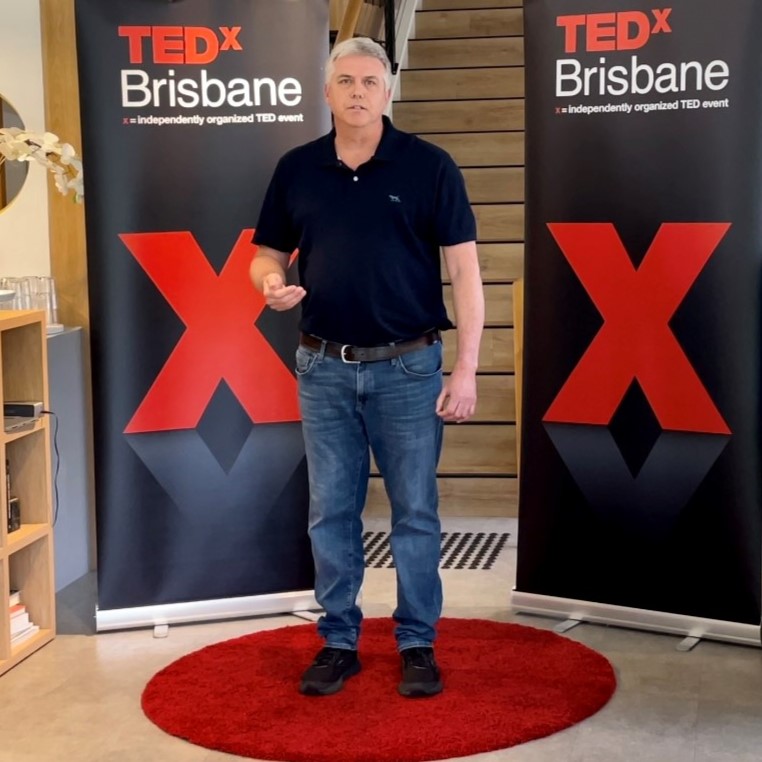
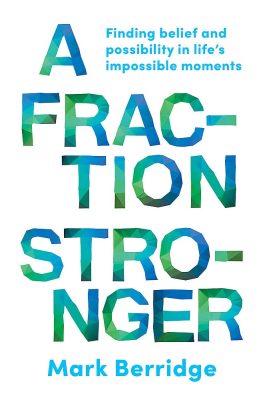
    At 5pm PST (10am AEST) 10/13/23, TEDx Brisbane will begin. Around 5:16pm PST, Mark Berridge, the 2023 Journey Grand Prize Winner will take the stage and talk about his incredible journey chronicled in his book A Fraction Stronger. This article will be updated with a link to stream Mark’s talk as soon as it’s available!
    We fortunate enough to hear Mark speak at CAC 23 where he received standing ovations!  He is authentic, tenacious, and insightful! He finds belief and possibility in life’s impossible moments and is truly inspirational!

    Mark Berridge to take Center Stage at TEDx Brisbane in Australia!

    A Journey Grand Prize Winner and CAC Keynote Speaker, Mark constructively challenges pre-existing mindsets of his audience to inspire positive outcomes. He delivers stimulating perspectives from both his personal and professional experiences, from successfully negotiating multiple hundred-million dollar deals in his corporate career, to how he deals with uncertainty and adversity in his ongoing battle to overcome a devastating spinal cord injury.

    Mark Berridge getting ready to present at TEDx
    Mark Berridge getting ready to present at TEDx


    From TEDxBrisbane 2023: THE POWER OF INTENTION

    Intention is a powerful thing. It takes a great idea and transforms it into determination. Determination to act, make a difference, grow, create, discover. To change minds, lives or perhaps the entire world.

    The power of intention reflects the heart of the TEDxBrisbane community.

    At TEDxBrisbane, we bring together thinkers, doers and changemakers on our stage and in our audience. We inspire, inform and challenge. We grow networks, spark and nurture collaborations, forge lasting communal memories, and generate intention and impact.

    Curious to learn more?

    A Fraction Stronger Cover


    There’s still time!

    Want to be a Chanticleer Int’l Book Awards Winner like Mark? The last 11 CIBA divisions close in October! And submissions for the 2024 CIBAs are already open. You can see the full list of Awards here: https://test.chantireviews.com/contests/

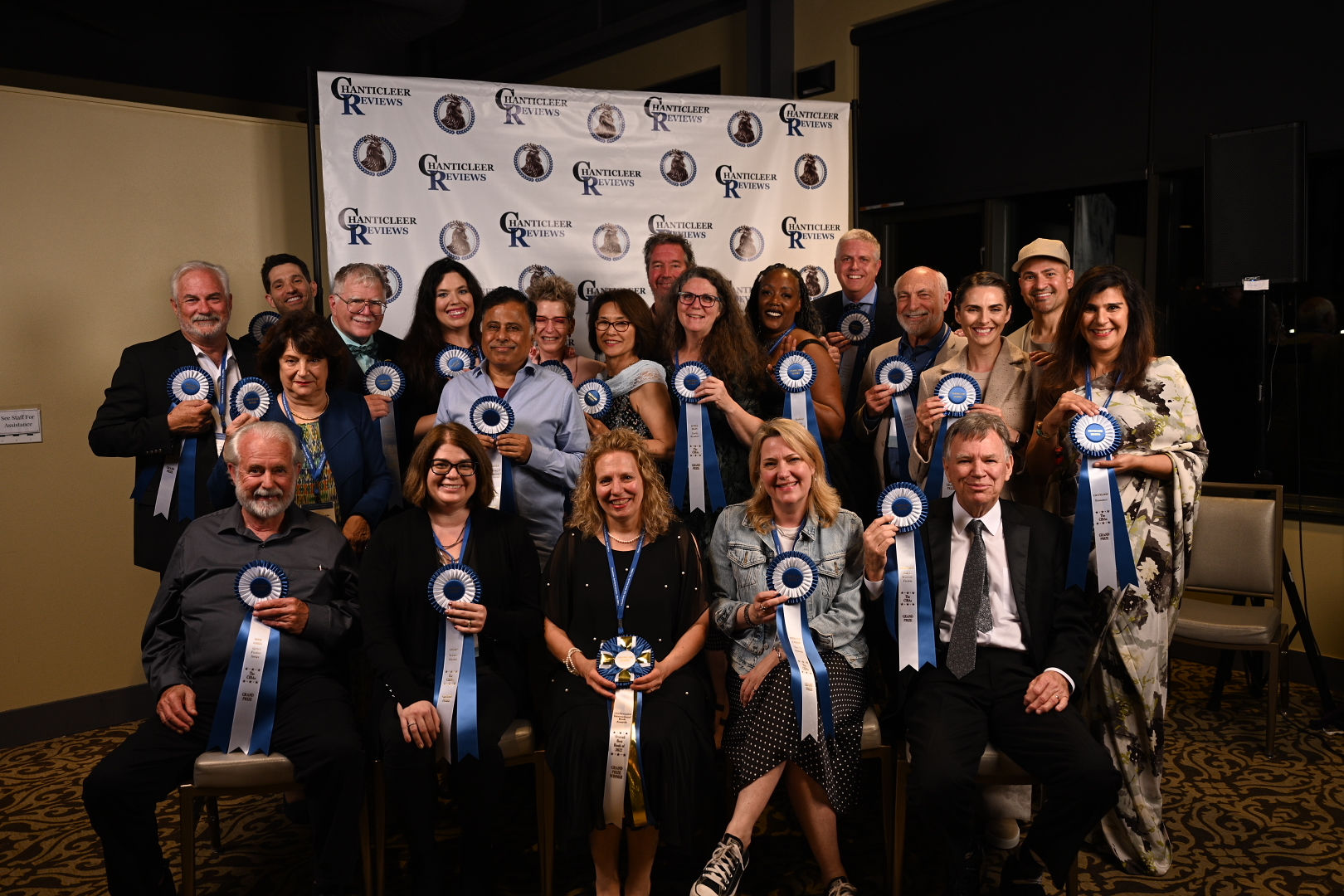
    The 2022 CIBA Blue Ribbon Winners

    You know you want one! 

    Are you ready? Then Submit Today!

    Why Opt for the Chanticleer Int’l Book Awards?

    • Credibility: Our awards spotlight and guide readers to extraordinary writing. We are partnered with or recommended by ALLi, IBPA, Reedsy, and Book Award Pro.
    • Prestige: Whether it’s the Blue Ribbons, the Author Interview, or the Book Reviews, even advancing partway through a Book Award Program shows readers and publishing experts that you’re doing right by your book when it comes to marketing.
    • Support: The CIBAs are run by human beings, and we’re here for you. Each time you advance in our Tiers of Achievement, your name and book title are promoted on our high-traffic website, across social media, and in our newsletter.

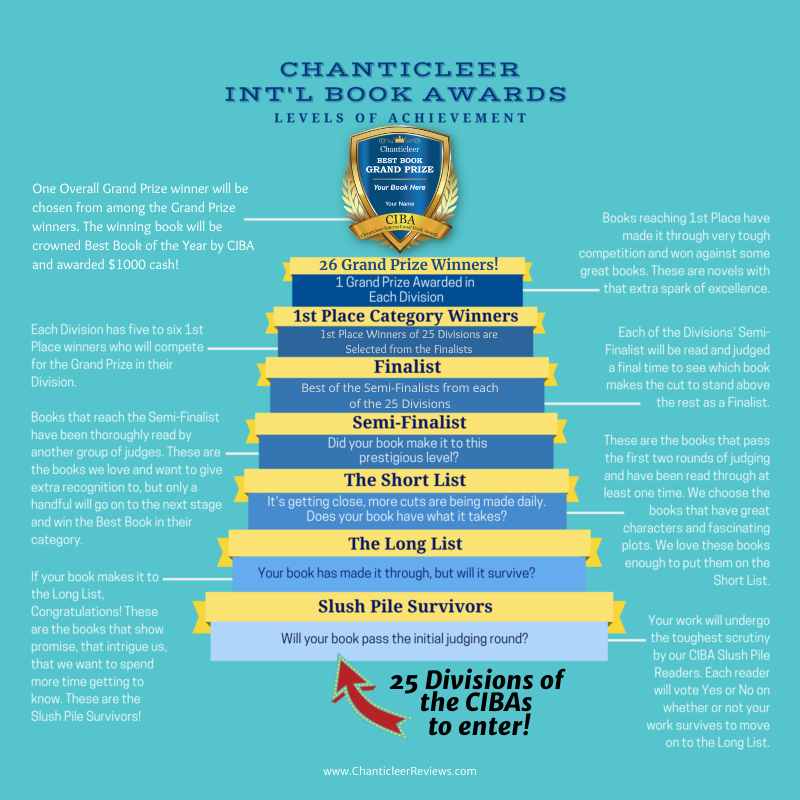
    The tiers of achievement for the CIBAs

  • Pitching : Practical and Real-World Advice Along with an Intro to Flywheel Marketing Strategy by Kiffer Brown

    Pitching

    I learned a very long time ago in business school that “nothing happens until someone sells something.” [Henry Ford]

    Selling is meant to create a chain reaction.

    Pitching is the act of trying to sell something.

    Selling (pitching) your book(s) is part of being a professional writer.

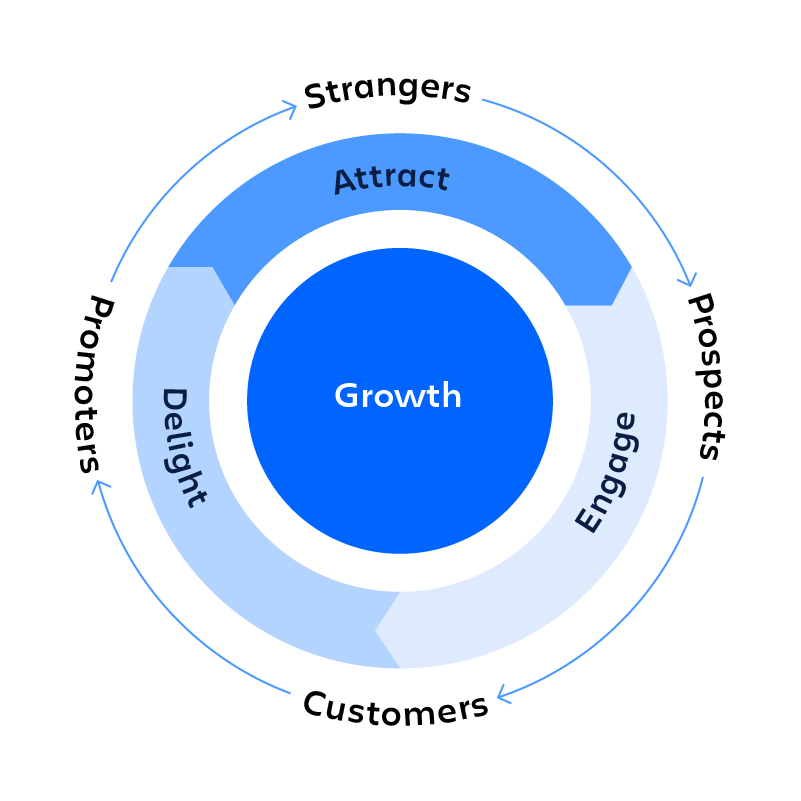
    Pitching your book should put another spin on your book’s marketing flywheel to gain momentum for your book sales. The flywheel strategy creates a cyclical business pattern of success.

    The idea is that a flywheel takes a lot of effort at the start, but once it gets spinning, it continues to quickly gain momentum and spin faster. This is similar to the snowball effect, where a snowball gets pushed down a hill as it progressively gets bigger and bigger until it is nearly impossible to stop before it reaches the bottom of the hill. The difference is that a flywheel never has to stop.

    Amazon has a very intentional flywheel strategy. And, yes, it was written by Jeff Bezos on a paper napkin in 2001.

    Flywheel summary for marketing, strangers lead to prospects, lead to customers, lead to promoters. You attract, engage, and delight them to create growth. ATTRACT. ENGAGE. DELIGHT/ENTERTAIN

    Elegantly simple.

    The FLYWHEEL SUMMARY

    • The flywheel effect occurs when small wins (acquiring readers one at a time) accumulate over time, creating momentum that keeps your business growing (increasing your readership).
    • The concept is based on mechanical flywheels that power rowing machines and other devices.
    • Achieving the flywheel effect requires removing friction and applying force. In business terms, that means creating a self-serve purchase flow and applying “forces” to make the wheel spin faster, e.g., SEO, Meta-Data, and nurture campaigns.
    • A flywheel go-to-market model is well suited for selling books — easily replicated products such as books, e-pubs, audio-books, games, etc.

    Flywheels attract and engage customers 24 hours a day – they’re literally working while you sleep. See SEO above.

    Stay tuned for future posts on FLYWHEELS and how to create yours.

    A Tiny Bit of Publishing History

    We will circle back around to pitching. Please bear with me.

    Amazon shifted the book-selling business by selling print books on July 16, 1995 and is now considered having the world’s largest collection of books. The first books were sold out of Jeff Bezos rented home’s garage. Remember that Bezos drew Amazon’s flywheel on a napkin in 2001. The rest is history.

    E-books have been around since late 1990s, but it wasn’t until Amazon released the Kindle book reader in 2007 that e-books (digital books) caught the general public’s attention and dollars.

    Selling books online – digital books requires a very different approach – one that sells directly to the reader and works to make the work discoverable by potential readers/purchasers.

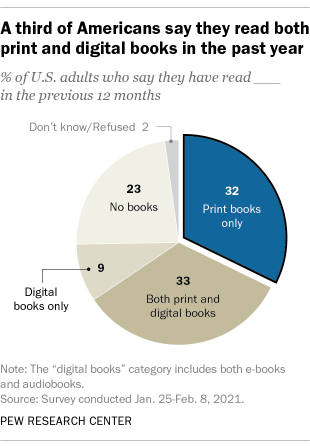
    The Pew Research Center states that as of April 4, 2012 that only one-fifth (21%) of Americans have read an e-book.

    As of now, 30% of Americans have read an e-book. This number has remained consistent since 2019 according to PEW Research.

    The typical American reads five books a year (median – symmetric distribution) while the average (mean – includes outliers) is about 14 books per year per person.

    A pie chart showing that a third of Americans say they read both print and digital books in the past year

    Most Americans only have eight hours of free time per week. This is the window when reading a book (e-book or print book) for pleasure/leisure would take place. People could watch TV, play video games, play pickleball, golf, swim, etc. instead of reading during these rare free hours. Hence, this is why audio-books sales are increasing! Busy people can listen to books while they commute, knit, wash laundry, load the dishwasher, or rake the autumn leaves.

    The point is “what is in your bag to sell?” If you are self-published, are your works available on a wide variety of platforms to reach your readers?

    Audiobooks Hands-Free Reading

    Now to circle back to PITCHING!

    Whether or not you are pitching your work to a literary agent, a publishing acquisitions editor, bookstore staff, or, most importantly, a potential reader, you will need to know how to pitch your works.

    Your literary agent will need to know how to pitch your book to publishers. They do not get paid until your book is under contract (and purchased).

    The publishing house (you or a traditional publishing house) will pitch your books  to “the trade” – booksellers, libraries, online selling platforms, and other brick & mortar outlets.

    Most writers first exposure to pitching to agents is at writing conferences that offer “Pitch Blocks” or “Pitch Slams” where the conference host is paid (again, not the literary agent) a fee for hosting a session with a roster of agents who will listen to pitches. PNWA and Writer’s Digest offer these for a fee per block (WD $179 PNWA $100 per block). Pitch time is anywhere from five minutes to eight minutes per attendee and are on a strict time schedule with one pitch being delivered after another.  There are different schools of thought of whether pitch sessions are helpful or not in obtaining a literary agent, but that is another topic.

    How to Pitch at Conference Pitch Sessions

    While it is normal to feel nervous when you are pitching your works, it behooves you to remember that:

    • You paid for this pitch session.
    • The clock is ticking.
    • There are many others pitching to the same agent.
    • Agents only want pitches on completed manuscripts or polished non-fiction book proposals.
    • Do your homework ahead of –make sure that you are pitching to an agent who is representing your genre. Visit their websites to see other books that they are representing.

    First, most agents are forgiving of nervousness. It happens a lot and all that anxiousness will not help  your pitch to stand out. Don’t spend your time apologizing for being nervous or explaining why you are not prepared. Doing so is wasting precious time. Rambling does not make a good impression. You want them to have your pitch echoing in their brains. 

    Come prepared. Over prepare. Have a prepared, polished pitch. Write it on a note card. Carry the card with you. Memorize your pitch. Read off from it if you need to. Believe me, the agent will appreciate this more than you hearing you hemming and hawing and umming.

    “Or is your name Sir ‘Um’?”  Knight’s Tale

    They also do NOT want to hear about your ‘dreams and passions’ about writing. Everyone that is pitching to them is passionate about their writing. Agents are about salability. They have mortgages to pay, food to by, and their own dreams of vacations and income from discovering that next break-out Hunger Games. See “nothing happens until someone sells something” above.

    Keep your pitch short. Have questions to ask the agent-your conduit to the world of publishing-about if there was something that appealed to them. What did not appeal to them or what was missing. Try to let the agent guide the feedback. This is your chance to get professional feedback, to listen and learn.

    Also, keep in mind that agents are also seeking to represent writers who are open to feedback and pleasant to work with along with understanding the process of the publishing industry (that it takes time and effort).

    Remember to bring your business card with your website and contact information. Say hello. Introduce yourself. Give your pitch early on so that the agent will have time to give you feedback on it. Ask questions instead of “explaining” your manuscript to the agent so that she will give you feedback.

    When your session is over (Some are as short as three minutes. Eight minutes is considered to be a long session.). Thank them for their time and leave. The next person to pitch is waiting to take your spot.

    If the agent does have interest, be sure to have your synopsis ready (printed) with your contact information in case she asks for it.

    Less than 1 percent of writers at a pitch session will gain representation. It is about the same as cold querying (another post is coming on that — stay tuned). So, keep on writing, editing, refining. The main objective is for the agent at the pitch sessions to think that you are open and understand the business and marketing side of being a writer.

    Most agents also understand that it’s a busy world and will allow simultaneous submissions. If they don’t, they might not be a good general fit for most writers.

    Chanticleer Authors Conferences do not offer “pitch sessions.” However, we do offer sessions on developing pitches. We do have opportunities to make excellent connections with film agents, directors, publishing house acquisitions, literary agencies, and other professional connections in the content industry such as Maggie Marr, Legal (Film and Book Representation) and Scott Steindorff, President of Stone Village Film Productions

    Mariners pitching prospect Bryce Miller gets his first start of spring — against team he grew up watching | The Seattle Times
    Mariners pitching prospect Bryce Miller gets his first start of spring — against team he grew up watching | The Seattle Times

    What is a PITCH and/or LOGLINE?

    Your story reduced to less than 33 descriptive words. EACH. WORD. COUNTS.

    Brand your story with a compact package of words that will astonish and entertain. It’s a craft of its own! Continue to refine and refine your pitch to a concise sound bite.

    A PITCH is NOT

    • A meandering description about the story
    • The opening scene
    • Side stories
    • Character names
    • Flash forwards
    • Psychological thinking
    • Don’t confuse platitudes for story – avoid them!
    • Get your ‘self’ (looking at you Writer) out of the way of your story
    • Never give away the ending

    A PITCH consists of the following:

    • Identifying the main character (protagonist) using descriptive words — tonality – leverage your language/voice
    • Describe the world that character lives in (Fantasy? Dystopian? Barbie Land? Future? Stone Age? Future in a galaxy far away?
    • What sets the story in motion — the inciting event
    • The goal of the protagonist — central conflict — choice — action
    • What stands in the protagonist way – what is the conflict or who is antagonist?
    • The best loglines have a sense of irony. (There’s the conflict again!)

    Answer all of the above in 33 words or less. Perfect words. Use active and visual language. This is where you should show off your word craft abilities.

    The equation is as follows:

    Central Conflict + Inciting Incident + Protagonist Goal + Protagonist = PITCH

    The order of the components can be mixed up.

    How are loglines/pitches different than taglines? Pitches are descriptive. Taglines are provocative and are used for marketing. Don’t confuse the two.

    Here is a classic example of a logline/pitch and tagline:

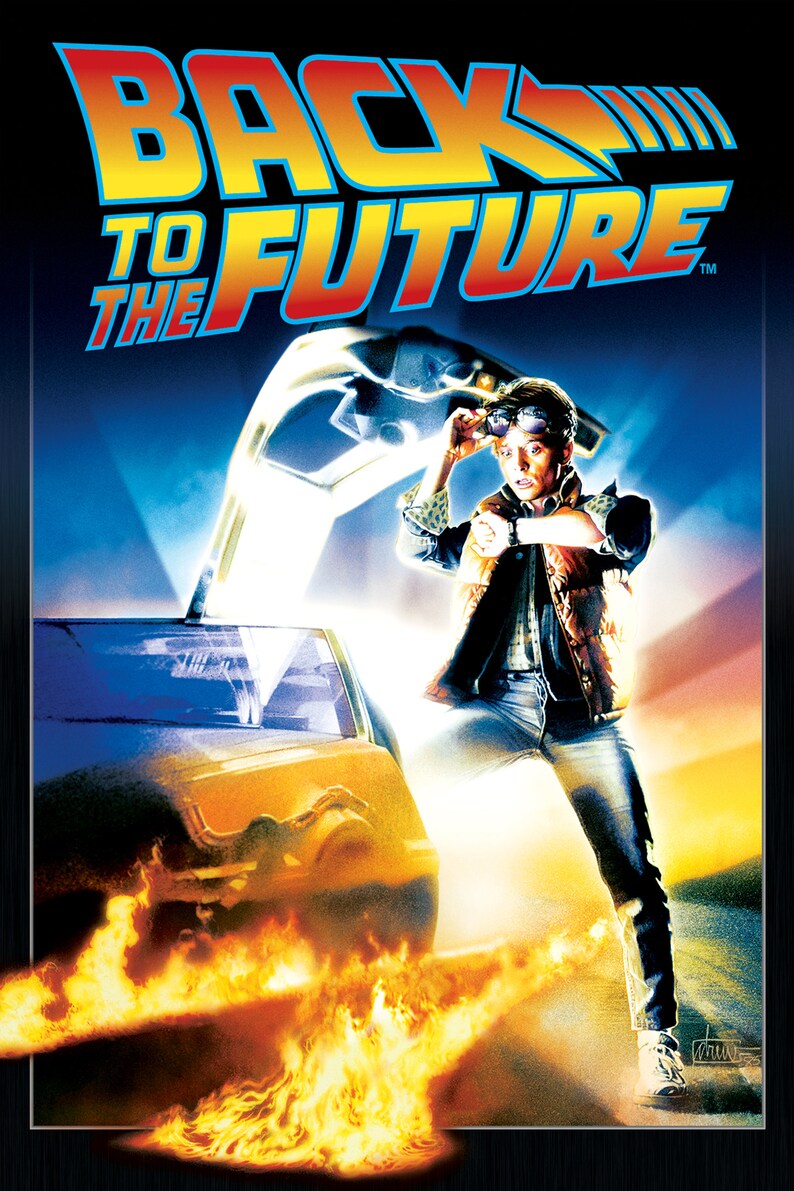
    Back to the Future:

    • Logline: “A young man is transported to the past, where he must reunite his parents before he and his future cease to exist.”
    • Tagline: 17-year-old Marty McFly got home early last night—30 years early.  (Notice that this tagline gives the tonality and targets the market for the work/film.)

    Back to the Future Movie Poster Michael J. Fox Christopher image 1

    In closing: The whole idea of pitching is to entice an extremely busy person to making time to read your work! 

    Next step:  write a 50 word summary of your story. Bring it on your stationary along with your pitch on a notecard to your pitch session. Just in case! I’d even work on a tagline to give a visual!

    An effective, evocative, compelling logline/pitch can propel your writing career forward and open doors and lead to conversations with industry professionals.

    Keep on Writing, Kiffer

  • Commemorating the 19th Amendment on its 103-year-old Anniversary of Women’s Rights, Voting Rights, Suffrage

    On August 18, 1920, the Nineteenth Amendment to the United States of America Constitution was ratified and signed into law on the 26th that same month.

    Commemorating the 19th Amendment's 103rd anniversary

    Celebrating  the 103rd Anniversary of the 19th Amendment: A Triumph of Perseverance and Equality

    In the tapestry of history, some threads are woven with courage, resilience, and indomitable will. This year, as we commemorate the 103rd anniversary of the 19th Amendment to the United States Constitution, we honor the relentless dedication of those who paved the path to gender equality and universal suffrage.

    Join us in celebrating this significant milestone, reflecting on the arduous journey that spanned over seven decades. The suffrage movement wasn’t a mere campaign; it was a movement that transformed society and opened doors to empowerment.

    This commemoration takes us back to the historic victory that marked the amendment’s ratification on August 18, 1920, forever engraving the right for women to vote into the framework of American democracy. The amendment stood as a testament to unity, courage, and the conviction that change is attainable.

    The Nineteenth Amendment was the capstone of that fight, but it took over seventy years to achieve it.

    We are celebrating the 103rd anniversary of the Nineteenth Amendment’s adoption into the U.S. Constitution: the amendment that guarantees citizens the right to vote regardless of their gender, and the victory of the American Suffrage Movement. It took more than seventy years of protesting, picketing, and struggles for women to gain the civil right to vote in US elections. And many more decades passed before other disenfranchised groups  were systematically denied the right to vote.

    And still, the vote was not granted to Black women and men. That right came about much later than most people realize, June 6, 1965, when President Lyndon Johnson signed the Voting Rights Act, which outlawed the discriminatory voting practices that some Southern states adopted after the Civil War.

    Women’s suffrage was not just a long fight, but one taken on by many pivotal figures. But the story of the suffrage movement is best told by remembering many of its impactful suffragists, such as Alice Stone Blackwell, Elizabeth Cady Stanton, Matilda Joslyn Gage, Ida B. Wells, Mary Church Terrel, Josephine St. Pierre Ruffin, and Harriet Tubman whose unwavering dedication rallied people to challenge oppressive norms. Their legacy echoes through the ages, inspiring us to continue championing justice and equality.

    Suffragists were physically attacked by mobs of angry men and boys while police looked the other way. They’d been roughly arrested; been held in fetid, cold, vermin-infested cells; been shackled to the wall; and endured abuse and even torture in jail. When they went on hunger strikes, they were force-fed, tubes rammed up their noses. The Christian Science Monitor. 

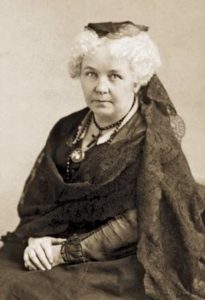
    Elizabeth Cady Stanton, c. 1880

    Elizabeth Cady Stanton was one of the women who first crystallized the Suffrage Movement, having helped organize the Seneca Falls Convention. Her unique background was pivotal in formulating the first demand for women’s suffrage in 1848.

    As the movement grew and drew public attention, Stanton proved herself to be a skilled orator and writer, working closely with Susan B. Anthony throughout the years; Stanton actually wrote some of the speeches that Anthony delivered, and– along with Anthony– was one of the founders of the National Woman Suffrage Association. Stanton wrote for a more equitable future in more than voting; in addition to the question of suffrage, she championed a broader view of women’s freedoms, supporting labor rights, property rights, and the right to divorce. She saw that women should have the chance to lead their own lives, taking part in all aspects of society equally to men.

    Movements don’t just happen, they come alive when a group of people decides to take action against injustice, and even small beginnings can lead to sweeping change.

    Elizabeth Cady Stanton came from a privileged background and used her position and means to propel her views. Her father was a prominent attorney, Congressman, and a judge. He also was a slave owner. Elizabeth was exposed to the study of law and the government mechanisms that govern by her father. She was particularly against how religion was used to justify the oppression of women. She penned The Woman’s Bible to tackle misogynistic traditions rooted in religious dogma after being sent to a seminary at the age of sixteen.

    She became an adamant abolitionist to end the practice of slavery in the United States in 1839 at the age of 24. Many historians believe that the Abolitionist Movement to End Slavery experiences and lessons were essential to pave the way for the Women’s Suffrage Movement.

    Stanton wasn’t the only suffragist who saw the reality of sexist injustice throughout her society, and one of her contemporaries joined her in drawing attention to these wrongs. Matilda Joslyn Gage was considered a radical in her time, having fought against traditionalist views as Stanton had. Matilda was on the revising and editing committee for Elizabeth’s  highly controversial The Woman’s Bible. 

    Matilda Electa Joslyn March 24, 1826

    This right to vote was a battle, fought and won 103 years ago by women we will never know, but by what they have written, what others have written about them, and what they have done for all of us.

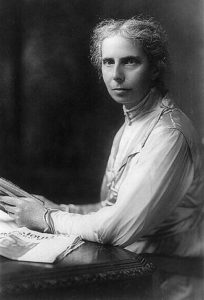
    Alice Stone Blackwell

    One of the women who played a significant role in uniting these two groups was Alice Stone Blackwell.

    She was in a position to do so because of her connection to the AWSA: her mother was Lucy Stone. Along with Alice’s father, Henry Browne Blackwell, they were some of the primary organizers of the group. As Alice Stone Blackwell grew up, she worked with her parents on their paper, theWoman’s Journal, and eventually ran the paper. Once the AWSA and NWSA had merged, Blackwell served as the NAWSA’s recording secretary.

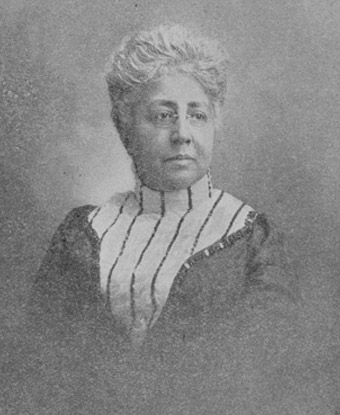
    Publisher and founder of the Woman’s Era Club (which laid the foundation for NAACP), Josephine St. Pierre Ruffin, an activist at heart, a community leader, and a national organizer,  grew up surrounded by the abolitionist ideals of justice, equality, and political representation. Her earliest public service dates to the Civil War, during which Ruffin recruited African American men for the 54th and 55th Massachusetts infantry regiments. After the war, Ruffin served on several charities that helped Southern Blacks. Ruffin dedicated her life to bettering the lives of women and Black Americans both locally and nationally.  NPS.Gov/People/Josephine-St-Pierre-Ruffin.

    A black and white portrait of Josephine St. Pierre Ruffin.
    Josephine St. Pierre Ruffin

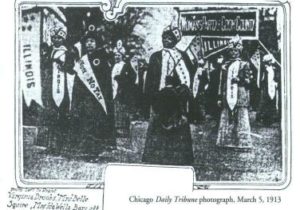
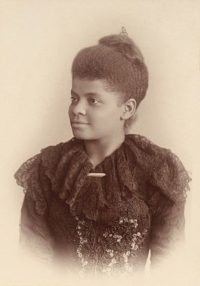
    While the centennial celebrates the federal adoption of women’s suffrage, we shouldn’t forget the smaller victories and works that punctuated the movement’s length, those who spoke out against injustice in many forms, while seeking the vote. One such woman was Ida B. Wells, who played an active role in the suffrage movement of Chicago. The city had given partial suffrage to women. Wells, along with a fellow suffragist Belle Squire, started the Alpha Suffrage Club to advance women’s suffrage further and educate women on civic involvement.

    Ida Wells & Belle Squire marching in 1913

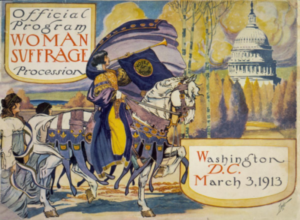
    The club especially supported African American candidates for the city’s elections, working to break down multiple unjust barriers in politics. Wells participated in one of the NAWSA’s best-remembered marches, set in Washington D.C. the day before the inauguration of President Woodrow Wilson. At the beginning of the rally, she was told to walk at the back, but she refused. Ida B. Wells marched with her sister suffragists from Illinois at the front. The power of social change comes from unified work between many people, and Wells refused the idea that she, as a suffragist, could be divided from anyone else.

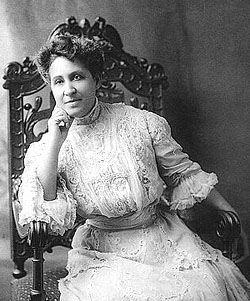
    Along with women like Wells and Ruffin, Mary Church Terrel was an advocate for racial equality. She was entwined with gender equality, which shows throughout her work with the NAWSA, where she frequently met with Susan B. Anthony and Elizabeth Cady Stanton. She insisted that the movement fight for the rights of black women alongside those of white women, and spoke highly of the suffragists who fought for everyone oppressed by the political and social systems of the time. She spoke at NAWSA meetings, delivered speeches, and called for the suffragists to remember all of the women whose vote they worked so hard to gain.

    Ida Wells

    Let’s not allow their work to be forgotten – and let us never give up our full Rights as U.S. Citizens to carry out this all-too-important privilege.

    Despite the NAWSA’s issues with racism, some black women did act within that organization, such as Mary Church Terrel, who was an advocate for racial equality entwined with gender equality, which shows throughout her work with the NAWSA, where she frequently met with Susan B. Anthony and Elizabeth Cady Stanton. Mary insisted that the movement fight for the rights of black women alongside those of white women, and spoke highly of the suffragists who fought for everyone oppressed by the political and social systems of the time. She spoke at NAWSA meetings, delivered speeches, and called for the suffragists to remember all of the women whose vote they worked so hard to gain.

    Mary Church Terrel Sept 23, 1863

    Women’s suffrage had a complex relationship with black civil rights in large part thanks to the period of history in which the suffrage movement began: the Seneca Falls Convention took place in 1848, seventeen years prior to the abolition of slavery. This meant that the women’s rights movement was progressing and focusing at the same time that black people across were achieving freedom and directing themselves in a country that, while changing dramatically, still marginalized them.

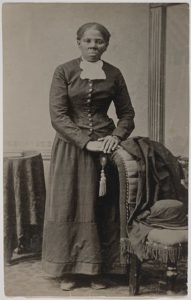
    Harriet Tubman’s work is an example of how black women fought on both fronts; she’s a figure best remembered for her work as a liberator, freeing slaves prior to and during the civil war, but she took part in the suffrage movement as well. During the time of the NAWSA, she traveled to meetings and demonstrations to give speeches, telling of her experiences fighting for freedom and facing down oppressive and dangerous power structures during the time of slavery, and how important the struggle for freedom is. She bridged her advocacy for equality into the fight for the vote, and during this time, Ruffin’sThe Woman’s Erawrote a profile on Tubman, as the country’s attention was once again drawn to her fight.

    Harriet Tubman after the Civil War

    All of these histories show that the suffrage movement’s victory– the adoption of the nineteenth amendment– was the result of disparate people, dedicated and idealistic people coming together and fighting hard for their rights. They gave time, energy, and passion to a movement that would, eventually, provide them with the right to participate in the democracy of their country. The fact that the suffrage movement stayed strong for 70 years united its two significant organizations, tackled legislation at both the national and local levels, is a testament to the people who refused to give up, and whose worked– together– to win the fight.

    It’s been a century since women won the right to vote, and more than 170 years since the American suffrage movement started in earnest. This movement has a lot it can teach us: the value of working together, across the country, to bring about change; the importance of remembering that there is always more than one fight for progress and rights, that we should listen to the voices of everybody who’s been pushed down and denied their rights and opportunities; and, of course, that even in the face of a power structure that calls rebellion and the fight for equal freedoms’ radical’, that fight is a good one, and worth taking on.

    At the Seneca Falls Convention, the call for women’s suffrage rang out in America, whereas before it had been considered a fringe idea, or even impossible. The fight was long, but after seventy-two years, the suffragists made what was ‘radical’ a reality.

    So, in the spirit that the right to vote is something that all people deserve, and should never have been restricted to any one group over another, let’s celebrate the centennial of a victory that brought America one step closer to the ideals of equality, freedom, and the rights of all. The power of the vote has shaped America’s history. We must all understand the importance of voting, and today we recognize those who fought for our rights. We are thankful for those brave suffragettes, for it is their struggle that has given us the right to participate in our democracy regardless of gender.

    It required three generations of fearless activists over a span of more than seven decades working in more than 900 state, local, and national campaigns to finally win the vote for American women. And that active verb – win – is important: Women were not given the vote; they were not granted the vote. As one commentator so aptly describes it: “They took it.” Christian Science Monitor

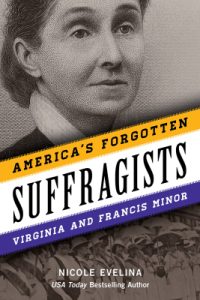
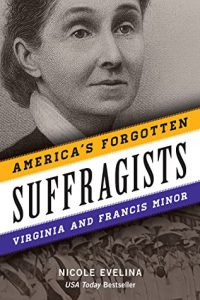
    This year holds a special place in our hearts as we also celebrate the exceptional work of Nicole Evelina, whose groundbreaking book, ‘America’s Forgotten Suffragists: Virginia and Francis Minor,’ sheds light on the indelible contributions of lesser-known suffragists. Evelina’s meticulously researched biography illuminates the lives of Virginia and Francis Minor, who, alongside their better-known contemporaries, shaped the course of women’s rights and equality. Their story, like many others, exemplifies the unyielding spirit that fueled the suffrage movement.

    America's Forgotten Suffragists CoverGold and Blue Badge for the Nellie Bly Awards Grand Prize Winner Nicole Evelina's book The Forgotten SuffragistsRead the Chanticleer review here! 

    As we honor the remarkable journey that brought us to this juncture, we are reminded that progress is a collective endeavor. The road to universal suffrage was marked by sacrifices, courage, and a shared vision of a more just world. The fight for equality continues to resonate, urging us to safeguard the rights that were hard-fought and won.

    Join us in commemorating the 103rd anniversary of the 19th Amendment, a testament to the power of determination, unity, and the enduring spirit of change. Let us remember the past, honor those who blazed the trail, and carry forward their legacy as we champion equality and justice for all.

    Links to Sources and Resources:

    A Timeline of Voting Rights Actshttps://www.businessinsider.com/when-women-got-the-right-to-vote-american-voting-rights-timeline-2018-10#1965-congress-passes-the-historic-voting-rights-act-removing-discriminatory-barriers-that-kept-many-people-of-color-from-voting-12

    Sources:US Department of JusticeBrennan Center for Justice,Business Insider

    19th Amendment: The six-week ‘brawl’ that won women the vote https://www.csmonitor.com/USA/Politics/2020/0803/19th-Amendment-The-six-week-brawl-that-won-women-the-vote

    Why Celebrate the Centennial of the 19th Amendment?

    Britannicahttps://www.britannica.com/biography/Elizabeth-Cady-Stanton

    History.com

    https://www.history.com/topics/black-history/abolitionist-movement

    https://www.history.com/topics/womens-history/elizabeth-cady-stanton

    https://www.history.com/topics/womens-history/the-fight-for-womens-suffrage?li_source=LI&li_medium=m2m-rcw-history

    Brooklyn Museum – Alice Stone Blackwell: https://www.brooklynmuseum.org/eascfa/dinner_party/heritage_floor/alice_stone_blackwell

    Americans Who Tell the Truth – Elizabeth Cady Stanton   

    https://www.americanswhotellthetruth.org/portraits/elizabeth-cady-stanton

    https://socialwelfare.library.vcu.edu/woman-suffrage/gage-matilda-joslyn/

    NPS – Josphine St. Pierre Ruffin

    https://www.nps.gov/people/josephine-st-pierre-ruffin.htm

    NPS – Ida B. Wells

    https://www.nps.gov/people/idabwells.htm

    Blackpast – Josephine St. Pierre Ruffin

    https://www.blackpast.org/african-american-history/ruffin-josephine-st-pierre-1842-1924/

    Wikipedia – Josephine St. Pierre Ruffin

    https://en.wikipedia.org/wiki/Josephine_St._Pierre_Ruffin

    National Womens’ History Museum – Mary Church Terrell

    https://www.womenshistory.org/education-resources/biographies/mary-church-terrell

    Blackpast.org – Mary Church Terrell

    https://www.blackpast.org/african-american-history/terrell-mary-church-1863-1954/

    Harriet Tubman Historical Society – Harriet Tubman

    http://www.harriet-tubman.org/women-rights-suffrage/

    National Parks Foundation – Harriet Tubman

    https://www.nationalparks.org/connect/blog/beacon-resilience-and-love-harriet-tubman

    Alice Stone Blackwell, between 1880 and 1900
  • Nellie Bly 2023 Hall of Fame Celebrating Journalistic Non-Fiction

    Truth Matters Now More Than Ever

    Your Work can Add to the Conversation

    ***Make Your Story Known Today***

    You have until August 31st to submit to the 2023 CIBAs!

    Nellie Bly Awards

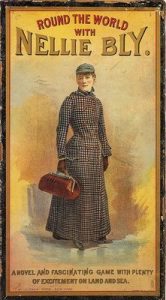
    Elizabeth Cochran Seaman (Better known by her Pen Name, Nellie Bly) created a new brand of Investigative Journalism. Best known for beating Jules Verne’s Around The World in 80 Days in 72 days, and even more amazingly, Going undercover to get herself put into a New York Mental Hospital to then publish an exposé on the unlivable conditions and mistreatment of marginalized women. Journalist, Novelist, Inventor and overall amazing Woman. So its only fitting that our Division for Investigative Journalism be named for the woman who made the genre.

    We’re excited to celebrate the excellent caliber of work that we have had the honor of promoting in the CIBAs for Longform Journalism.

    The Nellie Bly Awards are one of a kind. Check out the following books to find out why!

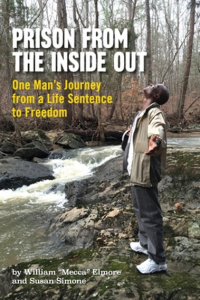
    Prison From The Inside Out
    By William “Mecca” Elmore and Susan Simone

    Prison from Inside Out: One Man’s Journey from a Life Sentence to Freedom is an illuminating chronicle that tells the story of a man who not only survived the stoniest soil but used his experiences to thrive as a human being.

    This arresting memoir is essentially a road trip of William ‘Mecca’ Elmore, a man with a tumultuous childhood, growing up in a neighborhood chock full of social problems. It is in this environment that Elmore is involved in a crime that consequently leads to his arrest and trial. The story builds upon his incarceration in various correctional facilities, his experiences, his release through a Mutual Agreement Parole Program, and his eventual redemption.

    Read More Here


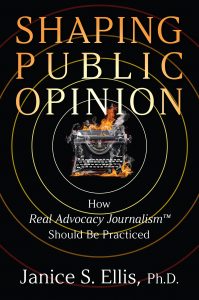
    Shaping Public Opinion Book Cover Image

    Shaping Public Opinion
    By Janice S. Ellis, Ph.D.

    Janice S. Ellis, Ph.D., introduces the journalistic theories of Walter Lippmann in her new non-fiction work, Shaping Public Opinion: How Real Advocacy Journalism™ Should be Practiced.

    Walter Lippmann, considered one of the foremost journalists in the field over the last 100 years, was a mentor in absentia of Dr. Ellis in the art of advocacy journalism. During Lippmann’s 40+ year career, his columns were syndicated in over 250 newspapers nationwide and over 25 other international news and information outlets. Lippman focused on the ethical dissemination of information, especially about communities, society, and the world. A theory, which Dr. Ellis calls Real Advocacy Journalism.

    Read More Here

    Reviews are forthcoming for recent winners, and you can see the full list of 2021 winners here and 2022 winners here. Huge congratulations again to all our Winners!

    The Grand Prize Winner for the CIBA 2021 NELLIE BLY Awards is:

    America’s Forgotten Suffragists: Virginia and Francis Minor

    by Nicole Evelina

    America's Forgotten Suffragists Virginia and Francis Minor Cover


    Gold and Blue Badge for the Nellie Bly Awards Grand Prize Winner Nicole Evelina's book The Forgotten Suffragists

    A Gold Ribbon dividing this section from the next

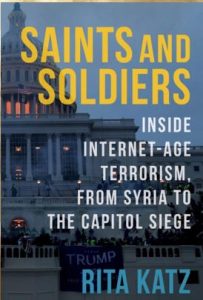
    The Grand Prize Winner for the CIBA 2022 NELLIE BLY Awards is:

    Saints & Soldiers

    by Rita Katz

    The Nellie Bly Grand Prize Badge for Rita Katz and her book Saints and Soldiers


    Now that you’re set on your next reads, what are you waiting for? The only way to join this amazing list of Nellie Bly Winners is to submit today!

    Those who submit and advance will have the chance to win the Overall Grand Prize of the CIBAs and $1000!

    Be Part of the Legacy: Join the Illustrious Roster of Winners

    As the deadline for the 2023 Nellie Bly Awards creeps closer, we extend our heartfelt congratulations to all the exceptional achievers.

    Seeking avenues for your non-fiction prowess? Explore all our Non-Fiction Divisions that provide platforms for various genres and styles.

    With over $30,000 in rewards and prizes given away every year, what are you waiting for? Submit today!


  • 10 Question Author Interview with Elizabeth Crowens – Anthologies, Murder Mysteries, Time Travel

    10 Question Author Interview with Elizabeth Crowens – Anthologies, Murder Mysteries, Time Travel

    CHANTICLEER AUTHOR TEN QUESTION INTERVIEW SERIES
    with Elizabeth Crowens

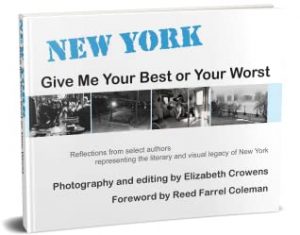
    The 2021 Shorts Grand Prize Badge for New York: Give Me Your Best or Your Worst by Elizabeth Crowens

    Author Elizabeth Crowens has been coming to our conferences (CAC) for a while now – and it is always a good time when she does. In fact, Elizabeth took home the GRAND PRIZE in TWO Divisions in 2021~ The SHORTS Awards for New York: Give Me Your Best or Your Worst and scored majorly in the CYGNUS Awards for A War in Too Many Worlds. And her literary agent just negotiated a 3-Book publishing deal. She is funny, smart, and cares deeply for her fellow authors. In short, she’s a perfect Chanticleerian! I want you to meet her – Elizabeth Crowens.

    Chanti: So, Elizabeth, when did you realize that you were an author?

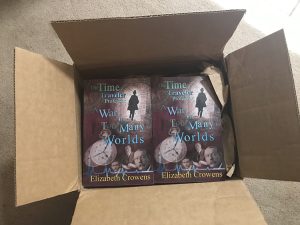
    The 2021 Cygnus Grand Prize Badge for A War in Too Many Worlds by Elizabeth Crowens

    Crowens: When I realized it was too complicated and too expensive to make elaborate feature films all by myself. This, of course, was in the pre-video and pre-smartphone days of motion picture cameras and processing outrageously expensive film stock, of which I had firsthand experience in a film school which touted experimental and avantgarde auteurism rather than commercial productions.

    Although I had the cinematographer’s eye, women in that realm faced a lot of restrictions, so I veered toward screenwriting. Never made my mark in that commercial arena either, but I did start a first draft of a novel, which stayed in my closet for many years until I took it seriously, polished it, and had it published. Now, there are three novels in that series, the latest of which is A War in Too Many Worlds, which won last year’s Grand Prize in the Cygnus Awards. The first book of that series, Silent Meridian, won First Prize in the Goethe Awards, and the second book, A Pocketful of Lodestones, won First Prize in the Paranormal Awards. There will be one more novel, The Story Beyond Time, before I complete my Time Traveler Professor series.


    Chanti: It always amazes me how much you juggle in your work. Good on you! But, how do you come up with your ideas for a story?

    Crowens: There’s always something personal when it comes to my story ideas. For my anthology, New York: Give Me Your Best or Your Worst, for years I had always wanted to publish a coffee table book using my photography. When I inadvertently stumbled upon an artist’s grant which could give me that New York Give me your best or your worst coveropportunity, I gave it a whirl, not expecting anything to come of it. However, there was one caveat—I had to involve others. That’s when I pitched the project like my popular Caption Contest on Facebook and was really surprised when I won one of those grants. Regarding other stories—they come from all over the place but, once again, there’s always a personal connection some way or other.

    Chanti: How do you approach your writing day?

    Crowens: If I can wake around 4:30 am and write until 9:00 am when the “business day” begins, that’s considered a productive day. It’s quiet then, and I don’t have to worry about being interrupted by robocalls or having to deal with the frustrating mundane stuff like booking doctor’s appointments or arguing with inept billing departments over why I don’t owe their bills. Hate that stuff with a passion, and it totally gets me out of the creative zone.

    Chanti: Ugh. I hate the robo calls! How structured are you in your writing work?

    Crowens: To expand upon the previous question, once I’m out of the zone, there’s no way I can force myself to get back on track. Once I have the spare time, I’ll concentrate on reading or watching a film—in the name of research, of course. Got to stay productive—no matter what.

    Chanti: Smart. What areas in your writing are you most confident in? What advice would you give someone who is struggling in that area?

    Crowens: Dialogue. I think that comes from my screenwriting background. Script length is roughly 110-120 pages. My weakest area would be in setting descriptions and sensory reactions. In screenplays, nearly all of that is eliminated unless it’s vital to the script.

    What it's like to be bi-coastal!
    What it’s like to be bi-coastal!

    Chanti: That’s good advice. You work in novels and film – two very different practices, two very different places – so I want to ask you about your craft. What do you do to grow your author chops?

    Crowens: I attend writer’s boot camps and conferences—a lot of them.

    Chanti: We’re always happy to see you at CAC! What craft books have helped you the most?

    Crowens: Story Trumps Structure by Steven James. Anything by Donald Maas or James Bell. Stephen King’s On Writing is a classic. Writer’s Digest publishes a lot of good ones.

    Chanti: What are you working on now? What can we look forward to seeing next from you?

    Crowens: It might be a while since you see my final alternate history/science fiction novel in the Time Traveler Professor series, because I’ve been concentrating on Hollywood mysteries. One of the reasons why I like entering in the Chanticleer Author Awards is that they allow unpublished manuscripts to A War in Too Many Worlds compete against the published ones. I have three unpublished mysteries which have won first prizes in various categories, and I’m keeping my fingers crossed that the one my agent is currently shopping, will leap beyond a finalist this year in the M&Ms or the Clue Awards.

    Chanti: Best of luck to you in the CIBAs! They don’t let me near them, so luck is the only thing I can offer. Do you ever experience writers block? What do you do to overcome it?

    Crowens: There are two instances where I hit a wall. One I mentioned previously, and that’s when I’m knocked out of the zone. The other is that cooling off period when I’m completely done with a project. During that time, I catch up on a lot of books and movies, many of which have no relation whatsoever to anything I might need for research on a future book. That’s the time to hit my TBR pile. Often, they might be novels from an author I know.

    Chanti: I like how you handle that. It’s productive – and sounds like it’s predictable as well. Good for you! What is the most important thing a reader can do for an author?

    Crowens: Give us reviews! Post them on Amazon, even if it isn’t a “verified sale” on Amazon and you purchased your copy at a retail store or book fair, and on Goodreads. NetGalley. Blog about them.

    Chanti: You heard it from the author, herself! The most helpful thing is to write the review – and talk up the books!

    EXCITING NEWS for Elizabeth Crowens – This just in! 

    We are beyond thrilled to announce that Elizabeth received a 3 Book Deal with her agent, Elizabeth K. Kracht for her Babs Norman 1940s Hollywood Mystery series.  The Deal was announced in Publishers Marketplace. Here’s a link to her website where the good news is also mentioned, and another link to her Facebook announcement: https://www.facebook.com/thereel.elizabeth.crowens

    Now that’s something to crow about!

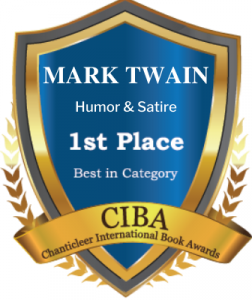
    Elizabeth entered her unpublished manuscript, Babs and Basil, and the Hounds of the Hollywood Baskervilles, into the Mark Twain Book Awards division of the Chanticleer International Book Awards where it was awarded a First Place Blue Ribbon.

    May be a graphic of text that says 'Publishers Marketplace Deal Report HOUNDS OF THE HOLLYWOOD BASKERVILLES By Elizabeth Crowens Imprint: Level Best Author NEW YORK: GIVE ME YOUR BEST OR YOUR WORST Elizabeth Crowens's HOUNDS HOLLYWOOD BASKERVILLES which charming, failed young actor Hollywood golden age turns private investigator help Hollywood elite Basil Rathbone findA, famous missing canine thespian Hollywood, and growing list other vanished screenland hounds, Verena Rose Level Best, nice deal, three- book deal, for publication spring 2024, Elizabeth Kracht at Kimberley Cameron Associates (NA). liz@kimberleycameron.com Digital: Fiction: Mystery/Crime August 1, 2023'


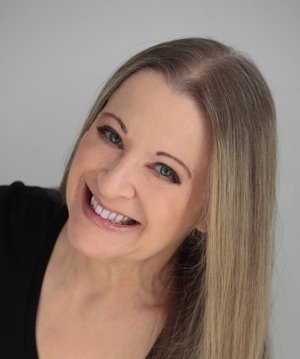
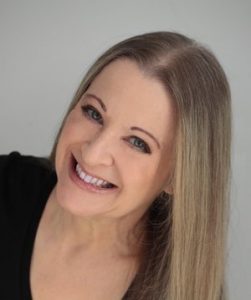
    A white woman with blue eyes and blonde hair smiling against a gray backdropElizabeth Crowens has worn many hats in the entertainment industry in NY and LA for over 25 years. Writing credits include short stories and articles in  Black Belt, Black Gate, and Sherlock Holmes Mystery magazines, stories in Hell’s Heart and the Bram Stoker Award-nominated A New York State of Fright, and three alternate history/SFF novels, which she self-publishes under the name of Atomic Alchemist Productions. Recipient of the MWA-NY Leo B. Burstein Scholarship, NY Foundation of the Arts grant to produce a self-published, photo-illustrated anthology, a Glimmer Train Honorable Mention, an Eric Hoffer Award First Prize, two Grand Prize and four First Prize Chanticleer Review awards. She is represented by Elizabeth K. Kracht at Kimberley Cameron & Associates, is currently writing in the Hollywood mystery genre, and is seeking a traditional publisher.
    If you would like to learn more about Elizabeth Crowens author extraordinaire, please like and follow her on her webpage: https://www.elizabethcrowens.com/


  • The Ropes Around Research for the Accurate Writer — Chanticleer Toolbox Article by David Beaumier

    The Ropes Around Research for the Accurate Writer — Chanticleer Toolbox Article by David Beaumier

    When you start researching a project? Where do you begin? What should you include?

    Doing research for your stories isn’t just for creative Non-Fiction, though we do have 7 Non-Fiction Book Awards ready to discover new books year round. The other categories that we think benefit most from research are the Lab Lit section of our Global Thriller Awards here, hard SciFi as seen in our Cygnus Awards here, and of course our pre-1750s Chaucer Awards here, and post-1750s Goethe Awards here, both in historical fiction.  

    Speaking of our Chanticleer International Book Awards, remember that the 2023 CIBAs will be announced at our 12th Anniversary Conference on April 18-21, 2024! Seating is limited, so register today!

    A Black woman in a white lab coat doing research with vials and beakers

    In this article, we’ll look through different types of research, including interviews, ethnographies, and place-based research. You can learn more from Carol M. Cram’s article here on tapping experts for your book.

    1. Interview for Research

    This is a simple and reliable option to learn more about the subject at hand. For example, one of our favorite ChanticleeriansJanet Oakley (interviewed here), is no stranger to tracking down people to talk to in order to complete her novels. In writing her book, The Jøssing Affair (read the review here) set in occupied Norway during WWII, Oakley interviewed people who lived through the occupation to better understand what they went through.  

    In giving an interview, you often want to start out with the easier questions, warming your subject up and giving them a chance to relax into the easy rhythm of responding. This gives you a chance to form a connection with a real person that might even last beyond the interview, and it lets you warm up to more difficult questions. 

    2. Ethnography for Research

    Binoculars In Hand From The Bushes Stock Photo - Download Image Now - iStock

    Ethnography refers to observing people from the outside to better understand how they work. If you’re writing a police procedural (as one might for the Clue Awards) and want to capture the atmosphere in a police station, you might ask to sit in one for a while and take notes.

    In conducting good ethnographic research, you want to record the day of the week, the time, and a basic standard for how you take notes. If it’s quiet, how do you interpret the quiet and why? Is it the end of the day when people are ready to go off shift or has something bad happened that’s set a pall over the precinct? How do those quiets look different to you?  

    You’ll record the day of the week and the time because places look different at different times. There’s a Friday feel, even at places that work through the weekend, and any obstetrician will tell you the difference between a normal workday and a full moon. 

    3. Place-Based Research

    This is similar to ethnography except you are going and spending time in the location where your work takes place – whether Non-Fiction or Fiction. You can bet that Janet Oakley also went to Norway to better understand what living there would be like and see what changes have taken place since WWII. Plus, it’s always easier to find people to interview in the country that you’re writing about.  

    Someone conducting research at the base of a tree
    Fantasy writers travel to new lands through portals in trees.

    The question to ask here is how does the setting become a character for you in a way that will let your reader believe that the place is real. And remember, just because it is real or what you’re describing really happened a certain way, that doesn’t mean the way you’ve described it is believable to the reader. Having the extra experience of actually lived or visited the place that you’re writing about adds that extra touch of veracity.  

    4. Research Map

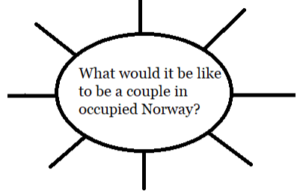
    As you embark on your research you can begin your research map. We recommend starting with your central question. Oakley’s question for The Jøssing Affair was “What would it be like to be a couple in occupied Norway?” 

    Beginning of a web brainstorm

    From this point she can begins to expand into other interests as she goes through the story. As you start your research map, you might end up finding out that your central question, while great for generating research, might not end up being the focus of the story. Be open, let the ideas take you where they need to go in the story.  

    5. Find a Second Pair of Eyes


     Once you’ve put everything together it’s easy to be so close to your work that you can’t be objective about it in a regular novel, but once you start using research it can fall into many pitfalls. Maybe your historical novel starts to sound too much like a travelogue, or your lab lit begins to like a textbook instead of a thriller. Inviting someone from outside your area of the specialized novel is a great way to find out how your readers will react to your text.

    We always recommend a Manuscript Overview that does a deep dive into the general strokes of your book followed by our Editorial Services to move step by step through your book and really make it sing.

    No matter where you are in your story, you should be proud of the work you have put in so far! Research is difficult, and we know you’re on your way to great things!


    Writer’s Toolbox

    Thank you for reading this Chanticleer Writer Toolbox article.

    Writer Toolbox Helpful Links: 

    TAPPING the EXPERTS – Researching for Your Works in Progress by Carol M. Cram

    10 QUESTION INTERVIEW WITH MULTI-AWARD WINNING AUTHOR JANET OAKLEY

    An Editorial Book Review of The Jøssing Affair by J.L. Oakley

    The traditional publishing tool that indie authors can use to propel their writing careers to new levels?  https://test.chantireviews.com/2016/05/15/the-seven-must-haves-for-authors-unlocking-the-secrets-of-successful-publishing-series-by-kiffer-brown/

    Got a great book?

    The 2023 CIBAs are open now!

    Blue button that says Enter a Writing Contest

    View all awards and upcoming deadlines here. Over 30,000 in Cash and Prizes are given away annually!

    When you’re ready, did you know that Chanticleer offers editorial services? We do and have been doing so since 2011.

    Our professional editors are top-notch and are experts in the Chicago Manual of Style. They have and are working for the top publishing houses (TOR, McMillian, Thomas Mercer, Penguin Random House, Simon Schuster, etc.).

    If you would like more information, we invite you to email Kiffer or Sharon at KBrown@ChantiReviews.com or SAnderson@ChantiReviews.com for more information, testimonials, and fees.

    We work with a small number of exclusive clients who want to collaborate with our team of top-editors on an on-going basis. Contact us today!

    Chanticleer Editorial Services also offers writing craft sessions and masterclasses. Sign up to find out where, when, and how sessions being held.

    A great way to get started is with our manuscript evaluation service, with more information available here.

    And we do editorial consultations for $75. Learn more here.  

    If you’re confident in your book, consider submitting it for a Editorial Book Review here or to one of our Chanticleer International Awards here.